Categories
Dear Reader

Dear Reader #101

Dear Reader,

My latest translation in Portuguese, The Olive Tree: Roots. A Spanish Civil War Saga. Available soon 🙂
Many of my London ancestors came from Lambeth. This is the Thames foreshore at Lambeth, c1866, a photograph by William Strudwick, one of a series showing images of working class London.

My article about SOE heroine Eileen Nearne appears on page 36 of this month’s Seaside News.

Mapping my ancestors over the past thousand years.

Map One: Twentieth Century.

My twentieth century ancestors lived in Glamorgan, London and Lancashire. My Glamorgan ancestors were born there while some of my London ancestors were evacuated to Lancashire during the Second World War where they remained for the rest of their lives.

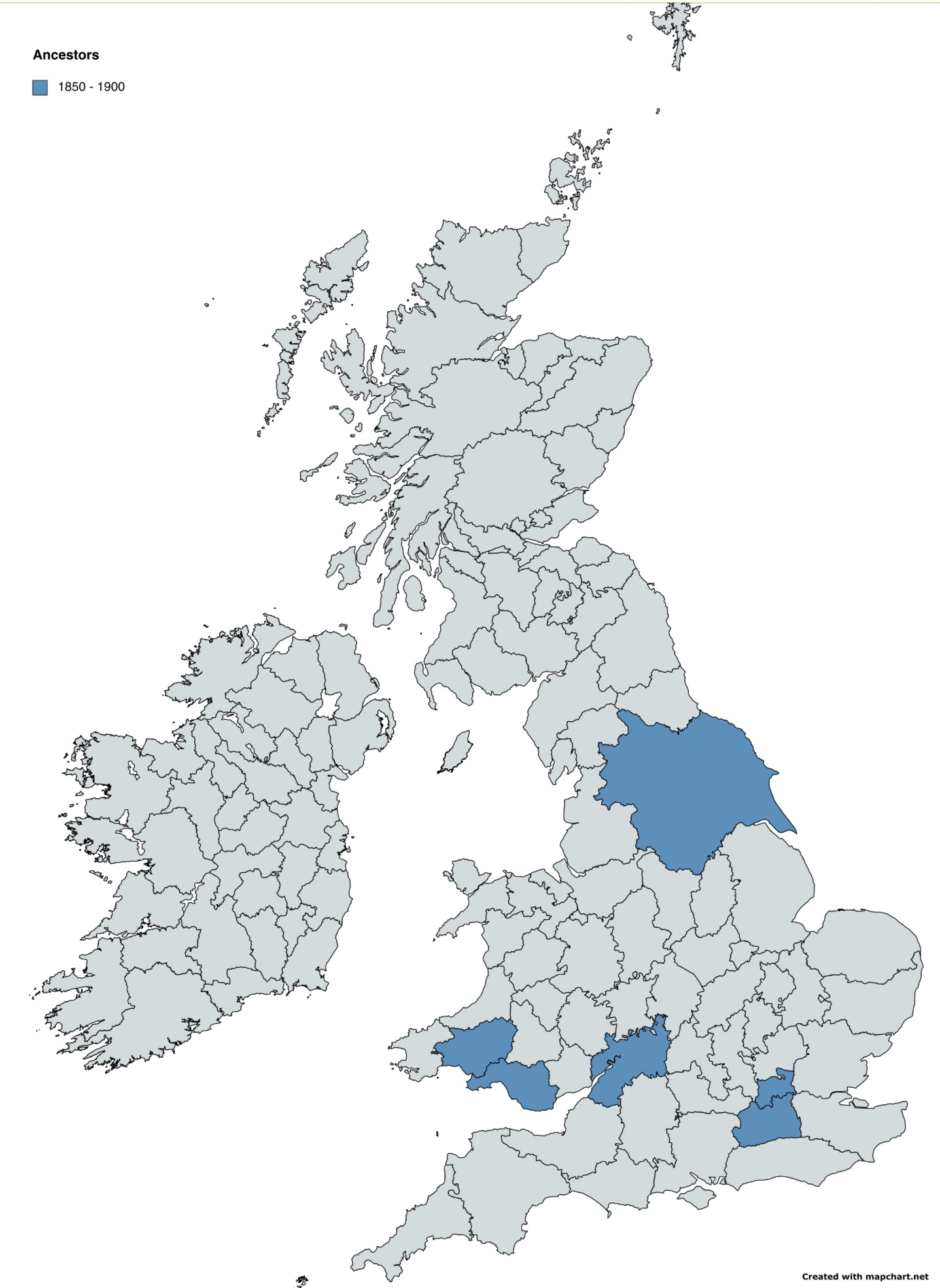
Map Two: 1850 – 1900

Three new counties appear on this map: Carmarthenshire, Gloucestershire and Yorkshire. Yorkshire is represented by a sailor who lived in Canada for a while before settling in London. My Gloucestershire ancestors moved to London because they had family there, and no doubt they were looking for better employment opportunities. My Carmarthenshire ancestors moved to Glamorgan to work on the land, on the newly developing railway lines, and in the burgeoning coal mines. Some branches emigrated to Patagonia, but my direct ancestors remained in Glamorgan.
Published this weekend, Stormy Weather, book eighteen in my Sam Smith Mystery Series. My intention was to write one book, but I’m delighted that Sam convinced me to develop her story into a series 🙂
My 2 x great grandmother Jane Dent was baptised on 9 October 1870. The eldest daughter of Richard Davis Dent and Sarah Ann Cottrell, she lived in Whitechapel during the terror of Jack the Ripper.

The police investigated eleven brutal murders in Whitechapel and Spitalfields between 1888 and 1891. Subsequently, five of those murders were attributed to Jack the Ripper, those of Mary Ann Nichols, Annie Chapman, Elizabeth Stride, Catherine Eddowes and Mary Jane Kelly, the murders taking place between 31 August and 9 November 1888.

The murders attracted widespread newspaper coverage and were obviously the major talking point within the Whitechapel community. What did that community look like and where did my ancestor, Jane Dent fit in?
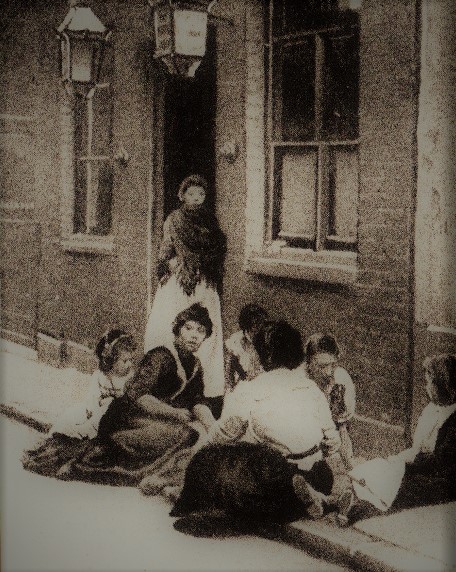
Members of the public on the streets of Whitechapel, London, circa 1890.

By the 1840s, Whitechapel had evolved into the classic image of Dickensian London beset with problems of poverty and overcrowding as people moved into the city from the countryside, mingling with an influx of immigrants. In 1884, actor Jacob Adler wrote, “The further we penetrated into this Whitechapel, the more our hearts sank. Was this London? Never in Russia, never later in the worst slums of New York, were we to see such poverty as in the London of the 1880s.”

In October 1888, Whitechapel contained an estimated six-two brothels and 1,200 prostitutes. However, the suggestion that all the Ripper’s victims were prostitutes is a myth. At least three of them were homeless alcoholics. The common thread they shared was they had fallen on hard times.

Jane’s father, Richard Davis Dent, died in 1883 when she was twelve so Jane lived in Whitechapel with her mother, Sarah Ann, and younger brothers and sisters, Thomas, Arthur, Eliza, Robert and Mary. The 1881 census listed Jane as a scholar, and it’s likely that she became a domestic servant after her schooling.
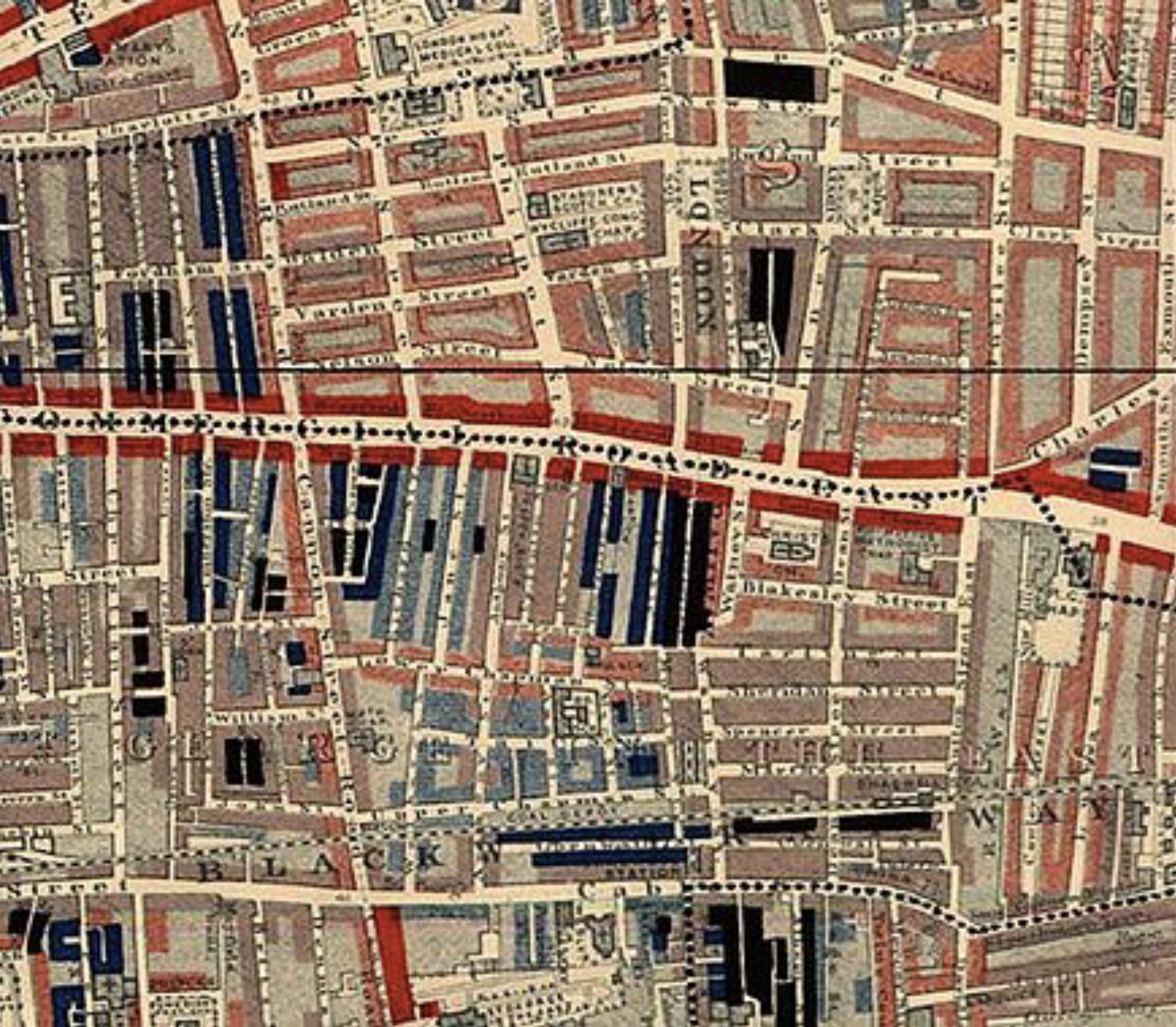
Charles Booth’s poverty map of Whitechapel. The red areas are affluent while the black areas indicate criminals and extreme poverty.

The Dent family lived in Urban Place. Their neighbours included a toy maker, a tobacco pipe maker, a French polisher, a vellum blind maker and a cabinet maker. These people were skilled artisans, so it wasn’t the roughest of neighbourhoods. Nevertheless, did Jane and her family discuss Jack the Ripper and his latest atrocities over the dining table? Almost certainly they did, and mothers throughout the generations have echoed Sarah Ann’s warnings to her daughters.

Did Jane meet Jack the Ripper, socially, at work or in the street? Possibly. Did she have a suspect in mind? Her thoughts were not recorded so we will never know. Did she modify her behaviour and avoid Whitechapel’s network of dark and dangerous allies? It is to be hoped that she did.

Although there are numerous suspects, from butchers to members of the royal family, it’s unlikely that we will ever discover Jack the Ripper’s true identity. The police at the time were led in the main by retired army officers, and were not the brightest detectives. Forensic science was basically unknown, so evidence gathering was limited. Nevertheless, the police’s failure to identify Jack the Ripper does raise some serious questions. 
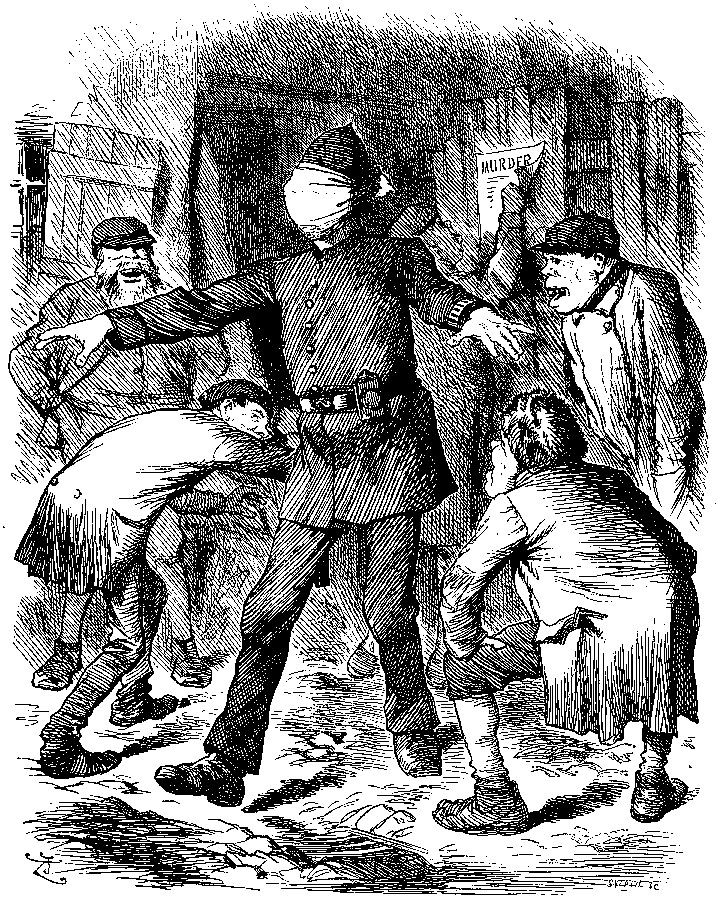
‘Blind Man’s Bluff’. A Punch cartoon by John Tenniel, 22 September 1888, criticising the police investigation.

Was there a cover-up? It’s likely that members of the royal family did visit prostitutes – this is a common theme over many centuries – and the government would have issued instructions to the police to cover-up any royal association with prostitutes for fear of a public backlash and revolution, which was rife in parts of Europe. Any royal cover-up would have hampered the investigation, but ultimately Jack the Ripper evaded arrest because the Victorian police force did not have the skills required to solve complex murders.

By 1891, the Whitechapel murders had ceased and Jane had married William Richard Stokes, a cabinet maker. The couple moved to Gee Street, in the St Luke’s district of London where they raised a family of nine children, including my direct ancestor, Arthur Stokes, and Robert Stokes who died on 26 June 1916 at Hébuterne, Nord-Pas-de-Calais, France during the First World War.

Jane Dent survived the terror of Jack the Ripper, but memories of his murders must have remained with her for the rest of her life. After all, she was only eighteen years old, an impressionable age in any era. She died on 6 June 1950 in the London suburb of Walthamstow.

As for Jack, I suspect that either he took his own life in November 1888 or, unknown as the Ripper, he entered an asylum at that time, and remained there for the rest of his life. Jack the Ripper was a compulsive murderer. He didn’t stop killing, something stopped him.

As ever, thank you for your interest and support.

Hannah xxx

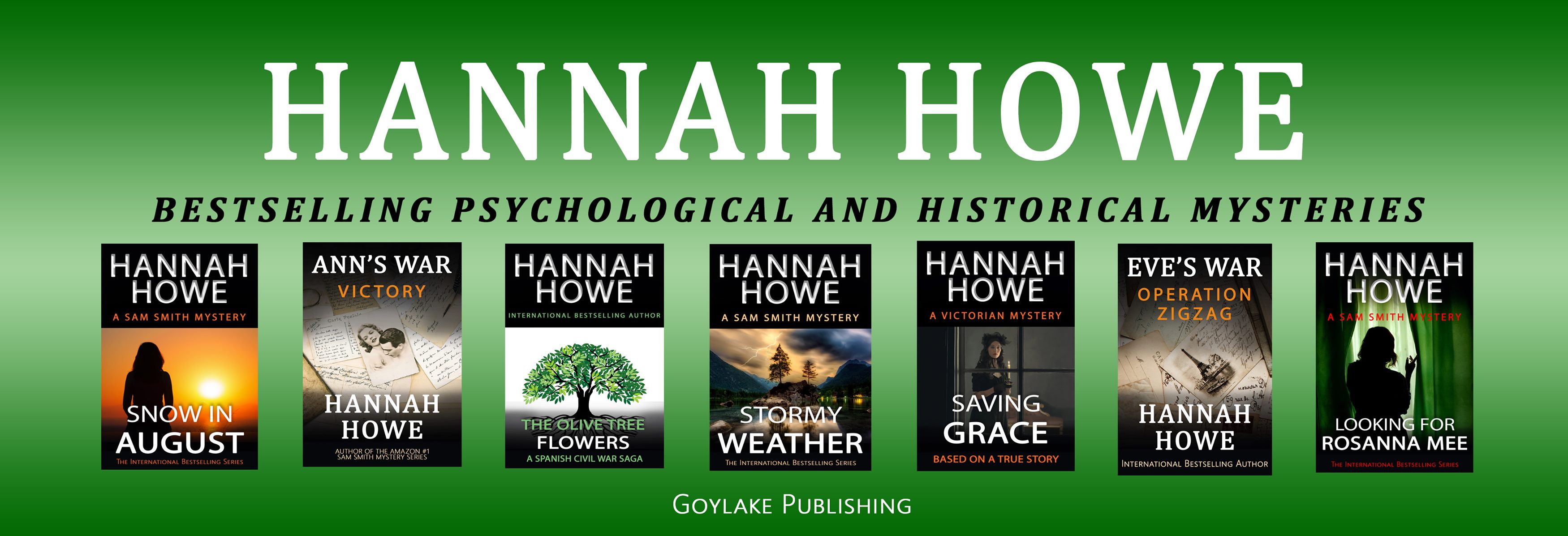
Bestselling psychological and historical mysteries from £0.99. Paperbacks, brand new in mint condition 🙂
https://hannah-howe.com/store/
Categories
Dear Reader

Dear Reader #100

Dear Reader,

Some chart news. Operation Zigzag is #1, my thirtieth #1. Also, Operation Sherlock is a top thirty hot new release. And one for the album, Stormy Weather is a hot new release alongside Raymond Chandler and Lee Child. Many thanks to everyone who made this possible.

My article about SOE heroine Virginia Hall appears on page 36 of the Seaside News 🙂

My latest translation, Operation Broadsword in German. Sandra has translated nine of my books. It’s wonderful to work with someone so talented.

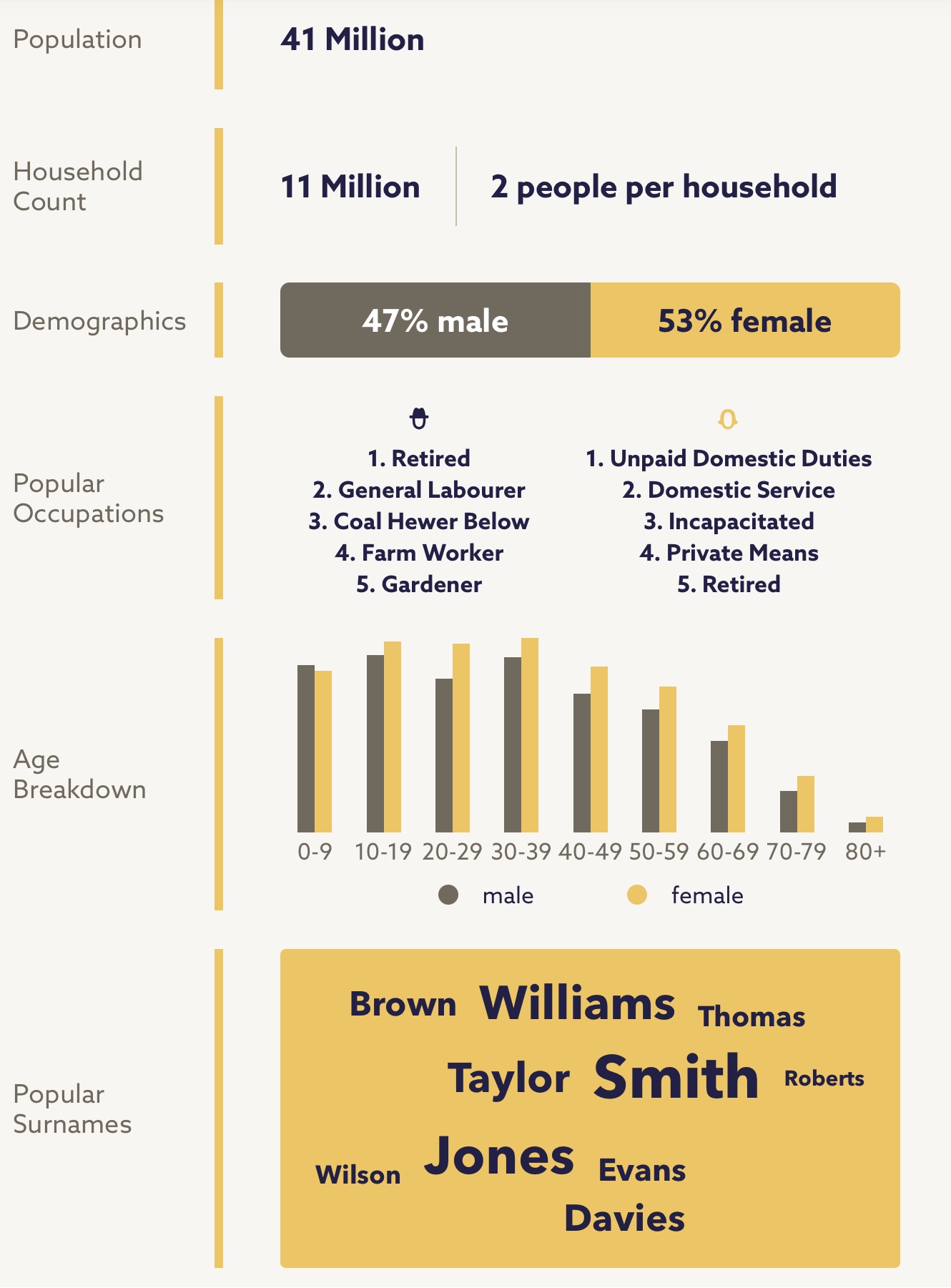
Wales and England in 1939, just before the outbreak of the Second World War. Source: Find My Past.

The Noulton branch of my family were season ticket holders at the Old Bailey with several generations of the family in trouble with the law.

I’ve just discovered that my 5 x great grandfather James Noulton, aged twelve, was sent to the Royal Philanthropic Society’s School in 1801. Established by gentlemen in London in 1788, the Philanthropic Society was concerned with the caring of homeless children left to fend for themselves by begging or thieving. Those admitted were children of criminals or those who had been convicted of crimes themselves. The school, pictured, moved to Redhill in 1849.

Many of the children were encouraged to emigrate to Australia, Canada or South Africa, or to join the army or navy. This ties in perfectly with my ancestor James because he joined the navy and served in the Napoleonic wars. More details in a future post.

My store, freshly updated. Bestselling psychological and historical mysteries from £0.99. Paperbacks, brand new in mint condition 🙂
https://hannah-howe.com/store/

Meet my ancestors, my 15 x great grandfather, Sir Rhys ap Thomas (1449 – 1525), the chief Welsh supporter of Henry VII.

Sir Rhys was the third son of Thomas ap Gruffudd ap Nicolas and Elizabeth Gruffydd. Through marriage to Elizabeth, daughter and heiress of Sir John Gruffydd of Abermarlais, Thomas ap Gruffudd ap Nicolas linked his family and thus this branch of my tree to the Welsh princes. 

Sir Rhys ap Thomas

With the Yorkists in the ascendant, as a child Sir Rhys joined his father at the court of Philip the Good, Duke of Burgundy. Father and son returned to Wales in 1467. On the death of his father, who had been predeceased by his two elder sons, Sir Rhys succeeded to the family estate. 

Lancastrian by tradition, Sir Rhys’ family opposed Richard III and made overtures to Henry Tudor while the latter was in exile in Brittany. 

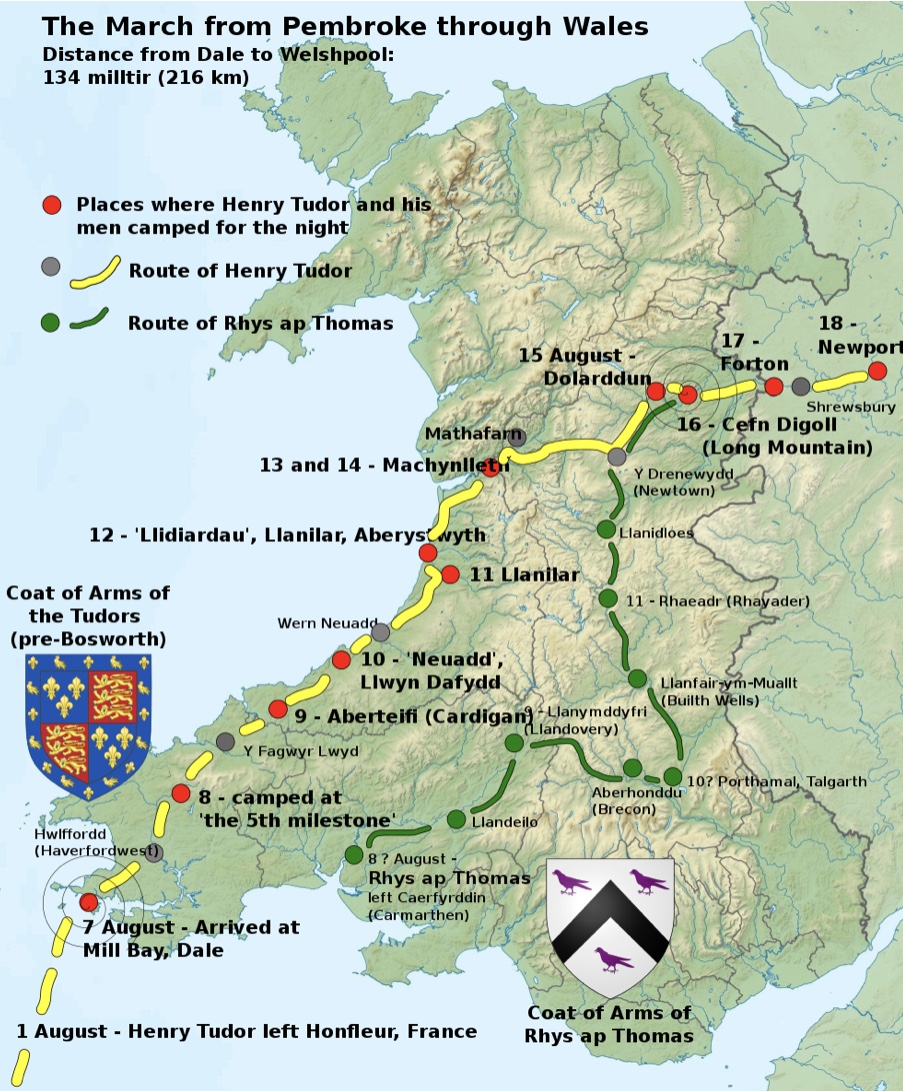
Sir Rhys welcomed Henry Tudor when the latter landed at Milford Haven and used his considerable influence to rally support for the future king, recruiting 500 men. Henry and Rhys’ forces marched separately through Wales before meeting at Welshpool and crossing into England. Chroniclers described Rhys’ Welsh force as by far the most powerful being ‘large enough to annihilate the rest of Henry’s army.’

Source: Wikipedia

On 22 August 1485, Henry’s army supported by Rhys’ followers met Richard III’s army at the Battle of Bosworth. Richard launched an attack, which Rhys’ men repelled. In desperation, Richard and his knights charged at Henry. The king was unhorsed, surrounded and killed. Some sources claim that Sir Rhys personally delivered the death blow to Richard III with his poleaxe. Whatever the truth, Henry knighted Rhys on the battlefield.

Grateful for his support, Henry Tudor bestowed more honours on Sir Rhys, including the offices of constable and steward of the lordship of Brecknock, chamberlain of the counties of Carmarthen and Cardigan, and steward of the lordship of Builth. Through these posts Sir Rhys held all the chief appointments that were in the king’s gift in South Wales. 

Henry Tudor

In support of the new king, Sir Rhys commanded of a troop of horse at the battle of Stoke (16 June 1487), capturing the pretender, Lambert Simnel, and he participated in the expedition against Boulogne in October 1492. 

At the battle of Blackheath (17 June 1497), Sir Rhys took the rebel leader, Lord Audeley, prisoner and was created a knight-banneret. Also, he was present at the surrender of Perkin Warbeck at Beaulieu Abbey in September 1497. For services to the king, he was was made Knight of the Garter on 22 April 1505. 

Carew Castle

Sir Rhys spent his latter years at Carew Castle. There, he held a great tournament to celebrate his admission to the Order of the Garter, inviting all the leading families of Wales. He also updated the castle, adding a gatehouse and windows.

Sir Rhys ap Thomas married twice, first to Eva, daughter of Henri ap Gwilym of Cwrt Henri, and second to Janet, daughter of Thomas Mathew of Radyr and widow of Thomas Stradling of St Donats. He died in 1525 and was buried at Greyfriars church, Carmarthen. 

As ever, thank you for your interest and support.

Hannah xxx

Categories
Dear Reader

Dear Reader #98

Dear Reader,

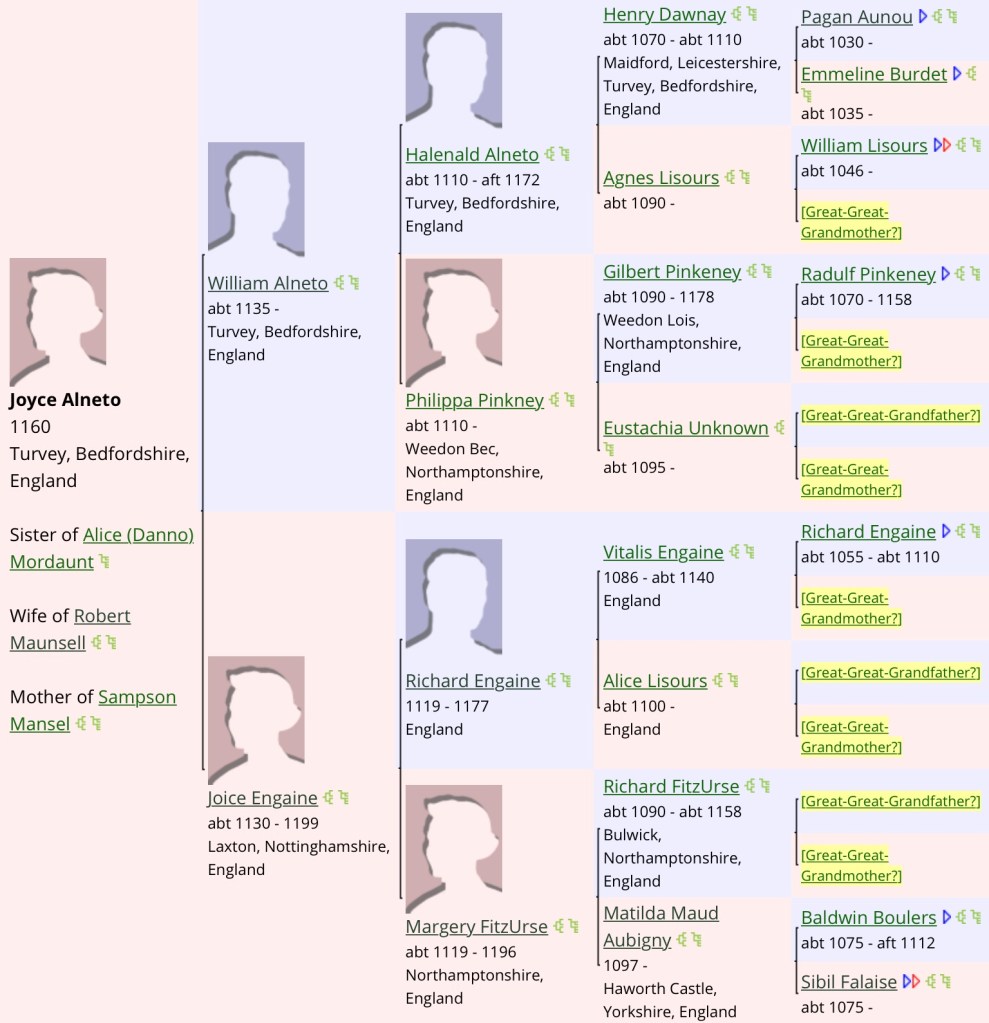
Through Joyce Alneto and Robert Mansell I have traced my family tree back to Alfred the Great, he who burned the cakes. At least I now know where my gene for burning the family dinner comes from 😄

Currently in production and available soon, Operation Broadsword the third audiobook in my Eve’s War Heroines of SOE Series, all narrated by Paula Branch.

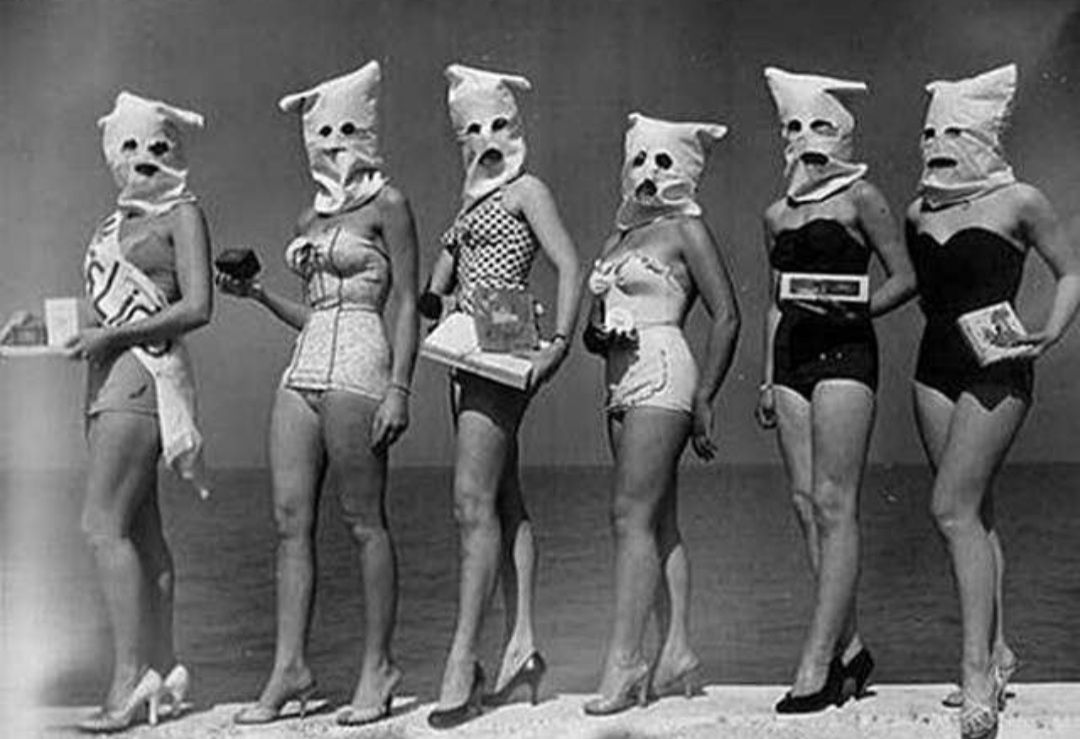
America, 1930s. Not a competition for ‘Miss Ku Klux Klan’, but contestants for a ‘Miss Lovely Eyes’ pageant.

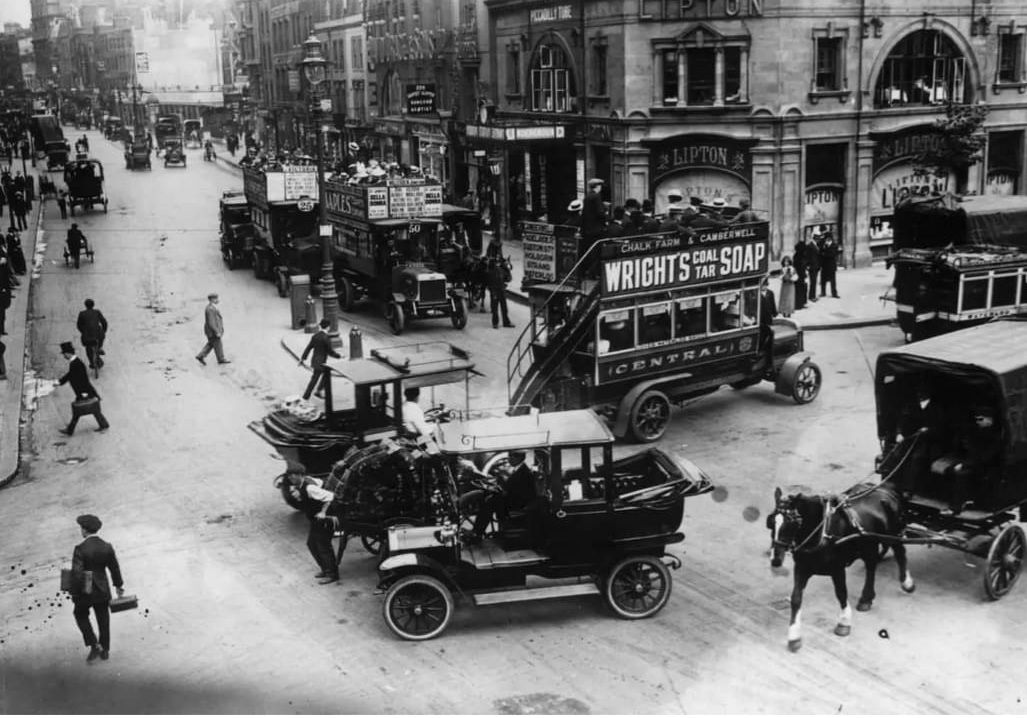
Horse-drawn and motorised traffic at the junction of Holborn and Kingsway in London, 1912. My 2 x great grandfather Albert Charles Bick was a car man, a person who drove a horse and cart in this area during this period. Albert transported coal and pipes.

A colourised version of the same picture.

Continuing the story of the Preston branch of my family.

Sir Richard had a son, Sir Richard, whose son Sir John also served in Edward III’s parliament. Sir John was the last of the Prestons to hold Preston Richard and Preston Patrick. Sir John’s daughter, Margaret, married Alan Pennington and he inherited Preston Richard.

Sir John’s son, Sir John, was a judge at the Court of Common Pleas under Henry IV and Henry V. Sir John retired in 1427 due to old age.

The Court of Common Pleas was a common law court in the English legal system that dealt with actions between individuals, actions that did not concern the king. Created at the end of the 12th century, the Court of Common Pleas remained as a mainstay of the legal system for around 600 years. 

Sir John had three children: John, who became a priest; Richard, my direct ancestor; and a daughter who married Thomas de Ros. The de Ros’ feature on another branch of my family tree and they produced Catherine Parr, wife of Henry VIII.

The Court of Common Pleas

Richard Preston married Jacobina Middleton, daughter of John Middleton of Middleton Hall. He added the manor of Under Levins Hall to the family estate and the couple produced my direct ancestor, Thomas.

Thomas married Miss Redmayne, adding Twistleton to the family estate. They produced a son, John, who also married into the Redmayne family. John married Margaret, daughter of Richard, of Harewood Castle and Over Levins Hall.

John and Margaret’s son, Sir Thomas, married Ann Thornburgh, daughter of William Thornburgh, of Hampsfield in Lancashire. Through the Musgrave, FitzWilliam, Plantagenet and de Warren families, Ann’s branch leads to William the Conqueror. Many noble families intermarried so I have several branches that lead to William the Conqueror.

Sir Thomas further enriched the family estate by adding Furness Abbey and Holker Park in Lancashire. Furness Abbey was the second richest Cistercian abbey in England, after Fountains Abbey.

Sir Thomas acquired Furness Abbey thanks to Henry VIII and his dissolution of the monasteries. Sir Thomas’ estates generated an income of £3,000 a year, approximately £2 million a year in today’s money.

Furness Abbey, c1895.

Sir Thomas had three sons and six daughters, including my direct ancestor, Christopher who founded the powerful Preston branch at Holker Hall. The line of Ellen, Christopher’s sister, led to William Morley who discovered the Gunpowder Plot in 1605.

Christopher married three times: Miss Pickering, Margaret Southworth and Anne Jepson. The union with Margaret Southworth produced my direct ancestor, John Preston of Holker Hall. Christopher had a further son and two daughters, and died on 27 May 1594. 

Holker Hall

John Preston married Mabel Benson, daughter of William Benson Esq of Hughill. This marriage brought part of the Preston Richard manor back into the Preston family’s hands. John’s successor and only child was George Preston, my direct ancestor. John died three years after his father, on 11 September 1597, aged 48.

George Preston was a great benefactor of the stately church at Cartmel, Lancashire where the remains of his grandfather, Christopher, and of his father, John, lay buried. He also supported the poor people of Cartmel by arranging apprenticeships. Furthermore, he established a foundation for scholars so that they could attend St John’s College, Oxford.

George died on 5 April 1640, and was buried at Cartmel. His marriage to Margaret Strickland, daughter of Sir Thomas Strickland of Sizergh Castle, Westmoreland, produced my direct ancestor, Elizabeth. Elizabeth married John Sayer, uniting the Preston and Sayer branches of my family.

Memorial to the Preston family, Cartmel Priory

As ever, thank you for your interest and support.

Hannah xxx

Categories
Dear Reader

Dear Reader #97

Dear Reader,

My home overlooks Margam Park and I just discovered that my 15 x great grandfather Sir Rice (Rhys) Mansell bought the park, and Margam Abbey, when Henry VIII dissolved the monasteries in 1536. Sir Rice demolished the monastery and built Margam House, pictured. 

This line dates back to Philip Mansell, born 1040 in Normandy. Philip was cup bearer to William the Conqueror, a highly responsible position. Philip served William his wine and made sure it wasn’t poisoned.

View of Margam House, Glamorgan, Looking North, c.1700 Attributed to Thomas Smith (fl.1680s-1719)

Oil on canvas

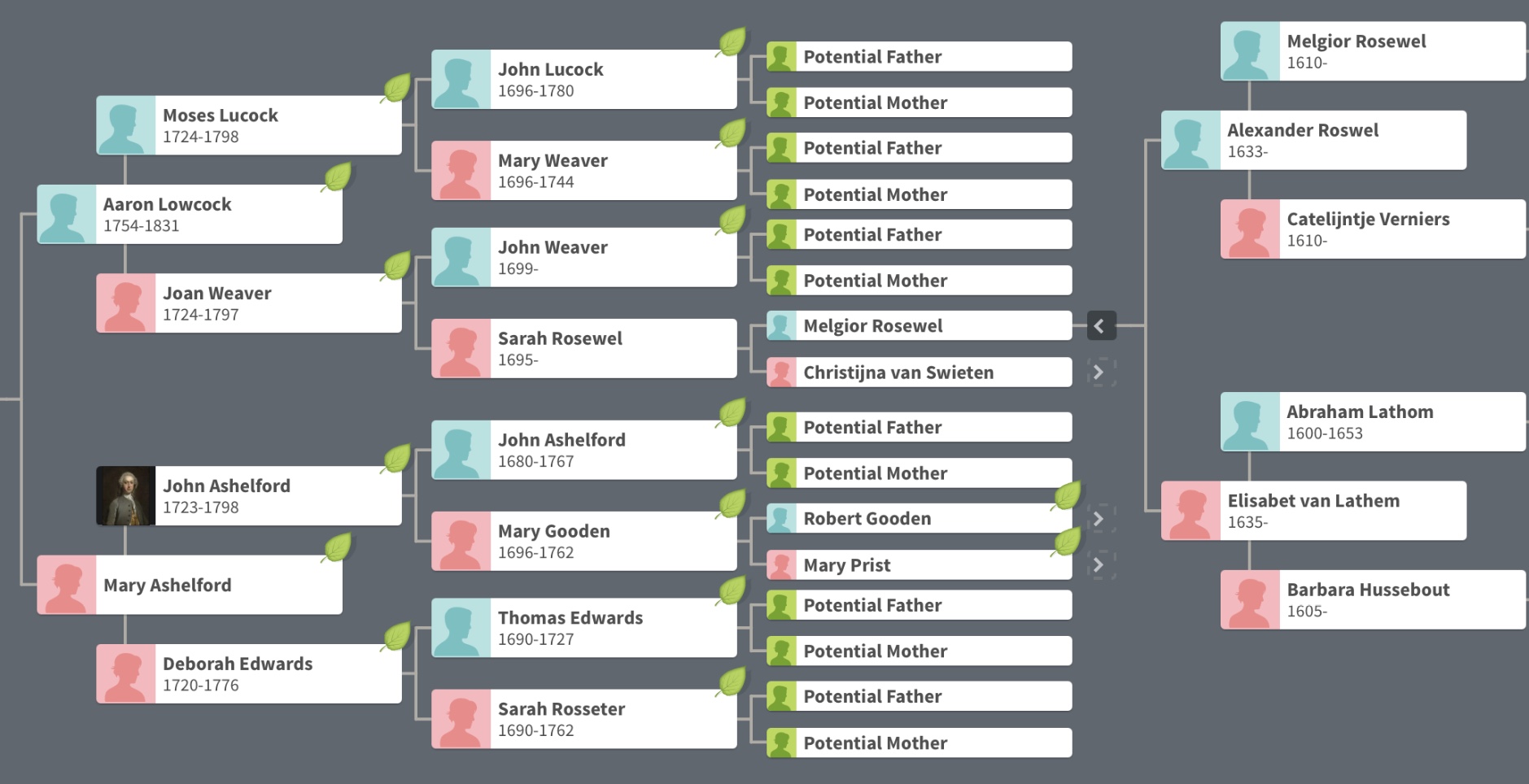
A baptismal record for my 4 x great grandmother Ann Locock has led to sixteen new branches on my family tree. My DNA revealed Dutch ancestors and one of these branches is Dutch, a family from Amsterdam. My 8 x great grandfather, Melgior Rosewel, worked for the Dutch East India Company, which offers scope for a lot more research.

My direct ancestor Sir John Mansell, 1188 – 1264, was a busy man.

  • Privy Counsellor 
  • Constable of Dover Castle, pictured (Wikipedia)
  • Lord Warden of the Cinque Ports
  • Lord of the manor in Berkshire, Suffolk, Sussex, Lancashire, Wiltshire, Hampshire and Kent
  • Cup Bearer to Henry III
  • Founder of a priory in Bilsington
  • Provost of Beverley
  • Treasurer of York
  • Lord Justiciary of England
  • Member of the Council of Fifteen
  • Constable of the Tower of London
  • Chancellor to Henry III
  • England’s first Secretary of State

I think I inherited my multi-tasking from him 😉

An article about Sir John Mansell will follow in a future post.

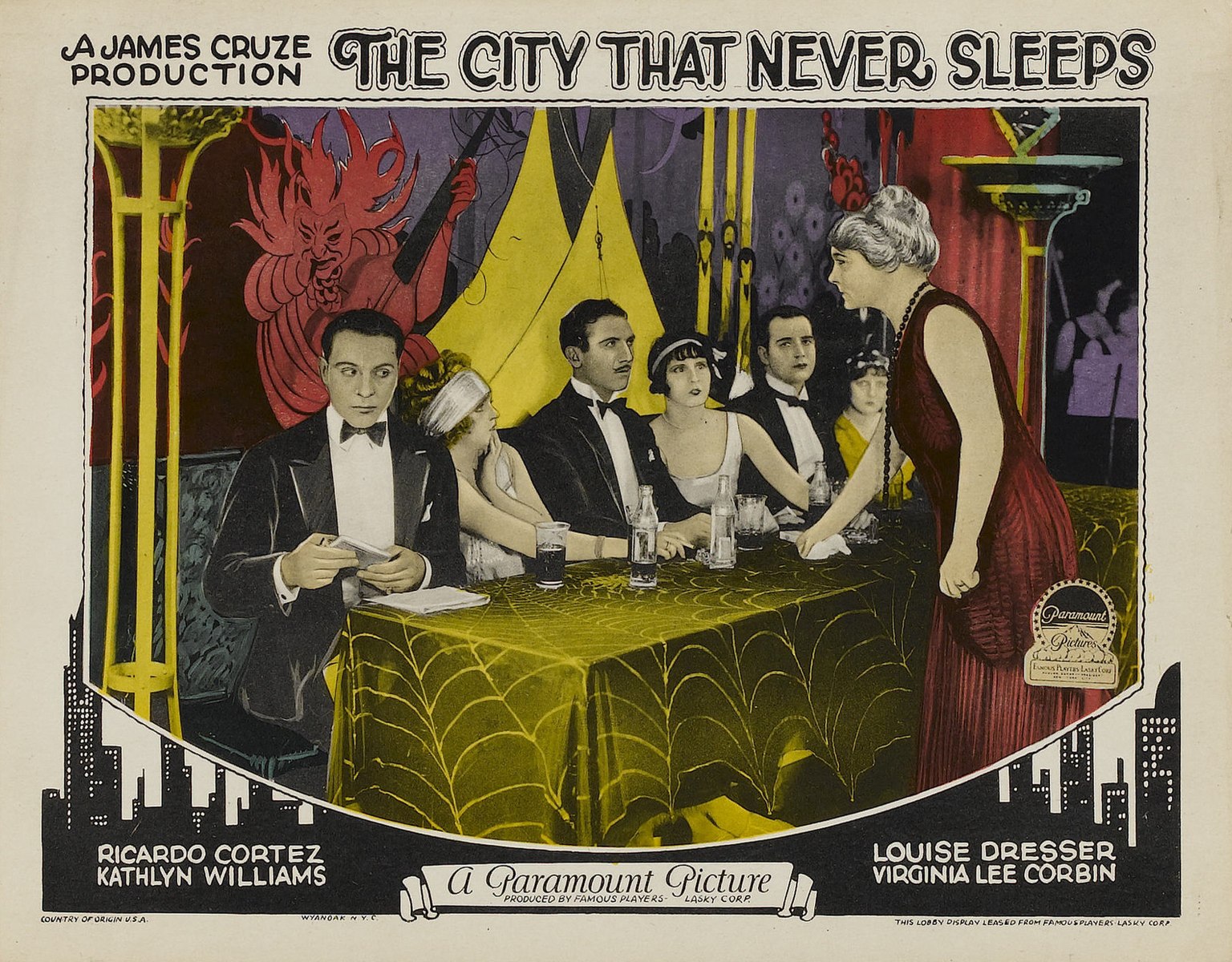
From my research, a lobby card for The City That Never Sleeps, a 1924 silent movie directed by James Cruze.

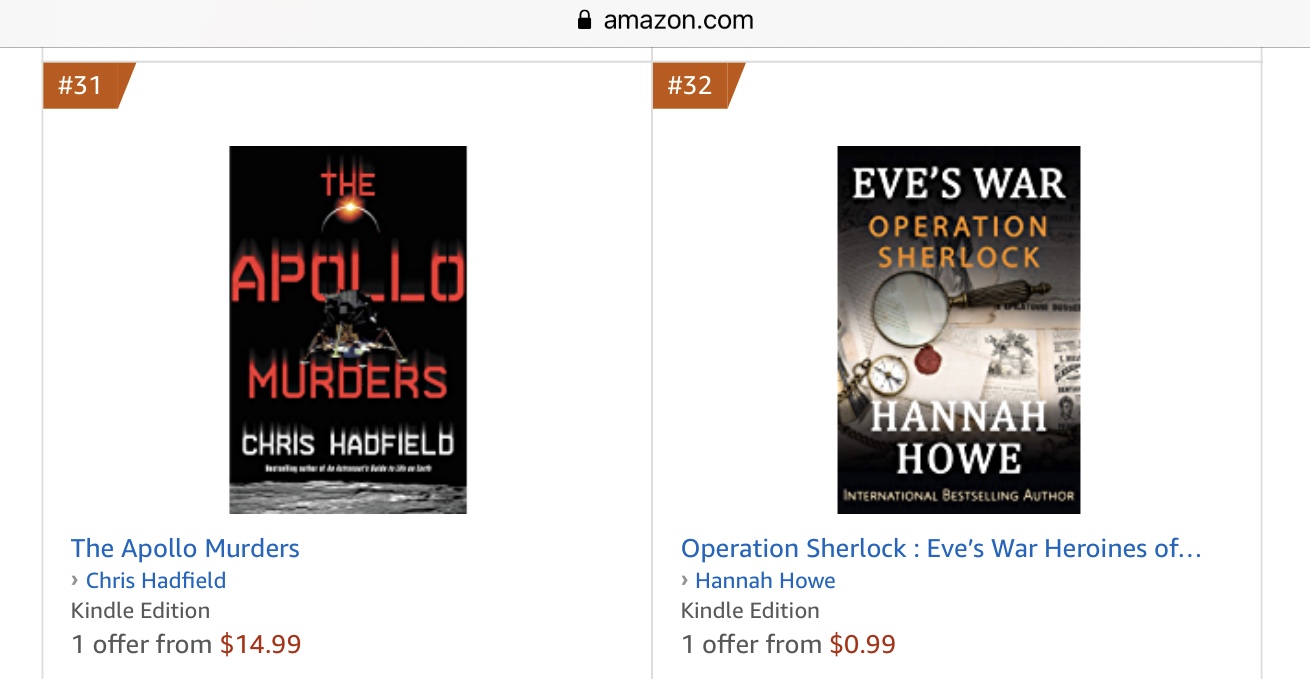
Many thanks to everyone who has placed my forthcoming Eve’s War story, Operation Sherlock, at #32 on the Hot New Releases chart.

One of modern life’s great imponderables…

I never expected to discover ancestors in Kiev, so I double-checked this line and established that it is correct. 

This is an image of my direct ancestor Olga ‘the beauty’ a Pskov woman of Varangian extraction who married Igor of Kiev. After Igor’s death, she ruled Kievan Rus as regent, c945-963, for their son, Svyatoslav.

Only joking 😉

I’ve traced the Preston branch of my family tree back to Leolphus de Preston, who lived during the reign of William the Lion of Scotland, floruit 1165 – 1214. 

Leolphus’ son, also Leolphus, made donations to Newbattle Abbey while his grandson, William de Preston, was one of the twenty-four Scottish nobles chosen by Edward I of England to arbitrate between John Balliol and Robert the Bruce, the main disputants for the crown of Scotland after the death of Margaret Maid of Norway, Queen of Scots.

The nobles met on 3 June 1291 to debate the succession. Debates and adjournments continued until 14 October 1292 when William de Preston and his fellow nobles decided that ‘succession by one degree from the eldest sister was preferable to succession nearer in degree from the second.’

Thus informed, on 17 November 1292 Edward I decided in favour of Balliol who ruled for four years, mainly as Edward I puppet. In 1296 the Scottish nobility deposed Balliol and appointed a Council of Twelve to rule instead. In retaliation, Edward I invaded Scotland, triggering the Wars of Scottish Independence.

Meanwhile, William de Preston’s role of arbiter set a family trend, which resulted in later generations of arbiters and judges.

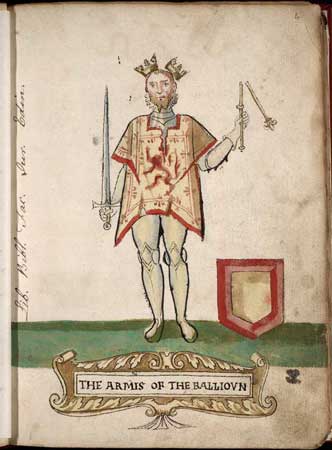
John Balliol, his crown and sceptre symbolically broken, as depicted in the 1562 Forman Armorial, produced for Mary Queen of Scots.

Sir William’s son, Nichol de Preston, was one of the Scottish barons who signed the Ragman Roll in 1296, swearing his allegiance to Edward I.

The Preston line continued with Laurence and his son, Richard. With these generations the Prestons moved south, into Northern England where they owned vast estates in Westmorland, founding the towns of Preston Richard and Preston Patrick.

More Richards followed: Sir Richard Preston, his son Richard, and his son Sir Richard. The latter was called as one of the jurors to settle a dispute between the King of England and the Abbot of St Mary convent, Yorkshire. The dispute centred on the rights to make appointments to the two churches at Appleby. 

Yet another Richard followed and he married Annabella. They produced a son – you’ve guessed it – Richard, later knighted. Sir Richard represented Westmorland in Edward III’s parliament in the mid-1300s, the height of chivalry.

During Edward III’s reign membership of the English baronage was restricted to those who received a personal summons to parliament. At this point parliament developed into a House of Lords and a House of Commons, with the Commons gaining the ascendancy, thus marking a watershed in English political history.

Parliament, 13th century.

As ever, thank you for your interest and support.

Hannah xxx

Categories
Sam Smith Mystery Series

Dear Reader #96

Dear Reader,

Amazing how one record can unlock the past. This baptism record from 14 February 1801 for my 4 x great grandmother Ann Locock has led to eight new branches on my family tree.

It looks like the Battle of Bosworth was a family gathering. I’ve discovered another ancestor there, my 15 x great grandfather Nicholas Wilder, a military leader in the army of the Earl of Richmond. Nicholas supported the victor, Henry Tudor, crowned Henry VII.

Trouble with the neighbours. In 1294 Lady Hornby accused my direct ancestor John de Tunstall of shooting an arrow at her steward because he wanted to seize a wagon laden with corn to make distraint.

A colourised version of a picture taken one hundred years ago, of my great grandmother Edith.

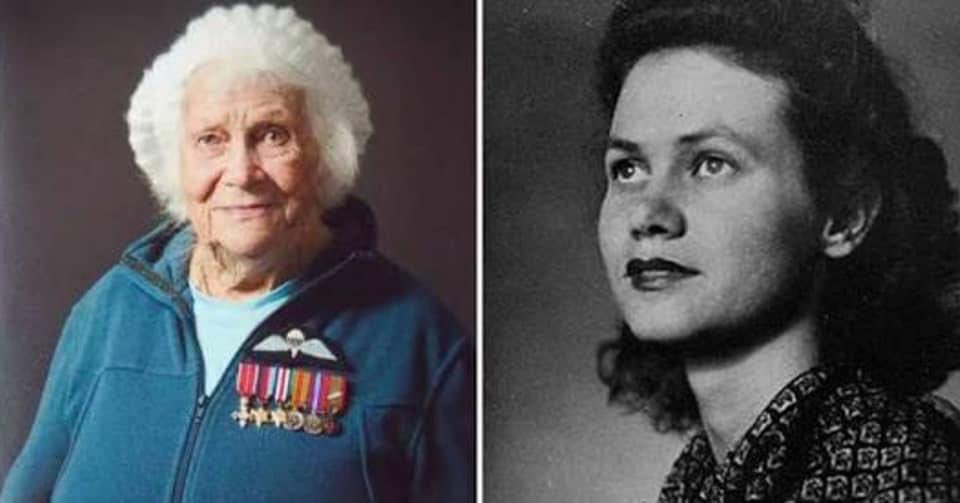
SOE heroine Pippa Latour, was 100 on 9 April 2021.

Available soon, the audiobook version of Mind Games, Sam Smith Mystery Series book eleven.

My 12 x great grandfather Thomas Strickland was born on 6 June 1564 in Kendal, Westmorland, the eldest son of Walter Strickland Esq and Alice Tempest, both the products of gentry families. Thomas lacked Walter’s parental guidance for much of his childhood because his father died in 1569.

On 24 July 1603 Thomas was made a Knight of the Bath, a special knighthood conferred on important royal occasions such as coronations. This practice died out after the reign of Charles II. Later, George I introduced the Order of the Bath.

Sir Thomas Strickland, 1600, aged 36.

At a date unknown, probably during 1596, Thomas married Elizabeth Symon aka Seymour of Bristol, the daughter of John Seymour of Frampton Cotterell, Gloucestershire. The marriage produced a daughter, Alice, who married Sir William Webb, Equerry to Henry, Prince of Wales.

After Elizabeth’s death, Thomas married, c1599, Margaret Curwen, daughter of Sir Nicholas Curwen of Workington Hall, Cumbria, and Anne Musgrave. This marriage produced five children:

  1. Robert, who succeeded his father
  2. Thomas, who left no mark on history
  3. Walter, who married Anne Crofts of East Appleton, Yorkshire
  4. Dorothy, who married John Fleming of Rydal as his third wife
  5. Margaret, my direct ancestor, who married George Preston Esq of Holker Hall 

Through his birth and marriages, Thomas enjoyed a comfortable lifestyle. He studied at Trinity College, Cambridge and in 1584 was made a Justice of the Peace. In 1603 he became a Sheriff and a member of the Council in the North. His roles included overseeing gaols, sewers and charities. 

Thomas’ ancestors acquired the estate at Sizergh by marriage in 1239. The family regularly represented Westmorland in parliament from 1307 and Thomas was appointed custos rotulorum as soon as he came of age. 

Margaret Curwen, Thomas’ second wife, was a strong Catholic. However, Thomas remained a supporter of Elizabeth I and her Protestant beliefs. Like his father before him, Thomas served as junior knight of the shire in Elizabeth’s last Parliament, and moved up to the first seat when re-elected in 1604. 

Sizergh, castle and grounds. Wikipedia.

In parliament, Thomas was among those named to consider bills to preserve coppices, to reform informers’ abuses and to annex certain property indissolubly to the Crown. He also proffered a bill to extend alnage to narrow draperies, but it made no progress beyond a first reading.

In the second parliamentary session, Thomas sat on five legislative committees including three concerned with the cloth trade, granting customs allowances to the merchants of York, Hull and Newcastle. Another of Thomas’ committees regulated the wages of spinners and weavers while the fifth dealt with Welsh cottons in the statute of 1604.

As Thomas’ parliamentary career progressed, he considered bills to confirm the endowment of St. Bees grammar school in Cumberland and to strengthen the enforcement of the penal laws. On 19 March 1604, he was granted privilege as a defendant in a trial at York assizes.

Outwardly successful, the above trial offers a clue as to a flaw in Thomas’ character: he was a compulsive gambler. Even at the time of his first marriage, Thomas was raising substantial loans. Gambling in the Elizabethan era centred on cards, dice, backgammon and draughts, and often took place in gambling houses and gambling dens.

Elizabethans gambling at cards.

At Easter 1607, Thomas invited his wife’s cousin Anthony Curwen to supper where arguments and attempted arrests flared up over debt. However, before Curwen ‘could get any to serve the said Sir Thomas with a subpoena, he being a Parliament man’, Thomas abstracted the lease of Sherburn rectory from his study in New Inn and obtained judgment against him.

Thomas died intestate on 19 June 1612, leaving acknowledged debts of £9,500, which equates to approximately £1,274,000 in today’s money. His widow, Margaret, bought the wardship of her eldest son Robert and managed to preserve the Sizergh estate from creditors’ demands until the latter’s majority. 

Margaret, born c1560, survived Thomas by eighteen years and died in 1630. She did not remarry, but her fortitude held her family and its estates together. In 1629, Margaret’s son, Sir Robert Strickland, sent her a letter advising her how she should proceed with the Commissioners before the President at York, ‘so as to save her estate from sequestration.’

During 1623-4, while a young man, Robert Strickland was summond to parliament as a Knight of the Shire for Westmorland. A colonel in the army of Charles I, Robert commanded a troop of horse at the battle of Edgehill, while his son, Sir Thomas Strickland, led the regiment of foot. 

Because of Sir Thomas Strickland’s gambling, his family had to fight many battles. However, for them a bigger battle lay ahead in the shape of the English Civil War.

As ever, thank you for your interest and support.

Hannah xxx