Categories
Dear Reader

Dear Reader #57

Dear Reader,

“But I, being poor, have only my dreams; I have spread my dreams under your feet; tread softly because you tread on my dreams.” – W B Yeats

I enjoyed the movie Lucie Aubrac this week and would place it in my top ten. I love the Continental style of filmmaking where the camera lingers on a scene and facial expressions say more than words. Some of the linking scenes were dialogue and music free, yet the story flowed effortlessly.

Lucie Aubrac is a French movie and I viewed it in its native language. I find that subtitles draw you into a story and make it more compelling. It’s a true story and I knew the outcome. All the same, the movie is gripping from the opening dramatic scene to its heartfelt conclusion.

A fitting cinematic tribute to a remarkable woman.

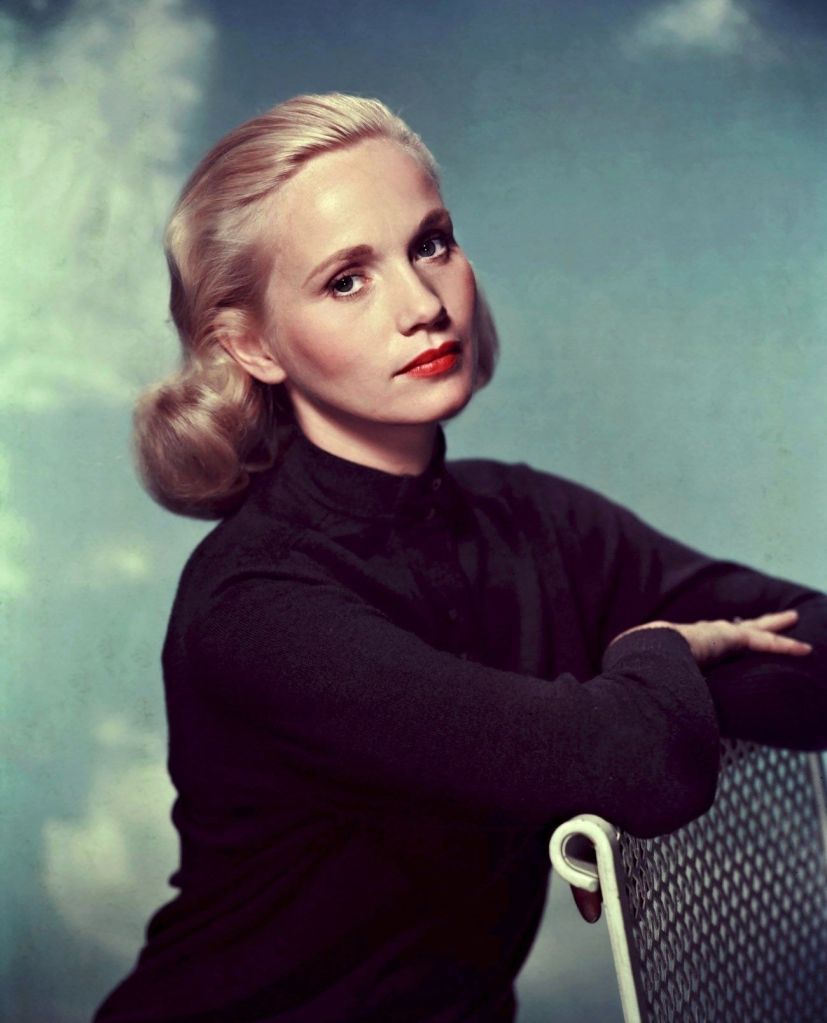
One of my favourite actresses, Eva Marie Saint, was 96 on 4th July 2020. Happy birthday and thank you for your wonderful films.
A record-breaking sales day for my books and Sam’s Song at #1 for the ninth time. Difficult to get excited with so much going on in the world, but many thanks to everyone who supports my books.

The birth of speech. And it all went downhill from there 🙂

René Descartes as Nostradamus?!

Of course, he actually said, “Cogito, ergo sum.” – “I think, therefore I am.”

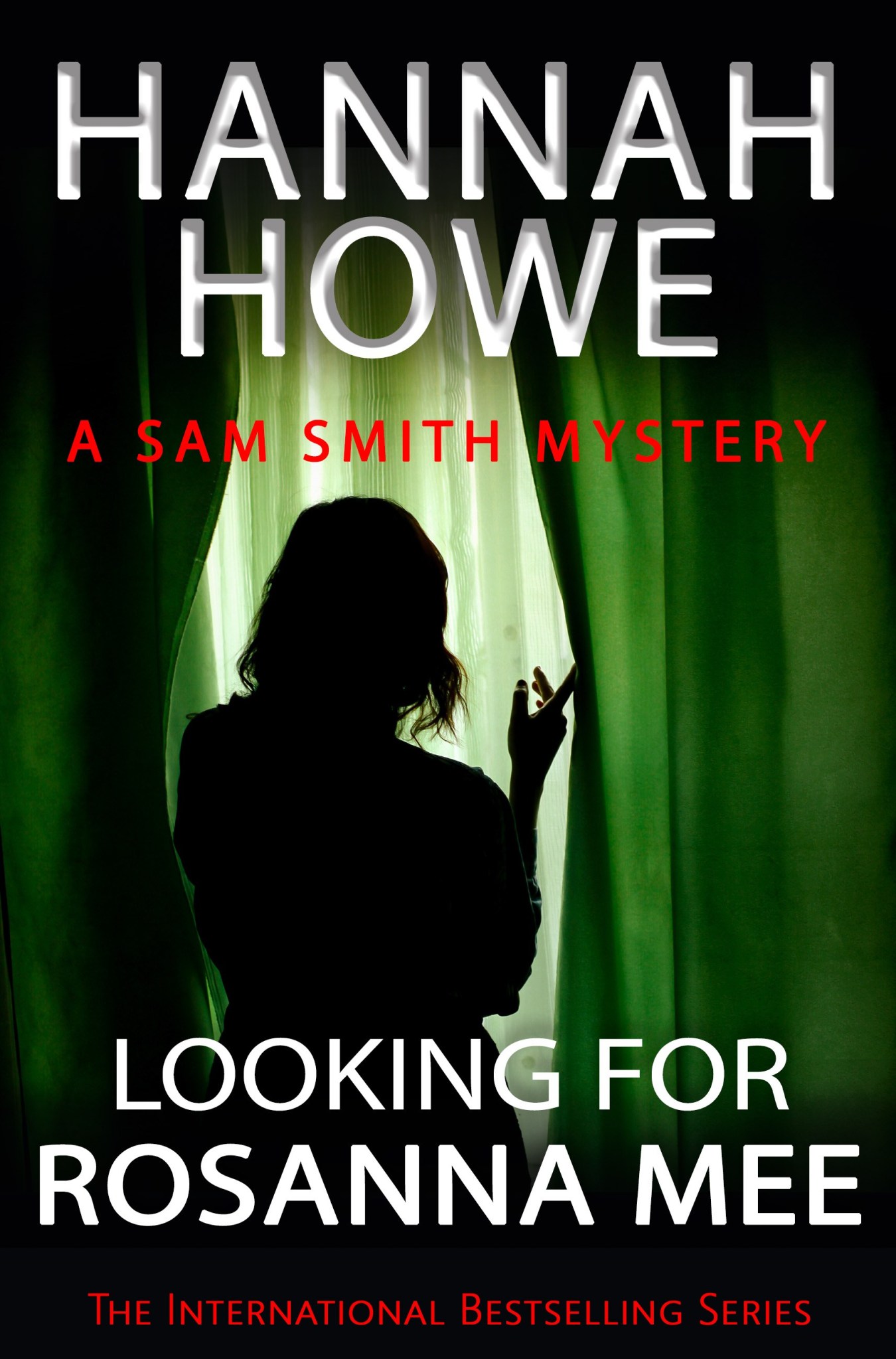
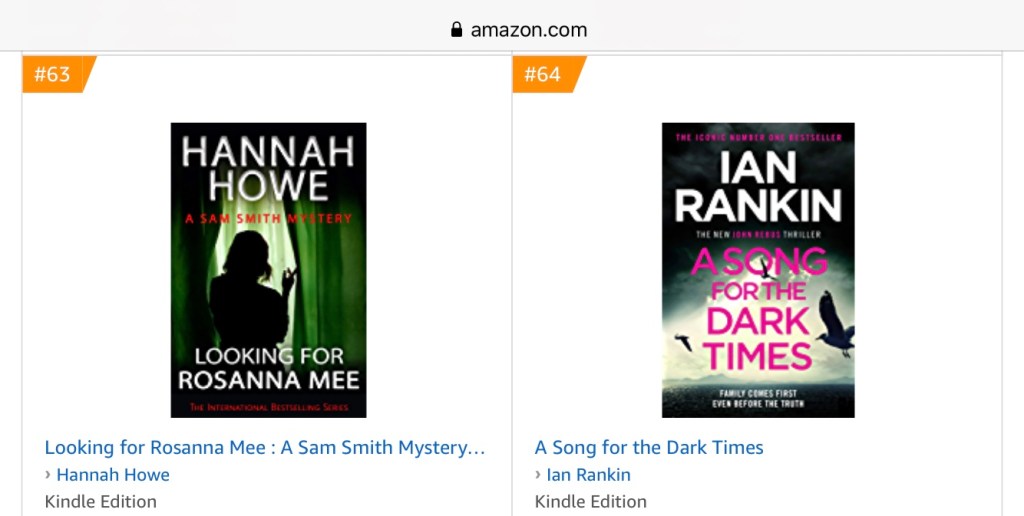
One for the album. Nice to see my latest Sam Smith Mystery, Looking for Rosanna Mee, alongside Ian Rankin in the Hot 💯. We will publish Looking for Rosanna Mee in September.
I see my new keyboard is well equipped for the modern age…

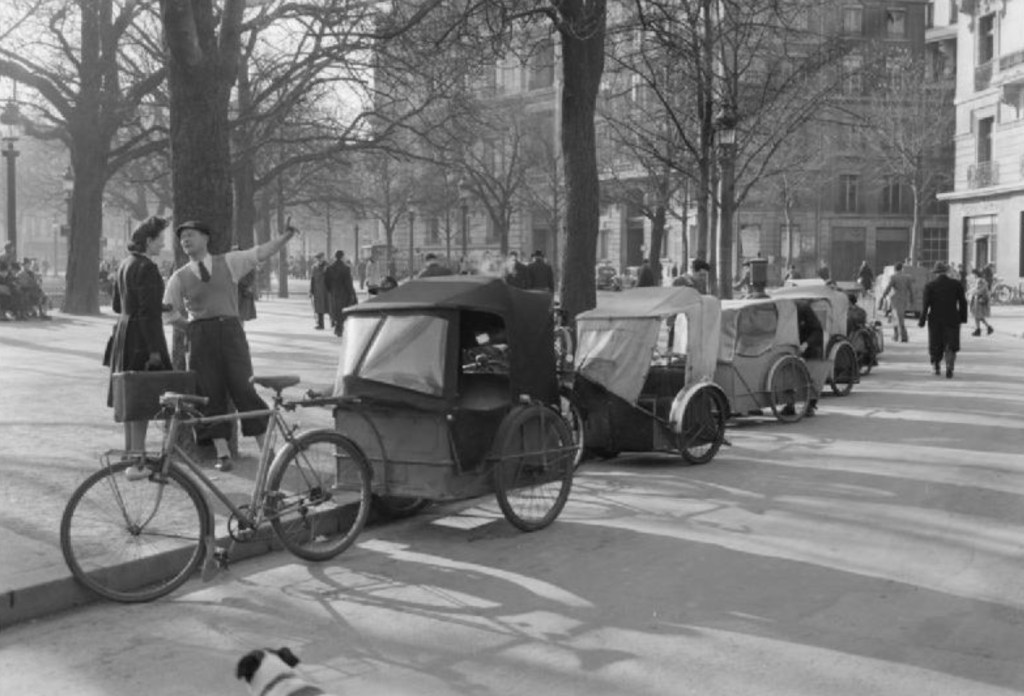
Bicycle-taxis, Paris, spring 1945. Research for my Eve’s War Heroines of SOE series.
This week in 1932, the Great Depression in America reached its lowest point. After the 1929 Wall Street Crash, the Dow Jones Industrial Average fell. Disaster followed for investors, alongside further declines in consumption, production and employment.

Also interesting on this front page: ‘State Plans to Roundup Tax Dodgers’. And, ‘Jury Believes Her Story’. I’m intrigued to know what her story entailed.

Written in the 1970s, the lyrics are still highly relevant today.

An inspiration for my Eve’s War series, Nancy Wake was one of the most remarkable women of World War II. Born in New Zealand and brought up in Australia, she married a Frenchman and became a leading figure in the Marseille Resistance. In 1943, she joined the SOE and was heavily involved in the liberation of France.

This DVD arrived from New Zealand today and I’m looking forward to watching it.

An in-depth article about Nancy Wake will appear on my website in the near future.

Don’t believe everything you hear. Don’t believe everything you see. This is a stationary image.

Some ideas to lift your mood. Try to achieve at least three a day.


Resistance Couples – Hélène and Philippe Viannay

Hélène Victoria Mordkovitch was born on 12 July 1917 in Paris after her Russian parents had emigrated to the city in 1908.

A brilliant student, Hélène attended the Sorbonne where she studied geography. There, in September 1940, she met her future husband, Philippe Viannay, a philosophy student seeking a certificate in geography.
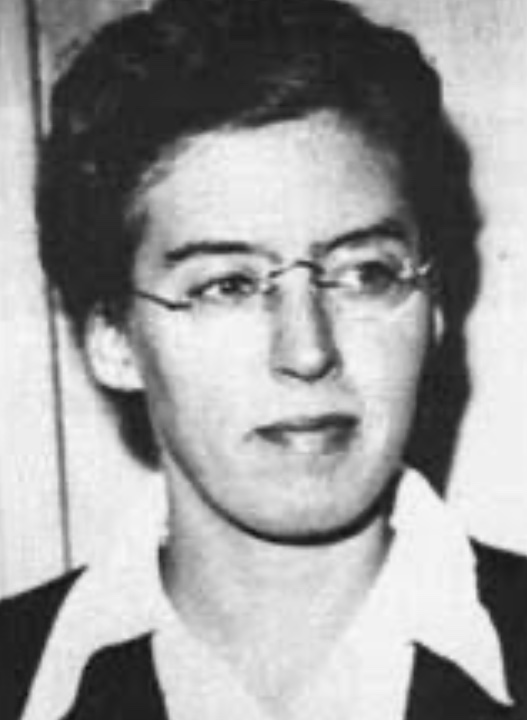
Hélène Viannay

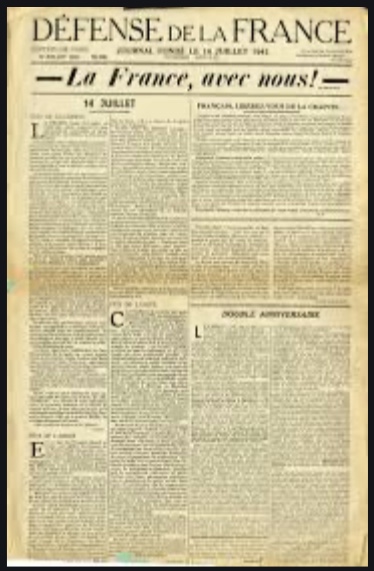
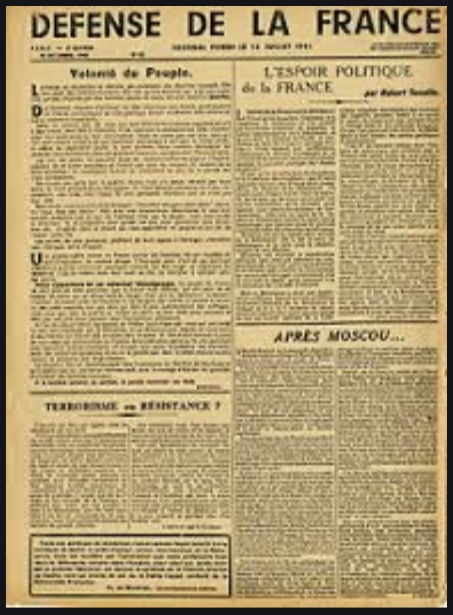
Opposed to the Nazi occupation of France, the couple decided not to escape to London. Instead they created an underground newspaper, Défense de la France, publishing the first issue on 14 July 1941. The journal took its motto from Blaise Pascal, “I only believe stories told by those witnesses who are willing to have their throats cut.”

Despite the dangers of producing an underground newspaper, Défense de la France remained in production until the Liberation in August 1944. By that time the newspaper regularly reached half a million readers, the largest circulation of the whole clandestine press.

Philippe Viannay

Hélène and Philippe married in 1942. Their first child, Pierre, was born the following year while the couple were on the run from the Gestapo. Along with the newspaper, Hélène also organised the mass production of false identity papers for Frenchmen resisting deportation to the forced labour camps in Germany.

In 1944, Hélène joined the Ronquerolles Maquis, a Resistance group led by Philippe. After her husband was injured, Hélène coordinated the group and participated in the liberation of France.
After the war, the Viannays created the Centre for the Training of Journalists (Centre de Formation des Journalistes) in Paris, which continues to this day. In 1947, they also founded Les Glénans (Le Centre nautique des Glénans), which initially served as a convalescent centre for deportees and battle-weary résistants. Hélène managed the association from 1954 until her retirement in 1979.

The Canadian journalist Caitlin Kelly, who studied with Philippe Viannay at the Centre in Paris, later described him as “the most inspiring man I’ve ever met.”

In 1991, Hélène participated in the creation of the Prix Philippe Viannay-Défense de la France, a prize awarded annually to works promoting resistance to Nazism in France and elsewhere in Europe.

As ever, thank you for your interest and support.

Hannah xxx
Categories
Dear Reader

Dear Reader #56

Dear Reader,

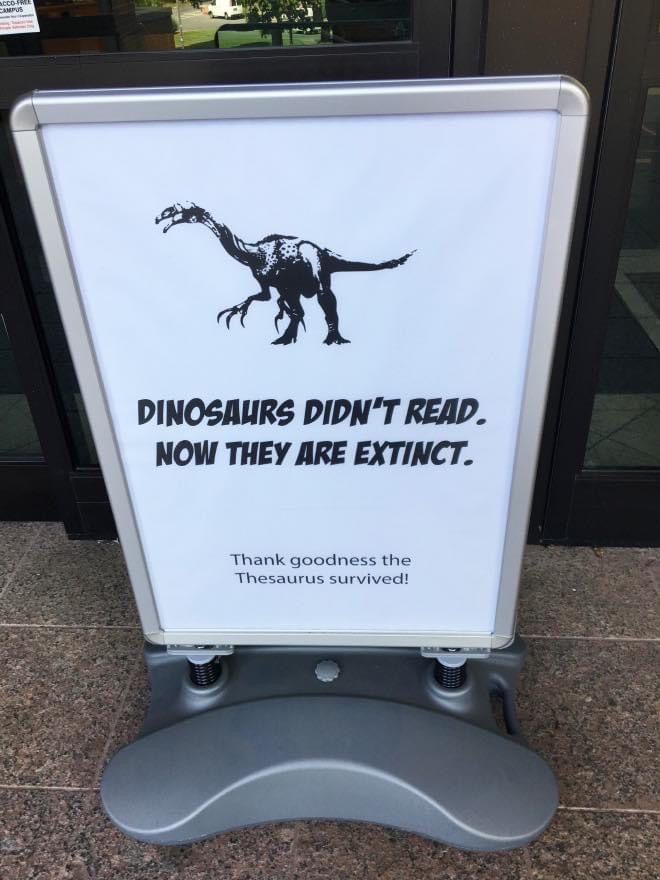
That noble beast, the thesaurus…

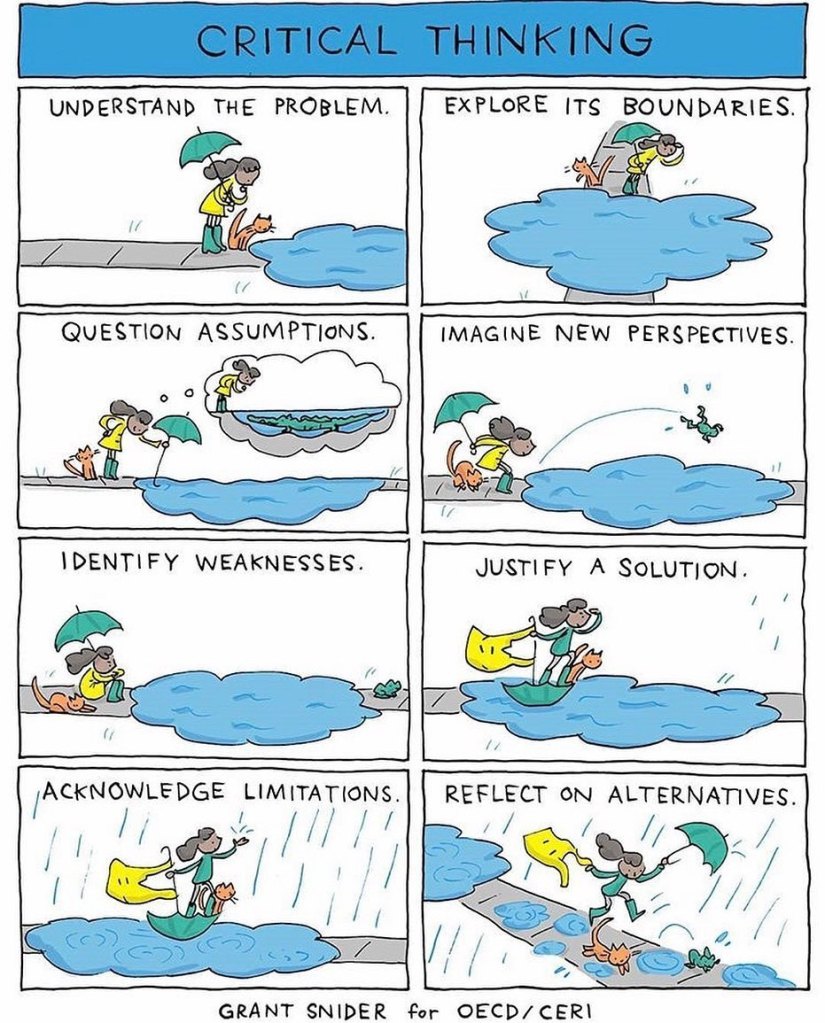
The great philosophers…

My Song of the Week

We can be anything, anything at all

We can be everything, everything and more

Another new project, the translation of The Olive Tree: Roots into Spanish. This series is about the Spanish Civil War so I’m delighted that the books are being translated into Spanish.

Chess and music are two of my passions. This is brilliant, a U2 cover of “Sunday Bloody Sunday” performed by Juga. The lyrics, by Vladimir Kramnik, refer to his World Championship match with Garry Kasparov.

My article about SOE agent Alix d’Unienville appears on page 20 of the magazine. Lots of other interesting features too 🙂

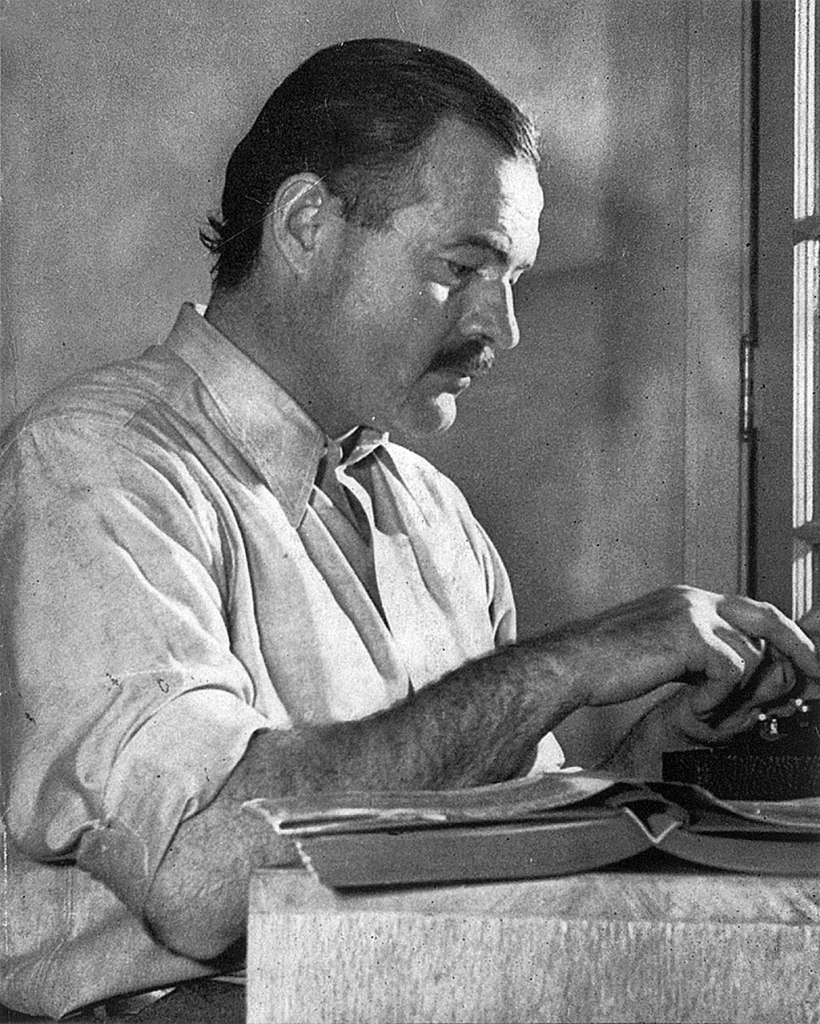
“There is nothing to writing. All you do is sit down at a typewriter and bleed.” – Ernest Hemingway

Difficult times for everyone at the moment with some political leaders making it even more difficult than it needs to be. Hopefully, this calendar will help you in some small way.

Resistance Couples

Lucie Samuel, better known as Lucie Aubrac, was born on 29 June 1912. A history teacher in peacetime, Lucie became a leading member of the French Resistance.

In 1939, Lucie married Raymond Aubrac and after the Nazis occupied France in 1940 the couple joined the Resistance. In 1941, the Aubrac’s group sabotaged the train stations at Perpignan and Cannes, and distributed thousands of anti-Nazi flyers. 

Lucie and Raymond Aubrac

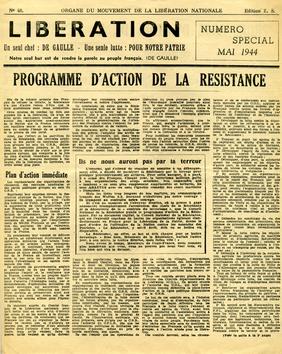
Despite harassment and threats from the Nazis, the Aubracs published an underground newspaper, Libération. With the help of local printers and trade-unionists, 10,000 copies of Libération were produced and distributed in July 1941, bringing news and hope to the French people; a reminder that the pen is indeed mightier than the sword.

An issue of Libération

In March 1943, the Gestapo arrested Raymond. In May, they released him, only to arrest him again in June. With Raymond sentenced to death, Lucie concocted an audacious escape plan.

Under French law, engaged couples were allowed to marry if one of them was soon to die. Therefore, Lucie claimed that Raymond was her fiancé. She was pregnant at the time, carrying her second child (of three). 

Lucie informed the Nazis that Raymond’s name was “Ermelin” (one of his many aliases) and that he had been caught in a raid while innocently visiting a doctor. She claimed that she was unmarried and that Raymond was the father of her expected child. 

Furthermore, Lucie pleaded with the Gestapo that they should allow Raymond to marry her before his execution. The Gestapo believed her story and granted her wish.

Later, after the ‘marriage’ ceremony, as the Gestapo escorted Raymond back to his prison the local Resistance executed Lucie’s plan. In cars, they ambushed the prison lorry and liberated fifteen prisoners. In the melee, Lucie freed Raymond and the couple escaped.

In 1944, Lucie was the first woman to sit in a French parliamentary assembly and in 1945 she published a short history of the French Resistance.

Outwitting the Gestapo, a semi-fictional version of Lucie’s wartime diaries, followed in 1984. Lucie published her book after notorious psychopath, Klaus Barbie ‘The Butcher of Leon’ claimed that Raymond had betrayed the Resistance after his arrest. 

Undoubtedly, there were factions and conflicts within the Resistance, particularly between the Gaullists and the Communists. As a result of these conflicts, betrayals did occur. However, when seeking the truth it is difficult to place great faith in a psychopath, particularly one who had reason to hate the Aubracs.

In support of the Aubracs, twenty leading Resistance survivors published a letter, condemning the accusations. Voluntarily, the Aubracs appeared before a panel of leading French historians. After examining the case, the historians concluded that Raymond was not a traitor.

To date, the Aubracs’ story has featured in two films – Boulevard des hirondelles, 1992, and Lucie Aubrac, 1997. While, in 1996, Lucie was awarded the Legion of Honor by the French government for her heroism during the Second World War.

President Nicolas Sarkozy, in a statement after Raymond’s death in 2012, said that Raymond’s escape from the Nazis had “become a legend in the history of the Resistance” and praised him and all Resistance members as “heroes of the shadows who saved France’s honor, at a time when it seemed lost.”

While President François Hollande said, “In our darkest times, he [Raymond] was, with Lucie Aubrac, among the righteous, who found, in themselves and in the universal values of our Republic, the strength to resist Nazi barbarism.”

Lucie once said: “Resistance is not just something locked away in the period 1939-45. Resistance is a way of life, an intellectual and emotional reaction to anything which threatens human liberty.”

As ever, thank you for your interest and support.

Hannah xxx

Categories
Dear Reader

Dear Reader #44

Dear Reader,

My personal top ten this week.

My top ten sales countries this week: America, Britain, Canada, Australia, Bulgaria, Brazil, Indonesia, South Africa, Germany, France.

My latest Sam Smith Mystery, Looking for Rosanna Mee, book seventeen in the series, is now available for pre-order 🙂

“Aged twenty-one, Rosanna Mee was housebound, severely agoraphobic. Yet, when Faye and I arrived at her flat to deliver legal papers we could not find her. She’d disappeared. How could a woman who had not travelled from her home in three years simply disappear? That was the first in a series of questions that led us into the world of bodybuilding, fraud and murder.

Meanwhile, the kaleidoscope of my life continued to change. As the picture settled I discovered that I was saying goodbye to a friend, hello to a new office and facing a development that would totally transform my personal life.”

https://books2read.com/u/banLVv

40cbe7b8-9b9b-4ca4-961b-f5b8df783018

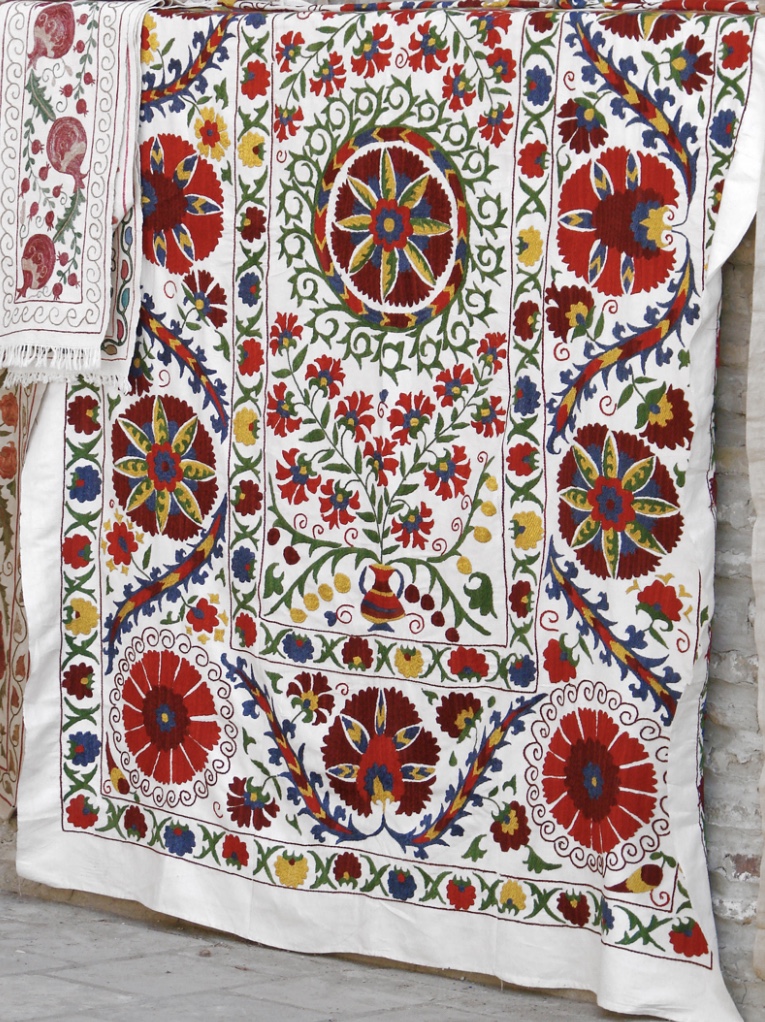
Sam has new readers, in Uzbekistan

Pictured: Traditional embroidery from Uzbekistan

cb096a4b-8965-4cab-b124-1a078cdcc864

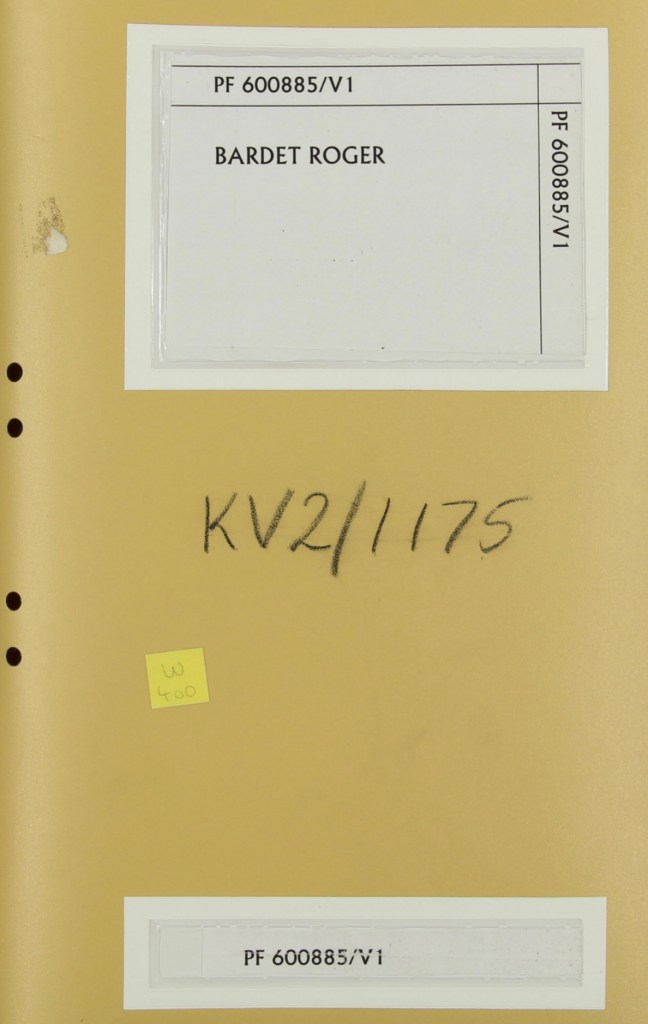
I managed to get hold of another ‘top secret’ document. This document is the SOE file on traitor Roger Bardet who betrayal many of his colleagues to the Nazis. His story will form the basis for Operation Sherlock, book five in my Eve’s War Heroines of SOE Series.

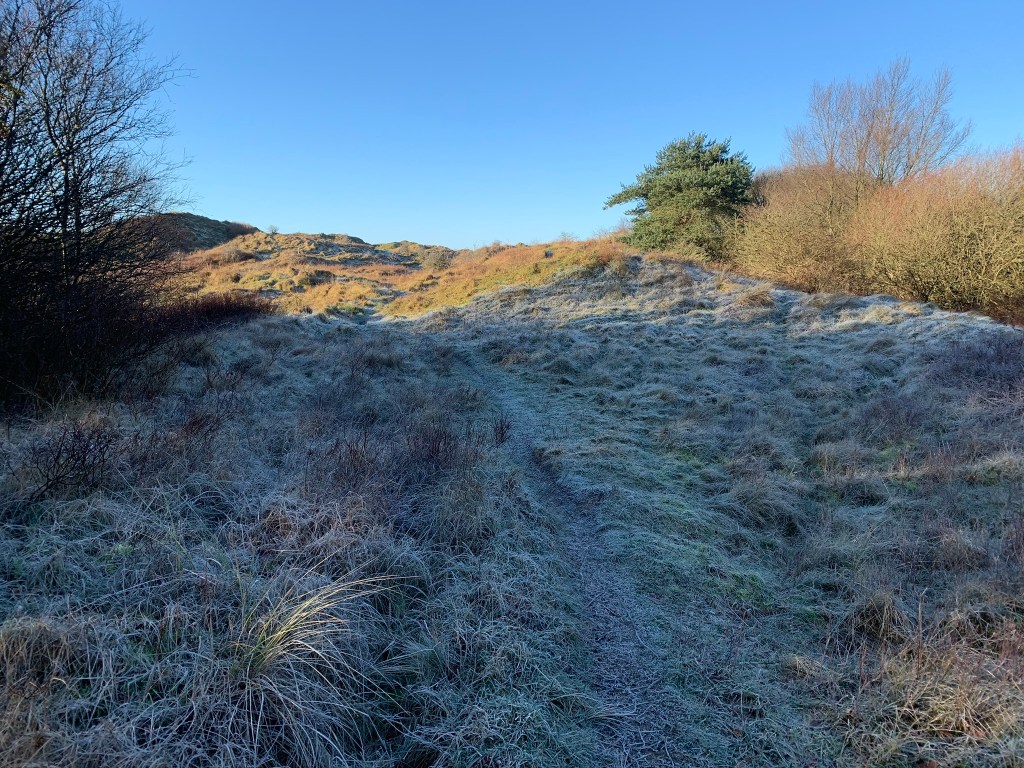
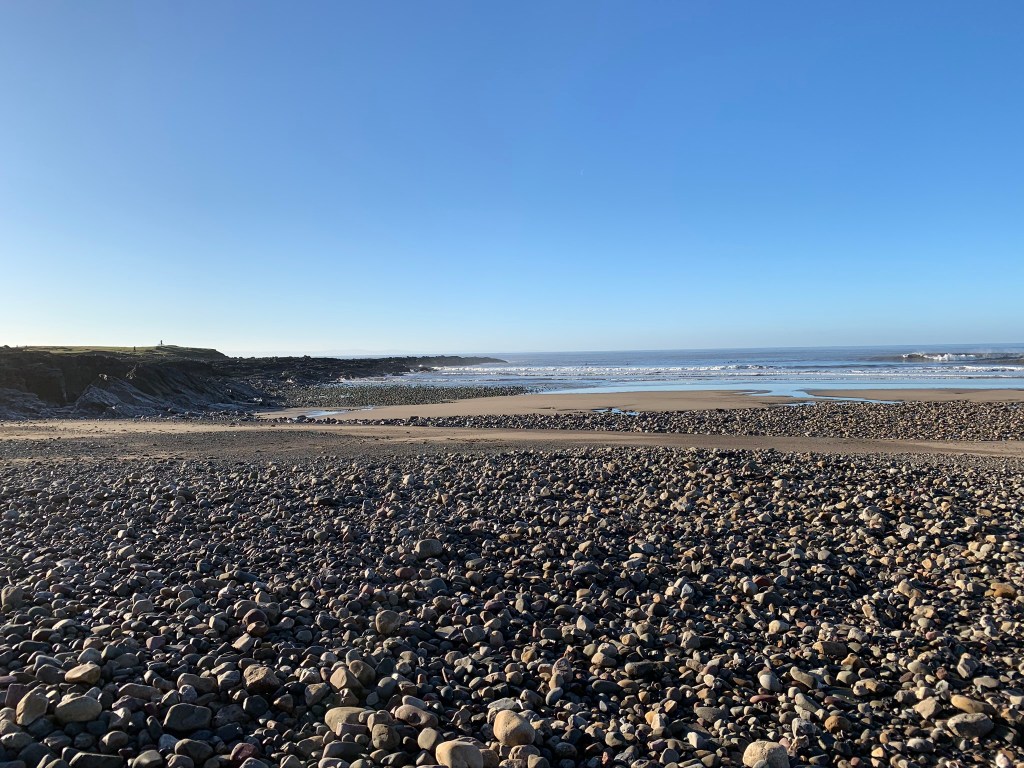
Local pictures taken at Sger and Kenfig this week, a stone’s throw from my home.

I’m outlining Operation Broadsword, book three in my Eve’s War Heroines of SOE Series. In this story Eve, Guy Samson and Mimi Duchamp arrive in Dol-de-Bretagne, by parachute, to establish the Broadsword resistance network.

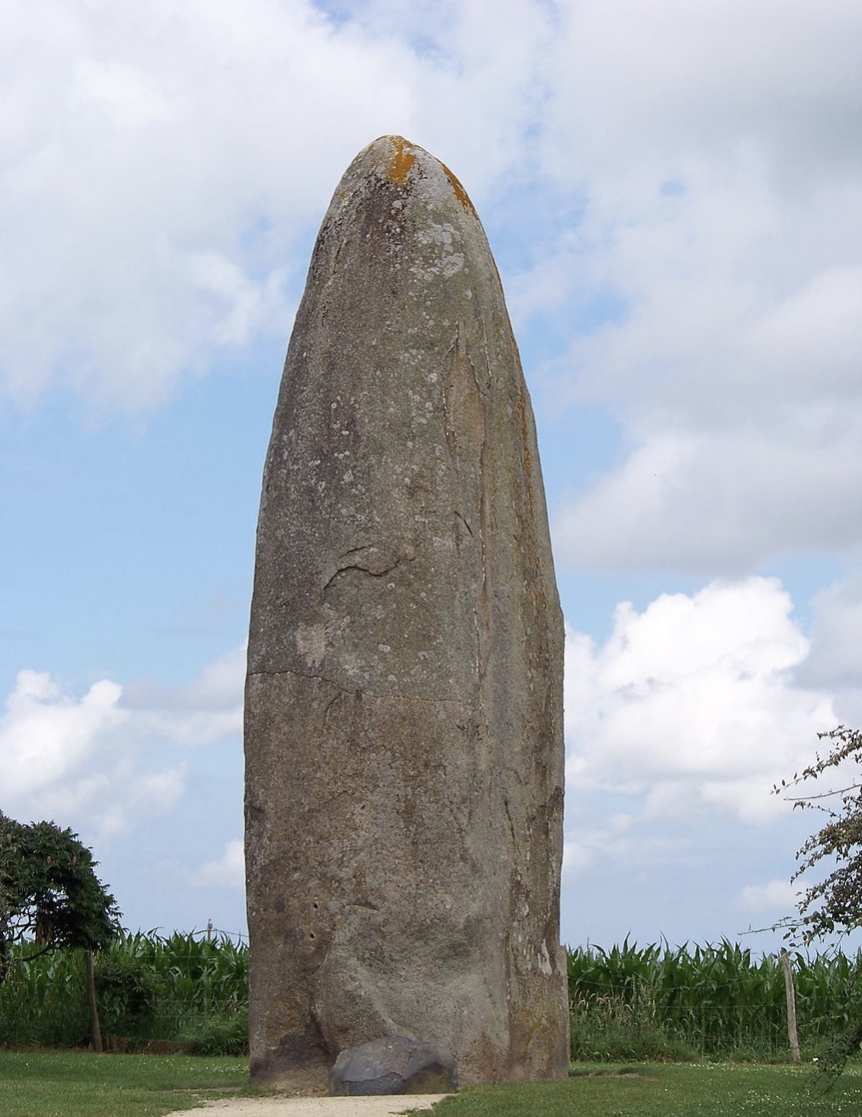
In peacetime, Guy is an archaeologist, a professor, and he uses that cover in Dol-de-Bretagne. One of the historical objects that catches his eye is the Menhir de Champ-Dolent, the largest standing stone in Brittany at over nine metres high. The menhir is made of pinkish granite and weighs an estimated 100 tonnes.

In the story, Eve discovers that friends can be enemies. However, can enemies also become friends?

6819F484-C421-4E41-A1CD-9C51DC0792E8
I’ve finalised the running order for my Eve’s War Heroines of SOE series. The stories, all based on true events, will cover December 1942 to October 1944. The books are in various stages of production, from draft outlines to completed manuscripts. Publication will begin in June and will continue at two monthly intervals.

The running order:

Operation Zigzag 
Operation Locksmith 
Operation Broadsword 
Operation Treasure 
Operation Sherlock
Operation Cameo
Operation Rose
Operation Watchmaker 
Operation Overlord
Operation Jedburgh 
Operation Butterfly 
Operation Liberty

https://www.amazon.com/Hannah-Howe/e/B00OK7E24E/

30927CEB-C28E-445B-98B2-068D34B971F5

Women of Courage Heroines of SOE

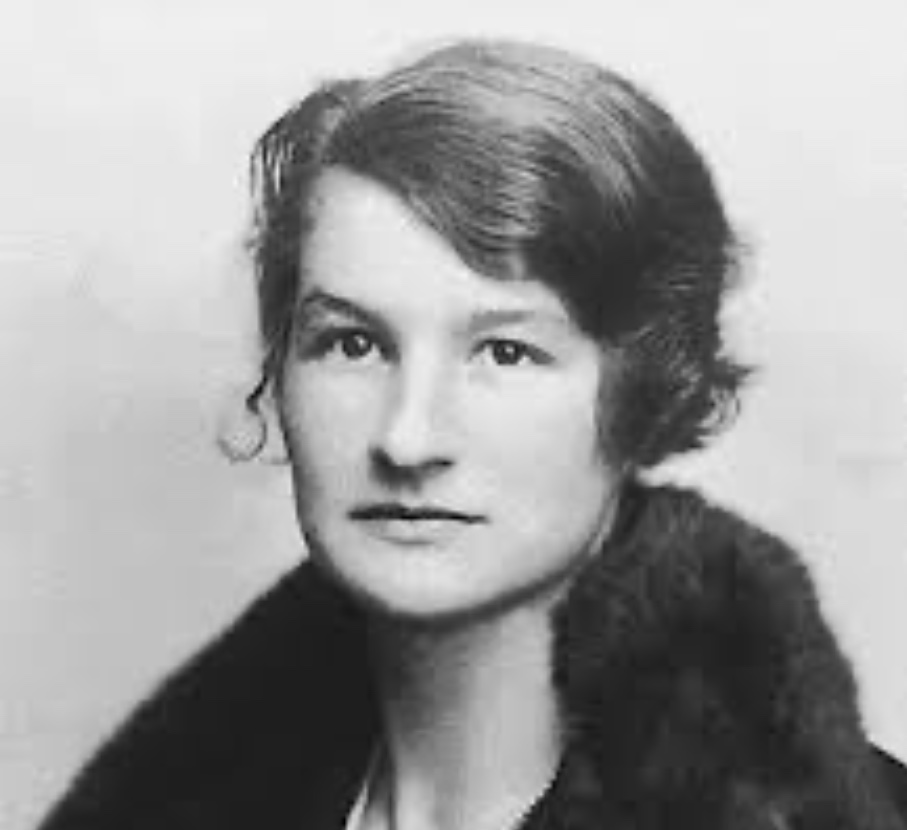
Virginia Hall Goillot was a rare breed, an American who worked for the SOE. 

Born in Baltimore, Maryland on 5 April 1906, Virginia attended university where she studied French, German and Italian. Completing her studies in Europe, she travelled to France, Germany, Austria and Poland. In Poland in 1931 she secured employment as a consular service clerk at the American Embassy.

cc5e53dc-c9f4-4e7a-b154-8ae109689975

In 1932, Virginia lost her left leg below the knee after a shooting accident. The surgeons affixed a wooden leg, which she nicknamed Cuthbert. 

After her accident, Virginia made several attempts to become a diplomat. However, the American authorities rejected her on the grounds that she was a woman and disabled. Consequently, in March 1939, she resigned as a consular clerk.

In February 1940, Virginia became an ambulance driver for the French army. After the fall of France in June 1940, she made her way to Spain where she met George Bellows, a British Intelligence Officer. This meeting led to an invitation to join the SOE.

Virginia joined the SOE in April 1941 and, after training, she arrived in Vichy France on 23 August 1941. Her cover story, as a reporter for the New York Post, allowed her to travel, talk with people and gather information. During this period, she became adept at changing her appearance through various forms of disguise.

In common with other SOE agents, Virginia organised the Resistance, supplied agents with money, conducted weapons training, helped downed airmen to escape, tended wounds, established safe houses and recruited new members to the cause.

Among Virginia’s recruits was Lyon brothel owner Germaine Guérin. Guérin made several safe houses available to Virginia. She also passed on information garnered from her prostitutes, tidbits gleaned from the German officers who frequented her brothel. Furthermore, while in Lyon, George Whittinghill, an American diplomat, allowed Virginia to smuggle reports to Britain in the diplomatic pouch.

0495f865-5d9a-43b3-a395-46832c8ca8c5

Downed airmen often made their way to Lyon where contacts told them to visit the American Consulate and say they were, ‘A friend of Olivier’. Olivier was Virginia and with the help of brothel owner Germaine Guérin and others she hid, fed and helped the airmen to escape to Spain then on to Britain.

Unfortunately, the Nazis captured Germaine Guérin and sent her to a concentration camp, but she survived. On hearing this news, Virginia arranged compensation of 80,000 francs from Britain for Guérin.

M.R.D. Foot, the official historian of the SOE, said that an agent’s motto was “dubito, ergo sum”  –  “I doubt, therefore I survive.” Virginia took this motto to heart. Indeed, in October 1941 she sensed danger and refused to attend a meeting of SOE agents in Marseille. That meeting led to disaster and the arrest of a dozen agents.

Virginia learned that the Nazis had incarcerated the twelve agents arrested in October 1941 in the Mauzac prison near Bergerac. With the aid of Gaby Bloch, wife of prisoner Jean-Pierre Bloch, Virginia smuggled tools and sardine tins into the prison. With these tools and tins the prisoners made a key to the prison door and on 15 July 1942 they escaped and hid in the woods. After an intense manhunt, Virginia helped the men to escape into Spain then on to Britain. Later, several of the escapees returned to France to lead SOE networks.

Furious with the escape, the Nazis flooded Lyon with Gestapo officers. Also, on 7 November 1942, the American Consulate in Lyon informed Virginia that the Allied invasion of North Africa was imminent and that the Nazis would retaliate in brutal fashion. Therefore, she escaped by train from Lyon to Perpignan. Then, with a guide, she walked – on one good leg – over a 7,500 foot pass across the Pyrenees into Spain, covering fifty miles in two days.

The Gestapo referred to Virginia as ‘that Canadian bitch’ even though she was, of course, American. You have to wonder at the basic intelligence and ability of the Gestapo when they couldn’t capture a one-legged woman with distinctive red hair. Furthermore, she spoke French with a broad American accent. 

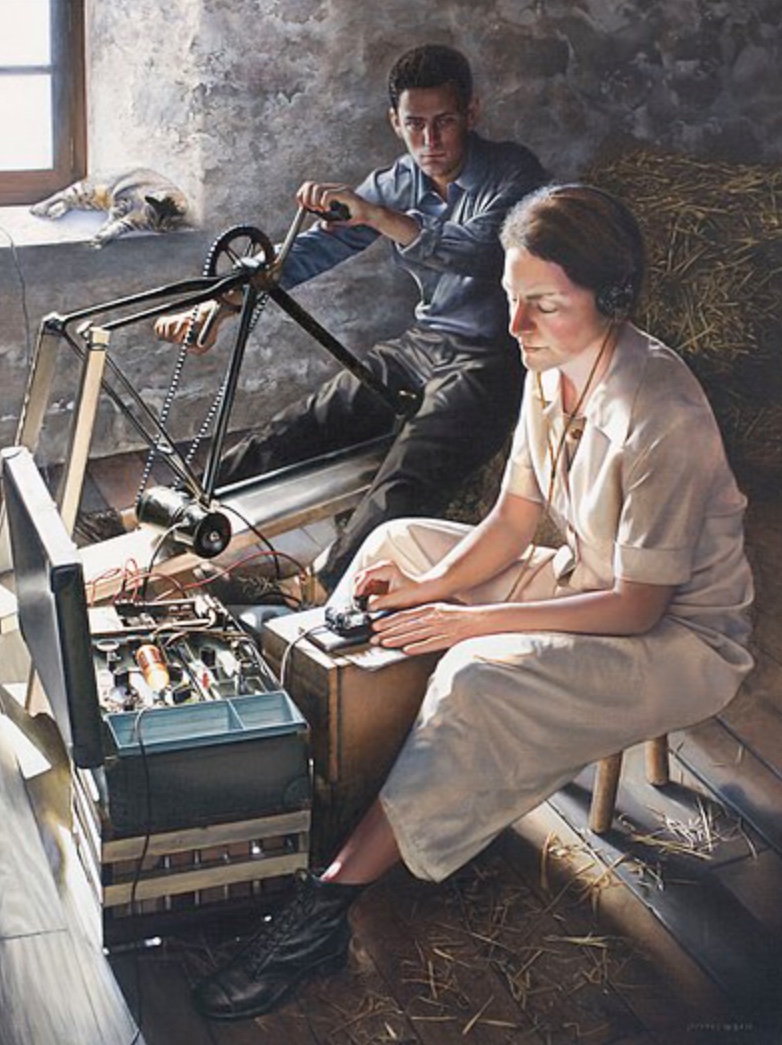
Although Virginia was eager to return to France, the SOE refused on the grounds that she was known to the Gestapo. However, the Americans had no such qualms and so, by gunboat, she returned to France in March 1944 as a wireless operator for the American OSS. 

e3596eea-d8b4-4462-a170-c9f2805ae52f

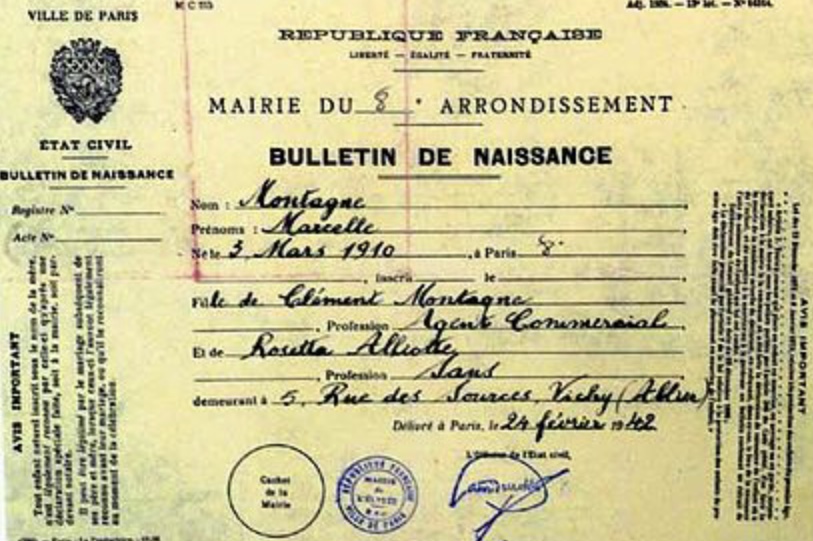
French identification certificate for Virginia Hall as “Marcelle Montagne” forged by OSS

While working for the OSS, Virginia fell in love with a colleague, Paul Goillot. After the war, the couple lived together and eventually married in 1957. 

In 1947, Virginia joined the CIA, one of the first women hired by the new agency. She retired in 1966, aged sixty, to a farm in Barnesville, Maryland, where she lived until her death on 8 July 1982.

Admired by fellow agents, Virginia did much to establish the early SOE networks in France. Quite rightly, she is remembered as a woman of remarkable ability and courage.

CFC30A4E-9829-41FF-A2FF-929E09017598

Happy Easter and as ever, thank you for your interest and support.

Hannah xxx
Categories
Dear Reader

Dear Reader #43

Dear Reader,

My personal top ten this week with Ann’s War proving popular. This mini series has greatly exceeded my expectations.

346E39DC-1E59-4CE1-BE16-E6B13A78DF82

April 1st was Sam’s birthday. I write the stories in ‘real time’ so Sam has a real age, thirty-seven, although believe me she still looks twenty-seven and in terms of attitude to life she’ll always be seventeen 😉

I‘ve been writing about Sam for six years and have enjoyed every minute. Sam is a writer’s dream, always full of stories.

At the moment, I’m storyboarding Looking for Rosanna Mee, book seventeen in the series, and have many more stories planned.

Happy Birthday, Sam! 

2C7279BB-2923-4C18-9087-1CB27ACD876F

Published today, Mom’s Favorite Reads eMagazine April 2020. As ever, there are some great articles and features included this month. Read or download your copy FREE 🙂

My latest article for the Seaside News

342BABC6-7E2E-4FBF-B0DA-A18567D37808

To date, Imprint Digital have printed all my books. I’m delighted with the quality of their printing and it’s great to see that even in difficult times they are proceeding with the expansion of their printing plant, pictured here.

1B119769-E31E-46E4-BA46-380E9FB5E6E7

My Imprint Digital paperbacks are available from my website at special reduced prices for visitors to my website store.

https://hannah-howe.com/mystore/

This lyric by Al Stewart could serve as a soundtrack to one of the chapters in my Spanish Civil War Saga, The Olive Tree: Roots.

While traveling northwards on a back country lane

I came on the village where first I grew

And stopped to climb up the hill once again

Looking down from the tracks to the gray slate roofs

I watched the village moving as the day went slowly by

In the fields we lay here, my very first love and I

Under timeless arcadian skies

Under timeless arcadian skies

The old canal lies sleeping under the sky

The barges are gone to a lost decade

On overgrown banks here, lovers’ footsteps went by

Long before ever the roads were made

And in our turn we passed here and carved our names on trees

As the days washed by like waves of an endless sea

Under timeless arcadian skies

Under timeless arcadian skies

Time runs through your fingers

You never hold it at all till it’s gone

Some fragments just linger with you

Like snow in the spring hanging on

I left the village behind in the night

To fade like a sail on the darkening seas

The shifts and changes in the patterns of life

Will weather it more than the centuries

And in another village, in a far off foreign land

The new day breaks out opening up its hand

And the sun has the moon in his eyes

As he wanders the timeless skies

As part of their psychological assessment, the would-be agents at the SOE training school were shown Rorschach‘s inkblots, including card nine, the card featured here. Most of the students interpreted this image as dragons, which coincidentally is my interpretation.

25AC3954-6B24-4D76-A879-AEE084184E49

Harry Rée is one of the inspirations for Guy Samson, my character in Eve’s War Heroines of SOE, therefore I was delighted to see that Harry’s son, Jonathan, has edited his father’s memoirs and published them recently.

I’m looking forward to reading this book 🙂

F808183C-1567-408E-AF26-6ADC6BBC2DFC

This is exciting, for today at least Operation Locksmith is #1 in France, outselling James Patterson 🙂

88F48816-7088-43D4-BB22-52DF6EAA0274

Operation Locksmith is now available for pre-order.

“I understand that you wish to return to France,” the man behind the mahogany desk said.

“That’s correct,” I said.

“Your motivation?” he asked, smoothing the corners of his moustache.

“To do my bit for the war effort,” I said, “to defeat the Nazis and to discover what’s happened to my husband.”

“It would be extremely risky,” the officious-looking man said, “suicidal even, for a lone woman to undertake such a venture. However, there is an alternative.”

“Alternative?” I frowned.

“Yes. We’ll parachute you in, as one of our people. Of course, you’d have to undertake training first. Rigorous training. Top secret training. If you fail, I’m afraid it will mean a spell in the cooler, possibly until the war is over.”

“The cooler?”

“But I trust it won’t come to that,” he said, ignoring my question. “When can you start?”

I began immediately. And during my training I met two people who would radically reshape my life – Guy Samson and Mimi Duchamp. I also discovered secrets about myself, abilities beyond my imagination. However, as the training heated up so the situations became all too real, until they reached a point where I had to kill, or be killed.

EVE'S WAR OPERATION LOCKSMITH MASTER

Women of Courage Heroines of SOE will continue next week, but this week I present Men of Courage Heroes of SOE 

Harry Alfred Rée was born on 15 October 1914. An educationalist, he was regarded by historian M.R.D. Foot as one of the best male SOE agents.

The son of Dr. Alfred Rée, a chemist who was from a Danish Jewish family, and Lavinia Elisabeth Dimmick, Harry Rée was a conscientious objector, ordered to work for the National Fire Service. However, in 1941 he re-registered for military service and was called up into the army. Later, he volunteered for the SOE. 

ad399a0e-0fd7-4f8e-b264-e901a9bb659f

In April 1943, as a Captain, and with the code name César, Harry parachuted into France to join the Acrobat Network. He argued against the RAF bombing targets in France because it turned public opinion against the Allies. Instead, he suggested that SOE agents should organise effective sabotage of factories on the ground. 

Harry convinced the director of a Peugeot factory at Sochaux to cooperate with the SOE. The director, a member of the Resistance, not only assisted in the sabotage, but also shared tactical information on Wehrmacht projects, including the V1 rocket. Due to this action, the RAF did not bomb the factory, saving many lives.

The Nazis tried to capture Harry. Indeed, he escaped a Feldgendarmerie group after being shot four times, swam across a river and crawled through a forest to reach Switzerland. In May 1944 he returned to Britain. 

Shortly after the war, Harry starred alongside fellow agent Jacqueline Nearne in the film Now it Can be Told (aka School for Danger), produced by the RAF Film Unit, which told the story of SOE’s activities in France.

In 1940, Harry married Hetty Vine. They had three children, the first of whom was born while Harry was in France.

Harry died in 1991.

As ever, thank you for your interest and support.

Hannah xxx

P.S. Apologies if the Issuu links do not load and for any formatting errors. This is entirely the fault of WordPress who, once again, have undated their platform at the expense of their customers. WordPress’ ‘improvements’ continue to make blogging and website management more difficult. When I joined them they were excellent, but now they provide a second-rate service.

Categories
Dear Reader

Dear Reader #33

Dear Reader,

My sales top ten this week. Many thanks to everyone who supports my books.

Some people stand out. If you watch this video you will see what I mean. Currently, I’m reading dozens of books about twenty-one female SOE agents. All these women were remarkable, but some stand out even amongst such illustrious company.

This research will shape my SOE agents, Eve and Mimi. It’s an honour to read about these people, and their stories are gold dust for an author. So many ideas spring from every page. It’s very exciting.

Local views this week, at Sger.

Women of Courage, Heroines of the SOE

More research for my forthcoming Eve’s War series.

Lise Marie Jeanette de Baissac was born on 11 May 1905 in Mauritius, which made her a British subject. Of French descent, she was the youngest of three children.

In 1919 Lise and her family moved to Paris. When the Germans occupied Paris in 1940 Jean, her eldest brother, joined the British Army while Lise and her youngest brother, Claude, travelled for six months through Spain, Portugal and Gibraltar before arriving in Britain.

In Britain, Claude was recruited by the SOE while initially Lise worked at the Daily Sketch newspaper. Soon, Lise joined Claude in the SOE. However, instead of being trained for the usual roles of courier or wireless operator, Lise was instructed to create her own resistance circuit.

Lise de Baissac

Lise trained with Mary Herbert, Jacqueline Nearne and Odette Sansom. She impressed her trainers with her ability and her imperturbable, cool reactions. They regarded her as intelligent, strong-minded and decisive, with a flair for organisation.

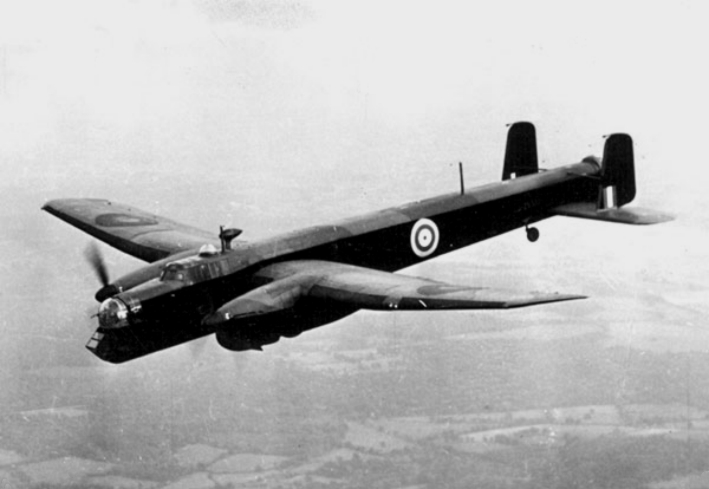
On 24 September 1942, Lise and Andrée Borrel were the first female SOE agents to parachute into France. The agents jumped from a Whitley bomber and landed in the village of Boisrenard near the town of Mer. Their mission was to establish a safe house in Poitiers where new agents could settle into their secret lives.

An Armstrong Whitworth Whitley c1940

Lise’s role was to form a new circuit and to establish a centre where agents could go with complete security for material help and information on local details, and to organise the pick-up of arms drops from Britain to assist the French resistance.

Cover stories were vital to SOE agents. For her cover story Lise was Madame Irene Brisse, a poor widow from Paris, seeking refuge in the provinces from the tension of life in the capital. She moved into an apartment on a busy street near the Gestapo HQ, and became acquainted with the Gestapo chief, Herr Grabowski.

Posing as an amateur archeologist, Lise cycled around the countryside to reconnoitre possible parachute drop-zones and landing areas for the RAF. When local networks collapsed and the Gestapo closed in, Lise was flown back to Britain. There, while assisting new recruits in training, she broke her leg.

With her leg healed, on 10 April 1944 Lise returned to France where she rejoined her brother Claude. After D-Day, she gathered information on German dispositions and passed that information on to the Allies. She was bold enough to rent a room in a house occupied by the local commander of the German Forces.

According to Lise, on one occasion, “The Germans arrived and threw me out of my room. I arrived to take my clothes and found they had opened up the parachute I had made into a sleeping bag and were sitting on it. Fortunately they had no idea what it was.”

In the summer of 1944 Lise enjoyed another lucky escape when cycling from Normandy to Paris. She was searched by a young soldier at a German checkpoint while carrying spare parts of radio sets around her waist. Later, Lise said, “He searched me very carefully. I knew he could feel the things I was carrying. But he said nothing. Perhaps he was looking for a weapon like a revolver, maybe he thought it was a belt. I do not know.”

Claude de Baissac

Lise’s colleagues spoke very highly of her. Captain Blackman, the leader of an SAS party in France wrote: “Every day she would cycle sixty or seventy kilometres. She often carried much compromising material on her person and bicycle, such as wireless material and secret documents. If she had been discovered carrying such things she would have been undoubtedly shot on the spot without trial or formal enquiry. Consequently she risked her life daily.”

Lise continued her SOE activities until the liberation, organising several groups and providing the Allies with information. She was also involved in sabotage missions, setting tyre bursters and mines on roads used by the military, cutting telephone wires, underground cables and railway lines. On at least one occasion she took part in an attack on an enemy column.

After the war Lise married Gustave Villameur, an artist and interior designer living in Marseille. She died on 29 March 2004, aged 98.

In 2008, Lise’s life was recaptured in the highly fictionalised French film Female Agents (Les Femmes de l’ombre).

As ever, thank you for your interest and support.

Hannah xxx