Categories
Dear Reader

Dear Reader #100

Dear Reader,

Some chart news. Operation Zigzag is #1, my thirtieth #1. Also, Operation Sherlock is a top thirty hot new release. And one for the album, Stormy Weather is a hot new release alongside Raymond Chandler and Lee Child. Many thanks to everyone who made this possible.

My article about SOE heroine Virginia Hall appears on page 36 of the Seaside News 🙂

My latest translation, Operation Broadsword in German. Sandra has translated nine of my books. It’s wonderful to work with someone so talented.

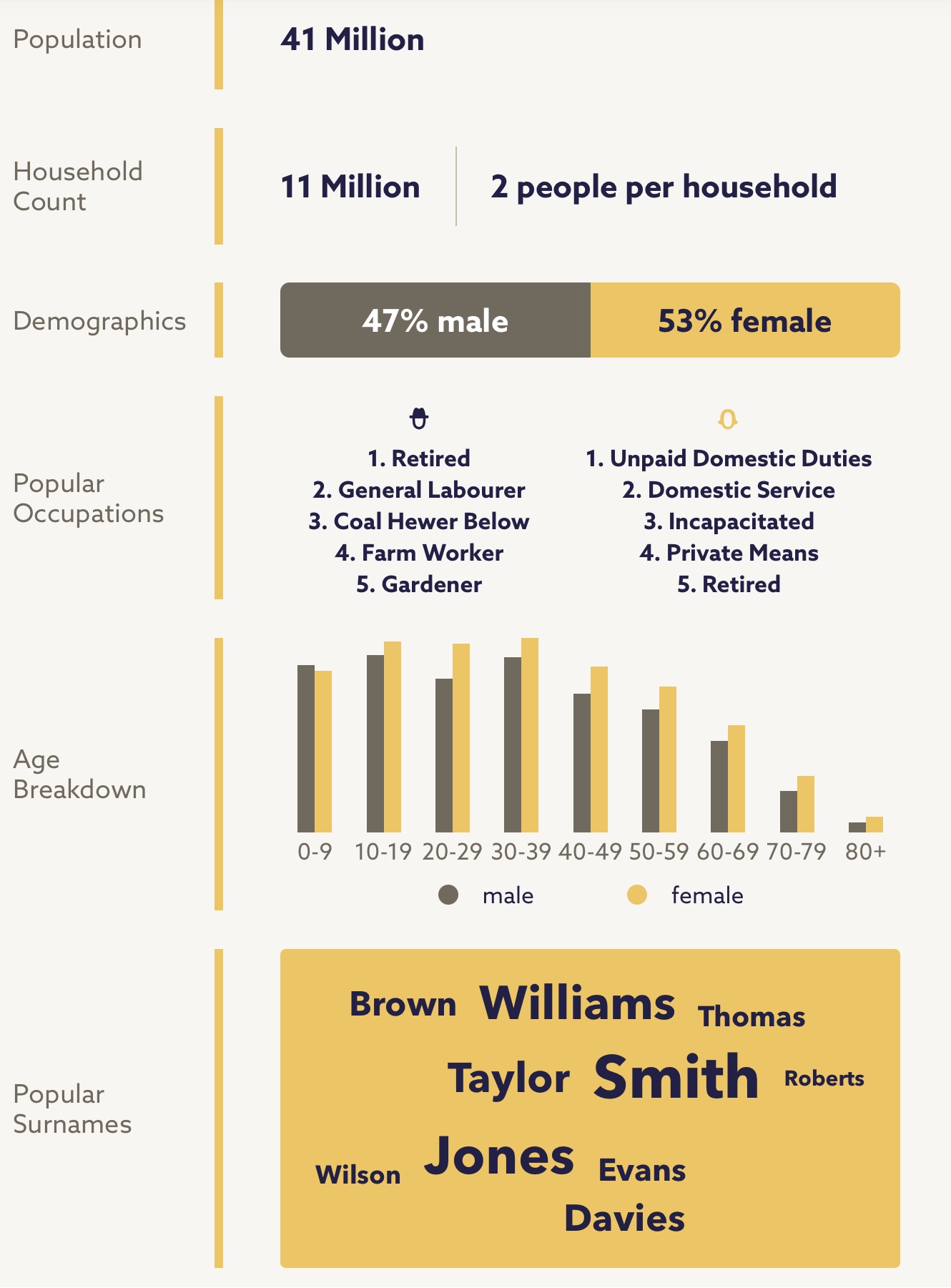
Wales and England in 1939, just before the outbreak of the Second World War. Source: Find My Past.
The Noulton branch of my family were season ticket holders at the Old Bailey with several generations of the family in trouble with the law.

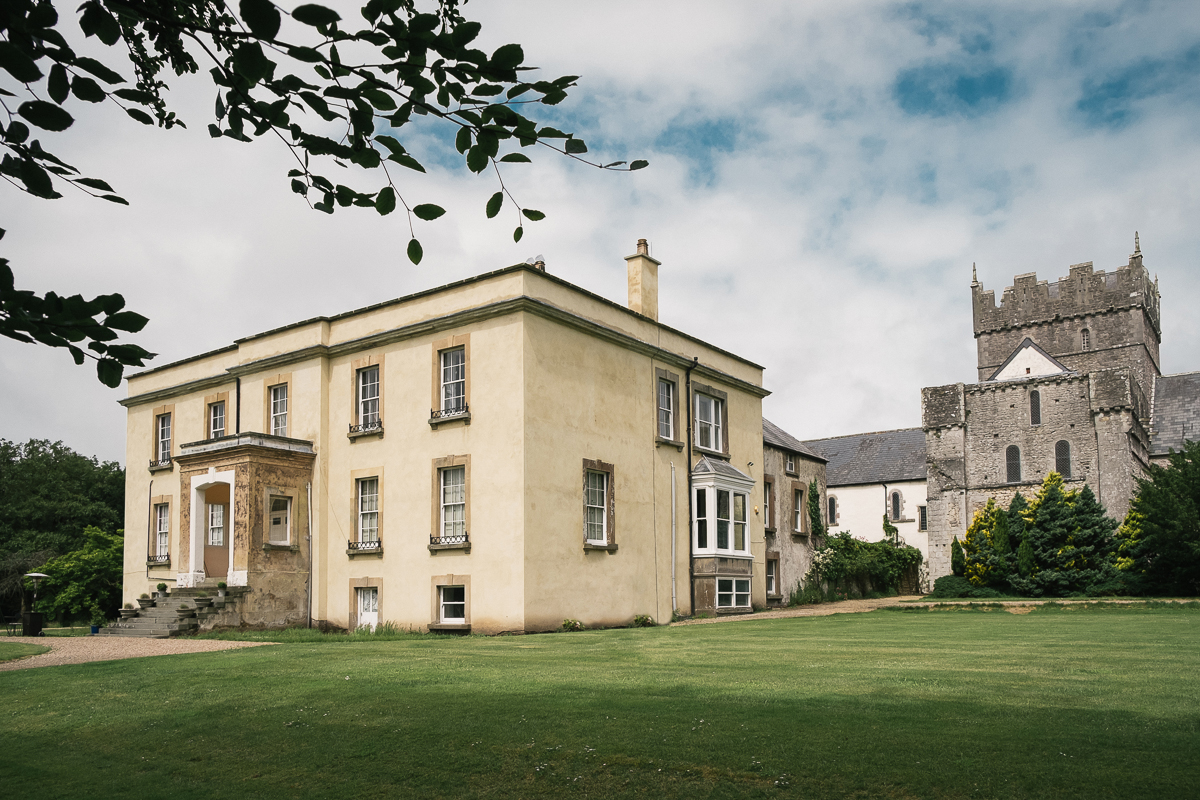
I’ve just discovered that my 5 x great grandfather James Noulton, aged twelve, was sent to the Royal Philanthropic Society’s School in 1801. Established by gentlemen in London in 1788, the Philanthropic Society was concerned with the caring of homeless children left to fend for themselves by begging or thieving. Those admitted were children of criminals or those who had been convicted of crimes themselves. The school, pictured, moved to Redhill in 1849.

Many of the children were encouraged to emigrate to Australia, Canada or South Africa, or to join the army or navy. This ties in perfectly with my ancestor James because he joined the navy and served in the Napoleonic wars. More details in a future post.

My store, freshly updated. Bestselling psychological and historical mysteries from £0.99. Paperbacks, brand new in mint condition 🙂
https://hannah-howe.com/store/
Meet my ancestors, my 15 x great grandfather, Sir Rhys ap Thomas (1449 – 1525), the chief Welsh supporter of Henry VII.

Sir Rhys was the third son of Thomas ap Gruffudd ap Nicolas and Elizabeth Gruffydd. Through marriage to Elizabeth, daughter and heiress of Sir John Gruffydd of Abermarlais, Thomas ap Gruffudd ap Nicolas linked his family and thus this branch of my tree to the Welsh princes. 

Sir Rhys ap Thomas

With the Yorkists in the ascendant, as a child Sir Rhys joined his father at the court of Philip the Good, Duke of Burgundy. Father and son returned to Wales in 1467. On the death of his father, who had been predeceased by his two elder sons, Sir Rhys succeeded to the family estate. 

Lancastrian by tradition, Sir Rhys’ family opposed Richard III and made overtures to Henry Tudor while the latter was in exile in Brittany. 

Sir Rhys welcomed Henry Tudor when the latter landed at Milford Haven and used his considerable influence to rally support for the future king, recruiting 500 men. Henry and Rhys’ forces marched separately through Wales before meeting at Welshpool and crossing into England. Chroniclers described Rhys’ Welsh force as by far the most powerful being ‘large enough to annihilate the rest of Henry’s army.’
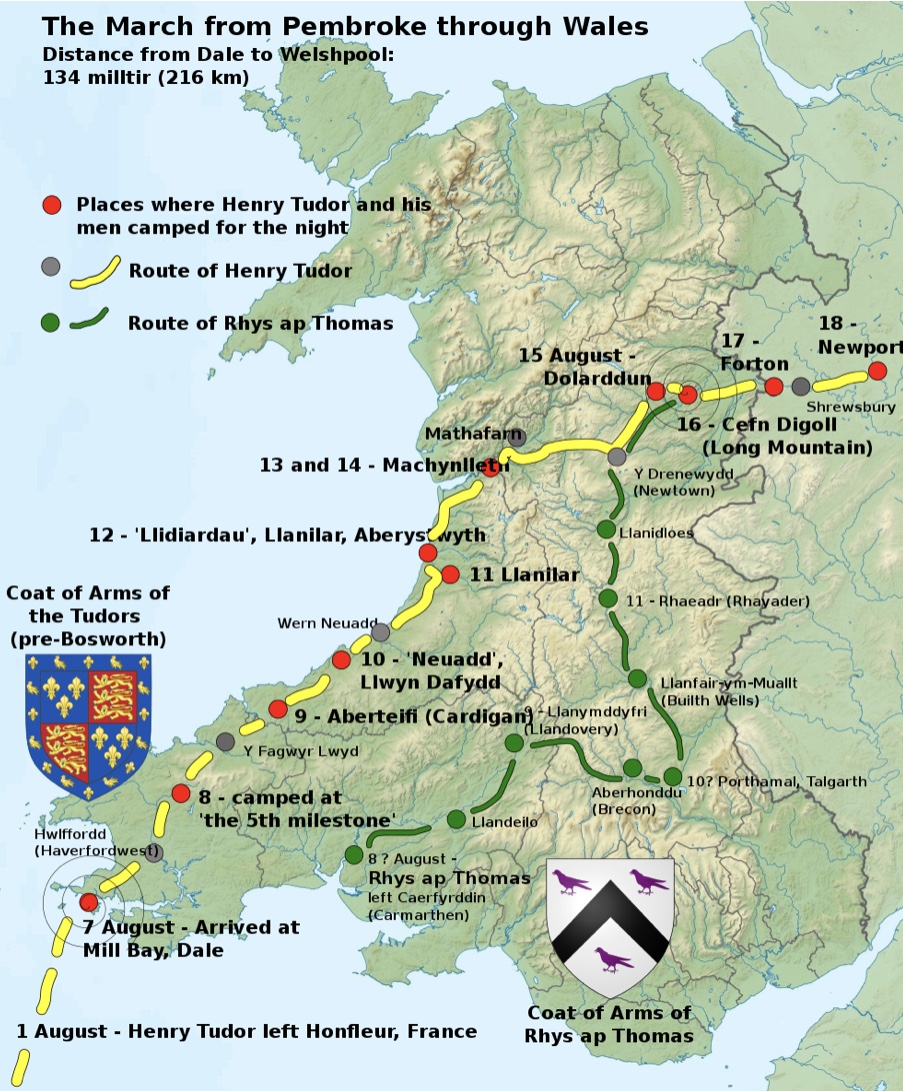
Source: Wikipedia

On 22 August 1485, Henry’s army supported by Rhys’ followers met Richard III’s army at the Battle of Bosworth. Richard launched an attack, which Rhys’ men repelled. In desperation, Richard and his knights charged at Henry. The king was unhorsed, surrounded and killed. Some sources claim that Sir Rhys personally delivered the death blow to Richard III with his poleaxe. Whatever the truth, Henry knighted Rhys on the battlefield.

Grateful for his support, Henry Tudor bestowed more honours on Sir Rhys, including the offices of constable and steward of the lordship of Brecknock, chamberlain of the counties of Carmarthen and Cardigan, and steward of the lordship of Builth. Through these posts Sir Rhys held all the chief appointments that were in the king’s gift in South Wales. 

Henry Tudor

In support of the new king, Sir Rhys commanded of a troop of horse at the battle of Stoke (16 June 1487), capturing the pretender, Lambert Simnel, and he participated in the expedition against Boulogne in October 1492. 

At the battle of Blackheath (17 June 1497), Sir Rhys took the rebel leader, Lord Audeley, prisoner and was created a knight-banneret. Also, he was present at the surrender of Perkin Warbeck at Beaulieu Abbey in September 1497. For services to the king, he was was made Knight of the Garter on 22 April 1505. 

Carew Castle

Sir Rhys spent his latter years at Carew Castle. There, he held a great tournament to celebrate his admission to the Order of the Garter, inviting all the leading families of Wales. He also updated the castle, adding a gatehouse and windows.

Sir Rhys ap Thomas married twice, first to Eva, daughter of Henri ap Gwilym of Cwrt Henri, and second to Janet, daughter of Thomas Mathew of Radyr and widow of Thomas Stradling of St Donats. He died in 1525 and was buried at Greyfriars church, Carmarthen. 

As ever, thank you for your interest and support.

Hannah xxx

Categories
Dear Reader

Dear Reader #99

Dear Reader,

On 15 May 2021 we will publish Stormy Weather, book eighteen in my Sam Smith Mystery Series. Meanwhile, I’m working on Damaged, book nineteen in the series. We will publish this book in the autumn. Meanwhile, here’s the cover.

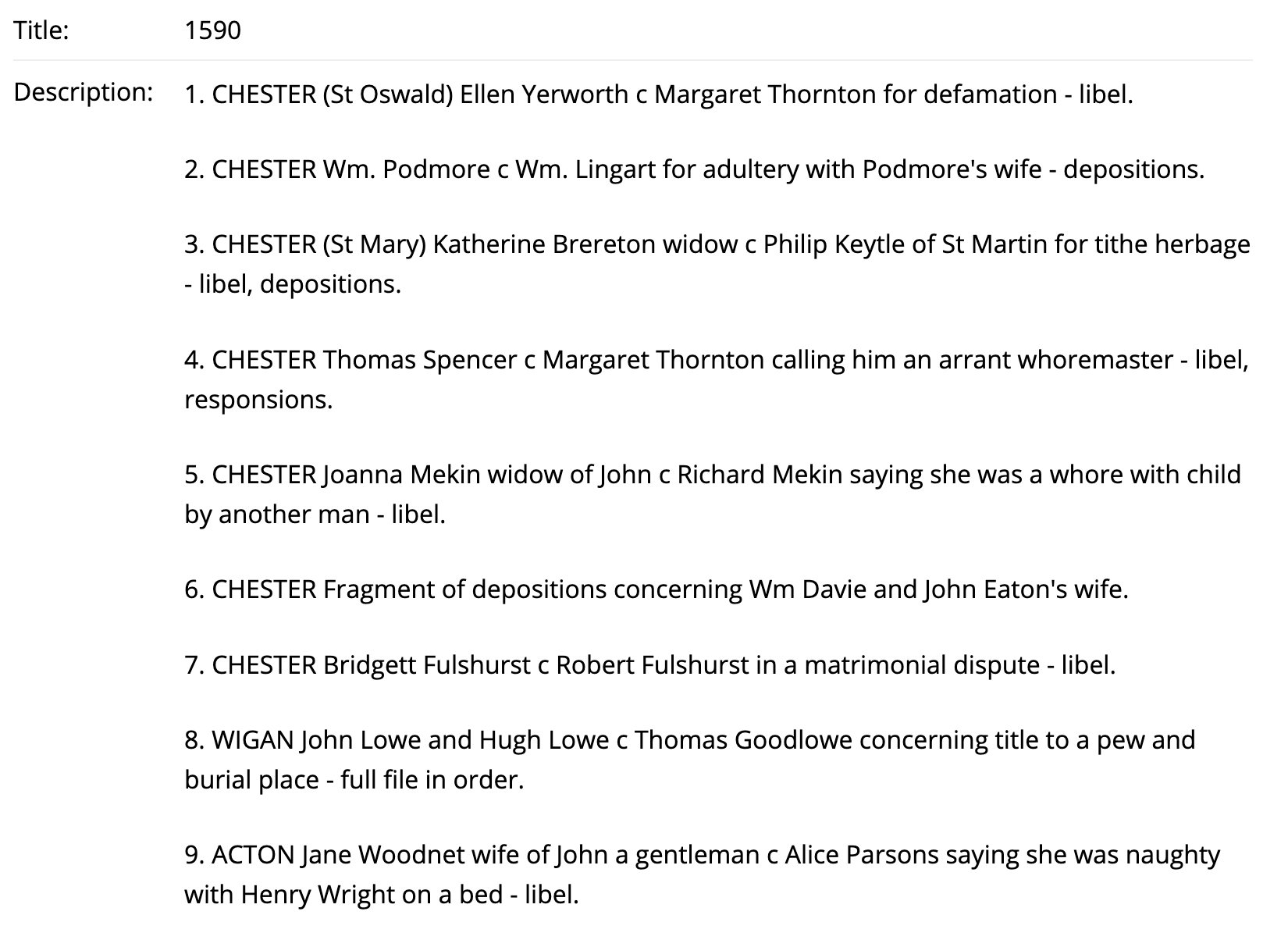
Chester, 1590, den of iniquity.

The Brereton’s are on my family tree. One generation were involved in a murder plot and an attempt to alter a will. The case reached the Star Chamber.

My latest translations, Ann’s War: Victory in Afrikaans and Eve’s War: Operation Broadsword in Portuguese.

The May 2021 issue of Mom’s Favorite Reads.

In this month’s issue…

Am I a Real Mum?

The Benefits of Journaling

International Nurses Day

Discovering Your Eighteenth Century Ancestors 

Things to Celebrate in May

Plus, travel, photography, puzzles, poems, short stories and so much more!

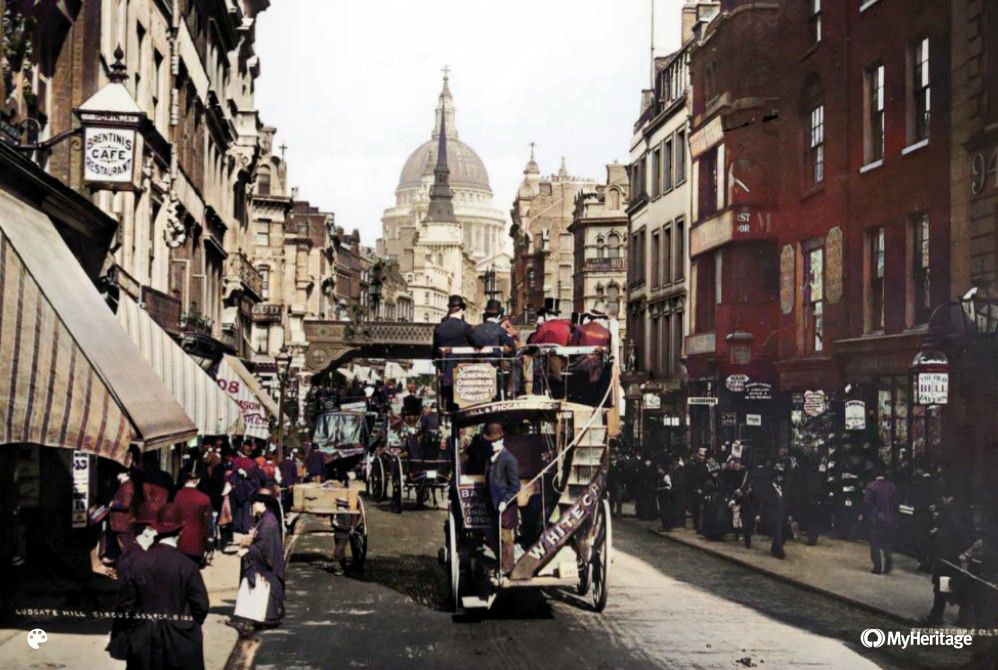
Colourised image of Fleet Street, London, 1888.

Just discovered that my 5 x great grandfather James Noulton served in the Napoleonic Wars, receiving a decoration in 1811 for his participation in the Invasion of Java.

Picture: A plan of the Cornelia, 1808, one of the two ships James Noulton served on.

More about James in future posts.

My 2 x great grandfather Albert Charles Bick was born on 3 September 1879 in Battersea, Surrey, the youngest of William Bick and Fanny Brereton’s eleven children.

William and Fanny moved to Battersea from Gloucestershire. The family also had connections in Hampshire and over several generations moved between these counties. William was a labourer so money for the family was always tight.

Albert started school at a young age, three. He attended Sleaford Street School, one of the new board schools created to give working class children an education.

Albert at school

After school, Albert found a job as a car man at the coal wharf, transporting coal on a horse and cart. He was still in this form of employment when he married Annie Noulton on 22 March 1902 in Lambeth, London. In thirteen years the couple had seven children.

In 1911, Albert was still a car man, now working at Doulton’s Pipe Works in Lambeth. The birth records of Albert and Annie’s children reveal that he worked as a car man throughout his married life. On 7 April 1911 there was a mass baptism when four Bick children from various strands of the family were baptised.

When the First World War broke out in 1914 Albert and Annie had six children with another on the way. During the summer of 1915, after the birth of his seventh child, Albert volunteered to serve in the Queen’s Royal West Surrey Regiment. Why did he volunteer? 

Albert’s brothers William, John and Frederick also volunteered, Frederick for the Red Cross. It would appear that the brothers volunteered together, and that it was a family decision. In 1911, the  family baptised four children together, so obviously they were a tight-knit family. By this time, the war had been raging for a year so unlike the first wave of volunteers who set off with naive optimism, the Bicks volunteered in the knowledge that they were entering hell.

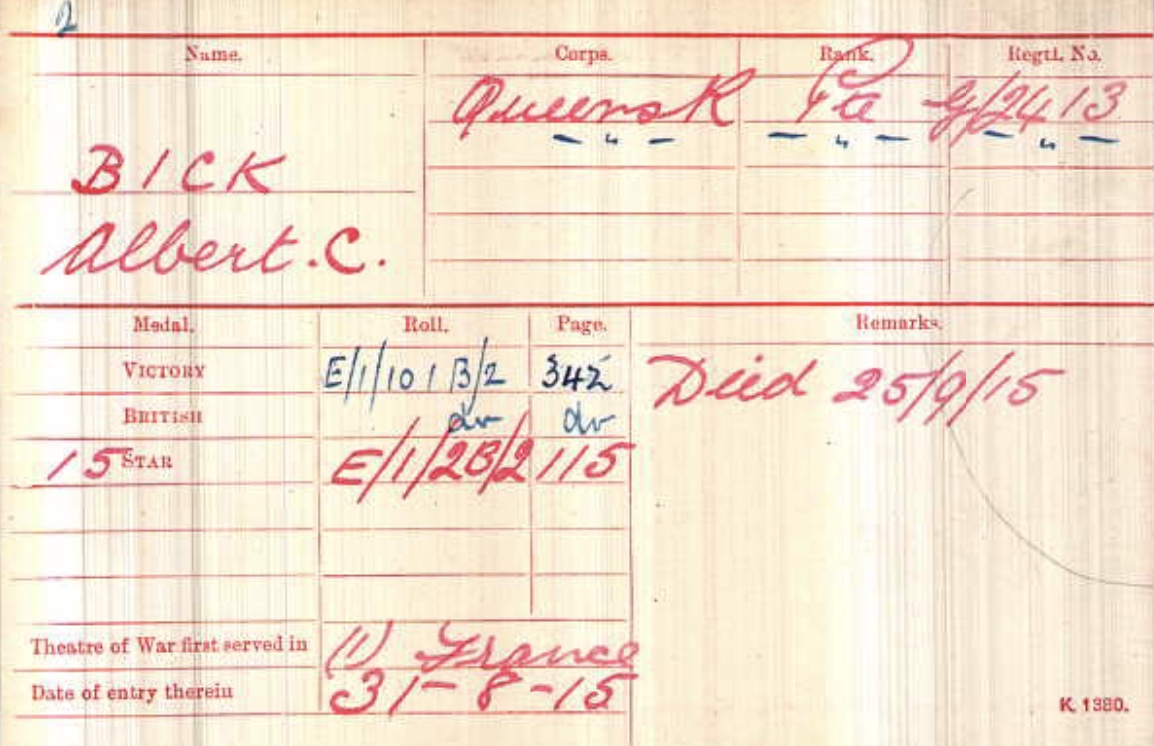
The hell Albert entered had a name, the Battle of Loos. He departed for France on 31 August 1915 and engaged in the battle less than a month later, on 25 September 1915. 

The Battle of Loos was the biggest British attack of 1915, and the first time that the British used poisoned gas. The plan was for the French and British forces to break through the German defences in Artois and Champagne, and disrupt the pattern of trench warfare. 

At a conference on 6 September 1915 British commander Douglas Haig suggested that the extensive use of chlorine gas might facilitate an advance as long as the French and British were able to keep the attack secret.

Royal Engineers dug under no-man’s-land and planted mines under the parapets of the German front line trenches, ready to be detonated at zero hour.

Insufficient ammunition hampered the initial bombardment. Also, the British commanders did not fully appreciate the defensive formation of the German machine guns.

Prior to the attack, the British released 140 long tons of chlorine gas. The wind favoured no side and the gas affected both British and German troops.

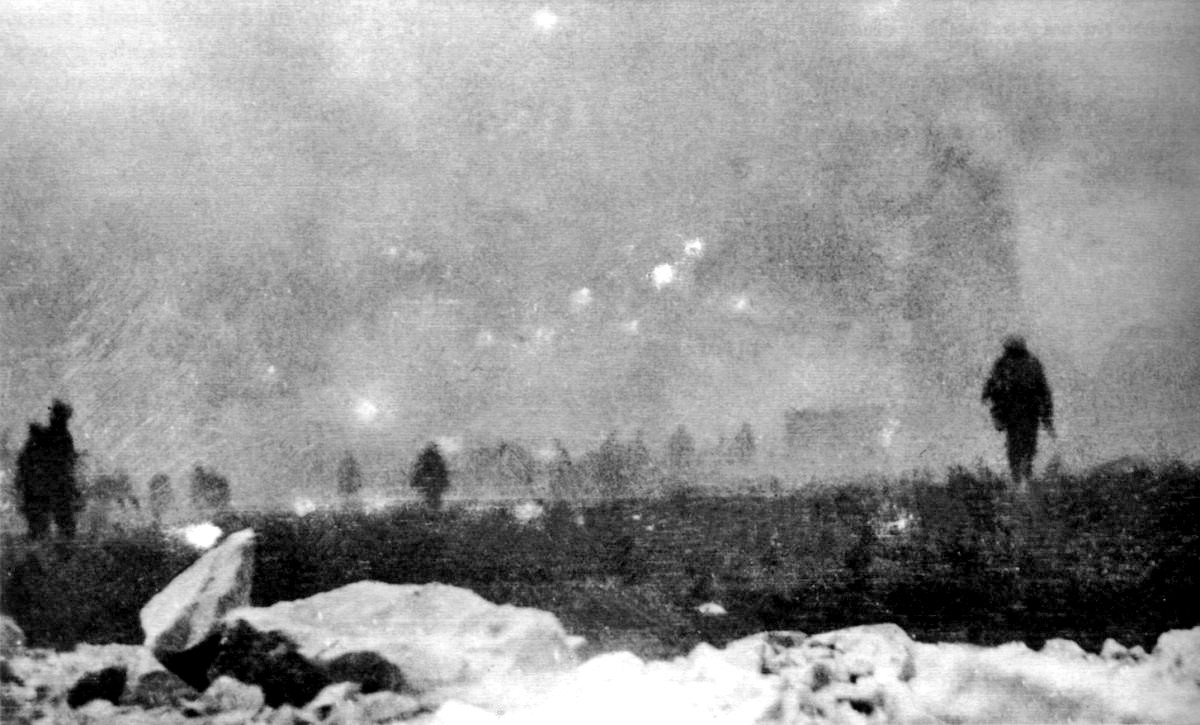
British infantry advancing at Loos 25 September 1915

The gas masks were inefficient so many soldiers removed them to obtain clear vision and, ironically, to catch their breath. At 6.30 am on 25 September 1915 Albert engaged in battle, charging across open ground, the air full of gas and bullets.

In many places the British artillery had failed to cut the German barbed wire before the attack. Furthermore, the engineers manning the poison gas cylinders warned against their use, because of the unpredictability of the wind. However, they were overruled by General Sir Hubert Gough. 

As the battle developed, the gas claimed more British than German casualties. Despite that disaster, the British did capture the village of Loos-en-Gohelle. Bad planning meant that the breakthrough could not be exploited. A contemporary account stated, ‘From what I can ascertain, some of the divisions did actually reach the enemy’s trenches, for their bodies can now be seen on the barbed wire.’

Major-General Richard Hilton, a Forward Observation Officer, said of the battle, ‘A great deal of nonsense has been written about Loos. The real tragedy of that battle was its nearness to complete success. Most of us who reached the crest of Hill 70, and survived, were firmly convinced that we had broken through on that Sunday, 26 September 1915. There seemed to be nothing ahead of us, but an unoccupied and incomplete trench system. The only two things that prevented our advancing into the suburbs of Lens were, firstly, the exhaustion of the “Jocks” themselves (for they had undergone a bellyfull of marching and fighting that day) and, secondly, the flanking fire of numerous German machine-guns, which swept that bare hill from some factory buildings in Cite St. Auguste to the south of us. All that we needed was more artillery ammunition to blast those clearly-located machine-guns, plus some fresh infantry to take over from the weary and depleted “Jocks.” But, alas, neither ammunition nor reinforcements were immediately available, and the great opportunity passed.’

Twelve attacking battalions suffered 8,000 casualties out of 10,000 men in four hours. In total, the British suffered 48,367 casualties in the main attack and 10,880 more in the second attack, a total of 59,247 losses, a high percentage of the 285,107 British casualties on the Western Front in 1915. Though Haig and Gough were culpable for this disaster, they escaped much of the blame. 

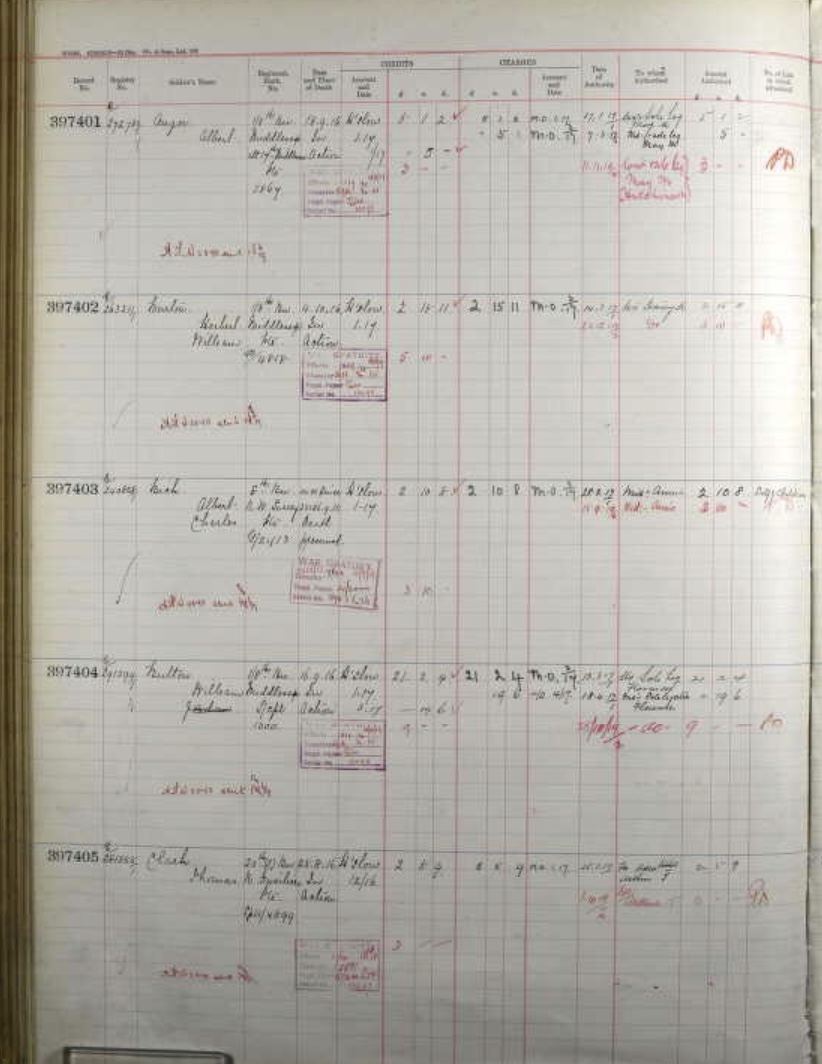
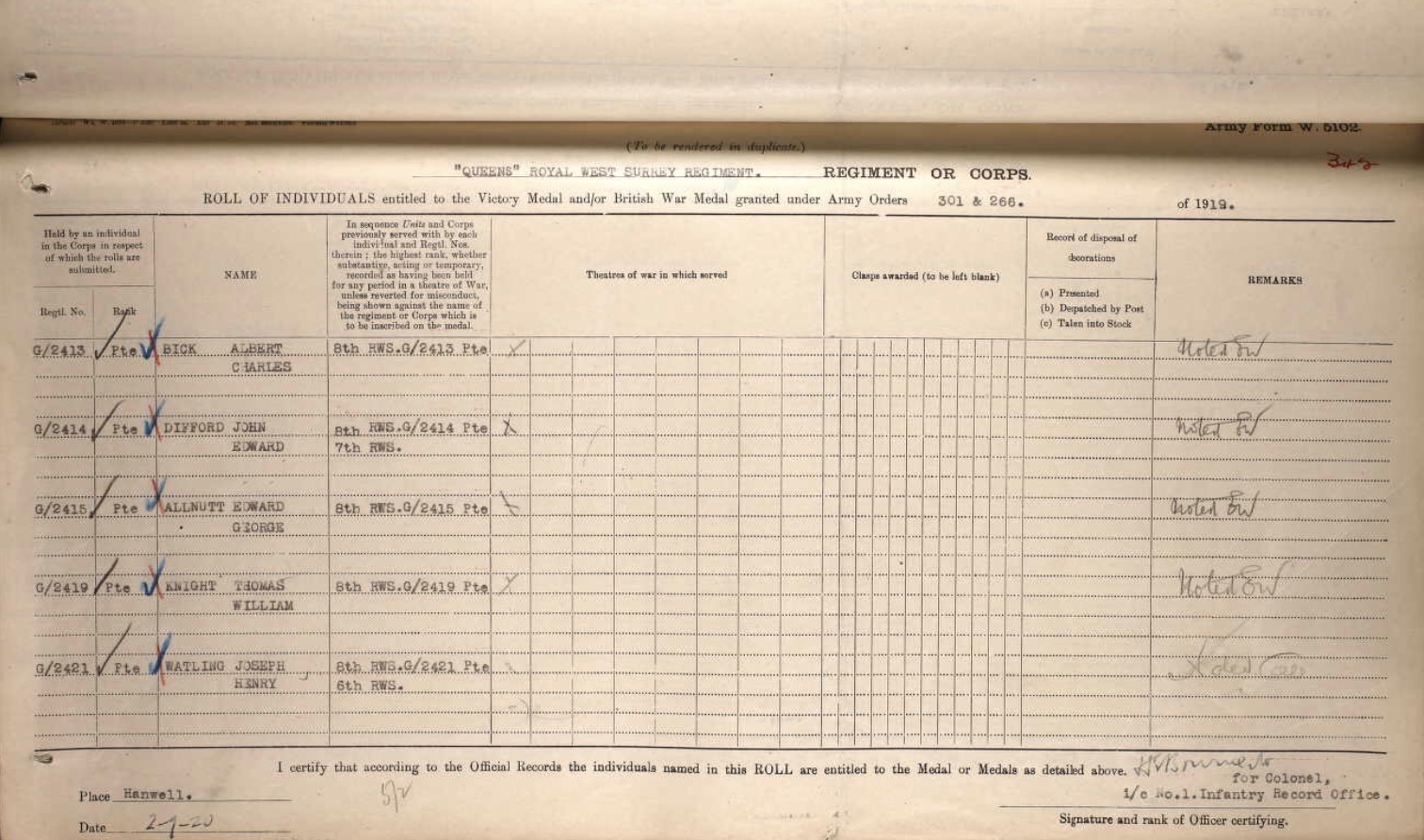
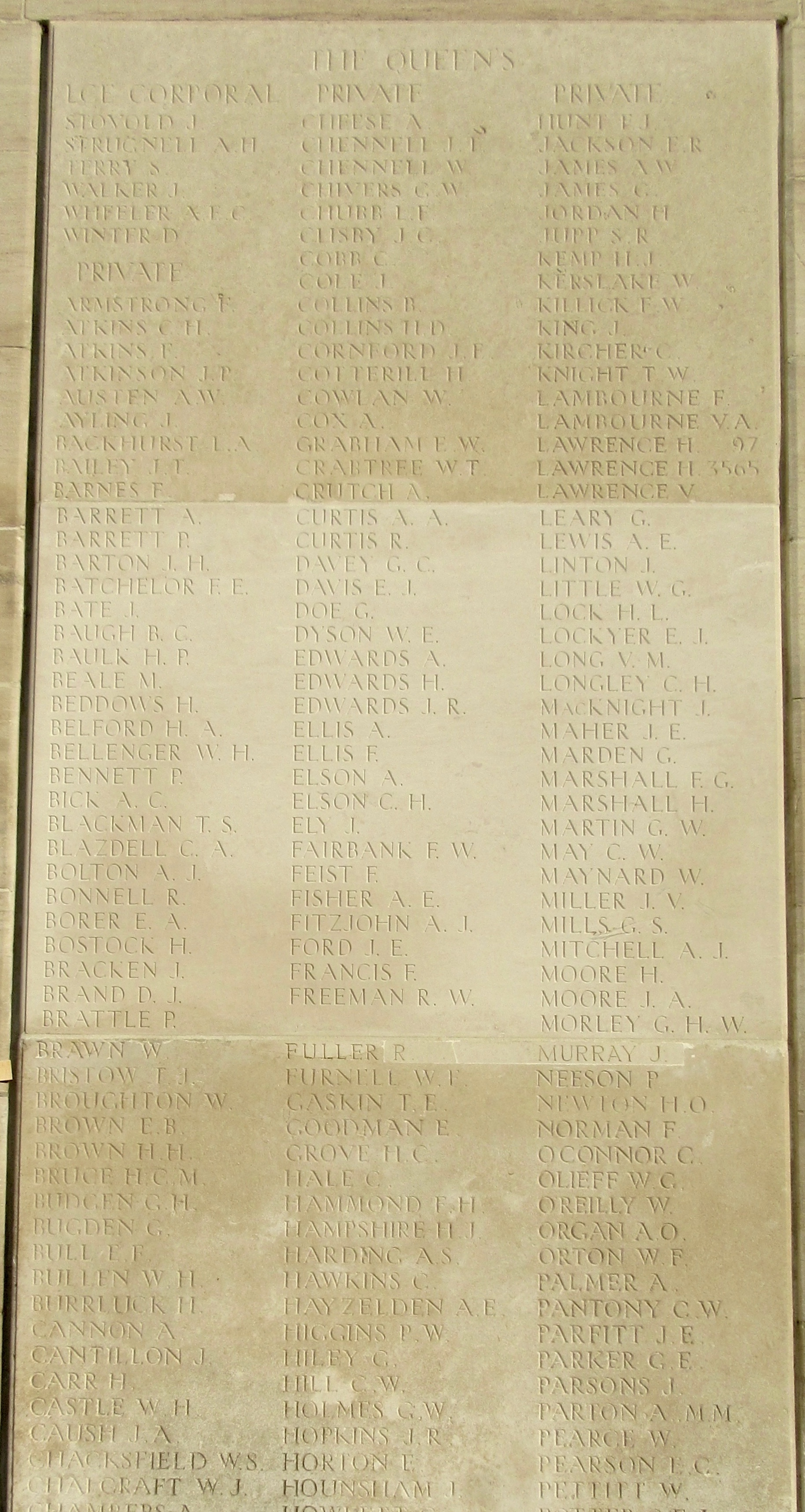
Albert Charles Bick died at Loos on 25 September 1915, whether through gas poisoning, a machine gun bullet or a mortar bomb is not known, for his body was not recovered. In the official files he is listed as ‘presumed dead’.

Annie received a widow’s pension. She did not remarry and died in 1963. Her eldest daughter and my direct ancestor, also Annie, survived her. As a child, I met daughter Annie several times during her later years, although I was too young to appreciate what the family had been through.

Loos War Memorial

The poet Robert Graves featured in the Battle of Loos and wrote about his experiences in Goodbye to All That while the Loos Memorial commemorates over 20,000 British and Commonwealth soldiers who fell in the battle and have no known grave, including Albert Charles Bick.

As ever, thank you for your interest and support.

Hannah xxx
Categories
Dear Reader

Dear Reader #95

Dear Reader,

Nice to receive correspondence from readers who enjoy my books and wish to discuss the subject matter. My Eve’s War Heroines of SOE Series has generated a lot of interest in that respect.

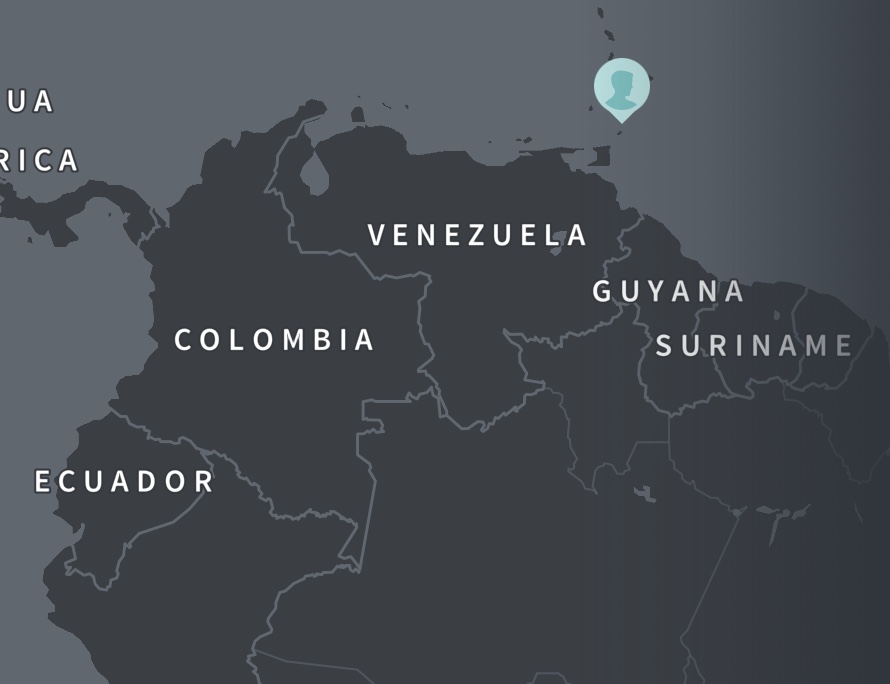
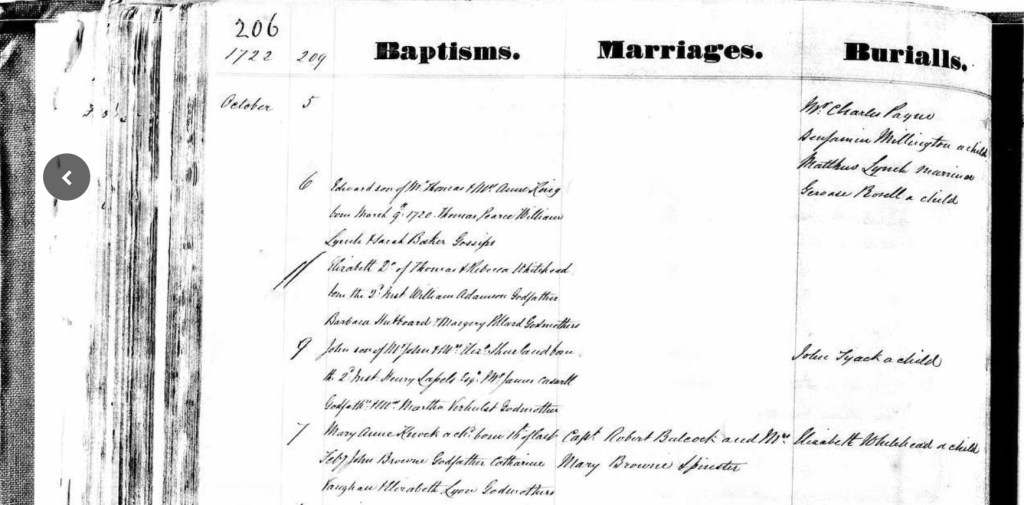
My DNA result indicated that my ancestors were in the Caribbean. Now, this record suggests that my 7 x great grandfather Edward King was baptised in St Michael Parish, Barbados on 6 October 1722, aged two. What were his parents, Thomas and Anne, doing in Barbados? Were they involved in the sugar plantations? More research required…

Sulham House, home to the Wilder branch of my family. The Wilders arrived in Britain during the second half of the fifteen century, possibly from Bohemia.

My latest translation, Stardust in Portuguese.

I’ve traced one branch of my family tree back to Lord Tancrède (Tancred) “the Viking” aka de la Ville Tancréde, born c880 in Schleswig-Holstein, Denmark. One of the foremost Vikings of his generation, Tancrède built a castle on a spur overlooking the Seine.

“Tancarville castle was the seat of one of the most powerful lineages of the Pays de Caux. This family, grand officers of the crown, were as mentioned, early landowners in the Lillebonne region. Infamous in Knightly accomplishments and during the ducal epoch, becoming that of the Hereditary Chamberlains of Normandy.” 

Tancarville Castle – le Château Fort de la Ville Tancrède

The April 2021 issue of Mom’s Favorite Reads!

In this month’s issue…

Do Pets Really Make You Healthy?

Memories of Ireland

Author Features

Escape to Simplicity 

Women of Courage 

Plus, interviews, photography, puzzles, poems, short stories and so much more!

My 6 x great grandfather Jasper Wheeler was born in 1745 in Westminster, London. He married Mary Cherien on 24 May 1773 and the couple had two children, including my direct ancestor, Thomas Wheeler.

At this stage, little is known about Mary. Further research is required. Her surname suggests French origin and the marriage and birth dates suggest that her son Thomas was born out of wedlock.

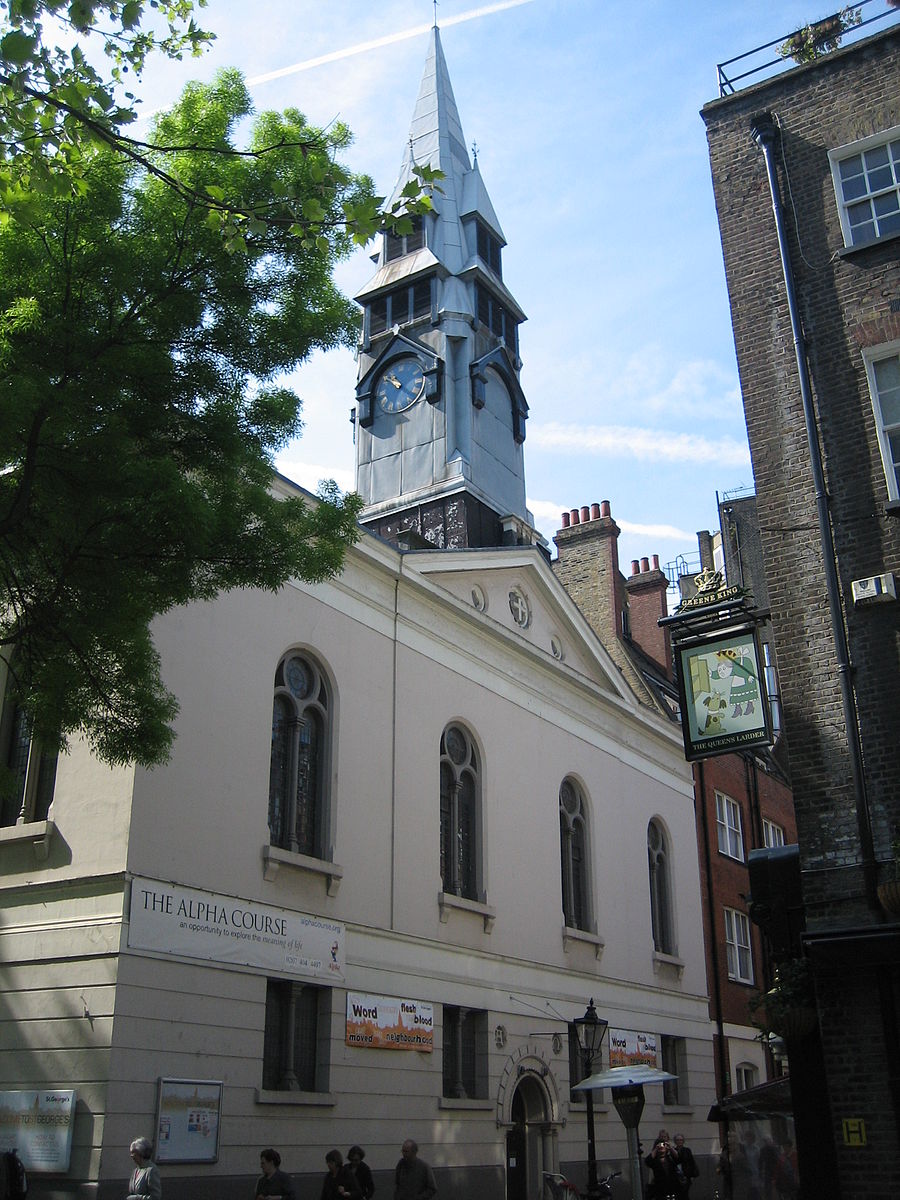
The scene of Jasper and Mary’s wedding, St George the Martyr, Queen Square, Holborn (Picture: Wikipedia).

Jasper earned a living as a pawnbroker in Kew Road, Richmond. He rented a property from Henry Edmead and his rent at 16 shillings was considerably higher than the eight other tenants who rented property from Henry Edmead.

Richmond contained areas of great poverty, although on the whole it was well-to-do. I sense that Jasper and Mary straddled these two worlds, living in modest comfort while dealing in the main with people who had little money.

Pawnbrokers, with their distinctive symbols of three golden balls, were integral to working class life in the 1800s. Their symbols were initially associated with St Nicholas who, according to legend, saved three young girls from destitution by loaning them each a bag of gold, paving their way towards marriage.

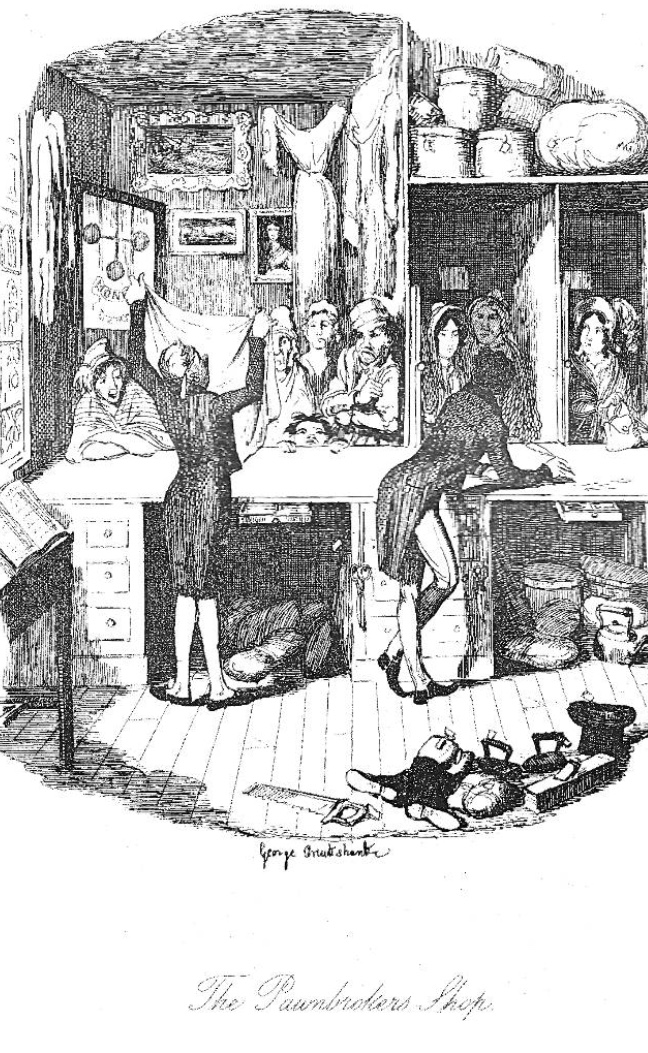
The Pawnbroker’s Shop, Harry Furniss, 1910.

Modern pawnbroking began with the Pawnbrokers Act of 1800. Lord Eldon, who promoted the Bill, admitted that he had used pawnshops in his youth. The Act increased the interest rate to 20 percent per year with licence fees set at £15 in London and £7 10 shillings in the countryside. Although sometimes associated with crime and stolen goods, a report in the Victorian era concluded that only one in 14,000 items were pawned dishonestly.

Often referred to as ‘Uncle’, quite often the pawnbroker was the difference between a regular meal and starvation. Indeed, some communities boasted more pawnbrokers than public houses, the pawnbroker lending money on anything from bedlinen to cutlery, from jewellery to furniture, from tools to the family’s Sunday best clothes.

With the workhouse an ever-present threat, pawning became acceptable, a way of life. Families, and pawnbrokers, recognised a regular pattern, centred on Saturdays and Mondays. A family, usually through the wife, would pledge its clothing on Monday then redeem it on Saturday, after pay day. Suitably dressed, the family would attend church on a Sunday, then resume the pawning cycle, the pawnbroker earning his living from the interest charged.

The Pawnbroker’s Shop, 1876. 

The entrance to a pawnbroker’s shop was usually via a side-street. In Sketches by Boz, Charles Dickens offered this description of a pawnshop near Drury Lane, ‘which affords a side entrance for the accommodation of such customers as may be desirous of avoiding the observation of the passers-by, or the chance of recognition in the public street’. The door, ‘half inviting, half repelling the hesitating visitor, who, if he be as yet uninitiated, examines one of the old garnet brooches in the window for a minute or two with affected eagerness, as if he contemplated making a purchase; and then cautiously looking round to ascertain that no one watches him, hastily slinks in…’

Although associated with the working class, a pawnbroker also received visits from the middle and upper classes in need of instant cash. Due to the sums involved, these clients offered the pawnbroker richer pickings and a chance to make sizeable profits from the transactions.

The pawnbroker was entitled to keep and sell items valued at under ten shillings once the redemption period of one year and seven days elapsed. Items valued at over ten shillings were sold at public auction.

No one described the scene better than Charles Dickens, ‘several sets of chessmen, two or three flutes, a few fiddles…some gaudily-bound prayer books and testaments, two rows of silver watches…numerous old-fashioned tables and tea spoons….cards of rings and brooches….cheap silver penholders and snuff-boxes…silk and cotton handkerchiefs, and wearing apparel of every description…’ 

Charles Dickens, 1868.

Did Jasper exploit the poor, or offer an essential service? He made a living from their poverty. However, he also placed food on their dining tables. With little support from the state, the pawnbroker was an essential member of the community.

Jasper’s Will – he died in late January 1812, aged 67, and was buried on 2 February – makes no mention of his wife Mary or his son Thomas. Instead, he bequeathed money to a widow, Elizabeth Tibbs, and her family. Was this bequest a business arrangement or the result of a romantic relationship? I suspect the latter. Given that Jasper and Mary only had two children it suggests that Mary died young. But what of Thomas?

Although there is no record of Jasper falling foul of the law, the Wheelers were regular visitors to the Old Bailey. More about that, and Thomas’ fate, in a future post.

As ever, thank you for your interest and support.

Hannah xxx

Categories
Dear Reader

Dear Reader #91

Dear Reader,

My Top Ten Sales Countries in February.

In total, my eBooks were downloaded in 29 countries during February. Very exciting to see such diversity and grateful that I decided to publish wide and not limit myself to Amazon.

Through Smashwords

America 🇺🇸 Canada 🇨🇦 Australia 🇦🇺 Bulgaria 🇧🇬 Britain 🇬🇧 Japan 🇯🇵 Spain 🇪🇸 New Zealand 🇳🇿 Germany 🇩🇪 Italy 🇮🇹

Through Gardners

America 🇺🇸 Canada 🇨🇦 South Africa 🇿🇦 India 🇮🇳 Britain 🇬🇧 Netherlands 🇳🇱 Indonesia 🇮🇩 Malaysia 🇲🇾 Vietnam 🇻🇳 Venezuela 🇻🇪

Through Amazon

America 🇺🇸 Britain 🇬🇧 Canada 🇨🇦 Australia 🇦🇺 Germany 🇩🇪 Mexico 🇲🇽 Spain 🇪🇸 Brazil 🇧🇷 France 🇫🇷 India 🇮🇳

My latest translation, the Spanish version of The Olive Tree: Branches. Leaves, book three in my Spanish Civil War saga will be available in numerous languages in the summer.

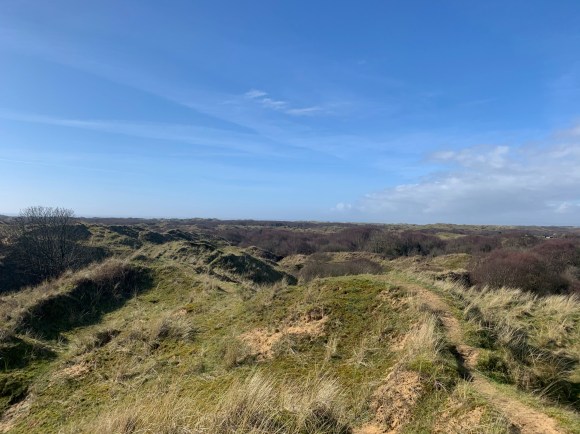
Kenfig Pool sand dunes this week. And Mawdlam church, which overlooks the dunes, the final resting place for many of my ancestors.

Included in this month’s Seaside News, my article about SOE heroine Peggy Knight. In her 100th year, this remarkable woman now lives in New Zealand.

Mom’s Favorite Reads eMagazine March 2021. Our spring issue.

In this issue…

A seasonal blend of articles including Mad as a March Hare, Dr Seuss, Reiki, World Wildlife Day, International Day of Forests, plus short stories, recipes, puzzles, humour, photographs and so much more!

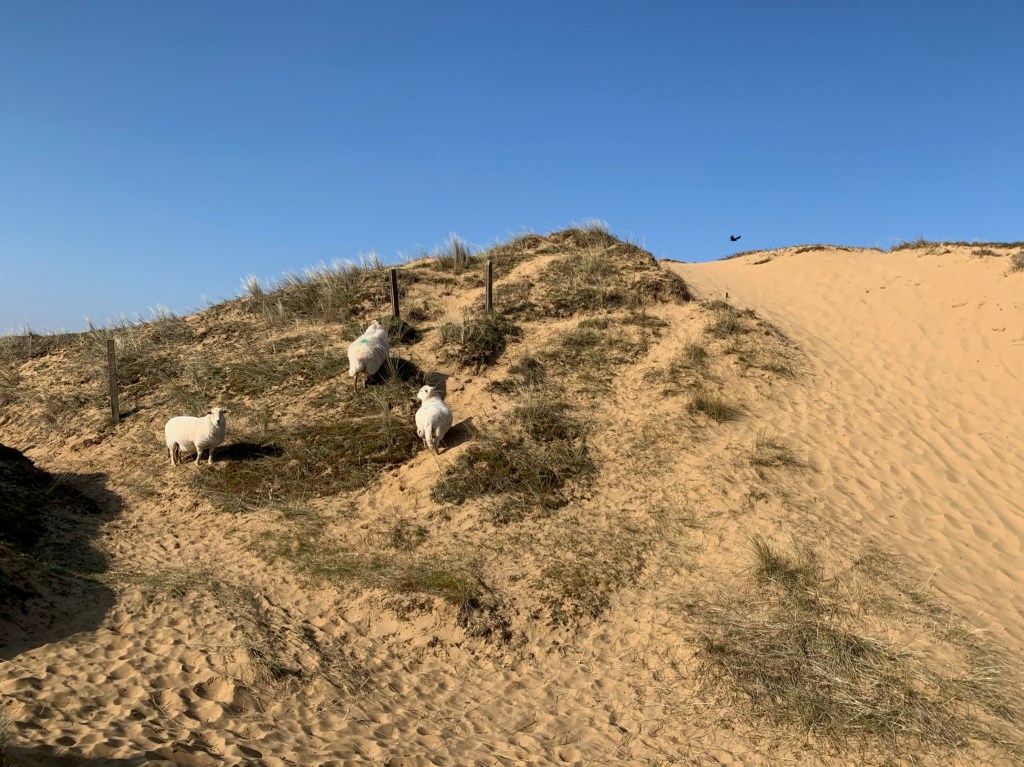
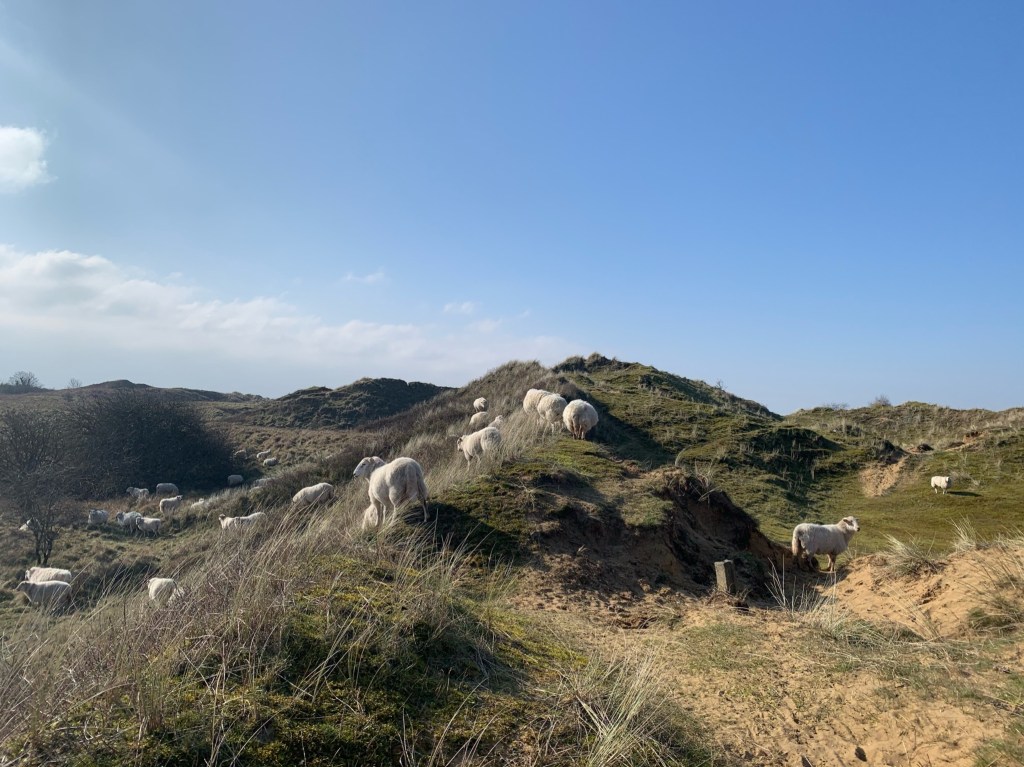
Sheep took over the sand dunes this week 🐑 🐑 🐑

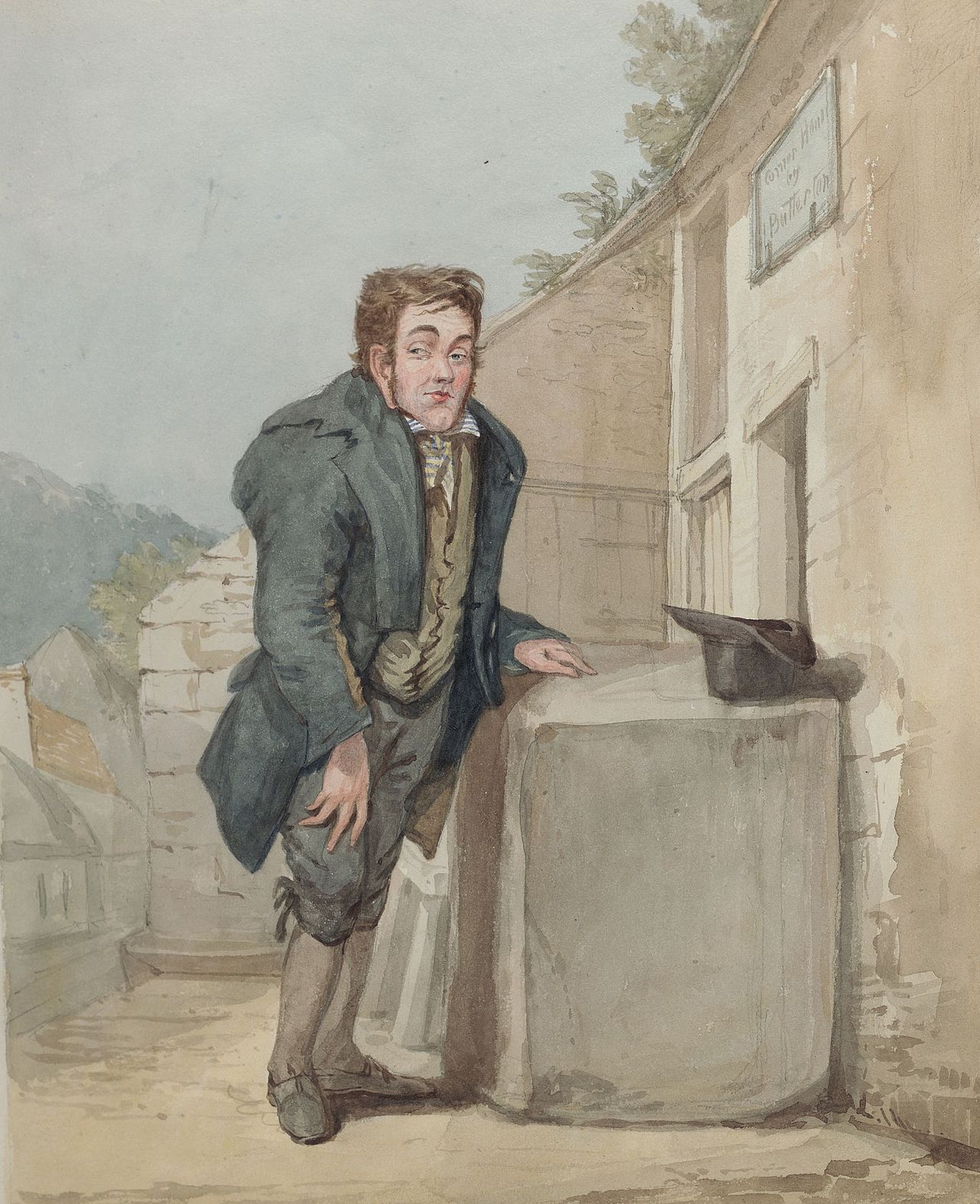
My 4 x great grandfather, Richard Morgan, was baptised on 2 December 1792 in Llantrisant, Glamorgan. The ninth of twelve children born to James Morgan and Hannah David, Richard established himself as an ostler tending the coaching horses that travelled through Glamorgan, transporting people and goods from Ireland to London, and vice-versa.

‘Ostler at Margam 1818’ by George Orleans Delamotte

At the relatively advanced age of 43, Richard married Margaret Jones in St James’ Church, Pyle. Born in 1811 to John and Mary, Margaret hailed from Pyle, a rural village that contained the main highway in Glamorgan.

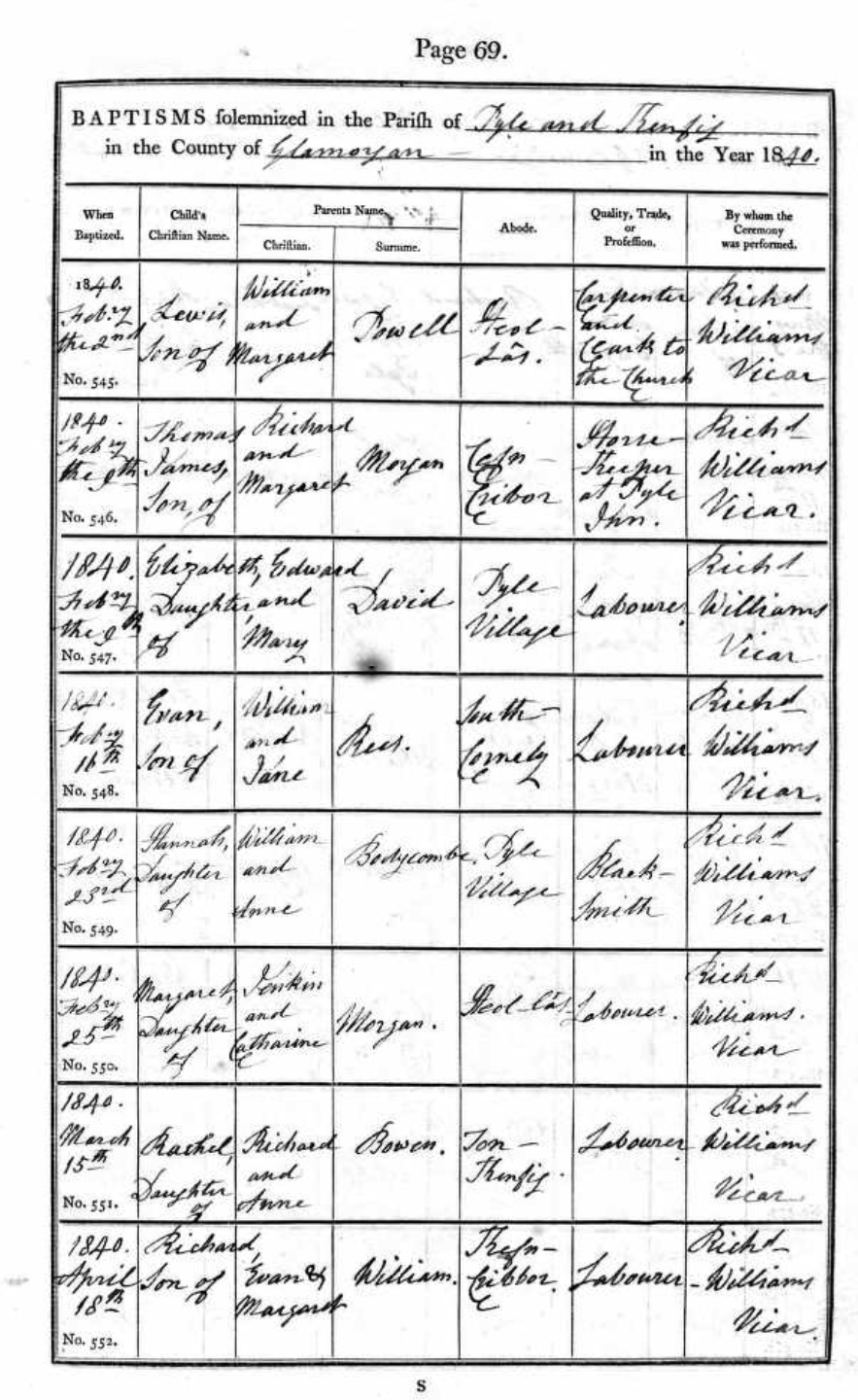
During my research, I wondered what persuaded Richard to travel twenty miles west to settle in Pyle. Then, I hit upon a theory. As an ostler, he moved there to work at Pyle Coaching Inn, the main Inn on the main highway. Then, while researching the births of Richard and Margaret’s children, I discovered that Richard was listed as a horse keeper at Pyle Coaching Inn, and living in nearby Cefn Cribwr, or Tythegston Higher as it was also called. It’s lovely when your theories are confirmed in that fashion.

Mail deliveries had become available to the public in 1635 and the introduction of national mail coaches in 1785 further increased the traffic travelling along the highways. The ongoing war with France meant that the gentry could no longer take the ‘grand tour’ of Europe and so they looked around for alternatives, their eyes and minds soon focusing on Wales with its romantic landscapes and medieval ruins. All of this led to the building of Pyle Coaching Inn during the 1780s by Thomas Mansel Talbot of Margam.

Thomas Mansel Talbot took a private apartment at the Inn and he would stay there while indulging in his passion for hunting and fishing. He had built the Inn in the fashionable Georgian style with three floors and rooms of various sizes. The largest room was five metres by four and a half metres, and the building contained forty beds and twelve double-bedded rooms. Moreover, the Inn also boasted a spacious dining room and stables for eight coaching horses.

Many 18th and 19th century antiquarians who travelled through South Wales would visit the buried medieval town at nearby Kenfig and invariably they would stay at the Inn. Also, it is rumoured that Admiral Lord Nelson resided there on one occasion. 

Pyle Coaching Inn, c1950

Isambard Kingdom Brunel did stay at the Inn in 1849 – 50 to oversee the construction of the South Wales leg of the Great Western Railway. Another distinguished guest was Josiah Wedgwood and it is said that he gained inspiration for some of his pottery from the colour of the rocks and pebbles on the beach at Pink Bay.

Richard and Margaret produced five children: Catherine, Thomas, Mary Ann, Richard and my direct ancestor, Hannah. With secure employment in a job that he clearly loved and in the green pastures and open spaces of Cefn Cribwr, life must have been good. Then, in the late 1840s, the railways arrived.

The railways took passenger and commercial trade away from the horse carriages and Richard lost his job at Pyle Coaching Inn. However, the family adapted. Richard became a colt breaker then a horse keeper. With his love and knowledge of horses, he worked with the animals for the rest of his life. 

Meanwhile, Margaret established her own ‘Inn’ boarding navigators who had travelled from their homes in Ireland to help construct the railways.

Residents of Pyle Coaching Inn in the early 1900s

Richard died in 1865 after a life well lived. By this time his children had married. After Richard’s death, Margaret moved to Mountain Ash to live with her son-in-law, John Davies, and help raise his children. Sadly, Margaret’s daughter, Mary Ann, had died and John was a widower.

I cannot leave this branch of my family without mentioning Margaret’s mother, Mary Jones. Born in 1765 in Carmarthen, she’d moved east with her husband, John, to work on the land. Mary lived with Richard and Margaret in later life. She had a strong constitution, which only failed on 19 January 1864 when she was ninety-nine years of age.

As ever, thank you for your interest and support.

Hannah xxx

Categories
Dear Reader

Dear Reader #90

Dear Reader,

Ideas for my Sam Smith mysteries usually appear a year or more before I write the stories. My latest idea in development, for book nineteen in the series, has an international flavour with characters from America, and France as the main setting. More news and pre-order details in future weeks.

My latest translation, Operation Zigzag in Portuguese. Available soon 🙂

A lovely find from 1839. Hannah Thorp, my 5 x great grandmother, in Pigot’s Directory as a straw hat maker 🙂

This picture, one of a series by George Orleans Delamotte, is titled ‘Ostler at Margam, 1818’. By coincidence, my 4 x great grandfather, Richard Morgan, was an ostler at Margam in 1818 🙂

An intriguing find, the union of my 8 x great grandparents, James Cottrell and Elizabeth Vincent, recorded in the Clandestine Marriage Register.

Another intriguing find from the Cottrell branch of my family, a Marriage Allegation and Bond signed by my 7 x great grandparents Daniel Cottrell and Mary Troutbeck on 9 October 1767.

Marriage Allegations and Bonds were signed by couples in a hurry or requiring privacy. Reasons included:

1. The bride was pregnant (in this case she wasn’t) or the groom was on leave from the Army or Navy.

2. The parties differed greatly in age, such as a widow marrying a much younger man or an old man marrying a young woman (not applicable here).

3. The parties differed in social standing, such as a master marrying a servant.

4. The parties differed in religion or did not attend the parish church because they were Nonconformists or Roman Catholics (this is the most likely reason for Daniel and Mary marrying in this fashion because the Cottrells were renowned nonconformists).

5. The parties were of full age but still faced family opposition to their marriage.

The Birth Certificate and the Blank Space

The youngest of seven children, my 2 x great grandmother, Margaret Jones, was born on 15 October 1871 in the village of Laleston, Glamorgan. Her parents, James and Margaret, had moved east from Carmarthen to Laleston to work on the land.

Initially, Margaret found employment as a maid. Then she married coal miner Thomas Jones (in Wales it’s very common for a number of intertwining branches to carry the surname Jones). The couple moved to North Corneli where Thomas worked in the nearby newly opened Newlands Colliery. The couple had ten children and family legend states that each week when the working members of her family returned home from the coal mines Margaret told them to place their wages on the living room table so that she could control the finances.

In many respects, Thomas and Margaret were a typical working class couple. However, Margaret harboured a secret. When she left Laleston to begin her family with Thomas, she left behind a son, Edward Robert Jones.

Throughout his childhood, Edward Robert Jones lived in Laleston with his aunt and uncle. Born before Thomas and Margaret married, it’s clear that Edward Robert was not Thomas’ son. So, who was his father? The mystery deepens because the space on Edward Robert’s birth certificate for his father’s name was left blank.

Margaret gave birth to Edward Robert out of wedlock, a scandalous thing for a woman to do in the Victorian era. Throughout my ancestry, I’ve discovered many pregnant brides and ‘shotgun weddings’. On every occasion, apart from this one, the father married the illegitimate child’s mother or at least acknowledged the child. 

As well as the psychological factor, it was important for the mother to identify the father so that she could receive maintenance for her child. The blank space on this birth certificate suggests that the father refused to acknowledge the child. That happened on occasion, but the mother could always challenge him. In Edward Robert’s case, the father remained anonymous. For what reason? Did he have something to hide?

The story, repeated throughout the generations, is that Margaret worked as a maid for John Picton Warlow in Laleston House, the ‘Big House’ in the village. That seems logical because in 1891 John Picton Warlow employed two housemaids along with a cook and a nurse. Furthermore, when Margaret moved to Corneli she named her home ‘Laleston House’.

Laleston House, Laleston

Everything points to the family stories being true – Margaret worked for John Picton Warlow as a maid in Laleston House. But who was John Picton Warlow?

The son of Captain Thomas Warlow of the Bengal Engineers and Mary Prudence Ord, John Picton Warlow was born on 6 November 1837 in Allahabad, Uttar Pradesh, British India. When John was two years old his father died and the family returned to Britain. 

As a teenager, in 1854 John joined the East India Company in Madras, India. A successful career involving regular international travel followed. This included spells in India, South Africa and Turkey. 

John married three times and fathered at least twelve children. In 1865, a year after the death of his first wife, Josephine, John suffered a breakdown while in India and returned to Britain where he stayed with his cousin, Miss Turbervill, at Ewenny Priory. The Turbervill’s have a long lineage in Glamorgan dating back to medieval times and they are, incidentally, my direct ancestors. 

Ewenny Priory, from ewennypriory.co.uk

In 1891, John inherited the Turbervill Estate of Ewenny Priory and changed his name to Picton-Turbervill. He served as High Sheriff of Glamorgan and as a Justice of the Peace. It’s often been recorded that privileged Victorians took advantage of their servants. Did John take advantage of Margaret?

During the time Margaret worked for John, he lost his second wife, Eleanor. However, by the time Margaret gave birth to Edward Robert, John had married his third wife, Caroline. Would a husband cheat on his new wife?

Margaret died in 1945 and the gossip within my family, amongst ancestors who knew her, suggests that Edward Robert’s father resided at Laleston House in Laleston. If John was not the father, is there another candidate? All the servants at the ‘Big House’ in Laleston were female, so that leaves John’s three of age sons, one of whom was named Robert…

As ever, thank you for your interest and support.

Hannah xxx