Categories
Dear Reader

Dear Reader #104

Dear Reader,

This week, we made a start on the Portuguese versions of A Parcel of Rogues and The Hermit of Hisarya in my Sam Smith Mystery Series, translations number eighty-one and eighty-two of my books.

An exciting new venture for a wide range of Welsh products. Full details here https://www.allthingswales.co.uk
The latest issue of Mom’s Favorite Reads 🙂

In this month’s issue…

Flash Fiction 

New Releases

Bluebells

Interviews

Nature

World Oceans Day

Plus, travel, photography, puzzles, poems, short stories and so much more!

My 7 x great grandfather Gregory Wright, a gentleman who ran a successful stable and coach business, featured in two court trials. The first trial took place on 22 February 1752 at the London Sessions where Gregory gave the following evidence.

‘Gregory Wright on his Oath Saith That On or about the Fourteenth of January Instant Two Coach Door Glasses was discovered to be Stolen out of a Coach House at the Bell and Tunn Inn, Fleet Street. Aforesaid the property of William Chamberlain, esq.’

The report continued with the suggestion that the thief tried to sell the coach glasses for twenty shillings, approximately £120 in today’s money.
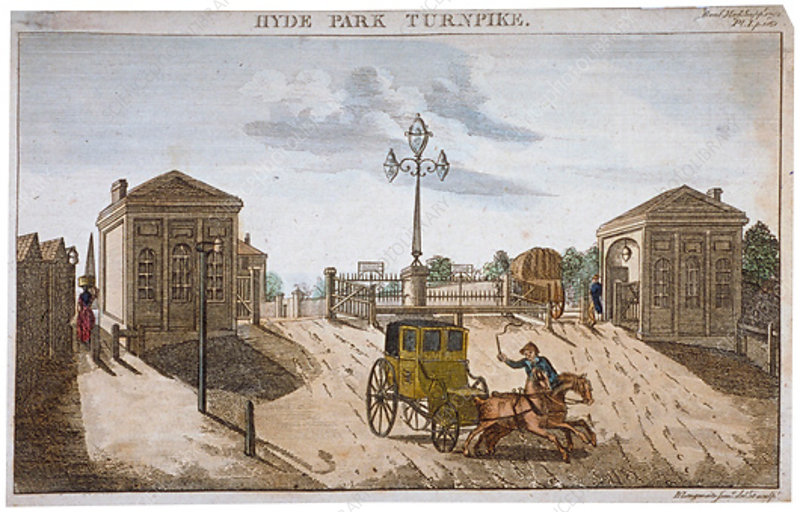
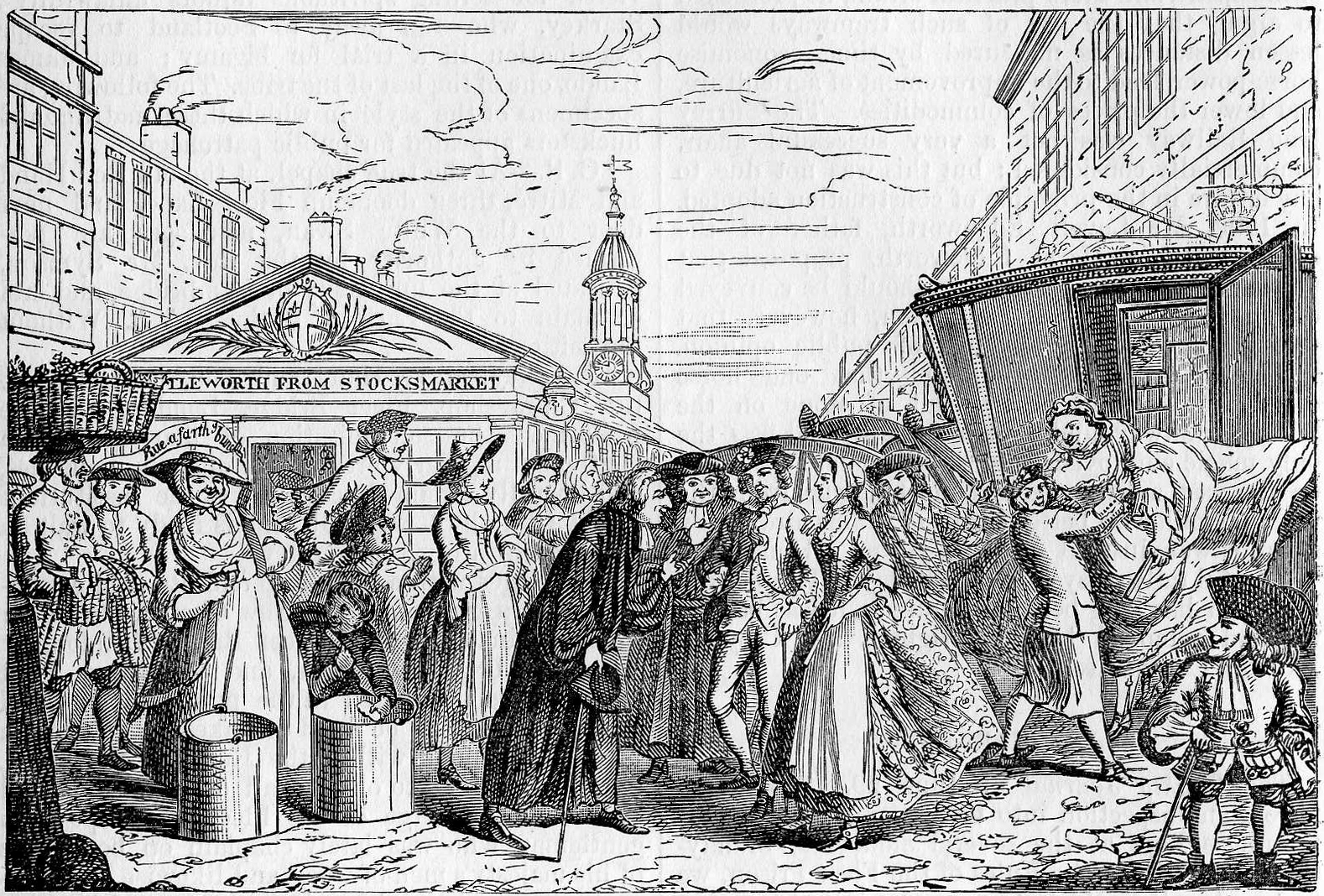
Eighteenth century coach and horses

The second trial, for perjury, took place on 8 April 1752 at the Old Bailey. Trials in those days were usually brief affairs, over in a matter of minutes. However, this trial received a number of witnesses and ran for some time. Details from the Old Bailey website https://www.oldbaileyonline.org/

‘Thomas Ashley, was indicted for wilful and corrupt perjury on the trial of Joseph Goddard in swearing he met Simons the Jew near Brentford-turnpike, and asked him to drink a pint of beer, that he then took hold of his beard in a joke, that the Jew held up his staff and struck him, that after that he throw’d the Jew in a ditch and scratched him in the bushes, and flung a stone which fell on his head and broke it three weeks before, Sept. 11.’

Henry Simons gave evidence through an interpreter and insisted that no one had harmed him, therefore suggesting that Thomas Ashley had committed perjury at Joseph Goddard’s trial. In his evidence, Henry Simons mentioned the Rose and Crown, an inn later owned by my Brereton ancestors.

Lettice Sergeant also gave evidence and mentioned the Rose and Crown, ‘on this side of the turnpike on Smallbury-green’. She lodged there ‘from the latter end of April to Michaelmas Day.’ She stated that Ashley was drunk, that insults were offered, but that no violence took place.

Gregory Wright gave evidence. He stated, ‘I live at the Temple-Muse, Fleet-street, White Fryars, on the 21st of August last, I set out from my house after one o’clock, for Newberry-Fair by myself, till I came on the other side Hammersmith, there Mr. Pain and Mr. Mercer overtook me; we lay at Maidenhead that night; we continued in company till we came to Newberry; upon out going between the Coach and Horses, on the other side Brentford, and the Rose and Crown Alehouse, before we came at the Turnpike, I saw one man pursuing another; we might be about two hundred yards from the Rose and Crown Alehouse; I saw it was a Foreigner by his dress, that was pursued, which made me anxious to enquire what was the matter; the man behind called out stop Thief! stop Thief! which I believe to be the prisoner at the bar; when the Jew got to us, he got between Mr. Pain’s horse and mine; the drunken man, the pursuer, scrambled up near, we kept him back, the drunken man said he is a rogue and a villain; we desired he’d tell us what he had done; he said he has drank my beer and ran away, and would not pay for it; said I if that he all, let the poor man go about his business, and what is to pay, I’ll pay it; no said he, he would not, and made a scuffle to come at the Jew; I took particular notice of the Jew, he made signs holding his hand up to his beard, we said he should desist; then he (Ashley) said to me, you have robbed me, said I if this is the case you are a villain, and if you say so again I’ll horse-whip you; we stopped him there till the Jew got near to the houses at Brentford; he was very near turning the corner where the bridge is; I believe on my oath, the Jew was at least two-hundred yards off; I turned myself on my horse, half britch, to see whether he was secure, the drunken man swore and cursed, and used many bad words; there came a woman and took hold on him, she seem’d to be his wife, she desired him to go back: he fell down, then Mr. Pain said, the man (Simons) is safe enough; the last woman that gave evidence told me nothing was the matter, that the Jew did nothing to him, he had drank none of his beer, but refused it, and that he made an attempt to pull him by the beard, with that we advanced towards the Crown Alehouse, I, and I believe Mr. Pain, stopt with me; there was the woman that was examined first, I asked her what was the matter, she said no thing at all; I said if there is anything to pay for beer that that poor Jew has drank, I am ready to pay for it; she said the Jew did no harm to the man, nor drank none of his beer.’

Eighteenth century trial at the Old Bailey

Question: ‘Had there been a stone throw’d?’

Gregory Wright: ‘I saw none throw’d, and believe the man was so drunk that he was not able to pursue or over-take him: I saw the woman at the door the time they were running, they crossed the road backwards and forwards; the Jew kept, it may be, fifteen or twenty yards before him, I kept my eye upon them from the first of the calling out stop thief!’

On his cross examination Gregory Wright said, ‘When we first heard the alarm, we believed the Jew might be within fifty yards of the alehouse, and the others about two-hundred yards from the Rose and Crown alehouse; that they were nearer that than the Coach and Horses; that they met the Jew about two-hundred yards on this side of the Rose and Crown alehouse; that we saw no blood or mark at all on the Jew, that he made no such complaint or sign to his head, but said my beard, and sign’d to it.’

Other witnesses agreed that although the mood was threatening no violence took place and that on the whole the community were protective of Henry Simons.

Question to Mr. Wright again. ‘How came you to know of this trial to give your evidence?’

Gregory Wright. ‘I was waiting at the door of the grand jury last sessions, to find a bill against a person (the stolen coach glasses); as I was leaning over the rails, I heard Lettice Sergeant talking about the affair of this Jew; the Jew I observed looked me out of countenance; I asked his interpreter what he look’d at me so hard for, he said he believed he knew me. The woman said she was come to support the cause of this poor unhappy man, and added, that in August last there were four gentlemen coming on the road when he was pursued, and he has made all the enquirey he can to find them out, and can’t find any of them; said I what time in August? she said the 21st; I look’d at the Jew, and saw he was the same man; I ask’d his interpreter whether he was pursued by any man, he said yes, he was; I said to the woman, I know the men, by which means I was brought to the grand jury about this affair; this bill and mine were in together.’

Question to Mr. Wright. ‘Did you, or any of you, tell this witness the drunken man had thrown the Jew into the ditch?’

Gregory Wright: ‘When this witness said so, it gave me a shock: we neither of us told him so. I saw Ashley down: there were none but women at that man’s house when we came there.’

Other witnesses, including thirteen-year-old Edward Beacham supported the testimony offered by Gregory Wright, while Martha James stated that Thomas Ashley was drunk, and that ‘I never saw a man so drunk in my life.’

Verdict: Guilty.

Sentence: Thomas Ashley, to stand once in the pillory at the gate of the Sessions House for the space of one hour, between the hours of twelve and one, and imprison’d during twelve months, after which to be transported for seven years.

Perjurer in the Pillory

This trial offers an insight into the local community, the legal system and Gregory’s character. He was protective of Henry Simons and was willing to meet any expense incurred by Simons at the inn. Gregory was obviously a kind and principled man; an ancestor to be proud of.

As ever, thank you for your interest and support.

Hannah xxx

Bestselling psychological and historical mysteries from £0.99. Paperbacks, brand new in mint condition 🙂
https://hannah-howe.com/store/
Categories
Dear Reader

Dear Reader #103

Dear Reader,

Published on 5 June 2021, many thanks to everyone who has placed Operation Sherlock, Eve’s War book five, in the top thirty hot new releases.

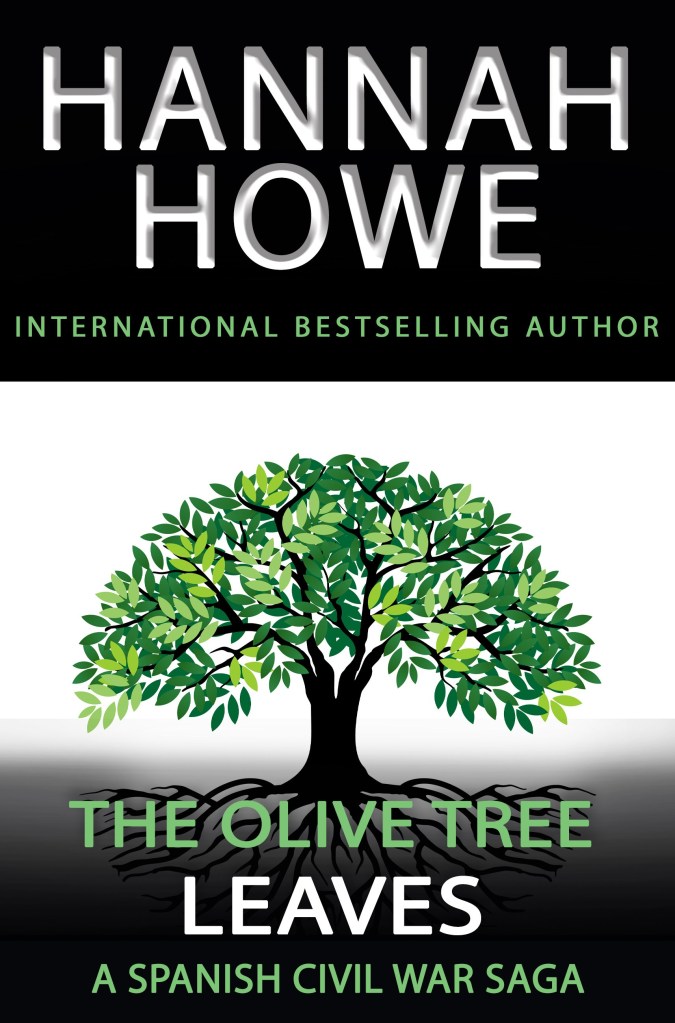
Currently, I’m storyboarding The Olive Tree: Leaves, book three in my Spanish Civil War saga. This story centres on the Battle of Brunete (6–25 July 1937) and a race against time to evacuate children before the fascists controlled the northern Spanish ports.

Map credit: Wikipedia

Several branches of my family came from the West Country. This is Avon Street, Bath, Somerset 1880, a street that must have been familiar to some of them.

Mapping My Ancestors

Maps Five and Six: 1750 – 1800

New counties on Map Five are Oxfordshire, Buckinghamshire and Cheshire. Various ancestors from these counties either moved to London or married someone from London during this period. 

On Map Six my Canadian ancestors emigrated to that country from Yorkshire and Durham while a branch of my family moved to Cheshire from the Netherlands, possibly in connection with the cloth trade. Several branches of my family established plantations in Barbados and one ancestor was ‘Born at Sea’. The exact location wasn’t recorded, but I suspect it was during a journey from the West Indies to Britain. More research required. Captains used to fire their guns to ‘encourage’ women to give birth, hence ‘son of a gun.’

My  7 x great grandmother Sarah Wildsmith was born in London in 1698 to affluent parents. On 23 October 1719 she married Philip Spooner, a ‘gentleman’. However, an air of mystery surrounds the marriage for it was a Clandestine Marriage, a Fleet Marriage, pictured.

A Fleet Marriage was an example of an irregular or Clandestine Marriage that took place in England before the Marriage Act of 1753. Specifically, it was a marriage that took place in London’s Fleet Prison or its environs during the seventeenth and early eighteenth centuries.

By the 1740s up to 6,000 marriages a year were taking place in the Fleet area, compared with 47,000 marriages in England as a whole. One estimate suggests that there were between 70 and 100 clergymen working in the Fleet area between 1700 and 1753. The social status of the couples varied. Some were criminals, others were poor. Some were wealthy while many simply sought a quick or secret marriage for numerous personal reasons.

Sarah and Philip’s marriage was recorded in the ‘Registers of Clandestine Marriages and of Baptisms in the Fleet Prison, King’s Bench Prison, the Mint and the Mayfair Chapel.’ I assume the couple were married in Mayfair Chapel. However, maybe not because in 1729 Philip found himself in a debtors’ prison.

Debtors’ prisons were a common way to deal with unpaid debts. Destitute people who could not pay a court-ordered judgment were incarcerated in these prisons until they had worked off their debt or secured outside funds to pay the balance. 

In England, during the eighteenth and nineteenth centuries, 10,000 people were imprisoned for debt each year. However, a prison term did not alleviate a person’s debt; an inmate was typically required to repay the creditor in full before their release.

In England and Wales debtors’ prisons varied in the amount of freedom they allowed the debtor. Through his family’s financial support a debtor could pay for certain freedoms; some prisons allowed inmates to conduct business and to receive visitors while others even allowed inmates to live a short distance outside the prison, a practice known as the ‘Liberty of the Rules.’

A mid-Victorian depiction of the debtors’ prison

Along with the embarrassment for the family, life in these prisons was unpleasant. Often, single cells were occupied by a mixture of gentlemen, violent criminals and labourers down on their luck. Conditions were unsanitary and disease was rife.

Many notable people found themselves in a debtors’ prison including Charles Dickens’ father, John. Later, Dickens became an advocate for debt prison reform, and his novel Little Dorrit dealt directly with this issue.

More tragedy befell Sarah in 1729 when Philip died, possibly from gaol fever contracted at the prison. Gaol fever, was common in English prisons. These days, we believe it was a form of typhus. The disease spread in dark, dirty rooms where prisoners were crowded together allowing lice to spread easily.

Alone, and in financial difficulties, Sarah had to regroup and rebuild her life, which she did.

Sarah’s fortunes changed in 1731 when she married Gregory Wright, my direct ancestor. Gregory was also a ‘gentleman’ running a successful stable and coach business. Once again, the marriage was registered in the ‘Registers of Clandestine Marriages and of Baptisms in the Fleet Prison, King’s Bench Prison, the Mint and the Mayfair Chapel.’

Sarah’s Fleet Marriages raise the question: were her husbands in debt when she married them? With Philip Spooner this is a possibility because he did end his days in a debtors’ prison. However, the records suggest that Gregory Wright ran a successful coaching business and that debt was not an aspect of his life. Wealthy people participated in Fleet Marriages, especially if they sought secrecy or a quick marriage. It would appear that Sarah’s marriage to Gregory Wright fell into that category.

For Sarah and Gregory a child followed in 1739, my 6 x great grandfather William Wright, born in St Dunstan in the West, London. At last, Sarah had found contentment. However, drama followed in 1752 when Gregory featured in two trials at the Old Bailey. More about them next time.

As ever, thank you for your interest and support.

Hannah xxx

Bestselling psychological and historical mysteries from £0.99. Paperbacks, brand new in mint condition 🙂
https://hannah-howe.com/store/

Categories
Dear Reader

Dear Reader #102

Dear Reader,

A busy time preparing my books for the next nine months. Projects include: Damaged, book nineteen in my Sam Smith Mystery Series; Leaves, book three in The Olive Tree, my Spanish Civil War saga; Operation Cameo, book six in my Eve’s War Heroines of SOE Series and Colette, A Schoolteacher’s War, book one in a new series about various women and their participation in the French Resistance.

My latest translation, the Portuguese version of Operation Treasure. I’m delighted that Dilaine will continue to translate my Eve’s War Heroines of SOE Series.

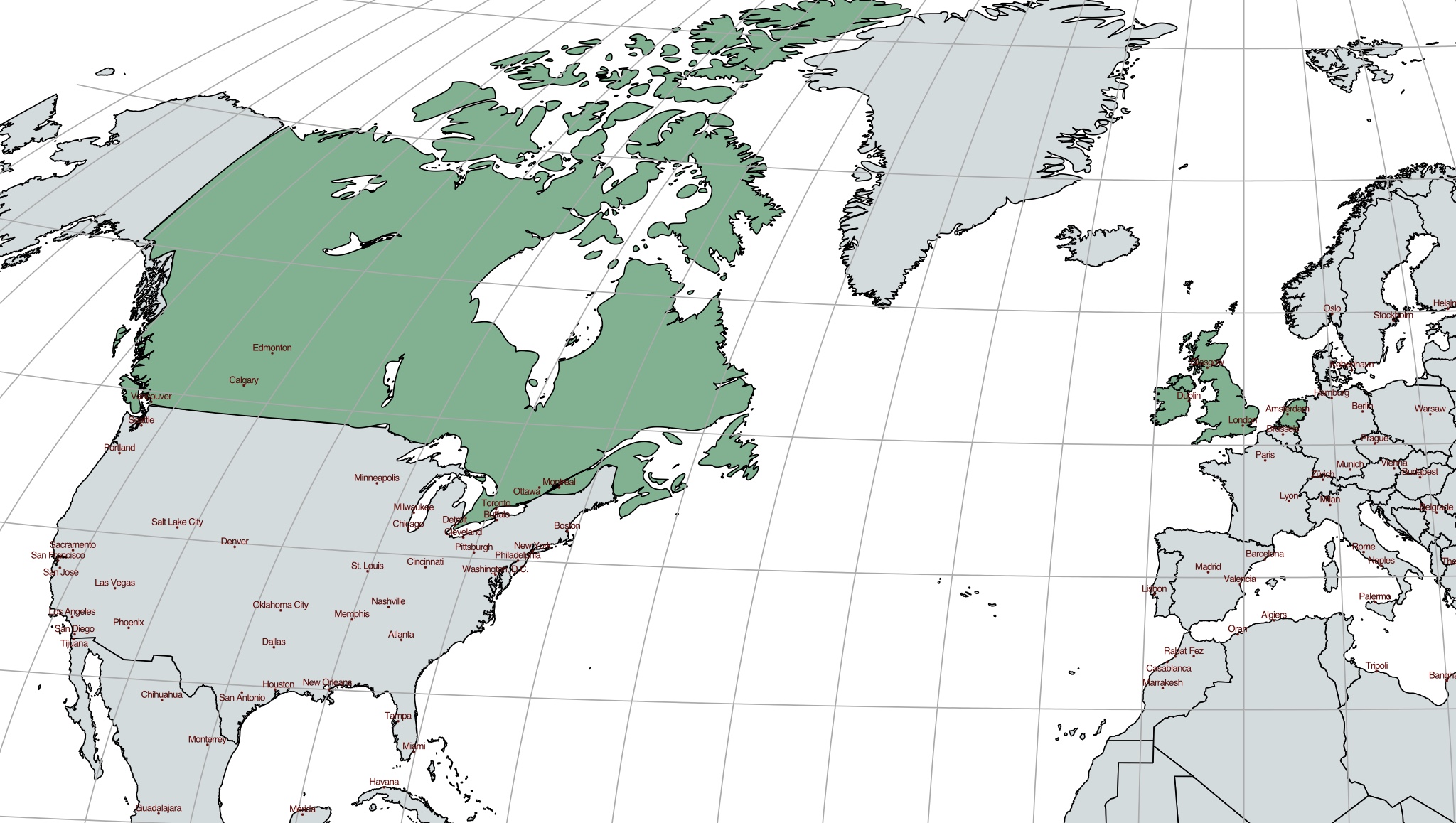
Mapping my ancestors over the past thousand years.

Maps Three and Four: 1800 – 1850

These maps highlight the changes brought about by the Industrial Revolution. My Welsh ancestors remained fairly settled, mainly working on the land. Ancestors moved from Cardiganshire to Glamorgan, but the rest remained in their native communities.

In England, the story was different. Ancestors moved from Berkshire, Limerick, Lincolnshire and Hertfordshire taking their trades as carpenters, nurses and stone masons to London. Other branches, in Durham, Somerset and Essex intermarried with London ancestors while branches of my Durham and Yorkshire family emigrated to Ontario in Canada.

This speaks for itself 👇

I have discovered many fascinating stories while researching my ancestors this week. These include: marriages in London’s Fleet Prison, pictured, people in a debtors prison, slave owners in Barbados, a medal won during the Napoleonic Wars, Old Bailey trials, transportations to the penal colonies of Australia, and ancestors who ran an inn, which possibly doubled as a brothel. I look forward to sharing details of these stories with you in future weeks.

My 20 x great grandmother Isabella of Castile, Duchess of York, was born in 1355, the daughter of Pedro Alfónsez (Pedro I) “Rey de Castilla y León, el Cruel” and his favourite mistress Maria de Padilla.

Isabella accompanied her elder sister Constance to England after Constance’s marriage to John of Gaunt, 1st Duke of Lancaster, and on 11 July 1372 married Gaunt’s younger brother, Edmund Langley, 1st Duke of York, a man fourteen years her senior. The marriage was a political alliance to further the Plantagenet claim to the crown of Castile.

Chroniclers described Isabella and Edmund as ‘an ill-matched pair’. Isabella was flirtatious and committed many indiscretions, including an affair with Richard II’s half-brother, John Holland, 1st Duke of Exeter, a ‘violent and lawless’ man. 

Isabella of Castile

The chroniclers didn’t like Isabella and tarnished her reputation, taking exception to her ‘loose morals’. Of course, their comments must be seen within the context of the political intrigues of the day, which were numerous in Richard II’s court. It seems certain that Isabella did have affairs, no doubt looking for the love and affection that might have been absent in her marriage.

Officially, Isabella and Edmund produced three children: Edward, Constance (my direct ancestor) and Richard, although there is a suggestion that John Holland fathered Richard.

Isabella died on 23 December 1392, aged thirty-seven and was buried on 14 January 1393 at the church of the Dominicans at King’s Langley.  Shakespeare, however, brought Isabella back to life when he featured her in Act V of his play, Richard II, set in December 1399.

Coat of Arms of Castile, adopted by Isabella.

There are no records of the King’s Langley tombs. The priory surrendered to the Crown in 1536, but was not dissolved until 1559, when the estate passed into private hands. It’s assumed that the heraldic tomb-chest now standing in the north chapel of King’s Langley parish church originated from the priory. It was moved in 1877 and opened to reveal the disturbed remains of a sixty year old male and a forty year old female, thought to be Edmund and Isabella.

In her Will, Isabella bequeathed to the Duke of Lancaster, a tablet of Armenian jasper; to her son Edward, her crown; to Constance Despenser, her daughter, a fret of pearls; to the Duchess of Gloucester, her tablet of gold with images; and to Richard II her heart of pearls and the residue of her goods, in trust that he should allow his godson Richard, Isabella’s younger son, an annuity of 500 marks for life, a trust which Richard II, out of the great respect he bore for her, accepted.

Richard II loved pomp and pageantry, and it’s clear that Isabella had more in common with him than with her husband, Edmund. While Isabella’s marriage was no bed of roses, in Richard II’s flamboyant court I sense that she was at home, even though that home was a long way from her native Castile.

As ever, thank you for your interest and support.

Hannah xxx

Bestselling psychological and historical mysteries from £0.99. Paperbacks, brand new in mint condition 🙂
https://hannah-howe.com/store/

Categories
Dear Reader

Dear Reader #100

Dear Reader,

Some chart news. Operation Zigzag is #1, my thirtieth #1. Also, Operation Sherlock is a top thirty hot new release. And one for the album, Stormy Weather is a hot new release alongside Raymond Chandler and Lee Child. Many thanks to everyone who made this possible.

My article about SOE heroine Virginia Hall appears on page 36 of the Seaside News 🙂

My latest translation, Operation Broadsword in German. Sandra has translated nine of my books. It’s wonderful to work with someone so talented.

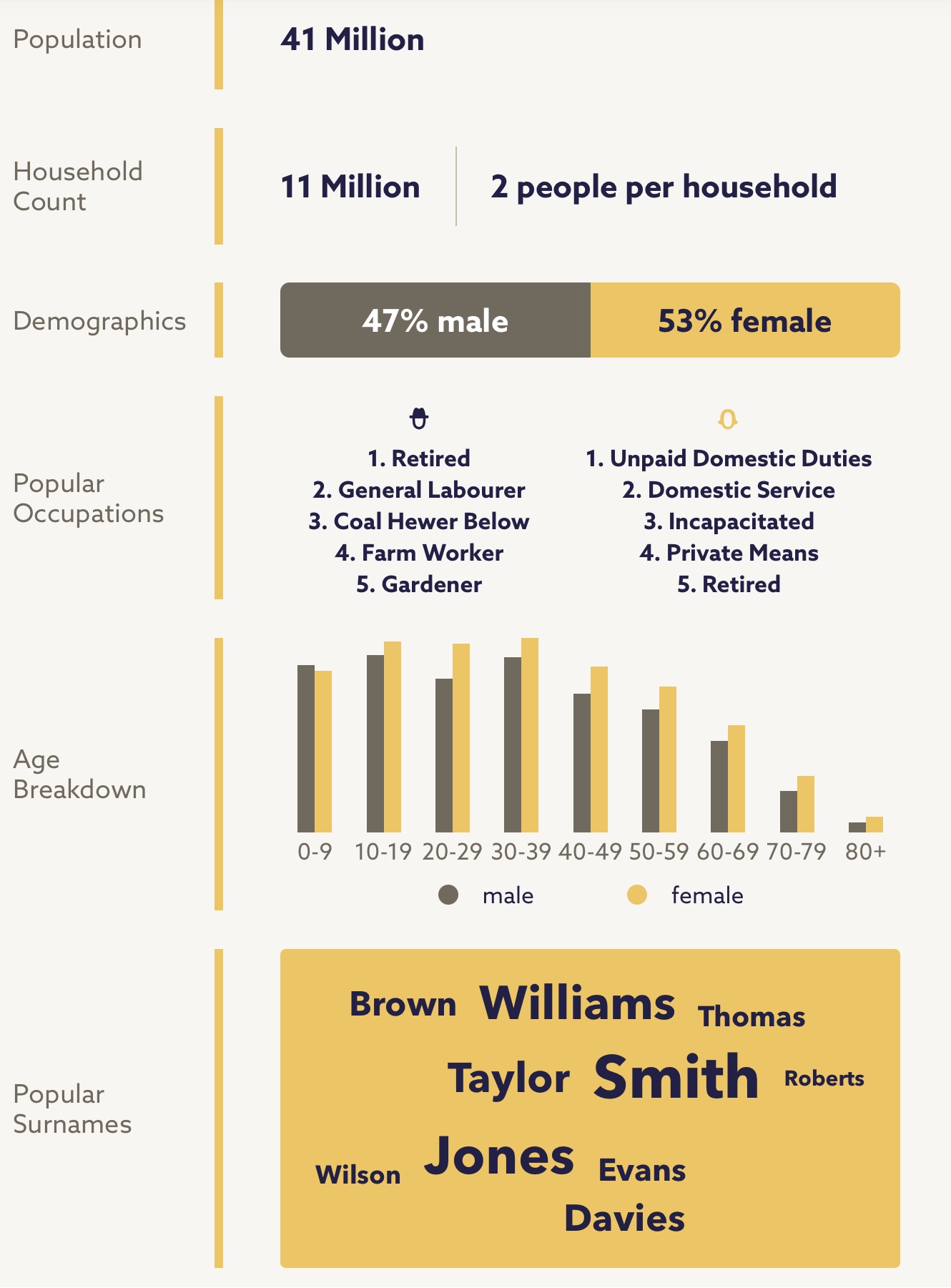
Wales and England in 1939, just before the outbreak of the Second World War. Source: Find My Past.

The Noulton branch of my family were season ticket holders at the Old Bailey with several generations of the family in trouble with the law.

I’ve just discovered that my 5 x great grandfather James Noulton, aged twelve, was sent to the Royal Philanthropic Society’s School in 1801. Established by gentlemen in London in 1788, the Philanthropic Society was concerned with the caring of homeless children left to fend for themselves by begging or thieving. Those admitted were children of criminals or those who had been convicted of crimes themselves. The school, pictured, moved to Redhill in 1849.

Many of the children were encouraged to emigrate to Australia, Canada or South Africa, or to join the army or navy. This ties in perfectly with my ancestor James because he joined the navy and served in the Napoleonic wars. More details in a future post.

My store, freshly updated. Bestselling psychological and historical mysteries from £0.99. Paperbacks, brand new in mint condition 🙂
https://hannah-howe.com/store/

Meet my ancestors, my 15 x great grandfather, Sir Rhys ap Thomas (1449 – 1525), the chief Welsh supporter of Henry VII.

Sir Rhys was the third son of Thomas ap Gruffudd ap Nicolas and Elizabeth Gruffydd. Through marriage to Elizabeth, daughter and heiress of Sir John Gruffydd of Abermarlais, Thomas ap Gruffudd ap Nicolas linked his family and thus this branch of my tree to the Welsh princes. 

Sir Rhys ap Thomas

With the Yorkists in the ascendant, as a child Sir Rhys joined his father at the court of Philip the Good, Duke of Burgundy. Father and son returned to Wales in 1467. On the death of his father, who had been predeceased by his two elder sons, Sir Rhys succeeded to the family estate. 

Lancastrian by tradition, Sir Rhys’ family opposed Richard III and made overtures to Henry Tudor while the latter was in exile in Brittany. 

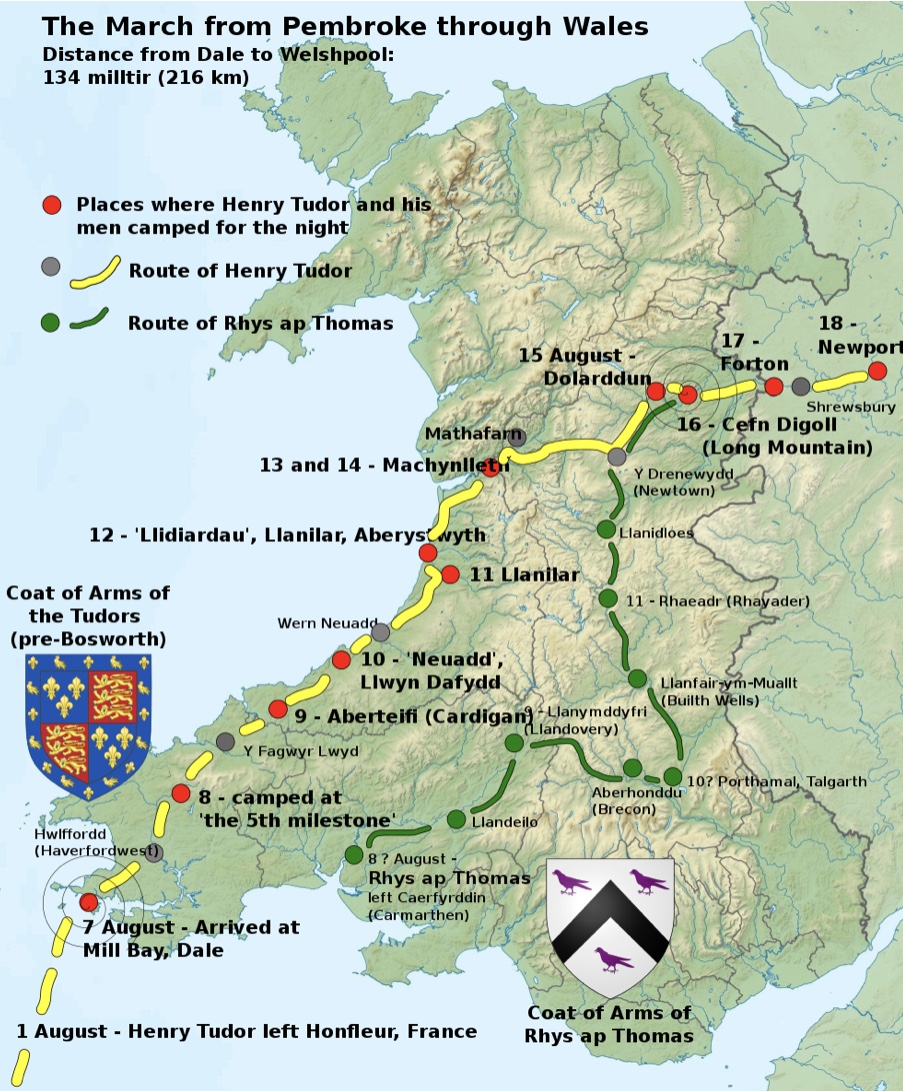
Sir Rhys welcomed Henry Tudor when the latter landed at Milford Haven and used his considerable influence to rally support for the future king, recruiting 500 men. Henry and Rhys’ forces marched separately through Wales before meeting at Welshpool and crossing into England. Chroniclers described Rhys’ Welsh force as by far the most powerful being ‘large enough to annihilate the rest of Henry’s army.’

Source: Wikipedia

On 22 August 1485, Henry’s army supported by Rhys’ followers met Richard III’s army at the Battle of Bosworth. Richard launched an attack, which Rhys’ men repelled. In desperation, Richard and his knights charged at Henry. The king was unhorsed, surrounded and killed. Some sources claim that Sir Rhys personally delivered the death blow to Richard III with his poleaxe. Whatever the truth, Henry knighted Rhys on the battlefield.

Grateful for his support, Henry Tudor bestowed more honours on Sir Rhys, including the offices of constable and steward of the lordship of Brecknock, chamberlain of the counties of Carmarthen and Cardigan, and steward of the lordship of Builth. Through these posts Sir Rhys held all the chief appointments that were in the king’s gift in South Wales. 

Henry Tudor

In support of the new king, Sir Rhys commanded of a troop of horse at the battle of Stoke (16 June 1487), capturing the pretender, Lambert Simnel, and he participated in the expedition against Boulogne in October 1492. 

At the battle of Blackheath (17 June 1497), Sir Rhys took the rebel leader, Lord Audeley, prisoner and was created a knight-banneret. Also, he was present at the surrender of Perkin Warbeck at Beaulieu Abbey in September 1497. For services to the king, he was was made Knight of the Garter on 22 April 1505. 

Carew Castle

Sir Rhys spent his latter years at Carew Castle. There, he held a great tournament to celebrate his admission to the Order of the Garter, inviting all the leading families of Wales. He also updated the castle, adding a gatehouse and windows.

Sir Rhys ap Thomas married twice, first to Eva, daughter of Henri ap Gwilym of Cwrt Henri, and second to Janet, daughter of Thomas Mathew of Radyr and widow of Thomas Stradling of St Donats. He died in 1525 and was buried at Greyfriars church, Carmarthen. 

As ever, thank you for your interest and support.

Hannah xxx

Categories
Dear Reader

Dear Reader #99

Dear Reader,

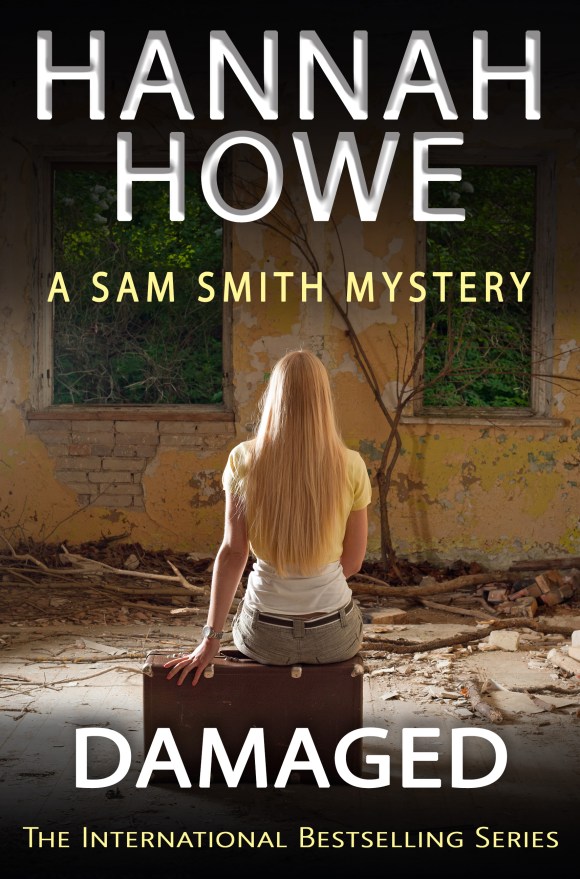
On 15 May 2021 we will publish Stormy Weather, book eighteen in my Sam Smith Mystery Series. Meanwhile, I’m working on Damaged, book nineteen in the series. We will publish this book in the autumn. Meanwhile, here’s the cover.

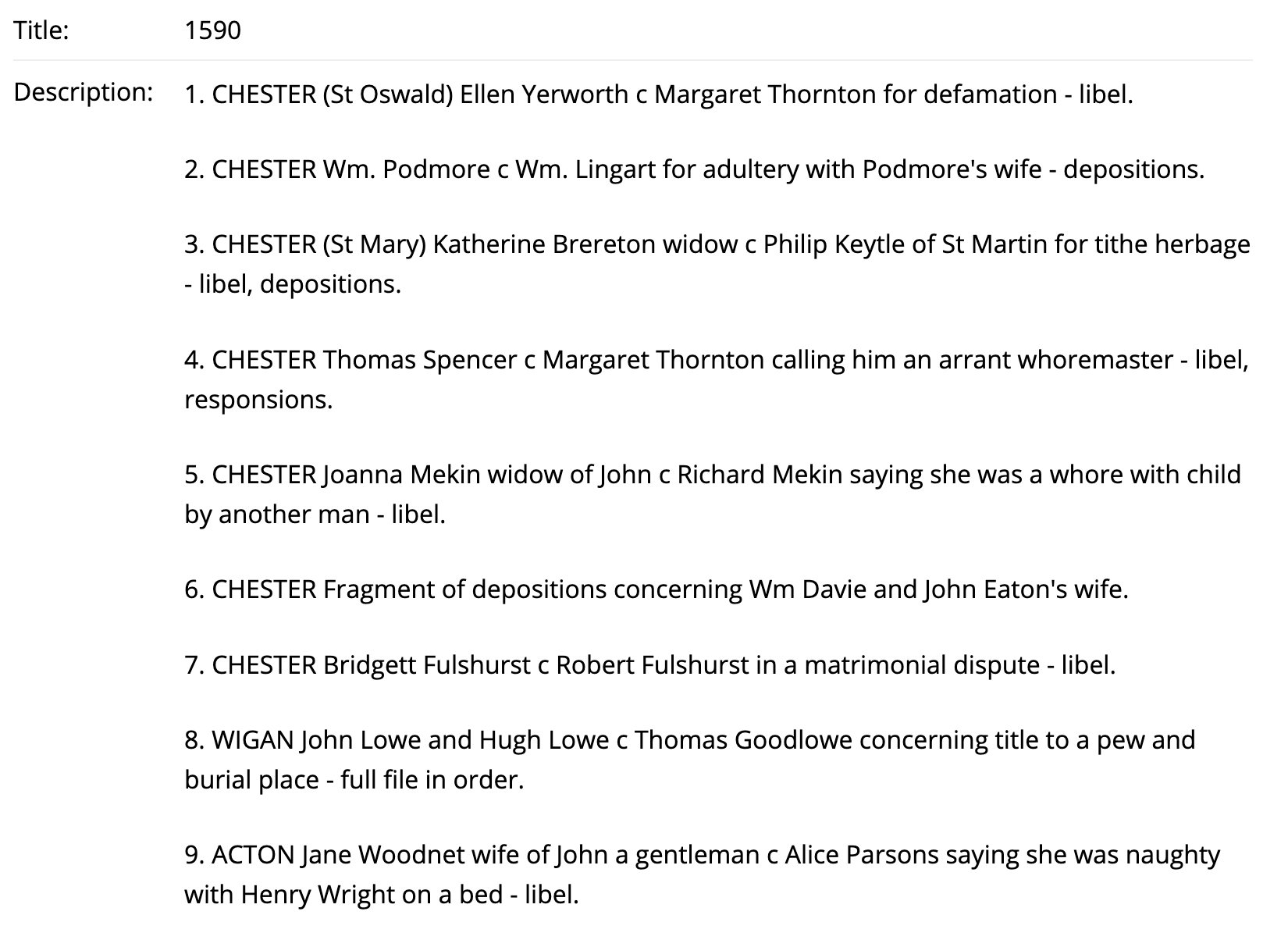
Chester, 1590, den of iniquity.

The Brereton’s are on my family tree. One generation were involved in a murder plot and an attempt to alter a will. The case reached the Star Chamber.

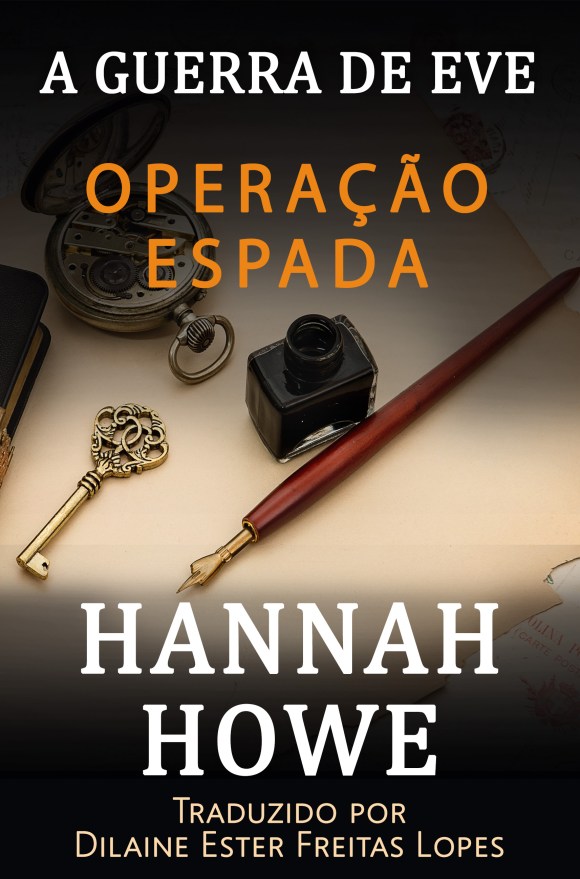
My latest translations, Ann’s War: Victory in Afrikaans and Eve’s War: Operation Broadsword in Portuguese.

The May 2021 issue of Mom’s Favorite Reads.

In this month’s issue…

Am I a Real Mum?

The Benefits of Journaling

International Nurses Day

Discovering Your Eighteenth Century Ancestors 

Things to Celebrate in May

Plus, travel, photography, puzzles, poems, short stories and so much more!

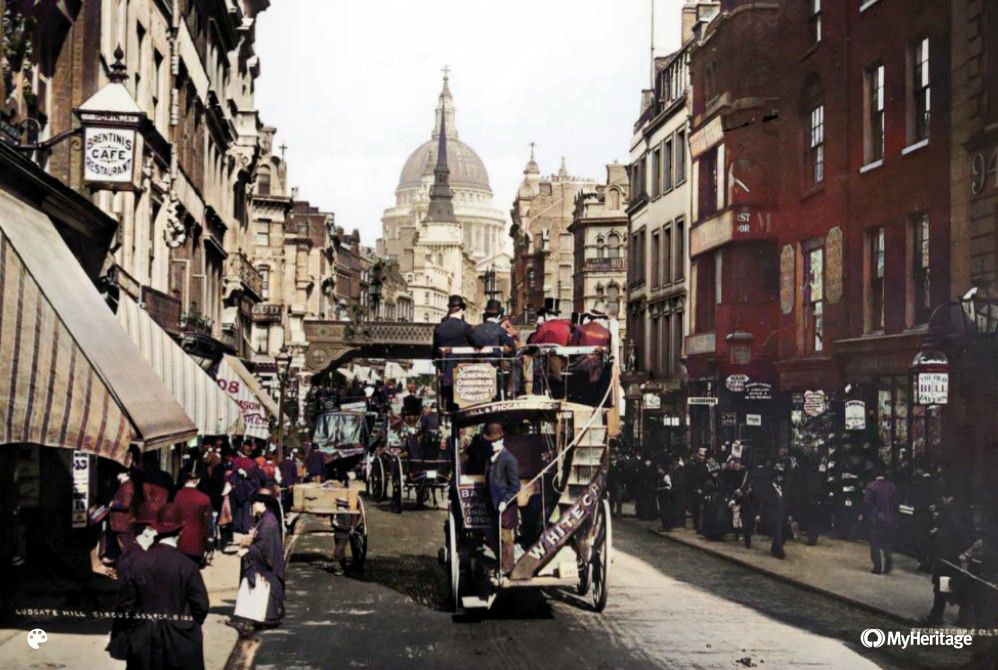
Colourised image of Fleet Street, London, 1888.

Just discovered that my 5 x great grandfather James Noulton served in the Napoleonic Wars, receiving a decoration in 1811 for his participation in the Invasion of Java.

Picture: A plan of the Cornelia, 1808, one of the two ships James Noulton served on.

More about James in future posts.

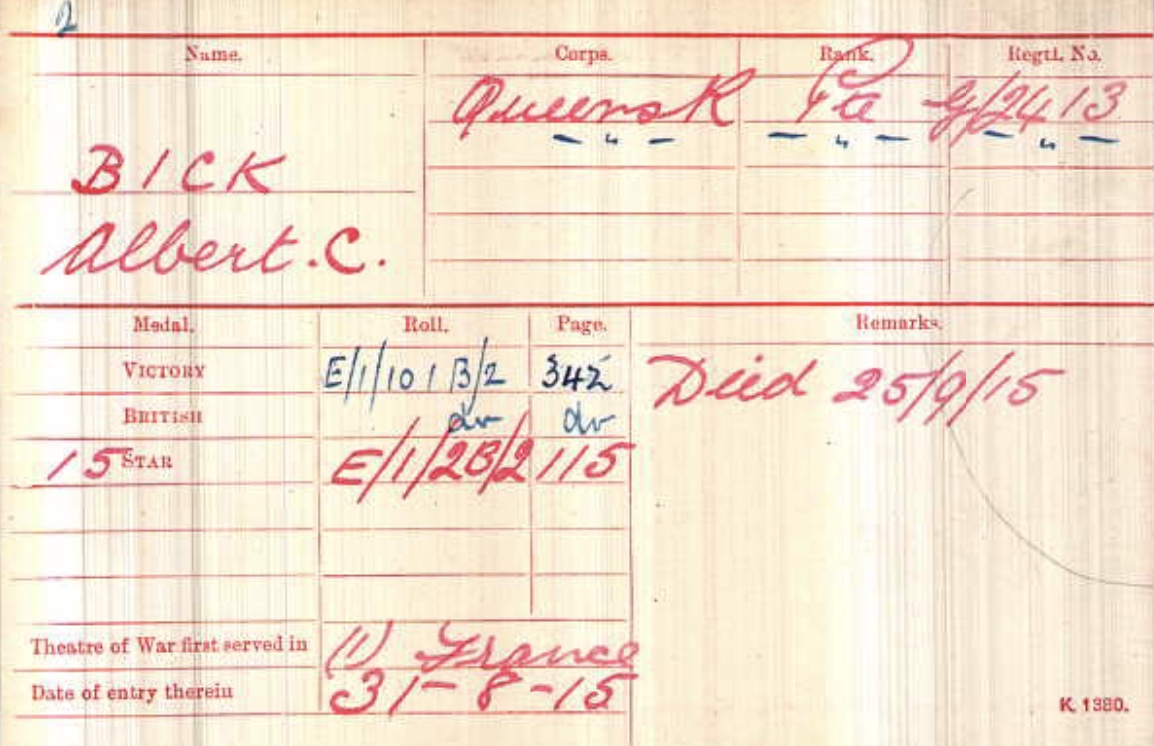
My 2 x great grandfather Albert Charles Bick was born on 3 September 1879 in Battersea, Surrey, the youngest of William Bick and Fanny Brereton’s eleven children.

William and Fanny moved to Battersea from Gloucestershire. The family also had connections in Hampshire and over several generations moved between these counties. William was a labourer so money for the family was always tight.

Albert started school at a young age, three. He attended Sleaford Street School, one of the new board schools created to give working class children an education.

Albert at school

After school, Albert found a job as a car man at the coal wharf, transporting coal on a horse and cart. He was still in this form of employment when he married Annie Noulton on 22 March 1902 in Lambeth, London. In thirteen years the couple had seven children.

In 1911, Albert was still a car man, now working at Doulton’s Pipe Works in Lambeth. The birth records of Albert and Annie’s children reveal that he worked as a car man throughout his married life. On 7 April 1911 there was a mass baptism when four Bick children from various strands of the family were baptised.

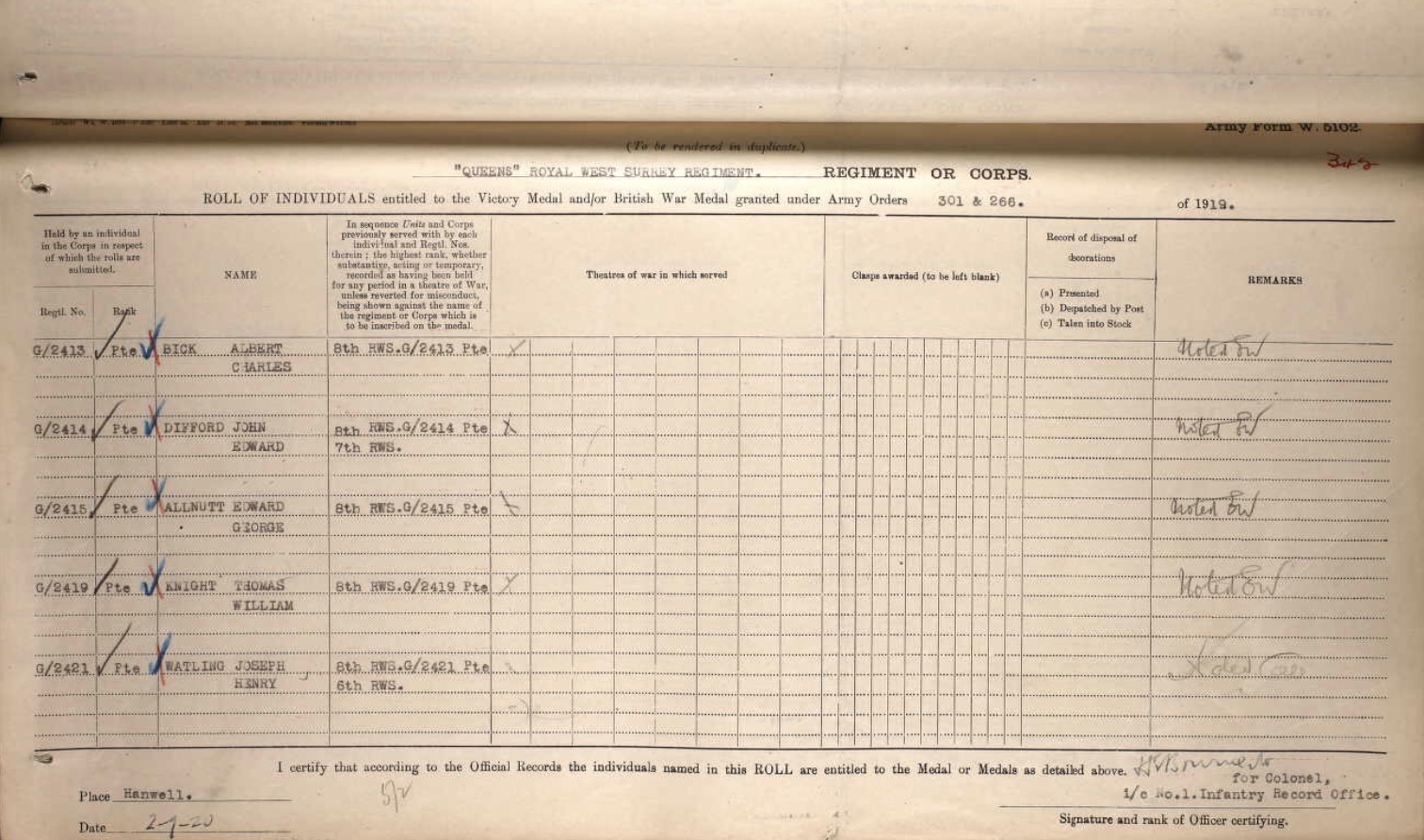
When the First World War broke out in 1914 Albert and Annie had six children with another on the way. During the summer of 1915, after the birth of his seventh child, Albert volunteered to serve in the Queen’s Royal West Surrey Regiment. Why did he volunteer? 

Albert’s brothers William, John and Frederick also volunteered, Frederick for the Red Cross. It would appear that the brothers volunteered together, and that it was a family decision. In 1911, the  family baptised four children together, so obviously they were a tight-knit family. By this time, the war had been raging for a year so unlike the first wave of volunteers who set off with naive optimism, the Bicks volunteered in the knowledge that they were entering hell.

The hell Albert entered had a name, the Battle of Loos. He departed for France on 31 August 1915 and engaged in the battle less than a month later, on 25 September 1915. 

The Battle of Loos was the biggest British attack of 1915, and the first time that the British used poisoned gas. The plan was for the French and British forces to break through the German defences in Artois and Champagne, and disrupt the pattern of trench warfare. 

At a conference on 6 September 1915 British commander Douglas Haig suggested that the extensive use of chlorine gas might facilitate an advance as long as the French and British were able to keep the attack secret.

Royal Engineers dug under no-man’s-land and planted mines under the parapets of the German front line trenches, ready to be detonated at zero hour.

Insufficient ammunition hampered the initial bombardment. Also, the British commanders did not fully appreciate the defensive formation of the German machine guns.

Prior to the attack, the British released 140 long tons of chlorine gas. The wind favoured no side and the gas affected both British and German troops.

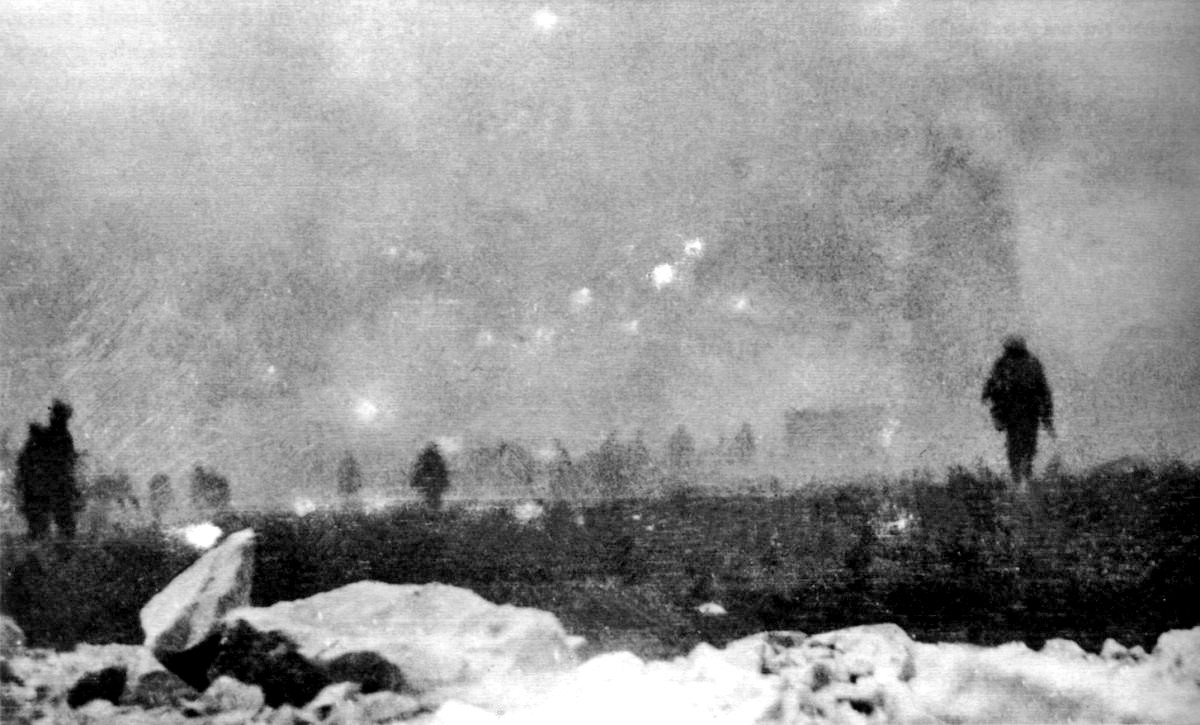
British infantry advancing at Loos 25 September 1915

The gas masks were inefficient so many soldiers removed them to obtain clear vision and, ironically, to catch their breath. At 6.30 am on 25 September 1915 Albert engaged in battle, charging across open ground, the air full of gas and bullets.

In many places the British artillery had failed to cut the German barbed wire before the attack. Furthermore, the engineers manning the poison gas cylinders warned against their use, because of the unpredictability of the wind. However, they were overruled by General Sir Hubert Gough. 

As the battle developed, the gas claimed more British than German casualties. Despite that disaster, the British did capture the village of Loos-en-Gohelle. Bad planning meant that the breakthrough could not be exploited. A contemporary account stated, ‘From what I can ascertain, some of the divisions did actually reach the enemy’s trenches, for their bodies can now be seen on the barbed wire.’

Major-General Richard Hilton, a Forward Observation Officer, said of the battle, ‘A great deal of nonsense has been written about Loos. The real tragedy of that battle was its nearness to complete success. Most of us who reached the crest of Hill 70, and survived, were firmly convinced that we had broken through on that Sunday, 26 September 1915. There seemed to be nothing ahead of us, but an unoccupied and incomplete trench system. The only two things that prevented our advancing into the suburbs of Lens were, firstly, the exhaustion of the “Jocks” themselves (for they had undergone a bellyfull of marching and fighting that day) and, secondly, the flanking fire of numerous German machine-guns, which swept that bare hill from some factory buildings in Cite St. Auguste to the south of us. All that we needed was more artillery ammunition to blast those clearly-located machine-guns, plus some fresh infantry to take over from the weary and depleted “Jocks.” But, alas, neither ammunition nor reinforcements were immediately available, and the great opportunity passed.’

Twelve attacking battalions suffered 8,000 casualties out of 10,000 men in four hours. In total, the British suffered 48,367 casualties in the main attack and 10,880 more in the second attack, a total of 59,247 losses, a high percentage of the 285,107 British casualties on the Western Front in 1915. Though Haig and Gough were culpable for this disaster, they escaped much of the blame. 

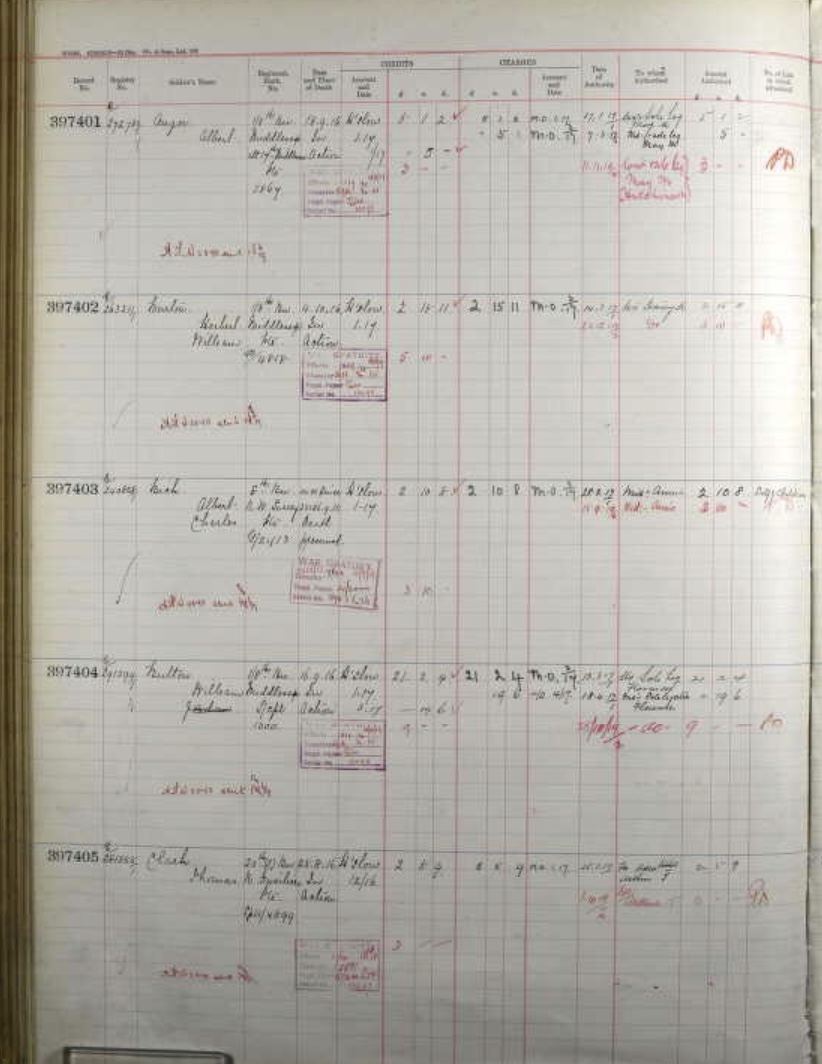
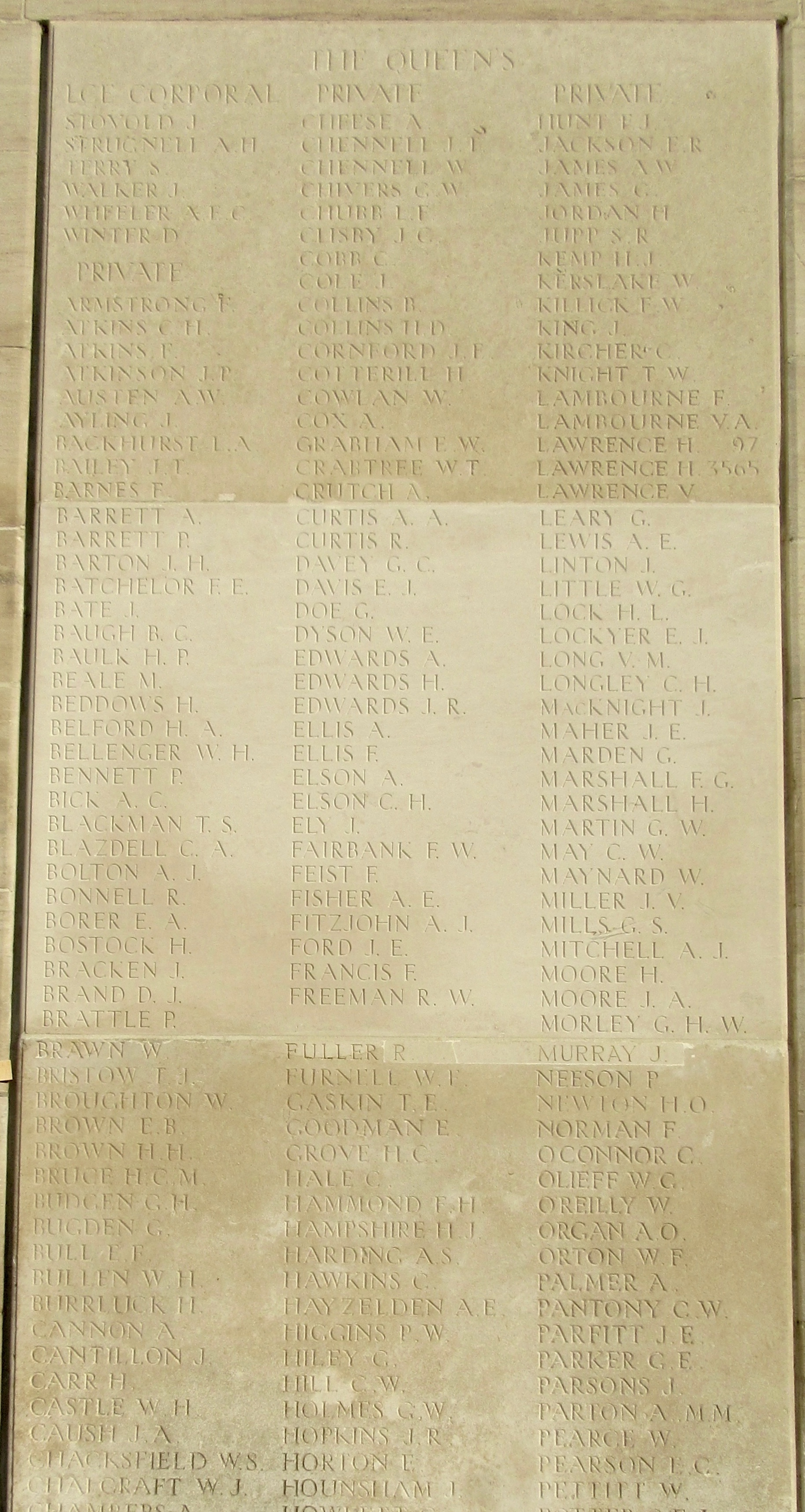
Albert Charles Bick died at Loos on 25 September 1915, whether through gas poisoning, a machine gun bullet or a mortar bomb is not known, for his body was not recovered. In the official files he is listed as ‘presumed dead’.

Annie received a widow’s pension. She did not remarry and died in 1963. Her eldest daughter and my direct ancestor, also Annie, survived her. As a child, I met daughter Annie several times during her later years, although I was too young to appreciate what the family had been through.

Loos War Memorial

The poet Robert Graves featured in the Battle of Loos and wrote about his experiences in Goodbye to All That while the Loos Memorial commemorates over 20,000 British and Commonwealth soldiers who fell in the battle and have no known grave, including Albert Charles Bick.

As ever, thank you for your interest and support.

Hannah xxx