Categories
Dear Reader

Dear Reader #90

Dear Reader,

Ideas for my Sam Smith mysteries usually appear a year or more before I write the stories. My latest idea in development, for book nineteen in the series, has an international flavour with characters from America, and France as the main setting. More news and pre-order details in future weeks.

My latest translation, Operation Zigzag in Portuguese. Available soon 🙂

A lovely find from 1839. Hannah Thorp, my 5 x great grandmother, in Pigot’s Directory as a straw hat maker 🙂

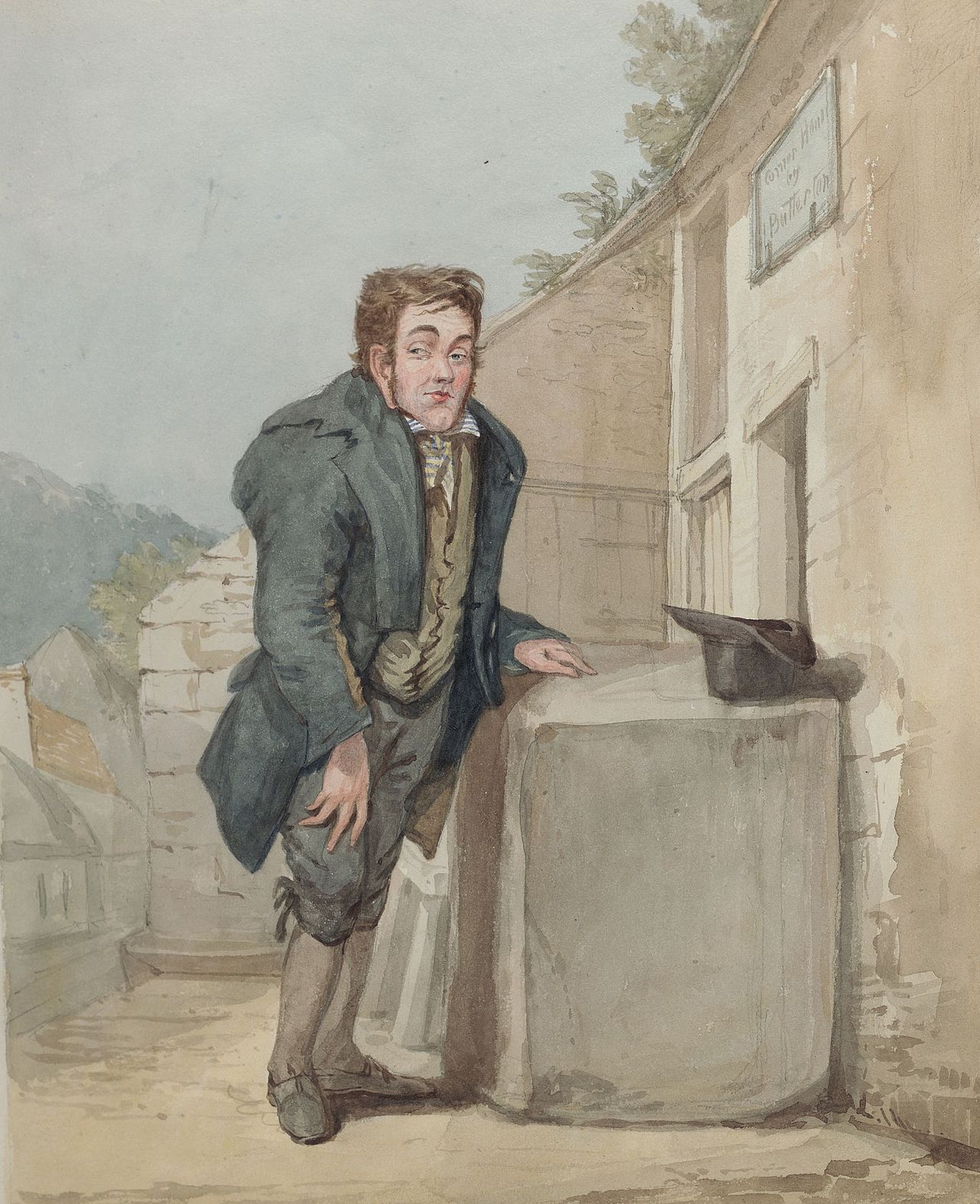
This picture, one of a series by George Orleans Delamotte, is titled ‘Ostler at Margam, 1818’. By coincidence, my 4 x great grandfather, Richard Morgan, was an ostler at Margam in 1818 🙂
An intriguing find, the union of my 8 x great grandparents, James Cottrell and Elizabeth Vincent, recorded in the Clandestine Marriage Register.

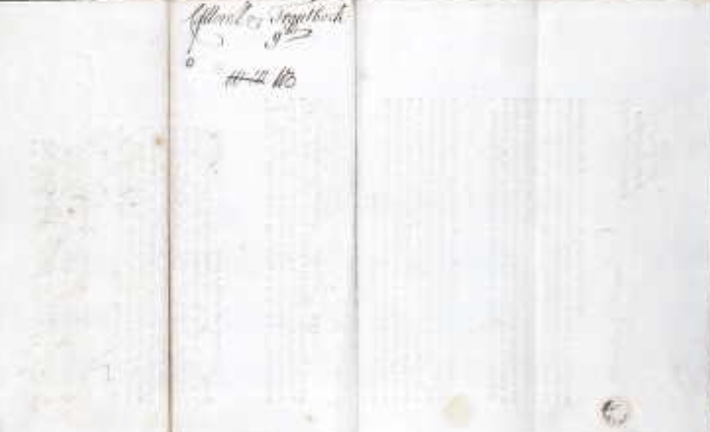
Another intriguing find from the Cottrell branch of my family, a Marriage Allegation and Bond signed by my 7 x great grandparents Daniel Cottrell and Mary Troutbeck on 9 October 1767.

Marriage Allegations and Bonds were signed by couples in a hurry or requiring privacy. Reasons included:

1. The bride was pregnant (in this case she wasn’t) or the groom was on leave from the Army or Navy.

2. The parties differed greatly in age, such as a widow marrying a much younger man or an old man marrying a young woman (not applicable here).

3. The parties differed in social standing, such as a master marrying a servant.

4. The parties differed in religion or did not attend the parish church because they were Nonconformists or Roman Catholics (this is the most likely reason for Daniel and Mary marrying in this fashion because the Cottrells were renowned nonconformists).

5. The parties were of full age but still faced family opposition to their marriage.
The Birth Certificate and the Blank Space

The youngest of seven children, my 2 x great grandmother, Margaret Jones, was born on 15 October 1871 in the village of Laleston, Glamorgan. Her parents, James and Margaret, had moved east from Carmarthen to Laleston to work on the land.

Initially, Margaret found employment as a maid. Then she married coal miner Thomas Jones (in Wales it’s very common for a number of intertwining branches to carry the surname Jones). The couple moved to North Corneli where Thomas worked in the nearby newly opened Newlands Colliery. The couple had ten children and family legend states that each week when the working members of her family returned home from the coal mines Margaret told them to place their wages on the living room table so that she could control the finances.

In many respects, Thomas and Margaret were a typical working class couple. However, Margaret harboured a secret. When she left Laleston to begin her family with Thomas, she left behind a son, Edward Robert Jones.

Throughout his childhood, Edward Robert Jones lived in Laleston with his aunt and uncle. Born before Thomas and Margaret married, it’s clear that Edward Robert was not Thomas’ son. So, who was his father? The mystery deepens because the space on Edward Robert’s birth certificate for his father’s name was left blank.

Margaret gave birth to Edward Robert out of wedlock, a scandalous thing for a woman to do in the Victorian era. Throughout my ancestry, I’ve discovered many pregnant brides and ‘shotgun weddings’. On every occasion, apart from this one, the father married the illegitimate child’s mother or at least acknowledged the child. 

As well as the psychological factor, it was important for the mother to identify the father so that she could receive maintenance for her child. The blank space on this birth certificate suggests that the father refused to acknowledge the child. That happened on occasion, but the mother could always challenge him. In Edward Robert’s case, the father remained anonymous. For what reason? Did he have something to hide?

The story, repeated throughout the generations, is that Margaret worked as a maid for John Picton Warlow in Laleston House, the ‘Big House’ in the village. That seems logical because in 1891 John Picton Warlow employed two housemaids along with a cook and a nurse. Furthermore, when Margaret moved to Corneli she named her home ‘Laleston House’.

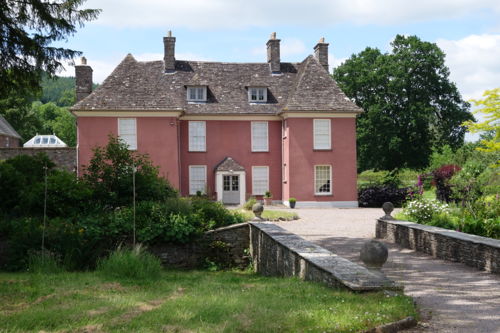
Laleston House, Laleston

Everything points to the family stories being true – Margaret worked for John Picton Warlow as a maid in Laleston House. But who was John Picton Warlow?

The son of Captain Thomas Warlow of the Bengal Engineers and Mary Prudence Ord, John Picton Warlow was born on 6 November 1837 in Allahabad, Uttar Pradesh, British India. When John was two years old his father died and the family returned to Britain. 

As a teenager, in 1854 John joined the East India Company in Madras, India. A successful career involving regular international travel followed. This included spells in India, South Africa and Turkey. 

John married three times and fathered at least twelve children. In 1865, a year after the death of his first wife, Josephine, John suffered a breakdown while in India and returned to Britain where he stayed with his cousin, Miss Turbervill, at Ewenny Priory. The Turbervill’s have a long lineage in Glamorgan dating back to medieval times and they are, incidentally, my direct ancestors. 
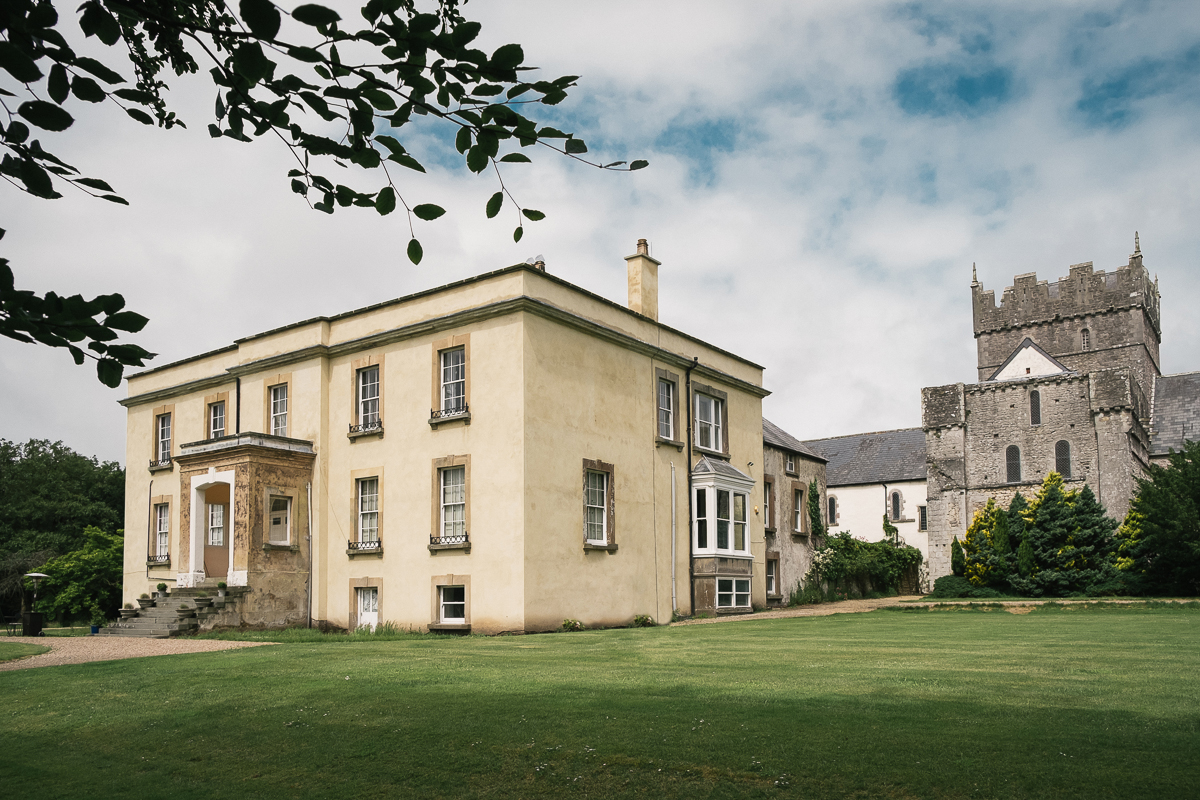
Ewenny Priory, from ewennypriory.co.uk

In 1891, John inherited the Turbervill Estate of Ewenny Priory and changed his name to Picton-Turbervill. He served as High Sheriff of Glamorgan and as a Justice of the Peace. It’s often been recorded that privileged Victorians took advantage of their servants. Did John take advantage of Margaret?

During the time Margaret worked for John, he lost his second wife, Eleanor. However, by the time Margaret gave birth to Edward Robert, John had married his third wife, Caroline. Would a husband cheat on his new wife?

Margaret died in 1945 and the gossip within my family, amongst ancestors who knew her, suggests that Edward Robert’s father resided at Laleston House in Laleston. If John was not the father, is there another candidate? All the servants at the ‘Big House’ in Laleston were female, so that leaves John’s three of age sons, one of whom was named Robert…

As ever, thank you for your interest and support.

Hannah xxx

Categories
Dear Reader

Dear Reader #89

Dear Reader,

Next week, I will complete the writing of Stormy Weather, Sam Smith Mystery Series book eighteen. I write my Sam Smith mysteries in ‘real time’ so the main decision was whether to include the pandemic. I realised early on that the nature of the pandemic and the government’s negligent response meant that the problem would remain with us for some time. Therefore, I decided to include the pandemic. The main theme of the story is the climate crisis so the pandemic and the way we abuse nature tied in with that theme. Stormy Weather is available for pre-order from all major Internet outlets.

Available soon, my latest translation, Escape in Afrikaans. We now have four books in this series published in Afrikaans while Nelmari is currently working on Victory, book five. It’s wonderful to see my books available in a number of languages, twelve at the latest count.

This week, I created the characters for Operation Sherlock, book five in my Eve’s War Heroines of SOE Series. This story is set in Paris and like all the stories in the series it’s based on true events. Character creation is my favourite part of the writing process. Once I’ve created the characters, I sit back and allow them to tell the stories. Operation Sherlock will be available for pre-order soon.

Meet the ancestors, my 29th great grandfather, Saunder de Sancto Alberico also know as Awbrey. He arrived with William the Conquerer (also a direct ancestor) in 1066. His son Sir Reginald Awbrey established a manor house and estate in Abercynrig, Brecon in 1093. The property, pictured, remained in the family until 1630.


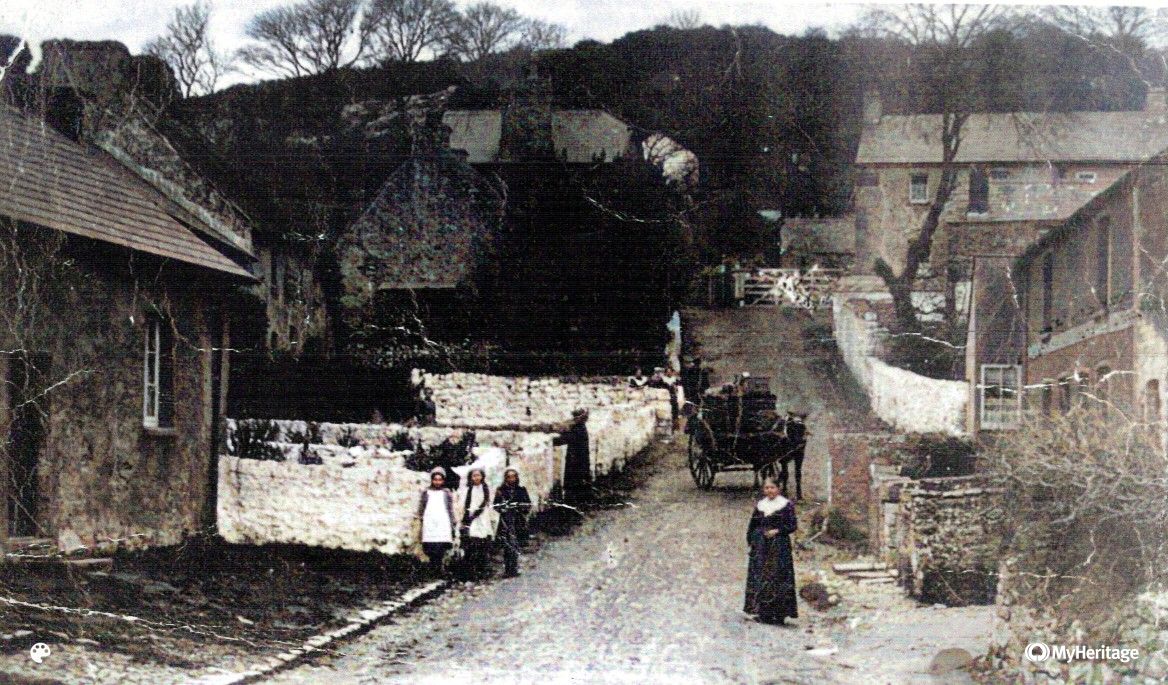
One of my favourite pictures. This is a colourised image of Lamb Row, South Corneli. The original dates from 1905. During the Victorian era, Lamb Row was home to the Howe branch of my family. You can see their house on the top left of the picture. It’s possible that some of my ancestors are in this picture. The image is deceptive because every time you look at it you see a new person. How many people can you identify?

Property Developing, Freedom of the City and Carnal Knowledge 

Samuel Axe, my 5 x great grandfather, was born in Greenwich in April 1771, the son of William Axe and Ann. He was baptised on 14 April 1771 at St Alfege Church, Greenwich.

Samuel married Grace Austin (1786–1823) on 22 September 1803 at St Luke Old Street, Finsbury, London and the couple lived in Hoxton, Middlesex where they produced eight children, including my direct ancestor, Jane Esther Axe.

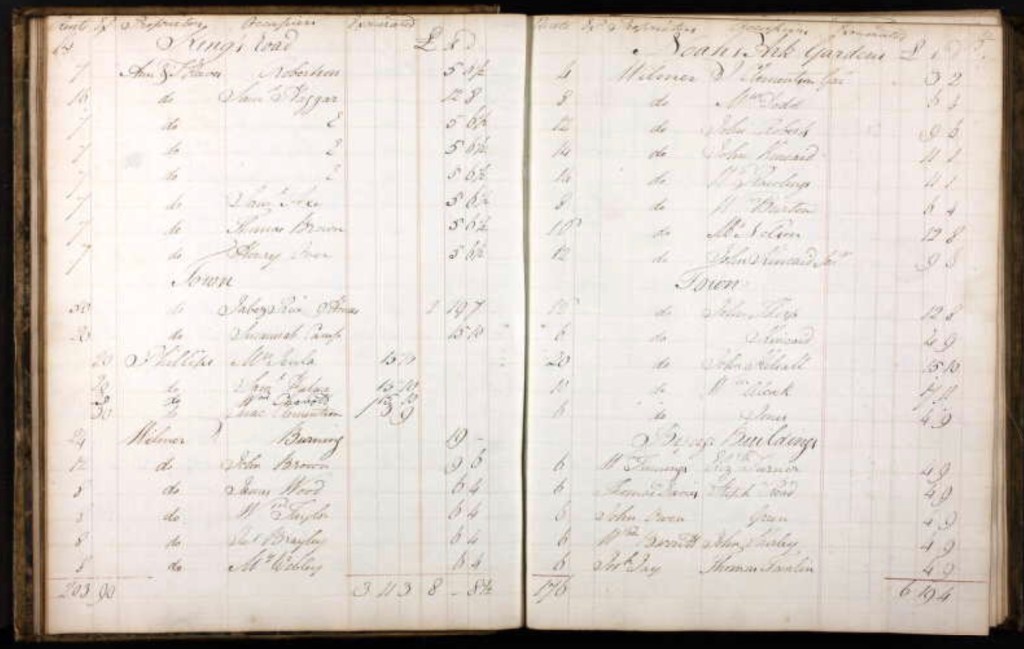
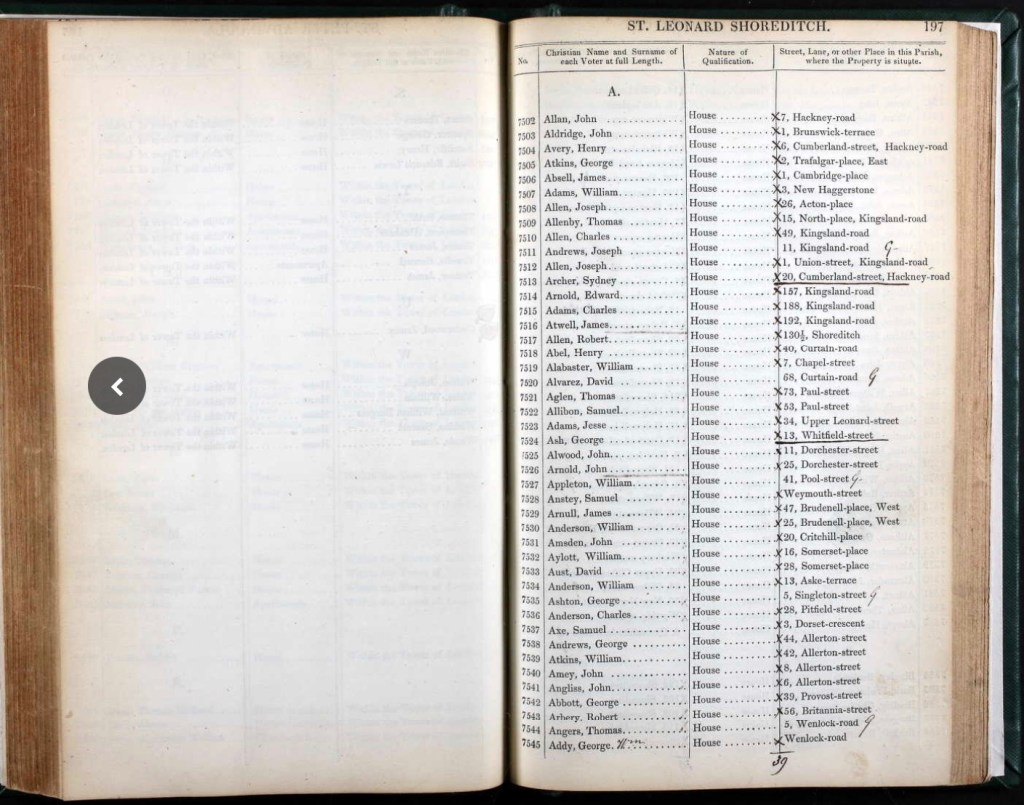
As a property owner, Samuel was eligible to vote and therefore appeared on the electoral registers, which confirm his address. 

Various documents describe Samuel’s occupation as ‘bricklayer’. In the first half of the nineteenth century a bricklayer was a builder, someone who designed and constructed houses. These houses could range from humble dwellings to huge city projects.

Colourised, Pitfield Street, Hoxton, London, 1896 – buildings built by Samuel? I love this image, it’s so full of life.

It would appear that all was not well with Samuel and Grace’s marriage because on 21 June 1816 Maria Hammont, single woman, petitioned the parish with the claim that ‘Samuel Axe, bricklayer of Hoxton Town gained carnal knowledge of her body.’ Maria gave birth to a bastard female on 12 May 1815 at her mother’s house in Hoxton Fields. The outcome of her petition was not recorded. However, Samuel was a wealthy man so hopefully he supported his child.

Samuel died on 26 November 1838 in Shoreditch, London and was buried on 2 December 1838. 

My direct ancestor, Jane Esther Axe, who lived in the same street as Samuel and Grace, was the sole executrix of Samuel’s will. Samuel left £600, approximately £40,000 in today’s money, which suggests he was successful in his trade.

On 17 January 1845 Samuel’s youngest son, John, paid £5 to acquire the ‘Benefits of a Fellowship Porter’. In other words, he could trade in ‘measurable goods’ such as coal, grain, flour and salt, overseeing their transportation from trading ships to dockside warehouses. This was a good position with the opportunity to make considerable sums of money.

The above records suggest that the Axe family lived in comfort during the first half of the nineteenth century. However, only five of Samuel’s eight children survived into adulthood.

As ever, thank you for your interest and support.

Hannah xxx

Categories
Dear Reader

Dear Reader #88

Dear Reader,

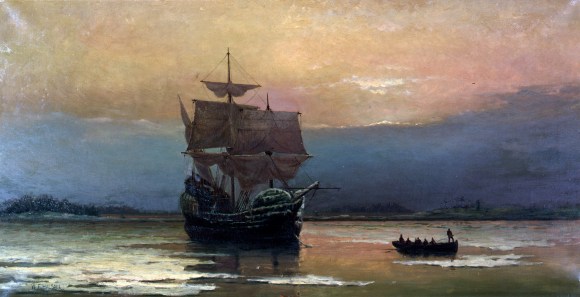
This week, I discovered that my direct ancestors John Dean and Joan Fuller emigrated to America. They arrived in Massachusetts in the 1630s, following Joan’s uncles, Edward and Samuel Fuller, who arrived as Founding Fathers on the Mayflower. More about this in future posts.

The Moon doing its Saturn impersonation.

A great week for my Eve’s War Heroines of SOE Series, #1 in America, Australia, Britain and Canada. Many thanks to everyone who made this possible.

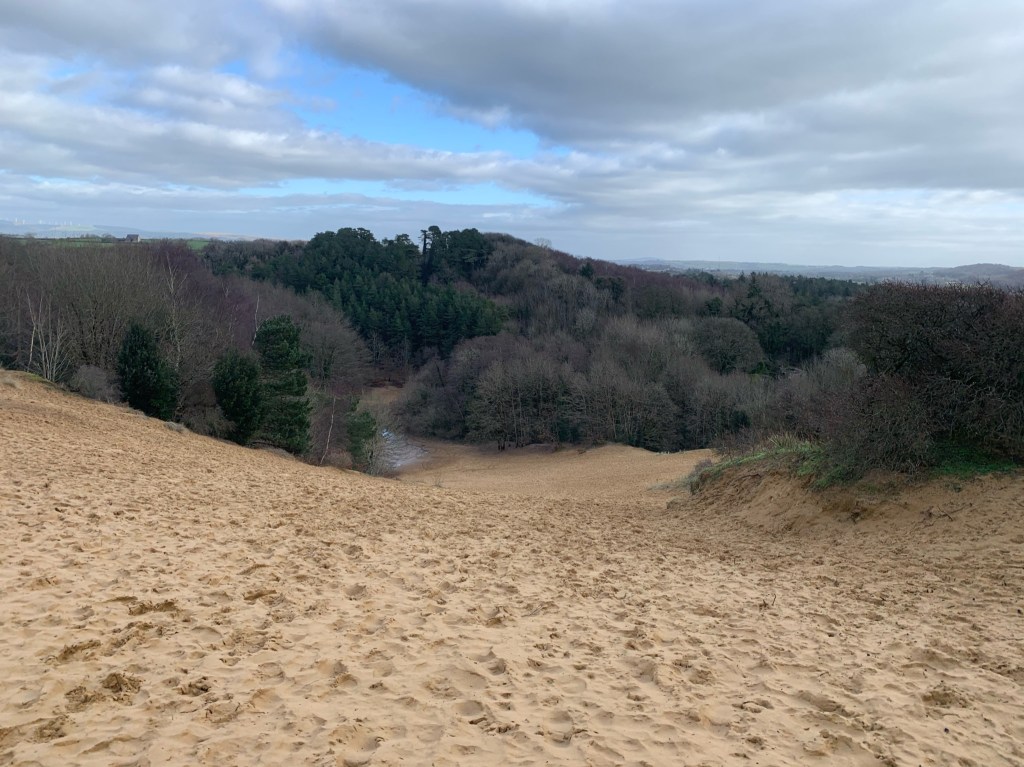
Merthyr Mawr this week.

For the man who has everything, Madame Dowding‘s Carlton corsets.

For Christmas, I received a DNA test kit to assist me with my family history research. The result arrived today.

I’m 52% Welsh
26% European, which includes Belgium, England, France, Germany, Luxembourg, the Netherlands and Switzerland
19% Scottish, which in this case also includes Ireland and Brittany
3% Scandinavian, mainly Norway, the Faroe Islands, Iceland, Denmark and Sweden 

Some of my ancestors emigrated and settled in Pennsylvania, Maryland, Ohio, Virginia and California.

The great thing about ancestry and DNA is that the DNA link enables you to identify ancestors who have escaped the written record, so I anticipate lots of new exciting discoveries 🙂

Breaking news: through DNA, I’ve discovered that my 9 x great grandfather, John ap Evan (John son of Evan) and his wife, Barbara Aubrey, established the Welsh Tract, pictured, in Pennsylvania. He arrived in America with his fellow Quakers in 1683.

A DNA map. My ancestors, 100 years after arriving in Pennsylvania. More about this in future posts.

As ever, thank you for your interest and support.

Hannah xxx

Categories
Dear Reader

Dear Reader #75

Dear Reader,

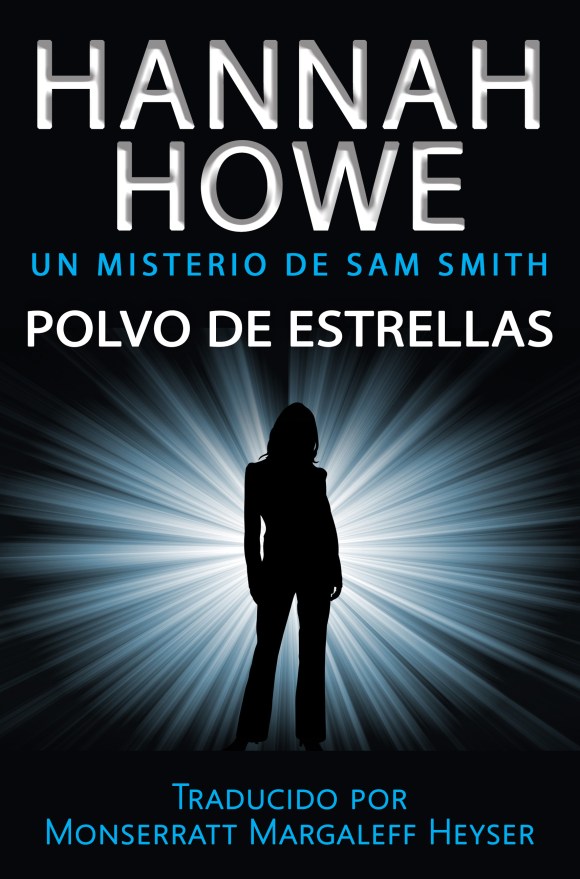
My latest translated titles, Stardust, Sam Smith Mystery Series book ten, and Eve’s War, Operation Locksmith, both in Spanish.

The calm after the storm, Paris 1947.

An amazing week for my Eve’s War Heroines of SOE Series. Operation Zigzag is #1 while Operation Broadsword and Operation Treasure are top twenty hot new releases. This landmark is dedicated to all the remarkable men and women of the SOE.

So now we know…

An autumnal view of the Goylake River.

You thought that beautiful woman was holding her parasol in her left hand simply because she was left-handed. However, her actions might reveal something totally different…

Men and women of the French Resistance during the summer of 1944, probably after the liberation of Paris.

Family History

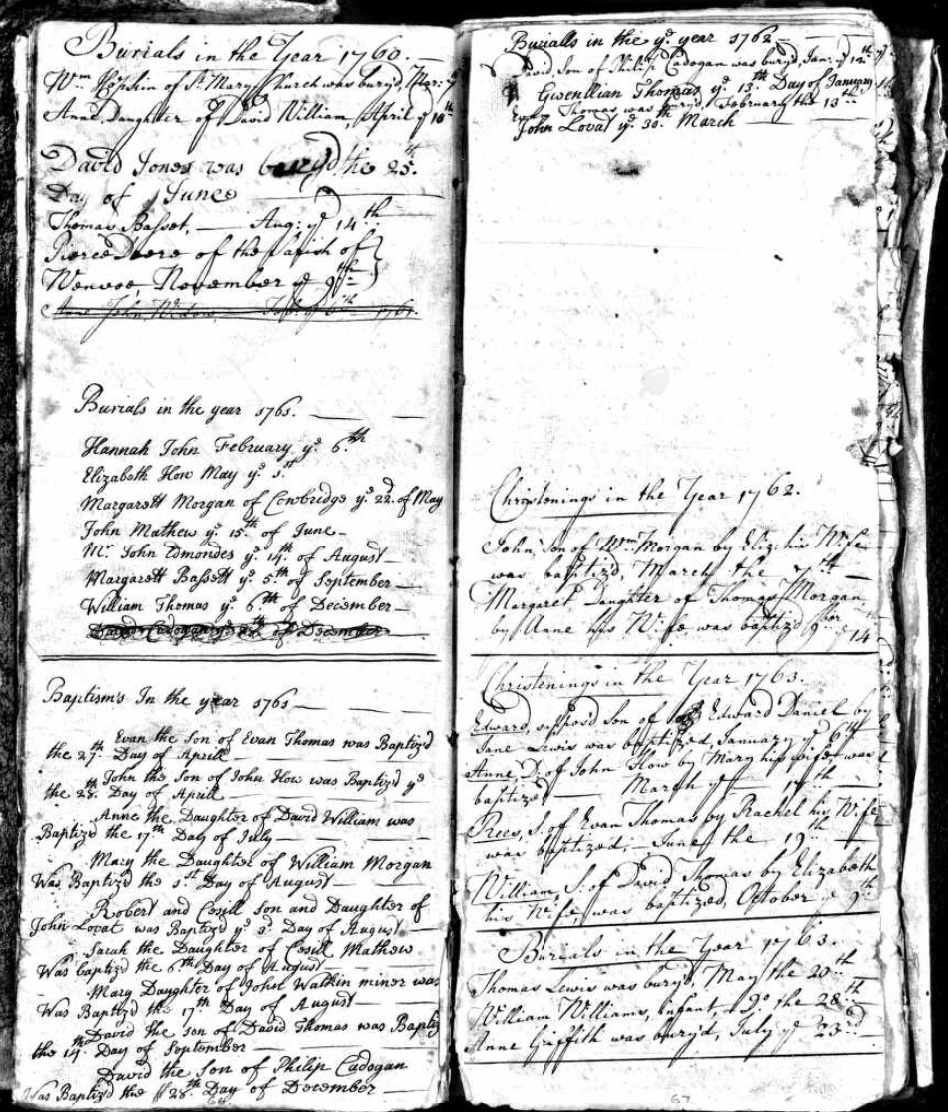
John Howe, my 5 x great grandfather, was born on 28 April 1761 in St Hilary, Glamorgan. His parents, John and Mary, were successful farmers so it’s probable that John spent his formative years learning the business of farm management.

The parish register confirms John baptism. Note the small number of births, marriages and deaths in the parish between 1760 and 1762.

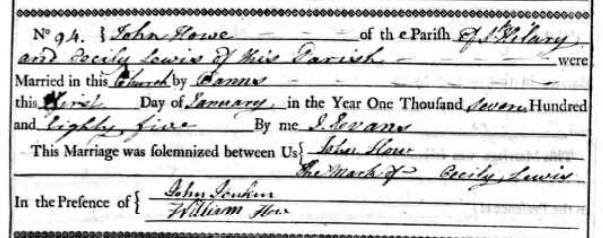
John married Cecily Lewis on 1 January 1785 in nearby Cowbridge, Glamorgan. The location is significant because for well over a hundred years all of the Howe’s activities, including births, marriages and deaths, had centred on St Hilary. The family was branching out, which ultimately would lead to mixed fortunes.

Cowbridge was a market town so it’s easy to imagine that John met Cecily there while on farm business. Cecily was born in Cowbridge in 1764 and the custom was that marriages took place in the bride’s parish.

Some genealogists list Cecily’s parents as John Lewis of Swansea and Elizabet Humphreys, but I have found no records to confirm that fact. Lewis is a very common surname and without cross-references it is difficult to identify the correct ancestor. 

The parish record reveals that John was literate, but Cicely signed her name with a cross. The witnesses were John’s younger brother, William, and John Jenkin, a ‘Gentleman’ of Cowbridge, which confirms that at this time the Howe family were still members of the gentry.

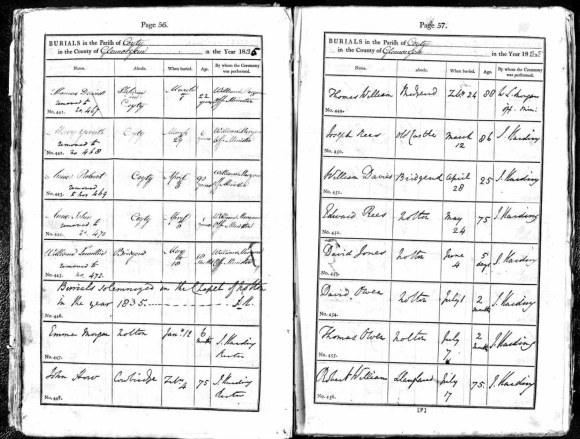
Continuing the story of my 5 x great grandparents, John Howe and Cecily Lewis. The couple married on 1 January 1785 in Cecily’s home parish, Cowbridge, Glamorgan. Five children followed: John (yet another one) my 4 x great grandfather, born 26 February 1786 in St Hilary, Glamorgan; Cecily, born 20 January 1789 in St Hilary; Priscilla, born 13 November 1793 in St Hilary; Richard, born 1 January 1797 in St Hilary – what a wonderful twelfth wedding anniversary present that was; and William, born on 1 February 1799 in St Hilary. Sadly, young Cecily died on 20 April 1798.

Well into the twentieth century, on average a couple produced a child every twenty-four months. However, John and Cecily’s children were born three or four years apart, hence ‘only’ five additions to the family.

Like his father before him, John was an Overseer of the Poor. In 1796-7, he paid 2s 6d to ‘Ten men in distress coming from the sea.’

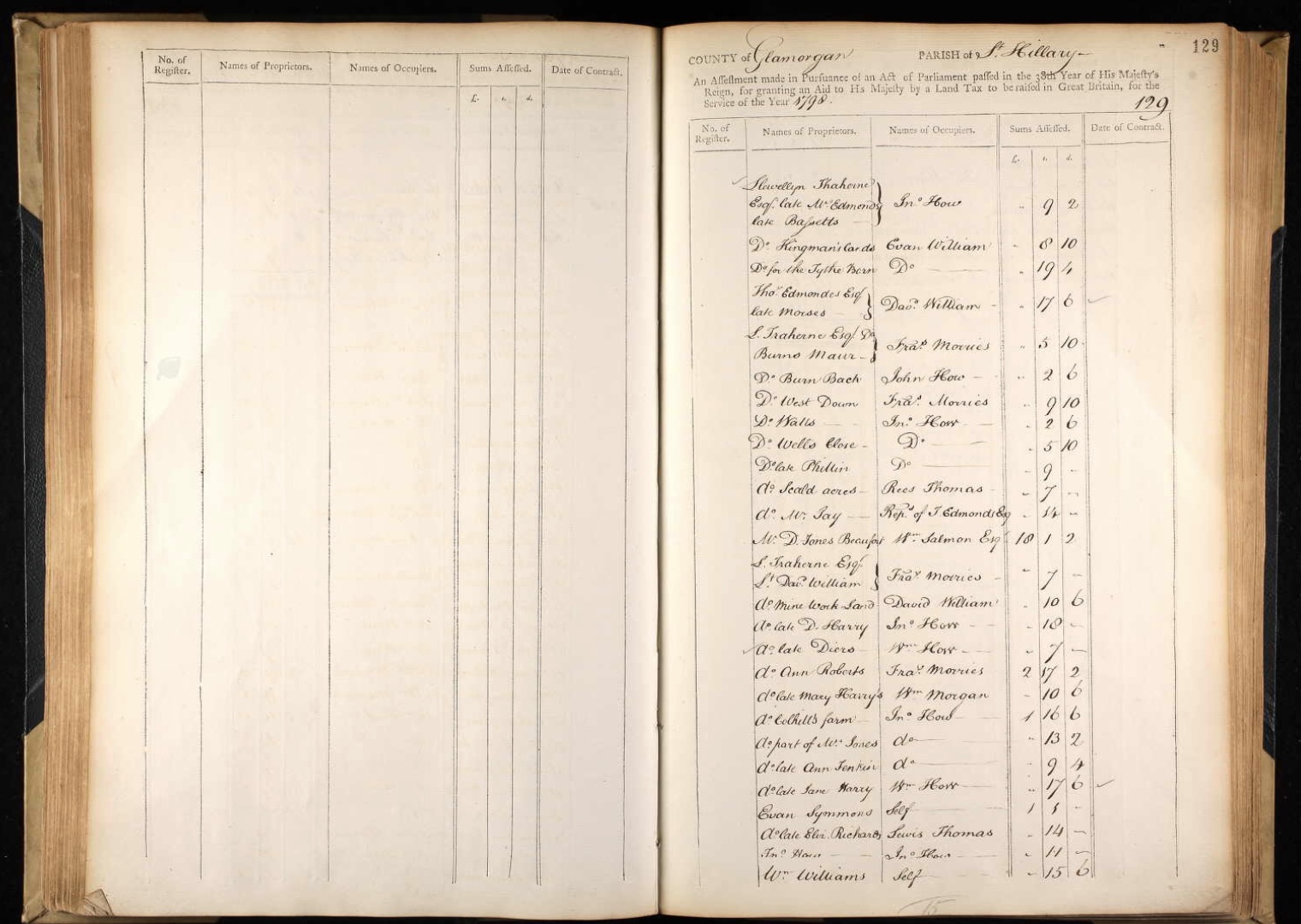
In 1798, the Howe family featured in the Land Tax Redemption register twelve times, far more than any other family in St Hilary, which indicates that they were farming more land than anyone else in the parish.

Early in the nineteenth century, John and his family left St Hilary, moving ten miles west to Coity, breaking the family’s bond with the parish. Why did they leave? 

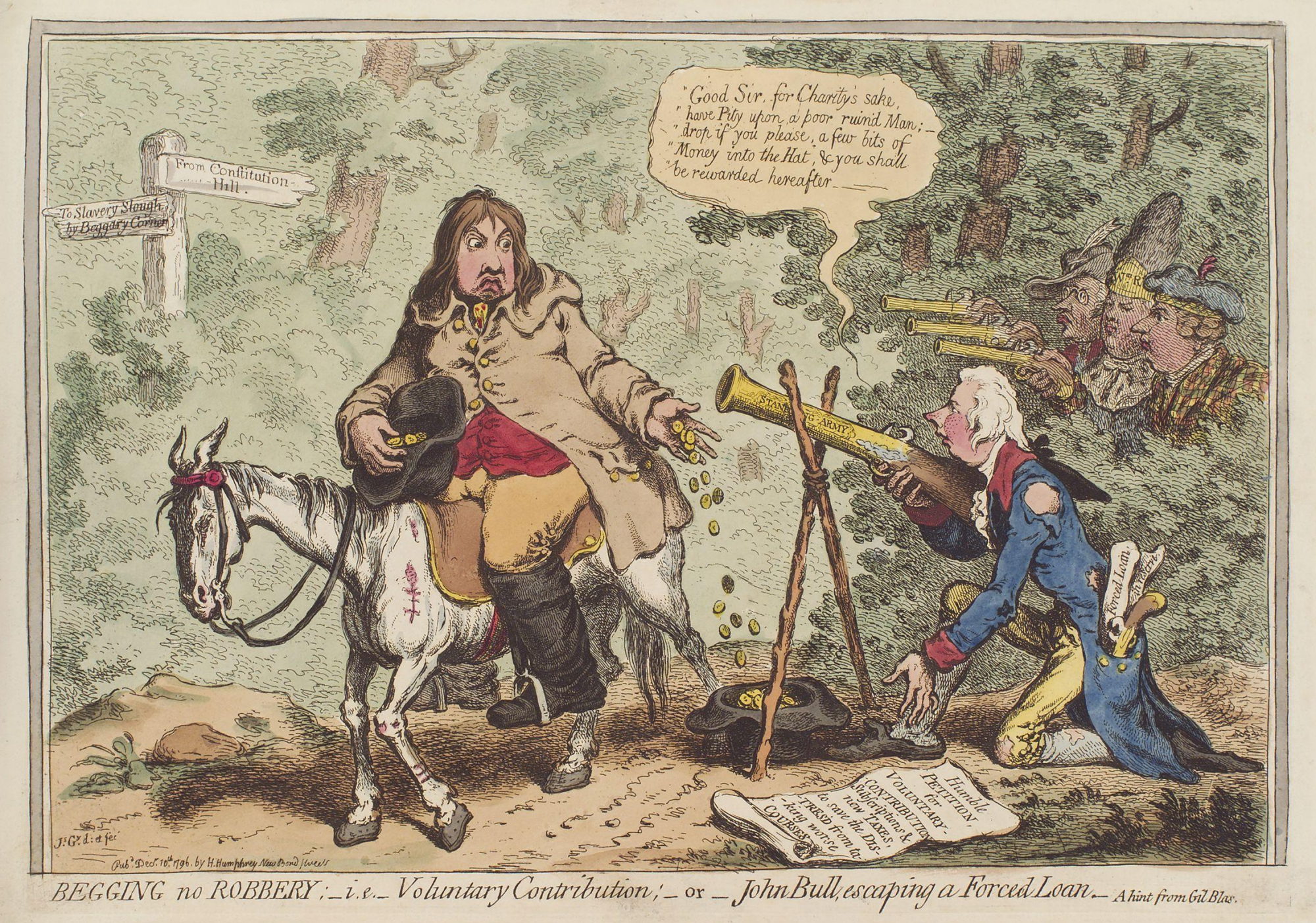
By 1799, the Napoleonic wars had taken their toll on Britain. The British royal treasury was running out of money to maintain the royal army and navy. Soldiers were starving and His Majesty’s navy had already mutinied. For Prime Minister William Pitt the Younger, the solution was simple: impose an income tax. Under the Act of 1799, all citizens who earned above £60 were to pay a graduated tax of at least one percent. Those with an income of over £200 were taxed ten percent. Some people regarded the tax as a patriotic duty while others complained. I don’t know what John Howe thought of the taxes, but it seems they were the reason he moved his family to Coity.

The impressive nature of John and Cecily’s gravestone suggests that the couple lived in some style in Coity. By this stage the family had become scattered, living in various towns and villages throughout Glamorgan.

After 49 years of marriage, Cecily died  on 7 May 1834, aged 70 while John died on 4 February 1835, aged 73. The couple are buried together in Coity. 

Tugged away from their St Hilary roots, future generations of the Howe family lost their gentry status. Although a member of the family did become deputy prime minister of Britain in the 1980s, most branches led humbler lives, including John and Cecily’s son, John, my 4 x great grandfather.

Which classical composer are you? Apparently, I’m Schubert.

“You have a natural curiosity and enjoy finding out what makes people tick. You are a bit of an idealist who wants to make the world a better place, and you like to help others improve. You might sometimes appear stubborn, but you are only staying true to your values.”

https://www.bbc.co.uk/archive/what-classical-composer-are-you/zscrydm

As ever, thank you for your interest and support.

Hannah xxx