Categories
Dear Reader

Dear Reader #135

Dear Reader,

Cover reveal for Sugar Daddy, Sam Smith Mystery Series book twenty, due for publication later this year. This story is about an unscrupulous businessman who lures a student into prostitution and the brink of suicide. Sam isn’t impressed and sets out to nail the bastard.

My latest genealogy article for the Seaside News appears on page 48 of the magazine 🙂

My latest translation, the Italian version of Sam’s Song, available soon. And the good news is Stefania has agreed to translate more books in my Sam Smith mystery series 🙂

On 18 April 1887 my grand aunt Elizabeth Middleton was accused of ‘receiving’. It’s likely that she came into contact with stolen goods at a London market. This was common at the time. Also common for the time, the case was dismissed.

I’ve researched the Aubrey branch of my family tree back to Saunder de Sancto Alberico, aka Aubrey, of Normandy. He arrived with William the Conquerer in 1066. Earlier, he produced a son, Sir Reginald Aubrey, born c1060, who married Isabel de Clare. The de Clare family produced William the Conqueror so it’s clear that all these noble families were close.

Sir Reginald was a member of an army commanded by Bernard Newmarche. This army fought the Welsh c1093 in the Brycheiniog (Brecknock) region of Wales. After numerous battles, Newmarche granted Sir Reginald the manors of Abercynrig and Slwch. Unrest continued, so Newmarche’s forces stayed at his castle in present day Brecon until the early 1100s. By that time, through their land-grab, the Aubreys had established themselves in the Brecon Beacons.

The line continued through another Reginald to William. Marriages to other noble families, such as the Gunters, ensured that the Aubreys consolidated their position in society then prospered. William produced a son, William, who produced a son, Thomas, born c1190 in Abercynrig. A hundred years after their arrival in Brecon, the Aubreys were now one of the leading noble families.

The Aubrey Manor House

Five Thomases take us to Richard Aubrey, born c1350 in Abercynrig. Abercynrig Manor in the parish of Llanfrynach is located just over a mile north of Llanfrynach village and just over two miles southeast of Brecon. Aubrey ownership of the manor house is listed as follows:

Reginald Aubrey, born c1095

William, born c1125

William, born c1160

Thomas, born c1190

Thomas, born c1220

Thomas, born c1255

Thomas, born c1285

Thomas, born c1315

Richard, born c1350

Walter, born c1380

Morgan, born c1410

Jenkin, born c1435

Hopkin, born c1465

William, born c1480

Richard, born c1510

Dr William Aubrey, born 1529

Sir Edward Aubrey, born c1550

Sir William Aubrey, born 1583

The succession of father to son was broken in the 1550s when Richard Aubrey sold Abercynrig to his cousin Dr William Aubrey, an anti-Puritan lawyer and judge.

William Aubrey, born c1480, disinherited his sons Morgan and John, my direct ancestor Richard therefore inheriting. Morgan went to London where he established a trade in salt and silk. This made him a wealthy man. Later, he moved to Herefordshire, took over the estate of Clehonger, and established a cadet branch of the family.

Dr William Aubrey was born in 1529 at Cantref, Brecknockshire, the second son of Thomas Aubrey MD and Agnes Vaughan. He was educated at Christ’s College, Brecon, then Oxford. He entered  Oxford c1543 and obtained a degree in 1547. Two years later he was made a Bachelor of Civil Law and five years after that a Doctor of Civil Law.

Dr William Aubrey

After a distinguished career at Oxford, Dr William Aubrey became a prominent member of the group of Welsh civil lawyers who played a notable role in ecclesiastical, judicial and diplomatic affairs during Elizabeth I’s reign. 

John Aubrey, the seventeenth-century antiquary, left an account of his great-grandfather, William, praising his ‘rare skill and science in the law’, and ‘sound judgment and good experience therein.’

John described William as of ‘medium build and somewhat inclining to fatness of visage, with a grave countenance and a delicate, quick, lively and piercing black eye.’

Although he lived most of his life in London or Kent, William considered himself a Welshman. He bought land off family members and became one of the largest landowners in Brecon. Indeed, he was able to ride ‘nine miles together in his own land.’

Through his Welsh and English lands, William acquired an income of £2,500 a year, approximately £350,000 a year in today’s money. He wrote, ‘God of his goodness hath very plentifully bestowed upon me.’
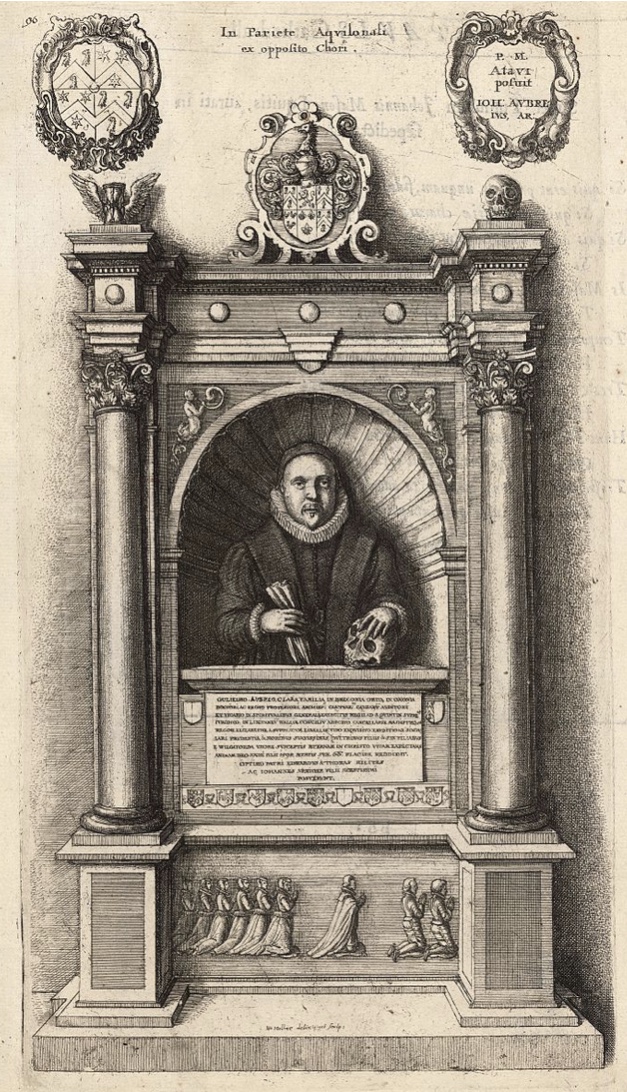
An engraving of Dr William Aubrey’s monument by Wenceslaus Hollar. William’s six daughters and wife are depicted on the bottom, along with two of his sons. It is not known why his third son was not depicted.

William married Wilgiford and the couple produced three sons and six daughters. He died on 25 June 1595 and was buried at Old St Paul’s on 24 July. It’s suggested that his chief clerk, his ‘loving and trusty servant’ Hugh Georges, proved the will on 29 July, then ran away to Ireland with the money. Antiquary and great-grandson John Aubrey stated somewhat tersely, “Georges cosened (deceived) all the legatees.”

As ever, thank you for your interest and support.

Hannah xxx

For Authors

#1 for value with 565,000 readers, The Fussy Librarian has helped my books to reach #1 on 32 occasions.

A special offer from my publisher and the Fussy Librarian. https://authors.thefussylibrarian.com/?ref=goylake

Don’t forget to use the code goylake20 to claim your discount 🙂

Categories
Dear Reader

Dear Reader #134

Dear Reader,

A lovely start to the year. Damaged, my latest Sam Smith mystery, published 15 January 2022, is a #60 hot new release 🙂

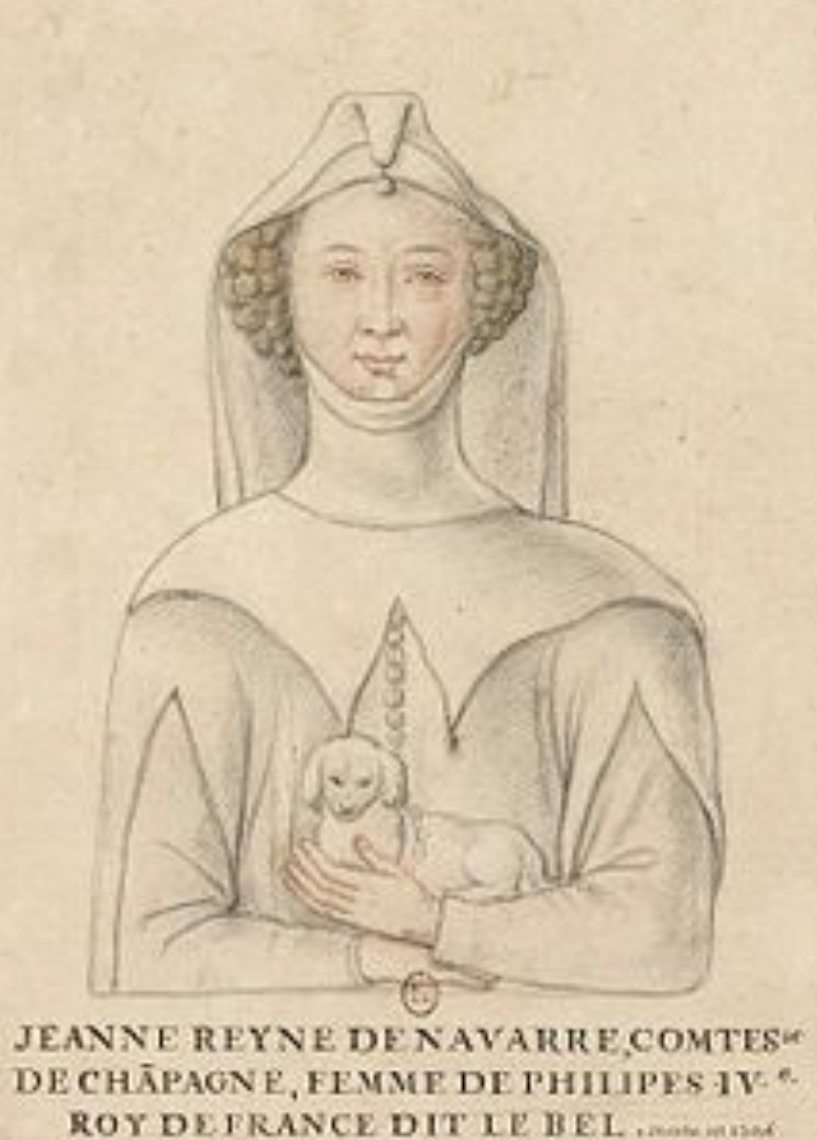
My direct ancestor, Jeanne de Navarra de Champagne (14 January 1273 – 2 April 1305, a bold, courageous and enterprising woman who led an army against the Count of Bar when he rebelled against her. It’s thought that Jeanne, like far too many of my ancestors, died in childbirth.

My direct ancestor, Gwenllian ferch Gruffydd (1090 – 1137). With her husband, Gruffydd ap Rhys, an outlaw who distributed wealth to the poor, ‘like Robin Hood.’ Academic Dr Andrew Breeze argued that Gwenllian wrote the Mabinogion, the tales that influenced Lord of the Rings.

The January 2022 issue of Mom’s Favorite Reads…

Author Features, Genealogy, Poetry, Puzzles, Recipes, Seasonal Articles, Short Stories, National Pharmacist Day and so much more!

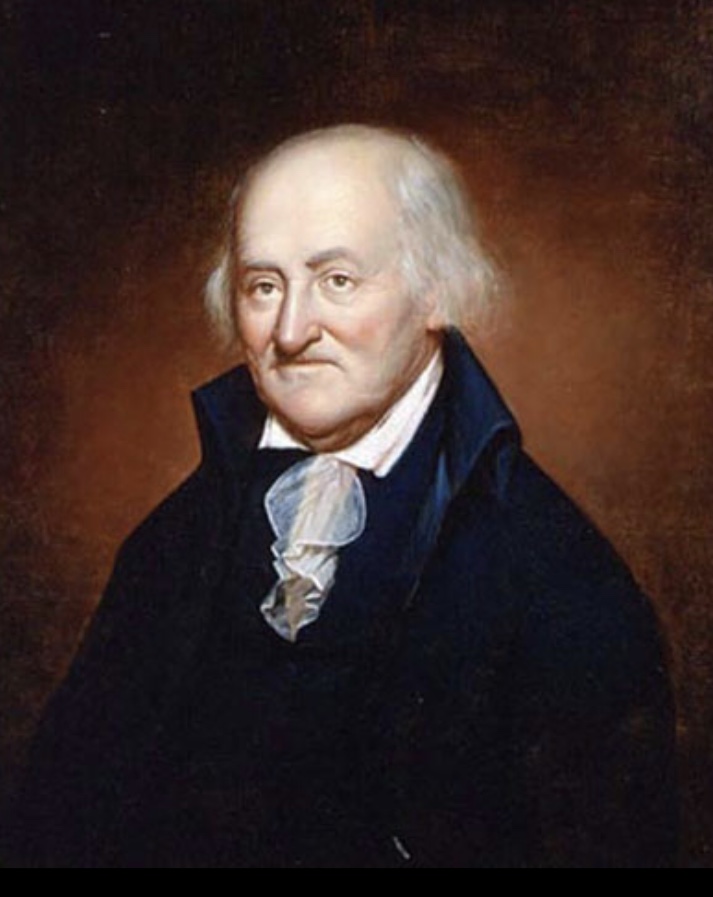
My ancestor, Christopher Gadsden (16 February 1724 – 28 August 1805) was an American politician and the principal leader of the South Carolina Patriot movement during the American Revolution. Furthermore, he was a delegate to the Continental Congress, a brigadier general in the Continental Army, Lieutenant Governor of South Carolina, a merchant, the designer of the Gadsden flag, a signatory to the Continental Association and a Founding Father of the United States.

Christopher Gadsden. Portrait by Charles Fraser.

The son of Royal Navy officer Thomas Gadsden, Christopher was born in 1724 in Charleston, South Carolina. After service in the Royal Navy, Thomas became a customs collector for the Port of Charleston, hence the family association with the area.

Christopher was schooled in England. He returned to America in 1740 and served as an apprentice at a Philadelphia counting house. When his parents died in 1741, he inherited a large fortune, which made him financially secure for life.

Between 1745 and 1746 Christopher served as a purser on a British warship during King George’s War. In 1747, he developed his mercantile ventures and a few years later he built Beneventum Plantation House. 

Slavery was common practice amongst plantation owners in South Carolina. Although Christopher was ambivalent towards this barbarity, nevertheless he did keep and trade in slaves.

As Christopher Gadsden’s businesses prospered, he invested in projects such as Charleston Wharf. Between 1767 to 1787 and 1803 to 1808, it is estimated that forty percent of enslaved people (about 100,000) were brought to America through this wharf.

The Gadsden flag

Christopher was captain of a militia company during a 1759 expedition against the Cherokee. He was first elected to the Commons House Assembly in 1757 and immediately clashed with the autocratic royal governors. His stance brought him to the attention of Samuel Adams of Massachusetts, which resulted in a long correspondence and friendship.

Christopher Gadsden became one of the founders and leaders of Charleston’s Sons of Liberty. In February 1776, South Carolina President John Rutledge named him a brigadier general in charge of the state’s military forces. He played an active roll in the military, often to great personal financial cost.

In 1778, Christopher was a member of the South Carolina convention that drafted a new state constitution. That year he also served as lieutenant governor, stepping down in 1780.

When the British besieged Charleston in 1780, John Rutledge, as president of the council, fled to North Carolina to ensure a ‘government in exile’. However, Christopher remained and representing the civil government he surrendered the city and was taken as a prisoner of war.

As a prisoner of war, Christopher spent forty-two weeks in solitary confinement in a prison room at the old Spanish fortress of Castillo de San Marcos. Gaining his freedom in 1781, he helped to restore South Carolina’s civil government.

Christopher Gadsden was returned to South Carolina’s House of Representatives. He was elected as the governor, but due to poor health sustained during his imprisonment, he declined. In 1788, as a member of the state convention, he voted for the ratification of the United States Constitution.

The Gadsden house in Charleston (Wikipedia).

In 1798, Christopher built an imposing house at 329 East Bay Street in Charleston, a house that remained in the family for more than a century. He married three times and had four children with his second wife. He died, the result of an accidental fall, on 28 August 1805, in Charleston, and was buried in St Philip’s Churchyard.

Christopher Gadsden was born into privilege. A capable and principled man, he achieved a great deal in his life. He was a man of his times and some of his attitudes look dubious today. 

The world of politics is murky at the best of times, and politics was Christopher’s world. To his credit, he wasn’t a populist. Even when it disadvantaged him personally, he stood up for his beliefs, and I feel that history should commend him for that.

As ever, thank you for your interest and support.

Hannah xxx

For Authors

#1 for value with 565,000 readers, The Fussy Librarian has helped my books to reach #1 on 32 occasions.

A special offer from my publisher and the Fussy Librarian. https://authors.thefussylibrarian.com/?ref=goylake

Don’t forget to use the code goylake20 to claim your discount 🙂

Categories
Dear Reader

Dear Reader #132

Dear Reader,

This week, Sam’s Song received its 800th review. I can still recall my sense of wonder at reading the first review. Someone actually liked the book and gave it five stars 😱 Sam’s Song was supposed to be a one-off. Nineteen books later…

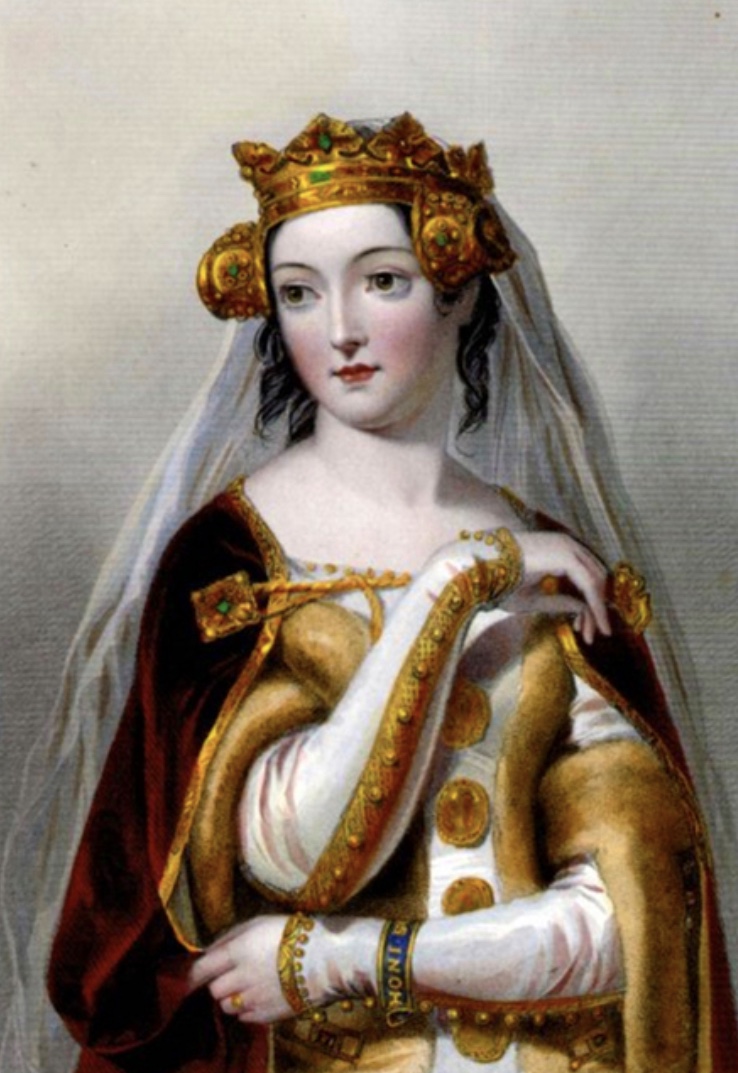
My direct ancestor, Philippa of Hainault 24 June 1310 – 15 August 1369, Queen of England, wife and political advisor of Edward III. More importantly she was popular because of her compassion. This is an ancestor I can definitely relate to.

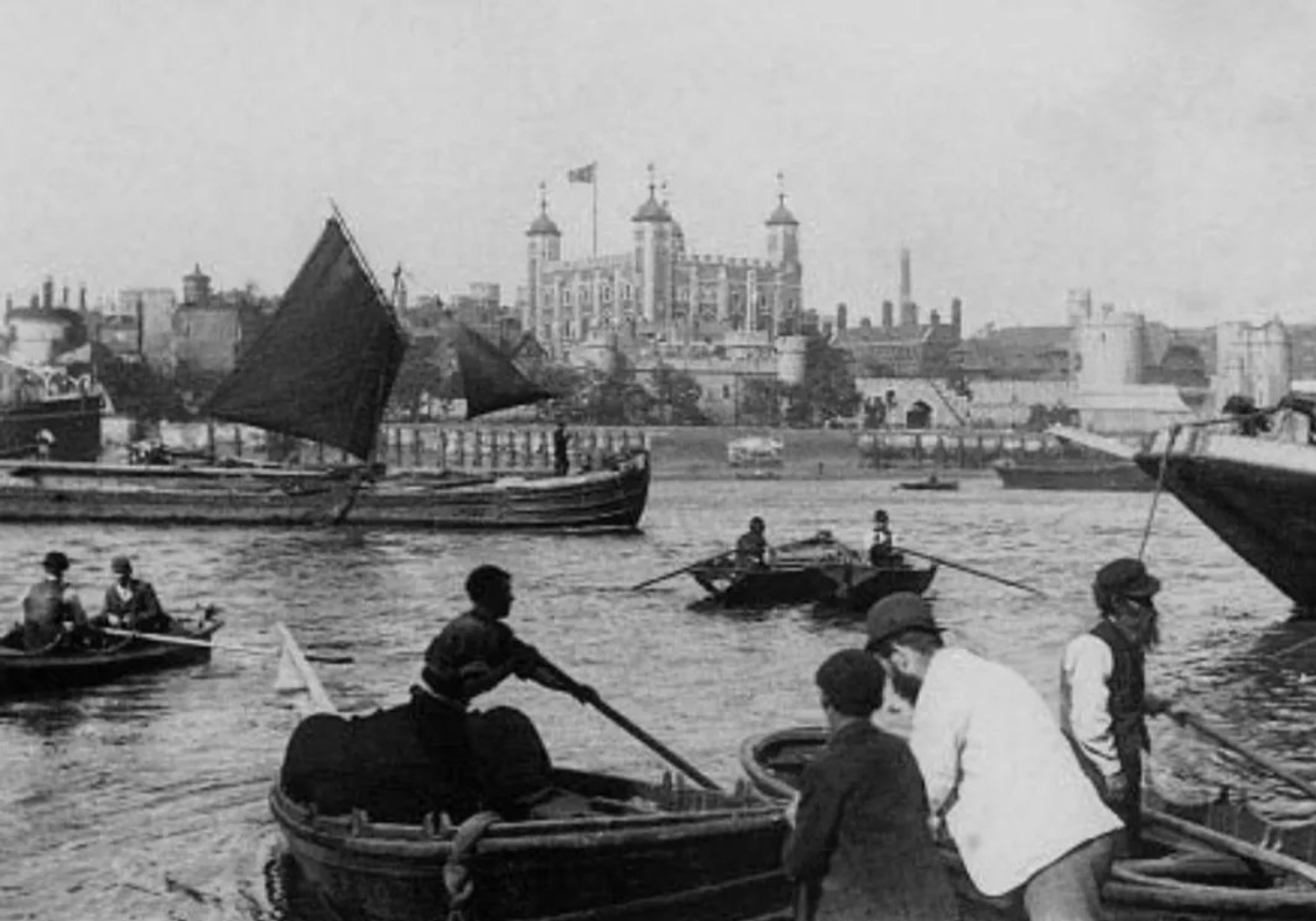
Many of my London ancestors worked on the River Thames. Here’s a scene from 1895.

My direct ancestor, Isabelle Capet born 1292 in Paris, died 22 August 1358 in Hertford Castle. Isabelle was noted for her diplomatic skills, intelligence and beauty. She also overthrew her husband, Edward II, and embarked upon an affair with Roger Mortimer. A feisty woman.


The Gadsden branch of my family were millers, travellers, traders and latterly grocers. And in John Gadsden they were involved in ‘Popish plots’.

In 1650 a report stated that John Gadsden, a miller, possessed ‘a very ill character and is a very dangerous person and was very busy in a Popish Plot.’ He left his home ‘for fear of being taken up upon some matters against the government.’ However, he was easily found, betrayed by neighbours, and the deputy took him into custody. John’s fate was not recorded, but his death on 18 August 1666 in Newport Pagnell suggests that he survived that immediate crisis.

John’s son, Richard, my direct ancestor, was born on 6 July 1613 in Stoke Goldington, Buckinghamshire. In Newport Pagnell on 28 October 1633 Richard married Catherine Wright. The couple produced six children.

Around this time various members of the Gadsden family were travelling and trading in America and the West Indies. Some sources suggest that Richard died in St Kitts and Nevis, c1690.

French map of Nevis, 1764.

In 1690, a massive earthquake and tsunami destroyed the city of Jamestown, the capital of Nevis. The damage was so extensive that the survivors abandoned the city. It’s reputed that the whole city sank into the sea. To date, I have not been able to establish whether Richard witnessed this earthquake or was a victim. It’s possible that this might be a family legend with no basis in truth. Before stating the story as true I would like to discover more evidence. Colonial and shipping records show that the Gadsdens were definitely in the region during this period, but more research is required.

Richard and Catherine’s son, William, my direct ancestor, was born on 30 July 1642 in Newport Pagnell, Buckinghamshire. William married Mary Nicholl on 6 January 1668 in Stoke Goldington, Buckinghamshire. The couple produced eight children.

Again there is a suggestion that William died abroad, in 1691 in West Nimba, Liberia. What was he doing in Liberia? To answer that question, we need to look at Liberia’s history.

Map of Liberia, c1830.

Portuguese explorers established contacts with people living in what later became known as Liberia in 1462. They named the area Costa da Pimenta, the Pepper or Grain Coast, because of the abundance of melegueta pepper, a highly desired spice in European cooking.

In 1602 the Dutch established a trading post at Grand Cape Mount, but this was destroyed a year later. In 1663, the English established new trading posts on the Pepper Coast and it would appear that William was involved in them. Again, before confirming this as fact more research is required, but the patterns of the Gadsden’s lives and their interest in trade suggests the tale might contain a grain of truth.

The above generations of the Gadsdens illustrate the fascination and frustration of genealogy. The fascination is there on a personal level because these people are my ancestors and also as a storyteller I’m entranced by their stories. However, sometimes there are gaps in the historical records, which makes definitive proof impossible to find. Sometimes it’s tempting to follow this quote from The Man Who Shot Liberty Valance, ‘When the legend becomes fact, print the legend.’ As a storyteller, this appeals to me. However, as a social historian I like to base my family stories on fact.

After John, Richard and William Gadsden, we move on to firmer historical ground with Christopher, Robert and William. Their stories also involved travel, to America and Australia, and they featured in dramatic trials at the Old Bailey. More about them in future posts.

*****

My next blog post will appear after Christmas Day, so I would like to take this opportunity to wish you a healthy and happy Christmas with this Christmas card from 1876.

As ever, thank you for your interest and support.

Hannah xxx

For Authors

#1 for value with 565,000 readers, The Fussy Librarian has helped my books to reach #1 on 32 occasions.

A special offer from my publisher and the Fussy Librarian. https://authors.thefussylibrarian.com/?ref=goylake

Don’t forget to use the code goylake20 to claim your discount 🙂
Categories
Dear Reader

Dear Reader #116

Dear Reader,

Now available for pre-order, Damaged, Sam Smith Mystery Series book nineteen. This story is set in the South of France and deals with immigration and terrorism.

Eight and a half months pregnant. My detective agency was in good hands, Faye and Tamara’s hands, so time to put my feet up and await the Big Day. However, Gabe, my private eye friend from Boston, had other ideas.

Hired by Alexander Carmichael III the current head of a powerful Boston dynasty, Gabe was on the trail of Chelsea, Carmichael’s runway daughter. That trail led to Wales – hence my involvement – then on to the South of France.

Amongst the glitz and glamour of the South of France events took a murderous turn – someone was making and detonating bombs, and that someone had developed a close association with Chelsea.

We found ourselves in a race against time, to prevent an explosion and the loss of many innocent lives, and to return home to deliver my baby.

Read this from the top to the bottom then from the bottom to the top.

My latest translation, The Olive Tree: Branches, in Portuguese.

My ancestor Robert Dent was born on 17 July 1882 in London to Richard Dent and Sarah Ann Cottrell. As a child, Richard emigrated to Ontario, Canada only to return to London in his early twenties where he married Sarah Ann. He found employment at London Docks and on the ships that sailed into those docks. In 1883 his ship, Stadacona, foundered with all hands. You can read Richard’s story here https://hannah-howe.com/ancestry/dent-yorkshire-canada-london/dent-yorkshire-canada-london-4/

In the early 1900s Richard’s son, Robert, followed his sister, Eliza, to Ontario, Canada. On 17 November 1909 in Simcoe, Ontario, Canada, Robert married Edith Eugenia Mollett, a woman of French descent. Between 1910 and 1914 the couple produced three daughters: Caroline (named after Edith’s mother), Edith and Jessie. Then the First World War broke out.

Given their British and French backgrounds, Robert and Edith must have discussed the war and its unfolding events in some detail and those discussions led to Robert enlisting in the Royal Canadian Dragoons (1st Armoured Regiment) on 21 January 1916.

Most of what follows was recorded in Robert’s official war record.

Robert Dent’s attestation paper

At the time of his marriage to Edith, Robert was a railway assistant. He was still working on the railways when his daughter Caroline was born. Remarkably, we know the exact time of her birth: 8.40 pm on 20 September 1910. When Robert signed up he was a farmer. In common with the vast majority of men who signed up he had no military experience.

Robert’s personal details. Height: five foot five and three-quarter inches. Weight: 135 lbs. Girth: 37 inches when resting, 41 inches when expanded. Complexion: fair. Eyes: grey. Hair: light brown. He had no smallpox scars, but his skin did reveal four vaccination marks. His habits were considered ‘good.’ On 21 January 1916 the medical officer considered Robert ‘fit for active service.’

After training, Robert left Halifax, Canada on 15 August 1916. By ship he arrived in Liverpool, England on 24 August 1916 and was transferred to the 11th Reserves Battalion at Shorecliffe. On 27 October 1916 he was transferred to the 8th Battalion to serve overseas. 

The 8th Battalion was authorized on 10 August 1914 and embarked for Britain on 1 October 1914. It disembarked in France on 13 February 1915, where it fought as part of the 2nd Infantry Brigade, 1st Canadian Division in France and Flanders until the end of the war. The battalion was disbanded on 15 September 1920. During the Great War the battalion saw action on a number of key battlefields including Ypres, Passchendaele and the Somme.

A page from Robert’s military file

Robert’s war record reveals that he was ‘accidentally slightly wounded’ on 7 February 1917. These ‘slight’ wounds included gunshots to the right knee, thigh, leg, forearm and face, and they necessitated a thirty-two day stay at Clapton Military Hospital, from 3 March 1917 to 4 April 1917. 

How did Robert sustain his wounds? It would appear that he was present in a brigade bombing area, attending a bombing instructional course. The safely at the course must have been lax resulting in a accident. Robert’s medical record states that he sustained ‘gunshot wounds’ and not ‘shrapnel wounds’ so maybe he was hit by bullets during the exercise and not shrapnel from an exploding bomb.

On 4 April 1917 medics moved Robert to the Canadian Convalescent Hospital in Bromley, Kent, where he remained until 17 April 1917 when he was discharged with limited movement in his right knee.

Robert’s disability was of ‘a serious nature’ and would ‘interfere with his future efficiency as a soldier.’ On 27 July 1917 he made a will, leaving all his worldly possessions to his wife, Edith. Then, despite his injuries, he returned to the frontline.

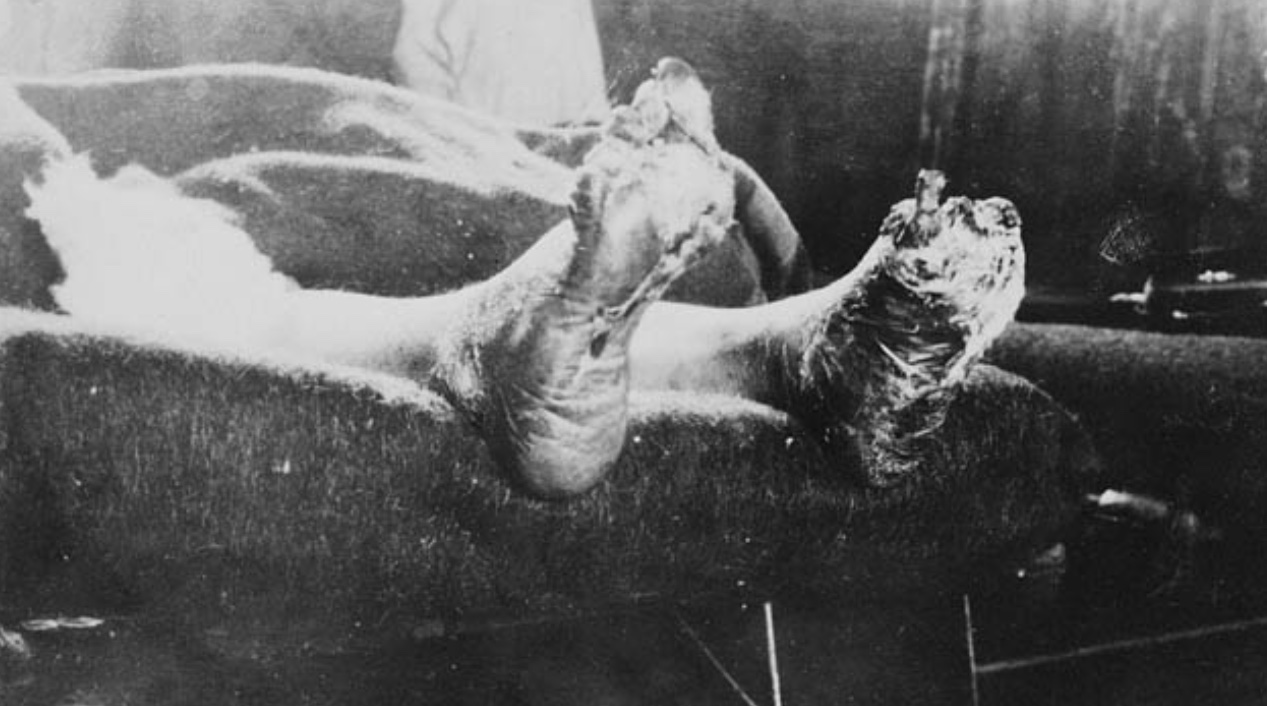
Back on the frontline, Robert suffered from trench foot, a common malady during the First World War. On 13 December 1917 he was transferred to the Canadian General Hospital in Shorecliffe where he remained until 12 March 1918, forty-eight days. During his stay surgeons removed his toenails.

A case of trench foot from the Great War, 1917

Despite his injuries, Robert survived the Great War. However, he then faced another twist of fate.

From February 1918 mankind had been engaged in another ‘war’, against the ‘Spanish Flu.’ While in England waiting to return to his family in Canada, Robert became ill. On 15 January 1919 he was admitted to the Mile End Military Hospital. A week later, on 21 January 1919, he died.

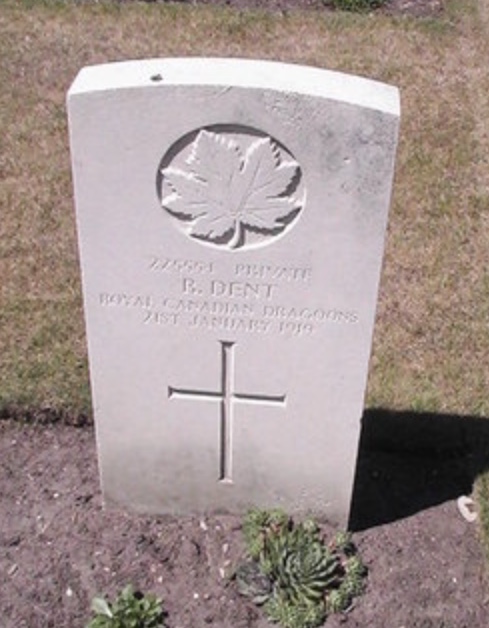
Trooper Robert Dent, service number 225554, survived the horrors of the Great War only to succumb to an unseen enemy. This suggests an irony and tragedy of Shakespearean proportions. However, this was no play; it was life, and death. Edith lost her husband. In return she received a gratuity of $180, her husband’s life valued at £4,000 in today’s money.

Robert Dent’s final resting place, Brookwood Cemetery.
Image: Find a Grave.

As ever, thank you for your interest and support.

Hannah xxx

For Authors

#1 for value with 565,000 readers, The Fussy Librarian has helped my books to reach #1 on 31 occasions.

A special offer from my publisher and the Fussy Librarian. https://authors.thefussylibrarian.com/?ref=goylake

Don’t forget to use the code goylake20 to claim your discount 🙂

Categories
Dear Reader

Dear Reader #102

Dear Reader,

A busy time preparing my books for the next nine months. Projects include: Damaged, book nineteen in my Sam Smith Mystery Series; Leaves, book three in The Olive Tree, my Spanish Civil War saga; Operation Cameo, book six in my Eve’s War Heroines of SOE Series and Colette, A Schoolteacher’s War, book one in a new series about various women and their participation in the French Resistance.

My latest translation, the Portuguese version of Operation Treasure. I’m delighted that Dilaine will continue to translate my Eve’s War Heroines of SOE Series.

Mapping my ancestors over the past thousand years.

Maps Three and Four: 1800 – 1850

These maps highlight the changes brought about by the Industrial Revolution. My Welsh ancestors remained fairly settled, mainly working on the land. Ancestors moved from Cardiganshire to Glamorgan, but the rest remained in their native communities.

In England, the story was different. Ancestors moved from Berkshire, Limerick, Lincolnshire and Hertfordshire taking their trades as carpenters, nurses and stone masons to London. Other branches, in Durham, Somerset and Essex intermarried with London ancestors while branches of my Durham and Yorkshire family emigrated to Ontario in Canada.

This speaks for itself 👇

I have discovered many fascinating stories while researching my ancestors this week. These include: marriages in London’s Fleet Prison, pictured, people in a debtors prison, slave owners in Barbados, a medal won during the Napoleonic Wars, Old Bailey trials, transportations to the penal colonies of Australia, and ancestors who ran an inn, which possibly doubled as a brothel. I look forward to sharing details of these stories with you in future weeks.

My 20 x great grandmother Isabella of Castile, Duchess of York, was born in 1355, the daughter of Pedro Alfónsez (Pedro I) “Rey de Castilla y León, el Cruel” and his favourite mistress Maria de Padilla.

Isabella accompanied her elder sister Constance to England after Constance’s marriage to John of Gaunt, 1st Duke of Lancaster, and on 11 July 1372 married Gaunt’s younger brother, Edmund Langley, 1st Duke of York, a man fourteen years her senior. The marriage was a political alliance to further the Plantagenet claim to the crown of Castile.

Chroniclers described Isabella and Edmund as ‘an ill-matched pair’. Isabella was flirtatious and committed many indiscretions, including an affair with Richard II’s half-brother, John Holland, 1st Duke of Exeter, a ‘violent and lawless’ man. 

Isabella of Castile

The chroniclers didn’t like Isabella and tarnished her reputation, taking exception to her ‘loose morals’. Of course, their comments must be seen within the context of the political intrigues of the day, which were numerous in Richard II’s court. It seems certain that Isabella did have affairs, no doubt looking for the love and affection that might have been absent in her marriage.

Officially, Isabella and Edmund produced three children: Edward, Constance (my direct ancestor) and Richard, although there is a suggestion that John Holland fathered Richard.

Isabella died on 23 December 1392, aged thirty-seven and was buried on 14 January 1393 at the church of the Dominicans at King’s Langley.  Shakespeare, however, brought Isabella back to life when he featured her in Act V of his play, Richard II, set in December 1399.

Coat of Arms of Castile, adopted by Isabella.

There are no records of the King’s Langley tombs. The priory surrendered to the Crown in 1536, but was not dissolved until 1559, when the estate passed into private hands. It’s assumed that the heraldic tomb-chest now standing in the north chapel of King’s Langley parish church originated from the priory. It was moved in 1877 and opened to reveal the disturbed remains of a sixty year old male and a forty year old female, thought to be Edmund and Isabella.

In her Will, Isabella bequeathed to the Duke of Lancaster, a tablet of Armenian jasper; to her son Edward, her crown; to Constance Despenser, her daughter, a fret of pearls; to the Duchess of Gloucester, her tablet of gold with images; and to Richard II her heart of pearls and the residue of her goods, in trust that he should allow his godson Richard, Isabella’s younger son, an annuity of 500 marks for life, a trust which Richard II, out of the great respect he bore for her, accepted.

Richard II loved pomp and pageantry, and it’s clear that Isabella had more in common with him than with her husband, Edmund. While Isabella’s marriage was no bed of roses, in Richard II’s flamboyant court I sense that she was at home, even though that home was a long way from her native Castile.

As ever, thank you for your interest and support.

Hannah xxx

Bestselling psychological and historical mysteries from £0.99. Paperbacks, brand new in mint condition 🙂
https://hannah-howe.com/store/