Categories
Dear Reader

Dear Reader #118

Dear Reader,

My Sam Smith mystery The Hermit of Hisarya has been included in academic lectures this week in Bulgaria, discussing cultural studies and world literature, and the interrelation between cultural identity and the imagination. What an honour, I’m blown away 😱

https://academia.edu/51152850/
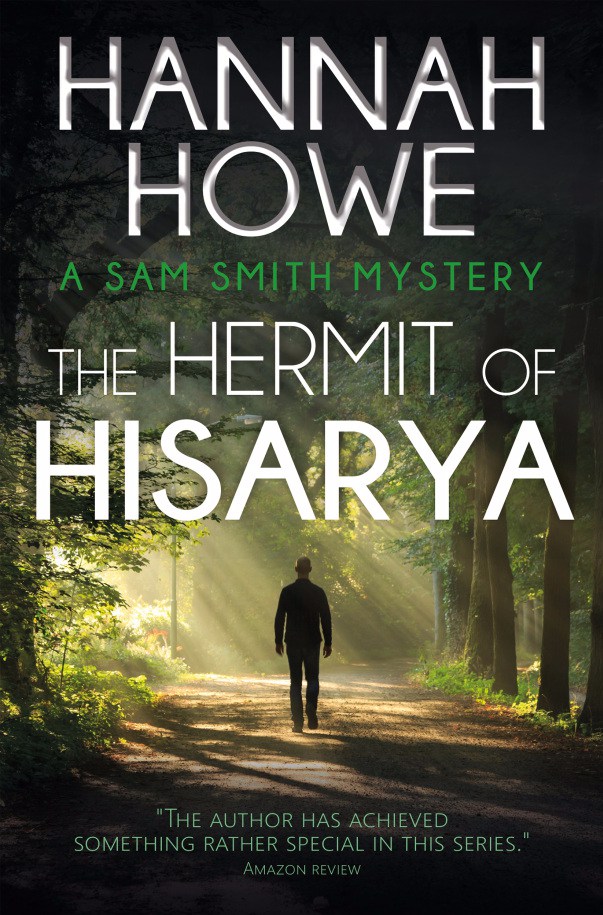
My latest translation, The Hermit of Hisarya in Portuguese.

My article about my ancestor John Howe features in this month’s Seaside News.
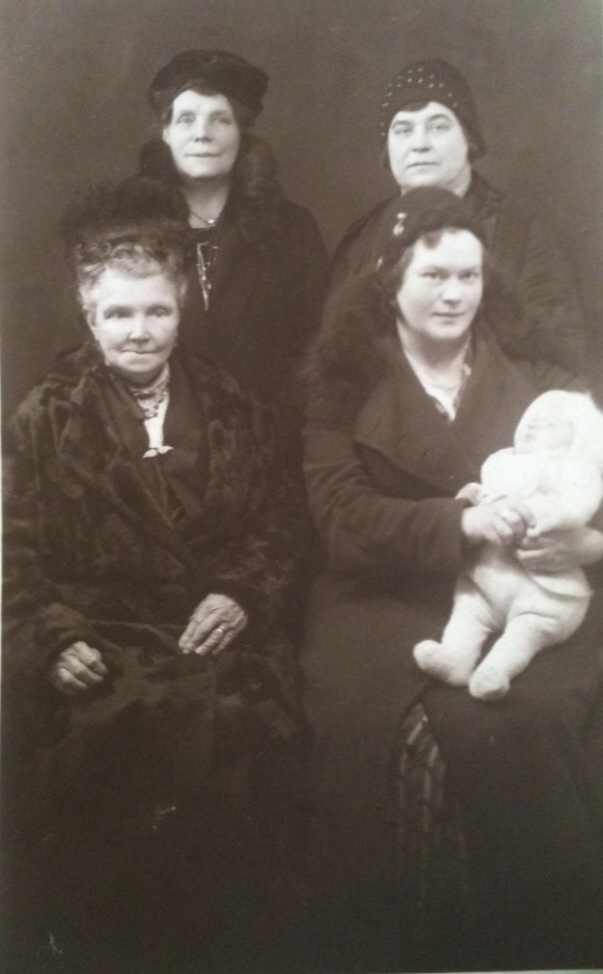
c1926, five generations from the Iveson branch of my family. More about the Ivesons next week.

My 5 x great grandmother Jennet, aka Jane, Williams was born to David Williams and Mary Jones in 1787 in Newton-Nottage, Wales. In the eighteenth century Newton-Nottage was a rural community and the majority of its inhabitants earned a living from the land.

Nottage, 19th century tithe map. Source: The National Library of Wales.

Jennet married Thomas Morgan in nearby Laleston on 10 October 1815. The couple produced five children: William, Richard, Mary, Sarah and a second child called Richard. Sadly, infant mortality was common in the nineteenth century and parents often reused a favourite name.

Jennet and Thomas’ eldest son, William, was born in 1812, three years before their marriage. Their first Richard was baptised on 21 January 1816, which indicates that Jennet was six months pregnant with her second child at the time of her marriage.

The accepted wisdom is that bastard children and their mothers were cast out by Victorian society. For the middle and upper classes this might well have been true. However, for the lower classes and those living in rural communities the locals took a more pragmatic view. Producing babies, in and out of wedlock, was literally a fact of life. An example from my family tree: my 3 x great grandparents William Bick and Fanny Brereton had six children before their marriage on 13 December 1868 (they had five more children after their marriage). Obviously, they did not feel pressurised into marriage and were not ostracised by their community. Marriages were expensive and many people needed the money for food and shelter. That said, some women were embarrassed about admitting to an illegitimate child as we shall see shortly.

Jennet’s husband, Thomas Morgan, was a shoemaker while his father, Richard, was a victualer in Laleston. When Thomas Morgan was born in 1784 only seven children were baptised in Laleston (population 2011, 12,586), which indicates that it was a small community, and that a birth, marriage or death was a major event.

Laleston baptisms, 1784.

Thomas Morgan died on 28 December 1827. A widow, Jennet supported herself and her family by working as a stone cutter at the local limestone quarries. Women who worked with stone, iron or coal usually wore shorter dresses compared to the Victorian norm because of the danger of those dresses catching fire. ‘Shorter’ in this instance means just a few inches above the ankle, so they were hardly a huge advertisement for health and safety.

In 1829 Jennet met Thomas Harris and the couple produced a son, George, baptised on 8 December 1829. In the ten years before 1829 and the ten years after there was no one called Harris living in Laleston or surrounding villages. A family called Harris arrived in the 1840s, but they were not related to Thomas or George.
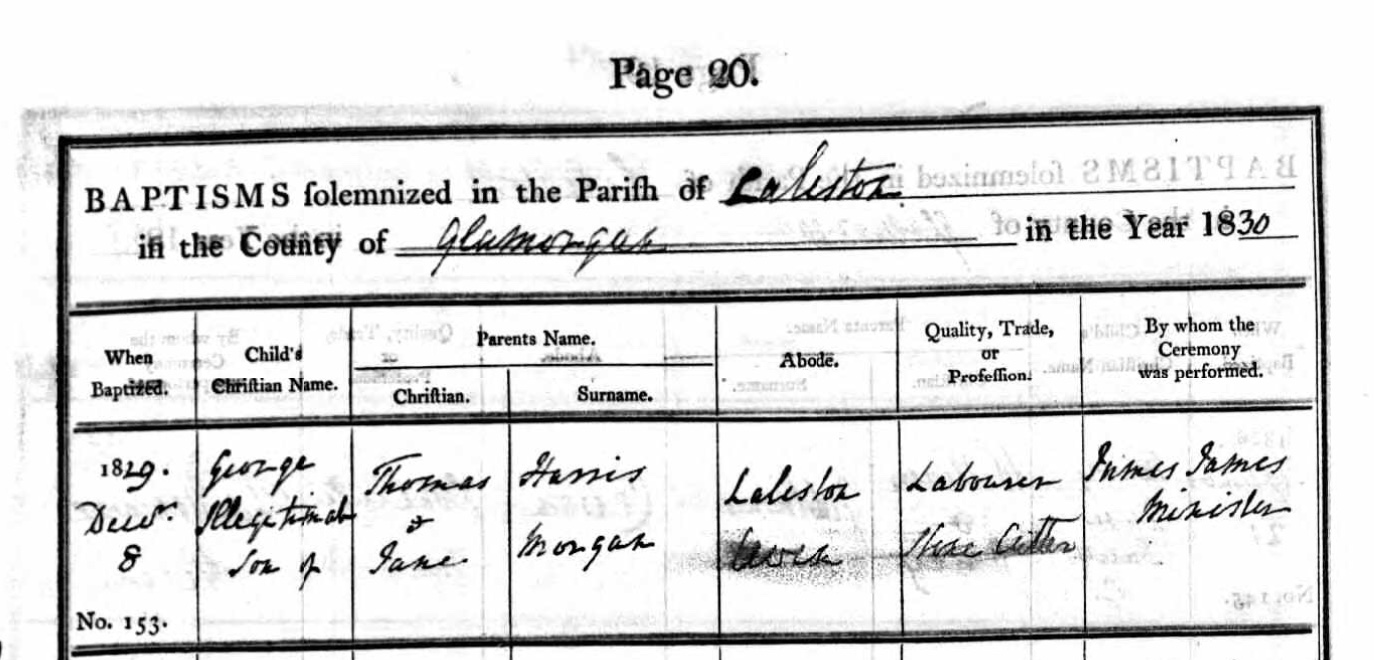
George’s baptismal record.

So, what of the mysterious Thomas Harris? It would appear that he drifted into Laleston looking for work, took advantage of Jennet, a lonely widow, then drifted out again. There is nothing to suggest that he acknowledged George as his son or supported him during his childhood.

Between 1829 and 1851 George was know as George Morgan and George Harris. In 1841 Jennet told the census enumerator that George’s surname was Morgan, even though her husband had died two years previously. Clearly, with this untruth she was trying to save face.

On 24 December 1853 George, now a blacksmith, married Lydia Williams and the couple took the surname Morgan. Indeed, George acknowledged Thomas Morgan as his father. Did he know the truth? Probably, because at various times before his marriage he did call himself Harris. Thomas Harris played no part in George’s life, so George decided to adopt his mother’s married name.

Lydia was a ‘minor’ at the time of her marriage to George and the couple were living at the same address. A ‘minor’ in this context means someone under the age of twenty-one; Lydia was twenty. During her marriage to George she gave birth to ten children.

On 9 April 1873 at the age of 86 Jennet died in Laleston. In her later years she lived with her daughter, and my direct ancestor, Mary, along with Mary’s husband and children. All of my Welsh ancestors during the Victorian era were tight-knit and supported each other. To date, I have not discovered any of them in the workhouse.

As ever, thank you for your interest and support.

Hannah xxx

For Authors

#1 for value with 565,000 readers, The Fussy Librarian has helped my books to reach #1 on 31 occasions.

A special offer from my publisher and the Fussy Librarian. https://authors.thefussylibrarian.com/?ref=goylake

Don’t forget to use the code goylake20 to claim your discount 🙂

Categories
Dear Reader

Dear Reader #117

Dear Reader,

My latest translations, The Olive Tree: Leaves, Sins of the Father, Smoke and Mirrors, and Mind Games, all in Portuguese.

Just discovered that my 7 x great grandfather Thomas Hopkin lived to be 96 (1730 – 1826). He lived in Hutchens Point, Nottage, Glamorgan. On 29 May 1762 he married Catherine Rees from St Athan.

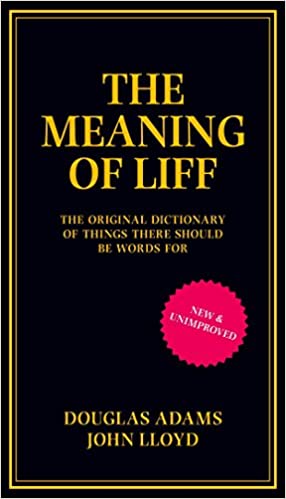
In the 1980s, Douglas Adams wrote a book, The Meaning of Liff, in which he applied humorous definitions to place names. He included Nottage: items you store in your shed for years, decide to throw out, only to realise that you need them a week later.

From 1918, ’Marriage Advice to Young Ladies’ from a ‘Suffragette Wife’.

Original pamphlet: Pontypridd Museum, Wales.

In this month’s issue of Mom’s Favorite Reads…

An exclusive interview with author, playwright and journalist Tim Walker featuring his meetings with a range of movie stars

Short Stories

Poetry

New Releases 

Travel

Activities 

Author Resources 

And so much more!

Around twelve years ago this was the first branch of my family tree that I explored in detail.

My 3 x great grandfather Thomas Jones was born to Thomas Jones, a coal miner, and Mary Morgan on 16 July 1843 in Laleston, Glamorgan. Thomas and Mary were not married at the time. This is a common discovery I have made for many of my Victorian ancestors and I will elaborate further in a future post.

Thomas’ wife and my 3 x great grandmother Hannah Morgan (the names Hannah, Morgan and Jones reoccur a lot in my family; indeed, four of the first sixteen branches start with a Jones) was born on 30 July 1848 to Richard Morgan, an ostler, and Margaret Jones in Tythegston, a small village near Laleston. You can read Richard and Margaret’s story here https://hannah-howe.com/ancestry/ancestry-13/

In 1851 Thomas was living with his parents in Laleston along with his three year old sister Ann and his grandmother, Jennet Morgan. Jennet was a widow at this time. Meanwhile, Hannah was living in Tythegston with her patents, four siblings, three lodgers and her grandmother, Mary.

Bridgend, 18 June 1850, a picture commemorating the opening of the railway station.

Ten years later Thomas was employed as a servant at Broadland House, Laleston. The owner of Broadland House, at the time, was Charles Drummond, a Londoner, an ‘esquire’, who later moved to Somerset. Drummond died in Somerset in 1888 leaving £2,500 11 shillings in his will.

Broadland House was set in 70 acres of land and the farm employed five servants, including Thomas, who worked as a ‘cow boy’. Mention of cow boys conjures up images of the Wild West. However, Thomas’ work was more prosaic, milking and feeding the animals. Twelve years old, Hannah was still at school and it’s likely that the couple had yet to meet.

That changed a few years later and on 22 February 1868 Thomas and Hannah found themselves walking down the aisle in Ruhama Baptist Chapel, Bridgend. There is a large church in Laleston so presumably Hannah chose the venue.

A child soon followed, my direct ancestor, Thomas. At the time of Thomas’ birth the landscape around Laleston was changing dramatically with the arrival of the railways and the development of coal mines. Thomas left the land to work in a coal mine and this ushered in a period of transience for the family as they moved from village to village seeking employment.

In 1881 the family found themselves in Llandyfodwg near Bridgend. Now with five children, Thomas and Hannah lived in Cardigan Terrace. The street name is revealing and indicates that it was established when a number of families settled in Llandyfodwg to work on the land and in the local coal mines. These families originated from west Wales. They were joined by families from the West Country of England. 

The west Walians and the locals spoke Welsh while the people from the West Country spoke English. Over time, a period of twenty years, many Welsh speakers became bilingual. However, few of the English people learned Welsh.

No pictures of Thomas Jones or Hannah Morgan exist, but this is their son, Richard Morgan Jones.

Each change of address for Thomas and Hannah represented a move of only a few miles. The baptismal records of their children allow us to chart their movements: Laleston, Newcastle, Llangeinor and Llandyfodwg, all within a five mile radius of Bridgend. 

Within this transience records were lost and Hannah disappeared from history. A death record dated 1881 pointed to Hannah. However, when examined in detail it revealed a different Hannah Jones (her married name, of course). My Hannah’s death was not recorded, or more likely it was lost.

Hannah definitely died before 1891 because at that time Thomas was a widow. He’d moved to Llantrisant, the home town of Hannah’s grandparents. Maybe he moved there to be closer to his extended family.

In 1891 Thomas was still working in the coal mines. His working life  represented stark contrasts: the early years spent in the open air, the latter years spent working in the dark. Both occupations offer a certain romanticism: the pastoral beauty of the countryside, the camaraderie of men working in life-threatening conditions, their existence reliant upon each other.

In 1891 Thomas and his three children, Thomas, Richard and Margaret, lived in Dinas, Llantrisant. Like their father, Thomas Jr and Richard were coal miners while fifteen year old Margaret was their housekeeper. Margaret’s childhood effectively came to an end when her mother died as she assumed the role of ‘woman of the house.’

Thomas’ street contained thirty people. All the men were coal miners. Twenty-three of those people spoke Welsh, six spoke English and only one was bilingual. 

After 1891, like Hannah, Thomas disappeared from the historical record. It’s probable that he died in May 1898.

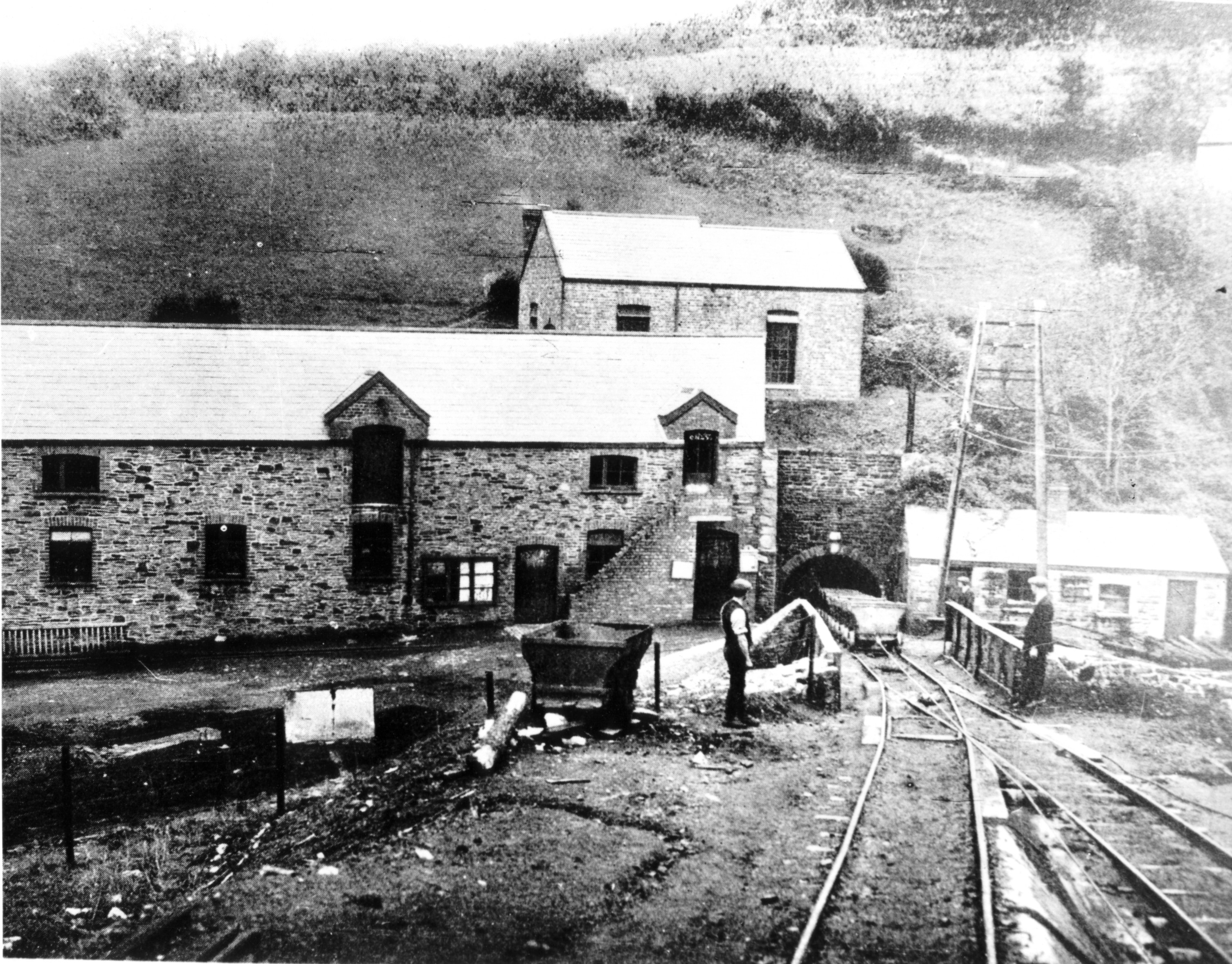
Bridgend coalfield: Bryndu Colliery.

While at work Thomas diced with death, every day. At random I have selected ten Joneses who worked alongside Thomas in the local coal mines. The brief notes that follow record their fate.

Thomas Jones, aged 22: killed by falling from a byat while moving a stage in the shaft.

Evan Jones, aged 14: killed by a full train passing over him.

William Jones, aged 38: killed when the mineshaft roof fell.

William Jones, aged 37: killed by a fall of coal.

William Jones, aged 16: killed by a fall of coal.

Richard Jones, aged 34: killed when the side of the pit gave way.

David Jones, aged 45: killed when the mine roof collapsed.

Thomas Jones, aged 48: killed by an explosion of firedamp, one of two people killed.

David Jones, aged 26: killed by a gas explosion, one of eleven people killed.

Lewis Jones, aged 12: run over by trams through breakage of coupling chains.

Bridgend coalfield: Aberbaiden Colliery showing the entrance to the slip.

Did my Thomas die in a mining accident? It’s possible, but there is no record. More likely he died from the illnesses associated with working in the coal mines, particularly ‘the dust’, aka emphysema, a cruel illness that smoothers the sufferer. 

Ancestors like my 3 x great grandfather Thomas worked and died so that Victorian society could prosper and a few select men could become obscenely rich. It’s a lesson from history we have yet to learn. Today, rich men pollute the planet and massage their egos by jetting into space. Meanwhile, many of their workers live and die in poverty. We must hope for a wiser generation, our children’s generation, that will look into the past, learn the lessons, and create a better future for us all.

As ever, thank you for your interest and support.

Hannah xxx

For Authors

#1 for value with 565,000 readers, The Fussy Librarian has helped my books to reach #1 on 31 occasions.

A special offer from my publisher and the Fussy Librarian. https://authors.thefussylibrarian.com/?ref=goylake

Don’t forget to use the code goylake20 to claim your discount 🙂
Categories
Dear Reader

Dear Reader #116

Dear Reader,

Now available for pre-order, Damaged, Sam Smith Mystery Series book nineteen. This story is set in the South of France and deals with immigration and terrorism.

Eight and a half months pregnant. My detective agency was in good hands, Faye and Tamara’s hands, so time to put my feet up and await the Big Day. However, Gabe, my private eye friend from Boston, had other ideas.

Hired by Alexander Carmichael III the current head of a powerful Boston dynasty, Gabe was on the trail of Chelsea, Carmichael’s runway daughter. That trail led to Wales – hence my involvement – then on to the South of France.

Amongst the glitz and glamour of the South of France events took a murderous turn – someone was making and detonating bombs, and that someone had developed a close association with Chelsea.

We found ourselves in a race against time, to prevent an explosion and the loss of many innocent lives, and to return home to deliver my baby.

Read this from the top to the bottom then from the bottom to the top.

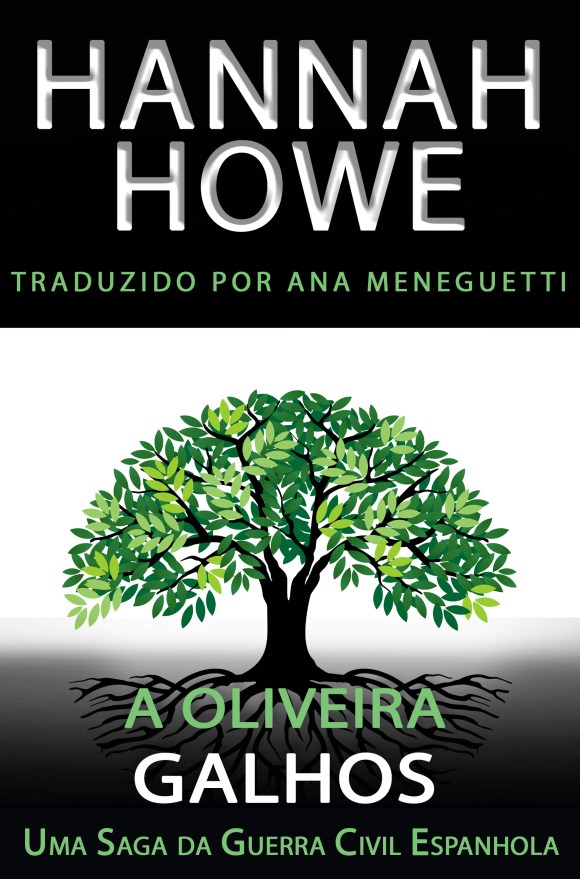
My latest translation, The Olive Tree: Branches, in Portuguese.

My ancestor Robert Dent was born on 17 July 1882 in London to Richard Dent and Sarah Ann Cottrell. As a child, Richard emigrated to Ontario, Canada only to return to London in his early twenties where he married Sarah Ann. He found employment at London Docks and on the ships that sailed into those docks. In 1883 his ship, Stadacona, foundered with all hands. You can read Richard’s story here https://hannah-howe.com/ancestry/dent-yorkshire-canada-london/dent-yorkshire-canada-london-4/

In the early 1900s Richard’s son, Robert, followed his sister, Eliza, to Ontario, Canada. On 17 November 1909 in Simcoe, Ontario, Canada, Robert married Edith Eugenia Mollett, a woman of French descent. Between 1910 and 1914 the couple produced three daughters: Caroline (named after Edith’s mother), Edith and Jessie. Then the First World War broke out.

Given their British and French backgrounds, Robert and Edith must have discussed the war and its unfolding events in some detail and those discussions led to Robert enlisting in the Royal Canadian Dragoons (1st Armoured Regiment) on 21 January 1916.

Most of what follows was recorded in Robert’s official war record.

Robert Dent’s attestation paper

At the time of his marriage to Edith, Robert was a railway assistant. He was still working on the railways when his daughter Caroline was born. Remarkably, we know the exact time of her birth: 8.40 pm on 20 September 1910. When Robert signed up he was a farmer. In common with the vast majority of men who signed up he had no military experience.

Robert’s personal details. Height: five foot five and three-quarter inches. Weight: 135 lbs. Girth: 37 inches when resting, 41 inches when expanded. Complexion: fair. Eyes: grey. Hair: light brown. He had no smallpox scars, but his skin did reveal four vaccination marks. His habits were considered ‘good.’ On 21 January 1916 the medical officer considered Robert ‘fit for active service.’

After training, Robert left Halifax, Canada on 15 August 1916. By ship he arrived in Liverpool, England on 24 August 1916 and was transferred to the 11th Reserves Battalion at Shorecliffe. On 27 October 1916 he was transferred to the 8th Battalion to serve overseas. 

The 8th Battalion was authorized on 10 August 1914 and embarked for Britain on 1 October 1914. It disembarked in France on 13 February 1915, where it fought as part of the 2nd Infantry Brigade, 1st Canadian Division in France and Flanders until the end of the war. The battalion was disbanded on 15 September 1920. During the Great War the battalion saw action on a number of key battlefields including Ypres, Passchendaele and the Somme.

A page from Robert’s military file

Robert’s war record reveals that he was ‘accidentally slightly wounded’ on 7 February 1917. These ‘slight’ wounds included gunshots to the right knee, thigh, leg, forearm and face, and they necessitated a thirty-two day stay at Clapton Military Hospital, from 3 March 1917 to 4 April 1917. 

How did Robert sustain his wounds? It would appear that he was present in a brigade bombing area, attending a bombing instructional course. The safely at the course must have been lax resulting in a accident. Robert’s medical record states that he sustained ‘gunshot wounds’ and not ‘shrapnel wounds’ so maybe he was hit by bullets during the exercise and not shrapnel from an exploding bomb.

On 4 April 1917 medics moved Robert to the Canadian Convalescent Hospital in Bromley, Kent, where he remained until 17 April 1917 when he was discharged with limited movement in his right knee.

Robert’s disability was of ‘a serious nature’ and would ‘interfere with his future efficiency as a soldier.’ On 27 July 1917 he made a will, leaving all his worldly possessions to his wife, Edith. Then, despite his injuries, he returned to the frontline.

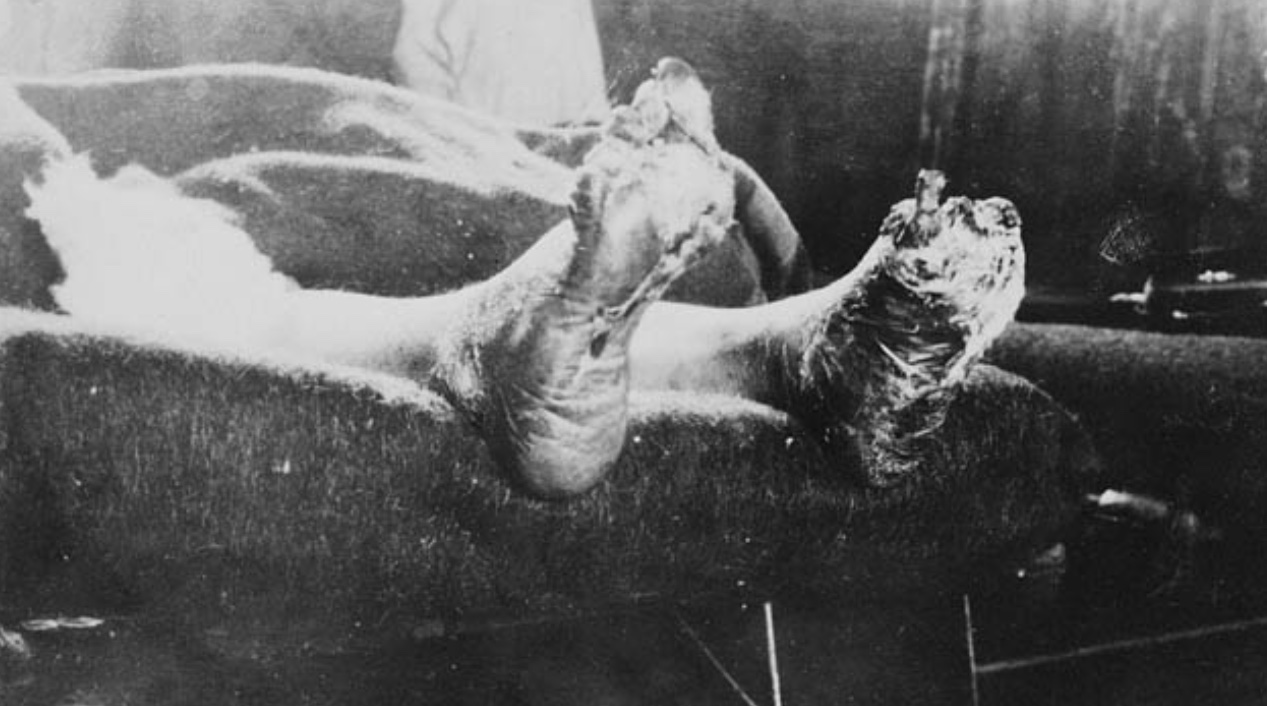
Back on the frontline, Robert suffered from trench foot, a common malady during the First World War. On 13 December 1917 he was transferred to the Canadian General Hospital in Shorecliffe where he remained until 12 March 1918, forty-eight days. During his stay surgeons removed his toenails.

A case of trench foot from the Great War, 1917

Despite his injuries, Robert survived the Great War. However, he then faced another twist of fate.

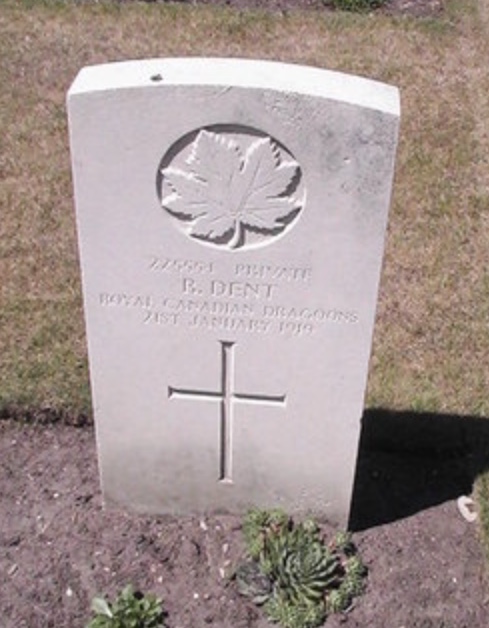
From February 1918 mankind had been engaged in another ‘war’, against the ‘Spanish Flu.’ While in England waiting to return to his family in Canada, Robert became ill. On 15 January 1919 he was admitted to the Mile End Military Hospital. A week later, on 21 January 1919, he died.

Trooper Robert Dent, service number 225554, survived the horrors of the Great War only to succumb to an unseen enemy. This suggests an irony and tragedy of Shakespearean proportions. However, this was no play; it was life, and death. Edith lost her husband. In return she received a gratuity of $180, her husband’s life valued at £4,000 in today’s money.

Robert Dent’s final resting place, Brookwood Cemetery.
Image: Find a Grave.

As ever, thank you for your interest and support.

Hannah xxx

For Authors

#1 for value with 565,000 readers, The Fussy Librarian has helped my books to reach #1 on 31 occasions.

A special offer from my publisher and the Fussy Librarian. https://authors.thefussylibrarian.com/?ref=goylake

Don’t forget to use the code goylake20 to claim your discount 🙂

Categories
Dear Reader

Dear Reader #113

Dear Reader,

We are making great progress in translating all my books into Portuguese. Here is the latest addition, Stormy Weather, Sam Smith Mystery Series book eighteen. The theme of this story is the climate crisis.

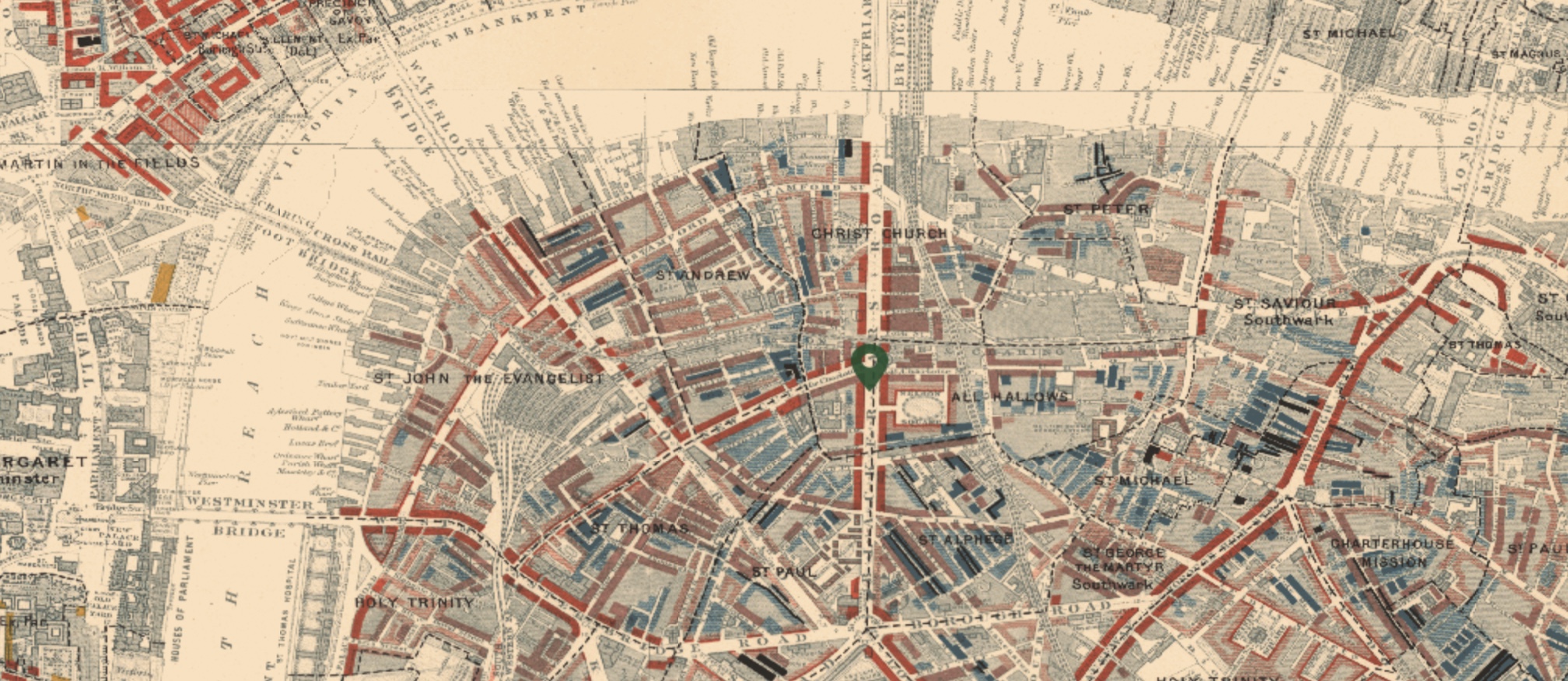
I’m researching my 4 x great grandparents, John Glissan and Sarah Foreman. John was a surgeon/dentist/chemist while Sarah was a nurse/dentist/chemist. In the 1830s they were living on Blackfriars Road, a prosperous street according to Charles Booth’s Victorian maps. Incidentally, my youngest son is thinking of becoming a dentist 🦷 

Just discovered that in the third quarter of the eighteenth century my ancestor Thomas Glissan subscribed to ‘Essays and Poems, Satirical, Moral, Political, and Entertaining’, by J.S. Dodd, which is still available.

In this month’s issue of Mom’s Favorite Reads eMagazine…

Bushcraft and Survival Skills

The Olympics

Side Benefits of Writing

World Honey Bee Day

Plus photography, puzzles, poems, recipes, short stories and so much more!

My 11 x great grandfather William Dent was born into a life of privilege in 1627 in Ormesby, Yorkshire. He married Elizabeth Jarrett on 16 July 1650 and the couple produced four sons: Robert, John (my direct ancestor), Charles and Edward, who sadly died in infancy. Robert entered Jesus College, Oxford on 28 May 1672 as ‘Robert Dent, son and heir of William Dent of Guisborough, gent.’ In July 1674, after college, Robert was admitted to the Middle Temple. 

In 1673 the Hearth Tax returns for Guisborough listed 214 households of which only twenty-one were taxed for possessing four or more hearths. William Dent’s property had nine hearths, which offers an insight into its grandeur. In later life William moved to Sunderland where he died in 1698.

The Dent branch of my family continued with John, son of William, William, John, George, William and Thomas Thompson Dent (11 February 1781 – 10 November 1854). By the eighteenth century the Dent family owned a number of properties throughout the North East of England. They farmed these properties as yeomen. 

John Dent, father of George, was born on 16 June 1700 in Romaldkirk, Yorkshire, the family’s main residence. Romaldkirk is a village in Teeside. It’s thought that its unusual name derives from St Rumwold, an obscure Saxon saint.

On 7 September 1715 John Dent became an apprentice merchant tailor to Peter King of York. Trade directories reveal that the Dents did branch out into the clothing trade with stores in Leeds. They also held on to their lands in Yorkshire.

John Dent’s Apprentice Indenture and signature

Thomas Thompson Dent married Betty Brown on 12 April 1806 in Bowes, Yorkshire. The couple produced six sons: Thomas Thompson Dent (my direct ancestor), John, William, George, Henry and Richard. 

In September 1842 Isabella Hutchinson was brought before the court and charged with stealing oats from one of Thomas Thompson Dent’s fields. Isabella cut off the ears of corn as they were growing. The case was proved and she was sentenced to one month’s hard labour in Northallerton gaol.

A contemporary newspaper report

In 1851 Thomas was seventy years old and a widower farming 200 acres in Lartington near Romaldkirk. His sons John, George and Richard, 42, 38 and 32 respectively, lived with him. All three were unmarried. A fourth son, Henry, had moved away from the family home. Three servants also lived on the farm: Mary Brunskill, 32, Sarah Langstaff, 25, and Joseph Minto, 22. Between master and servant events now took a romantic turn.

In 1840 the trade directories listed Richard Dent as a flour dealer no doubt trading in the crops grown at his father’s farm. Meanwhile, Sarah worked as a servant on the farm. The couple fell in love and married on 14 March 1857 in Romaldkirk. This was unusual for the Victorian era where there are plenty of examples of masters taking advantage of servants, but fewer instances of those encounters resulting in marriage.

Richard and Sarah’s marriage produced three children: Elizabeth, Mary Ann and Richard Thompson Dent. Sadly, Richard died in 1866, the year his son was born. 

Sarah lost her husband, but inherited a small fortune – the equivalent of £93,000 in today’s money. Sarah sold the farm and lived off her inheritance until her death in 1891. Despite her status of ‘highly desirable widow’ she didn’t remarry, maybe out of affection for her late husband. Certainly, her job as a humble servant on the Dent farm had turned her life around and placed her in a position where, financially at least, she had no reason to worry ever again.

Richard Thompson Dent, Richard and Sarah’s son, became a chemist in Barnard Castle, a highly successful chemist, for he left the equivalent of £235,000 in his will.

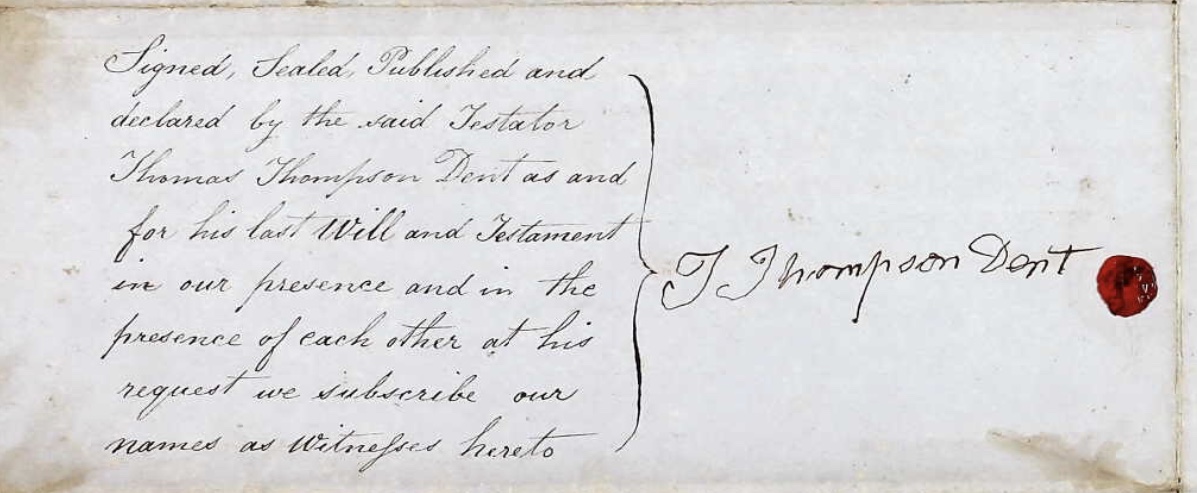
Thomas Thompson Dent’s will of 1854 bequeathed a farm in Cotherstone to his son John, another farm in Bowes to William, a third farm, also in Bowes, to Henry, and a fourth farm, again in Bowes, to Richard. Money, farming equipment and household utensils were also divided between the four sons.

Extract from the will of Thomas Thompson Dent and his frail signature 

But what of Thomas’ son and my direct ancestor, Thomas Thompson Dent Jr? Why didn’t the will mention him? The reason is Thomas Jr, his wife Dorothy Hornsby and their five children had set sail for New York en route to Canada, arriving on 24 June 1846. More about them next time.

As ever, thank you for your interest and support.

Hannah xxx

Bestselling psychological and historical mysteries from £0.99. Paperbacks, brand new in mint condition 🙂
https://hannah-howe.com/store/

Categories
Dear Reader

Dear Reader #112

Dear Reader,

My latest translations, both in Portuguese. A very busy time with the translations and soon all my books will be available in Portuguese.

In the Victorian era ships’ manifests had a section ‘Died on the Voyage’, which doesn’t inspire much confidence 😱

A part-time, flexible hours job offer from Publishing Wales.

“Good news! We’ve extended the deadline to apply for our brand new administrative role. Help shape Publishing Wales / Cyhoeddi Cymru, as we start this exciting journey.

Job description and further details below. Apply by 9th August.”

https://www.cyhoeddi.cymru/jobs

My 6 x great grandfather John Cottrell was a cordwainer and shoe shop owner in Leather Lane, London. On 2 December 1830 at 12.30 pm a ten year old boy, John Hagan, walked into his shop and stole a pair of shoes, value 5s. Twelve days later John Hagan appeared at the Old Bailey accused of theft. The verdict: guilty.

However, John pleaded that he had no father and that his mother was in great distress. The judge, Mr Sergeant Arabin, took pity on John and respited the judgement, a rare case of leniency in an age when ‘justice’ was often cruel.

I am related to Geoffrey Howe, Baron Howe of Aberavon, CH, PC, QC, the deputy prime minister in Margaret Thatcher’s government, 1989 to 1990. Our mutual ancestor is John Howe of St Hilary, Glamorgan (1786 – 1856) ironically, a thatcher.

By 1799, the Napoleonic wars had taken their toll on Britain. The British royal treasury was running out of money to maintain the army and navy. Soldiers were starving and His Majesty’s navy had already mutinied. For Prime Minister William Pitt the Younger, the solution was simple: impose an income tax. Under the Act of 1799, all citizens who earned above £60 were to pay a graduated tax of at least one percent. Those with an income of over £200 were taxed ten percent. Some people regarded the tax as a patriotic duty while others complained. I don’t know what my 5 x great grandfather John Howe thought of the taxes, but their imposition forced him off the land into employment as a thatcher.

In 1799, not everyone was thrilled to pay their taxes.

John’s son, Edward, was also a thatcher. However, with his wife Rachel and their five children, Edward moved twenty-two miles west to Aberavon to ply his trade.

The fact that Edward employed a domestic servant suggests that he was successful in his business. However, this success did not influence his son, also Edward, who became a washman in the local tinplate and silver works. This begs the question: how did the grandson of a tinplate worker become a Conservative MP and deputy prime minister? The answer lies in understanding the Howe family and its traits.

In the 1600s and 1700s our ancestors Joseph, John and John Howe were landowners, churchwardens, Petty Constables and Overseers of the Poor, pillars of St Hilary society. In 1797, John the latter paid 2s 6d to ‘ten men in distress coming from the sea’ while in 1753 John the former made a payment of £1 17s 6d for the making and binding of Bibles, 1s for attending a coroner’s inquest and 7d for a pair of male stockings. He also awarded payments of a few pence to ‘the little boy of whom nothing else is known’.

John Howe’s account of 1753, written in his own hand.

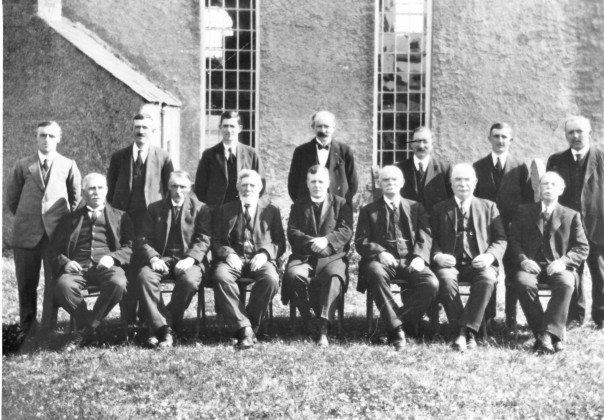
In the 1800s my 2 x great grandfather William Howe was a deacon of the local Methodist chapel and Headman of the village, in effect chairman of the village council, assisting the villagers with community problems and organising local events. Important to note that all these relatives were bilingual and immersed in Welsh culture with its distinctive, community-based, way of life.

Elders of Capel-y-Pil, c1930. William is seated, third from left.

For the Howes, a desire to serve the community as public servants ran deep. Geoffrey Howe inherited this trait. But how did he make the leap from the tinplate works to Downing Street? The words of a Labour prime minister, Tony Blair, come to mind, “Education! Education! Education!” Through education, Benjamin Edward Howe, Geoffrey’s father, transformed the family’s fortunes.

The son of Edward Howe and Hannah Evans, Benjamin Edward Howe was born on 3 December 1888 in Margam, Glamorgan, ‘a dirty little town’ according to contemporary chroniclers. That dirt was generated by the heavy industry and blast furnaces that dominated the area during the Victorian era.

In 1901, Benjamin was a scholar living with his parents and older sister Elizabeth. Many industrialists were far-sighted and opened schools in association with their factories. For example, Margam Tinplate Infants School opened in 1850. Benjamin attended the school and excelled in his studies.

Ten years later, aged twenty-two, Benjamin was a law student soon to qualify as a solicitor. From this point, his life moved on apace. On 1 May 1913 he became a member of the United Grand Lodge of Freemasons. In 1923 he married Eliza Florence Thompson and three years later the couple produced a son, Geoffrey. By 1939 Benjamin had established himself as a solicitor and the Coroner for West Glamorgan. His sister, Elizabeth, had also done well for herself; she was a headmistress.

Benjamin, a Freemason at Afan Lodge.

During the Second World War, Eliza upheld the family’s sense of civic duty by performing the role of Central Leader for Women Services for Civil Defence. Meanwhile, Geoffrey attended Abberley Hall School in Worcestershire, a co-educational preparatory day and boarding school teaching 150 pupils. The actor Sir Anthony Quayle and the author Antony Beevor also attended this school.

Benjamin died on 27 July 1958. In his will he left the equivalent of £252,000 in today’s money. By this time Geoffrey had married Elspeth Shand and established himself as a barrister-at-law.

As a child in the late 1970s I met Geoffrey Howe at a family gathering, a christening. In all truth, I have no memory of that event. I do recall that later, in the 1980s, whenever Geoffrey Howe appeared on television a member of the family, usually my father, would remind us that he was a relative, a ‘cousin’, the catch-all description for any relative who lived outside our immediate household. 

In the Victorian era and early twentieth century the Howes were Liberals, supporting the local candidates. That support drifted further left as the Labour Party and its ideas took a firm grip on the South Wales Valleys. Therefore, in family terms, Geoffrey was an outsider.

Many members of my family hated Margaret Thatcher because of the destruction she wrought on the Valleys, particularly the mining communities. However, they always maintained their respect for Geoffrey believing him to be a man of honour and principle. As events transpired with Geoffrey’s resignation on 1 November 1990 triggering Margaret Thatcher’s resignation three weeks later that family loyalty and belief were not misplaced.

I wonder what Geoffrey would make of Boris Johnson and his government. I sense that he would detest the man and all he stands for. Furthermore, he would not recognise the Johnson government as a Conservative administration.

Geoffrey Howe

Geoffrey Howe was Margaret Thatcher’s longest-serving cabinet minister, holding the posts of Chancellor of the Exchequer, Foreign Secretary, Leader of the House of Commons, Deputy Prime Minister and Lord President of the Council. In many ways, he embodied 400 years of Howe history. 

Obituarists stated that Geoffrey Howe was ‘warm and well liked by colleagues’ and was ‘one of the kindest and nicest men in politics’. While Andrew Rawnsley of The Observer noted that fellow politicians regarded Geoffrey Howe as ‘one of the most honest and decent practitioners of their profession.’

I have never voted Tory and cannot envisage a situation where I would vote Tory. Nevertheless, I am proud to regard Geoffrey Howe as an ancestor.

As ever, thank you for your interest and support.

Hannah xxx

Bestselling psychological and historical mysteries from £0.99. Paperbacks, brand new in mint condition 🙂
https://hannah-howe.com/store/