Categories
Dear Reader

Dear Reader #41

Dear Reader,

My personal top ten sales in Europe this week.

A Lovely Review for Sam’s Song 

A stalker. a murder, a bevy of marginally odd-ball characters, emotion, violence, and a touch of humor and romance describe the novel.

Sam is in the process of finding herself after a troubled childhood and a brutal, failed marriage. She tries for self-confidence but it slips away when the past comes calling. She is frightened of relationships. However, in the hidden depths of her mind, she is strong. As a PI, she is determined to solve the case.

The author has a breezy style of writing, drawing her characters with a light touch. But it is also serious, intense especially. The main characters are displayed with all their quirks and peccadilloes showing.

Amazon Vine Voice, Five Stars

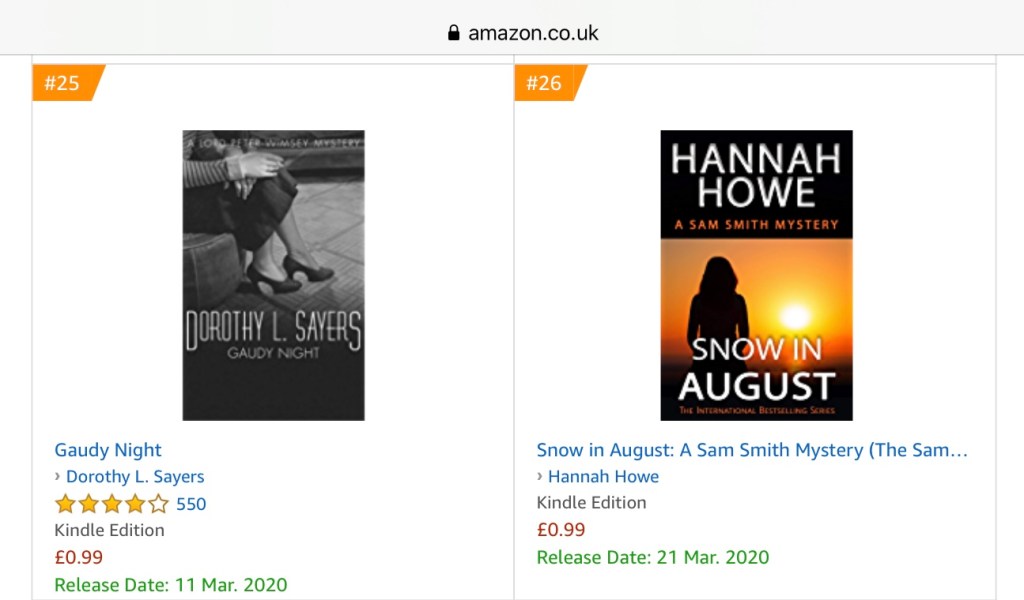
Published today, here’s one for the album, Snow in August is sitting alongside Dorothy L Sayers as a top thirty hot new release.
https://books2read.com/u/megq6A

From childhood, I’ve always read at least four books at once. I think the reason for this is I’m a fast reader and when I’m enjoying a book I don’t want to race to the end. 

At the moment, I’m reading over forty books at once. These books are linked to my research and most of them are chronological therefore I’m reading the timeframes that tie-in with my current stories.

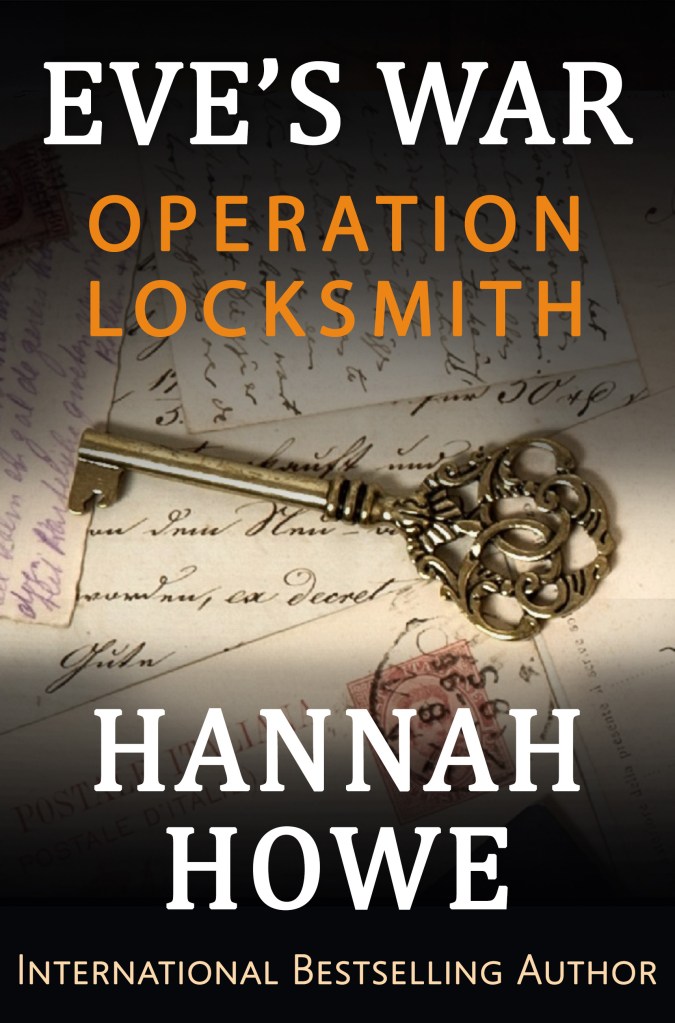
The above is a preamble to say that currently I’m working on four books at once: I’m editing The Olive Tree: Roots and Eve’s War: Operation Zigzag, storyboarding Eve’s War: Operation Locksmith and developing the characters for Looking for Rosanna Mee: Sam Smith Mystery Series book seventeen. All four books will be published this year.

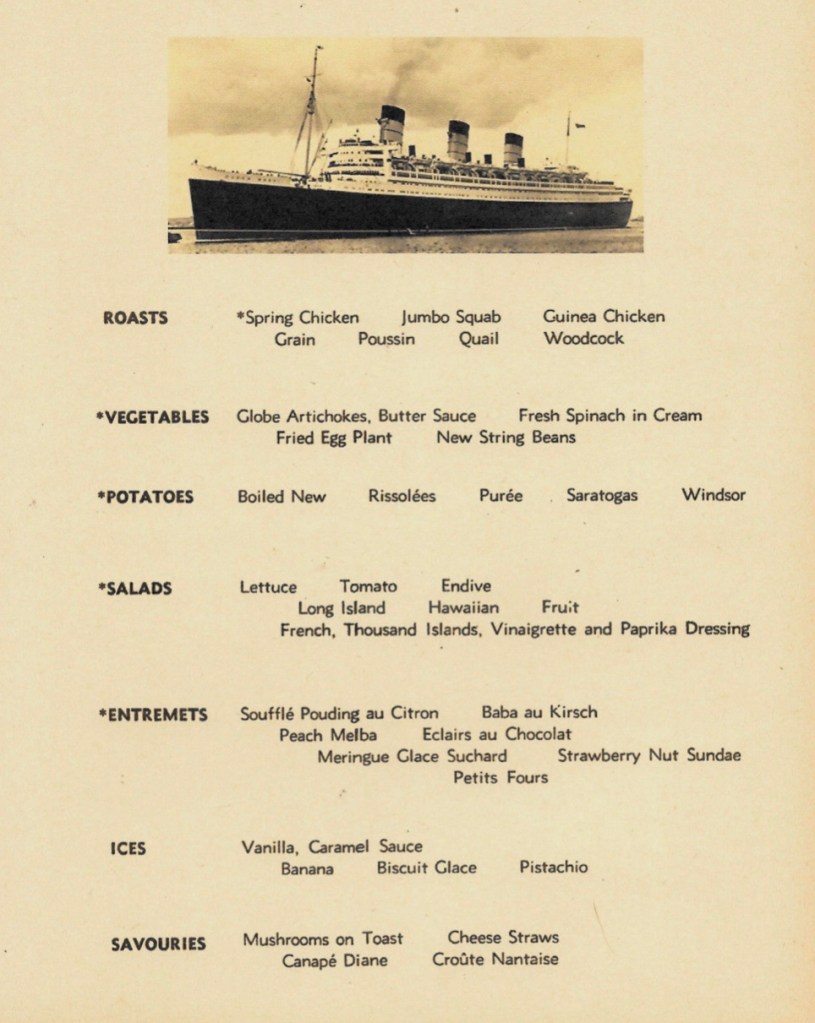
The Olive Tree, a Spanish Civil War Saga is about two women from opposite ends of the social spectrum. Therefore, while impoverished nurse Heini Hopkins collects clothing for the poor people of Spain, aristocratic author Naomi Parker enjoys this menu with Prince Nicolas Esteban.
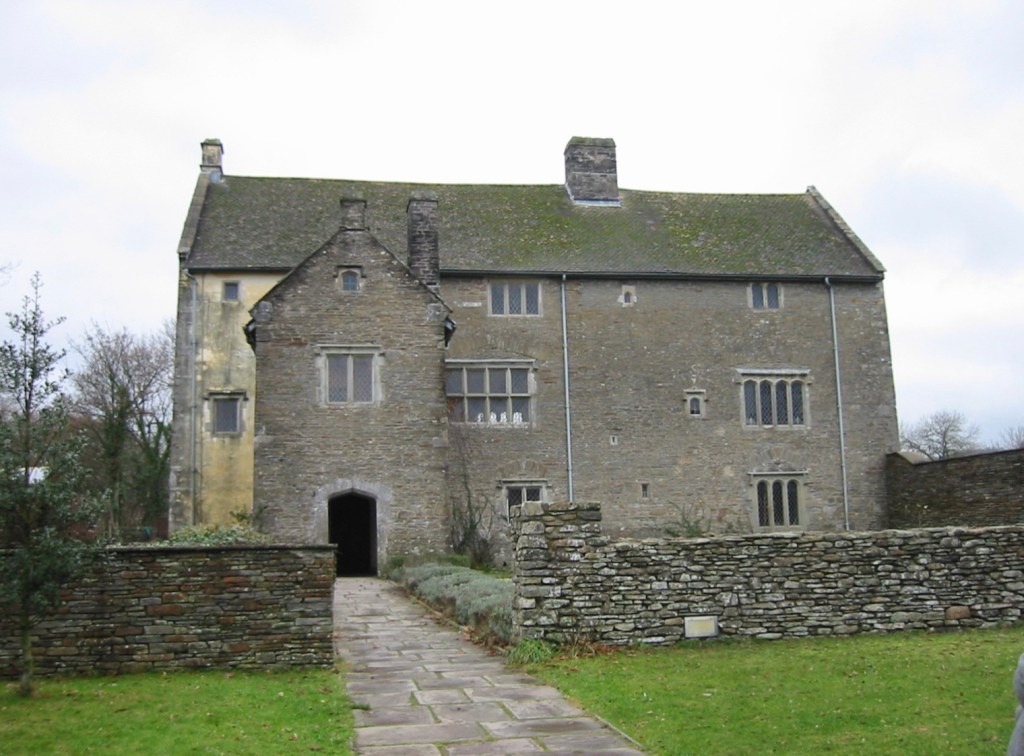
This is Llancaiach Fawr Manor, a sixteenth century manor house in the heart of the Rhymney Valley. This house is the inspiration for the central location in Looking for Rosanna Mee, Sam Smith Mystery Series book seventeen. Rosanna, a young housebound woman, has disappeared. Where could she be?

The gothic atmosphere of Llancaiach Fawr is highlighted by the four ghosts who are said to haunt the house, including a man in black, a murderer who patrols the perimeter.
Mark Knopfler said that his best songs develop from two ideas that marry at an opportune moment.

I already had an idea for Stormy Weather, Sam Smith Mystery Series book eighteen, and I’ve married that to an article I read this afternoon about a sleazy politician who is exploiting vulnerable people.

Modern British society doesn’t care about its vulnerable people, but Sam does. Expect plenty of fireworks in this one.

Eve’s War Research 

A small number of SOE agents arrived in Occupied France over land while others arrived by sea. The vast majority, however, parachuted into the country. What did they take with them? Here’s a basic 24 hour survival pack.

1 packet of plain biscuits 
1 block of chocolate 
1 sachet of boiled sweets
2 blocks of tea
1 packet of sweet biscuits 1 packet of plain biscuits
1 box of matches
1 roll of toilet paper
1 packet of oatmeal
2 packets of meat broth
2 packets of chewing gum
1 packet of sugar tablets
1 tin of Spam

Agents who were met by the local Resistance often received a warm meal in a farmhouse, but those who jumped ‘blind’ into the wilderness relied on their rations.

Women of Courage Heroines of SOE

Marguerite Diana Frances ‘Peggy’ Knight was born on 19 April 1920 in Paris. She was a member of the Women’s Transport Service before joining the SOE as a courier, a role mainly performed by women.

The daughter of Captain Alfred Rex Knight and his Polish wife, the former Charlotte Beatrice Mary Ditkowski, Peggy was a perfect French speaker and this ability captured the SOE’s attention.

On 11 April 1944, Peggy began her training. The SOE rushed her through the course in two weeks during which time she completed only one practice parachute jump from a static balloon instead of the customary three or four. After training, she landed in Vichy France under the code name Nicole to work for the highly compromised and deeply divided Donkeyman network.

Following D-Day, in June and July 1944, Peggy crossed the battle lines many times, carrying intelligence messages and gathering vital information. She did this by travelling vast distances on her bicycle. She also participated in an attack upon a Nazi military convoy, firing her Sten submachine gun.

Later in 1944, Peggy narrowly escaped capture and executIon when one of her colleagues betrayed her group of resistance fighters to the Nazis. One of thirty people, Peggy fought her way out of a forest through the encirclement.

Roger Bardet, the man responsible for the betrayal, was later arrested, tried and sentenced to death as a collaborator. However, his sentence was commuted and ultimately he was released from prison in 1955.
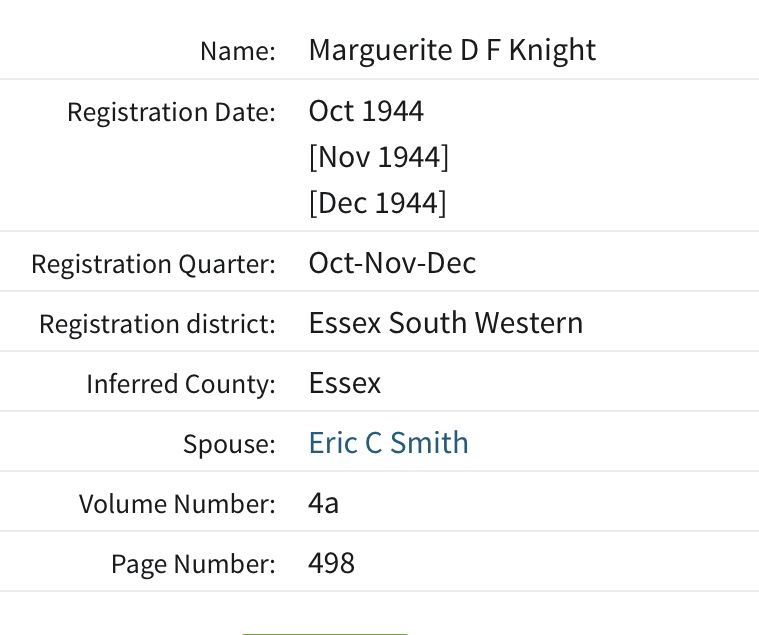
Peggy and Eric’s wedding registration

Her missions complete, Peggy left the SOE in November 1944. In December 1944, she married Sub-Lieutenant Eric Smith of the Royal Navy and gave birth to two sons within two years. Later, she told a local newspaper that her main concern now was ‘getting enough soap during austerity to keep the family clean.’ 

Highly praised by her masters at the SOE for her bravery and commitment, Peggy settled down to a life of domesticity.

As ever, thank you for your interest and support.

Hannah xxx

Categories
Dear Reader

Dear Reader #35

Dear Reader,

My sales top ten this week with Saving Grace up to #2. Many thanks to everyone who supports my books.

My latest translation will be available soon, The Big Chill in Swedish. This is my third Swedish project with Jill, a wonderful translator.

Just published, Mom’s Favorite Reads February issue!

In this issue…

Valentine’s Day 
Leap Year
Mental Health 
Young Writers
Humour
Interviews
Hypnotism
And so much more!

Read online or download your FREE copy today 🙂

Before I write a story l like to know what the last line will be. My Eve’s War Heroines of SOE Series will be twelve books, so at this stage it’s difficult to know exactly what the last line will be. However, I’ve just thought of the last significant action that will tie up all the threads within the series. It’s magical when that happens.

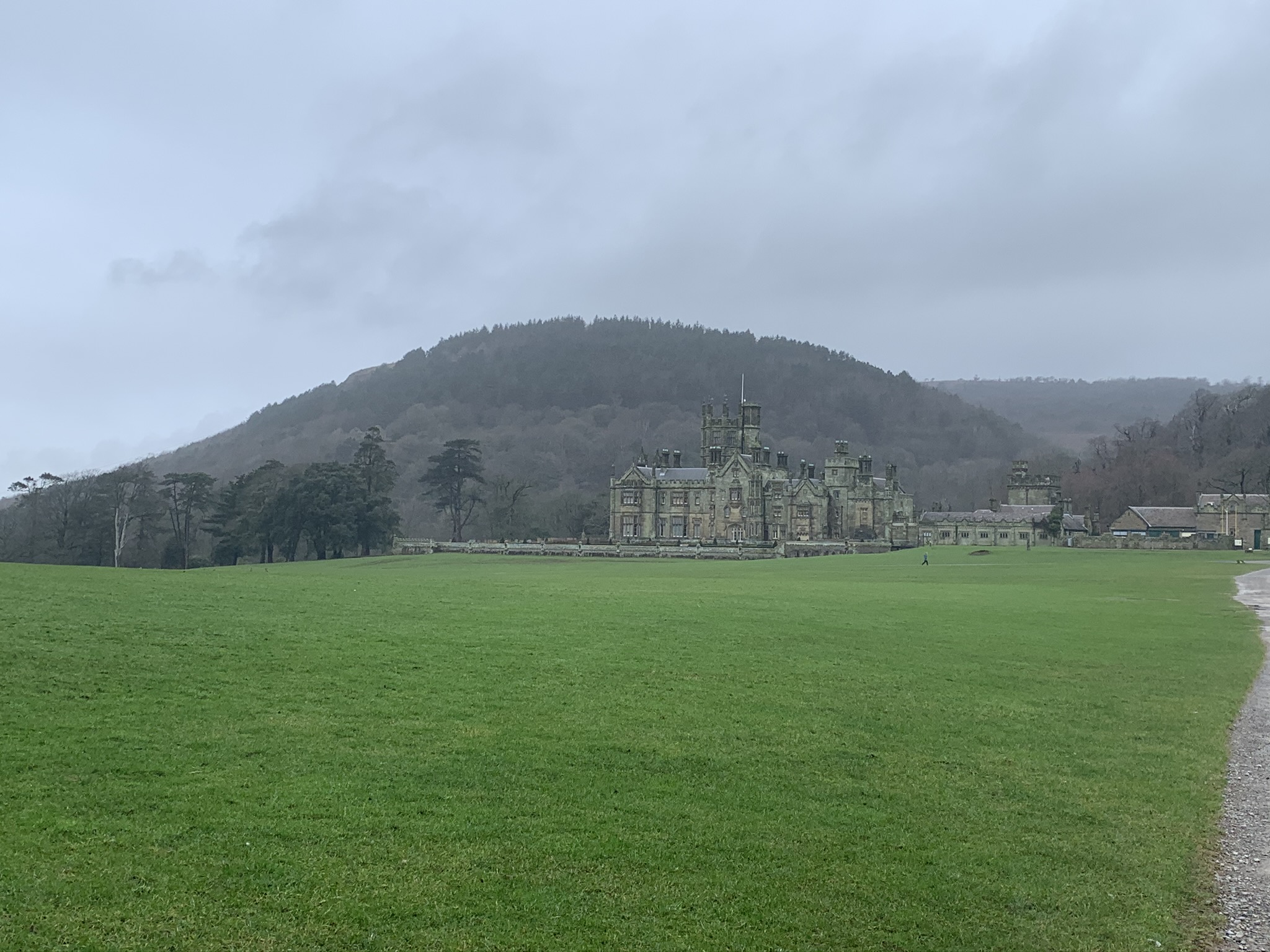
Local views today, Margam Park.

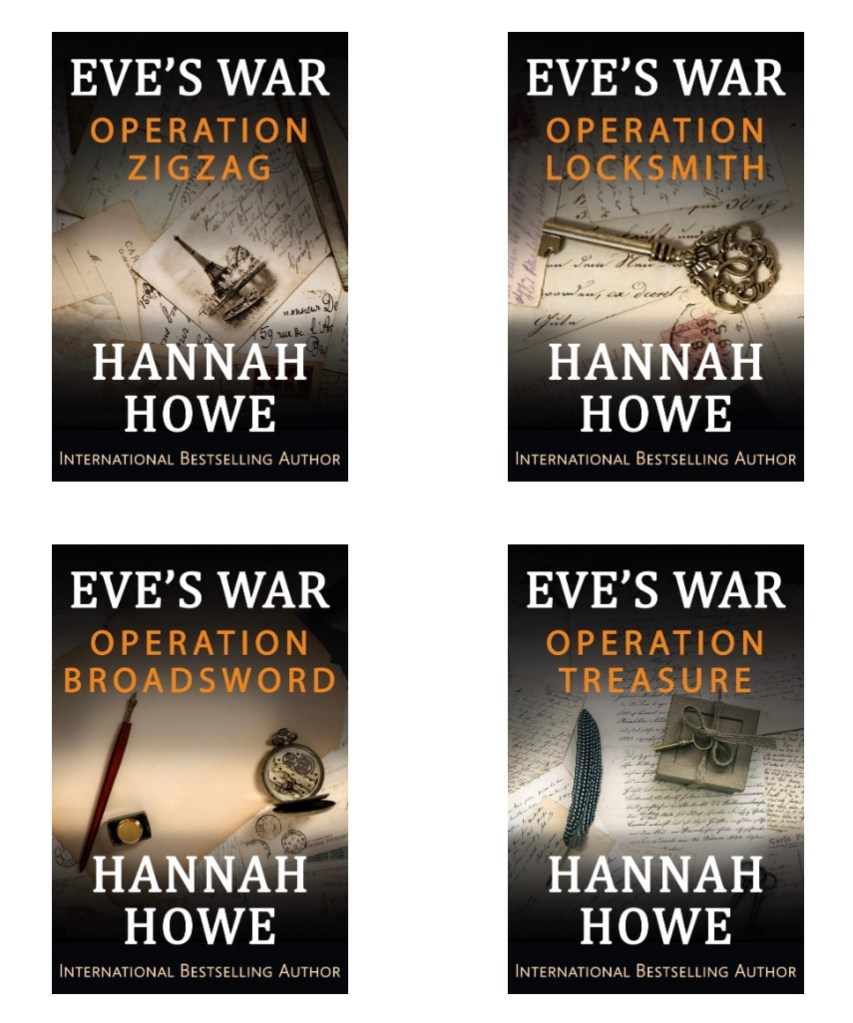
The alchemy always amazes me, how one line from research notes can transform into a story within minutes. I’ve just outlined Operation Treasure in my Eve’s War Heroines of SOE Series. Even in war is it possible to shoot an unharmed woman in cold blood? Eve is about to find out.

Meanwhile, Operation Zigzag continues to climb the Hot 💯 Chart, rubbing shoulders with New York Times, Wall Street Journal, Washington Post and Amazon #1 bestselling author Robert Dugoni 🙂

Here’s the universal book link for Operation Zigzag https://books2read.com/u/mKDDyv

Women of Courage, Heroines of SOE

Jacqueline Nearne was born on 27 May 1916 in Brighton. She was the eldest daughter of an English father and a Spanish mother. Her family moved to France in 1923 then when France fell in 1940 she made her way to Britain via Portugal and Gibraltar.

In Britain, Jacqueline applied to join the ATS, but was rejected due to her lack of experience driving in the dark and on the left-hand side of the road.

In 1942, Jacqueline was recruited into the FANYs, the First Aid Nursing Yeomanry. This was common for many female members of the SOE. During the summer of 1942 she trained as a courier for the SOE. Her younger sister, Eileen, and brother, Francis, also served in the SOE.

Jacqueline trained with Lise de Baissac, and the two became great friends. On 25 January 1943, after further training, as a radio operator, Jacqueline parachuted into France to work for the Stationer circuit.

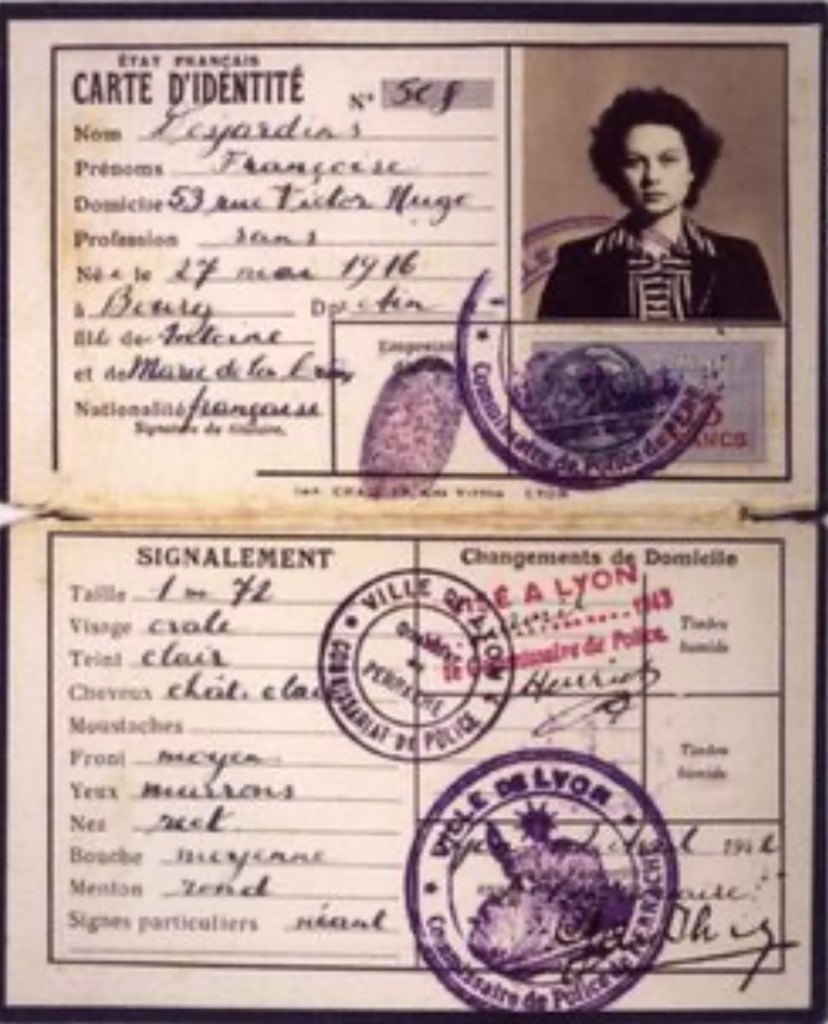
Jacqueline’s fake ID card while serving the SOE

The SOE provided agents with tailored clothing to suit the French fashions. Nevertheless, Jacqueline noticed that French and British knitting was so different that the Nazis could recognise the stitching. Therefore, she decided to knit socks for her fellow agents earning the nickname ‘Jackie Red Socks’.

Jacqueline carried spare parts for her radios inside a cosmetics bag. The average life-expectancy for a wireless operator was only six weeks. However, Jacqueline remained in the field for fifteen months, returning to Britain on 10 April 1944 via a Westland Lysander, an aircraft commonly used to deliver and rescue agents.

After the war, Jacqueline spent some time nursing her sister, Eileen, also an agent who had suffered while in France. Then she moved to New York to work at the United Nations.

In 1946, Jacqueline played ‘Cat’, a character based on herself, in the RAF Film Unit’s production of Now It Can Be Told, which was also released as School for Danger, a drama-documentary about the SOE. As well as her daring exploits, the film also highlighted Jacqueline’s knitting.

Operation Zigzag, book one in my Eve’s War Heroines of SOE Series is now available to pre-order from Amazon.

Eve’s War is a series of twelve novellas. Each book contains approximately 20,000 words and a complete story. Kindly note that the price throughout the series will be set at the minimum level and that Eve’s story arc will be concluded at the end of the series.

Marseille, December 1942

“We’re in a fix,” Vincent said. “The Gestapo have captured a British agent, code name Zigzag. They picked him up through his false identity papers, only the thing is they haven’t discovered his true identity, yet. But they will. And he will talk. They all do in the end. And when he talks he will reveal secrets that will destroy the local resistance networks, including our own. But there’s a way out, through a guard. He’s open to bribes. We’d like you to meet the guard, bribe him, spring Zigzag from the Gestapo prison then escort him over the mountain pass into Spain.”

“Why me?” I asked.

“Because you helped to establish the escape network. And you know the mountain trails like the back of your hand. Furthermore, as the wife of respected industrialist Michel Beringar you are above suspicion.”

I glanced at Michel. From the stern look on his face, I could tell that he wasn’t pleased. Was this one risk too many? And as for me being above suspicion…the Gestapo were following me and they were tapping my phone.

As a child, I’d run away from home. As a teenager, I’d travelled the world, living on my wits. As a journalist, I’d witnessed atrocities inflicted in the name of fascism. As a member of the Resistance, I’d eyeballed fear and stared it down. For the past thirty years I’d lived a full life. I could do this. However, even as I voiced my agreement I knew that my life in Marseille, my life with Michel, would never be the same.

As ever, thank you for your interest and support.

Hannah xxx

Categories
Dear Reader

Dear Reader #34

Dear Reader,

Some big changes to my top ten this week with Ann at #1 and all five books in my Ann’s War series in the top ten. Saving Grace also features, at #9. Betrayal reached #1 on the Amazon charts this week, for the eighth time. Many thanks to everyone who supports my books.

A lovely review for the Spanish version of Saving Grace. Many thanks to all my translators for their fantastic contributions to my books.

5 out of 5 stars Una novela súper interesante bien narrada.

Es una muy interesante historia, narrada de forma que te atrapa rápidamente, se nota que la autora investigó bien la temática antes de escribir. Lo recomiendo 100%

Mom has been publishing monthly magazines since October 2018. As editor, I’m delighted to announce that you can now catch up with all our back issues. Simply visit Mom’s website for hundreds of pages of articles, stories, recipes, puzzles, big name interviews and so much more 🙂

I am reading over forty books as I research Eve’s War. All of these books tell remarkable stories. However, the stand-out book so far is Moondrop to Gascony by Anne-Marie Walters. Anne-Marie, only twenty when she arrived in France as an SOE agent, had a way with words. Indeed, after the war she became a translator and editor, and created her own literary agency.

It’s interesting to note the difference in the covers from the first edition to a recent edition. Writers have also added an introduction and notes to the recent edition.

Quite rightly, Moondrop to Gascony won the John Llewellyn-Rhys prize in 1947.

Women of Courage – Heroines of the SOE

Anne-Marie Walters was born in Switzerland on 16 March 1923. Under the code name Colette she served the Wheelwright network as a courier. Twenty years old when she arrived in France she was, after Sonya Butt, the youngest female agent of the SOE.

Anne-Marie was born in Geneva. Her mother was French while her father was F.P. Walters, Deputy Secretary-General of the League of Nations. The family left Switzerland for Britain after the outbreak of the war and Anne-Marie joined the WAAF in 1941.

The SOE recruited Anne-Marie on 6 July 1943 and after a period of training she joined the Wheelwright network in France arriving on 4 January 1944.

On 16 March 1944, Anne-Marie celebrated her twenty-first birthday. Her hosts provided a beautifully decorated birthday cake with twenty-one lighted candles. However, the candles soon emptied the room for they were pieces of detonating fuse painted pink by the group’s explosives expert!

After D-Day the French Resistance became bolder and the Nazis more brutal in suppressing any opposition. On 21 June 1944 an estimated 2,000 soldiers of the German army attacked a pocket of the Resistance led by Lt. Colonel George Starr. During the battle, Anne-Marie distributed hand-grenades to the Resistance and buried incriminating documents in a cave under a church. She also collected SOE money and took it with her when she and the Resistance withdrew from the village. 

During her time in the SOE, Anne-Marie clashed with section leader George Starr. Of him she later said, “He is strictly an agent and neither a politician nor a military strategist…the guerrilla action he commanded was most unsuccessful.” In turn, Starr criticised Anne-Marie. He said, “She wore high Paris fashion,” thus violating his principle that couriers should be inconspicuous. He ordered her to leave France adding that she was “undisciplined, indiscreet, very ‘man-mad’ and disobedient.”

However, Starr, a controversial character who faced a court of enquiry when he returned to Britain, acknowledged Anne-Marie’s courage and willingness to undertake any mission. 

Anne-Marie left France in August 1944 and travelled through Spain en route to Algiers. In Britain she wrote a report. In her report she claimed that Starr accused her of having an affair with a fellow agent and of spreading rumours that he was having an affair with a female SOE agent. 

In 1946, Anne-Marie published a book, Moondrop to Gascony, detailing her experiences in the SOE. Her book, beautifully written, won the John Llewellyn-Rhys prize in 1947.

Later, under her married name, Anne-Marie Comert, she established herself as an editor, translator and literary agent. She died in France in 1998, aged 75.

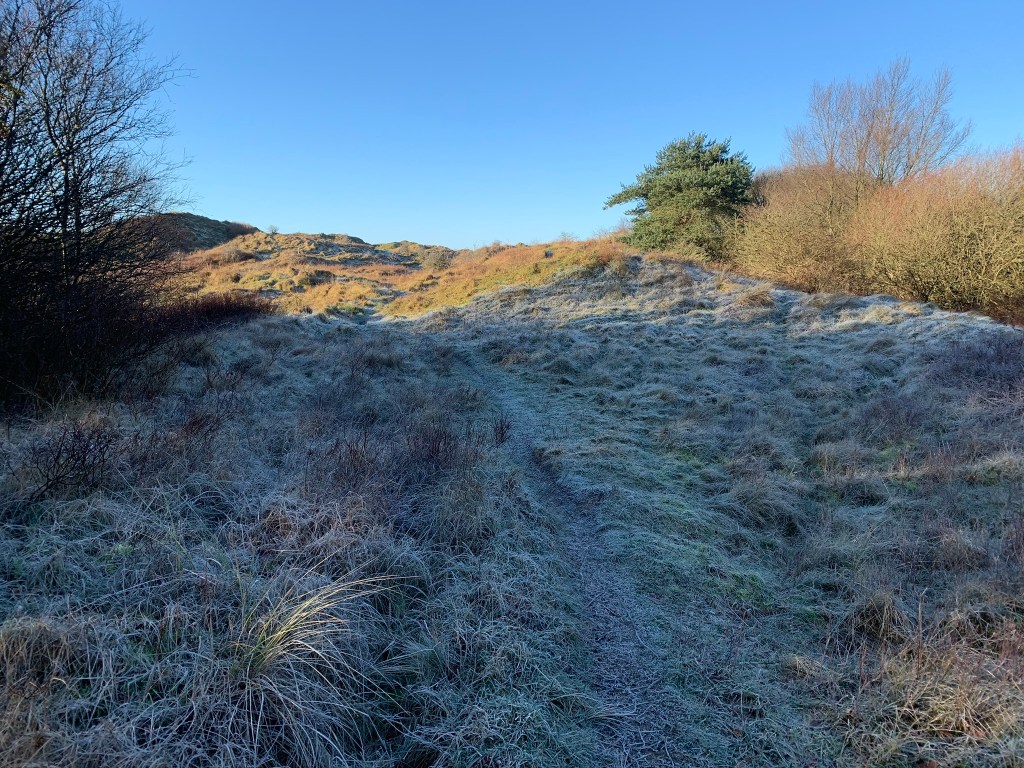
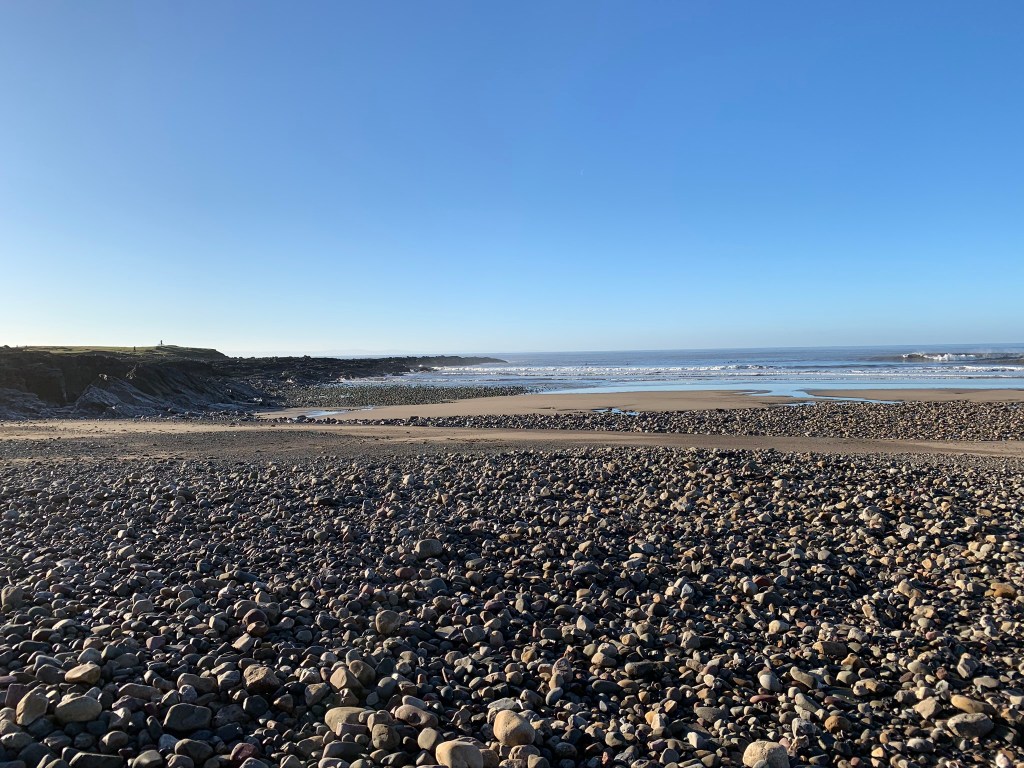
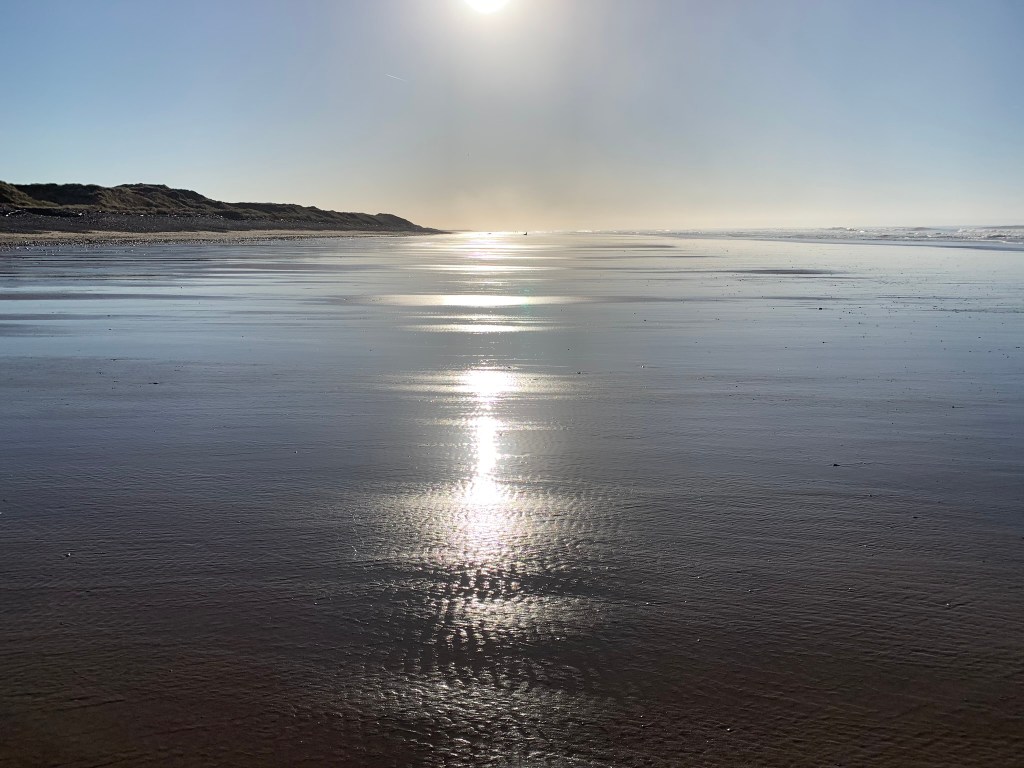
Local views around Ogmore this misty, moisty morning.

Meet Eve Beringar, narrator of Eve’s War https://hannah-howe.com/eves-war/eve-beringar-background/

As ever, thank you for your interest and support.

Hannah xxx
Categories
Dear Reader

Dear Reader #33

Dear Reader,

My sales top ten this week. Many thanks to everyone who supports my books.

Some people stand out. If you watch this video you will see what I mean. Currently, I’m reading dozens of books about twenty-one female SOE agents. All these women were remarkable, but some stand out even amongst such illustrious company.

This research will shape my SOE agents, Eve and Mimi. It’s an honour to read about these people, and their stories are gold dust for an author. So many ideas spring from every page. It’s very exciting.

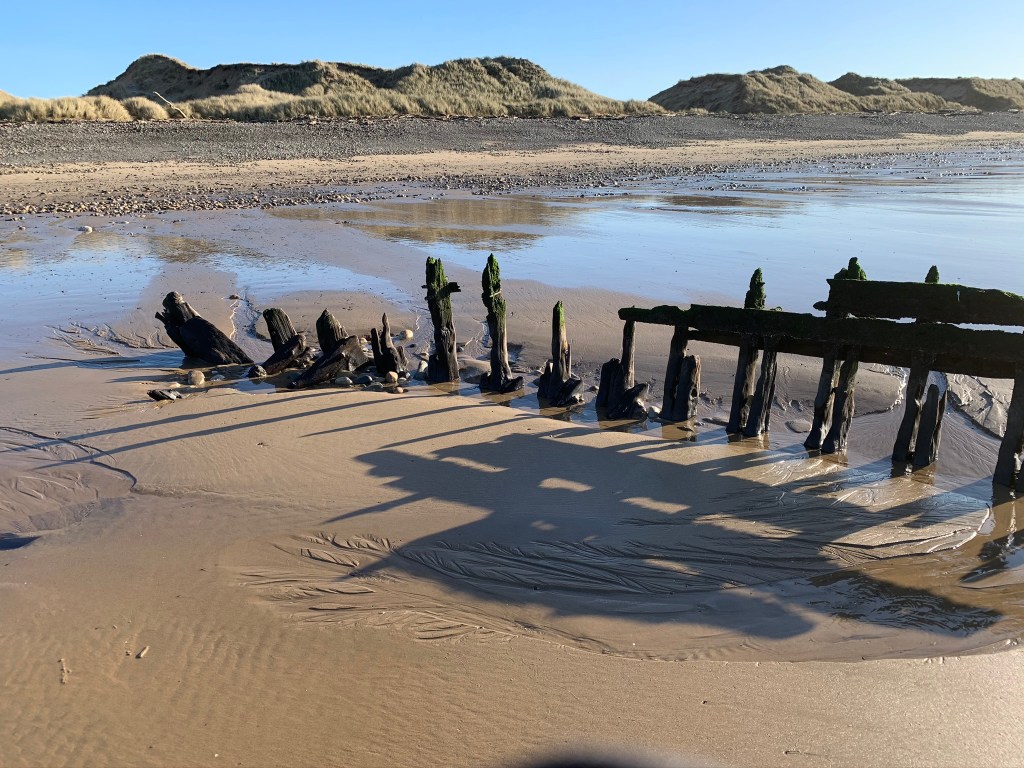
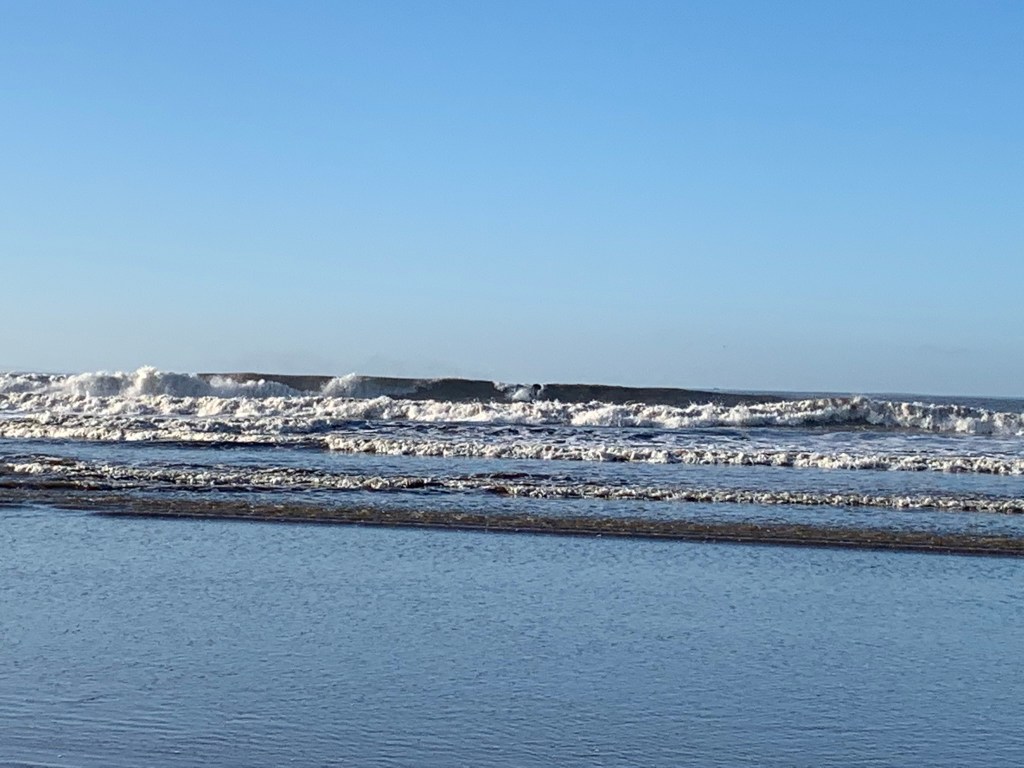
Local views this week, at Sger.

Women of Courage, Heroines of the SOE

More research for my forthcoming Eve’s War series.

Lise Marie Jeanette de Baissac was born on 11 May 1905 in Mauritius, which made her a British subject. Of French descent, she was the youngest of three children.

In 1919 Lise and her family moved to Paris. When the Germans occupied Paris in 1940 Jean, her eldest brother, joined the British Army while Lise and her youngest brother, Claude, travelled for six months through Spain, Portugal and Gibraltar before arriving in Britain.

In Britain, Claude was recruited by the SOE while initially Lise worked at the Daily Sketch newspaper. Soon, Lise joined Claude in the SOE. However, instead of being trained for the usual roles of courier or wireless operator, Lise was instructed to create her own resistance circuit.

Lise de Baissac

Lise trained with Mary Herbert, Jacqueline Nearne and Odette Sansom. She impressed her trainers with her ability and her imperturbable, cool reactions. They regarded her as intelligent, strong-minded and decisive, with a flair for organisation.

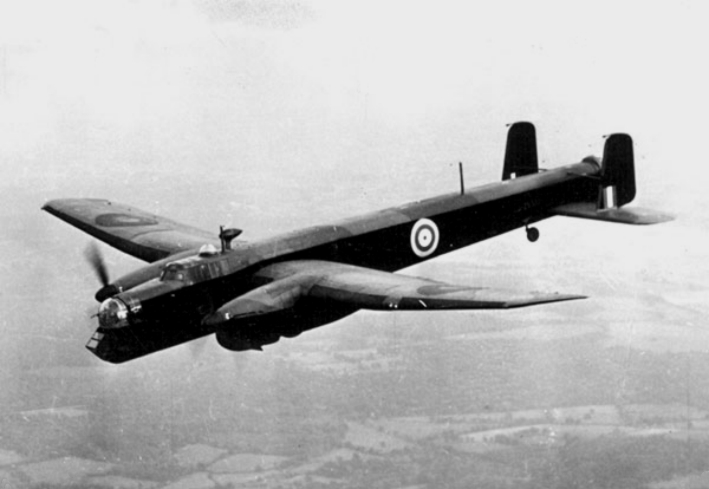
On 24 September 1942, Lise and Andrée Borrel were the first female SOE agents to parachute into France. The agents jumped from a Whitley bomber and landed in the village of Boisrenard near the town of Mer. Their mission was to establish a safe house in Poitiers where new agents could settle into their secret lives.

An Armstrong Whitworth Whitley c1940

Lise’s role was to form a new circuit and to establish a centre where agents could go with complete security for material help and information on local details, and to organise the pick-up of arms drops from Britain to assist the French resistance.

Cover stories were vital to SOE agents. For her cover story Lise was Madame Irene Brisse, a poor widow from Paris, seeking refuge in the provinces from the tension of life in the capital. She moved into an apartment on a busy street near the Gestapo HQ, and became acquainted with the Gestapo chief, Herr Grabowski.

Posing as an amateur archeologist, Lise cycled around the countryside to reconnoitre possible parachute drop-zones and landing areas for the RAF. When local networks collapsed and the Gestapo closed in, Lise was flown back to Britain. There, while assisting new recruits in training, she broke her leg.

With her leg healed, on 10 April 1944 Lise returned to France where she rejoined her brother Claude. After D-Day, she gathered information on German dispositions and passed that information on to the Allies. She was bold enough to rent a room in a house occupied by the local commander of the German Forces.

According to Lise, on one occasion, “The Germans arrived and threw me out of my room. I arrived to take my clothes and found they had opened up the parachute I had made into a sleeping bag and were sitting on it. Fortunately they had no idea what it was.”

In the summer of 1944 Lise enjoyed another lucky escape when cycling from Normandy to Paris. She was searched by a young soldier at a German checkpoint while carrying spare parts of radio sets around her waist. Later, Lise said, “He searched me very carefully. I knew he could feel the things I was carrying. But he said nothing. Perhaps he was looking for a weapon like a revolver, maybe he thought it was a belt. I do not know.”

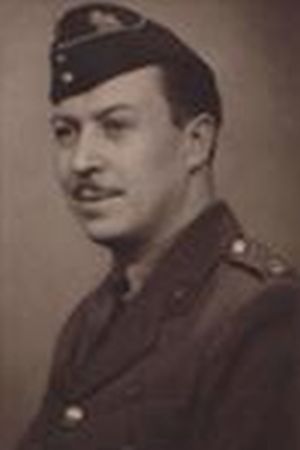
Claude de Baissac

Lise’s colleagues spoke very highly of her. Captain Blackman, the leader of an SAS party in France wrote: “Every day she would cycle sixty or seventy kilometres. She often carried much compromising material on her person and bicycle, such as wireless material and secret documents. If she had been discovered carrying such things she would have been undoubtedly shot on the spot without trial or formal enquiry. Consequently she risked her life daily.”

Lise continued her SOE activities until the liberation, organising several groups and providing the Allies with information. She was also involved in sabotage missions, setting tyre bursters and mines on roads used by the military, cutting telephone wires, underground cables and railway lines. On at least one occasion she took part in an attack on an enemy column.

After the war Lise married Gustave Villameur, an artist and interior designer living in Marseille. She died on 29 March 2004, aged 98.

In 2008, Lise’s life was recaptured in the highly fictionalised French film Female Agents (Les Femmes de l’ombre).

As ever, thank you for your interest and support.

Hannah xxx
Categories
Dear Reader

Dear Reader #30

Dear Reader,

I’m delighted to be a member of the talented team involved in Mom’s Favorite Reads.

And to start the new year in style, here’s our January 2020 issue featuring an exclusive interview with Melinda Mullins, star of Remember WENN, M*A*S*H and the Shakespearean stage, a Romance Roundtable, Anna Grace discusses mental health, young writers and so much more.

The new year promises to be my busiest yet with six books scheduled: two Sam Smith novels, Snow in August and Looking For Rosanna Mee; Roots and Branches, the first two novellas in The Olive Tree, A Spanish Civil War Saga; plus Operation Zigzag and Operation Locksmith, the first two novellas in my Eve’s War series about the Special Operations Executive and the French Resistance.
Yesterday, I wrote the first draft of chapters one and two of The Olive Tree: Roots. The stories in this series will be told from two viewpoints: a nurse, Heini Hopkins, and a socialite author, Naomi Parker. Heini rides a bicycle while Naomi drives this SS Jaguar 100, pictured outside the SS Cars building in 1937.

The ‘100’ was the car’s top speed while this image represents the first recorded use of the Jaguar ‘leaper’ mascot.

In Roots, book one of The Olive Tree, my nurse Heini Hopkins is at home tending her sick mother. This item is from my domestic research into the period. I remember using carpet cleaners like these when I visited my grandparents’ house.

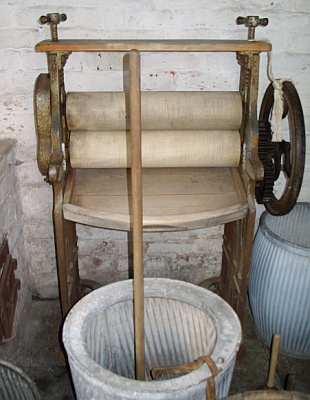
A mangle, another item from my domestic research into the 1930s. My nurse, Heini Hopkins, would certainly be familiar with this item, and I can remember seeing similar models when I visited my grandparents’ house.

In The Olive Tree, Heini Hopkins is a nurse specialising in tuberculosis. As the story opens she is tending Mari, her sick mother.

For centuries, tuberculosis was considered ‘the romantic disease’ because it ‘assisted artistic talent’. People believed that the fever and toxaemia associated with tuberculosis helped artists to see life more clearly and that this clarity of mind liberated their creative muse.

You can read my full article here https://hannah-howe.com/the-olive-tree/tuberculosis/

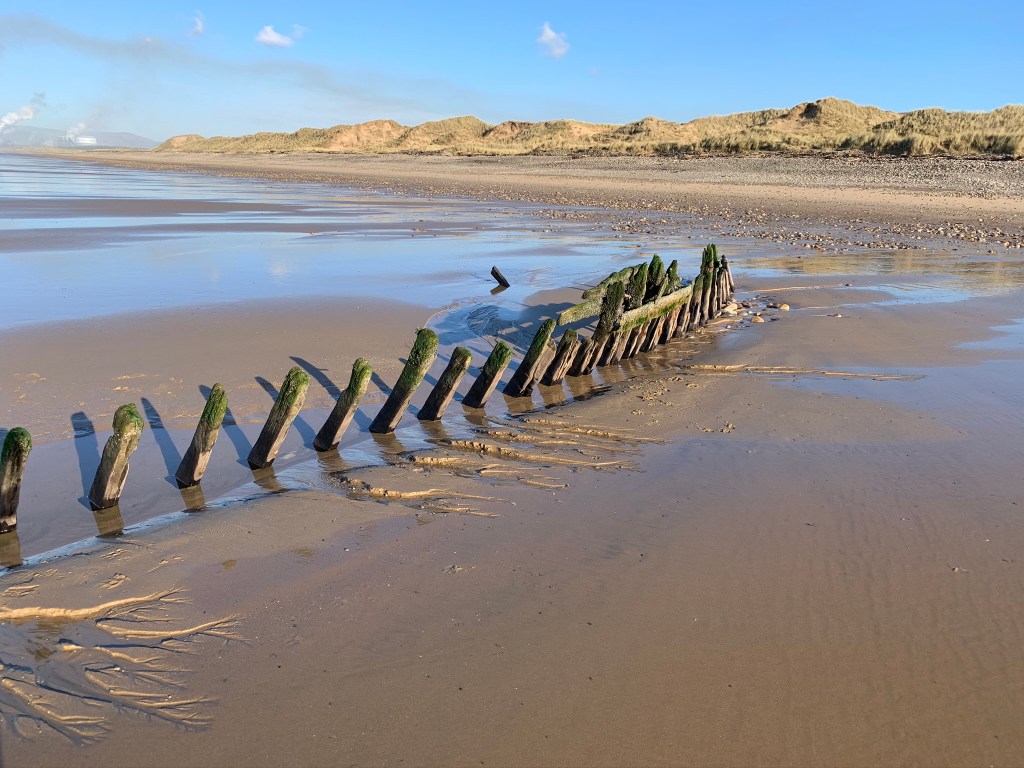
Local views this morning, at Sger.

As ever, thank you for your interest and support.

Hannah xxx