Categories
Dear Reader

Dear Reader #77

Dear Reader,

Published today, The Olive Tree Book Two: Branches.
Separately, young nurse Heini Hopkins and successful novelist Naomi Parker travel to Spain where they take opposing sides in the Spanish Civil War, learning life lessons about love and war.

https://www.amazon.co.uk/dp/B08P3R6SF7/
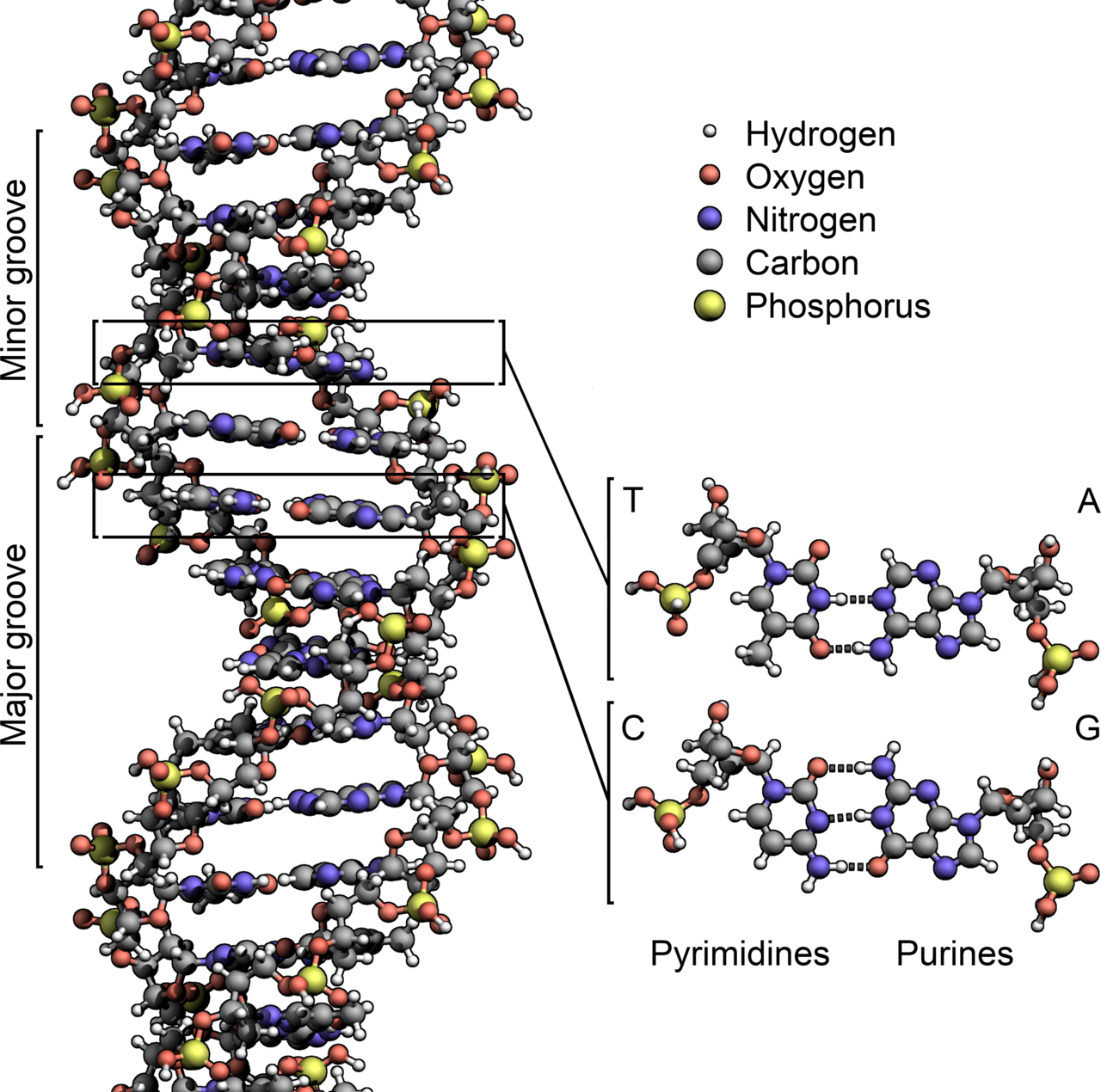
An elf tells me that Santa will deliver a DNA kit at Christmas to help with my genealogical research. I expect to find Welsh, English, a bit of Scots and maybe a few Irish strands. The big question is, do I have any Scandinavian ancestors? Howe is Old Norse. Picture: Wikipedia.
Local gossip from 30 May 1868, which I’m sure would have reached the ears of my 3 x great grandmother Mary Hopkin. Two women fighting over chilblains.

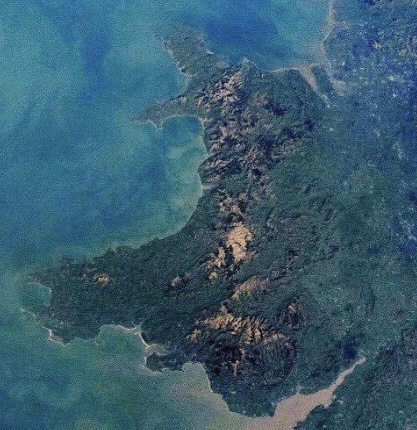
Wales as seen from the international space station.
The USA team for the People’s Olympiad bound for Barcelona, July 1936. This was an anti-fascist response to the Nazi Olympics. The People’s Olympiad was due to begin on 19 July, but was cancelled because of a fascist coup attempt.

Two hundred athletes from around the world fought in the Spanish Civil War including Chick Chakin, fifth from right, who was shot by Franco’s fascist forces in 1938.

Campbell Pleasure Steamers at Cardiff Docks, 1910. 

From Victorian times well into the twentieth century my ancestors used to take day excursions on these paddle steamers with Ilfracombe being a popular destination.

Gloves say so much…

Delighted that Santiago will start work this week on the Spanish translation of Operation Broadsword, book three in my Eve’s War Heroines of SOE Series. Meanwhile, here’s one we made earlier.
This probably means I have a minute left today 😉

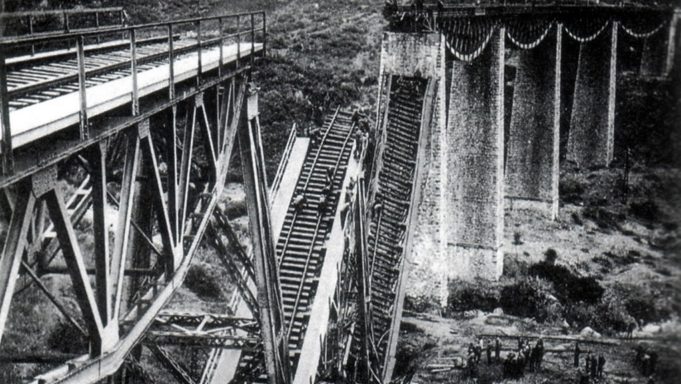
On 25 November 1942, the SOE in cooperation with the Greek Resistance destroyed the heavily guarded Gorgopotamos viaduct. This was a major success for the SOE and their biggest operation to date.
To follow the crowd or take a moral stand?

Derby County players offering a Nazi salute during their 1934 tour of Nazi Germany.

Goalkeeper Jack Kirby, left, refused.

I’m Jack Kirby.


Ancestry

William Howe, my 3 x great grandfather, was born on 31 August 1823 and baptised on 14 September 1823 in Southerndown, St Brides, Glamorgan. His parents were John Howe 1786 – 1856 and Christiana John 1795 – 1874.

In 1841, William aged eighteen was working as an agricultural labourer on Cadogan Thomas’ farm in Merthyr Mawr. In common with all agricultural labourers he moved from farm to farm in search of work. In the late 1840s his travels took him five miles west to South Corneli where he met his future bride, my 3 x great grandmother, Mary Hopkin.
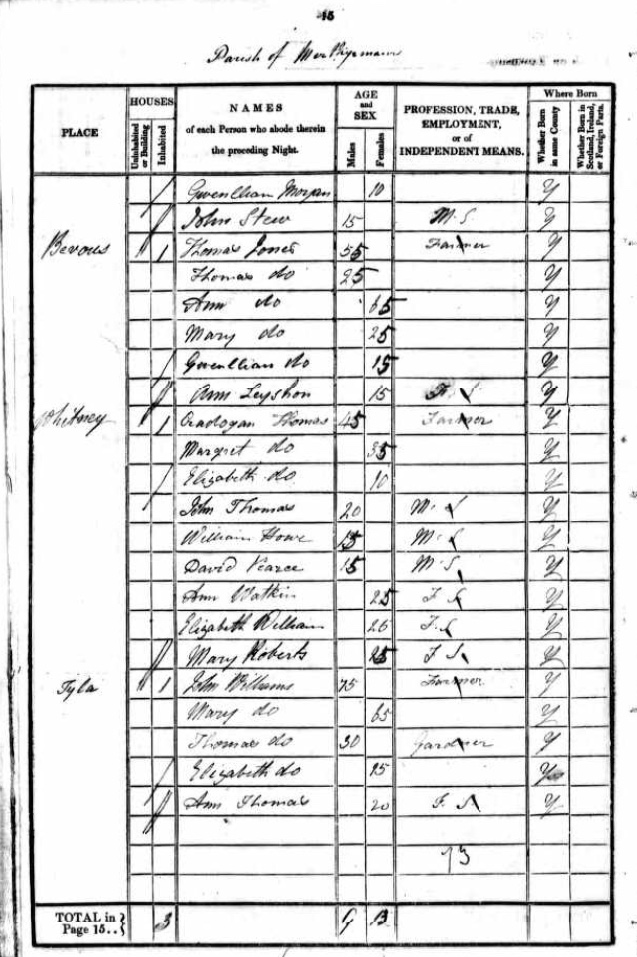
Mary had led an eventful life before she met William. Born on 27 August 1818 in South Corneli and baptised on 20 September 1818 in St James Church, Pyle, Mary was the daughter of Daniel Hopkin  1781 – 1864 and Anne Lewis 1783 – 1863, both agricultural labourers.

By 1841, Mary’s brother, Hopkin, had died aged twenty while her sister Anne had married David Price and moved to Neath. Along with her younger sister, Margaret, Mary lived at the family home in South Corneli. However, she was conducting an affair with a young agricultural labourer, Thomas Reynolds.

The family home also contained Mary’s niece, Anne Price. Anne was born in 1839 and she lived with her grandparents, and later Mary, into adulthood. Then an orphan, fifteen-year-old Anne Beynon, joined the family. Anne was the daughter of John Beynon and Anne Nicholl, who owned a shop in Corneli. John died in 1837 and his wife Anne in 1832. With Anne Beynon facing destitution, it was generous of the Hopkin family to take her into their home.

Mary Hopkin’s relationship with Thomas Reynolds produced a son, also called Thomas, born in 1842. The couple did not marry and Thomas senior died in 1845.

So, when William Howe met Mary Hopkin in the late 1840s she was a single mother. Mary earned a living as a dress and hat maker. She used to walk fifteen miles from Corneli to the market at Neath to sell her wares. Her sister Anne probably walked with her to the market and there she met her husband, David Price.
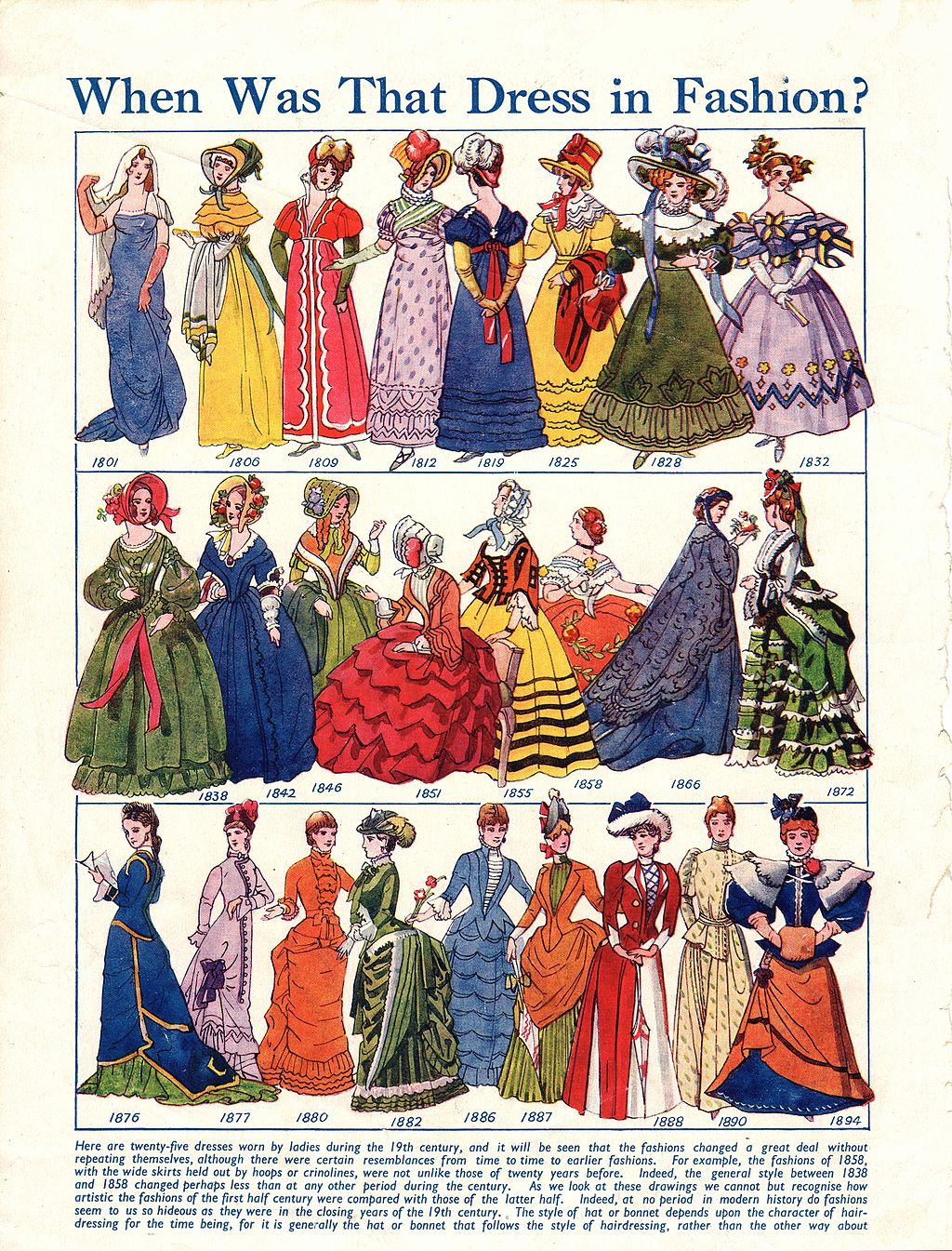
The thirty mile round journey was obviously worth Mary’s while so it’s fair to assume that she was a talented dressmaker. She was also physically fit and one would imagine quite slender.
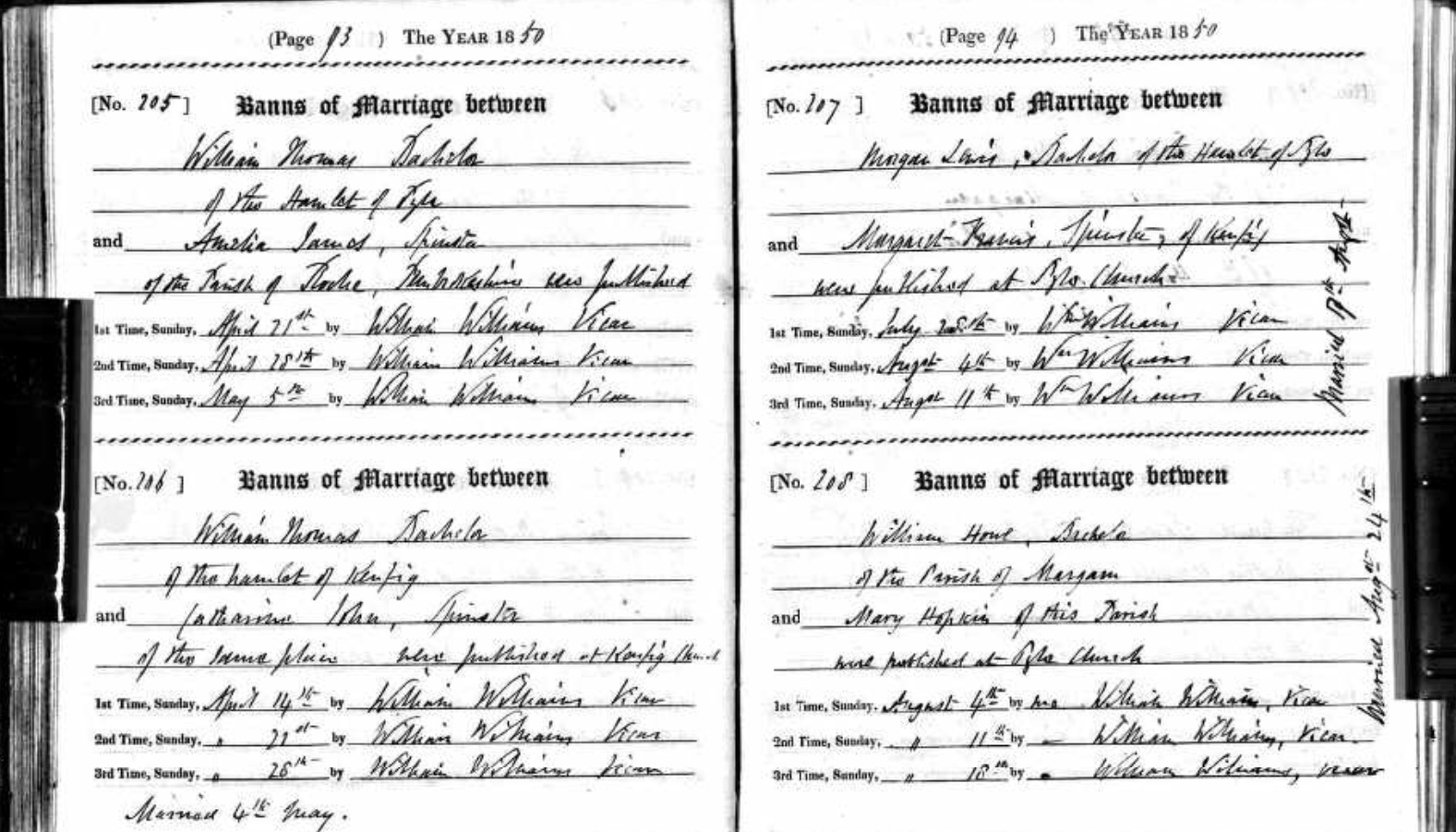
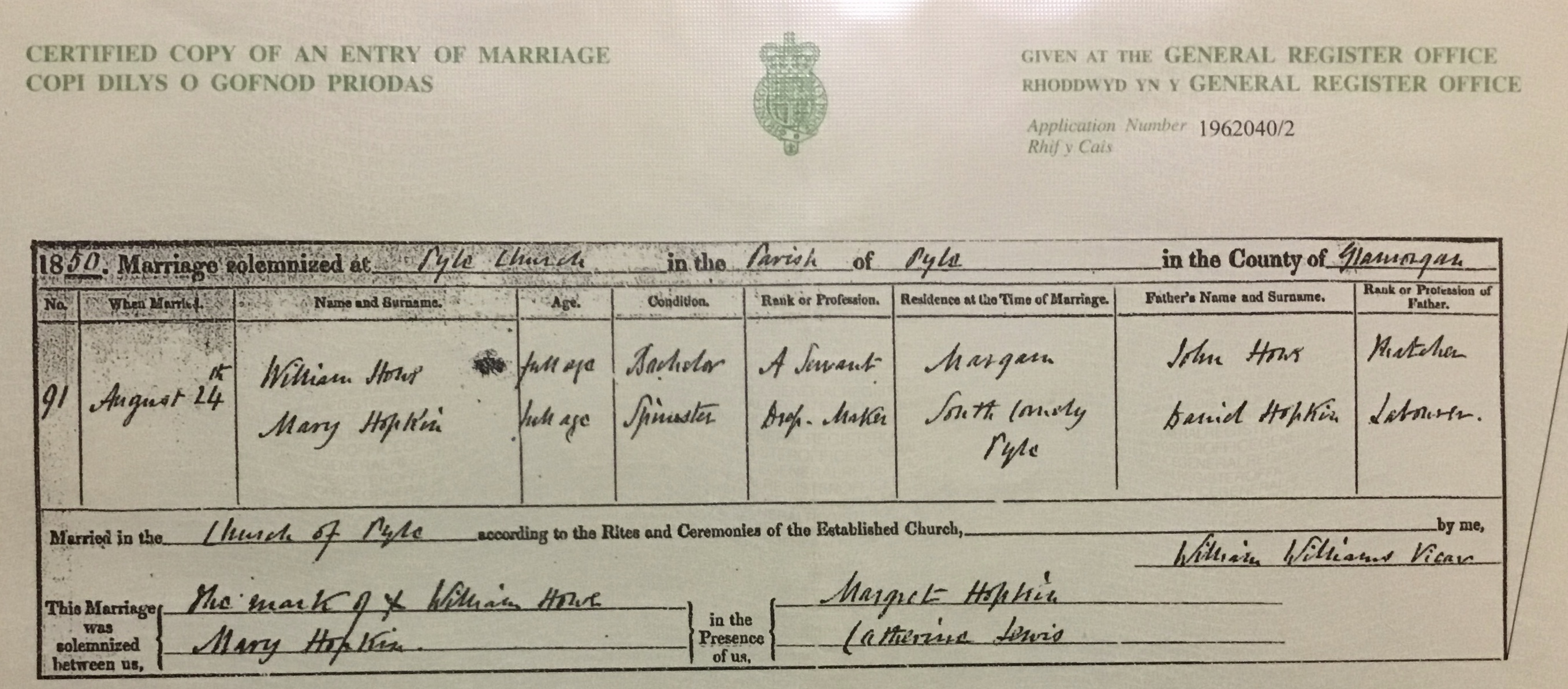
William Howe and Mary Hopkin married on the 24 August 1850 at St James’ Church in Pyle with Mary’s sister, Margaret, and Catherine Lewis as witnesses. William signed the marriage certificate with a cross, so was not as literate as his father or grandfather. Mary was pregnant when she married William. However, unlike her affair with Thomas Reynolds, she sustained this relationship for the rest of her life.
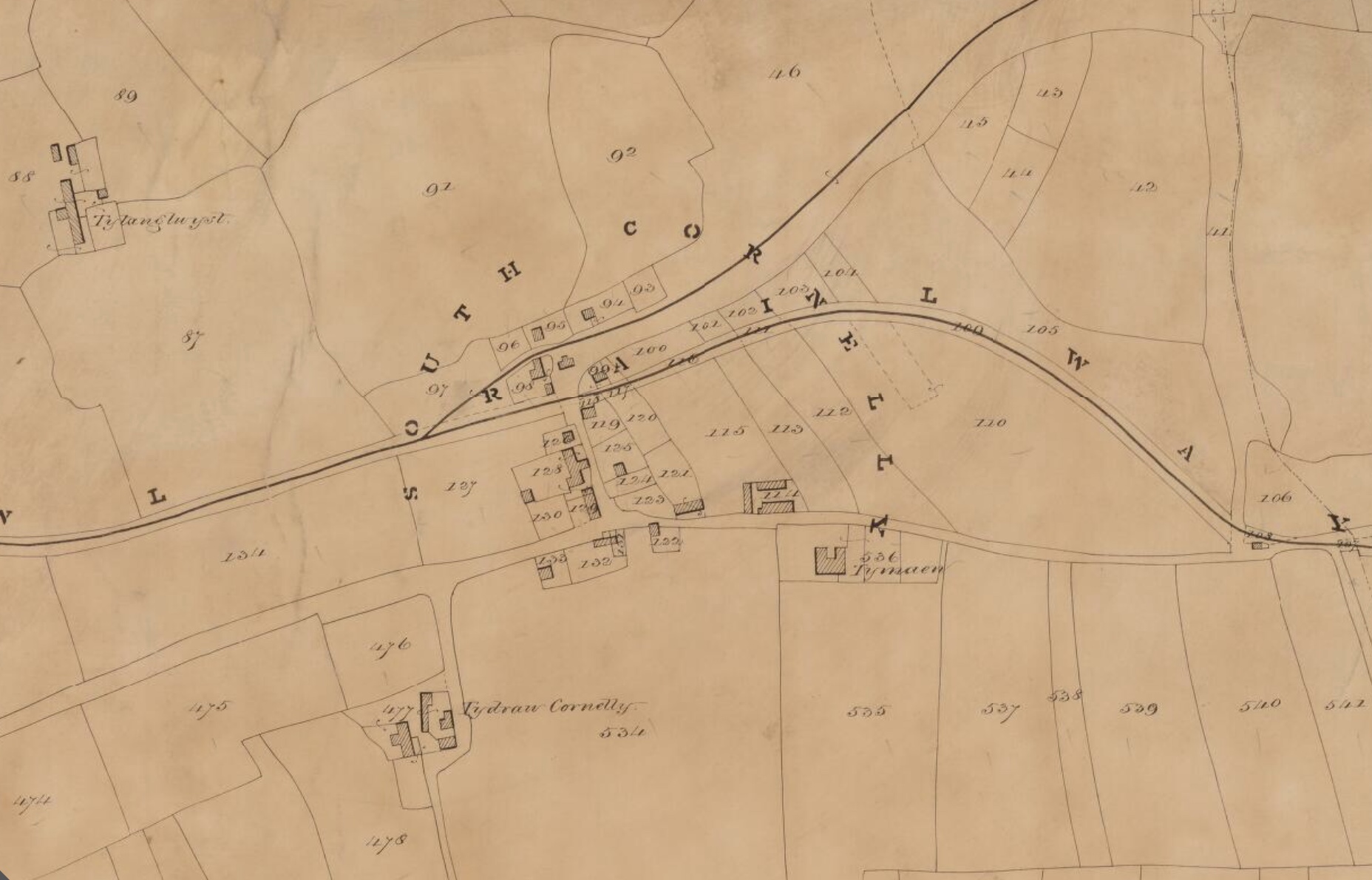
An exciting discovery, the family home of my 3 x great grandparents, William Howe and Mary Hopkin. They lived three doors down from Ty Maen, ’the big house’, which places them in plot 122. A small village. Everyone must have known everyone else. Image: National Library of Wales. Date: 1847.
As ever, thank you for your interest and support.

Hannah xxx
Categories
Dear Reader

Dear Reader #76

Dear Reader,

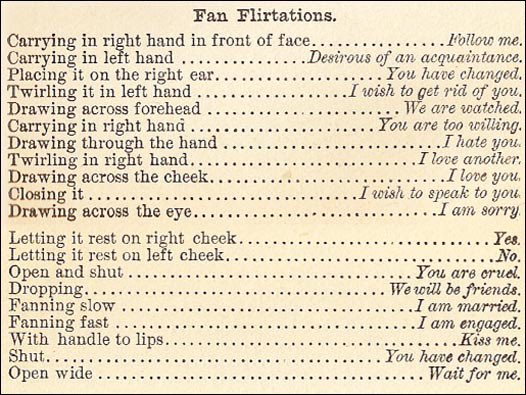
Fanning the flames of love…

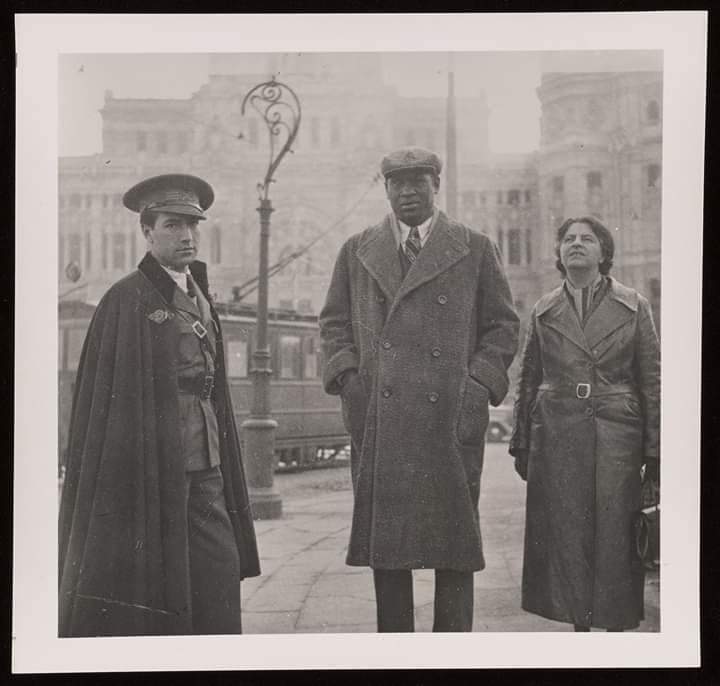
Paul Robeson, singer, actor and activist, in Madrid, January 1938 in support of the Spanish anti-fascists during the Spanish Civil War. Picture: Yale Library.

In Operation Treasure, Eve discovers that Gestapo officer Hauptsturmführer Klaus Raab shares her love of painting. Raab enjoys crude nudes whereas Eve is a fan of the Barbizon School.

The Barbizon School of painters focused on Realism, which developed through the Romantic Movement. The School takes its name from the village of Barbizon, situated near the Forest of Fontainebleau where many of the artists gathered.

An example from the Barbizon School, Charles-Émile Jacque’s Shepherdess and Her Flock, 1878.

Today, 19 November 2020, would have been Gene Tierney’s 100th birthday. Here’s my article about the Hollywood star and mental health advocate.

https://hannah-howe.com/2017/09/13/gene-tierney/

On 20 November 1945, the Nuremberg trials began. Judges from America, Britain, France and the Soviet Union sought justice for millions killed during the Holocaust. Twenty-four Nazi political and military leaders stood trial and nineteen were found guilty when the tribunal concluded on 1 October 1946.

The phrase ¡No pasarán!, They shall not pass! is most closely associated with the Spanish Civil War. However, it was also used by a Frenchman, General Robert Nivelle, at the Battle of Verdun during the First World War, Ils ne passeront pas!

The art of cutting cheese.


My 4 x great grandfather, John Howe (yet another John), was baptised on 26 February 1786 in St Hilary, Glamorgan. Baptisms usually took place within a week of birth, so his birthday was around 19 February 1786. 

John’s parents were John Howe and Cecily Lewis, wealthy farmers. However, in 1799 the government introduced the first-ever income tax and that tax put a dent in the family’s finances. After over a hundred years of farming in St Hilary, they moved away. John moved ten miles west to St Brides.

A Victorian Gazetteer described St Brides as, ‘A parish in the Hundred of Ogmore, in the county of Glamorgan. It is situated on the coast of the Bristol Channel, at the mouth of the River Ogmore. A special interest attaches to it as one of the earliest seats of the native princes. It has still some vestiges of the ancient castle of Dyndryfan (Dunraven), the traditional residence of Caradoc (Caractacus), and considerable remains of Ogmore Castle, a fortress of equal antiquity. The church is ancient, and has some fine monuments of the Butler and Wyndham families. The Calvinistic Methodists have a chapel in the village. Along the coast are several large and curiously-formed caves, one of which, of great depth, is called the “Wind Hole.”’

St Brides was a larger parish than St Hilary and therefore offered John greater employment opportunities. However, the population of St Brides actually declined throughout the nineteenth century, from 914 in 1841 to 621 in 1891.

It’s interesting that this branch of my family, over hundreds of years, continued to move west, in John’s case six miles along the coast to Tythegston, where he met his bride-to-be, Christiana John, daughter of Evan John, 1755-1832 and Mary 1757-1837.

A topographical dictionary of 1833 stated that the population of Tythegston stood at 404. The parish contained good arable and pasture land along with coal, iron ore and clay for making bricks. The parish also contained a school for ‘the gratuitous instruction of poor children.’

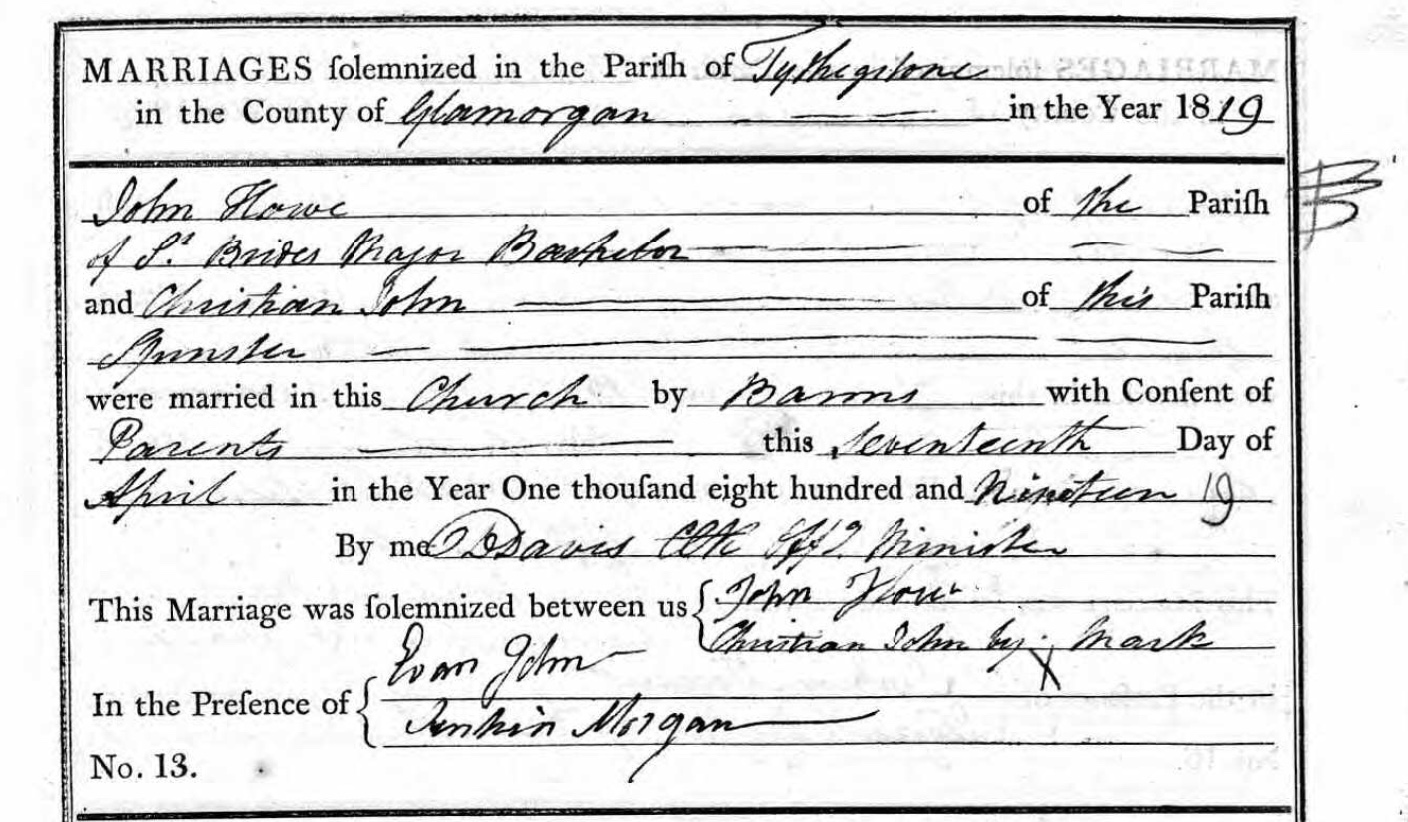
Christiana was born on 31 December 1795 and baptised on 6 January 1796. Her name became popular in the Howe family and can be found in numerous generations. It would seem that unlike her husband, John, she did not receive a formal education because when the couple married she did not sign her name, applying an ‘x’ instead.

Christiana was pregnant when she married John on 17 April 1819, in Tythegston. She gave birth to Edward in St Brides on 22 July 1819. William, my 3 x great grandfather, followed on 14 September 1823, along with Mary in 1827, Evan in 1828, Thomas in 1831, Richard in 1833, Cecily in 1836 and, at the age of 43, John in 1839. Christiana’s husband, John, worked as a thatcher while she obviously had her hands full at home.

The introduction of the census in 1841 opened a window for genealogists by providing more details about our ancestors. That said, the 1841 census was basic with names, approximate ages and occupations. Places of birth were often confused or deliberately misrepresented (so a person could claim local poor relief) with places of residence. In contrast, the 1851 census was more detailed and reliable.

The 1841 census found John Howe in St Brides with his wife Christiana and three of their children, Thomas, Richard and John. 

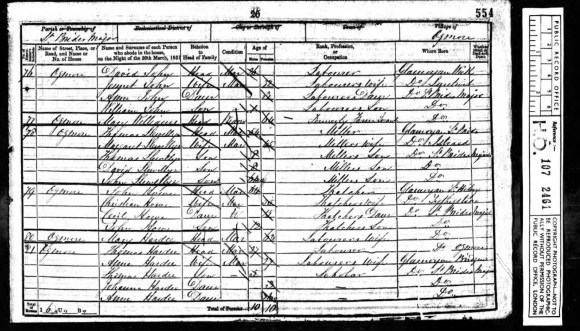
In 1851, John was living in Ogmore in the parish of St Brides with Christiana and two of their children, Cecily and John. John senior was a thatcher, a decent trade that earned him £75 per annum, a good wage considering that labourers earned £40 and women £10 per annum. Living in Ogmore as a thatcher it’s almost certain that John worked on the roofs of these cottages in nearby Merthyr Mawr.

As we struggle with Covid, so our ancestors had to combat cholera. Between 1829 and 1851, cholera invaded many communities. The outbreak in 1848 claimed 52,000 lives in England and Wales. Over time, communities improved their sanitation, but the connection between good health and care of our environment is still a lesson we struggle to learn.

John died, aged 70 (some records incorrectly state 73) of ‘old age’ on 24 December 1856 and was buried two days later. His son, Richard, witnessed the death certificate with a cross. 

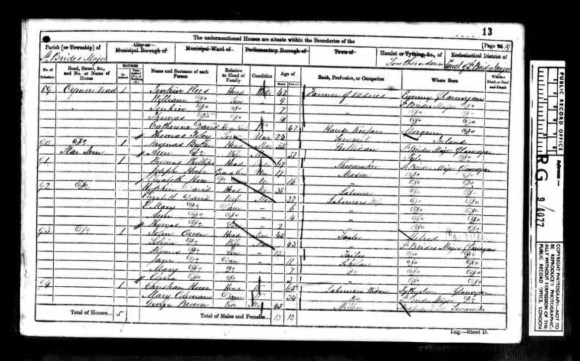
In 1861, Christiana was living with her daughter, Mary, also a widow, at the age of 34. Ten years later, Christiana was living alone next door to a miller, where her daughter Cecily was a servant. Her son, Evan, lived next door.

Christiana died on 10 July 1874 aged 78 of ‘cancer and general decay’. Her son Evan was present and he applied his mark on the death certificate. John and Christiana are buried together in St Brides churchyard. 

The Howe family, tight-knit and prosperous in St Brides and St Hilary, now dispersed to various parts of Glamorgan where they experienced mixed fortunes.

As ever, thank you for your interest and support.

Hannah xxx
Categories
Dear Reader

Dear Reader #73

Dear Reader,

In 1925 Hugo Gernsback, an inventor, writer and magazine publisher designed a helmet that would shut out all external sounds so he could concentrate on his writing. He called it ‘The Isolator’. This is how I write 😂

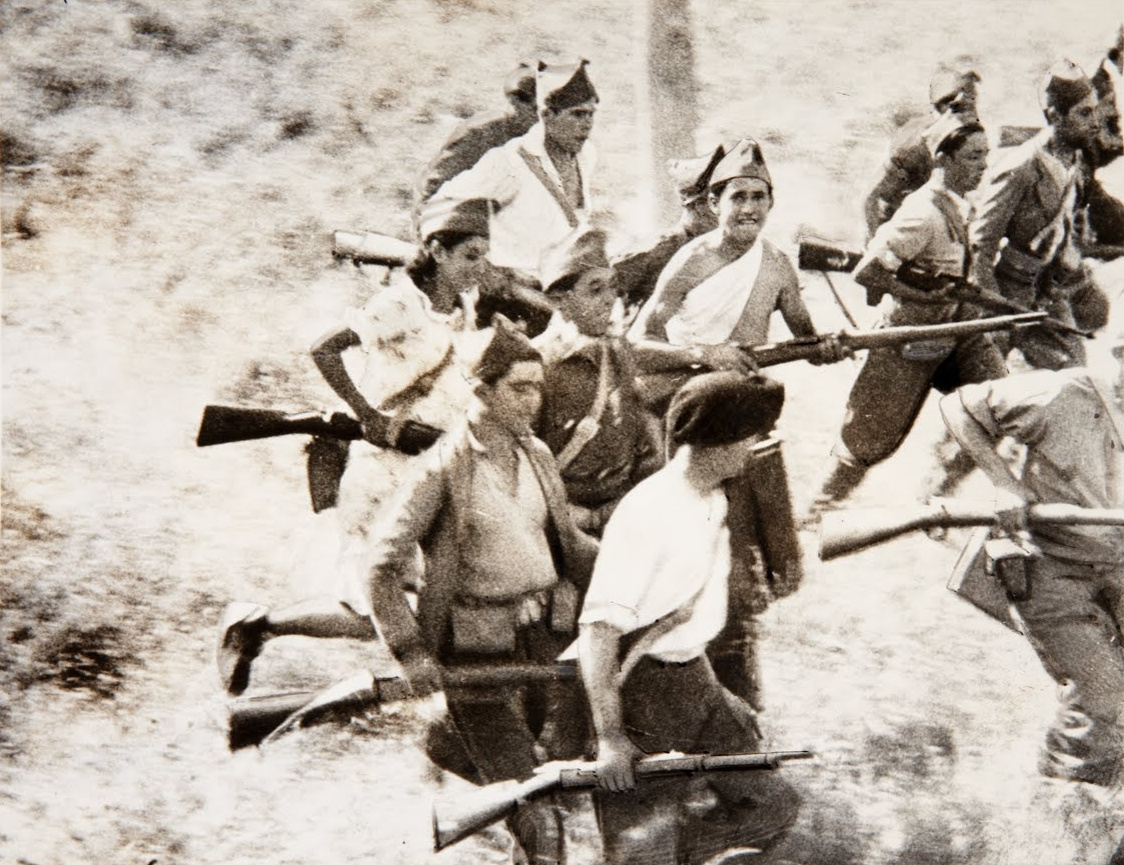
During the Spanish Civil War, Albacete was a loyalist stronghold. However, in July 1936 Franco‘s fascists staged a coup there only for the loyalists, pictured, to defeat them nine days later. Albacete is a location featured in Branches, book two in my Spanish Civil War Saga, The Olive Tree.

And he‘d bought a new mask and swag bag too…

Noreen Riols talks with candour and humour about training SOE agents, seduction and wartime love.

Our liquid amber tree in all its autumnal glory.

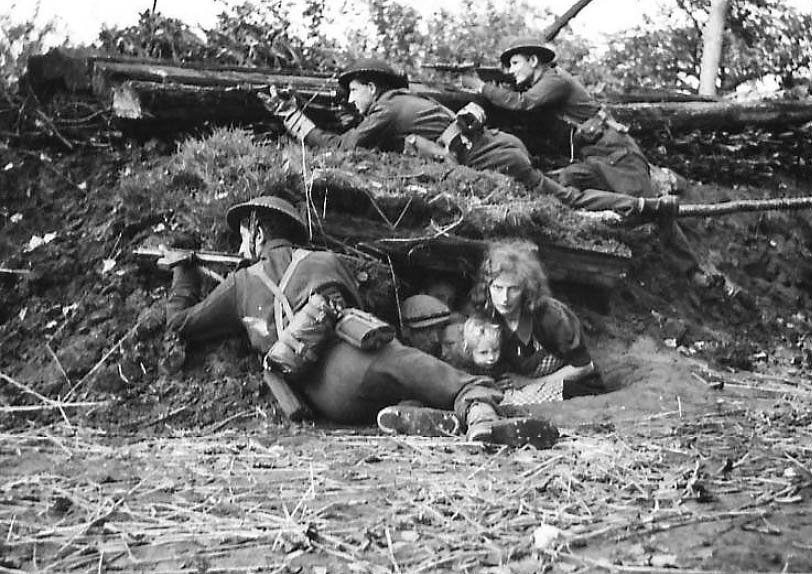
25.10.1944, Boxtel, the Netherlands. Defending a family from the Nazis.

Highlights of being a writer…developing the spark of an idea into a story, receiving kind words from readers who enjoy my books, working with talented translators and narrators. A translator recently: “I’m excited to work with you.” You couldn’t ask for a greater compliment.

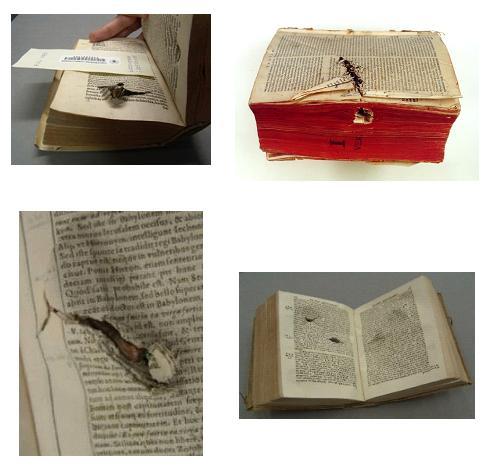
Books save lives. These images are from an exhibition held in Madrid in 2012. They show ‘wounded’ books used as barricades by Loyalists and International Brigade volunteers at the Facility of Philosophy and Letters during the 1936 siege of Madrid.

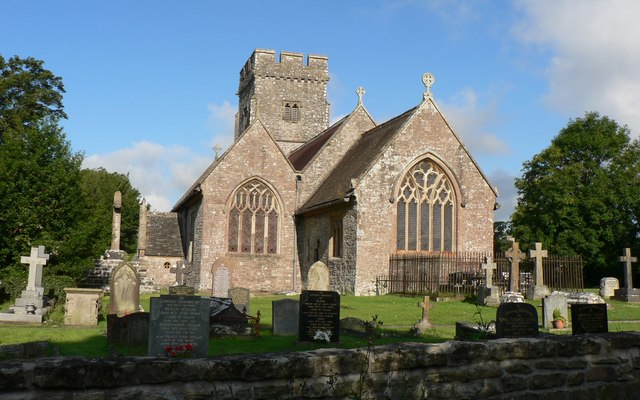
I’ve taken my family tree back to 1663 with the discovery of my 8 x great grandfather, John Howe, born in St Hilary, Glamorgan. Pictured, (Wikipedia) the 14th century parish church at St Hilary where John was baptised. I’m now searching for his wife and children.

I’m researching the family of my 8 x great-grandfather, John Howe, born in 1663. I’ve discovered that he had at least four children. The gap between Joseph and Rebecka strongly suggests that he had at least four more, but they are lost to the historical record.

No further details are available for Rebecka and John junior, but Priscilla married Thomas Deer and they had at least one daughter, Ann, born 23 July 1738 in St Hilary, Glamorgan.

John’s fourth child, Joseph, is my direct ancestor and my next task is to learn more about him.

Priscilla was a very popular name in my family and it featured in every generation well into the twentieth century. The choice of Joseph and Rebecka suggests that their father, John, was a devoted Christian and a regular attender at the parish church of St Hilary.

There is no mention of John’s marriage or his wife – women were often overlooked in the historical record – and in the seventeen century the trade or craft of a person was not often recorded, unless they were landowners or skilled artisans. St Hilary was an agricultural community at the time so it seems highly likely that John and his family worked on the land.

My 7 x great-grandfather, Joseph Howe, was born in 1693 in St Hilary, Glamorgan. He married Elizabeth, c1711, and they produced four children, Elizabeth, Dorothy, Mary and John. The gaps in the historical record suggest that the couple had at least four more children; they brought up a large family, which was common until the second half of the twentieth century.

Little is known of daughter Elizabeth and Mary while, sadly, Dorothy died within days of her birth, another common occurrence for the time. John is my direct ancestor, and more about him next time.

In the late seventeenth century into the early eighteenth century the population of St Hilary stood at around 150 with Welsh the dominant language. Formal education was rare in those days, but from 1675 a charitable trust, the Welsh Trust, ran a small school in the village with ten pupils attending in 1678. Religion was central to this form of education and lessons were conducted by vicars and churchwardens.

St Hilary was an agricultural community so Joseph probably worked on the land. He died on 5 July 1742. Elizabeth survived him by nearly nineteen years and died on 1 May 1761.

At this stage, the Howe family had been in St Hilary for a hundred years, and more. And they would remain there for another generation, thanks to my 6 x great-grandfather, John.

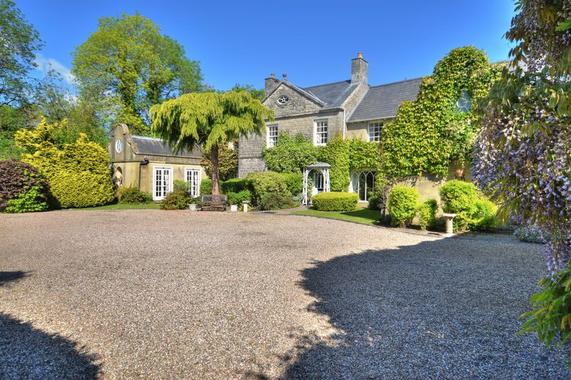
Yesterday, I discovered that one of my ancestors owned a property valued today at well over £1 million. More details after more research. Meanwhile, the question is, where’s my share of the family fortune?!

As ever, thank you for your interest and support.

Hannah xxx

Categories
Dear Reader

Dear Reader #72

Dear Reader,

Looking for Rosanna Mee was a satisfying book to write, mainly because the subject matter tackles one of the great injustices in British society – the Tory government’s abuse of disabled people.

I’m delighted that the book will soon be available in Spanish and Portuguese.

Tyrants create chaos and inflict suffering, then comes the moment of reckoning. Nazi leaders on trial for war crimes, 1946.

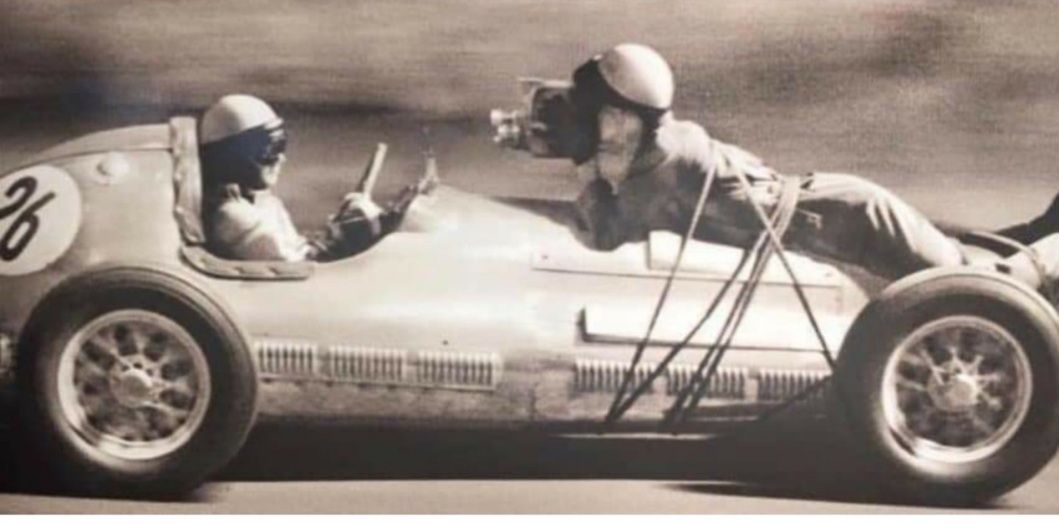
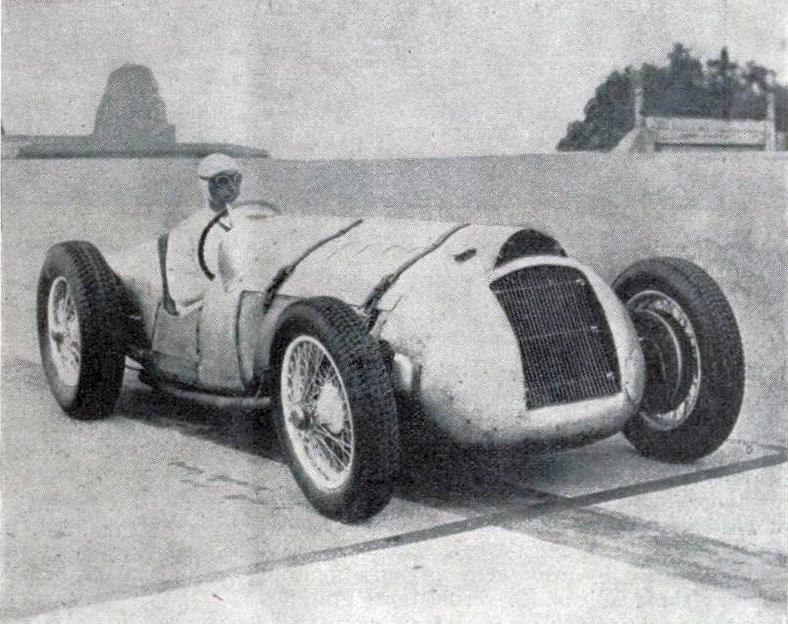
Health and safety takes a holiday. Photographing a racing car, 1933.

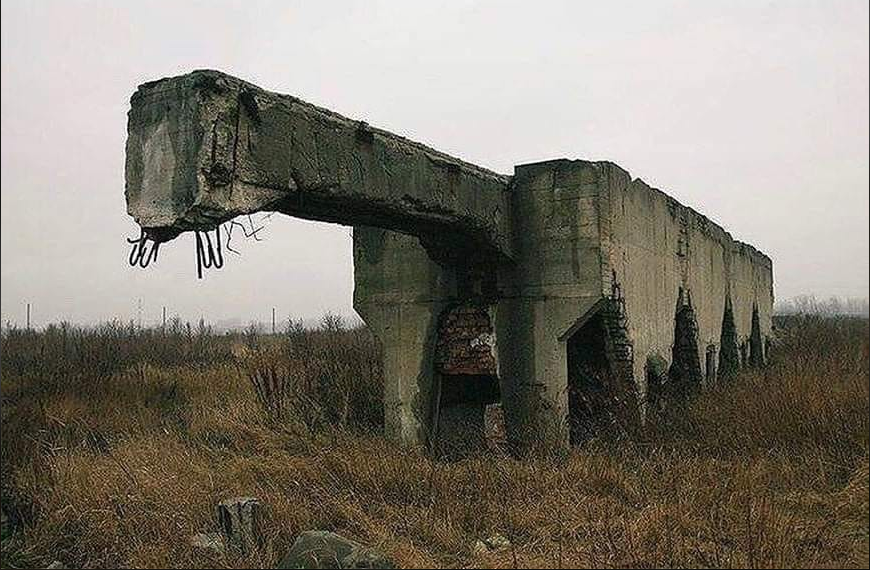
Scientists thought they were extinct…the concretesaurus.

“The old men and children they send out to face us, they can’t slow us down.” – Al Stewart, Roads to Moscow.

On 18 October 1944, the Nazis established the Volkssturm, a national militia staffed by conscripts, males aged between sixteen and sixty. With minimal training, uniforms and equipment they couldn’t hold back the Allied advance. 

Meanwhile, a ranting Hitler retreated to his bunker and contemplated the end of his evil empire.

Neighbours gather in Spitalfields after the murder of Mary Jane Kelly, widely believed to be the last of Jack the Ripper’s victims.

A branch of my family lived in the area at the time and must have discussed the murders. Did they know the victims? Did they know Jack? The former is a possibility.

Yr Lan y Mor. This song features in Branches, book two in The Olive Tree, A Spanish Civil War Saga. My nurse, Heini, sings the song to a dying soldier.

Beside the sea red roses growing
Beside the sea white lilies showing
Beside the sea their beauty telling
My true love sleeps within her dwelling

Beside the sea the stones lie scattered
Where tender words in love were uttered 
While all around there grew the lily
And sweetest branches of rosemary

Beside the sea blue pebbles lying
Beside the sea gold flowers glowing
Beside the sea are all things fairest
Beside the sea is found my dearest

Full the sea of sand and billows
Full the egg of whites and yellows
Full the woods of leaf and flower
Full my heart of love for ever.

Fair the sun at new day’s dawning
Fair the rainbow’s colours shining
Fair the summer, fair as heaven
Fairer yet the face of Elin

On this day in 1943, the RAF launched Operation Corona, an operation to confuse German nightfighters during bombing raids.

Via radio, German speakers impersonated German Air Defence officers and countermanded their orders.

The fight against fascism has taken many different forms including victory on the racetrack thanks to Lucy O’Reilly Schell, 26 October 1896 – 8 June 1952 and René Dreyfus, 6 May 1905 – 16 August 1993.

Lucy O’Reilly was born in Paris of an American father and a French mother. Before the First World War she met Selim Laurence ‘Laury’ Schell, the son of an American diplomat, born in Geneva and living in France, and the couple commenced an affair.

Lucy O’Reilly Schell

During the First World War, Lucy worked as a nurse, caring for injured servicemen in a Parisian military hospital. In April 1915, along with Laury, she relocated to America. However, in 1917 Lucy and Laury returned to Paris where they married and took up residence.

The couple had two children, Harry born in 1921, and Phillipe born in 1926. They also enjoyed a passion for motor racing, which they pursued with vigour from the late 1920s.

Laury and Lucy Schell, second in the 1936 Monte Carlo rally in a 6 cylinder Delahaye 18CV Sport

In 1936 Lucy inherited her father’s estate. She used his money to fund development of racing cars tailored to her requirements and became the first American woman to compete in an international Grand Prix. Furthermore, she established her own Grand Prix team.

In the 1930s, Hitler used Grand Prix racing as a metaphor for war and the superiority of his Nazi party. Motivated by her experiences as a nurse and her life in Paris, Lucy established the Écurie Bleue Grand Prix team with the aim of challenging Nazi and Italian supremacy. To that end she developed a car with Delahaye and recruited René Dreyfus, a French Jew blacklisted by the Nazis.

René Dreyfus

The first race of the 1938 Grand Prix season took place on 10 April at Pau. Lucy’s Écurie Bleue entered two cars driven by Dreyfus and his teammate Comotti while Rudolph Caracciola and Hermann Lang represented Germany in their Mercedes-Benz’s. However, during practice Lang crashed his car and it was deemed unfit to race.

During the race, Caracciola took an early lead, but the winding circuit limited the Mercedes’ greater power. Oil and rubber also made the track slippery. Dreyfus took advantage of these conditions to overtake Caracciola.

The Delahaye had a great advantage over the Mercedes – a much lower rate of fuel consumption. At the half way point, when Caracciola pitted for fuel, Dreyfus drove on and established a lead. 

During the pit stop, Caracciola handed over his car to Lang. However, despite facing competition from a fresh driver, Dreyfus powered to victory, winning by over two minutes. Caracciola/Lang finished second while Comotti brought his Écurie Bleue home in third place.

René Dreyfus in Delahaye 145 at Montlhéry, 27 August 1937

Following the German invasion of France in 1940, Hitler ordered the seizure of Dreyfus’ car. However, to prevent the Delahaye’s destruction, the car was dismantled and the parts hidden.

Sadly, Laury died in a car crash on 18 October 1939 while Lucy was seriously injured in the same accident. During the Second World War, she returned to America with her family.

After the Second World War, Dreyfus became an American citizen and along with his brother Maurice he established a French restaurant in New York, which became a hub for the automobile racing community, a centre that continues to this day.

As ever, thank you for your interest and support.

Hannah xxx

Categories
Dear Reader

Dear Reader #62

Dear Reader,

I’m writing chapter one of Operation Broadsword, book three in my Eve’s War Heroines of SOE series. Eve is preparing to parachute into France. The SOE give her French-tailored clothes, with jackets ten inches longer than British and American fashions, plus a gun, a .32 pistol made in Czechoslovakia. Blank pages are daunting, but the sight of a completed page is still very exciting.

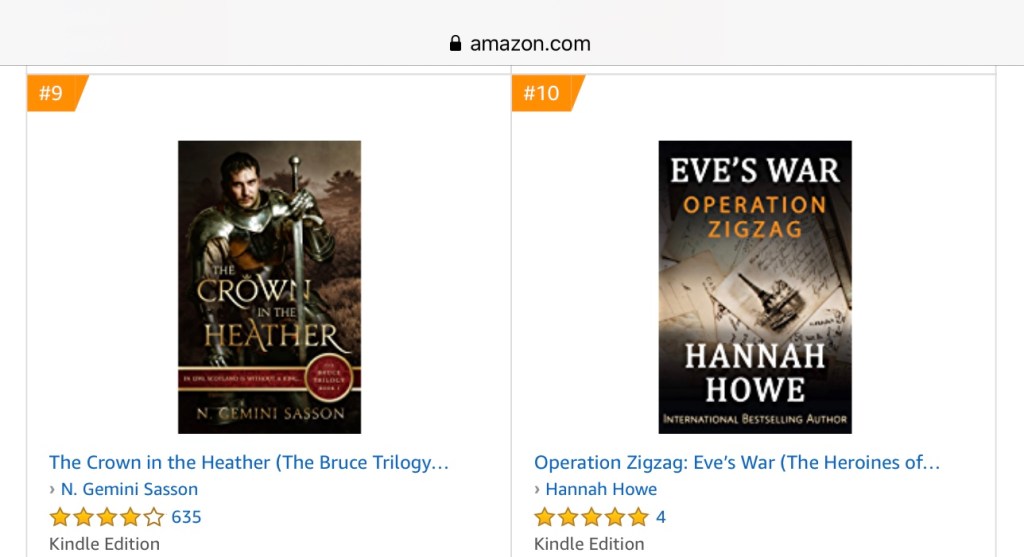
Operation Zigzag has entered the top ten of Amazon’s war chart 🙂

Spitfire pilots, 1940, who helped to win the Battle of Britain.

Read this from the top to the bottom, then from the bottom to the top.

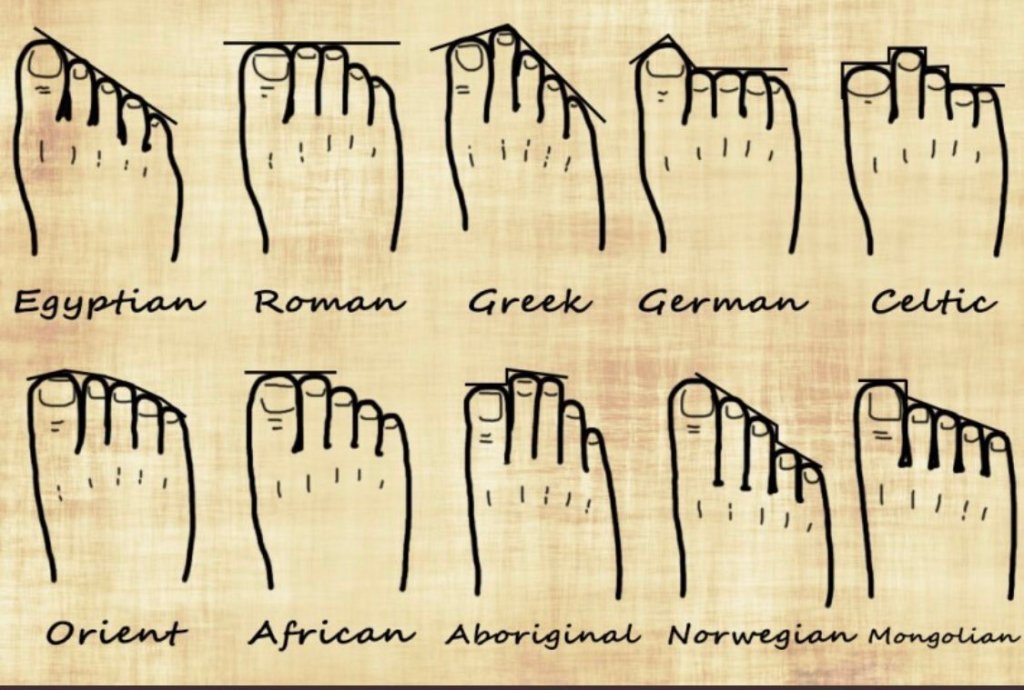
I’m Greek 😱

Palace Chateaubriand in October 1944 during the siege of St Malo. Vogue carried an eight page report on the siege, filed by Lee Miller, a model and fashion photographer. The only journalist in the city during the siege, she wrote, “My heel sank into a disembodied hand, and I cursed the Germans for the horrible destruction that they had inflicted on this once-splendid city.”

Money does not make you immortal. The quest for unlimited wealth is a desperate attempt to fill a hollow soul, to attain happiness when the simple things in life are deemed ‘inadequate’. It is a Midas shadow that condemns the seeker to a life of darkness.

On 8 August 1944, British, Canadian and Polish forces launched Operation Totalize, the first phase of the Falaise Pocket, which pushed the Nazis out of Normandy. Picture: a Cromwell tank and Willys jeep passing an abandoned German 88 mm anti-tank gun.

Army trucks, cars and motorcycles for sale in Britain, 1946.

An early example of a ‘zebra crossing’ 😉

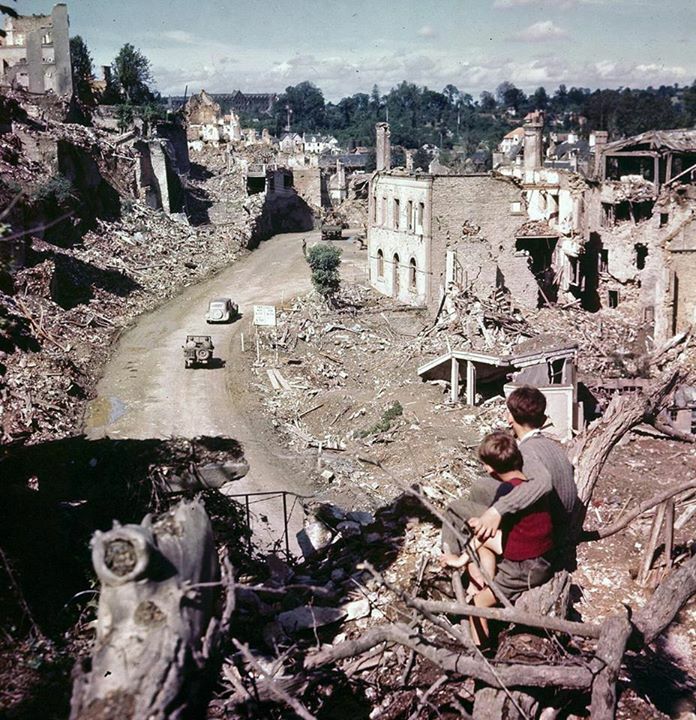
The Battle of Saint-Lô took place between 7 – 19 July 1944. Located at a strategic crossroads, the Americans bombarded the city destroying ninety-five percent of it before driving the Nazis out. In his report, Samuel Beckett dubbed the martyr city “The Capital of Ruins”.

Pictured, two French boys watch from a hilltop as Allied vehicles pass through the city in July 1944.

The great thing about writing and publishing is there are always new stories to write and new pastures to explore. Delighted to announce that my Ann’s War series will be translated into Afrikaans 🙂

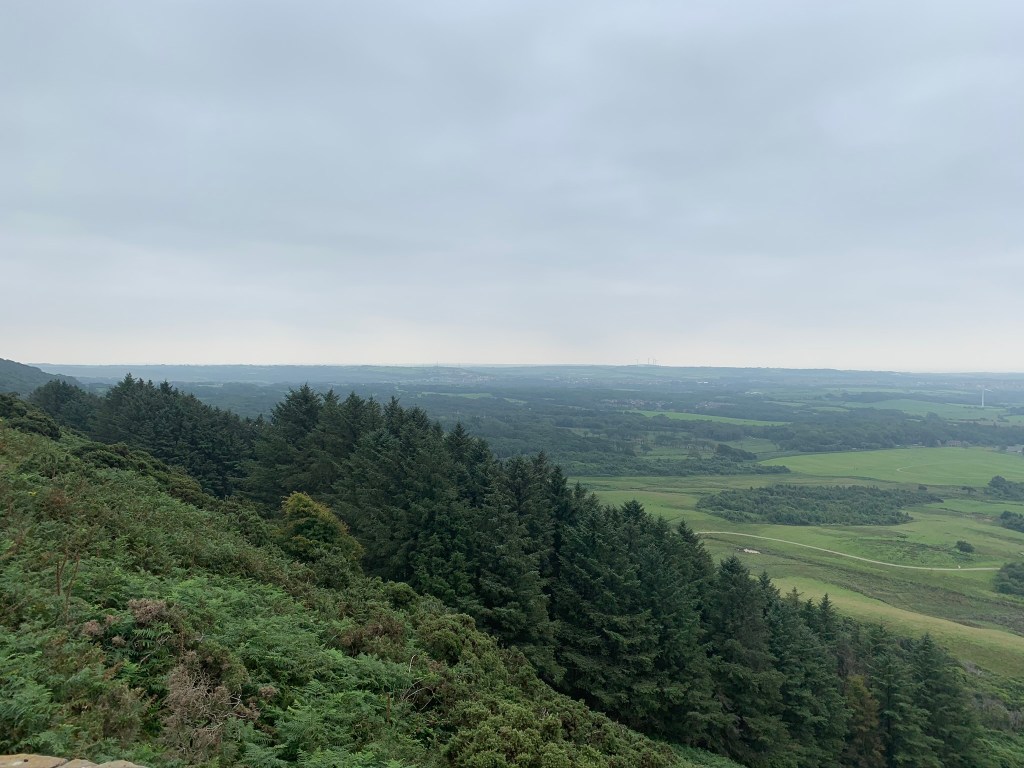
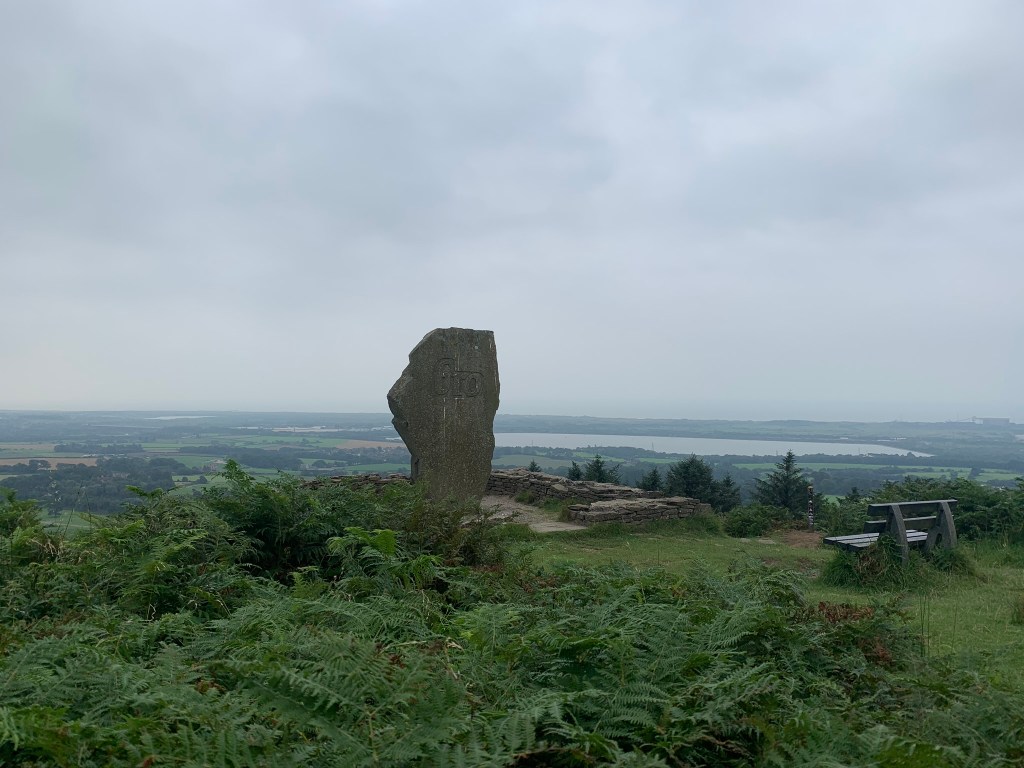
A muggy morning on Margam Mountain.

Apologies for the formatting errors. These are supplied by WordPress.

Odette Sansom, also known as Odette Churchill and Odette Hallowes, was born on 28 April 1912 in Amiens, France. Her father, Florentin Désiré Eugène ‘Gaston’ Brailly, was killed at Verdun shortly before the Armistice in 1918.

Odette Sansom

As a child, Odette contracted serious illnesses which blinded her for three and a half years. She also contracted polio, which left her bedridden for a number of months.

As an adult, Odette met an Englishman, Roy Patrick Sansom (1911–1957), in Boulogne and married him on 27 October 1931. The couple moved to Britain where they produced three daughters. Roy Sansom joined the army at the beginning of the Second World War. Two and a half years later, in the spring of 1942, Odette responded to an Admiritaty appeal for photographs of the French coast. Those photographs brought her to the SOE’s attention and the secretive organisation promptly recruited her into their service.

With her three daughters in a convent school, Odette trained as an SOE agent. At first, Odette’s instructors regarded her as too temperamental and stubborn for the SOE. One report stated, “She is impulsive and hasty in her judgments and has not quite the clarity of mind which is desirable in subversive activity. She seems to have little experience of the outside world. She is excitable and temperamental, although she has a certain determination. However, she is patriotic and keen to do something for France.”

George Starr, a successful agent who clashed with many of the female agents, particularly the attractive ones, described Odette as “a dreadful lady.” In particular, he deplored her “seductive behaviour.”

Odette landed on a beach near Cassis on the night of 2 November 1942. There, she made contact with Captain Peter Churchill. Her initial objective was to contact the French Resistance on the French Riviera and establish safe houses for other agents in Burgundy. 

In January 1943, to evade arrest, Churchill and Odette moved their operations to Annecy in the French Alps. The couple resided at the Hotel de la Poste in the village of Saint-Jorioz. The hotel became a meeting place for agents, which aroused suspicion.

Spy-catcher Hugo Bleicher proceeded to Saint-Jorioz where he introduced himself to Odette as “Colonel Henri.” He suggested that they should travel to London to “discuss a means of ending the war.” Odette reported this meeting to her superiors and they warned her to sever all contact with Bleicher.

At the time of Bleicher’s meeting with Odette, Peter Churchill was in London consulting with the SOE. They warned him to avoid contact with Odette and “Colonel Henri” on his return to France. However, when he parachuted into Annecy during the night of 14 April 1943, he met Odette and they proceeded to the hotel in Saint-Jorioz. At 2 am on the 16 April, Bleicher, no longer in the guise of “Colonel Henri,” appeared in the hotel and arrested Odette and Churchill.

At Fresnes Prison, near Paris, Odette was interrogated by the Gestapo

fourteen times. Despite brutal torture, she stuck to her cover story and insisted that Peter Churchill was the nephew of Prime Minister Winston Churchill and that he knew nothing of her activities. The idea was, as a relative of Winston Churchill, the Gestapo would keep Peter Churchill, and Odette, alive as bargaining chips.

Nevertheless, in June 1943, the Gestapo condemned Odette to death on two counts to which she responded, “Then you will have to make up your mind on what count I am to be executed, because I can only die once.” Infuriated, Bleicher sent her to Ravensbrück Concentration Camp.

Ravensbruck Concentration Camp

In Ravensbrück, the Nazis kept Odette in a punishment cell on a starvation diet. However, her earlier blindness and paralysis, and the example set by her grandfather, who “did not accept weakness very easily”, aided her survival. Furthermore, she accepted in advance that the Gestapo might capture her and that she might die.

Odette adopted an attitude of defiance and found that this attitude earned a degree of respect from her captors and strengthened her mind.

Later, Odette insisted that she was not brave or courageous, but that she just made up her mind about “certain things.” She recalled in a post-war interview that while everyone has a breaking point, her feeling was that if she could “survive the next minute without breaking up, that was another minute of life.” 

Because of her past illnesses, Odette knew that she could accept her situation and survive it. By accepting death, she felt that, “They would not win anything. They’ll have a dead body, useless to them. They won’t have me. I won’t let them have me.”

In general, the Gestapo found people of the prisoners’ own nationality to carry out their torture, so that the prisoners could not say they were tortured by the Nazis. Odette’s torture was carried out by a “very good-looking young Frenchman” who she believed was mentally ill.

In August 1944, with the Allies advancing on Ravensbrück, the camp commandant, Fritz Suhren, took Odette and drove her to an American base to surrender. He hoped that her supposed connections to Winston Churchill would allow him to negotiate his way out of execution. 

In 1946, at the Hamburg ‘Ravensbrück Trials’, Odette testified against the prison guards charged with war crimes and this resulted in Suhren’s execution in 1950.

Odette receiving her George Cross

Odette’s wartime experiences led to a complex personal life. She divorced Roy Sansom in 1946 and married Peter Churchill in 1947, only to divorce him in 1956. That year, she married Geoffrey Hallowes, a former SOE officer.

Odette’s SOE experiences were chronicled in a movie, Odette, which was released in 1950. Anna Neagle played Odette while Trevor Howard played Peter Churchill. Odette insisted that the film should not be made in Hollywood for fear that her story would be fictionalised. The movie, a great success, ensured that Odette became a celebrated member of the SOE.

Odette died on 13 March 1995 in Surrey, aged 82. 

As ever, thank you for your interest and support.

Hannah xxx