Categories
Dear Reader

Dear Reader #92

Dear Reader,

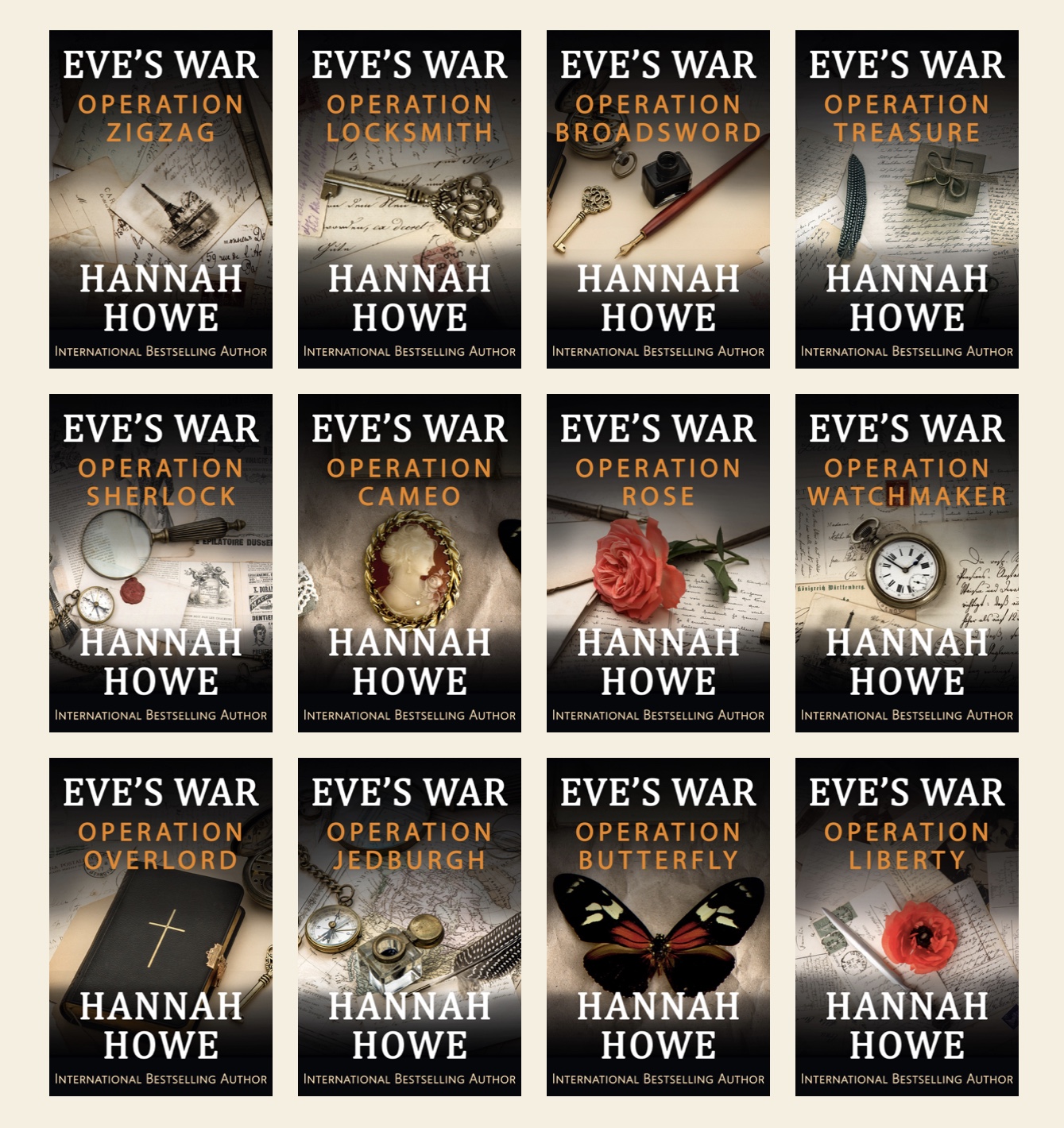
Book five in my Eve’s War Heroines of SOE series, Operation Sherlock is now available for pre-order 🙂

“Arthur is concerned about the Nazis’ latest terror weapon,” Guy said. “Rockets; they have the potential to cause death, destruction and chaos in Britain. He wants us to locate the launch site so that the RAF can bomb it.”

“How do we achieve that?” I asked.

“The Resistance in Paris think that they have identified the site,” Guy said. “Arthur wants us to confirm their suspicions.”

“Why doesn’t the local Sherlock network deal with this?” Mimi asked.

“Recently,” Guy said, “the Gestapo captured their wireless operator. Their network is in chaos. Trust is at a low ebb.”

I glanced at Mimi and noticed her pale, drawn features. As our wireless operator, she lived under constant stress; each transmission represented a moment of potential capture.

A trip to Paris sounded sublime. However, Mimi’s troubled expression reminded me that we were travelling into danger, potentially to our deaths.

https://www.amazon.co.uk/Operation-Sherlock-Eves-Heroines-Book-ebook/dp/B08Y978SM6/

Electric cars are nothing new. Here’s one being charged in 1912.

From April 1807, Freedom of the City Admission Papers signed by my 4 x great grandfather James Richard Brereton of Shoe Lane, Fleet Street, London. Several of my ancestors signed these papers and entered into apprenticeships, in this case as a cutler. 

The text on this document is difficult to read, but basically it says that the apprentice was not allowed to visit taverns, gamble with cards or dice, fornicate or marry. Basically, he had to work for his master for seven years and not have any fun.

Later, James took his trade on the road as a tinker, marrying and establishing a family in Bristol. Sadly, he died shortly before his daughter, my 3 x great grandmother, Fanny, was born.

From our family archive, my great aunt Joan, 1924. I’ve studied this picture for years and still can’t decide if that’s her brother Roy at her side or a doll. What do you think?

My latest translations, Betrayal into French and The Devil and Ms Devlin into Spanish.


This week I discovered that my 12 x great grandfather, Rev Peter James Dent (1600 – 1671), was an apothecary 🙂

“Give me an ounce of civit, good apothecary, to sweeten my imagination.” – King Lear.

Picture: Italian pharmacy, 17th century (detail).

My 8 x great grandmother, Mary Troutbeck nee Ollyer, was the licensee at the Queen’s Head Inn, Gray’s Inn Lane, London. A young widow, she was a party to this case, heard at the Old Bailey on 22 May 1776.

Eighteenth century trial at the Old Bailey

The full trial account taken from the records at https://www.oldbaileyonline.org/

JAMES LECORES and WILLIAM GODFREY were indicted for stealing twenty-nine guineas, a half guinea, and eight shillings and six-pence in money numbered, the property of Daniel Dance , and a bank note for 20 l. the property of the said Daniel in the dwelling house of Mary Troutbeck, widow, May the 6th. (Approximately £3,000 in today’s money).

DANIEL DANCE sworn.

I live at Camberwell: I lost a 20 l. bank note, twenty-nine guineas, a half guinea, and eight shillings and six-pence at Mrs. Troutbeck’s, the Queen’s Head Inn, Gray’s-inn-lane ; I took the money to Mr. Child’s at Temple-bar; the office was shut up; I came away, and while I was looking up at a house near Temple-bar, Godfrey came up and said, Farmer, what are you looking at? I told him I came to pay my rent to my landlord, and the office was shut up; he said he came out of Kent to a lawyer, and he supposed he was too late to meet with him; we walked together and he talked of some people in Kent; he mentioned the names of several I was well acquainted with; I said I would carry the money to Mr. Silway’s chambers, for I would not carry it back again; he said he would go with me and shew me his chambers; we went up Chancery-lane and crossed Holborn into Gray’s-inn-lane; we went about two hundred yards up and down, and then he said, if I would go into a public house we might have intelligence; we went into a public house, and he called for six-penny worth of Crank, and he asked me if I would sit down; I sat down, and in came the other prisoner and pulled out a purse of money, and said he had drank fourteen glasses of brandy that morning standing; he said he was a captain just come home: we went out from there, and he said he would shew me the way to Mr. Silway’s chambers; then we went into Mrs. Troutbeck’s and called for a bottle of wine; they hit my knuckles with a half-penny, and then asked me to put the half-penny under a bottle; while I was doing it they took the money out of my pocket; I saw the money in their hand, but they ran away so fast I could not speak; they broke a glass in their hurry in running out; the money was in a bag in my coat pocket.

When they run out you felt in your pocket? – Yes, it was gone; I saw the bag in their hands, and the note was in the bag.

Cross Examination.

Whose hands did you see the money in? – Godfrey’s.

Did you ever see these people before? – Never before; he appeared like a country farmer; I know them as well as any man in the parish I live in; I know Godfrey by his backside; I took him by the tail; I have been always positive to him; he was taken the Tuesday after the Duchess of Kingston’s trial. 

Elizabeth Chudleigh, Duchess of Kingston (8 March 1721 – 26 August 1788), sometimes called Countess of Bristol, was an English noble and courtier, known by her contemporaries for her adventurous lifestyle. She was found guilty of bigamy at a trial at Westminster Hall that attracted 4,000 spectators.

Was that a week or a fortnight after you was plundered? – I believe it was about a fortnight.

You knew the man immediately? – Yes; I pursued him every day; he owned he had the money; his friends offered me thirty pounds.

WILLIAM SWAN sworn.

I live with Mrs. Troutbeck: the prosecutor and three more came into our house on Easter Monday, and asked for a pot of beer; I told them we did not sell beer; then they called for a bottle of wine; I stood in the passage to watch them, lest they should go away and not pay the reckoning; three of them came out very sharp, and put two shillings in my hand; I asked my mistress how much it was, she said two shillings; I went in to see if there were any glasses broke, and met the old farmer coming out; a glass was broke; I asked him if he was to pay for the glass, he said he had lost enough: I know the prisoners are two of the men; they owned before the justice they had the money, but said they got it by gambling.

LECORES’ DEFENCE.

A parcel of people about me desired me to say so, and they would clear me; I was in liquor and did not know what I did.

GODFREY’s DEFENCE.

I leave it to my counsel.

Godfrey called four witnesses, who gave him a good character.

From the Jury to DANCE. Whether they used any other means besides that of the bottle to divert you? – Nothing in the world; there was no gaming.

How long might it be from the time you went in to the time they ran away? – Not above ten minutes.

BOTH GUILTY. Death .

Tried by the First Middlesex Jury before Mr. RECORDER.

The judge sentenced both men to death. However, their cases were respited. On 13 September 1776, after the respite, Lecores and Godfrey came before the court again. This time the judge sentenced them to three years on a hulk. 

The beached convict ship HMS Discovery, at Depford.

The Old Bailey case revealed that the Queen’s Head Inn did not sell beer, but it did sell ‘Crack’ and wine. The inn was situated in Gray’s Inn Lane the road by which Henry Fielding’s Tom Jones entered London. The lane was a popular hub for scholarly, legal and literary people. James Shirley the dramatist resided there and it was the favourite haunt of the poet John Langhorne.

Baptised on 14 November 1717 in Holborn, London, Mary Ollyer was the daughter of Richard Ollyer and Mary Thomas. She married William Troutbeck on 17 August 1739. Their marriage was recorded in the Clandestine Marriages Register, which suggests an air of secrecy. This pattern was often repeated on this branch of my family tree due to religious nonconformity.

William and Mary produced eight children in fourteen years. When William died on 24 March 1753 Mary became the sole owner of the Queen’s Head and with the aid of servants ran the inn, rubbing shoulders with and serving drinks to some of the leading literary figures of the age. No doubt, she talked with these people and discussed their literary projects.
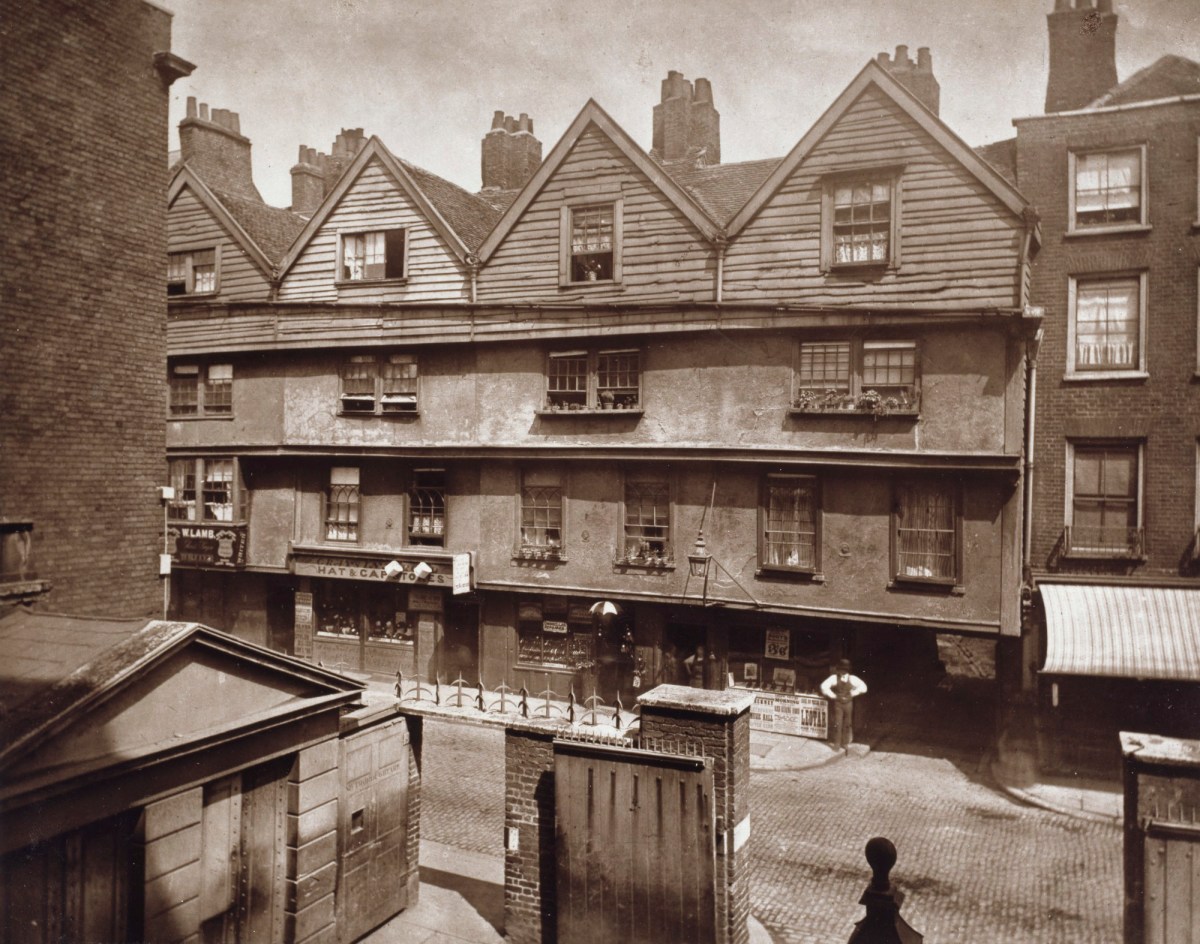
Gray’s Inn Lane, c1878.
(c) Royal Academy of Arts / Photographer credit: Prudence Cuming Associates Limited /

In her autumn years, Mary bequeathed the Queen’s Head Inn to my direct ancestors, Daniel Cottrell and Mary Troutbeck who ensured that the public house prospered into the nineteenth century.

As ever, thank you for your interest and support.

Hannah xxx

Categories
Dear Reader

Dear Reader #91

Dear Reader,

My Top Ten Sales Countries in February.

In total, my eBooks were downloaded in 29 countries during February. Very exciting to see such diversity and grateful that I decided to publish wide and not limit myself to Amazon.

Through Smashwords

America 🇺🇸 Canada 🇨🇦 Australia 🇦🇺 Bulgaria 🇧🇬 Britain 🇬🇧 Japan 🇯🇵 Spain 🇪🇸 New Zealand 🇳🇿 Germany 🇩🇪 Italy 🇮🇹

Through Gardners

America 🇺🇸 Canada 🇨🇦 South Africa 🇿🇦 India 🇮🇳 Britain 🇬🇧 Netherlands 🇳🇱 Indonesia 🇮🇩 Malaysia 🇲🇾 Vietnam 🇻🇳 Venezuela 🇻🇪

Through Amazon

America 🇺🇸 Britain 🇬🇧 Canada 🇨🇦 Australia 🇦🇺 Germany 🇩🇪 Mexico 🇲🇽 Spain 🇪🇸 Brazil 🇧🇷 France 🇫🇷 India 🇮🇳

My latest translation, the Spanish version of The Olive Tree: Branches. Leaves, book three in my Spanish Civil War saga will be available in numerous languages in the summer.

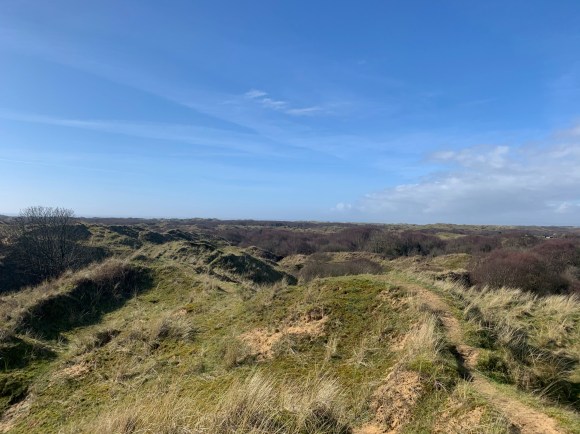
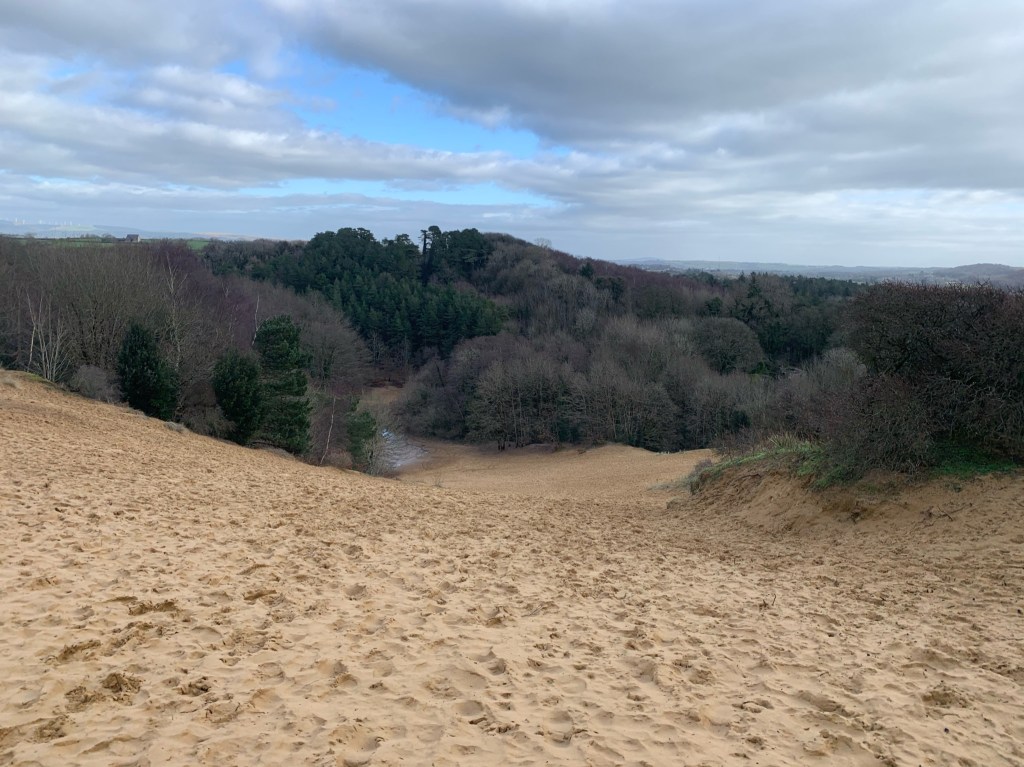
Kenfig Pool sand dunes this week. And Mawdlam church, which overlooks the dunes, the final resting place for many of my ancestors.

Included in this month’s Seaside News, my article about SOE heroine Peggy Knight. In her 100th year, this remarkable woman now lives in New Zealand.

Mom’s Favorite Reads eMagazine March 2021. Our spring issue.

In this issue…

A seasonal blend of articles including Mad as a March Hare, Dr Seuss, Reiki, World Wildlife Day, International Day of Forests, plus short stories, recipes, puzzles, humour, photographs and so much more!

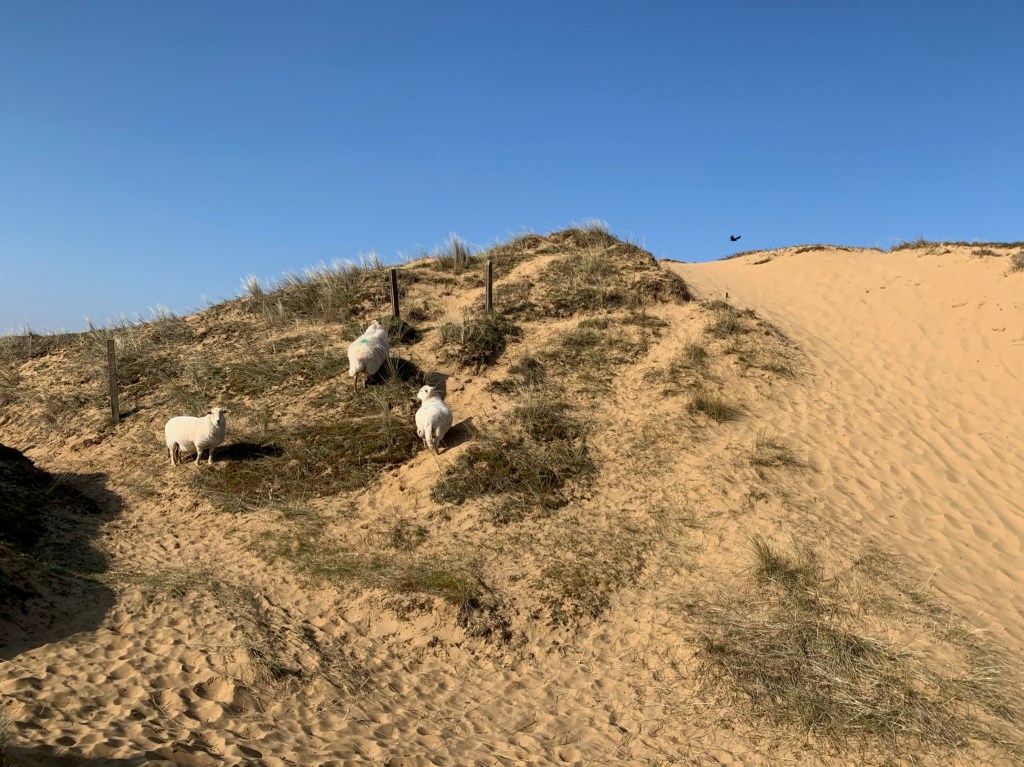
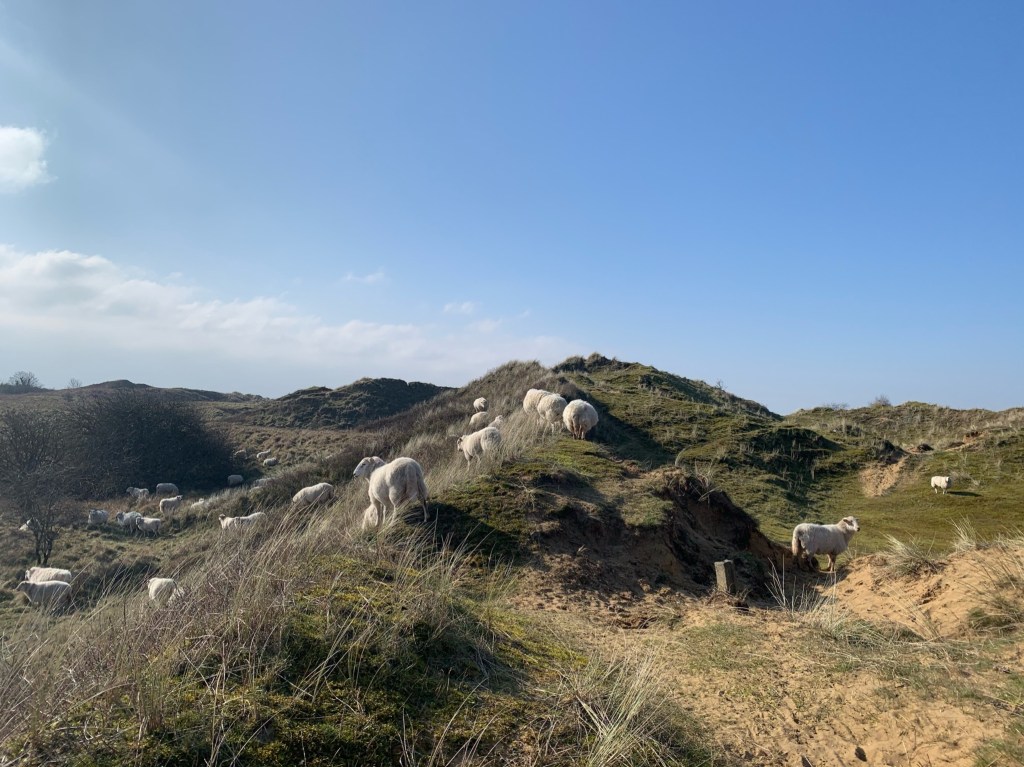
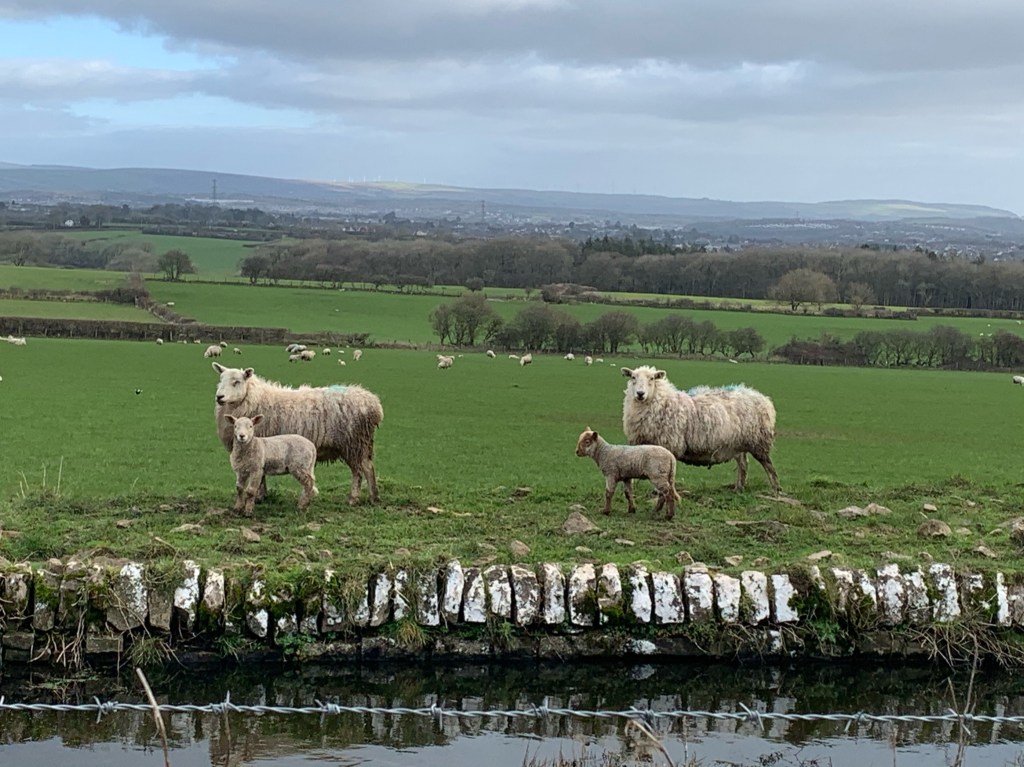
Sheep took over the sand dunes this week 🐑 🐑 🐑

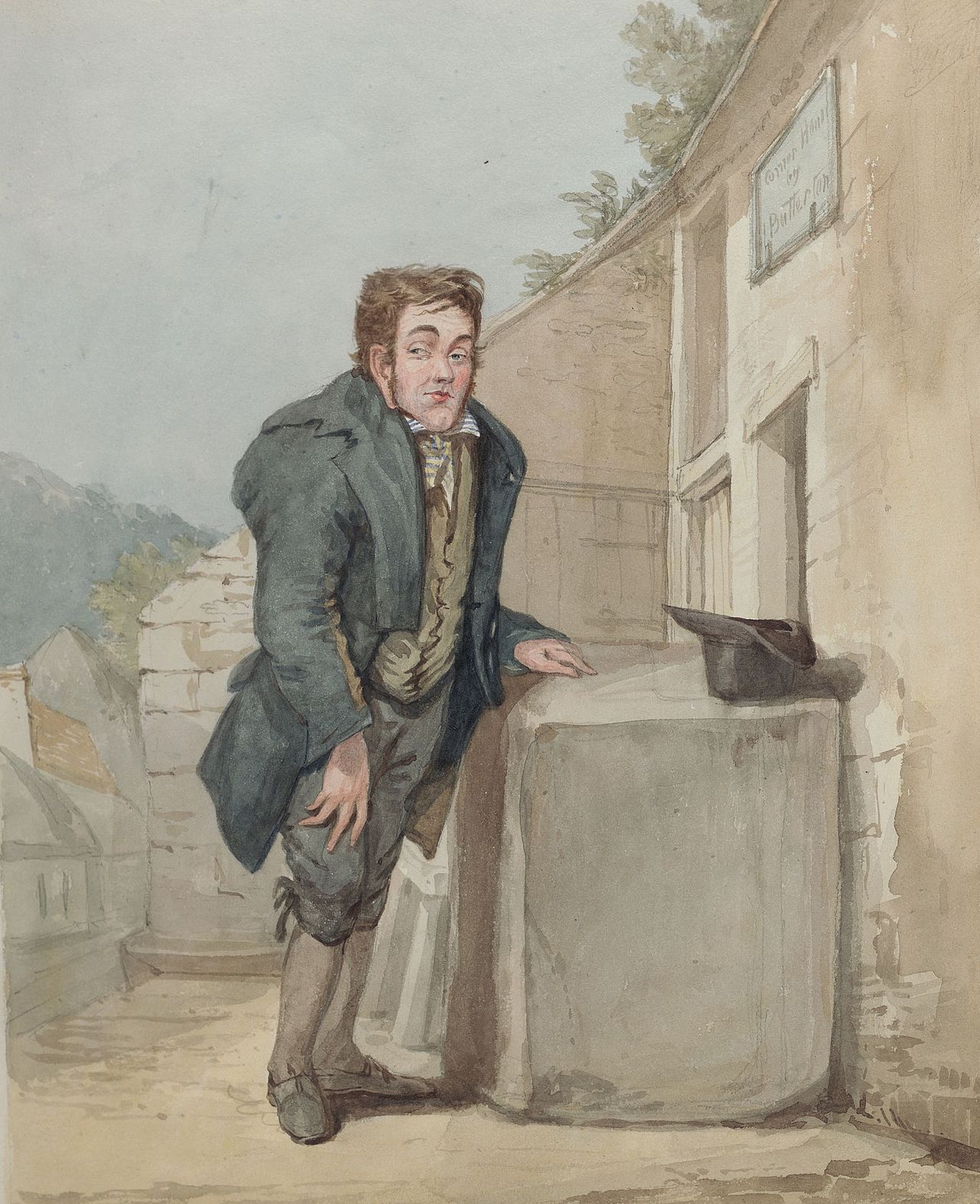
My 4 x great grandfather, Richard Morgan, was baptised on 2 December 1792 in Llantrisant, Glamorgan. The ninth of twelve children born to James Morgan and Hannah David, Richard established himself as an ostler tending the coaching horses that travelled through Glamorgan, transporting people and goods from Ireland to London, and vice-versa.

‘Ostler at Margam 1818’ by George Orleans Delamotte

At the relatively advanced age of 43, Richard married Margaret Jones in St James’ Church, Pyle. Born in 1811 to John and Mary, Margaret hailed from Pyle, a rural village that contained the main highway in Glamorgan.

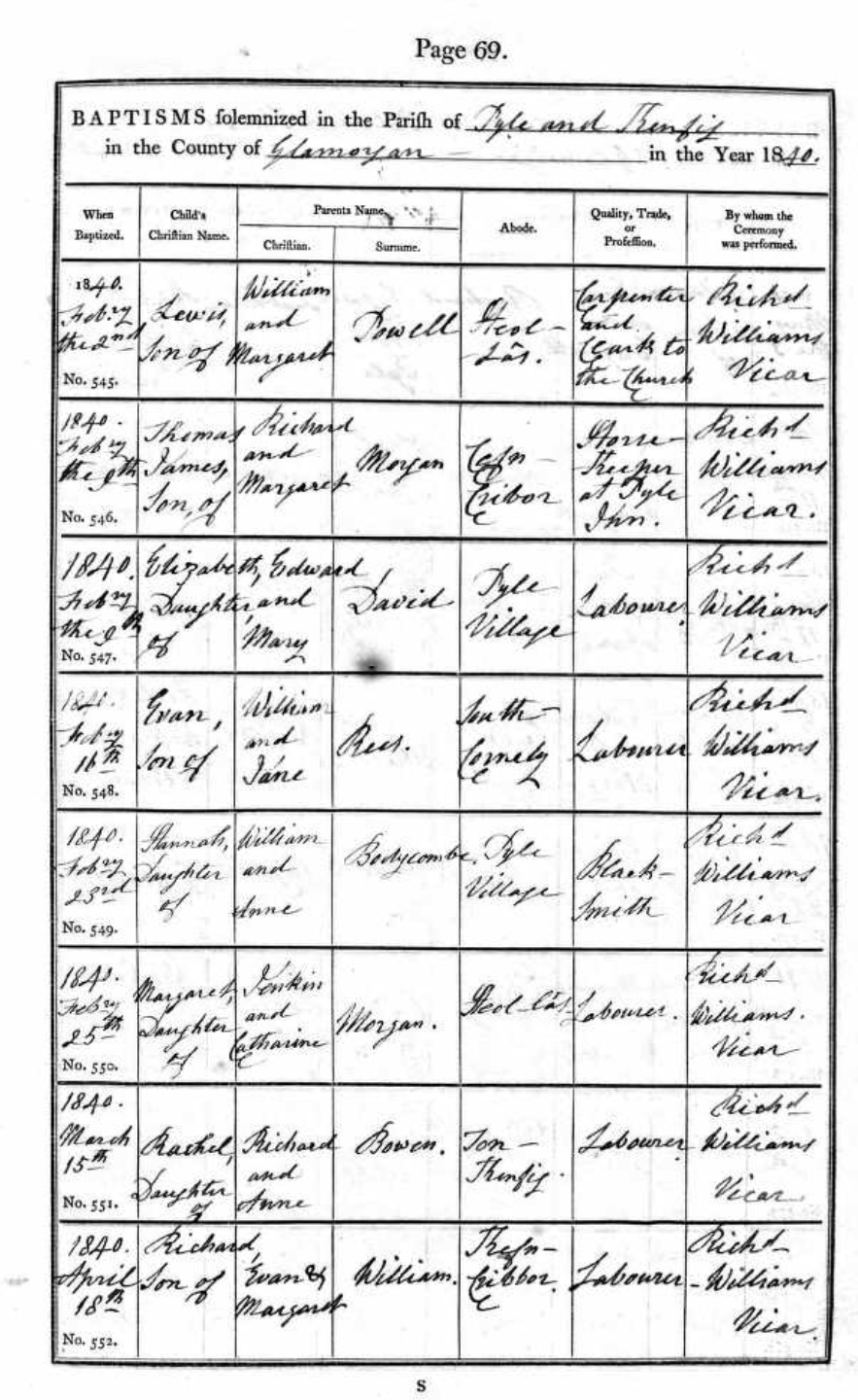
During my research, I wondered what persuaded Richard to travel twenty miles west to settle in Pyle. Then, I hit upon a theory. As an ostler, he moved there to work at Pyle Coaching Inn, the main Inn on the main highway. Then, while researching the births of Richard and Margaret’s children, I discovered that Richard was listed as a horse keeper at Pyle Coaching Inn, and living in nearby Cefn Cribwr, or Tythegston Higher as it was also called. It’s lovely when your theories are confirmed in that fashion.

Mail deliveries had become available to the public in 1635 and the introduction of national mail coaches in 1785 further increased the traffic travelling along the highways. The ongoing war with France meant that the gentry could no longer take the ‘grand tour’ of Europe and so they looked around for alternatives, their eyes and minds soon focusing on Wales with its romantic landscapes and medieval ruins. All of this led to the building of Pyle Coaching Inn during the 1780s by Thomas Mansel Talbot of Margam.

Thomas Mansel Talbot took a private apartment at the Inn and he would stay there while indulging in his passion for hunting and fishing. He had built the Inn in the fashionable Georgian style with three floors and rooms of various sizes. The largest room was five metres by four and a half metres, and the building contained forty beds and twelve double-bedded rooms. Moreover, the Inn also boasted a spacious dining room and stables for eight coaching horses.

Many 18th and 19th century antiquarians who travelled through South Wales would visit the buried medieval town at nearby Kenfig and invariably they would stay at the Inn. Also, it is rumoured that Admiral Lord Nelson resided there on one occasion. 

Pyle Coaching Inn, c1950

Isambard Kingdom Brunel did stay at the Inn in 1849 – 50 to oversee the construction of the South Wales leg of the Great Western Railway. Another distinguished guest was Josiah Wedgwood and it is said that he gained inspiration for some of his pottery from the colour of the rocks and pebbles on the beach at Pink Bay.

Richard and Margaret produced five children: Catherine, Thomas, Mary Ann, Richard and my direct ancestor, Hannah. With secure employment in a job that he clearly loved and in the green pastures and open spaces of Cefn Cribwr, life must have been good. Then, in the late 1840s, the railways arrived.

The railways took passenger and commercial trade away from the horse carriages and Richard lost his job at Pyle Coaching Inn. However, the family adapted. Richard became a colt breaker then a horse keeper. With his love and knowledge of horses, he worked with the animals for the rest of his life. 

Meanwhile, Margaret established her own ‘Inn’ boarding navigators who had travelled from their homes in Ireland to help construct the railways.

Residents of Pyle Coaching Inn in the early 1900s

Richard died in 1865 after a life well lived. By this time his children had married. After Richard’s death, Margaret moved to Mountain Ash to live with her son-in-law, John Davies, and help raise his children. Sadly, Margaret’s daughter, Mary Ann, had died and John was a widower.

I cannot leave this branch of my family without mentioning Margaret’s mother, Mary Jones. Born in 1765 in Carmarthen, she’d moved east with her husband, John, to work on the land. Mary lived with Richard and Margaret in later life. She had a strong constitution, which only failed on 19 January 1864 when she was ninety-nine years of age.

As ever, thank you for your interest and support.

Hannah xxx

Categories
Dear Reader

Dear Reader #89

Dear Reader,

Next week, I will complete the writing of Stormy Weather, Sam Smith Mystery Series book eighteen. I write my Sam Smith mysteries in ‘real time’ so the main decision was whether to include the pandemic. I realised early on that the nature of the pandemic and the government’s negligent response meant that the problem would remain with us for some time. Therefore, I decided to include the pandemic. The main theme of the story is the climate crisis so the pandemic and the way we abuse nature tied in with that theme. Stormy Weather is available for pre-order from all major Internet outlets.

Available soon, my latest translation, Escape in Afrikaans. We now have four books in this series published in Afrikaans while Nelmari is currently working on Victory, book five. It’s wonderful to see my books available in a number of languages, twelve at the latest count.

This week, I created the characters for Operation Sherlock, book five in my Eve’s War Heroines of SOE Series. This story is set in Paris and like all the stories in the series it’s based on true events. Character creation is my favourite part of the writing process. Once I’ve created the characters, I sit back and allow them to tell the stories. Operation Sherlock will be available for pre-order soon.

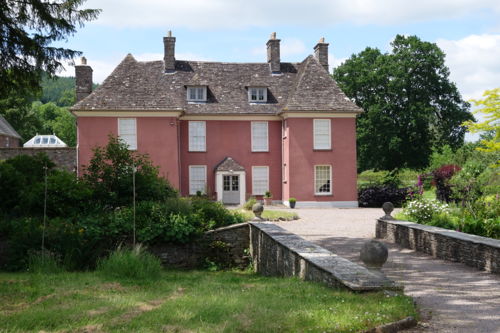
Meet the ancestors, my 29th great grandfather, Saunder de Sancto Alberico also know as Awbrey. He arrived with William the Conquerer (also a direct ancestor) in 1066. His son Sir Reginald Awbrey established a manor house and estate in Abercynrig, Brecon in 1093. The property, pictured, remained in the family until 1630.


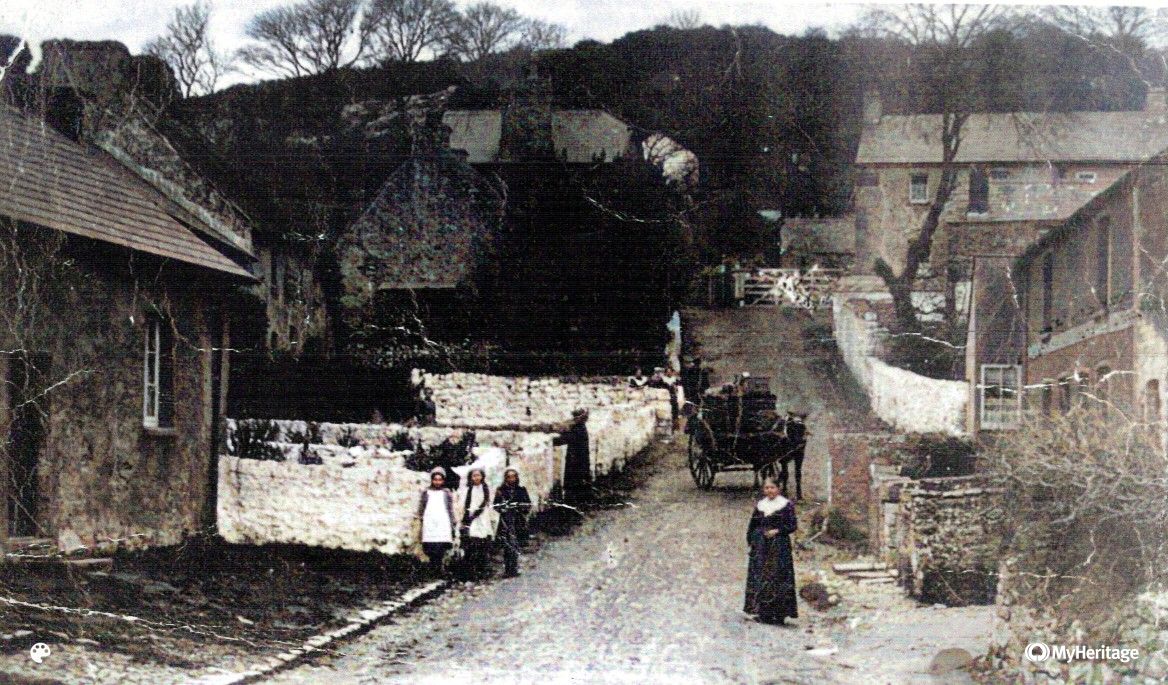
One of my favourite pictures. This is a colourised image of Lamb Row, South Corneli. The original dates from 1905. During the Victorian era, Lamb Row was home to the Howe branch of my family. You can see their house on the top left of the picture. It’s possible that some of my ancestors are in this picture. The image is deceptive because every time you look at it you see a new person. How many people can you identify?

Property Developing, Freedom of the City and Carnal Knowledge 

Samuel Axe, my 5 x great grandfather, was born in Greenwich in April 1771, the son of William Axe and Ann. He was baptised on 14 April 1771 at St Alfege Church, Greenwich.

Samuel married Grace Austin (1786–1823) on 22 September 1803 at St Luke Old Street, Finsbury, London and the couple lived in Hoxton, Middlesex where they produced eight children, including my direct ancestor, Jane Esther Axe.

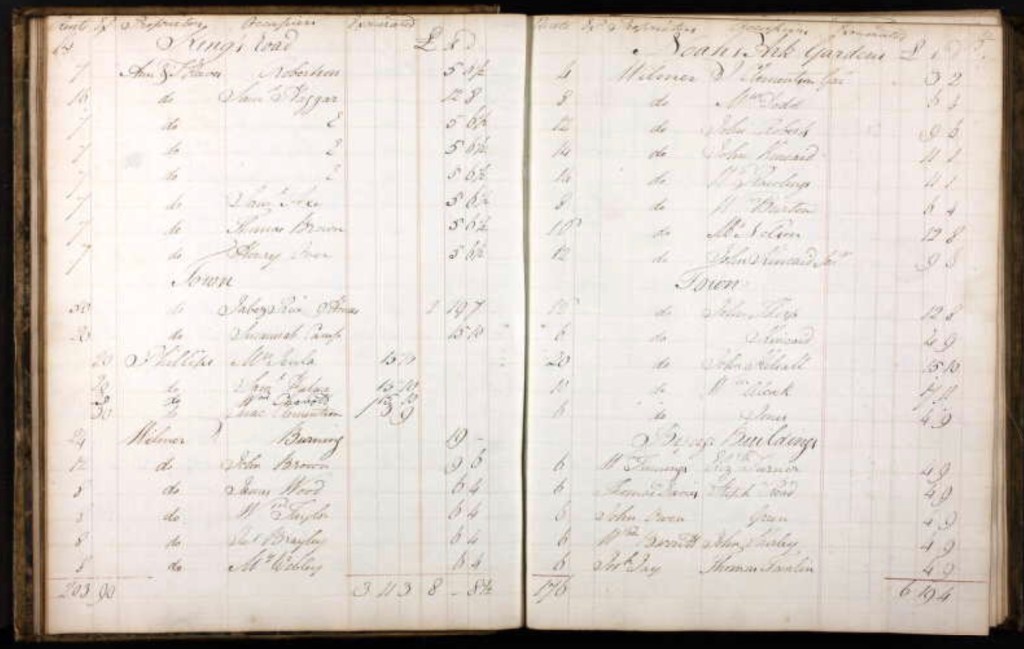
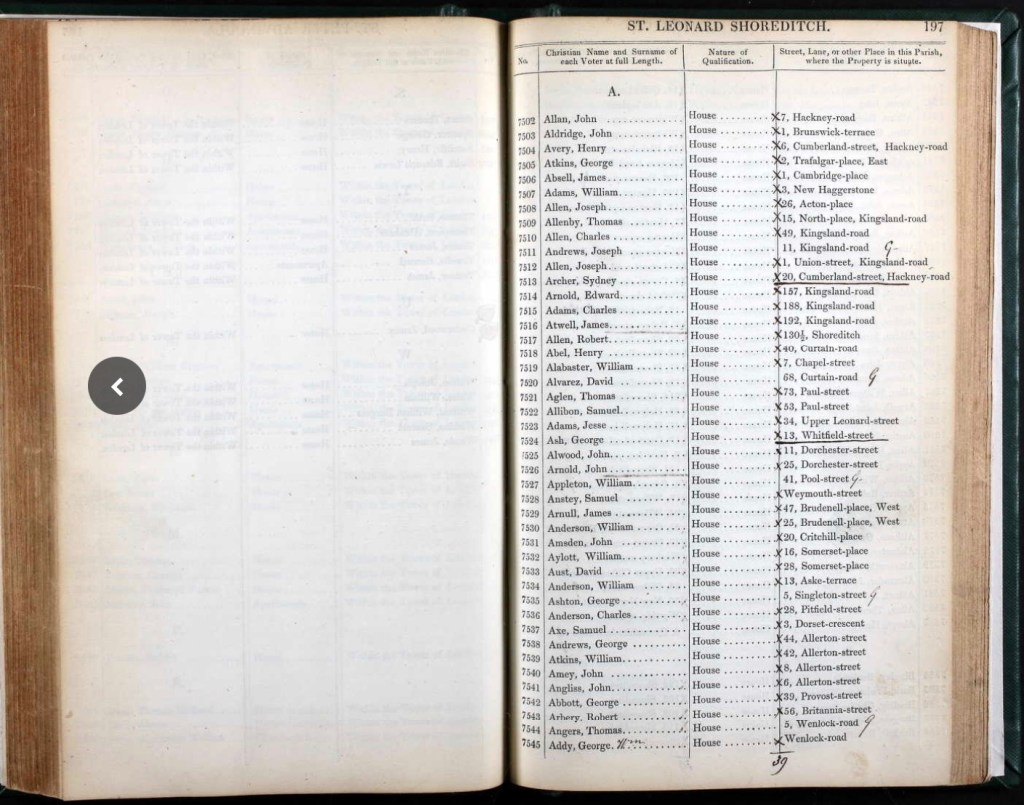
As a property owner, Samuel was eligible to vote and therefore appeared on the electoral registers, which confirm his address. 

Various documents describe Samuel’s occupation as ‘bricklayer’. In the first half of the nineteenth century a bricklayer was a builder, someone who designed and constructed houses. These houses could range from humble dwellings to huge city projects.

Colourised, Pitfield Street, Hoxton, London, 1896 – buildings built by Samuel? I love this image, it’s so full of life.

It would appear that all was not well with Samuel and Grace’s marriage because on 21 June 1816 Maria Hammont, single woman, petitioned the parish with the claim that ‘Samuel Axe, bricklayer of Hoxton Town gained carnal knowledge of her body.’ Maria gave birth to a bastard female on 12 May 1815 at her mother’s house in Hoxton Fields. The outcome of her petition was not recorded. However, Samuel was a wealthy man so hopefully he supported his child.

Samuel died on 26 November 1838 in Shoreditch, London and was buried on 2 December 1838. 

My direct ancestor, Jane Esther Axe, who lived in the same street as Samuel and Grace, was the sole executrix of Samuel’s will. Samuel left £600, approximately £40,000 in today’s money, which suggests he was successful in his trade.

On 17 January 1845 Samuel’s youngest son, John, paid £5 to acquire the ‘Benefits of a Fellowship Porter’. In other words, he could trade in ‘measurable goods’ such as coal, grain, flour and salt, overseeing their transportation from trading ships to dockside warehouses. This was a good position with the opportunity to make considerable sums of money.

The above records suggest that the Axe family lived in comfort during the first half of the nineteenth century. However, only five of Samuel’s eight children survived into adulthood.

As ever, thank you for your interest and support.

Hannah xxx

Categories
Dear Reader

Dear Reader #88

Dear Reader,

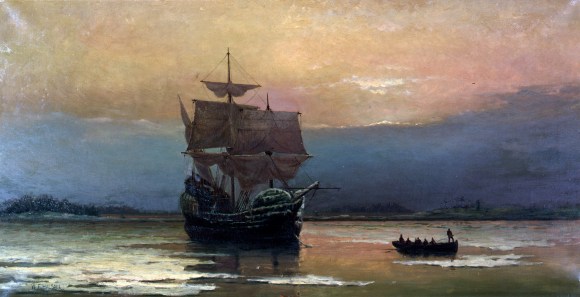
This week, I discovered that my direct ancestors John Dean and Joan Fuller emigrated to America. They arrived in Massachusetts in the 1630s, following Joan’s uncles, Edward and Samuel Fuller, who arrived as Founding Fathers on the Mayflower. More about this in future posts.

The Moon doing its Saturn impersonation.

A great week for my Eve’s War Heroines of SOE Series, #1 in America, Australia, Britain and Canada. Many thanks to everyone who made this possible.

Merthyr Mawr this week.

For the man who has everything, Madame Dowding‘s Carlton corsets.

For Christmas, I received a DNA test kit to assist me with my family history research. The result arrived today.

I’m 52% Welsh
26% European, which includes Belgium, England, France, Germany, Luxembourg, the Netherlands and Switzerland
19% Scottish, which in this case also includes Ireland and Brittany
3% Scandinavian, mainly Norway, the Faroe Islands, Iceland, Denmark and Sweden 

Some of my ancestors emigrated and settled in Pennsylvania, Maryland, Ohio, Virginia and California.

The great thing about ancestry and DNA is that the DNA link enables you to identify ancestors who have escaped the written record, so I anticipate lots of new exciting discoveries 🙂

Breaking news: through DNA, I’ve discovered that my 9 x great grandfather, John ap Evan (John son of Evan) and his wife, Barbara Aubrey, established the Welsh Tract, pictured, in Pennsylvania. He arrived in America with his fellow Quakers in 1683.

A DNA map. My ancestors, 100 years after arriving in Pennsylvania. More about this in future posts.

As ever, thank you for your interest and support.

Hannah xxx

Categories
Dear Reader

Dear Reader #87

Dear Reader,

Starlings in duck formation.

This week, we published Operation Treasure and it’s always great when readers anticipate and enjoy your stories. A review from Amazon.

“Hanna Howe was a great treasure discovered in 2020, and she continues to deliver in 2021 with the Eve’s War series, in this #4 of an anticipated 12 volume set. A quick read novella, it continues the series intent to deliver stories of many female (and male) SOE agents operating in France during WWII, helping recruit, equip and train local resistance groups to sabotage Hitler’s war machine. While the characters are fictional, they and their actions are based upon real people and events. Howe is a gifted writer with many other books as well (most of which I’ve read and thoroughly enjoyed) and I look forward with great anticipation to Eve’s War #5!”

https://www.amazon.com/gp/product/B08L9G7V4Z/

Wales, Christmas Day, 2010.

Humphrey Llwyd’s ‘Cambriae Typus’ is the earliest printed map to show Wales as a separate nation. Published in 1573.

Found this while searching for my Gloucestershire ancestors. A sad note from 1733.

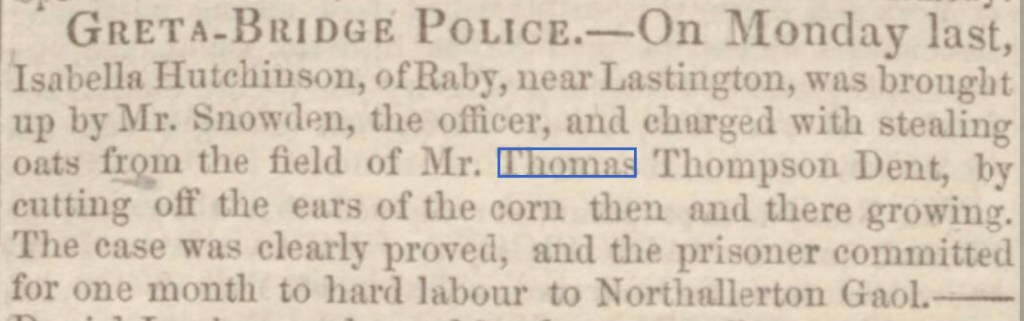
Theft from my ancestor, Thomas Thompson Dent. In 1842, Isabella Hutchinson, aged 22, stole oats from his field. Verdict: guilt, one month hard labour. Thomas was a wealthy man so I’m sure he could have spared those oats. However, Isabella was a serial offender. Three years earlier she was convicted for larceny and sentenced to three months in prison.

Mom’s Favorite Reads eMagazine February 2021

In this month’s bumper issue…

Our Ever Changing Language, Short Stories, Mediation, Poetry, Nature, Humour, Bestsellers, Photography, Puzzles, Genealogy, Recipes and so much more!

On 1 January 2021, to my great surprise, I discovered that I was directly related to William the Conqueror and Matilda of Flanders.

William, also known as William the Bastard, was the first Norman King of England reigning from 1066 until his death in 1087. 

William the Conqueror

In 1060, secure as Duke of Normandy, William plotted the Norman conquest of England, which culminated on 14 October 1066 in the Battle of Hastings and the defeat of Harold Godwinson.

William was the son of the unmarried Robert I, Duke of Normandy, by his mistress Herleva. His illegitimate status led to many struggles as he sought to establish his authority. Marriage to Matilda of Flanders, c1051, allowed him to consolidate his power in Normandy.

William’s genealogy

On his deathbed, Edward the Confessor, the childless King of England, named Harold Godwinson as his successor. However, William disputed this succession and with a large fleet sailed for England where he engaged Harold in battle.

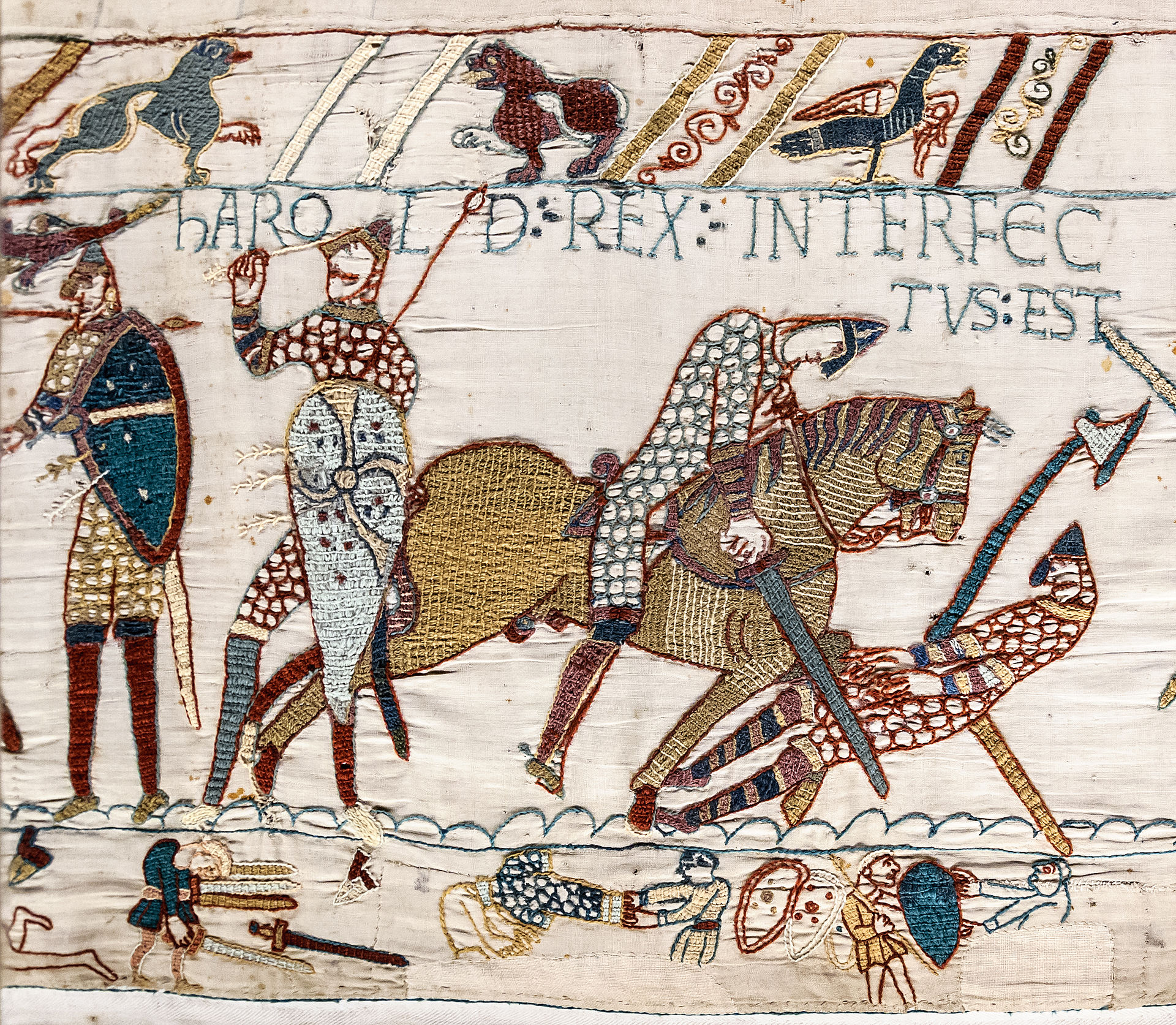
Bayeux Tapestry. Scene 57: the death of King Harold at the Battle of Hastings. Titulus: HIC HAROLD REX INTERFECTUS EST (Here King Harold is slain).

After the Battle of Hastings, further military victories ensured that William was crowned king on Christmas Day, 1066, in London. In 1067, he made arrangements for the governance of England then returned to Normandy. 

Rebellions followed, all unsuccessful, and by 1075 William had established a secure hold on England, which allowed him to spend the majority of his reign in Europe.

In 1086, William ordered the compilation of the Doomsday Book, a survey listing all the land-holdings in England. This great administrative feat went unmatched until the compilation of the Return of Owners of Land in 1873.

William died in September 1087 while leading a campaign in northern France. He was buried in Caen.

Matilda of Flanders was Queen of England and Duchess of Normandy by marriage to William the Conqueror. She was the mother of nine children (some sources list ten) including two kings, William II and my direct ancestor Henry I.

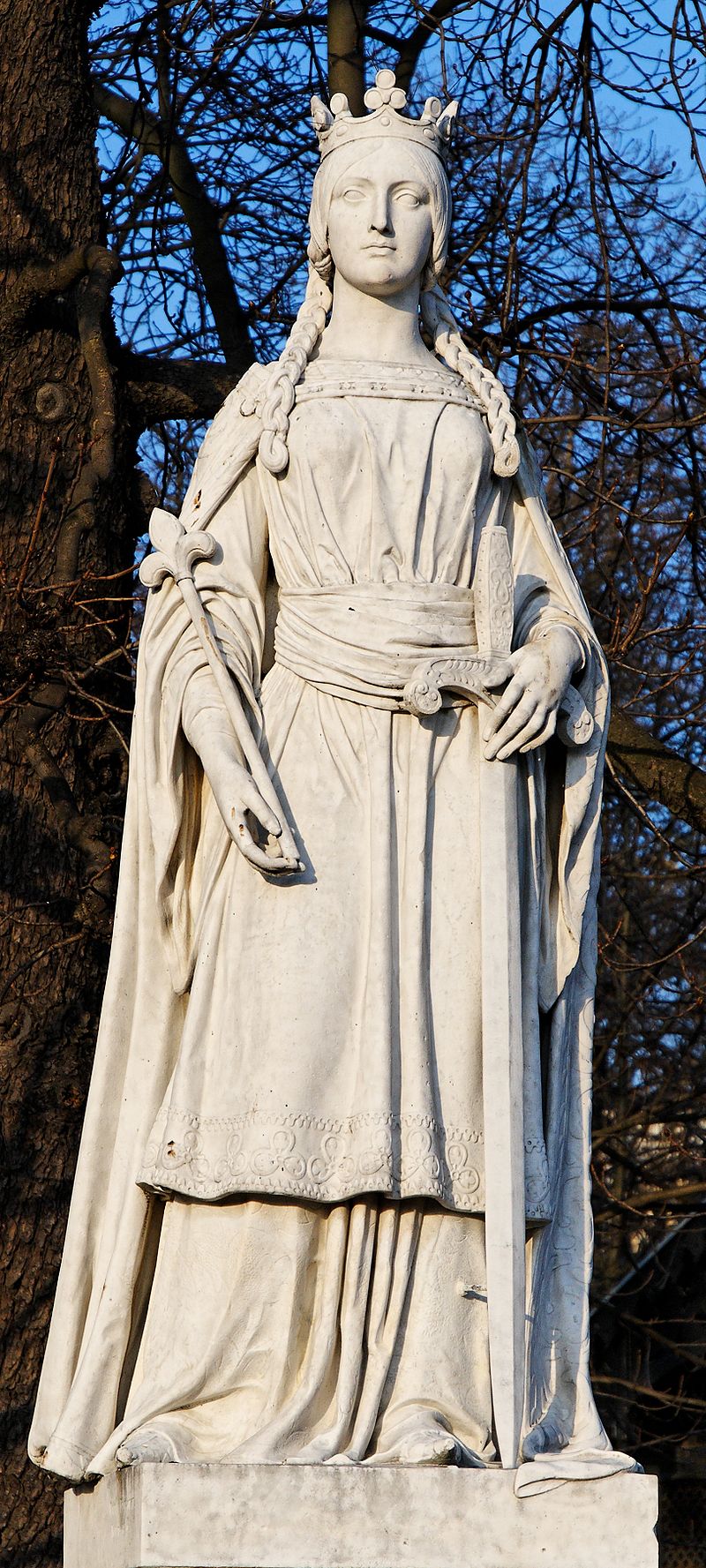
Nineteenth-century depiction of Matilda in the Jardin du Luxembourg, Paris (Wikipedia).

In 1031, Matilda was born into the House of Flanders as the second daughter of Baldwin V of Flanders and Adela of France. Strategically placed, Flanders served as an important centre for European trade and political expansion.

As granddaughter of Robert II of France, Matilda boasted a greater lineage than William. Like many royal marriages of the period, their union breached the rules of consanguinity. She was about 20 when the marriage took place in 1051, while William was some four years older. 

The marriage appears to have been successful in that William is not recorded to have fathered any bastards. Matilda was about 35 and had already borne most of her children when William embarked on his conquest of England, sailing on his flagship, Mora, a gift from his wife.

The Bayeux Tapestry’s depiction of the Norman invasion fleet, with the Mora in front, marked by the papal banner on the masthead.

Matilda governed the Duchy of Normandy in her husband’s absence. Occasionally, she travelled to England, but spent most of her life in Normandy where she oversaw her children’s education. Indeed, Matilda’s children were unusually well educated for contemporary royalty with the boys tutored by Lanfranc, who became Archbishop of Canterbury in 1070, while the girls learned Latin in Sainte-Trinité Abbey, Caen, an abbey founded by William and Matilda as part of the papal dispensation that allowed their marriage.

As ever, thank you for your interest and support.

Hannah xxx