Categories
Favourite Record

Favourite Song of the 1950s/1960s #4

When the qualifying process is complete, in just over a week, on Mastodon we will start voting on our top twenty favourite records of the 1950s/1960s, placing them in order. Through 190 match-ups, we will create a unique chart, every song a classic.

Here is some background on one of the qualifiers, Summer in the City by The Lovin’ Spoonful.

Summer in the City was written by John Sebastian, Mark Sebastian and Steve Boone. John Sebastian reworked the lyrics and melody from a song written by his brother, Mark. Boone contributed the bridge.

The song was recorded in two sessions at Columbia Records Studios, New York in March 1966 and featured an early example of sound effects – car horns and a pneumatic drill.

John Sebastian was aiming for a song that built up the tension. He explained: “I was going for the scary, minor chord, Hit the Road Jack (which also features in our top twenty) sequence that doesn’t warn you of what’s coming in the chorus.”

John Sebastian compared the results to Mussorgsky’s Night on Bare Mountain. For the bridge, bassist Steve Boone suggested a jazzy figure akin to the compositions of George Gershwin.

I Can’t Get No Satisfaction by The Rolling Stones

I Can’t Get No Satisfaction was written by Mick Jagger and Keith Richards, and released in America in 1965. Initially, the song was only played on pirate radio stations because the lyrics were considered too suggestive. Music critic Paul Gambaccini stated: “The lyrics to this were truly threatening to an older audience. This song was perceived as an attack on the status quo.”

Keith Richards wrote the music for Satisfaction in his sleep and recorded it on cassette, which included acoustic guitar, the main riff, and snoring. Mick Jagger wrote the lyrics by a swimming pool in Clearwater, Florida , four days before the band went into the studio.

My Generation by The Who

My Generation was written by Pete Townshend, and released as a single on 29 October 1965. Apparently, Townshend wrote the song on a train, inspired by the Queen Mother, who allegedly insisted that Townshend’s 1935 Packard hearse should be towed off a street in Belgravia because it offended her.

In 1985, Townshend told Rolling Stone that “My Generation was very much about trying to find a place in society.” Four years later, he explained that, to him, the line “I hope I die before I get old” meant “before I get very rich.”

Paint it Black by The Rolling Stones

Paint it Black was released as a single in May 1966. The song, about grief and loss, featured Indian, Middle Eastern and European influences.

The first chart-topping single to feature the sitar, Paint it Black widened the instrument’s audience. Also, the song was influential to the development of psychedelic music in the mid-1960s.

Paint it Black was credited to Mick Jagger and Keith Richards. However, the melody originated from a series of improvisations played by Brian Jones on the sitar. Bill Wyman felt that Paint it Black should have been credited to all the band members because the song’s final arrangement originated from a studio improvisation by Brian Jones, Charlie Watts and himself.

Penny Lane/Strawberry Fields Forever by The Beatles

Credited to the John Lennon-Paul McCartney songwriting partnership, Penny Lane and Strawberry Fields Forever were released as a double A-side in February 1967. The songs were intended for Sgt Pepper’s Lonely Hearts Club Band, but because the record company insisted on releasing a single, and the Beatles’ policy to omit previously released singles from their albums, Penny Lane and Strawberry Fields Forever didn’t feature on Sgt Pepper, a decision producer George Martin later described as “a mistake”.

In 2009, McCartney stated, “Penny Lane was kind of nostalgic, but it was really [about] a place that John and I knew … I’d get a bus to his house and I’d have to change at Penny Lane, or the same with him to me, so we often hung out at that terminus, like a roundabout. It was a place that we both knew, and so we both knew the things that turned up in the story.”

Strawberry Fields was the name of a Salvation Army children’s home near John Lennox’s home in Woolton, Liverpool. Lennon’s aunt Mimi Smith recalled: “There was something about the place that always fascinated John. He could see it from his window … He used to hear the Salvation Army band [playing at the garden party], and he would pull me along, saying, ‘Hurry up, Mimi – we’re going to be late.'”

Penny Lane/Strawberry Fields Forever is included as a double A-side in our chart poll to match the buying choices and charts of the time.

Book News

Two items brought to my attention this week, in relation to Eve’s Peace, my Heroines of SOE sequel. One, the proof copy of the paperback version. Two, this wonderful review. “Love, distrust, trust, & secrets galore. Woven superbly by the author makes for wonderous reading, hard to put down book. Rating the book a 9 1/2 only because now I must look for sequels & prequels for this wonderful series…”

For Authors

#1 for value with 565,000 readers, The Fussy Librarian has helped my books to reach #1 on 36 occasions.

A special offer from my publisher and the Fussy Librarian. https://authors.thefussylibrarian.com/?ref=goylake

Don’t forget to use the code goylake20 to claim your discount 🙂

Categories
Dear Reader

Dear Reader #206

Dear Reader,

Some book news. Operation Zigzag, Eve’s War Heroines of SOE book one, is #1 on Amazon’s genre charts in America and France 🙂

Clara Bow’s forty-fifth movie was The Fleet’s In produced between June 18 and July 16, 1928, and released on September 15, 1928. Clara played Trixie Deane a “taxi dancer” who performed “The Clara Bow Stomp” with sailors for a dime a song. 

Clara was dancing in her private life too, in all-night gin-soaked jazz parties at her Malibu home. She was having a whale of a time. Or so she thought.

Comedian Jack Oakie met Clara at this time. He observed: “(When acting) she could turn even the simplest action into a moving one. The redhead was one of the greatest emotional actresses ever.”

Oakie was right, Clara Bow was a great emotional actresses. The tragedy: I don’t think Clara ever truly appreciated how good she was.

Hedy Lamarr was well cast in Dishonoured Lady (1947) as a hedonist who seeks help from a psychiatrist, then finds herself accused of murder. Hedy was married to one of her co-stars, John Loder, at the time of filming, but they divorced later in the year.

The Hays Office went into meltdown over this movie. They insisted that two love affairs in the script, one in Mexico and the other in New York, might be “overloading” the picture. They also objected to the “night of sordid passion.” 

A memo dated April 25, 1946 stated that, despite revisions, the script was unacceptable because of its “gratuitous sex”. Therefore, the “night of sordid passion” was cut from the film. 

All suggestions that Hedy’s character, Madeleine, was a murderer, or had even contemplated murder, were also removed from the film. Despite this, the plot remained solid, and the movie deserved a higher level of success.

The William O. Jenkins House, Norma Desmond’s house in Sunset Boulevard (1950). At the time of filming, the house was occupied by one of J. Paul Getty’s (five) former wives. As a condition of rental, she requested that Paramount Studios build her a new swimming pool, which they did, and promptly dropped William Holden’s “corpse” into it.

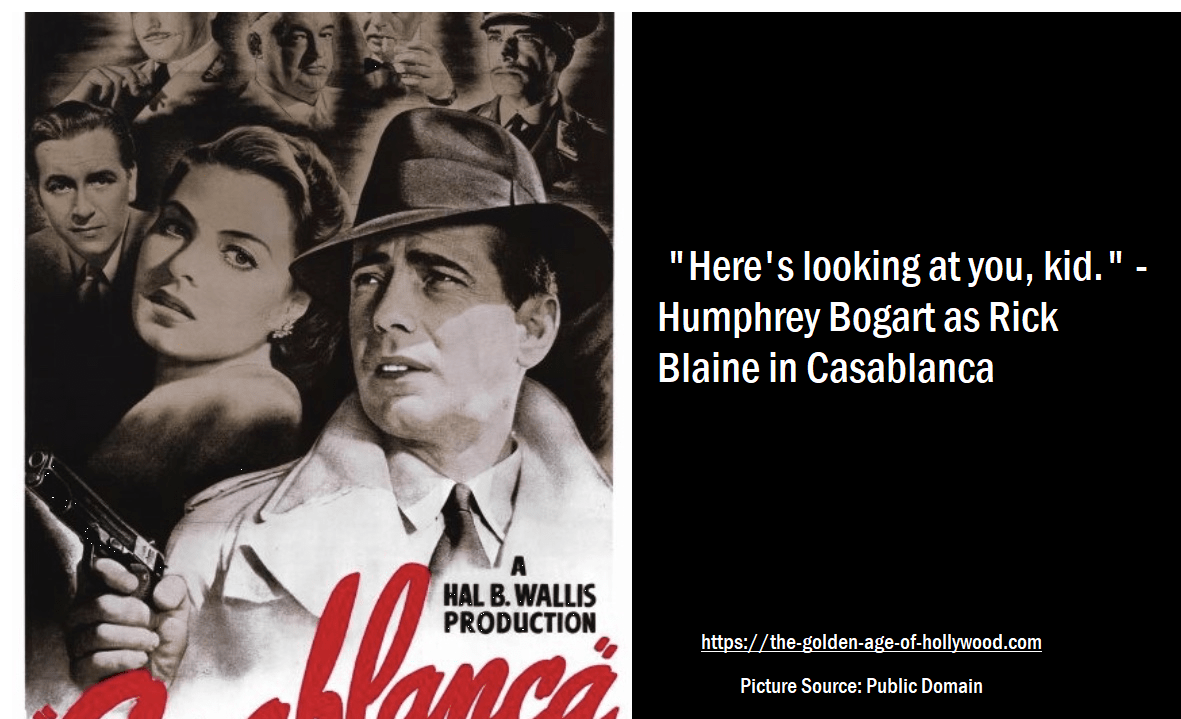
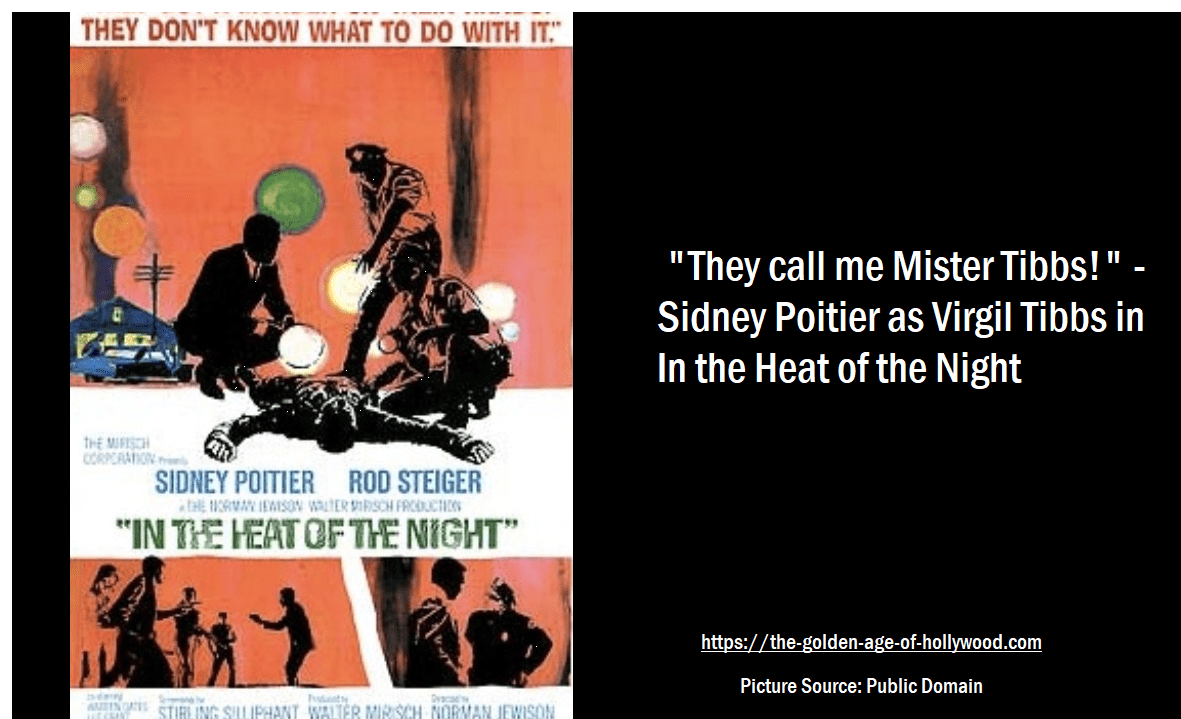
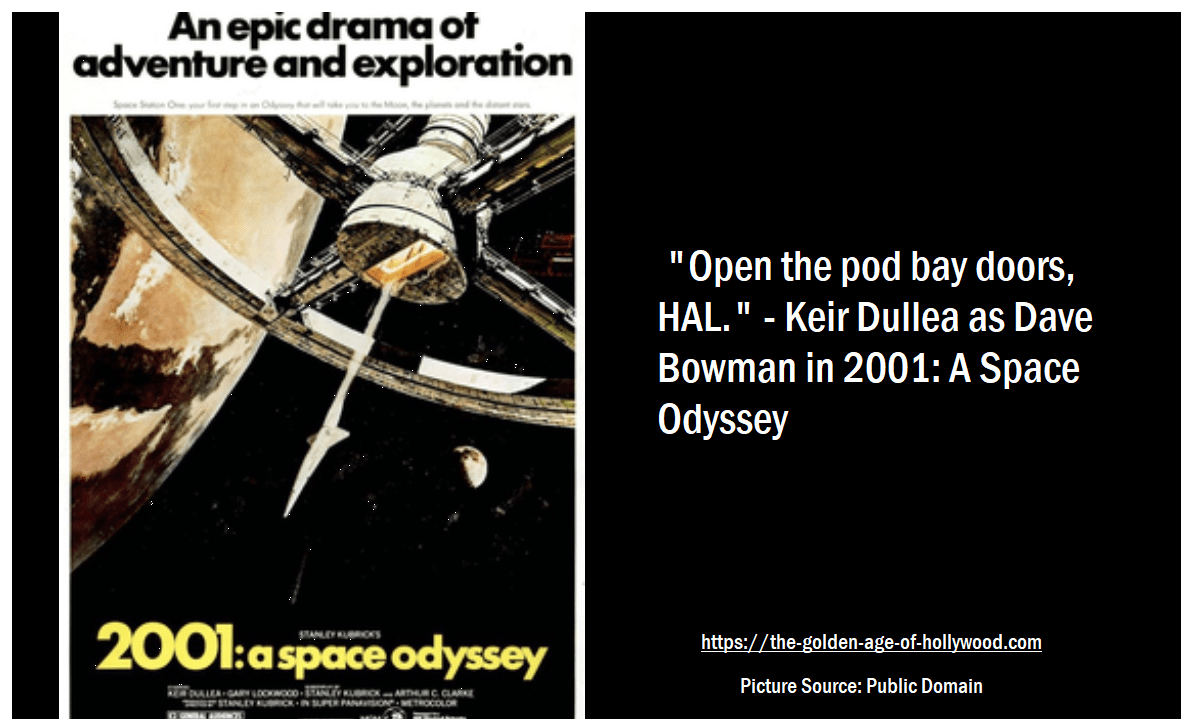
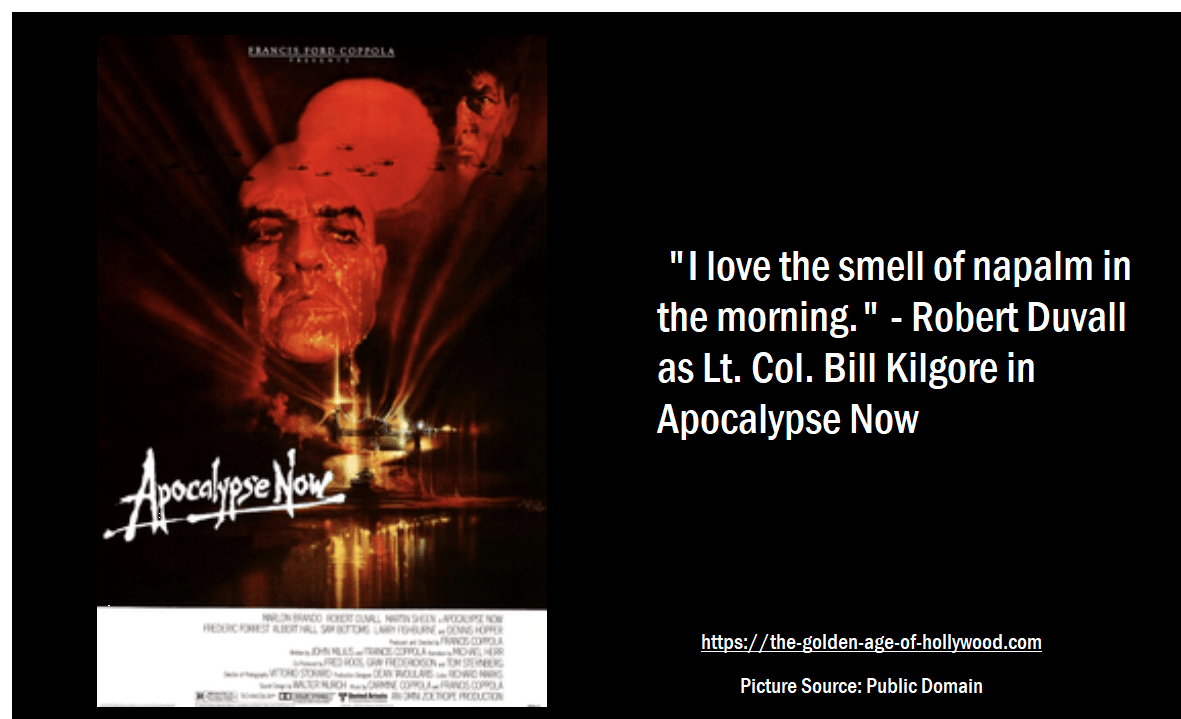
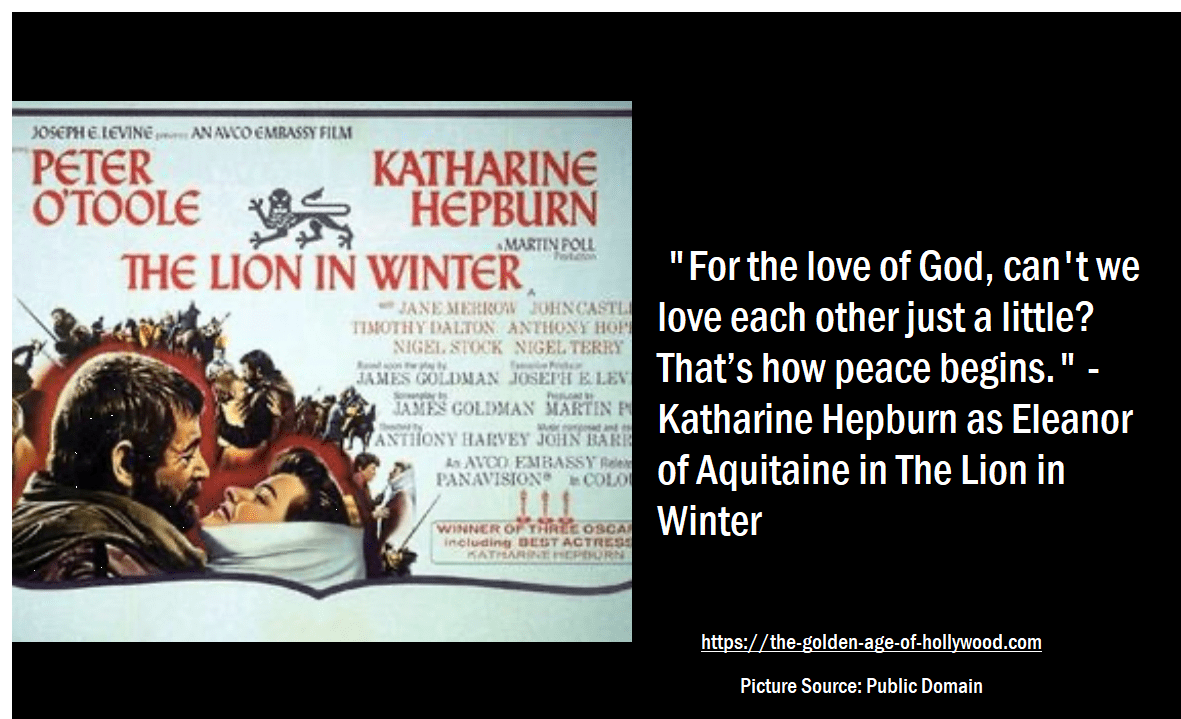
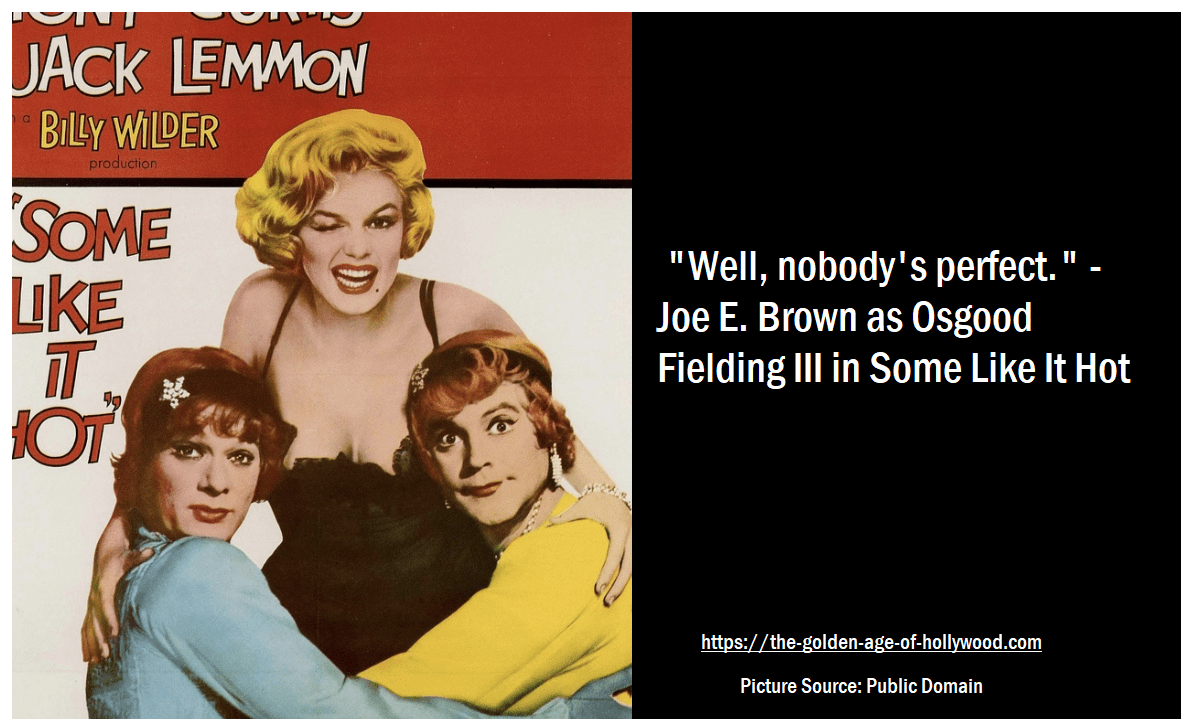
Favourite Movie Quote of the 20th Century, First Round

Result: 59% v 41%

Result: 80% v 20%

Result: 32% v 68%

Result: 57% v 43%

Result: 82% v 18%

Result: 56% v 44%

Result: 59% v 41%

Social media https://toot.wales/@HannahHowe

As ever, thank you for your interest and support.

Hannah xxx

For Authors

#1 for value with 565,000 readers, The Fussy Librarian has helped my books to reach #1 on 38 occasions.

A special offer from my publisher and the Fussy Librarian. https://authors.thefussylibrarian.com/?ref=goylake

Don’t forget to use the code goylake20 to claim your discount 🙂

Categories
Dear Reader

Dear Reader #185

Dear Reader,

My books are available in a number of languages, including Spanish, French, German, Italian, Bulgarian, Dutch, Portuguese, Afrikaans and Swedish. And now a new language for my stories with the translation of my Eve’s War Heroines of SOE series into Hindi.

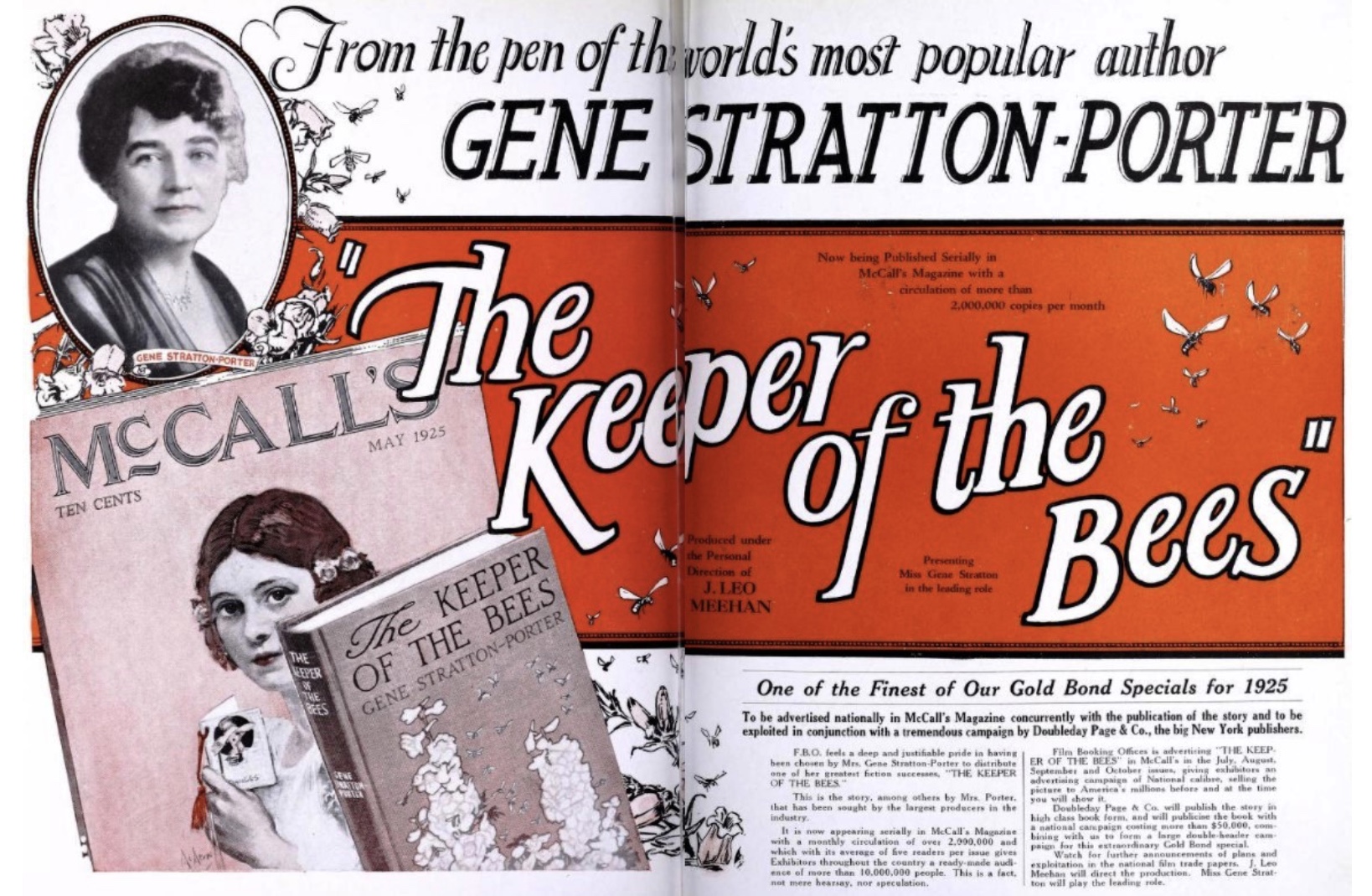
Clara Bow’s twenty-fourth movie was The Keeper of the Bees, a silent drama released on September 19, 1925 at Salt Lake City. The movie went on general release on October 18, 1925.

The promotional blurb: “Joseph P. Kennedy presents Clara Bow in her greatest emotional triumph!” However, Variety stated: “Clara Bow acts all over the lot and aside from weeping (her specialty) and swirling around, does little.” 

At this stage of her career, B.P. Schulberg was still farming Clara out to substandard productions.

I’m organising the Golden Age of Hollywood Mastodon Mega Movie Poll. Here are the results from Week Three.

Voted for by the movie lovers of Mastodon.

The format: 32 movies seeded and selected by the American Film Institute receive a bye to Round Two.

Round One: 64 movies selected by Mastodon movie lovers, matched when possible by era and genre.

My Man Godfrey 39% v 61% The Thin Man

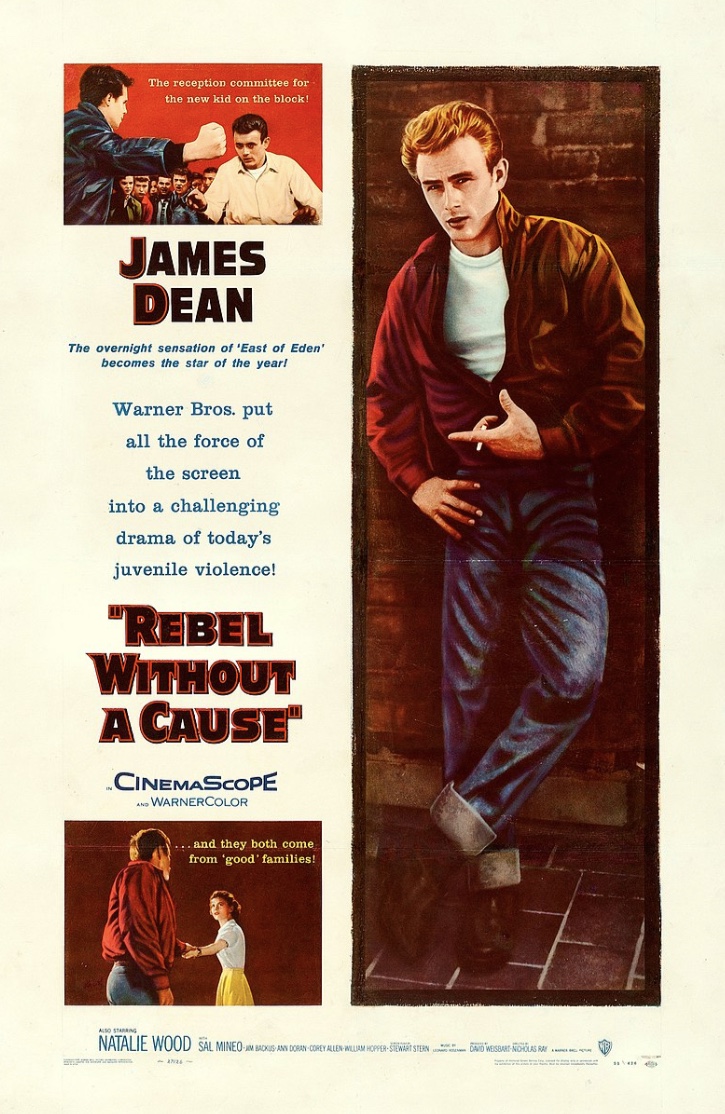
Rebel Without a Cause 64% v 36% Sweet Smell of Success

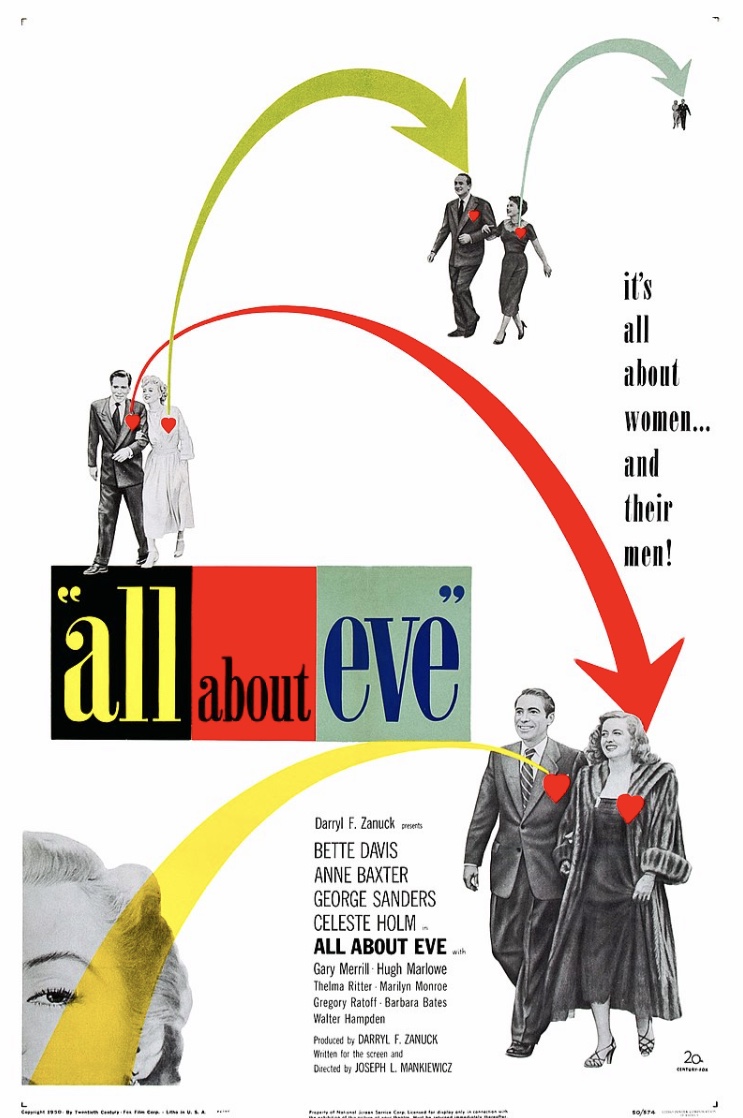
All About Eve 76% v 24% A Face in the Crowd

It Happened One Night 69% v 31% The Lady Eve

Stagecoach 54 % v 46% The Searchers

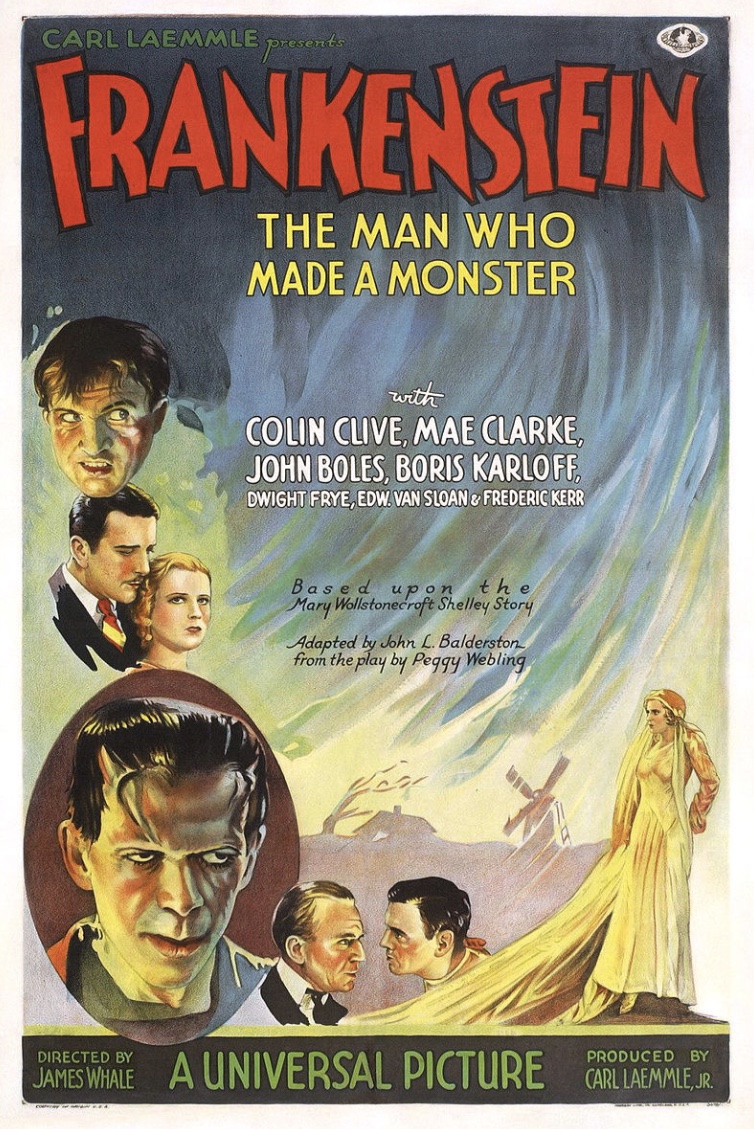
Frankenstein 80% v 20% Mutiny on the Bounty

The Jungle Book 49% v 51% Fantasia

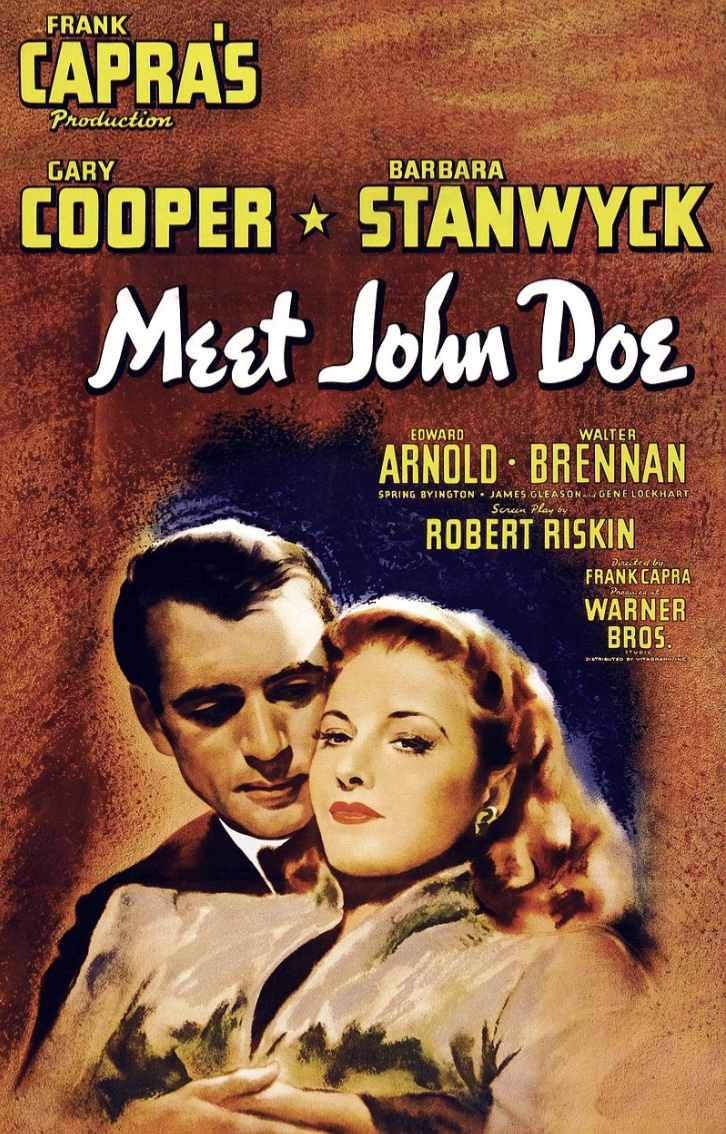
Meet John Doe 75% v 25% This Happy Breed

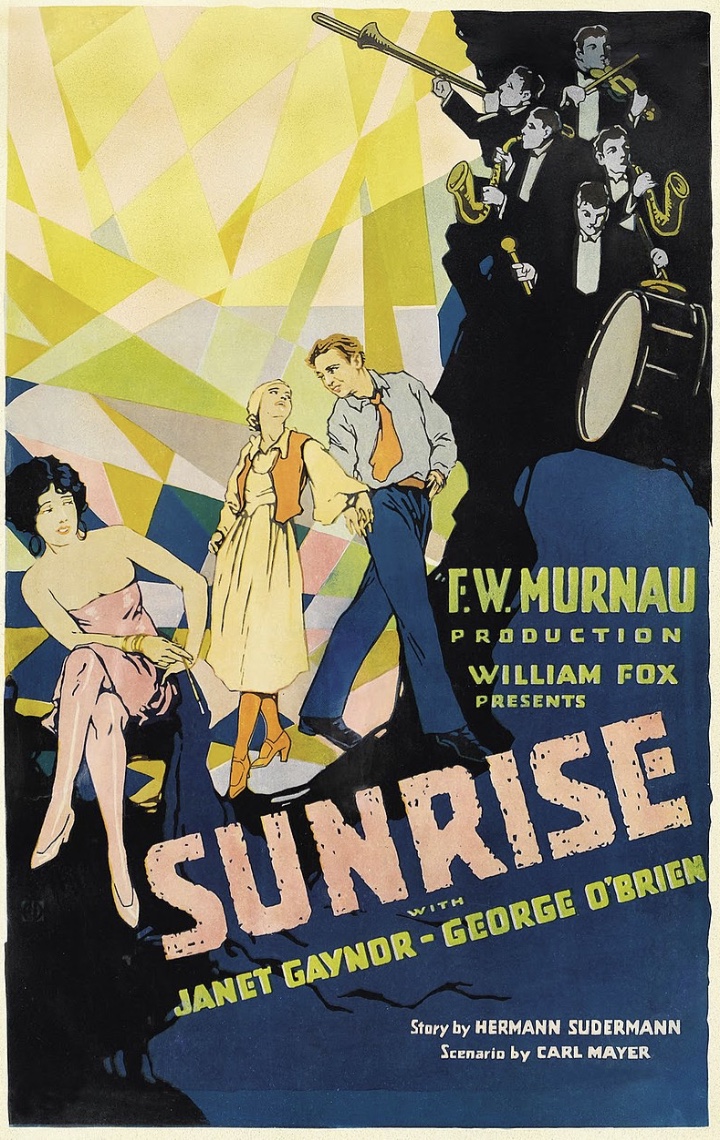
Intolerance 13% v 87% Sunrise

The Awful Truth 13% v 87% His Girl Friday

I’ve traced the Axe branch of my family back from Jane Esther, born 1812, to John, born 1670. All ancestors on this branch were educated, literate and married merchants, captains in the navy, daughters of lawyers, etc. Although often faced with the challenges of life, all did well for themselves and their families.

Jane Esther managed her family’s financial affairs, Samuel, born illegitimate, was a property developer, while the three Johns were Freemen of the City of London and traded as tallow chandlers. Crucially, for further research, Ann, her father John and grandfather John were Non-Conformists. Going back in time, the story is about to get ***very*** interesting.

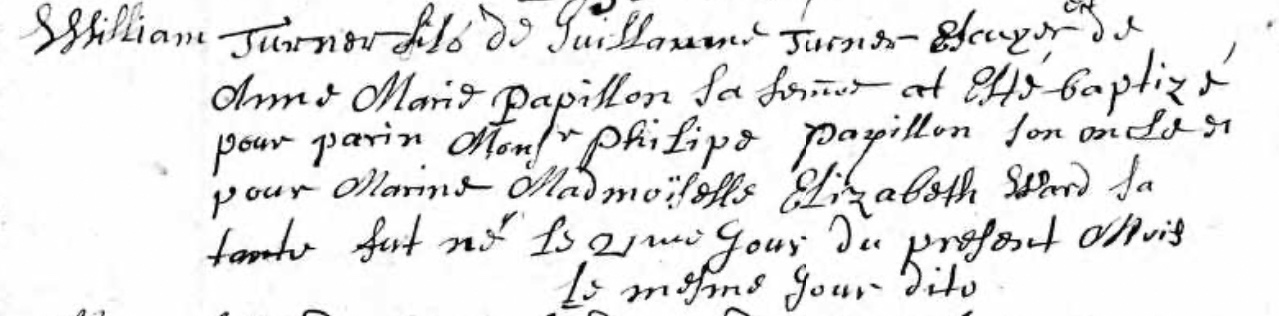
My 8 x great grandmother Anna Maria Turner was born on 12 October 1696 and baptised on 1 November 1696 in Canterbury, Kent. Her parents: William Turner and Anna Maria Papillon. Her denomination: French Protestant. Anna Maria’s grandfather, David Papillon (c.1581-1659) arrived in Kent from Dijon, France, escaping religious persecution.

On 25 April 1720, my 8 x great grandmother Anna Maria Turner married John Axe in St Margaret’s, Lee, Kent. Between 1722 and 1731 Anna Maria gave birth to five children: Ann, John (my direct ancestor), George, Richard and Turner. George joined the Royal Navy as a gunner. Ann married a prosperous coal merchant. John continued the family business as a chandler.

📸 Remains of the tower of the former Church of St Margaret in the Old Churchyard (Wikipedia).

My 9 x great grandfather William Turner was born on 1 December 1660 in Canterbury, Kent. His mother, Elizabeth Brodnax, died when he was seven, so a tough start in life. The key to understanding this branch of my family is the entry that accompanies them in the church records, “French Protestant.” Faced with religious persecution in France, they sought sanctuary in Kent.

On 14 August 1689 my 9 x great grandparents William Turner and Anna Maria Papillon married in Canterbury, Kent. French Protestants, their families had fled religious persecution in France. 

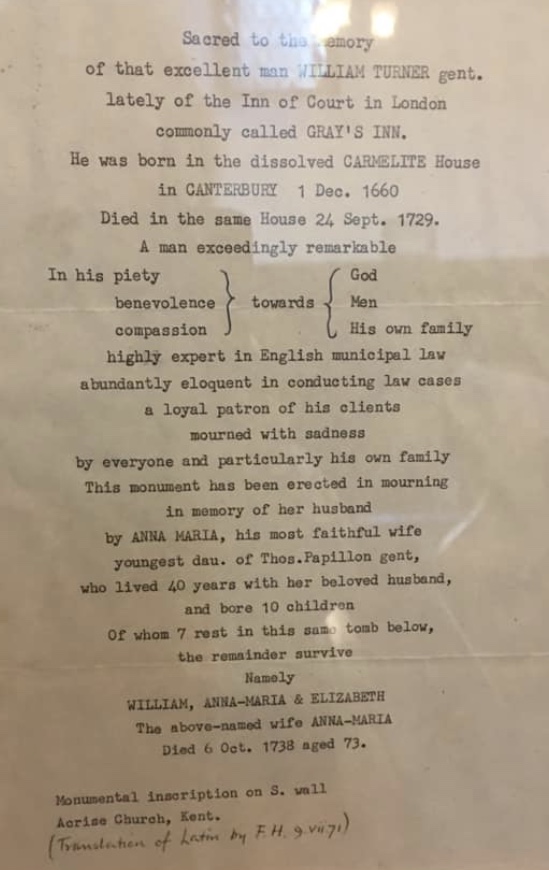
William became a lawyer. When he died on 24 September 1729, the following words were written about him: “That excellent man, William Turner, gent. A man exceedingly remarkable in his piety, benevolence and compassion towards God, men, his own family. 

Highly expert in English municipal law, abundantly eloquent in conducting law cases, a loyal patron of his clients. Mourned with sadness by everyone and particularly his own family.”

Clara Bow Quotes: “The first few months when I moved up to the ranch and Rex and I began to build our home there, I was dreadfully lonely. I did miss the studios and the hustle and bustle of the sets; I missed the autograph hunters and the crowds. You can’t just turn your back on a career and forget it in a moment. But I did find that being a wife and planning a home was quite the most wonderful job in the world.”

As ever, thank you for your interest and support.

Hannah xxx

For Authors

#1 for value with 565,000 readers, The Fussy Librarian has helped my books to reach #1 on 36 occasions.

A special offer from my publisher and the Fussy Librarian. https://authors.thefussylibrarian.com/?ref=goylake

Don’t forget to use the code goylake20 to claim your discount 🙂


Categories
Dear Reader

Dear Reader #180

Dear Reader,

Some book news. Operation Zigzag, book one in my Eve’s War Heroines of SOE series, is currently number one on the Amazon genre charts.

Clara Bow’s nineteenth movie was Lawful Cheater aka The Lawful Cheaters, a silent crime drama. Clara played Molly Burns, a young woman jailed for “indiscreet behaviour”. Produced during the spring of 1925, the movie was released on July 17, 1925. 

The critics were not impressed with this offbeat crime drama, calling it “slight and trite” and “cheaply produced”. The “sole redeeming factor” was Clara Bow. At one point, Molly Burns appeared in male drag, which was “fun to watch”. However, The British Board of Film Censors did not have a sense of humour – they banned the film.

A transcribed page from my 9 x great grandfather John Bevan’s journal. He talks of his friend, William Penn, and the prospect of emigrating to Pennsylvania in 1683. John thought it would take some time for the settlement to establish itself. However, his wife Barbara Aubrey persuaded him because she thought it would be a good environment to bring up their children “amongst sober people”.

A transcribed page from my 9 x great grandfather John Bevan’s journal. He and his family have settled in Pennsylvania. Four of his children have married and had children of their own. However, in 1704, twenty-one years after settling in Pennsylvania, John had the urge to return to Wales. His wife, Barbara Aubrey, “could not be easy to stay behind me.” So, John, Barbara and their daughter Barbara returned to Wales.

In this entry from my 9 x great grandfather John Bevan’s journal he talks about his journey from Pennsylvania to his estate in Wales. The weather was stormy and pirates looted a number of vessels. He was going to transfer to a vessel bound for Bristol, but a storm prevented the transfer. Later, that vessel “was taken” so John, his wife and daughter had a lucky escape.

Anniversaries

My 4 x great grandfather Daniel Hopkin died on 11 February 1864, in South Cornelly, Glamorgan. An agricultural labour, Daniel was baptised on 4 March 1781 in the Church of St Tydfil, Llysworney, Glamorgan. He married Annie Lewis on 10 May 1812 in St James’ Church, Pyle (pictured). The couple had four children, including my 3 x great grandmother Mary Hopkin. Daniel died three months after his wife Anne died. Maybe after fifty-one years of marriage her passing was too much for him to bear. 

Clara Bow Quotes: “At times, Hollywood had been like a godmother, giving me joy and happiness. At other times it had turned like a vicious old hag, threatening to claw me apart, body and soul.”

As ever, thank you for your interest and support.

Hannah xxx

For Authors

#1 for value with 565,000 readers, The Fussy Librarian has helped my books to reach #1 on 36 occasions.

A special offer from my publisher and the Fussy Librarian. https://authors.thefussylibrarian.com/?ref=goylake

Don’t forget to use the code goylake20 to claim your discount 🙂

Categories
Dear Reader

Dear Reader #155

Dear Reader,

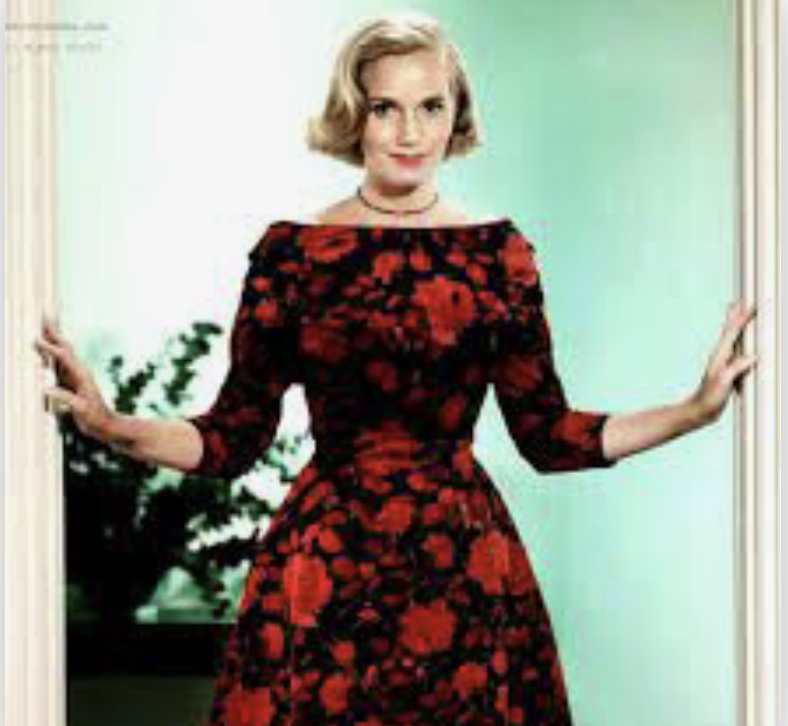
“Comic book characters never grow old, evergreen heroes whose stories are told.” – Bernie Taupin. It seems to me that every actor has a ‘perfect’ moment, a moment you remember forever. Eva Marie Saint was 98 recently, but I’ll always think of her as 35 in North By Northwest.

My latest article for the Seaside News appears on page 34 of the magazine.

The River Thames was, of course, central to London’s development. The dockyards and shipbuilding thrived, and both industries employed a number of my ancestors. Two of London’s most important dockyards were Deptford and Woolwich, with their strategic positions on the Thames.

In the seventeenth and eighteenth centuries corruption in the dockyards was rife. Clerks and labourers were badly paid. Consequently, they cheated the system by falsifying records and siphoning-off goods. Samuel Pepys tried to combat the corruption by introducing new systems of record-keeping, to no avail.

Pepys also reformed the navy and made it more professional. He introduced improved standards for ship construction – which affected the shipbuilding Stokes and Wilder branches of my family – victualling, discipline, officer training and seamen’s welfare. Seamen’s hospitals, like the one in Greenwich, were built, and in later life some of my naval ancestors spent their final years there.

🖼 Samuel Pepys, portrait by John Hayls, 1666.

In Pursuit of Carol Thorne, Series 1, Episode 9 of The Rockford Files is a neat episode where a group of cons try to out-con each other while looking for stolen loot. John Thomas James aka series co-creator Roy Huggins outlined this story. He used this stolen loot motif in another of his successful series, Alias Smith and Jones.

Rockford’s father, Rocky, appears in this episode, but it’s interesting to note that attorney Beth Davenport and Sergeant Dennis Becker are yet to feature regularly. The series was still finding its feet at this stage.

The Rockford producers tried to shoot ten pages of script a day. James Garner appeared on most of those pages, which indicates how hard he worked on The Rockford Files.

This week’s answer machine message was a good one: “This is the Message Phone company. I see you are using our unit, now how about paying for it?

📸 James Garner with Lynette Mettey, who played Carol Thorne.

Len Allchurch, born 12 September 1933, enjoyed a distinguished footballing career, which spanned nearly twenty years. During that time he represented Sheffield United, Swansea Town and Stockport County. 

Born in Swansea, and the brother of the legendary Ivor Allchurch, Len also won eleven caps for Wales and was a member of his country’s 1958 World Cup squad.

📸 BBC

In 1950, at the age of seventeen, Len began his professional career with Swansea Town. In March 1961, for a fee of £18,000, he signed for Sheffield United. Len scored six goals in eight games and helped his new club to clinch promotion. 

Over the following three seasons, Len scored 37 goals in 140 appearances for Sheffield United before, in March 1965, transferring to Stockport County. His transfer fee: £10,000, making him the most expensive signing in the club’s history.

Eventually, Len’s career turned full circle and he ended his professional days at his home club, Swansea Town.

Len enjoyed many highlights during his long and distinguished career, but perhaps this remains the most remarkable fact: he did not receive a single caution or booking throughout his entire Football League career.

***

Operation Zigzag, Eve’s War Heroines of SOE, book one, has returned to the top of the Amazon charts. Many thanks to everyone who has made this possible.

As ever, thank you for your interest and support.

Hannah xxx

For Authors

#1 for value with 565,000 readers, The Fussy Librarian has helped my books to reach #1 on 32 occasions.

A special offer from my publisher and the Fussy Librarian. https://authors.thefussylibrarian.com/?ref=goylake

Don’t forget to use the code goylake20 to claim your discount 🙂