Categories
Dear Reader

Dear Reader #150

Dear Reader,

My latest article for the Seaside News.

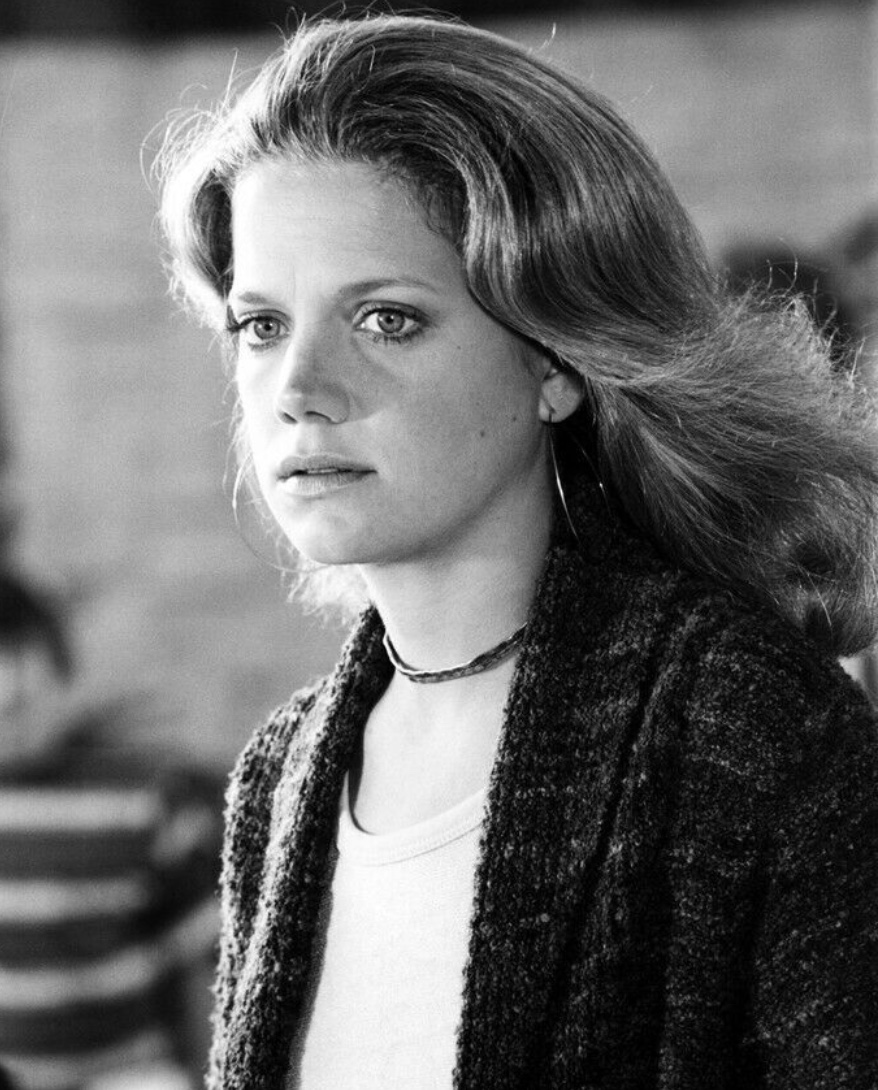
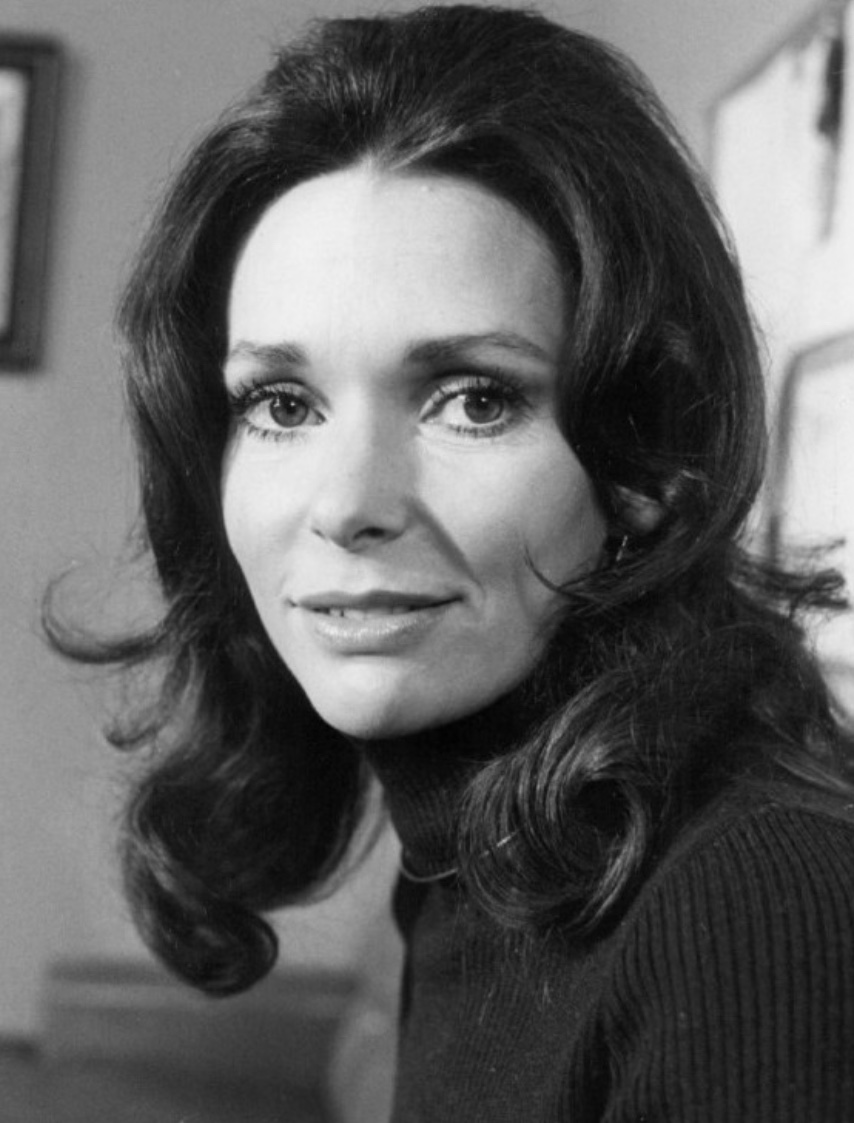
The teleplay for Exit Prentiss Carr, Series 1, Episode 4 of The Rockford Files, was written by long-standing Rockford Files associate Juanita Bartlett (pictured). 

This episode was set in the fictitious town of Bay City. Raymond Chandler set his 1940 novel Farewell My Lovely in Bay City, so presumably Exit Prentiss Carr was a homage to Chandler. Bay City also appeared in season two of The Rockford Files.

James Garner appeared in every scene in this episode. When that happens in detective fiction I think it makes for a stronger story, but obviously it’s quite demanding for the lead actor.

In the late sixteenth century, London had four regular companies and six permanent playhouses with plays performed every day except Sunday. The plays were popular with rich and poor alike with prices set to attract lower paid workers.

The authorities loathed the playhouses because people could gather together in large numbers while the plays themselves often challenged authority, a combination that offered the potential for civil unrest.

🖼 Bankside c1630, the earliest known oil painting of London. The theatres depicted on the south bank are the Swan, the Hope, the Rose, and the Globe. The flying flags indicated that there was a performance that day.
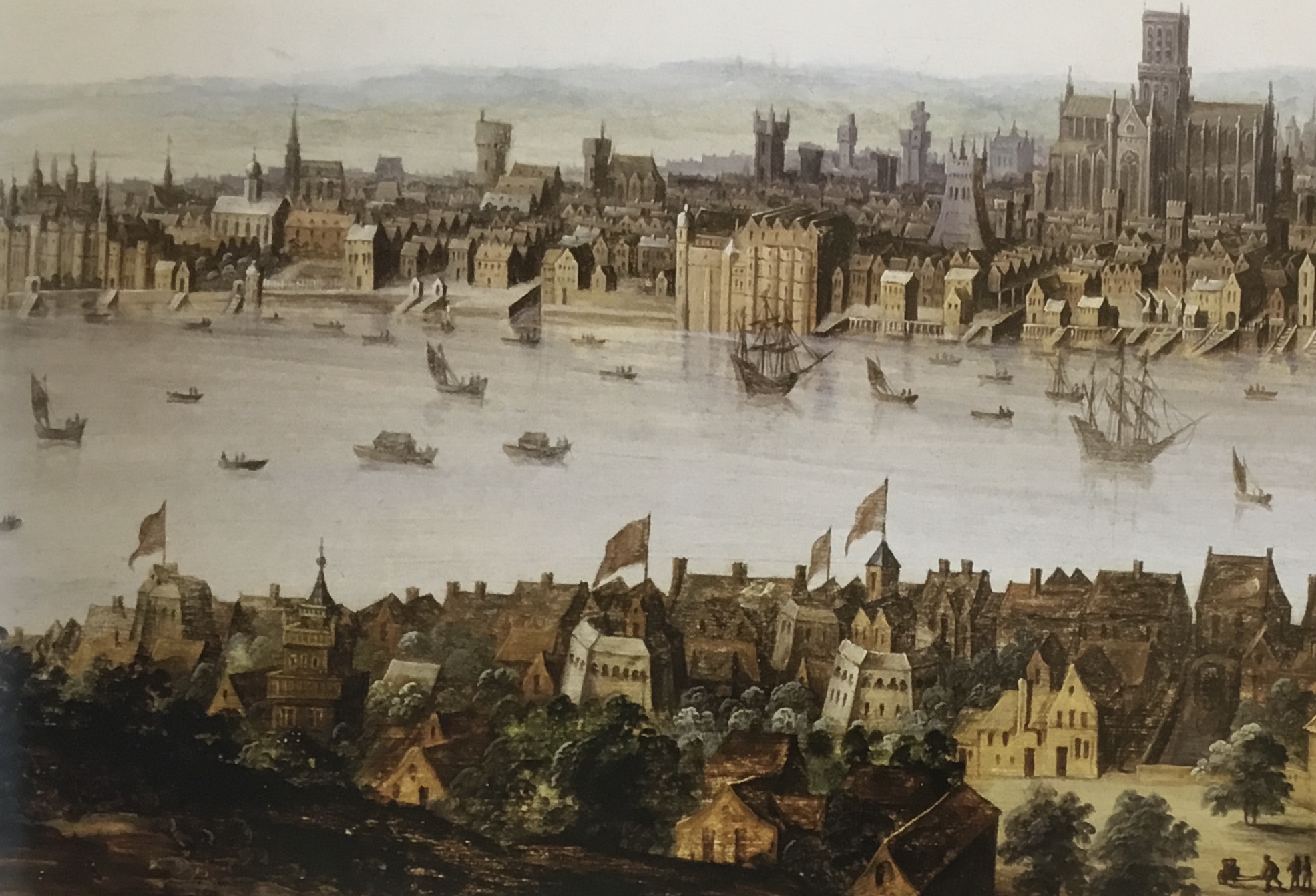
In the 1620s there were 400 taverns and 1,000 alehouses in London. Writing in 1621, Robert Burton said, “Londoners flocked to the tavern as if they were born to no other end but to eat and drink.”

Cookshops provided roast dinners and pies, and takeaways. Hawkers sold shellfish, nuts and fruit while if you fancied a cheesecake Hackney was the place to go, and Lambeth was noted for its apple pies.

🖼 The Tabard Inn, renamed The Talbot, one of 48 inns or taverns situated between King’s Bench Prison and London Bridge, a distance of half a mile.
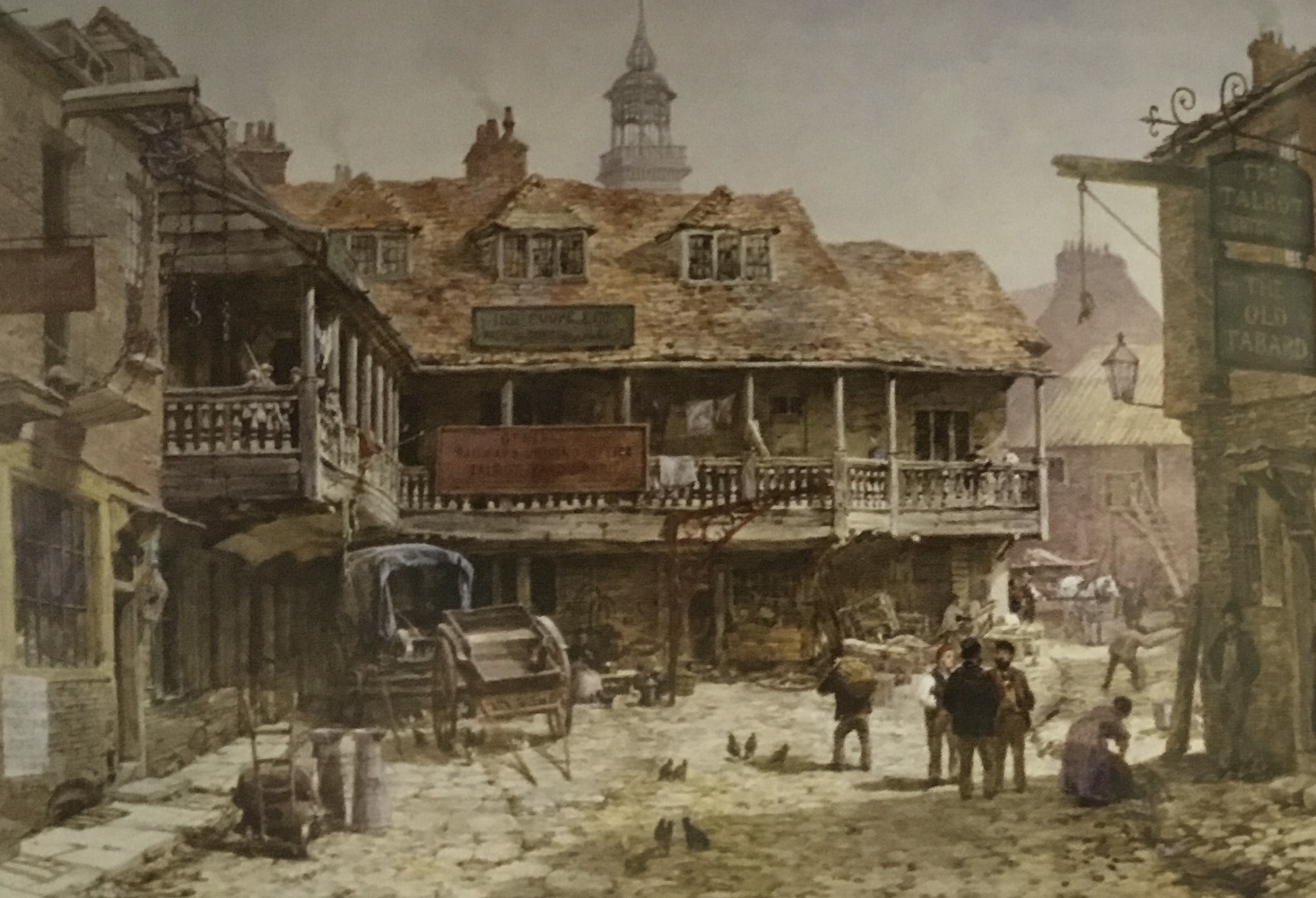
In 1642 Londoners rebelled against Charles I and he left town. The Civil War of 1642-49 was destructive, of course, but it did have some benefits. John Evelyn noted that when the supplies of hearth coal from Newcastle were interrupted London’s orchards and gardens bore ‘plentiful and infinite quantities of fruits.”

During the Civil War, London did not witness any major fighting, primarily because the Parliamentarians controlled the capital from an early stage. Without London, Charles I was doomed to defeat.

On the whole, city leaders were pro-Royalist while the workers sided with the Parliamentarians. However, by 1661 the workers were happy to welcome the new king, Charles II. The moment was lost, and Britain never recovered.

🖼 George Vertue’s plan of the London Lines of Communication, 1642.
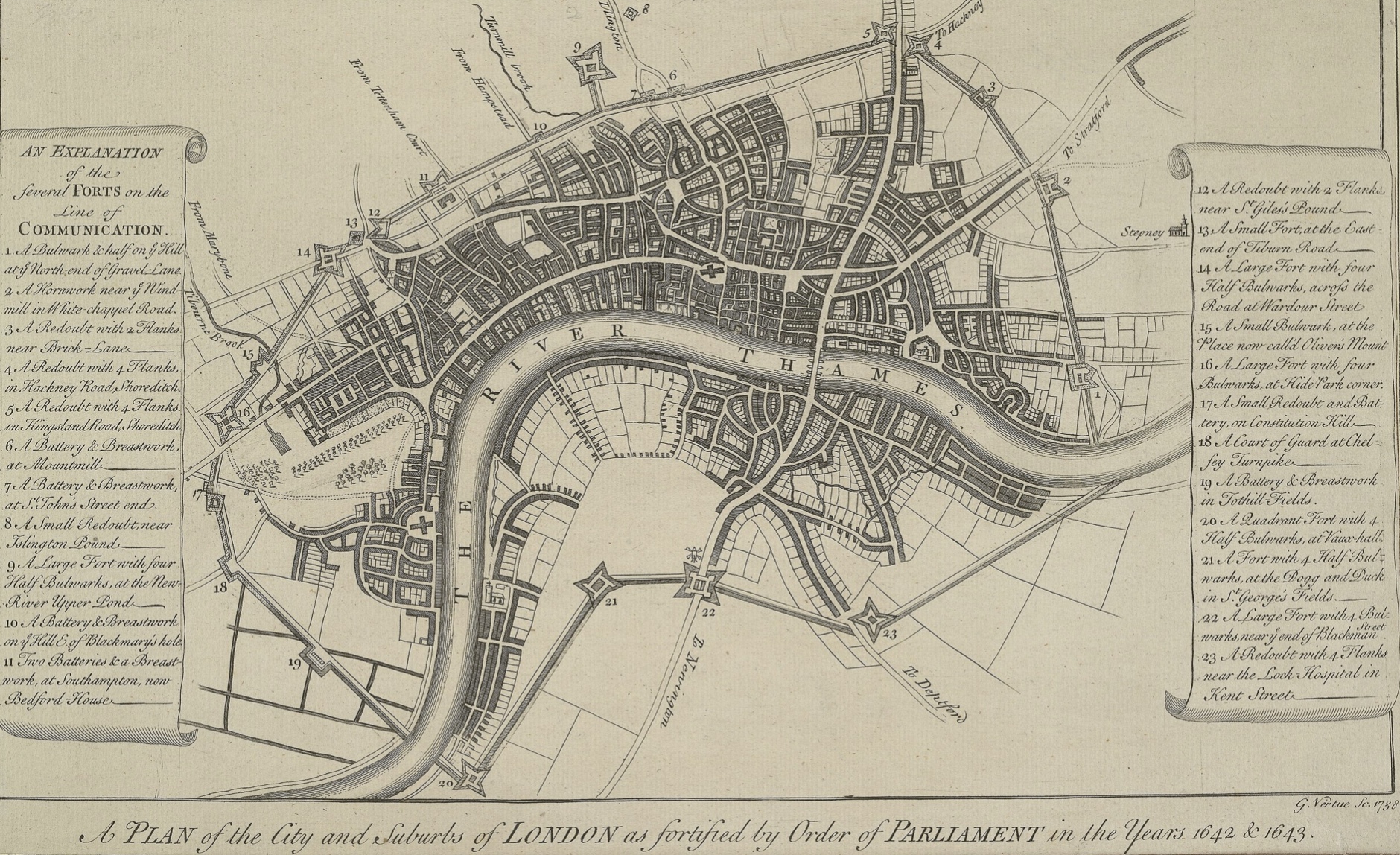
Plague visited London in 1665. By the end of the year over 100,000 people were dead, a fifth of the population. The plague began just before Christmas 1664 when two men in Drury Lane died of ‘spotted fever’. 

By May 1665 the plague had spread to most of London’s 130 parishes and those who could afford to fled. Trade declined. The highways were clogged with refugees. Thomas Vincent remained in London throughout the plague. He noted that death rode ‘triumphantly on his pale horse through our streets and breaks into every house almost where any inhabitants are to be found’.

The authorities established ‘pest houses’ in fields and open spaces in an attempt to segregate the infected from the able-bodied. At the peak of the epidemic, mid-August to mid-September 1665, 7,165 people died in one week. Under such strain, traditional burial practices were abandoned in favour of common graves.

A Bill of Mortality published at the plague’s peak included the following as cause of death: Aged, 43. Burnt in his bed by a candle, 1. Constipation, 134. Flox and Smallpox, 5. Frighted, 3. Falling from a belfry, 1. Kingsevil, 2. Lethargy, 1. Rickets, 17. Rising of the Lights, 11. Scurvy, 2. Spotted Fever, 101. Stillborn, 17. Teeth, 121. Winde, 3. Wormes, 15. Plague, 7,165.

Males christened that week, 95; females, 81. Males buried, 4,095; females, 4,202. Parishes clear of the plague, 4. Parishes infected, 126. Many people returned to London in December 1665. However, members of parliament did not return until the following spring.

Welsh Football Legends

Walley Barnes was born on 16 January 1920 in Brecon, Wales. His parents were English. They were living in Brecon because Walley’s father, Edward, an army physical education instructor and footballer, was stationed with the South Wales Borderers.

Walley’s footballing career began during the Second World War. Initially, he played inside-forward for Southampton making 32 appearances between 1941 and 1943, scoring 14 goals. Walley’s impressive strike rate attracted the attention of Arsenal and he signed for the London club in September 1943.

At a time of ‘make do and mend’ footballers were versatile too. He played in virtually every position, including goalkeeper. In 1944 a serious knee injury threatened his career and an early retirement seemed a distinct possibility. However, Walley recovered, played in the reserves and forced his way back into first-team reckoning.

On 9 November 1946, Walley made his league debut for Arsenal against Preston North End. By 1946 he’d settled into his regular position of left-back. He won praise for his assured performances, his skilful distribution and his uncanny ability to cut out crosses. 

A regular in the Arsenal team that won the First Division Championship in 1947-48, Walley enjoyed more success in 1949-50 when Arsenal defeated Liverpool in the FA Cup final. On that occasion, deputising for injured captain Laurie Scott, Walley played right-back.

In the 1951-52 FA Cup final Walley injured a knee. He left the pitch after 35 minutes and missed the entire 1952-53 season, which saw another league triumph for Arsenal. Thereafter, his first-team appearances became more spasmodic.

After only eight appearances in 1955-56, Walley retired. In all he played 294 matches for Arsenal and scored 12 goals, most from the penalty spot.

For Wales, Walley won 22 caps and captained his country. He made his debut against England on 18 October 1947, marking Stanley Matthews. Matthews and England got the better of Wales that day and won 3 – 0. England also won the British Home Championship that year while Wales finished a creditable second.

As Walley’s playing career faded, he turned to management. Between May 1954 and October 1956 he managed Wales. Notably, on 17 July 1958 he signed a letter to The Times opposing the ‘policy of apartheid’ in international sport and defending ‘the principle of racial equality, which is embodied in the Declaration of the Olympic Games’.

Walley joined the BBC and presented coverage of FA Cup finals. With Kenneth Wolstenholme, he was a commentator on the first edition of Match of the Day, broadcast on 22 August 1964. He also provided expert analysis in the live commentary of the 1966 World Cup final when England beat West Germany 4 – 2.
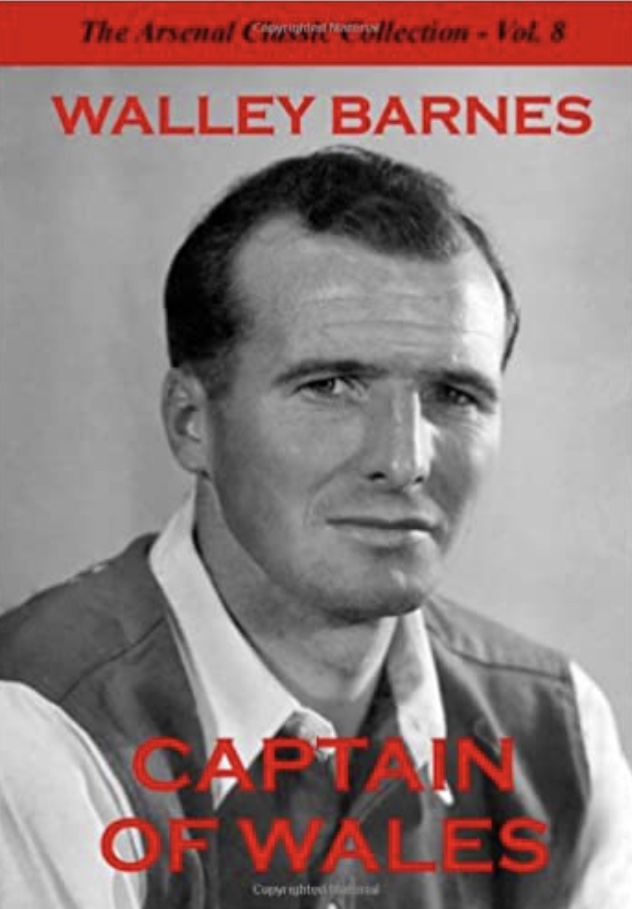
Walley wrote his autobiography, Captain of Wales, which was published in 1953. He continued to work for the BBC until his death on 4 September 1975.

As ever, thank you for your interest and support.

Hannah xxx

For Authors

#1 for value with 565,000 readers, The Fussy Librarian has helped my books to reach #1 on 32 occasions.

A special offer from my publisher and the Fussy Librarian. https://authors.thefussylibrarian.com/?ref=goylake

Don’t forget to use the code goylake20 to claim your discount 🙂

Categories
Dear Reader

Dear Reader #149

Dear Reader,

The Countess, Series 1, Episode 3 of The Rockford Files saw another solid story from John Thomas James enlivened by crisp dialogue from Stephen J. Cannell. Joe Santos as the long-suffering Sergeant Becker appears in this episode. 

In a phone call with Rockford, Becker implies that his wife’s name is Nancy. However, when that character appears later in the series, played by Pat Finley, her name is Peggy. Incidentally, she is one of my favourite side-characters in the series.

Mistakes in long-running series are inevitable. It’s hard enough for writers to keep track of events in real life, let alone in a fictional universe. The fact that fans notice any errors is a compliment to a series, I reckon; it highlights their deep commitment.

Susan Strasberg, ‘The Countess’. 

The Dissolution of the Monasteries (1535 – 40) created great wealth for some, and more modest opportunities for others. The great religious land carve up started in London. With an influx of people from other parts of Britain, and abroad, the city grew from 150,000 inhabitants in 1580 to 500,000 by 1660. 

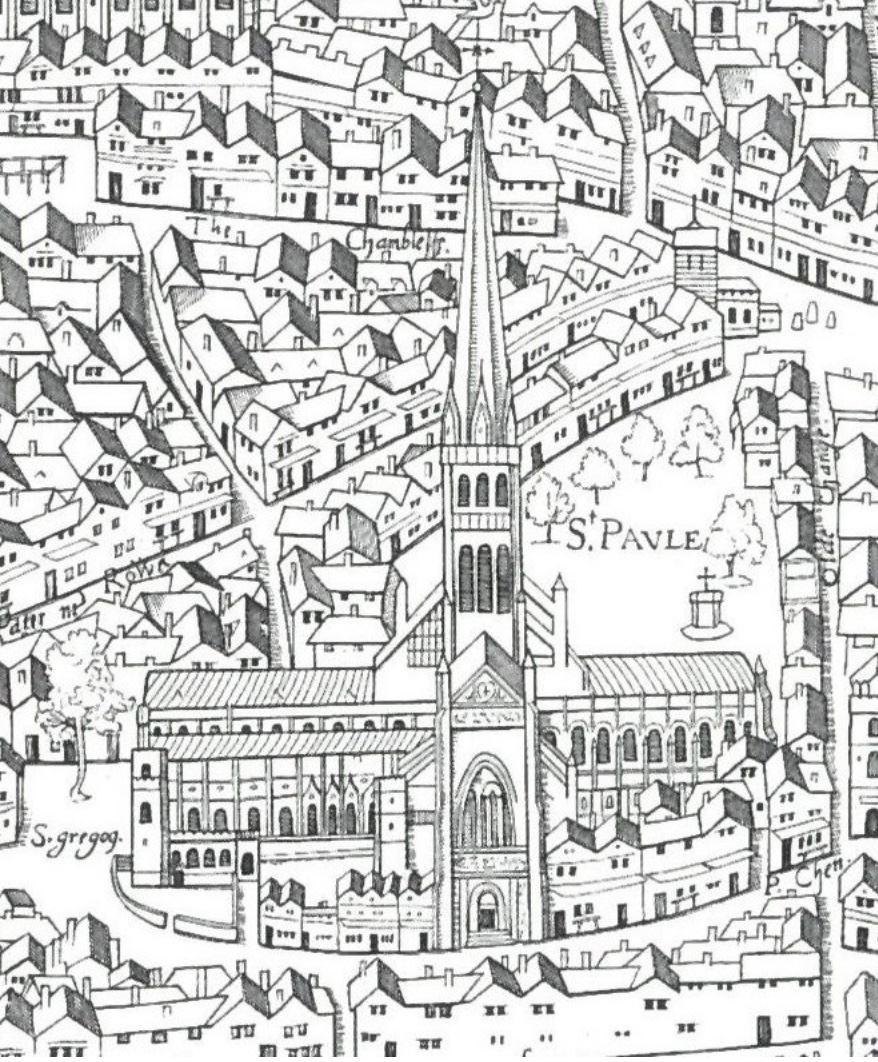
The ‘Copperplate’ map of London, produced from a survey conducted between 1553 and 1559, is the earliest true map of London. Sadly, only three of the original fifteen printing plates survived – the Moorfields plate, the Eastern City and the Western City.

From the Copperplate Map of London, 1559, St Paul’s Cathedral. 

St Paul’s lost its spire when it was struck by lightning in 1561. 

The printed word was seen as a threat to the Establishment (because people could form their own opinions). Nevertheless, by 1550, St Paul’s became the national centre of the book trade.

Education, Tudor and Stuart London. In ‘petty schools’ children learned the alphabet and the Lord’s Prayer. However, they were not taught how to write. Teachers were often invalids and paupers, seeking means of support.

Grammar schools, for boys, taught Latin and Greek, but not English. In theory, these schools were free, but most levied fees that went beyond the budget of the poor. City companies, such as brewers and coopers, also established grammar schools. 

Adults attended lectures on astronomy, divinity, geometry, law, music, physic and rhetoric. The upwardly mobile studied history, music and dancing. These subjects prepared them for their move into the ‘right’ social circles.

What have immigrants ever done for us? From the late sixteenth century, women escaping religious persecution in Europe established schools in London and taught girls. Consequently , female literacy increased from 16% in 1590 to 48% in 1690.

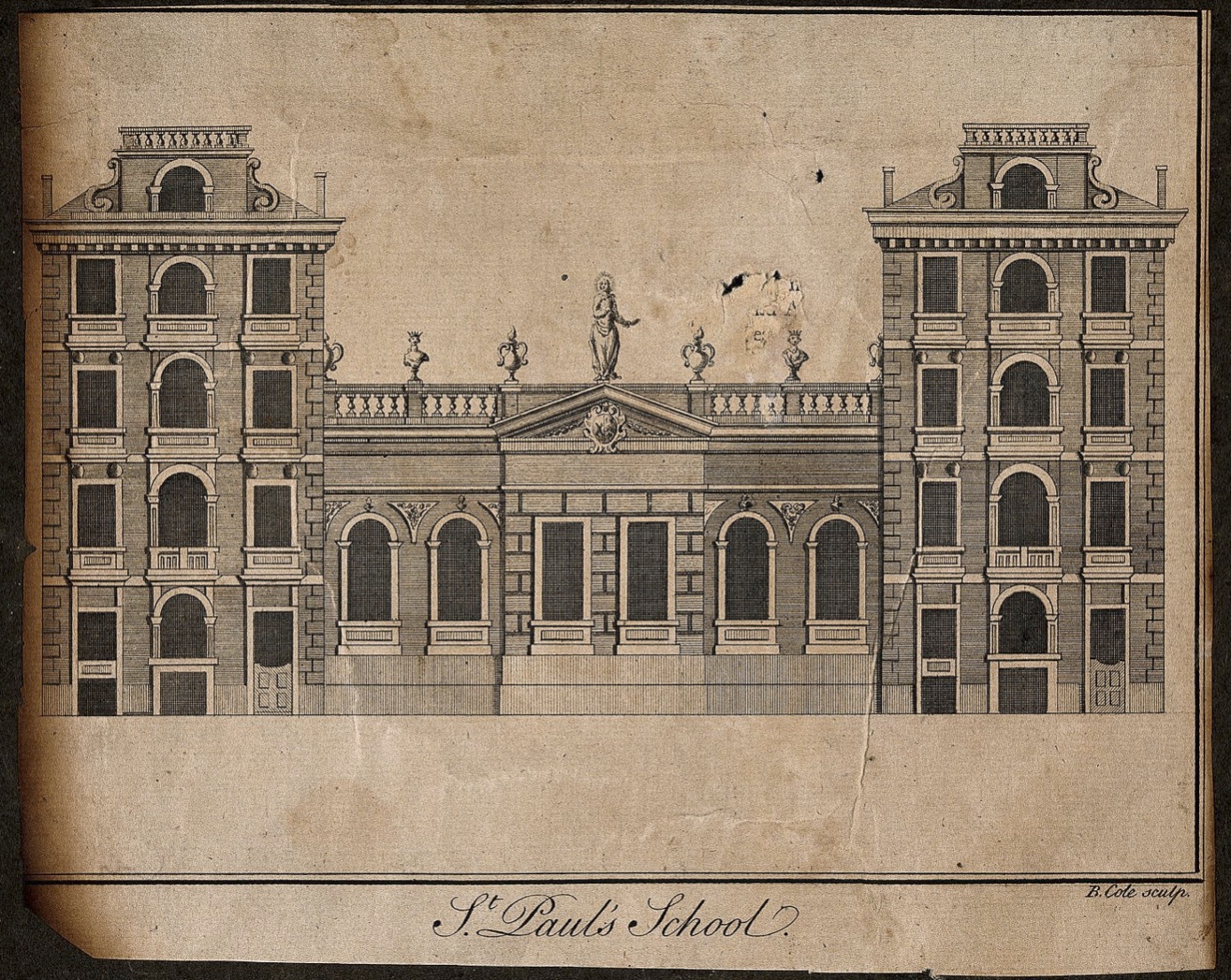
St Paul’s School, c1670. Wellcome Images.

With 28 bookshops encircling its churchyard, St Paul’s Cathedral became the centre of literacy in Tudor London. In 1599 they even removed the ‘common privy’ to make way for a new bookshop. 

William Caxton established the first printing press in Westminster in 1476. Other presses followed, in Dowgate, Fleet Street, and St Dunstan’s in the West.

Wynkyn de Worde (his real name) was the most prolific printer and publisher in early Tudor Britain. He acquired Caxton’s impress and published bestsellers such as The Golden Legend and The Chronicles of England. 

Branching out, de Worde published marriage guidance manuals, children’s books, medical treatises and romances. By the time of his death in 1535 his catalogue listed over 800 books.

St Paul’s Cathedral with bookshops crammed between the buttresses. John Gipkyn, 1616.

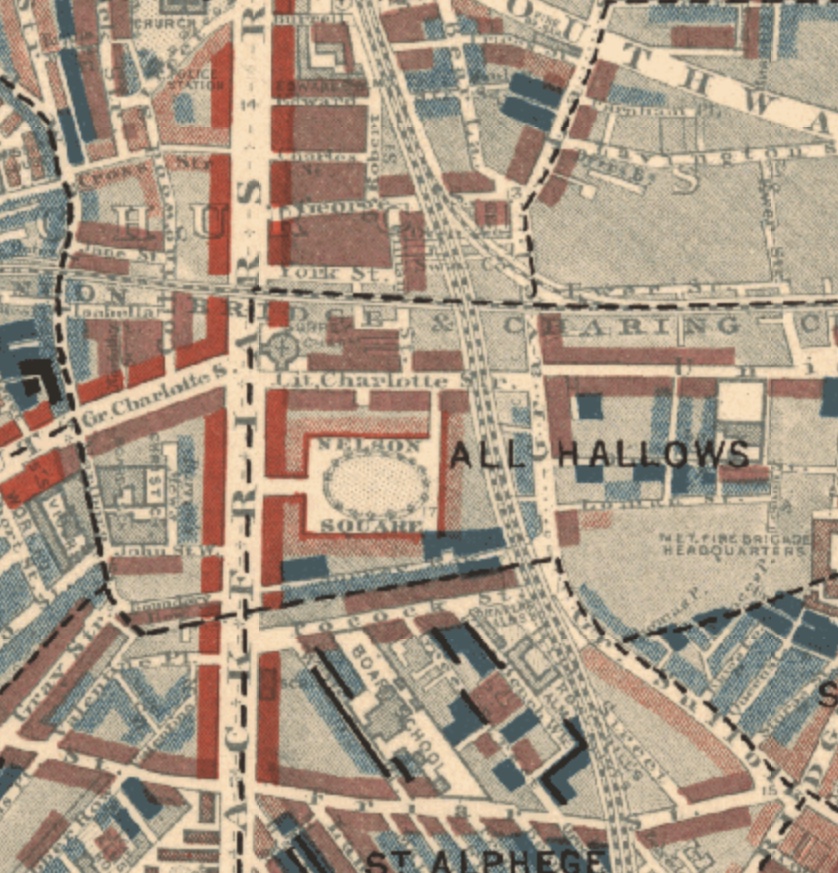
In the early 1600s the rich and poor of London lived side-by-side in timber and brick houses. Gardens were common, while some buildings were six storeys tall. The larger houses had lead cisterns to collect rainwater. All properties shared community wells.

Around 1630 the wealthy moved to the suburbs. Tradesmen lived in two-up, two-down houses with their shops occupying the ground floor. The poor lived in one-up, one down houses while those in extreme poverty lived in cellars.

By 1640 the united city had divided along class lines. And with each new decade and century those divisions increased.

A plan of timber-framed houses drawn by Ralph Treswell, c1600.

Welsh Football Legends

George Latham MC and Bar was born in Newtown, Powys on 1 January 1881. As a footballer, he played for Newtown, Cardiff City, Liverpool, Stoke City and Southport Central. He was also capped, ten times, by Wales.

As a military man, George served in the Second Boer War and the First World War. He received the Military Cross for his bravery in Gaza, Palestine and Turkey, 1917-18, and the Bar for his courage in Beersheba, 1918. George completed his military career with the rank of captain.

George was also a successful coach. He coached Cardiff City during their halcyon period, 1911 – 36, when the team won the FA Cup, 1927, and narrowly missed out on the league title, denied by goal difference.

George’s origins were humble. The fifth of six boys, his parents were William, a labourer, and Esther, a laundress. He attended New Road School then trained as a tailor in Market Street.

As a teenager, George played for Newtown as an inside forward and achieved modest success. However, in 1900 he volunteered to serve in South Africa during the Second Boer War. He joined the Fifth South Wales Borderers, who were stationed in Newtown.

In fourteen months George saw action in a number of places, including Brandfort and Potchefstroom. He rose from private to the rank of corporal. He played football in South Africa, for a team named the Docks. After the Boer War, George also played for the South African side, the Caledonians.

George’s footballing career in England was, initially, patchy. He joined Liverpool, but had to wait three years before his debut, on 8 April 1905. Never a first team regular, he made only nineteen appearances in seven years. Moves to Southport and Stoke followed before George joined Cardiff City as player-coach in February 1911.

In George’s first season, Cardiff City won the Welsh Cup, defeating Pontypridd 3 – 0 in a replay. George replaced the injured Bob Lawrie in the replay, but presented his winner’s medal to him after the game.

George was a squad player at Cardiff City, filling in for injured players. Nevertheless, he won ten caps for Wales, making his debut on 6 March 1905 in a 3–1 victory over Scotland. George’s tenth and final cap, on 18 January 1913 v Ireland was notable: due to a lack of fit players, as coach George joined the team. Wales won, 1 – 0.

In footballing terms, George’s main skill was as a coach. Working alongside Fred Stewart, he guided Cardiff City to the FA Cup final on two occasions. Cardiff lost 1 – 0 to Sheffield United in 1925 before tasting victory against Arsenal in 1927 in a famous match that ended 1 – 0.

During his spell with Cardiff City, George arranged annual charity matches with his hometown club Newtown to rise money for the Montgomery County Infirmary. After George’s death at the infirmary in 1939, Newtown named their ground Latham Park in his honour.

You can read more player profiles here https://hannah-howe.com/sixty-four/

In this month’s issue of Mom’s Favorite Reads…

Author Caroline Dunford interviewed by Wendy H Jones. Plus, Author Features, Health, Nature, Photography, Poetry, Recipes, Short Stories, Young Writers, National Picnic Month, and so much more!

As ever, thank you for your interest and support.

Hannah xxx

For Authors

#1 for value with 565,000 readers, The Fussy Librarian has helped my books to reach #1 on 32 occasions.

A special offer from my publisher and the Fussy Librarian. https://authors.thefussylibrarian.com/?ref=goylake

Don’t forget to use the code goylake20 to claim your discount 🙂
Categories
Dear Reader

Dear Reader #148

Dear Reader,

Betrayal, book one in my Ann’s War Mystery Series, has returned to the top of the Amazon charts. Many thanks to my readers for their support.

The Dark and Bloody Ground, Series 1, Episode 2 of The Rockford Files, introduced Gretchen Corbett, pictured, as attorney Beth Davenport to the series. The producers were reluctant to tie Rockford to a long-term ‘love interest’, so until much later in the series the implied on-off affair between Rockford and Beth was the closest the series came to romance.

Would The Rockford Files have worked with a permanent romantic interest? I think James Garner would have made it work, but I can understand why the producers wanted to keep Rockford ‘footloose and fancy free’.

Some days, you feel as though you’ve lost a week and a half…

In 1752 they had a problem: how to align the English calendar with Europe? Solution: lose eleven days. Therefore, Wednesday 2 September 1752 was followed by Thursday 14 September 1752.

The parish register of Martock, Somerset made a note of that fact.

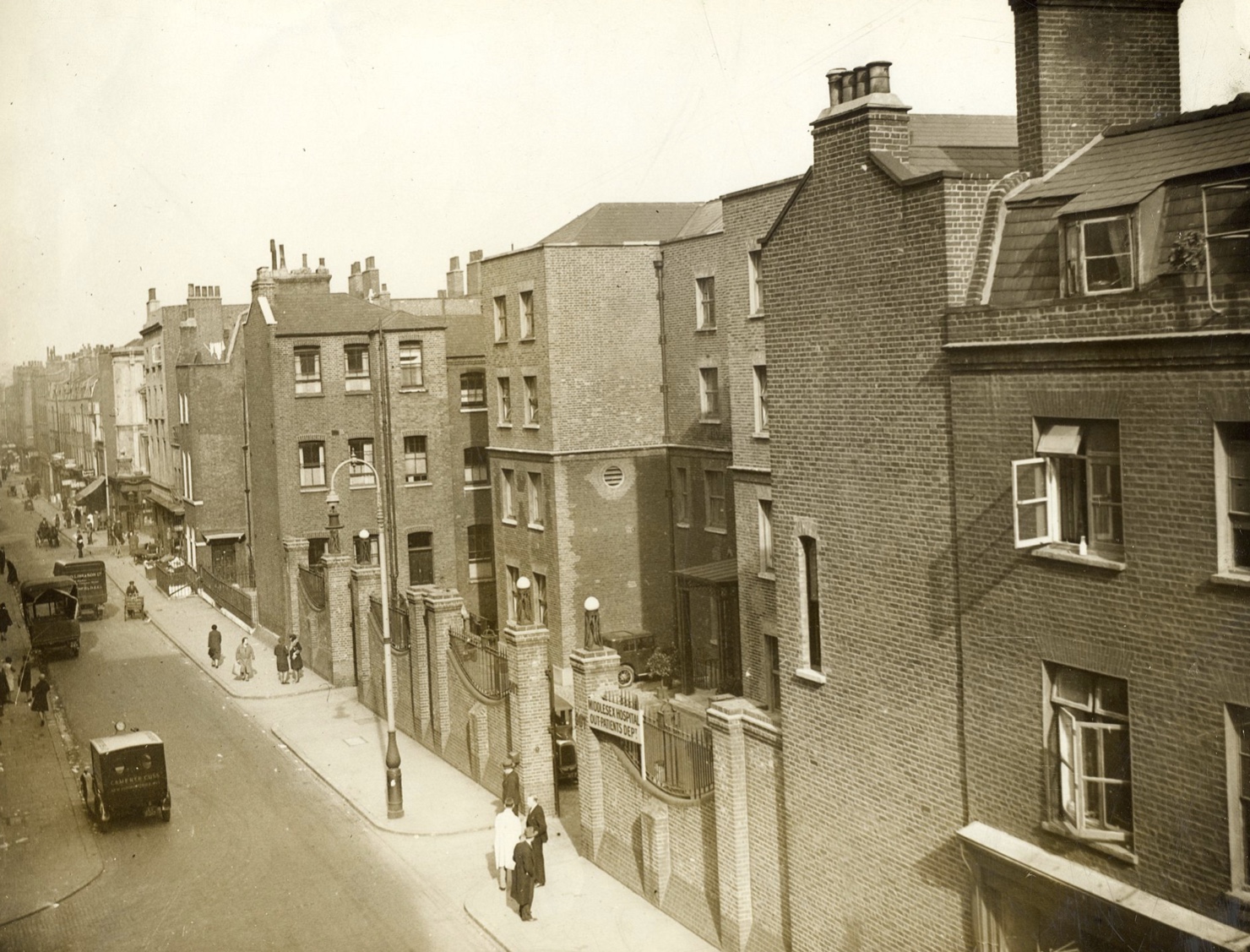
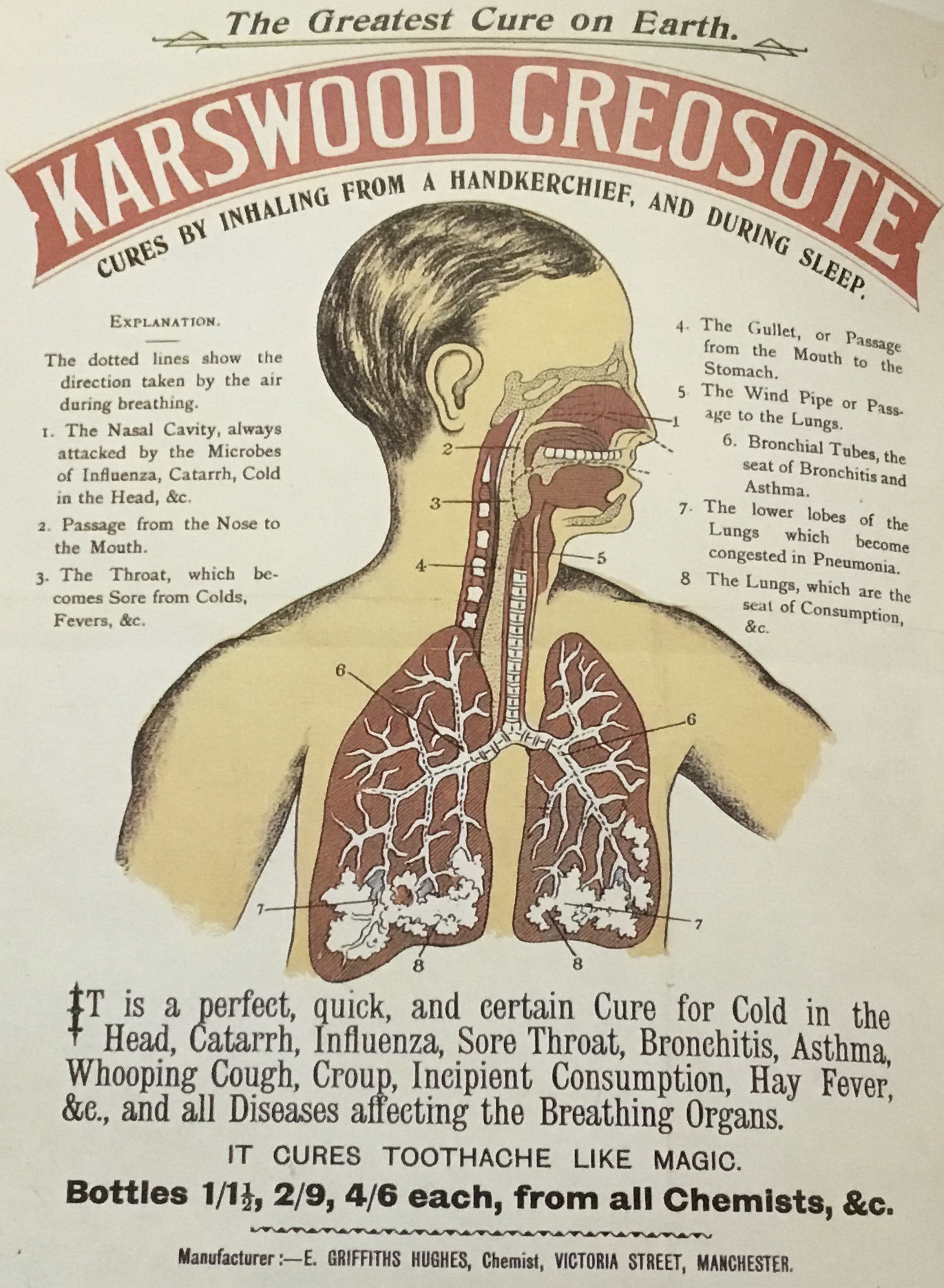
Many of the initial facilities in the NHS were developed on former workhouse sites. From the 1830s workhouses accepted sick paupers then in the 1870s they admitted non-paupers for treatment.

Picture, 1930. Cleveland Street Workhouse, London, later became part of the Middlesex Hospital.

London from Southwark, c1630 (artist unknown). This is one of only four paintings of London depicting the city before the Great Fire of 1666. A landscape familiar to Shakespeare, and my London ancestors.

In 1483-4 immigrants in London were taxed. Their tax returns offer a flavour of the multi-cultural nature of the city. The returns include: Thurstan Grysley, Icelander, servant to the mayor; John Sewell, French, armourer; John Letowe, Lithuanian, printer; John Evynger, ‘German’, brewer. Plus a number of Scottish artisans.

Through wills dated 1374 – 1486 we can identify the crafts and trades prevalent in medieval London. Victualers top the list at 22%, then merchants 14%, metalworkers 13%, tailors 12%…builders 6%…transport workers 2%.

🖼 London, c1300, vectorised by William R Shepherd, 1923.

Welsh Football Legends

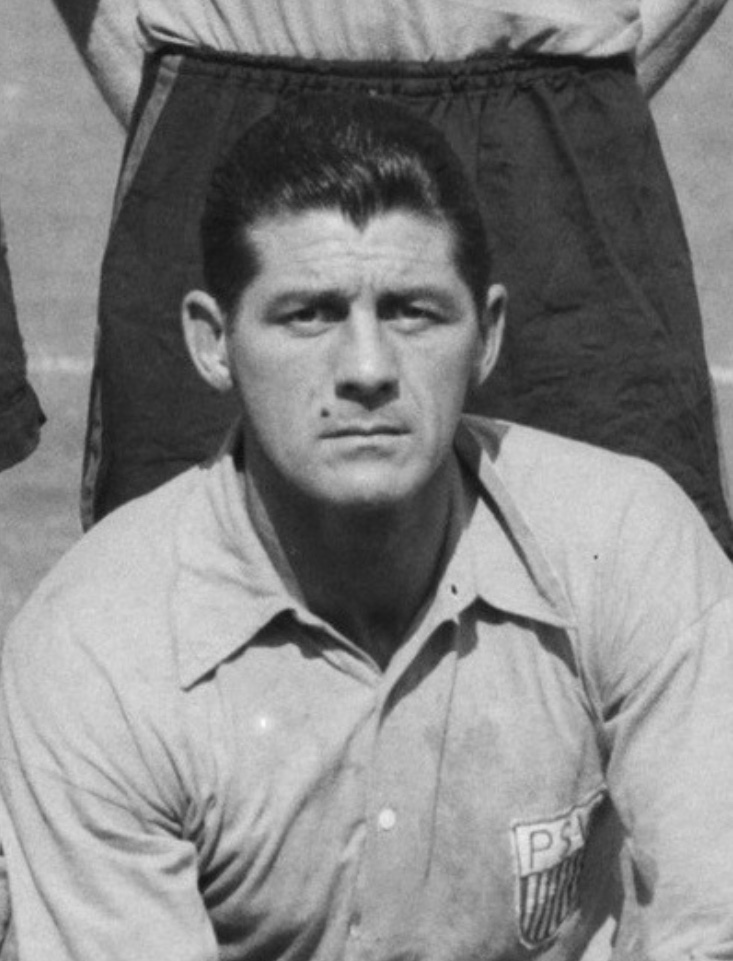
Trevor Ford, born 1 October 1923 to Trevor and Daisy Ford, was a centre forward who played for Swansea Town, Aston Villa, Sunderland, Cardiff City, PSV Eindhoven, Newport County and the Wales national team. In a career that spanned fifteen years he scored 202 league goals in 401 matches.

Trevor Senior served as a physical training instructor during the First World War. He encouraged young Trevor, buying him a new football and boots for each birthday. He also made him practice his football for two hours each day, often using a tennis ball on his stronger right foot to improve control. 

Cricket was another one of Trevor’s passions. At the age of 14, he was selected to represent Wales against a London Schools under-15 side as a bowler, playing alongside his future Wales and Cardiff City teammate Alf Sherwood. Later, he fielded substitute during the match at St Helen’s, Swansea when Garry Sobers hit six sixes in one over.

A physical player, Trevor began his career during the Second World War with his hometown club Swansea Town. After the war he joined Aston Villa before, in October 1950, breaking the British transfer fee record with a move to Sunderland. The fee: £30,000.

In 1953 Trevor returned to Wales to play for Cardiff City. However, a scandal from his time at Sunderland, involving illegal payments in an attempt to circumvent the maximum wage, brought a suspension. Unable to play in Britain, Trevor joined PSV Eindhoven. He returned to Britain in 1960 and completed his club career at Newport County.

As an international, Trevor represented Wales on 38 occasions becoming his country’s record goalscorer with 23 goals, a record later equalled by Ivor Allchurch then surpassed by Ian Rush and Gareth Bale. Due to his suspension, Trevor was not selected for the 1958 World Cup finals, a bitter blow for him and Wales.

Trevor made his first appearance for Wales on 4 May 1946 against Northern Ireland in a ‘Wartime International’. Northern Ireland won, 1–0. His first official cap arrived during the 1946-47 British Home Championship when he scored in Wales’ 3 – 1 victory over Scotland, a game played at the Racecourse Ground, Wrexham. He scored again against Northern Ireland, but the game ended in a 2 – 1 defeat.

Trevor made it three goals in three games when, in the following season, he scored against Scotland. However, his finest personal performance arrived in 1949 when he scored a hat-trick against Belgium. He also scored two goals against England, twice, Portugal, Switzerland and Yugoslavia. 

Trevor won his final cap on 20 October 1950 in a 2–2 draw with Scotland. Of course, he scored.

Trevor used his physicality to great effect and often stretched the rules to the limit when challenging goalkeepers. His Wales international teammate John Charles said, “He used to bang everybody and knock them out of the way, he was never frightened.” He added that Trevor was a “wonderful person”.

Trevor admitted that his personality changed when he stepped on to the pitch and that he played “like an animal”. However, no referee cautioned him or sent him off.

Sunderland colleague Billy Bingham later stated, “He got some terrible knocks from goalkeepers, but he also knew how to dish it out and he never complained to refs”. He added, “The two of us would lift weights, and I don’t think he broke a sweat while I was struggling to lift some of them. He was the bravest player I ever played with.”

Following his retirement, Trevor entered the car trade. He died in his native Swansea on 29 May 2003 at the age of 79 and was buried in Oystermouth Cemetery.

You can read more player profiles here https://hannah-howe.com/sixty-four/

As ever, thank you for your interest and support.

Hannah xxx

For Authors

#1 for value with 565,000 readers, The Fussy Librarian has helped my books to reach #1 on 32 occasions.

A special offer from my publisher and the Fussy Librarian. https://authors.thefussylibrarian.com/?ref=goylake

Don’t forget to use the code goylake20 to claim your discount 🙂

Categories
Dear Reader

Dear Reader #140

Dear Reader,

This week, I made great progress with the writing of Operation Rose, Eve’s War Heroines of SOE book seven, and Fruit, book four in my Olive Tree Spanish Civil War saga. Covid slowed me down over recent months, but this week was much more like it.

In this month’s issue of Mom’s Favorite Reads…

Crime and thriller author Shawn Reilly Simmons interviewed by Wendy H Jones. Plus, Author Features, Nature, Photography, Poetry, Short Stories, Young Writers, National Batman Day, and so much more!

You discover all sorts when you look through parish records.

My 3 x great grandmother Lucy Sarah Glissan was born in Stepney, London in 1842. In 1851 with her sisters Amelia, 13, and Mary Ann, 6, she was living in 28 Church Road, St-George-in-the-East, London in the shadow of this impressive Anglican church. Lucy’s parents were John Glissan, a surgeon/chemist/dentist and Sarah Glissan née Foreman, a nurse/chemist/dentist.

In 1861 my 3 x great grandmother Lucy Sarah Glissan, 19, was living with her sisters, Amelia, 23, and Sarah Ann, 16, in 2 Charles Street, St George-in-the-East, London. All three were unmarried tailoresses.

A baby also lived with the sisters, William, their ‘brother’. A problem: their mother, Sarah, was a widow of seven years and past childbearing age. To save face, the sisters had lied to the enumerator. So, which one of them gave birth to William?

The answer: my 3 x great grandmother Lucy Sarah Glissan. Shortly after the census was taken, Lucy Sarah married William’s father, Richard Stokes. Sadly, shortly after that William died. The couple produced seven more children including my direct ancestor William Richard Fredrick Stokes.

Lucy Sarah Glissan married Richard Stokes, who later ran a furniture-making business, at St Mary’s, Stepney on 27 May 1861. Both were nineteen, and literate. By 1870 80% of males were literate compared to 75% of females, up from 66% and 50% in thirty years. Lucy Sarah’s younger sister, Mary Ann, who witnessed the wedding, was also literate.

Roath Village School, Cardiff, 1899 (National Museum of Wales).

Lucy Sarah Glissan gave birth to eight children in twenty years 1861 – 1881. Her first and eighth child both died in infancy. The other six prospered. In the Victorian era the average number of children per family was six.

Family portrait, (not the Glissans) 1893.

The Glissan sisters were close, so we should take a moment to explore Amelia and Mary Ann’s lives. Amelia married Charles Samuel, a mariner from Antwerp. The couple did not have any children. When Amelia died in 1894, Charles fell on hard times and entered the workhouse. Mary Ann married James Reynolds, a gun maker/engineer. The couple produced only one child, who died young.

Lucy Sarah died on 9 October 1888 at Red Lion Street, Shoreditch.

***

My 4 x great grandfather John Glissan was born in 1803 in Ireland. In 1824 Apothecaries Hall in Dublin recognised him as an apothecary with a licence to trade. A few years later, John moved to London where he found employment assisting John William Keys Parkinson, son of James Parkinson, the doctor who gave his name to Parkinson’s Disease.

Photographed in 1912 this is 1 Hoxton Square, London, the home and office of Parkinson and Son, surgeons and apothecaries. In the late 1820s my 4 x great grandfather John Glissan assisted the son, James, and added the skills of dentist and surgeon to his trade of apothecary. Picture: Wellcome Trust.

17 September 1829 a report in the London Courier detailing the evidence John Glissan, a surgeon, gave to an inquest into the death of Henry Kellard, a pauper.

In the early 1830s my 4 x great grandfather John Glissan left Parkinson and Son and set up his own business as a surgeon/chemist/dentist. Initially, he struggled and was forced to go on the road as a traveller, selling his medicines. In 1834 he was declared insolvent. Life for him in London was tough.

In early June 1833, at nine o’clock in the evening, Susannah Griffiths left her lodgings at 12 Dyer Street, London. She walked along George Street to the junction of Blackfriars Road, one of the most fashionable roads in nineteenth century London. She made her way to 147 Blackfriars Road and the shop owned by my 4 x great grandfather John Glissan. There, Susannah purchased a quantity of arsenic.

Returning home, Susannah set her needlework to one side and wrote a note, quoting Shakespeare’s Macbeth, “Canst thou not minister to a mind diseas’d, Pluck from the memory a rooted sorrow, Raze out the written troubles of the brain.” She added, “I have taken poison.” Then she placed the note under her pillow and swallowed the arsenic.

Susannah was educated. She understood Shakespeare. I imagine that she was a sensitive soul. A coroner’s inquest held at Christ Church Workhouse absolved John Glissan of any blame and concluded that Susannah died whilst being of unsound mind.

Two days after the newspaper report on Susannah’s tragic suicide, this mysterious message appeared in the Morning Advertiser. I’m not sure what to make of the note. There were no follow up messages, so I’m not sure what my ancestor John made of it either.

17 November 1833. If gout was your problem, my 4 x great grandfather John Glissan, a surgeon/dentist/chemist, was your man. In the 1830s, John appeared in many newspapers advertisements promoting potions for all manner of ailments.

16 February 1834. Another advertisement featuring John Glissan. This advert ran on a regular basis in the Weekly True Sun.

Top of the Pops, 16 February 1834. Note that female singers dominated. Madame Vestris (pictured) was Lucia Elizabeth Vestris (née Elizabetta Lucia Bartolozzi; 3 March 1797 – 8 August 1856) an actress and a contralto opera singer. She was also a theatre producer and manager.

For the first thirty years of his life John Glissan concentrated on learning the skills of a chemist, surgeon and dentist, and on establishing his business. In 1834, life offered a new challenge. More about that next time.

As ever, thank you for your interest and support.

Hannah

For Authors

#1 for value with 565,000 readers, The Fussy Librarian has helped my books to reach #1 on 32 occasions.

A special offer from my publisher and the Fussy Librarian. https://authors.thefussylibrarian.com/?ref=goylake

Don’t forget to use the code goylake20 to claim your discount 🙂

Categories
Dear Reader

Dear Reader #129

Dear Reader,

Nelmari has completed the translation of Sam’s Song, book one in my Sam Smith Mystery Series, into Afrikaans and I’m delighted to say that soon she will make a start on Love and Bullets, book two in the series.

After the tragic events of this week.

A scene familiar to my London ancestors, Victoria Station in 1912.

The World Chess Championship between Magnus Carlsen and Ian Nepomniachtchi started this week. I’m a big chess fan so I’m enjoying the coverage on chess.com. Two exciting draws so far. All to play for in the fourteen game series.

https://www.chess.com/news/view/2021-fide-world-chess-championship-game-1-nepomniachtchi-carlsen

The son of Edward Stradling and Joan Beaufort, Sir Henry (Harry) Stradling was born c1412 in St. Donats, Glamorgan. He married Elizabeth Herbert c1440 in St. Athan, Glamorgan, their marriage uniting the powerful Stradling and Herbert families. The marriage produced four children: Thomas, my direct ancestor, Charles, Elizabeth and Jane. 

In 1449, Henry, his wife Elizabeth and their daughter Elizabeth, encountered a Breton pirate, Colyn Dolphyn. A native of Brittany, Colyn Dolphyn was based on Lundy, an island in the Bristol Channel. Five kilometres long and a kilometre wide Lundy was granted by Henry II to the Knights Templars in 1160. Over following centuries privateers took control of the island.

Map of Lundy Island by Henry Mangles Denham (1832)

Because of the dangerous shingle banks and the fast flowing River Severn with its tidal range of 8.2 metres, the second largest in the world, ships were forced to navigate close to Lundy. This meant the island was ideally situated for pirates to prey on merchant ships and their rich cargos.

The chroniclers described Colyn Dolphyn as a tall, athletic, and mighty man, ‘like Saul in Israel’. He ‘towered head and shoulders’ above all men and was regarded as ‘a terror in South Wales’.

In 1449, Henry and his family spent a month visiting their estates in Somerset. Whenever possible, for passengers and trade, ships were the preferred mode of transport because the roads were often nothing more than dirt tracks. Therefore, Henry made the return journey by ship.

Aboard the St Barbe, Henry, his family and crew, set sail from Minehead for the Welsh coast. They encountered Colyn Dolphyn, who transferred them to his barque, the Sea Swallow. Dolphyn demanded a ransom of 1,000 marks for Henry, Elizabeth and daughter Elizabeth’s release. 

The ransom was not forthcoming so over a period of two years the price went up to 2,200 marks. At that point the Stradlings were forced to sell their manors of Bassaleg and Rogerstone in South Wales, two manors in Oxfordshire and the Lordship of Sutton in Monmouthshire. With the ransom paid, Dolphyn released Henry and his family.

Nash Point (Wikipedia)

While the coast of South Wales is beautiful it also contains some treacherous rocks, particularly the rocks off Nash Point, Glamorgan. Several years after kidnapping the Stradlings, Colyn Dolphyn was out pirating when a storm blew up. That storm drove his ship on to Nash Rocks near Colhugh Beach. 

The locals alerted Sir Henry Stradling who raised his men. They captured Colyn Dolphyn and his men, and dispensing swift justice hung them the following day.

In 1837, Taliesin Williams wrote a poem, The Doom of Colyn Dolphyn, which concluded with the following lines:

The beach they trod, destruction there,

Had stamped his footsteps ev’ry where.

Above, below, were strown along,

The fragments of a vessel strong.

Here helm and shatter’d masts were seen,

There lay the hull, the rocks between, 

With upward keel and crag-rent side. 

Thro’ which had pass’d the refluent tide.

And, all around, appear’d in view,

The bodies of a numerous crew. 

Whose course was run, confederates sent,

Well armed on Colyn’s rescue bent. 

But, ere they reach’d the rugged strand,

To ply the dirk, and light the brand. 

Justice ordain’d they should abide,

The tempest’s ordeal, and they died!

The story of the Stradling branch of my family and their encounter with a pirate Colyn Dolphyn as illustrated, animated and told by the children of Wick and Marcross Primary School, South Wales.

Like his father, Edward, Henry Stradling visited Jerusalem, in 1475, where he became a Knight of the Holy Sepulchre. Also like his father, he died on his journey home, at Famagusta, Cyprus, in 1476.

As ever, thank you for your interest and support.

Hannah xxx

For Authors

#1 for value with 565,000 readers, The Fussy Librarian has helped my books to reach #1 on 32 occasions.

A special offer from my publisher and the Fussy Librarian. https://authors.thefussylibrarian.com/?ref=goylake

Don’t forget to use the code goylake20 to claim your discount 🙂