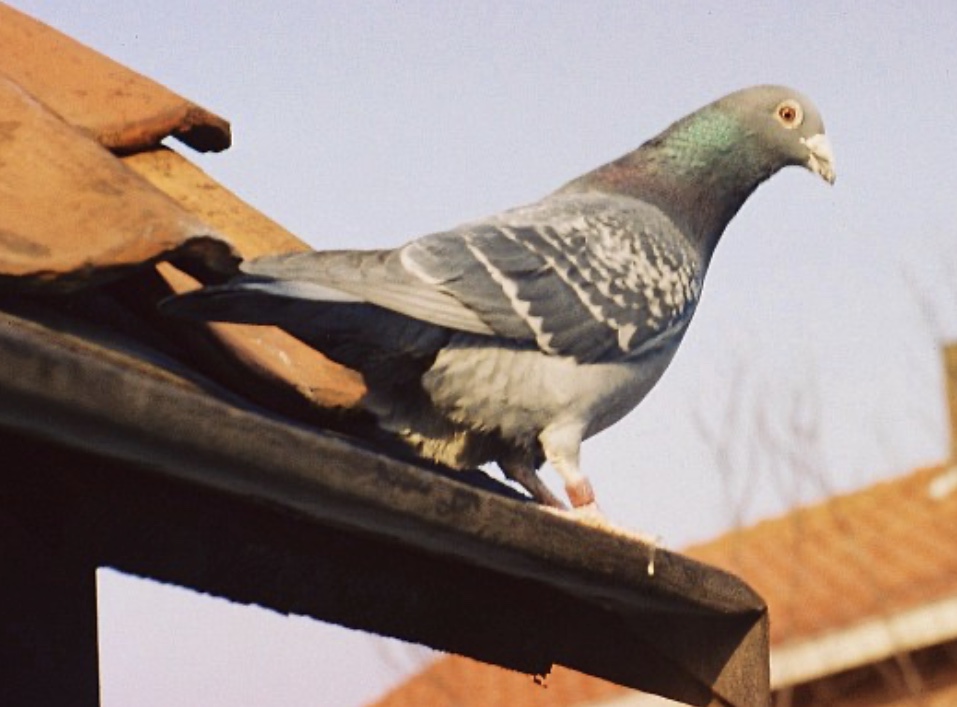
During the Second World War when SOE agents parachuted into France they took pigeons with them. Questionnaires from the BBC were attached to the pigeons. The locals filled in the questionnaires and the pigeons returned to SOE HQ at 64 Baker Street.
On 5 September, I publish Looking for Rosanna Mee, Sam Smith Mystery Series book seventeen. It’s lovely to see the book sitting alongside JK Rowling (aka Robert Galbraith) in the top forty. Many thanks to my readers for their support 🙂
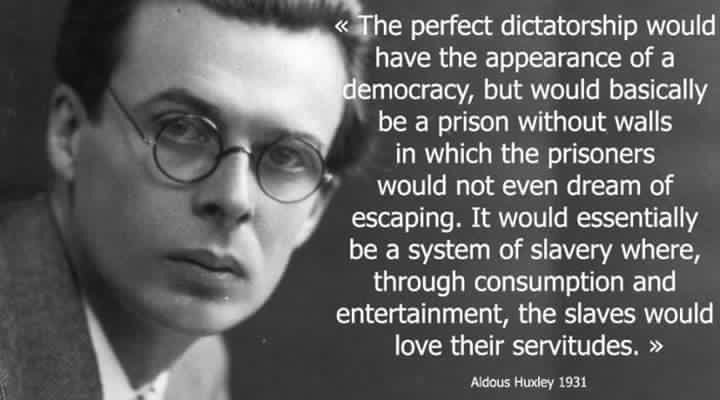
Through consumption and entertainment, the slaves would love their servitudes.”
So much of the 1930s speaks to us today.
When the Nazis captured SOE agent Odette Sansom they placed her in the dark for three weeks believing that would break her. However, Odette didn’t mind the total darkness because as a child a serious illness had blinded her for three and a half years.
This is a 393 year old Greenland Shark. The oldest living vertebrate known on the planet, it’s been swimming in the ocean since 1627.
Researchers used radiocarbon dating to determine the age of the shark. A possible explanation for this species’ longevity is that they spend their lives 2,000 metres down, where the water temperature is around 29 degrees Fahrenheit. Extreme cold is associated with slow metabolism and maturation – Greenland Sharks don’t reach adulthood until age 150 – as well as long life spans.
Photo by Julius Nielsen.
2020
“I Facebook, therefore I am.”
When captured by the Gestapo, SOE agent Alix d’Unienville pretended to be mentally ill. In reality, she was very strong and this enabled her to escape while in transit to a concentration camp. She fled into a wood, hid, then returned to Paris in a Jeep.
The battle for Paris began on the 10 August 1944 when railway and Metro staff went on strike, an example followed by policemen and postal workers.
The strike became general on the 18 August and by the 19 August fighting had broken out across the city. On that day 3,000 police officers invaded the Préfecture de Police, which became the first building to be officially liberated.
With the Allies advancing, the Nazis retreated. Those who remained sought to defend and destroy until forced into surrender on 25 August 1944.
August 1944, Allied soldiers greeted by young Parisian women as they enter Paris during its Liberation. (Photo by AFP)
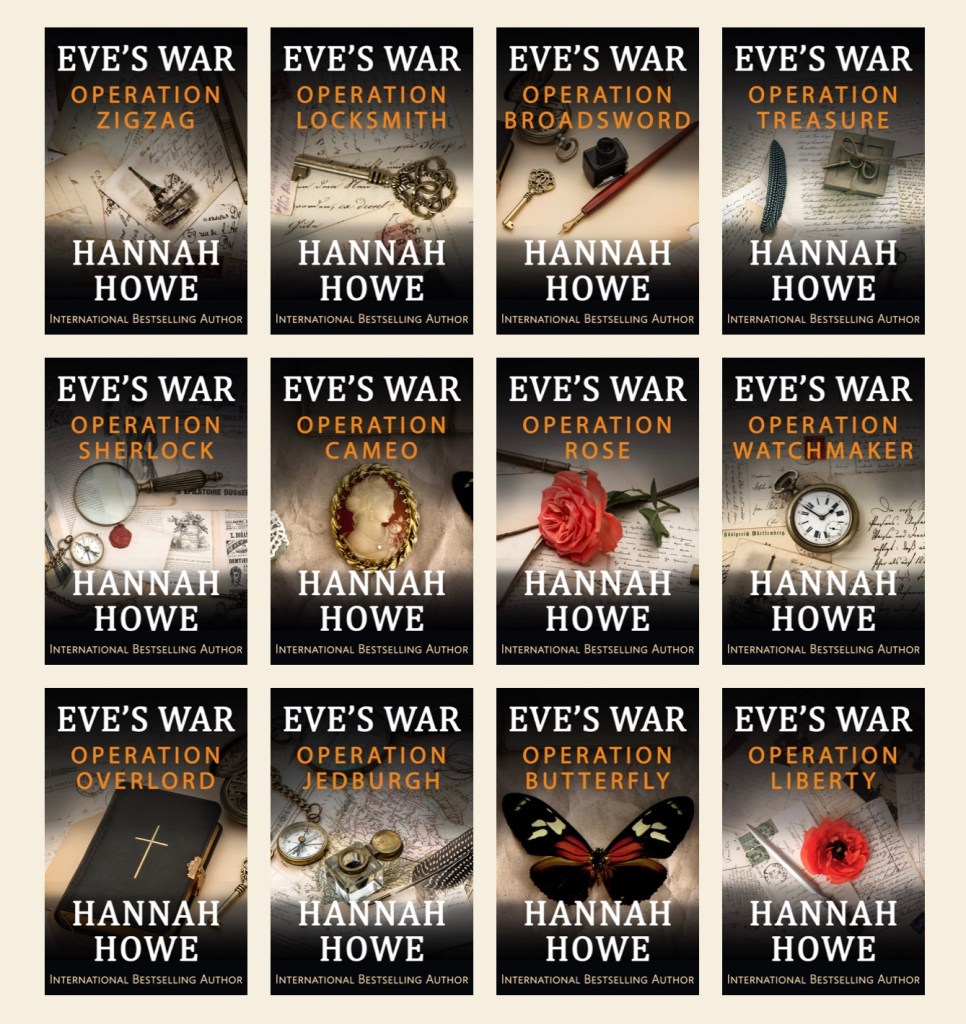
I’m writing chapter one of Operation Broadsword, book three in my Eve’s War Heroines of SOE series. Eve is preparing to parachute into France. The SOE give her French-tailored clothes, with jackets ten inches longer than British and American fashions, plus a gun, a .32 pistol made in Czechoslovakia. Blank pages are daunting, but the sight of a completed page is still very exciting.
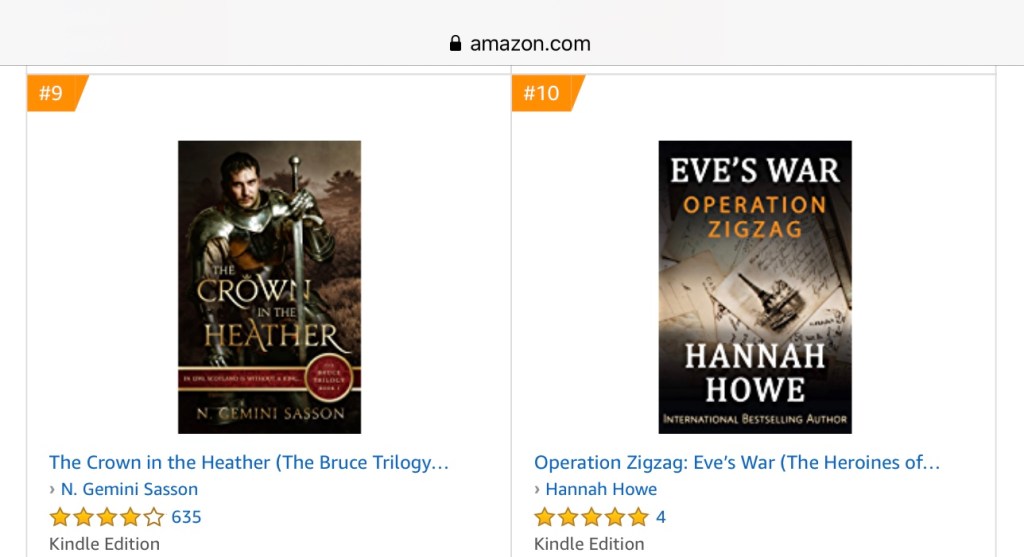
Operation Zigzag has entered the top ten of Amazon’s war chart 🙂
Spitfire pilots, 1940, who helped to win the Battle of Britain.
Read this from the top to the bottom, then from the bottom to the top.
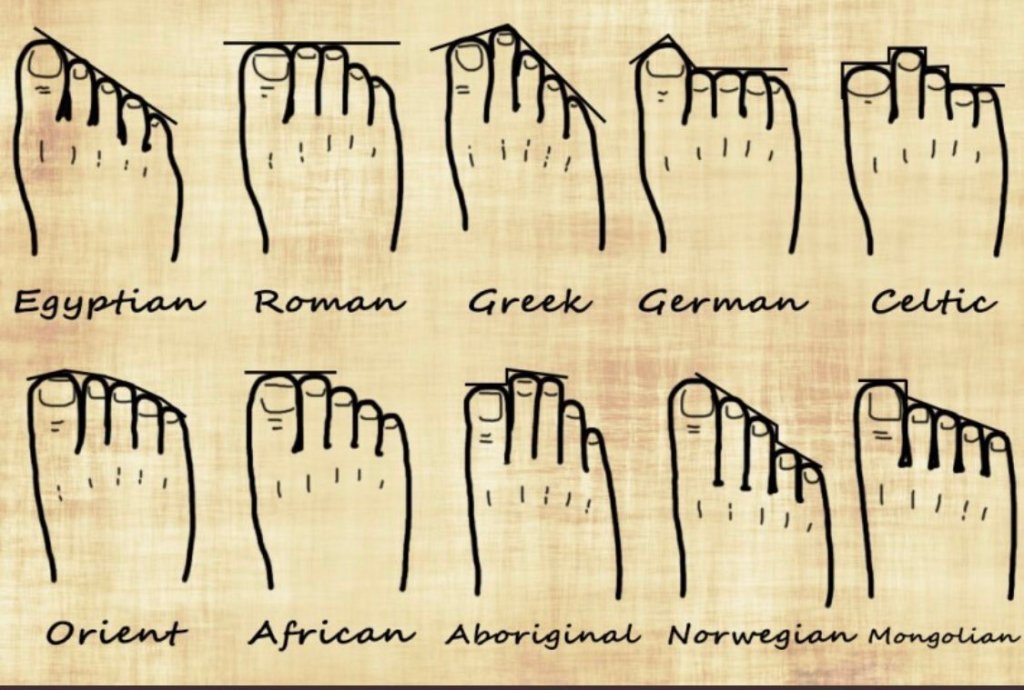
I’m Greek 😱
Palace Chateaubriand in October 1944 during the siege of St Malo. Vogue carried an eight page report on the siege, filed by Lee Miller, a model and fashion photographer. The only journalist in the city during the siege, she wrote, “My heel sank into a disembodied hand, and I cursed the Germans for the horrible destruction that they had inflicted on this once-splendid city.”
Money does not make you immortal. The quest for unlimited wealth is a desperate attempt to fill a hollow soul, to attain happiness when the simple things in life are deemed ‘inadequate’. It is a Midas shadow that condemns the seeker to a life of darkness.
On 8 August 1944, British, Canadian and Polish forces launched Operation Totalize, the first phase of the Falaise Pocket, which pushed the Nazis out of Normandy. Picture: a Cromwell tank and Willys jeep passing an abandoned German 88 mm anti-tank gun.
Army trucks, cars and motorcycles for sale in Britain, 1946.
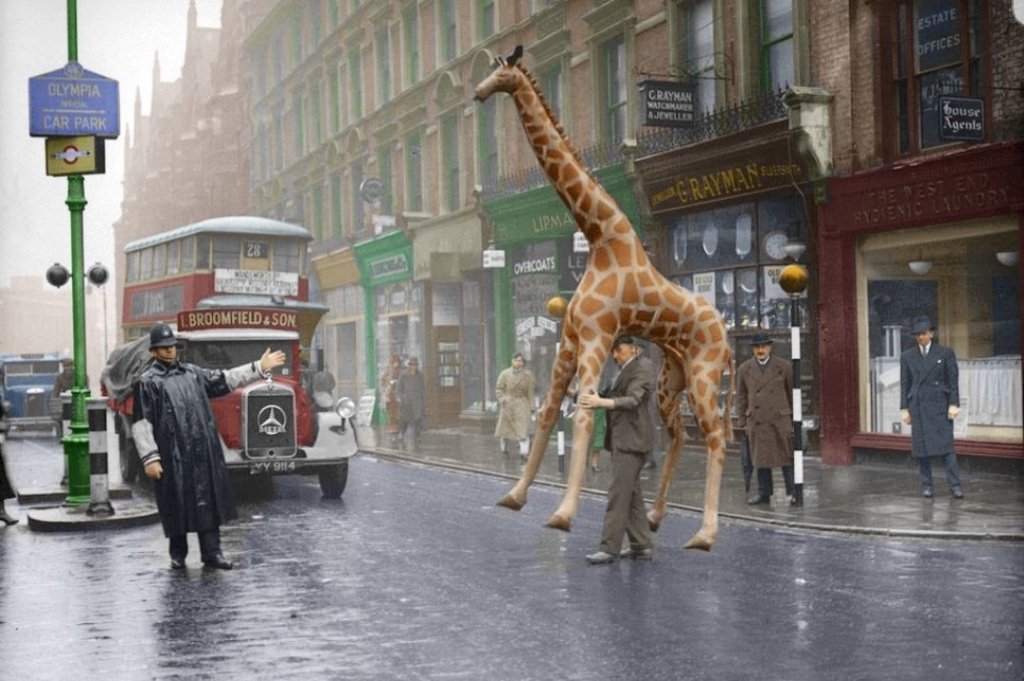
An early example of a ‘zebra crossing’ 😉
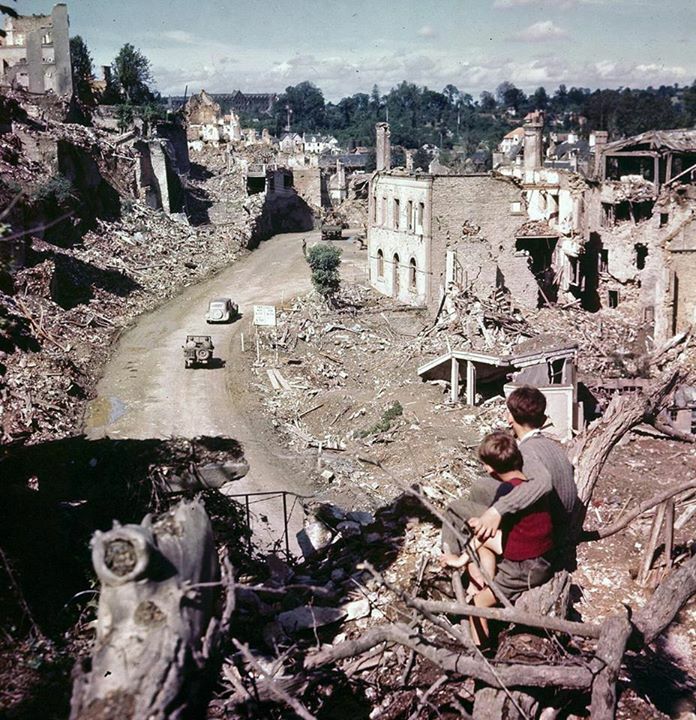
The Battle of Saint-Lô took place between 7 – 19 July 1944. Located at a strategic crossroads, the Americans bombarded the city destroying ninety-five percent of it before driving the Nazis out. In his report, Samuel Beckett dubbed the martyr city “The Capital of Ruins”.
Pictured, two French boys watch from a hilltop as Allied vehicles pass through the city in July 1944.
The great thing about writing and publishing is there are always new stories to write and new pastures to explore. Delighted to announce that my Ann’s War series will be translated into Afrikaans 🙂
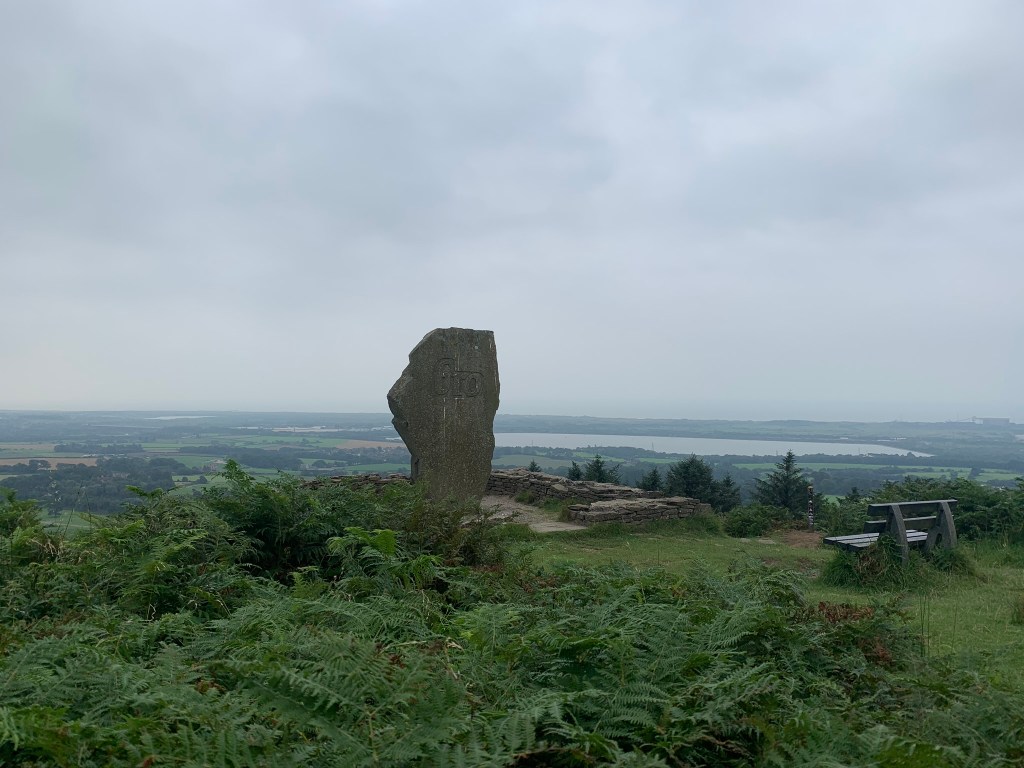
A muggy morning on Margam Mountain.
Apologies for the formatting errors. These are supplied by WordPress.
Odette Sansom, also known as Odette Churchill and Odette Hallowes, was born on 28 April 1912 in Amiens, France. Her father, Florentin Désiré Eugène ‘Gaston’ Brailly, was killed at Verdun shortly before the Armistice in 1918.
Odette Sansom
As a child, Odette contracted serious illnesses which blinded her for three and a half years. She also contracted polio, which left her bedridden for a number of months.
As an adult, Odette met an Englishman, Roy Patrick Sansom (1911–1957), in Boulogne and married him on 27 October 1931. The couple moved to Britain where they produced three daughters. Roy Sansom joined the army at the beginning of the Second World War. Two and a half years later, in the spring of 1942, Odette responded to an Admiritaty appeal for photographs of the French coast. Those photographs brought her to the SOE’s attention and the secretive organisation promptly recruited her into their service.
With her three daughters in a convent school, Odette trained as an SOE agent. At first, Odette’s instructors regarded her as too temperamental and stubborn for the SOE. One report stated, “She is impulsive and hasty in her judgments and has not quite the clarity of mind which is desirable in subversive activity. She seems to have little experience of the outside world. She is excitable and temperamental, although she has a certain determination. However, she is patriotic and keen to do something for France.”
George Starr, a successful agent who clashed with many of the female agents, particularly the attractive ones, described Odette as “a dreadful lady.” In particular, he deplored her “seductive behaviour.”
Odette landed on a beach near Cassis on the night of 2 November 1942. There, she made contact with Captain Peter Churchill. Her initial objective was to contact the French Resistance on the French Riviera and establish safe houses for other agents in Burgundy.
In January 1943, to evade arrest, Churchill and Odette moved their operations to Annecy in the French Alps. The couple resided at the Hotel de la Poste in the village of Saint-Jorioz. The hotel became a meeting place for agents, which aroused suspicion.
Spy-catcher Hugo Bleicher proceeded to Saint-Jorioz where he introduced himself to Odette as “Colonel Henri.” He suggested that they should travel to London to “discuss a means of ending the war.” Odette reported this meeting to her superiors and they warned her to sever all contact with Bleicher.
At the time of Bleicher’s meeting with Odette, Peter Churchill was in London consulting with the SOE. They warned him to avoid contact with Odette and “Colonel Henri” on his return to France. However, when he parachuted into Annecy during the night of 14 April 1943, he met Odette and they proceeded to the hotel in Saint-Jorioz. At 2 am on the 16 April, Bleicher, no longer in the guise of “Colonel Henri,” appeared in the hotel and arrested Odette and Churchill.
At Fresnes Prison, near Paris, Odette was interrogated by the Gestapo
fourteen times. Despite brutal torture, she stuck to her cover story and insisted that Peter Churchill was the nephew of Prime Minister Winston Churchill and that he knew nothing of her activities. The idea was, as a relative of Winston Churchill, the Gestapo would keep Peter Churchill, and Odette, alive as bargaining chips.
Nevertheless, in June 1943, the Gestapo condemned Odette to death on two counts to which she responded, “Then you will have to make up your mind on what count I am to be executed, because I can only die once.” Infuriated, Bleicher sent her to Ravensbrück Concentration Camp.
Ravensbruck Concentration Camp
In Ravensbrück, the Nazis kept Odette in a punishment cell on a starvation diet. However, her earlier blindness and paralysis, and the example set by her grandfather, who “did not accept weakness very easily”, aided her survival. Furthermore, she accepted in advance that the Gestapo might capture her and that she might die.
Odette adopted an attitude of defiance and found that this attitude earned a degree of respect from her captors and strengthened her mind.
Later, Odette insisted that she was not brave or courageous, but that she just made up her mind about “certain things.” She recalled in a post-war interview that while everyone has a breaking point, her feeling was that if she could “survive the next minute without breaking up, that was another minute of life.”
Because of her past illnesses, Odette knew that she could accept her situation and survive it. By accepting death, she felt that, “They would not win anything. They’ll have a dead body, useless to them. They won’t have me. I won’t let them have me.”
In general, the Gestapo found people of the prisoners’ own nationality to carry out their torture, so that the prisoners could not say they were tortured by the Nazis. Odette’s torture was carried out by a “very good-looking young Frenchman” who she believed was mentally ill.
In August 1944, with the Allies advancing on Ravensbrück, the camp commandant, Fritz Suhren, took Odette and drove her to an American base to surrender. He hoped that her supposed connections to Winston Churchill would allow him to negotiate his way out of execution.
In 1946, at the Hamburg ‘Ravensbrück Trials’, Odette testified against the prison guards charged with war crimes and this resulted in Suhren’s execution in 1950.
Odette receiving her George Cross
Odette’s wartime experiences led to a complex personal life. She divorced Roy Sansom in 1946 and married Peter Churchill in 1947, only to divorce him in 1956. That year, she married Geoffrey Hallowes, a former SOE officer.
Odette’s SOE experiences were chronicled in a movie, Odette, which was released in 1950. Anna Neagle played Odette while Trevor Howard played Peter Churchill. Odette insisted that the film should not be made in Hollywood for fear that her story would be fictionalised. The movie, a great success, ensured that Odette became a celebrated member of the SOE.
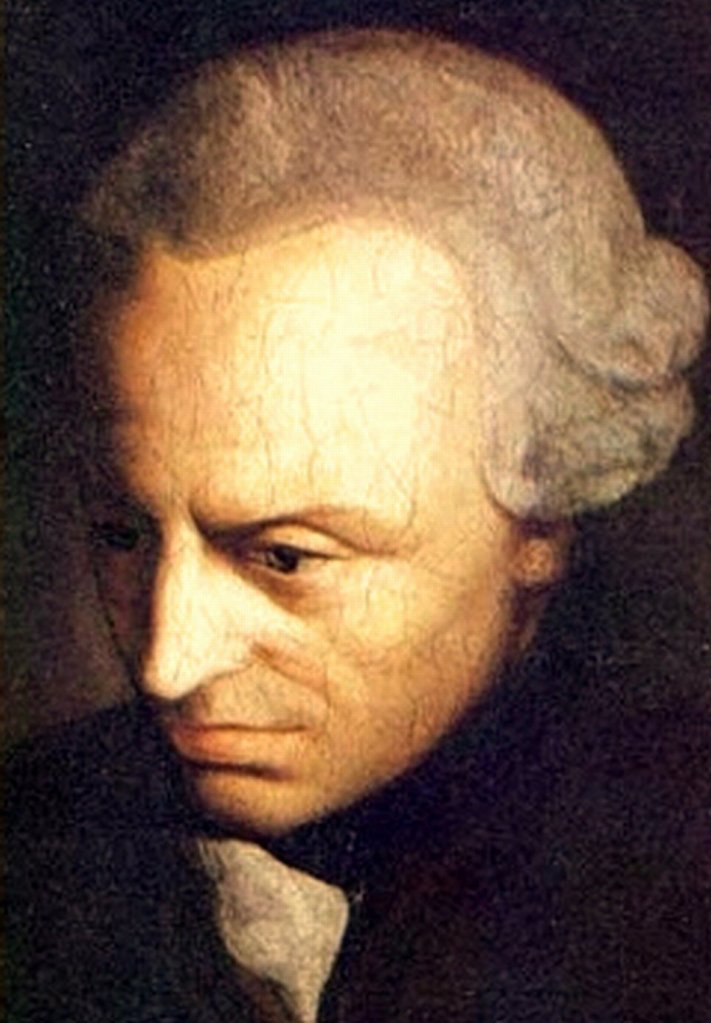
“Have the courage to use your own reason. That is the motto of enlightenment.” – Immanuel Kant
From QI
The Aryan poster child used in Nazi propaganda was, in fact, Jewish. A photographer submitted her image to a contest to find “the most beautiful Aryan baby”.
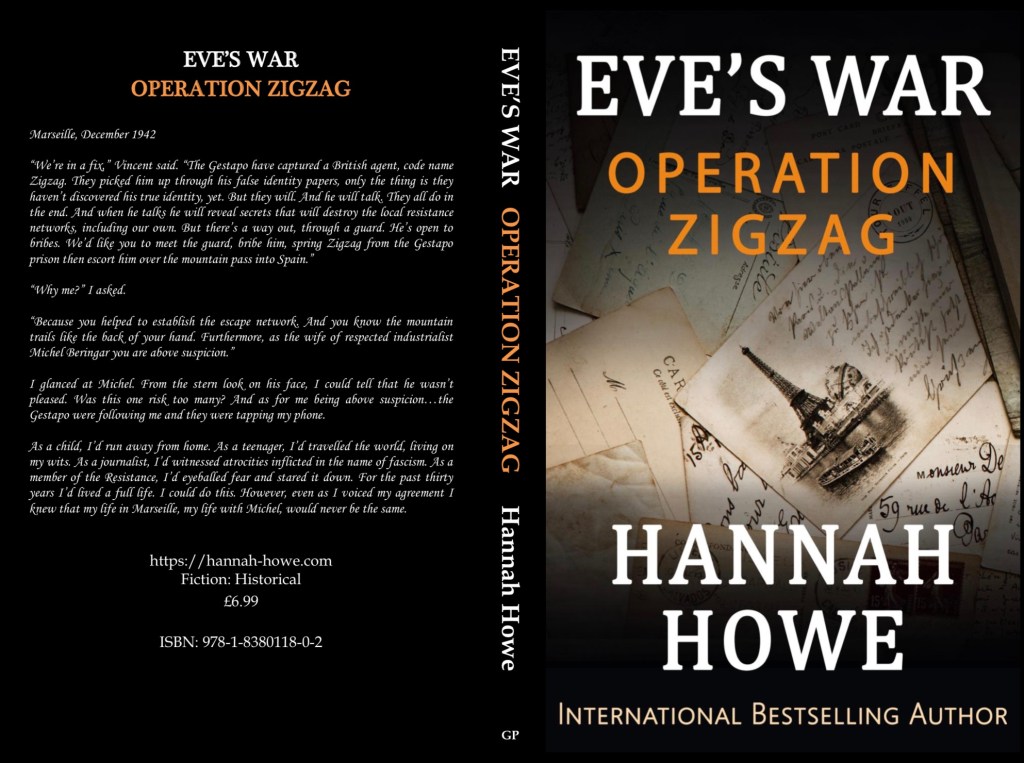
The cover for the print version of Operation Zigzag, currently with the printer.
“All good books have one thing in common – they are truer than if they had really happened.” – Ernest Hemingway
From 1914. If you wanted a copy of this map, you had to collect ten coupons from Black Cat cigarette packets. As if the war wasn’t bad enough, smoking also increased substantially.
The writing is on the wall…
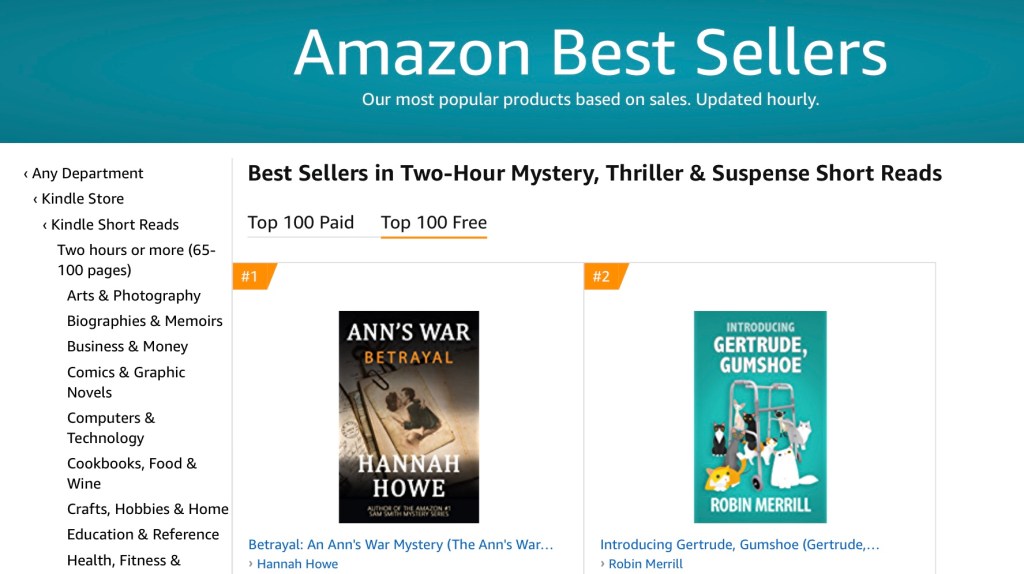
I wrote the Ann’s War series for my own amusement so I’m amazed and delighted to see Betrayal, book one in the series, at #1 for the eleventh time on the mystery and literature charts.
“Lies are often much more plausible, more appealing to reason than reality, since the liar has the great advantage of knowing beforehand what the audience wishes or expects to hear.” – Hannah Arendt
East and West Berlin before the fall of the wall. The different street lights indicate the border.
This is what happens when society tolerates or embraces fascism. Staff at Auschwitz enjoying their ‘work’.
Please pause and give this some deep thought.
Wanted: replacement electrician. Must supply own rubber boots.
From Future Generation Wales
If you think this is extraordinary you should have seen the bull 👀
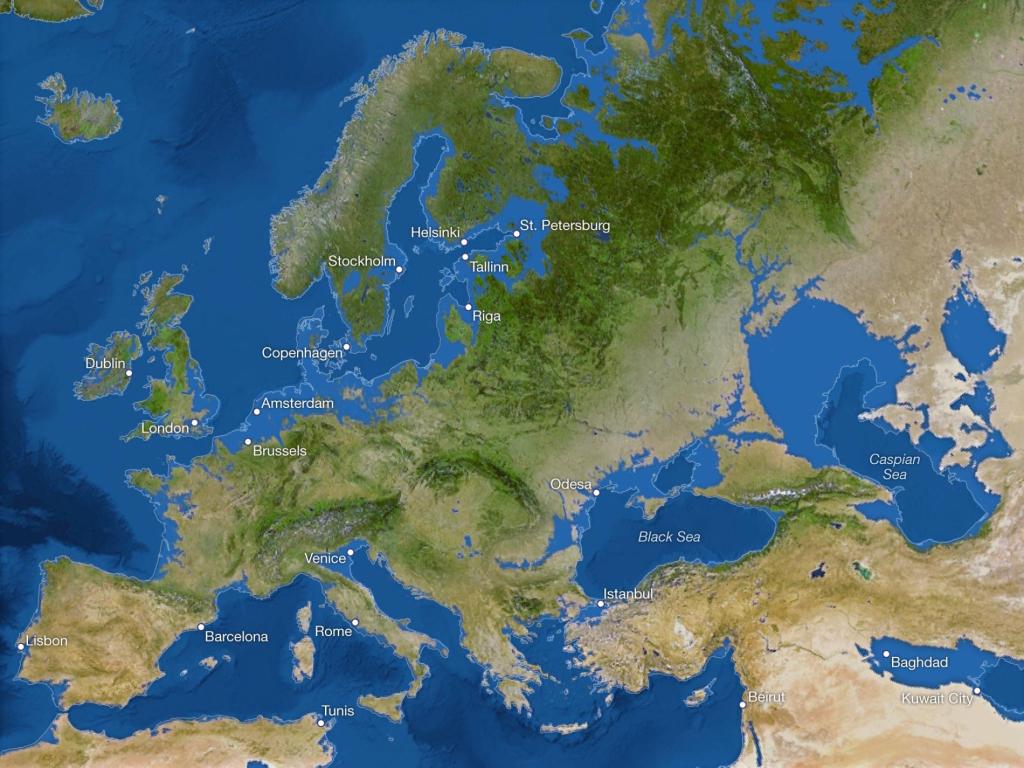
If all the ice melted…
History often overlooks the great women…
One of the inspirations for Guy Samson in my Eve’s War Heroines of SOE series, André Hunter Alfred Hue was born in Swansea, Wales on 7 December 1923.
Andre Hue, the photograph attached to his fake identity card
André’s father, also André, was French while his mother, Caroline, was Welsh. A First World War veteran, André senior received a bullet wound to the head. The bullet remained in place and contributed to his early death in 1938.
Caroline did not speak French. Indeed, before their marriage neither she nor her husband spoke each other’s native language. However, Caroline insisted that her children should learn French.
From Swansea, André’s family moved to Le Havre. There, in 1939, he became a sailor in the French merchant navy with the rank of purser.
On 17 June 1940, André’s ship, the SS Champlain, struck a mine off La Rochelle and sank. André was in the shower at the time, but he managed to swim ashore, naked.
While working as a railroad clerk in Guer, Brittany, André fulfilled a burning ambition and joined the French Resistance. The railroad station at Guer was strategically important because it served as a key artery for supplying German troops to north-western France.
Working in the railroad office, André provided information about secret timetables so that the RAF could attack trains carrying German troops and supplies.
As trust in André’s abilities increased, the Resistance encouraged him to smuggle Allied airmen, shot down over France, to safety, often by guiding them to the coast and the waiting boats and submarines.
With André’s courage and his trustworthiness established, the Special Operations Executive invited him to train as an agent. In February 1944 he crossed the Channel to Britain to commence training. His reports stated that he was “a very active, energetic, enthusiastic man with a reasonably stable personality, although inclined to excitement at times.”
André succeeded with his training and the SOE awarded him the rank of Acting Captain in time for Operation Overlord.
During the night of 5/6 June 1944, André parachuted into France. Men from the French Special Air Service accompanied him. Upon landing, an immediate task was to avoid Cossacks who were patrolling the countryside. The Cossacks were Soviet POWs who’d joined the German Army.
Maquis in an armoured Jeep
In Brittany, André’s task was to organise the local Maquis so that they could launch guerrilla attacks on communication lines, railroads and roads. Their ultimate aim was to prevent the four Nazi divisions stationed in Brittanyfrom joining the rest of the German army in Normandy.
André was based at La Nouette farmhouse near Saint Marcel. He noted in his autobiography, The Next Moon, that he feared the Milice more than the Germans because the Milice being French could identify regional accents. However, as a natural French speaker he escaped initial suspicion.
On one occasion, André was present when the Nazis shot five SAS men and seventeen French civilians. On another occasion, he was trapped in a barn, which the Nazis had torched. Despite the smoke and flames, he managed to escape.
On 18 June 1944, the Nazis attacked André’s farmhouse. Four thousand Maquisards rushed to defend the farmhouse and the Battle of Saint Marcel ensued.
La Nouette after the battle
In The Next Moon, André recalled the battle. “Now every weapon that the enemy possessed was brought to bear on our front line in a cacophony of shots and explosions which could not drown an even more sinister noise: the occasional crack of a single bullet. A man within feet of me slumped to the ground with blood spurting two feet into the air from the side of his neck. We had anticipated an infantry assault – possibly backed up with light armour – but snipers, a threat we had not met before, were difficult to counter. Within minutes of the first casualty, another seven of our men lay dying within the farm complex: all had been shot from long range.”
As the Nazi snipers continued to assassinate André’s men, he could hear the sound of panzers in the distance, so he ordered a retreat into the woods under the cover of darkness. There, André used his radio to contact the SOE and RAF. They organised an air strike, which resulted in mass confusion. During that confusion, André and his men escaped.
La Nouette restored after the Second World War
Throughout August 1944, André participated extensively in the liberation of France. He executed an operation where the Resistance secured the villages in Brittany to aid the advancing Allies. After his work in Brittany, he parachuted into the town of Nevers in Burgundy, where he coordinated operations between the SOE and the Resistance.
On 30 August 1944, André landed in the Nievre just west of Dijon where he took command of the SOE Gondolier circuit. There, he trained the local Maquis and blew up three bridges in Burgundy, which denied the retreating Nazis an exit point from the South of France. Also, in Luzy, André removed mines, placed by the Nazis to kill and maim local civilians.
For his extraordinary efforts, André was awarded the Distinguished Service Order (DSO) for his work in France. At the age of twenty, he was one of the youngest men to receive a DSO.
By the end of the Second World War, André held the rank of Major in the British Army. He served overseas, in Burma, Palestine, Cyprus and Cambodia. During his stint in Cambodia, he met his future wife, Maureen Taylor, who worked in the British Embassy in Phnom Penh. The couple married in 1957 and had one daughter.
Before establishing a successful business career, André worked for MI6, his activities centred on the Far East.
In later years, André suffered from Alzheimer’s disease, which claimed his life in 2005.
During the Second World War, with coffee in short supply, many people in France turned to roasted barley as a substitute. The drink originated in Italy and because it’s caffeine free it became popular in Europe as a beverage for children. Chicory was another popular drink which stayed with the wartime generation for decades. I remember seeing chicory drinks in my ancestors’ pantries.
In occupied France the Nazis controlled the distribution of petrol, gasoline and diesel so the locals adapted their cars and trucks adding wood-gas generators. In this picture note the secondary radiator, which cooled the gas before its introduction into the engine.
Because of curfews only Nazi vehicles travelled at night. If an SOE agent heard a vehicle at night he or she knew it belonged to the Nazis. Therefore, their main hope was that the car continued on its way and didn’t stop outside the agent’s apartment.
My latest translation, the Spanish version of The Olive Tree: Roots, A Spanish Civil War Saga. Available soon 🙂
The road sweeper who keeps our street and field clean told me yesterday that he had the perfect job. He works at his own pace, in the sunshine, with no stress. Not everyone wants to be a banker.
This is London. In Wales we have zebra crossings 😂
Delighted that an Italian translation of The Olive Tree: Roots, A Spanish Civil War Saga, is now in production to join the Spanish version of this book.
More translation news. Eve’s War, Operation Zigzag will soon be translated into Spanish. A German version of this book will also be published soon.
A fact from the Second World War. Less than five percent of British pilots shot down five or more enemy planes.
British pilots shot down 2,698 enemy aircraft between 10 July and 31 October 1940, the Battle of Britain, so it was a great team effort.
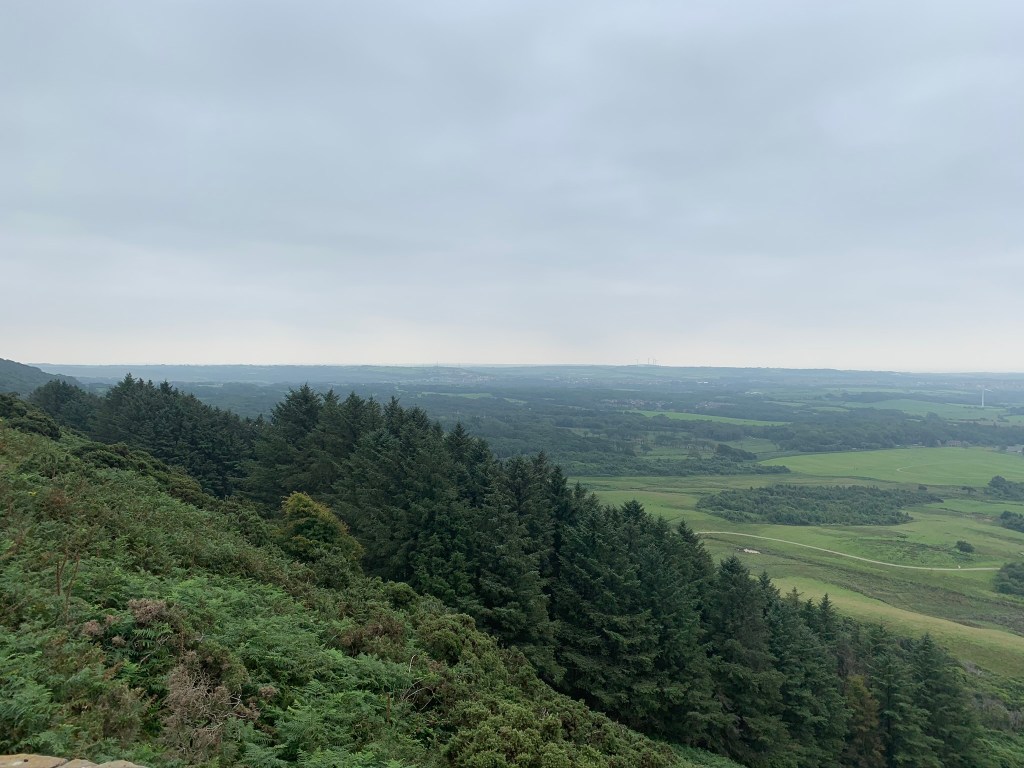
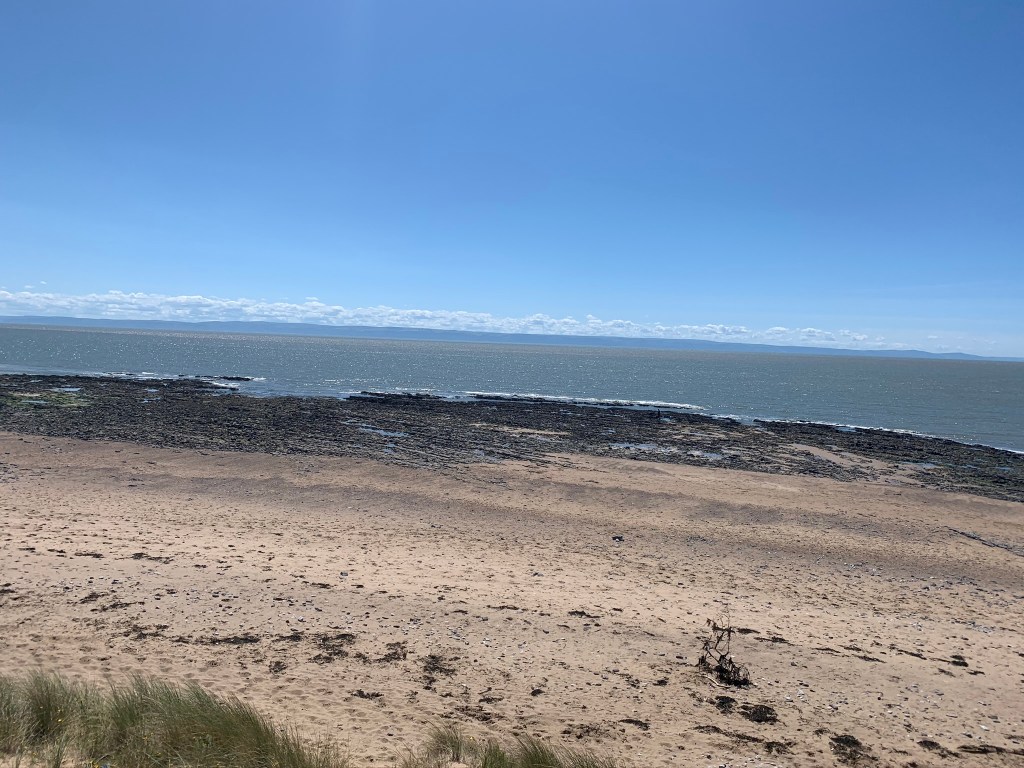
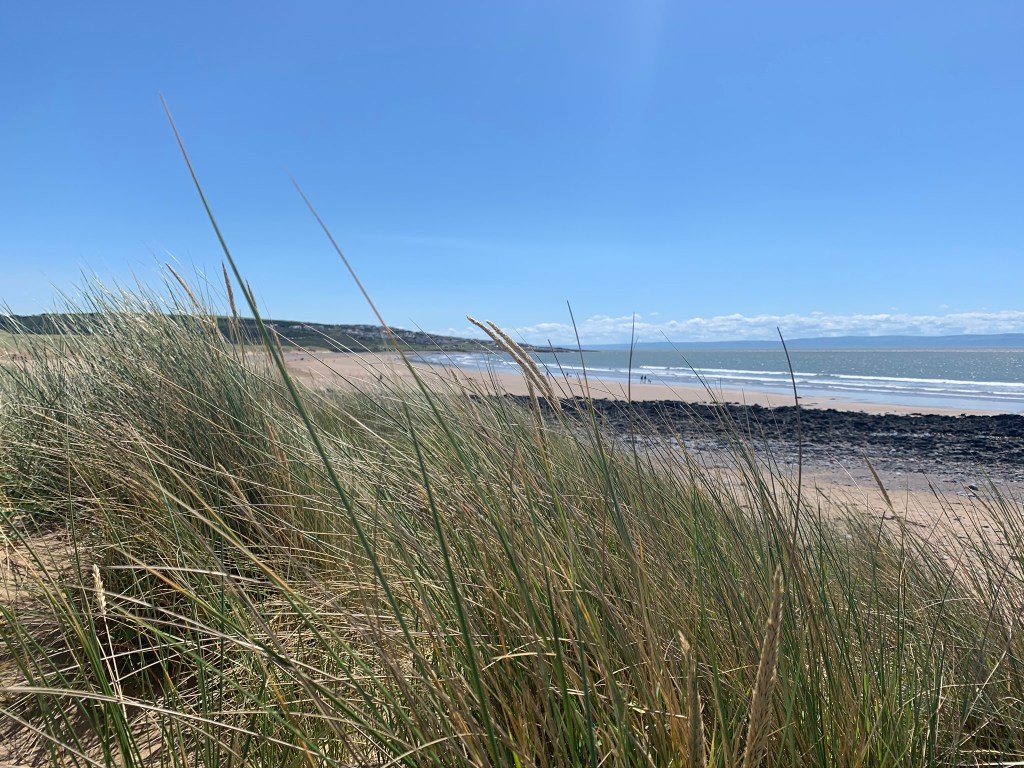
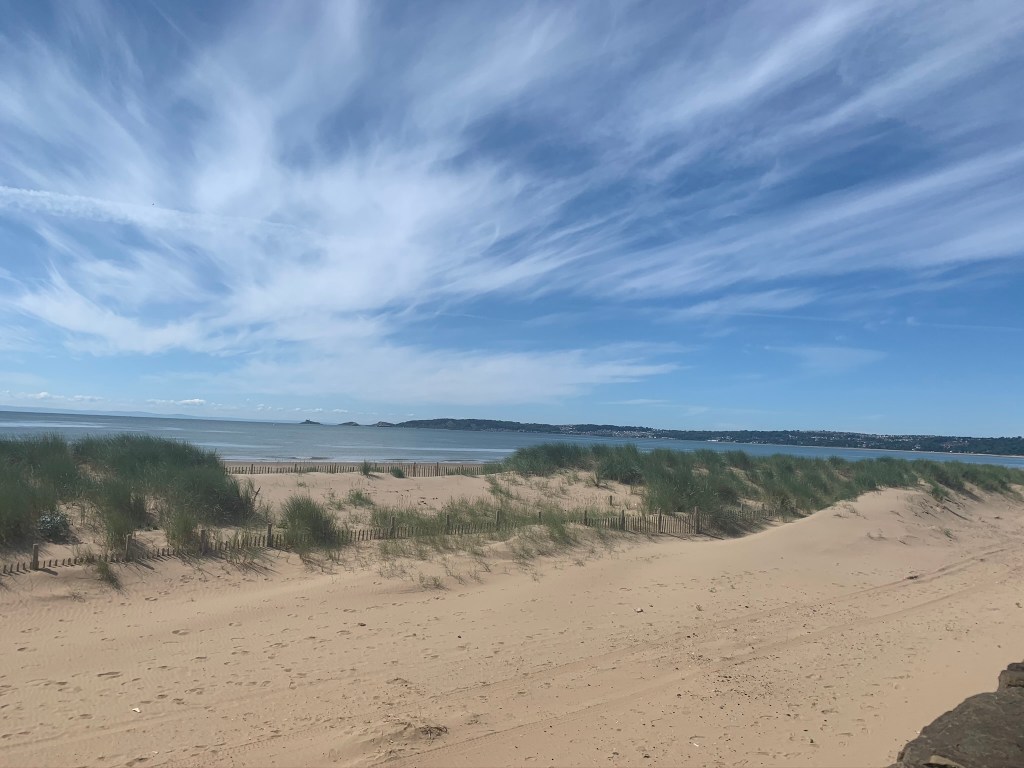
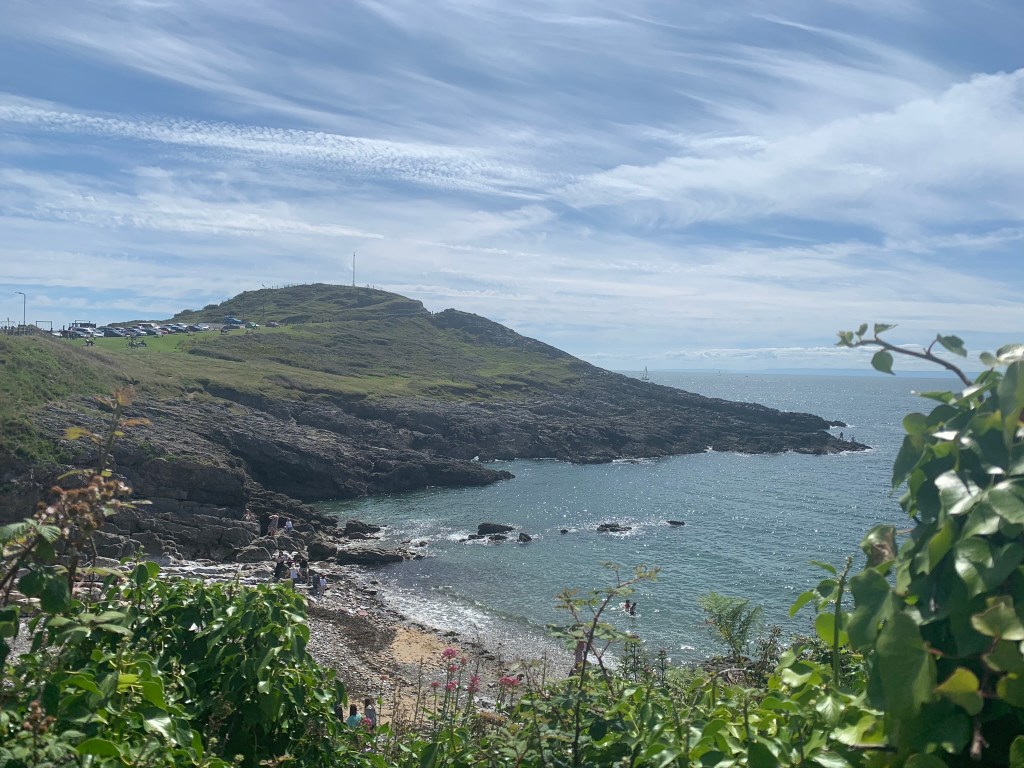
Local views this week, the Glamorgan coast.
Love is…
Marie-Madeleine Fourcade
Marie-Madeleine Fourcade was born on 11 August 1909 in Marseille. Under the code name ‘Hérisson’ (‘Hedgehog’) she had the distinction of being the only female leader of a French Resistance network, ‘Alliance’, later named ‘Noah’s Ark’.
Marie-Madeleine Fourcade
Marie-Madeleine married Edouard Meric, a future colonel, when she was twenty. The couple had two children, but later became estranged.
Aged thirty, Marie-Madeleine worked on a magazine, L’ordre national, and became involved in espionage. During her first mission she created Resistance sections in occupied France and assigned agents to these sections. This network developed into Noah’s Ark.
After the Gestapo arrested a number of leading Resistance figures it fell to Marie-Madeleine to lead the movement. She achieved a notable success when her agent Jeannie Rousseau convinced a Wehrmacht officer to draw a rocket and a testing station revealing details of Peenemünde and the V2 rocket programme. These details were forwarded to the Allies.
The British military authorities were so impressed with the quality of Marie-Madeleine’s reports that they sent her a wireless operator. Unfortunately, the wireless operator became a double agent and a number of her colleagues were arrested and murdered by the Gestapo.
After sending her children to live in the safe haven of Switzerland, Marie-Madeleine spent months on the run, moving from city to city to avoid detection. While on the run she gave birth to her third child, a son, whom she hid in a safe-house.
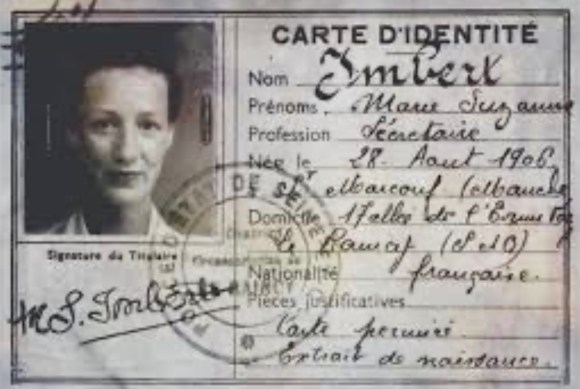
One of Marie-Madeleine’s identity cards
In July 1943, with the Gestapo closing in, Marie-Madeleine left France for Britain where she worked for British intelligence. Although eager to return to France, she had to wait until July 1944 when she rejoined her Noah’s Ark agents.
In Noah’s Ark all the agents were assigned animal names as code names. Their assignments involved gathering information about Nazi troop movements and transmit this intelligence to Britain using a network of couriers and clandestine wireless transmitters.
The Nazis were able to track down wireless signals, which meant that wireless transmission was perilous work. In total, the Noah’s Ark network lost 438 agents, but still others stepped forward to continue the fight against fascism.
The Gestapo captured Marie-Madeleine on two occasions. Arrested with her staff on 10 November 1942 she escaped and was transported by aeroplane to Britain where she continued to direct the network.
On her return to France, Marie-Madeleine was captured for a second time. Once again, she escaped this time by stripping naked and squeezing her petite body between the bars of her cell window.
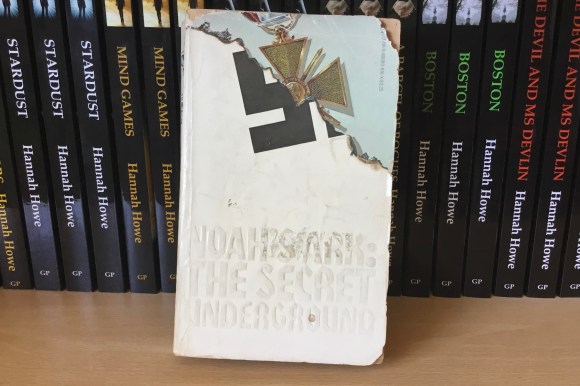
After the war, Marie-Madeleine wrote L’Arche de Noé, a memoir of her wartime experiences. The book was published in 1968 and later abridged and translated into English as Noah’s Ark.
My battered second-hand copy of Noah’s Ark
Active in her community, Marie-Madeleine’s social works included the care of 3,000 Resistance agents and survivors, and the publication of Mémorial de l’Alliance, which was dedicated to the 438 Resistance fighters lost during the war.
Marie-Madeleine remarried and in total had five children. She remained active on many committees, often chairing them, throughout her life. One of her last battles involved the Klaus Barbie lawsuit in Lyon in 1987, which resulted in his conviction for war crimes.
Marie-Madeleine Fourcade died on 20 July 1989, aged eighty, at the military hospital of Val-de-Grace. She was buried with honours and is remembered as one of the true heroines of France.
Another new project, the translation of The Olive Tree: Roots into Spanish. This series is about the Spanish Civil War so I’m delighted that the books are being translated into Spanish.
Chess and music are two of my passions. This is brilliant, a U2 cover of “Sunday Bloody Sunday” performed by Juga. The lyrics, by Vladimir Kramnik, refer to his World Championship match with Garry Kasparov.
My article about SOE agent Alix d’Unienville appears on page 20 of the magazine. Lots of other interesting features too 🙂
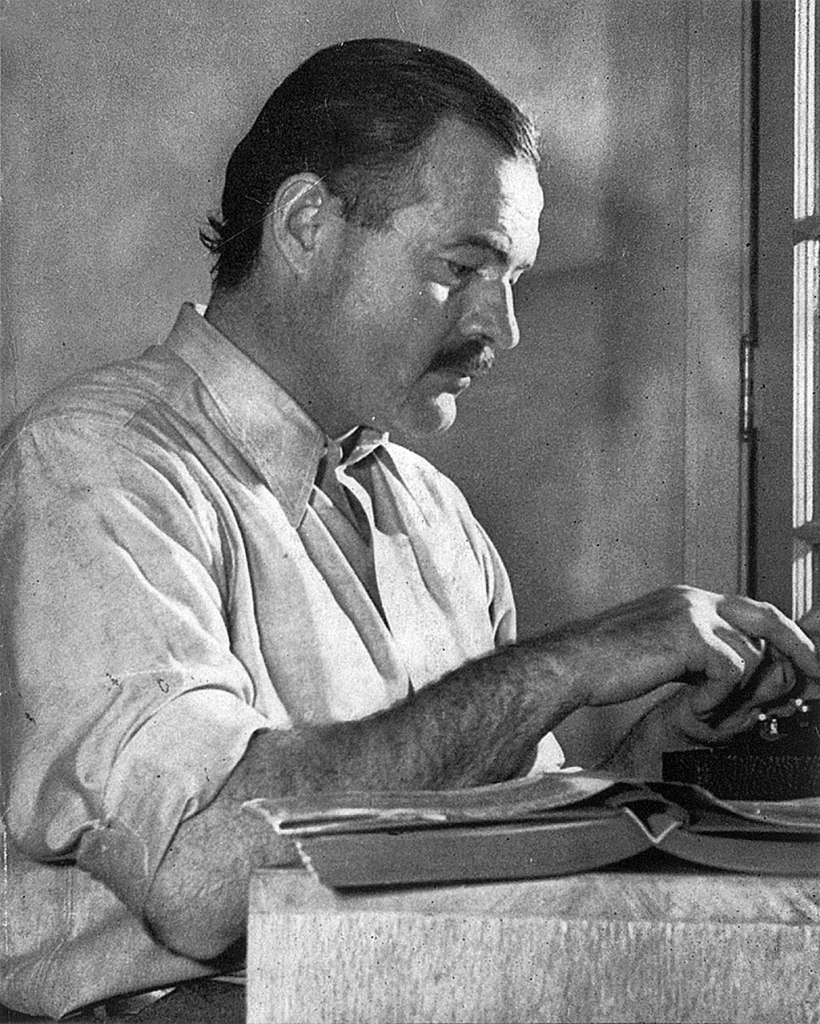
“There is nothing to writing. All you do is sit down at a typewriter and bleed.” – Ernest Hemingway
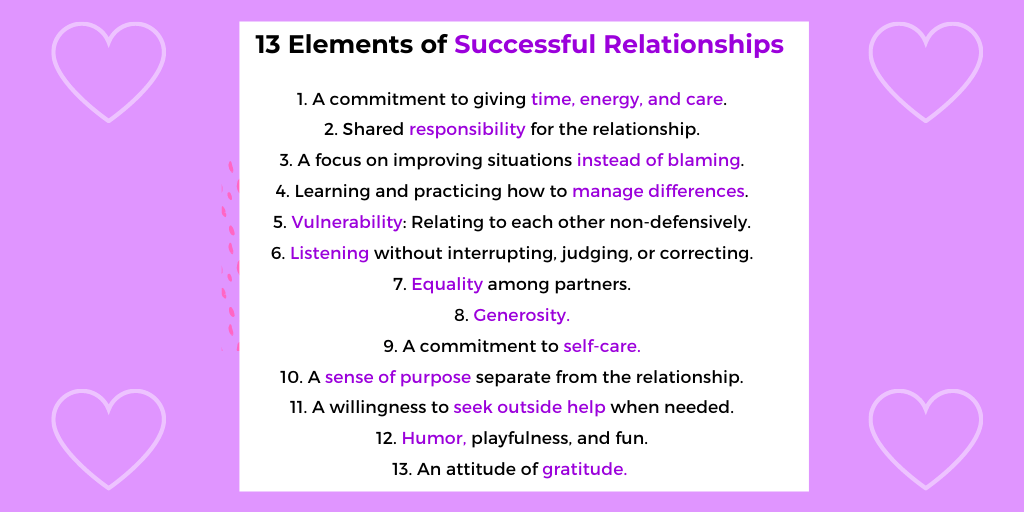
Difficult times for everyone at the moment with some political leaders making it even more difficult than it needs to be. Hopefully, this calendar will help you in some small way.
Resistance Couples
Lucie Samuel, better known as Lucie Aubrac, was born on 29 June 1912. A history teacher in peacetime, Lucie became a leading member of the French Resistance.
In 1939, Lucie married Raymond Aubrac and after the Nazis occupied France in 1940 the couple joined the Resistance. In 1941, the Aubrac’s group sabotaged the train stations at Perpignan and Cannes, and distributed thousands of anti-Nazi flyers.
Lucie and Raymond Aubrac
Despite harassment and threats from the Nazis, the Aubracs published an underground newspaper, Libération. With the help of local printers and trade-unionists, 10,000 copies of Libération were produced and distributed in July 1941, bringing news and hope to the French people; a reminder that the pen is indeed mightier than the sword.
An issue of Libération
In March 1943, the Gestapo arrested Raymond. In May, they released him, only to arrest him again in June. With Raymond sentenced to death, Lucie concocted an audacious escape plan.
Under French law, engaged couples were allowed to marry if one of them was soon to die. Therefore, Lucie claimed that Raymond was her fiancé. She was pregnant at the time, carrying her second child (of three).
Lucie informed the Nazis that Raymond’s name was “Ermelin” (one of his many aliases) and that he had been caught in a raid while innocently visiting a doctor. She claimed that she was unmarried and that Raymond was the father of her expected child.
Furthermore, Lucie pleaded with the Gestapo that they should allow Raymond to marry her before his execution. The Gestapo believed her story and granted her wish.
Later, after the ‘marriage’ ceremony, as the Gestapo escorted Raymond back to his prison the local Resistance executed Lucie’s plan. In cars, they ambushed the prison lorry and liberated fifteen prisoners. In the melee, Lucie freed Raymond and the couple escaped.
In 1944, Lucie was the first woman to sit in a French parliamentary assembly and in 1945 she published a short history of the French Resistance.
Outwitting the Gestapo, a semi-fictional version of Lucie’s wartime diaries, followed in 1984. Lucie published her book after notorious psychopath, Klaus Barbie ‘The Butcher of Leon’ claimed that Raymond had betrayed the Resistance after his arrest.
Undoubtedly, there were factions and conflicts within the Resistance, particularly between the Gaullists and the Communists. As a result of these conflicts, betrayals did occur. However, when seeking the truth it is difficult to place great faith in a psychopath, particularly one who had reason to hate the Aubracs.
In support of the Aubracs, twenty leading Resistance survivors published a letter, condemning the accusations. Voluntarily, the Aubracs appeared before a panel of leading French historians. After examining the case, the historians concluded that Raymond was not a traitor.
To date, the Aubracs’ story has featured in two films – Boulevard des hirondelles, 1992, and Lucie Aubrac, 1997. While, in 1996, Lucie was awarded the Legion of Honor by the French government for her heroism during the Second World War.
President Nicolas Sarkozy, in a statement after Raymond’s death in 2012, said that Raymond’s escape from the Nazis had “become a legend in the history of the Resistance” and praised him and all Resistance members as “heroes of the shadows who saved France’s honor, at a time when it seemed lost.”
While President François Hollande said, “In our darkest times, he [Raymond] was, with Lucie Aubrac, among the righteous, who found, in themselves and in the universal values of our Republic, the strength to resist Nazi barbarism.”
Lucie once said: “Resistance is not just something locked away in the period 1939-45. Resistance is a way of life, an intellectual and emotional reaction to anything which threatens human liberty.”












































 Hannah Howe