Categories
Dear Reader

Dear Reader #80

Dear Reader,

It’s very satisfying when readers enjoy your books and this comment about Eve’s War: Operation Locksmith is particularly pleasing. “The writing has such historical authenticity it made me feel as though Eve had written her own story. Highly recommended.” 🙂

The brave Americans who fought fascism in the Spanish Civil War. “Somebody had to do something.”

A Mercedes 35 hp motor car, 1901. Designed by Wilhelm Maybach and manufactured by Daimler Motoren Gesellschaft of Cannstatt, Germany, these cars achieved great success in the early years of motor racing.

The Eiffel Tower under construction, 1887-1889.

An example of the sabotage work undertaken by my SOE agents Eve, Guy and Mimi in my series Eve’s War Heroines of the SOE.

One of the great deception plans of the Second World War. British soldiers moving inflatable tanks on the south coast, 1944. The idea was to confuse the Nazis about the size of British forces and the D-Day landing zones. Amazingly, the plan worked.

Ancestry

My 2 x great grandfather, William Howe, married Ann Jones in 1878 and they had nine children. However, before exploring their lives there is a mystery to solve: why was their nine year old niece, Elizabeth Burnell, living with them in the 1880s?

Elizabeth Burnell was the daughter of Ann’s sister, Mary Jones and  Thomas Burnell. Elizabeth had three sisters, Mary Ann, Louisa and Esther, so to unlock the mystery we must explore the records associated with the Burnell’s.
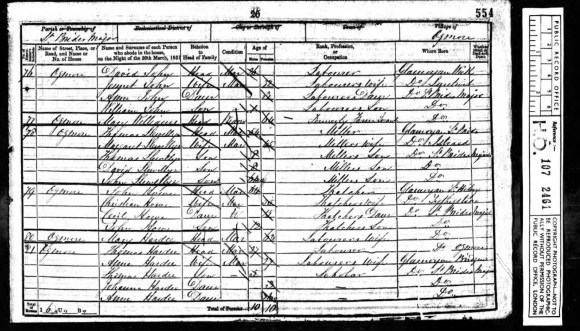
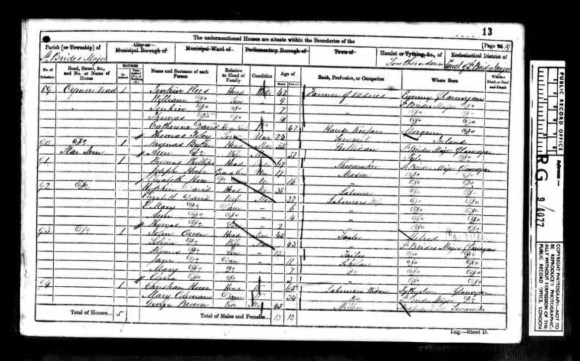
The son of John Burnell and Elizabeth Poole, Thomas Burnell was born on 13 September 1846 in Minehead, Somerset. John was a farm labourer and Thomas began his working career aged fourteen as a plough boy.

In his early twenties, Thomas made his way to Wales, to the New House Inn in North Corneli to be exact, where he lodged while working as a haulier, a miner responsible for transporting coal within a coal mine. We are in the 1870s and Thomas is one of thousands of men who have arrived in the South Wales Valleys to mine the ‘black gold’, the rich seams of coal.

During the summer of 1871, Thomas found himself in Newton-Nottage. It’s highly likely that he was working on the land as an agricultural labourer at this time and that he met Mary Jones there because she was working as a servant at Grove Farm, Newton-Nottage.

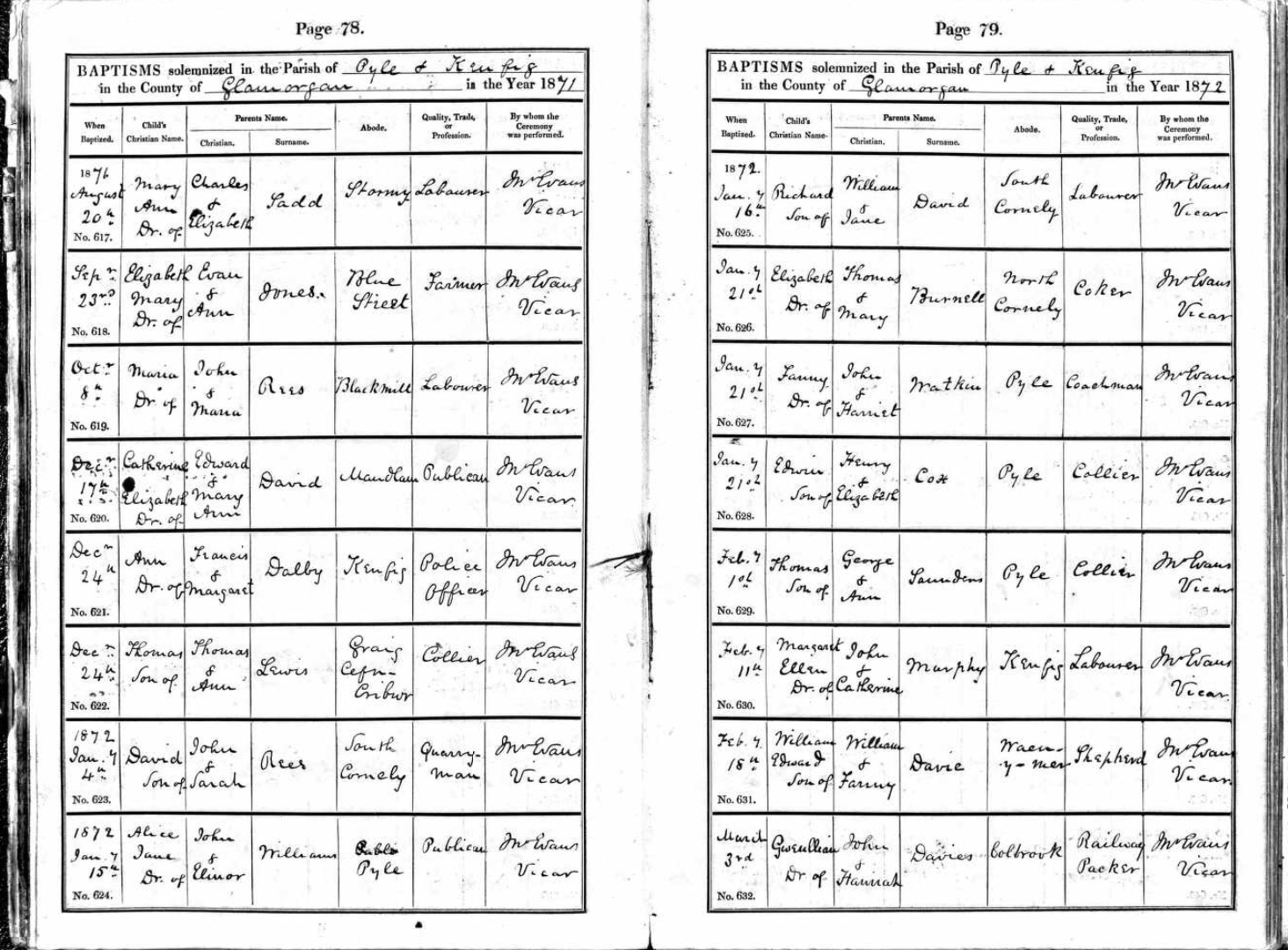
Thomas and Mary married on 12 September 1871 at the parish church of Newton-Nottage. Thomas was a labourer, which confirms that he returned to the land. They signed their names with a mark, as did their witnesses, Evan Lewis and Jane Hughes. Evan was Mary’s half-brother and Jane was, presumably, a friend.

Thomas and Mary’s four daughters were born in 1872, 1873, 1877 and 1879. The gap in 1875 is suspicious. Did Mary miscarry that year, or was she and Thomas living apart for some reason? Thomas had returned to the coal mines as a coker and was living in various locations as he sough employment. In normal circumstances, his wife Mary would have moved with him.

While Elizabeth lived with my 2 x great grandparents, William and Ann, Mary’s other children, Mary Ann, Louisa and Esther, moved around the South Wales coalfield with their father, Thomas. Meanwhile, where was Mary?

Mary was born c1849 to David Jones and Ann David. She had an older half-brother, Evan Lewis, and a younger sister, my 2 x great grandmother, Ann Jones. Therefore, a small family for the Victorian era. 

Mary’s father, David, a labourer, was 51 when she was born, while her mother, Ann, was 37. There is a disjointed feel to this branch of my family, with many gaps in the historical record, inaccuracies with ages and unconventional relationships. I sense that these people were struggling for companionship and materially to survive.

Mary Jones gave birth to Esther Burnell on 5 June 1879 at the Level Crossing, Ty Newydd, Llangeinor. Esther’s birth wasn’t registered until 14 July 1879, which suggests Mary was not well after the birth. I’ve managed to track down her full medical record and it reveals that she was indeed ill, so ill in fact that she had no option other than to enter the local asylum.

Mary Burnell was admitted to Angelton asylum on 19 May 1880, aged 29. A collier’s wife, her location was listed as Bridgend and Cowbridge, which suggests that her family was constantly on the move in search of employment.

Mary’s medical record states that her first ‘attack’ was of seven days duration the cause ‘probably puerperal’ and therefore related to the birth of her fourth daughter, Esther. The doctors did not regard Mary as epileptic or dangerous, but they did list her as suicidal because she tried to throttle herself. Also, her husband Thomas had to lock up all knives, ropes and ‘other articles with which she could have destroyed herself.’

At this stage, Mary had been ‘dull’ for four months, ten months after Esther’s birth.

Mary’s medical record states that, ‘She says she has committed a sin against the almighty for which she will not be forgiven. And that she is eternally lost and that I have sold her to the Devil.’

Mary was admitted on 19 May 1880, but she was in the asylum on 20 and 27 April when she ‘slept a little, took food, but was very dull and miserable.’
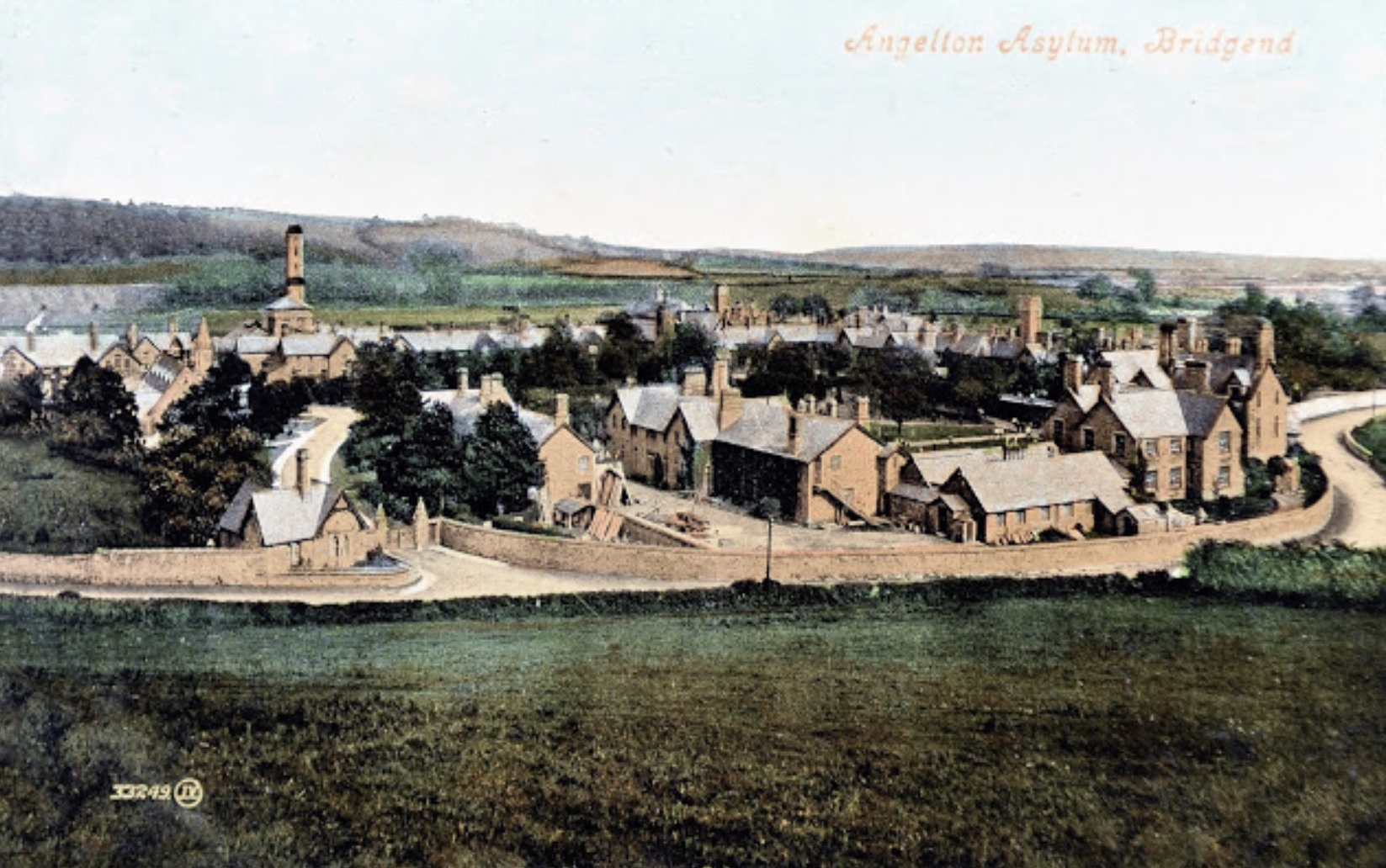
Angelton Asylum

In May, Mary passed the time with her sewing. However, she experienced a major psychotic episode on 9 May when she cried loudly and threw herself on the ground. She imagined that she was a snake and had married the Devil instead of her husband.

This pattern of sewing and disturbing delusions continued throughout the summer.

In September 1880, Mary stated that she had ‘done something seriously wrong.’ Her behaviour was good, but sometimes she could be ‘silly’.

There was no change in Mary’s condition for over a year. On 11 February 1882 she broke some windows and cut her hand. Was this a suicide attempt? The doctors didn’t think so and made no mention of attempted suicide in their notes.

The note dated 12 December 1883 is potentially revealing. ‘This woman is rather reserved, getting into solitary corners apart from her neighbours. Her memory is deficient and her morals have apparently been loose.’ Could this imply that Thomas was not Esther’s father and that the birth triggered guilt about an affair followed by a psychotic reaction?

By June 1884, Mary had become,  ‘A rather troublesome woman, often interfering with others and at times destructive. Very demented.’ This pattern of behaviour continued until December 1885 when Mary settled down.

However, by June 1886 Mary was ‘foolish’ again. She suffered from housemaid’s knee throughout the summer. The nurses bandaged her knee, but she kept on removing the bandage. Nevertheless, her knee healed.

On Christmas Eve 1886, Mary stated that she had been in the asylum for eight years. In reality she had been there for six years. She also stated that she had been in Heaven and that it was a room with glass walls, which housed Jesus. She was industrious and always kissed the floor after washing it.

As the years rolled on, the pattern continued. The staff at the asylum regarded Mary as a good worker who saw herself as sinful. She heard voices at night from the spirits in the loft and regarded the other patients as her sheep.

While Mary suffered in the asylum, her husband Thomas Burnell continued to work in the coal mines. He needed help to look after his children and enlisted Mary Williams as a ‘housekeeper’. However, the couple soon became lovers and in the space of eight years produced five children. Obviously, Thomas had decided that his wife Mary would never leave the asylum and that he had to get on with his life. The hard graft of coal mining took its toll on his health, however, and by 1896, at the age of fifty, he was dead.

On 24 September 1889 while working in the kitchen, Mary threatened to ‘cut her little head off’ twice during the day. As a result, the staff confined her to the ward under constant supervision.

On 7 February 1891, the doctors transferred Mary to Parc Gwyllt, a new hospital that housed patients deemed incurable. After eleven years of psychiatric care the doctors decided that Mary’s condition would not improve.

Parc Gwyllt Asylum

By 1896, Mary’s profanity and sexual delusions were becoming more pronounced, which resulted in regular obscene outbursts. This pattern continued for the next seven years.

During January 1903, Mary was ill with influenza and an attack of facial erysipelas. She made a good recovery and returned to stable physical health.

In August 1908, Mary imagined that she was married to Samuel Butler, 4 December 1835 – 18 June 1902, author of the semi-autobiographical novel, The Way of All Flesh, a book that attacked Victorian hypocrisy. At this point, Mary called herself Mary Burnell-Butler. Butler never married. Indeed, he had a predilection for intense male friendships, which are reflected in several of his works. One wonders why Mary felt attracted to him.
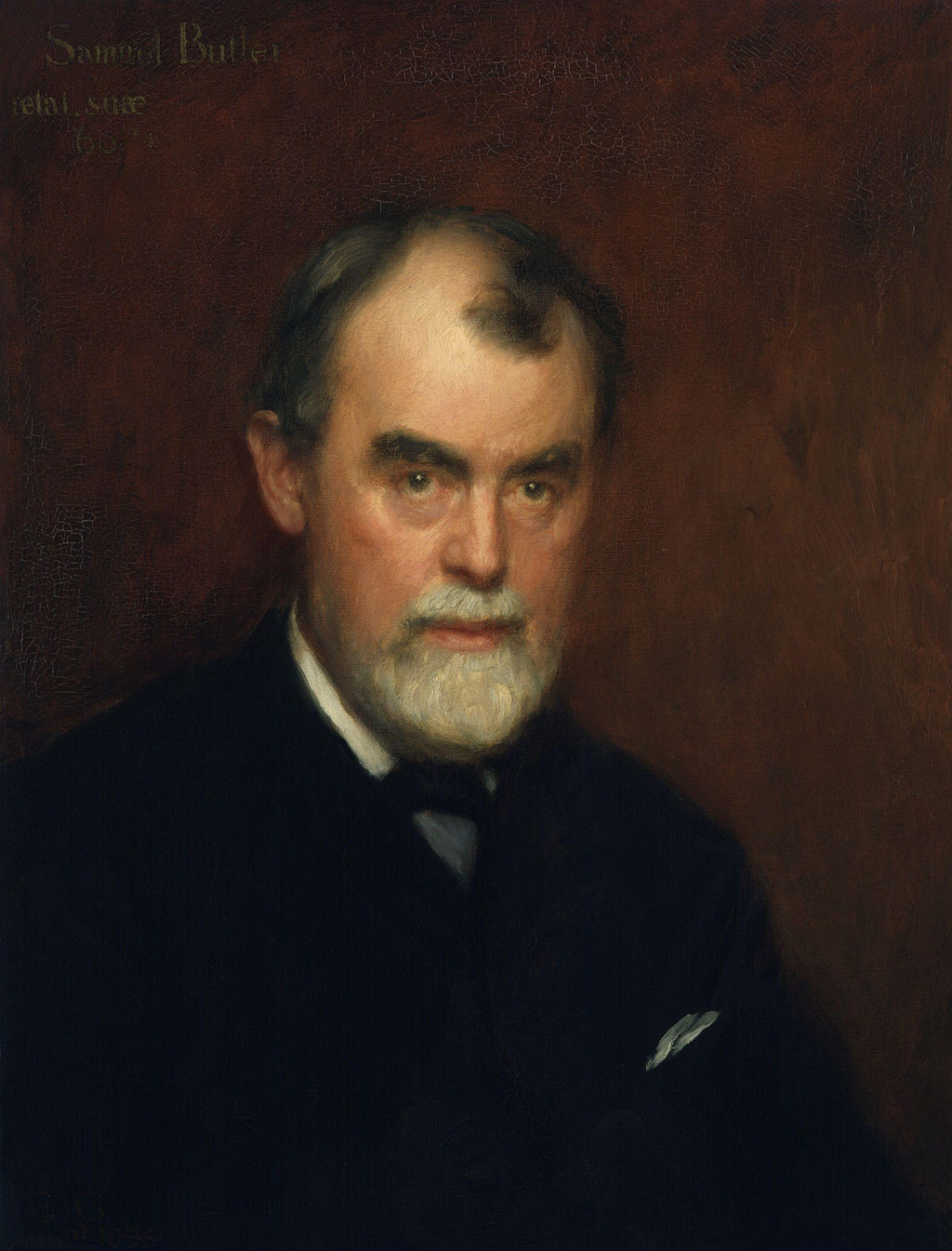
Samuel Butler

The final entry in Mary’s medical record, dated 20 January 1909, stated that she was ‘mentally feeble’ and suffered from auditory hallucinations. 

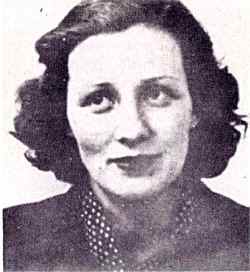
Mary Burnell, October 1909.

Aged 67, Mary died on 19 January 1919 at Parc Gwyllt of heart disease, ‘duration unknown’. Her death certificate also acknowledged that she suffered from dementia.

Mary’s daughter, Elizabeth, left my 2 x great grandparents home to nurture her own family. In 1891 she married William Cocking and the couple had six children.

And what of Esther? After a tough upbringing she established herself in the world. At the turn of the century, she moved to Cardiff where she was employed as a servant, looking after a middle-aged man, Aaron Rosser. The 1901 census described Aaron as an ‘imbecile’. Undoubtedly, Esther knew about her mother and decided that the goal in her working life was to help others less fortunate than herself.

Mary’s sins, were they imagined or real? To Mary, they were real, yet her medical notes make no mention of any facts to suggest that she had sinned. In the Victorian asylum, therapies were basic with little hope of offering a cure. Mary worked and the asylum provided food and a bed, but for 39 years she suffered with her delusions, her mistaken beliefs born out of physical illness, the attitudes of a deeply religious community and a susceptibility to mental health problems doubtless inherited from her ancestors.

As ever, thank you for your interest and support.

Hannah xxx

Categories
Dear Reader

Dear Reader #79

Dear Reader,

Reading, you know it makes sense.

Exciting news. Sam’s Song is #1 in Australia. Sam is also top five in America, Brazil, Britain, Canada, France, India and Spain while Operation Zigzag is top five in Spain and France, and Betrayal is #1 in America 🙂

My 3 x and 2 x great grandfathers, both William, worked at this quarry so would have been aware of this shocking incident. Maybe they witnessed it.

The apartment of Gustave Eiffel in the tower he designed, 1909.

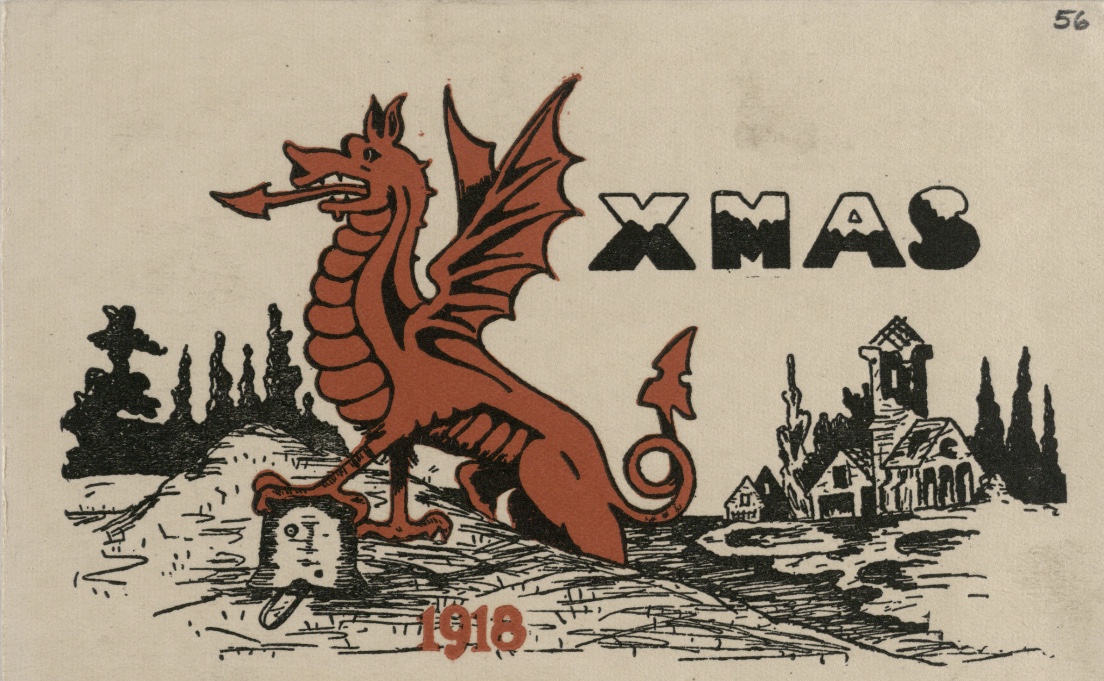
A Christmas card sent to Sergeant Major Fear in 1918. From The People’s Collection Wales.

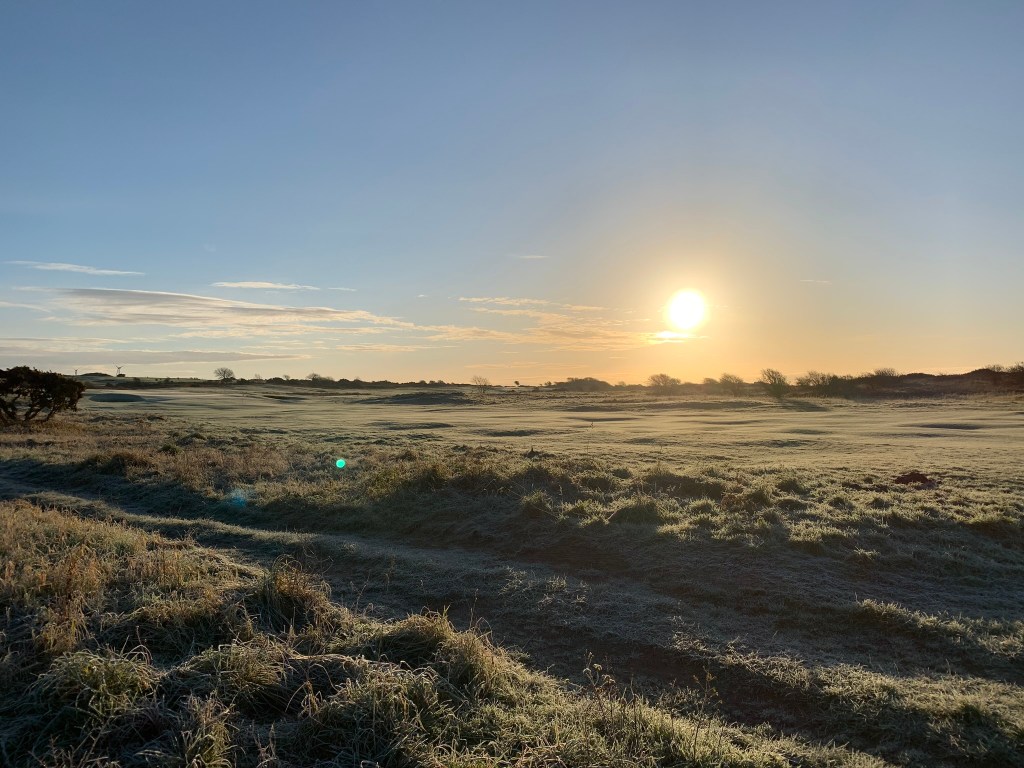
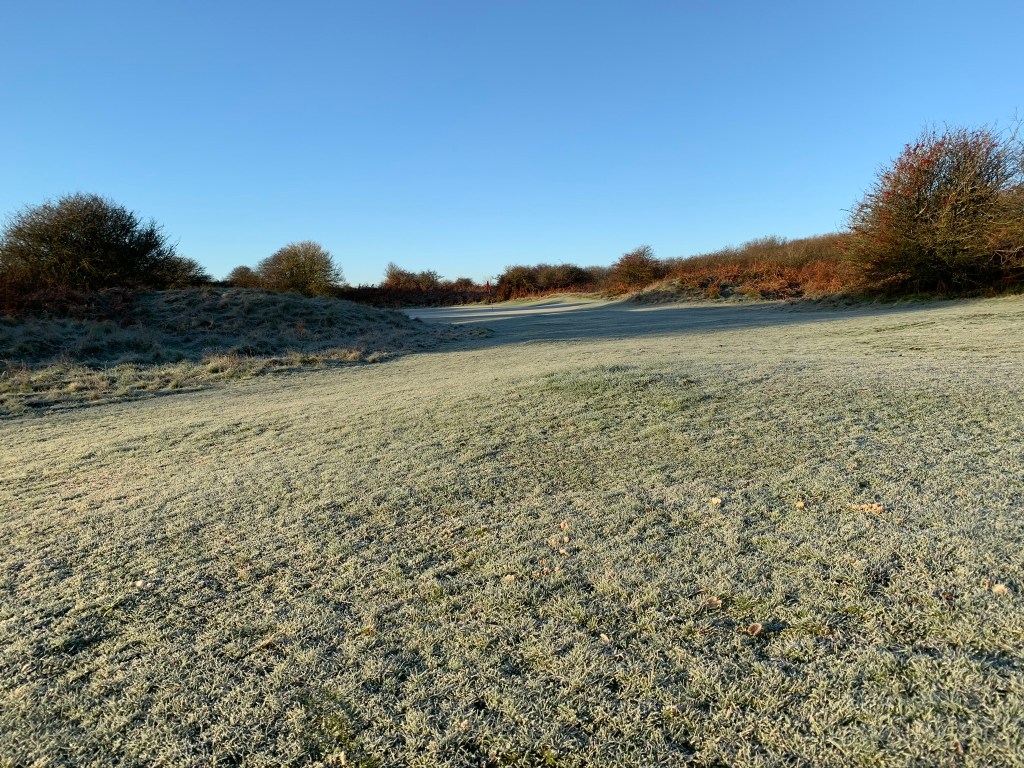
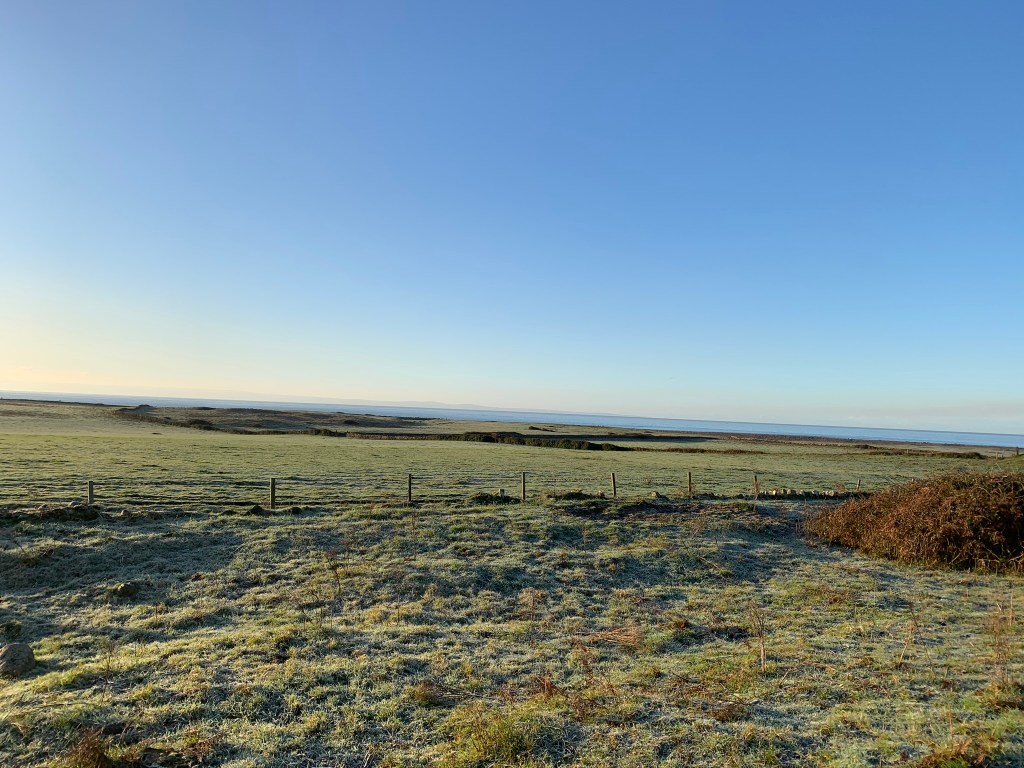
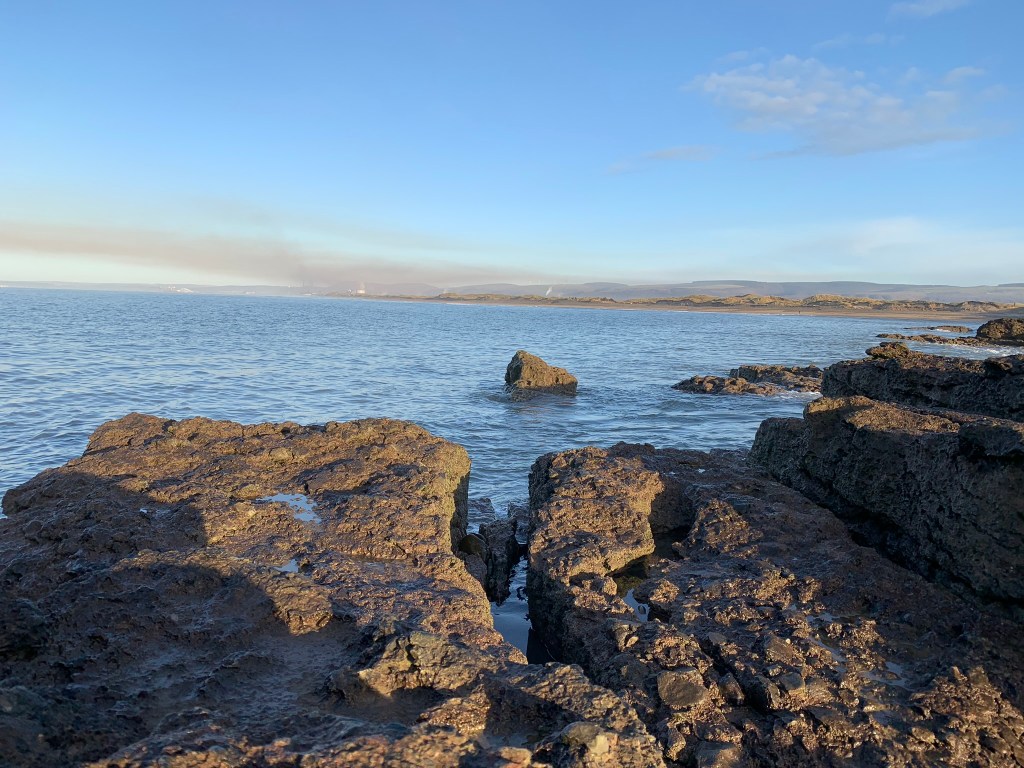
Frost on the sand dunes this week.

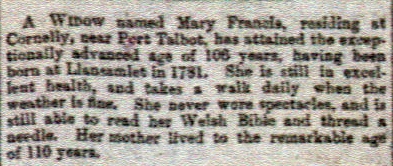
Mary Francis, a friend and neighbour of my 3 x great grandmother, Mary Hopkin.

At 12.15 a.m., on Thursday 17 September 1890, Mary Francis, also known as Bopa, died; she was 110 years old.

Mary Francis hailed from Llansamlet, near Swansea. According to her obituary in the Glamorgan Gazette she was born on the 15th August 1780, the youngest of seven daughters.

Around 1810, Mary arrived in Corneli where she worked as a servant to Owen Howells at Pen-y-Mynydd Farm. Her first husband was a collier named Griffiths. In search of work, the couple returned to Llansamlet, only for Mr Griffiths to expire when he fell into a canal. A widow, Mary went into service at Aberavon.

Mary’s fortunes changed when she returned to Corneli to work on Ty Tanglwst Farm. There, she met one of the farm-hands, David Francis. The couple married on 21 May 1814 and they settled at Ty Capel, adjacent to the chapel, where Mary lived for the rest of her life.

Mary Francis had six children, four of whom were still alive at the time of her death. Her mother, reputedly, lived until she was 111 years old and she is buried at Llansamlet. Mary’s husband, David, died on the 2 November 1839, aged fifty-nine, and so Mary lived as a widow for a further fifty-one years.

The Gazette remembered Mary as an industrious, respectable woman whose faculties remained clear until her closing years. Apparently, she could distinguish people at a considerable distance and her hearing and mind were well preserved. 

Physically, she was short and of small proportions and, like many of her generation, she could neither read nor write. Throughout her working life Mary was employed on various farms in the neighbourhood and was also in demand as a midwife and feather cleaner.

When she was seventy years old Mary broke her leg in an accident and from that point on she was compelled to seek parish relief. Of a religious disposition, Mary regularly attended Capel-y-Pil; she had a fine voice and she loved the hymns. When she could no longer attend the chapel the Rev. E. Williams, himself eighty, would visit her at home.

In her younger days Mary would frequently walk with my 3 x great grandmother, Mary Hopkin, fifteen miles to Neath market to sell their homemade dresses.

Unfortunately, in the last two years of her life Mary was confined to her bed, except for a few hours when she would sit by the fireside. During those final years people would call on her and leave donations.

When Mary Francis died her body was covered with a white sheet strewn with sweet scented thyme and rosemary. She was buried at Mawdlam Church and an estimated 1,000 people attended her funeral.

————-

Life for my 3 x great grandparents, William Howe and Mary Hopkin was hard, typical of working class Victorians. They lost four of their five children, in infancy, young adulthood and middle age. They also lost three of their grandchildren.

William’s working life reflected the changing landscape. Instead of a lifetime spent labouring on the land, he left farming in his twenties to become a collier in the recently established coal mines. He returned to the land only to work in the local limestone quarry during the second half of his life. Meanwhile, Mary was a dressmaker walking fifteen miles to the market to sell her dresses. Social life for the family revolved around the Methodist chapel.

Mary had strong material instincts. She brought up her niece, Ann Price, and looked after an orphan, Ann Beynon. Later, she brought up her grandson, Edward Reynolds. Her house was a home for waifs and strays.

On 12 July 1897, aged 79, Mary died of ‘senile decay’. Her son, William, was at her side. The inscription on her gravestone, written in Welsh, reads, ‘To walk in honour to the land of peace. May the good lord return her soul to me.’

Those words on Mary’s gravestone were obviously written by William. He died of bladder and prostrate disease, and exhaustion, on 31 December 1903. Edward Reynolds’ wife, Rachel Thomas, was at his side thus maintaining a link with the Reynolds family that existed for sixty years.

As ever, thank you for your interest and support.

Hannah xxx

Categories
Dear Reader

Dear Reader #78

Dear Reader,

Delighted that my Eve’s War Heroines of SOE series will now be translated into Portuguese, as well as Spanish and German.

27 October 1865. My 3 x great uncle, Thomas Reynolds, made the newspapers in a bastardy case, which wasn’t proved. Maybe it was coincidence, but after this incident he married two other Mary’s, in 1867 and 1875.

The perfect job for the dentophobic.

Byline Times intends to publish Byline Wales. Very excited to be in discussions with their editor about playing a role.

https://bylinetimes.com/

29 May 1858. Some things are timeless. The issue of vaccination.

Smallpox was a common killer in nineteenth century Britain. It spread rapidly and killed around 30% of those who contracted it and left many survivors blinded or scarred. In the 1850s, the government passed a series of laws that made vaccination against smallpox compulsory.

Ancestry

Mary Hopkin, born in 1818, my 3 x great grandmother, gave birth to five children: Thomas Reynolds born 1842, Margaret Howe born 1851, Hopkin Howe born 1853, William Howe born 1855, and Mary Ann Howe born 1858. However, only one of her offspring, my direct ancestor William, survived her.

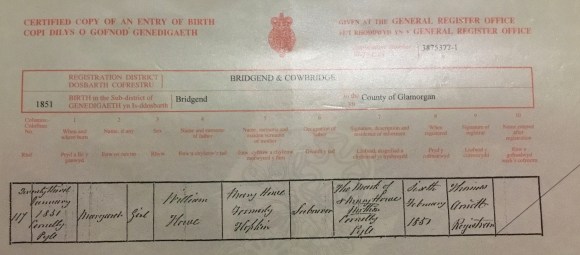
Margaret Howe was born on 23 January 1851 in South Corneli, Glamorgan. Sadly, she died of ‘brain fever’ on 30 December 1853 in St Brides, Glamorgan. Through her husband, William, Mary had a number of relatives in St Brides, but it’s not clear why Margaret was there and why Mary wasn’t with her. Did Mary have the fever too and was too ill to look after her child? Whatever the reason for Mary’s absence, Margaret’s death was a deviating blow for the family.

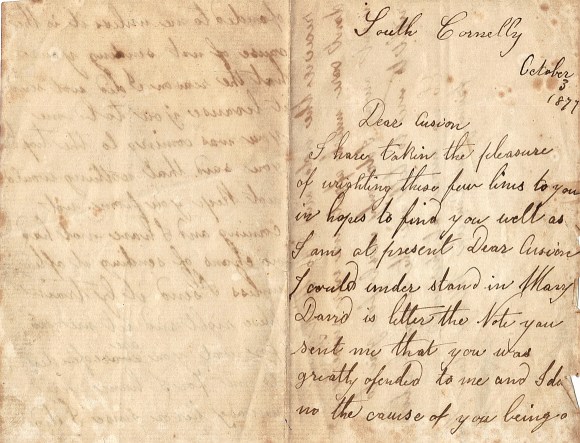
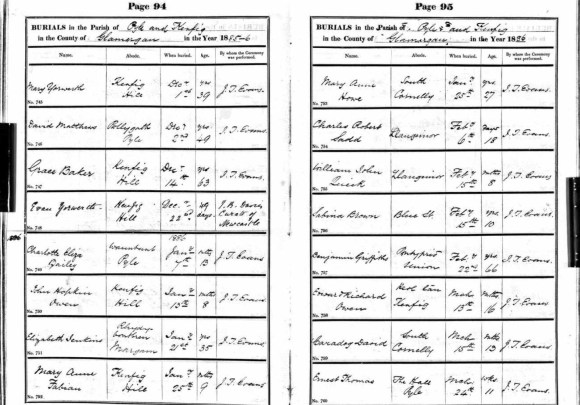
Mary Ann was born on 20 June 1858 in South Corneli, Glamorgan. Like her mother, Mary, Mary Ann was a dressmaker. Amazingly, a letter written by Mary Ann in 1877 survives. 

As well as sentimental value, the letter is interesting in that it is written in English by a native Welsh speaker, it mentions using the recently installed railway network and, more poignantly, Mary Ann states that she is well ‘at present’. Mary Ann endured poor health throughout her short life and died on 21 January 1886, aged twenty-seven.

South Corneli, October 3, 1877

Dear Cousin,

I have taken the pleasure of writing these few lines to you in hopes to find you well as I am at present. Dear Cousin I could understand in Mary David’s letter the note you sent me that you was greatly offended to me and I don’t know the cause of you being so offended to me unless it is the cause of not sending your hat. The reason I did not send it because you told me you was coming to the tea party. You said that nothing would not keep you from not coming and I have not had no chance of sending it after unless I send it by train. Please write and let me know for what you are offended to me for. I am very uneasy ever since I did receive the note and I do think you don’t care much about me ever since you went away. I do only wish for you to write to me to tell me the reason by return.

So no more at present. From your cousin,

Mary Ann Howe

Mary Ann Howe died of ‘cardiac syncope’ or heart failure. Her brother, Hopkin, a Methodist Minister, was at her side. She died at Alexandria Road in Pontycymer, fourteen miles north of Corneli. What was she doing there? 

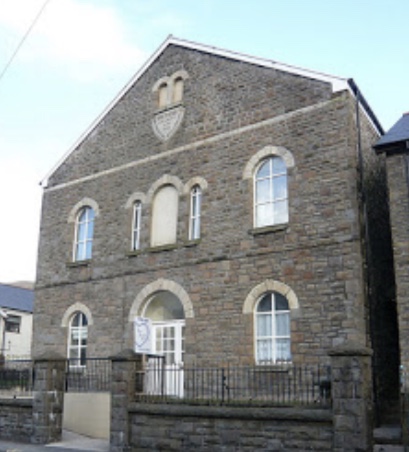
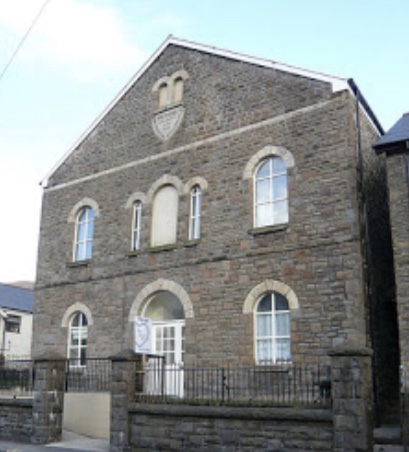
In 1882, the people of Pontycymer built the Bethel Methodist Chapel (pictured) with modifications added in 1885. The design incorporated a Romanesque style with two storeys, a gable-entry plan and round-headed windows. It seems highly likely that Hopkin was visiting the chapel, accompanied by his sister, Mary Ann. Mary Ann fell ill and was taken around the corner to a house in Alexandria Road where she died. 

Because of her letter, I feel close to Mary Ann as an ancestor and remain grateful for her words and the insight into her life.

My 3 x great grandmother, Mary Hopkin, gave birth to Thomas Reynolds on 15 January 1842 in South Corneli, Glamorgan. Thomas’ father, also Thomas, died three years later.

In 1851, Thomas was living with his mother and stepfather, William Howe, and attending the local school. At nineteen he was a carter on a local farm, Morfa Mawr, and in 1867 he married Mary Rees who gave birth to a son, Edward, eighteen months later.

Mary died soon after the birth and while Thomas worked on a farm closer to his mother’s home, Edward lived with his grandmother.

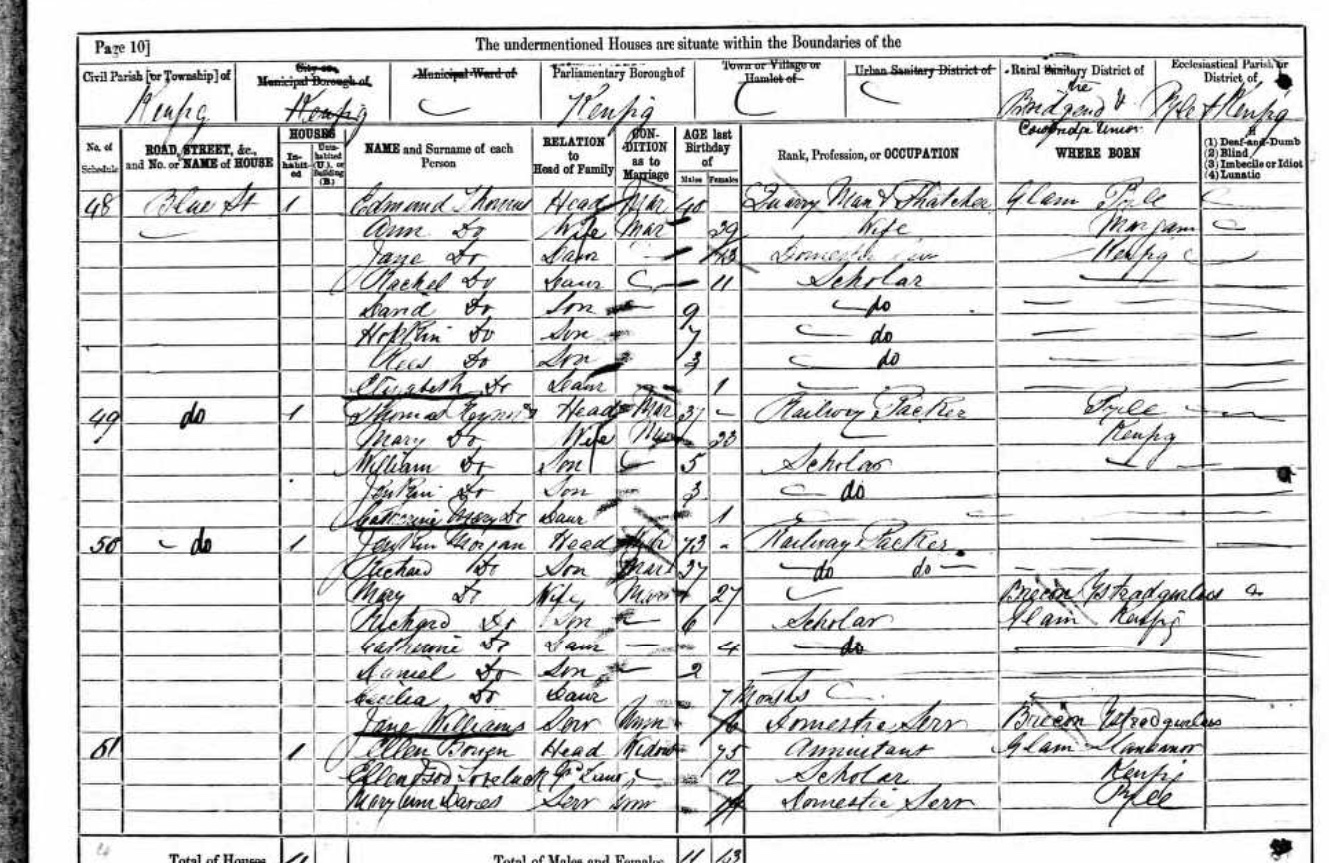
Thomas married Mary Morgan on 15 May 1875 in their local church at Mawdlam. Three children arrived in four years: William 1876, Jenkin 1877 and Catherine 1880. Thomas was a railway packer at this time, living on Heol Las in North Corneli.

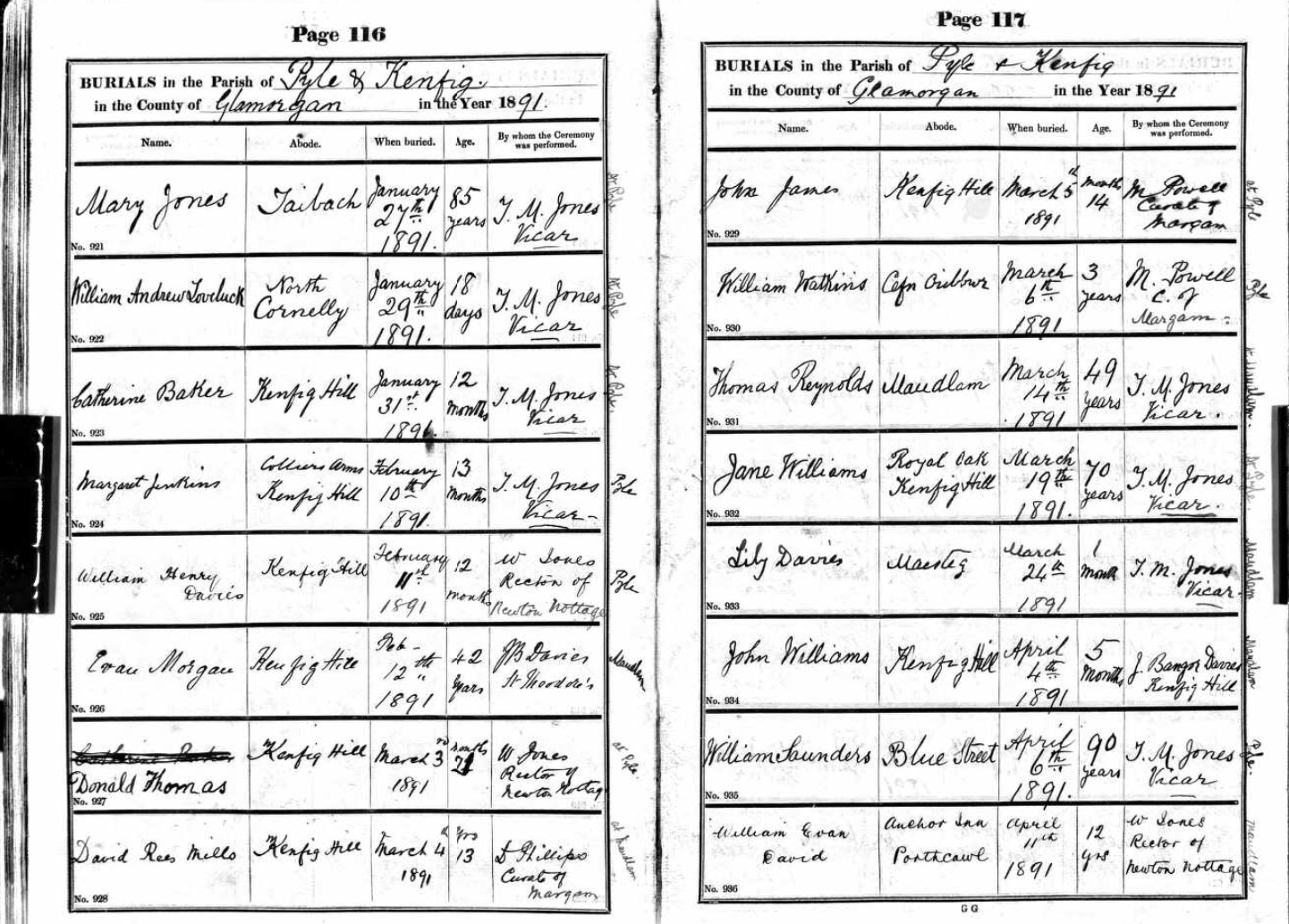
Mary died on 13 October 1886 and Thomas died five years later, on 11 March 1891. He was 49.

Thomas left a will bequeathing £79 7s 0d to his son Edward, the equivalent of two horses, eight cows or 242 days pay for a skilled tradesman.

For my 3 x great grandmother, Mary Hopkin, now aged 72, this was a bitter blow, the loss of her third child. Sadly, more tragedy was to follow.

In regard to family life, Mary Hopkin’s second son, Hopkin Howe, followed a similar path to his half-brother, Thomas Reynolds.

Born on 16 June 1853 in South Corneli, Hopkin lived with his parents, siblings and cousin, Anne Price. Anne married David John, who joined them in the family home in South Corneli. This was a significant event for Hopkin because David John was a blacksmith and he taught him the skills of his trade.

In 1871, Hopkin was living with a Welsh family in Stockton, Durham while he plied his trade as a blacksmith. Stockton was the home of the railway and Hopkin’s skills were in great demand.

When Hopkin returned to Wales he changed career. He became a Methodist Minister. The chapel had always been central to the Howe family and it was Hopkin’s great ambition to become a minister. Having saved enough money to finance his training, Hopkin toured South Wales as a preacher of the gospel. 

26 March 1891. A happy occasion for my 3 x great uncle, Methodist minister Hopkin Howe, marrying David Morris and Mary Jane John.

Hopkin married Elizabeth Jones in 1884. This event brought great pleasure and tragedy. Elizabeth gave birth to a daughter, Elizabeth May Gwendoline Howe, on 27 November 1885, but died in childbirth. Deprived of her mother, baby Elizabeth died in infancy. One can only imagine how these events tested Hopkin’s faith.

Hopkin married again, Sarah Ann Jones, in December 1890 and he continued to tour South Wales preaching the gospel. However, he died four years later, of a lumber abscess, an infection in his spinal cord, on 19 February 1894. He left a will bequeathing £119 to Sarah Ann, the equivalent of a year’s wages. 

My 3 x great grandmother, Mary Hopkin, was 75 at this time. She still had her husband, William, at her side and her only surviving son, also William, lived with his family next door to her.

——-

Marie-Madeleine Fourcade led the French Resistance during the Second World War. This exchange of messages with British Intelligence (MI6) explains how she assumed command.

N1 = Georges Loustaunau-Lacau, founder of Alliance, the French Resistance network.

POZ 55 = Marie-Madeleine Fourcade.

“N1 arrested this morning STOP Network intact STOP Everything continuing STOP Best postpone parachuting next moon STOP Confidence unshakable STOP Regards STOP POZ 55”

From MI6: “Who’s taking over?”

“I am STOP POZ 55”

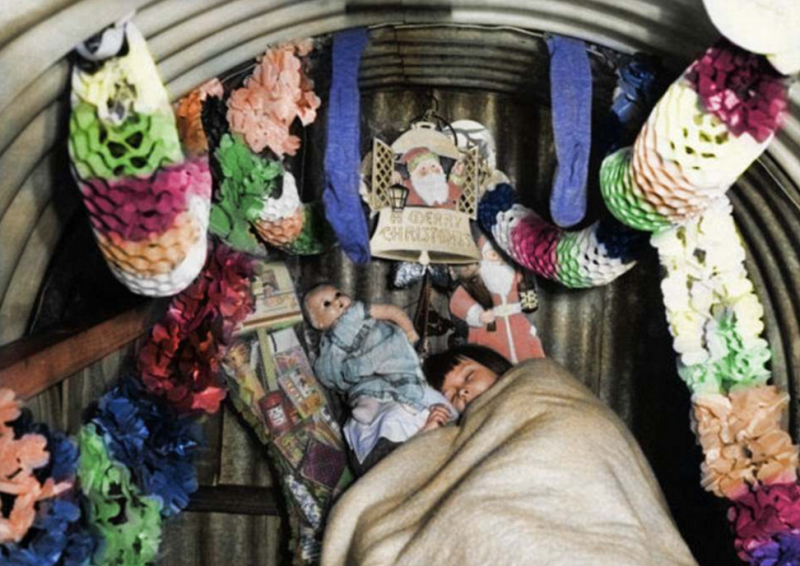
The Second World War. Inside an Anderson shelter on Christmas Eve.

In this month’s bumper issue of our Amazon #1 ranked magazine…

A Celtic Christmas, stories, articles and gift ideas based on a Celtic theme. Plus seasonal features to entertain you during the festive season and all your regular favorites.

As ever, thank you for your interest and support.

Hannah xxx

Categories
Dear Reader

Dear Reader #77

Dear Reader,

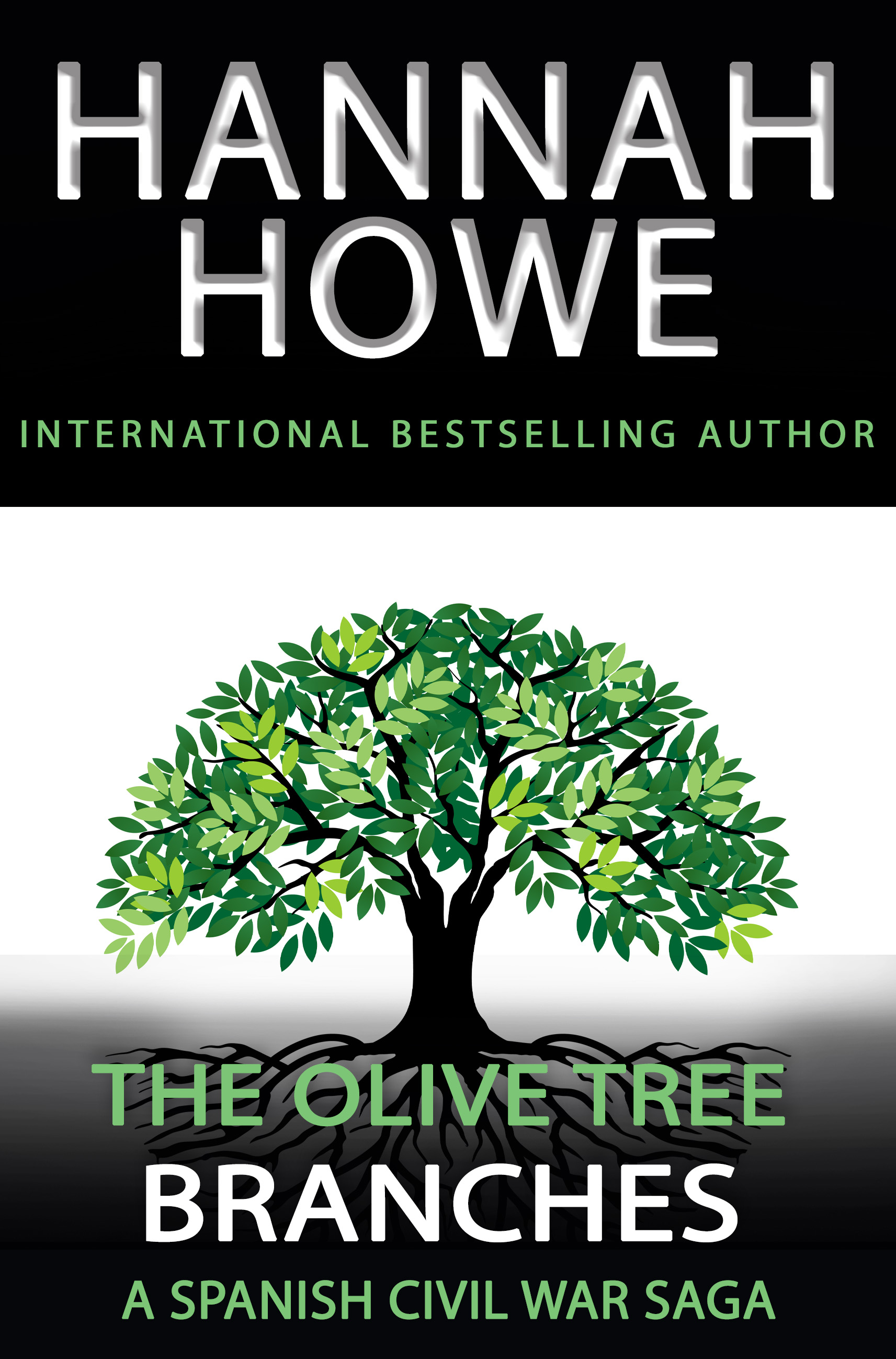
Published today, The Olive Tree Book Two: Branches.
Separately, young nurse Heini Hopkins and successful novelist Naomi Parker travel to Spain where they take opposing sides in the Spanish Civil War, learning life lessons about love and war.

https://www.amazon.co.uk/dp/B08P3R6SF7/

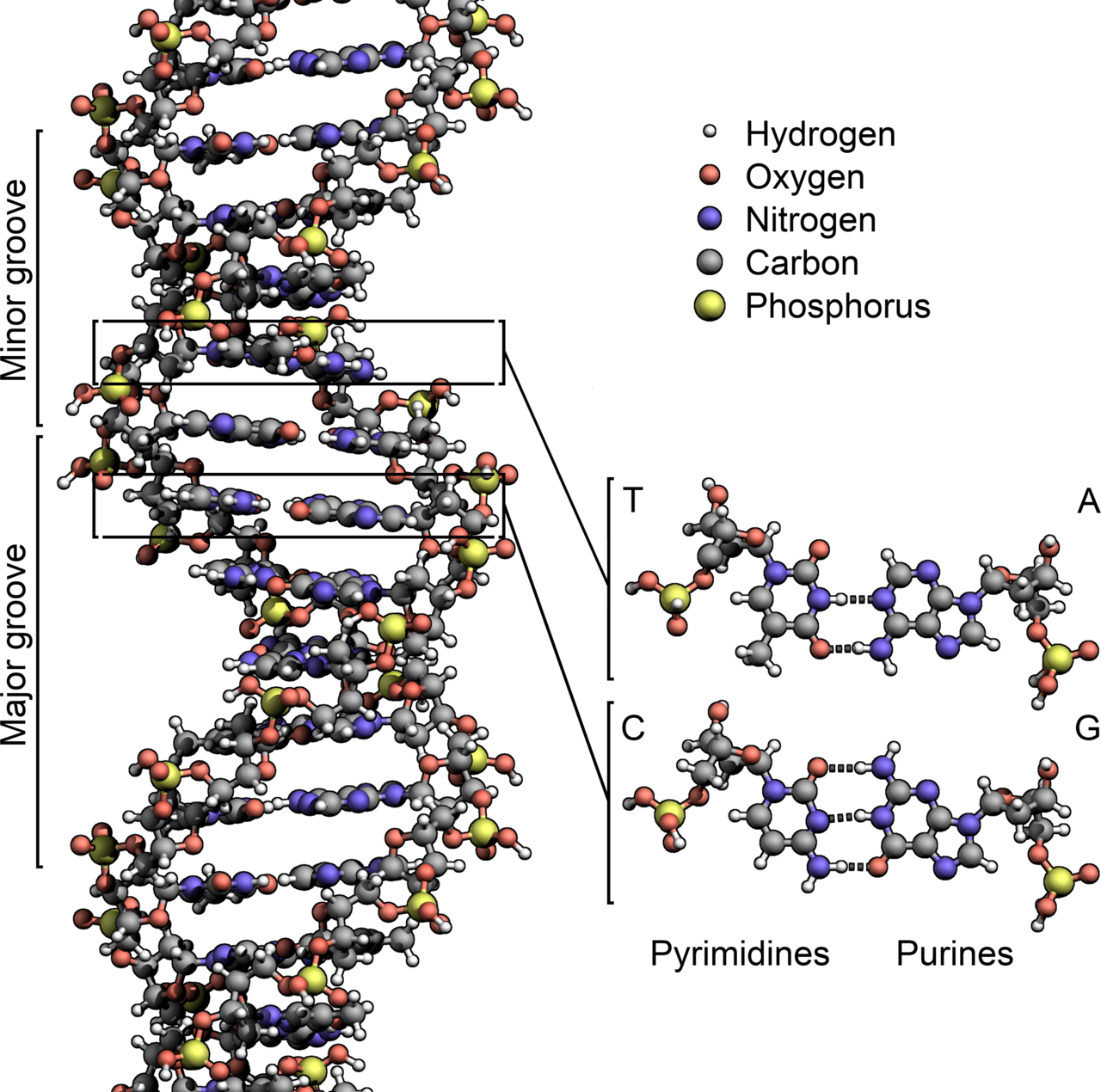
An elf tells me that Santa will deliver a DNA kit at Christmas to help with my genealogical research. I expect to find Welsh, English, a bit of Scots and maybe a few Irish strands. The big question is, do I have any Scandinavian ancestors? Howe is Old Norse. Picture: Wikipedia.

Local gossip from 30 May 1868, which I’m sure would have reached the ears of my 3 x great grandmother Mary Hopkin. Two women fighting over chilblains.

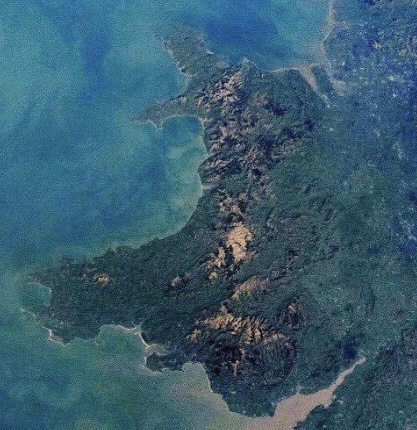
Wales as seen from the international space station.

The USA team for the People’s Olympiad bound for Barcelona, July 1936. This was an anti-fascist response to the Nazi Olympics. The People’s Olympiad was due to begin on 19 July, but was cancelled because of a fascist coup attempt.

Two hundred athletes from around the world fought in the Spanish Civil War including Chick Chakin, fifth from right, who was shot by Franco’s fascist forces in 1938.

Campbell Pleasure Steamers at Cardiff Docks, 1910. 

From Victorian times well into the twentieth century my ancestors used to take day excursions on these paddle steamers with Ilfracombe being a popular destination.

Gloves say so much…

Delighted that Santiago will start work this week on the Spanish translation of Operation Broadsword, book three in my Eve’s War Heroines of SOE Series. Meanwhile, here’s one we made earlier.

This probably means I have a minute left today 😉

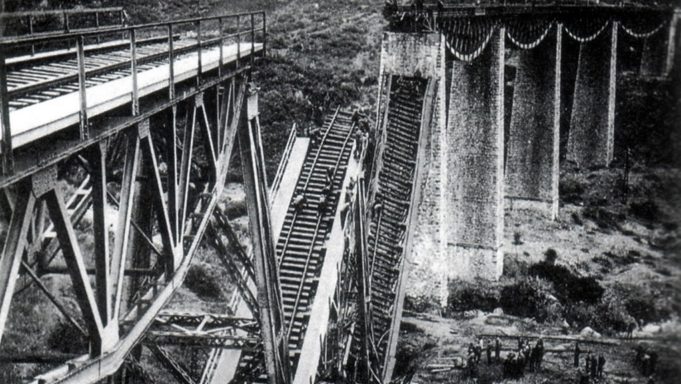
On 25 November 1942, the SOE in cooperation with the Greek Resistance destroyed the heavily guarded Gorgopotamos viaduct. This was a major success for the SOE and their biggest operation to date.

To follow the crowd or take a moral stand?

Derby County players offering a Nazi salute during their 1934 tour of Nazi Germany.

Goalkeeper Jack Kirby, left, refused.

I’m Jack Kirby.


Ancestry

William Howe, my 3 x great grandfather, was born on 31 August 1823 and baptised on 14 September 1823 in Southerndown, St Brides, Glamorgan. His parents were John Howe 1786 – 1856 and Christiana John 1795 – 1874.

In 1841, William aged eighteen was working as an agricultural labourer on Cadogan Thomas’ farm in Merthyr Mawr. In common with all agricultural labourers he moved from farm to farm in search of work. In the late 1840s his travels took him five miles west to South Corneli where he met his future bride, my 3 x great grandmother, Mary Hopkin.

Mary had led an eventful life before she met William. Born on 27 August 1818 in South Corneli and baptised on 20 September 1818 in St James Church, Pyle, Mary was the daughter of Daniel Hopkin  1781 – 1864 and Anne Lewis 1783 – 1863, both agricultural labourers.

By 1841, Mary’s brother, Hopkin, had died aged twenty while her sister Anne had married David Price and moved to Neath. Along with her younger sister, Margaret, Mary lived at the family home in South Corneli. However, she was conducting an affair with a young agricultural labourer, Thomas Reynolds.

The family home also contained Mary’s niece, Anne Price. Anne was born in 1839 and she lived with her grandparents, and later Mary, into adulthood. Then an orphan, fifteen-year-old Anne Beynon, joined the family. Anne was the daughter of John Beynon and Anne Nicholl, who owned a shop in Corneli. John died in 1837 and his wife Anne in 1832. With Anne Beynon facing destitution, it was generous of the Hopkin family to take her into their home.

Mary Hopkin’s relationship with Thomas Reynolds produced a son, also called Thomas, born in 1842. The couple did not marry and Thomas senior died in 1845.

So, when William Howe met Mary Hopkin in the late 1840s she was a single mother. Mary earned a living as a dress and hat maker. She used to walk fifteen miles from Corneli to the market at Neath to sell her wares. Her sister Anne probably walked with her to the market and there she met her husband, David Price.

The thirty mile round journey was obviously worth Mary’s while so it’s fair to assume that she was a talented dressmaker. She was also physically fit and one would imagine quite slender.

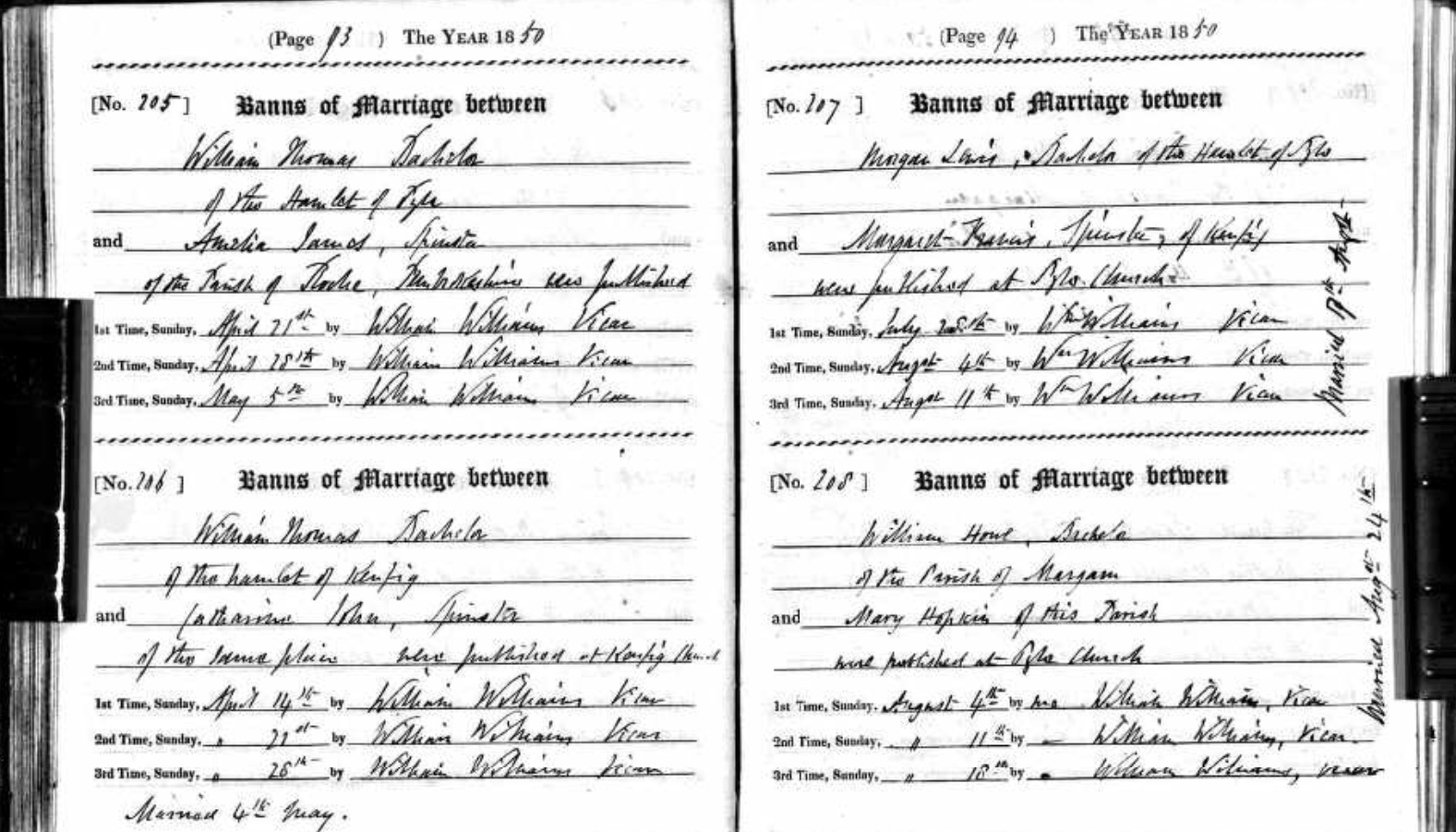
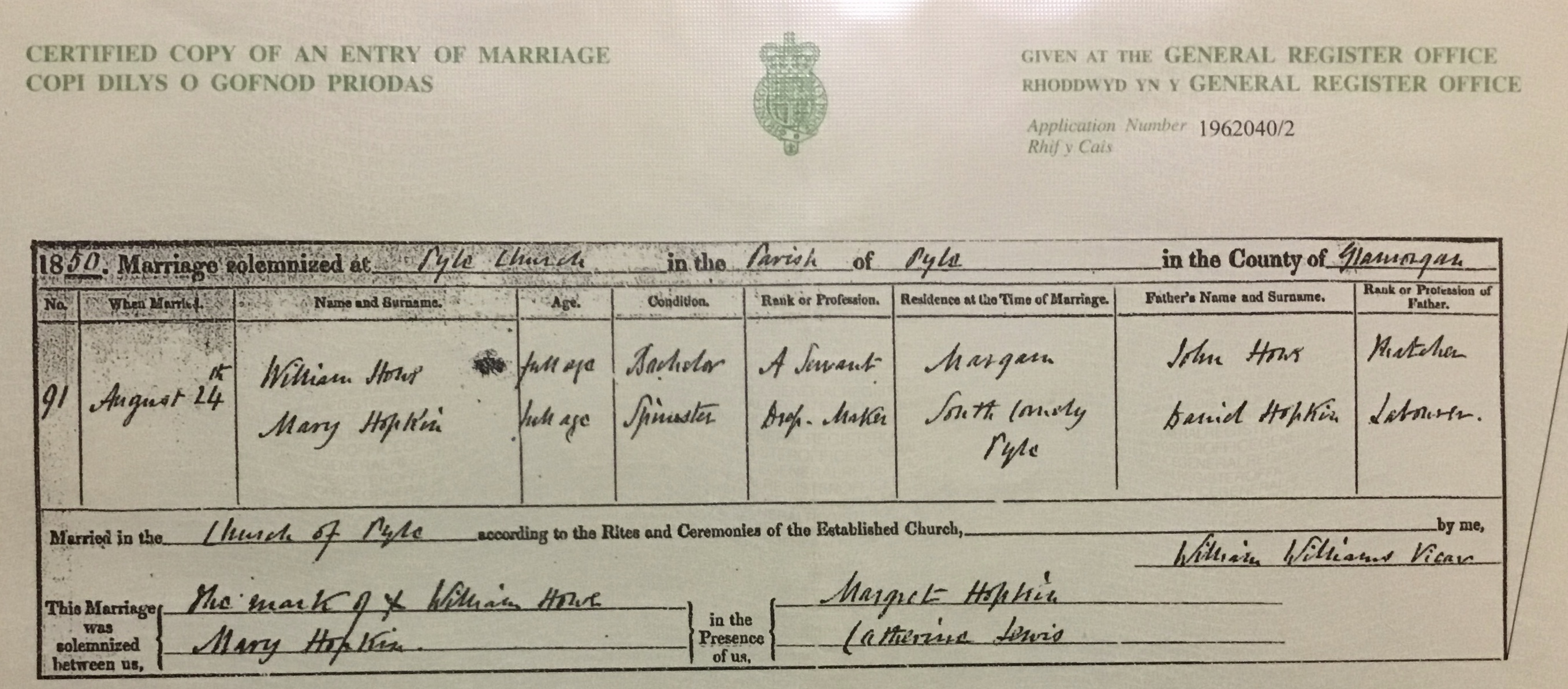
William Howe and Mary Hopkin married on the 24 August 1850 at St James’ Church in Pyle with Mary’s sister, Margaret, and Catherine Lewis as witnesses. William signed the marriage certificate with a cross, so was not as literate as his father or grandfather. Mary was pregnant when she married William. However, unlike her affair with Thomas Reynolds, she sustained this relationship for the rest of her life.

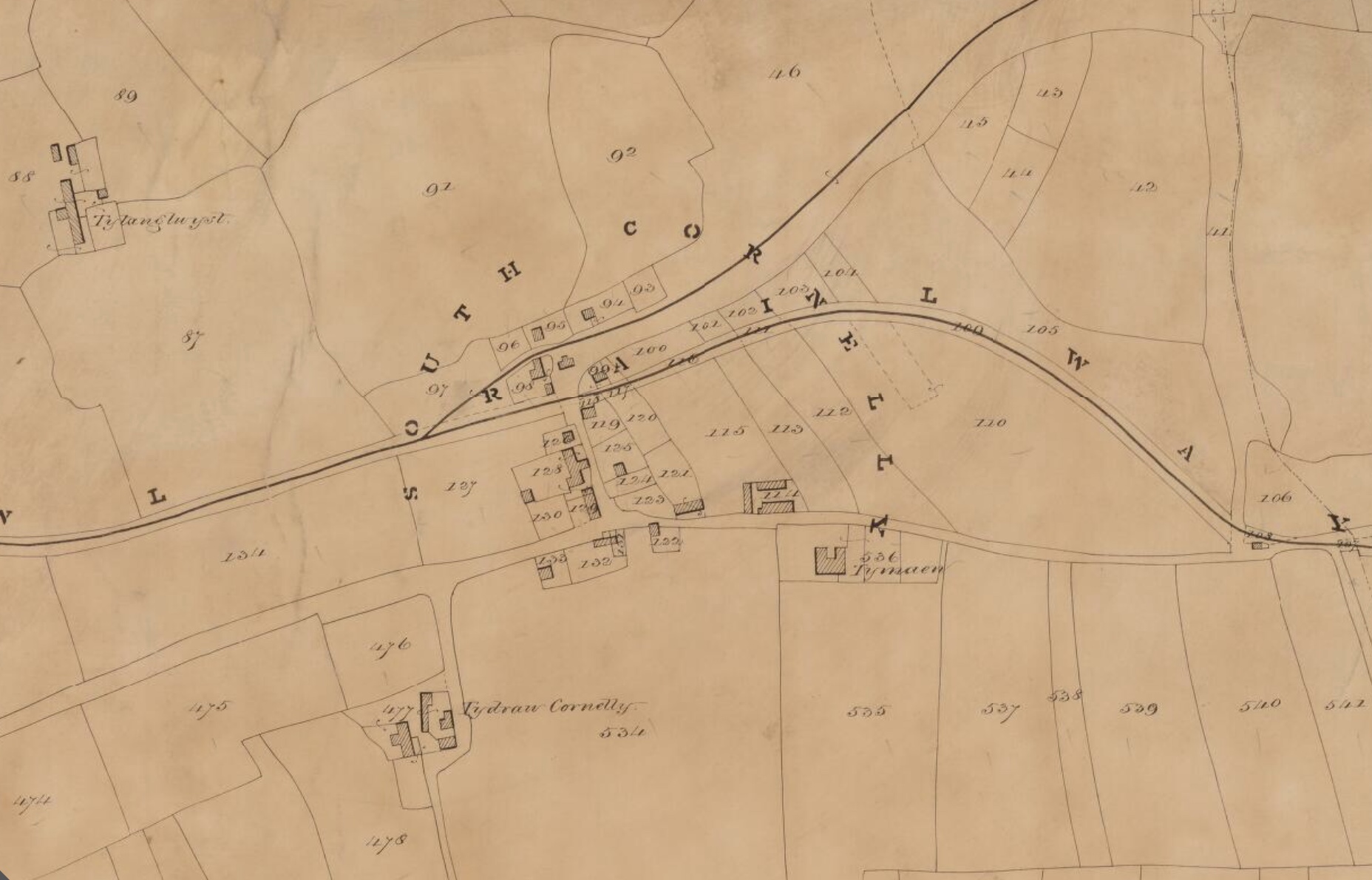
An exciting discovery, the family home of my 3 x great grandparents, William Howe and Mary Hopkin. They lived three doors down from Ty Maen, ’the big house’, which places them in plot 122. A small village. Everyone must have known everyone else. Image: National Library of Wales. Date: 1847.

As ever, thank you for your interest and support.

Hannah xxx

Categories
Dear Reader

Dear Reader #76

Dear Reader,

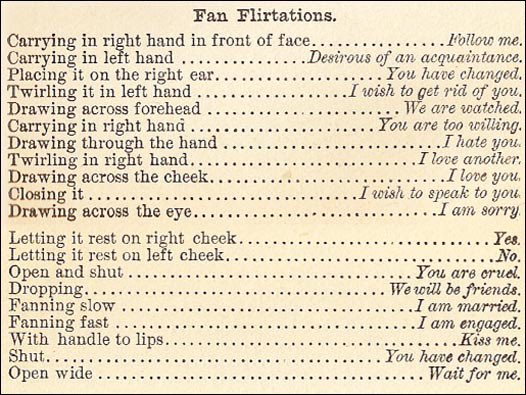
Fanning the flames of love…

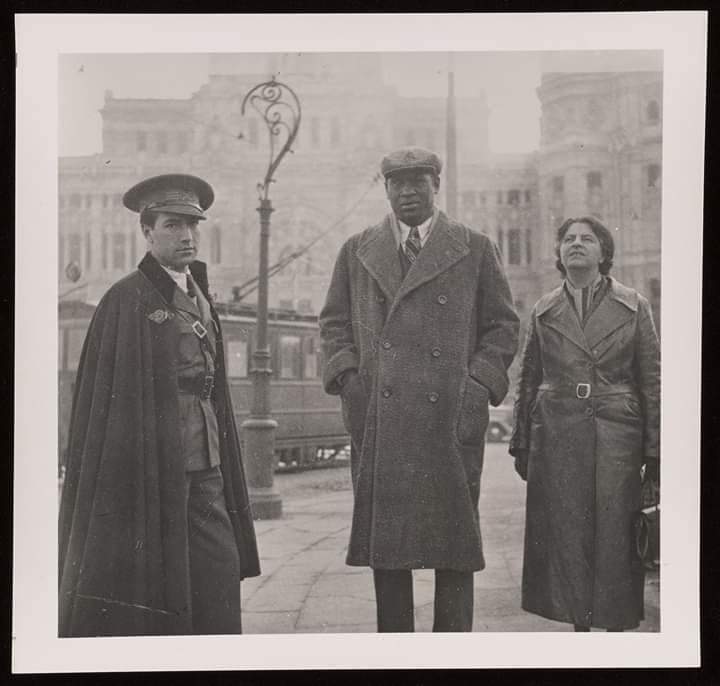
Paul Robeson, singer, actor and activist, in Madrid, January 1938 in support of the Spanish anti-fascists during the Spanish Civil War. Picture: Yale Library.

In Operation Treasure, Eve discovers that Gestapo officer Hauptsturmführer Klaus Raab shares her love of painting. Raab enjoys crude nudes whereas Eve is a fan of the Barbizon School.

The Barbizon School of painters focused on Realism, which developed through the Romantic Movement. The School takes its name from the village of Barbizon, situated near the Forest of Fontainebleau where many of the artists gathered.

An example from the Barbizon School, Charles-Émile Jacque’s Shepherdess and Her Flock, 1878.

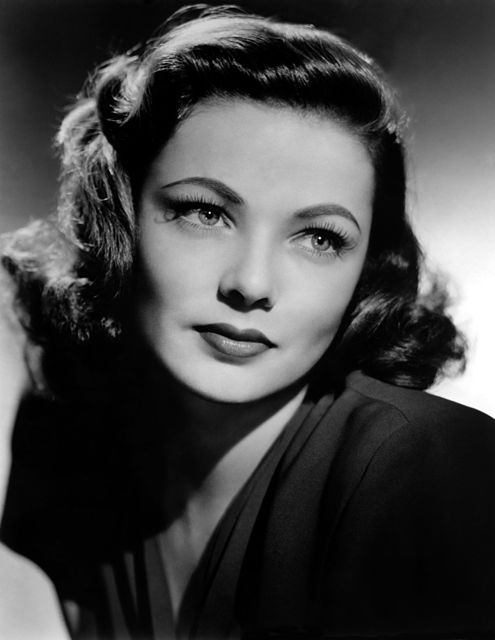
Today, 19 November 2020, would have been Gene Tierney’s 100th birthday. Here’s my article about the Hollywood star and mental health advocate.

https://hannah-howe.com/2017/09/13/gene-tierney/

On 20 November 1945, the Nuremberg trials began. Judges from America, Britain, France and the Soviet Union sought justice for millions killed during the Holocaust. Twenty-four Nazi political and military leaders stood trial and nineteen were found guilty when the tribunal concluded on 1 October 1946.

The phrase ¡No pasarán!, They shall not pass! is most closely associated with the Spanish Civil War. However, it was also used by a Frenchman, General Robert Nivelle, at the Battle of Verdun during the First World War, Ils ne passeront pas!

The art of cutting cheese.


My 4 x great grandfather, John Howe (yet another John), was baptised on 26 February 1786 in St Hilary, Glamorgan. Baptisms usually took place within a week of birth, so his birthday was around 19 February 1786. 

John’s parents were John Howe and Cecily Lewis, wealthy farmers. However, in 1799 the government introduced the first-ever income tax and that tax put a dent in the family’s finances. After over a hundred years of farming in St Hilary, they moved away. John moved ten miles west to St Brides.

A Victorian Gazetteer described St Brides as, ‘A parish in the Hundred of Ogmore, in the county of Glamorgan. It is situated on the coast of the Bristol Channel, at the mouth of the River Ogmore. A special interest attaches to it as one of the earliest seats of the native princes. It has still some vestiges of the ancient castle of Dyndryfan (Dunraven), the traditional residence of Caradoc (Caractacus), and considerable remains of Ogmore Castle, a fortress of equal antiquity. The church is ancient, and has some fine monuments of the Butler and Wyndham families. The Calvinistic Methodists have a chapel in the village. Along the coast are several large and curiously-formed caves, one of which, of great depth, is called the “Wind Hole.”’

St Brides was a larger parish than St Hilary and therefore offered John greater employment opportunities. However, the population of St Brides actually declined throughout the nineteenth century, from 914 in 1841 to 621 in 1891.

It’s interesting that this branch of my family, over hundreds of years, continued to move west, in John’s case six miles along the coast to Tythegston, where he met his bride-to-be, Christiana John, daughter of Evan John, 1755-1832 and Mary 1757-1837.

A topographical dictionary of 1833 stated that the population of Tythegston stood at 404. The parish contained good arable and pasture land along with coal, iron ore and clay for making bricks. The parish also contained a school for ‘the gratuitous instruction of poor children.’

Christiana was born on 31 December 1795 and baptised on 6 January 1796. Her name became popular in the Howe family and can be found in numerous generations. It would seem that unlike her husband, John, she did not receive a formal education because when the couple married she did not sign her name, applying an ‘x’ instead.

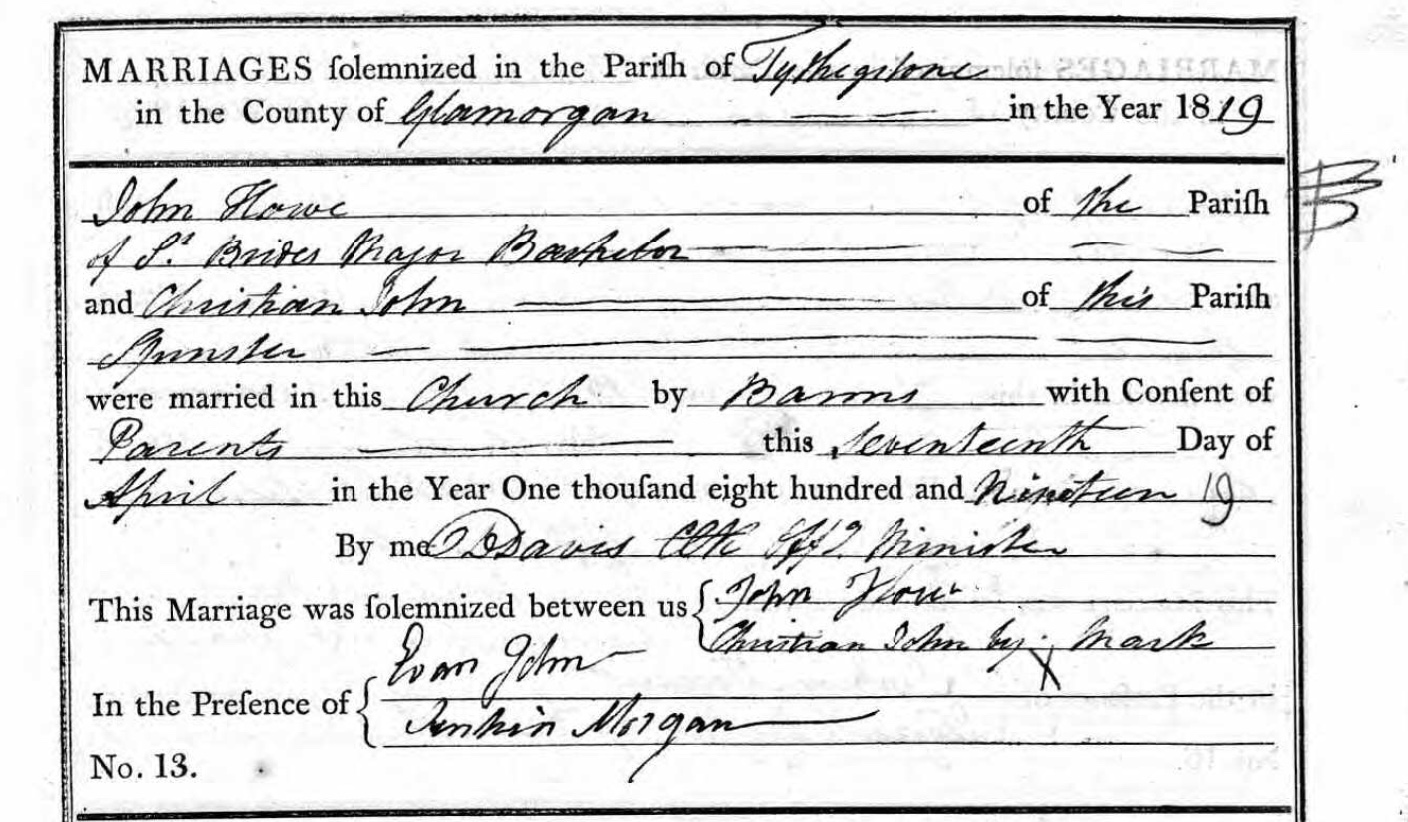
Christiana was pregnant when she married John on 17 April 1819, in Tythegston. She gave birth to Edward in St Brides on 22 July 1819. William, my 3 x great grandfather, followed on 14 September 1823, along with Mary in 1827, Evan in 1828, Thomas in 1831, Richard in 1833, Cecily in 1836 and, at the age of 43, John in 1839. Christiana’s husband, John, worked as a thatcher while she obviously had her hands full at home.

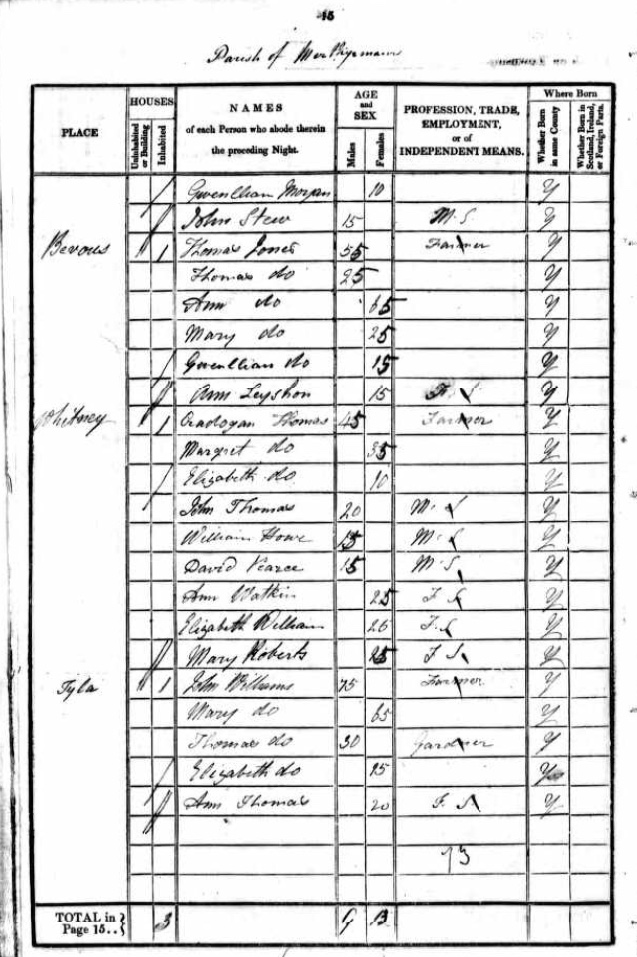
The introduction of the census in 1841 opened a window for genealogists by providing more details about our ancestors. That said, the 1841 census was basic with names, approximate ages and occupations. Places of birth were often confused or deliberately misrepresented (so a person could claim local poor relief) with places of residence. In contrast, the 1851 census was more detailed and reliable.

The 1841 census found John Howe in St Brides with his wife Christiana and three of their children, Thomas, Richard and John. 

In 1851, John was living in Ogmore in the parish of St Brides with Christiana and two of their children, Cecily and John. John senior was a thatcher, a decent trade that earned him £75 per annum, a good wage considering that labourers earned £40 and women £10 per annum. Living in Ogmore as a thatcher it’s almost certain that John worked on the roofs of these cottages in nearby Merthyr Mawr.

As we struggle with Covid, so our ancestors had to combat cholera. Between 1829 and 1851, cholera invaded many communities. The outbreak in 1848 claimed 52,000 lives in England and Wales. Over time, communities improved their sanitation, but the connection between good health and care of our environment is still a lesson we struggle to learn.

John died, aged 70 (some records incorrectly state 73) of ‘old age’ on 24 December 1856 and was buried two days later. His son, Richard, witnessed the death certificate with a cross. 

In 1861, Christiana was living with her daughter, Mary, also a widow, at the age of 34. Ten years later, Christiana was living alone next door to a miller, where her daughter Cecily was a servant. Her son, Evan, lived next door.

Christiana died on 10 July 1874 aged 78 of ‘cancer and general decay’. Her son Evan was present and he applied his mark on the death certificate. John and Christiana are buried together in St Brides churchyard. 

The Howe family, tight-knit and prosperous in St Brides and St Hilary, now dispersed to various parts of Glamorgan where they experienced mixed fortunes.

As ever, thank you for your interest and support.

Hannah xxx