Categories
Dear Reader

Dear Reader #91

Dear Reader,

My Top Ten Sales Countries in February.

In total, my eBooks were downloaded in 29 countries during February. Very exciting to see such diversity and grateful that I decided to publish wide and not limit myself to Amazon.

Through Smashwords

America 🇺🇸 Canada 🇨🇦 Australia 🇦🇺 Bulgaria 🇧🇬 Britain 🇬🇧 Japan 🇯🇵 Spain 🇪🇸 New Zealand 🇳🇿 Germany 🇩🇪 Italy 🇮🇹

Through Gardners

America 🇺🇸 Canada 🇨🇦 South Africa 🇿🇦 India 🇮🇳 Britain 🇬🇧 Netherlands 🇳🇱 Indonesia 🇮🇩 Malaysia 🇲🇾 Vietnam 🇻🇳 Venezuela 🇻🇪

Through Amazon

America 🇺🇸 Britain 🇬🇧 Canada 🇨🇦 Australia 🇦🇺 Germany 🇩🇪 Mexico 🇲🇽 Spain 🇪🇸 Brazil 🇧🇷 France 🇫🇷 India 🇮🇳

My latest translation, the Spanish version of The Olive Tree: Branches. Leaves, book three in my Spanish Civil War saga will be available in numerous languages in the summer.

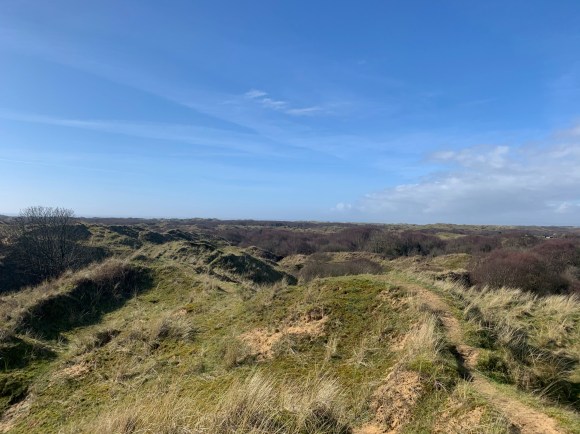
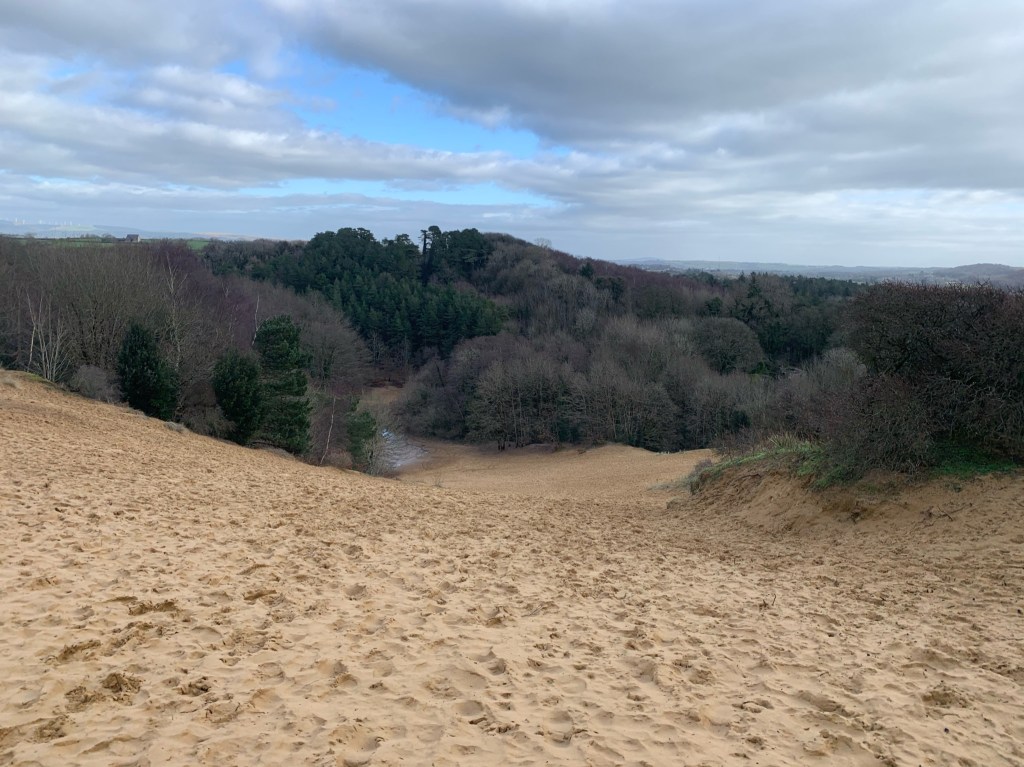
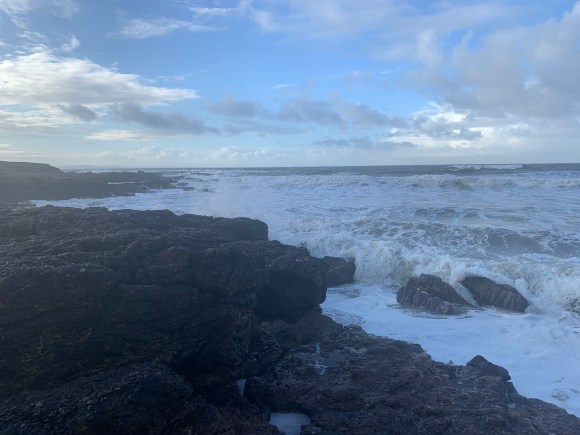
Kenfig Pool sand dunes this week. And Mawdlam church, which overlooks the dunes, the final resting place for many of my ancestors.

Included in this month’s Seaside News, my article about SOE heroine Peggy Knight. In her 100th year, this remarkable woman now lives in New Zealand.

Mom’s Favorite Reads eMagazine March 2021. Our spring issue.

In this issue…

A seasonal blend of articles including Mad as a March Hare, Dr Seuss, Reiki, World Wildlife Day, International Day of Forests, plus short stories, recipes, puzzles, humour, photographs and so much more!

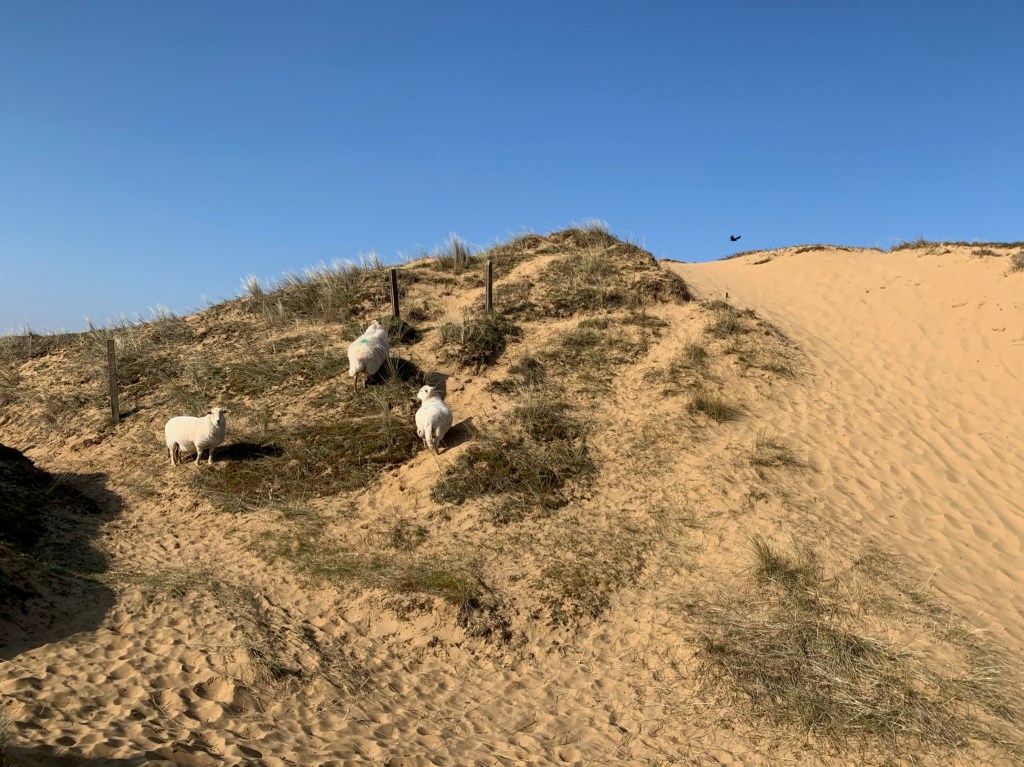
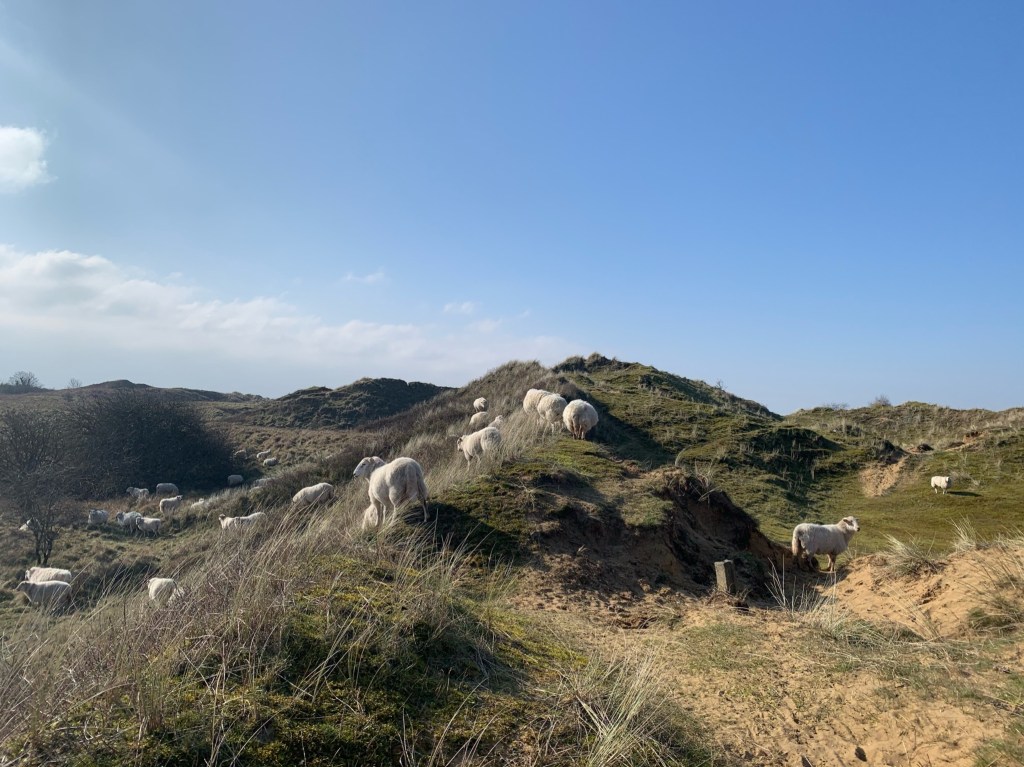
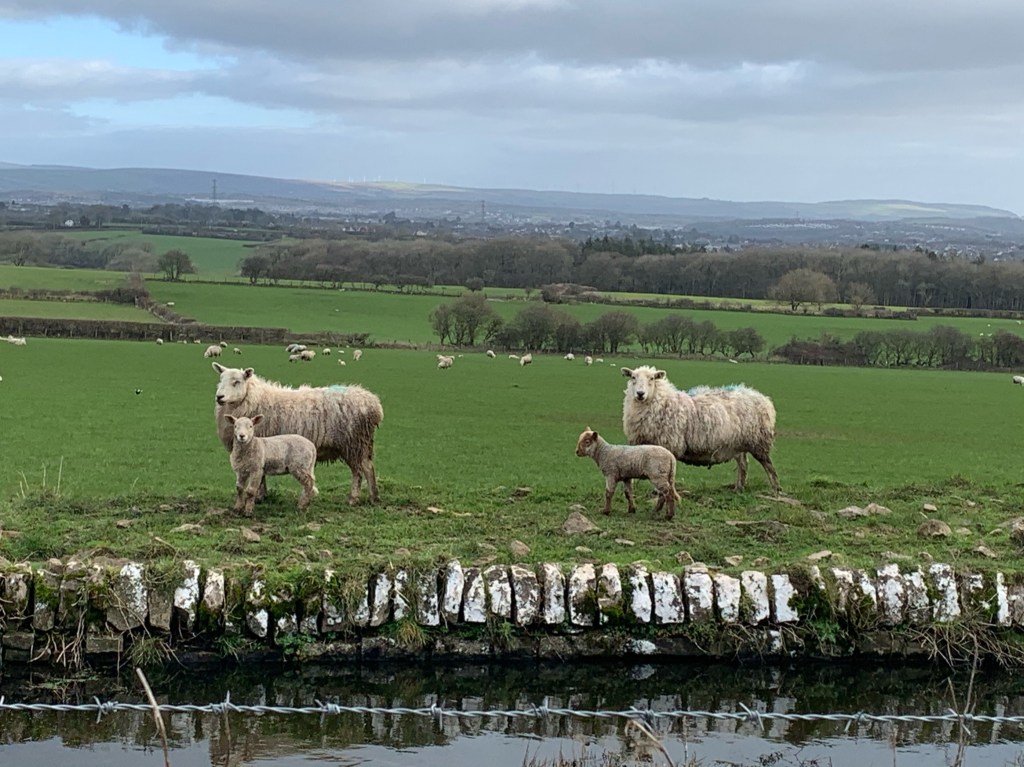
Sheep took over the sand dunes this week 🐑 🐑 🐑

My 4 x great grandfather, Richard Morgan, was baptised on 2 December 1792 in Llantrisant, Glamorgan. The ninth of twelve children born to James Morgan and Hannah David, Richard established himself as an ostler tending the coaching horses that travelled through Glamorgan, transporting people and goods from Ireland to London, and vice-versa.
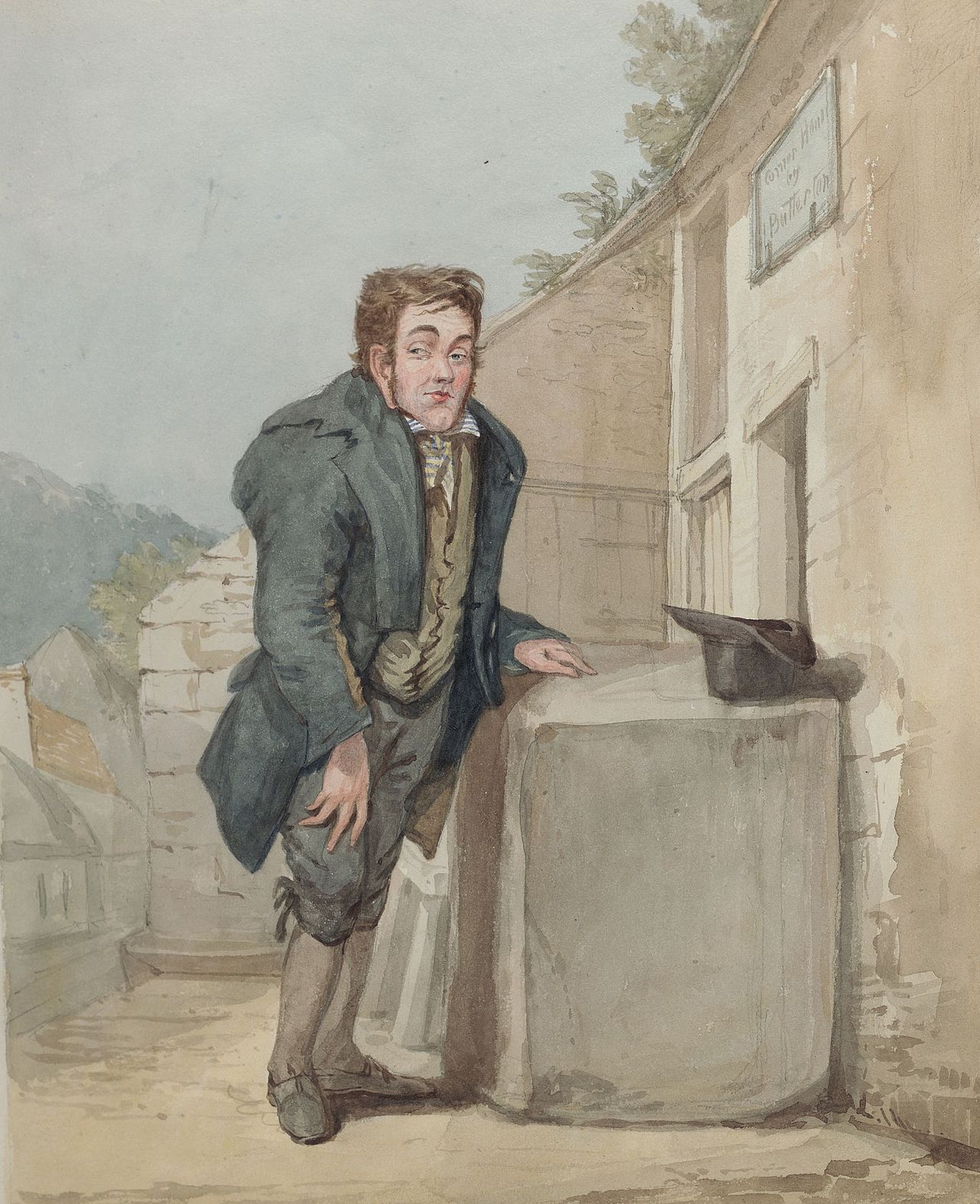
‘Ostler at Margam 1818’ by George Orleans Delamotte

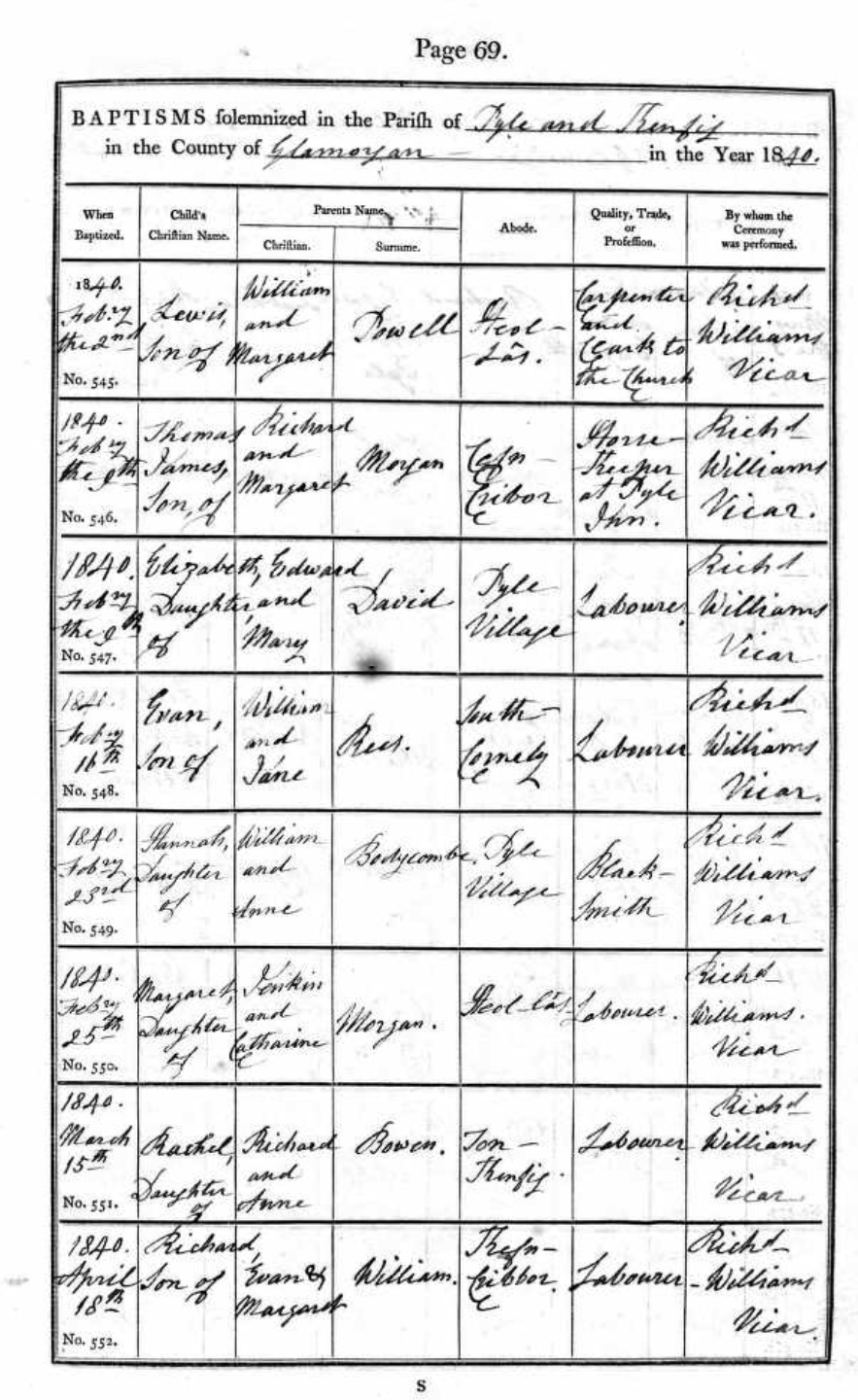
At the relatively advanced age of 43, Richard married Margaret Jones in St James’ Church, Pyle. Born in 1811 to John and Mary, Margaret hailed from Pyle, a rural village that contained the main highway in Glamorgan.

During my research, I wondered what persuaded Richard to travel twenty miles west to settle in Pyle. Then, I hit upon a theory. As an ostler, he moved there to work at Pyle Coaching Inn, the main Inn on the main highway. Then, while researching the births of Richard and Margaret’s children, I discovered that Richard was listed as a horse keeper at Pyle Coaching Inn, and living in nearby Cefn Cribwr, or Tythegston Higher as it was also called. It’s lovely when your theories are confirmed in that fashion.
Mail deliveries had become available to the public in 1635 and the introduction of national mail coaches in 1785 further increased the traffic travelling along the highways. The ongoing war with France meant that the gentry could no longer take the ‘grand tour’ of Europe and so they looked around for alternatives, their eyes and minds soon focusing on Wales with its romantic landscapes and medieval ruins. All of this led to the building of Pyle Coaching Inn during the 1780s by Thomas Mansel Talbot of Margam.

Thomas Mansel Talbot took a private apartment at the Inn and he would stay there while indulging in his passion for hunting and fishing. He had built the Inn in the fashionable Georgian style with three floors and rooms of various sizes. The largest room was five metres by four and a half metres, and the building contained forty beds and twelve double-bedded rooms. Moreover, the Inn also boasted a spacious dining room and stables for eight coaching horses.

Many 18th and 19th century antiquarians who travelled through South Wales would visit the buried medieval town at nearby Kenfig and invariably they would stay at the Inn. Also, it is rumoured that Admiral Lord Nelson resided there on one occasion. 

Pyle Coaching Inn, c1950

Isambard Kingdom Brunel did stay at the Inn in 1849 – 50 to oversee the construction of the South Wales leg of the Great Western Railway. Another distinguished guest was Josiah Wedgwood and it is said that he gained inspiration for some of his pottery from the colour of the rocks and pebbles on the beach at Pink Bay.

Richard and Margaret produced five children: Catherine, Thomas, Mary Ann, Richard and my direct ancestor, Hannah. With secure employment in a job that he clearly loved and in the green pastures and open spaces of Cefn Cribwr, life must have been good. Then, in the late 1840s, the railways arrived.

The railways took passenger and commercial trade away from the horse carriages and Richard lost his job at Pyle Coaching Inn. However, the family adapted. Richard became a colt breaker then a horse keeper. With his love and knowledge of horses, he worked with the animals for the rest of his life. 

Meanwhile, Margaret established her own ‘Inn’ boarding navigators who had travelled from their homes in Ireland to help construct the railways.

Residents of Pyle Coaching Inn in the early 1900s

Richard died in 1865 after a life well lived. By this time his children had married. After Richard’s death, Margaret moved to Mountain Ash to live with her son-in-law, John Davies, and help raise his children. Sadly, Margaret’s daughter, Mary Ann, had died and John was a widower.

I cannot leave this branch of my family without mentioning Margaret’s mother, Mary Jones. Born in 1765 in Carmarthen, she’d moved east with her husband, John, to work on the land. Mary lived with Richard and Margaret in later life. She had a strong constitution, which only failed on 19 January 1864 when she was ninety-nine years of age.

As ever, thank you for your interest and support.

Hannah xxx

Categories
Dear Reader

Dear Reader #89

Dear Reader,

Next week, I will complete the writing of Stormy Weather, Sam Smith Mystery Series book eighteen. I write my Sam Smith mysteries in ‘real time’ so the main decision was whether to include the pandemic. I realised early on that the nature of the pandemic and the government’s negligent response meant that the problem would remain with us for some time. Therefore, I decided to include the pandemic. The main theme of the story is the climate crisis so the pandemic and the way we abuse nature tied in with that theme. Stormy Weather is available for pre-order from all major Internet outlets.

Available soon, my latest translation, Escape in Afrikaans. We now have four books in this series published in Afrikaans while Nelmari is currently working on Victory, book five. It’s wonderful to see my books available in a number of languages, twelve at the latest count.

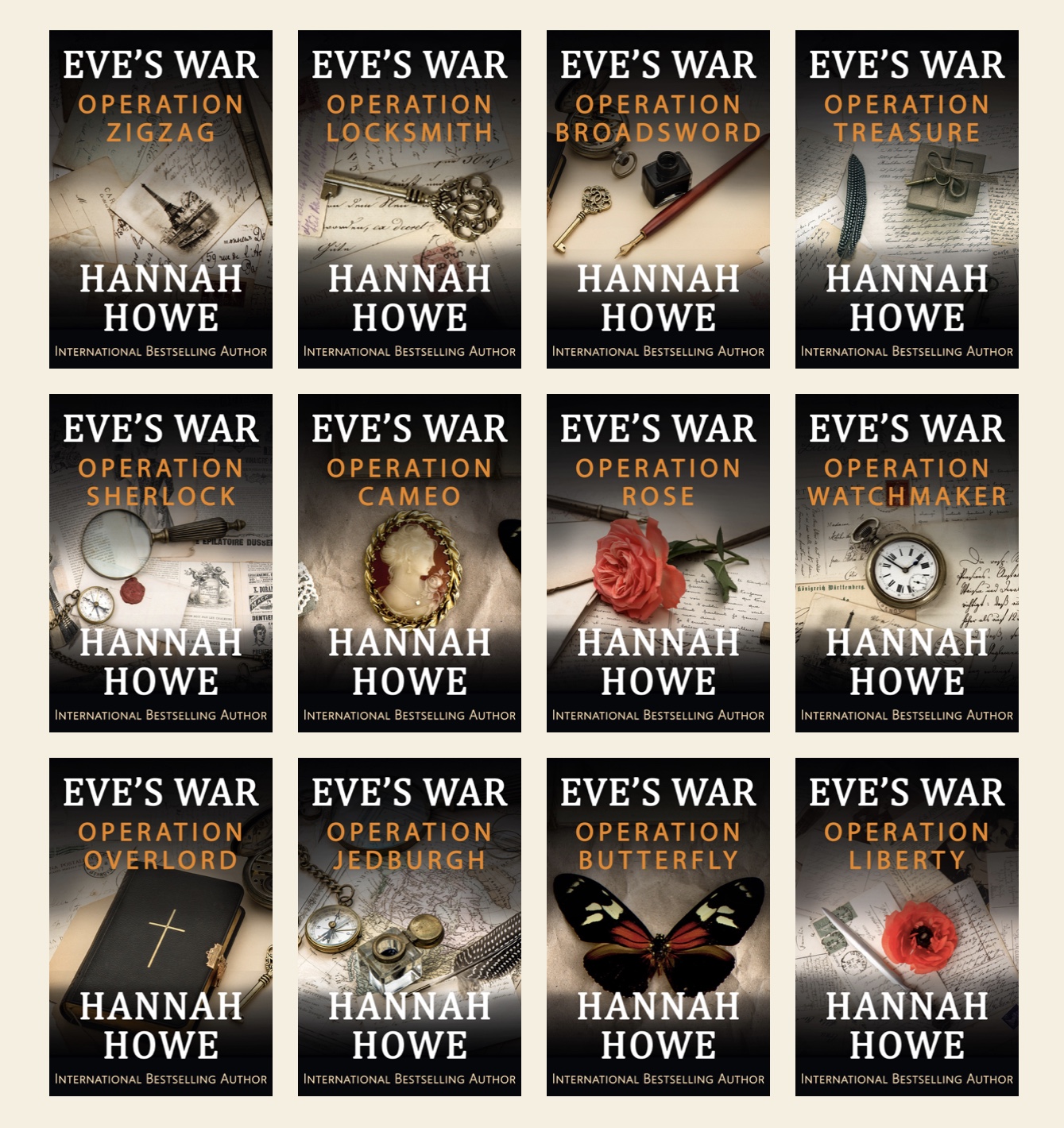
This week, I created the characters for Operation Sherlock, book five in my Eve’s War Heroines of SOE Series. This story is set in Paris and like all the stories in the series it’s based on true events. Character creation is my favourite part of the writing process. Once I’ve created the characters, I sit back and allow them to tell the stories. Operation Sherlock will be available for pre-order soon.

Meet the ancestors, my 29th great grandfather, Saunder de Sancto Alberico also know as Awbrey. He arrived with William the Conquerer (also a direct ancestor) in 1066. His son Sir Reginald Awbrey established a manor house and estate in Abercynrig, Brecon in 1093. The property, pictured, remained in the family until 1630.


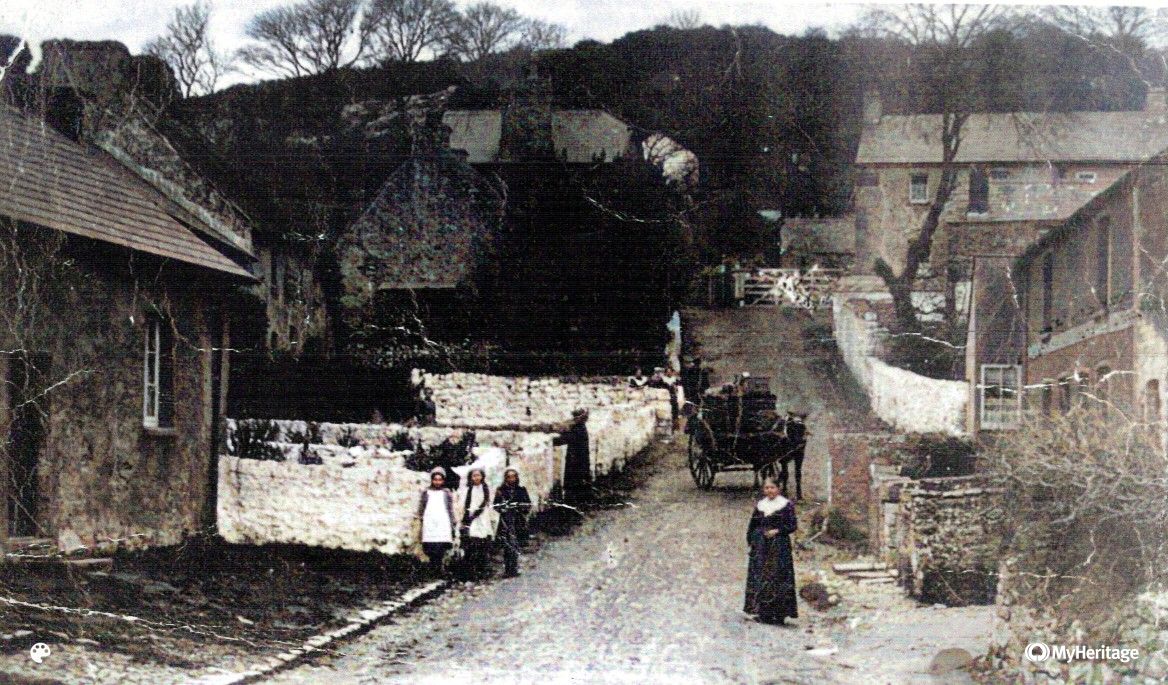
One of my favourite pictures. This is a colourised image of Lamb Row, South Corneli. The original dates from 1905. During the Victorian era, Lamb Row was home to the Howe branch of my family. You can see their house on the top left of the picture. It’s possible that some of my ancestors are in this picture. The image is deceptive because every time you look at it you see a new person. How many people can you identify?

Property Developing, Freedom of the City and Carnal Knowledge 

Samuel Axe, my 5 x great grandfather, was born in Greenwich in April 1771, the son of William Axe and Ann. He was baptised on 14 April 1771 at St Alfege Church, Greenwich.

Samuel married Grace Austin (1786–1823) on 22 September 1803 at St Luke Old Street, Finsbury, London and the couple lived in Hoxton, Middlesex where they produced eight children, including my direct ancestor, Jane Esther Axe.

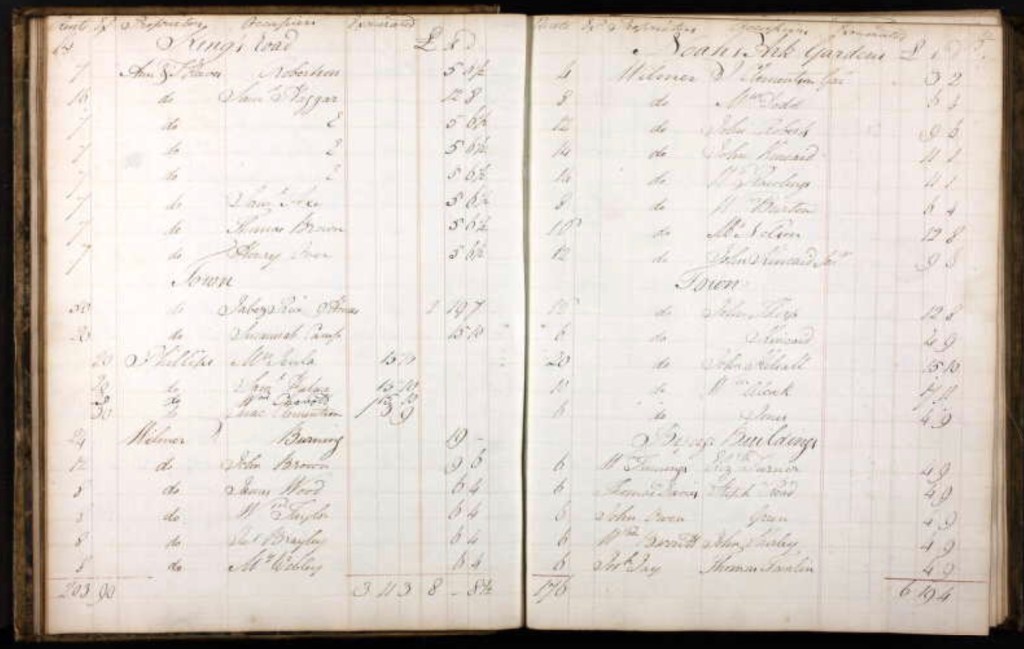
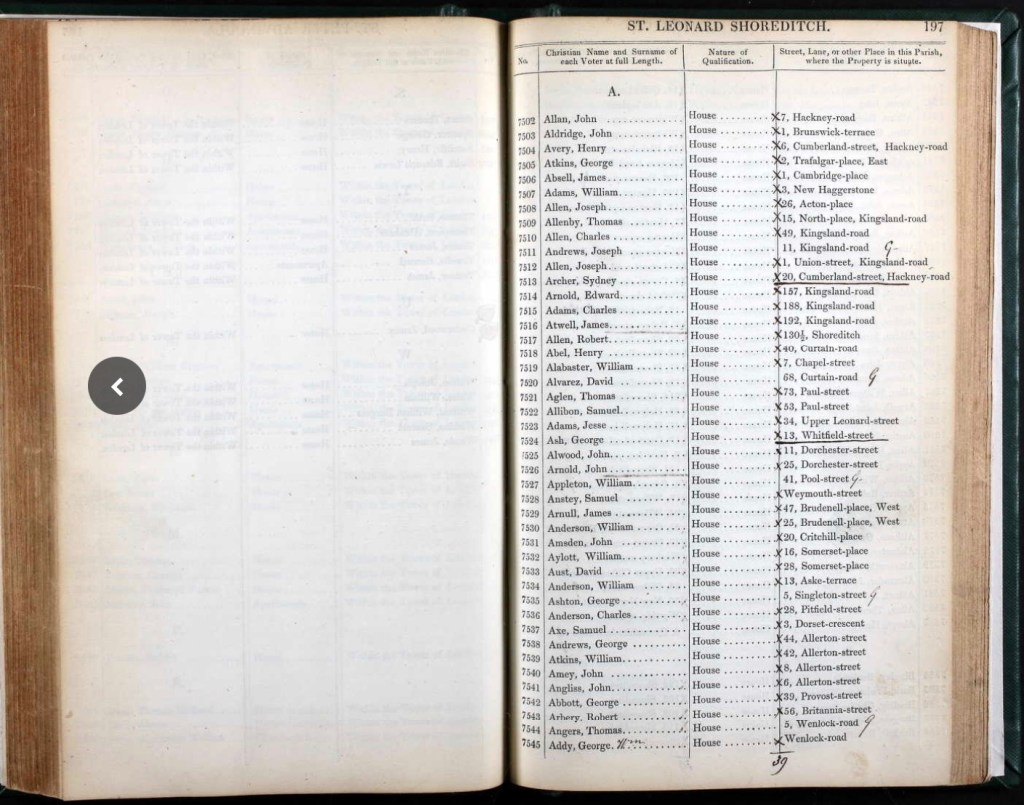
As a property owner, Samuel was eligible to vote and therefore appeared on the electoral registers, which confirm his address. 

Various documents describe Samuel’s occupation as ‘bricklayer’. In the first half of the nineteenth century a bricklayer was a builder, someone who designed and constructed houses. These houses could range from humble dwellings to huge city projects.

Colourised, Pitfield Street, Hoxton, London, 1896 – buildings built by Samuel? I love this image, it’s so full of life.

It would appear that all was not well with Samuel and Grace’s marriage because on 21 June 1816 Maria Hammont, single woman, petitioned the parish with the claim that ‘Samuel Axe, bricklayer of Hoxton Town gained carnal knowledge of her body.’ Maria gave birth to a bastard female on 12 May 1815 at her mother’s house in Hoxton Fields. The outcome of her petition was not recorded. However, Samuel was a wealthy man so hopefully he supported his child.

Samuel died on 26 November 1838 in Shoreditch, London and was buried on 2 December 1838. 

My direct ancestor, Jane Esther Axe, who lived in the same street as Samuel and Grace, was the sole executrix of Samuel’s will. Samuel left £600, approximately £40,000 in today’s money, which suggests he was successful in his trade.

On 17 January 1845 Samuel’s youngest son, John, paid £5 to acquire the ‘Benefits of a Fellowship Porter’. In other words, he could trade in ‘measurable goods’ such as coal, grain, flour and salt, overseeing their transportation from trading ships to dockside warehouses. This was a good position with the opportunity to make considerable sums of money.

The above records suggest that the Axe family lived in comfort during the first half of the nineteenth century. However, only five of Samuel’s eight children survived into adulthood.

As ever, thank you for your interest and support.

Hannah xxx

Categories
Dear Reader

Dear Reader #88

Dear Reader,

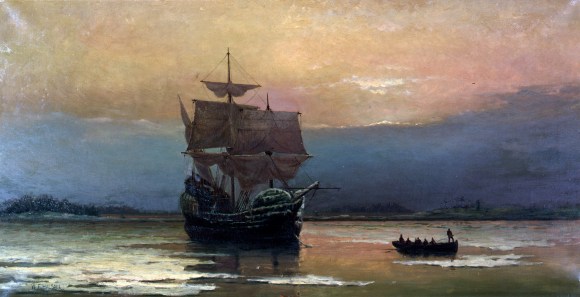
This week, I discovered that my direct ancestors John Dean and Joan Fuller emigrated to America. They arrived in Massachusetts in the 1630s, following Joan’s uncles, Edward and Samuel Fuller, who arrived as Founding Fathers on the Mayflower. More about this in future posts.

The Moon doing its Saturn impersonation.

A great week for my Eve’s War Heroines of SOE Series, #1 in America, Australia, Britain and Canada. Many thanks to everyone who made this possible.

Merthyr Mawr this week.

For the man who has everything, Madame Dowding‘s Carlton corsets.

For Christmas, I received a DNA test kit to assist me with my family history research. The result arrived today.

I’m 52% Welsh
26% European, which includes Belgium, England, France, Germany, Luxembourg, the Netherlands and Switzerland
19% Scottish, which in this case also includes Ireland and Brittany
3% Scandinavian, mainly Norway, the Faroe Islands, Iceland, Denmark and Sweden 

Some of my ancestors emigrated and settled in Pennsylvania, Maryland, Ohio, Virginia and California.

The great thing about ancestry and DNA is that the DNA link enables you to identify ancestors who have escaped the written record, so I anticipate lots of new exciting discoveries 🙂

Breaking news: through DNA, I’ve discovered that my 9 x great grandfather, John ap Evan (John son of Evan) and his wife, Barbara Aubrey, established the Welsh Tract, pictured, in Pennsylvania. He arrived in America with his fellow Quakers in 1683.

A DNA map. My ancestors, 100 years after arriving in Pennsylvania. More about this in future posts.

As ever, thank you for your interest and support.

Hannah xxx

Categories
Dear Reader

Dear Reader #87

Dear Reader,

Starlings in duck formation.

This week, we published Operation Treasure and it’s always great when readers anticipate and enjoy your stories. A review from Amazon.

“Hanna Howe was a great treasure discovered in 2020, and she continues to deliver in 2021 with the Eve’s War series, in this #4 of an anticipated 12 volume set. A quick read novella, it continues the series intent to deliver stories of many female (and male) SOE agents operating in France during WWII, helping recruit, equip and train local resistance groups to sabotage Hitler’s war machine. While the characters are fictional, they and their actions are based upon real people and events. Howe is a gifted writer with many other books as well (most of which I’ve read and thoroughly enjoyed) and I look forward with great anticipation to Eve’s War #5!”

https://www.amazon.com/gp/product/B08L9G7V4Z/

Wales, Christmas Day, 2010.

Humphrey Llwyd’s ‘Cambriae Typus’ is the earliest printed map to show Wales as a separate nation. Published in 1573.

Found this while searching for my Gloucestershire ancestors. A sad note from 1733.

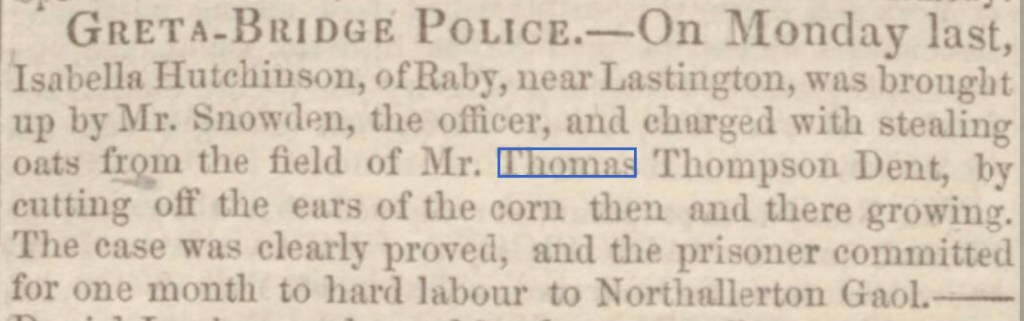
Theft from my ancestor, Thomas Thompson Dent. In 1842, Isabella Hutchinson, aged 22, stole oats from his field. Verdict: guilt, one month hard labour. Thomas was a wealthy man so I’m sure he could have spared those oats. However, Isabella was a serial offender. Three years earlier she was convicted for larceny and sentenced to three months in prison.

Mom’s Favorite Reads eMagazine February 2021

In this month’s bumper issue…

Our Ever Changing Language, Short Stories, Mediation, Poetry, Nature, Humour, Bestsellers, Photography, Puzzles, Genealogy, Recipes and so much more!

On 1 January 2021, to my great surprise, I discovered that I was directly related to William the Conqueror and Matilda of Flanders.

William, also known as William the Bastard, was the first Norman King of England reigning from 1066 until his death in 1087. 

William the Conqueror

In 1060, secure as Duke of Normandy, William plotted the Norman conquest of England, which culminated on 14 October 1066 in the Battle of Hastings and the defeat of Harold Godwinson.

William was the son of the unmarried Robert I, Duke of Normandy, by his mistress Herleva. His illegitimate status led to many struggles as he sought to establish his authority. Marriage to Matilda of Flanders, c1051, allowed him to consolidate his power in Normandy.

William’s genealogy

On his deathbed, Edward the Confessor, the childless King of England, named Harold Godwinson as his successor. However, William disputed this succession and with a large fleet sailed for England where he engaged Harold in battle.

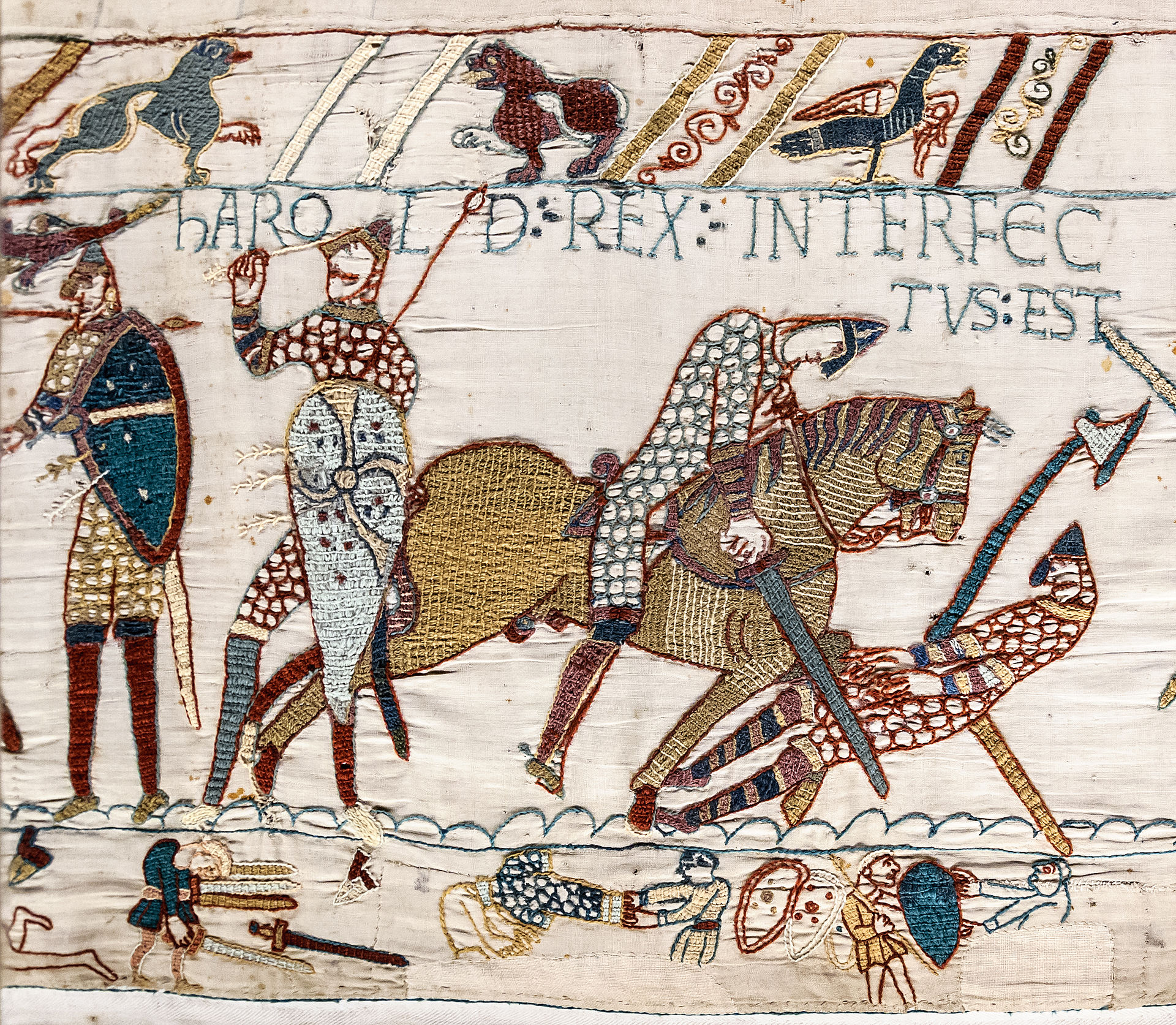
Bayeux Tapestry. Scene 57: the death of King Harold at the Battle of Hastings. Titulus: HIC HAROLD REX INTERFECTUS EST (Here King Harold is slain).

After the Battle of Hastings, further military victories ensured that William was crowned king on Christmas Day, 1066, in London. In 1067, he made arrangements for the governance of England then returned to Normandy. 

Rebellions followed, all unsuccessful, and by 1075 William had established a secure hold on England, which allowed him to spend the majority of his reign in Europe.

In 1086, William ordered the compilation of the Doomsday Book, a survey listing all the land-holdings in England. This great administrative feat went unmatched until the compilation of the Return of Owners of Land in 1873.

William died in September 1087 while leading a campaign in northern France. He was buried in Caen.

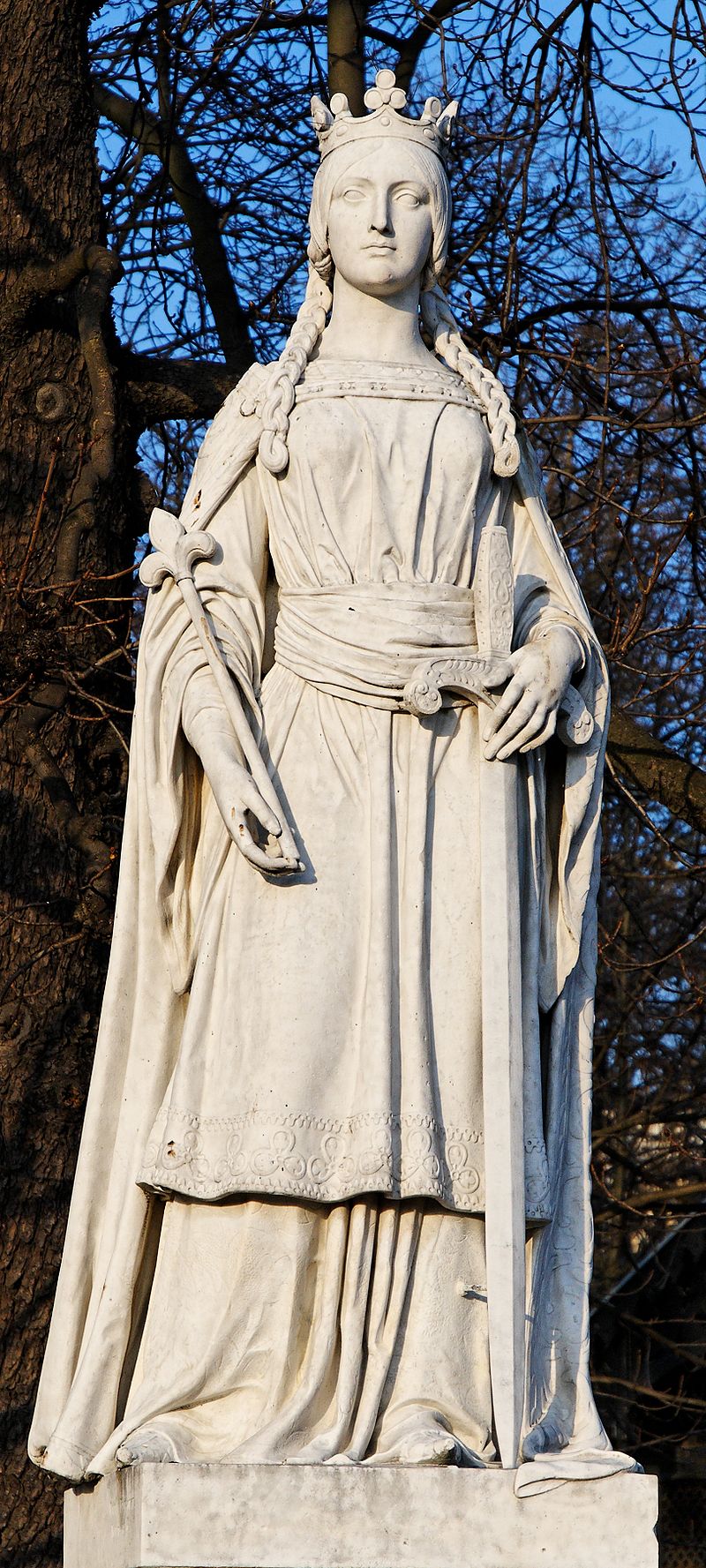
Matilda of Flanders was Queen of England and Duchess of Normandy by marriage to William the Conqueror. She was the mother of nine children (some sources list ten) including two kings, William II and my direct ancestor Henry I.

Nineteenth-century depiction of Matilda in the Jardin du Luxembourg, Paris (Wikipedia).

In 1031, Matilda was born into the House of Flanders as the second daughter of Baldwin V of Flanders and Adela of France. Strategically placed, Flanders served as an important centre for European trade and political expansion.

As granddaughter of Robert II of France, Matilda boasted a greater lineage than William. Like many royal marriages of the period, their union breached the rules of consanguinity. She was about 20 when the marriage took place in 1051, while William was some four years older. 

The marriage appears to have been successful in that William is not recorded to have fathered any bastards. Matilda was about 35 and had already borne most of her children when William embarked on his conquest of England, sailing on his flagship, Mora, a gift from his wife.

The Bayeux Tapestry’s depiction of the Norman invasion fleet, with the Mora in front, marked by the papal banner on the masthead.

Matilda governed the Duchy of Normandy in her husband’s absence. Occasionally, she travelled to England, but spent most of her life in Normandy where she oversaw her children’s education. Indeed, Matilda’s children were unusually well educated for contemporary royalty with the boys tutored by Lanfranc, who became Archbishop of Canterbury in 1070, while the girls learned Latin in Sainte-Trinité Abbey, Caen, an abbey founded by William and Matilda as part of the papal dispensation that allowed their marriage.

As ever, thank you for your interest and support.

Hannah xxx
Categories
Dear Reader

Dear Reader #81

Dear Reader,

My historical novels are great fun to write, but it’s always lovely to return to Sam, a bit like returning home after a holiday. Here’s Stormy Weather, book eighteen in my Sam Smith Mystery Series, available for pre-order from today.

Pregnant in a pandemic. My life is never dull. While Alan and I set about the pleasant task of selecting a name for our baby, Faye interviewed candidates for the role of maternity leave assistant.

Our plans were going well until a friend was murdered. The evidence pointed to a hitman, a professional killing. A further murder underlined the fact that the stakes were high, that someone had a secret to hide. 

Who was behind the murders? And what was the secret they were desperate to hide?

Stormy Weather, an investigation that threatened my life, and my baby’s, a case that revealed that greedy men are prepared to kill anyone and anything, including our planet.

Stormy Sunday

Amazing to record that over a quarter of a million of my books have now been downloaded. I honestly thought that if that figure reached a hundred it would be remarkable. Many thanks to everyone who has made this possible.

Swansea Market, 1880.

🎼🎼🎼 Oh the Deadwood Stage

is a-rollin’ on over the plains 🎼🎼🎼

Deadwood, South Dakota, USA, 1876

On 19 December 1778, Marie Antoinette gave birth to her daughter, Marie Thérèse, in front of 200 people. Her maid said, ‘The persons who poured into the chamber were so numerous that the rush nearly killed the Queen.’ These persons included two chimney sweeps who climbed on the furniture to get a better view.

Locals use German military equipment as they man the barricades during the liberation of Paris, August 1944.

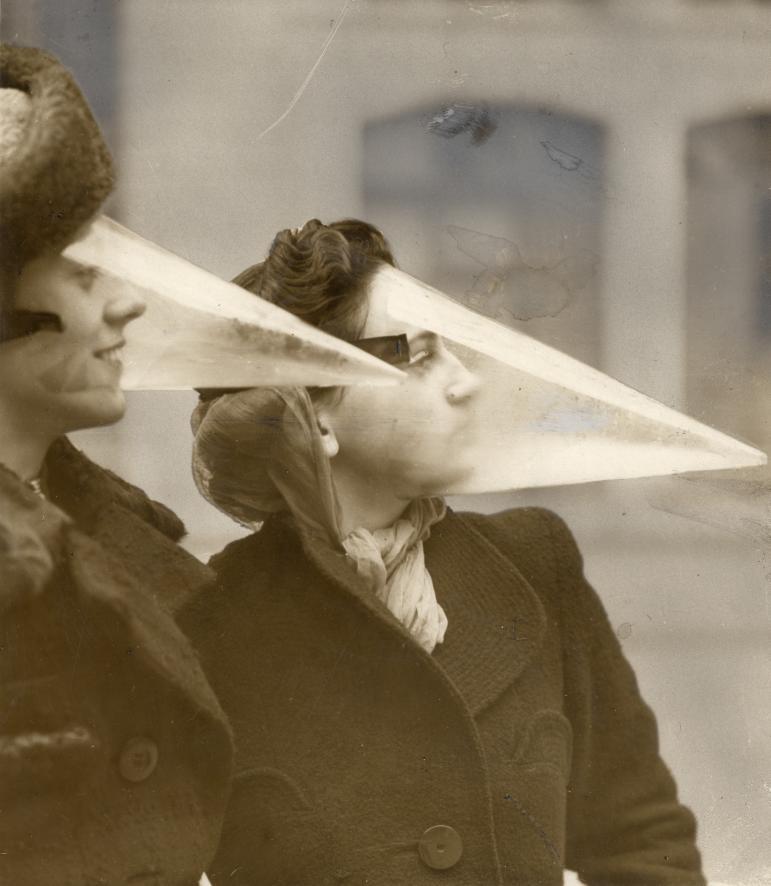
The 1930s, fashion Canadian style. Cone-shaped face masks to protect your face in a snowstorm.

Now aged 99 and resident in New Zealand, Phyllis Latour is the only surviving female SOE agent from the Second World War. She served in France under the code name ‘Genevieve’. You can read my appreciation of this remarkable woman here

https://hannah-howe.com/eves-war/phyllis-latour/

Ancestry

My 2 x great grandfather, William Howe, was born on 3 March 1855 in South Corneli. His parents were William Howe of St Brides and Mary Hopkin of Corneli. He was baptised on 6 April 1855, Good Friday.

In 1861 William was living with his parents and siblings, Hopkin and Mary Ann. Lodgers, David and Ann John, also lived in the house. The census shows that William was attending school and his main language was Welsh.

Newspaper reports of the time show that William’s father, also William, owned a bank account, which suggests that the family were careful with their money and had a few spare pennies to stash away for a rainy day.

By 1871 William had left school and found work as a servant, farm labouring for Thomas Powell in Newton Nottage. He was one of three farm labourers and two domestic servants working for the Powell’s. One of the domestic servants was Mary Jones. Mary introduced William to her sister Ann, and the couple started courting.

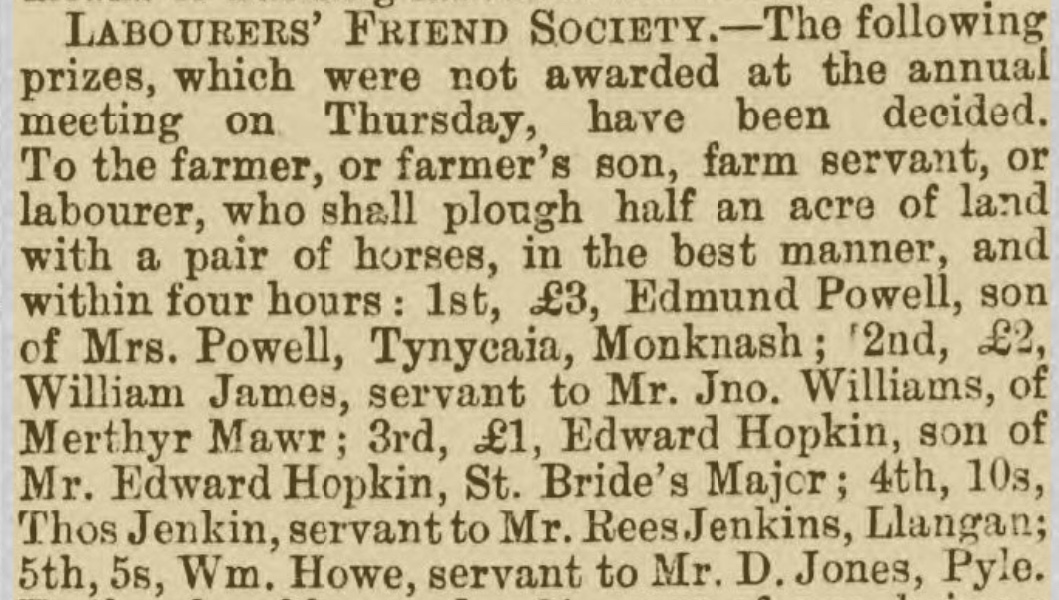
On 13 November 1876 William won five shillings for plowing half an acre of land with a pair of horses within four hours. Five shillings was the equivalent of a day’s wages for a skilled tradesman.

On 5 December 1878 William married Ann. Ann was born in Corneli on 22 April 1854, the youngest child of David Jones of Merthyr Mawr and Ann David of Margam. William was still working as a farm labourer at the time of his marriage. Interesting that when William recorded the family birthdays in the Howe family Bible he did not know the exact date of Ann’s birthday. A typical man?!

William and Ann were married at Hermon Methodist Chapel in Bridgend, a grand chapel for a grand occasion. They signed their names, thus proving that they were literate, and the marriage was witnessed by William’s brother, Hopkin, and Ann’s friend, Mary Phillips.

William and Ann, c1905

By 1881 William had returned to Corneli. Along with his wife Ann, he lived with his father-in-law, David Jones, and their baby daughter, Mary Ann, born in 1879. A niece, Elizabeth Burnell, Mary Jones’ daughter, was also living in the house. Elizabeth Burnell was living with the Howe family because Mary Jones was suffering from a chronic mental illness that stayed with her for the rest of her life. The family were now in North Corneli and William was working as a railway packer. 

Around this time William would walk three miles to Newton – and three miles back – three times a week to receive lessons in English and other subjects. Each lesson cost one penny. 

William became Headman in South Corneli and through his learning he helped the villagers with their reading and writing. Another duty of the village Headman was to lead the band of mourners as they carried a coffin from home to burial ground, many miles sometimes, over fields and mountains. He was living at a time of changing attitudes, and he seized the opportunity to improve himself and give help and support to the less educated in his village, a Howe trait that can be traced back many generations.

By 1891 four more children had appeared in the Howe household: Christiana in 1881, Evan in 1885, Elizabeth in 1887 and William David in 1890. Sadly, William David died on 20 May 1891. The family were now living in South Corneli, two doors down from Ty Draw. The house had three rooms and William was working as a stone quarryman in the limestone quarry. His parents, William and Mary, lived next door.

William’s handwriting, recording the family’s birthdays in the Howe Bible

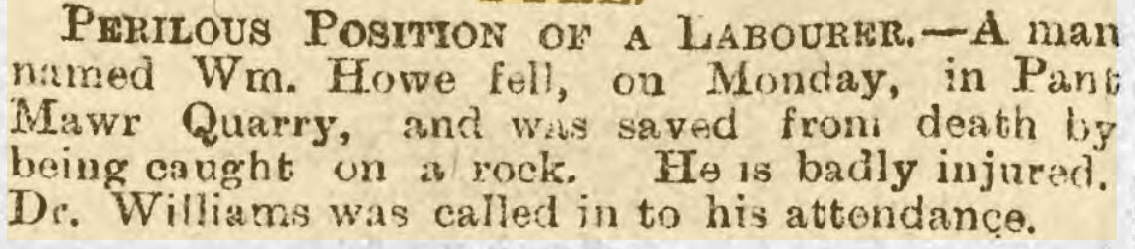
In February 1895 William had a life threatening accident in the quarry, which was recorded in the South Wales newspapers.

In 1901 William was still working in the quarry and his family were living on Porthcawl Road, South Corneli. Now, they had a four-roomed house. They also had four more children: William, born in 1892, Margaret, born in 1894, Priscilla, born in 1897 and Edith, born in 1899. Along with Elizabeth and Mary Ann, all were living at the house. William was now bilingual; he could speak Welsh and English. And although his mother, Mary, had died in 1897, his father, William, still lived next door.

The workforce at Corneli Quarry, c1920 when William was foreman 

Along with a host of other people William Howe was fined five shillings on 16th February 1906 for not sending his children to school. He was a platelayer on the railways at this time and the fine is interesting because it seems to go against his character of a well-respected member of the community and chapel. Also, William was a firm believer in education so he must have had a good reason for not sending his children to school. Unless any further evidence comes to light, we can only guess at his reasons.

By 1911 William and Ann had been married for 32 years. All the family, except Christiana, were living in a five-roomed house in South Corneli. William was an excellent gardener and grew fruit and vegetables to support his family and augment his wages.

Tragedy struck the family when on 6 November 1913, Priscilla, William and Ann’s daughter, died during an operation. She was sixteen years old. Evidently, Priscilla had a sweet voice because she sang at the Corneli Literary Society concert in December 1909.

William’s wife, Ann Jones, died on 29 February 1916 of Bright’s disease. She was sixty-one. Ann was buried at St Mary Magdalene, Mawdlam, plot A118. The census described Ann as a ‘housewife’, but one suspects that there was much more to her than that. She gave birth to nine children and no doubt supported her husband in the running of their home and allotment. In all probability, she shared William’s Methodist beliefs, although the fact that she was buried at Mawdlam and not at Capel-y-Pil adds an element of mystery.

By the 1920s William had become one of the elders at Capel-y-Pil Methodist Chapel. Therefore he was in the company of some of the leading land owners in the area. His house in South Corneli was called Lilac Cottage and William was now a foreman at the quarry. In his youth, his ambition had been to become a Methodist Minister. However, family finances dictated that only his older brother, Hopkin, could train for the ministry.

Elders of Capel-y-Pil, c1930. William is seated, third from left.

On 14 May 1933 William died at ‘Woodview’, North Corneli. His son, Evan, was at his side. The Howe family continued to live at Lilac Cottage in South Corneli while William was buried with his wife, Ann, at St Mary Magdalene, Mawdlam.

Lilac Cottage, home to my 3 x great grandparents, William and Mary, and my 2 x great grandparents, William and Ann. 

In the twentieth century, William David Howe, his wife Gwendolyne and their children lived in Lilac Cottage, followed by my great grand aunt, Mary Ann and great grand uncle, Evan. Mary Ann lost a leg as a child and Evan was blind in later life. Both were great ‘characters’. 

Painted by Priscilla D Edwards, nee Howe.

A Christmas card from 1876.

Merry Christmas!

Hannah xxx