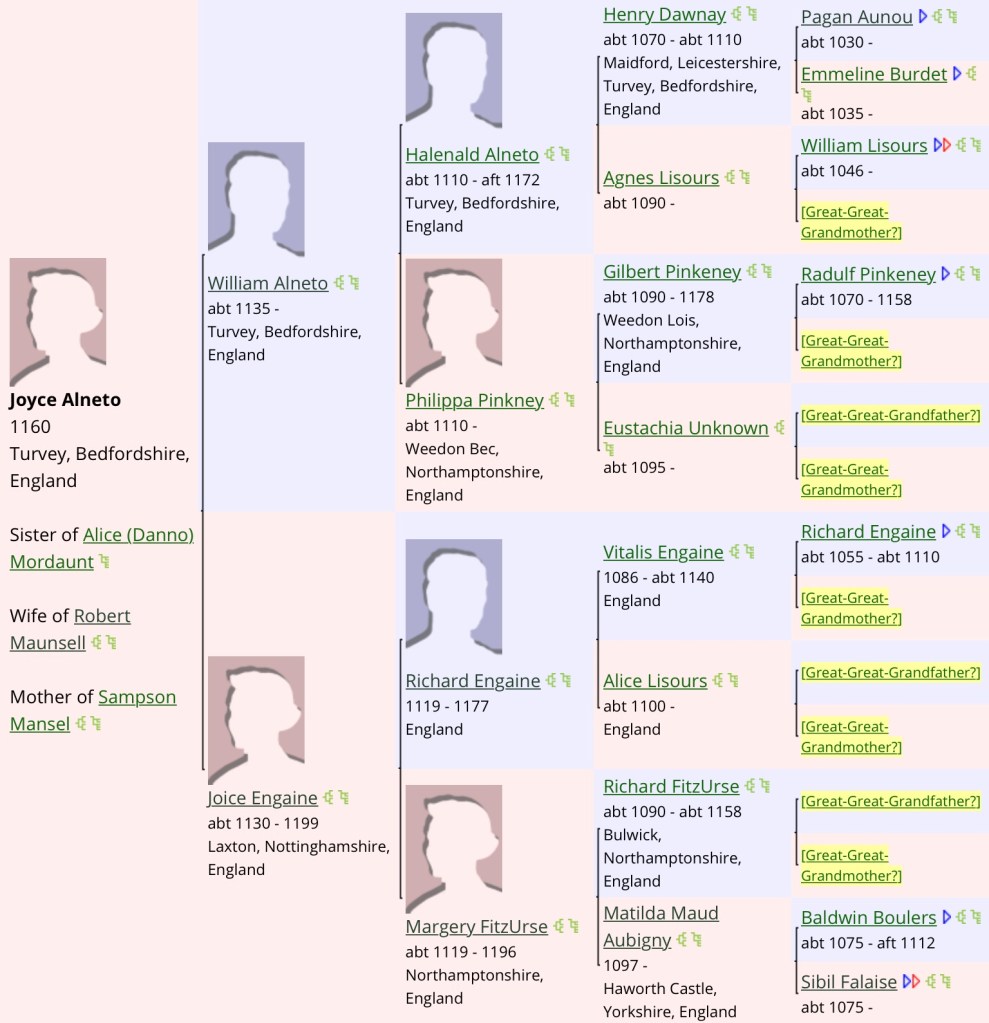
Through Joyce Alneto and Robert Mansell I have traced my family tree back to Alfred the Great, he who burned the cakes. At least I now know where my gene for burning the family dinner comes from 😄
Currently in production and available soon, Operation Broadsword the third audiobook in my Eve’s War Heroines of SOE Series, all narrated by Paula Branch.
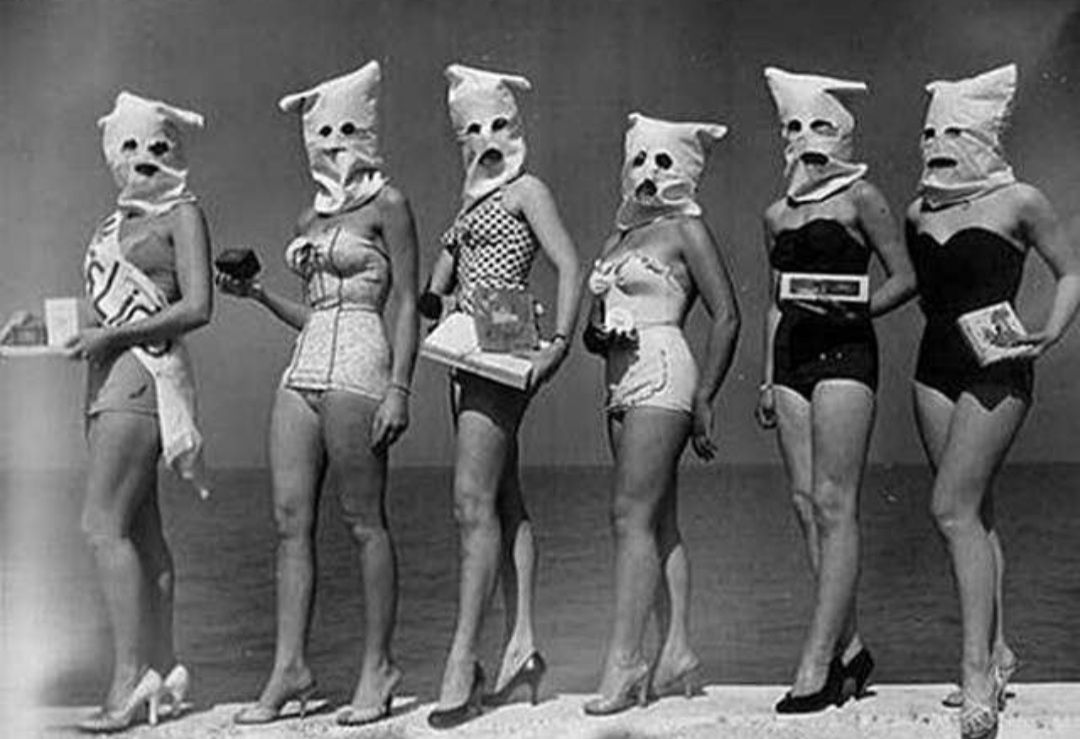
America, 1930s. Not a competition for ‘Miss Ku Klux Klan’, but contestants for a ‘Miss Lovely Eyes’ pageant.
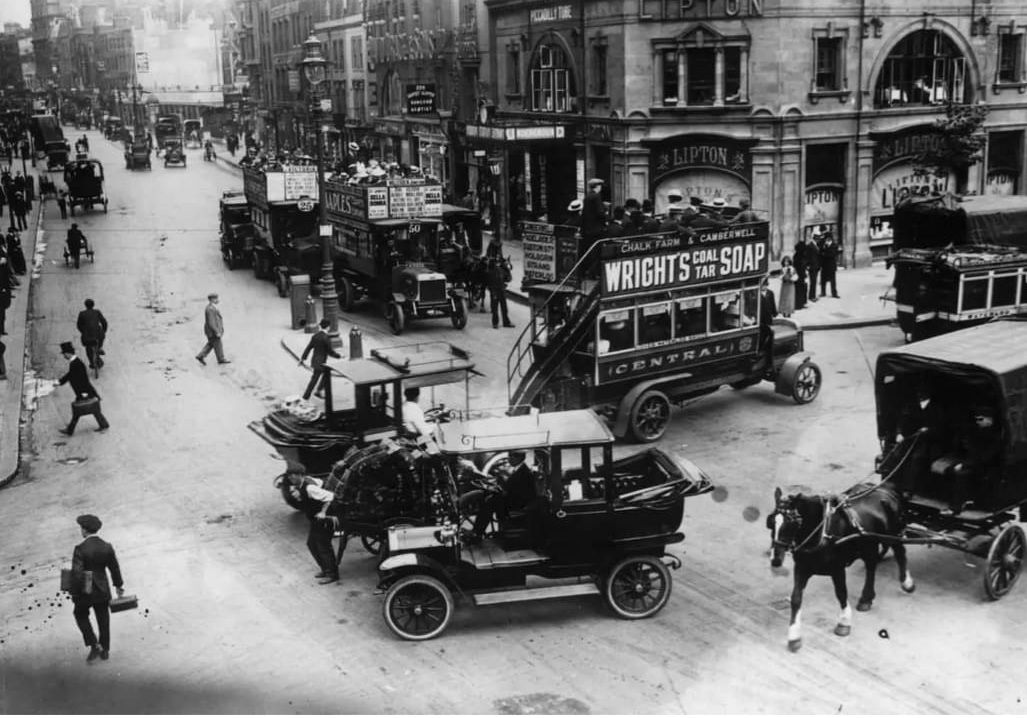
Horse-drawn and motorised traffic at the junction of Holborn and Kingsway in London, 1912. My 2 x great grandfather Albert Charles Bick was a car man, a person who drove a horse and cart in this area during this period. Albert transported coal and pipes.
A colourised version of the same picture.
Continuing the story of the Preston branch of my family.
Sir Richard had a son, Sir Richard, whose son Sir John also served in Edward III’s parliament. Sir John was the last of the Prestons to hold Preston Richard and Preston Patrick. Sir John’s daughter, Margaret, married Alan Pennington and he inherited Preston Richard.
Sir John’s son, Sir John, was a judge at the Court of Common Pleas under Henry IV and Henry V. Sir John retired in 1427 due to old age.
The Court of Common Pleas was a common law court in the English legal system that dealt with actions between individuals, actions that did not concern the king. Created at the end of the 12th century, the Court of Common Pleas remained as a mainstay of the legal system for around 600 years.
Sir John had three children: John, who became a priest; Richard, my direct ancestor; and a daughter who married Thomas de Ros. The de Ros’ feature on another branch of my family tree and they produced Catherine Parr, wife of Henry VIII.
The Court of Common Pleas
Richard Preston married Jacobina Middleton, daughter of John Middleton of Middleton Hall. He added the manor of Under Levins Hall to the family estate and the couple produced my direct ancestor, Thomas.
Thomas married Miss Redmayne, adding Twistleton to the family estate. They produced a son, John, who also married into the Redmayne family. John married Margaret, daughter of Richard, of Harewood Castle and Over Levins Hall.
John and Margaret’s son, Sir Thomas, married Ann Thornburgh, daughter of William Thornburgh, of Hampsfield in Lancashire. Through the Musgrave, FitzWilliam, Plantagenet and de Warren families, Ann’s branch leads to William the Conqueror. Many noble families intermarried so I have several branches that lead to William the Conqueror.
Sir Thomas further enriched the family estate by adding Furness Abbey and Holker Park in Lancashire. Furness Abbey was the second richest Cistercian abbey in England, after Fountains Abbey.
Sir Thomas acquired Furness Abbey thanks to Henry VIII and his dissolution of the monasteries. Sir Thomas’ estates generated an income of £3,000 a year, approximately £2 million a year in today’s money.
Furness Abbey, c1895.
Sir Thomas had three sons and six daughters, including my direct ancestor, Christopher who founded the powerful Preston branch at Holker Hall. The line of Ellen, Christopher’s sister, led to William Morley who discovered the Gunpowder Plot in 1605.
Christopher married three times: Miss Pickering, Margaret Southworth and Anne Jepson. The union with Margaret Southworth produced my direct ancestor, John Preston of Holker Hall. Christopher had a further son and two daughters, and died on 27 May 1594.
Holker Hall
John Preston married Mabel Benson, daughter of William Benson Esq of Hughill. This marriage brought part of the Preston Richard manor back into the Preston family’s hands. John’s successor and only child was George Preston, my direct ancestor. John died three years after his father, on 11 September 1597, aged 48.
George Preston was a great benefactor of the stately church at Cartmel, Lancashire where the remains of his grandfather, Christopher, and of his father, John, lay buried. He also supported the poor people of Cartmel by arranging apprenticeships. Furthermore, he established a foundation for scholars so that they could attend St John’s College, Oxford.
George died on 5 April 1640, and was buried at Cartmel. His marriage to Margaret Strickland, daughter of Sir Thomas Strickland of Sizergh Castle, Westmoreland, produced my direct ancestor, Elizabeth. Elizabeth married John Sayer, uniting the Preston and Sayer branches of my family.
My home overlooks Margam Park and I just discovered that my 15 x great grandfather Sir Rice (Rhys) Mansell bought the park, and Margam Abbey, when Henry VIII dissolved the monasteries in 1536. Sir Rice demolished the monastery and built Margam House, pictured.
This line dates back to Philip Mansell, born 1040 in Normandy. Philip was cup bearer to William the Conqueror, a highly responsible position. Philip served William his wine and made sure it wasn’t poisoned.
View of Margam House, Glamorgan, Looking North, c.1700 Attributed to Thomas Smith (fl.1680s-1719)
Oil on canvas
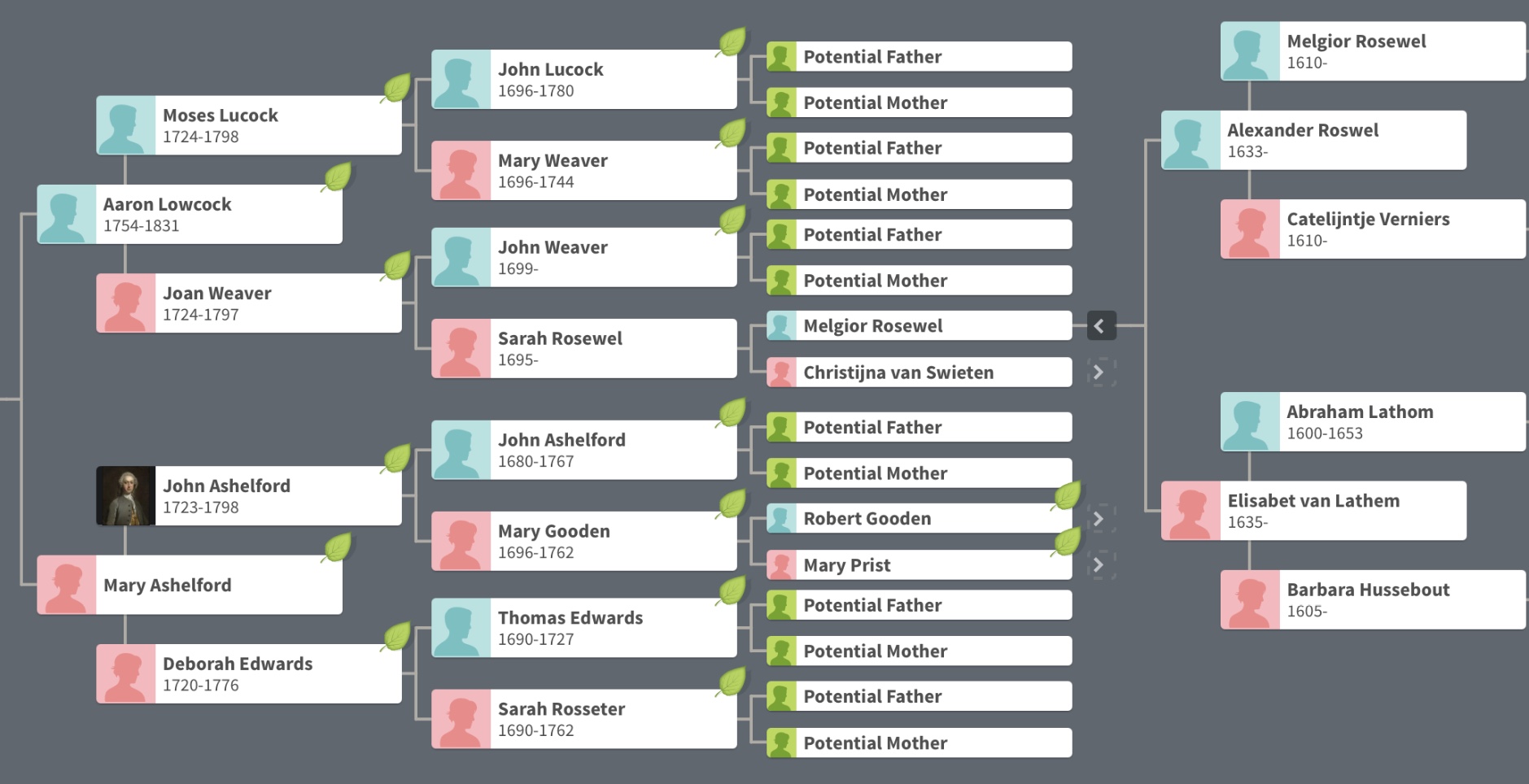
A baptismal record for my 4 x great grandmother Ann Locock has led to sixteen new branches on my family tree. My DNA revealed Dutch ancestors and one of these branches is Dutch, a family from Amsterdam. My 8 x great grandfather, Melgior Rosewel, worked for the Dutch East India Company, which offers scope for a lot more research.
My direct ancestor Sir John Mansell, 1188 – 1264, was a busy man.
Privy Counsellor
Constable of Dover Castle, pictured (Wikipedia)
Lord Warden of the Cinque Ports
Lord of the manor in Berkshire, Suffolk, Sussex, Lancashire, Wiltshire, Hampshire and Kent
Cup Bearer to Henry III
Founder of a priory in Bilsington
Provost of Beverley
Treasurer of York
Lord Justiciary of England
Member of the Council of Fifteen
Constable of the Tower of London
Chancellor to Henry III
England’s first Secretary of State
I think I inherited my multi-tasking from him 😉
An article about Sir John Mansell will follow in a future post.
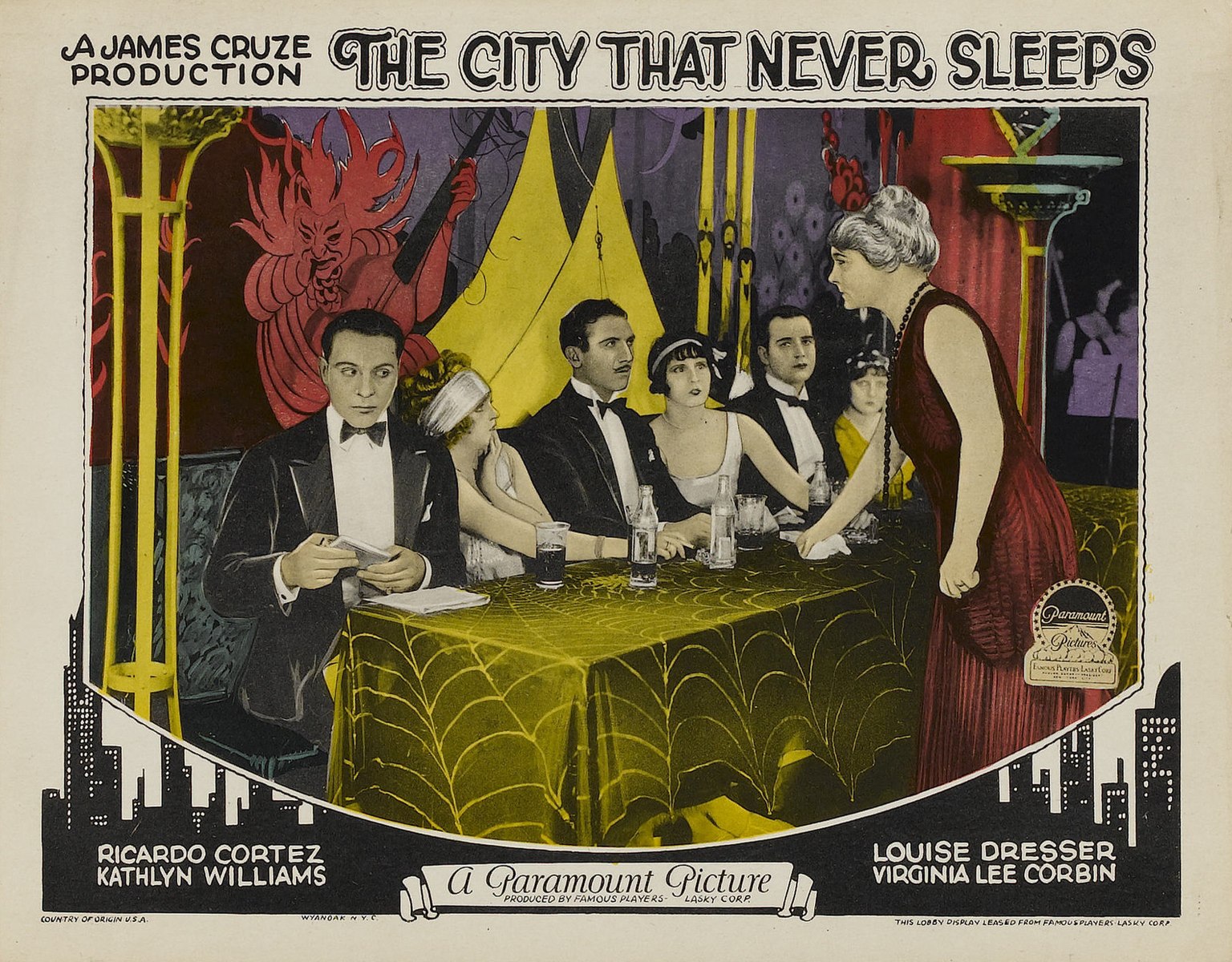
From my research, a lobby card for The City That Never Sleeps, a 1924 silent movie directed by James Cruze.
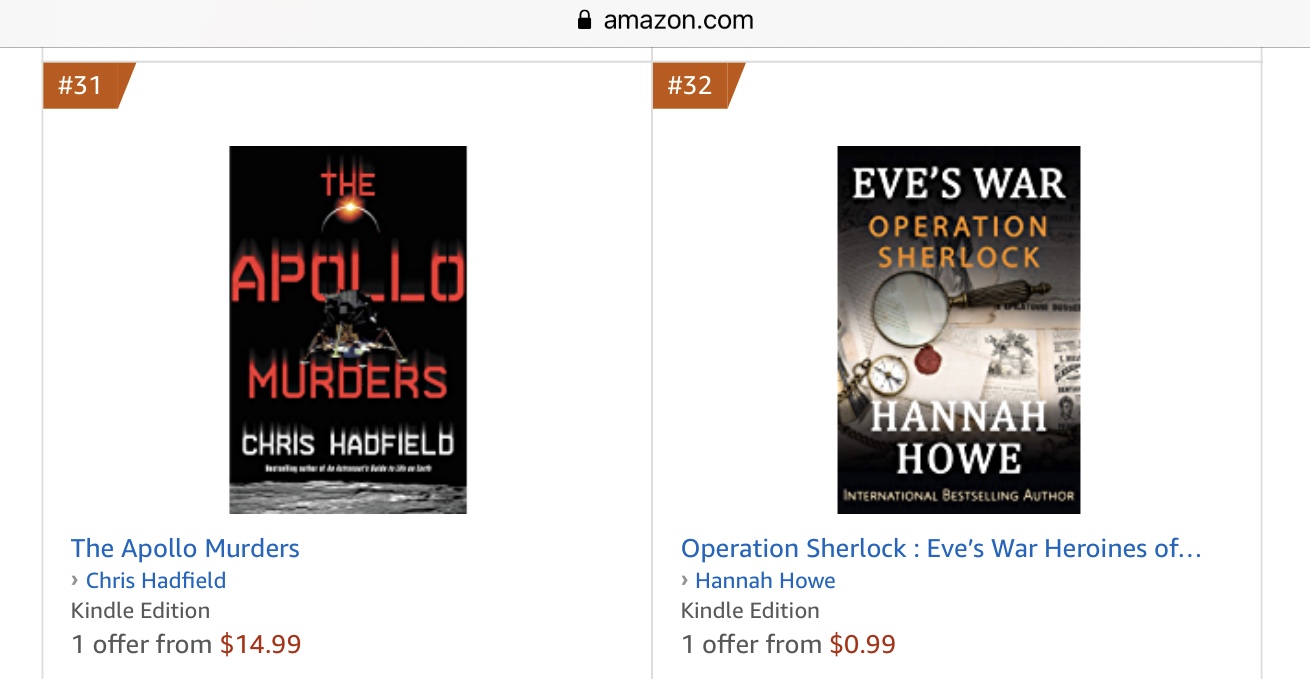
Many thanks to everyone who has placed my forthcoming Eve’s War story, Operation Sherlock, at #32 on the Hot New Releases chart.
One of modern life’s great imponderables…
I never expected to discover ancestors in Kiev, so I double-checked this line and established that it is correct.
This is an image of my direct ancestor Olga ‘the beauty’ a Pskov woman of Varangian extraction who married Igor of Kiev. After Igor’s death, she ruled Kievan Rus as regent, c945-963, for their son, Svyatoslav.
Only joking 😉
I’ve traced the Preston branch of my family tree back to Leolphus de Preston, who lived during the reign of William the Lion of Scotland, floruit 1165 – 1214.
Leolphus’ son, also Leolphus, made donations to Newbattle Abbey while his grandson, William de Preston, was one of the twenty-four Scottish nobles chosen by Edward I of England to arbitrate between John Balliol and Robert the Bruce, the main disputants for the crown of Scotland after the death of Margaret Maid of Norway, Queen of Scots.
The nobles met on 3 June 1291 to debate the succession. Debates and adjournments continued until 14 October 1292 when William de Preston and his fellow nobles decided that ‘succession by one degree from the eldest sister was preferable to succession nearer in degree from the second.’
Thus informed, on 17 November 1292 Edward I decided in favour of Balliol who ruled for four years, mainly as Edward I puppet. In 1296 the Scottish nobility deposed Balliol and appointed a Council of Twelve to rule instead. In retaliation, Edward I invaded Scotland, triggering the Wars of Scottish Independence.
Meanwhile, William de Preston’s role of arbiter set a family trend, which resulted in later generations of arbiters and judges.
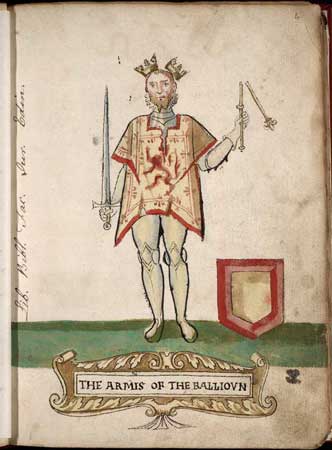
John Balliol, his crown and sceptre symbolically broken, as depicted in the 1562 Forman Armorial, produced for Mary Queen of Scots.
Sir William’s son, Nichol de Preston, was one of the Scottish barons who signed the Ragman Roll in 1296, swearing his allegiance to Edward I.
The Preston line continued with Laurence and his son, Richard. With these generations the Prestons moved south, into Northern England where they owned vast estates in Westmorland, founding the towns of Preston Richard and Preston Patrick.
More Richards followed: Sir Richard Preston, his son Richard, and his son Sir Richard. The latter was called as one of the jurors to settle a dispute between the King of England and the Abbot of St Mary convent, Yorkshire. The dispute centred on the rights to make appointments to the two churches at Appleby.
Yet another Richard followed and he married Annabella. They produced a son – you’ve guessed it – Richard, later knighted. Sir Richard represented Westmorland in Edward III’s parliament in the mid-1300s, the height of chivalry.
During Edward III’s reign membership of the English baronage was restricted to those who received a personal summons to parliament. At this point parliament developed into a House of Lords and a House of Commons, with the Commons gaining the ascendancy, thus marking a watershed in English political history.
Amazing how one record can unlock the past. This baptism record from 14 February 1801 for my 4 x great grandmother Ann Locock has led to eight new branches on my family tree.
It looks like the Battle of Bosworth was a family gathering. I’ve discovered another ancestor there, my 15 x great grandfather Nicholas Wilder, a military leader in the army of the Earl of Richmond. Nicholas supported the victor, Henry Tudor, crowned Henry VII.
Trouble with the neighbours. In 1294 Lady Hornby accused my direct ancestor John de Tunstall of shooting an arrow at her steward because he wanted to seize a wagon laden with corn to make distraint.
A colourised version of a picture taken one hundred years ago, of my great grandmother Edith.
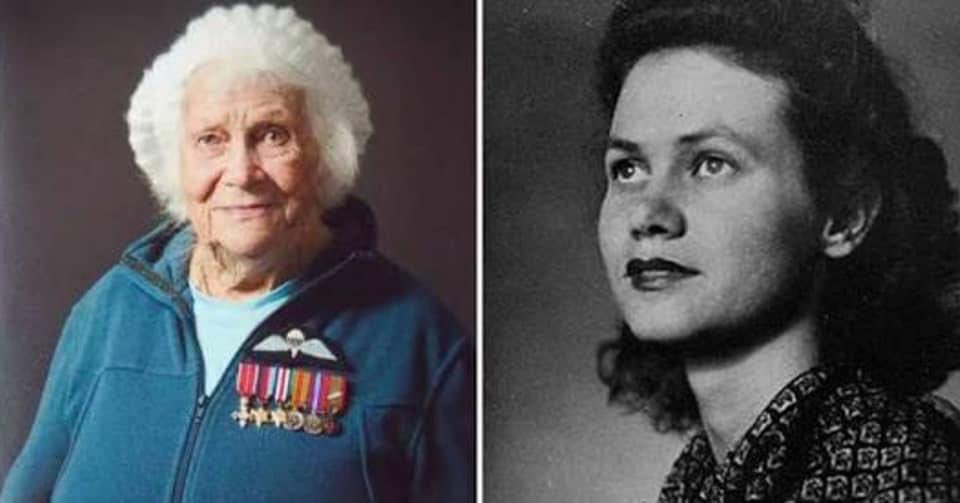
SOE heroine Pippa Latour, was 100 on 9 April 2021.
Available soon, the audiobook version of Mind Games, Sam Smith Mystery Series book eleven.
My 12 x great grandfather Thomas Strickland was born on 6 June 1564 in Kendal, Westmorland, the eldest son of Walter Strickland Esq and Alice Tempest, both the products of gentry families. Thomas lacked Walter’s parental guidance for much of his childhood because his father died in 1569.
On 24 July 1603 Thomas was made a Knight of the Bath, a special knighthood conferred on important royal occasions such as coronations. This practice died out after the reign of Charles II. Later, George I introduced the Order of the Bath.
Sir Thomas Strickland, 1600, aged 36.
At a date unknown, probably during 1596, Thomas married Elizabeth Symon aka Seymour of Bristol, the daughter of John Seymour of Frampton Cotterell, Gloucestershire. The marriage produced a daughter, Alice, who married Sir William Webb, Equerry to Henry, Prince of Wales.
After Elizabeth’s death, Thomas married, c1599, Margaret Curwen, daughter of Sir Nicholas Curwen of Workington Hall, Cumbria, and Anne Musgrave. This marriage produced five children:
Robert, who succeeded his father
Thomas, who left no mark on history
Walter, who married Anne Crofts of East Appleton, Yorkshire
Dorothy, who married John Fleming of Rydal as his third wife
Margaret, my direct ancestor, who married George Preston Esq of Holker Hall
Through his birth and marriages, Thomas enjoyed a comfortable lifestyle. He studied at Trinity College, Cambridge and in 1584 was made a Justice of the Peace. In 1603 he became a Sheriff and a member of the Council in the North. His roles included overseeing gaols, sewers and charities.
Thomas’ ancestors acquired the estate at Sizergh by marriage in 1239. The family regularly represented Westmorland in parliament from 1307 and Thomas was appointed custos rotulorum as soon as he came of age.
Margaret Curwen, Thomas’ second wife, was a strong Catholic. However, Thomas remained a supporter of Elizabeth I and her Protestant beliefs. Like his father before him, Thomas served as junior knight of the shire in Elizabeth’s last Parliament, and moved up to the first seat when re-elected in 1604.
Sizergh, castle and grounds. Wikipedia.
In parliament, Thomas was among those named to consider bills to preserve coppices, to reform informers’ abuses and to annex certain property indissolubly to the Crown. He also proffered a bill to extend alnage to narrow draperies, but it made no progress beyond a first reading.
In the second parliamentary session, Thomas sat on five legislative committees including three concerned with the cloth trade, granting customs allowances to the merchants of York, Hull and Newcastle. Another of Thomas’ committees regulated the wages of spinners and weavers while the fifth dealt with Welsh cottons in the statute of 1604.
As Thomas’ parliamentary career progressed, he considered bills to confirm the endowment of St. Bees grammar school in Cumberland and to strengthen the enforcement of the penal laws. On 19 March 1604, he was granted privilege as a defendant in a trial at York assizes.
Outwardly successful, the above trial offers a clue as to a flaw in Thomas’ character: he was a compulsive gambler. Even at the time of his first marriage, Thomas was raising substantial loans. Gambling in the Elizabethan era centred on cards, dice, backgammon and draughts, and often took place in gambling houses and gambling dens.
Elizabethans gambling at cards.
At Easter 1607, Thomas invited his wife’s cousin Anthony Curwen to supper where arguments and attempted arrests flared up over debt. However, before Curwen ‘could get any to serve the said Sir Thomas with a subpoena, he being a Parliament man’, Thomas abstracted the lease of Sherburn rectory from his study in New Inn and obtained judgment against him.
Thomas died intestate on 19 June 1612, leaving acknowledged debts of £9,500, which equates to approximately £1,274,000 in today’s money. His widow, Margaret, bought the wardship of her eldest son Robert and managed to preserve the Sizergh estate from creditors’ demands until the latter’s majority.
Margaret, born c1560, survived Thomas by eighteen years and died in 1630. She did not remarry, but her fortitude held her family and its estates together. In 1629, Margaret’s son, Sir Robert Strickland, sent her a letter advising her how she should proceed with the Commissioners before the President at York, ‘so as to save her estate from sequestration.’
During 1623-4, while a young man, Robert Strickland was summond to parliament as a Knight of the Shire for Westmorland. A colonel in the army of Charles I, Robert commanded a troop of horse at the battle of Edgehill, while his son, Sir Thomas Strickland, led the regiment of foot.
Because of Sir Thomas Strickland’s gambling, his family had to fight many battles. However, for them a bigger battle lay ahead in the shape of the English Civil War.
Nice to receive correspondence from readers who enjoy my books and wish to discuss the subject matter. My Eve’s War Heroines of SOE Series has generated a lot of interest in that respect.
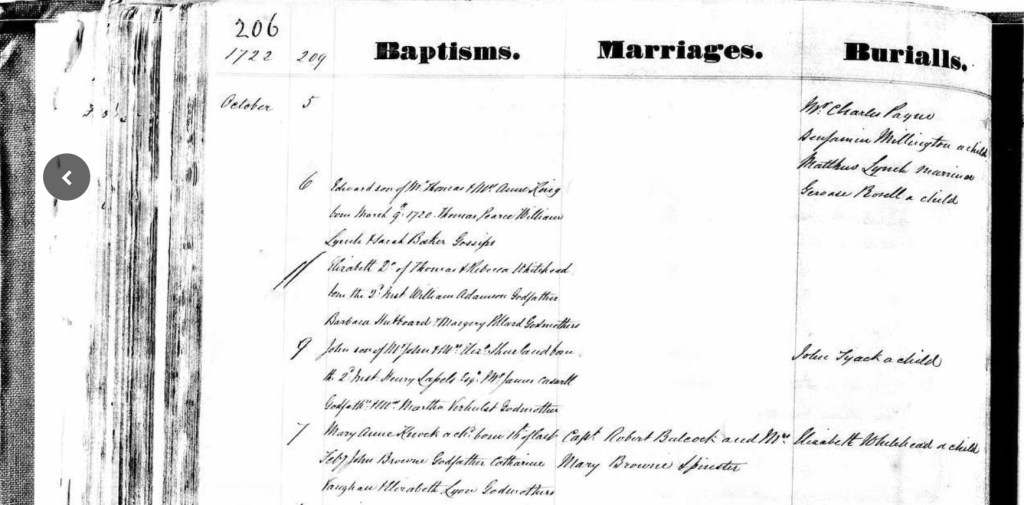
My DNA result indicated that my ancestors were in the Caribbean. Now, this record suggests that my 7 x great grandfather Edward King was baptised in St Michael Parish, Barbados on 6 October 1722, aged two. What were his parents, Thomas and Anne, doing in Barbados? Were they involved in the sugar plantations? More research required…
Sulham House, home to the Wilder branch of my family. The Wilders arrived in Britain during the second half of the fifteen century, possibly from Bohemia.
My latest translation, Stardust in Portuguese.
I’ve traced one branch of my family tree back to Lord Tancrède (Tancred) “the Viking” aka de la Ville Tancréde, born c880 in Schleswig-Holstein, Denmark. One of the foremost Vikings of his generation, Tancrède built a castle on a spur overlooking the Seine.
“Tancarville castle was the seat of one of the most powerful lineages of the Pays de Caux. This family, grand officers of the crown, were as mentioned, early landowners in the Lillebonne region. Infamous in Knightly accomplishments and during the ducal epoch, becoming that of the Hereditary Chamberlains of Normandy.”
Tancarville Castle – le Château Fort de la Ville Tancrède
The April 2021 issue of Mom’s Favorite Reads!
In this month’s issue…
Do Pets Really Make You Healthy?
Memories of Ireland
Author Features
Escape to Simplicity
Women of Courage
Plus, interviews, photography, puzzles, poems, short stories and so much more!
My 6 x great grandfather Jasper Wheeler was born in 1745 in Westminster, London. He married Mary Cherien on 24 May 1773 and the couple had two children, including my direct ancestor, Thomas Wheeler.
At this stage, little is known about Mary. Further research is required. Her surname suggests French origin and the marriage and birth dates suggest that her son Thomas was born out of wedlock.
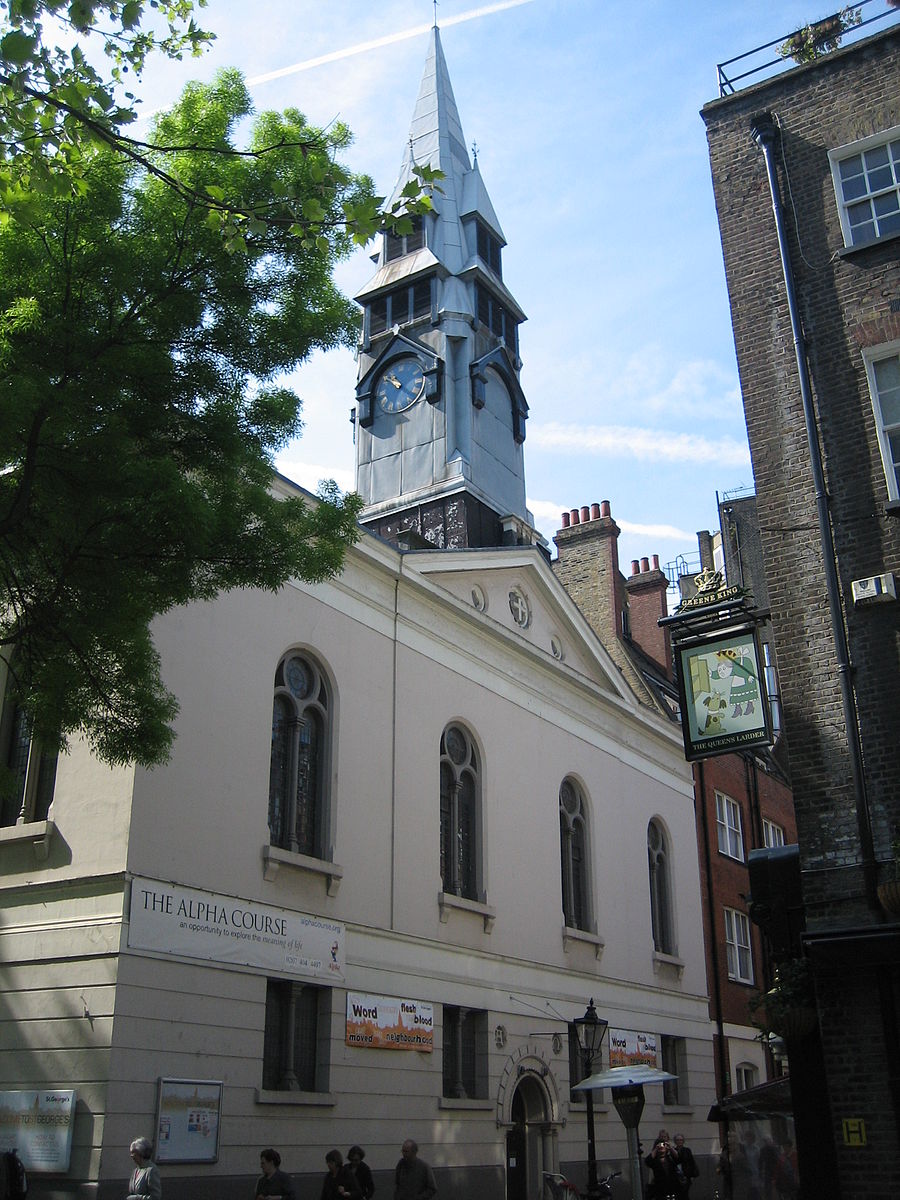
The scene of Jasper and Mary’s wedding, St George the Martyr, Queen Square, Holborn (Picture: Wikipedia).
Jasper earned a living as a pawnbroker in Kew Road, Richmond. He rented a property from Henry Edmead and his rent at 16 shillings was considerably higher than the eight other tenants who rented property from Henry Edmead.
Richmond contained areas of great poverty, although on the whole it was well-to-do. I sense that Jasper and Mary straddled these two worlds, living in modest comfort while dealing in the main with people who had little money.
Pawnbrokers, with their distinctive symbols of three golden balls, were integral to working class life in the 1800s. Their symbols were initially associated with St Nicholas who, according to legend, saved three young girls from destitution by loaning them each a bag of gold, paving their way towards marriage.
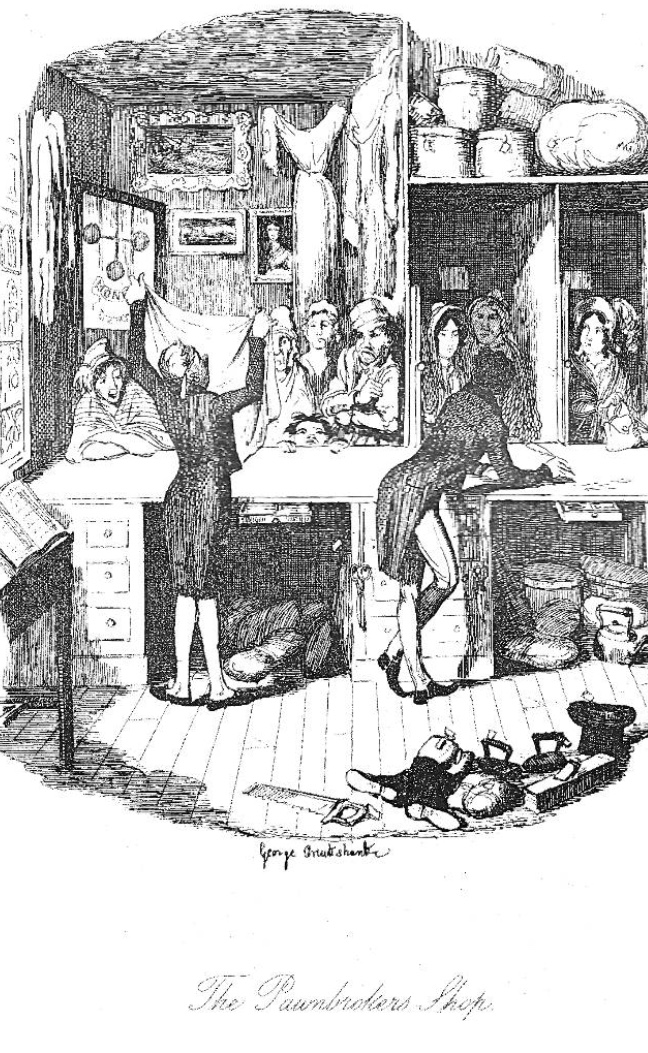
The Pawnbroker’s Shop, Harry Furniss, 1910.
Modern pawnbroking began with the Pawnbrokers Act of 1800. Lord Eldon, who promoted the Bill, admitted that he had used pawnshops in his youth. The Act increased the interest rate to 20 percent per year with licence fees set at £15 in London and £7 10 shillings in the countryside. Although sometimes associated with crime and stolen goods, a report in the Victorian era concluded that only one in 14,000 items were pawned dishonestly.
Often referred to as ‘Uncle’, quite often the pawnbroker was the difference between a regular meal and starvation. Indeed, some communities boasted more pawnbrokers than public houses, the pawnbroker lending money on anything from bedlinen to cutlery, from jewellery to furniture, from tools to the family’s Sunday best clothes.
With the workhouse an ever-present threat, pawning became acceptable, a way of life. Families, and pawnbrokers, recognised a regular pattern, centred on Saturdays and Mondays. A family, usually through the wife, would pledge its clothing on Monday then redeem it on Saturday, after pay day. Suitably dressed, the family would attend church on a Sunday, then resume the pawning cycle, the pawnbroker earning his living from the interest charged.
The Pawnbroker’s Shop, 1876.
The entrance to a pawnbroker’s shop was usually via a side-street. In Sketches by Boz, Charles Dickens offered this description of a pawnshop near Drury Lane, ‘which affords a side entrance for the accommodation of such customers as may be desirous of avoiding the observation of the passers-by, or the chance of recognition in the public street’. The door, ‘half inviting, half repelling the hesitating visitor, who, if he be as yet uninitiated, examines one of the old garnet brooches in the window for a minute or two with affected eagerness, as if he contemplated making a purchase; and then cautiously looking round to ascertain that no one watches him, hastily slinks in…’
Although associated with the working class, a pawnbroker also received visits from the middle and upper classes in need of instant cash. Due to the sums involved, these clients offered the pawnbroker richer pickings and a chance to make sizeable profits from the transactions.
The pawnbroker was entitled to keep and sell items valued at under ten shillings once the redemption period of one year and seven days elapsed. Items valued at over ten shillings were sold at public auction.
No one described the scene better than Charles Dickens, ‘several sets of chessmen, two or three flutes, a few fiddles…some gaudily-bound prayer books and testaments, two rows of silver watches…numerous old-fashioned tables and tea spoons….cards of rings and brooches….cheap silver penholders and snuff-boxes…silk and cotton handkerchiefs, and wearing apparel of every description…’
Charles Dickens, 1868.
Did Jasper exploit the poor, or offer an essential service? He made a living from their poverty. However, he also placed food on their dining tables. With little support from the state, the pawnbroker was an essential member of the community.
Jasper’s Will – he died in late January 1812, aged 67, and was buried on 2 February – makes no mention of his wife Mary or his son Thomas. Instead, he bequeathed money to a widow, Elizabeth Tibbs, and her family. Was this bequest a business arrangement or the result of a romantic relationship? I suspect the latter. Given that Jasper and Mary only had two children it suggests that Mary died young. But what of Thomas?
Although there is no record of Jasper falling foul of the law, the Wheelers were regular visitors to the Old Bailey. More about that, and Thomas’ fate, in a future post.
Book five in my Eve’s War Heroines of SOE series, Operation Sherlock is now available for pre-order 🙂
“Arthur is concerned about the Nazis’ latest terror weapon,” Guy said. “Rockets; they have the potential to cause death, destruction and chaos in Britain. He wants us to locate the launch site so that the RAF can bomb it.”
“How do we achieve that?” I asked.
“The Resistance in Paris think that they have identified the site,” Guy said. “Arthur wants us to confirm their suspicions.”
“Why doesn’t the local Sherlock network deal with this?” Mimi asked.
“Recently,” Guy said, “the Gestapo captured their wireless operator. Their network is in chaos. Trust is at a low ebb.”
I glanced at Mimi and noticed her pale, drawn features. As our wireless operator, she lived under constant stress; each transmission represented a moment of potential capture.
A trip to Paris sounded sublime. However, Mimi’s troubled expression reminded me that we were travelling into danger, potentially to our deaths.
Electric cars are nothing new. Here’s one being charged in 1912.
From April 1807, Freedom of the City Admission Papers signed by my 4 x great grandfather James Richard Brereton of Shoe Lane, Fleet Street, London. Several of my ancestors signed these papers and entered into apprenticeships, in this case as a cutler.
The text on this document is difficult to read, but basically it says that the apprentice was not allowed to visit taverns, gamble with cards or dice, fornicate or marry. Basically, he had to work for his master for seven years and not have any fun.
Later, James took his trade on the road as a tinker, marrying and establishing a family in Bristol. Sadly, he died shortly before his daughter, my 3 x great grandmother, Fanny, was born.
From our family archive, my great aunt Joan, 1924. I’ve studied this picture for years and still can’t decide if that’s her brother Roy at her side or a doll. What do you think?
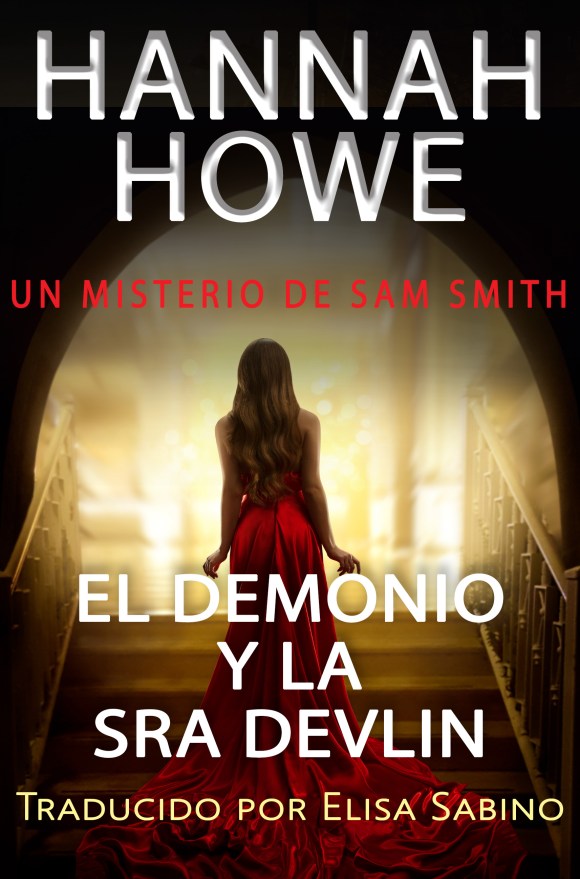
My latest translations, Betrayal into French and The Devil and Ms Devlin into Spanish.
This week I discovered that my 12 x great grandfather, Rev Peter James Dent (1600 – 1671), was an apothecary 🙂
“Give me an ounce of civit, good apothecary, to sweeten my imagination.” – King Lear.
Picture: Italian pharmacy, 17th century (detail).
My 8 x great grandmother, Mary Troutbeck nee Ollyer, was the licensee at the Queen’s Head Inn, Gray’s Inn Lane, London. A young widow, she was a party to this case, heard at the Old Bailey on 22 May 1776.
JAMES LECORES and WILLIAM GODFREY were indicted for stealing twenty-nine guineas, a half guinea, and eight shillings and six-pence in money numbered, the property of Daniel Dance , and a bank note for 20 l. the property of the said Daniel in the dwelling house of Mary Troutbeck, widow, May the 6th. (Approximately £3,000 in today’s money).
DANIEL DANCE sworn.
I live at Camberwell: I lost a 20 l. bank note, twenty-nine guineas, a half guinea, and eight shillings and six-pence at Mrs. Troutbeck’s, the Queen’s Head Inn, Gray’s-inn-lane ; I took the money to Mr. Child’s at Temple-bar; the office was shut up; I came away, and while I was looking up at a house near Temple-bar, Godfrey came up and said, Farmer, what are you looking at? I told him I came to pay my rent to my landlord, and the office was shut up; he said he came out of Kent to a lawyer, and he supposed he was too late to meet with him; we walked together and he talked of some people in Kent; he mentioned the names of several I was well acquainted with; I said I would carry the money to Mr. Silway’s chambers, for I would not carry it back again; he said he would go with me and shew me his chambers; we went up Chancery-lane and crossed Holborn into Gray’s-inn-lane; we went about two hundred yards up and down, and then he said, if I would go into a public house we might have intelligence; we went into a public house, and he called for six-penny worth of Crank, and he asked me if I would sit down; I sat down, and in came the other prisoner and pulled out a purse of money, and said he had drank fourteen glasses of brandy that morning standing; he said he was a captain just come home: we went out from there, and he said he would shew me the way to Mr. Silway’s chambers; then we went into Mrs. Troutbeck’s and called for a bottle of wine; they hit my knuckles with a half-penny, and then asked me to put the half-penny under a bottle; while I was doing it they took the money out of my pocket; I saw the money in their hand, but they ran away so fast I could not speak; they broke a glass in their hurry in running out; the money was in a bag in my coat pocket.
When they run out you felt in your pocket? – Yes, it was gone; I saw the bag in their hands, and the note was in the bag.
Cross Examination.
Whose hands did you see the money in? – Godfrey’s.
Did you ever see these people before? – Never before; he appeared like a country farmer; I know them as well as any man in the parish I live in; I know Godfrey by his backside; I took him by the tail; I have been always positive to him; he was taken the Tuesday after the Duchess of Kingston’s trial.
Elizabeth Chudleigh, Duchess of Kingston (8 March 1721 – 26 August 1788), sometimes called Countess of Bristol, was an English noble and courtier, known by her contemporaries for her adventurous lifestyle. She was found guilty of bigamy at a trial at Westminster Hall that attracted 4,000 spectators.
Was that a week or a fortnight after you was plundered? – I believe it was about a fortnight.
You knew the man immediately? – Yes; I pursued him every day; he owned he had the money; his friends offered me thirty pounds.
WILLIAM SWAN sworn.
I live with Mrs. Troutbeck: the prosecutor and three more came into our house on Easter Monday, and asked for a pot of beer; I told them we did not sell beer; then they called for a bottle of wine; I stood in the passage to watch them, lest they should go away and not pay the reckoning; three of them came out very sharp, and put two shillings in my hand; I asked my mistress how much it was, she said two shillings; I went in to see if there were any glasses broke, and met the old farmer coming out; a glass was broke; I asked him if he was to pay for the glass, he said he had lost enough: I know the prisoners are two of the men; they owned before the justice they had the money, but said they got it by gambling.
LECORES’ DEFENCE.
A parcel of people about me desired me to say so, and they would clear me; I was in liquor and did not know what I did.
GODFREY’s DEFENCE.
I leave it to my counsel.
Godfrey called four witnesses, who gave him a good character.
From the Jury to DANCE. Whether they used any other means besides that of the bottle to divert you? – Nothing in the world; there was no gaming.
How long might it be from the time you went in to the time they ran away? – Not above ten minutes.
BOTH GUILTY. Death .
Tried by the First Middlesex Jury before Mr. RECORDER.
The judge sentenced both men to death. However, their cases were respited. On 13 September 1776, after the respite, Lecores and Godfrey came before the court again. This time the judge sentenced them to three years on a hulk.
The beached convict ship HMS Discovery, at Depford.
The Old Bailey case revealed that the Queen’s Head Inn did not sell beer, but it did sell ‘Crack’ and wine. The inn was situated in Gray’s Inn Lane the road by which Henry Fielding’s Tom Jones entered London. The lane was a popular hub for scholarly, legal and literary people. James Shirley the dramatist resided there and it was the favourite haunt of the poet John Langhorne.
(c) Bodleian Libraries; Supplied by The Public Catalogue Foundation
James Shirley and John Langhorne
Baptised on 14 November 1717 in Holborn, London, Mary Ollyer was the daughter of Richard Ollyer and Mary Thomas. She married William Troutbeck on 17 August 1739. Their marriage was recorded in the Clandestine Marriages Register, which suggests an air of secrecy. This pattern was often repeated on this branch of my family tree due to religious nonconformity.
William and Mary produced eight children in fourteen years. When William died on 24 March 1753 Mary became the sole owner of the Queen’s Head and with the aid of servants ran the inn, rubbing shoulders with and serving drinks to some of the leading literary figures of the age. No doubt, she talked with these people and discussed their literary projects.
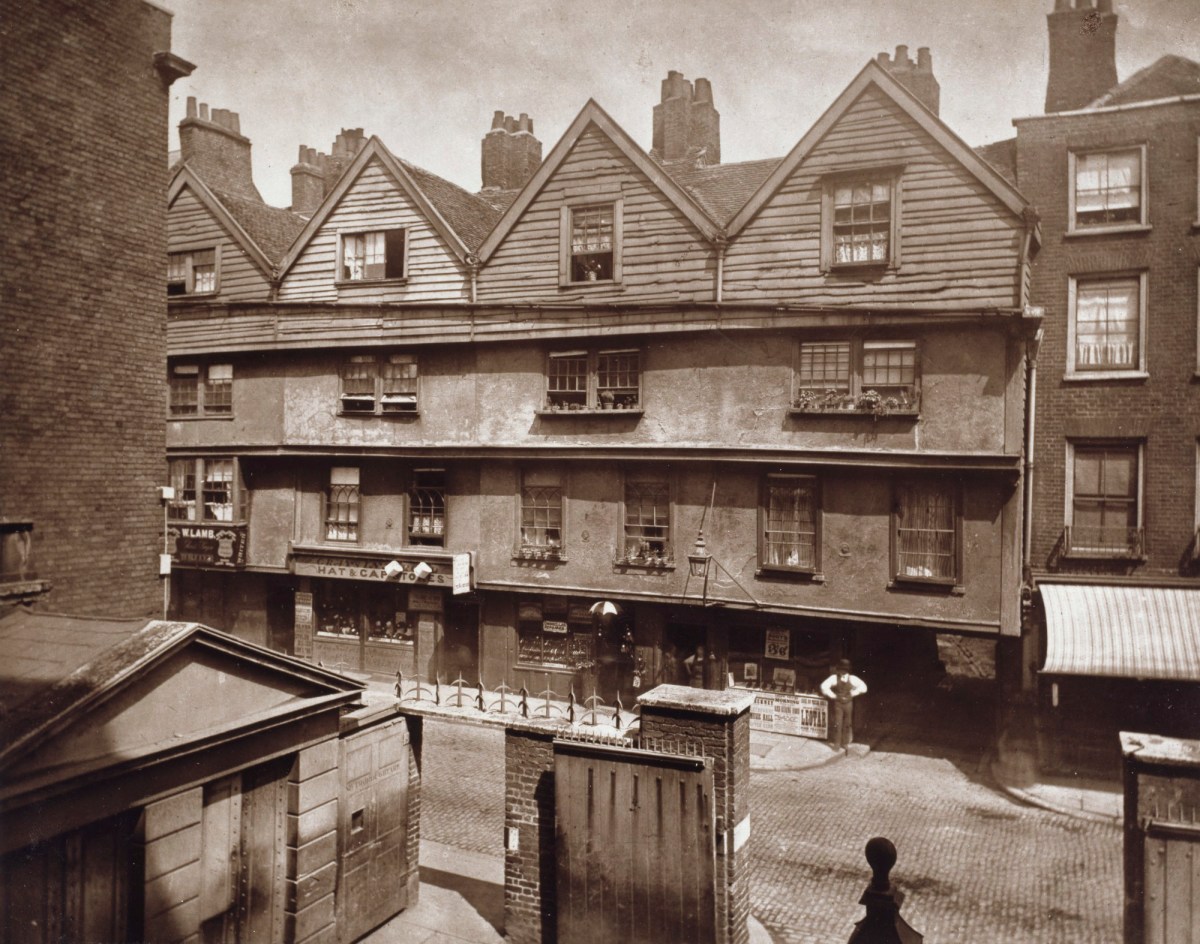
Gray’s Inn Lane, c1878. (c) Royal Academy of Arts / Photographer credit: Prudence Cuming Associates Limited /
In her autumn years, Mary bequeathed the Queen’s Head Inn to my direct ancestors, Daniel Cottrell and Mary Troutbeck who ensured that the public house prospered into the nineteenth century.





















 Hannah Howe