Categories
Dear Reader

Dear Reader #134

Dear Reader,

A lovely start to the year. Damaged, my latest Sam Smith mystery, published 15 January 2022, is a #60 hot new release 🙂

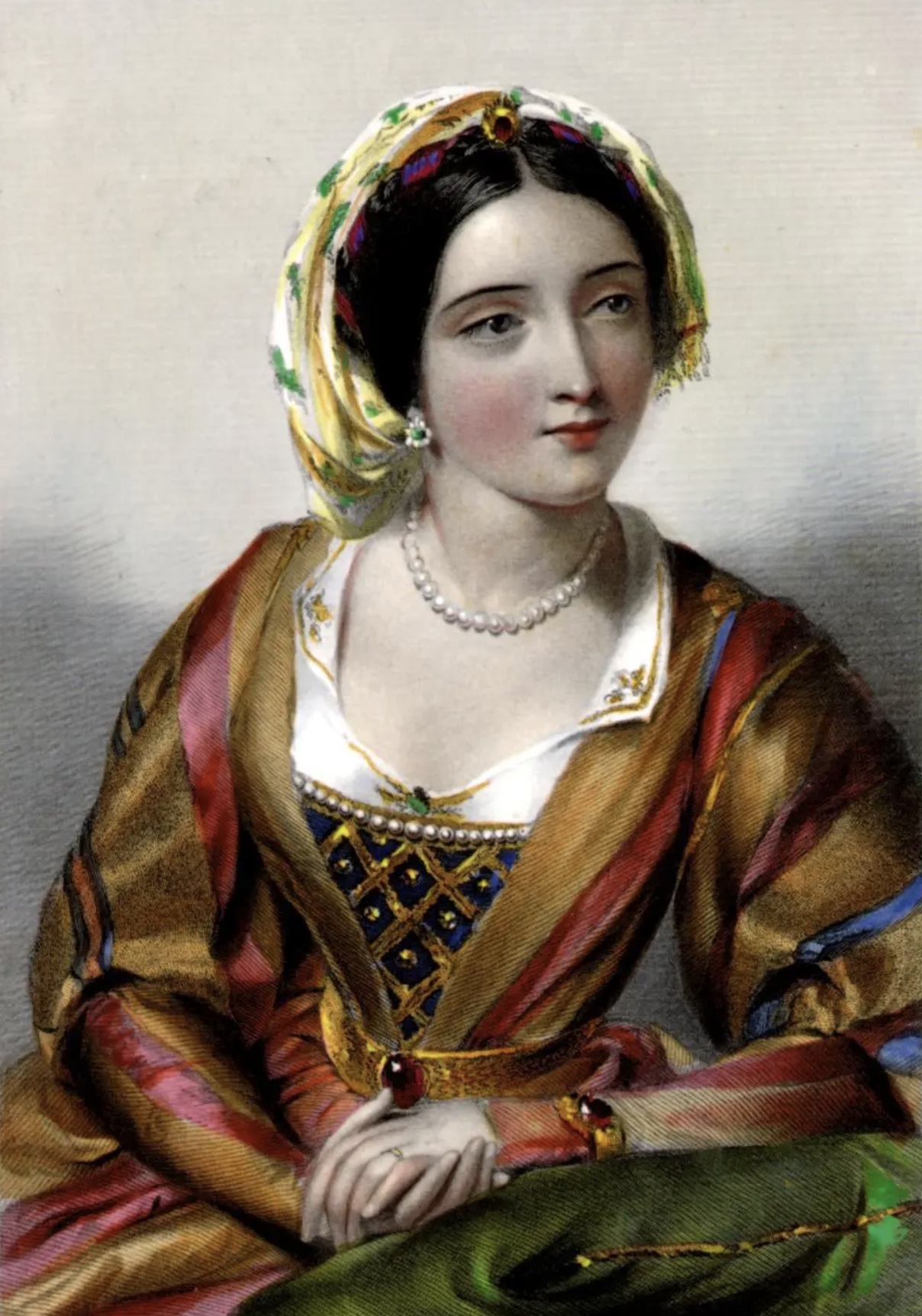
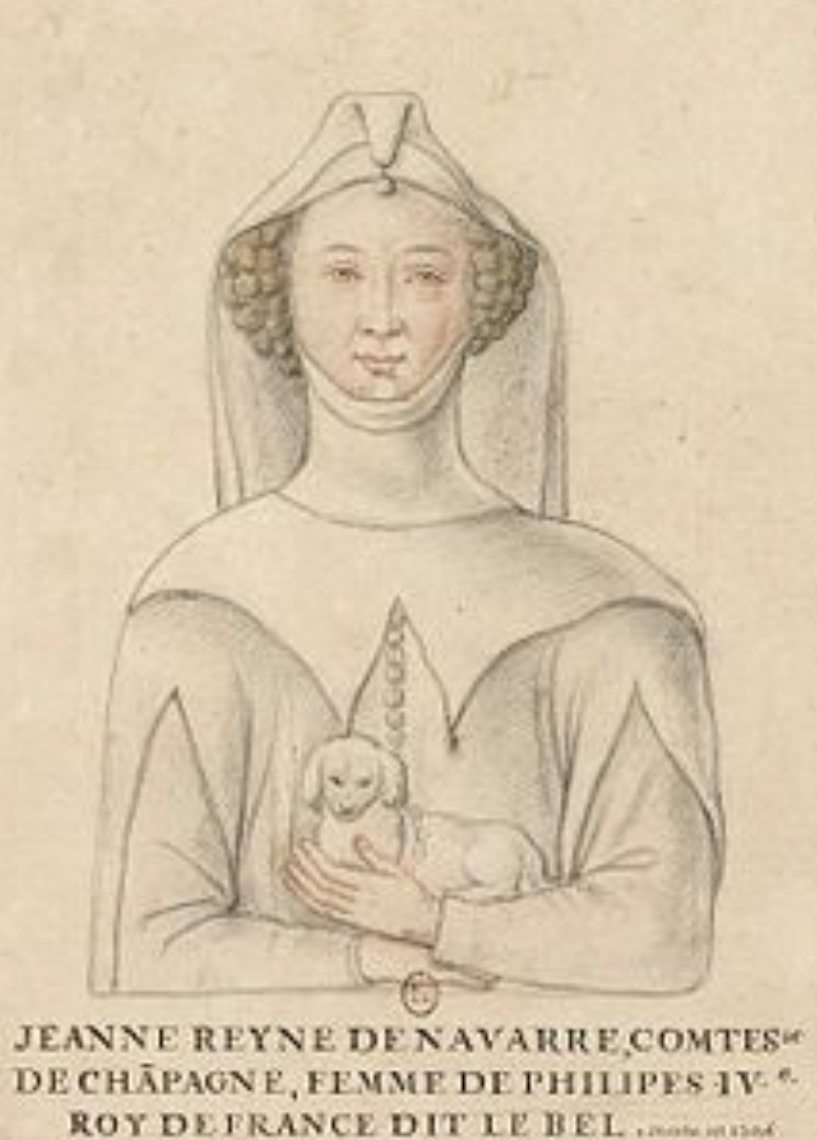
My direct ancestor, Jeanne de Navarra de Champagne (14 January 1273 – 2 April 1305, a bold, courageous and enterprising woman who led an army against the Count of Bar when he rebelled against her. It’s thought that Jeanne, like far too many of my ancestors, died in childbirth.
My direct ancestor, Gwenllian ferch Gruffydd (1090 – 1137). With her husband, Gruffydd ap Rhys, an outlaw who distributed wealth to the poor, ‘like Robin Hood.’ Academic Dr Andrew Breeze argued that Gwenllian wrote the Mabinogion, the tales that influenced Lord of the Rings.

The January 2022 issue of Mom’s Favorite Reads…

Author Features, Genealogy, Poetry, Puzzles, Recipes, Seasonal Articles, Short Stories, National Pharmacist Day and so much more!

My ancestor, Christopher Gadsden (16 February 1724 – 28 August 1805) was an American politician and the principal leader of the South Carolina Patriot movement during the American Revolution. Furthermore, he was a delegate to the Continental Congress, a brigadier general in the Continental Army, Lieutenant Governor of South Carolina, a merchant, the designer of the Gadsden flag, a signatory to the Continental Association and a Founding Father of the United States.
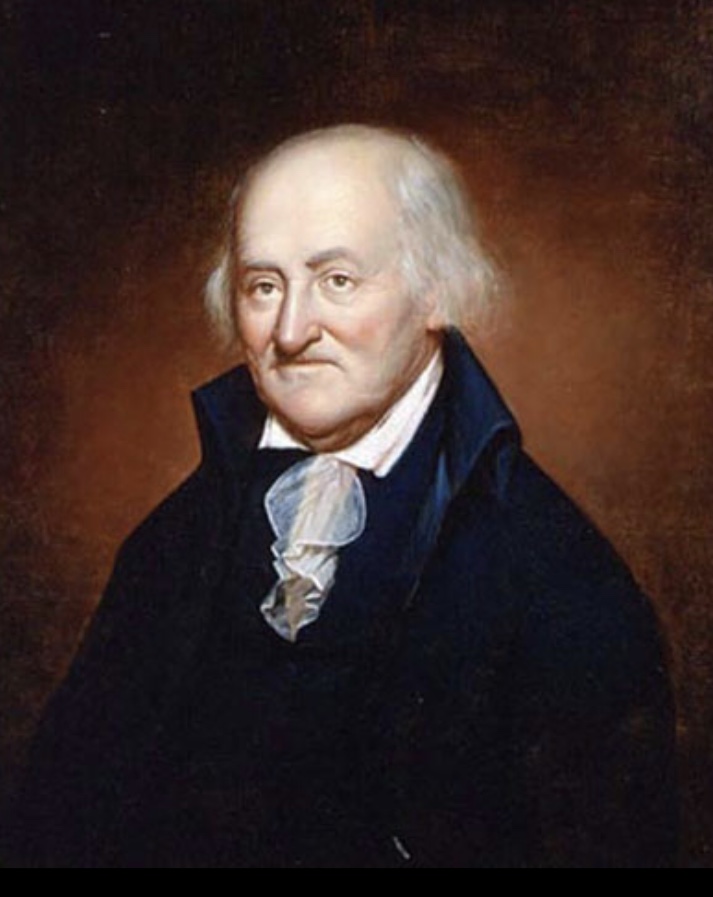
Christopher Gadsden. Portrait by Charles Fraser.

The son of Royal Navy officer Thomas Gadsden, Christopher was born in 1724 in Charleston, South Carolina. After service in the Royal Navy, Thomas became a customs collector for the Port of Charleston, hence the family association with the area.

Christopher was schooled in England. He returned to America in 1740 and served as an apprentice at a Philadelphia counting house. When his parents died in 1741, he inherited a large fortune, which made him financially secure for life.

Between 1745 and 1746 Christopher served as a purser on a British warship during King George’s War. In 1747, he developed his mercantile ventures and a few years later he built Beneventum Plantation House. 

Slavery was common practice amongst plantation owners in South Carolina. Although Christopher was ambivalent towards this barbarity, nevertheless he did keep and trade in slaves.

As Christopher Gadsden’s businesses prospered, he invested in projects such as Charleston Wharf. Between 1767 to 1787 and 1803 to 1808, it is estimated that forty percent of enslaved people (about 100,000) were brought to America through this wharf.

The Gadsden flag

Christopher was captain of a militia company during a 1759 expedition against the Cherokee. He was first elected to the Commons House Assembly in 1757 and immediately clashed with the autocratic royal governors. His stance brought him to the attention of Samuel Adams of Massachusetts, which resulted in a long correspondence and friendship.

Christopher Gadsden became one of the founders and leaders of Charleston’s Sons of Liberty. In February 1776, South Carolina President John Rutledge named him a brigadier general in charge of the state’s military forces. He played an active roll in the military, often to great personal financial cost.

In 1778, Christopher was a member of the South Carolina convention that drafted a new state constitution. That year he also served as lieutenant governor, stepping down in 1780.

When the British besieged Charleston in 1780, John Rutledge, as president of the council, fled to North Carolina to ensure a ‘government in exile’. However, Christopher remained and representing the civil government he surrendered the city and was taken as a prisoner of war.

As a prisoner of war, Christopher spent forty-two weeks in solitary confinement in a prison room at the old Spanish fortress of Castillo de San Marcos. Gaining his freedom in 1781, he helped to restore South Carolina’s civil government.

Christopher Gadsden was returned to South Carolina’s House of Representatives. He was elected as the governor, but due to poor health sustained during his imprisonment, he declined. In 1788, as a member of the state convention, he voted for the ratification of the United States Constitution.

The Gadsden house in Charleston (Wikipedia).

In 1798, Christopher built an imposing house at 329 East Bay Street in Charleston, a house that remained in the family for more than a century. He married three times and had four children with his second wife. He died, the result of an accidental fall, on 28 August 1805, in Charleston, and was buried in St Philip’s Churchyard.

Christopher Gadsden was born into privilege. A capable and principled man, he achieved a great deal in his life. He was a man of his times and some of his attitudes look dubious today. 

The world of politics is murky at the best of times, and politics was Christopher’s world. To his credit, he wasn’t a populist. Even when it disadvantaged him personally, he stood up for his beliefs, and I feel that history should commend him for that.

As ever, thank you for your interest and support.

Hannah xxx

For Authors

#1 for value with 565,000 readers, The Fussy Librarian has helped my books to reach #1 on 32 occasions.

A special offer from my publisher and the Fussy Librarian. https://authors.thefussylibrarian.com/?ref=goylake

Don’t forget to use the code goylake20 to claim your discount 🙂

Categories
Dear Reader

Dear Reader #133

Dear Reader,

Written by my youngest son 🙂

Christmas at the Front by Rhys age 14.

My direct ancestor, Jeanne de Valois, c1294 – 7 March 1352), Countess consort of Hainaut, Holland and Zeeland. She married William I, Count of Hainault. A skilled mediator, she brokered peace between many warring factions during the first half of the fourteenth century.

My direct ancestor, Eleanor of Castile, (1241 – 1290), wife of Edward I, a political match that developed into love. Well educated, Eleanor was a keen patron of literature and encouraged the use of tapestries and carpets in the Spanish style. She was also a keen businesswoman.

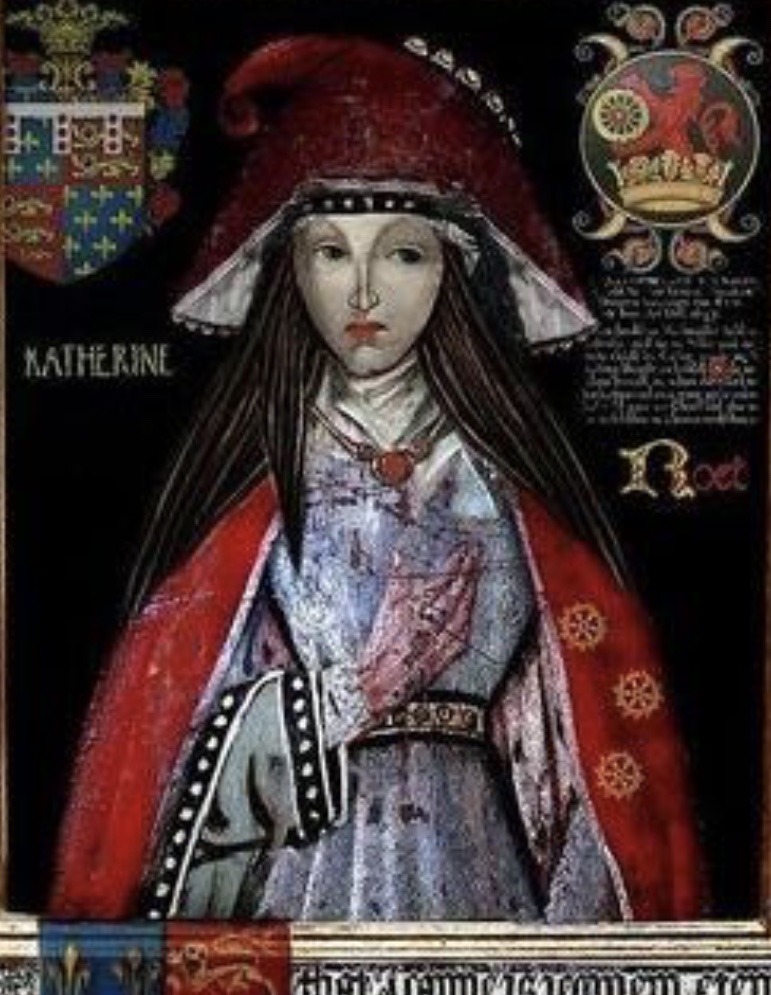
While tracing the Stradling branch of my family tree, I discovered a direct connection to Katherine Swynford, Duchess of Lancaster.

Born Katherine de Roet, Katherine is thought to be the youngest child of Paon (aka Payn) de Roet, a herald and later a knight. Her birthdate is uncertain, although some sources place it on 25 November 1350 in Hainaut, Belgium.

Katherine Swynford

Around 1366 at St Clement Danes Church, Westminster, Katherine married Sir Hugh Swynford. From Lincolnshire, Sir Hugh was in the service of John of Gaunt, a son of Edward III and arguably the most powerful man of his age. For Katherine, this was a political not a love match and we can only imagine her feelings as she embarked upon a new life with Sir Hugh.

As Lady Swynford, Katherine gave birth to the following children: 

Blanche (born 1 May 1367)

Sir Thomas (21 September 1368 – 1432)

And possibly Margaret Swynford (born c1369), later recorded as a nun in Barking Abbey

Katherine served John of Gaunt, a charismatic, chivalric knight, as governess to his daughters, Phillippa of Lancaster and Elizabeth of Lancaster. In turn, John of Gaunt was named as the godfather of Katherine’s daughter, Blanche. At this stage it was evident that Katherine and John of Gaunt were close. In due course, that relationship became more intimate.

John of Gaunt’s wife, Blanche of Lancaster, died on 12 September 1368 of the plague. A few years later, after the death of Sir Hugh on 13 November 1371, Katherine and John of Gaunt embarked upon a love affair that produced four children out of wedlock. The children were:

John, 1st Earl of Somerset (1373 – 1410)

Henry, Cardinal Beaufort (1375 – 1447) My direct ancestor.

Thomas, Duke of Exeter (1377 – 1426)

Joan, Countess of Westmorland (1379 – 1440)

The illicit relationship continued until 1381 when it was truncated for political reasons. The ensuing scandal damaged Katherine’s reputation, and we can only imagine her feelings at losing John of Gaunt, the man she truly loved, and the gossip around court.

John of Gaunt

Another union for political reasons followed: John of Gaunt’s marriage to Constance of Castile (1354 – 24 March 1394). On 13 January 1396, two years after Constance’s death, Katherine and John of Gaunt were married at Lincoln Cathedral. Subsequently, the Pope legitimised their four children.

Katherine lived through many of the major events of the fourteenth century including the Black Death, the Hundred Years’ War and the Peasants’ Revolt. At the royal courts she met the greatest personalities of her age. While the London courts were often flamboyant and licentious she was also familiar with the pastoral aspects of Lincolnshire. Both locations must have offered a sharp contrast to her childhood in Hainaut.

When John of Gaunt died on 3 February 1399, Katherine was then styled as ‘Dowager, Duchess of Lancaster’. She outlived him by four years, dying on 10 May 1403 in her early fifties.

Katherine’s descendants were members of the Beaufort family, the name assigned to her children. This family played a major role in the Wars of the Roses when Henry Tudor, the future Henry VII, derived his claim to the throne from his mother, Margaret Beaufort, a great-granddaughter of Katherine and John of Gaunt. Furthermore, five American presidents are descended from Katherine.

Katherine has been the subject of numerous novels, including Anya Seton’s Katherine, published in 1954, and non-fiction works including Katherine Swynford: The Story of John of Gaunt and His Scandalous Duchess by Alison Weir.

Geoffrey Chaucer

A footnote to Katherine’s story. Her sister, Phillipa, married Geoffrey Chaucer, thus placing the great poet on my family tree.

As ever, thank you for your interest and support.

Hannah xxx

For Authors

#1 for value with 565,000 readers, The Fussy Librarian has helped my books to reach #1 on 32 occasions.

A special offer from my publisher and the Fussy Librarian. https://authors.thefussylibrarian.com/?ref=goylake

Don’t forget to use the code goylake20 to claim your discount 🙂

Categories
Dear Reader

Dear Reader #132

Dear Reader,

This week, Sam’s Song received its 800th review. I can still recall my sense of wonder at reading the first review. Someone actually liked the book and gave it five stars 😱 Sam’s Song was supposed to be a one-off. Nineteen books later…

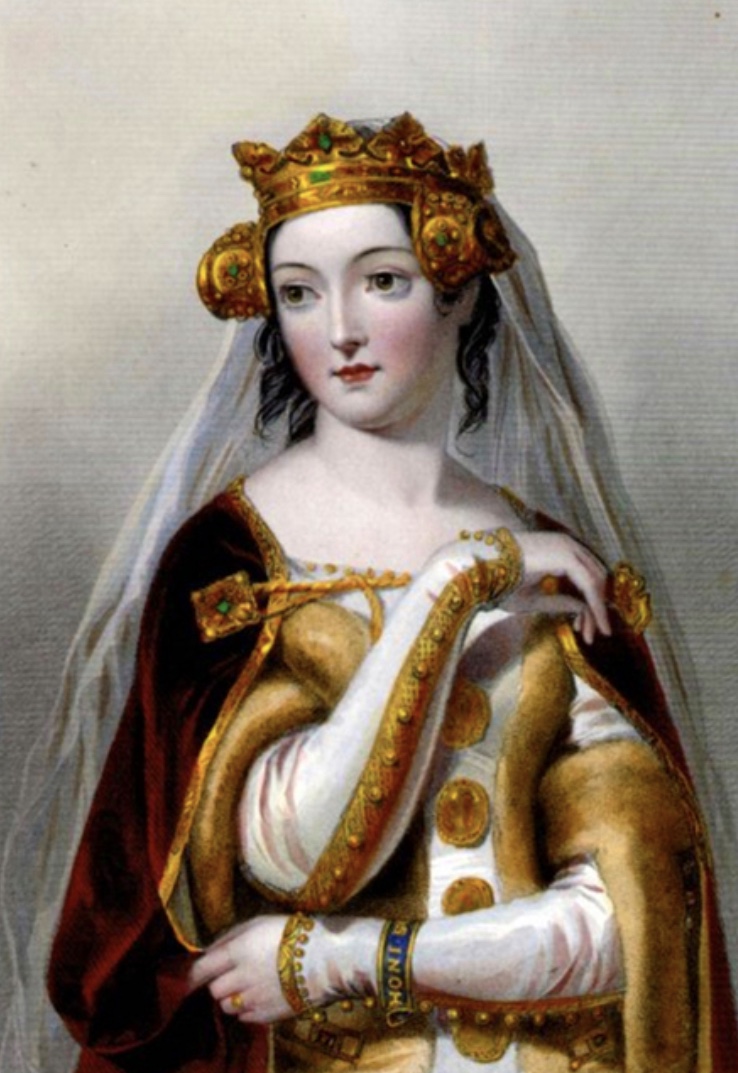
My direct ancestor, Philippa of Hainault 24 June 1310 – 15 August 1369, Queen of England, wife and political advisor of Edward III. More importantly she was popular because of her compassion. This is an ancestor I can definitely relate to.

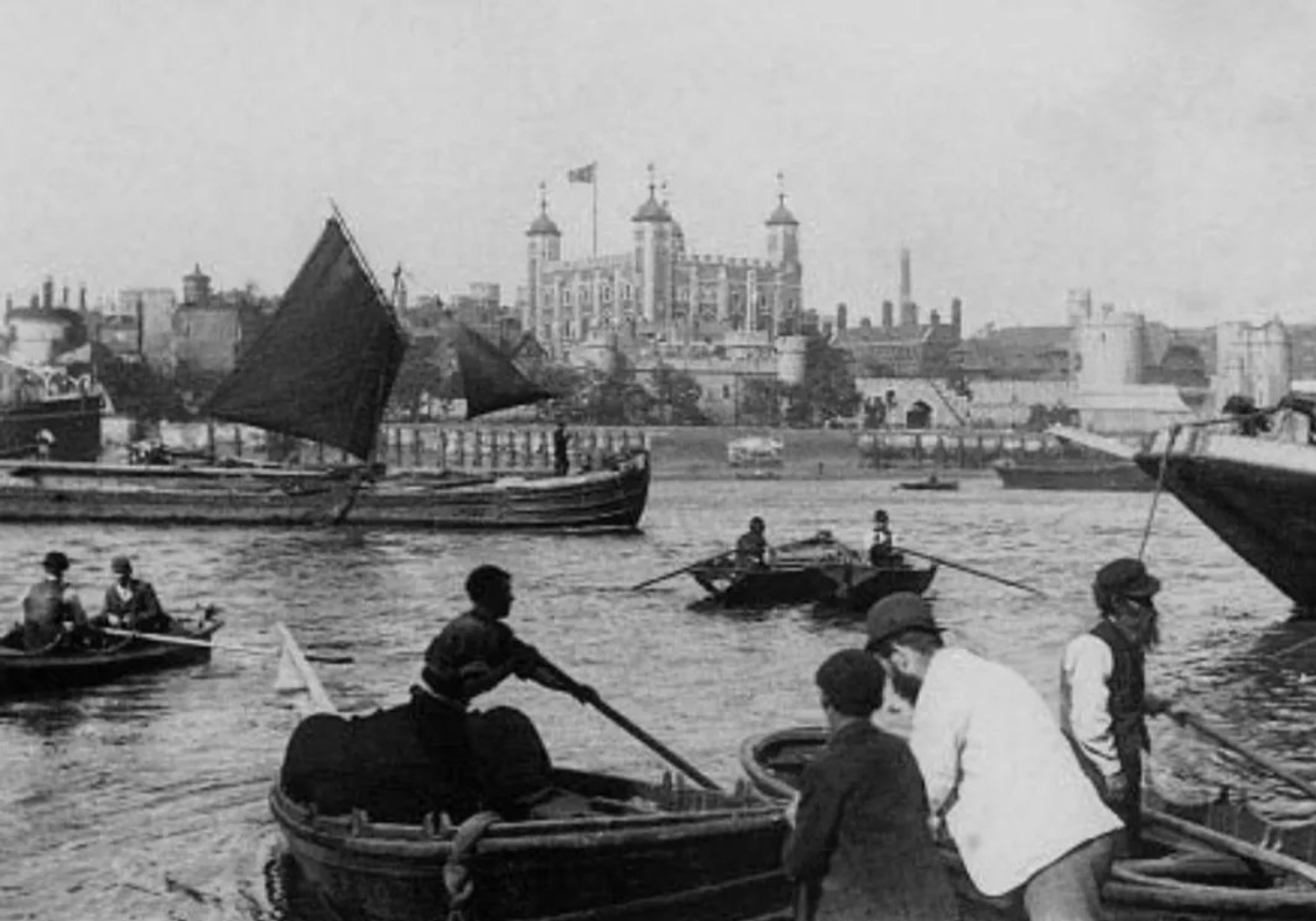
Many of my London ancestors worked on the River Thames. Here’s a scene from 1895.

My direct ancestor, Isabelle Capet born 1292 in Paris, died 22 August 1358 in Hertford Castle. Isabelle was noted for her diplomatic skills, intelligence and beauty. She also overthrew her husband, Edward II, and embarked upon an affair with Roger Mortimer. A feisty woman.


The Gadsden branch of my family were millers, travellers, traders and latterly grocers. And in John Gadsden they were involved in ‘Popish plots’.

In 1650 a report stated that John Gadsden, a miller, possessed ‘a very ill character and is a very dangerous person and was very busy in a Popish Plot.’ He left his home ‘for fear of being taken up upon some matters against the government.’ However, he was easily found, betrayed by neighbours, and the deputy took him into custody. John’s fate was not recorded, but his death on 18 August 1666 in Newport Pagnell suggests that he survived that immediate crisis.

John’s son, Richard, my direct ancestor, was born on 6 July 1613 in Stoke Goldington, Buckinghamshire. In Newport Pagnell on 28 October 1633 Richard married Catherine Wright. The couple produced six children.

Around this time various members of the Gadsden family were travelling and trading in America and the West Indies. Some sources suggest that Richard died in St Kitts and Nevis, c1690.

French map of Nevis, 1764.

In 1690, a massive earthquake and tsunami destroyed the city of Jamestown, the capital of Nevis. The damage was so extensive that the survivors abandoned the city. It’s reputed that the whole city sank into the sea. To date, I have not been able to establish whether Richard witnessed this earthquake or was a victim. It’s possible that this might be a family legend with no basis in truth. Before stating the story as true I would like to discover more evidence. Colonial and shipping records show that the Gadsdens were definitely in the region during this period, but more research is required.

Richard and Catherine’s son, William, my direct ancestor, was born on 30 July 1642 in Newport Pagnell, Buckinghamshire. William married Mary Nicholl on 6 January 1668 in Stoke Goldington, Buckinghamshire. The couple produced eight children.

Again there is a suggestion that William died abroad, in 1691 in West Nimba, Liberia. What was he doing in Liberia? To answer that question, we need to look at Liberia’s history.

Map of Liberia, c1830.

Portuguese explorers established contacts with people living in what later became known as Liberia in 1462. They named the area Costa da Pimenta, the Pepper or Grain Coast, because of the abundance of melegueta pepper, a highly desired spice in European cooking.

In 1602 the Dutch established a trading post at Grand Cape Mount, but this was destroyed a year later. In 1663, the English established new trading posts on the Pepper Coast and it would appear that William was involved in them. Again, before confirming this as fact more research is required, but the patterns of the Gadsden’s lives and their interest in trade suggests the tale might contain a grain of truth.

The above generations of the Gadsdens illustrate the fascination and frustration of genealogy. The fascination is there on a personal level because these people are my ancestors and also as a storyteller I’m entranced by their stories. However, sometimes there are gaps in the historical records, which makes definitive proof impossible to find. Sometimes it’s tempting to follow this quote from The Man Who Shot Liberty Valance, ‘When the legend becomes fact, print the legend.’ As a storyteller, this appeals to me. However, as a social historian I like to base my family stories on fact.

After John, Richard and William Gadsden, we move on to firmer historical ground with Christopher, Robert and William. Their stories also involved travel, to America and Australia, and they featured in dramatic trials at the Old Bailey. More about them in future posts.

*****

My next blog post will appear after Christmas Day, so I would like to take this opportunity to wish you a healthy and happy Christmas with this Christmas card from 1876.

As ever, thank you for your interest and support.

Hannah xxx

For Authors

#1 for value with 565,000 readers, The Fussy Librarian has helped my books to reach #1 on 32 occasions.

A special offer from my publisher and the Fussy Librarian. https://authors.thefussylibrarian.com/?ref=goylake

Don’t forget to use the code goylake20 to claim your discount 🙂

Categories
Dear Reader

Dear Reader #131

Dear Reader,

My latest translation, the French version of Mind Games, available soon 🙂

This week, Magnus Carlsen retained his world chess championship title with a convincing 7.5 – 3.5 victory over Ian Nepomniachtchi, four victories to zero. Carlsen won the sixth game and effectively broke Nepomniachtchi’s spirit because the other three victories were all based on Nepomniachtchi’s errors. Proof yet again that chess is the ultimate mind game.

In the festive issue of Mom’s Favorite Reads…

Holiday traditions and Christmas books.

Plus a seasonal blend of short stories, flash fiction, poetry, photography, travel, articles, activities, puzzles, recipes and so much more!

Father Christmas, delivering his presents in 1940.

My direct ancestor Thomas Stradling Esq was born c1454 in St Donats Castle, Glamorgan, Wales. The son of Henry Stradling and Elizabeth Herbert, Thomas married Janet Mathew c1473 in St Athan, Glamorgan. I was born in St Athan so the village is obviously special to me. Thomas fathered Edward, my direct ancestor, Henry and Jane. He died on 8 September 1480 in Cardiff, Glamorgan having secured the family estates and having served as Lieutenant of Ogmore lordship and castle.

Thomas Stradling Esq and Janet Mathew. Wikitree.

Thomas’ son, Sir Edward Stradling, left a more indelible mark on history. Born c1473 in Merthyr Mawr, Glamorgan, a stone’s throw from my home, Sir Edward married Elizabeth Arundel in St Athan. Politically and financially this was a fine marriage for Edward, although it did end in tragedy when Elizabeth died during childbirth on 20 February 1513 at Merthyr Mawr.

After Elizabeth’s death, Edward remarried. His second wife, and my direct ancestor, was Felice aka Ffelys, daughter of John Llwyd. There is a suggestion that Felice was one of Edward’s mistresses before their marriage. Edward had a number of mistresses. We shall explore that aspect of his life shortly.

When Edward’s father, Thomas, died in 1480 Richard III placed his guardianship with Sir James Tyrrell. This lasted until Richard III’s defeat at the Battle of Bosworth in 1485. Sir James was Elizabeth Arundel’s uncle and he probably arranged Edward and Elizabeth’s marriage. 

Medieval marriages were often political affairs with little thought given to romance. The main aims were to produce heirs and build up the family fortune. Therefore, with a lack of romance, mistresses were common. Often, knights and lords found love with these mistresses although given the circumstances the modern phrase “it’s complicated” springs to mind. Wives finding lovers was frowned upon, but human nature found its way and affairs were more common than we might suppose.

Sir Edward and Elizabeth produced six children, four sons and two daughters. With Felice, Edward produced two sons and one daughter, Elizabeth, my direct ancestor. Through various mistresses, Edward produced a further seventeen children, possibly more. At least three of these children were named Elizabeth bringing the total to four daughters named Elizabeth. Maybe Edward named them after his first wife and the repeated use of the name suggests that he held her in genuine affection?

Sir Edward Stradling and Elizabeth Arundel. Wikitree.

Sir Edward owned vast swathes of land including manors, estates and castles in Glamorgan, Somerset and Dorset. Nevertheless, with over twenty children looking for an inheritance there were problems.

On 17 June 1531, the Countess of Worcester wrote to Thomas Cromwell, the King’s councillor, expressing her concerns about the Stradling claims against her husband. She described Edward Stradling’s sons as, ‘twelve brothers, most of them bastards, and they have no living but by extortion and pillaging of the King’s subjects’.

Furthermore, in 1547 Thomas Fflemyng filed an assault complaint against seven of Edward’s sons and a daughter. Around this time Elizabeth, my direct ancestor, married Sir Edmund Morgan, Baron of Machen and Tredegar, securing her future. However, for many of the Stradling offspring, particularly the bastards, banditry and extortion became a way of life.

After the Battle of the Spurs and the Siege of Tournai in 1513, one hundred men-at-arms, including Edward Stradling, were knighted by Henry VIII in the Norte Dame Cathedral of Tournai on 2 October 1513.

Battle of the Spurs, 16 August 1513.

Sir Edward died on 8 May 1535 in St. Donats Castle. He signed his will on 27 April 1535, a clear indication that he was slipping away. He was buried in the chancel of St. Donats Church. However, Edward Stradling MP, the fifth Edward in the family, moved the bones of his grandfather Sir Edward and grandmother Elizabeth to the new Lady Chapel of St Donats. 

Edward and Elizabeth might well have married for political reasons, but the family realised, maybe through family folklore and stories, that they should be together in the end.

As ever, thank you for your interest and support.

Hannah xxx

For Authors

#1 for value with 565,000 readers, The Fussy Librarian has helped my books to reach #1 on 32 occasions.

A special offer from my publisher and the Fussy Librarian. https://authors.thefussylibrarian.com/?ref=goylake

Don’t forget to use the code goylake20 to claim your discount 🙂

Categories
Dear Reader

Dear Reader #129

Dear Reader,

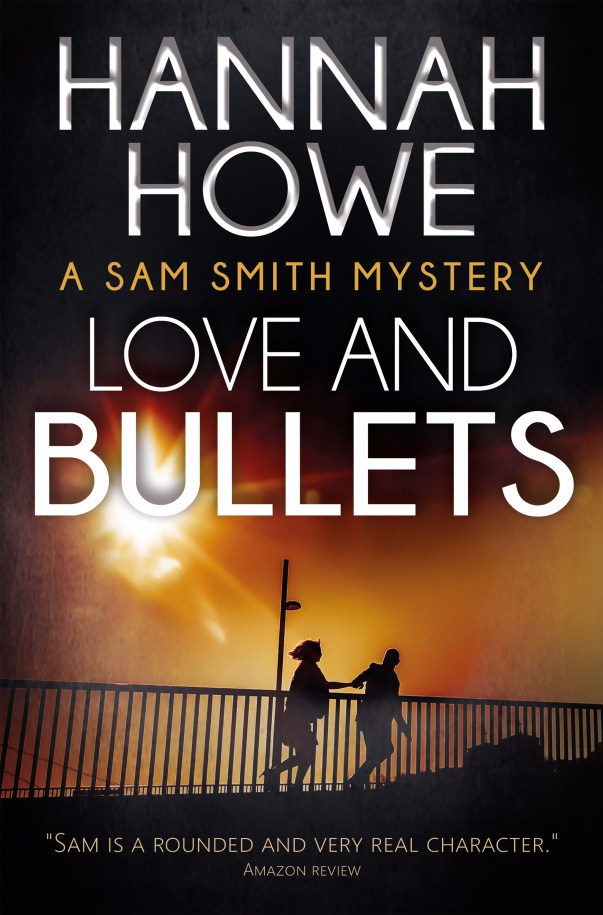
Nelmari has completed the translation of Sam’s Song, book one in my Sam Smith Mystery Series, into Afrikaans and I’m delighted to say that soon she will make a start on Love and Bullets, book two in the series.

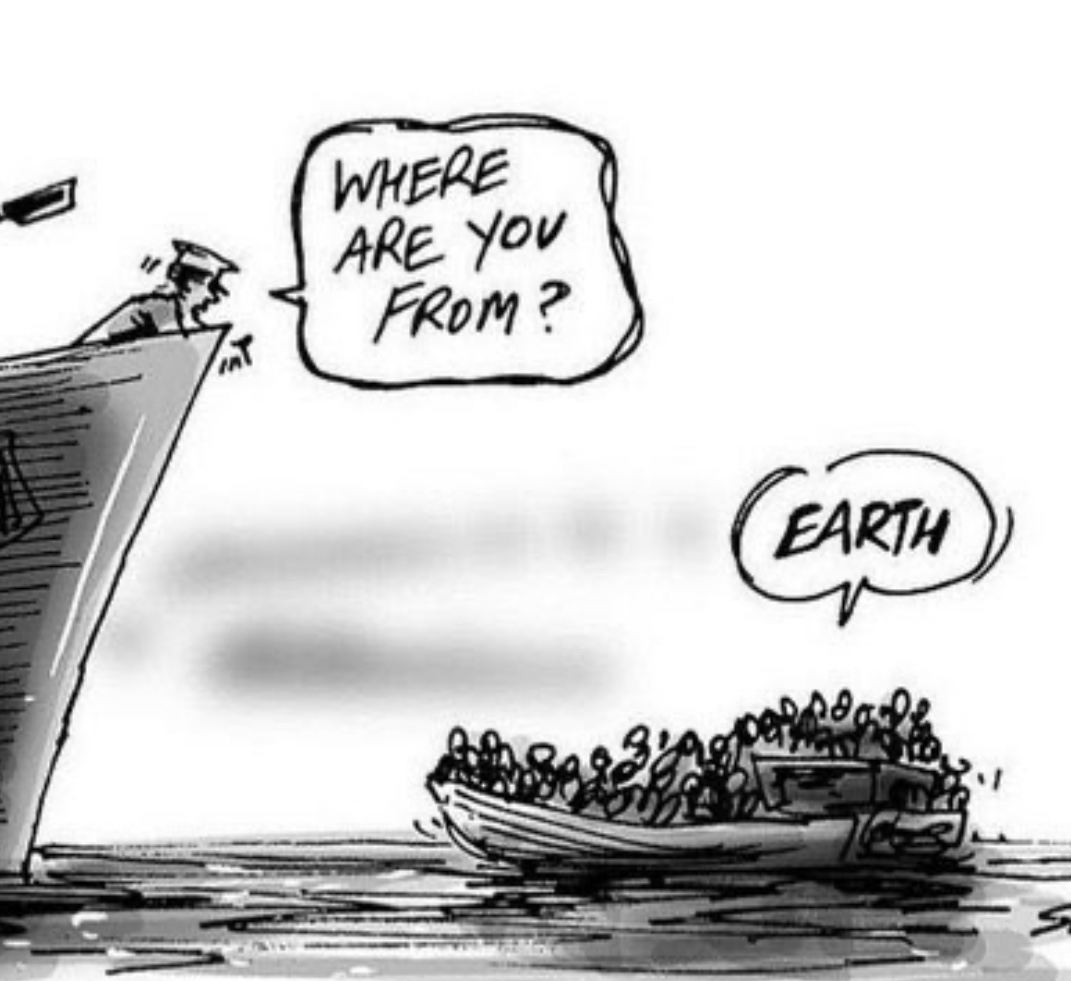
After the tragic events of this week.

A scene familiar to my London ancestors, Victoria Station in 1912.

The World Chess Championship between Magnus Carlsen and Ian Nepomniachtchi started this week. I’m a big chess fan so I’m enjoying the coverage on chess.com. Two exciting draws so far. All to play for in the fourteen game series.

https://www.chess.com/news/view/2021-fide-world-chess-championship-game-1-nepomniachtchi-carlsen

The son of Edward Stradling and Joan Beaufort, Sir Henry (Harry) Stradling was born c1412 in St. Donats, Glamorgan. He married Elizabeth Herbert c1440 in St. Athan, Glamorgan, their marriage uniting the powerful Stradling and Herbert families. The marriage produced four children: Thomas, my direct ancestor, Charles, Elizabeth and Jane. 

In 1449, Henry, his wife Elizabeth and their daughter Elizabeth, encountered a Breton pirate, Colyn Dolphyn. A native of Brittany, Colyn Dolphyn was based on Lundy, an island in the Bristol Channel. Five kilometres long and a kilometre wide Lundy was granted by Henry II to the Knights Templars in 1160. Over following centuries privateers took control of the island.

Map of Lundy Island by Henry Mangles Denham (1832)

Because of the dangerous shingle banks and the fast flowing River Severn with its tidal range of 8.2 metres, the second largest in the world, ships were forced to navigate close to Lundy. This meant the island was ideally situated for pirates to prey on merchant ships and their rich cargos.

The chroniclers described Colyn Dolphyn as a tall, athletic, and mighty man, ‘like Saul in Israel’. He ‘towered head and shoulders’ above all men and was regarded as ‘a terror in South Wales’.

In 1449, Henry and his family spent a month visiting their estates in Somerset. Whenever possible, for passengers and trade, ships were the preferred mode of transport because the roads were often nothing more than dirt tracks. Therefore, Henry made the return journey by ship.

Aboard the St Barbe, Henry, his family and crew, set sail from Minehead for the Welsh coast. They encountered Colyn Dolphyn, who transferred them to his barque, the Sea Swallow. Dolphyn demanded a ransom of 1,000 marks for Henry, Elizabeth and daughter Elizabeth’s release. 

The ransom was not forthcoming so over a period of two years the price went up to 2,200 marks. At that point the Stradlings were forced to sell their manors of Bassaleg and Rogerstone in South Wales, two manors in Oxfordshire and the Lordship of Sutton in Monmouthshire. With the ransom paid, Dolphyn released Henry and his family.

Nash Point (Wikipedia)

While the coast of South Wales is beautiful it also contains some treacherous rocks, particularly the rocks off Nash Point, Glamorgan. Several years after kidnapping the Stradlings, Colyn Dolphyn was out pirating when a storm blew up. That storm drove his ship on to Nash Rocks near Colhugh Beach. 

The locals alerted Sir Henry Stradling who raised his men. They captured Colyn Dolphyn and his men, and dispensing swift justice hung them the following day.

In 1837, Taliesin Williams wrote a poem, The Doom of Colyn Dolphyn, which concluded with the following lines:

The beach they trod, destruction there,

Had stamped his footsteps ev’ry where.

Above, below, were strown along,

The fragments of a vessel strong.

Here helm and shatter’d masts were seen,

There lay the hull, the rocks between, 

With upward keel and crag-rent side. 

Thro’ which had pass’d the refluent tide.

And, all around, appear’d in view,

The bodies of a numerous crew. 

Whose course was run, confederates sent,

Well armed on Colyn’s rescue bent. 

But, ere they reach’d the rugged strand,

To ply the dirk, and light the brand. 

Justice ordain’d they should abide,

The tempest’s ordeal, and they died!

The story of the Stradling branch of my family and their encounter with a pirate Colyn Dolphyn as illustrated, animated and told by the children of Wick and Marcross Primary School, South Wales.

Like his father, Edward, Henry Stradling visited Jerusalem, in 1475, where he became a Knight of the Holy Sepulchre. Also like his father, he died on his journey home, at Famagusta, Cyprus, in 1476.

As ever, thank you for your interest and support.

Hannah xxx

For Authors

#1 for value with 565,000 readers, The Fussy Librarian has helped my books to reach #1 on 32 occasions.

A special offer from my publisher and the Fussy Librarian. https://authors.thefussylibrarian.com/?ref=goylake

Don’t forget to use the code goylake20 to claim your discount 🙂