Categories
Cherry Wainer

Cherry Wainer


When Cherry Wainer died on November 14, 2014 that evening, at a concert, Elton John dedicated Don’t Let the Sun Go Down on Me to her. Who was Cherry Wainer, and how did she and other musicians, achieve success in the late 1950s, early 1960s? I intend to follow Cherry’s career in an effort to find out.


Cherry Wainer was born on March 2, in East London, Eastern Cape, South Africa. The year of her birth is in dispute. Most sources list Cherry’s birth year as 1935. However, the documents I’ve seen list her birth year as 1932.

At the age of eight, already a talented pianist, Cherry performed a concert with an orchestra. Her father was a music promoter, and undoubtedly he helped to open doors early in Cherry’s career.

Cherry’s plans to become a classical pianist changed direction when she was introduced to the Hammond organ, and the music of jazz organist Jimmy Smith. To develop her career, as a teenager Cherry set out for London, England with her mother and sixty-three outfits that she was “determined to wear.”
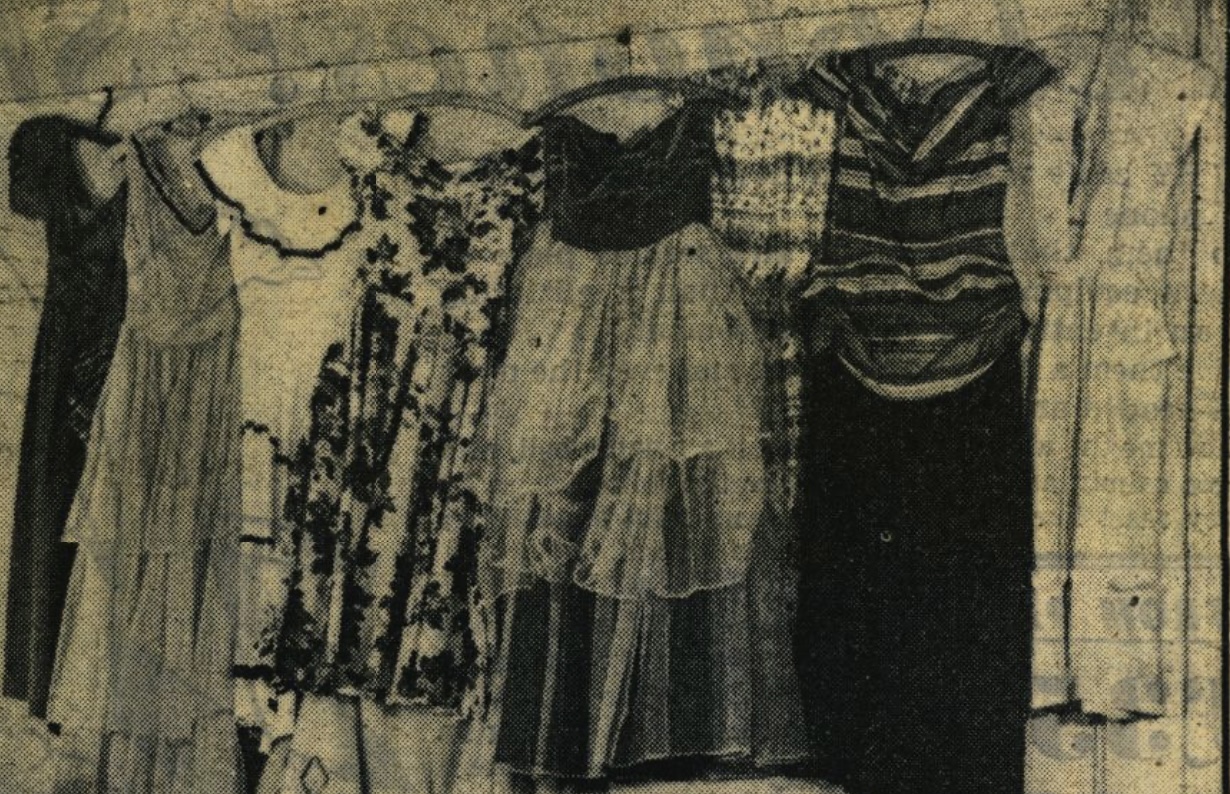
Some of the outfits Cherry was determined to wear

Early in 1948, Cherry, a teenager, and her mother Zelda boarded the Athlone Castle (pictured). The ship left Durban and docked at East London (where Cherry boarded), Port Elizabeth, Mossel Bay, Cape Town and Madeira before arriving at Southampton on 6 February 1948.

Cherry and Zelda took lodgings at 24 Burgoyne Road, Harringay, London and from there Cherry embarked on her studies – singing, drama and dancing.

In May and June 1948, chaperoned by her mother, Zelda (pictured), Cherry Wainer was in London studying singing, drama and dancing. Billed as Cherry Wayne and playing a mini-organ, she also found time to appear in variety shows at the Coventry Hippodrome, the Croydon Empire and the Windsor Theatre. The critics noted that Cherry “stood out” from the other acts. Although only a student, Cherry was already making a name for herself.

I’m researching the career of musician Cherry Wainer and the 1950s-1960s music scene.

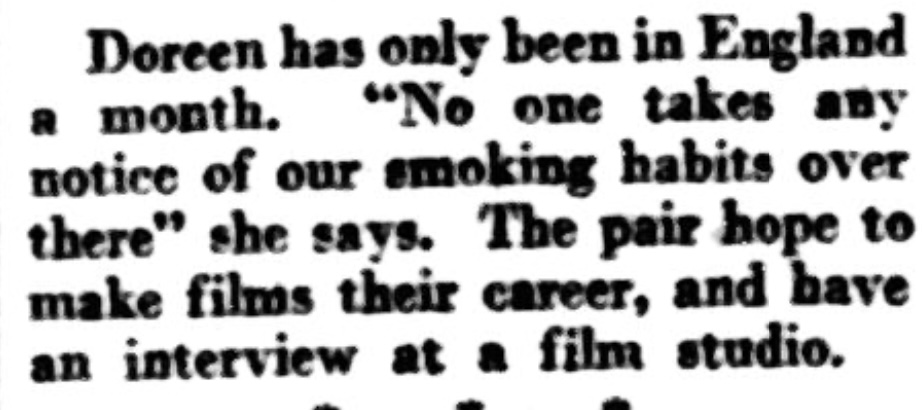
From August 1948 through to February 1949 Cherry appeared in variety shows at the Windmill Theatre in London. In April 1948 the press reported that Miss Cherry Wainer was seen “puffing away contentedly on a briar pipe between dances at the White Hart Hotel”. 

Below, a quote from Cherry’s friend, Doreen Brebner.

Cherry told the reporter that she “smoked cigars too – anything!” And that she found British tobacco milder than her native South African brands. Clearly, Cherry was something of a character.
Throughout 1949, Cherry developed her career in variety shows playing solo pianoforte and a Hammond solovox organ. The variety shows featured singers, dancers and comedians. Some of those listed on the bills became regulars on British television and radio. Most drifted into obscurity. 

Cherry’s career was on the rise, however, and her music and drama studies faded into the background as theatrical agents clamoured for her signature.

In February 1950, up and coming theatrical agent Cliff Martell announced that he was signing a number of new acts including singer Jimmy Young (who later became a BBC disc jockey), and Cherry Wainer. However, a month later, this forthright notice was placed in The Stage.

Clearly, Cherry was in demand, and career opportunities beckoned.

* * *

Throughout 1950 Cherry continued to perform on the entertainment circuit, singing and playing her Hammond solovox organ. She was only eighteen (possibly younger – her mother might have altered Cherry’s age to secure her gigs). At that point, she decided to return to South Africa, where she developed her career. She would return to Britain, but it would be a four year wait.

More next time…

For Authors

#1 for value with 565,000 readers, The Fussy Librarian has helped my books to reach #1 on 32 occasions.

A special offer from my publisher and the Fussy Librarian. https://authors.thefussylibrarian.com/?ref=goylake

Don’t forget to use the code goylake20 to claim your discount 🙂

Categories
Dear Reader

Dear Reader #69

Dear Reader,

Where do you get your ideas from? Is a common question asked of authors. My answer is, my ideas always stem from my characters. Where do my characters come from? The answer to that question is various sources, including old photographs. Here’s an example of a nurse in the Spanish Civil War. I don’t know her name or background, but her strong features immediately spoke to me and just by studying the picture a fictional character, Lise Lazard, took shape. You can read about Lise in Branches, book two in The Olive Tree, A Spanish Civil War Saga. Available soon 🙂

I write, therefore I am…

In September 1953, sugar rationing in Britain finally came to an end. The wartime government introduced it in January 1940. A weekly sugar ration ranged from 8oz to 16oz per week.

Where to collect your ration if you lived in Birmingham. Maybe we’ll see similar Brexit inspired posters in the new year.

Station IX, which developed weapons and gadgets for SOE agents, created a small motorcycle called the Welbike. Although 3,641 bikes were produced they were rarely employed by the SOE. Instead they were issued to the 1st and 6th Airborne Divisions who used them during the Anzio and Normandy landings. The Welbike also featured at Arnhem during Operation Market Garden.

Bulgarian joke. Red Bull gives you wings. Vodka gives you 4×4 🤣

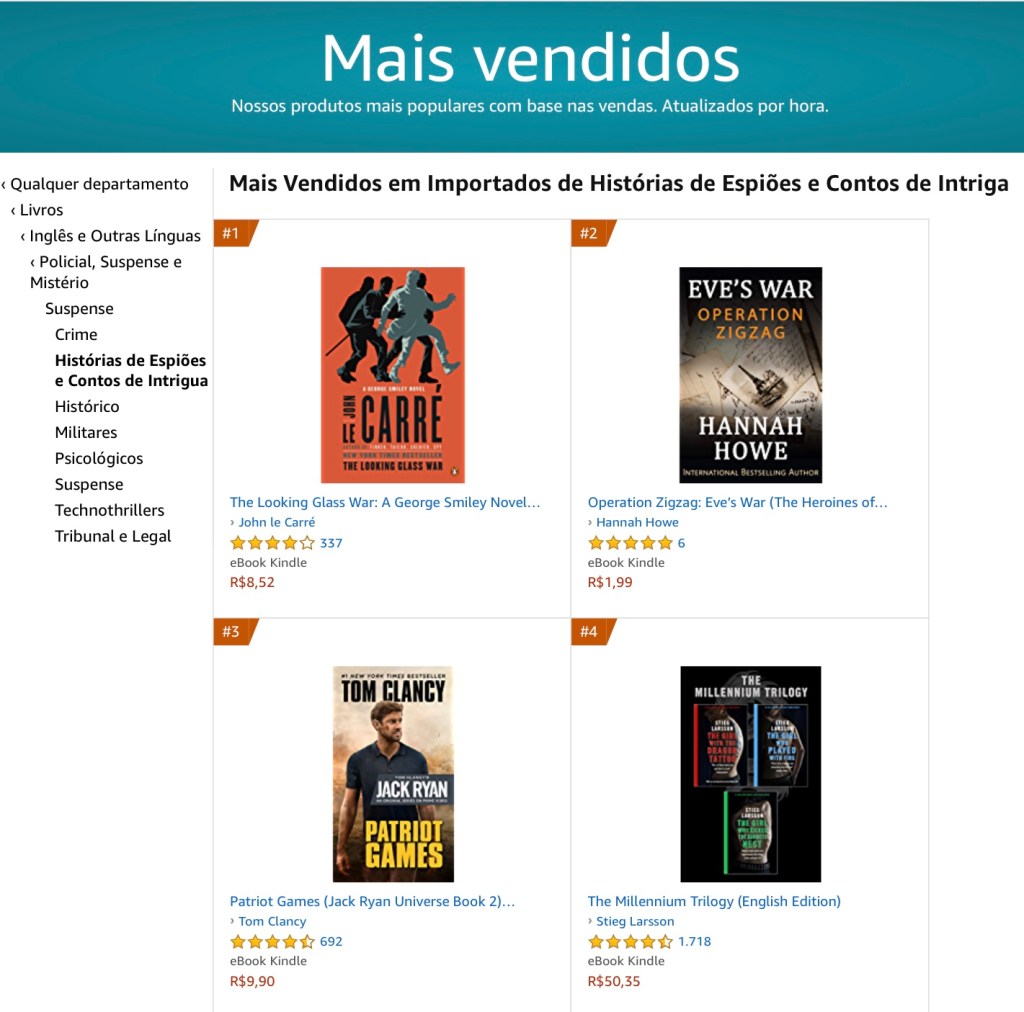
One for the album. Operation Zigzag has entered the Brazilian chart alongside John le Carre, Tom Clancy and Stieg Larsson 🙂

Eve at #1 for the first time 🙂

Philosophy humour.

I’m reading A Moment of War, Laurie Lee’s lyrical account of his time in the Spanish Civil War.

“Eulalia turned and smiled at me brilliantly, showing her tongue, her face cracking open like a brown snake’s egg hatching.”

Vertigo, what vertigo?! Acrobats do their thing on top of the Empire State Building, 1934.

A lovely weekend for my Eve’s War Heroines of SOE Series, #1 in America and Britain, and now in Australia 🙂

Fat Banished!

No exercise!

No diets!

No baths!

No ill effects!

No danger!

Easy to swallow!

The solution you’ve been waiting for, sanitised tape worms!

October 1944, the Allies cross the Belgium-Germany border and prepare to write the closing chapters of World War II with the defeat of Hitler’s brand of fascism.

My article about SOE agent Odette Sansom is on page 24 of this month’s Seaside News 🙂

Met a friend on the dunes 🙂

As ever, thank you for your interest and support.

Hannah xxx

Categories
Dear Reader

Dear Reader #59

Dear Reader,

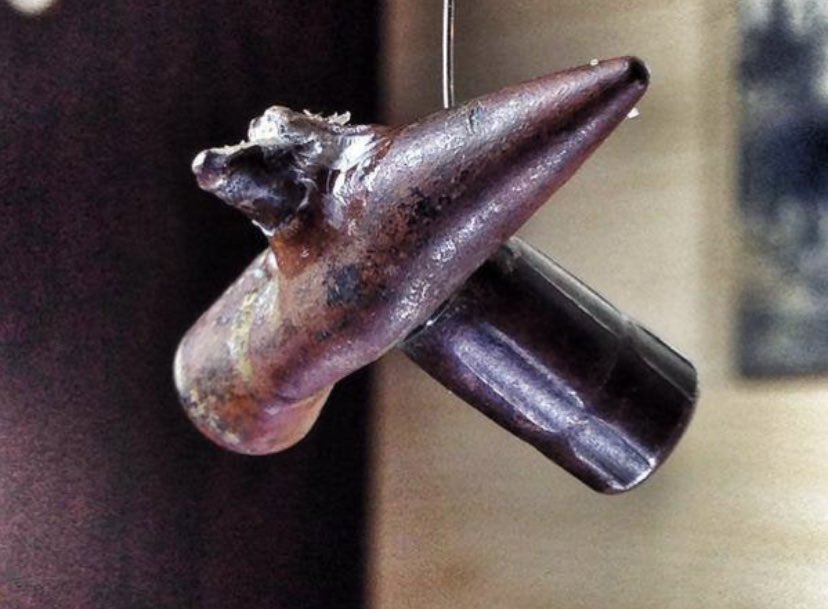
These two bullets collided during the Battle of Gallipoli in 1915. The chances of that happening are one in a billion.

A common question: where do you get your ideas from? My answer: mainly my imagination and research, plus observation and personal experience. Bizarre, but true, these ideas usually develop into a story while I’m cleaning my teeth. This week, an idea about a female pilot in the Air Transport Auxiliary developed into a story. I’m not sure where it will slot into my writing schedule, but I would like to write the idea as a novella and publish it as a free book for my readers.

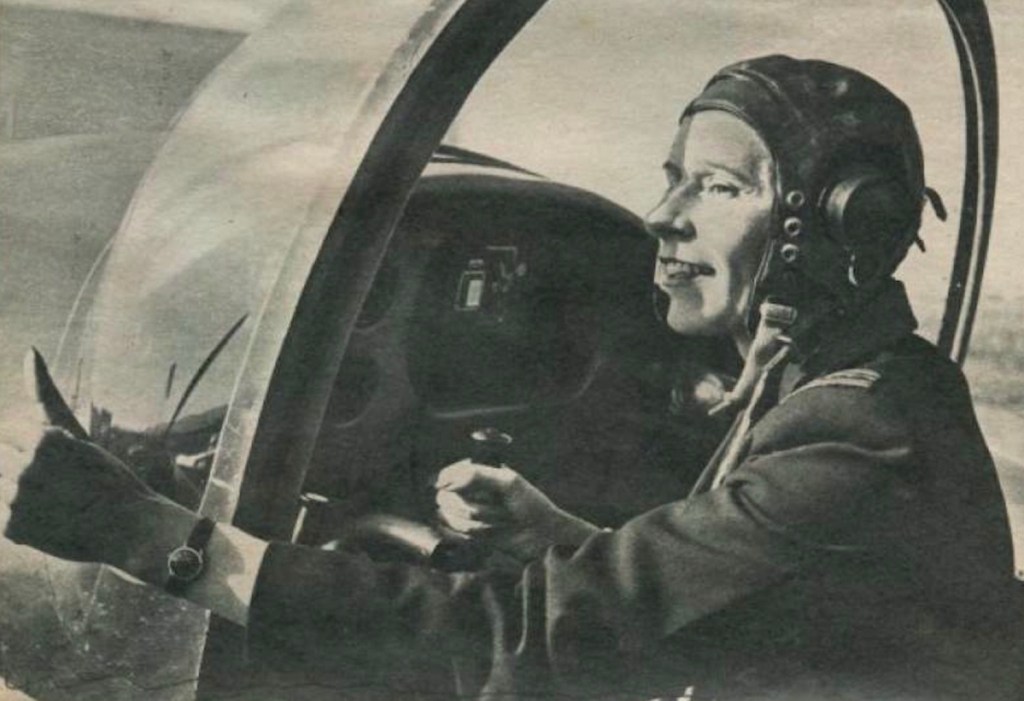
This is Mary Ellis, an inspiration for my story. Aged 101, a week before she died, she talked with Dan Snow about her career. Mary flew hundreds of planes during her career, including her favourite, the Spitfire. Aged 99 she flew in a Spitfire again, adding another chapter to her remarkable life.

It figures…

My latest audiobook, Snow in August, Sam Smith Mystery Series book sixteen. Working with talented narrators and translators is a highlight of publishing.

Humanism: think for yourself, act for everyone.

The rivers of Wales.

Polish airmen who fought in the Battle of Britain. Airmen from Poland, and other Allied countries, trained at Stormy Down, an airfield a mile from my home.

A total of 145 Polish fighter pilots took part in the Battle of Britain. Poles made up 5% of all RAF pilots during the battle. At the peak of the battle, Poles accounted for 13% of frontline fighter pilots. In October 1940, this figure rose to 20%.

“The streets were dark with something more than night.” – Raymond Chandler

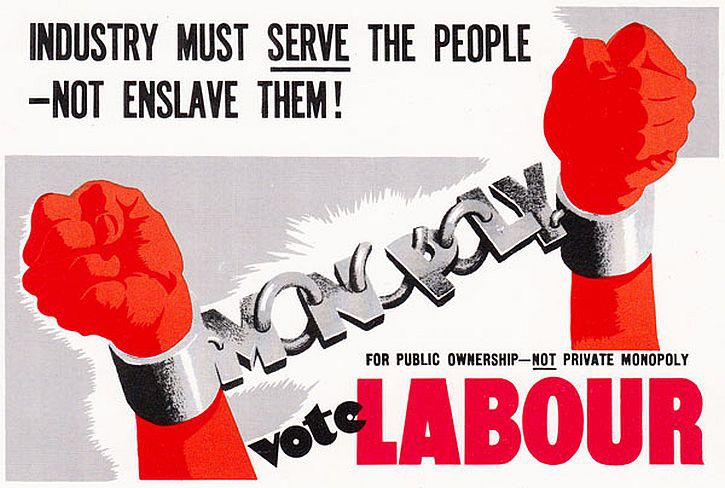
Poster for the 1945 General Election

Jeannie Yvonne Ghislaine Rousseau was born on 1 April 1919 in Saint-Brieuc. A brilliant linguist, she graduated in languages from Sciences Po in 1939. When the Nazis invaded France she joined her family in Dinard where she became an interpreter for the occupiers. However, as she interpreted she also gathered intelligence.

Jeannie’s intelligence gathering included secrets of commercial deals and details of the steel and rubber industries. She said later,  “I was storing my nuts, but I had no way to pass them on.”

The Gestapo arrested Jeannie in January 1941, but they released her with the proviso that she did not visit the coast. Later that year, she moved to Paris where she gathered more intelligence from a Parisian company that supplied materials to the Nazis.

Jeannie’s formal career as a spy began in 1941 when she met Georges Lamarque on the Paris-Vichy night train. Lamarque remembered Jeannie, and her talent for languages, from the University of Paris. He invited her to work for him and she agreed immediately.

During 1943, Jeannie filed her most remarkable reports – details of the missile and rocket development at Peenemünde. These reports alerted R.V. Jones, the Assistant Director of British Intelligence (Science), to the V1 and V2 rocket threat and in so doing saved thousands of lives.

RAF reconnaissance photograph of V2 rockets a Peenemünde, 1943

When R.V. Jones received Jeannie’s reports he enquired about their source and was told that they came from “one of the most remarkable young women of her generation.”

Thanks to R.V. Jones’ persuasive nature, the Allies bombed Peenemünde. Initially, he met with departmental resistance before convincing Churchill about the importance of the mission. Because the raid would take place in August, partly in daylight, it carried great risk. Also, it involved a great number of Allied bombers, diverting them from other targets. The mission was successful, although the Allies did lose a large number of planes and aircrew during the daylight leg of the raid.

The launch of a V2 rocket, summer 1943

Shortly before D-Day, with the Gestapo closing in, Jeannie planned to escape with two other agents. However, she was caught by the Gestapo. Bravely, during her capture, she alerted her colleague and he escaped. 

R.V. Jones later said, “Amniarix’s (Jeannie’s code name) reports stand brilliantly in the history of intelligence, and three concentration camps – Ravensbrück, Königsberg (a punishment camp) and Torgau could not break her.” Thankfully, the Swedish Red Cross rescued Jeannie shortly before the end of the war.

After the war, Jeannie worked as a freelance interpreter for the United Nations and other agencies. She also married Henri de Clarens whom she met while recovering in Sweden from tuberculosis, contracted during her imprisonment. Henri had endured periods in the Buchenwald and Auschwitz concentration camps. The couple had two children.

Henri died in 1995 while Jeannie died on 23 August 2017 in Montaigu, aged 98.

As ever, thank you for your interest and support.

Hannah xxx

Categories
Dear Reader

Dear Reader #45

Dear Reader,

I have extended my participation in Smashwords’ Authors Give Back sale until 31 May.

All my books are listed as free or 0.99.

https://www.smashwords.com/profile/view/hannahhowe

947E52F4-82DC-4371-9BC4-0FE52C313CCE

I never imagined that readers would download over 400,000 of my books, but I have reached that number. Many thanks to everyone who has made this possible.

B1DAF88D-AA54-47AB-95D4-7FBDF01156A3

My merchandiser was kind enough to supply me with a Hannah Howe calendar. Here’s the image for April, Paris in the spring.

829E4871-CE55-4DA3-9C1E-000B752E0DD6

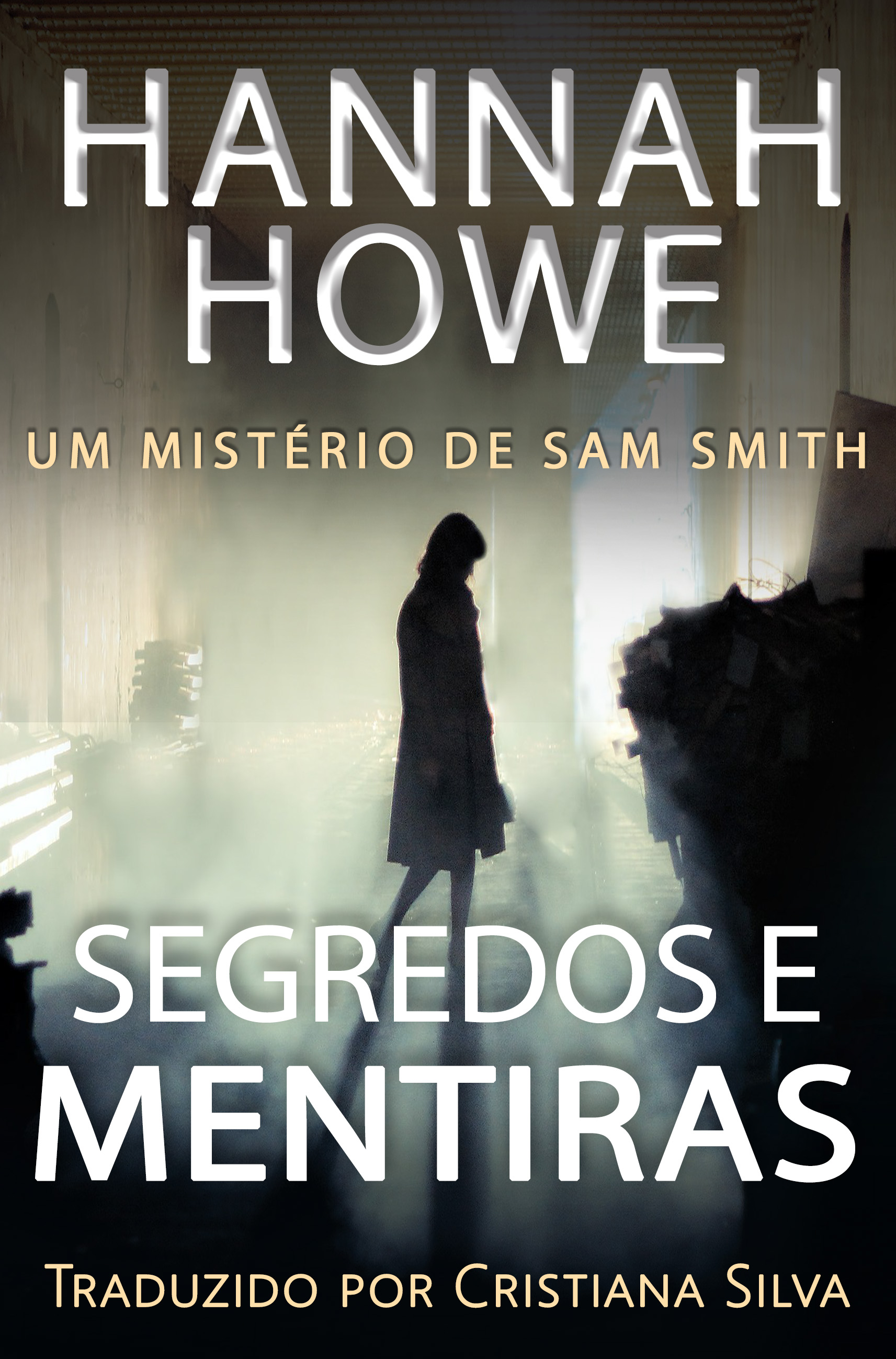
My latest translation, the Portuguese version of Secrets and Lies, which will be available soon. Many thanks to Cristiana for her wonderful contribution to this book.

SECRETS AND LIES PORTUGUESE UPDATED

Six new audiobooks are in production. Currently, I have fourteen audiobooks available and with the inclusion of my new Eve’s War and The Olive Tree series I intend to increase this number to forty-two.

1D047873-91F5-4AEA-B5F7-0B697C4CA372

Exciting news. My books will soon appear on the Hive website. Hive is the largest supporter of independent bookstores in Britain. More details soon.

40E905AD-6076-4114-AB14-BBEE185C0E71

A short stroll from my home, Kenfig Pool this week.

Hedy Lamarr’s controversial 1933 movie, Ecstasy, was playing in Eve’s local cinema in Operation Zigzag. Eve used the movie to distract a Gestapo officer who was following her.

Hedy Lamarr was a complex woman, with beautiful looks and a beautiful mind. In fact, physically she was too beautiful for her own good.

She fled Nazi oppression and became a Hollywood star. However, at night she was an inventor and created a weapon guidance system, her contribution to the war effort. The American military were interested in her invention, so interested that they stole her idea.

Hedy’s invention developed into Bluetooth so you can see what a ground-breaking idea it was and how brilliant she was as an inventor. This invention will feature in Eve’s War Operation Treasure.

3C4F0EB2-43D6-472B-8B63-13E5E608C063

I’ve just completed the character profiles for Operation Broadsword, Eve’s War Heroines of SOE book three. This book features a farmer and his family. Eve is staying with the family, at Le Bougain in a house similar to the one pictured, on the pretence of being a widow resting in the countryside to overcome nervous exhaustion.

The farmer’s family includes two young teenagers, Paul, who is deaf, and Kadia, a sister who is very protective of him. The teenagers are involved in a particularly dramatic incident in a later book in the series.

B9F4EB50-00AD-4943-B374-F2F72A7486A1

In Eve’s War Operation Locksmith Mimi Duchamp can transmit Morse code messages at twenty words a minute, eight words above the average.

Yvonne Cormeau achieved this remarkable rate and you can read her story here https://hannah-howe.com/eves-war/yvonne-cormeau/

Recognising Mimi’s talent, her SOE instructors train her as a wireless operator, arguably the most dangerous job of the Second World War.

When Eve asks Mimi how her training is going, Mimi replies, “It’s very intense. We learn Morse from dawn to dusk. I even dream in dots and dashes.”

5D1AB346-9571-445B-B0CA-0151BA9E5879

In Operation Treasure Heroines of SOE book four the RAF want to bomb a strategic factory, the local Maquis want to bomb the factory and Eve’s SOE partner Guy Samson also wants to bomb the factory. Guy’s motivation is to cause maximum damage while saving lives.

Eve also receives three dinner party invitations…from the third member of her team, Mimi Duchamp – it’s her twenty-first birthday – from the local Gestapo leader, Hauptsturmfuhrer Klaus Raab and from Guy.

This is an explosive episode in the series, in more ways than one.

https://www.amazon.com/Hannah-Howe/e/B00OK7E24E

869AFCBC-AA72-4587-9BF2-9315BD1B4F40

Through reading personal correspondence sent to the SOE agents who were in France you realise that they were held in great affection by the local people. Quite often the locals regarded these agents as ‘one of the family’ and these families often endured great suffering rather than betray an agent.

Of course, traitors existed, but these people were relatively small in number, soon identified and ‘dealt with’.

Often, whole villages would turn out to greet an agent upon his or her arrival, and feasts were held in their honour.

The correspondence that continued after the war was even more touching as memories were recalled, casualties remembered and remarkable incidents relieved.

Adversity forges strong bonds, and nothing can break those bonds.

75B0DEA1-8051-473D-9C16-D4395C8D01D2

Occupied France, 1944

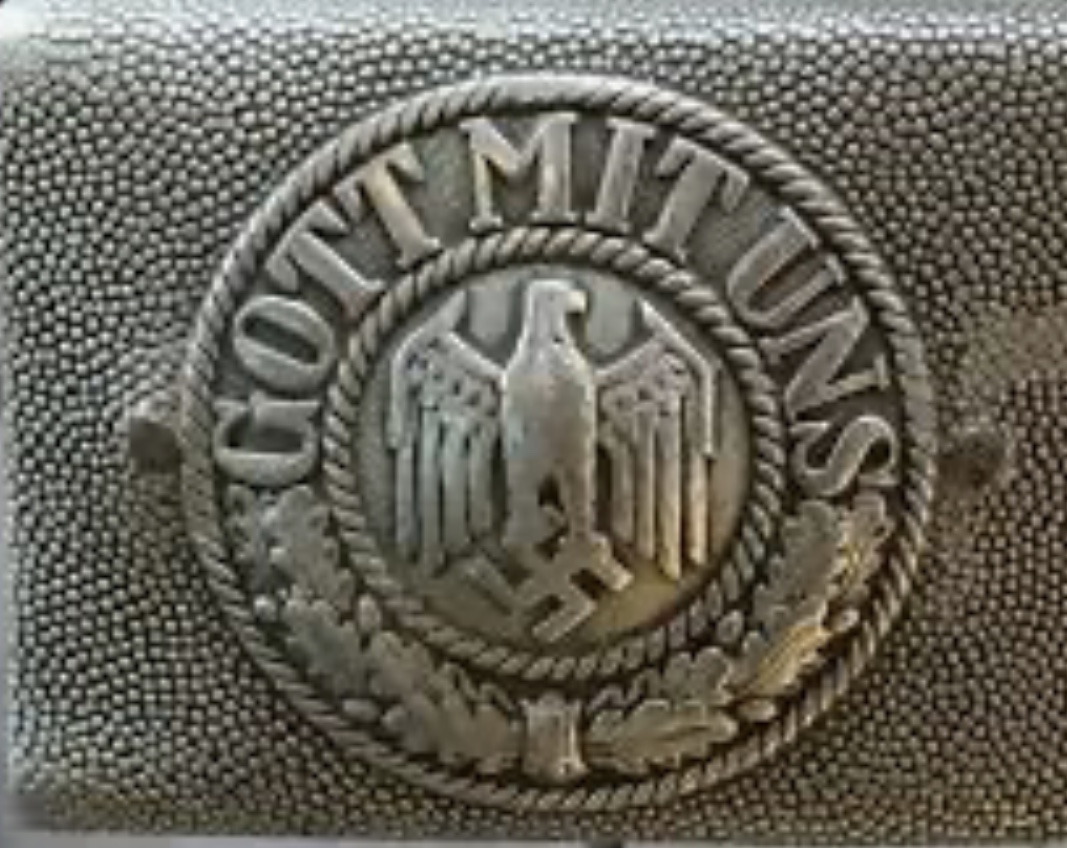
A seven-year-old girl was sitting with her mother in a tram. A big Nazi soldier got on to the tram and the girl noticed his belt.

“What’s that on his buckle?” the girl asked her mother.

”Gott mit uns.”

”What does that mean?”

”It means God is with them,” her mother explained.

The girl paused. Then she raised her head and smiled. ”Well that’s nothing, mother,” she said with pride, “we’ve got the Resistance on our side.”

My Women of Courage Heroines of SOE Series will continue next week. Meanwhile, thank you for your interest and support.

Hannah xxx

Categories
Movies

Above Suspicion

Currently, I’m reading Above Suspicion and Assignment in Brittany, the first two novels written by espionage novelist Helen MacInnes, pictured. These novels about the Second World War were written during the war, so they carried the stamp of authenticity. Furthermore, Helen MacInnes was married to Gilbert Highet who served in MI6 as a British intelligence agent. It is believed that Highet provided espionage details for many of MacInnes’ books and that their experiences formed the basis for Above Suspicion.

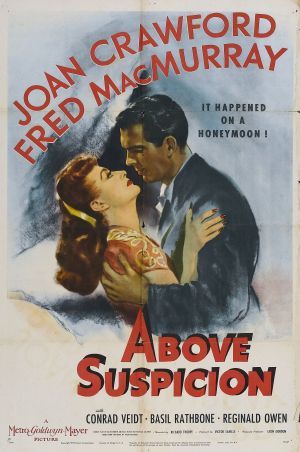
Directed by Richard Thorpe, Above Suspicion was released as a movie in 1943. Joan Crawford and Fred MacMurray took the lead roles in a plot that followed two newlyweds as they spied on the Nazis during their honeymoon in Europe.

The production standards for the movie were good. The back projection and background paintings, standard practice in movie making for decades, were largely unobtrusive. On first viewing, I thought Joan Crawford was miscast. However, on second viewing, I agreed with the New York Times who said, “Joan Crawford is a very convincing heroine.”

The plot lent itself to a noir treatment. However, the producer and director went for a lighter touch, including humour and musical numbers whenever possible. This was justified because a musical score was central to the plot.

Given that the movie was released in 1943, it contained some racy banter between Joan Crawford and Fred MacMurray whose innuendos and desire to have sex whenever possible realistically portrayed them as newlyweds.

Above Suspicion marked the end of Joan Crawford’s eighteen year career with MGM before she signed with Warner Bros. Sadly, the movie served as the final role for character actor Conrad Veidt, who died of a heart attack shortly after the final scenes were shot. 

If you are a fan of vintage movies, then Above Suspicion is certainly worth ninety minutes of your time.