Categories
Dear Reader

Dear Reader #159

Dear Reader,

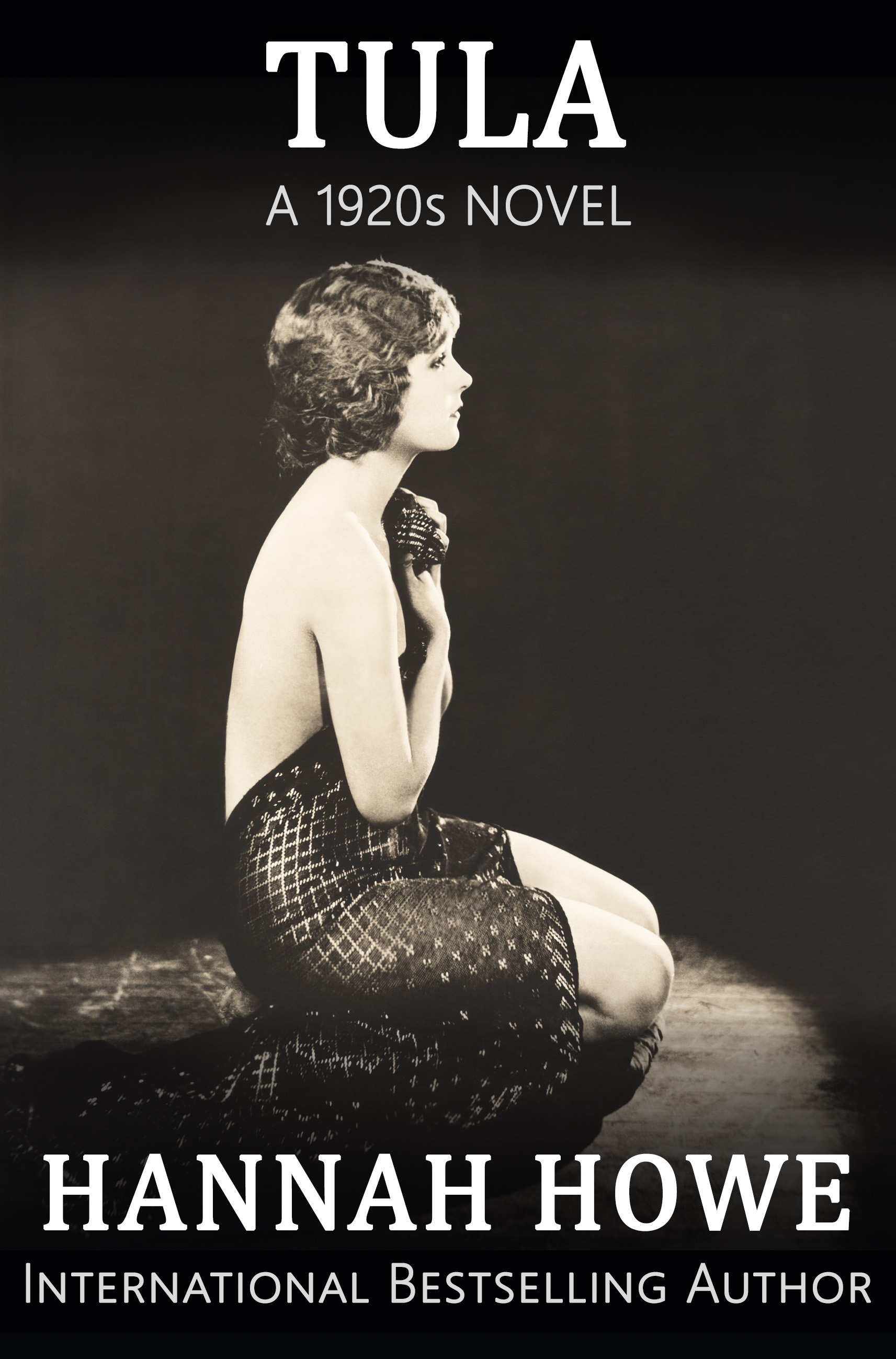
I’ve completed the basic outline for Tula, my novel about an actress finding fame in the 1920s, and losing her mind in the process. Sixty-eight chapters. I’ve written the prologue and chapter one. The prologue is Tula’s asylum admission form, with her doctor’s notes. 

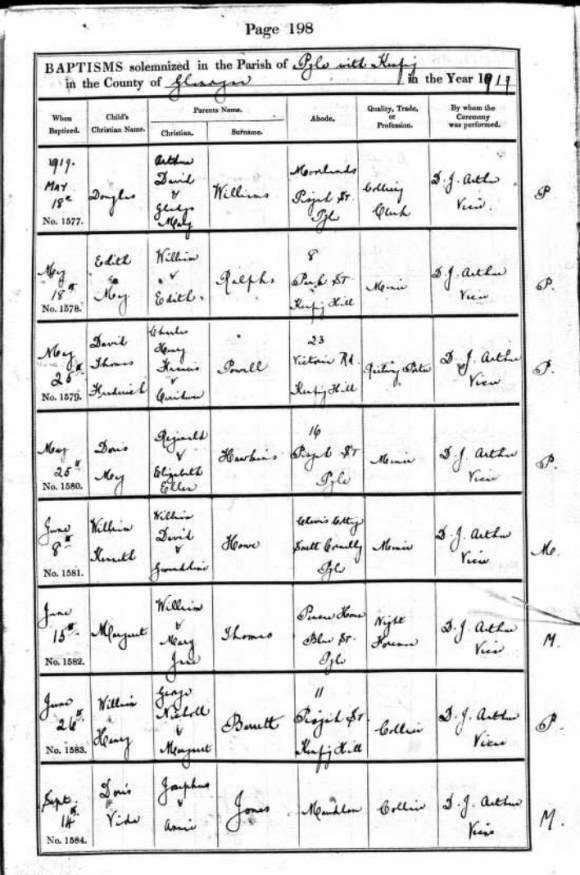
The form and notes are based on 1920s asylum records, and a record from my family archive – a Victorian aunt spent a number of years in an asylum. My youngest son, who hopes to become a psychologist, helped with my research. He also named the doctor, Dr Brooks.

Continuing my research into Eva Marie Saint’s ancestry using public records. I’m looking to answer two questions: was Eva’s talent the result of nurture, or nature? And why am I drawn to her as an actress? Can I find the answers to these questions in her roots?

I’ve traced the Saint family back to the 1900 US Federal Census, which reveals the following about the family:

John Q Saint
Age52
Birth DateDec 1847
BirthplaceIndiana, USA
Home in 1900Marshall, Marshall, Iowa
Ward of City2nd
StreetNorth Fourth Street
House Number410
Sheet Number17
Number of Dwelling in Order of Visitation412 322
Family Number447
RaceWhite
GenderMale
Relation to Head of HouseHead
Marital StatusMarried
Spouse’s NameLydia G Saint
Marriage Year1870
Years Married30
Father’s BirthplaceIndiana, USA
Mother’s BirthplaceIndiana, USA
OccupationPost Master
Months Not Employed0
Can ReadYes
Can WriteYes
Can Speak EnglishYes
House Owned or RentedRent
Farm or House

So, Eva Marie’s grandfather was John Q Saint, a postmaster from Indiana, now living in Iowa. In 1900, John had been married to Lydia for thirty years, and they had three children living with them, including Eva’s father, John.

John Q Saint’s neighbours all had respectable professions, as insurance and real estate agents, clerks, etc. The Saints lived in a respectable neighbourhood and, it would seem, enjoyed a comfortable lifestyle.

John Q Saint’s parents were from Indiana, but before searching for them, I’d like to discover more about John Q including what the Q stood for – Quentin? Quincy? Quillan?

More next time.

***

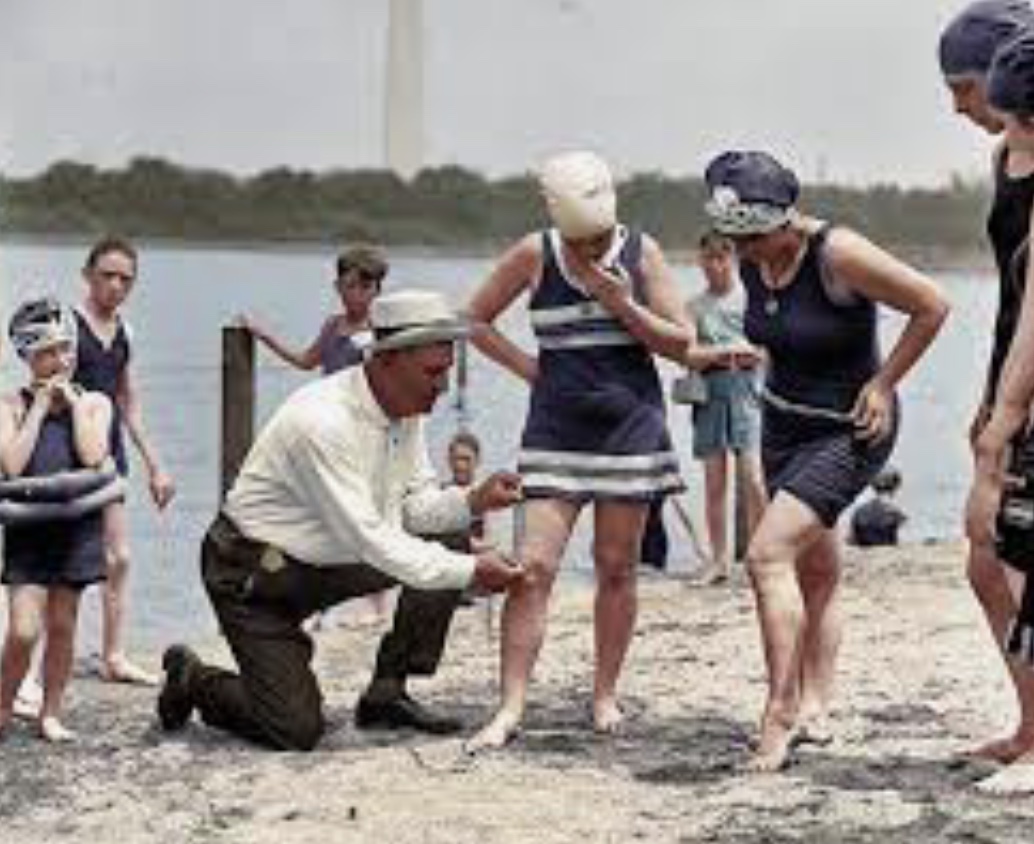
An official in 1922 checking that swimsuits were no more than six inches above the knee. However, emboldened by the right to vote, and the crazes for dance, jazz, ragtime and blues, women were in the mood to throw away the tape measures and challenge authority in general.
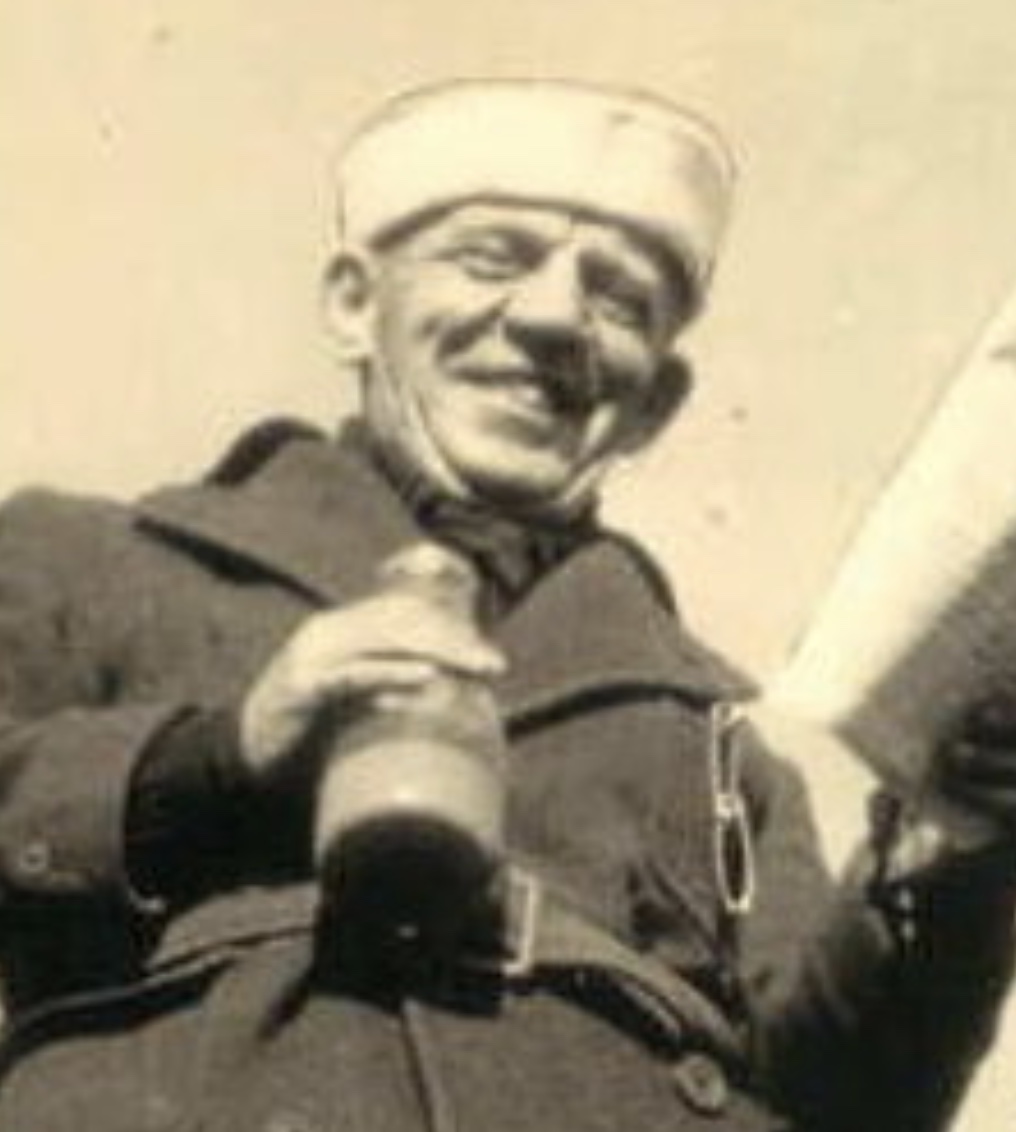
Alvin ‘Shipwreck’ Kelly, 1893 – 1952, achieved fame in the 1920s and 1930s as a pole sitter. He calculated that he spent 20,613 hours sitting on flagpoles, including 210 hours in sub-freezing weather and 1,400 hours in the rain. 

Kelly married Frances Vivian Steele, an elevator operator, a match clearly made in heaven, or at least close to it.
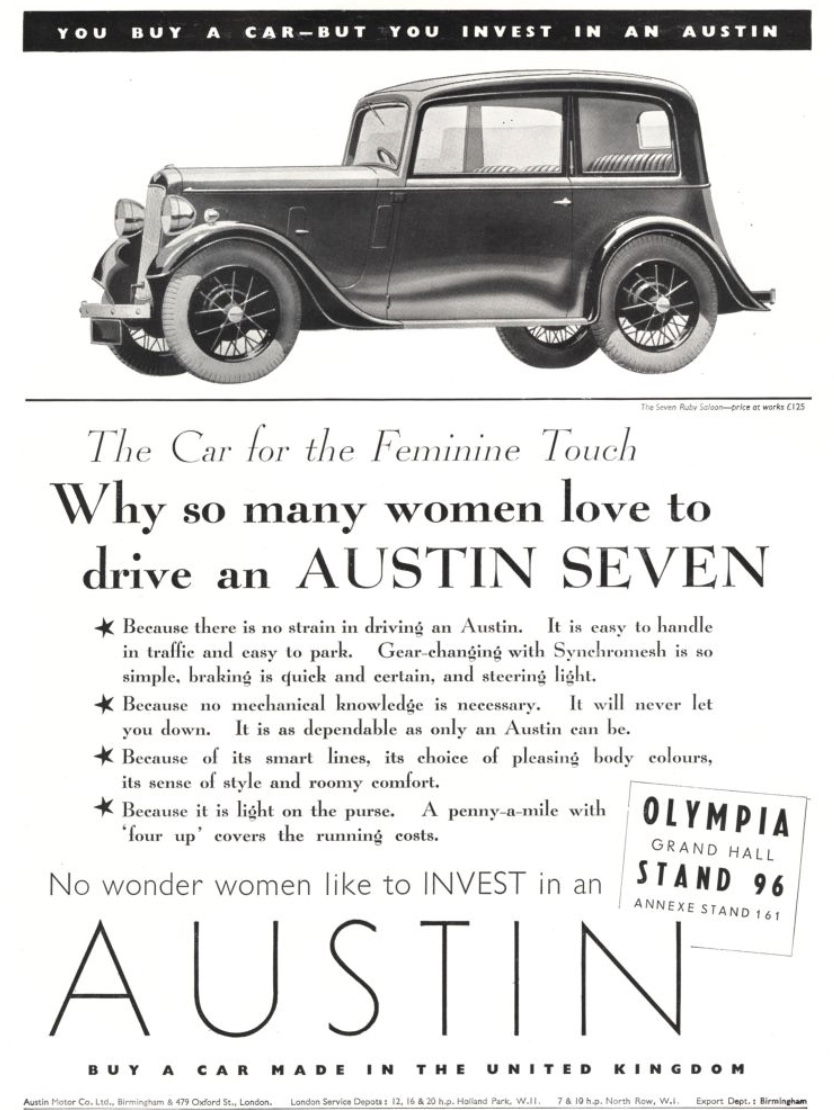
Some social historians contend that sex was ‘invented’ in the 1960s. However, the rest of us know that it began in the 1920s when people started necking in automobiles, like the Austin 7, introduced in 1922.
Aura Lee, Farewell, Series 1, Episode 14 of The Rockford Files contains echoes of the pilot episode. Lindsay Wagner reprises her role as Sara Butler. Bill Mumy, who was Sara’s brother in the pilot, also appears, but as a different character.

Bill Mumy appears as Trask, an artist. Trask’s paintings are abstracts, to say the least. In a classic exchange, Rockford asks Trask if he requires a permit to sell his paintings (because they are so bad). Trask replies, “I told you, I paint what I feel.” Rockford: “You must not feel well.”

My honest opinion: the premise of this episode was excellent – a senator is involved in a hit-and-run accident, which leads to murder. The resolution though was a bit convoluted, explained in a brief conversation, rather than shown over several scenes. 

Instead of the mystery, the writers of this episode decided to concentrate on Rockford and Sara’s relationship, which was fine because James Garner and Lindsay Wagner sparkled in their scenes.

Between 1700 and 1800 the population of London increased from 600,000 to over one million. The city established itself as the largest in the world, with commercial and military interests providing the bedrock.

London derived its energy from the free market, which basically meant ‘anything goes’. Services, goods and people – yes, people – could be bought without legislative restraint. Shipowners exploited the colonies while, at the other end of the scale, pickpockets sold gold watches. In eighteenth century London, these people were much of the same: steal from someone, then make a handsome profit.

Some people were offended by the scale of the greed. They compared London to a modern Babylon, devoid of morals and probity. However, writer James Boswell stated that his blood ‘thrilled with pleasure’ and that he regarded London as a city of happiness.

Maybe Boswell didn’t notice that, at its heart, London was still a medieval city without the capacity to deal with a huge rise in the population. In the eighteenth century,  London became notorious for its high volume of prostitutes, it’s large numbers of feral children, and its disgruntled mobs.

Wise heads reasoned that such chaos could not continue, that the quest for ever-larger profits was unsustainable, that the city was in danger of spiralling out of control. The wise heads were proved right because by the fourth quarter of the century, revolution was in the air.

🖼 London from the east, 1751.

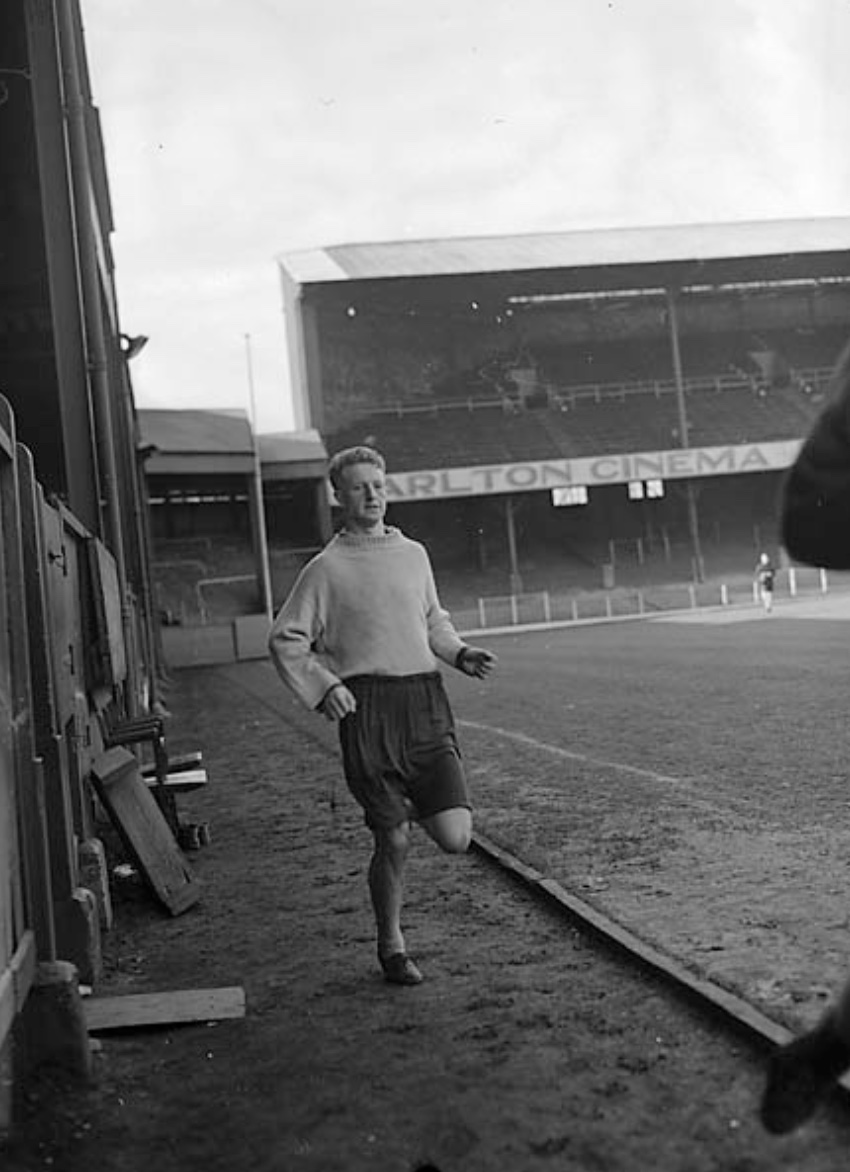
John Charles was born on 27 December 1931. He is regarded by many as Wales’ finest-ever footballer. Indeed, many rate him as Britain’s greatest all-round footballer.

During his glory years at Leeds United and Juventus, John excelled as a centre-forward and as a centre-back. He moved to Leeds United, in 1949, from his hometown club, Swansea Town. After a break for National Service, John was the Second Division’s top goalscorer in 1954. 

As club captain in 1955, John led Leeds United to second place and promotion. The following season, Leeds finished eighth in the First Division while John was the division’s top goalscorer.

John’s qualities included strength, pace, technique and vision. Furthermore, he was a great header of a football and possessed a keen eye for goal.

John’s qualities attracted the attentions of Italian giants, Juventus. In his five seasons with Juventus, John won the Scudetto three times and the Coppa Italia twice. 

In 1962, John returned to Leeds; moves to Roma and Cardiff City followed. He was never cautioned nor sent off during his entire career. Indeed, John’s respect for his opponents earned him the nickname Il Gigante Buono – The Gentle Giant.

John represented Wales over a period of fifteen years, from 1950 to 1965. In 1958, he was a member of the Wales World Cup squad.  During that tournament, John scored in the 1 – 1 draw with Hungary. 

Injury ruled John out of the quarter-final against Brazil. Wales lost 1 – 0. Who knows what would have happened if John had been fit to participate in that match.

Next week, more news about my new project, Tula, plus background information.

As ever, thank you for your interest and support.

Hannah xxx

For Authors

#1 for value with 565,000 readers, The Fussy Librarian has helped my books to reach #1 on 32 occasions.

A special offer from my publisher and the Fussy Librarian. https://authors.thefussylibrarian.com/?ref=goylake

Don’t forget to use the code goylake20 to claim your discount 🙂

Categories
Dear Reader

Dear Reader #157

Dear Reader,

I’m excited to introduce a new project, Tula, a novel set in the 1920s. Tula is an actress who has climbed from the gutter to become a major star in Hollywood. However, as the story opens, she is in an asylum. How did she get there? 

Tula believes that the recent death of her father triggered her emotional collapse. However, as she chronicles the first twenty-four years of her life, she discovers the true trigger for her breakdown.

This story might sound dark, but light arrives in the shape of Tula’s determination to escape from poverty, and her strength in facing up to and overcoming her emotional problems.

Continuing my research into Eva Marie Saint’s ancestry using public records. I’m looking to answer two questions: was Eva’s talent the result of nurture, or nature? And why am I drawn to her as an actress? Can I find the answers to these questions in her roots?

Today’s record is the 1930 census. This census confirms that Eva was born in New Jersey, that at the age of five she was attending school and literate, and that she lived with her older sister, Adelaide, and her parents, John and Eva. John was a credit man for a rubber company, Eva Senior was a housewife.

Eva’s family rented a home on 81 Street, Queens, New York. Most of their neighbours were born in New York. However, their parents came from Austria, Russia, Germany, Czechoslovakia, Hungary and Ireland. They were merchants, bookkeepers, salesmen, secretaries, photographers and hairdressers. 

This was an immigrant area, not the poorest, not the richest. Unlike some actresses, Eva did not enjoy a gilded path to fame and fortune; she had to work for her success. That is something I can relate to, and it partially answers one of my questions. 

However, for the full answers, I need to explore Eva’s parents’ records. More, next time.

***

In the seventeenth century, London’s doctors qualified through an apprenticeship. They set bones, tended injuries and bled patients. Physicians represented a different branch of medicine. They qualified through universities and advised on diet, exercise and drugs.

Treatments centred on purging, sweating and bleeding in an attempt to restore the balance of a patient’s body. 

Physicians charged a fee, usually between 10 and 20 shillings, which placed them well out of the reach of many Londoners.

For day-to-day medical treatments, Londoners visited barbers. Along with offering a haircut and a shave, a barber would bleed a client and draw his teeth. 

Medicines were sold by apothecaries, who developed into pharmacists. These medicines were derived from herbs, plants and vegetables and sold for a penny per dose.

Many of the treatments were ineffective, which led to challenges by ‘new scientists’ like Nicholas Culpepper, pictured. The establishment hated Culpepper because he challenged their cosy cartel, stated that high medical fees were ‘un-Christian’, and because he treated London’s poor.

Caledonia – It’s Worth a Fortune! Series 1, Episode 11 of The Rockford Files. All writers have standby plots. One of John Thomas James’ standby plots was ex-cons looking for hidden money. In Caledonia, JTJ delivered a neat twist at the end.

This episode was directed by Stuart Margolin, a talented actor/director. While Margolin’s direction was always crisp, his greatest contribution to The Rockford Flies was his portrayal of Angel, one of the great support characters of American television. James Garner’s interactions with Stuart Margolin were always a delight to watch.

We are eleven episodes in but Angel, Beth and Becker are yet to appear as regular characters. Even Rocky has only made fleeting appearances at this point. The Rockford Files always had a strong sense of direction, but the series grew in strength when the support characters became regulars.

Stuart Margolin

Len Allchurch, born 12 September 1933, enjoyed a distinguished footballing career, which spanned nearly twenty years. During that time he represented Sheffield United, Swansea Town and Stockport County. 

Born in Swansea, and the brother of the legendary Ivor Allchurch, Len also won eleven caps for Wales and was a member of his country’s 1958 World Cup squad.

In 1950, at the age of seventeen, Len began his professional career with Swansea Town. In March 1961, for a fee of £18,000, he signed for Sheffield United. Len scored six goals in eight games and helped his new club to clinch promotion. 

Over the following three seasons, Len scored 37 goals in 140 appearances for Sheffield United before, in March 1965, transferring to Stockport County. His transfer fee: £10,000, making him the most expensive signing in the club’s history.

Eventually, Len’s career turned full circle and he ended his professional days at his home club, Swansea Town.

Len enjoyed many highlights during his long and distinguished career, but perhaps this remains the most remarkable fact: he did not receive a single caution or booking throughout his entire Football League career.

Len Allchurch 📸 BBC

I’m researching the life of Clara Bow, a superstar in the 1920s. However, before exploring Clara’s life, where did the Bows come from? The answer is England. Like many of their generation, they set sail for America in the 1600s and became planters in Hartford.

The early American Bows were wealthy men and women. However, by the time Clara was born in New York in 1905, the family fortune had long gone. Indeed, Clara’s father Robert flitted from one humble occupation to another, and between 1905 and 1923 the family lived at fourteen different addresses.

Clara Bow was a superstar in the 1920s, yet her birth was not even recorded. Piecing the facts together from various records, a birthdate of 29 July 1905 looks the most likely candidate. Why wasn’t Clara’s birth registered? There were several reasons.

One, Clara’s father, Robert, was often absent from the family home. Two, Clara and her mother, Sarah (pictured), were ill after the birth, and their illnesses were exacerbated by a New York heatwave. Indeed, Sarah was in such poor physical, and probably mental, condition that a doctor warned her not to become pregnant.

Clara was Sarah’s third child. Her first daughter, Alene, was stillborn on 25 June 1903 while her second daughter, Emily, was born and died on 13 May 1904. Given this background, it was a minor miracle that Clara made it to 30 July, let alone beyond.

***

In this month’s issue of Mom’s Favorite Reads…

Multi-award winning author/poet Jessica Bell interviewed by Wendy H Jones. Plus, Author Features, Health, Nature, Photography, Poetry, Recipes, Short Stories, Young Writers, International Country Music Day, and so much more!

As ever, thank you for your interest and support.

Hannah xxx

For Authors

#1 for value with 565,000 readers, The Fussy Librarian has helped my books to reach #1 on 32 occasions.

A special offer from my publisher and the Fussy Librarian. https://authors.thefussylibrarian.com/?ref=goylake

Don’t forget to use the code goylake20 to claim your discount 🙂
Categories
Dear Reader

Dear Reader #156

Dear Reader,

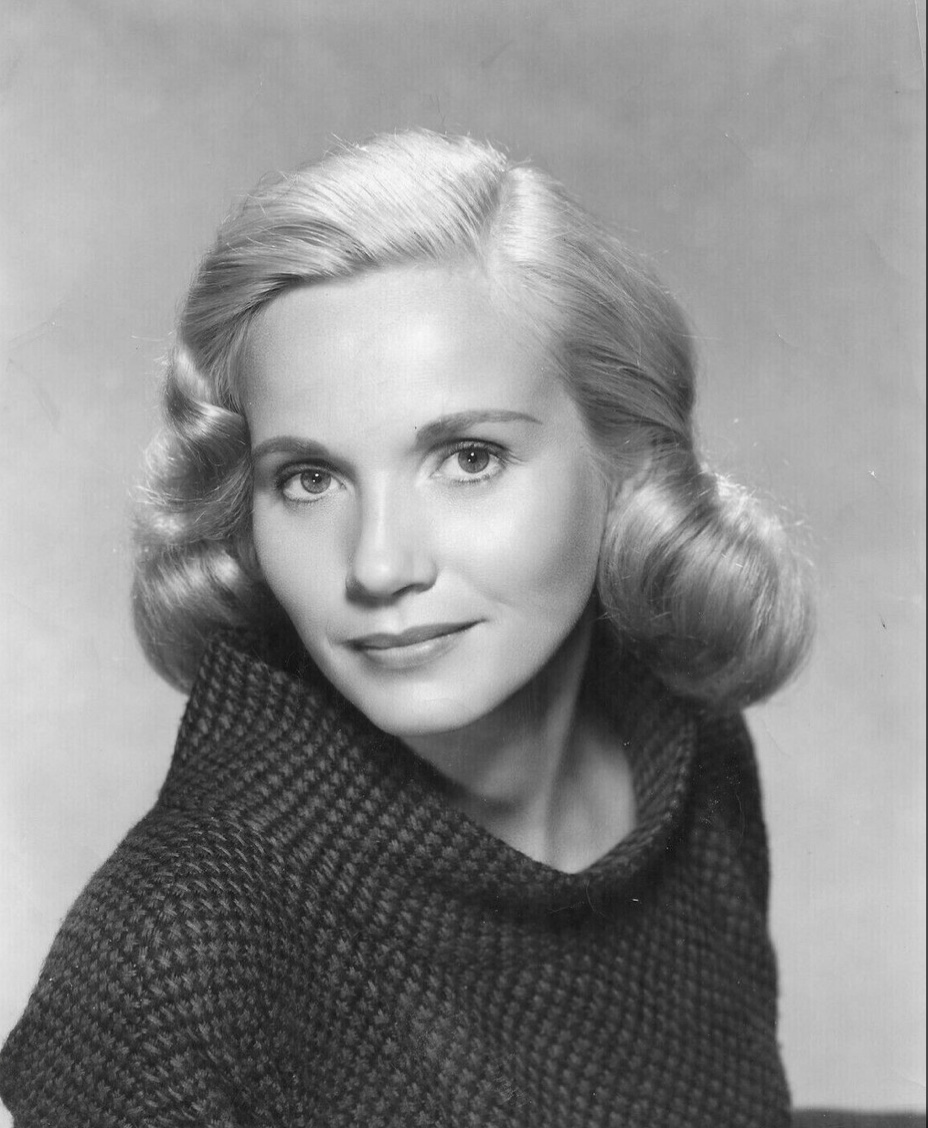
Are actresses/writers/etc born or made? Where does their talent come from? To answer this question, I intend to trace the ancestry of creative people born in the first quarter of the twentieth century, to see if their ancestors displayed any creative traits.

I’m starting with my favourite actress, Eva Marie Saint. Eva Marie Saint first came to my attention in the movie ‘36 Hours’, where she co-starred with my favourite actor, James Garner. After that, I enjoyed her classic performances in movies such as On The Waterfront and North by Northwest.

Eva Marie Saint’s acting career is well documented. For this project, I’m interested in the period before she was famous, and in her ancestors’ roots. Where was she born? Where did her ancestors come from? What trades did they follow? Time to search the records…

I’ve found Eva in the 1940 United States Federal Census. This is a public record. The census reveals Eva’s age, approximately 15, that she lived with her sister, Adelaide aged 17, and her parents, John Saint, 48, and Eva, 43. The family lived in Bethlehem, Albany, New York. John was a District Credit Manager for a tyre company while Eva’s mother was a housewife. Their neighbours were chemists, printers, engineers and a piano teacher, so a pleasant district. 

The piano teacher hints at local artistic endeavours, but nothing to directly link Eva’s family with the arts, as yet. Nevertheless, a good start with plenty of leads to follow.

***

As London developed during the seventeenth century, the city saw great advances in medicine, science and philosophy. It became a home to the Royal College of Physicians and the Royal Society. Many learned people made a positive contribution to the sciences. However, London also attracted its fair share of quacks.

The quacks peddled a wide range of ‘miracle’ cures, especially for embarrassing diseases like syphilis. The quacks used to gather at the gates of St Bartholomew’s Hospital. There, William Salmon sold an ‘Elixir of Life’, and an antidote to the plague.

Anne Laverenst ran her business in Arundel Street. She treated syphilis and removed women’s bladder stones. Coffee houses were also popular locations for quacks. These establishments carried advertisements for cures such as ‘Fletcher’s Powder’, which was effective ‘against all diseases, except death’. 

🖼 William Hogarth’s ‘The Visit to the Quack Doctor’.

Ivor Allchurch, the sixth of seven children, was born on 16 October 1929 in Swansea to Charles Wilfried Allchurch and Mabel Sarah Allchurch, née Miller. Ivor’s parents were originally from Dudley, Worcestershire, but they moved to Swansea post World War I in search of work.

After school, Ivor worked in a foundry and a fish market. However, his main passion was football. An inside-forward, he began his professional career with Swansea Town. He remained with the club for ten years, scoring over 100 goals.

Ivor training with Swansea in 1951. 📸 National Museum of Wales.

Aged 28, Ivor moved to Newcastle United for a fee of £28,000. Four seasons later, he joined Cardiff City for £18,000, then finished his career back at his hometown club, Swansea Town.

In total, Ivor won 68 caps for Wales, a record at the time. Along with Trevor Ford, he was the leading goal scorer for his country, scoring 23 goals, a record eventually broken by Ian Rush. 

Ivor made his international debut on 15 November 1950 in a 4 – 2 defeat to England. During the 1958 World Cup, he scored twice for Wales and helped his country to reach the quarter finals.

In qualifying for the 1958 World Cup, Ivor scored in both legs of the play-off match versus Isreal. In the finals itself he scored in a 1 – 1 draw versus Mexico and in the 2 – 1 group play-off victory against Hungary.

Wales captain Dave Bowen praised Ivor for his World Cup performances. He said, “They looked at Ivor and wondered where he had been hiding. He could have played for any of the teams out there, including Brazil.”

In 1962, Ivor won his 50th Welsh cap in a match against Scotland. He ended his illustrious international career in 1966 in a match against Chile, bowing out with the accolade of “The Golden Boy of Welsh Football.”

***

Clara Bow was, arguably, America’s first major superstar. At the apex of her stardom in 1929 she received 45,000 fan letters a month. Yet, Clara was born into abject poverty. Indeed, it’s possible that her birth was not even recorded. Certainly, no record of her birth survives.

Various records list Clara’s birthday as 29 July, but the years vary – 1905, 1906 and 1907. The 1910 US census was taken on 15 April. Clara was recorded as aged four in that census, which suggests she was born in 1905.

The 1910 census also recorded that Clara was one of three children born to her parents, Robert and Sarah, but the only one alive. A heat wave gripped her home city, New York, in July 1905, with temperatures topping 100 °F. Many people died.

Later, Clara wrote: “I don’t suppose two people ever looked death in the face more clearly than my mother and I the morning I was born. We were both given up, but somehow we struggled back to life.”

To be continued…

***

The Dexter Crisis, Series 1, Episode 10 of The Rockford Files was written by Gloryette Clark. John Thomas James and Stephen J Cannell had authored the previous episodes. The pace of this episode was slightly slower than previous episodes – nothing wrong with that.

Gloryette Clark was a long-time associate of Roy Huggins, aka John Thomas James. She served as writer, director, film editor and stock footage librarian. An external motel shot in this episode was the same as a shot in episode 9, In Pursuit of Carol Thorne. These shots were expensive to produce, so it’s understandable that they were reused. 

Las Vegas was a main location for this story, but no filming took place there. The cover shots were all stock footage, although you don’t notice this as the story unfolds.

None of the series regulars – Rocky, Beth, Becker or Angel – feature in this episode, which makes me wonder if it was adapted from a standard private eye story into a Rockford Files story. That said, Rockford’s traits do stand out, especially when he’s reluctant to thump someone, despite provocation.

As ever, thank you for your interest and support.

Hannah xxx

For Authors

#1 for value with 565,000 readers, The Fussy Librarian has helped my books to reach #1 on 32 occasions.

A special offer from my publisher and the Fussy Librarian. https://authors.thefussylibrarian.com/?ref=goylake

Don’t forget to use the code goylake20 to claim your discount 🙂
Categories
Dear Reader

Dear Reader #97

Dear Reader,

My home overlooks Margam Park and I just discovered that my 15 x great grandfather Sir Rice (Rhys) Mansell bought the park, and Margam Abbey, when Henry VIII dissolved the monasteries in 1536. Sir Rice demolished the monastery and built Margam House, pictured. 

This line dates back to Philip Mansell, born 1040 in Normandy. Philip was cup bearer to William the Conqueror, a highly responsible position. Philip served William his wine and made sure it wasn’t poisoned.

View of Margam House, Glamorgan, Looking North, c.1700 Attributed to Thomas Smith (fl.1680s-1719)

Oil on canvas

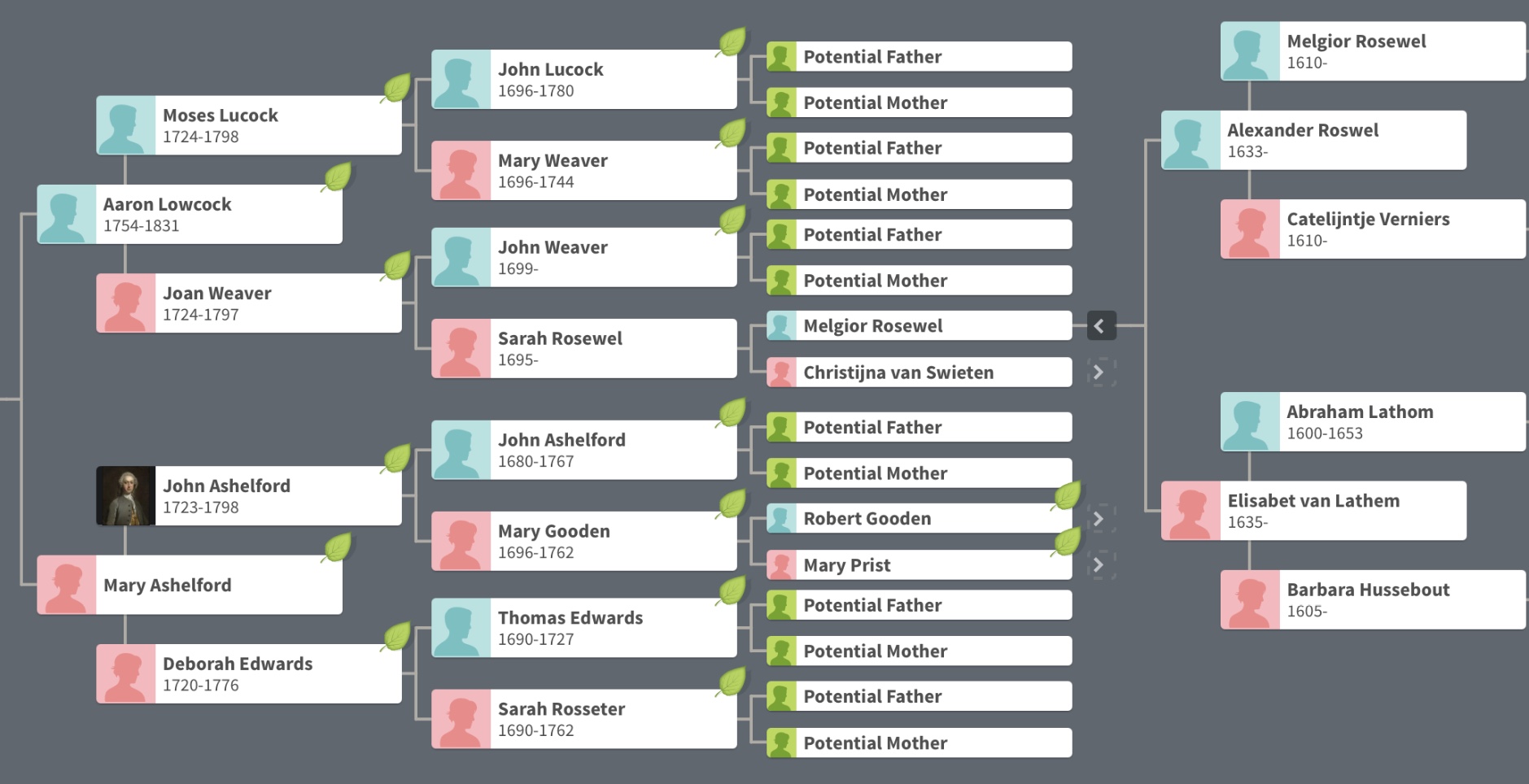
A baptismal record for my 4 x great grandmother Ann Locock has led to sixteen new branches on my family tree. My DNA revealed Dutch ancestors and one of these branches is Dutch, a family from Amsterdam. My 8 x great grandfather, Melgior Rosewel, worked for the Dutch East India Company, which offers scope for a lot more research.

My direct ancestor Sir John Mansell, 1188 – 1264, was a busy man.

  • Privy Counsellor 
  • Constable of Dover Castle, pictured (Wikipedia)
  • Lord Warden of the Cinque Ports
  • Lord of the manor in Berkshire, Suffolk, Sussex, Lancashire, Wiltshire, Hampshire and Kent
  • Cup Bearer to Henry III
  • Founder of a priory in Bilsington
  • Provost of Beverley
  • Treasurer of York
  • Lord Justiciary of England
  • Member of the Council of Fifteen
  • Constable of the Tower of London
  • Chancellor to Henry III
  • England’s first Secretary of State

I think I inherited my multi-tasking from him 😉

An article about Sir John Mansell will follow in a future post.

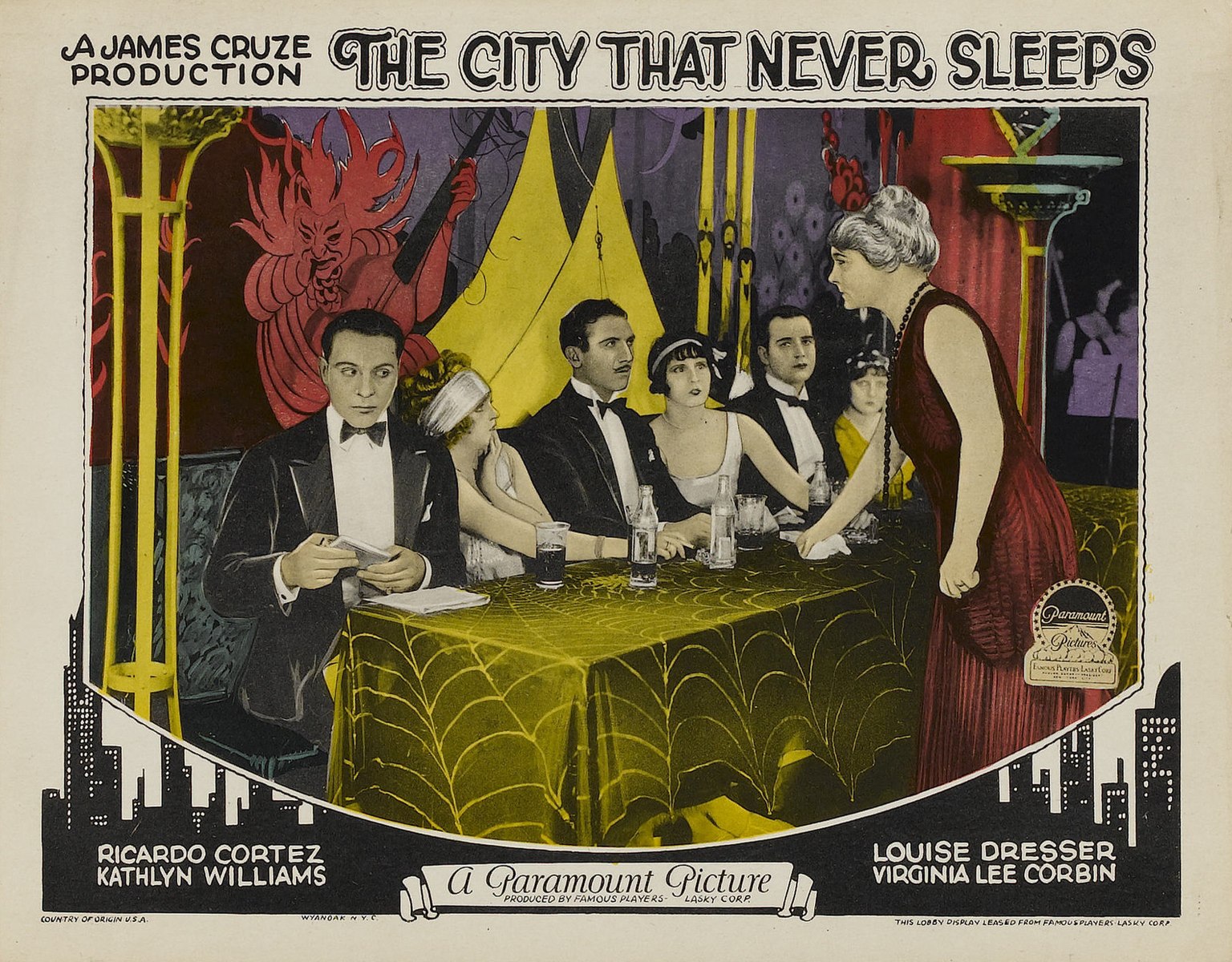
From my research, a lobby card for The City That Never Sleeps, a 1924 silent movie directed by James Cruze.

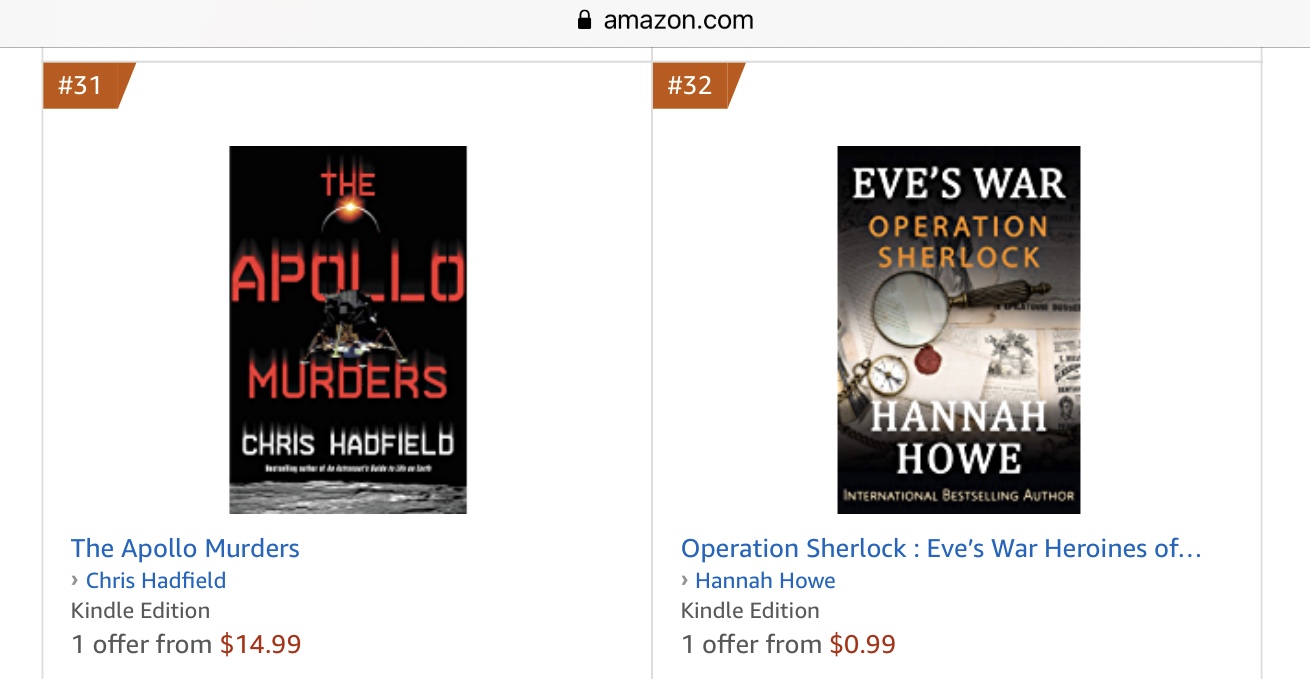
Many thanks to everyone who has placed my forthcoming Eve’s War story, Operation Sherlock, at #32 on the Hot New Releases chart.

One of modern life’s great imponderables…

I never expected to discover ancestors in Kiev, so I double-checked this line and established that it is correct. 

This is an image of my direct ancestor Olga ‘the beauty’ a Pskov woman of Varangian extraction who married Igor of Kiev. After Igor’s death, she ruled Kievan Rus as regent, c945-963, for their son, Svyatoslav.

Only joking 😉

I’ve traced the Preston branch of my family tree back to Leolphus de Preston, who lived during the reign of William the Lion of Scotland, floruit 1165 – 1214. 

Leolphus’ son, also Leolphus, made donations to Newbattle Abbey while his grandson, William de Preston, was one of the twenty-four Scottish nobles chosen by Edward I of England to arbitrate between John Balliol and Robert the Bruce, the main disputants for the crown of Scotland after the death of Margaret Maid of Norway, Queen of Scots.

The nobles met on 3 June 1291 to debate the succession. Debates and adjournments continued until 14 October 1292 when William de Preston and his fellow nobles decided that ‘succession by one degree from the eldest sister was preferable to succession nearer in degree from the second.’

Thus informed, on 17 November 1292 Edward I decided in favour of Balliol who ruled for four years, mainly as Edward I puppet. In 1296 the Scottish nobility deposed Balliol and appointed a Council of Twelve to rule instead. In retaliation, Edward I invaded Scotland, triggering the Wars of Scottish Independence.

Meanwhile, William de Preston’s role of arbiter set a family trend, which resulted in later generations of arbiters and judges.

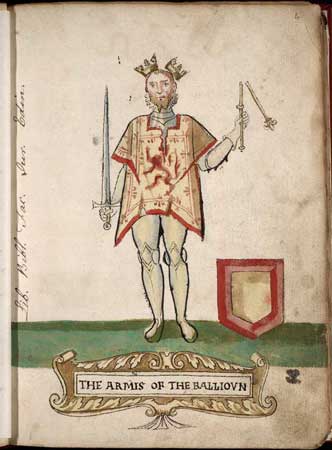
John Balliol, his crown and sceptre symbolically broken, as depicted in the 1562 Forman Armorial, produced for Mary Queen of Scots.

Sir William’s son, Nichol de Preston, was one of the Scottish barons who signed the Ragman Roll in 1296, swearing his allegiance to Edward I.

The Preston line continued with Laurence and his son, Richard. With these generations the Prestons moved south, into Northern England where they owned vast estates in Westmorland, founding the towns of Preston Richard and Preston Patrick.

More Richards followed: Sir Richard Preston, his son Richard, and his son Sir Richard. The latter was called as one of the jurors to settle a dispute between the King of England and the Abbot of St Mary convent, Yorkshire. The dispute centred on the rights to make appointments to the two churches at Appleby. 

Yet another Richard followed and he married Annabella. They produced a son – you’ve guessed it – Richard, later knighted. Sir Richard represented Westmorland in Edward III’s parliament in the mid-1300s, the height of chivalry.

During Edward III’s reign membership of the English baronage was restricted to those who received a personal summons to parliament. At this point parliament developed into a House of Lords and a House of Commons, with the Commons gaining the ascendancy, thus marking a watershed in English political history.

Parliament, 13th century.

As ever, thank you for your interest and support.

Hannah xxx

Categories
Dear Reader

Dear Reader #83

Dear Reader,

Many thanks to my loyal readers for their pre-orders and for placing Stormy Weather, Sam Smith Mystery Series book eighteen, on the Hot 💯 chart.

Delighted to announce that my Ann’s War series will be translated into French 🙂

More translation news. We started work on two new translations this week both in Spanish: The Devil and Ms Devlin, Sam Smith Mystery Series book fifteen and The Olive Tree: Branches, book two in my Spanish Civil War saga. Many thanks to all my translators for their contributions to our translation projects.

Mom’s Favorite Reads

Happy New Year to All Our Readers!

In our New Year issue…

Surviving the Stone Age

Genealogy: Researching Your Family Tree

Nicolas Winton – The British Schindler 

Meditation

National Hat Day

Stories, Puzzles, Recipes, Humour, Poetry, International Bestsellers and so much more…

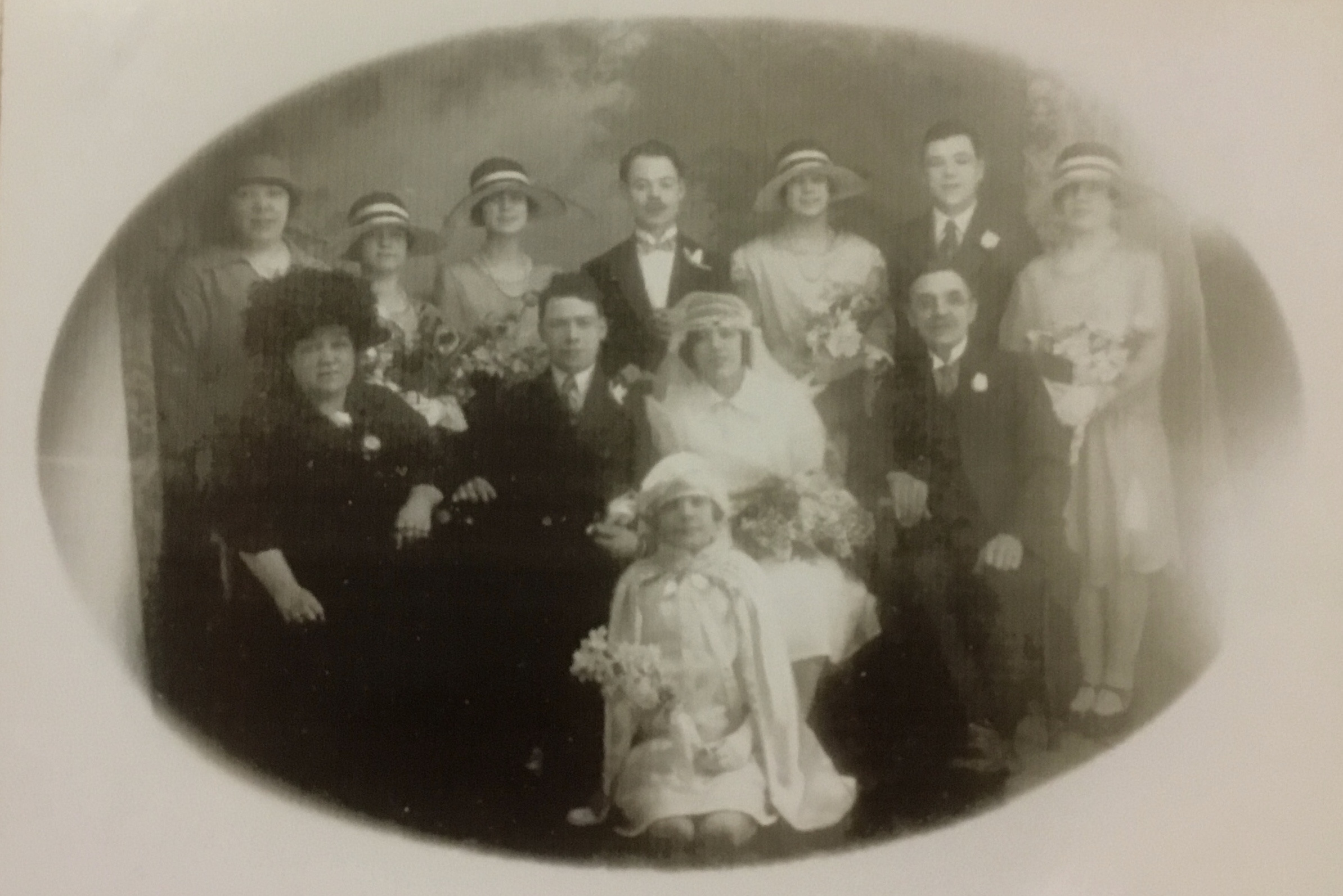
20 February 1927, the wedding of Louisa and John, my grand aunt and uncle.

The French Grand Prix, 1906.

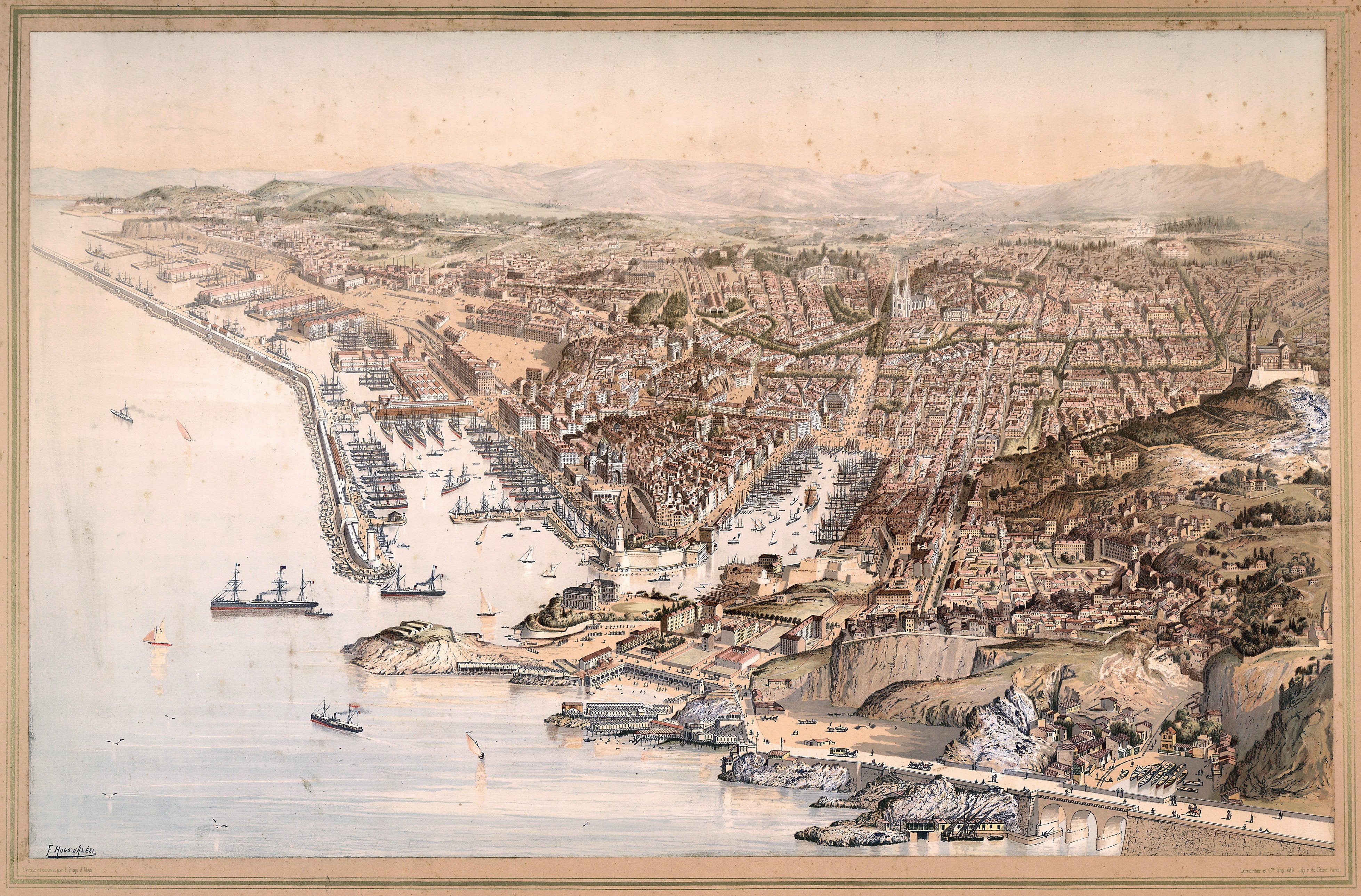
Marseille, the setting for my Heroine’s of SOE story, Eve’s War: Operation Zigzag, drawn in 1886.

A Roll of Honour produced by the Powell Duffryn Steam Coal Company in recognition of company officials who served in the First World War.

Ancestry

Three letters from Ken Howe (born 13.3.1919 in Corneli, the son of Billy Howe and Gwendolyne Thomas). In 1940 when the call came Ken responded to the threat of fascism and joined the Queen’s Own Hussars. His letters offer an insight into life at the front and here is the first of them.

30.9.1940

Dear Sis (Priscilla) Handel (brother-in-law) and Clive (nephew),

Thanks for your letter, which I received this morning. Glad to here that you are all okay, as I am. I have just come from dinner, which wasn’t so hot, and after reading about that rabbit my mouth is watering.

Jerry was around here (Newmarket) last night dropping his eggs, but far enough from us. As long as he keeps that distance I’ll be quite satisfied. I was in Newmarket last night with one of the boys from our tent and we spent most of our time in a church canteen reading and talking and it was a pleasant evening, what with free tea and cake. We were issued with a suit of denim last week, the stuff that the Home Guards use, and we use it for our work. We look like Home Guards walking around our camp. There has been talk of us moving this week, but I don’t know if it is right or not.

It is getting cold in the night time now, and I woke last night with my feet like lumps of ice. I think I will have to get a hot-water bottle sez me. We have been on wireless training this morning and I was nearly sleeping on my feet. We are going out in tanks this afternoon, messing about.

I had a letter from Aunt Edie yesterday, and she said she hoped to see me on my next leave, remember the 48 hours.

Joan (sister) sent me some fruit and biscuits in her parcel and I’ve been doing alright the last two days. Well old girl this is about all the news this time so I will sign off. Give my regards to the sergeant (his father?).

Till the next time, love to all,

Ken

Here is the second letter written by Ken Howe of the 4th Queen’s Own Hussars. Undated, 1940.

We have been cleaning this place out today. We will be a long way from here (Newmarket) by Saturday. Well, Sis, I’m not feeling too good about leaving the old country. It’s been a lovely autumn day, with the sun out, and it brings back memories of South Cornelly, and walks in the moonlight with the boys. It will be a new experience like when I was called up, and I expect I shall get used to it.

Ken Howe’s third letter, 9.2.1941, Middle East Forces

Dear Sis, Handel and Clive,

Just a few lines to say how we are getting on here. We are doing alright so far, and we haven’t got much to grumble at. Elwyn and myself were in Cairo a few days ago on leave, and we had quite a good time there. It isn’t as modern as I thought it would be, and in the native quarters how it smells. We stayed at the barracks there and it cost us nothing, though the money doesn’t half go. I ordered two cushion covers from one of the shops, with our badge on it. They make them and post them duty free for the troops. I’m afraid it will take a long time before you have them, one for you and Joan.

While in Cairo we met a few of our boys who were in our squad in Catterick and we hadn’t seen them for months, and in one of the clubs for our troops I met a chap named Thomas. He owns the Swan in Nottage and he knows Handel and Roy Edwards well. Surprising how small the world is, eh. We went to see the pyramids and Sphinx and other sites.

We both played football yesterday afternoon for the squadron and had our snaps taken by one of the boys, so I’ll send you some on when they are developed. We have had a few sandstorms and boy is there a mess. There’s sand in your nose, eyes, everywhere, and they blow for hours. Well old girl I’m afraid this is all for now. Hoping you are all in the best of health as I am. Cheerio for the present.

Love to all,

Ken

The cushion covers, made of black velvet, were sent to Priscilla and Joan with the message ‘To Sis All My Love Ken’ embroidered on them.

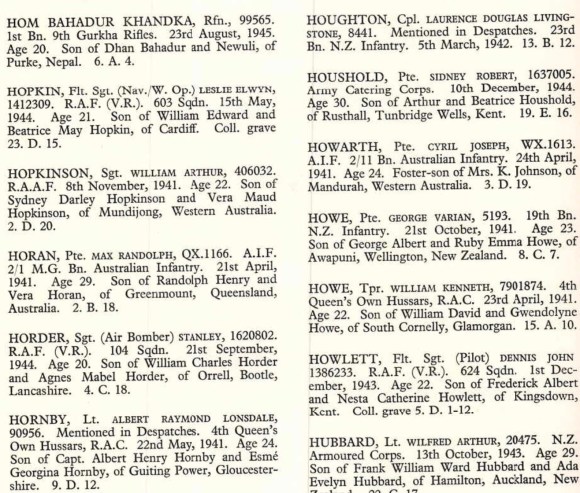
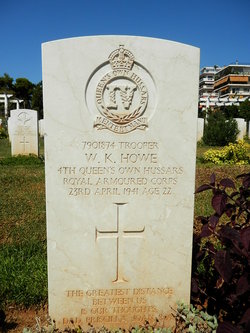
In March 1941 the Queen’s Own Hussars were mobilised to Crete and then to mainland Greece in the forces gathered together at short notice to defend Greece. Sadly, Ken was killed in action on the 23.4.1941, the day the Greek forces surrendered to the Axis. He was twenty-two years old.

The Greek campaign ended with a complete German and Italian victory. In many respects it was a ‘pointless’ campaign for the British because they did not have the military resources to carry out big simultaneous operations in North Africa and the Balkans. Even if they had been able to block the Axis advance, a counter-thrust across the Balkans was impossible.

As ever, thank you for your interest and support.

Hannah xxx