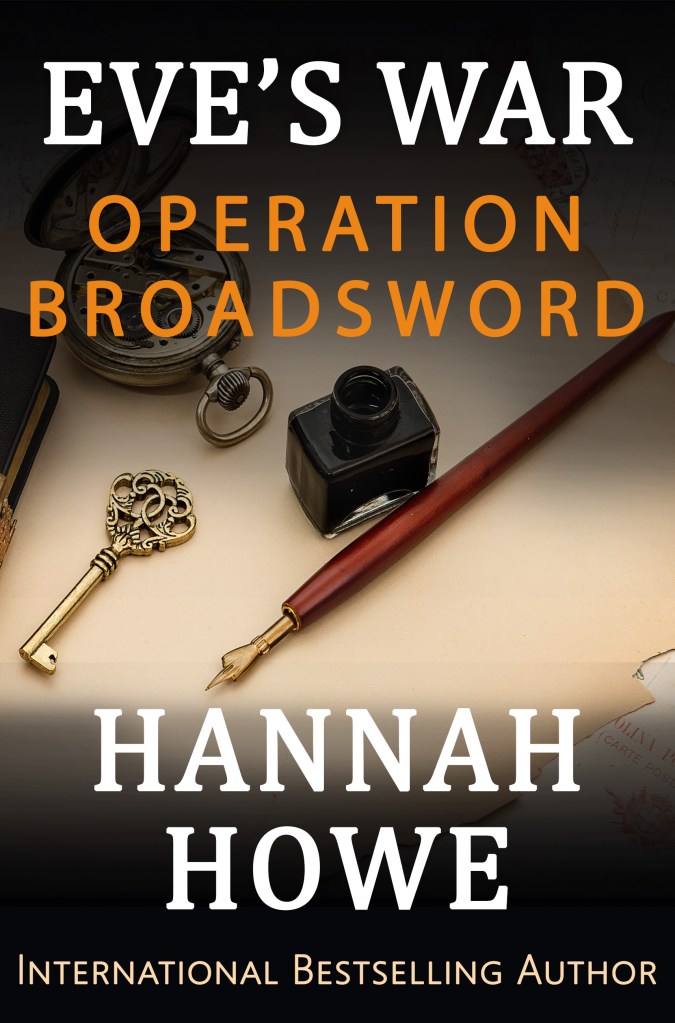
Some book news. Operation Liberty, book twelve in my Eve’s War Heroines of SOE series, is #1 on Amazon’s Hot New Releases French Fiction chart.
Clara Bow’s forty-ninth movie was The Saturday Night Kid, produced between July 27 and August 19, 1929, and released on October 26, 1929. Clara played Mayme, one of two sisters in a love triangle. The cast included Jean Arthur, and Jean Harlow in her first credited speaking role.
Even though the producers had gifted Jean Arthur the better part, there was no resentment from Clara. Jean Arthur said, “I loved her. She was so generous, no snootiness or anything. She was wonderful to me.”
Clara also helped to promote Jean Harlow, arranging photoshoots for the two of them, even though at that stage Jean Harlow was a bit-part player. “She’s gonna go places,” Clara said of Harlow, identifying a talent that was going to take Hollywood by storm.
Clara Bow, Jean Harlow and Jean Arthur in The Saturday Night Kid.
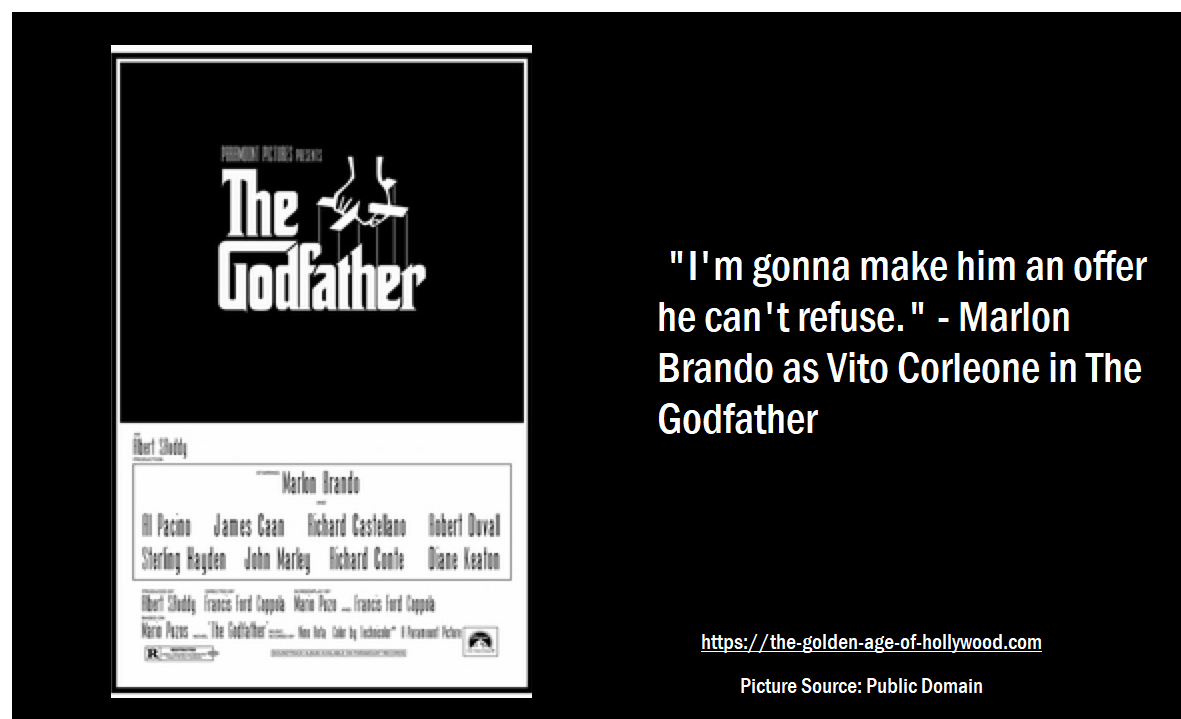
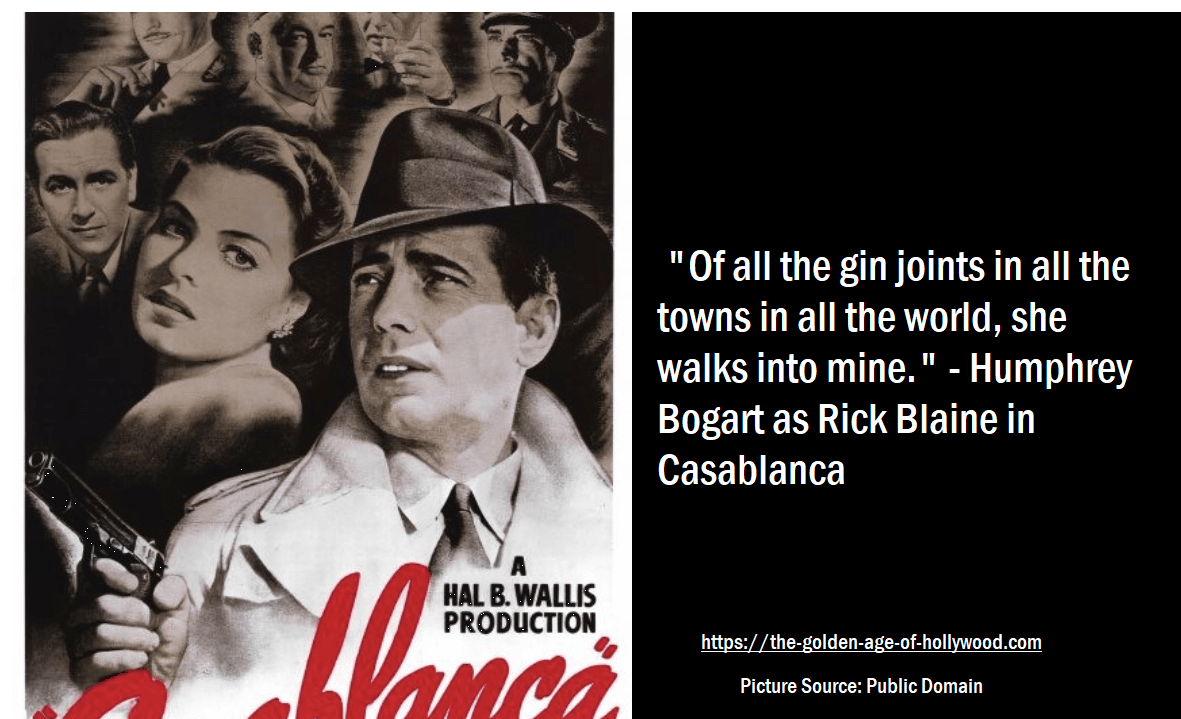
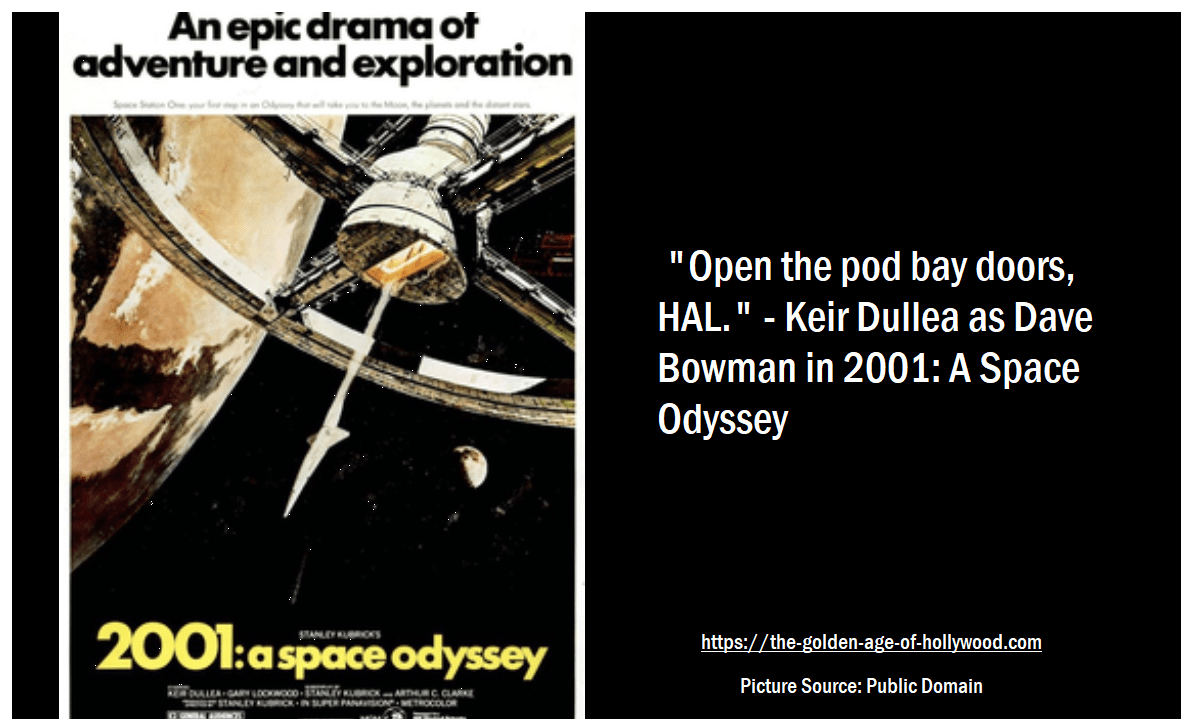
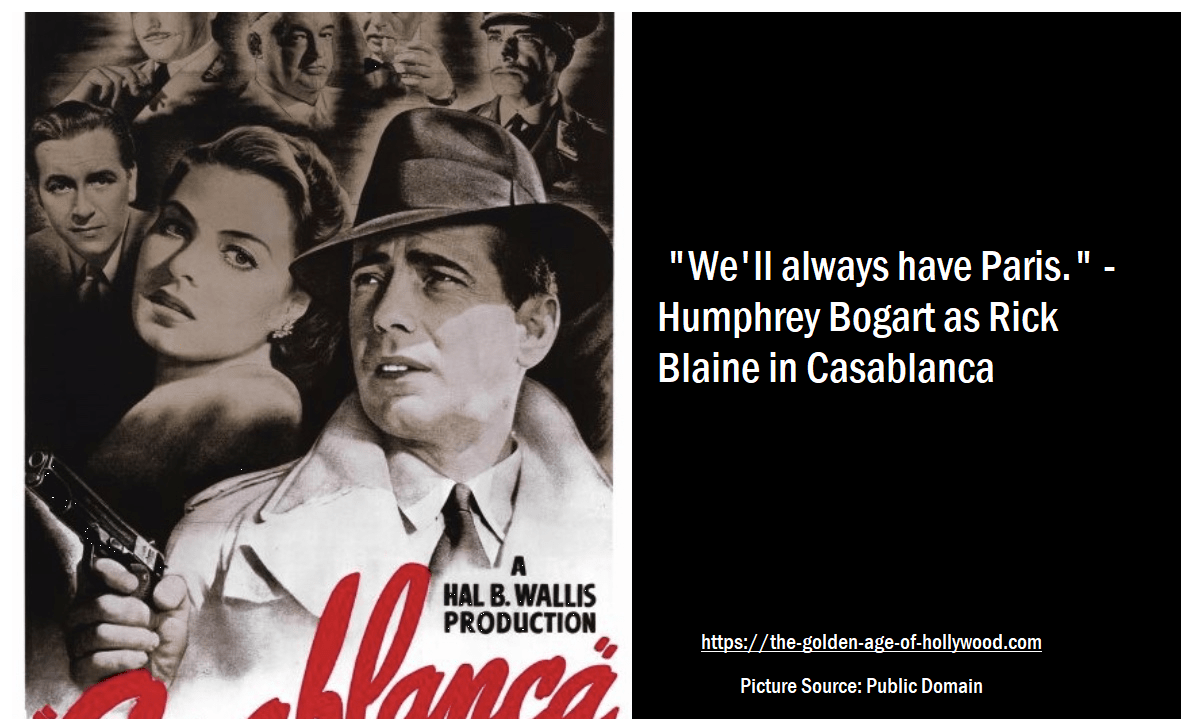
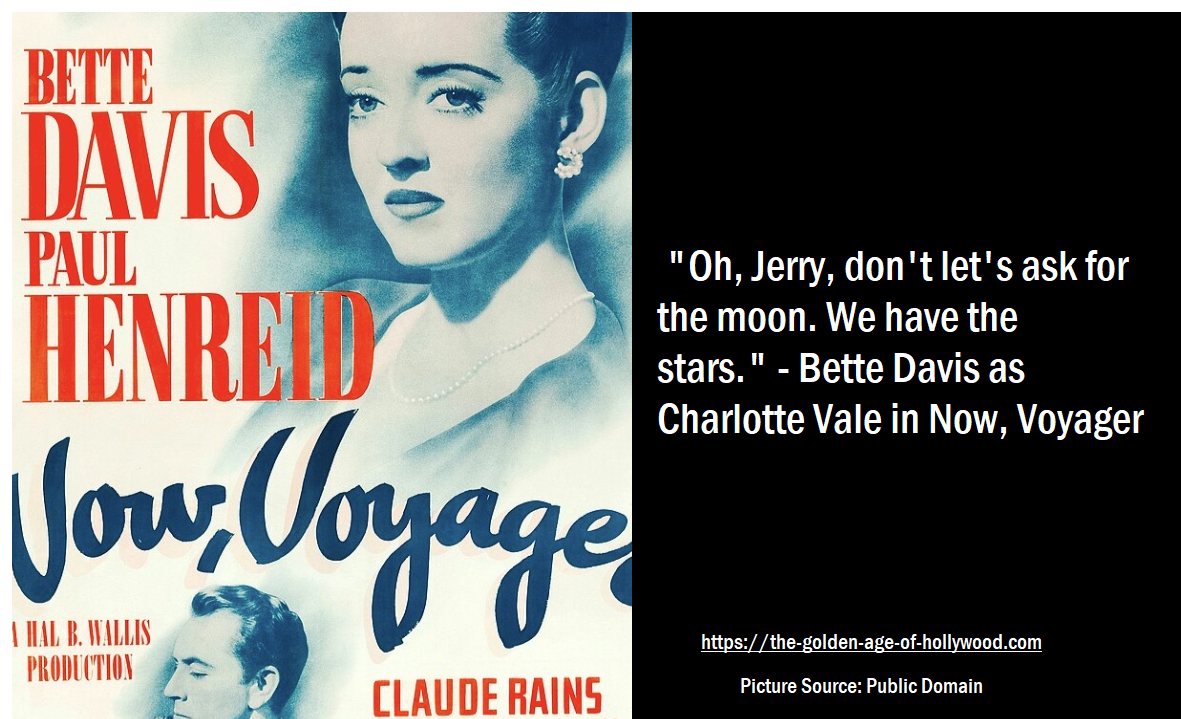
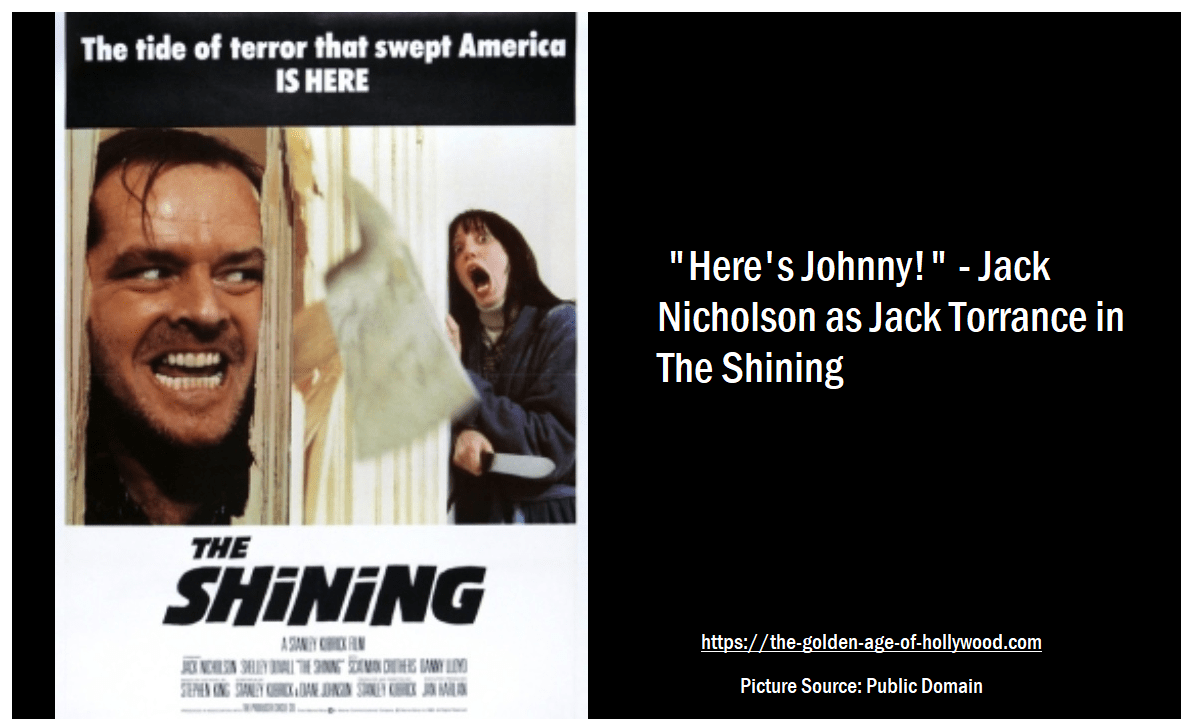
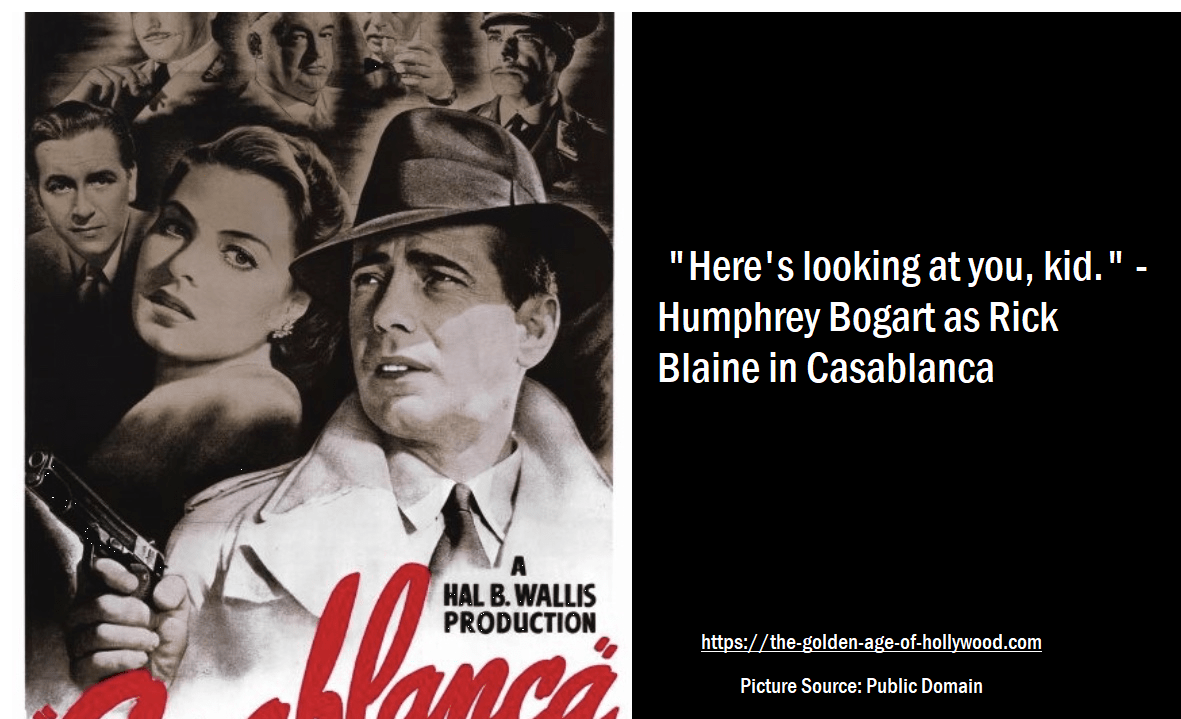
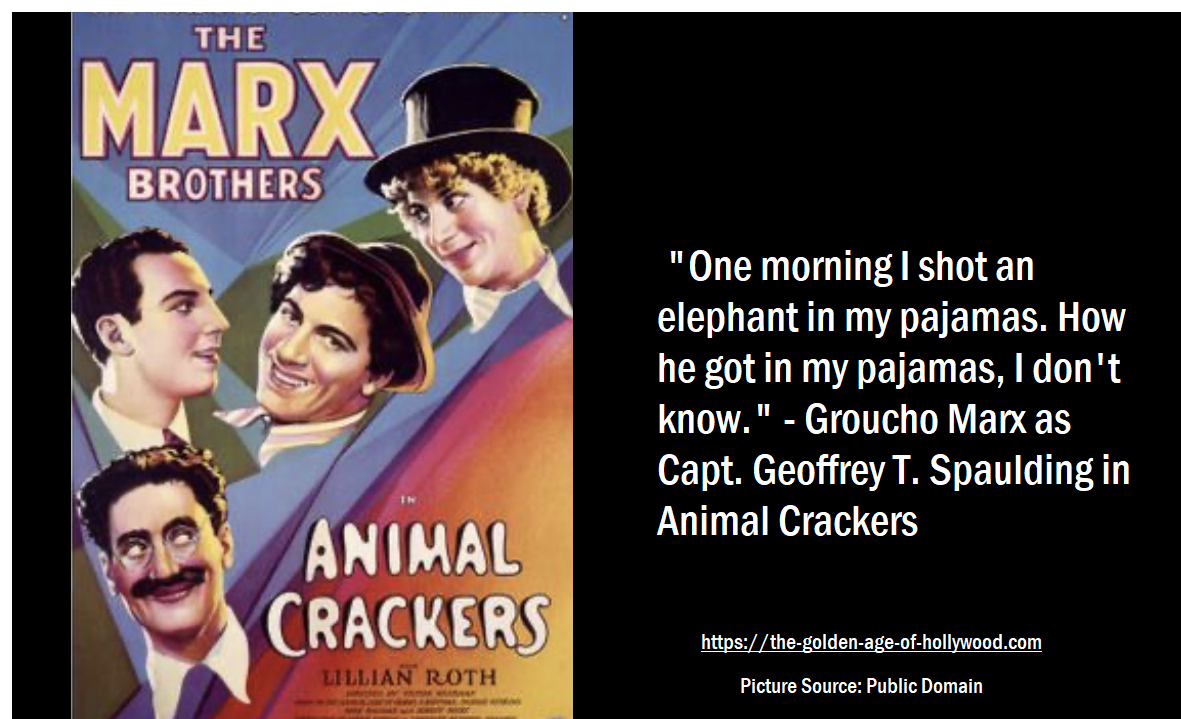
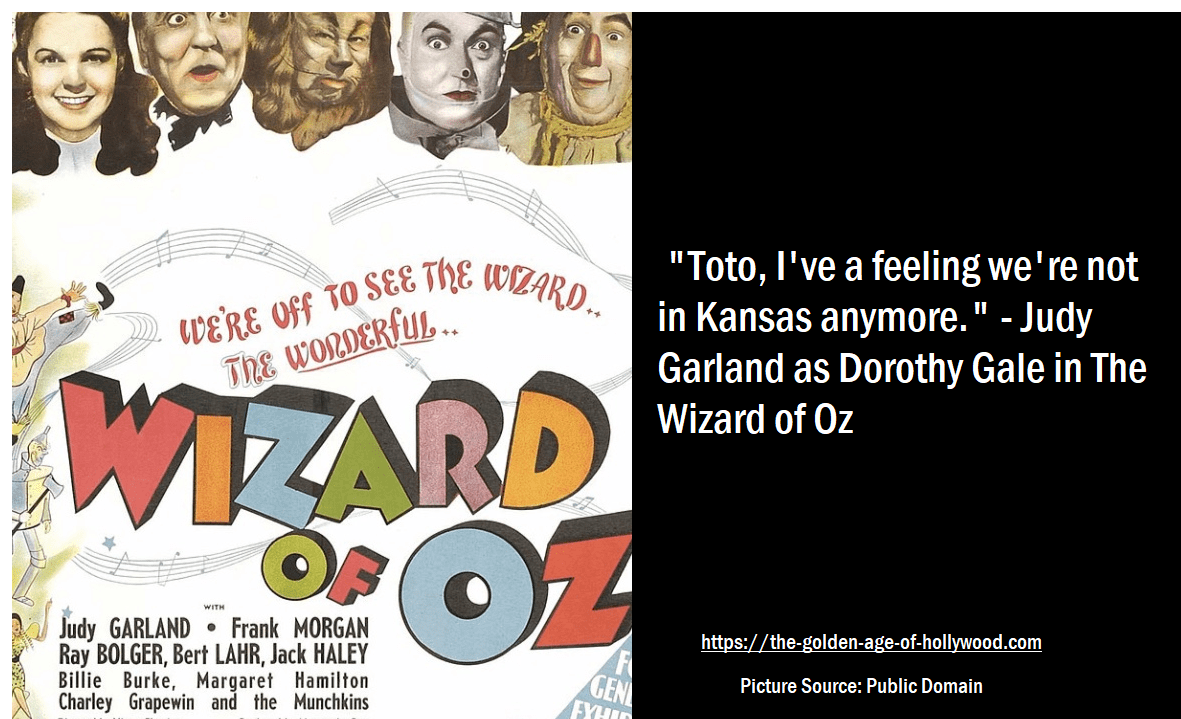
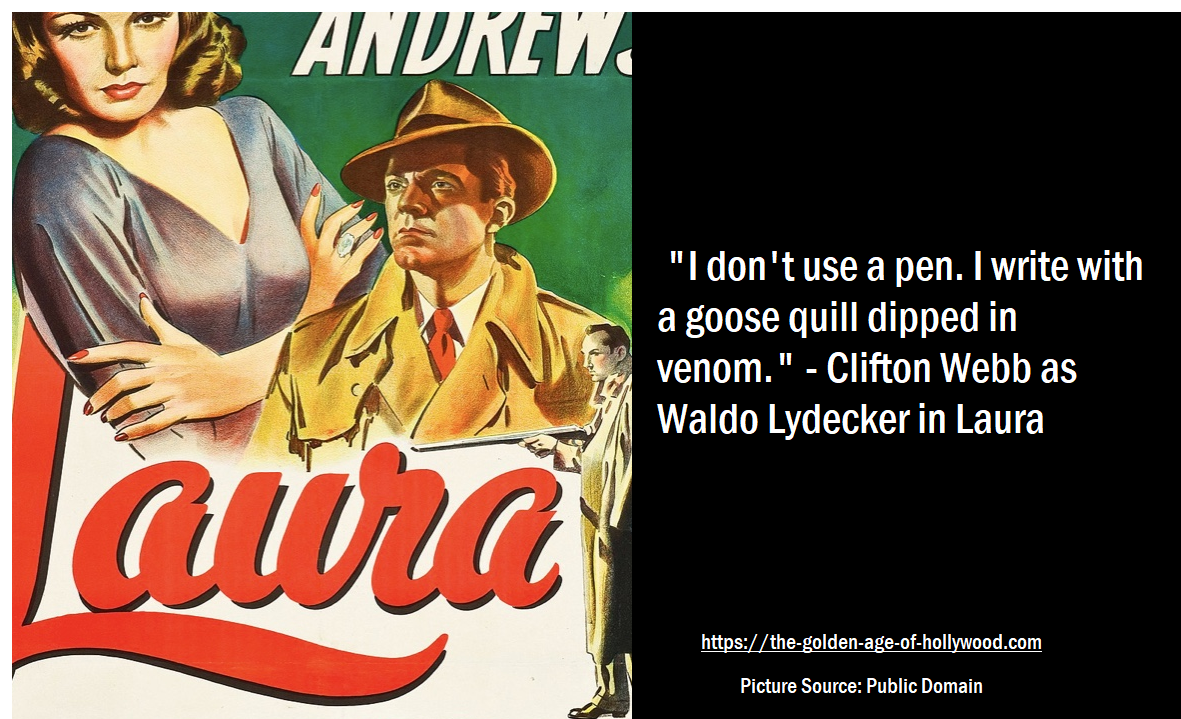
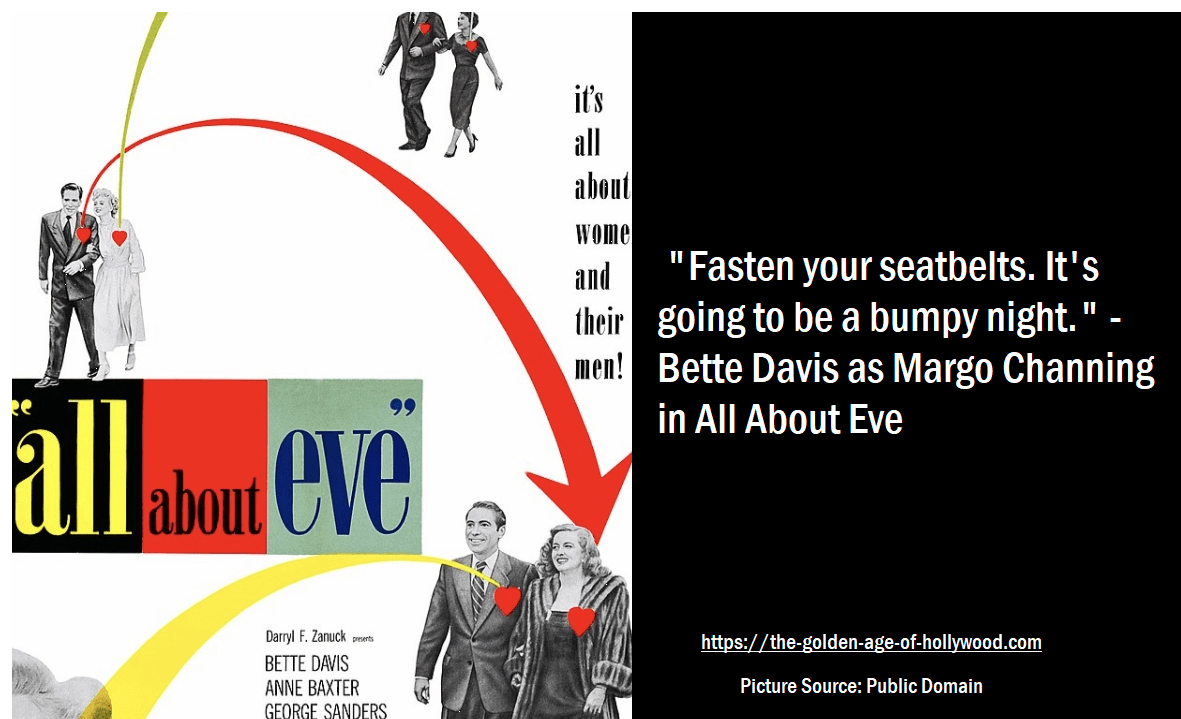
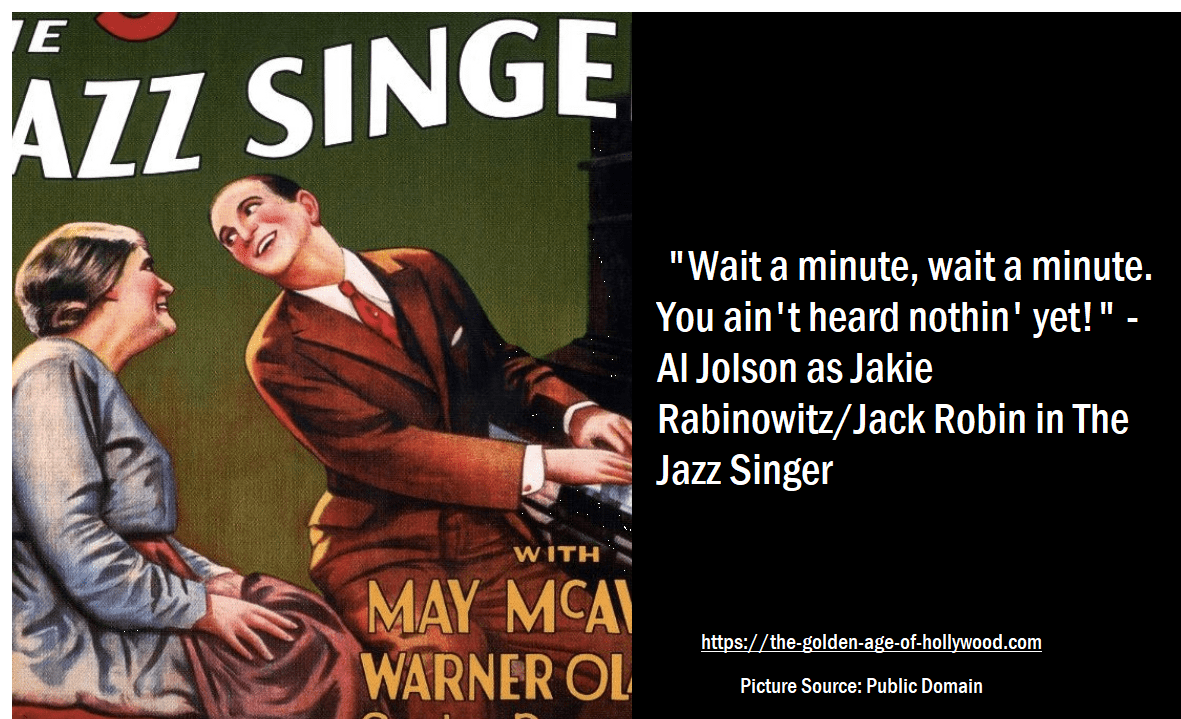
Favourite Movie Quote of the 20th Century Poll
Result: 28% v 72%
Result: 42% v 58%
Result: 61% v 39%
Result: 18% v 82%
Last Sixteen
Result: 67% v 33%
Result: 52% v 48%
Result: 42% v 58%
My latest Golden Age of Hollywood article for the Seaside News appears on page 40 of the magazine
My latest translation, the Dutch version of Operation Watchmaker, Eve’s War Heroines of SOE, book eight.
Clara Bow’s forty-eighth movie was Dangerous Curves, produced between April 17 and May 13, 1929, and released on July 13, 1929. Clara played Pat Delaney, a bareback rider.
The character of Pat Delaney was closer to the real Clara than any previous role she’d played. The wisecracking remained, but it was tinged with a hidden sorrow and sense of isolation.
Clara’s accent was well suited to her character. However, a fear of the microphone was creeping in. Clara would involuntarily stare at the microphone as it appeared overhead. This ruined the scenes and distressed her.
What is often overlooked in reviews of Clara Bow’s career is that she was the ultimate professional. Even though her private life was often in turmoil, she took filmmaking seriously, and took pride in her performances. Clara felt that she was letting people down. As ever, she was being too hard on herself.
Favourite Movie Quote of the 20th Century, Second Round
Delighted to say that Tula, book one in my Golden Age of Hollywood series, is currently in the top fifty of Amazon’s Psychological Fiction chart 🙂
Amazon informs me that “This is what customers read after reading Tula.”
Naturally, I’m delighted that my Golden Age of Hollywood novel should find a place amongst such august company 🙂
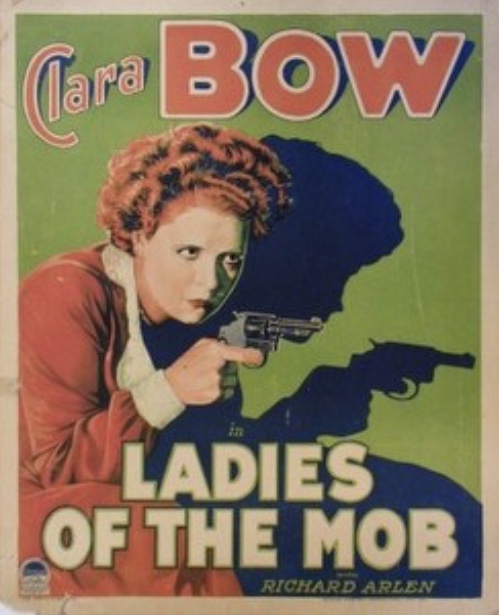
Clara Bow’s forty-fourth movie was Ladies of the Mob produced between April 10 and May 1, 1928, and released on June 30, 1928. Clara played Yvonne in a true story about a lifer in Folsom Prison.
Writer Elinor Glyn and MGM executive Paul Bern recognised that Clara had the potential to become a great serious/tragic actress and that she was better suited to these roles than the frivolous comedies that producer B.P. Schulberg placed her in. Clara too wanted to take on more challenging roles.
Ladies of the Mob offered Clara a chance to display her full acting talent. However, first Schulberg wanted her to act in more money spinners, the frivolous comedies. How could Clara get out of these comedies without breaking her contract?
Clara came up with a solution. For some time, she had been suffering from abdominal pains, diagnosed as appendicitis. She decided that now was the time to have an operation. Clara was not well educated, but she was street smart.
Clara Bow in 1922 the year she filmed Down to the Sea in Ships, regarded by some as her first movie because the five scenes she filmed for Beyond the Rainbow earlier in 1922 were cut from the final print, only to be restored when she became a star. Her billing in Beyond the Rainbow also moved up from ninth to third when she achieved stardom.
Ruth Chatterton (December 24, 1892 – November 24, 1961) in Unfaithful (1931). Ruth was a stage, film, television actress and a novelist. In the 1930s she was also an aviator, one of the few female pilots in the United States at the time, which ties-in with my latest Hollywood novel, Sunshine.
At the 1947 Academy Awards, Joan Fontaine presented the Best Actor Award, Ray Milland presented the Best Actress Award, while Lana Turner presented the “Scoring Awards” 🤔
Favourite Movie Quote of the 20th Century Poll
Result: 67% v 33%
Result: 75% v 25%
Result: 46% v 54%
Result: 87% v 13%
Result: 28% v 72%
Result: 65% v 35%
Result: 83% v 17%
My latest article for the Seaside News, about The 39 Steps, appears on page 40 of the magazine.
Packed with shorts stories, articles, puzzles, recipes and so much more, the latest issue of Mom’s Favorite Reads.
Images from my garden this week.
My article about SOE heroine Anne-Marie Walters appears on page 20 of the magazine.
I’m enjoying Paula’s narration of Operation Locksmith, book two in my Eve’s War Heroines of SOE Series. Normally, I don’t like listening to my own words, but it’s great fun to be a part of this production.
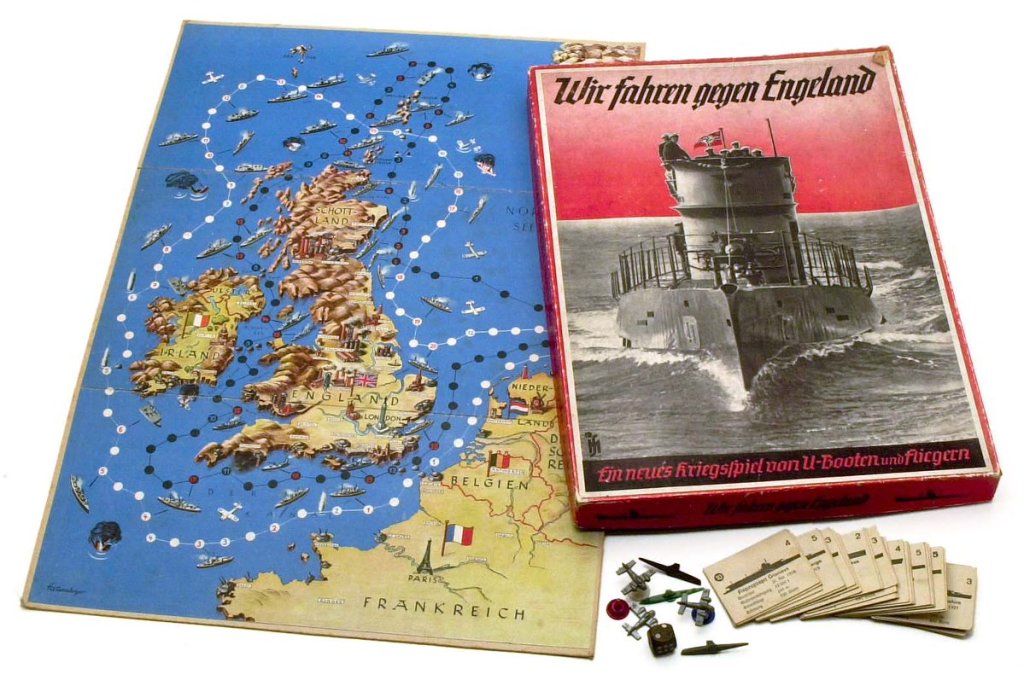
Nazi board game from 1941 – Wir fahren gegen England (We go against England).
“Fun for all the family.”
Normandy, 1944. While the battle rages, a Frenchwoman pours a drink for a British soldier.
We have more sheep than people 🙂
Walking through the clouds on Pen-y-Fan this week.
Basically, my approach to writing.
Hannah Arendt on Writing:
Gaus: Do you write easily? Do you formulate ideas easily?
Arendt: Sometimes I do; sometimes I don’t. But in general I can tell you that I never write until I can, so to speak, take dictation from myself…Usually I write it all down only once.
The organisational aspect of D-Day never ceases to amaze me. 2 August 1944. The French 2nd Armored Division arrived in France, landing at Utah Beach, Normandy. The division served under General Patton as part of the US Third Army.
Two weeks later, they helped to liberate Paris.
I’m really getting into my character Eve in my Eve’s War series, so much so that when she met a Maquis leader today and they shared cheese as a peace offering it gave me a strong urge to eat cheese. Tomorrow, Eve blows up a railway line. I hope I don’t get a strong urge to play with dynamite 🤣
On this date, with the First World War ten days old, George Bernard Shaw wrote an article urging both sides to shoot their officers and go home.
An inspiration for Guy Samson in my Eve’s War Heroines of SOE series, Francis Charles Albert Cammaerts was born in London on 16 June 1916. Under the code name Roger he was an agent of the Special Operations Executive. His parents were Professor Emile Cammaerts, a Belgian poet, and Tita Brand, a successful actress.
Francis Cammaerts
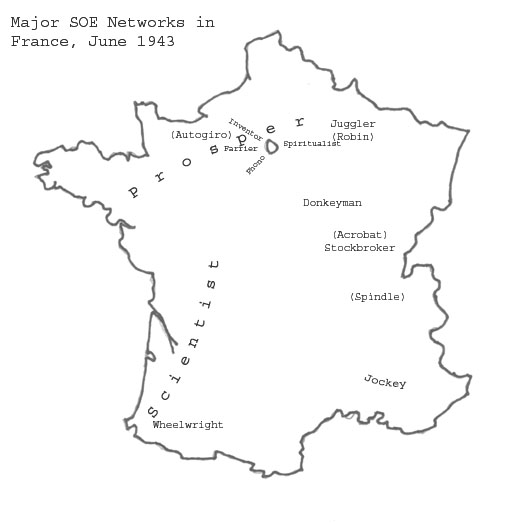
At the beginning of the Second World War, Cammaerts declared himself a conscientious objector. However, in October 1942 he joined the SOE and between March 1943 and September 1944 he led the Jockey network in southeastern France. Considered during training as more intellectual than practical he, nevertheless, completed the course with distinction.
Cammaerts became a pacifist in the 1930s while studying at Cambridge. After university, he established a teaching career where he met fellow teacher and pacifist Harry Rée. After much soul searching, Harry decided to join the SOE. This decision, along with the death of his brother, Pieter, who served in the RAF, convinced Cammaerts that he too should place his pasifist beliefs to one side and join the SOE.
Regarded as one of the finest male agents, Cammaerts recruited locals to the Resistance networks, supplying them with arms and training. He completed two tours as an SOE agent, totalling fifteen months, a period far longer than the average time served by an agent in France. He never stayed in the same house for more than three or four nights. Furthermore, he avoided hotels as their registers were checked by the Gestapo and French police, stayed clear of large railway stations and never told anyone of his plans.
In the Jockey network, Cammaerts linked up with wireless operator Auguste Fioras. On 27 May 1943, the pair sent their first message to SOE headquarters in London while Fioras went on to transmit 416 wireless messages during 1943 and 1944, a record for an SOE wireless operator.
Cammaerts’ Jockey circuit, which had developed to include over 10,000 people, played a crucial role in the action that followed the D-Day landings. His men and women cut communication and railway lines, which severely hindered the movements of Nazi troops and armaments.
Aware of the risks the locals were taking, Cammaerts always informed them that he was an SOE agent and reminded them of the consequences should anyone talk or be caught. Despite this, he always received a warm welcome. Later, along with many other agents, he gave a great deal of credit to the ordinary French citizens who provided him and his colleagues with safety and support. In the television series Secret Agent, broadcast in 2000, Cammaerts said, “The most important element was the French housewife who fed us, clothed us and kept us cheerful.”
At 193 cm tall and with feet so large his nickname in France was “Big Feet”, Cammaerts feared that he would attract the Gestapo’s attention. Furthermore, he spoke French with a noticeable Belgian accent, which made him vulnerable to informers in the Malice. His security fears were realised on 13 August 1944 when he was arrested at a roadblock by the Gestapo. He was taken to Digne prison where he was beaten and interrogated. During the interrogation, he insisted that he was involved in the black market, a cover story he concocted to account for the large sum of money he carried about his person.
Even though Cammaerts was the most important SOE agent in southeastern France, the Gestapo didn’t realise that they had captured him. Nevertheless, they suspected that he belonged to the Resistance and arranged his execution.
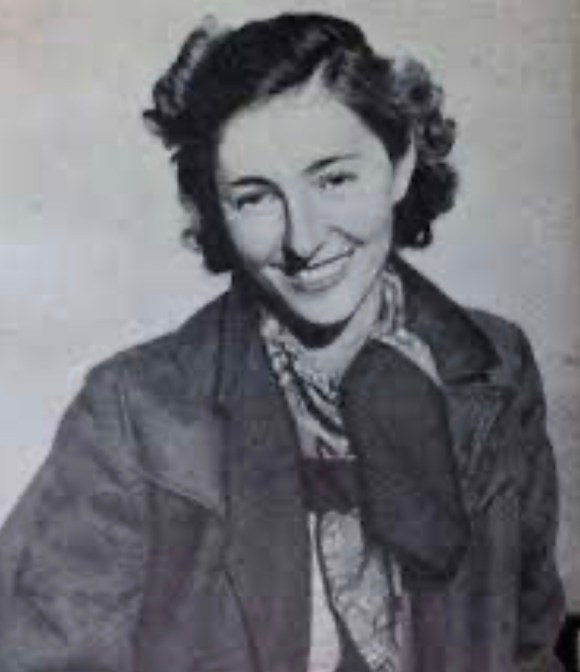
Christine Granville
However, on 17 August 1944, two days before the Allied invasion of southern France, fellow agent and courier Christine Granville (aka Krystyna Skarbek) helped him to escape. Christine confronted two collaborators, Albert Schenck, a French liaison officer to the Gestapo, and Max Waem, a Belgian interpreter for the Gestapo. She told them that the Allied troops would arrive within hours and that if they did not cooperate they would be condemned as Nazi collaborators. Under threat from the avenging locals, Schenck and Waem secured Cammaerts’ release.
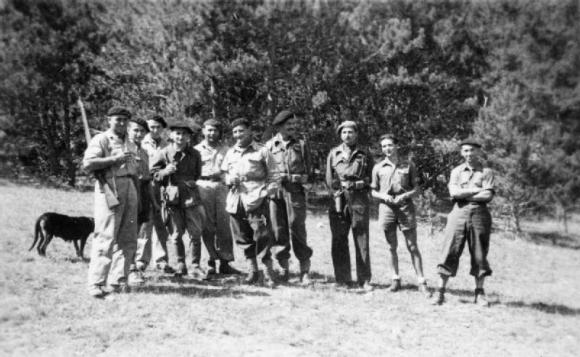
Maquisards with Christine Granville, second from right
In March 1945, Cammaerts joined the Special Allied Airborne Reconnaissance Force. The SAARF’s main objective was to assist in the reconstruction work in Germany after the fall of Hitler. For Cammaerts this meant dealing with the aftermath of the newly liberated concentration camps. Understandably, he was appalled by what he saw and later said, “The SAARF period was blank and grey and one of those certain areas in my life when I didn’t know what I was doing.”
During his pacifist period, Cammaerts met Nancy Findlay (Nan), and they married on 15 March 1941. Over the following decades, the couple had four children, three girls and a boy.
In 1948, Cammaerts became the first Director of the Central Bureau for Educational Visits and Exchanges, a UNESCO agency. Four years later, he returned to teaching. He was the subject of This Is Your Life in 1958 and in 1959appeared for the defence in the notorious Lady Chatterley’s Lover trial, a case won by the publisher, Penguin Books, and the author, D.H. Lawrence.
Further teaching posts in Britain and Africa followed. Throughout his career, Cammaerts won high praise as an innovative educator. He finally retired in 1987 to live in the south of France. He died there in 2006.
Another new project, the translation of The Olive Tree: Roots into Spanish. This series is about the Spanish Civil War so I’m delighted that the books are being translated into Spanish.
Chess and music are two of my passions. This is brilliant, a U2 cover of “Sunday Bloody Sunday” performed by Juga. The lyrics, by Vladimir Kramnik, refer to his World Championship match with Garry Kasparov.
My article about SOE agent Alix d’Unienville appears on page 20 of the magazine. Lots of other interesting features too 🙂
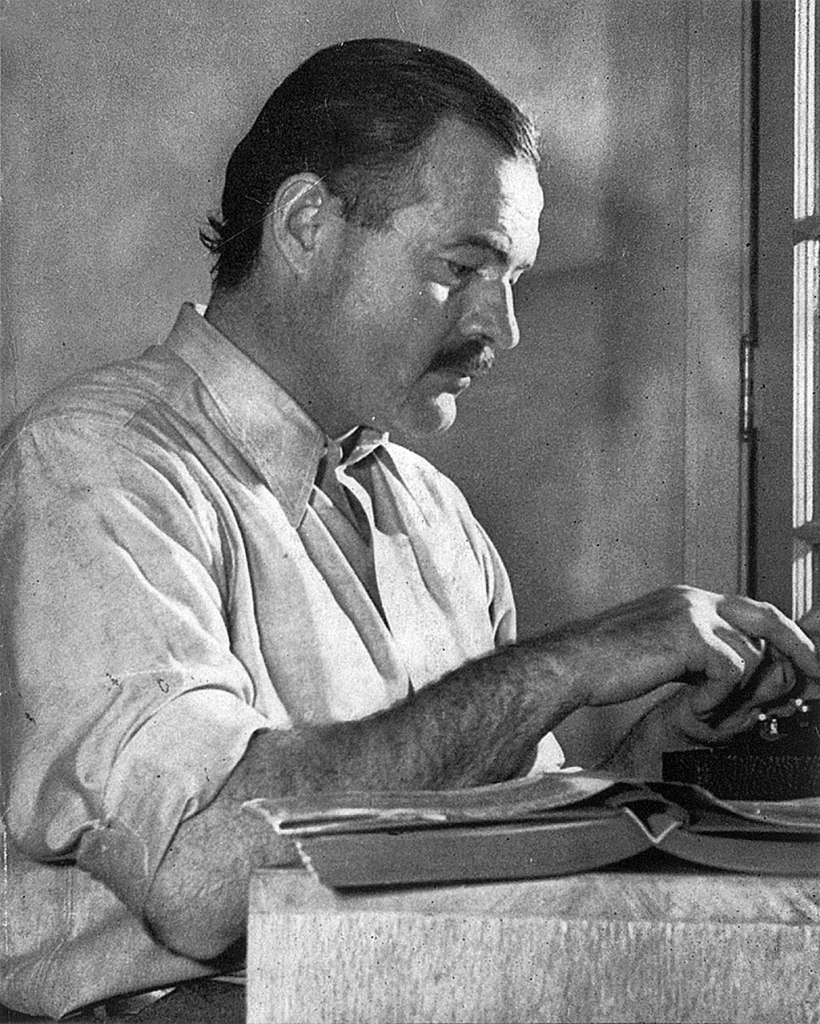
“There is nothing to writing. All you do is sit down at a typewriter and bleed.” – Ernest Hemingway
Difficult times for everyone at the moment with some political leaders making it even more difficult than it needs to be. Hopefully, this calendar will help you in some small way.
Resistance Couples
Lucie Samuel, better known as Lucie Aubrac, was born on 29 June 1912. A history teacher in peacetime, Lucie became a leading member of the French Resistance.
In 1939, Lucie married Raymond Aubrac and after the Nazis occupied France in 1940 the couple joined the Resistance. In 1941, the Aubrac’s group sabotaged the train stations at Perpignan and Cannes, and distributed thousands of anti-Nazi flyers.
Lucie and Raymond Aubrac
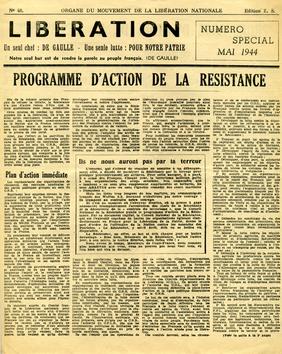
Despite harassment and threats from the Nazis, the Aubracs published an underground newspaper, Libération. With the help of local printers and trade-unionists, 10,000 copies of Libération were produced and distributed in July 1941, bringing news and hope to the French people; a reminder that the pen is indeed mightier than the sword.
An issue of Libération
In March 1943, the Gestapo arrested Raymond. In May, they released him, only to arrest him again in June. With Raymond sentenced to death, Lucie concocted an audacious escape plan.
Under French law, engaged couples were allowed to marry if one of them was soon to die. Therefore, Lucie claimed that Raymond was her fiancé. She was pregnant at the time, carrying her second child (of three).
Lucie informed the Nazis that Raymond’s name was “Ermelin” (one of his many aliases) and that he had been caught in a raid while innocently visiting a doctor. She claimed that she was unmarried and that Raymond was the father of her expected child.
Furthermore, Lucie pleaded with the Gestapo that they should allow Raymond to marry her before his execution. The Gestapo believed her story and granted her wish.
Later, after the ‘marriage’ ceremony, as the Gestapo escorted Raymond back to his prison the local Resistance executed Lucie’s plan. In cars, they ambushed the prison lorry and liberated fifteen prisoners. In the melee, Lucie freed Raymond and the couple escaped.
In 1944, Lucie was the first woman to sit in a French parliamentary assembly and in 1945 she published a short history of the French Resistance.
Outwitting the Gestapo, a semi-fictional version of Lucie’s wartime diaries, followed in 1984. Lucie published her book after notorious psychopath, Klaus Barbie ‘The Butcher of Leon’ claimed that Raymond had betrayed the Resistance after his arrest.
Undoubtedly, there were factions and conflicts within the Resistance, particularly between the Gaullists and the Communists. As a result of these conflicts, betrayals did occur. However, when seeking the truth it is difficult to place great faith in a psychopath, particularly one who had reason to hate the Aubracs.
In support of the Aubracs, twenty leading Resistance survivors published a letter, condemning the accusations. Voluntarily, the Aubracs appeared before a panel of leading French historians. After examining the case, the historians concluded that Raymond was not a traitor.
To date, the Aubracs’ story has featured in two films – Boulevard des hirondelles, 1992, and Lucie Aubrac, 1997. While, in 1996, Lucie was awarded the Legion of Honor by the French government for her heroism during the Second World War.
President Nicolas Sarkozy, in a statement after Raymond’s death in 2012, said that Raymond’s escape from the Nazis had “become a legend in the history of the Resistance” and praised him and all Resistance members as “heroes of the shadows who saved France’s honor, at a time when it seemed lost.”
While President François Hollande said, “In our darkest times, he [Raymond] was, with Lucie Aubrac, among the righteous, who found, in themselves and in the universal values of our Republic, the strength to resist Nazi barbarism.”
Lucie once said: “Resistance is not just something locked away in the period 1939-45. Resistance is a way of life, an intellectual and emotional reaction to anything which threatens human liberty.”
















































 Hannah Howe