
Dear Reader,
Clara Bow’s twenty-seventh movie was The Best Bad Man, released by Fox, November 29, 1925. Clara played Peggy Swain. A co-star was ‘Tony the Wonder Horse’ who played himself.
Loaned out by B.P. Schulberg, Clara was hopelessly miscast as a frontier gal in a vehicle for cowboy star Tom Mix. After the success of Clara’s previous movie, The Plastic Age, The Best Bad Man was a backward step.
B.P. Schulberg was a ‘dollars and cents’ producer with no real feel for artistry or a person’s career. Schulberg helped Clara to become a star, but without his help she would have become a star sooner.

Why did Clara Bow quit Hollywood at the height of her fame? I believe there were numerous reasons, and I will explore them in a future article. Certainly, Hollywood did not abandon Clara. The offers continued to roll in. They included three offers for long-term contracts with major film companies ranging from $100,000 to $175,000 per picture, an offer of $150,000 plus a percentage for one picture, and two profit-sharing offers from independent producers. Clara also rejected product endorsements, radio shows, personal appearances and Broadway productions, turning her back on $10,000 – $20,000 a week.

My latest translations, the Dutch version of Operation Sherlock, book five in my Eve’s War Heroines of SOE series, and the Afrikaans version of Love and Bullets, book two in my Sam Smith Mystery Series.


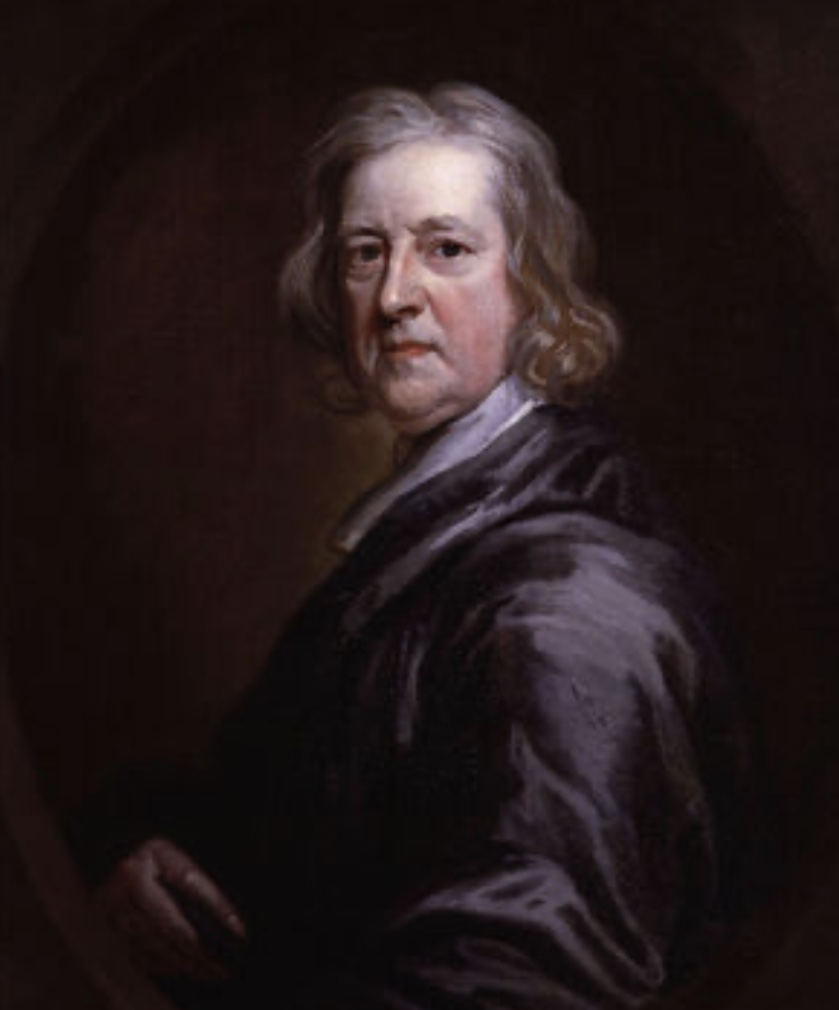
My 10 x great grandparents Thomas Papillon and Jane Brodnax.
In 1667, Thomas was in Breda, Holland as a representative of the East India Company to observe progress in the Treaty of Peace between England and Holland. Thomas exchanged a number of letters with Jane. Her letters survived and have been transcribed.
In this letter of May 31, 1667, Jane talks about their children: Elizabeth, Philip, Sarah and Ann Mary/Anna Maria, my direct ancestor.
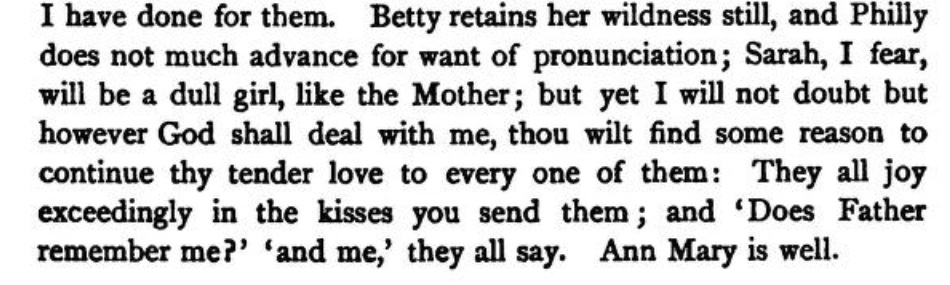
Later in the letter, Jane requests that Thomas returns home with some fresh linen. And “a little cheese.”

My 5 x great grandmother Grace Austin was born on 22 July 1786 in Barking, Essex and baptised on 20 August 1786 in St Margaret’s, Barking (pictured, Wikipedia). She was the fourth born of eight children. Her family lived in relative comfort although, in common with many females of her time, she was not taught how to read and write.

My 5 x great grandparents Samuel Axe and Grace Austin married on 22 September 1803 in Saint Luke Old Street, Finsbury, London (pictured, Wikipedia). Both bride and groom were seventeen years old. Grace’s parents, Isaac Austin and Mary Chetwynd, were also seventeen when they married. Maybe seventeen was the family’s lucky number.

Married to Samuel Axe, between 1805 and 1821 my 5 x great grandmother Grace Austin gave birth to eight children. However, in September 1815, Samuel had an affair with Maria Hammant. We know this because Maria claimed parish relief for her baby. Grace forgave Samuel and gave birth to two more children.

On 25 July 1823, at the age of 37, my 5 x great grandmother Grace Austin died. Her birthing pattern suggests that she was due to give birth to her ninth child, so maybe that was a factor. Grace was buried in Bunhill Fields, Islington (pictured, Wikipedia) alongside such notables as John Bunyan, Daniel Defoe and Susanna Wesley. The common factor: nonconformity. This branch of my family, along with many others, was very strong on nonconformity.

My 6 x great grandmother Mary Chetwynd was born on 7 June 1759 in Barking, Essex and baptised three days later in St Margaret’s, Barking. On 30 January 1777, Mary married Isaac Austin in St Margaret’s. Mary gave birth to at least eight children.
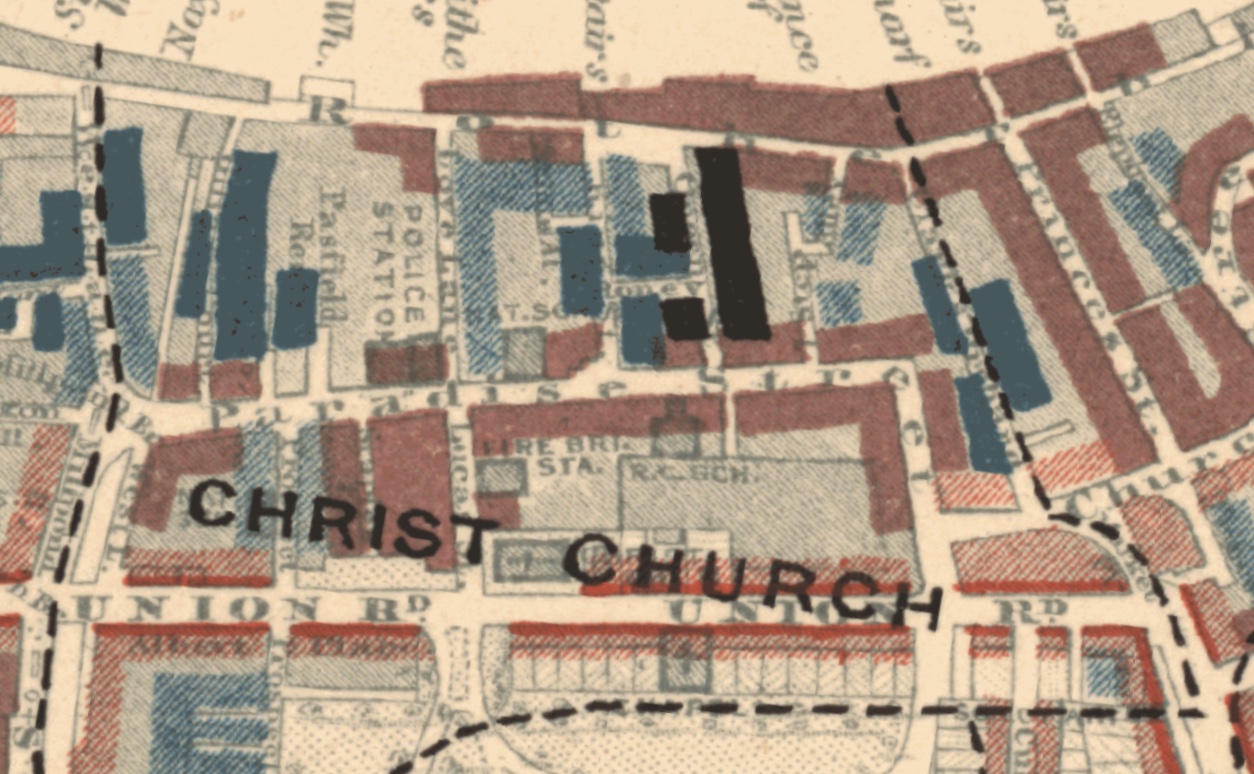
Mary lived on Paradise Street, just south of the River Thames. In his maps of London, Charles Booth described Paradise Street as a ‘well-to-do, middle-class’ street.
Mary died on 25 July 1823, five days after her daughter, Grace, died. Almost certainly, Grace’s death was a factor in Mary’s death. Mother and daughter were buried alongside each other in the nonconformist graveyard of Bunhill Fields, Islington.
My latest article for the Seaside News, about Gloria Swanson, features on page 35 of the magazine.

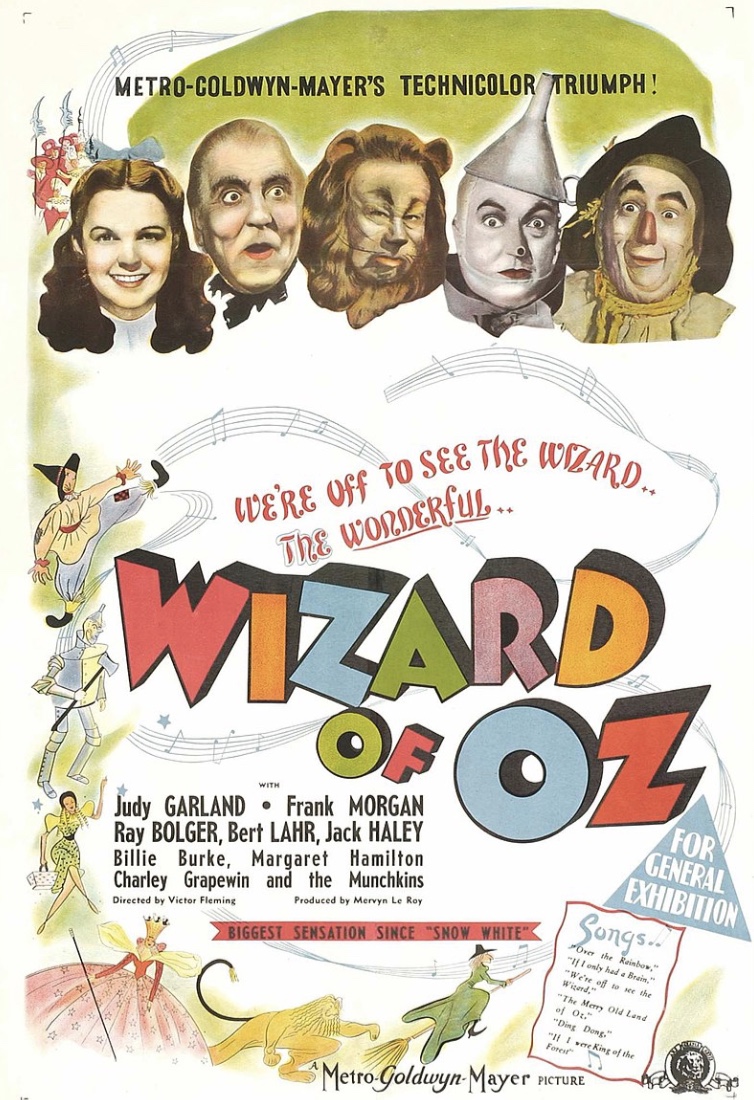
It’s a Wonderful Life 50% v 50% Butch Cassidy and the Sundance Kid
It’s a Wonderful Life won on tie-break


Some Like it Hot 57% v 43% Touch of Evil


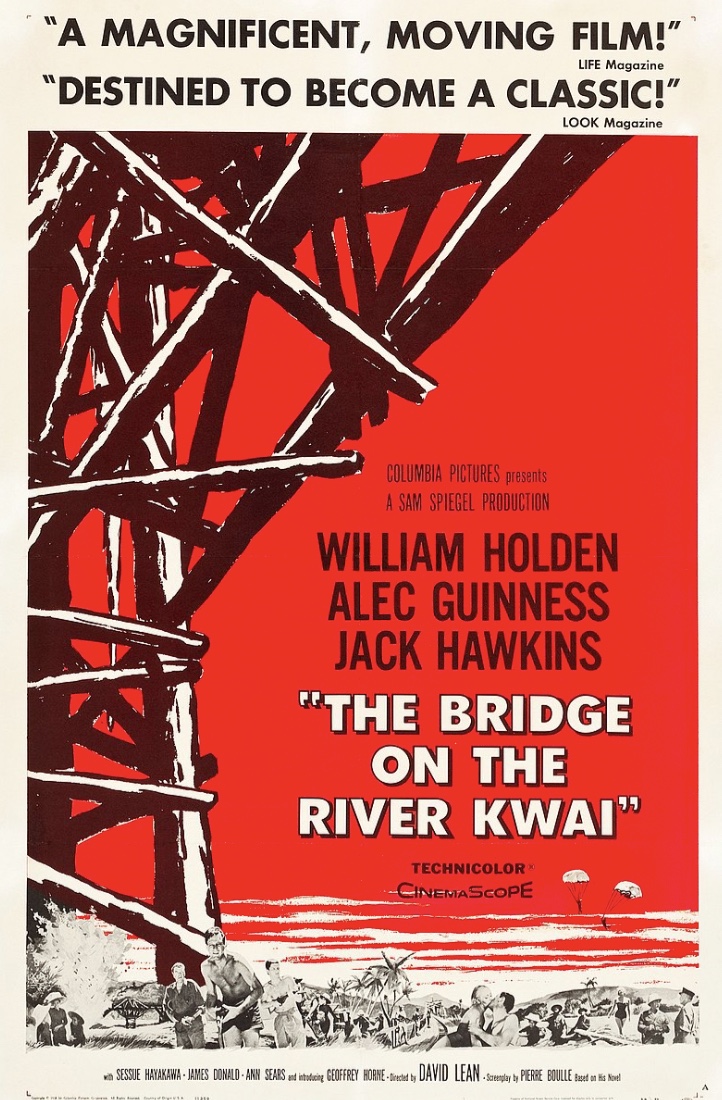
On the Waterfront 57% v 43% From Here to Eternity
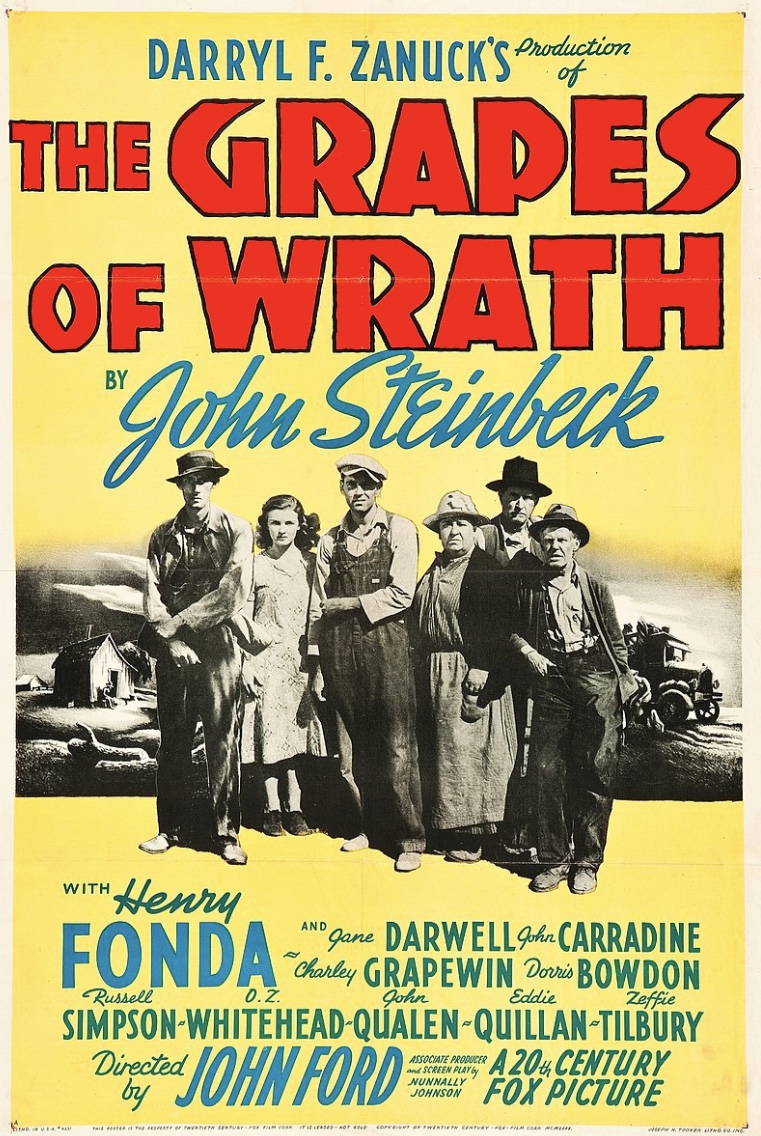

The Grapes of Wrath 59% v 41% Midnight Cowboy


The General 53% v 47% Fantasia
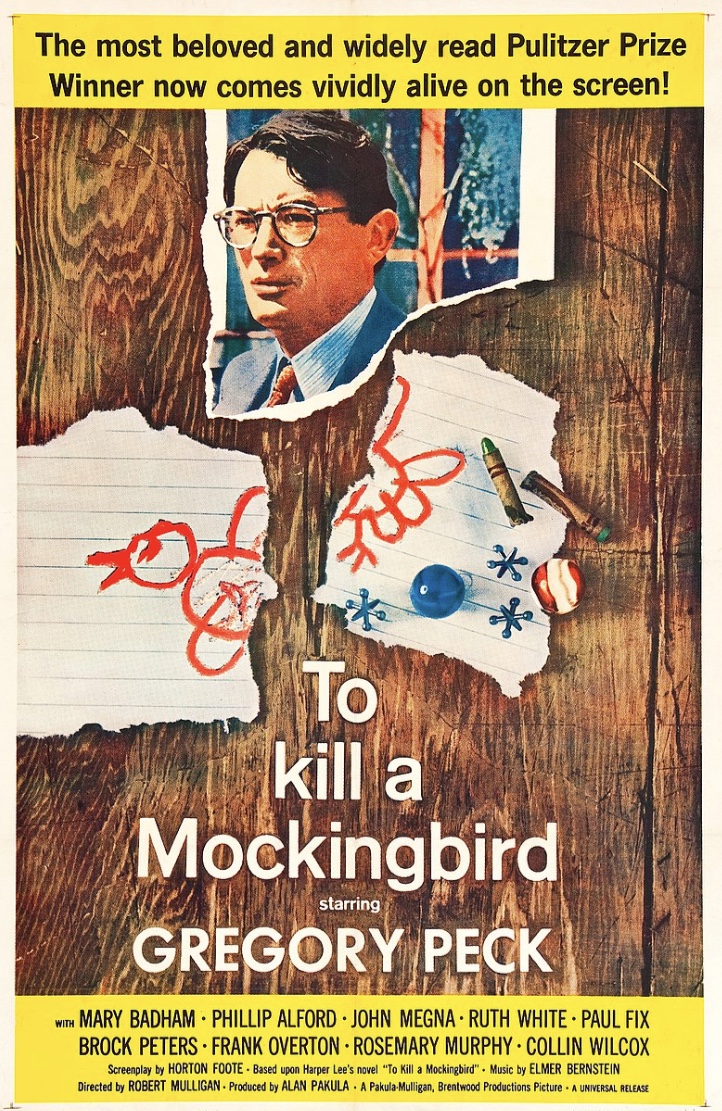

To Kill a Mockingbird 51% v 49% The Philadelphia Story


The Graduate 42% v 58% The Manchurian Candidate
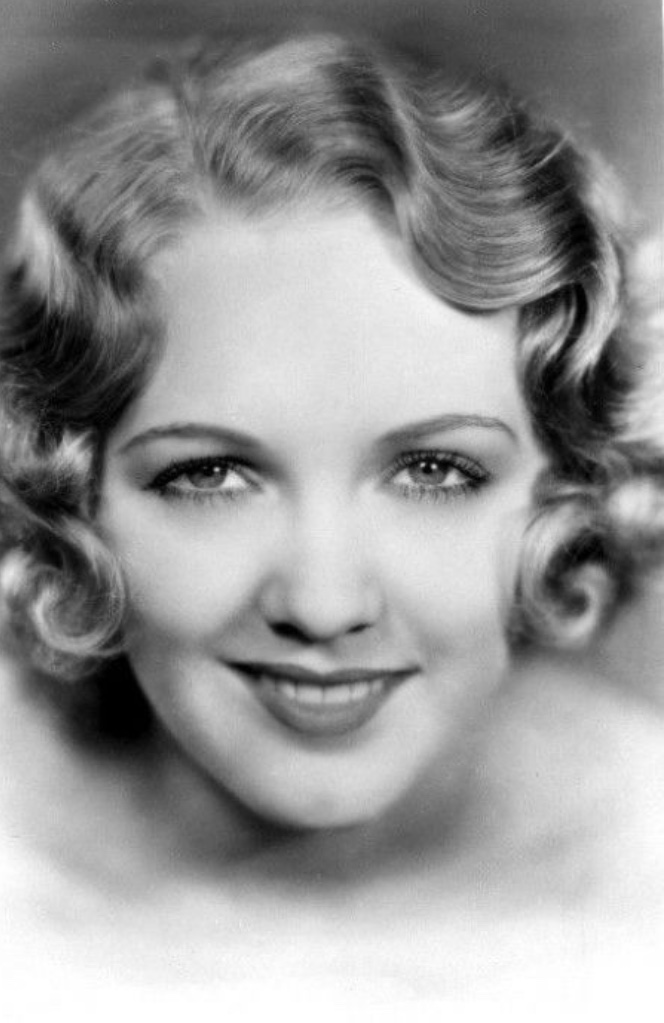
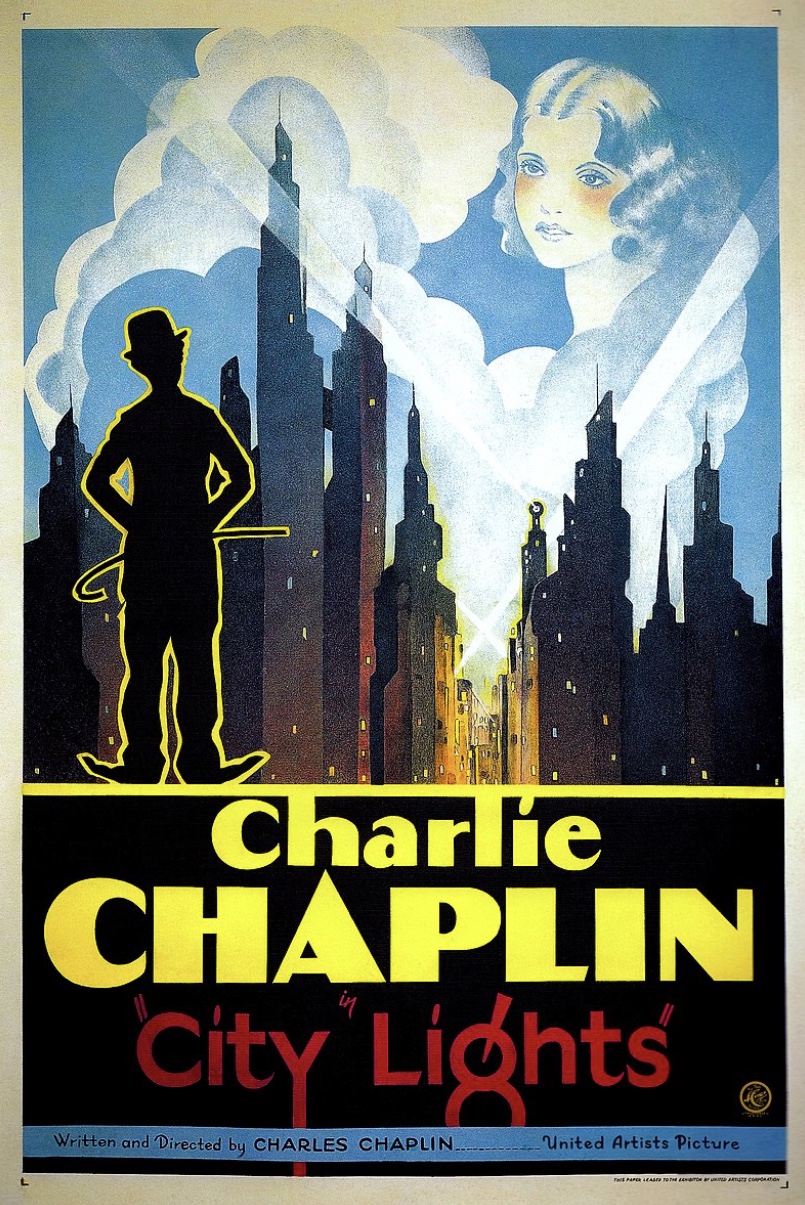
I’m exploring the life and career of Virginia Cherrill, the person who, along with Charlie Chaplin, delivered the “Greatest single piece of acting ever committed to celluloid.”
When she was seventeen, Virginia caught the eye of a handsome young lawyer, Irving Adler. Irving invited her to dances and the theatre. From a high-society Chicago family and with good prospects, Irving had a lot going for him. He proposed marriage, repeatedly, and eventually Virginia said, “yes”.
In the summer of 1926 Virginia and Irving married in secret, often a portent of things to come. Sheltered by an over-protective mother, Virginia’s wedding night came as a shock to her, and the events of that night set the tone for her marriage.
Irving was often away on business. Lonely, and after seventeen months of marriage, Virginia admitted her mistake. She sought a divorce and on 25 November 1927 made her way west, to friends in Hollywood.
I’m researching material for Sunshine, the second book in my Golden Age of Hollywood series. Sunshine is the nickname of the main character, Abigail Summer. The story is set between 1938 and 1946.
The theme song for the novel, so to speak, is “You Are My Sunshine”. The Pine Ridge Boys (Marvin Taylor and Doug Spivey) recorded the song on August 22, 1939, and released it on October 6, 1939 for Bluebird Records. Here’s the iconic recording.
This week’s featured title: Sunshine, book two in my Golden Age of Hollywood series.
As ever, thank you for your interest and support.
Hannah xxx
For Authors
#1 for value with 565,000 readers, The Fussy Librarian has helped my books to reach #1 on 36 occasions.
A special offer from my publisher and the Fussy Librarian. https://authors.thefussylibrarian.com/?ref=goylake
Don’t forget to use the code goylake20 to claim your discount 🙂






 Hannah Howe