Dear Reader,
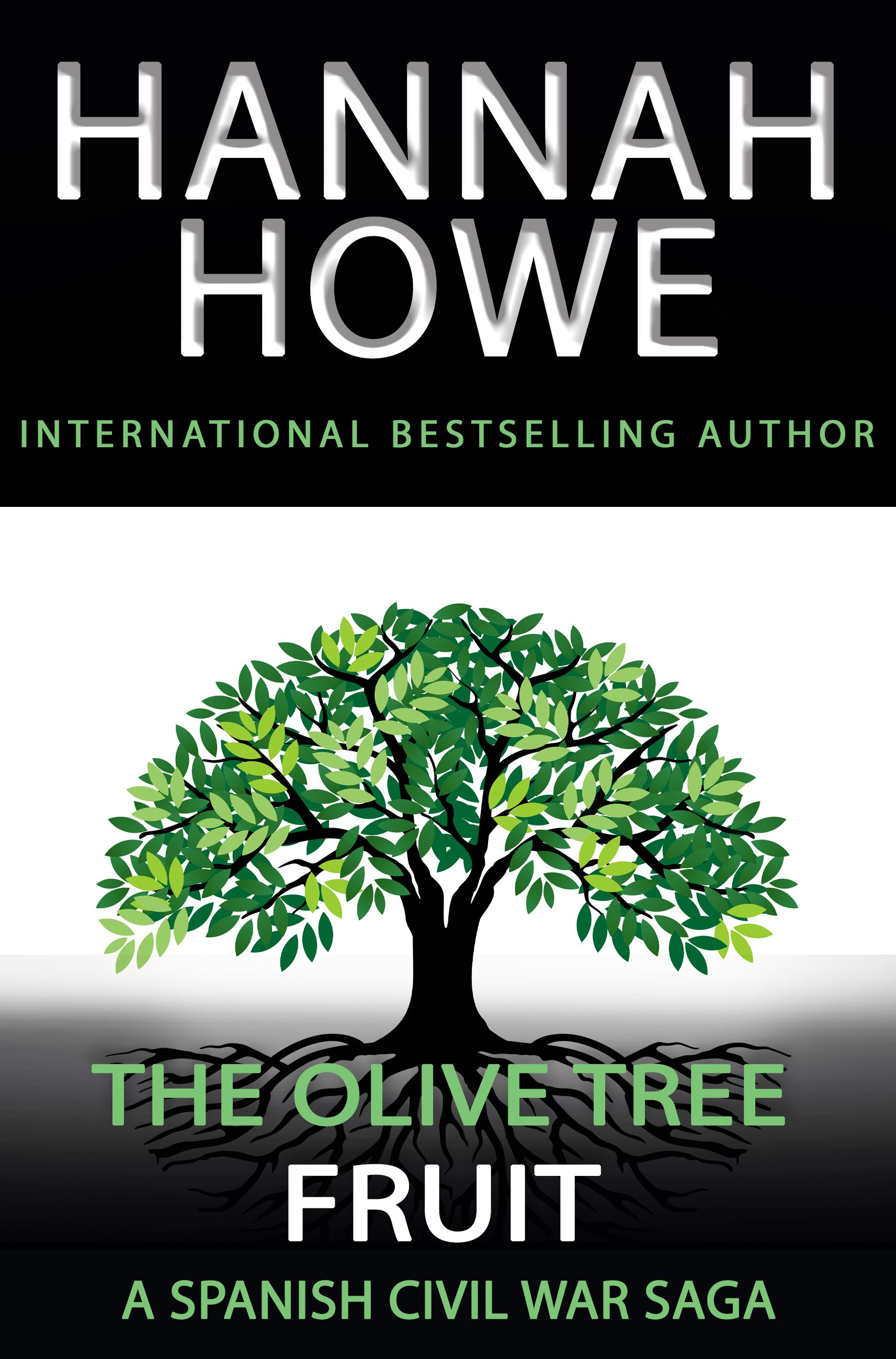
Published this week, The Olive Tree: Fruit, book four of five in my Spanish Civil War Saga.
The blurb:
Christmas 1937. A respite from the fighting allows time for celebrations, and for passions to ignite.
Volunteer nurse Heini Hopkins can deny her feelings no longer: she is attracted to handsome surgeon, Dr Miguel Martinez. However, her love for International Brigades Volunteer Deiniol Price remains strong. What should she do? Which way should she turn?
Meanwhile, author Naomi Parker wrestles with her feelings for the Condor Legion’s ace pilot, Prince Nicolas Esteban. She also falls under suspicion as Luis Rodriguez, the Minister of Propaganda, hunts for a spy in his camp.
Book four in The Olive Tree: A Spanish Civil War Saga places Heini on the frontline where she battles to save Deiniol, and her heart.
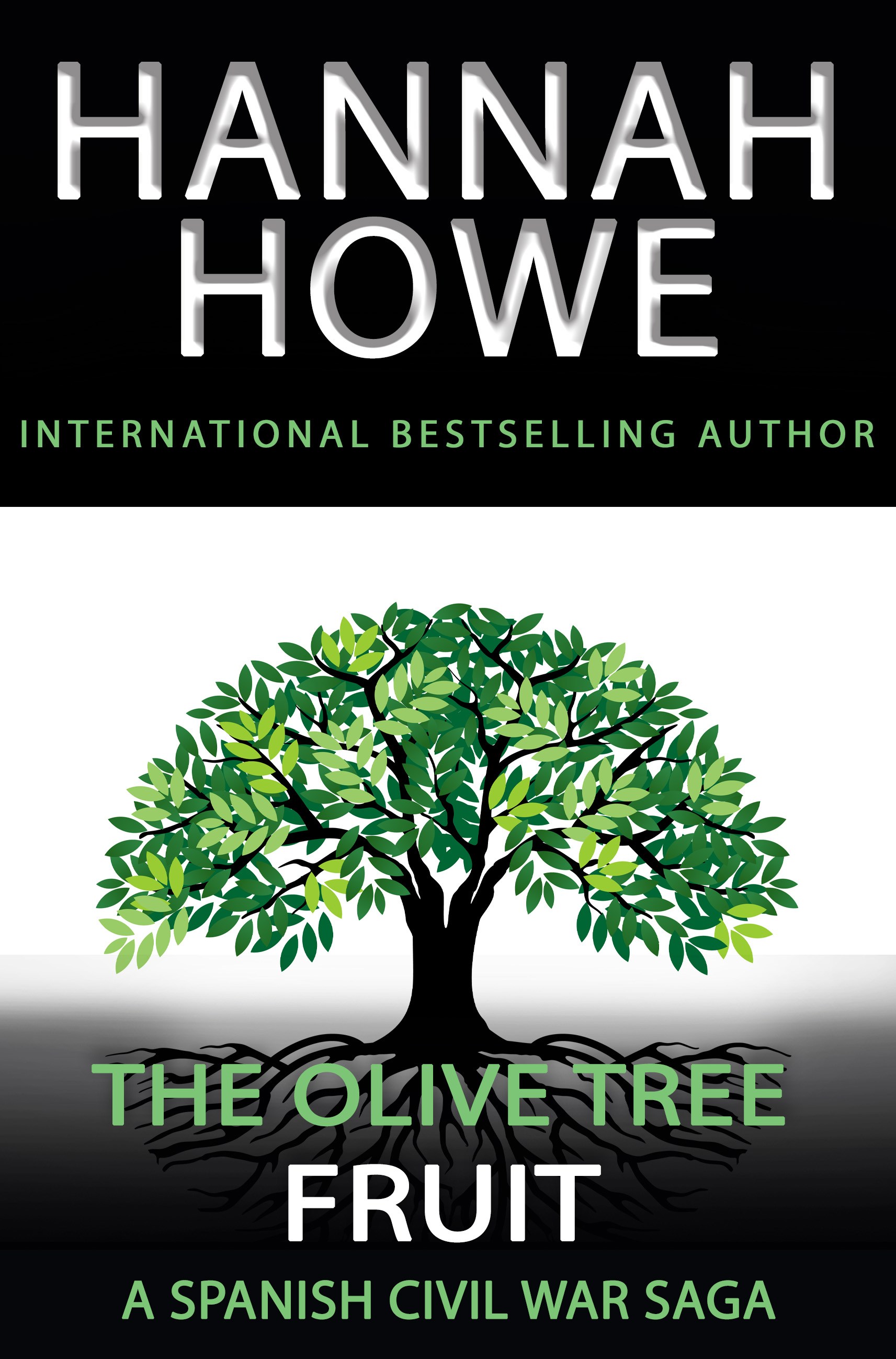
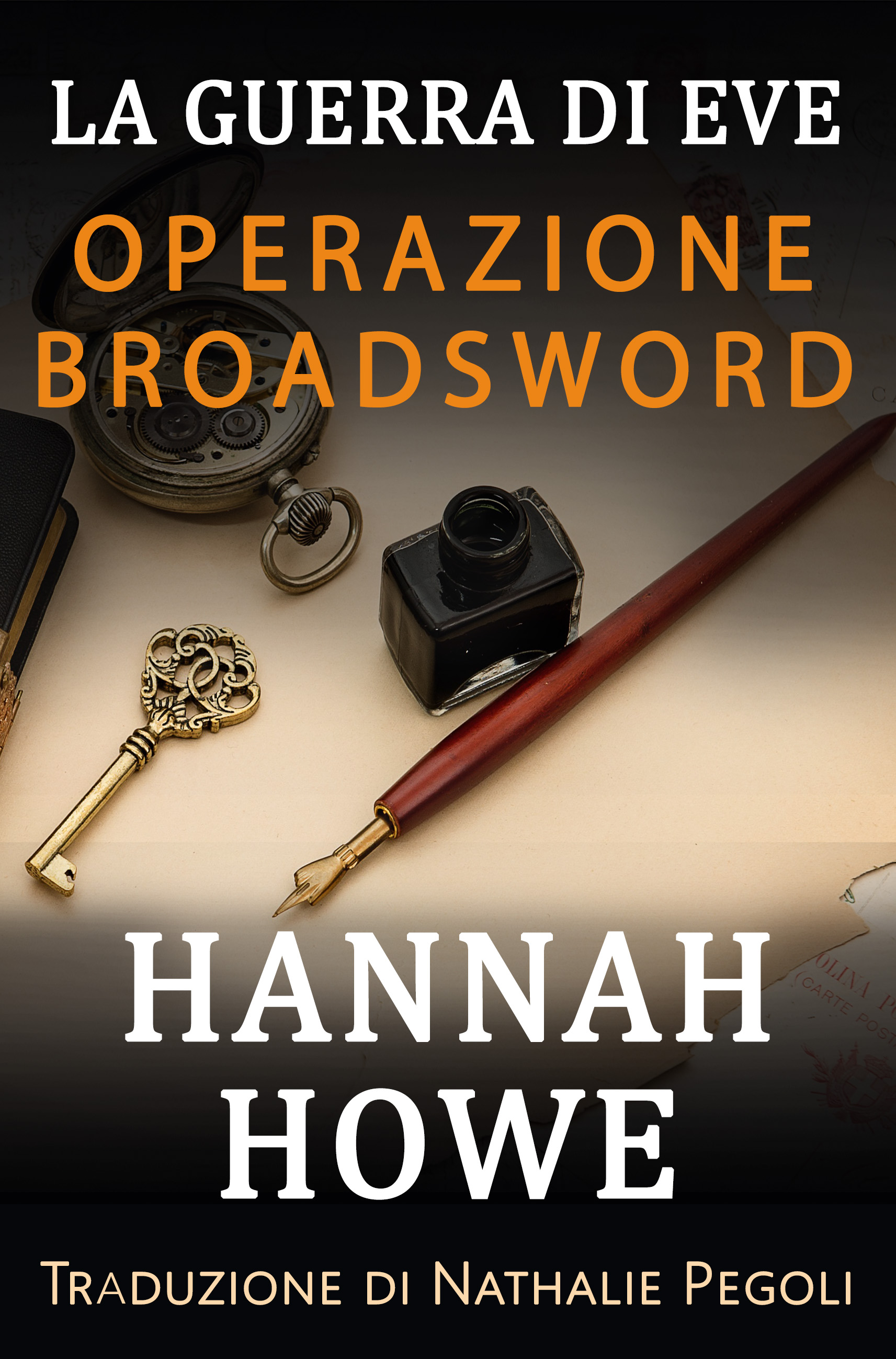
My latest translation, the Spanish version of Operation Cameo, Eve’s War Heroines of SOE book six.

Last week, I started rewatching The Rockford Files. This week, after the pilot episode, the series started with The Kirkoff Case, a good story by John Thomas James with some great one-liners in the teleplay by Stephen J Cannell: Rockford to a thug, “Does your mother know what you do for a living?”
James Woods guest starred and, if anything, was underused. This episode featured more physical violence than later episodes. It also featured a great ‘flicked cigarette’ gag. Overall, an enjoyable episode, but I think the confession at the end, as portrayed in a newspaper headline, went against James Woods’ character: Larry Kirkoff didn’t seem the type to confess.
This week’s answer machine message: “Jim, it’s Norma at the market. It bounced – you want us to tear it up, send it back, or put it with the others?”

Not a relative, but this is touching. The death record of Sarah Slumbers of Drury Lane, 10 February 1833.

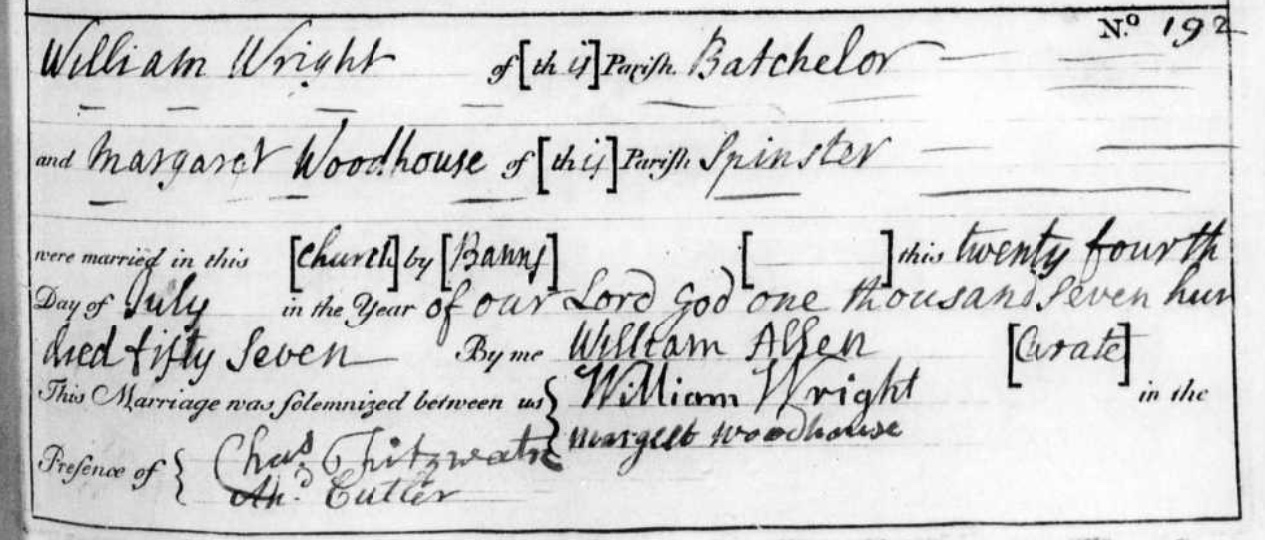
It’s always nice when you discover your ancestors’ signatures because they offer an insight into character. My 6 x great grandparents William Wright and Margaret Woodhouse’s signatures, 24 July 1757. Margaret was literate. I get a sense that this branch is leading somewhere…
My 7 x great grandfather Thomas Woodhouse owned a brewery. He was a ‘servant of St Mary’s, Lambeth’, supplying that part of London with ale. On 28 November 1728, Thomas married Mary Fitzherbert. The Fitzherberts go back to medieval times, so nobility is a possibility, if the records exist.

I’ve traced the Woodhouse branch of my family tree back to Droitwich, Worcestershire. My 9 x great grandfather, John Woodhouse, a ‘gentleman’, died on 21 September 1685. However, before his death he arranged for his son, also John, my 8 x great grandfather, to become an apprentice with Lawrence Fullove, a Quaker and distiller, based in London.
John’s apprenticeship started on 19 April 1687, his fifteenth birthday, and was set for seven years. However, Lawrence Fullove died on 26 September 1689 leaving John without a master.
On 15 July 1690 John’s apprenticeship was turned over to George Vale of the Distiller’s Company. John completed his apprenticeship and established a brewery in St Mary’s, Lambeth, which was inherited by my 7 x great grandfather, Thomas Woodhouse.
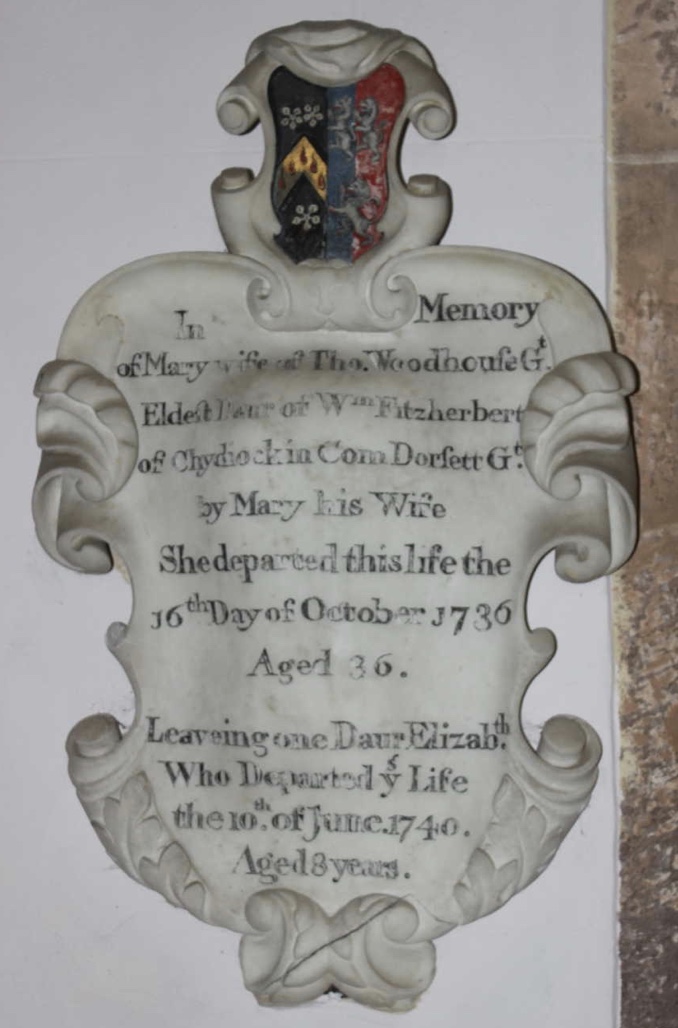
A touching memorial to my 7 x great grandmother Mary Fitzherbert and her daughter Elizabeth, commissioned by her husband, Thomas Woodhouse. The ornate nature of the memorial suggests that Thomas’ brewery business was doing well. And the coat of arms connects to the nobility.

Dorset Quarter Sessions, 1729. A payment of 2 shillings 1 1/2 pence made by my 8 x great grandfather Mr William Fitzherbert for maintenance of the highways in the parish of Chidiock.
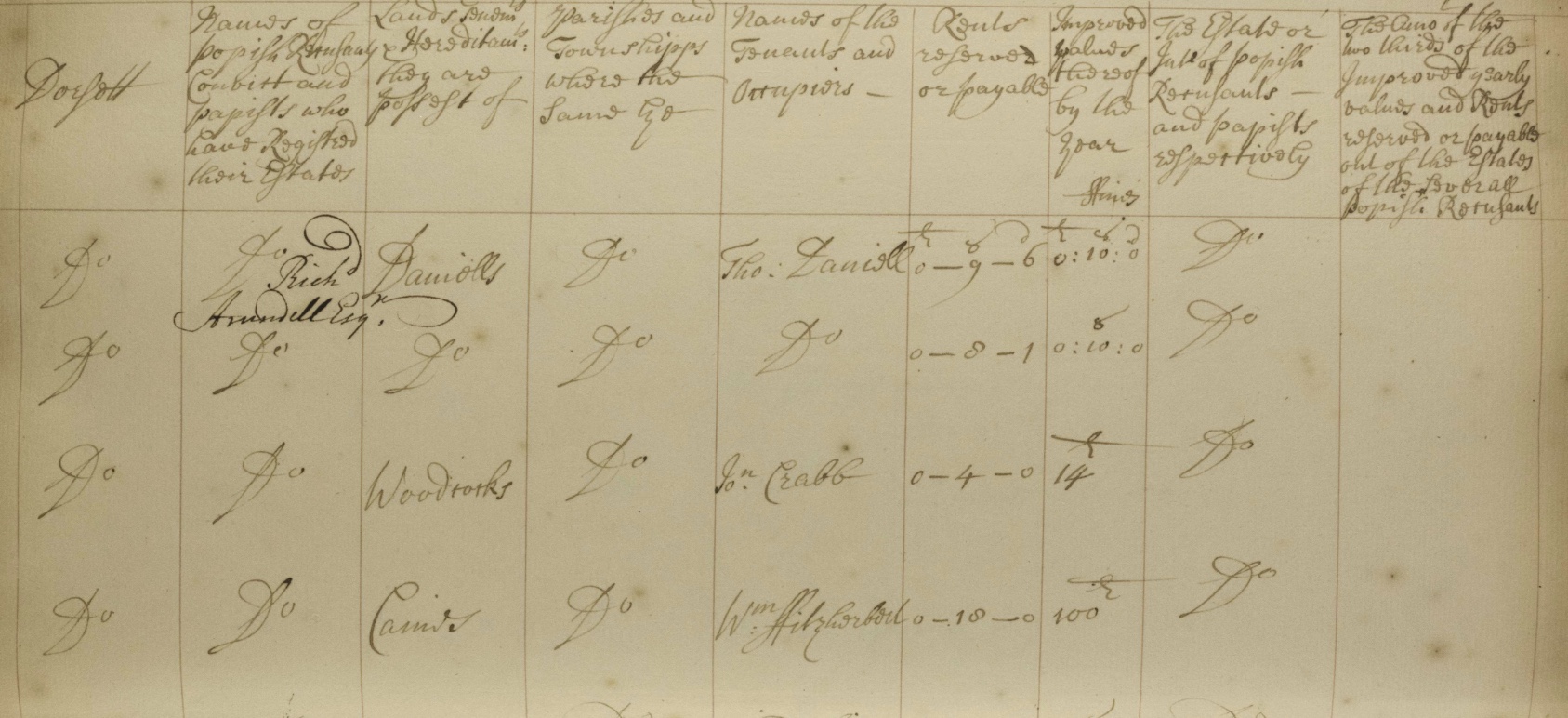
In 1717 as a popish recusant, my 8 x great grandfather William Fitzherbert forfeited his estates. A common theme with my ancestors: in love, religion and politics they stood up for what they believed in. They didn’t take any bullshit from anyone, especially the government.
Welsh Football Legends
Leigh Richmond Roose was born on 27 November 1877 in Holt near Wrexham. A goalkeeper, and a celebrated amateur at a time when the game was largely professional, Leigh Roose was regarded as one of the best players in his position during the Edwardian era.
Raised by his clergyman father after his mother’s untimely death, Leigh Roose left school in 1895 and attended Aberystwyth University. He also studied medicine at King’s College London, but did not qualify as a doctor.
A big man at over six feet tall and thirteen stone, Leigh Roose began his footballing career in 1895 with Aberystwyth Town. He earned great praise during this phase of his career. Indeed, the eminent Welsh historian Thomas Richards referred to him as Yr Ercwlff synfawr hwn – ‘This wondrous Hercules’.

From Aberystwyth Town, Leigh Roose went on to play for Stoke, two spells, Everton, Sunderland plus several guest appearances for other clubs, including Celtic, Aston Villa and Woolwich Arsenal. Leigh Roose retained his amateur status throughout his club career. However, he did cash-in on expenses.
On the international stage, Leigh Roose played for Wales, in 1900, in a 2 – 0 victory over Ireland. He won 24 caps in total, in an international career that spanned eleven years. The highlight of his career arrived in 1907 when Wales won the British Home Championship for the first time. Because Wales did not play their first international match against an overseas opponent until 1933 all of Leigh Roose’s games were played against England, Scotland or Ireland.
Leigh Roose used his physical presence to intimidate his opponents. He was powerful, recklessly brave and the possessor of amazing reflexes earning a reputation as a shot-stopper and penalty saver.
Leigh Roose was an eccentric and anecdotes about his behaviour appeared frequently in contemporary newspapers. One anecdote stated that in March 1909 he travelled with Wales to play against Ireland in a British Home Championship match. At Liverpool station he appeared with one hand heavily bandaged and informed the waiting press that he had broken two fingers, but would still play.
News of Leigh Roose’s disability reached the Irish fans and they turned out in huge numbers in anticipation of witnessing an Irish victory. Instead Wales won the game 3–2 with Leigh Roose playing superbly. Leigh Roose’s injury had been a ruse, his broken fingers a practical joke.
Injury, in the form of two broken wrists, did curtail Leigh Roose’s career. Nevertheless, he remained a celebrity, the ‘David Beckham of his day’. When a newspaper invited its readers to select a World XI to face another planet, they chose Leigh Roose as the World XI’s goalkeeper by a large margin.
Leigh Roose led a glamorous life. He wore Saville Row suits and owned an apartment in central London. He was popular with the ladies including, it is said, with musical hall star Marie Lloyd.
Although well above the age of recruitment, Leigh Roose joined the British Army at the outbreak of the First World War. He served in the Royal Army Medical Corps in France and Gallipoli. Later he returned to London and enlisted as a private in the Royal Fusiliers. He served on the Western Front and transferred his fearless attitude on the football field to the battlefield winning the Military Medal for bravery.
His citation read: “Private Leigh Roose, who had never visited the trenches before, was in the sap when the flamethrower attack began. He managed to get back along the trench and, though nearly choked with fumes with his clothes burnt, refused to go to the dressing station. He continued to throw bombs until his arm gave out, and then, joining the covering party, used his rifle with great effect.”
Promoted to the rank of lance corporal, Leigh Roose fought in the Battle of the Somme. Tragically, he was killed towards the end of the battle, on 7 October 1916, aged 38. His body was not recovered, so his name appears on the war memorial to missing soldiers at Thiepval.
You can read more player profiles here https://hannah-howe.com/sixty-four/
As ever, thank you for your interest and support.
Hannah xxx
For Authors
#1 for value with 565,000 readers, The Fussy Librarian has helped my books to reach #1 on 32 occasions.
A special offer from my publisher and the Fussy Librarian. https://authors.thefussylibrarian.com/?ref=goylake
Don’t forget to use the code goylake20 to claim your discount 🙂



 Hannah Howe