Categories
Dear Reader

Dear Reader #145

Dear Reader,

My latest translation, the Portuguese version of Operation Cameo, Eve’s War Heroines of SOE, book six.

The Howes in America 

Jane Jenkins was born on 24 August 1806 in Marcoss, Glamorgan. A seamstress, she married William Howe, brother of my 4 x great grandfather John Howe, on 7 May 1833 in St Brides, Glamorgan. The couple produced five children. William, a shopkeeper, died on 1 August 1848, and Jane’s life took a dramatic turn.

On 15 December 1851 Jane married William Williams. In February 1866 Jane’s mother, Ann David, died and this appears to have been the catalyst for the dramatic change because, aged sixty, Jane set off for a new life in America.

On 6 July 1866 on the ship Arkwright, Jane set sail for New York. She travelled with her husband, William Williams, William’s grandson, William (Billo) Johns, Eliza Davis, Mary Gibbs, Hugh Morris, John Tardy, William Lewis and his wife Rachel.

From New York, the company travelled in cattle cars to Canada and by boat to Niagara Falls, Chicago, then on to Wyoming and Utah. They departed New York on 25 July 1866 on ‘Daniel Thompson’s Church Train’ and followed the pioneer trail before arriving at Salt Lake City on 27 October 1866. 

Jane’s husband, William Williams, died on the journey, on the plains near Old Fort Kearney. A widow for the second time, she married David Evan Davies on 22 June 1867 in Salt Lake City. Jane lived a further twenty-two years in Utah before her death on 22 December 1889.

My ancestor Cecilia Howe was born on 13 September 1840 in Wick, Glamorgan. Cecilia was a very popular Howe name that featured over many generations. She married Lewis Griffiths on 14 November 1863 in Bridgend, Glamorgan and on 6 April 1867 she gave birth to twins, Lewis and William. Sadly, Lewis died a day later and William died a day after that. 

Cecilia’s husband, Lewis, died on 16 August 1867 when she was two months pregnant. She gave birth to the exotically named Lorenzo Louis Griffiths on 19 March 1868. Thankfully, he survived. A widow with a baby, Cecilia didn’t allow the grass to grow under her feet. She decided to join her mother, Jane Jenkins, in America, arriving in New York on 28 July 1868 before travelling to Salt Lake City.

Cecilia married John Davis Reese on 20 December 1869 in Salt Lake City and in eleven years the couple produced six children. A Welshman from Merthyr Tydfil, John was twenty-five years older than Cecilia.

John Davis Reese

John Davis Reese was a blacksmith and a Mormon. His first wife Mary Morgan had a stillborn child when changing steamers from the Constitution to the Highland Mary. He also married Jane Morgan in 1852, Zillah Mathias in 1857 and Cecilia Howe in 1869. Between his four wives he fathered twenty-seven children.

John returned to Wales as a missionary in 1868. He died on 19 March 1880 in Malad City, Oneida County, Idaho making Cecilia a widow again.

Cecilia didn’t remarry. She died on 7 August 1932 in Benson, Utah aged ninety-one.

Idaho 1918, Cecilia Howe with her son, grandson and great grandson.

My ancestor Anne Howe, sister of Cecilia, was born on 6 February 1843 in Wick, Glamorgan and baptised in Wick on 5 March 1843. Her father, William, died when she was five. At sixteen, she worked as a servant for a solicitor, Thomas Stockwood. Many solicitors moved to Glamorgan in the 1840s to deal with coal mining and railway contracts.

1864, probably taken to commemorate Anne’s twenty-first birthday.

In the 1860s Anne Howe found herself in London. What was she doing there? I believe she was working as a governess for George Crane, a schoolteacher, painter and glazer. George was a widower with four children.

Anne married George Crane on 1 February 1868 in Chelsea, London. Exactly nine months later she gave birth to her first daughter, Mary Ella, in Salt Lake City. Anne was five months pregnant when she set sail with George and his children on 30 June 1868. The family sailed from Liverpool on the SS Minnesota and arrived in New York on 13 July 1868.

George, at a young age, was left alone in England when his parents emigrated to Galt, Canada. They decided that their son should remain in England and complete his apprenticeship as a painter and glazer. 

In 1854 George married Emily. The couple lived in London where George worked. Emily died when her youngest child was six weeks old. Grandparents looked after George’s children until he established his relationship with Anne Howe.

In 1868 upon their arrival in America, Anne Howe, her husband George Crane and his children were given berths in cattle cars for their trip west. Each family was allotted beds and a space to prepare their meals. They travelled with the John R. Murdock Company and completed their 430 mile journey from Laramie, Wyoming to Salt Lake City in covered wagons and on mules and foot. Anne was seven months pregnant at the time.
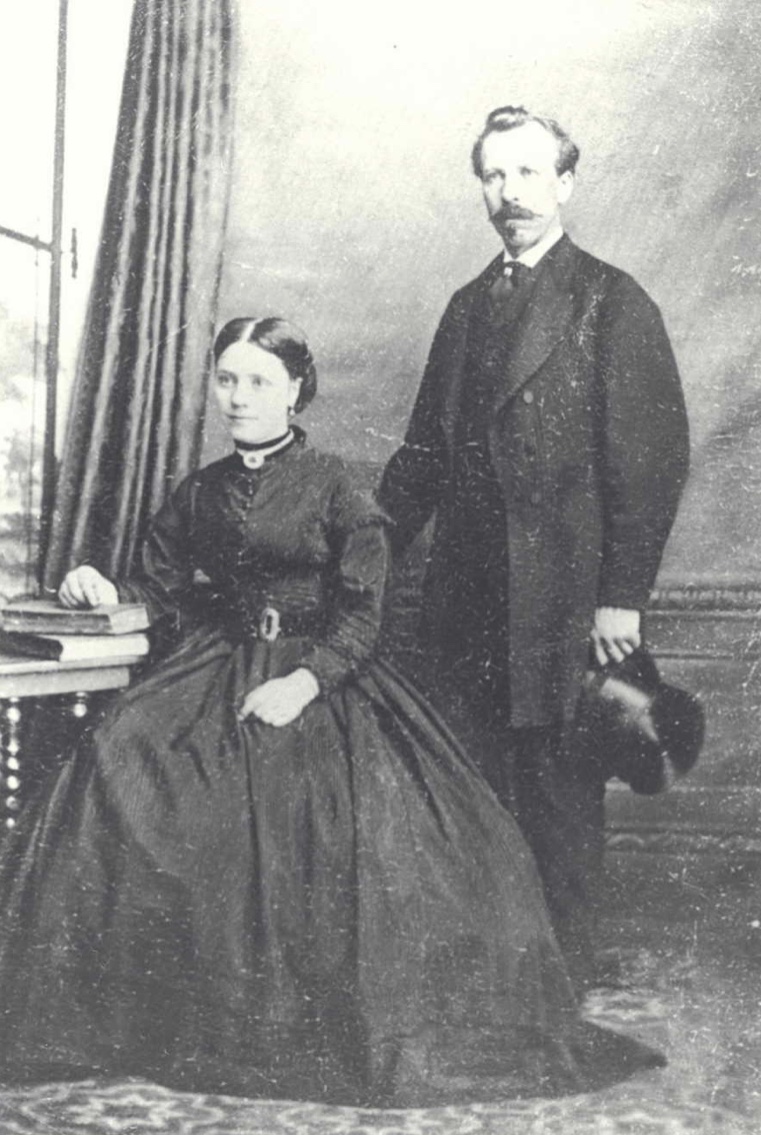
Anne Howe and George Crane

On 28 October 1868 Anne gave birth to a daughter, Mary Ella, the first of six children. Sadly, only Mary Ella and her sister, Maud Estella, survived into adulthood.

The family stayed in Salt Lake City that winter. George worked on the Utah Central Railroad and the Union Pacific until Leland Stanford drove the Golden Spike on 10 May 1869. Then George moved his family to Kanosh, Utah, where he resumed his career as a schoolteacher.

George was a member of the Church of the Latter Day Saints. In 1879 he was called on a mission to England. He returned home to Anne in November 1880. 

George held many offices in Millard County including county commissioner, and president and director of the Kanosh Store. Active in the church, he also acted in plays and organised a dramatic society in Kanosh.

Chief Kanosh

As pioneers, one wonders what Anne and George’s relationship was like with the indigenous population. Apparently, it was good because George befriended Chief Kanosh and spoke at his funeral. 

Anne and George were prominent members of their community and a newspaper report carried news of Anne’s ill health. Sadly, the newspaper’s good wishes were in vain and she died on 2 July 1895 aged fifty-two.

*****

From next week a new look for my weekly newsletter. To celebrate Wales qualifying for the football World Cup in Qatar, after a sixty-four year wait, over the summer months I will be profiling players from the past. I will also be featuring insights into the iconic TV series The Rockford Files, along with highlights from my family history research and news of my books.

As ever, thank you for your interest and support.

Hannah xxx

For Authors

#1 for value with 565,000 readers, The Fussy Librarian has helped my books to reach #1 on 32 occasions.

A special offer from my publisher and the Fussy Librarian. https://authors.thefussylibrarian.com/?ref=goylake

Don’t forget to use the code goylake20 to claim your discount 🙂

Categories
Dear Reader

Dear Reader #144

Dear Reader,

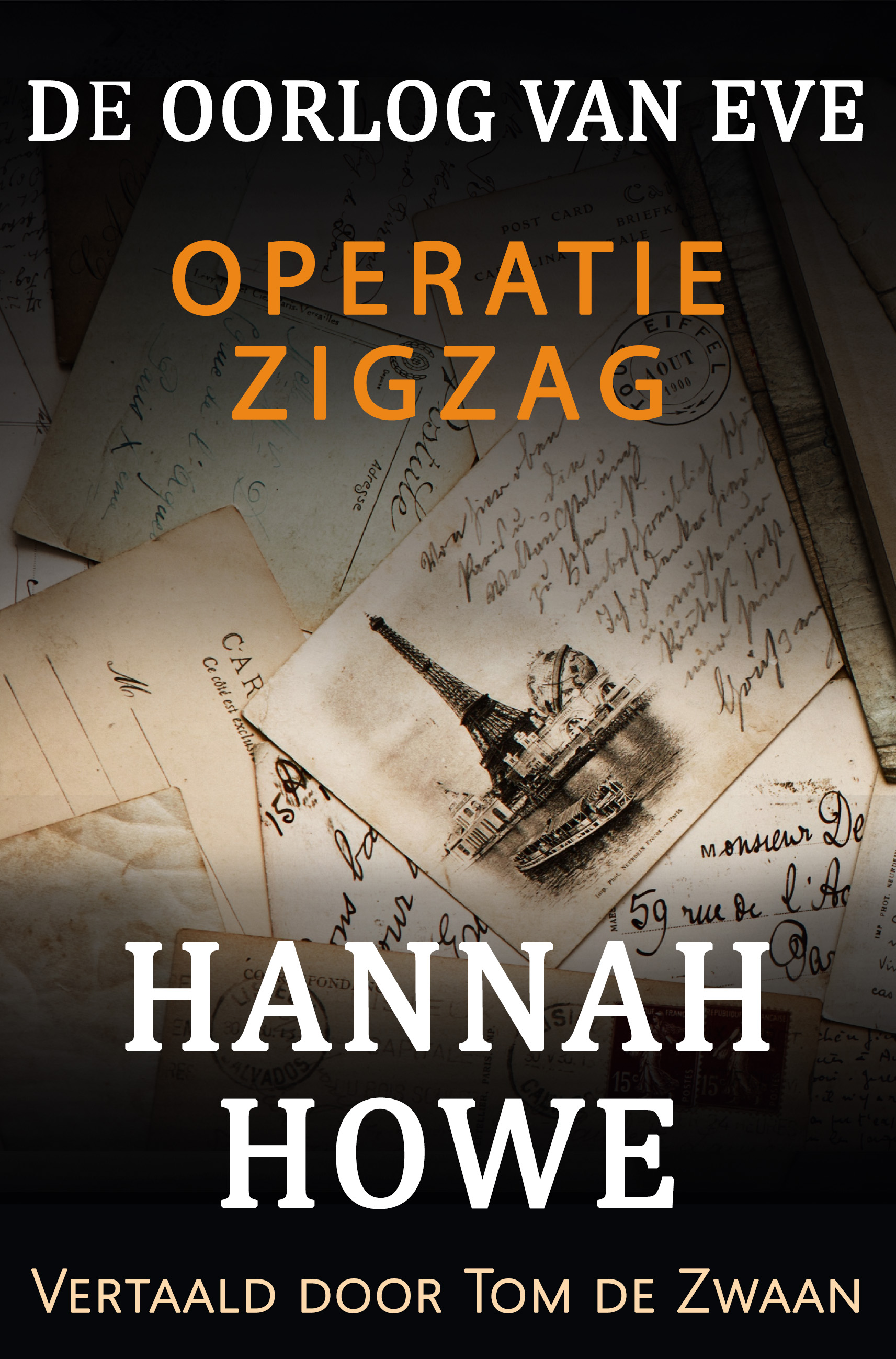
My latest translation, the Dutch version of Operation Zigzag, Eve’s War Heroines of SOE, book one.

My latest article for the Seaside News.

John Howe, my 5 x great grandfather, was baptised on 28 April 1761 in St Hilary, Glamorgan. He was one of only ten children baptised in the village that year, including a set of twins. John’s parents were farmers so he spent his formative years learning the business of farm management.

John Howe married Cecily Lewis on 1 January 1785 in Cowbridge, Glamorgan. Cowbridge was the nearest market town to John’s home in St Hilary and it’s likely that he met Cecily there during a social event connected to the market.  

Cecily was born in Cowbridge in 1764 and it was the custom that marriages took place in the bride’s parish.

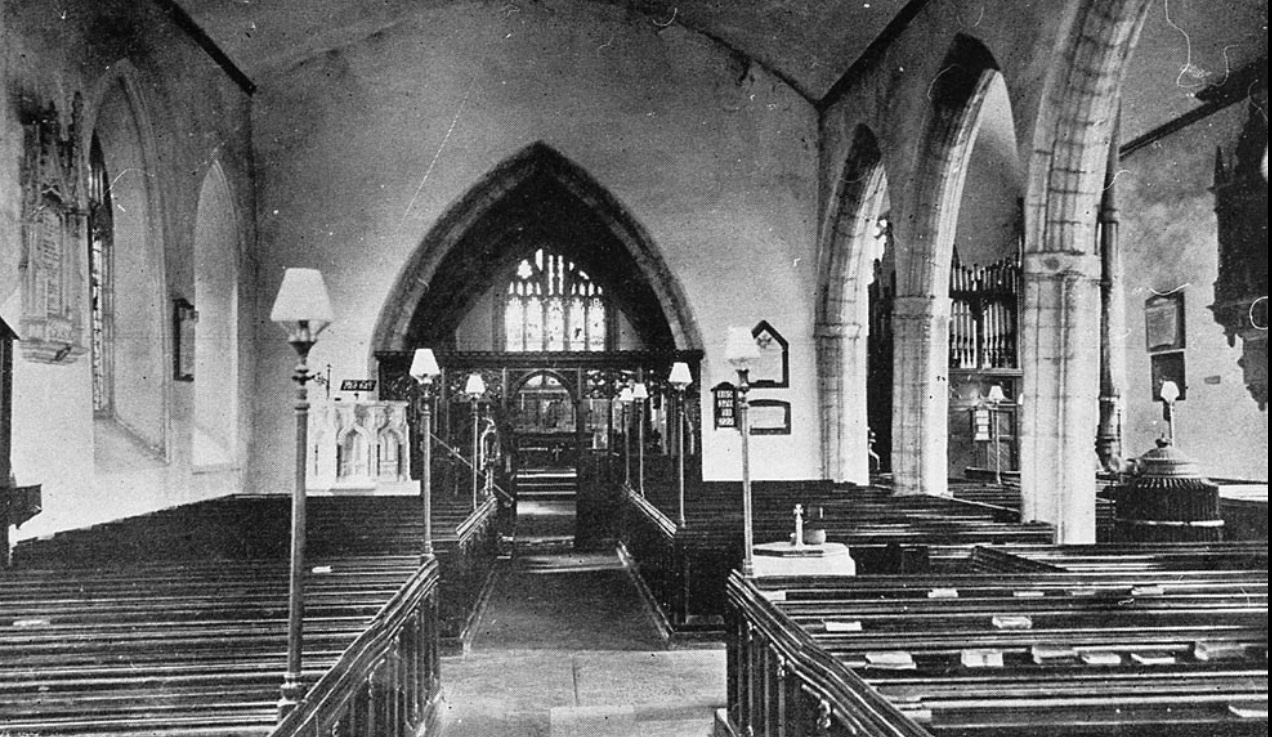
The interior of Holy Cross Church, Cowbridge (People’s Collection Wales).

Like his father before him, my 5 x great grandfather John Howe was an Overseer of the Poor. In 1797 he paid 2s 6d to ‘Ten men in distress coming from the sea.’ The Vale of Glamorgan coast is beautiful, but dangerous due to hidden rocks.

Le Vainqueur, which sank off Sker Rocks on 17th December 1753.

Taxes greatly affected the direction of the Howe family. In 1798, my 5 x great grandfather John Howe featured in the Land Tax Redemption register for St Hilary ten times (out of twenty-seven entries). Most people featured once while John’s brother, William, featured twice. 

John wasn’t ‘Lord of the Manor’, that title fell to the Bassets (although their influence was on the wane), but he was certainly ‘Mr St Hilary’.

The Land Tax became a permanent charge on the land in 1798 and was fixed at 4/- in the pound (20%). However proprietors were given the option to pay a (considerable) lump sum or purchase government stock to free themselves from future liability.

By 1799, the Napoleonic wars had taken their toll on Britain. The British royal treasury was running out of money to maintain the royal army and navy. Soldiers were starving and His Majesty’s navy had already mutinied. For Prime Minister William Pitt the Younger, the solution was simple: impose an income tax.

Under the Act of 1799, all citizens who earned above £60 were to pay a graduated tax of at least one percent. Those with an income of over £200 were taxed ten percent. Some people regarded the tax as a patriotic duty while others complained. 

I don’t know what John Howe thought of the taxes, but it seems they were the reason why he moved his family ten miles west to Coity breaking the Howe connection with St Hilary, which had lasted over 200 years.

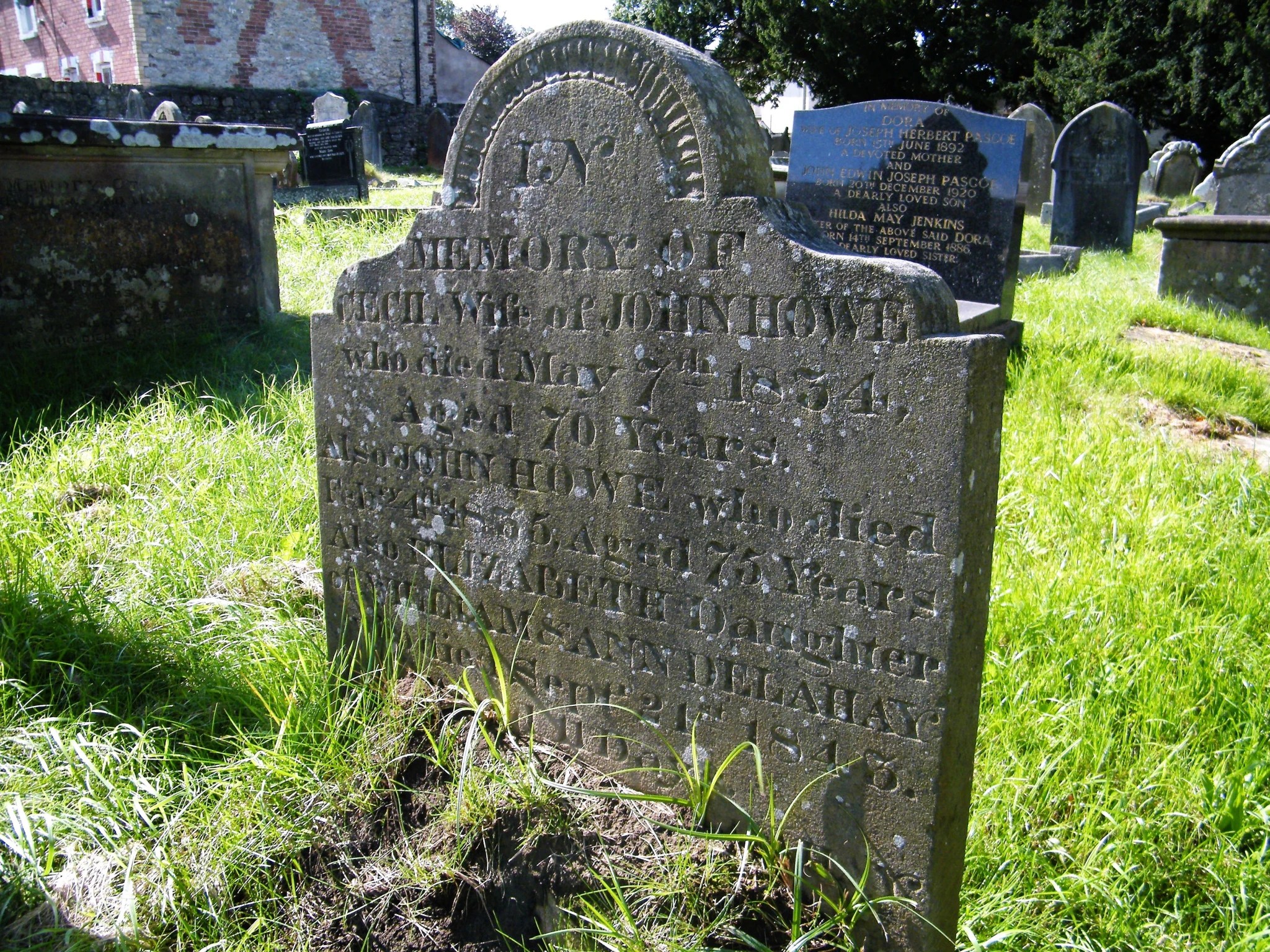
After 49 years of marriage, Cecily died  on 7 May 1834, aged 70 while John died on 4 February 1835, aged 73. The couple are buried together in Coity.

John and Cecily’s grave in Coity.

On Wednesday 4 April 1787 Cornelius Gordon and his wife Mary Bevan were gardening, and arguing, at their house in Crichton, Llanrhidian when Mary collapsed. A servant, Thomas Westley, and a neighbour, Elizabeth Long, helped Mary to bed. She slept while Cornelius continued his gardening.

The following morning, Cornelius told his servant Thomas to get Mr Thomas Williams, surgeon and apothecary, from Swansea. Surgeon Williams arrived at Crichton to find Mary dead. Relatives arrived. Accusations were made.

On Friday 6 April 1787, Gabriel Powell, Coroner, summoned twenty-four ‘honest and lawful men’ and held an inquest into Mary’s death. Evidence was taken. The servant, Thomas, “didn’t see anything” while Surgeon Williams stated that “the deceased did not die from a violent blow.”

A second surgeon, Thomas Sylvester, supported Surgeon Williams. The coroner’s inquest concluded that Mary died ‘by the visitation of God’, and she was buried the following day. However, Mary’s family were not happy and they intervened.

On Tuesday 10 April 1787, Rowland Pritchard, a Justice of the Peace, ordered Charles Collins, a surgeon from Swansea, to exhume and examine Mary’s body. He discovered a fractured skull, consistent with a violent blow, possibly caused by a spade. 

Surgeon Sylvester changed his tune and supported Surgeon Collins. Servant Thomas was questioned. His statement revealed that Cornelius had struck his wife about the head, and that during their marriage they had ‘frequently had words’.

Cornelius Gordon was tried four days later, found guilty, and sentenced to death. He was hanged on Stalling Down, Cowbridge, on 20 April 1787, a fortnight after the murder. This was the last hanging to take place at Stalling Down.

In the mid-1800s a Mrs Howe (first name sadly not recorded) spoke to David Jones an antiquarian. She said that as a young child she was taken up to Stalling Down to witness the execution of Cornelius Gordon.

Mrs Howe recalled the scene as Gordon’s family stood by with a coffin ready to transport his body back to Crichton. Mrs Howe stated that at the moment of the execution “the whole ground trembled, as with an earthquake.”

Next week, the Howes in America.

As ever, thank you for your interest and support.

Hannah xxx

For Authors

#1 for value with 565,000 readers, The Fussy Librarian has helped my books to reach #1 on 32 occasions.

A special offer from my publisher and the Fussy Librarian. https://authors.thefussylibrarian.com/?ref=goylake

Don’t forget to use the code goylake20 to claim your discount 🙂
Categories
Dear Reader

Dear Reader # 143

Dear Reader,

My latest translation, the Spanish version of Looking for Rosanna Mee, Sam Smith Mystery Series book seventeen.

I’ve been revisiting the Howe branch of my family tree, making some minor corrections and uncovering some amazing stories, including a murder and three female Howes who joined the Pioneer Trail in the Wild West of America. More about them in a future post. But first, to start at the beginning…

The Howes of Glamorgan first appear in the historical record in the 1600s with John Howe, born c1640, of St Hilary. He was the father of my 8 x great grandfather, John Howe. The Hearth Tax of 1670 and later records show that around 150 people lived in St Hilary, with Welsh the dominant language.

St Hilary Church c1900 (People’s Collection Wales).

In 1675 the Welsh Trust established a school in St Hilary. It’s possible that my 7 x great grandfather Joseph Howe, born c1690, attended this school. Certainly, he was literate. In 1678 ten children attended the school, making it the smallest in the county. Education was provided by the vicar and churchwardens, in English and Welsh.

The Vicarage, St Hilary c1900 (People’s Collection Wales).

c1711 my 7 x great grandfather Joseph Howe married Elizabeth (surname unknown). The couple produced four children: Elizabeth, Dorothy, Mary and my direct ancestor John. Sadly, Dorothy died when only nine days old.

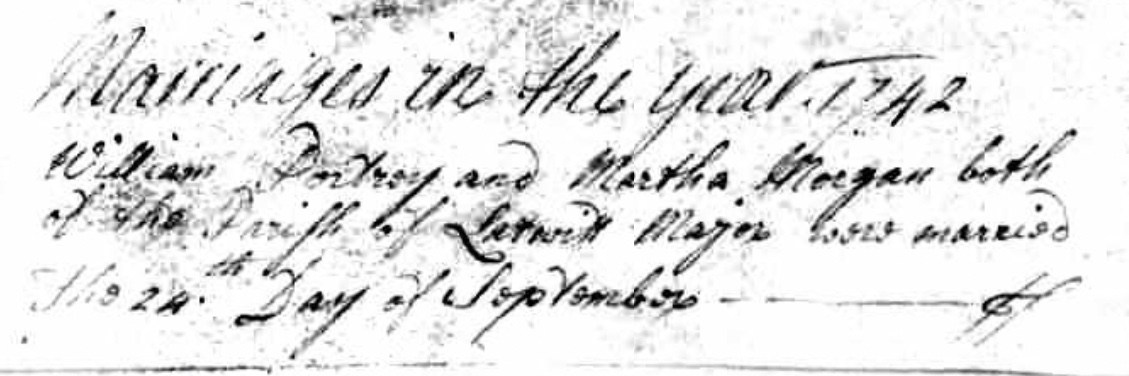
Joseph died in July 1742. He was buried on 5 July 1742. That year, ten people died in St Hilary. Five children were baptised while the parish register recorded only one marriage.

John Howe, my 6 x great grandfather, was baptised on 24 July 1726 in St Hilary, Glamorgan, probably a week after his birth. Sadly, many babies died within a week of their births so baptisms were often swift affairs.

The son of Joseph and Elizabeth, John became a successful farmer. When Joseph died on 5 July 1742, sixteen-year-old John helped his mother to run the farm. He didn’t marry until 1761, a month before his mother died.

From the National Library of Wales, the tithe map of St Mary Church Parish, St Hilary. The Howe family farmed thirty-three fields on this map, twenty-six arable and seven meadow. They also owned Howe Mill.

In the eighteenth century St Hilary was a small, close-knit farming community with a population of around 150. It was self-contained and regulated its own affairs. The church remained the focal point for the religious and social life of the village. Dissenting voices were nonexistent. Then, in 1748, my ancestor Priscilla Howe (a name that reoccurs throughout the generations) registered a meeting house for Quakers and literally ‘shook things up’.

St Hilary. People’s Collection Wales.

In 1753, my 6 x great grandfather John Howe became a churchwarden, Petty Constable and Overseer of the Poor. Overseers of the Poor were chosen from the ‘substantial householders’ within the community and were elected at the annual vestry. Although elected for a year, they often served multiple terms over many years.

As Overseer of the Poor, John made a payment of £1 17s 6d for the making and binding of Bibles, 1s for attending a coroner’s inquest and 7d for a pair of male stockings. He also awarded payments of a few pence to ‘the little boy of whom nothing else is known’.

This is John’s account of 1753, written in his own hand.

The pivotal period of my 6 x great grandfather John Howe’s life arrived in April and May, 1761. On 3 April 1761 he married 39 year old Mary Robert, a widow with two children. Then his first son, John, my 5 x great grandfather, was born on 28 April 1761. That’s right, Mary was eight months pregnant at the time of her marriage. On 1 May 1761 John’s mother, Elizabeth, died aged 62. A marriage, birth and death within four weeks. A very stressful time for John. 

From the age of sixteen John had run his mother’s farm. He was probably waiting until she died before he married, but with Mary eight months pregnant he couldn’t wait any longer.

With his standing in the community, John was an eligible bachelor so Mary, four years his senior, must have been pleased with the match. Equally, she must have possessed qualities that set her apart from younger women. The couple had four children and spent 37 years together, and I trust enriched each other’s lives.

John died on 23 February 1818, aged 91, a remarkable age in any era. And through his family, farm and community activities I sense that he lived a rewarding life.

St Hilary parish church (Wikipedia).

Next week, more about the Howes, including a murder.

As ever, thank you for your interest and support.

Hannah xxx

For Authors

#1 for value with 565,000 readers, The Fussy Librarian has helped my books to reach #1 on 32 occasions.

A special offer from my publisher and the Fussy Librarian. https://authors.thefussylibrarian.com/?ref=goylake

Don’t forget to use the code goylake20 to claim your discount 🙂
Categories
Dear Reader

Dear Reader #142

Dear Reader,

Operation Zigzag, book one in my Eve’s War Heroines of SOE series, is #1 on the Amazon charts again this weekend. Many thanks to all my readers for making this possible.

Married life for my 4 x great grandparents John Glissan, a surgeon/dentist/chemist, and Sarah Foreman, a nurse/dentist/chemist got off to a dramatic start when John featured as a witness in an assault case in which the victim was not expected to recover. This report appeared in the Morning Post on 25 July 1835.

During the second half of the 1830s John and Sarah traded as chemists/druggists from 147 Blackfriars Road, London, a desirable residence. However, the rent was high and with children on the way they had to consider their future. A move, slightly down market, seemed inevitable.

John Glissan began his apothecary career in Dublin near the docks. He knew that environment well, so in the 1840s he relocated his wife and three daughters from Blackfriars Road in London to 28 Church Road in St George in the East. There he operated as a surgeon/dentist.

John died on 16 March 1854. Alone, Sarah faced an uncertain future. However, twenty years earlier she had risen to the challenge when she moved from her family home in Tetford, Lincolnshire to London. Once again, she met the challenge: she established herself as a dentist.

A brief history of dentistry. In 1855 Emeline Roberts Jones became the first woman to practice dentistry in the United States. She married the dentist Daniel Jones when she was a teenager, and became his assistant in 1855. Lilian Lindsay, 1895, is regarded as the first female dentist in Britain, yet my 4 x great grandmother Sarah Foreman was practicing dentistry with her husband, John Glissan, from 1834 and in her own right from 1854. A remarkable achievement by Sarah.

In the 1860s, when she was sixty, my 4 x great grandmother Sarah Foreman returned to nursing. She became a monthly nurse, a woman who looked after a mother and her baby during the postpartum or postnatal period. Historically, women were expected to rest in bed for an extended period of time after giving birth. Care was provided either by her female relatives (mother or mother-in-law) or, if you could afford it, by a monthly nurse. 

The term “monthly nurse” was most commonly used in the eighteenth and nineteenth centuries, because such a nurse usually remained with the mother and child for four weeks. The term “monthly” is something of a misnomer because the length of time a nurse remained with a family depended on the family’s financial circumstances and needs.

“The Monthly Nurse”. Wellcome Trust.

Born in a small village in Lincolnshire, Sarah moved to London where she became a nurse, a chemist and a dentist. She gave birth to three daughters and guided them through the health hazards of the Victorian era. She died on 4 June 1891 in Raine Street Infirmary aged 87 of senectus, old age, after a life well lived.

As ever, thank you for your interest and support.

Hannah xxx

For Authors

#1 for value with 565,000 readers, The Fussy Librarian has helped my books to reach #1 on 32 occasions.

A special offer from my publisher and the Fussy Librarian. https://authors.thefussylibrarian.com/?ref=goylake

Don’t forget to use the code goylake20 to claim your discount 🙂

Categories
Dear Reader

Dear Reader #141

Dear Reader,

We experimented by placing Operation Rose, Operation Watchmaker and Operation Overlord, the next three books in my Eve’s War Heroines of SOE series, on pre-order without blurbs and with dates running into next January, and already they are top 50 hot new releases. Many thanks to my readers for their support.

My latest article for the Seaside News appears on page 14 of the magazine. This one is about an illicit affair in 1814.

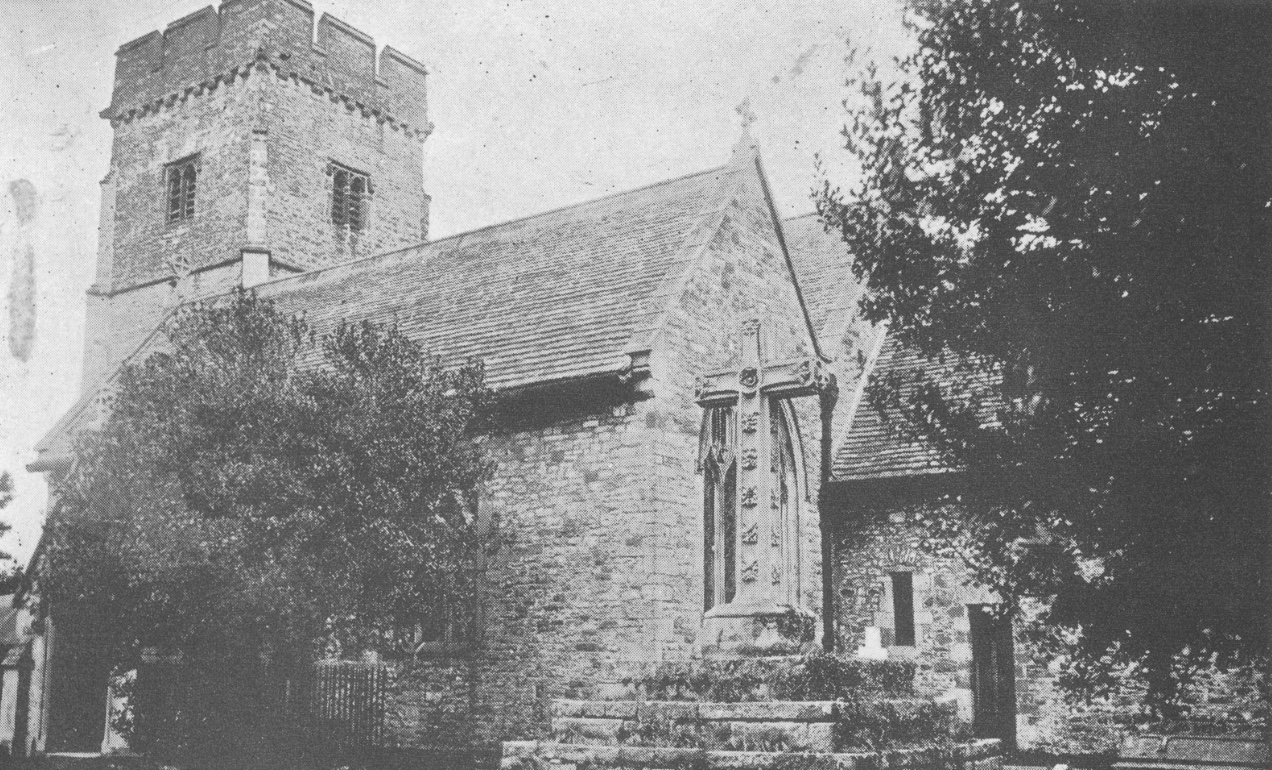
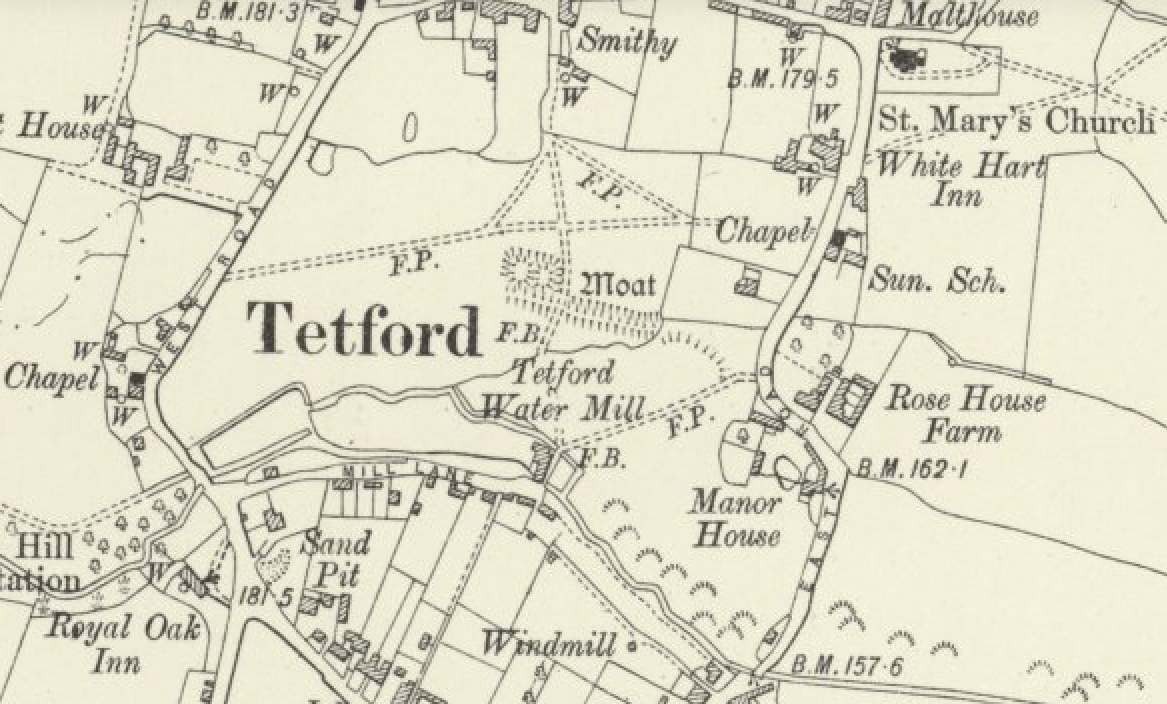
My 4 x great grandmother Sarah Foreman was born on 12 October 1803 in Tetford, Lincolnshire and baptised in the local church, St Mary’s, two days later. She was the youngest of four daughters. Sarah’s parents were Hutton Foreman, born in nearby Toynton in 1764, and Lucy Ironmonger, born in nearby East Kirby in  1761.

Hutton, who worked on the land, married twice. His second wife, Mary Blades, was nineteen years younger than him. He fathered eleven children, the last when he was sixty-four. He died in 1847 aged eighty-three.

Hutton’s first wife, my 5 x great grandmother, Lucy Ironmonger was widowed twice before she married him. Unusually for a rural woman of that time she was literate.

Sarah had three sisters, all with similar names: Mary born 1796, Maria born 1798 and Mary Ann born 1801. Maybe their mother Lucy liked the name Mary. Or maybe the children died in infancy because there is no further trace of them in the historical record. If the Marys did die in infancy then with Lucy’s death Sarah would have become the ‘mother’ of the house.

So what did Sarah make of these complex family dynamics? Sarah lost her mother, Lucy, when she was only eight. Her father, Hutton, then married a woman who was only fifteen years her senior. Sarah would have learned from Lucy in her formative years, so she was educated. Did she get on with her step-mother, Mary Blades? We don’t know. But we do know that by the early 1830s Sarah was living in London.

Sarah was in her late twenties or early thirties when she arrived in London. She was unmarried, which suggests that she had a career. In London, Sarah became a nurse/chemist/dentist. Although I have no proof, I suspect that she was nursing in Lincolnshire before her move to the Big City.

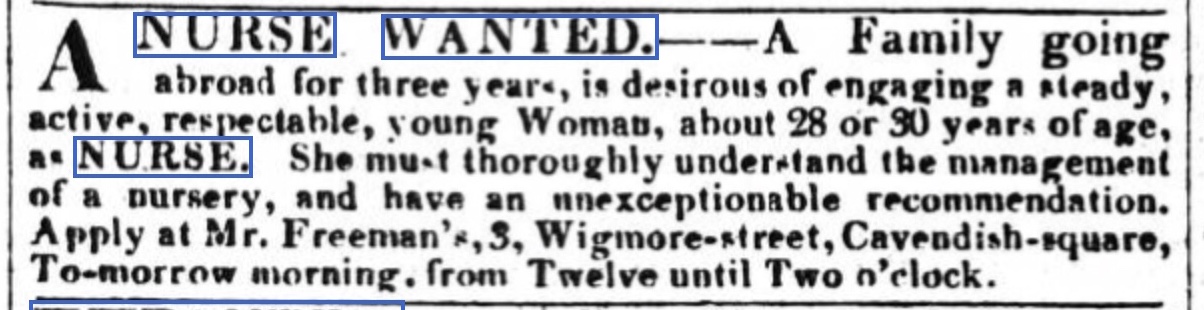
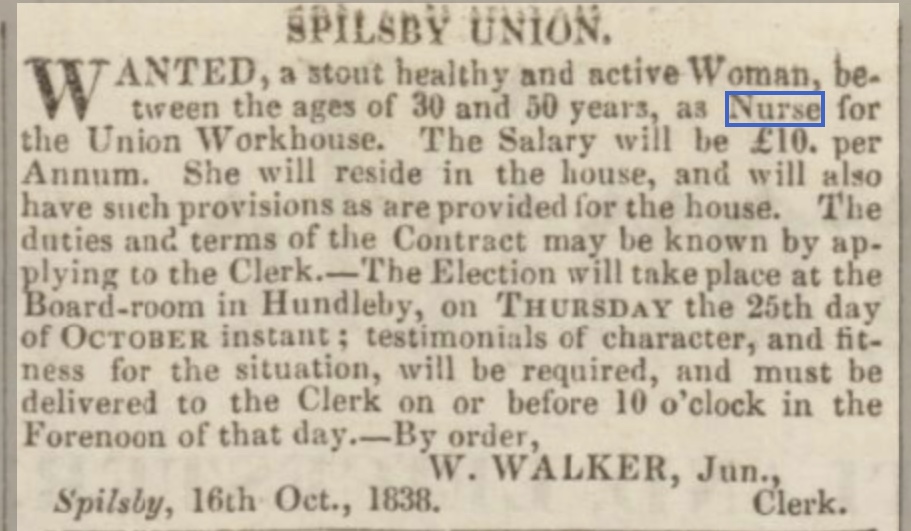
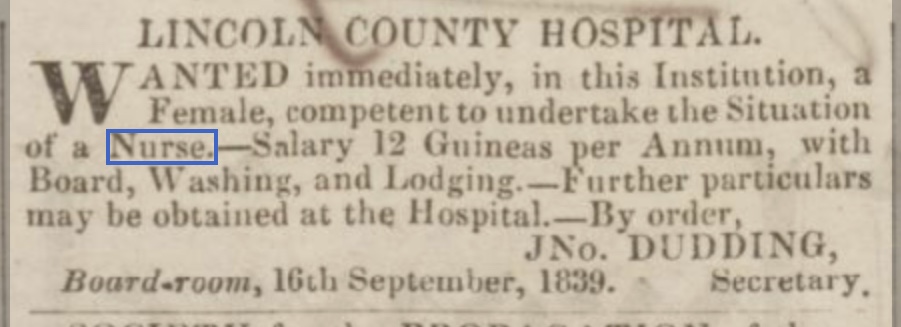
Why did Sarah move to London and how did she get there? Clearly, she decided that village life was not for her and that she would take her chances in the city. Maybe she responded to an advertisement looking for a nurse.

In the 1820s and 1830s the annual rate of pay for a nurse was £10, the equivalent of £600 today. Living expenses were covered. Even so, this was meagre renumeration.  In comparison, in the 1820s/30s a skilled tradesman could earn £10 in fifty days.

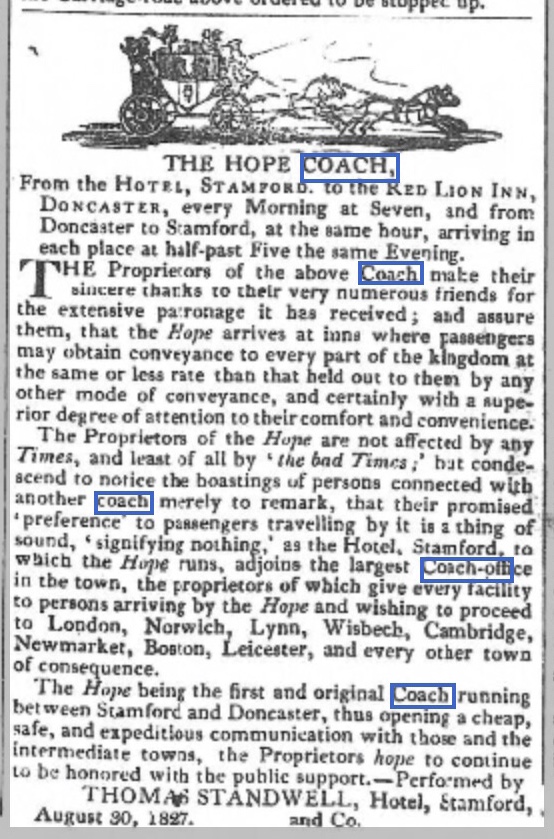
Sarah probably travelled to London on a coach. The journey from Tetford to London cost around £2, a huge financial commitment. She was making a life-changing journey and if things didn’t work out in London it was unlikely that she could immediately afford the journey back.

In London, Sarah met my 4 x great grandfather John Glissan, a surgeon/chemist/dentist. Had he placed the original advertisement seeking a nurse? After her initial time in London, did she apply to work for him? We don’t know, but I suspect that their careers overlapped, which led to love and marriage.

Sarah and John married on 24 March 1834 in St Brides, Fleet Street, a notorious location for ‘Clandestine’ marriages, marriages conducted in haste or secrecy, without the posting of banns. Many of my ancestors married in this fashion. However, Sarah and John posted banns so theirs was a regular marriage. Sarah and John signed the wedding register, thus confirming they were literate.

Separately, Sarah and John had travelled hundreds of miles from their homes to meet in London. Now, they were a couple. What would married life bring?

More about Sarah and John next time.

As ever, thank you for your interest and support.

Hannah xxx

For Authors

#1 for value with 565,000 readers, The Fussy Librarian has helped my books to reach #1 on 32 occasions.

A special offer from my publisher and the Fussy Librarian. https://authors.thefussylibrarian.com/?ref=goylake

Don’t forget to use the code goylake20 to claim your discount 🙂