Categories
1963

Social History 1963 #4


On 13 January 1963, the BBC broadcast the play Madhouse on Castle Street, which featured Bob Dylan. Dylan had originally been cast as the lead, but his acting was not up to standard. Given a singing role, he offered one of the earliest public performances of Blowing in the Wind, sung over the credits.
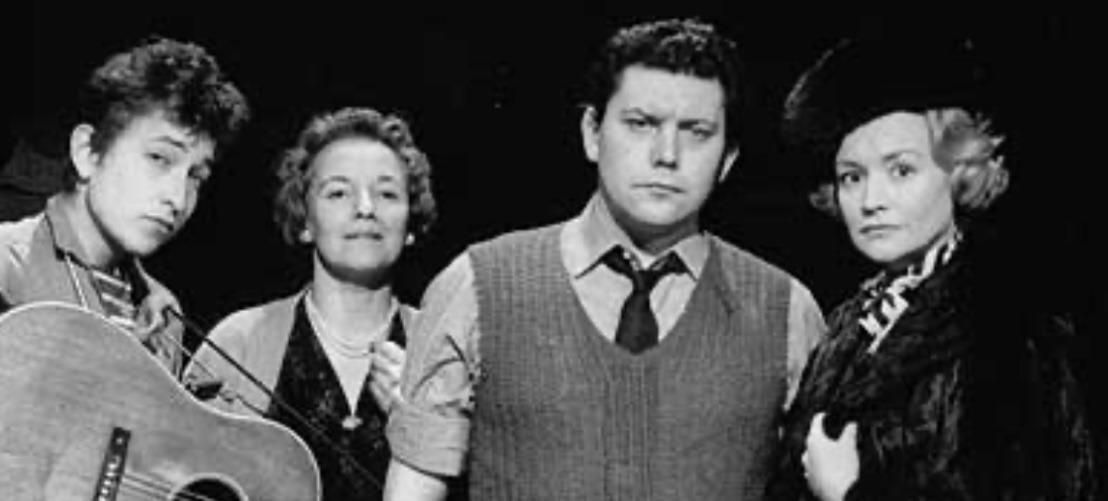
The cast of Madhouse on Castle Street

The television schedule for 13 January 1963, and details of the play Bob Dylan appeared in. Despite Dylan’s subsequent rise to fame, the BBC destroyed the recording of the play.

British Cricket in 1963 saw the introduction of a professional limited overs competition, “The First Class Knock Out Competition for the Gillette Cup”. In the inaugural season, the matches consisted of 65 overs per side with a bowler bowling a maximum of 15 overs.

In the semi-finals, Sussex, 292 all out, beat Northamptonshire, 187 all out, by 105 runs, while Worcestershire, 60 – 1, beat Lancashire, 59 all out, by 9 wickets.

In the final, Sussex 168 all out, beat Worcestershire, 154 all out, by 14 runs. 

The early starts, to accommodate 130 overs in a day, often meant that the team batting first were at a severe disadvantage due to the dewy conditions favouring the bowlers.
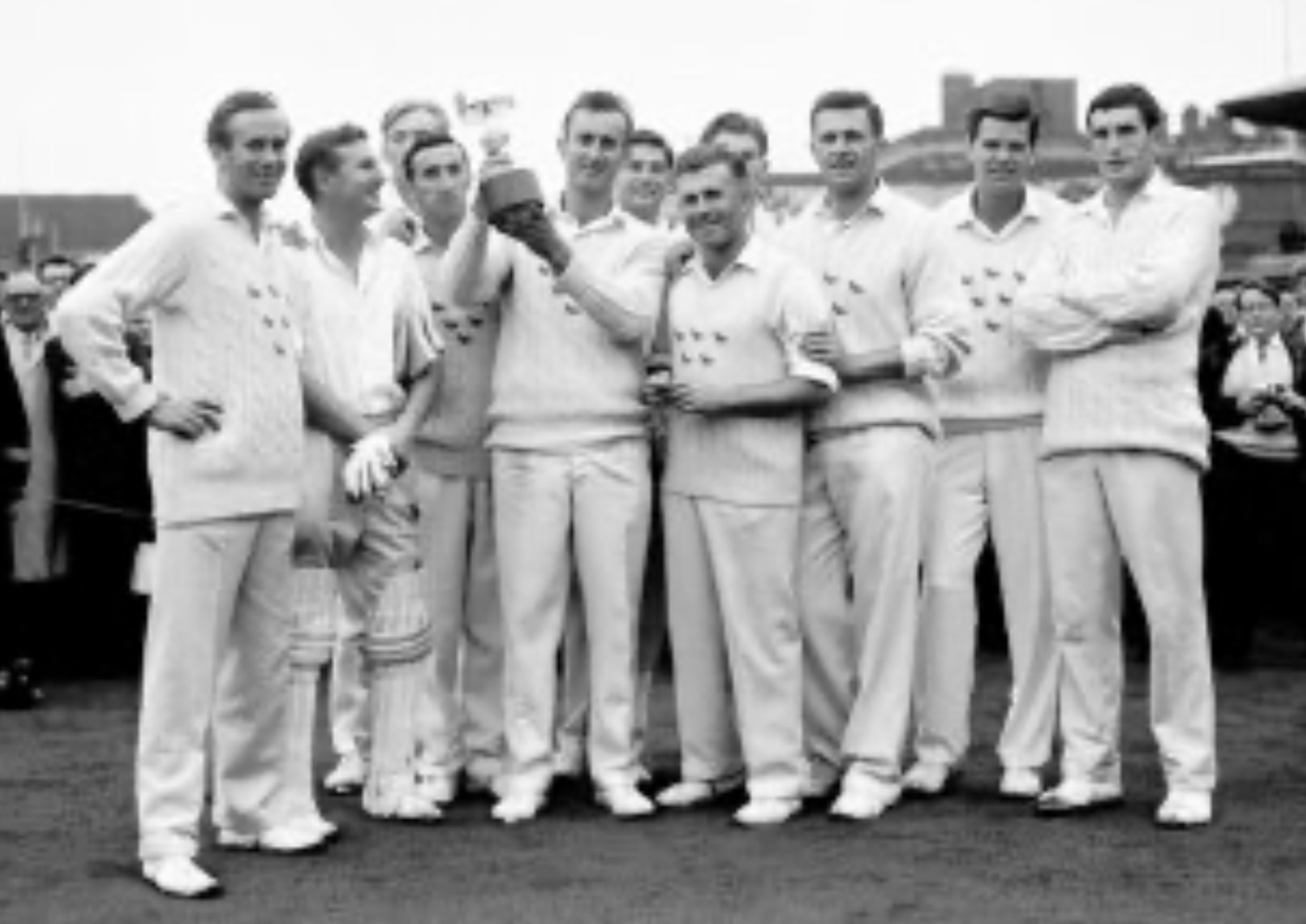
The Sussex team displaying the trophy

In September 1963, the Ku Klux Klan bombed a church in Birmingham, Alabama, shattering a stained-glass window. In response, John Petts, a stained-glass artist from Carmarthenshire, Wales launched a campaign to fund and create a new window as a gift to the church from the people of Wales. The funds were raised in the blink of an eye, and a friendship between the community in Alabama and Wales continues to this day.

📸 BBC

Developed in Birmingham, England in 1963, the Mellotron became one of the sounds of the sixties. Manfred Mann used the Mellotron on Semi-Detached Suburban Mr James, 1966, while a year later the Beatles used the instrument on Strawberry Fields Forever.

In the 1960s and 1970s the Mellotron became a mainstay for progressive rock bands including the Moody Blues, Barclay James Harvest, King Crimson, Yes and Genesis. 

By the 1980s, many bands preferred synthesisers to Mellotrons, and production of the latter ceased in 1986. However, groups like Radiohead resurrected the Mellotron and production recommenced in 2007.

📸 Wikipedia

Quotes from Peggy Lee, singer, songwriter, actress and sage.

“I didn’t intend to be a jazz singer, but Louis Armstrong said I always knew how to swing. He wrote it on a photograph he gave me. I’m proud of that.”

Vancouver, 1950s. “The place was jammed, the audience was very drunk and I was quietly singing, ‘I Only Have Eyes For You’ when one man cracked another over the head with a bottle. ‘Are the stars out tonight…” CRA-A-CK. ‘I don’t know if it’s cloudy or bright…’ CRA-A-CK. The fight was on. Meanwhile, I continued to sing…”

“Some of us just go along believing what we read in the papers until that marvellous day when people stop intimidating us – or should I say, we refuse to let them intimidate us, and we think and do things on our own.”

Coming soon, Songbird, my novel set in 1963

https://books2read.com/u/bMqNPG

For Authors

#1 for value with 565,000 readers, The Fussy Librarian has helped my books to reach #1 on 32 occasions.

A special offer from my publisher and the Fussy Librarian. https://authors.thefussylibrarian.com/?ref=goylake

Don’t forget to use the code goylake20 to claim your discount 🙂

Categories
1920s

The 1920s #7

The first Tarzan comic strip began on 7 January 1929. However, his first appearance in print occurred in the October 1912 issue of The All-Story.

The Buck Rogers comic strip also began on 7 January 1929.

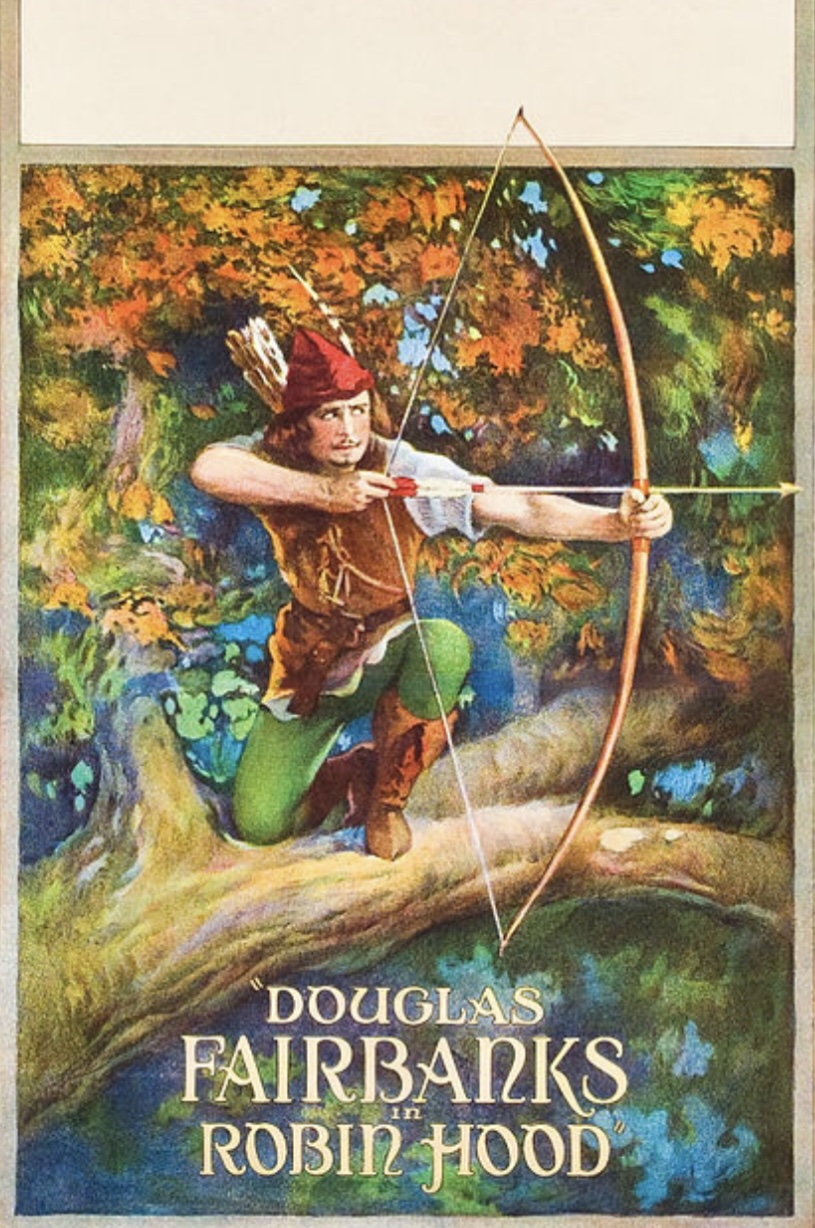
Douglas Fairbanks in Robin Hood (to give the movie its full title) was released on 18 October 1922. The film was the first ever to have a Hollywood premiere, held at Grauman’s Egyptian Theatre. With a budget of one million dollars (the equivalent of $18.2 million today) Douglas Fairbanks in Robin Hood was the most expensive number one ranked film of the decade.

On 13 October 1922, the 3-D silent movie Mars Calling was screened at New York’s Selwyn Theatre. The film ran for 95 minutes and demonstrated the Teleview process, which used alternate frame sequencing viewable through motorised stereopticons.

In the 1928-29 football season, The Wednesday won the first division league title for the third time, creating a new record. Formed in 1867 as an off-shoot of The Wednesday Cricket Club, The Wednesday changed their name to Sheffield Wednesday in 1929. The club holds the distinction of being the second-oldest professional association football club in England.

Graphic: Wikipedia

On 3 December 1926 mystery author Agatha Christie (pictured) disappeared from her home in Surrey. Eleven days later, journalist Ritchie Calder found her in a Harrogate hotel using the surname of her husband’s mistress.

Confession: I’ve never read an Agatha Christie book or seen a movie adaptation.

On 5 February 1924 a radio time signal was broadcast for the first time, from the Royal Greenwich Observatory, signalling Greenwich Mean Time. 

Greenwich Mean Time was first adopted in Britain in 1847 by the Railway Clearing House, and by most railway companies the following year. Gradually, GMT became the standard in other aspects of life.

A reminder that in Britain our clocks go back an hour this weekend.

The Shepherd Gate Clock at the gates of the Royal Observatory, Greenwich is permanently kept on Greenwich Mean Time (Wikipedia).

For Authors

#1 for value with 565,000 readers, The Fussy Librarian has helped my books to reach #1 on 32 occasions.

A special offer from my publisher and the Fussy Librarian. https://authors.thefussylibrarian.com/?ref=goylake

Don’t forget to use the code goylake20 to claim your discount 🙂

Categories
1920s

1920s #6

The first 24 Hours of Le Mans race took place on 26 and 27 May 1923, on public roads around Le Mans. Originally the race was planned as a three-year event, with first prize awarded to the car that travelled the furthest distance over three consecutive 24-hour races. This idea was abandoned in 1928.

French, British and Italian drivers and cars dominated the early events, with Bugatti, Bentley and Alfa Romeo featuring prominently.

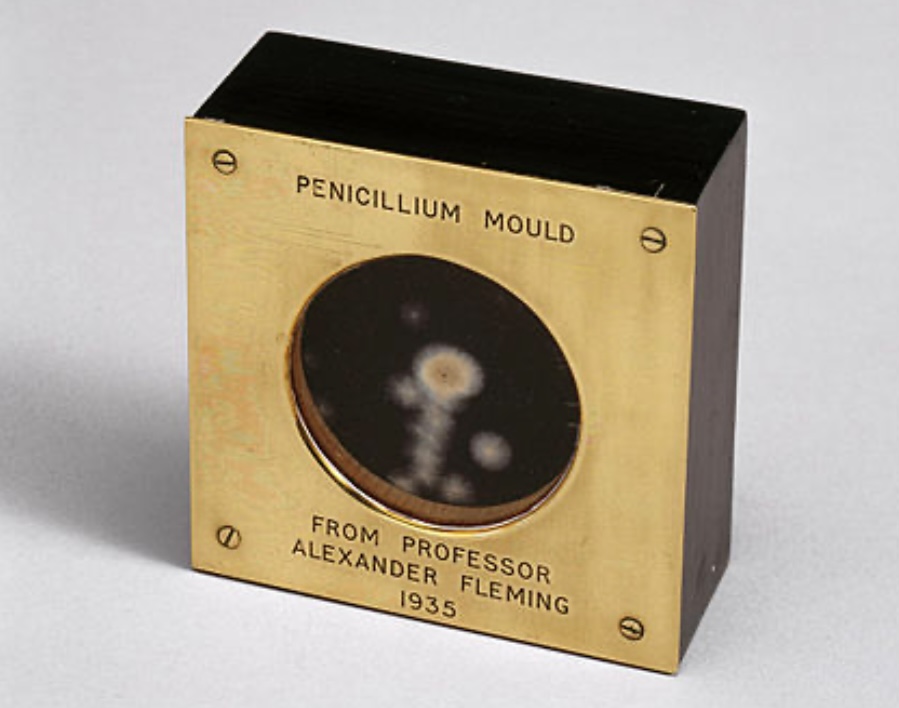
On 3 September 1928 Alexander Fleming observed by chance that fungal contamination of a bacterial culture appeared to kill the bacteria. He confirmed his observation with a new experiment on 28 September at St Mary’s Hospital, London. When Fleming published his experiment in 1929, he called the antibacterial substance (the fungal extract) penicillin.

Fun Fact: I’m allergic to penicillin. When prescribed a course as a teenager, I swelled up and turned bright green.

📸 Wikipedia

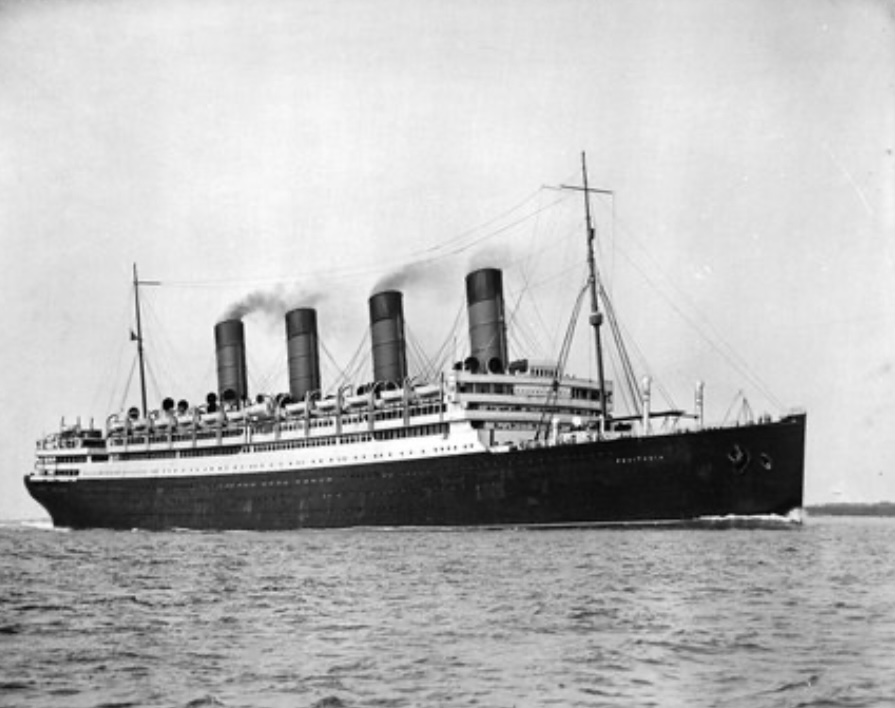
Before the 1920s, shipping companies made their money transporting immigrants to various countries, especially the United States. However, when the USA brought in stricter regulations for immigration many shipping companies turned to cruises to sustain their income. Instead of a means of transport only, the ships became floating hotels.

The Aquitana

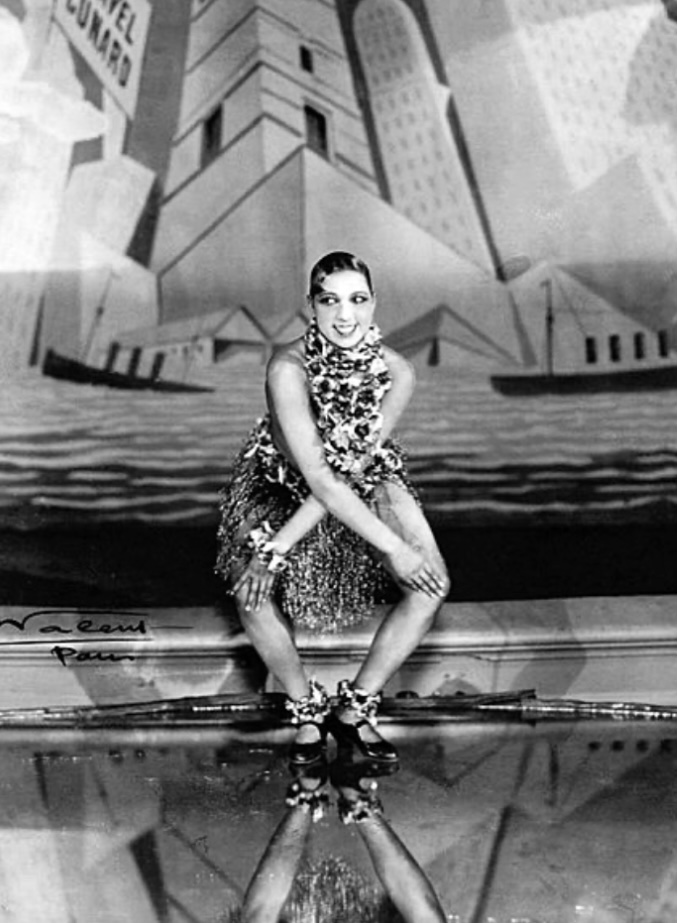
Joséphine BakerJune 3, 1906 – April 12, 1975), was an American-born French dancer, singer, and actress. Joséphine established her career in France where she appeared in movies and danced at the Folies Bergère in Paris. Her performances were a sensation and she became an icon of the Jazz Age.

During the Second World War, Joséphine Baker aided the French Resistance. After the war, she was awarded the Resistance Medal and the Croix de Guerre, and was named a Chevalier of the Legion of Honour.

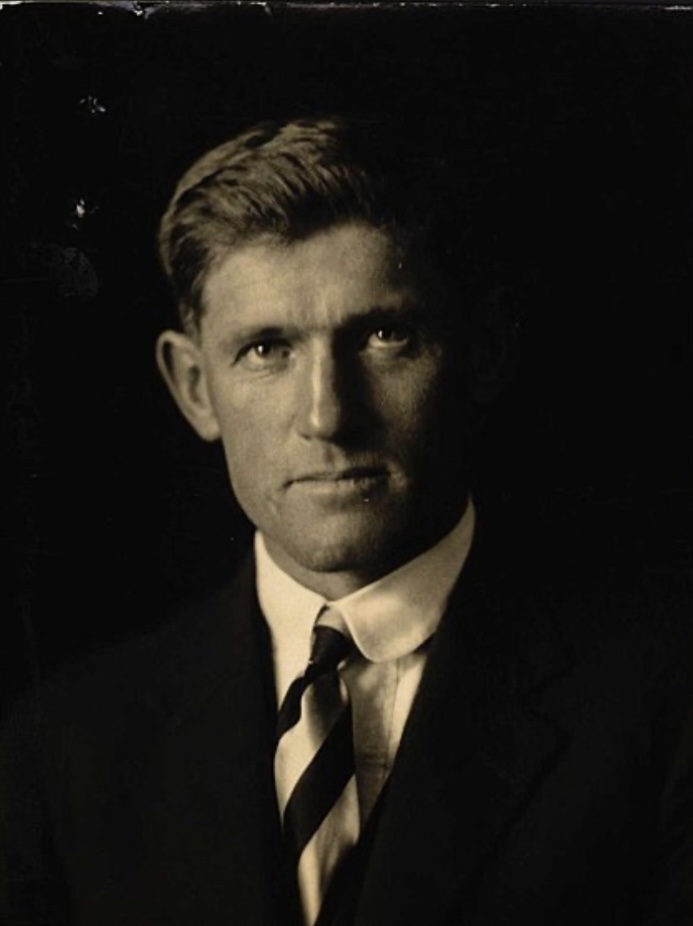
On Saturday, 3 January 1925 Cyril Brownlie of New Zealand (pictured) was sent off for foul play during a Test match against England, the first time anyone had been dismissed from the field of play in an international rugby union match. 

New Zealand won a bruising encounter, 17 – 11.

The first electric razor was patented in 1928 by the American manufacturer Col. Jacob Schick (pictured). A military officer, inventor, and entrepreneur, Schick founded Schick Dry Shaver Inc. 

Schick’s company did well and he moved most of his wealth to a series of holding companies in the Bahamas. This did not please the Joint Congressional Committee on Tax Evasion & Avoidance, so to avoid an investigation Schick became a Canadian citizen in 1935.

On March 28, 1920 “America’s Sweetheart” Mary Pickford and “Everybody’s Hero” Douglas Fairbanks married, thus becoming Hollywood’s first supercouple. 

They created a home, “Pickfair” (pictured), a mock-Tudor-designed six-bedroom house, which contained a screening room, glassed-in sun porch, bowling alley and billiard room. Unfortunately, as with many Hollywood unions, the marriage drifted towards divorce.

For Authors

#1 for value with 565,000 readers, The Fussy Librarian has helped my books to reach #1 on 32 occasions.

A special offer from my publisher and the Fussy Librarian. https://authors.thefussylibrarian.com/?ref=goylake

Don’t forget to use the code goylake20 to claim your discount 🙂
Categories
1920s

The 1920s #5

Cricket

In 1920-21, England toured Australia and became the first team to lose every match in a five-match Test series. On the return during the English cricket season of 1921, Australia continued their dominance, winning the first three Test matches. However, England did manage to draw the final two.

Jack Gregory, fast bowling tormentor of England, 1920-21.

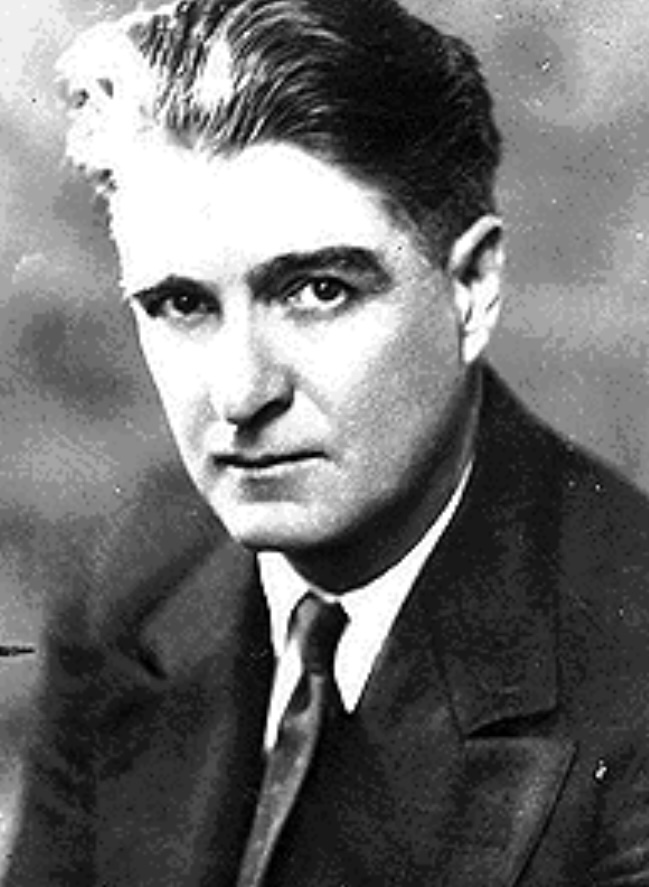
In October 1927, Clarice Cliff (pictured) began test marketing her ‘Bizarre’ pottery range in Britain. Initially, her pottery sold for 7 shillings and 6 pence (35 pence). In 2004, Christie’s sold a Clarice Cliff 18-inch ‘charger’ (wall plaque) for £39,500.

Aviation

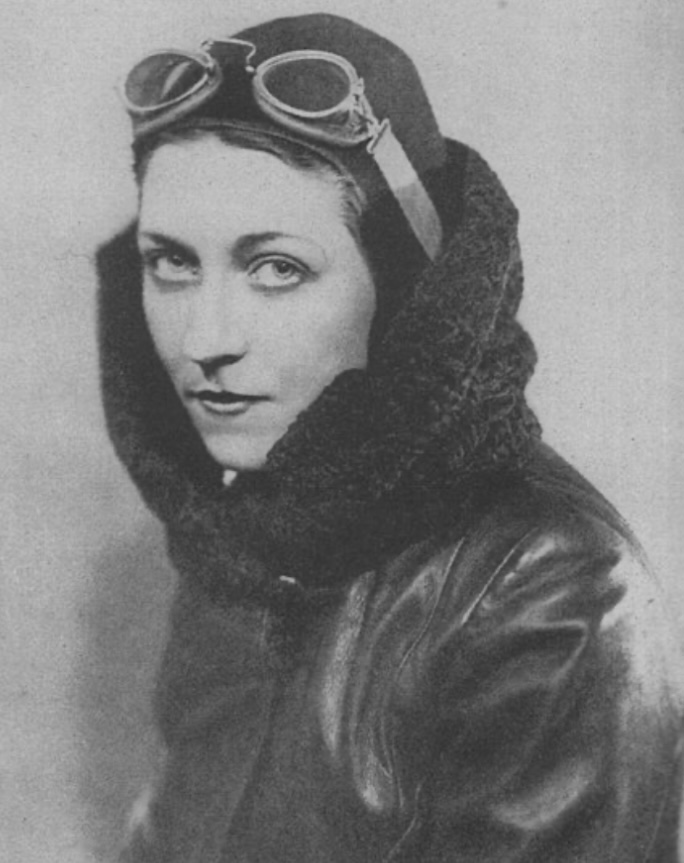
In 1929, Amy Johnson (pictured) obtained her pilot’s licence from the London Aeroplane Club. Later in the year she became the first British woman to obtain a ground engineer’s C Licence. In 1930, Amy was the first woman to fly solo from Britain to Australia.

Seaside Resorts

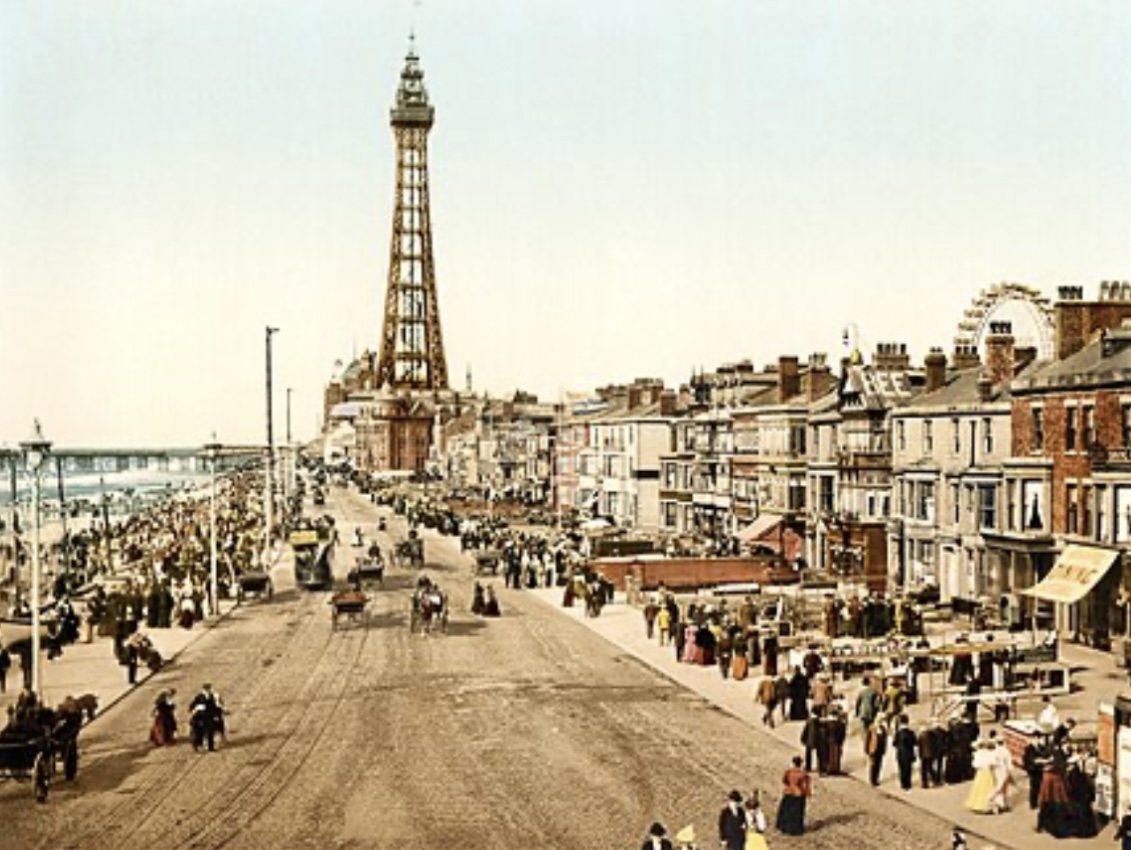
In the 1920s, a fortnight’s summer holiday by the seaside was a regular feature of working-class life. The practice started in the 1840s with the development of the railways. Entrepreneurs built accommodation in the form of hotels and bed and breakfast establishments. In places like Blackpool they also added fairground attractions, promenades and pleasure piers.

The cotton mills in the north of England would close during “wakes weeks” and people would flock to the seaside. Because beachwear was still considered immodest, proprietors provided bathing huts. During the 1920s, well over 100 British towns developed into seaside resorts.

Blackpool Promenade

On 17 January 1921, P.T. Selbit became the first magician to publicly “saw a woman in half”. He performed this illusion at the Finsbury Park Empire, London. 

In 1913, Selbit, with the aid of an attractive woman, performed the illusion of “walking through a brick wall”, a year before Harry Houdini performed the same trick. The two men entered a dispute over who invented the illusion. Spoiler: the magician or his assistant used a trapdoor that went underneath the wall.

In front of an audience more interested in the camera than the potential gore unfolding, P.T. Selbit “saws a woman in half”. 

The 1923 WAAA Championship, the first British track and field championships for women, was held on 18 August at the Oxo Sport Grounds, in Bromley, London. The events: 100 yards, 220 yards, 440 yards, 880 yards, 660 yards relay, 120 yards hurdles, high jump, long jump, shot put, javelin, and track walk.

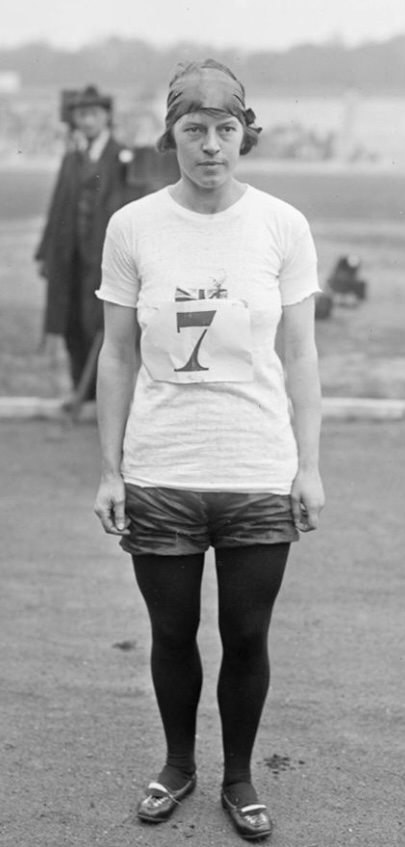
Mary Lines (pictured) won four events: 100 yards, 440 yards, 120 yards hurdles, and the long jump.

On 21 December 1927 aka “Slippery Wednesday” 1,600 people were hospitalised in the London area when they hurt themselves on icy streets.

The cold weather continued over Christmas with blizzards in south Wales, the Midlands and London.

The Train in the Snow – Claude Monet

For Authors

#1 for value with 565,000 readers, The Fussy Librarian has helped my books to reach #1 on 32 occasions.

A special offer from my publisher and the Fussy Librarian. https://authors.thefussylibrarian.com/?ref=goylake

Don’t forget to use the code goylake20 to claim your discount 🙂

Categories
1920s

The 1920s #2

1920s Flapper Slang

Fire alarm – a divorced woman

Fire bell – a married woman 

Fire extinguisher – a chaperone 

Forty-niner – a man looking for a rich wife

Handcuff – an engagement ring 

Hush money – a young woman’s allowance 

Munitions – a woman’s make-up

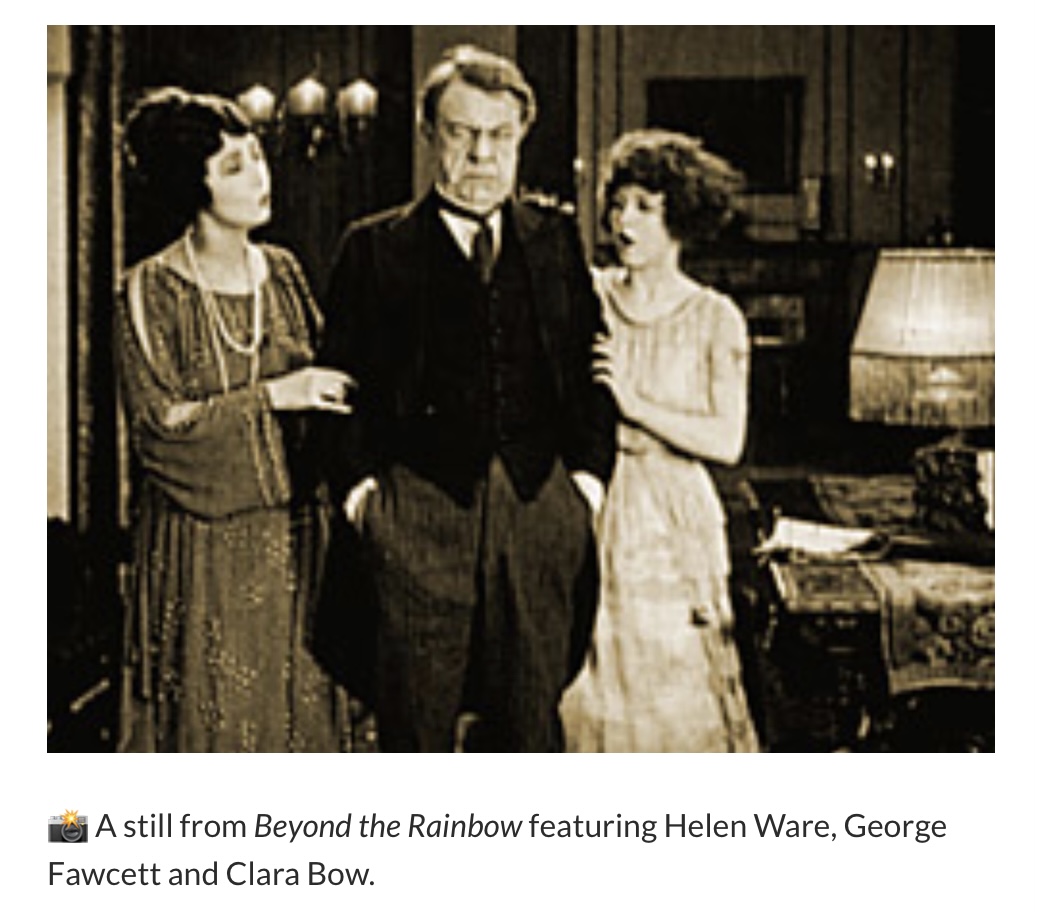
Clara Bow, the superstar of the era, made her debut in Beyond the Rainbow. Filmed in New York in 1921, when Clara was sixteen, the movie went on public release on February 19, 1922. A 16mm print of the film still survives.

The plot is a decent one: guests arrive at a party and are passed a mysterious note saying, ‘Consult your conscience. Your secret is common gossip.’ All the guests have something to hide, so panic and murder ensue.

The note was written by Clara’s character, Virginia Gardener, as a mischievous joke. It’s ironic that in her first movie Clara was the instigator of chaos because, in her own iconic way, that set the tone for her career.

Clara appeared in five scenes in Beyond the Rainbow, but strangely those scenes were cut from the final print, only to be restored when she became a star. Her billing also moved up from ninth to third when she achieved stardom.

Alvin ‘Shipwreck’ Kelly, 1893 – 1952, achieved fame in the 1920s and 1930s as a pole sitter. He calculated that he spent 20,613 hours sitting on flagpoles, including 210 hours in sub-freezing weather and 1,400 hours in the rain. 

Kelly married Frances Vivian Steele, an elevator operator, a match clearly made in heaven, or at least close to it.

📸 Getty Images

The #1 song in 1920, Dardanella, recorded by Ben Selvin and his Novelty Orchestra. Released in December 1919, the song reached number one the following month and remained there for thirteen weeks. Selvin’s recording broke records by becoming the first record to sell more than three million copies. It eventually sold five million and became the second-highest single of the 1920s.

Many artists covered the song, including Acker Bilk, Bing Crosby and Louis Armstrong, plus Geoff and Maria Muldaur.

Football

A talented Wales team featuring Willie Davies, Ted Vizard and Fred Keenor (pictured) won the 1923-24 British Home Championship thanks to victories over Scotland, 2 – 0 at home, 2 – 1 against England (away) and 1 – 0 against Ireland (away). The game against Ireland was a tumultuous affair decided by a Moses Russell penalty.

Scotland finished second, Ireland third, and England fourth.

Television

In 1921, Charles Francis Jenkins (pictured) incorporated Jenkins Laboratories in Washington D.C. with the purpose of “developing radio movies to be broadcast for entertainment in the home”.

In 1922, Jenkins demonstrated his television principles by transmitting a set of static pictures from Washington D.C. to a navy station in Anacastia by telephone wire.

In 1923, Jenkins demonstrated “true” television, transmitting 48-line moving silhouette images at 16 frames per second from Washington to Anacostia Navy station.

A year later, enter John Logie Baird who demonstrated a semi-mechanical television system, transmission moving silhouette images in Britain.

Literature 

Published in 1922, The Beautiful and the Damned by F. Scott Fitzgerald. Set in New York City, the plot follows a young artist Anthony Patch and his flapper wife Gloria Gilbert who become “wrecked on the shoals of dissipation” while excessively partying at the dawn of the hedonistic Jazz Age. 

Fitzgerald modelled the main characters on himself and his wife Zelda, detailing their tempestuous marriage. Three years later, the author covered similar themes of self-absorption and hedonism in his novel The Great Gatsby.

Tula, my novel set in the 1920s

For Authors

#1 for value with 565,000 readers, The Fussy Librarian has helped my books to reach #1 on 32 occasions.

A special offer from my publisher and the Fussy Librarian. https://authors.thefussylibrarian.com/?ref=goylake

Don’t forget to use the code goylake20 to claim your discount 🙂