Categories
Dear Reader

Dear Reader #74

Dear Reader,

My article about SOE heroine Yvonne Cormeau is on page 36 of this month’s Seaside News 🙂

Did you know that the road to the IKEA in Valladolid, Spain is “Calle Me Falta un Tornillo” – “I’m Missing a Screw Street”.

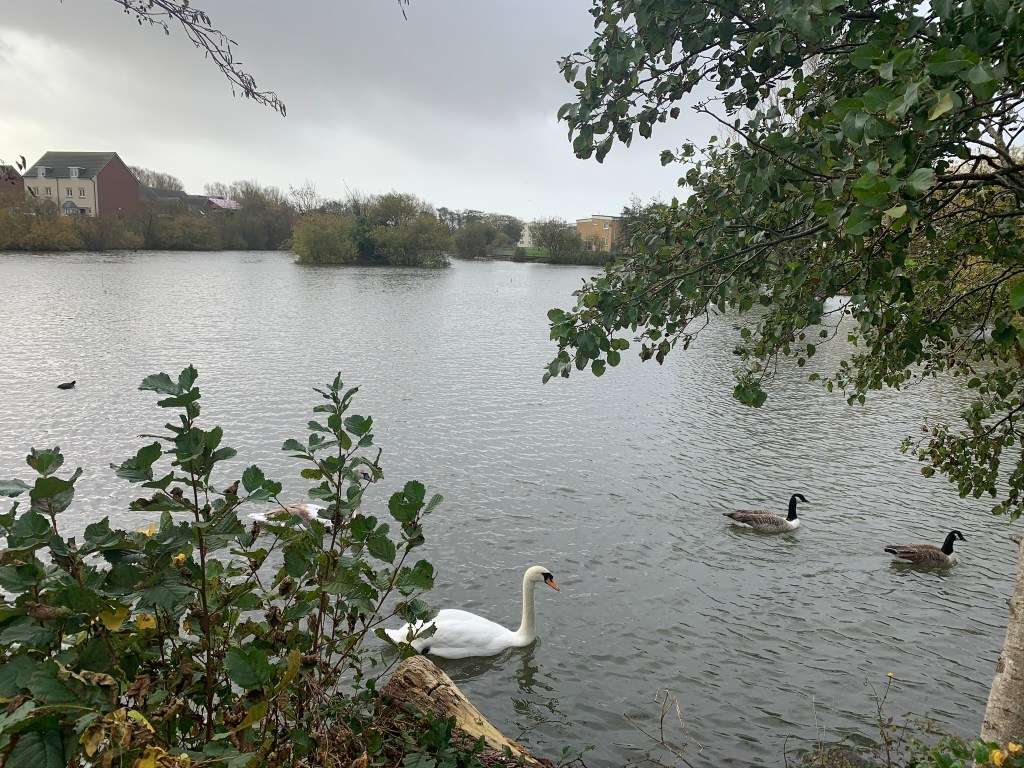
Swans and ducks on a local pond this morning.
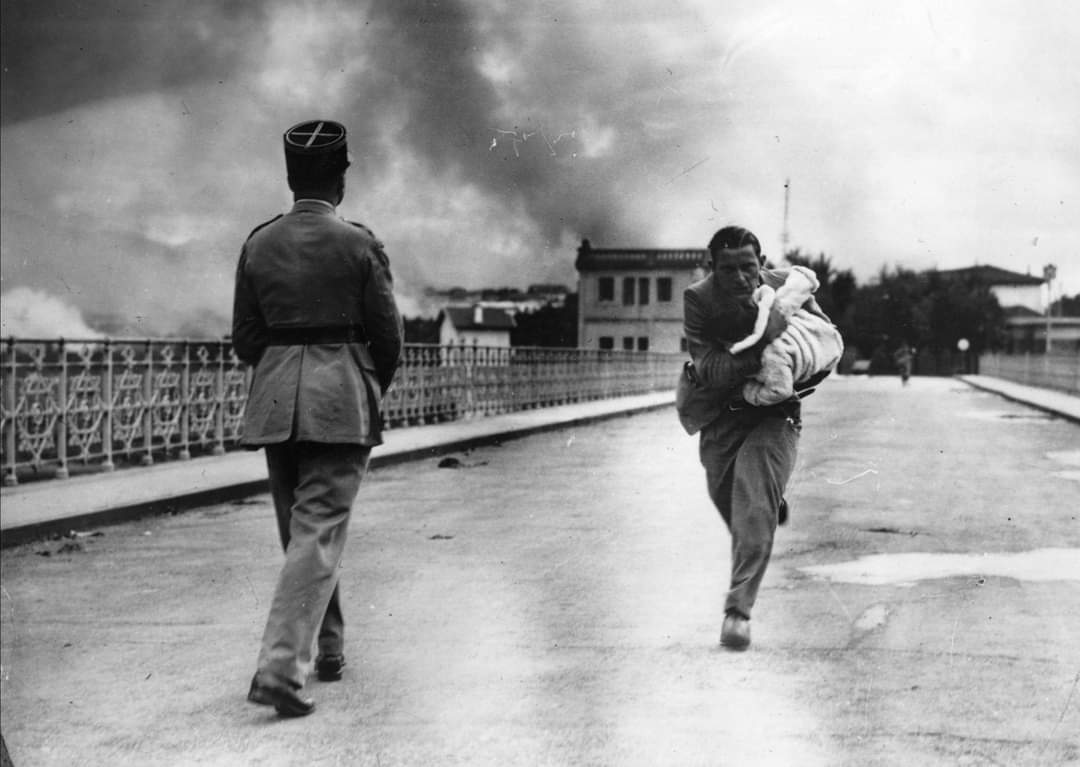
The Spanish Civil War. French journalist Raymond Vankers crossed the bridge from Irún, Spain to Hendaye, France to save a baby during the Battle of Irún, 6 September 1936.
Where the Sidewalk Ends, a 1950 noir movie, reunites Dana Andrews with Gene Tierney after the success of their 1944 classic, Laura. Where the Sidewalk Ends doesn’t quite match the class of Laura, nevertheless it is a excellent film with solid performances all round and a tight plot centred on one man’s path to redemption.

Occupied France, 1940. No petrol, so the locals converted their trucks to run on wood and coal.

November 5th was Bonfire Night in Britain. These are thought to be the earliest photographs of a bonfire. They were taken in 1853 by John Dillwyn Llewelyn at Penllergare in Swansea.

The Million Pound House

My ancestors in St Hilary owned Howe Mill, which recently went on the market for well over a million pounds.

I read about Howe Mill in a gazetteer that included this line ‘the Regency finery of Howe Mill’. The Regency refers to the period 1795 to 1837. However, further research revealed this entry, ‘Thomas David of Howe Mill was buried in 1699.’ Therefore, the mill existed in the seventeenth century and the Regency finery must refer to a refurbishment.

Howe Mill ground corn until the end of the nineteenth century. It was active in 1889, but maps published in 1899 list the mill as disused. It is situated within a twelfth century ringwork enclosure that might have served as the caput for the knight’s fee of Llandough. 

Howe derives from the Old Norse, haugr, which means hill, knoll, or mound. The Vikings settled, peacefully, in the Vale of Glamorgan in the ninth century so it is possible that my Viking ancestors acquired land that became a ringwork enclosure then a mill. Before 1699 their descendants sold the mill for a considerable sum of money. 

My St Hilary ancestors were wealthy. I know this because for many generations they held prominent places within the community. From a financial point of view they were lucky, probably because of a Viking who settled in the area and made his home on a piece of prime land.

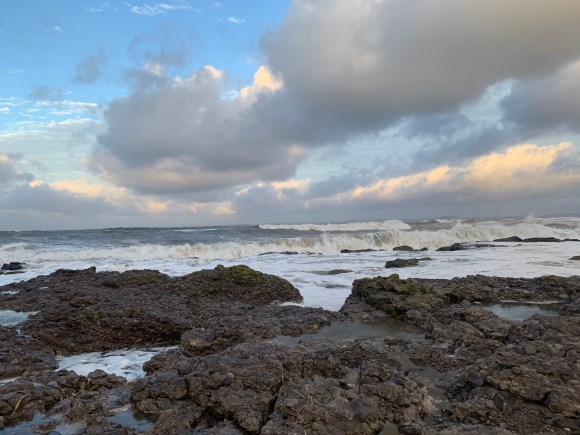
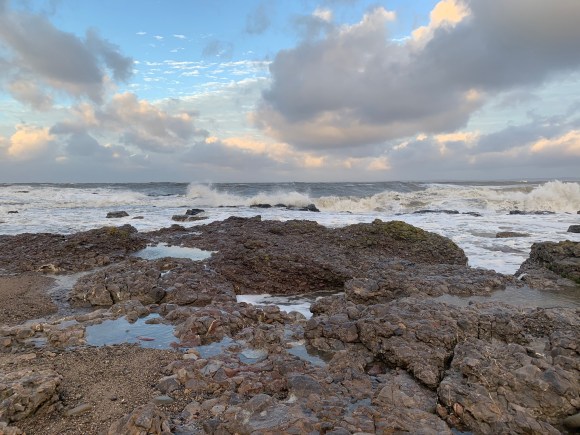
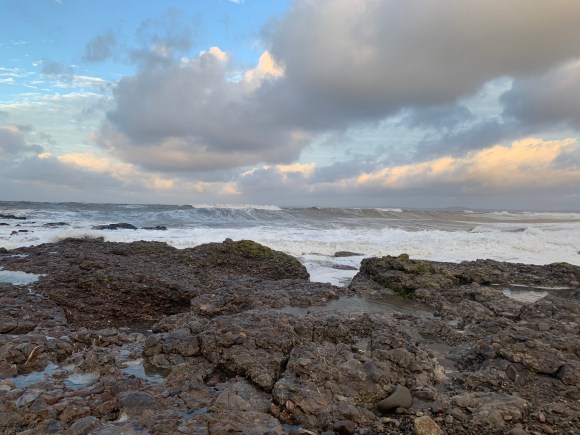
Sger Beach this week.
My Ancestry

John Howe, my 6 x great grandfather, was baptised on 24 July 1726 in St Hilary, Glamorgan, probably a week after his birth. Sadly, many babies died within a week of their birth so baptisms were often swift affairs.

The son of Joseph and Elizabeth, John became a successful farmer. When Joseph died on 5 July 1742, sixteen-year-old John became the ‘man of the house’ and helped his mother to run the farm.

In 1753, John became a churchwarden, Petty Constable and Overseer of the Poor. Overseers of the Poor were chosen from the ‘substantial householders’ within the community and were elected at the annual vestry. Although elected for a year, they often served multiple terms over many years.

As Overseer of the Poor, John made a payment of £1 17s 6d for the making and binding of bibles, 1s for attending a coroner’s inquest and 7d for a pair of male stockings. He also awarded payments of a few pence to ‘the little boy of whom nothing else is known’.

This is John’s account of 1753, written in his own hand.

Continuing the story of John Howe of St Hilary, my 6 x great-grandfather, a successful farmer, churchwarden, Petty Constable and Overseer of the Poor.

The pivotal period of John’s life arrived in April and May, 1761. On 3 April 1761 he married 39 year old Mary Williams, a widow, also of St Hilary. Then his first son, John, my 5 x great grandfather, was born on 28 April 1761. That’s right, Mary was eight months pregnant at the time of her marriage. On 1 May 1761 John’s mother, Elizabeth, died aged 62. A marriage, birth and death within four weeks. A very stressful time for John.

More children followed at regular intervals: Anne, born 17 March 1763, William, 25 November 1764 and Joseph, 12 October 1767. 

William died on 20 April 1795, aged 19, and Mary followed him three years later, on 8 January 1798. Her burial record is the first entry on the parish register for 1798.
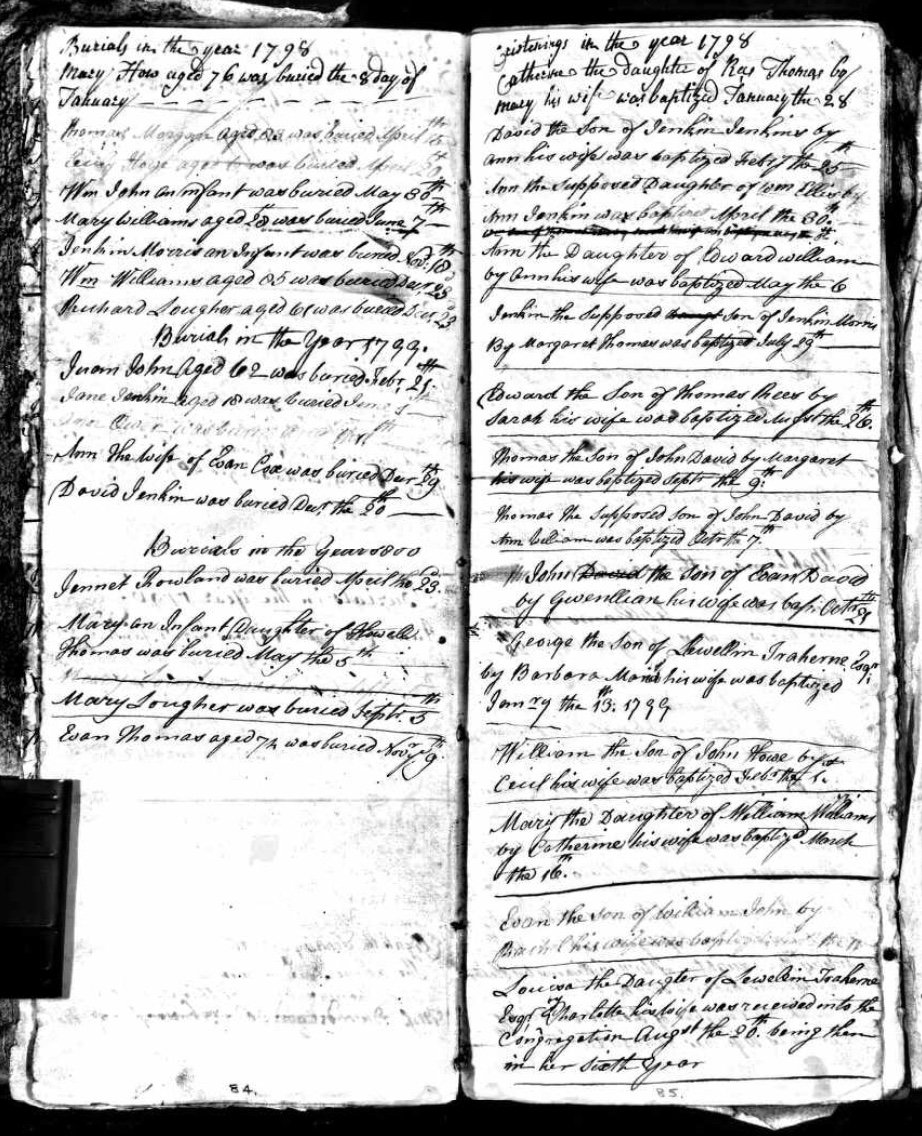
The parish register for marriages reveals that both John and Mary were literate and that John’s cousins, John and Margaret, witnessed the wedding. With his farm, community activities and mother at home, John was probably waiting for the right moment to marry. With his standing in the community, he was an eligible bachelor so Mary, four years older than John, must have been pleased with the match. Equally, she must have possessed qualities that set her apart from younger women. The couple spent 37 years together and I trust enriched each other’s lives.

John died on 23 February 1818, aged 91. For the time, he certainly led a privileged life. And through his family, farm and community activities I sense that it was a rewarding life.

In this month’s issue of our Amazon #1 ranked magazine…

Celebrating the Little Things

Things Children Say

A Young Writer’s View of Our Oceans 

Nature

Poetry 

Art

Classic Movies 

And so much more!

As ever, thank you for your interest and support.

Hannah xxx
Categories
Dear Reader

Dear Reader #67

Dear Reader,

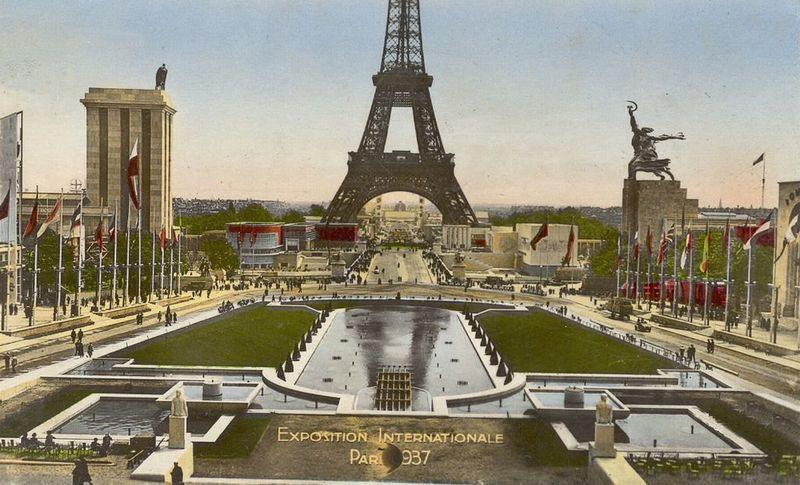
This week, my writing takes me to the Spanish Civil War with Branches, book two in The Olive Tree. This story actually starts in Paris during the International Exposition of 1937. Pictured, The Soviet pavilion and the German pavilion near the Eiffel Tower.

Enjoying dinner aboard a Zeppelin, Berlin to Paris, 1928.

The proof copy of Looking for Rosanna Mee has arrived from the printer. Also, I’m delighted that a Spanish version of this book, my latest Sam Smith Mystery, is now in production.

In Spain, Vice-President Pablo Iglesias announced that descendants of those who fought in the International Brigades will be able to apply for Spanish citizenship. In 2007 a law granted members of the International Brigades citizenship.

Los descendientes de los brigadistas internacionales que combatieron por la libertad y contra el fascismo en España, podrán acceder a la nacionalidad española. Ya era hora de decir desde el Gobierno a estos héroes y heroínas de la democracia: gracias por venir.

Translation:
“The descendants of the international brigade members who fought for freedom and against fascism in Spain, will be able to access Spanish nationality. It was time to say from the Government to these heroes and heroines of democracy: thank you for coming.”

Commemorating the Battle of Britain, an international team effort.

A worker at the B.T.H. factory in Neasden Lane, Willesden writing messages on a Covenanter tank of British Guards Armoured Division, 22 September 1942.

A post World War Two silk dress made from ‘escape and evade’ maps. The maps were given to RAF pilots and SOE agents to aid their escape should they be trapped behind enemy lines.

Maps were printed on silk during the war because the material is durable, rustle free, easy to conceal and doesn’t degrade in water. The maps, along with secret messages, were often sewn into an agent’s clothing.

This weekend’s sweet treat in our house is a Teisan Lap, a moist cake that was very popular with coalminers.

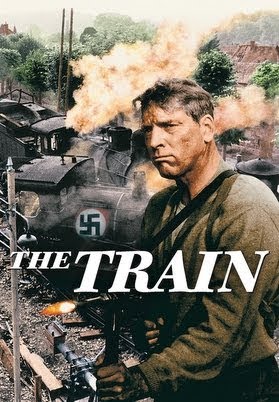
The Train, a 1964 Second World War movie, is based on an interesting premise: are great works of art more valuable than human life?

Directed by John Frankenheimer and starring Burt Lancaster, The Train is an ‘industrial’ movie in that sweat and coal dust are never far from the actors’ faces. It’s also a stirring action movie with a number of dramatic, explosive scenes.

It’s August 1944 and with the Allies closing in on Paris, the Nazis decided to transport, by train, the great art treasures of France to Germany. In the movie, the main protagonists are Paul Labiche, a railwayman and Resistance member, played by Burt Lancaster, and art lover Colonel Franz von Waldheim, played by Paul Scofield.

Given that the Allies are approaching, the Resistance only need to delay the train by a few days, while protecting its priceless cargo. Although initially reluctant to participate in the plan, Labiche devises an elaborate plan where, instead of travelling in a straight line to Germany, the train travels in a circle. In all aspects, the movie is gritty and realistic. However, this concept does require a suspension of disbelief because the Nazis never suspect that the train is taking a circuitous route.

Paul Scofield and Burt Lancaster

One of the most dramatic scenes in the movie is a train crash. This was filmed for real. However, the stuntman pulled the throttle back too far and the train travelled too fast, demolishing a dozen cameras en route. This left just one camera, buried in the ground, to capture the action, which it did to stunning effect, the wrecked train coming to rest above its all-seeing lens.

Due to a number of complex sequences, the movie overran it’s production schedule. Many of the French character actors in the film were committed to other projects. Therefore, director John Frankenheimer came up with a simple solution. As Resistance fighters, they were placed against a wall and shot by the Nazis. Historically correct, this explained their absence from the closing scenes of the film.

An agile performer, Burt Lancaster performed his own stunts. These included jumping on to a fast moving train and, later, being pushed off a fast moving train. He escaped without injury. However, on a rest day he played golf and badly damaged his knee. John Frankenheimer needed a reason to explain Lancaster’s limp, so he included a new scene in which the Nazis shoot Lancaster in the knee as he makes his escape thus allowing the production to continue without further delay.

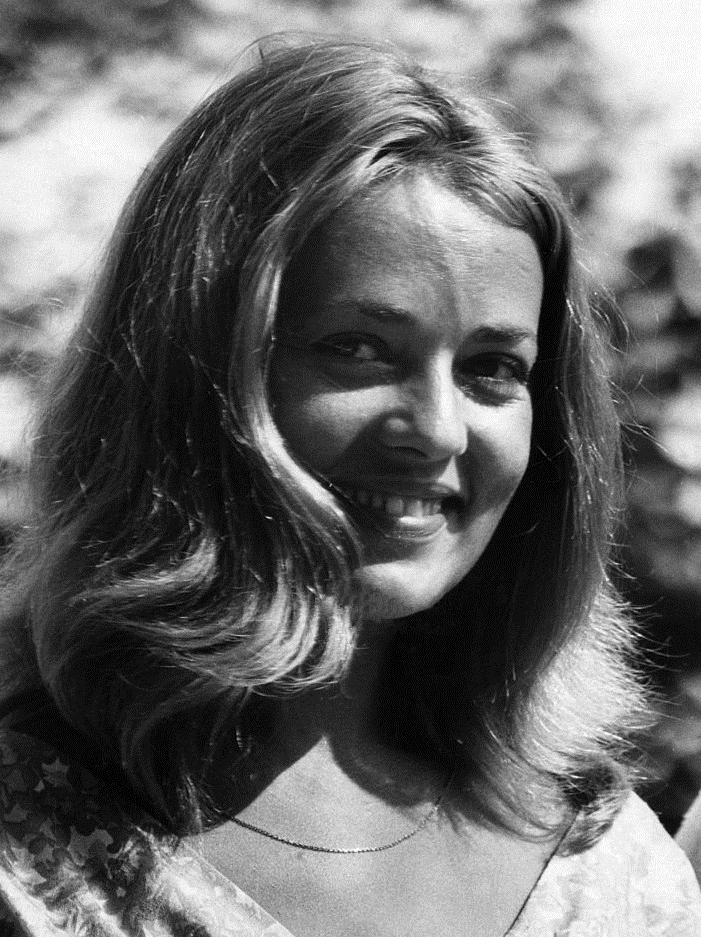
Jeanne Moreau

With filming complete, John Frankenheimer showed The Train to the production company, United Artists. They realised that the movie required another action scene. Therefore, Frankenheimer reassembled the cast for a dramatic Spitfire attack scene, a highlight of the movie. 

At Lancaster’s suggestion, Frankenheimer also added a philosophical/romantic scene, which Lancaster largely wrote. This scene featured Lancaster and Jeanne Moreau, and is another highlight of the movie.

Throughout the film, John Frankenheimer juxtaposed the value of art with the value of human life. A brief montage at the close of the movie intercuts the crates full of paintings with the bloodied bodies of the hostages, shot by the Nazis, before a final scene shows Lancaster as Labiche limping away.

As ever, thank you for your interest and support.

Hannah xxx

Categories
Dear Reader

Dear Reader #30

Dear Reader,

I’m delighted to be a member of the talented team involved in Mom’s Favorite Reads.

And to start the new year in style, here’s our January 2020 issue featuring an exclusive interview with Melinda Mullins, star of Remember WENN, M*A*S*H and the Shakespearean stage, a Romance Roundtable, Anna Grace discusses mental health, young writers and so much more.

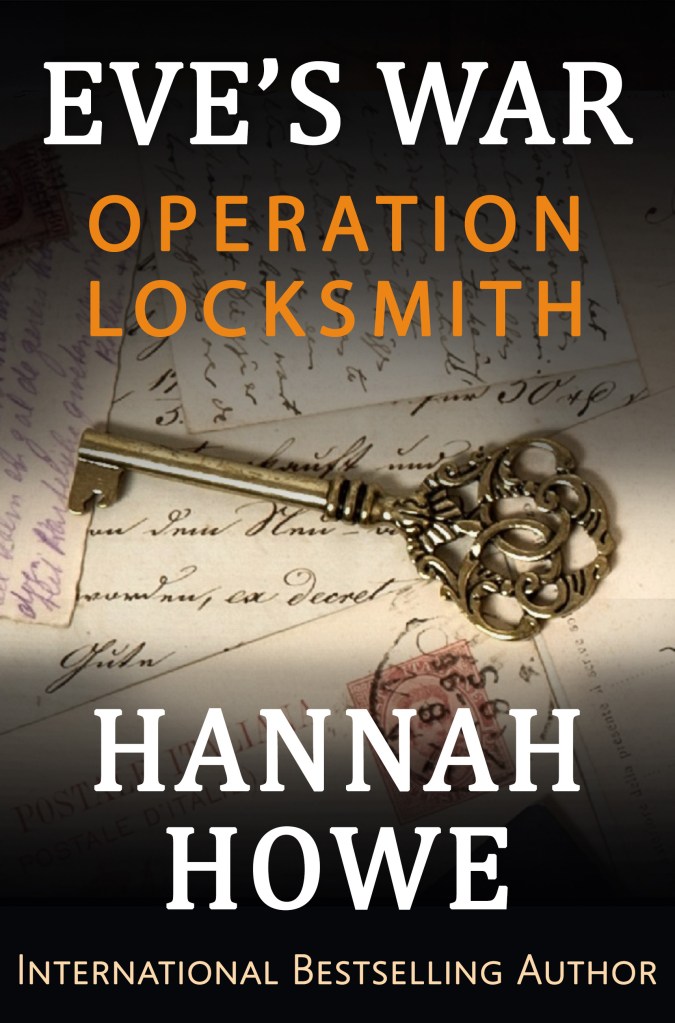
The new year promises to be my busiest yet with six books scheduled: two Sam Smith novels, Snow in August and Looking For Rosanna Mee; Roots and Branches, the first two novellas in The Olive Tree, A Spanish Civil War Saga; plus Operation Zigzag and Operation Locksmith, the first two novellas in my Eve’s War series about the Special Operations Executive and the French Resistance.

Yesterday, I wrote the first draft of chapters one and two of The Olive Tree: Roots. The stories in this series will be told from two viewpoints: a nurse, Heini Hopkins, and a socialite author, Naomi Parker. Heini rides a bicycle while Naomi drives this SS Jaguar 100, pictured outside the SS Cars building in 1937.

The ‘100’ was the car’s top speed while this image represents the first recorded use of the Jaguar ‘leaper’ mascot.

In Roots, book one of The Olive Tree, my nurse Heini Hopkins is at home tending her sick mother. This item is from my domestic research into the period. I remember using carpet cleaners like these when I visited my grandparents’ house.

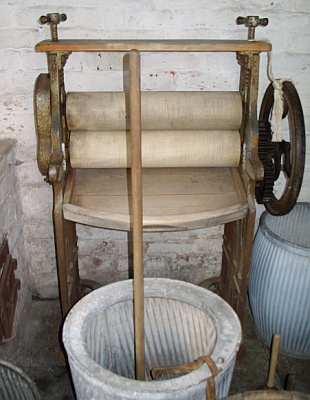
A mangle, another item from my domestic research into the 1930s. My nurse, Heini Hopkins, would certainly be familiar with this item, and I can remember seeing similar models when I visited my grandparents’ house.

In The Olive Tree, Heini Hopkins is a nurse specialising in tuberculosis. As the story opens she is tending Mari, her sick mother.

For centuries, tuberculosis was considered ‘the romantic disease’ because it ‘assisted artistic talent’. People believed that the fever and toxaemia associated with tuberculosis helped artists to see life more clearly and that this clarity of mind liberated their creative muse.

You can read my full article here https://hannah-howe.com/the-olive-tree/tuberculosis/

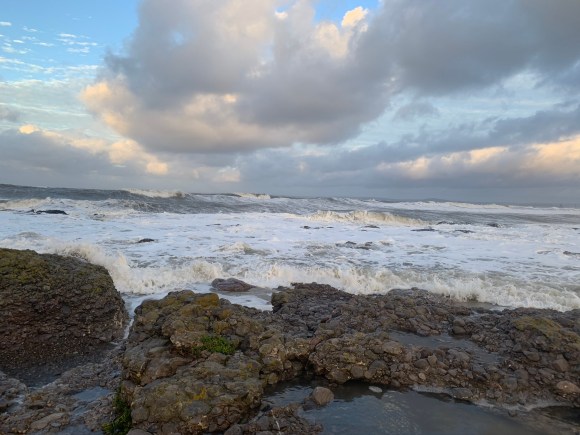
Local views this morning, at Sger.

As ever, thank you for your interest and support.

Hannah xxx

Categories
Dear Reader

Dear Reader #9

Dear Reader,

This week, my writing has focused on research for The Olive Tree, my Spanish Civil War Saga. I have created a number of pages on my website chronicling some amazing stories of bravery and courage. You are invited to read these stories.

https://hannah-howe.com/the-olive-tree/esperanza-careaga/

https://hannah-howe.com/the-olive-tree/fifi-roberts/

https://hannah-howe.com/the-olive-tree/nurses/

https://hannah-howe.com/the-olive-tree/wales-and-spain/

As ever, thank you for your interest and support.

Hannah xxx
Categories
Saving Grace Victorians

Saving Grace Background #1

It’s wonderful when your imagination and research overlap. In my mind’s eye I pictured Daniel Morgan, Grace’s advocate in Saving Grace, as Byronic in appearance. During my research I read that the real-life advocate Daniel is based on was also described as ‘Byronic in his handsomeness’. I think only a romantic would choose to speak up for Grace. In contrast, his rival advocate (in real-life and my book) had a weak chin, an unkempt moustache and he wore a monocle.

George_Gordon_Byron,_6th_Baron_Byron_by_Richard_Westall_(2)

Carys is a Welsh word for love while the Beaumond, or Beaumont, family were medieval lords. Carys is a young widow with an interest in books. As the story starts, she is translating early medieval manuscripts. She is also concerned about her friend, the extremely rich Grace Petrie, who is suspected of poisoning her husband. And so she hires the dashing Daniel Morgan, a lawyer, to save Grace. Picture, a coat of arms associated with the Beaumonds.

CheckyAzure&OrAChevronErmine

Sker Grange, photographed c1901, Grace’s home in Saving Grace.

sker-house-c1901

Florrie Williams was Grace Petrie’s maid. She was the first on the scene when Charles Petrie was poisoned and a key witness at the inquest. Meanwhile, here is a maid’s typical day.

5.30 am Clean the kitchen floors

6.00 am Hot water

6.30 am Wake seniors, lay and light fires, lay servants’ breakfast, deliver nursery breakfast

7.30 am Water and tea-trays to family, empty chamber-pots

7.45 am Servants’ breakfast

9.00 am Family breakfast

9.30 am Clear and clean

12 noon Servants’ lunch, nursery lunch

1.00 pm Family lunch

2.30 pm Clear lunch, rest

4.30 pm Tea-trays for household

5.30 pm Servants’ tea, nursery tea

6.00 pm Lay dinner, help in kitchen

7.00 pm Family dinner, serve and clear

9.00 pm Servants’ supper

10.00 pm Bed

Wages in 1876, £20-25 per annum

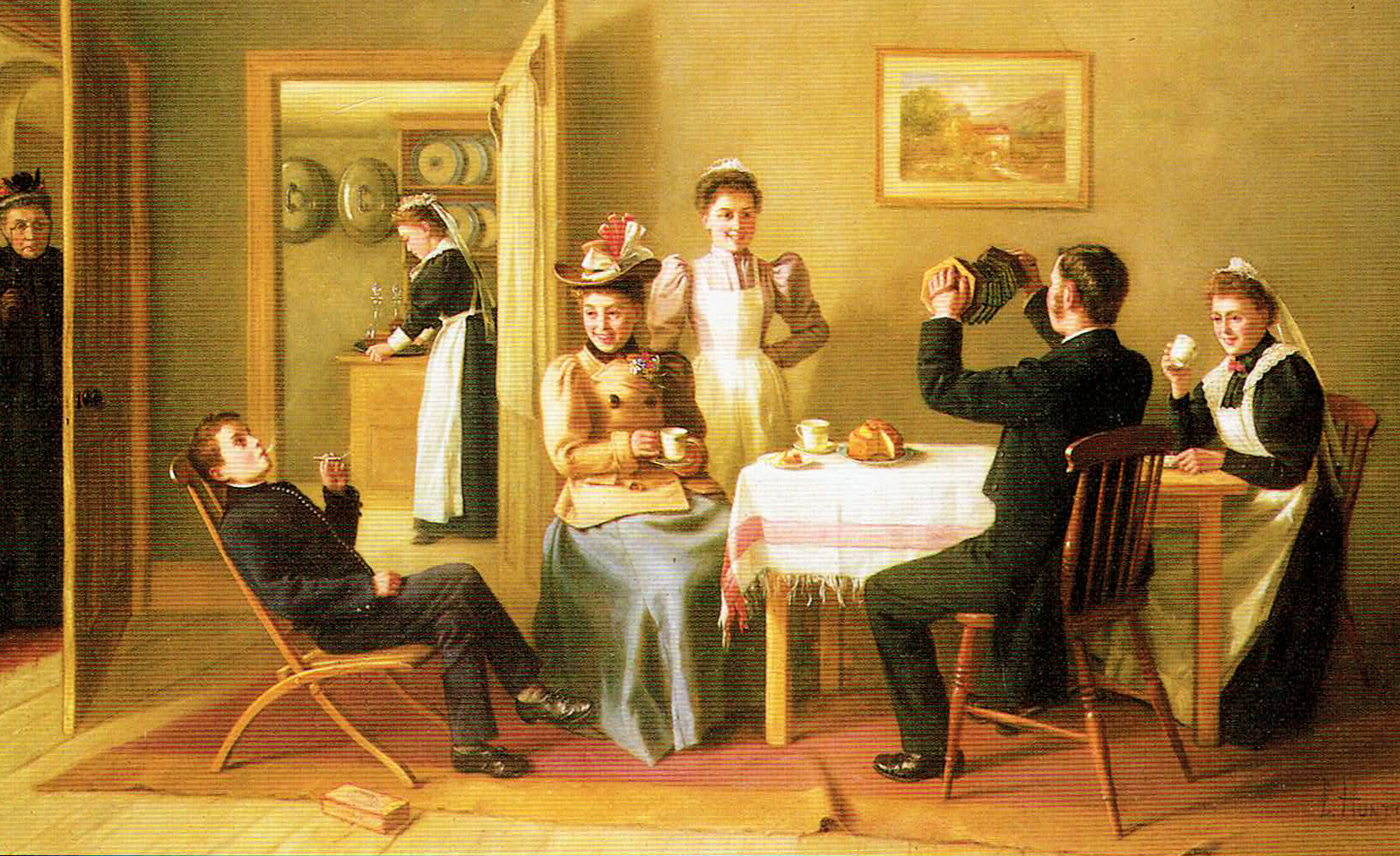
Picture: a maid with her fellow servants and a guest, enjoying a tea and cake break.

Victorian Maid

Take a ride on a Victorian train.