Categories
1920s

1920s #6

The first 24 Hours of Le Mans race took place on 26 and 27 May 1923, on public roads around Le Mans. Originally the race was planned as a three-year event, with first prize awarded to the car that travelled the furthest distance over three consecutive 24-hour races. This idea was abandoned in 1928.

French, British and Italian drivers and cars dominated the early events, with Bugatti, Bentley and Alfa Romeo featuring prominently.

On 3 September 1928 Alexander Fleming observed by chance that fungal contamination of a bacterial culture appeared to kill the bacteria. He confirmed his observation with a new experiment on 28 September at St Mary’s Hospital, London. When Fleming published his experiment in 1929, he called the antibacterial substance (the fungal extract) penicillin.

Fun Fact: I’m allergic to penicillin. When prescribed a course as a teenager, I swelled up and turned bright green.
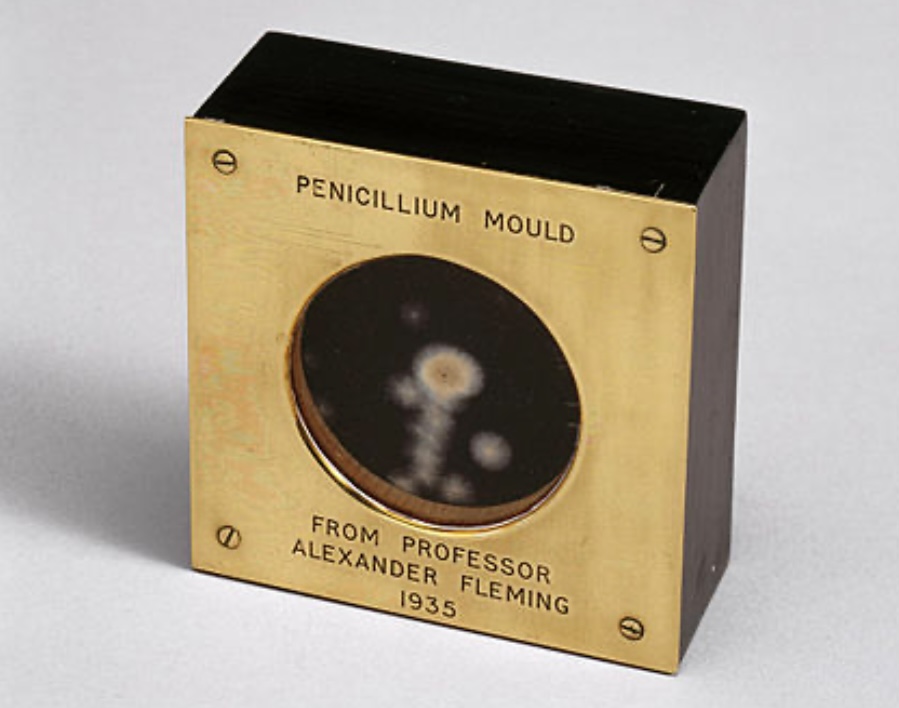
📸 Wikipedia

Before the 1920s, shipping companies made their money transporting immigrants to various countries, especially the United States. However, when the USA brought in stricter regulations for immigration many shipping companies turned to cruises to sustain their income. Instead of a means of transport only, the ships became floating hotels.
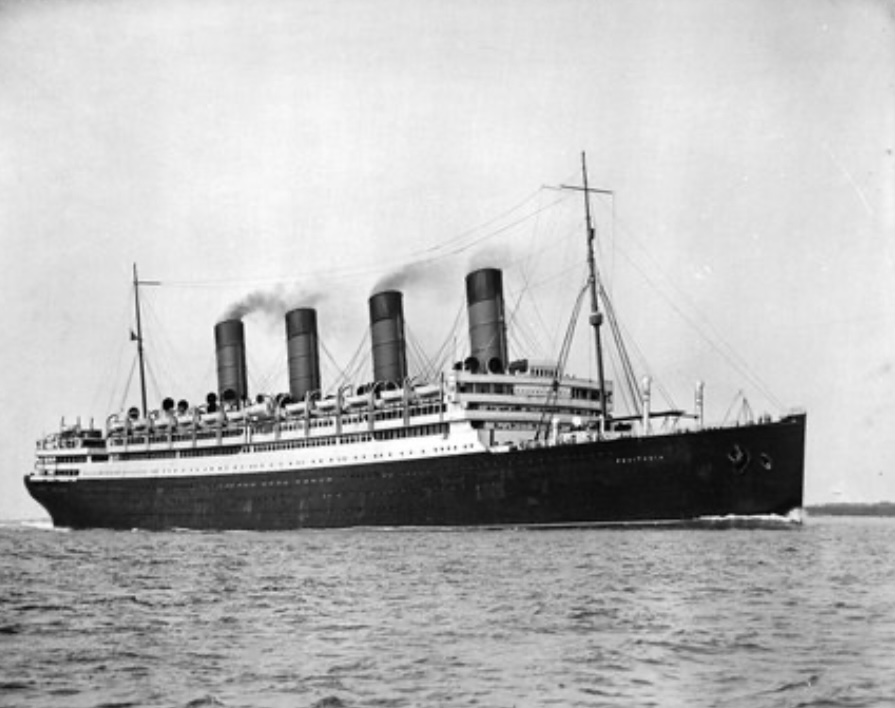
The Aquitana

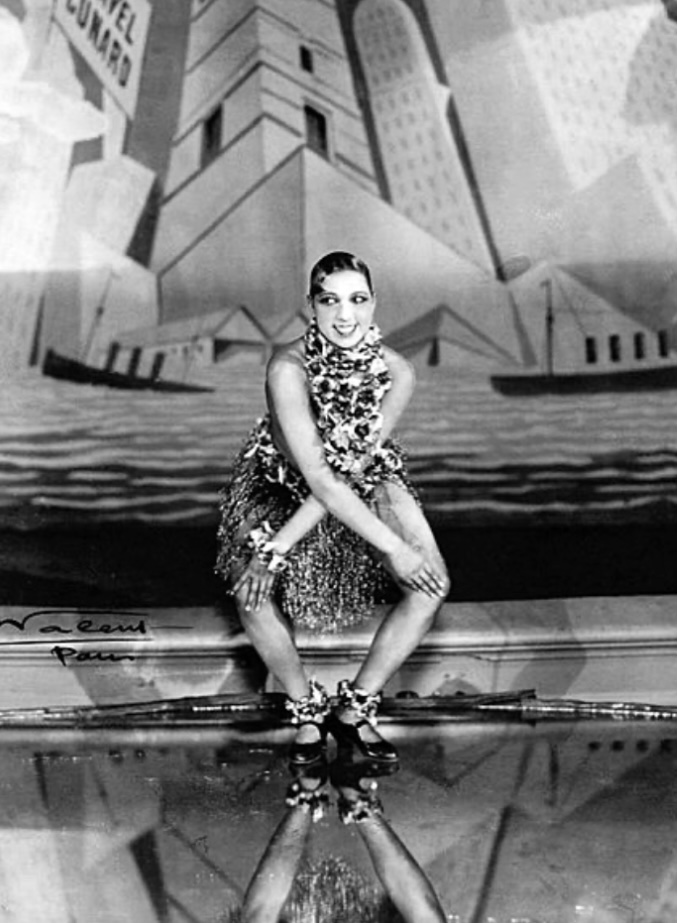
Joséphine BakerJune 3, 1906 – April 12, 1975), was an American-born French dancer, singer, and actress. Joséphine established her career in France where she appeared in movies and danced at the Folies Bergère in Paris. Her performances were a sensation and she became an icon of the Jazz Age.

During the Second World War, Joséphine Baker aided the French Resistance. After the war, she was awarded the Resistance Medal and the Croix de Guerre, and was named a Chevalier of the Legion of Honour.
On Saturday, 3 January 1925 Cyril Brownlie of New Zealand (pictured) was sent off for foul play during a Test match against England, the first time anyone had been dismissed from the field of play in an international rugby union match. 

New Zealand won a bruising encounter, 17 – 11.
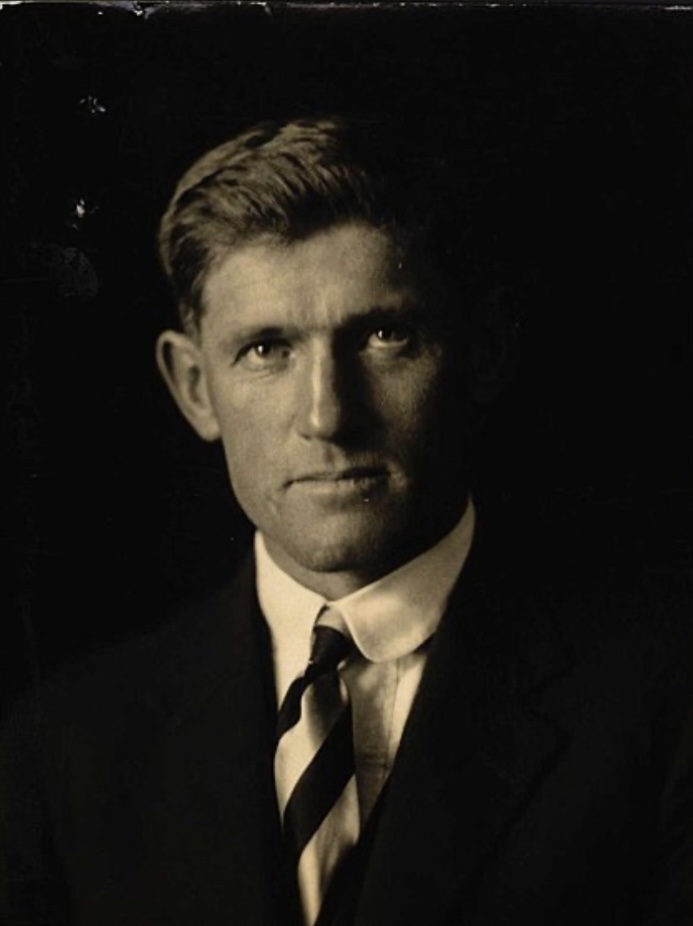
The first electric razor was patented in 1928 by the American manufacturer Col. Jacob Schick (pictured). A military officer, inventor, and entrepreneur, Schick founded Schick Dry Shaver Inc. 

Schick’s company did well and he moved most of his wealth to a series of holding companies in the Bahamas. This did not please the Joint Congressional Committee on Tax Evasion & Avoidance, so to avoid an investigation Schick became a Canadian citizen in 1935.
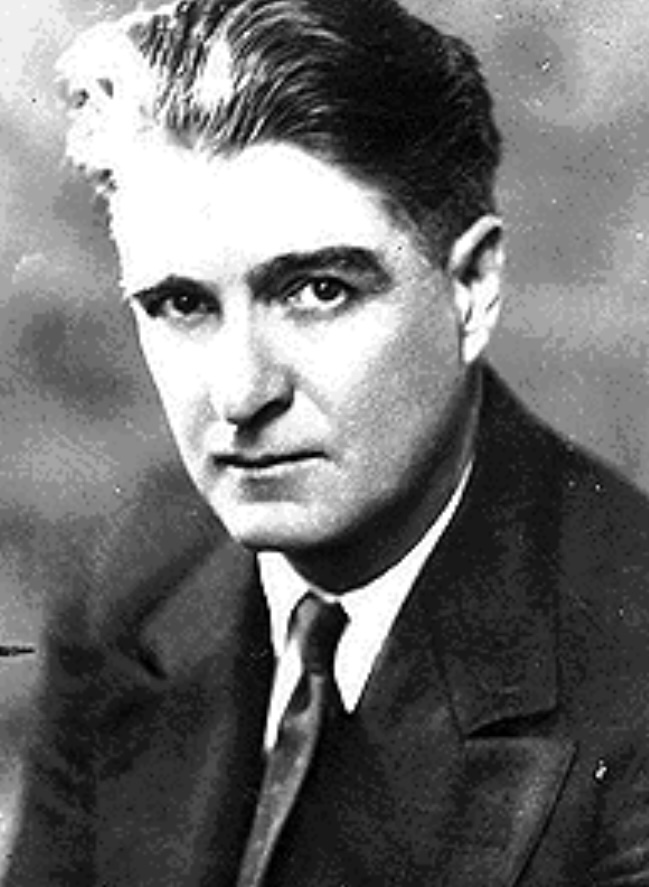
On March 28, 1920 “America’s Sweetheart” Mary Pickford and “Everybody’s Hero” Douglas Fairbanks married, thus becoming Hollywood’s first supercouple. 

They created a home, “Pickfair” (pictured), a mock-Tudor-designed six-bedroom house, which contained a screening room, glassed-in sun porch, bowling alley and billiard room. Unfortunately, as with many Hollywood unions, the marriage drifted towards divorce.

For Authors

#1 for value with 565,000 readers, The Fussy Librarian has helped my books to reach #1 on 32 occasions.

A special offer from my publisher and the Fussy Librarian. https://authors.thefussylibrarian.com/?ref=goylake

Don’t forget to use the code goylake20 to claim your discount 🙂

Categories
Favourite Record

Favourite Song of the 1950s/1960s #4

When the qualifying process is complete, in just over a week, on Mastodon we will start voting on our top twenty favourite records of the 1950s/1960s, placing them in order. Through 190 match-ups, we will create a unique chart, every song a classic.

Here is some background on one of the qualifiers, Summer in the City by The Lovin’ Spoonful.

Summer in the City was written by John Sebastian, Mark Sebastian and Steve Boone. John Sebastian reworked the lyrics and melody from a song written by his brother, Mark. Boone contributed the bridge.

The song was recorded in two sessions at Columbia Records Studios, New York in March 1966 and featured an early example of sound effects – car horns and a pneumatic drill.

John Sebastian was aiming for a song that built up the tension. He explained: “I was going for the scary, minor chord, Hit the Road Jack (which also features in our top twenty) sequence that doesn’t warn you of what’s coming in the chorus.”

John Sebastian compared the results to Mussorgsky’s Night on Bare Mountain. For the bridge, bassist Steve Boone suggested a jazzy figure akin to the compositions of George Gershwin.

I Can’t Get No Satisfaction by The Rolling Stones

I Can’t Get No Satisfaction was written by Mick Jagger and Keith Richards, and released in America in 1965. Initially, the song was only played on pirate radio stations because the lyrics were considered too suggestive. Music critic Paul Gambaccini stated: “The lyrics to this were truly threatening to an older audience. This song was perceived as an attack on the status quo.”

Keith Richards wrote the music for Satisfaction in his sleep and recorded it on cassette, which included acoustic guitar, the main riff, and snoring. Mick Jagger wrote the lyrics by a swimming pool in Clearwater, Florida , four days before the band went into the studio.

My Generation by The Who

My Generation was written by Pete Townshend, and released as a single on 29 October 1965. Apparently, Townshend wrote the song on a train, inspired by the Queen Mother, who allegedly insisted that Townshend’s 1935 Packard hearse should be towed off a street in Belgravia because it offended her.

In 1985, Townshend told Rolling Stone that “My Generation was very much about trying to find a place in society.” Four years later, he explained that, to him, the line “I hope I die before I get old” meant “before I get very rich.”

Paint it Black by The Rolling Stones

Paint it Black was released as a single in May 1966. The song, about grief and loss, featured Indian, Middle Eastern and European influences.

The first chart-topping single to feature the sitar, Paint it Black widened the instrument’s audience. Also, the song was influential to the development of psychedelic music in the mid-1960s.

Paint it Black was credited to Mick Jagger and Keith Richards. However, the melody originated from a series of improvisations played by Brian Jones on the sitar. Bill Wyman felt that Paint it Black should have been credited to all the band members because the song’s final arrangement originated from a studio improvisation by Brian Jones, Charlie Watts and himself.

Penny Lane/Strawberry Fields Forever by The Beatles

Credited to the John Lennon-Paul McCartney songwriting partnership, Penny Lane and Strawberry Fields Forever were released as a double A-side in February 1967. The songs were intended for Sgt Pepper’s Lonely Hearts Club Band, but because the record company insisted on releasing a single, and the Beatles’ policy to omit previously released singles from their albums, Penny Lane and Strawberry Fields Forever didn’t feature on Sgt Pepper, a decision producer George Martin later described as “a mistake”.

In 2009, McCartney stated, “Penny Lane was kind of nostalgic, but it was really [about] a place that John and I knew … I’d get a bus to his house and I’d have to change at Penny Lane, or the same with him to me, so we often hung out at that terminus, like a roundabout. It was a place that we both knew, and so we both knew the things that turned up in the story.”

Strawberry Fields was the name of a Salvation Army children’s home near John Lennox’s home in Woolton, Liverpool. Lennon’s aunt Mimi Smith recalled: “There was something about the place that always fascinated John. He could see it from his window … He used to hear the Salvation Army band [playing at the garden party], and he would pull me along, saying, ‘Hurry up, Mimi – we’re going to be late.'”

Penny Lane/Strawberry Fields Forever is included as a double A-side in our chart poll to match the buying choices and charts of the time.

Book News

Two items brought to my attention this week, in relation to Eve’s Peace, my Heroines of SOE sequel. One, the proof copy of the paperback version. Two, this wonderful review. “Love, distrust, trust, & secrets galore. Woven superbly by the author makes for wonderous reading, hard to put down book. Rating the book a 9 1/2 only because now I must look for sequels & prequels for this wonderful series…”

For Authors

#1 for value with 565,000 readers, The Fussy Librarian has helped my books to reach #1 on 36 occasions.

A special offer from my publisher and the Fussy Librarian. https://authors.thefussylibrarian.com/?ref=goylake

Don’t forget to use the code goylake20 to claim your discount 🙂

Categories
Favourite Record

Favourite Song of the 1950s/1960s #2

When the qualifying process is complete, in about a month, on Mastodon we will start voting on our top twenty favourite records of the 1950s/1960s, placing them in order. Through 190 match-ups, we will create a unique chart, every song a classic.

Here is some background on one of the qualifiers, Hey Jude by the Beatles.

Hey Jude, written by Paul McCartney and credited to the Lennon-McCartney partnership, was released in August 1968. The song was the first Beatles release on their Apple record label.

John Lennon said in 1980, “If you think about it … Yoko’s just come into the picture. He’s saying. ‘Hey, Jude – Hey, John.’ I know I’m sounding like one of those fans who reads things into it, but you can hear it as a song to me. The words ‘Go out and get her’ – subconsciously he was saying, Go ahead, leave me. On a conscious level, he didn’t want me to go ahead.”

Paul McCartney added in 1997, “I started with the idea “Hey Jules,” which was Julian (Lennon), don’t make it bad, take a sad song and make it better. Hey, try and deal with this terrible thing. I knew it was not going to be easy for him. I always feel sorry for kids in divorces.”

The Beatles performing Hey Jude

Another qualifier, Then He Kissed Me by The Crystals

Then He Kissed Me was written by Phil Spector, Ellie Greenwich and Jeff Barry. The song, recorded by The Crystals, was released in July 1963 and quickly became an international hit. The lead vocal was sung by Dolores “LaLa” Brooks, while Jack Nitzsche provided the Wall of Sound arrangement. 

Dolores “LaLa” Brooks, the second youngest of eleven children, enjoyed a long career in music, writing, recording and performing with a number of leading artists including Bobby Womack and Isaac Hayes. Now aged 76, she is still performing.

The Dock of the Bay by Otis Redding

The Dock of the Bay was co-written by Otis Redding and guitarist Steve Cropper. Redding recorded the song twice in 1967, including just three days before his death in a plane crash on December 10, 1967. The Dock of the Bay was released in 1968 and became the first posthumous #1 single in America.

In a September 1990 interview Steve Cropper said, “Otis was one of those guys who had 100 ideas. He had been in San Francisco doing The Fillmore. And the story that I got, he was renting a boathouse, or stayed at a boathouse or something, and that’s where he got the idea of the ships coming in the bay there. And that’s about all he had: ‘I watch the ships come in and I watch them roll away again.’ I just took that… and I finished the lyrics. If you listen to the songs I collaborated on with Otis, most of the lyrics are about him. Dock of the Bay was exactly that: ‘I left my home in Georgia, headed for the Frisco Bay’ was all about him going out to San Francisco to perform.”

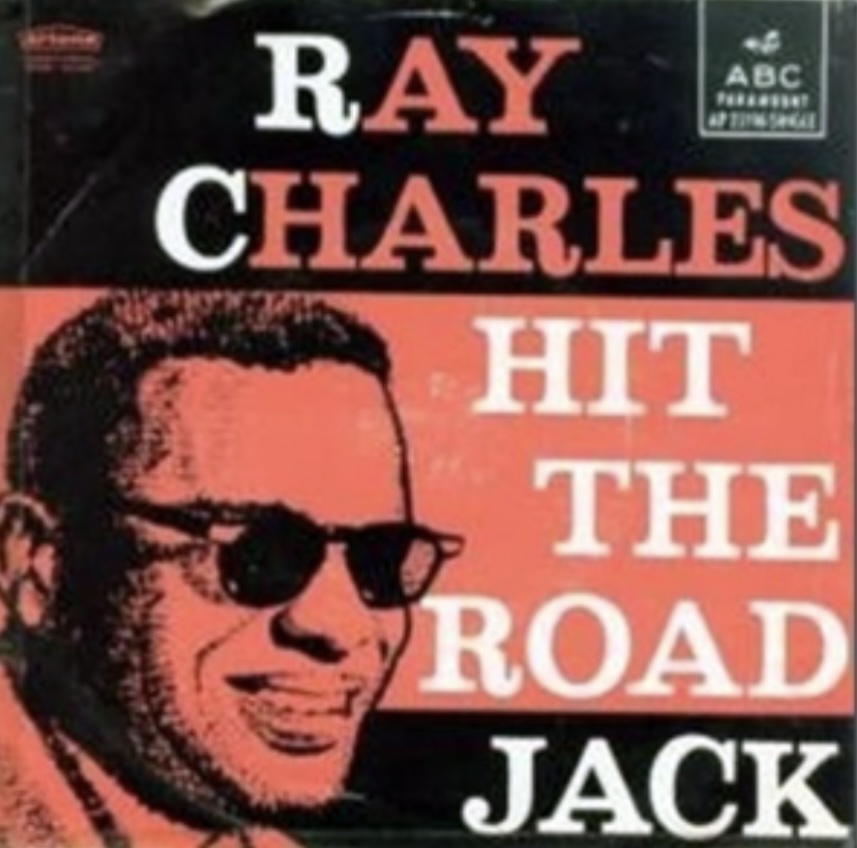
Hit the Road Jack by Ray Charles

Hit the Road Jack was written by Percy Mayfield and recorded by Ray Charles with Margie Hendrix providing the female vocals. Initially, Mayfield sent an a cappella demo to music executive Art Rupe who played it to Charles. 

Ray Charles’ recording reached number one on the Billboard Hot 100 on Monday, October 9, 1961. The song also resided at top of the R&B chart for five weeks becoming Charles’ sixth number one on that chart.

The Chantels released an answer song, Well, I Told You, which also entered the charts.

A Hard Day’s Night by the Beatles

A Hard Day’s Night, credited to Lennon-McCartney, was primarily written by John Lennon. The song was released on the film soundtrack of the same name in 1964.

The origins of A Hard Day’s Night as a title vary according to your source. In 1964, Ringo Starr said, “We went to do a job, and we’d worked all day and we happened to work all night. I came up still thinking it was day I suppose, and I said, ‘It’s been a hard day …’ and I looked around and saw it was dark so I said, ‘… night!’

In 1980, John Lennon said, “I was going home in the car and Dick Lester (director of the movie) suggested the title, ‘Hard Day’s Night’ from something Ringo had said. I had used it in ‘In His Own Write’ (a book Lennon was writing) but it was an off-the-cuff remark by Ringo. You know, one of those malapropisms. A Ringo-ism, where he said it not to be funny … just said it. So Dick Lester said, ‘We are going to use that title.’”

In 1994, Paul McCartney said, “The title was Ringo’s. We’d almost finished making the film, and this fun bit arrived that we’d not known about before, which was naming the film. So we were sitting around at Twickenham studios having a little brain-storming session … and we said, ‘Well, there was something Ringo said the other day.’ Ringo would do these little malapropisms, he would say things slightly wrong, like people do, but his were always wonderful, very lyrical … they were sort of magic even though he was just getting it wrong. And he said after a concert, ‘Phew, it’s been a hard day’s night.’”

Book News

I’m delighted that Eve’s Peace, my sequel to Eve’s War, Heroines of SOE, is a top ten hot new release on Amazon’s genre charts, and even more pleased that readers are enjoying the book 🙂

For Authors

#1 for value with 565,000 readers, The Fussy Librarian has helped my books to reach #1 on 36 occasions.

A special offer from my publisher and the Fussy Librarian. https://authors.thefussylibrarian.com/?ref=goylake

Don’t forget to use the code goylake20 to claim your discount 🙂

Categories
Lilac Cottage

Lilac Cottage #3

Continuing the story of the Howe family, the occupants of Lilac Cottage, 1939-45.

Lilac Cottage

Born on 4 July 1885 to my 2 x great grandparents William Howe and Ann Jones, Evan Howe lived in one half of Lilac Cottage with his sister Mary Ann Howe. Like so many of the male members of the family, Evan worked in the local limestone quarry. 

Working in the dusty quarry, Evan liked a drink in the evening. Indeed, on one occasion he featured in the local newspapers for drinking “shandy gaff” after hours.

Evan never married. A boxer in his youth, he was prominent in local social circles. In 1918 he was a member of a committee that presented an honour to a returning First World War soldier. Aged 54 in 1939, Evan knew that he was unlikely to be called up, and therefore would have to serve his country on the home front.

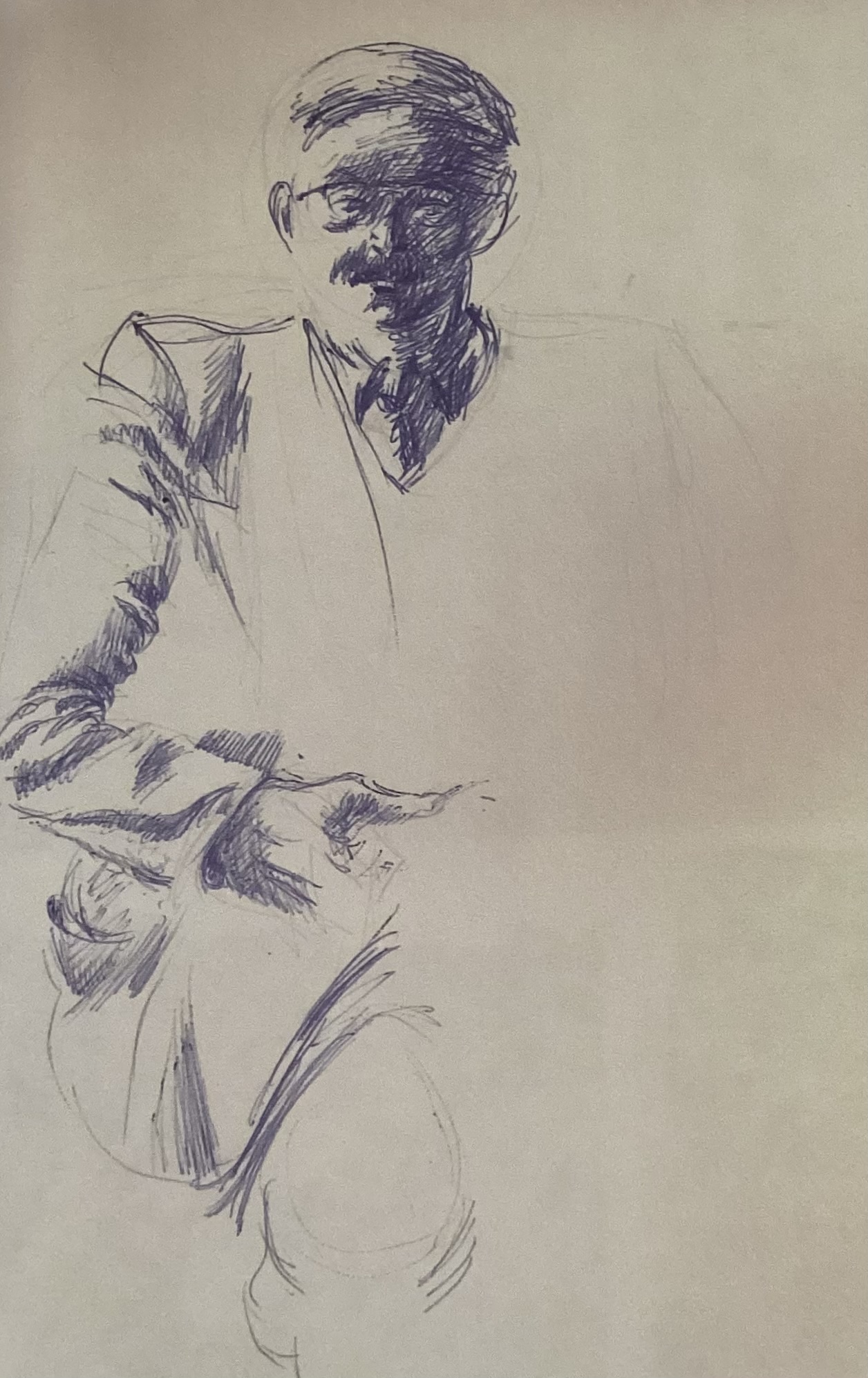
Sketch of Evan Howe, c1960, by Gail Kennard

Mary Ann Howe sister of Evan Howe was born on 2 September 1879 in South Cornelly. She was sixty when war broke out on 3 September 1939 and helped with the domestic duties at Lilac Cottage. A dressmaker in her youth, she remained unmarried throughout her life.

A possible reason for Mary Ann’s spinster status was that she lost a leg during her childhood. Family legend states that she injured her leg falling from a tree, and the surgeon amputated it on the kitchen table. This legend stems from contemporaries of Mary Ann, her brothers and sisters, so it may well contain the essence of the truth.

Mary Ann was partial to snuff and refused to touch coins. Maybe she believed that coins transmitted disease. Whatever, she insisted on paying for her goods with paper money.

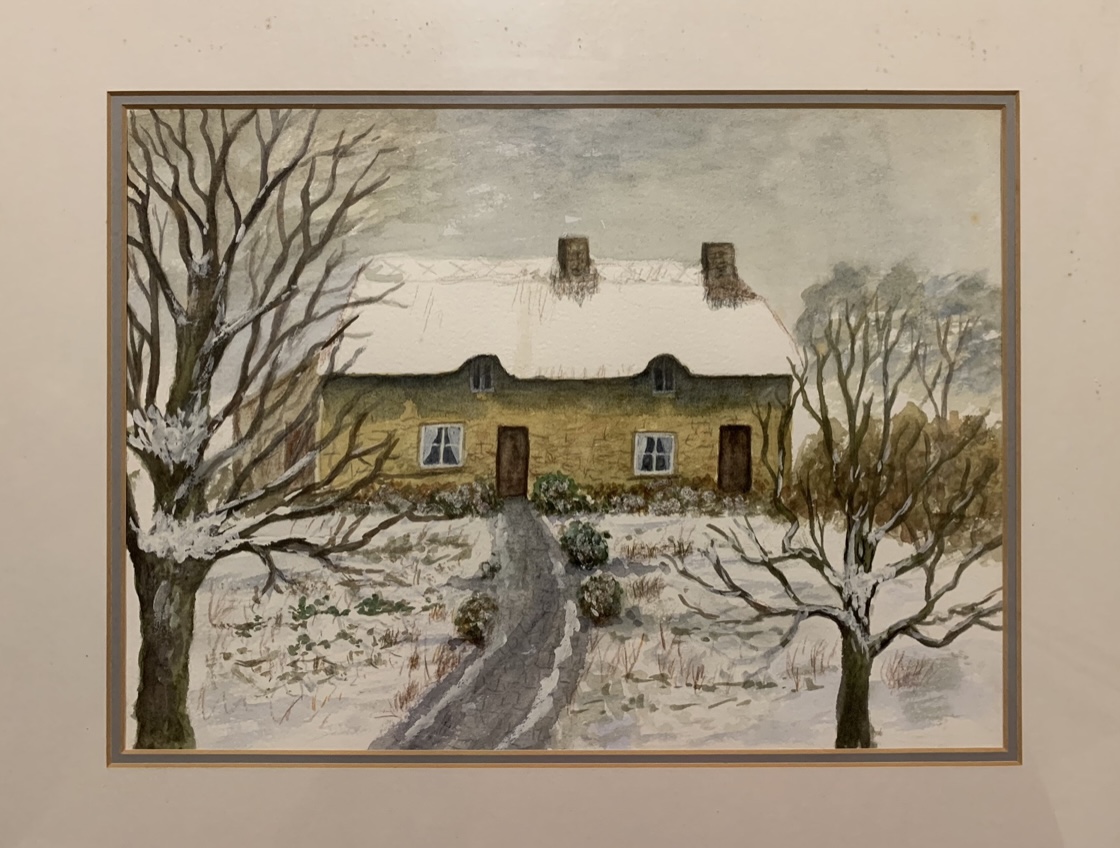
In the spring of 1937, Priscilla Doreen Howe – granddaughter of my 2 x great grandfather William Howe – married Handel Edwards and the couple lived adjacent to Lilac Cottage in South Cornelly. Priscilla was a talented artist and painted the picture of Lilac Cottage featured on this page.

Priscilla was named after her aunt Priscilla, a teenager who sadly died in 1913 during an operation. 

Priscilla’s husband, Handel Edwards, was a lorry driver at the local quarry. His parents ran the New House, a popular public house in the village.

The locals gathered outside the New House, early twentieth century (Gail Kennard)

Living in Wood View, my 2 x great grandfather William Howe’s old house, and next door to Priscilla and Handel Edwards, were Christiana Howe – sister of Evan and Mary Ann Howe – her husband David T David, and their two children, Hopkin and Enid. 

Born on 27 August 1881, Christiana married David T David in the autumn of 1899. She was heavily pregnant at the time, and gave birth to her first child, of nine, Thomas David on 10 February 1900. 

When David T David, a strict no-nonsense man, married Christiana, he was a plate layer on the railways. Later, he became a coal hewer. By the time war broke out, David T David had improved his working status considerably – he was the foreman at a sand and gravel company that extracted sand from nearby Morfa Beach.

Christiana was noted for her kind and placid manner, and for her prefect skin, which reminded flawless even into old age.

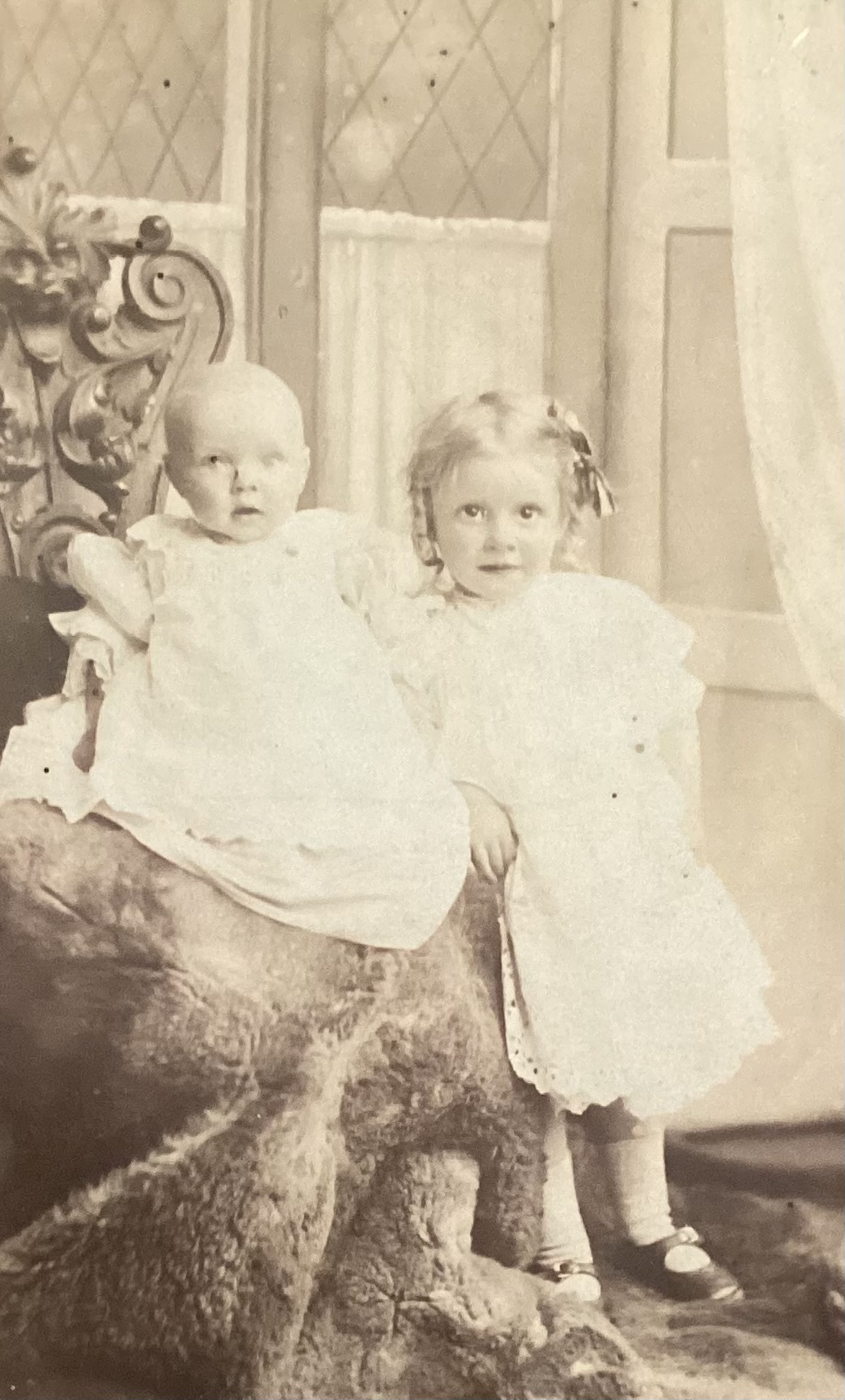
Christiana Howe, David T David and one of their children, early twentieth century (Howe family archive)

On 4 September 1939, the day after war had been declared against Hitler’s Germany, in the local newspapers the first wedding mentioned was a Howe wedding – Hilda Maud Howe married Philip Phillips in the local chapel. Hilda was descended from my 4 x great grandparents John Howe and Christiana John.

Hilda Howe (Ancestry website)

The newspapers also featured items related to the announcement that Britain was at war with Germany – a furniture store asked its customers to call in during daylight hours, because it would close at dusk; the Bedwellty Dog and Agricultural Show was cancelled; and recruits were urgently needed for the Women’s Land Army. People went about their daily routines, but even in the first week of September 1939 those routines were changing.

For Authors

#1 for value with 565,000 readers, The Fussy Librarian has helped my books to reach #1 on 36 occasions.

A special offer from my publisher and the Fussy Librarian. https://authors.thefussylibrarian.com/?ref=goylake

Don’t forget to use the code goylake20 to claim your discount 🙂

Categories
Lilac Cottage

Lilac Cottage #2

Continuing the story of the Howe family, the occupants of Lilac Cottage, 1939-45.

Lilac Cottage

The third son of my 2 x great grandfather William Howe, William David Howe was born on 29 March 1892 in South Cornelly. He was the second child named William David Howe. The first, born on 10 May 1890, died on 17 May 1891 of measles. He struggled with the disease for three and a half weeks. It was common in Victorian times for parents to name their children after a deceased sibling.

In 1939, William David Howe was working at C and J Gaen’s limestone quarry, the main employer in the village. Through the quarry, he was training to become an Air Raid Precaution warden. Air Raid Precaution wardens protected people during air raids and patrolled the streets during the blackouts to ensure that no lights were visible.

William David Howe (Curtesy of Gail Kennard)

Gwendolyne Thomas, the wife of William David Howe, was born on 3 December 1892 in Bettws, Glamorgan, the third of eleven children. She married William in the early summer of 1917 when three month pregnant. In six years she gave birth to four children, two girls and two boys.

When the Second World War broke out, Gwendolyne was suffering from poor physical health due to a heart condition, and was registered as an invalid. Sadly, there was little hope that her health would improve.

William Kenneth Howe, known as Ken, the eldest son of William David Howe and  Gwendolyne, was born on 13 March 1919 in South Cornelly, Glamorgan. In 1939, he was a locomotive driver. The Great Western Railway line, developed in the mid-1800s, ran through the village and would have fascinated young boys like Ken. Train-spotting, recording the numbers of the various locomotives, was a popular pastime, and many youngsters dreamed of becoming locomotive drivers. Ken fulfilled that dream.

Joan Mary Howe, youngest daughter of William David Howe and Gwendolyne, was born on 20 February 1921 in South Cornelly, Glamorgan. When the Second World War broke out, she was eighteen years old, and full of an eighteen year old’s hopes and ambitions. With her mother unwell, and her older sister married, the duties of running the family home fell to Joan. She would have to wait before starting a family of her own.

Joan and Roy (Howe family archive)

Clifford Roy Howe, known as Roy, the youngest son of William David Howe and Gwendolyne, was born on 26 May 1923 in South Cornelly, Glamorgan. Single when the war started, like his father he worked in the limestone quarry. He was setting charges, causing explosions so that his fellow workmen could quarry the limestone. However, along with his brother Ken, Roy would have been aware that soon he’d be encountering explosions on the frontline.

Family Background

In 1919, my 2 x great grandfather William Howe was unwell, so the villagers railed round and arranged a prize draw for his benefit, raising the equivalent of £2,500. The success of the draw illustrated the high esteem in which William was held within the community.

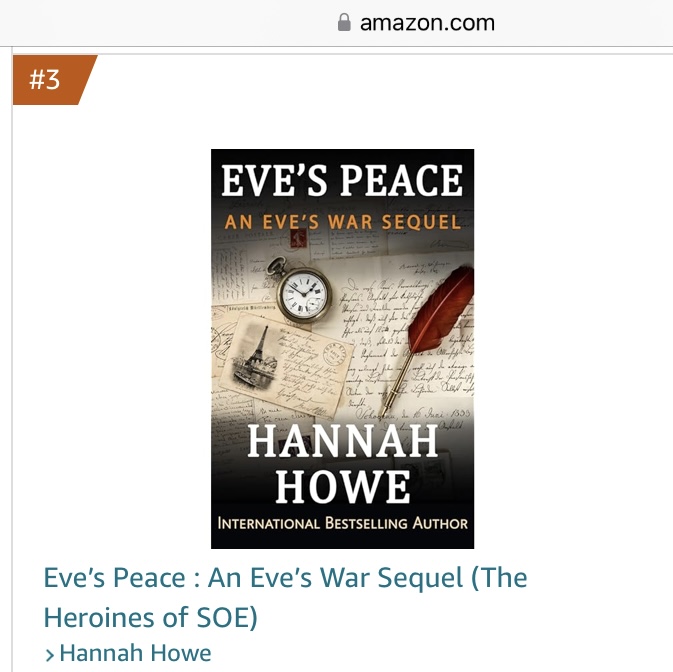
Some book news. My novel Eve’s Peace, published on 14 April 2024, is a #3 Hot New Release on Amazon’s charts in America and Britain 🙂

An audiobook version is currently in production.

My latest Golden Age of Hollywood article for the Seaside News appears on page 43 of the magazine.

For Authors

#1 for value with 565,000 readers, The Fussy Librarian has helped my books to reach #1 on 36 occasions.

A special offer from my publisher and the Fussy Librarian. https://authors.thefussylibrarian.com/?ref=goylake

Don’t forget to use the code goylake20 to claim your discount 🙂