Categories
Dear Reader

Dear Reader #62

Dear Reader,

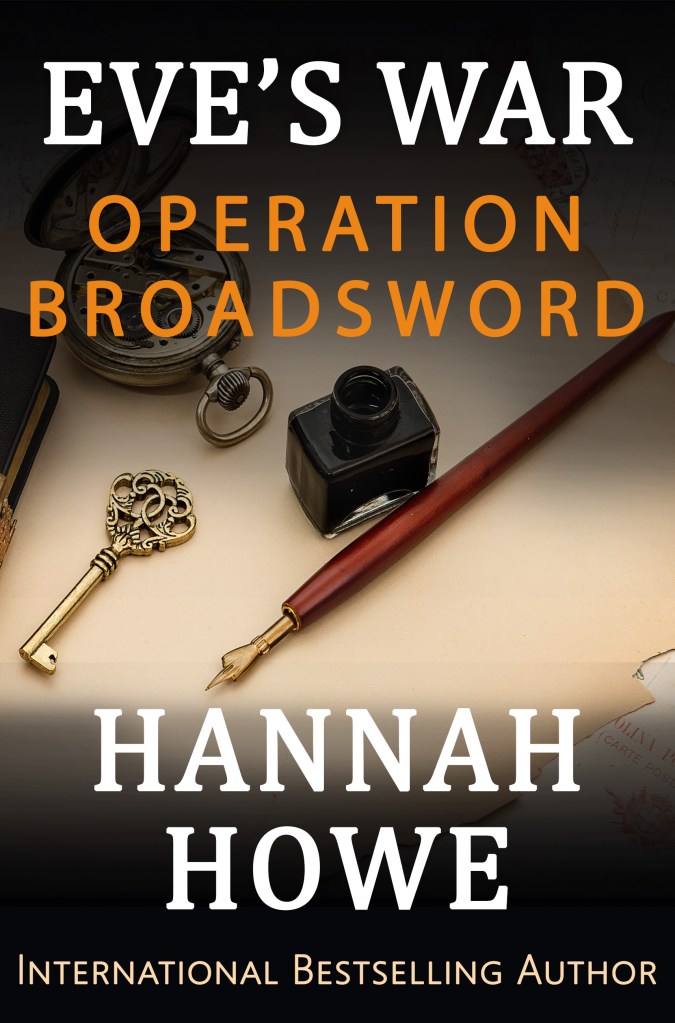
I’m writing chapter one of Operation Broadsword, book three in my Eve’s War Heroines of SOE series. Eve is preparing to parachute into France. The SOE give her French-tailored clothes, with jackets ten inches longer than British and American fashions, plus a gun, a .32 pistol made in Czechoslovakia. Blank pages are daunting, but the sight of a completed page is still very exciting.

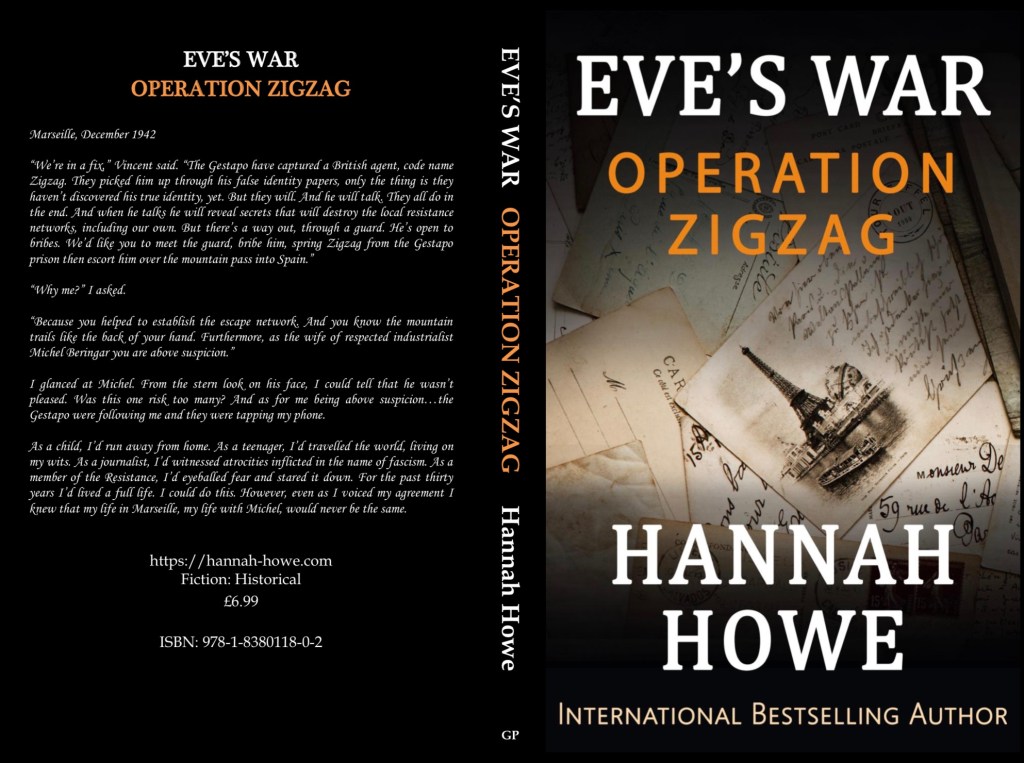
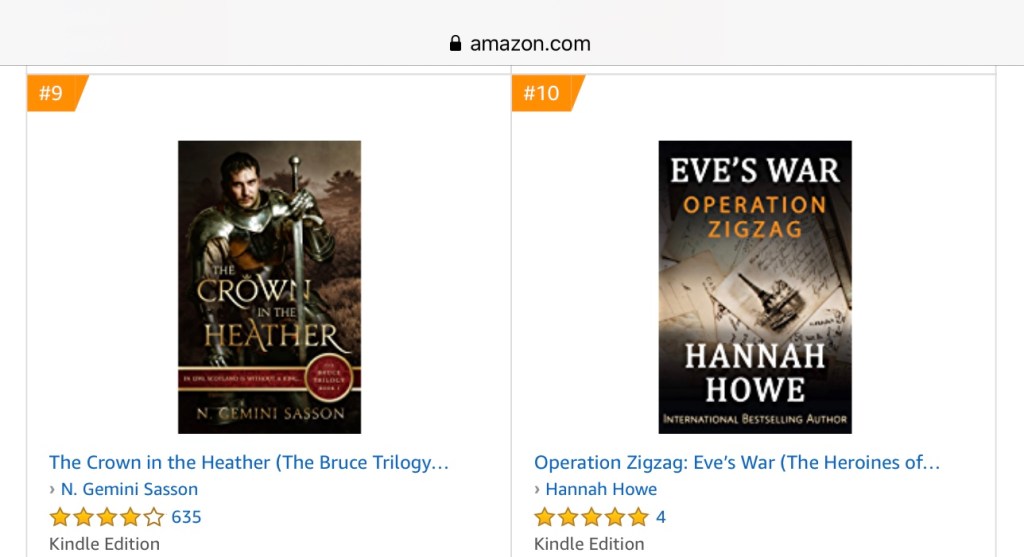
Operation Zigzag has entered the top ten of Amazon’s war chart 🙂
Spitfire pilots, 1940, who helped to win the Battle of Britain.

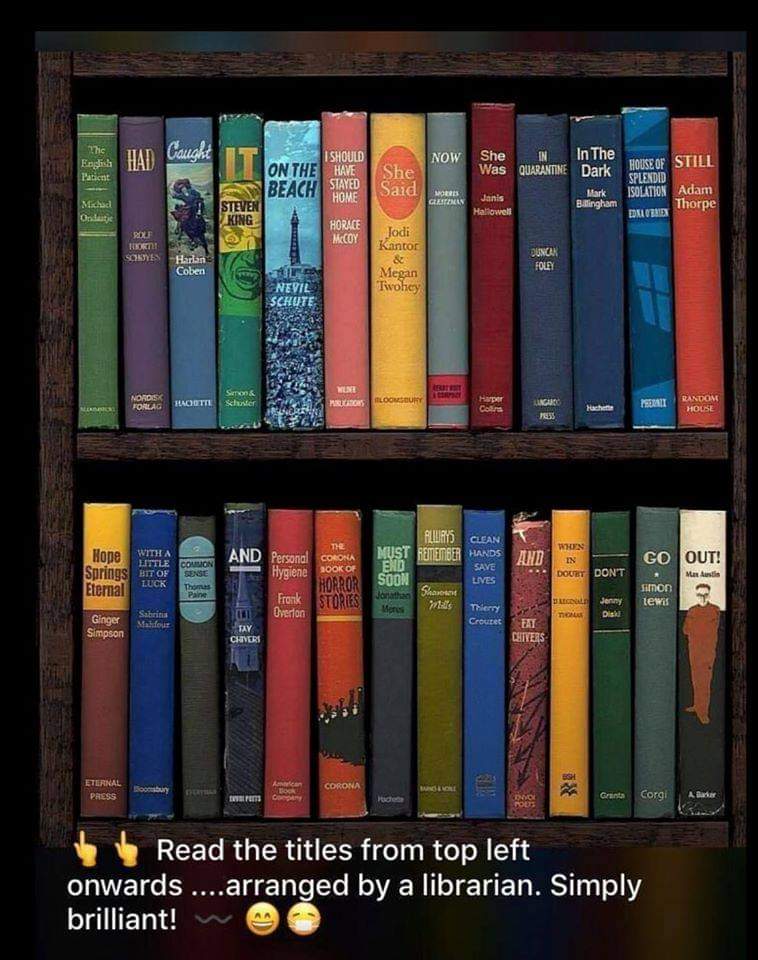
Read this from the top to the bottom, then from the bottom to the top.

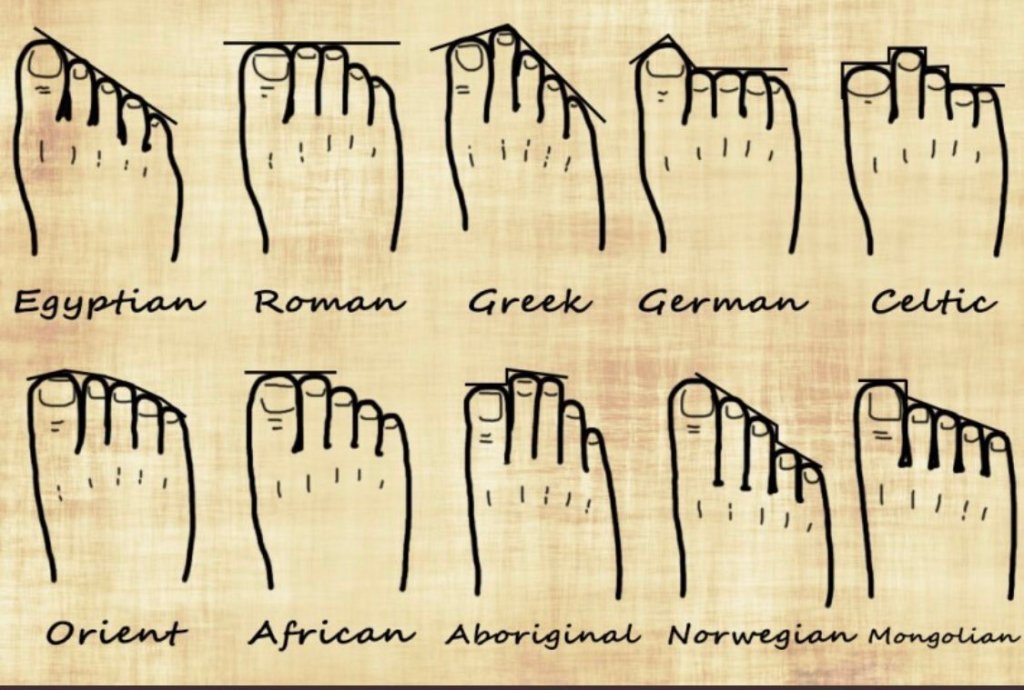
I’m Greek 😱
Palace Chateaubriand in October 1944 during the siege of St Malo. Vogue carried an eight page report on the siege, filed by Lee Miller, a model and fashion photographer. The only journalist in the city during the siege, she wrote, “My heel sank into a disembodied hand, and I cursed the Germans for the horrible destruction that they had inflicted on this once-splendid city.”

Money does not make you immortal. The quest for unlimited wealth is a desperate attempt to fill a hollow soul, to attain happiness when the simple things in life are deemed ‘inadequate’. It is a Midas shadow that condemns the seeker to a life of darkness.

On 8 August 1944, British, Canadian and Polish forces launched Operation Totalize, the first phase of the Falaise Pocket, which pushed the Nazis out of Normandy. Picture: a Cromwell tank and Willys jeep passing an abandoned German 88 mm anti-tank gun.

Army trucks, cars and motorcycles for sale in Britain, 1946.

An early example of a ‘zebra crossing’ 😉

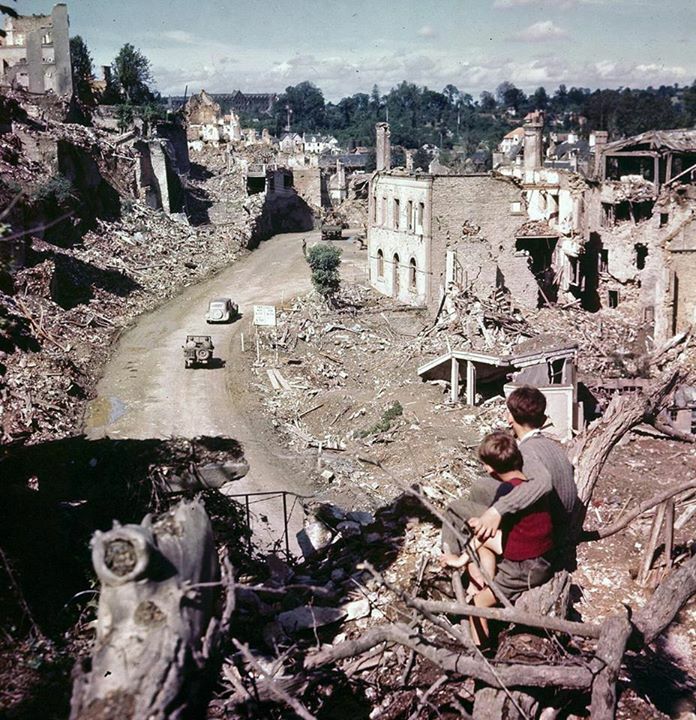
The Battle of Saint-Lô took place between 7 – 19 July 1944. Located at a strategic crossroads, the Americans bombarded the city destroying ninety-five percent of it before driving the Nazis out. In his report, Samuel Beckett dubbed the martyr city “The Capital of Ruins”.

Pictured, two French boys watch from a hilltop as Allied vehicles pass through the city in July 1944.
The great thing about writing and publishing is there are always new stories to write and new pastures to explore. Delighted to announce that my Ann’s War series will be translated into Afrikaans 🙂

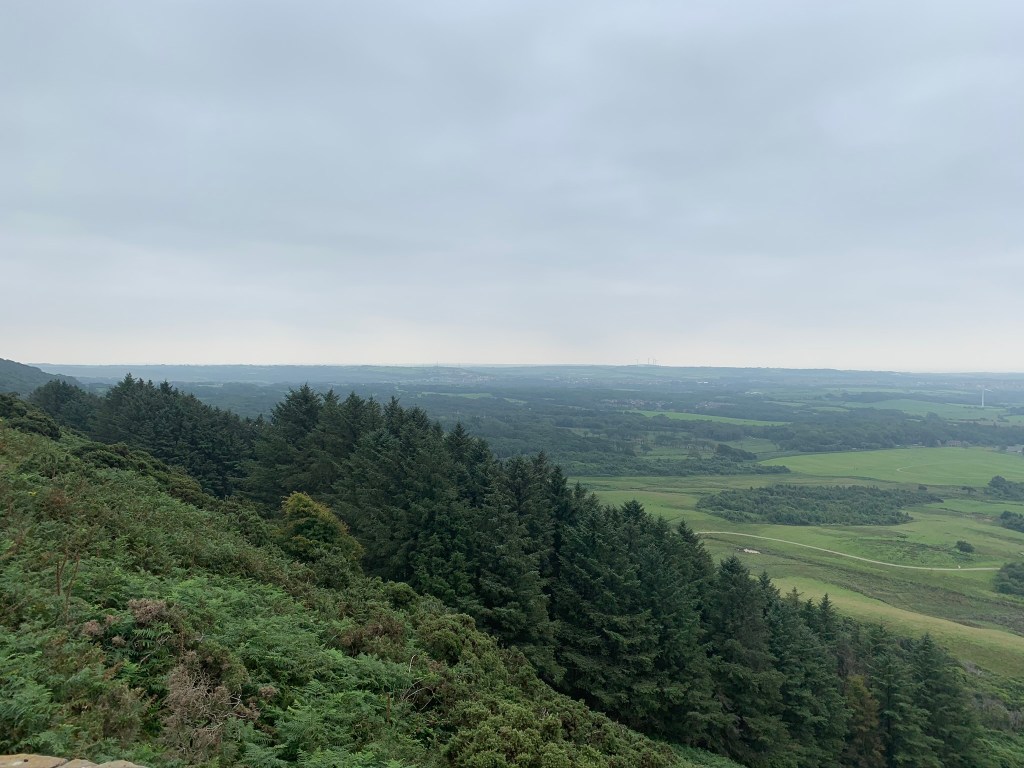
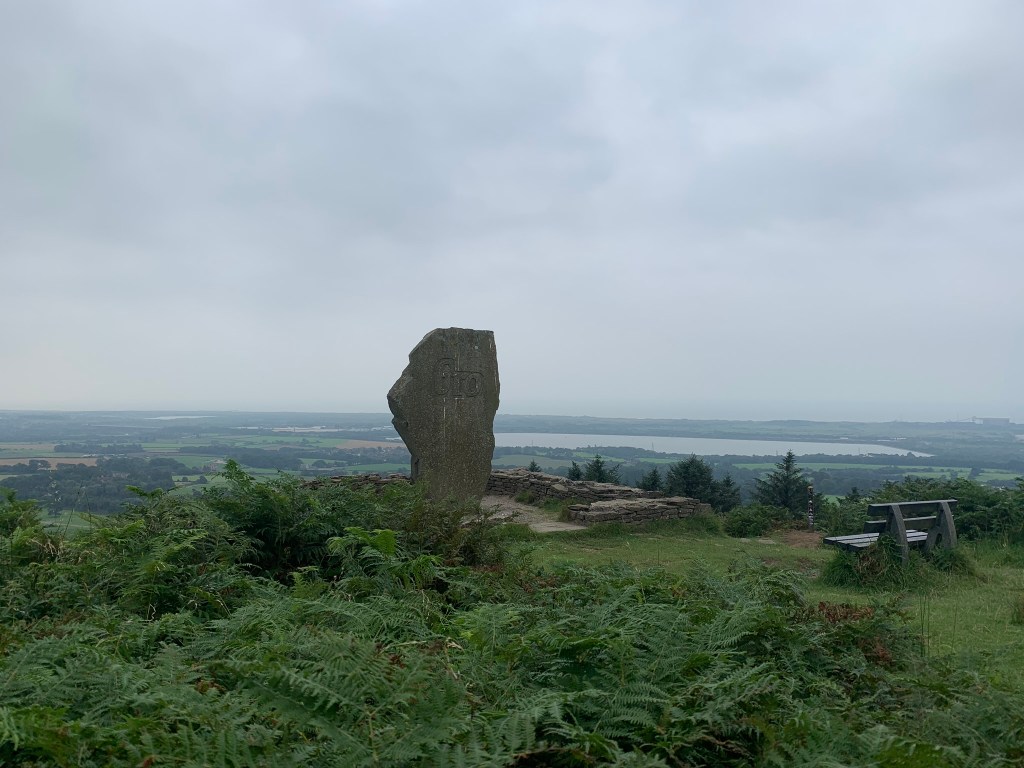
A muggy morning on Margam Mountain.

Apologies for the formatting errors. These are supplied by WordPress.

Odette Sansom, also known as Odette Churchill and Odette Hallowes, was born on 28 April 1912 in Amiens, France. Her father, Florentin Désiré Eugène ‘Gaston’ Brailly, was killed at Verdun shortly before the Armistice in 1918.

Odette Sansom

As a child, Odette contracted serious illnesses which blinded her for three and a half years. She also contracted polio, which left her bedridden for a number of months.

As an adult, Odette met an Englishman, Roy Patrick Sansom (1911–1957), in Boulogne and married him on 27 October 1931. The couple moved to Britain where they produced three daughters. Roy Sansom joined the army at the beginning of the Second World War. Two and a half years later, in the spring of 1942, Odette responded to an Admiritaty appeal for photographs of the French coast. Those photographs brought her to the SOE’s attention and the secretive organisation promptly recruited her into their service.

With her three daughters in a convent school, Odette trained as an SOE agent. At first, Odette’s instructors regarded her as too temperamental and stubborn for the SOE. One report stated, “She is impulsive and hasty in her judgments and has not quite the clarity of mind which is desirable in subversive activity. She seems to have little experience of the outside world. She is excitable and temperamental, although she has a certain determination. However, she is patriotic and keen to do something for France.”

George Starr, a successful agent who clashed with many of the female agents, particularly the attractive ones, described Odette as “a dreadful lady.” In particular, he deplored her “seductive behaviour.”

Odette landed on a beach near Cassis on the night of 2 November 1942. There, she made contact with Captain Peter Churchill. Her initial objective was to contact the French Resistance on the French Riviera and establish safe houses for other agents in Burgundy. 

In January 1943, to evade arrest, Churchill and Odette moved their operations to Annecy in the French Alps. The couple resided at the Hotel de la Poste in the village of Saint-Jorioz. The hotel became a meeting place for agents, which aroused suspicion.

Spy-catcher Hugo Bleicher proceeded to Saint-Jorioz where he introduced himself to Odette as “Colonel Henri.” He suggested that they should travel to London to “discuss a means of ending the war.” Odette reported this meeting to her superiors and they warned her to sever all contact with Bleicher.

At the time of Bleicher’s meeting with Odette, Peter Churchill was in London consulting with the SOE. They warned him to avoid contact with Odette and “Colonel Henri” on his return to France. However, when he parachuted into Annecy during the night of 14 April 1943, he met Odette and they proceeded to the hotel in Saint-Jorioz. At 2 am on the 16 April, Bleicher, no longer in the guise of “Colonel Henri,” appeared in the hotel and arrested Odette and Churchill.

At Fresnes Prison, near Paris, Odette was interrogated by the Gestapo

fourteen times. Despite brutal torture, she stuck to her cover story and insisted that Peter Churchill was the nephew of Prime Minister Winston Churchill and that he knew nothing of her activities. The idea was, as a relative of Winston Churchill, the Gestapo would keep Peter Churchill, and Odette, alive as bargaining chips.

Nevertheless, in June 1943, the Gestapo condemned Odette to death on two counts to which she responded, “Then you will have to make up your mind on what count I am to be executed, because I can only die once.” Infuriated, Bleicher sent her to Ravensbrück Concentration Camp.

Ravensbruck Concentration Camp

In Ravensbrück, the Nazis kept Odette in a punishment cell on a starvation diet. However, her earlier blindness and paralysis, and the example set by her grandfather, who “did not accept weakness very easily”, aided her survival. Furthermore, she accepted in advance that the Gestapo might capture her and that she might die.

Odette adopted an attitude of defiance and found that this attitude earned a degree of respect from her captors and strengthened her mind.

Later, Odette insisted that she was not brave or courageous, but that she just made up her mind about “certain things.” She recalled in a post-war interview that while everyone has a breaking point, her feeling was that if she could “survive the next minute without breaking up, that was another minute of life.” 

Because of her past illnesses, Odette knew that she could accept her situation and survive it. By accepting death, she felt that, “They would not win anything. They’ll have a dead body, useless to them. They won’t have me. I won’t let them have me.”

In general, the Gestapo found people of the prisoners’ own nationality to carry out their torture, so that the prisoners could not say they were tortured by the Nazis. Odette’s torture was carried out by a “very good-looking young Frenchman” who she believed was mentally ill.

In August 1944, with the Allies advancing on Ravensbrück, the camp commandant, Fritz Suhren, took Odette and drove her to an American base to surrender. He hoped that her supposed connections to Winston Churchill would allow him to negotiate his way out of execution. 

In 1946, at the Hamburg ‘Ravensbrück Trials’, Odette testified against the prison guards charged with war crimes and this resulted in Suhren’s execution in 1950.

Odette receiving her George Cross

Odette’s wartime experiences led to a complex personal life. She divorced Roy Sansom in 1946 and married Peter Churchill in 1947, only to divorce him in 1956. That year, she married Geoffrey Hallowes, a former SOE officer.

Odette’s SOE experiences were chronicled in a movie, Odette, which was released in 1950. Anna Neagle played Odette while Trevor Howard played Peter Churchill. Odette insisted that the film should not be made in Hollywood for fear that her story would be fictionalised. The movie, a great success, ensured that Odette became a celebrated member of the SOE.

Odette died on 13 March 1995 in Surrey, aged 82. 

As ever, thank you for your interest and support.

Hannah xxx
Categories
Dear Reader

Dear Reader #61

Dear Reader,

Operation Broadsword, book three in my Eve’s War Heroines of SOE Series, is now available to pre-order 🙂

https://books2read.com/u/bxn5e6

🎼🎼🎼 Blue eyes, baby’s got blue eyes…🎼🎼🎼

Packed with shorts stories, articles, puzzles, recipes and so much more, the latest issue of Mom’s Favorite Reads.

Images from my garden this week.

My article about SOE heroine Anne-Marie Walters appears on page 20 of the magazine.

I’m enjoying Paula’s narration of Operation Locksmith, book two in my Eve’s War Heroines of SOE Series. Normally, I don’t like listening to my own words, but it’s great fun to be a part of this production.

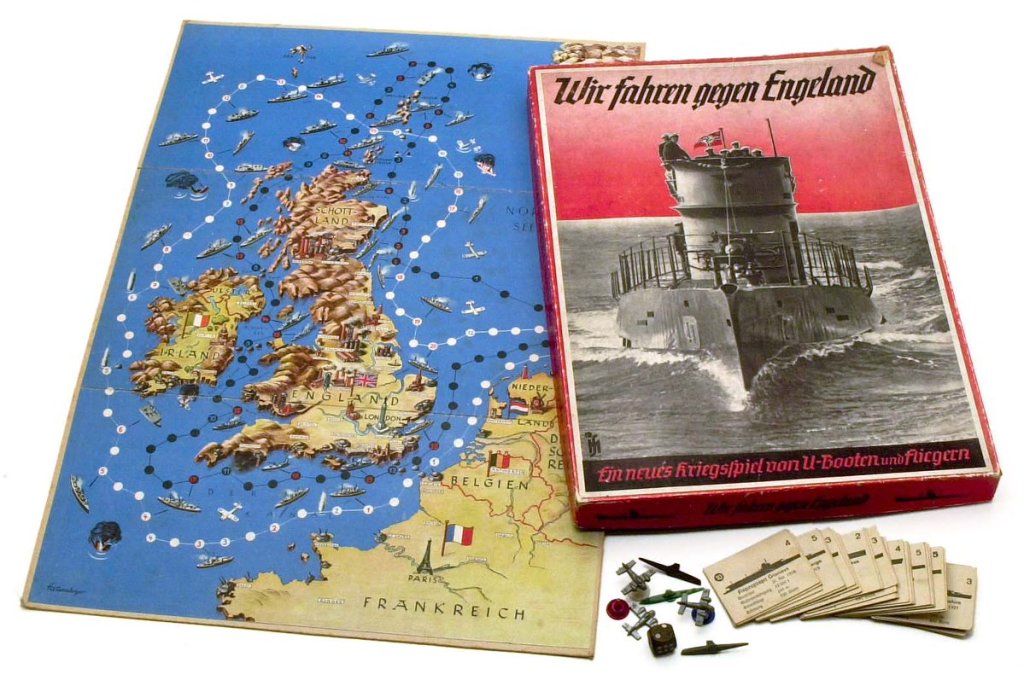
Nazi board game from 1941 – Wir fahren gegen England (We go against England).

“Fun for all the family.”

Normandy, 1944. While the battle rages, a Frenchwoman pours a drink for a British soldier.

We have more sheep than people 🙂

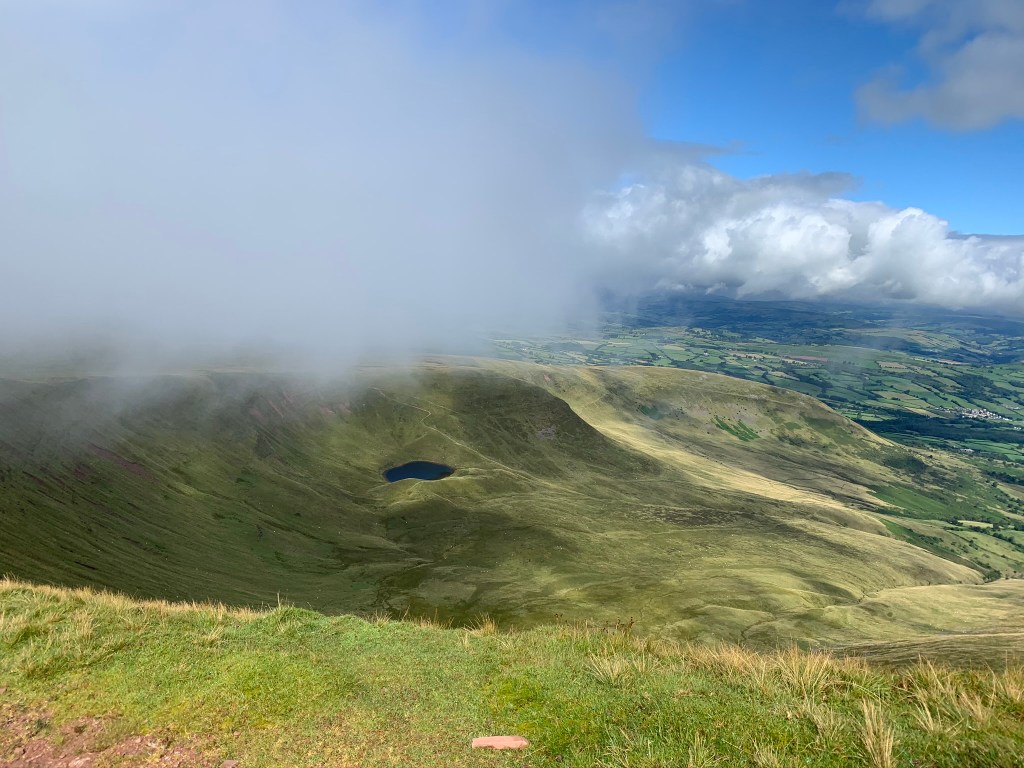
Walking through the clouds on Pen-y-Fan this week.

Basically, my approach to writing.

Hannah Arendt on Writing:

Gaus: Do you write easily? Do you formulate ideas easily?

Arendt: Sometimes I do; sometimes I don’t. But in general I can tell you that I never write until I can, so to speak, take dictation from myself…Usually I write it all down only once.

The organisational aspect of D-Day never ceases to amaze me.
2 August 1944. The French 2nd Armored Division arrived in France, landing at Utah Beach, Normandy. The division served under General Patton as part of the US Third Army.

Two weeks later, they helped to liberate Paris.

I’m really getting into my character Eve in my Eve’s War series, so much so that when she met a Maquis leader today and they shared cheese as a peace offering it gave me a strong urge to eat cheese. Tomorrow, Eve blows up a railway line. I hope I don’t get a strong urge to play with dynamite 🤣

On this date, with the First World War ten days old, George Bernard Shaw wrote an article urging both sides to shoot their officers and go home.

An inspiration for Guy Samson in my Eve’s War Heroines of SOE series, Francis Charles Albert Cammaerts was born in London on 16 June 1916. Under the code name Roger he was an agent of the Special Operations Executive. His parents were Professor Emile Cammaerts, a Belgian poet, and Tita Brand, a successful actress.

Francis Cammaerts

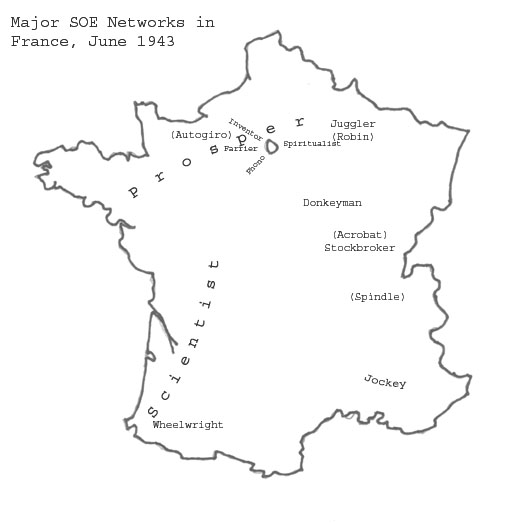
At the beginning of the Second World War, Cammaerts declared himself a conscientious objector. However, in October 1942 he joined the SOE and between March 1943 and September 1944 he led the Jockey network in southeastern France. Considered during training as more intellectual than practical he, nevertheless, completed the course with distinction.

Cammaerts became a pacifist in the 1930s while studying at Cambridge. After university, he established a teaching career where he met fellow teacher and pacifist Harry Rée. After much soul searching, Harry decided to join the SOE. This decision, along with the death of his brother, Pieter, who served in the RAF, convinced Cammaerts that he too should place his pasifist beliefs to one side and join the SOE.

Regarded as one of the finest male agents, Cammaerts recruited locals to the Resistance networks, supplying them with arms and training. He completed two tours as an SOE agent, totalling fifteen months, a period far longer than the average time served by an agent in France. He never stayed in the same house for more than three or four nights. Furthermore, he avoided hotels as their registers were checked by the Gestapo and French police, stayed clear of large railway stations and never told anyone of his plans. 

In the Jockey network, Cammaerts linked up with wireless operator Auguste Fioras. On 27 May 1943, the pair sent their first message to SOE headquarters in London while Fioras went on to transmit 416 wireless messages during 1943 and 1944, a record for an SOE wireless operator.

Cammaerts’ Jockey circuit, which had developed to include over 10,000 people, played a crucial role in the action that followed the D-Day landings. His men and women cut communication and railway lines, which severely hindered the movements of Nazi troops and armaments.

Aware of the risks the locals were taking, Cammaerts always informed them that he was an SOE agent and reminded them of the consequences should anyone talk or be caught. Despite this, he always received a warm welcome. Later, along with many other agents, he gave a great deal of credit to the ordinary French citizens who provided him and his colleagues with safety and support. In the television series Secret Agent, broadcast in 2000, Cammaerts said, “The most important element was the French housewife who fed us, clothed us and kept us cheerful.”

At 193 cm tall and with feet so large his nickname in France was “Big Feet”, Cammaerts feared that he would attract the Gestapo’s attention. Furthermore, he spoke French with a noticeable Belgian accent, which made him vulnerable to informers in the Malice. His security fears were realised on 13 August 1944 when he was arrested at a roadblock by the Gestapo. He was taken to Digne prison where he was beaten and interrogated. During the interrogation, he insisted that he was involved in the black market, a cover story he concocted to account for the large sum of money he carried about his person.

Even though Cammaerts was the most important SOE agent in southeastern France, the Gestapo didn’t realise that they had captured him. Nevertheless, they suspected that he belonged to the Resistance and arranged his execution.

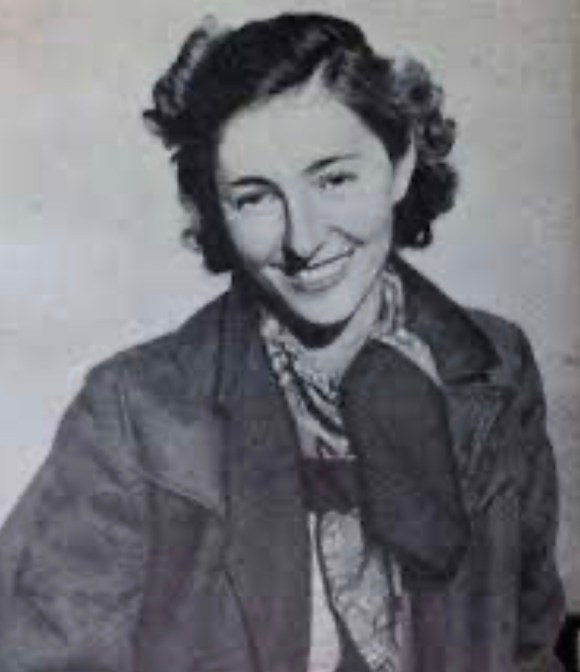
Christine Granville

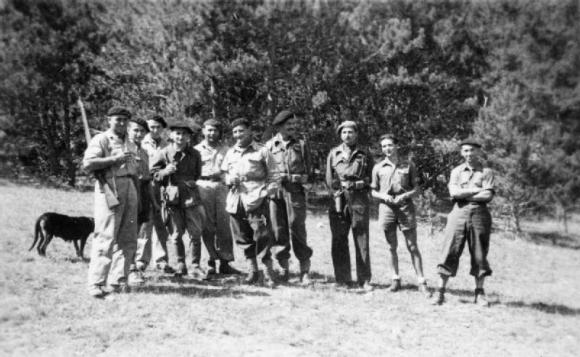
However, on 17 August 1944, two days before the Allied invasion of southern France, fellow agent and courier Christine Granville (aka Krystyna Skarbek) helped him to escape. Christine confronted two collaborators, Albert Schenck, a French liaison officer to the Gestapo, and Max Waem, a Belgian interpreter for the Gestapo. She told them that the Allied troops would arrive within hours and that if they did not cooperate they would be condemned as Nazi collaborators. Under threat from the avenging locals, Schenck and Waem secured Cammaerts’ release.

Maquisards with Christine Granville, second from right

In March 1945, Cammaerts joined the Special Allied Airborne Reconnaissance Force. The SAARF’s main objective was to assist in the reconstruction work in Germany after the fall of Hitler. For Cammaerts this meant dealing with the aftermath of the newly liberated concentration camps. Understandably, he was appalled by what he saw and later said, “The SAARF period was blank and grey and one of those certain areas in my life when I didn’t know what I was doing.”

During his pacifist period, Cammaerts met Nancy Findlay (Nan), and they married on 15 March 1941. Over the following decades, the couple had four children, three girls and a boy.

In 1948, Cammaerts became the first Director of the Central Bureau for Educational Visits and Exchanges, a UNESCO agency. Four years later, he returned to teaching. He was the subject of This Is Your Life in 1958 and in 1959 appeared for the defence in the notorious Lady Chatterley’s Lover trial, a case won by the publisher, Penguin Books, and the author, D.H. Lawrence.

Further teaching posts in Britain and Africa followed. Throughout his career, Cammaerts won high praise as an innovative educator. He finally retired in 1987 to live in the south of France. He died there in 2006.

As ever, thank you for your interest and support.

Hannah xxx
Categories
Dear Reader

Dear Reader #60

Dear Reader,

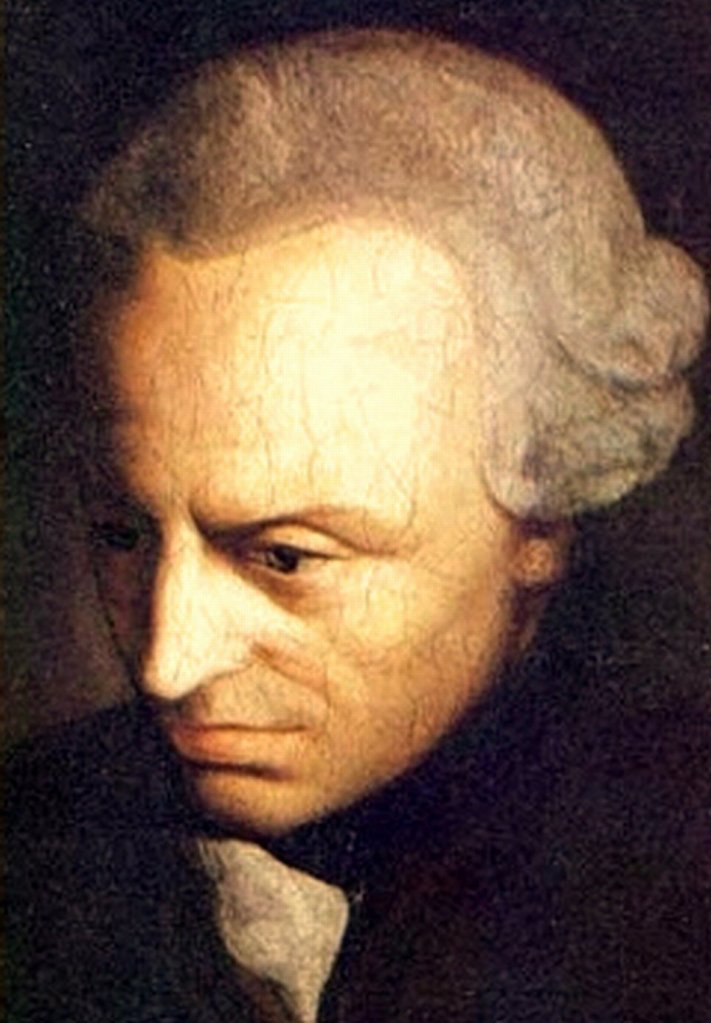
“Have the courage to use your own reason. That is the motto of enlightenment.” – Immanuel Kant

From QI

The Aryan poster child used in Nazi propaganda was, in fact, Jewish. A photographer submitted her image to a contest to find “the most beautiful Aryan baby”.

The cover for the print version of Operation Zigzag, currently with the printer.

“All good books have one thing in common – they are truer than if they had really happened.” – Ernest Hemingway

From 1914. If you wanted a copy of this map, you had to collect ten coupons from Black Cat cigarette packets. As if the war wasn’t bad enough, smoking also increased substantially.

The writing is on the wall…

I wrote the Ann’s War series for my own amusement so I’m amazed and delighted to see Betrayal, book one in the series, at #1 for the eleventh time on the mystery and literature charts.

“Lies are often much more plausible, more appealing to reason than reality, since the liar has the great advantage of knowing beforehand what the audience wishes or expects to hear.” – Hannah Arendt

East and West Berlin before the fall of the wall. The different street lights indicate the border.

This is what happens when society tolerates or embraces fascism. Staff at Auschwitz enjoying their ‘work’.

Please pause and give this some deep thought.

Wanted: replacement electrician. Must supply own rubber boots.

From Future Generation Wales

If you think this is extraordinary you should have seen the bull 👀

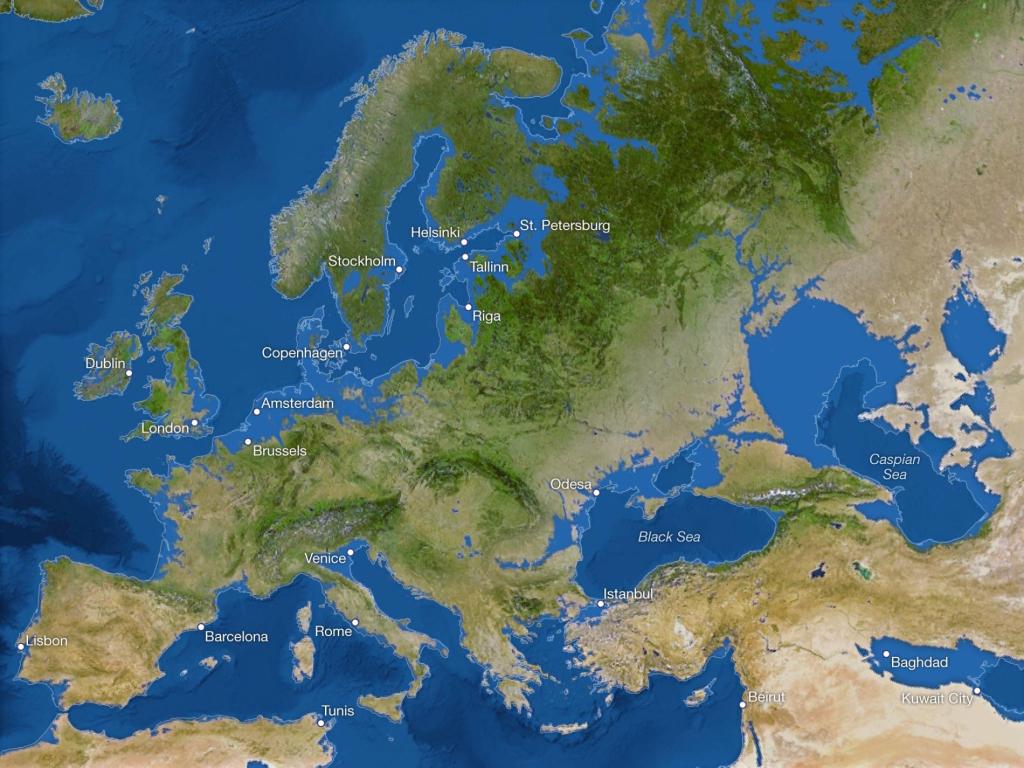
If all the ice melted…

History often overlooks the great women…

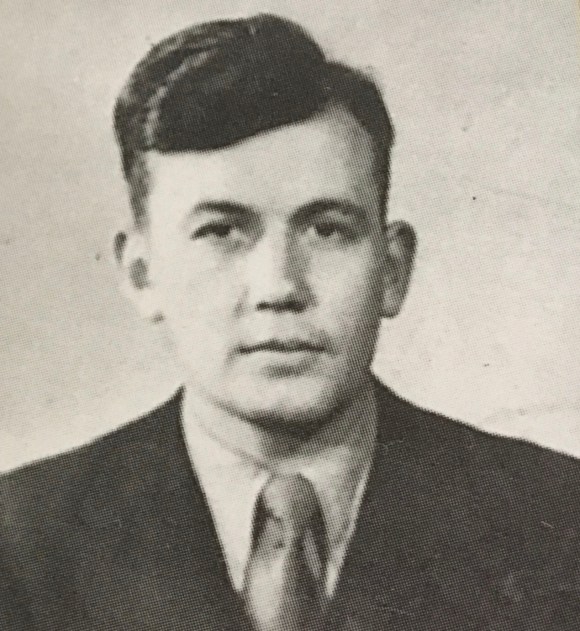
One of the inspirations for Guy Samson in my Eve’s War Heroines of SOE series, André Hunter Alfred Hue was born in Swansea, Wales on 7 December 1923. 

Andre Hue, the photograph attached to his fake identity card

André’s father, also André, was French while his mother, Caroline, was Welsh. A First World War veteran, André senior received a bullet wound to the head. The bullet remained in place and contributed to his early death in 1938.

Caroline did not speak French. Indeed, before their marriage neither she nor her husband spoke each other’s native language. However, Caroline insisted that her children should learn French.

From Swansea, André’s family moved to Le Havre. There, in 1939, he became a sailor in the French merchant navy with the rank of purser. 

On 17 June 1940, André’s ship, the SS Champlain, struck a mine off La Rochelle and sank. André was in the shower at the time, but he managed to swim ashore, naked.

While working as a railroad clerk in Guer, Brittany, André fulfilled a burning ambition and joined the French Resistance. The railroad station at Guer was strategically important because it served as a key artery for supplying German troops to north-western France.

Working in the railroad office, André provided information about secret timetables so that the RAF could attack trains carrying German troops and supplies. 

As trust in André’s abilities increased, the Resistance encouraged him to smuggle Allied airmen, shot down over France, to safety, often by guiding them to the coast and the waiting boats and submarines.

With André’s courage and his trustworthiness established, the Special Operations Executive invited him to train as an agent. In February 1944 he crossed the Channel to Britain to commence training. His reports stated that he was “a very active, energetic, enthusiastic man with a reasonably stable personality, although inclined to excitement at times.”

André succeeded with his training and the SOE awarded him the rank of Acting Captain in time for Operation Overlord.

During the night of 5/6 June 1944, André parachuted into France. Men from the French Special Air Service accompanied him. Upon landing, an immediate task was to avoid Cossacks who were patrolling the countryside. The Cossacks were Soviet POWs who’d joined the German Army.

Maquis in an armoured Jeep

In Brittany, André’s task was to organise the local Maquis so that they could launch guerrilla attacks on communication lines, railroads and roads. Their ultimate aim was to prevent the four Nazi divisions stationed in Brittany from joining the rest of the German army in Normandy.

André was based at La Nouette farmhouse near Saint Marcel. He noted in his autobiography, The Next Moon, that he feared the Milice more than the Germans because the Milice being French could identify regional accents. However, as a natural French speaker he escaped initial suspicion.

On one occasion, André was present when the Nazis shot five SAS men  and seventeen French civilians. On another occasion, he was trapped in a barn, which the Nazis had torched. Despite the smoke and flames, he managed to escape.

On 18 June 1944, the Nazis attacked André’s farmhouse. Four thousand Maquisards rushed to defend the farmhouse and the Battle of Saint Marcel ensued.

La Nouette after the battle

In The Next Moon, André recalled the battle. “Now every weapon that the enemy possessed was brought to bear on our front line in a cacophony of shots and explosions which could not drown an even more sinister noise: the occasional crack of a single bullet. A man within feet of me slumped to the ground with blood spurting two feet into the air from the side of his neck. We had anticipated an infantry assault – possibly backed up with light armour – but snipers, a threat we had not met before, were difficult to counter. Within minutes of the first casualty, another seven of our men lay dying within the farm complex: all had been shot from long range.”

As the Nazi snipers continued to assassinate André’s men, he could hear the sound of panzers in the distance, so he ordered a retreat into the woods under the cover of darkness. There, André used his radio to contact the SOE and RAF. They organised an air strike, which resulted in mass confusion. During that confusion, André and his men escaped.

La Nouette restored after the Second World War

Throughout August 1944, André participated extensively in the liberation of France. He executed an operation where the Resistance secured the villages in Brittany to aid the advancing Allies. After his work in Brittany, he parachuted into the town of Nevers in Burgundy, where he coordinated operations between the SOE and the Resistance.

On 30 August 1944, André landed in the Nievre just west of Dijon where he took command of the SOE Gondolier circuit. There, he trained the local Maquis and blew up three bridges in Burgundy, which denied the retreating Nazis an exit point from the South of France. Also, in Luzy, André removed mines, placed by the Nazis to kill and maim local civilians. 

For his extraordinary efforts, André was awarded the Distinguished Service Order (DSO) for his work in France. At the age of twenty, he was one of the youngest men to receive a DSO.

By the end of the Second World War, André held the rank of Major in the British Army. He served overseas, in Burma, Palestine, Cyprus and Cambodia. During his stint in Cambodia, he met his future wife, Maureen Taylor, who worked in the British Embassy in Phnom Penh. The couple married in 1957 and had one daughter.

Before establishing a successful business career, André worked for MI6, his activities centred on the Far East.

In later years, André suffered from Alzheimer’s disease, which claimed his life in 2005.

As ever, thank you for your interest and support.

Hannah

Categories
Dear Reader

Dear Reader #59

Dear Reader,

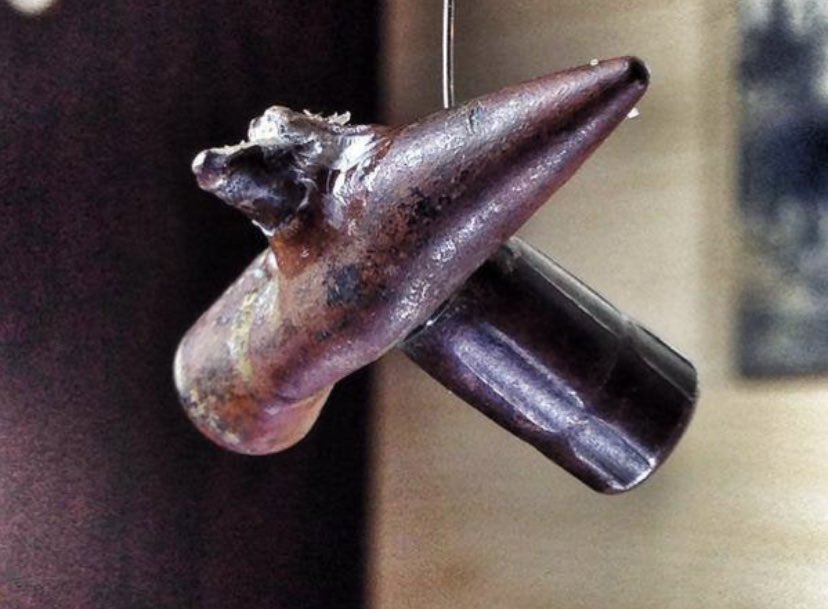
These two bullets collided during the Battle of Gallipoli in 1915. The chances of that happening are one in a billion.

A common question: where do you get your ideas from? My answer: mainly my imagination and research, plus observation and personal experience. Bizarre, but true, these ideas usually develop into a story while I’m cleaning my teeth. This week, an idea about a female pilot in the Air Transport Auxiliary developed into a story. I’m not sure where it will slot into my writing schedule, but I would like to write the idea as a novella and publish it as a free book for my readers.

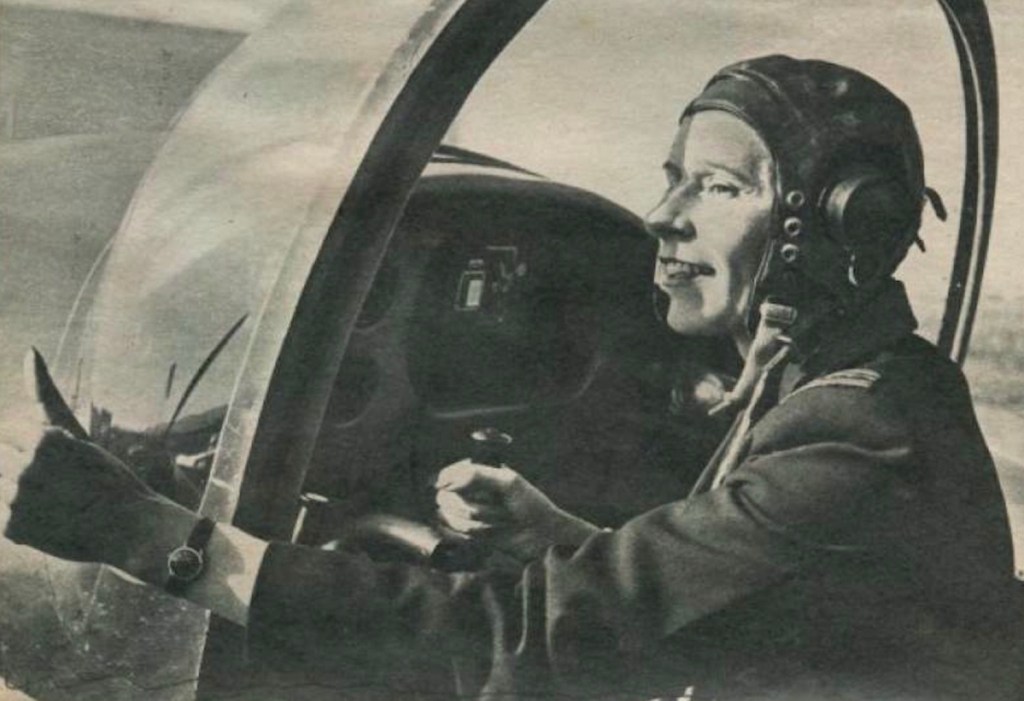
This is Mary Ellis, an inspiration for my story. Aged 101, a week before she died, she talked with Dan Snow about her career. Mary flew hundreds of planes during her career, including her favourite, the Spitfire. Aged 99 she flew in a Spitfire again, adding another chapter to her remarkable life.

It figures…

My latest audiobook, Snow in August, Sam Smith Mystery Series book sixteen. Working with talented narrators and translators is a highlight of publishing.

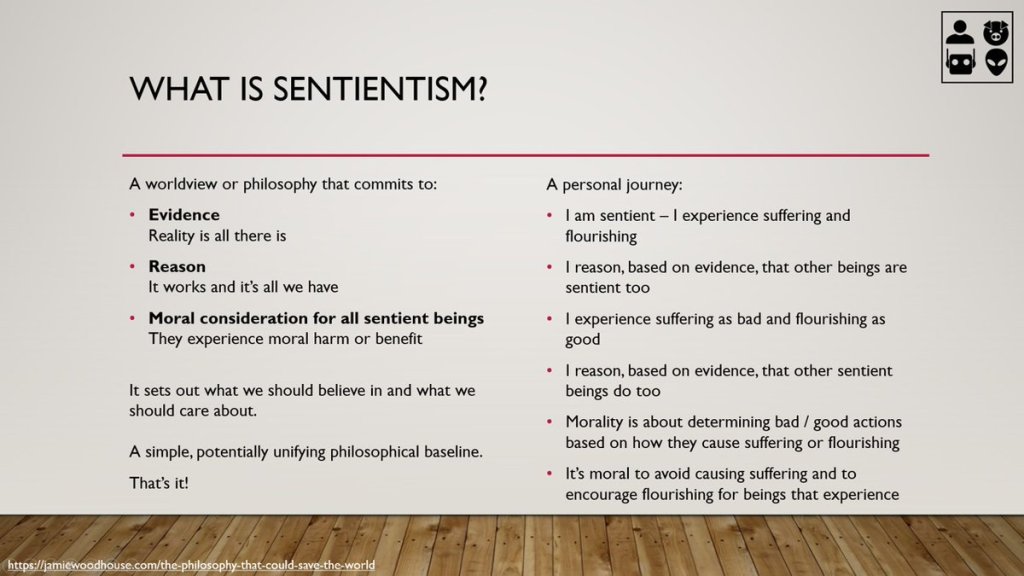
Humanism: think for yourself, act for everyone.

The rivers of Wales.

Polish airmen who fought in the Battle of Britain. Airmen from Poland, and other Allied countries, trained at Stormy Down, an airfield a mile from my home.

A total of 145 Polish fighter pilots took part in the Battle of Britain. Poles made up 5% of all RAF pilots during the battle. At the peak of the battle, Poles accounted for 13% of frontline fighter pilots. In October 1940, this figure rose to 20%.

“The streets were dark with something more than night.” – Raymond Chandler

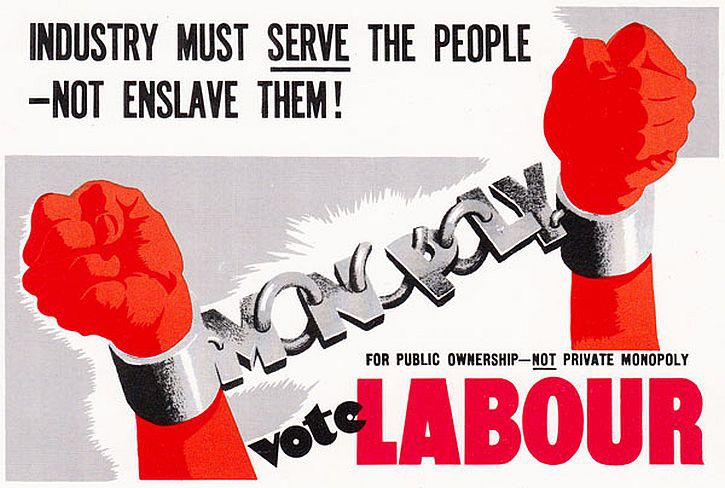
Poster for the 1945 General Election

Jeannie Yvonne Ghislaine Rousseau was born on 1 April 1919 in Saint-Brieuc. A brilliant linguist, she graduated in languages from Sciences Po in 1939. When the Nazis invaded France she joined her family in Dinard where she became an interpreter for the occupiers. However, as she interpreted she also gathered intelligence.

Jeannie’s intelligence gathering included secrets of commercial deals and details of the steel and rubber industries. She said later,  “I was storing my nuts, but I had no way to pass them on.”

The Gestapo arrested Jeannie in January 1941, but they released her with the proviso that she did not visit the coast. Later that year, she moved to Paris where she gathered more intelligence from a Parisian company that supplied materials to the Nazis.

Jeannie’s formal career as a spy began in 1941 when she met Georges Lamarque on the Paris-Vichy night train. Lamarque remembered Jeannie, and her talent for languages, from the University of Paris. He invited her to work for him and she agreed immediately.

During 1943, Jeannie filed her most remarkable reports – details of the missile and rocket development at Peenemünde. These reports alerted R.V. Jones, the Assistant Director of British Intelligence (Science), to the V1 and V2 rocket threat and in so doing saved thousands of lives.

RAF reconnaissance photograph of V2 rockets a Peenemünde, 1943

When R.V. Jones received Jeannie’s reports he enquired about their source and was told that they came from “one of the most remarkable young women of her generation.”

Thanks to R.V. Jones’ persuasive nature, the Allies bombed Peenemünde. Initially, he met with departmental resistance before convincing Churchill about the importance of the mission. Because the raid would take place in August, partly in daylight, it carried great risk. Also, it involved a great number of Allied bombers, diverting them from other targets. The mission was successful, although the Allies did lose a large number of planes and aircrew during the daylight leg of the raid.

The launch of a V2 rocket, summer 1943

Shortly before D-Day, with the Gestapo closing in, Jeannie planned to escape with two other agents. However, she was caught by the Gestapo. Bravely, during her capture, she alerted her colleague and he escaped. 

R.V. Jones later said, “Amniarix’s (Jeannie’s code name) reports stand brilliantly in the history of intelligence, and three concentration camps – Ravensbrück, Königsberg (a punishment camp) and Torgau could not break her.” Thankfully, the Swedish Red Cross rescued Jeannie shortly before the end of the war.

After the war, Jeannie worked as a freelance interpreter for the United Nations and other agencies. She also married Henri de Clarens whom she met while recovering in Sweden from tuberculosis, contracted during her imprisonment. Henri had endured periods in the Buchenwald and Auschwitz concentration camps. The couple had two children.

Henri died in 1995 while Jeannie died on 23 August 2017 in Montaigu, aged 98.

As ever, thank you for your interest and support.

Hannah xxx

Categories
Dear Reader

Dear Reader #57

Dear Reader,

“But I, being poor, have only my dreams; I have spread my dreams under your feet; tread softly because you tread on my dreams.” – W B Yeats

I enjoyed the movie Lucie Aubrac this week and would place it in my top ten. I love the Continental style of filmmaking where the camera lingers on a scene and facial expressions say more than words. Some of the linking scenes were dialogue and music free, yet the story flowed effortlessly.

Lucie Aubrac is a French movie and I viewed it in its native language. I find that subtitles draw you into a story and make it more compelling. It’s a true story and I knew the outcome. All the same, the movie is gripping from the opening dramatic scene to its heartfelt conclusion.

A fitting cinematic tribute to a remarkable woman.

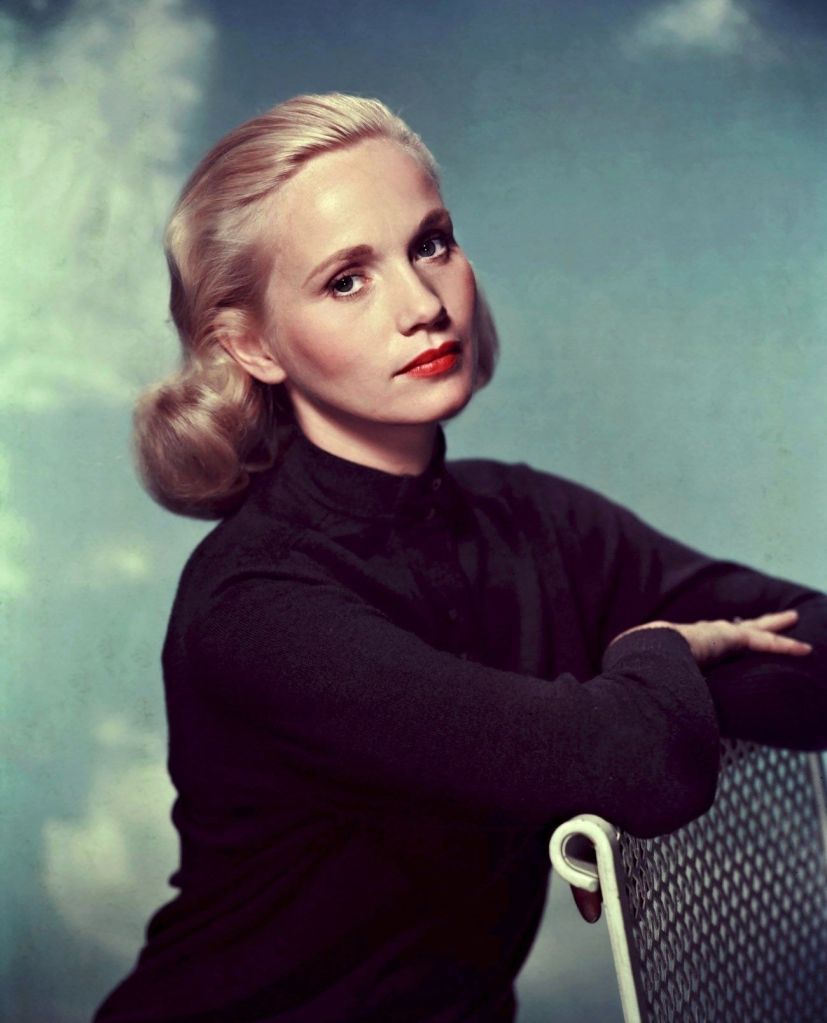
One of my favourite actresses, Eva Marie Saint, was 96 on 4th July 2020. Happy birthday and thank you for your wonderful films.

A record-breaking sales day for my books and Sam’s Song at #1 for the ninth time. Difficult to get excited with so much going on in the world, but many thanks to everyone who supports my books.

The birth of speech. And it all went downhill from there 🙂

René Descartes as Nostradamus?!

Of course, he actually said, “Cogito, ergo sum.” – “I think, therefore I am.”

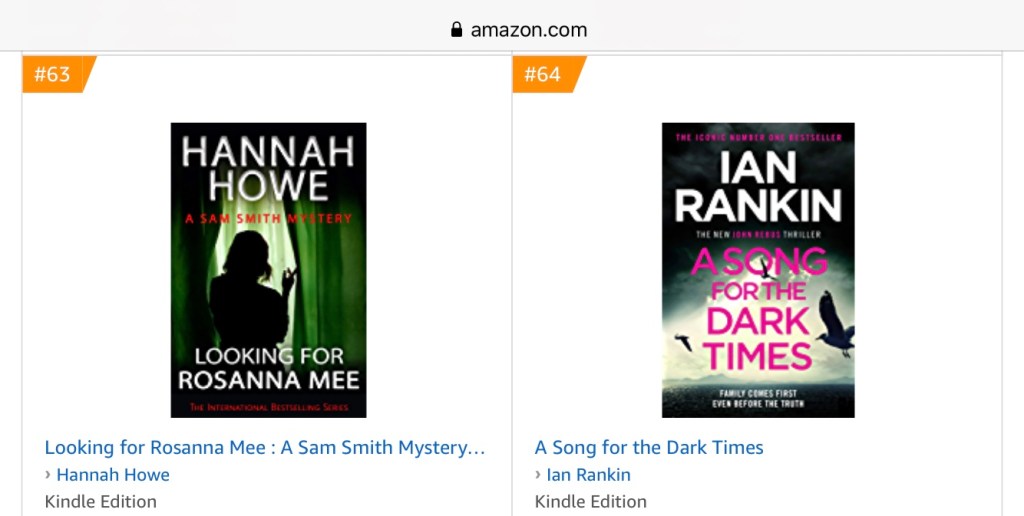
One for the album. Nice to see my latest Sam Smith Mystery, Looking for Rosanna Mee, alongside Ian Rankin in the Hot 💯. We will publish Looking for Rosanna Mee in September.

I see my new keyboard is well equipped for the modern age…

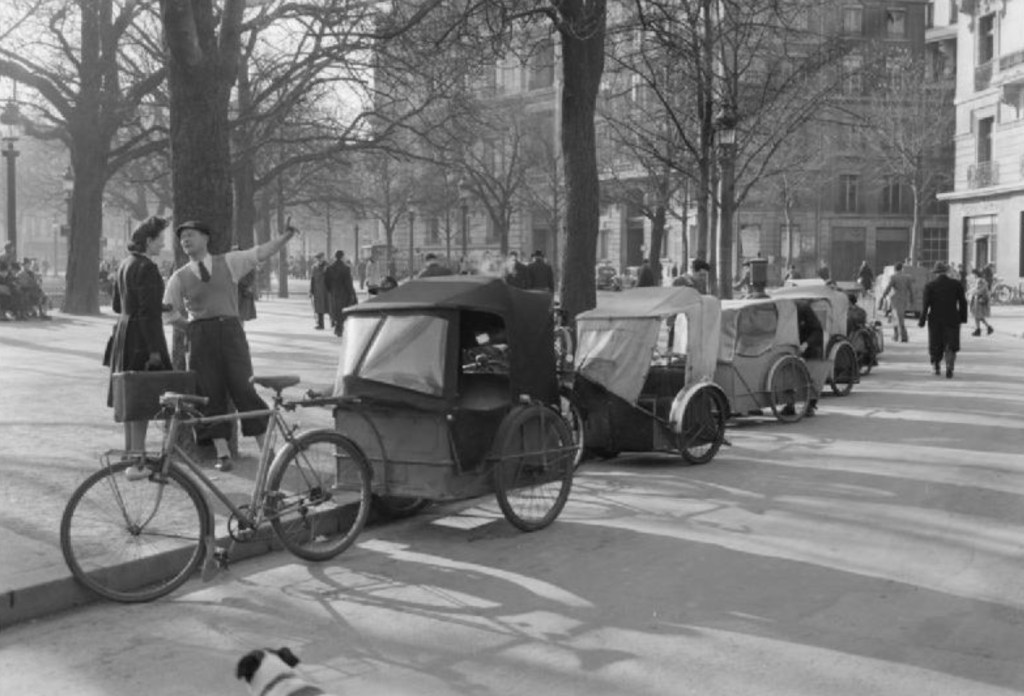
Bicycle-taxis, Paris, spring 1945. Research for my Eve’s War Heroines of SOE series.

This week in 1932, the Great Depression in America reached its lowest point. After the 1929 Wall Street Crash, the Dow Jones Industrial Average fell. Disaster followed for investors, alongside further declines in consumption, production and employment.

Also interesting on this front page: ‘State Plans to Roundup Tax Dodgers’. And, ‘Jury Believes Her Story’. I’m intrigued to know what her story entailed.

Written in the 1970s, the lyrics are still highly relevant today.

An inspiration for my Eve’s War series, Nancy Wake was one of the most remarkable women of World War II. Born in New Zealand and brought up in Australia, she married a Frenchman and became a leading figure in the Marseille Resistance. In 1943, she joined the SOE and was heavily involved in the liberation of France.

This DVD arrived from New Zealand today and I’m looking forward to watching it.

An in-depth article about Nancy Wake will appear on my website in the near future.

Don’t believe everything you hear. Don’t believe everything you see. This is a stationary image.

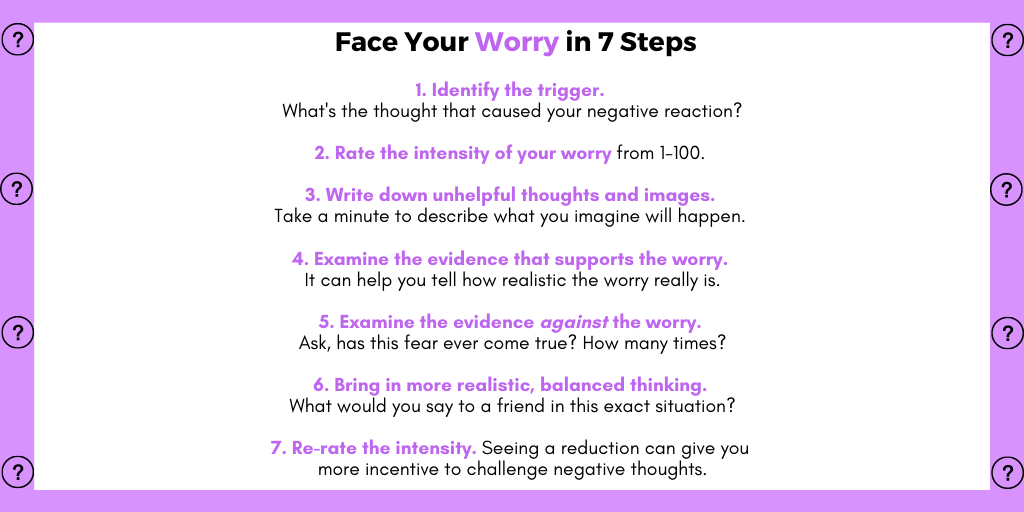
Some ideas to lift your mood. Try to achieve at least three a day.


Resistance Couples – Hélène and Philippe Viannay

Hélène Victoria Mordkovitch was born on 12 July 1917 in Paris after her Russian parents had emigrated to the city in 1908.

A brilliant student, Hélène attended the Sorbonne where she studied geography. There, in September 1940, she met her future husband, Philippe Viannay, a philosophy student seeking a certificate in geography.

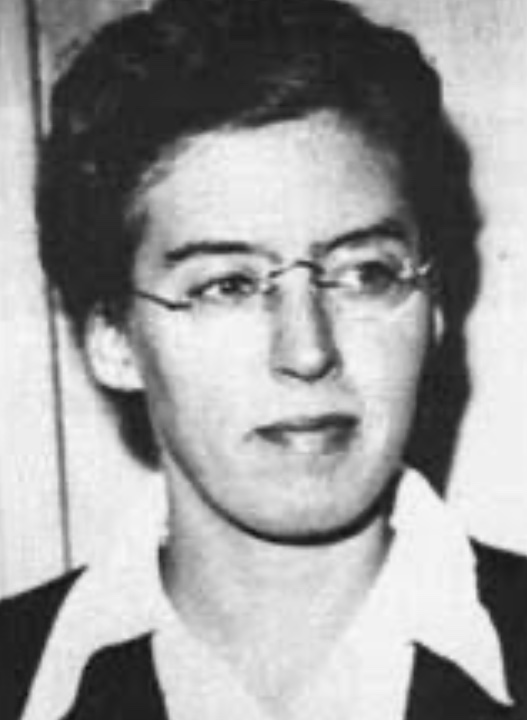
Hélène Viannay

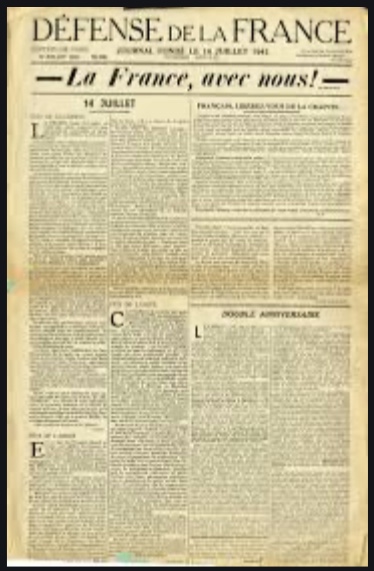
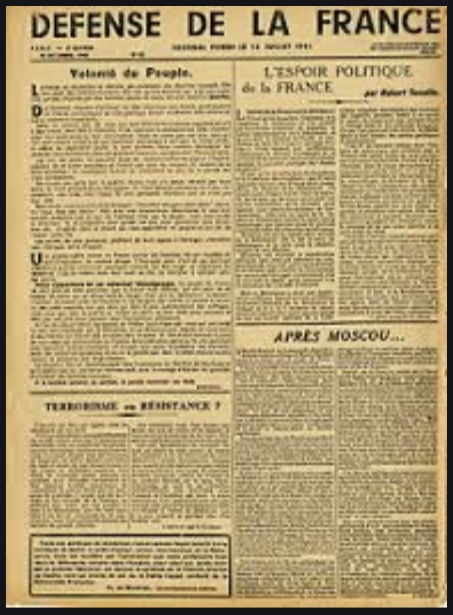
Opposed to the Nazi occupation of France, the couple decided not to escape to London. Instead they created an underground newspaper, Défense de la France, publishing the first issue on 14 July 1941. The journal took its motto from Blaise Pascal, “I only believe stories told by those witnesses who are willing to have their throats cut.”

Despite the dangers of producing an underground newspaper, Défense de la France remained in production until the Liberation in August 1944. By that time the newspaper regularly reached half a million readers, the largest circulation of the whole clandestine press.

Philippe Viannay

Hélène and Philippe married in 1942. Their first child, Pierre, was born the following year while the couple were on the run from the Gestapo. Along with the newspaper, Hélène also organised the mass production of false identity papers for Frenchmen resisting deportation to the forced labour camps in Germany.

In 1944, Hélène joined the Ronquerolles Maquis, a Resistance group led by Philippe. After her husband was injured, Hélène coordinated the group and participated in the liberation of France.

After the war, the Viannays created the Centre for the Training of Journalists (Centre de Formation des Journalistes) in Paris, which continues to this day. In 1947, they also founded Les Glénans (Le Centre nautique des Glénans), which initially served as a convalescent centre for deportees and battle-weary résistants. Hélène managed the association from 1954 until her retirement in 1979.

The Canadian journalist Caitlin Kelly, who studied with Philippe Viannay at the Centre in Paris, later described him as “the most inspiring man I’ve ever met.”

In 1991, Hélène participated in the creation of the Prix Philippe Viannay-Défense de la France, a prize awarded annually to works promoting resistance to Nazism in France and elsewhere in Europe.

As ever, thank you for your interest and support.

Hannah xxx