Categories
Favourite Record

Favourite Song of the 1950s/1960s #3

When the qualifying process is complete, in sixteen days, on Mastodon we will start voting on our top twenty favourite records of the 1950s/1960s, placing them in order. Through 190 match-ups, we will create a unique chart, every song a classic.

Here is some background on one of the qualifiers, Son of a Preacher Man by Dusty Springfield.

Son of a Preacher Man was written by John Hurley and Ronnie Wilkins, and released by Dusty Springfield on 8 November 1968. Aretha Franklin also released a version of the song, in 1969.

Son of a Preacher Man was a top ten hit in Britain and America. However, the song achieved even greater success internationally with high chart positions in Austria, Australia, Malaysia, New Zealand, the Netherlands, and Switzerland. Furthermore, it topped the charts in Singapore and Iceland.

Dusty Springfield

I Say a Little Prayer by Aretha Franklin

I Say a Little Prayer was written by Burt Bacharach and Hal David, and originally recorded by Dionne Warwick, in 1967. Hal David’s lyrics conveyed a woman’s concern for her man, who was serving in the Vietnam War.

In 1968, Aretha Franklin and her background vocalists were singing I Say a Little Prayer between rehearsals for her album, Aretha Now. It soon became apparent that they should record the song as a single. 

In comparison to Dionne Warwick’s version, Clayton Ivey’s piano played a prominent role while the bridge was rearranged and Aretha Franklin transposed the original G major to A major.
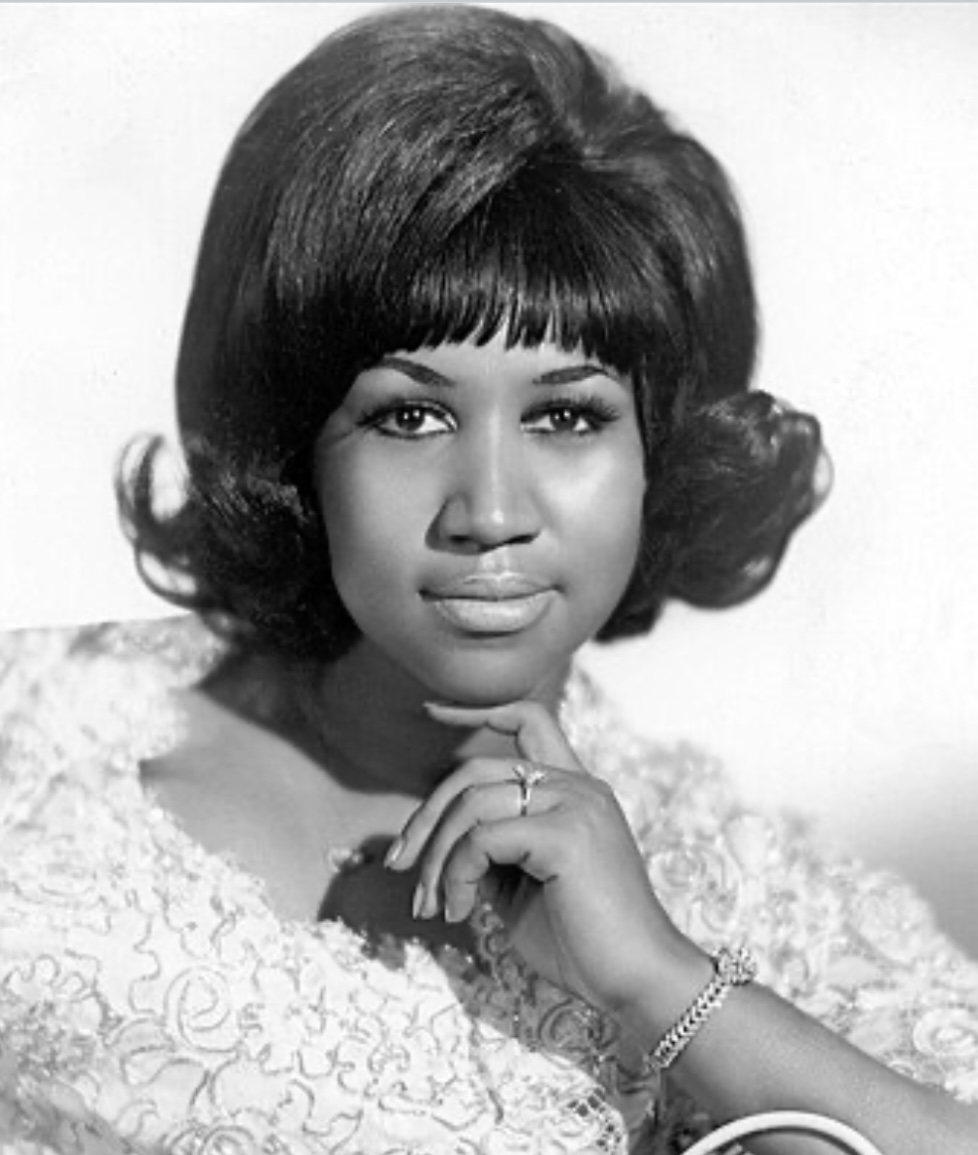
Aretha Franklin

Da Do Ron Ron by The Crystals

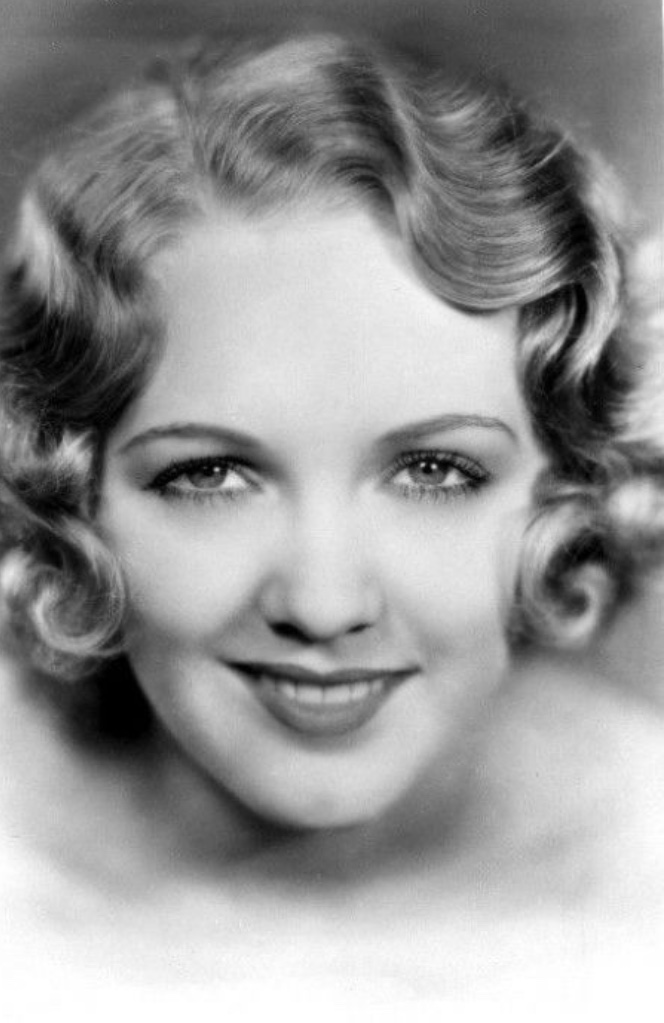
Da Doo Ron Ron was written by Jeff Barry, Ellie Greenwich (pictured) and Phil Spector, and released in 1963 by The Crystals with Dolores “LaLa” Brooks providing the lead vocals and Cher adding her voice to the backing vocals. Amongst many others, Jeff Barry and Ellie Greenwich also recorded the song, as The Raindrops.

Da Doo Ron Ron was written within two days in Phil Spector’s New York office. The lines Da Doo Ron Ron were just nonsense syllables, guide vocals. This is a technique many writers and songwriters use (I use it myself). The idea was that “sensible” lyrics would replace Da Doo Ron Ron. However, Spector liked the simplicity of the words and decided to keep them.

Bill in the lyric was inspired by Bill Walsh, a friend of Spector’s who happened to drop into Spector’s office while the three songwriters were writing the song.

I Want to Hold Your Hand by The Beatles

I Want to Hold Your Hand was written by John Lennon and Paul McCartney. The song was recorded on 17 October 1963 and released on 29 November 1963. It was the first Beatles record made using four-track recording equipment.

With advance orders exceeding one million copies in Britain, I Want to Hold Your Hand should have gone straight to number one, only there was a problem: The Beatles’ She Loves You occupied that position. After two weeks, I Want to Hold Your Hand dislodged She Loves You and remained at number one for five weeks.

In September 1980, John Lennon told Playboy magazine: “We wrote a lot of stuff together, one on one, eyeball to eyeball. Like in ‘I Want to Hold Your Hand,’ I remember when we got the chord that made the song. We were in Jane Asher’s house (McCartney’s girlfriend at the time), downstairs in the cellar playing on the piano at the same time. And we had, ‘Oh you-u-u/ got that something …’ And Paul hits this chord and I turn to him and say, ‘That’s it!’ I said, ‘Do that again!’ In those days, we really used to absolutely write like that – both playing into each other’s noses.”

Good Vibrations by The Beach Boys

Good Vibrations was written by Brian Wilson and Mike Love, and released as a single on 10 October 1966. At the time, it was said to be the most expensive single ever recorded.

From February to September 1966, Brian Wilson recorded a surplus of short, interchangeable musical fragments. Band publicist Derek Taylor called the recording a “pocket symphony”, while engineer Chuck Britz said that Wilson considered the song to be “his whole life performance in one track.”

Wilson said that Good Vibrations was inspired by his mother: “[She] used to tell me about vibrations. I didn’t really understand too much of what it meant when I was just a boy. It scared me, the word ‘vibrations.’ She told me about dogs that would bark at people and then not bark at others, that a dog would pick up vibrations from these people that you can’t see, but you can feel.”

My latest Golden Age of Hollywood article for the Seaside News appears on page 43 of the magazine

For Authors

#1 for value with 565,000 readers, The Fussy Librarian has helped my books to reach #1 on 36 occasions.

A special offer from my publisher and the Fussy Librarian. https://authors.thefussylibrarian.com/?ref=goylake

Don’t forget to use the code goylake20 to claim your discount 🙂

Categories
Favourite Record

Favourite Song of the 1950s/1960s #2

When the qualifying process is complete, in about a month, on Mastodon we will start voting on our top twenty favourite records of the 1950s/1960s, placing them in order. Through 190 match-ups, we will create a unique chart, every song a classic.

Here is some background on one of the qualifiers, Hey Jude by the Beatles.

Hey Jude, written by Paul McCartney and credited to the Lennon-McCartney partnership, was released in August 1968. The song was the first Beatles release on their Apple record label.

John Lennon said in 1980, “If you think about it … Yoko’s just come into the picture. He’s saying. ‘Hey, Jude – Hey, John.’ I know I’m sounding like one of those fans who reads things into it, but you can hear it as a song to me. The words ‘Go out and get her’ – subconsciously he was saying, Go ahead, leave me. On a conscious level, he didn’t want me to go ahead.”

Paul McCartney added in 1997, “I started with the idea “Hey Jules,” which was Julian (Lennon), don’t make it bad, take a sad song and make it better. Hey, try and deal with this terrible thing. I knew it was not going to be easy for him. I always feel sorry for kids in divorces.”

The Beatles performing Hey Jude

Another qualifier, Then He Kissed Me by The Crystals

Then He Kissed Me was written by Phil Spector, Ellie Greenwich and Jeff Barry. The song, recorded by The Crystals, was released in July 1963 and quickly became an international hit. The lead vocal was sung by Dolores “LaLa” Brooks, while Jack Nitzsche provided the Wall of Sound arrangement. 

Dolores “LaLa” Brooks, the second youngest of eleven children, enjoyed a long career in music, writing, recording and performing with a number of leading artists including Bobby Womack and Isaac Hayes. Now aged 76, she is still performing.

The Dock of the Bay by Otis Redding

The Dock of the Bay was co-written by Otis Redding and guitarist Steve Cropper. Redding recorded the song twice in 1967, including just three days before his death in a plane crash on December 10, 1967. The Dock of the Bay was released in 1968 and became the first posthumous #1 single in America.

In a September 1990 interview Steve Cropper said, “Otis was one of those guys who had 100 ideas. He had been in San Francisco doing The Fillmore. And the story that I got, he was renting a boathouse, or stayed at a boathouse or something, and that’s where he got the idea of the ships coming in the bay there. And that’s about all he had: ‘I watch the ships come in and I watch them roll away again.’ I just took that… and I finished the lyrics. If you listen to the songs I collaborated on with Otis, most of the lyrics are about him. Dock of the Bay was exactly that: ‘I left my home in Georgia, headed for the Frisco Bay’ was all about him going out to San Francisco to perform.”

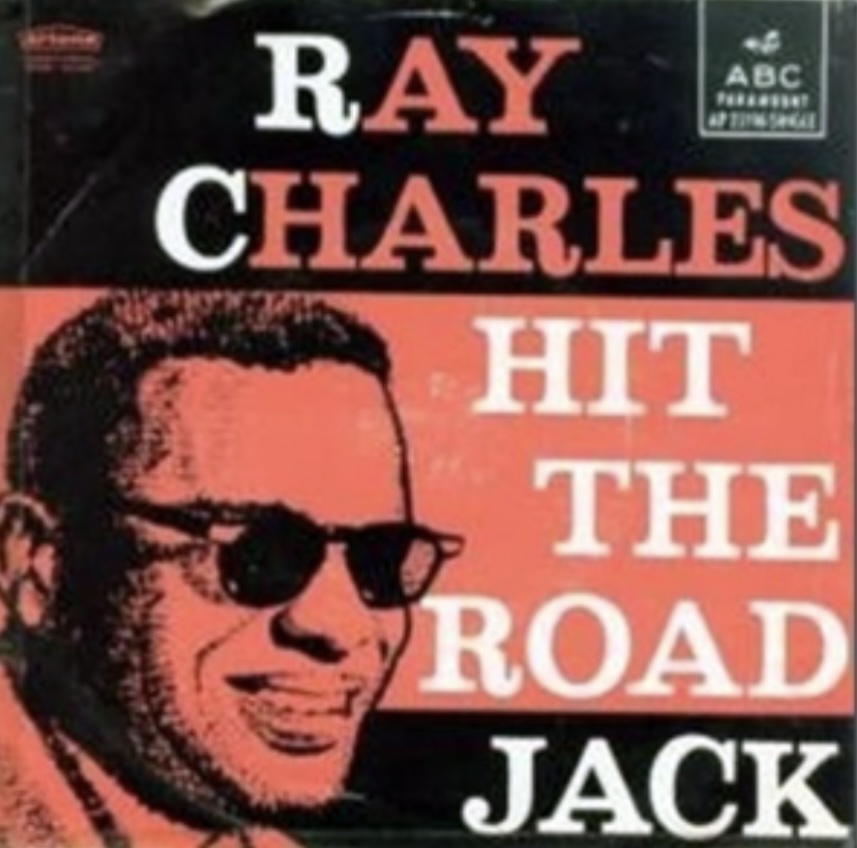
Hit the Road Jack by Ray Charles

Hit the Road Jack was written by Percy Mayfield and recorded by Ray Charles with Margie Hendrix providing the female vocals. Initially, Mayfield sent an a cappella demo to music executive Art Rupe who played it to Charles. 

Ray Charles’ recording reached number one on the Billboard Hot 100 on Monday, October 9, 1961. The song also resided at top of the R&B chart for five weeks becoming Charles’ sixth number one on that chart.

The Chantels released an answer song, Well, I Told You, which also entered the charts.

A Hard Day’s Night by the Beatles

A Hard Day’s Night, credited to Lennon-McCartney, was primarily written by John Lennon. The song was released on the film soundtrack of the same name in 1964.

The origins of A Hard Day’s Night as a title vary according to your source. In 1964, Ringo Starr said, “We went to do a job, and we’d worked all day and we happened to work all night. I came up still thinking it was day I suppose, and I said, ‘It’s been a hard day …’ and I looked around and saw it was dark so I said, ‘… night!’

In 1980, John Lennon said, “I was going home in the car and Dick Lester (director of the movie) suggested the title, ‘Hard Day’s Night’ from something Ringo had said. I had used it in ‘In His Own Write’ (a book Lennon was writing) but it was an off-the-cuff remark by Ringo. You know, one of those malapropisms. A Ringo-ism, where he said it not to be funny … just said it. So Dick Lester said, ‘We are going to use that title.’”

In 1994, Paul McCartney said, “The title was Ringo’s. We’d almost finished making the film, and this fun bit arrived that we’d not known about before, which was naming the film. So we were sitting around at Twickenham studios having a little brain-storming session … and we said, ‘Well, there was something Ringo said the other day.’ Ringo would do these little malapropisms, he would say things slightly wrong, like people do, but his were always wonderful, very lyrical … they were sort of magic even though he was just getting it wrong. And he said after a concert, ‘Phew, it’s been a hard day’s night.’”

Book News

I’m delighted that Eve’s Peace, my sequel to Eve’s War, Heroines of SOE, is a top ten hot new release on Amazon’s genre charts, and even more pleased that readers are enjoying the book 🙂

For Authors

#1 for value with 565,000 readers, The Fussy Librarian has helped my books to reach #1 on 36 occasions.

A special offer from my publisher and the Fussy Librarian. https://authors.thefussylibrarian.com/?ref=goylake

Don’t forget to use the code goylake20 to claim your discount 🙂

Categories
Favourite Record

Favourite Song of the 1950s/1960s

When the qualifying process is complete, in about a month, on Mastodon we will start voting on our top twenty favourite records of the 1950s/1960s, placing them in order. Through 190 match-ups, we will create a unique chart, every song a classic.

Here is some background on one of the qualifiers, Fever by Peggy Lee.

Peggy Lee recorded her version of Fever in May 1958 in Hollywood. She significantly altered the lyrics adding historical invocations, including the verses beginning “Romeo loved Juliet,” and “Captain Smith and Pocahontas”. 

With Jack Marshall, Peggy Lee arranged a slow, sultry version of the song. Her vocal was accompanied by bass, limited drums, and finger snaps, Lee adding some of the finger snaps.

Fever became Peggy Lee’s signature song and most successful hit. It remains one of the most sensual songs ever committed to vinyl.

Peggy Lee

Here is some background on the second qualifier, Space Oddity by David Bowie.

Space Oddity was rush-released on 11 July 1969 to capitalise on the Apollo 11 Moon landing. Indeed, the BBC used the song as background music during its coverage of the event.

After a slow start, Space Oddity reached number five on the British charts. The song was re-released in 1972; adapted and cover versions followed in later years.

“Space Oddity came from a feeling of sadness about this aspect (dehumanisation) of the space thing, so I wrote a song-farce about it, to try and relate science and human emotion. I suppose it’s an antidote to space fever, really.”  – David Bowie, 1969.

The third qualifier, Runaway by Del Shannon

Runaway was written by Del Shannon (pictured) and keyboardist Max Crook. Crook invented a clavioline-based keyboard called a Musitron, which he played on the record’s central break. The song was recorded in A minor, then sped up to just below B-flat minor. 

Genesis included the lyric and melody line “my little runaway” in their song “In the Cage”, from the album The Lamb Lies Down on Broadway.

The fourth qualifier, Respect by Aretha Franklin

Respect was originally recorded by Otis Redding and released in 1965. In 1967 Aretha Franklin rearranged the song, which resulted in a bigger hit. The music in the two versions is significantly different, while the lyrics, centred on dignity, also display changes.

Initially a ballad, Respect is shrouded in mystery in that no one is certain who wrote the song. Bandleader Percy Welch said it was written by a guitarist at Bobby Smith’s recording studio in Macon. The record label credits Otis Redding, but it seems he adapted a song brought to him by Earl “Speedo” Sims, who obtained it from the mystery guitarist.

The fifth qualifier, The Loco-Motion by Little Eva

The Loco-Motion was written by Carole King and Gerry Goffin, then a married couple. They wrote the song for Dee Dee Sharp, but she rejected it. Meanwhile, Goffin and King’s babysitter, Eva Boyd, recorded the demo. Then, as Little Eva, she released the song in 1962.

The Loco-Motion is notable for making three appearances in the American top three, each in a different decade: the 1962 version by Little Eva (#1), a 1974 version by Grand Funk Railroad (#1), and a 1988 version by Kylie Minogue (#3).

The book that started my writing career. Sam’s Song has received over 3,000 reviews and ten years after publication was #2 on Amazon’s private detective chart again this week https://www.amazon.com/Sams-Song-Smith-Mystery-Book-ebook/dp/B00OHZ151W

For Authors

#1 for value with 565,000 readers, The Fussy Librarian has helped my books to reach #1 on 36 occasions.

A special offer from my publisher and the Fussy Librarian. https://authors.thefussylibrarian.com/?ref=goylake

Don’t forget to use the code goylake20 to claim your discount 🙂

Categories
Spring Summer 1976

Movies ‘48 #12 and More

Movie News – March 18, 1948

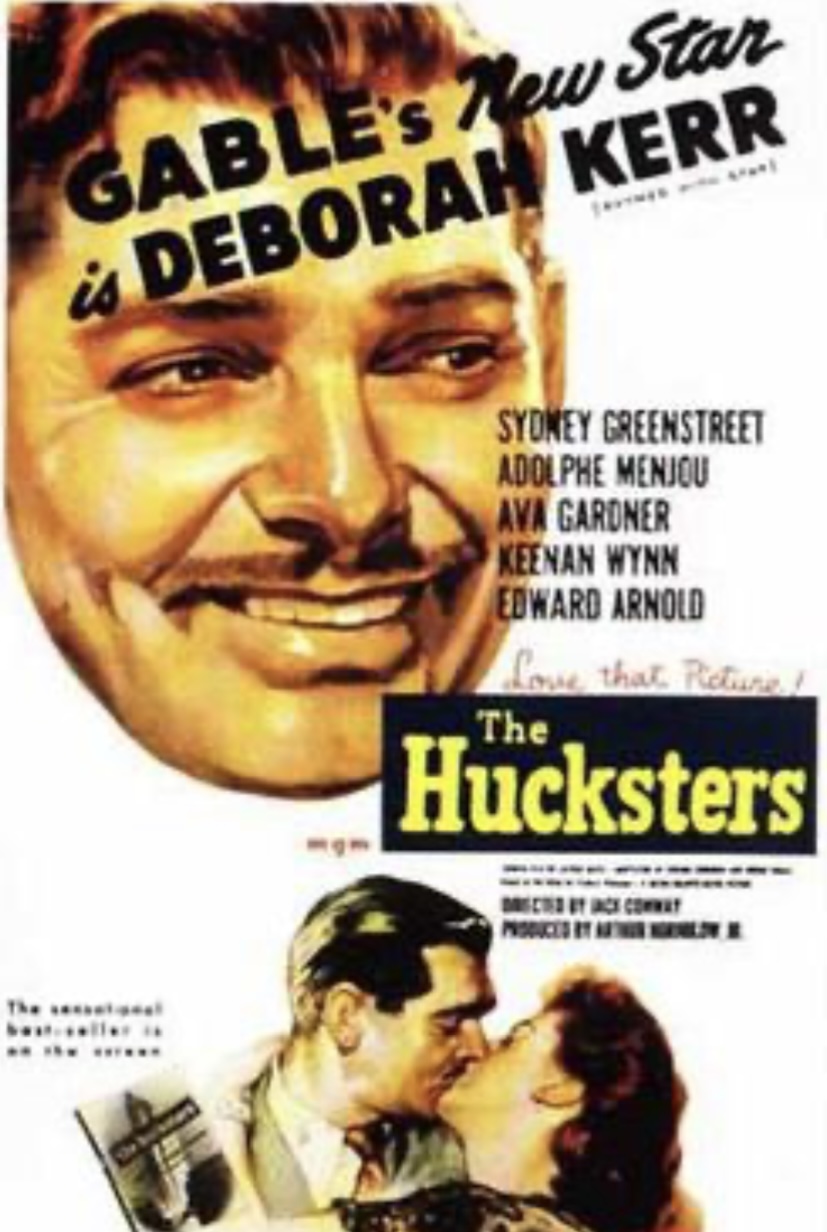
“Hollywood has apologised to film fan Shirley Browne of Blythe, Northumberland, who didn’t like The Hucksters staring Clark Gable and Deborah Kerr. As a peace offering MGM sent Shirley a parcel containing sweets, fruit and tins of meat. ‘I considered The Hucksters to be a very poor film,” Shirley told The Daily Mirror, “so let Hollywood know about it. I’m glad I did.’”

Movie News – March 19, 1948

“The story of an unusual love is told in striking fashion in Notorious. Ingrid Bergman, probably one of the best dramatic actresses to appear for years, plays the leading role, and Cary Grant makes a splendid addition to his record of screen successes.”

The first day of spring, and the start of a new social history series: Spring and Summer of 1976, featuring news, weather, sport, cinema, television and music items from that era. Item number one is the television guide for 20 March 1976. Do you remember any of these programmes?

21 March 1976

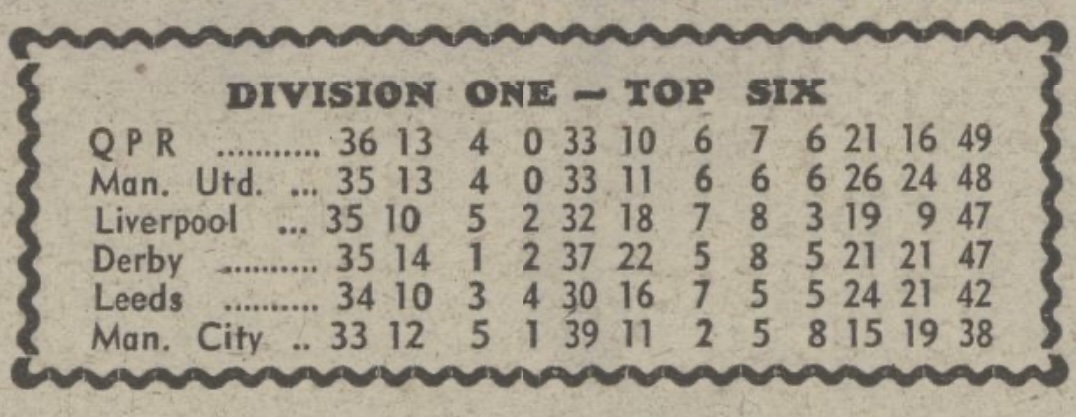
“Football’s winter of defensive discontent ended with a bang yesterday as the strikers turned the clock back to the good old days and celebrated British summer time with a glut of goals. Top of the hit parade were dour, dogged old Arsenal with six against Euro-heroes West Ham at Highbury.”

22 March 1976

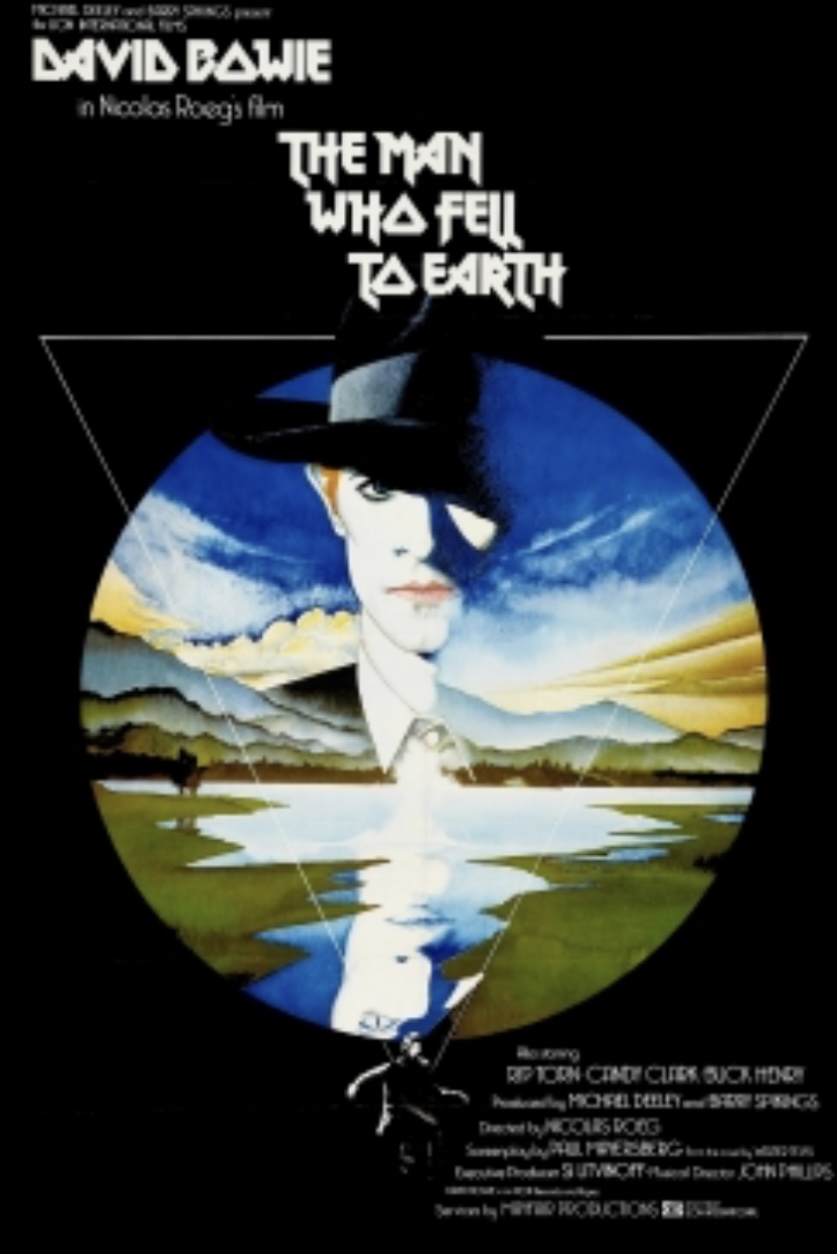
“British rock star David Bowie was arrested earlier today and charged with possession of marijuana. He was released on £1,000 bail. Bowie gave up music for the theatre, but returned to singing and his act soon became one of the more zany attractions on the pop scene. He is the star of a new science fiction film, The Man Who Fell to Earth, directed by Nicolas Roeg.”

23 March 1976

And now the weather…

“Yesterday, the first full day of summertime, snow blocked the Horseshoe Pass near Llangollen and the Crimea Pass near Blaenau Ffestiniog. A six-inch fall of snow also blocked the Llanberis Pass for a time. In other parts of Britain, wintry conditions brought eight inches of snow overnight. Sunny periods are forecast for today.”

The Horseshoe Pass (Wikipedia)

24 March 1976

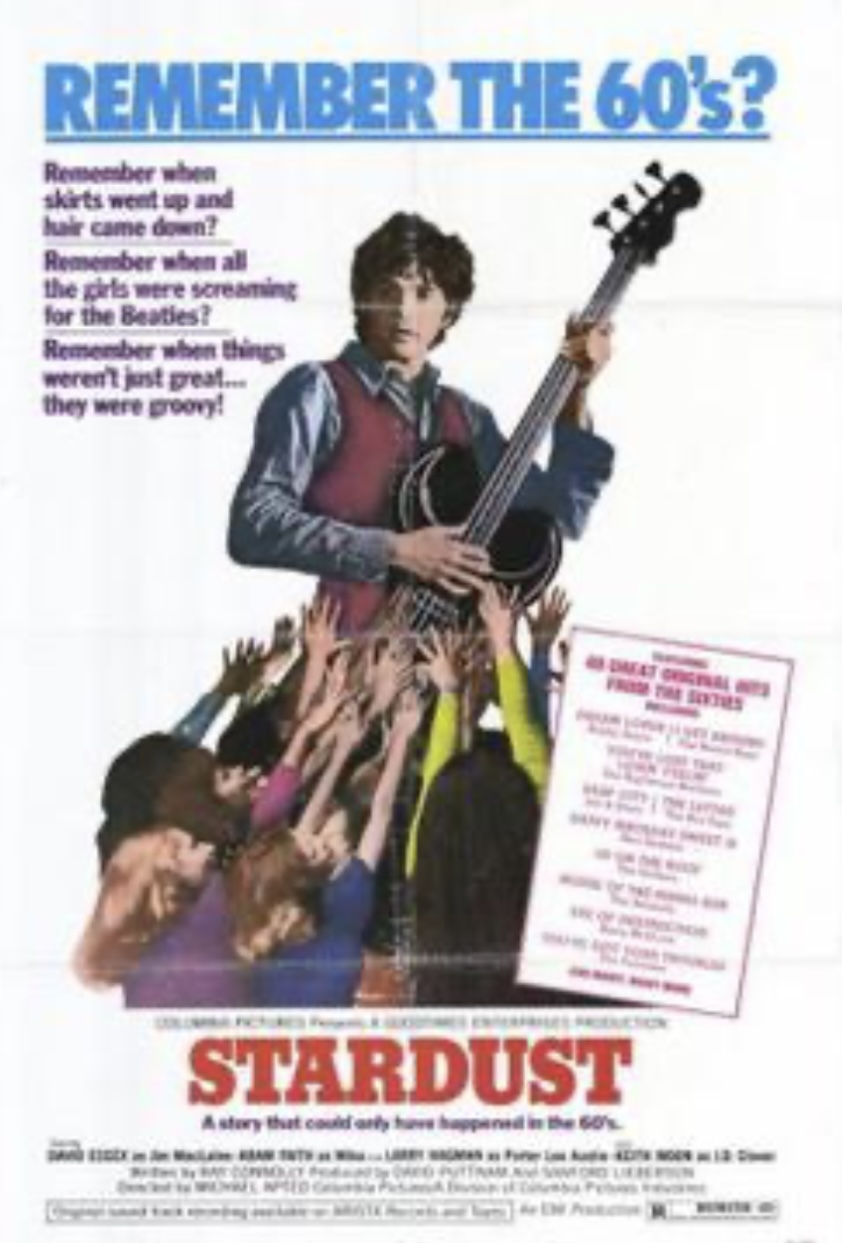
Movies showing at Theatre One this week: David Essex in Stardust (aa) and That’ll Be the Day (aa), and your last chance to see Enter the Dragon (x). Also, Lip Service (x), The Revengers (x), and Beyond the Valley of the Dolls (x). For members only: Bedspread and Country Girl. Just think, the censor had to watch all these movies. It was a dirty job, but someone had to do it…

As ever, thank you for your interest and support.

Hannah xxx

For Authors

#1 for value with 565,000 readers, The Fussy Librarian has helped my books to reach #1 on 36 occasions.

A special offer from my publisher and the Fussy Librarian. https://authors.thefussylibrarian.com/?ref=goylake

Don’t forget to use the code goylake20 to claim your discount 🙂

Categories
Dear Reader

Dear Reader #188

Dear Reader,

Clara Bow’s twenty-seventh movie was The Best Bad Man, released by Fox, November 29, 1925. Clara played Peggy Swain. A co-star was ‘Tony the Wonder Horse’ who played himself.

Loaned out by B.P. Schulberg, Clara was hopelessly miscast as a frontier gal in a vehicle for cowboy star Tom Mix. After the success of Clara’s previous movie, The Plastic Age, The Best Bad Man was a backward step.

B.P. Schulberg was a ‘dollars and cents’ producer with no real feel for artistry or a person’s career. Schulberg helped Clara to become a star, but without his help she would have become a star sooner.

Why did Clara Bow quit Hollywood at the height of her fame? I believe there were numerous reasons, and I will explore them in a future article. Certainly, Hollywood did not abandon Clara. The offers continued to roll in. They included three offers for long-term contracts with major film companies ranging from $100,000 to $175,000 per picture, an offer of $150,000 plus a percentage for one picture, and two profit-sharing offers from independent producers. Clara also rejected product endorsements, radio shows, personal appearances and Broadway productions, turning her back on $10,000 – $20,000 a week.

My latest translations, the Dutch version of Operation Sherlock, book five in my Eve’s War Heroines of SOE series, and the Afrikaans version of Love and Bullets, book two in my Sam Smith Mystery Series.

My 10 x great grandparents Thomas Papillon and Jane Brodnax.

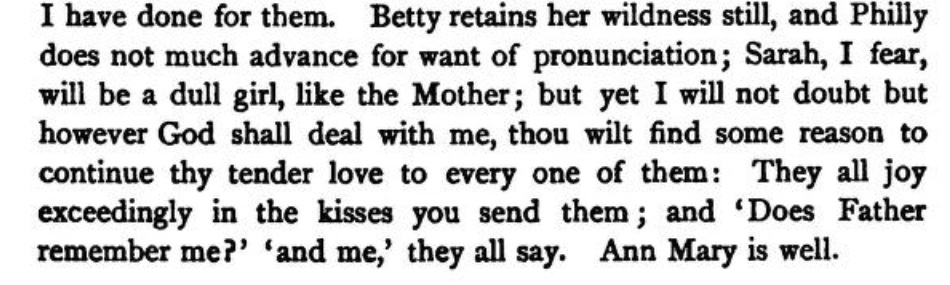
In 1667, Thomas was in Breda, Holland as a representative of the East India Company to observe progress in the Treaty of Peace between England and Holland. Thomas exchanged a number of letters with Jane. Her letters survived and have been transcribed. 

In this letter of May 31, 1667, Jane talks about their children: Elizabeth, Philip, Sarah and Ann Mary/Anna Maria, my direct ancestor.

Later in the letter, Jane requests that Thomas returns home with some fresh linen. And “a little cheese.”

My 5 x great grandmother Grace Austin was born on 22 July 1786 in Barking, Essex and baptised on 20 August 1786 in St Margaret’s, Barking (pictured, Wikipedia). She was the fourth born of eight children. Her family lived in relative comfort although, in common with many females of her time, she was not taught how to read and write.

My 5 x great grandparents Samuel Axe and Grace Austin married on 22 September 1803 in Saint Luke Old Street, Finsbury, London (pictured, Wikipedia). Both bride and groom were seventeen years old. Grace’s parents, Isaac Austin and Mary Chetwynd, were also seventeen when they married. Maybe seventeen was the family’s lucky number.

Married to Samuel Axe, between 1805 and 1821 my 5 x great grandmother Grace Austin gave birth to eight children. However, in September 1815, Samuel had an affair with Maria Hammant. We know this because Maria claimed parish relief for her baby. Grace forgave Samuel and gave birth to two more children.

On 25 July 1823, at the age of 37, my 5 x great grandmother Grace Austin died. Her birthing pattern suggests that she was due to give birth to her ninth child, so maybe that was a factor. Grace was buried in Bunhill Fields, Islington (pictured, Wikipedia) alongside such notables as John Bunyan, Daniel Defoe and Susanna Wesley. The common factor: nonconformity. This branch of my family, along with many others, was very strong on nonconformity.

My 6 x great grandmother Mary Chetwynd was born on 7 June 1759 in Barking, Essex and baptised three days later in St Margaret’s, Barking. On 30 January 1777, Mary married Isaac Austin in St Margaret’s. Mary gave birth to at least eight children. 

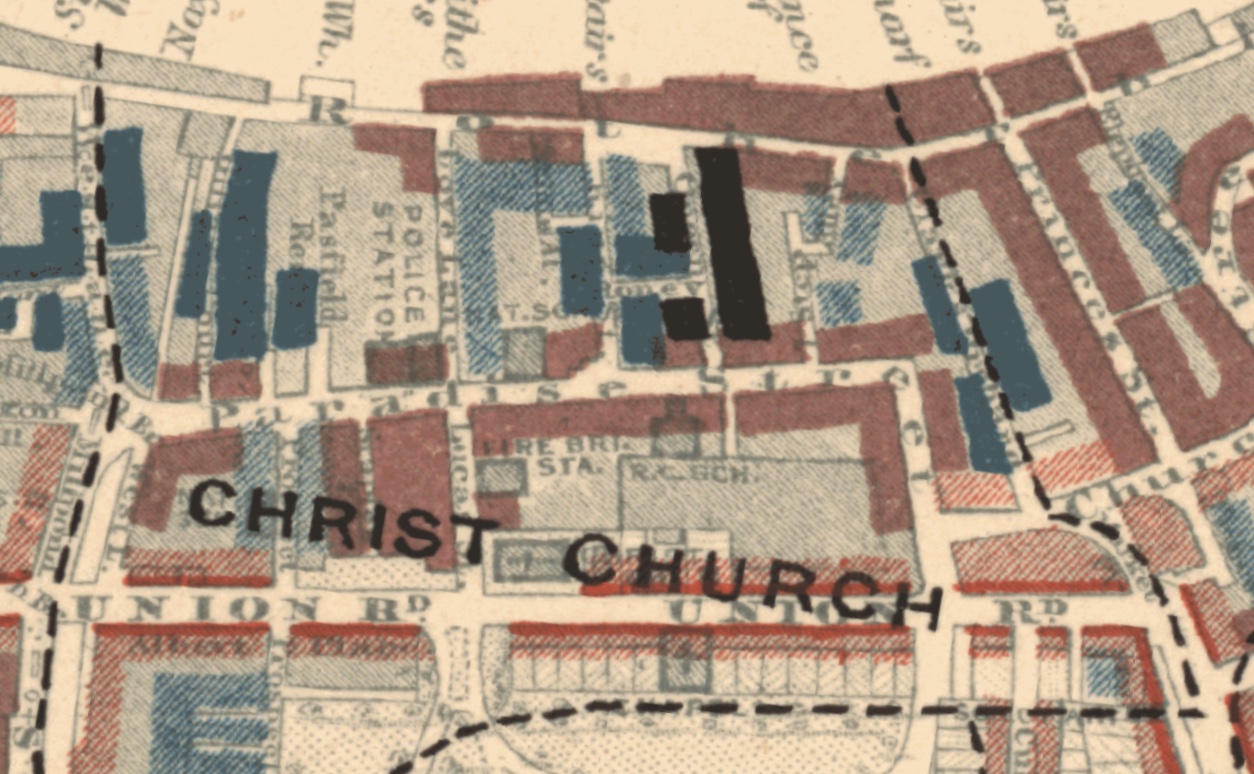
Mary lived on Paradise Street, just south of the River Thames. In his maps of London, Charles Booth described Paradise Street as a ‘well-to-do, middle-class’ street.

Mary died on 25 July 1823, five days after her daughter, Grace, died. Almost certainly, Grace’s death was a factor in Mary’s death. Mother and daughter were buried alongside each other in the nonconformist graveyard of Bunhill Fields, Islington.

My latest article for the Seaside News, about Gloria Swanson, features on page 35 of the magazine.

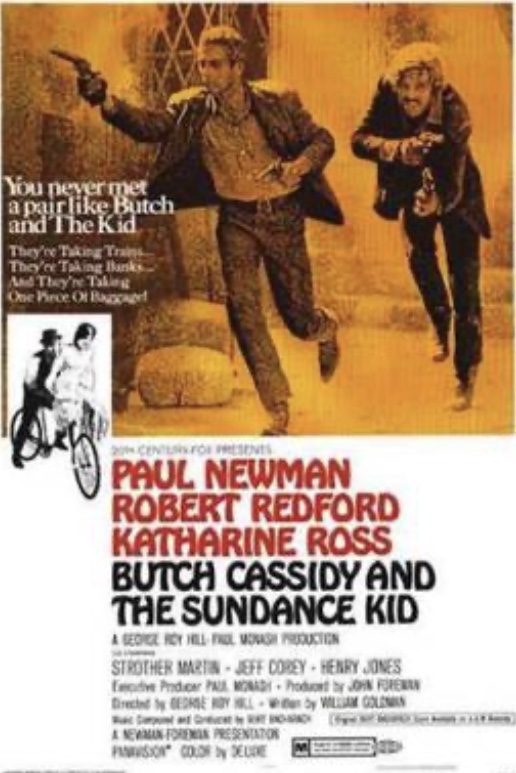
It’s a Wonderful Life 50% v 50% Butch Cassidy and the Sundance Kid
It’s a Wonderful Life won on tie-break

Some Like it Hot 57% v 43% Touch of Evil

On the Waterfront 57% v 43% From Here to Eternity

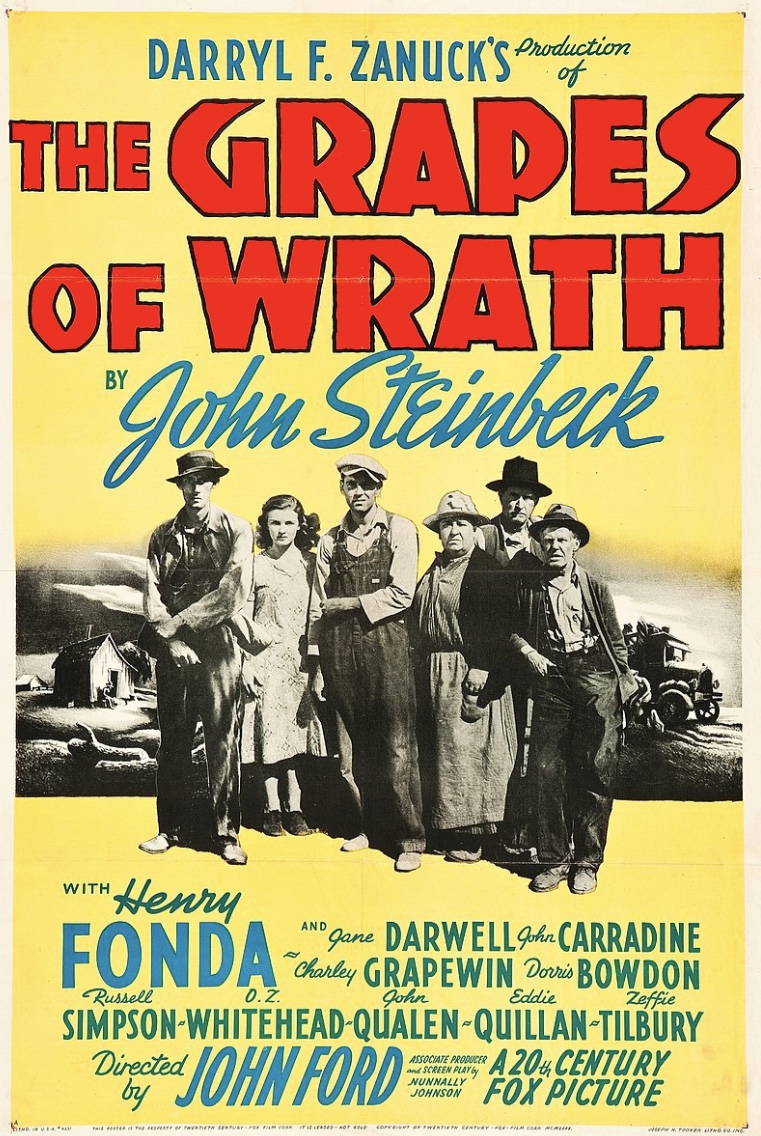
The Grapes of Wrath 59% v 41% Midnight Cowboy

The General 53% v 47% Fantasia

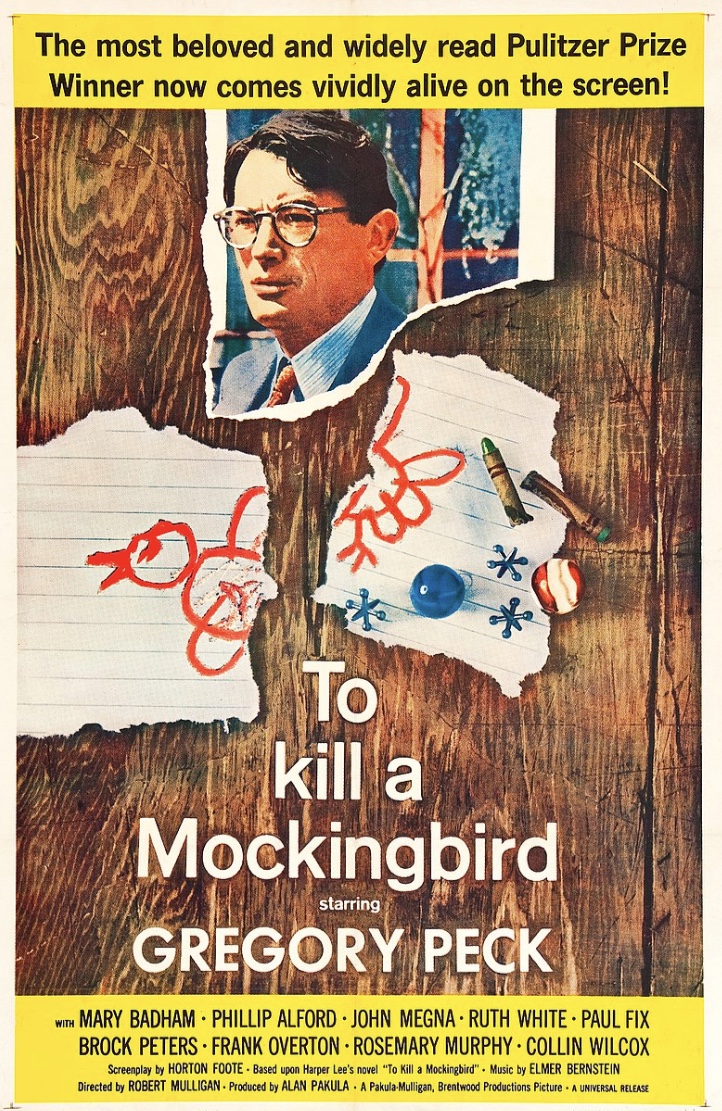
To Kill a Mockingbird 51% v 49% The Philadelphia Story

The Graduate 42% v 58% The Manchurian Candidate

I’m exploring the life and career of Virginia Cherrill, the person who, along with Charlie Chaplin, delivered the “Greatest single piece of acting ever committed to celluloid.”

When she was seventeen, Virginia caught the eye of a handsome young lawyer, Irving Adler. Irving invited her to dances and the theatre. From a high-society Chicago family and with good prospects, Irving had a lot going for him. He proposed marriage, repeatedly, and eventually Virginia said, “yes”.

In the summer of 1926 Virginia and Irving married in secret, often a portent of things to come. Sheltered by an over-protective mother, Virginia’s wedding night came as a shock to her, and the events of that night set the tone for her marriage. 

Irving was often away on business. Lonely, and after seventeen months of marriage, Virginia admitted her mistake. She sought a divorce and on 25 November 1927 made her way west, to friends in Hollywood.

I’m researching material for Sunshine, the second book in my Golden Age of Hollywood series. Sunshine is the nickname of the main character, Abigail Summer. The story is set between 1938 and 1946. 

The theme song for the novel, so to speak, is “You Are My Sunshine”. The Pine Ridge Boys (Marvin Taylor and Doug Spivey) recorded the song on August 22, 1939, and released it on October 6, 1939 for Bluebird Records. Here’s the iconic recording.

This week’s featured title: Sunshine, book two in my Golden Age of Hollywood series.

As ever, thank you for your interest and support.

Hannah xxx

For Authors

#1 for value with 565,000 readers, The Fussy Librarian has helped my books to reach #1 on 36 occasions.

A special offer from my publisher and the Fussy Librarian. https://authors.thefussylibrarian.com/?ref=goylake

Don’t forget to use the code goylake20 to claim your discount 🙂