The first Tarzan comic strip began on 7 January 1929. However, his first appearance in print occurred in the October 1912 issue of The All-Story.
The Buck Rogers comic strip also began on 7 January 1929.
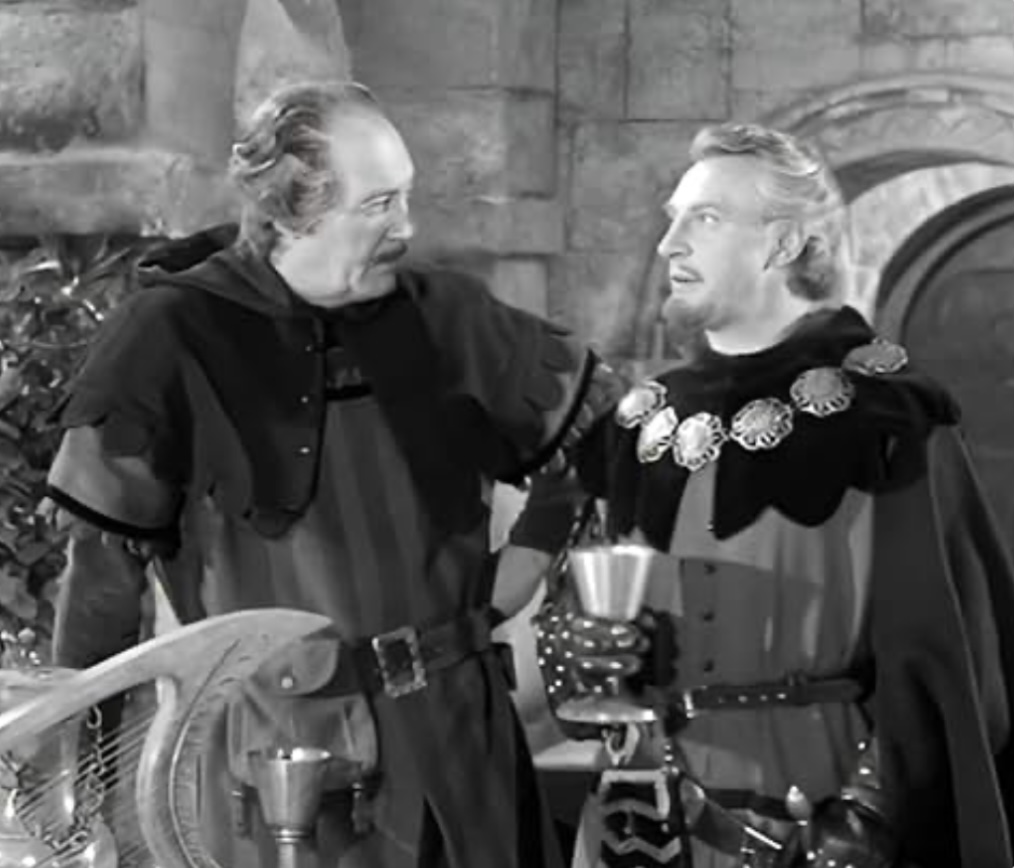
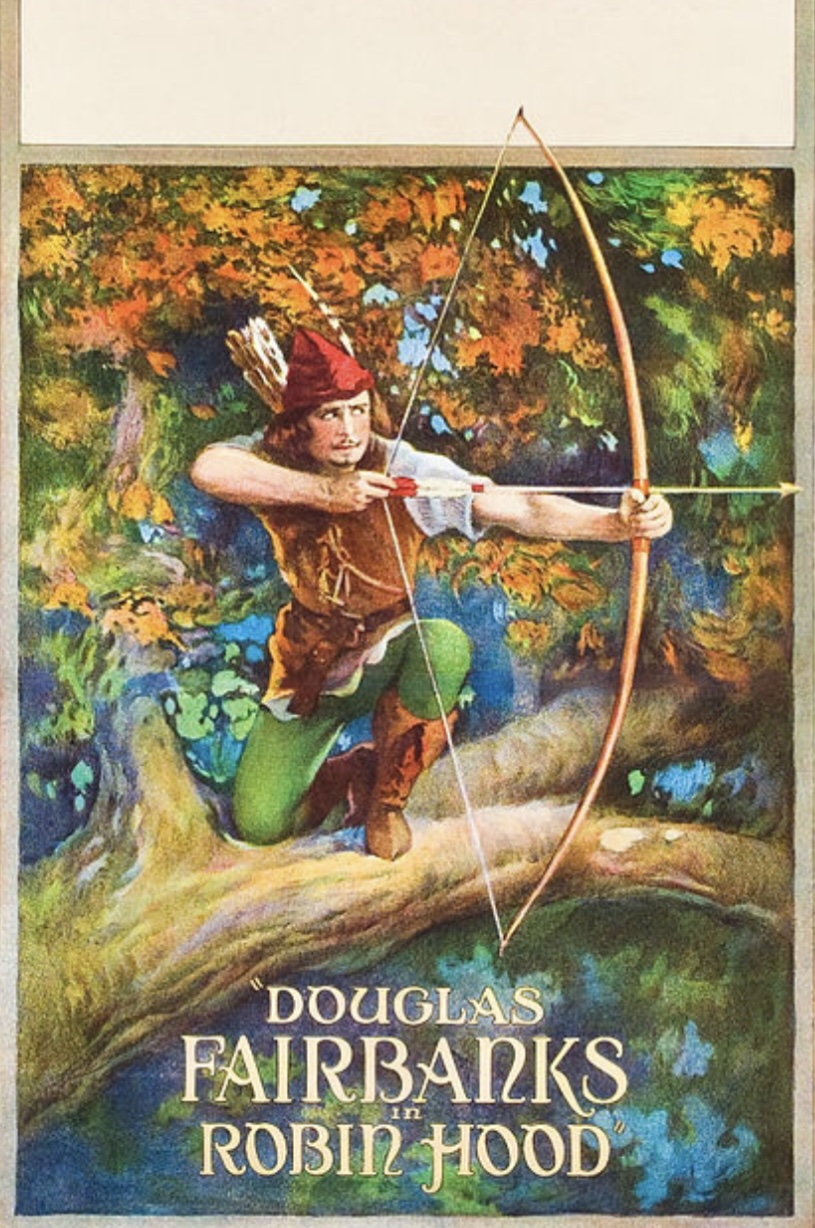
Douglas Fairbanks in Robin Hood (to give the movie its full title) was released on 18 October 1922. The film was the first ever to have a Hollywood premiere, held at Grauman’s Egyptian Theatre. With a budget of one million dollars (the equivalent of $18.2 million today) Douglas Fairbanks in Robin Hood was the most expensive number one ranked film of the decade.
On 13 October 1922, the 3-D silent movie Mars Calling was screened at New York’s Selwyn Theatre. The film ran for 95 minutes and demonstrated the Teleview process, which used alternate frame sequencing viewable through motorised stereopticons.
In the 1928-29 football season, The Wednesday won the first division league title for the third time, creating a new record. Formed in 1867 as an off-shoot of The Wednesday Cricket Club, The Wednesday changed their name to Sheffield Wednesday in 1929. The club holds the distinction of being the second-oldest professional association football club in England.
Graphic: Wikipedia
On 3 December 1926 mystery author Agatha Christie (pictured) disappeared from her home in Surrey. Eleven days later, journalist Ritchie Calder found her in a Harrogate hotel using the surname of her husband’s mistress.
Confession: I’ve never read an Agatha Christie book or seen a movie adaptation.
On 5 February 1924 a radio time signal was broadcast for the first time, from the Royal Greenwich Observatory, signalling Greenwich Mean Time.
Greenwich Mean Time was first adopted in Britain in 1847 by the Railway Clearing House, and by most railway companies the following year. Gradually, GMT became the standard in other aspects of life.
A reminder that in Britain our clocks go back an hour this weekend.
The Shepherd Gate Clock at the gates of the Royal Observatory, Greenwich is permanently kept on Greenwich Mean Time (Wikipedia).
For Authors
#1 for value with 565,000 readers, The Fussy Librarian has helped my books to reach #1 on 32 occasions.
The first 24 Hours of Le Mans race took place on 26 and 27 May 1923, on public roads around Le Mans. Originally the race was planned as a three-year event, with first prize awarded to the car that travelled the furthest distance over three consecutive 24-hour races. This idea was abandoned in 1928.
French, British and Italian drivers and cars dominated the early events, with Bugatti, Bentley and Alfa Romeo featuring prominently.
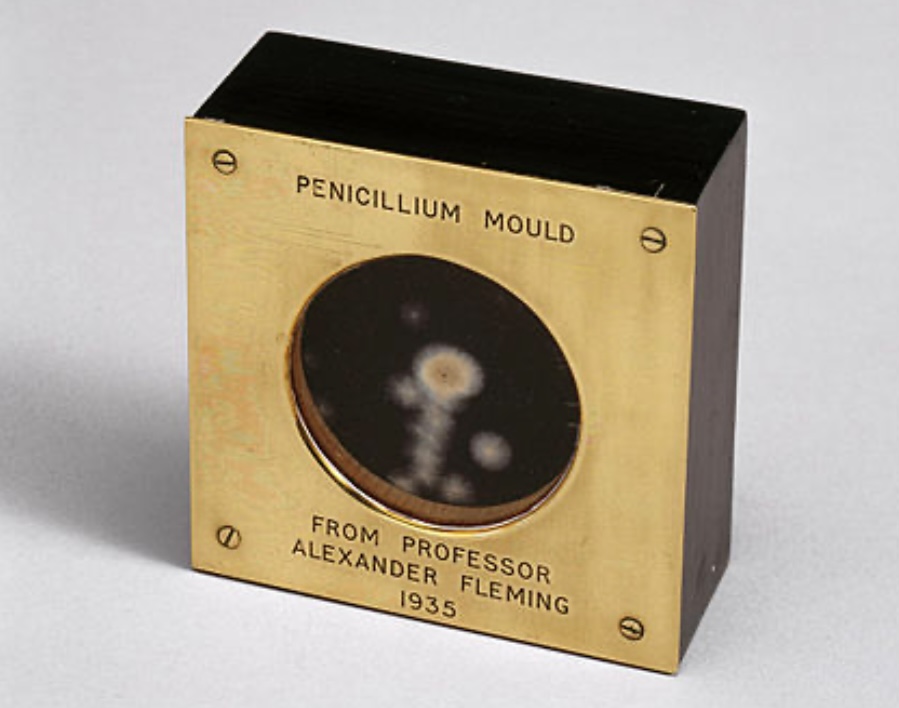
On 3 September 1928 Alexander Fleming observed by chance that fungal contamination of a bacterial culture appeared to kill the bacteria. He confirmed his observation with a new experiment on 28 September at St Mary’s Hospital, London. When Fleming published his experiment in 1929, he called the antibacterial substance (the fungal extract) penicillin.
Fun Fact: I’m allergic to penicillin. When prescribed a course as a teenager, I swelled up and turned bright green.
📸 Wikipedia
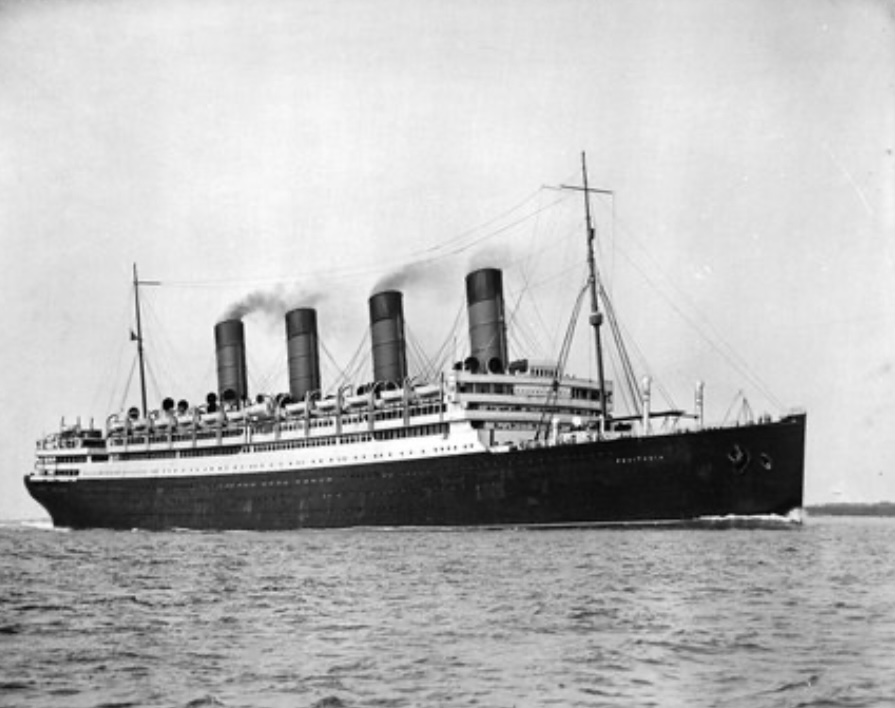
Before the 1920s, shipping companies made their money transporting immigrants to various countries, especially the United States. However, when the USA brought in stricter regulations for immigration many shipping companies turned to cruises to sustain their income. Instead of a means of transport only, the ships became floating hotels.
The Aquitana
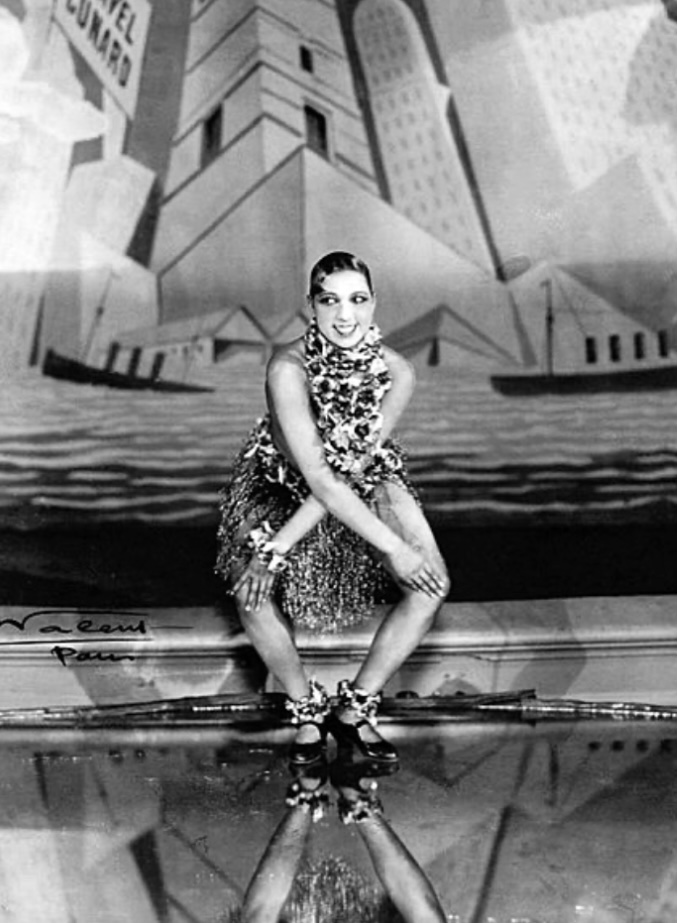
Joséphine Baker, June 3, 1906 – April 12, 1975), was an American-born French dancer, singer, and actress. Joséphine established her career in France where she appeared in movies and danced at the Folies Bergère in Paris. Her performances were a sensation and she became an icon of the Jazz Age.
During the Second World War, Joséphine Baker aided the French Resistance. After the war, she was awarded the Resistance Medal and the Croix de Guerre, and was named a Chevalier of the Legion of Honour.
On Saturday, 3 January 1925 Cyril Brownlie of New Zealand (pictured) was sent off for foul play during a Test match against England, the first time anyone had been dismissed from the field of play in an international rugby union match.
New Zealand won a bruising encounter, 17 – 11.
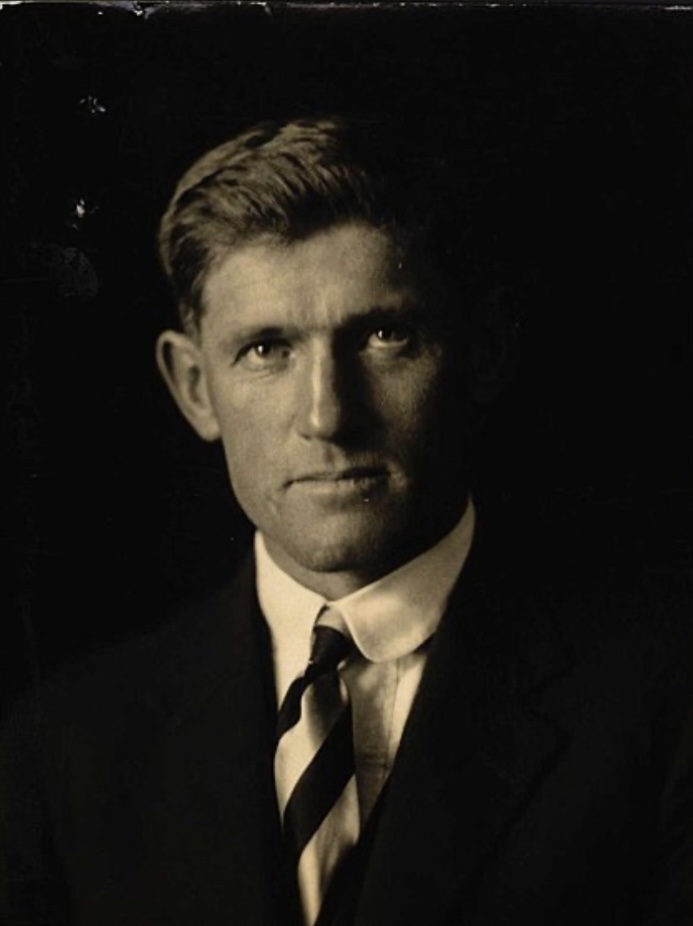
The first electric razor was patented in 1928 by the American manufacturer Col. Jacob Schick (pictured). A military officer, inventor, and entrepreneur, Schick founded Schick Dry Shaver Inc.
Schick’s company did well and he moved most of his wealth to a series of holding companies in the Bahamas. This did not please the Joint Congressional Committee on Tax Evasion & Avoidance, so to avoid an investigation Schick became a Canadian citizen in 1935.
On March 28, 1920 “America’s Sweetheart” Mary Pickford and “Everybody’s Hero” Douglas Fairbanks married, thus becoming Hollywood’s first supercouple.
They created a home, “Pickfair” (pictured), a mock-Tudor-designed six-bedroom house, which contained a screening room, glassed-in sun porch, bowling alley and billiard room. Unfortunately, as with many Hollywood unions, the marriage drifted towards divorce.
For Authors
#1 for value with 565,000 readers, The Fussy Librarian has helped my books to reach #1 on 32 occasions.
In September 1920, the first Bentley cars were delivered to customers. Pictured, a Bentley EXP2 (Experimental nr. 2), the oldest surviving Bentley (📸 Wikipedia).
The 1921-22 season was the 30th for the Football League. Liverpool were champions while Bradford City and Manchester United were relegated. Nottingham Forest and Stoke took their place.
For this season the Third Division was divided into North and South sections increasing the number of clubs in the league from 66 to 86.
Graphic: Wikipedia
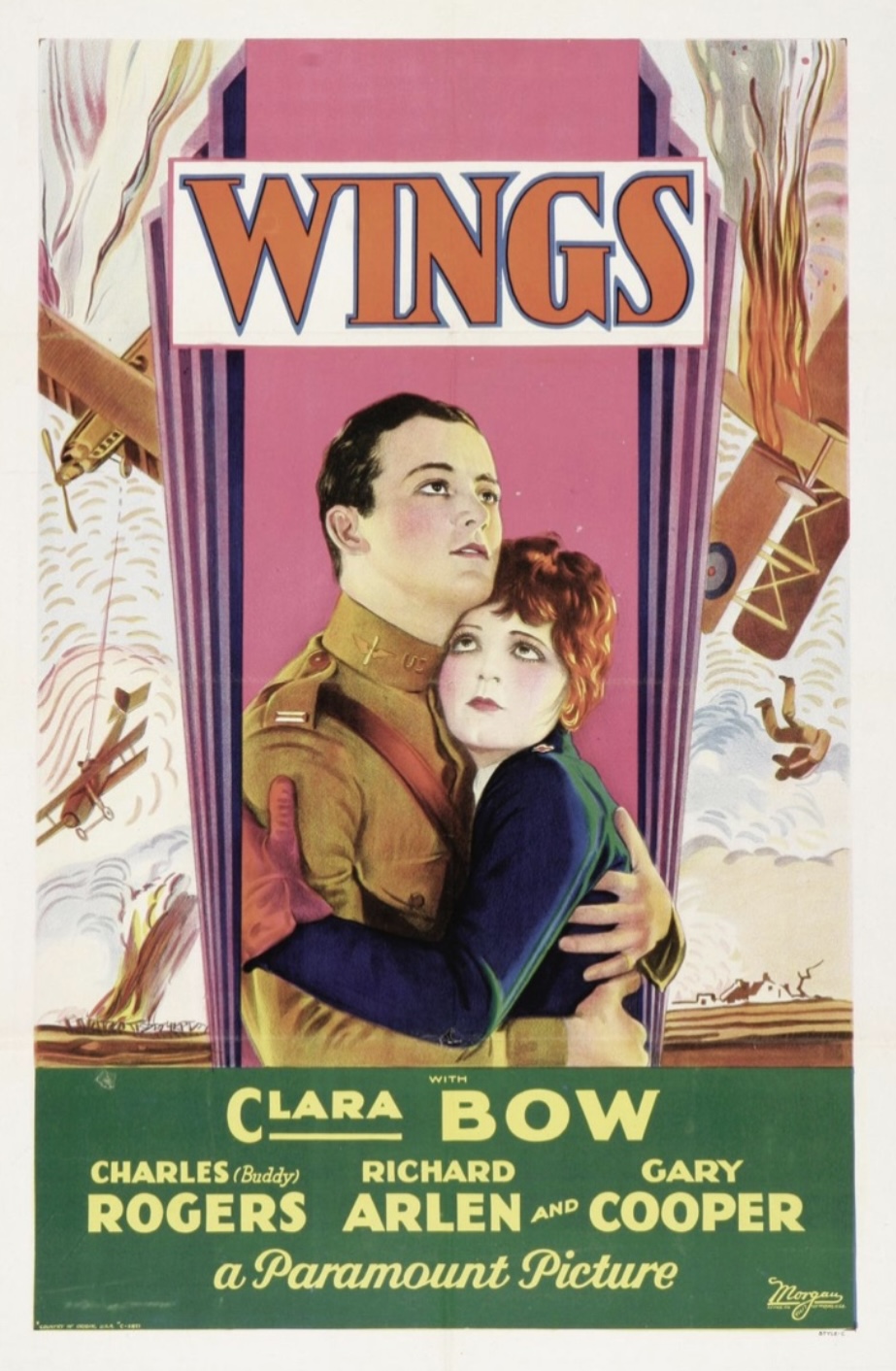
Wings, a First World War drama that dominated the movie world in 1927, opened at the Criterion Theater in New York City on August 12, 1927. Tickets cost $2, an unheard-of admission price. The standard rate was $0.25 a ticket.
Wings was a homage to First World War fighter pilots. As its star Clara Bow rightly observed, it was a buddy movie and she was only added to the cast because she was red hot at the box office. Clara’s appearance guaranteed that the movie would be a success. Furthermore, the quality of the film, and the amazing stunt flying, ensured that Wings won the first ever Academy Award for Best Picture.
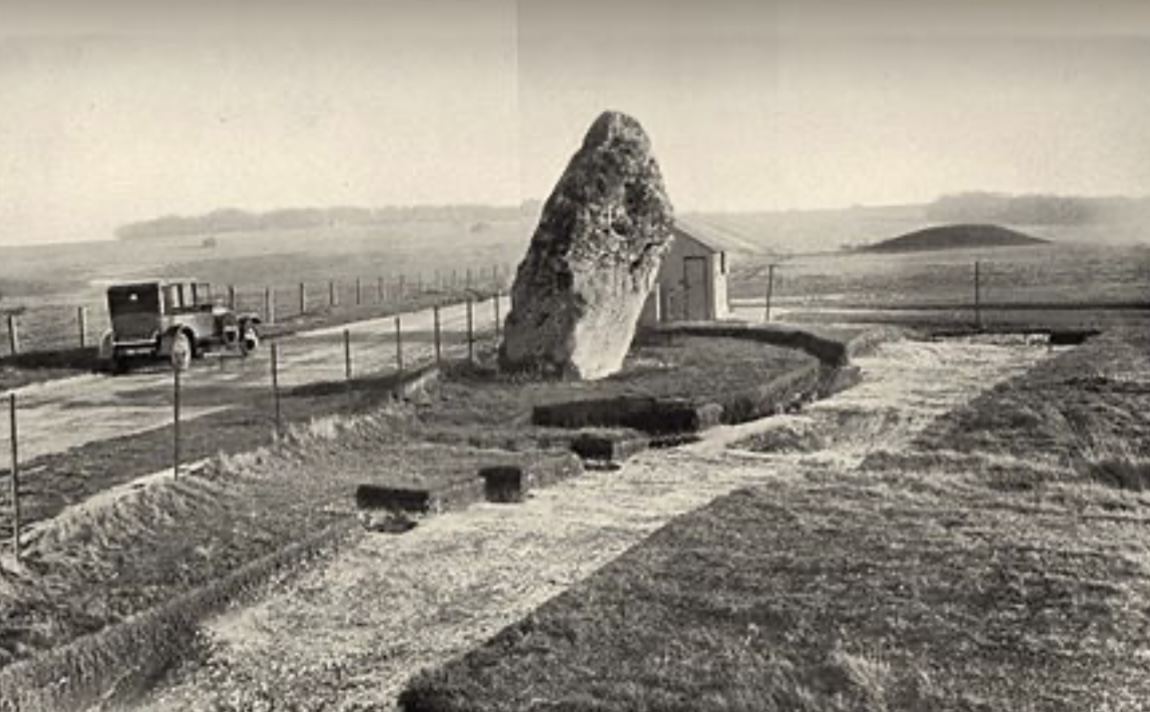
Between 1919 and 1926, Lieutenant-Colonel William Hawley (1851–1941) conducted pioneering excavations at Stonehenge. One of Hawley’s main achievements was to identify the Aubrey Holes (named after one of my ancestors, John Aubrey). Hawley also found cremated and uncremated human remains, which first indicated a funerary role for Stonehenge. His multiphase interpretation of the site was dismissed at the time, but in the 1950s the idea was revived. However, his idea that Stonehenge was a fortified settlement is still not accepted.
Excavations near the Heelstone (The Antiquaries Journal, 1925)
Motoring. Compulsory hand signals for all drivers were introduced on 10 October 1920.
Hand signals would remain a crucial part of motoring life until the 1970s, when the increased use of indicators on vehicles rendered them superfluous.
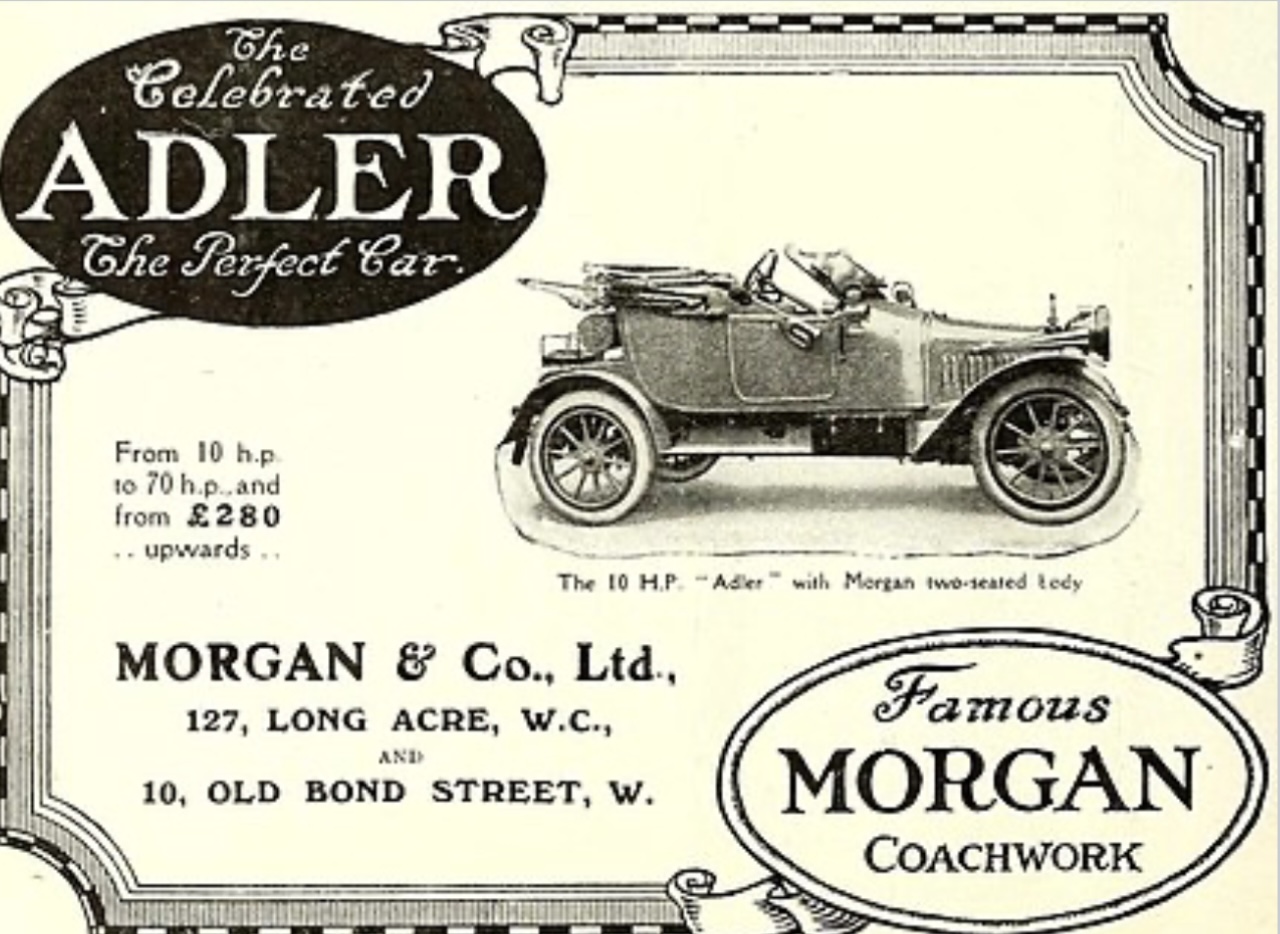
An advertisement for the Morgan Adler, “The Perfect Car”
In 1921, Swiss psychoanalyst Hermann Rorschach published Psychodiagnostik in which he proposed the inkblot test.
In the Rorschach test, a subject’s perception of inkblots is recorded and analysed using psychological interpretation and complex algorithms. The test can shed light on a subject’s personality and emotional functioning, and is particularly helpful when subjects are reluctant to articulate their thoughts.
The first Rorschach card (I reckon this is Scooby Doo with his back to a mirror 😉)
More flapper slang from the 1920s
Sharpshooter – a good dancer and big spender
Spoon – kissing
Strike breaker – a woman who dates her friend’s boyfriend
Tomato – a woman lacking intelligence
Umbrella – a man that any woman can borrow for an evening
Whangdoodle – jazz music
For Authors
#1 for value with 565,000 readers, The Fussy Librarian has helped my books to reach #1 on 32 occasions.
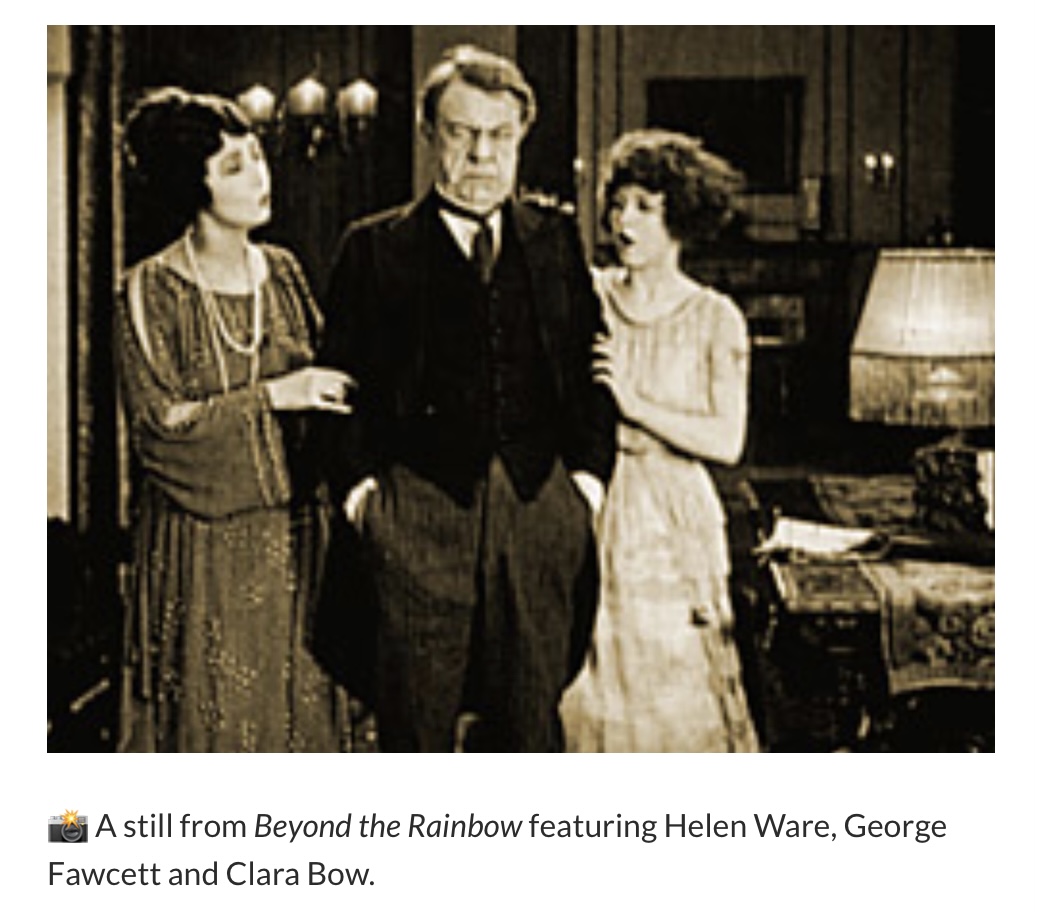
Clara Bow, the superstar of the era, made her debut in Beyond the Rainbow. Filmed in New York in 1921, when Clara was sixteen, the movie went on public release on February 19, 1922. A 16mm print of the film still survives.
The plot is a decent one: guests arrive at a party and are passed a mysterious note saying, ‘Consult your conscience. Your secret is common gossip.’ All the guests have something to hide, so panic and murder ensue.
The note was written by Clara’s character, Virginia Gardener, as a mischievous joke. It’s ironic that in her first movie Clara was the instigator of chaos because, in her own iconic way, that set the tone for her career.
Clara appeared in five scenes in Beyond the Rainbow, but strangely those scenes were cut from the final print, only to be restored when she became a star. Her billing also moved up from ninth to third when she achieved stardom.
Alvin ‘Shipwreck’ Kelly, 1893 – 1952, achieved fame in the 1920s and 1930s as a pole sitter. He calculated that he spent 20,613 hours sitting on flagpoles, including 210 hours in sub-freezing weather and 1,400 hours in the rain.
Kelly married Frances Vivian Steele, an elevator operator, a match clearly made in heaven, or at least close to it.
📸 Getty Images
The #1 song in 1920, Dardanella, recorded by Ben Selvin and his Novelty Orchestra. Released in December 1919, the song reached number one the following month and remained there for thirteen weeks. Selvin’s recording broke records by becoming the first record to sell more than three million copies. It eventually sold five million and became the second-highest single of the 1920s.
Many artists covered the song, including Acker Bilk, Bing Crosby and Louis Armstrong, plus Geoff and Maria Muldaur.
Football
A talented Wales team featuring Willie Davies, Ted Vizard and Fred Keenor (pictured) won the 1923-24 British Home Championship thanks to victories over Scotland, 2 – 0 at home, 2 – 1 against England (away) and 1 – 0 against Ireland (away). The game against Ireland was a tumultuous affair decided by a Moses Russell penalty.
Scotland finished second, Ireland third, and England fourth.
Television
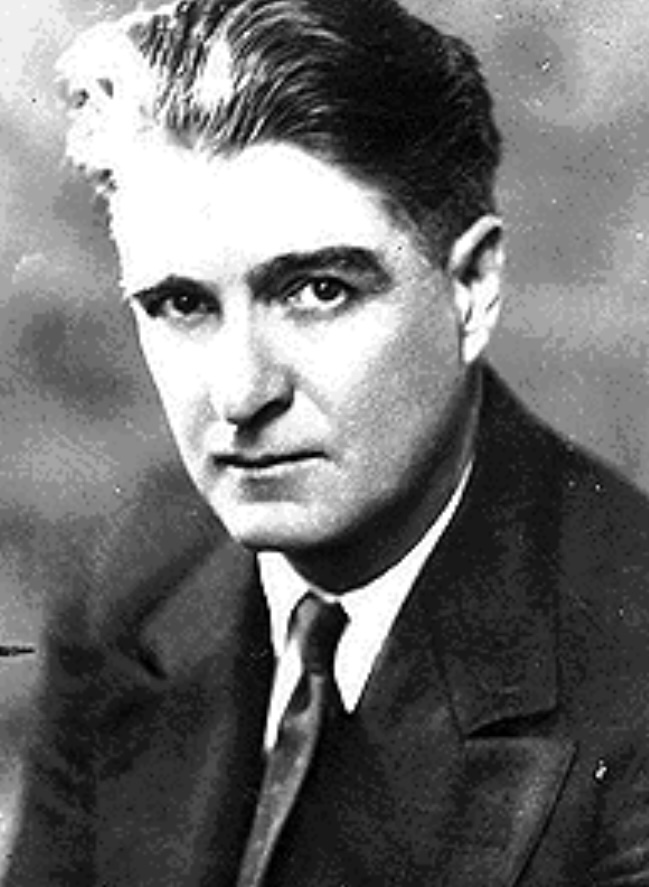
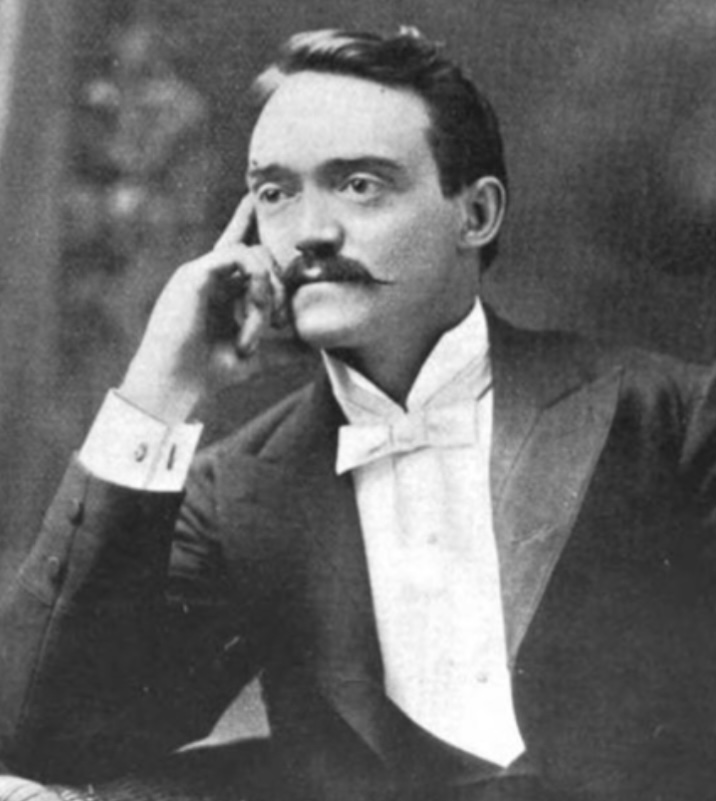
In 1921, Charles Francis Jenkins (pictured) incorporated Jenkins Laboratories in Washington D.C. with the purpose of “developing radio movies to be broadcast for entertainment in the home”.
In 1922, Jenkins demonstrated his television principles by transmitting a set of static pictures from Washington D.C. to a navy station in Anacastia by telephone wire.
In 1923, Jenkins demonstrated “true” television, transmitting 48-line moving silhouette images at 16 frames per second from Washington to Anacostia Navy station.
A year later, enter John Logie Baird who demonstrated a semi-mechanical television system, transmission moving silhouette images in Britain.
Literature
Published in 1922, The Beautiful and the Damned by F. Scott Fitzgerald. Set in New York City, the plot follows a young artist Anthony Patch and his flapper wife Gloria Gilbert who become “wrecked on the shoals of dissipation” while excessively partying at the dawn of the hedonistic Jazz Age.
Fitzgerald modelled the main characters on himself and his wife Zelda, detailing their tempestuous marriage. Three years later, the author covered similar themes of self-absorption and hedonism in his novel The Great Gatsby.
Tula, my novel set in the 1920s
For Authors
#1 for value with 565,000 readers, The Fussy Librarian has helped my books to reach #1 on 32 occasions.
When the qualifying process is complete, in sixteen days, on Mastodon we will start voting on our top twenty favourite records of the 1950s/1960s, placing them in order. Through 190 match-ups, we will create a unique chart, every song a classic.
Here is some background on one of the qualifiers, Son of a Preacher Man by Dusty Springfield.
Son of a Preacher Man was written by John Hurley and Ronnie Wilkins, and released by Dusty Springfield on 8 November 1968. Aretha Franklin also released a version of the song, in 1969.
Son of a Preacher Man was a top ten hit in Britain and America. However, the song achieved even greater success internationally with high chart positions in Austria, Australia, Malaysia, New Zealand, the Netherlands, and Switzerland. Furthermore, it topped the charts in Singapore and Iceland.
Dusty Springfield
I Say a Little Prayer by Aretha Franklin
I Say a Little Prayer was written by Burt Bacharach and Hal David, and originally recorded by Dionne Warwick, in 1967. Hal David’s lyrics conveyed a woman’s concern for her man, who was serving in the Vietnam War.
In 1968, Aretha Franklin and her background vocalists were singing I Say a Little Prayer between rehearsals for her album, Aretha Now. It soon became apparent that they should record the song as a single.
In comparison to Dionne Warwick’s version, Clayton Ivey’s piano played a prominent role while the bridge was rearranged and Aretha Franklin transposed the original G major to A major.
Aretha Franklin
Da Do Ron Ron by The Crystals
Da Doo Ron Ron was written by Jeff Barry, Ellie Greenwich (pictured) and Phil Spector, and released in 1963 by The Crystals with Dolores “LaLa” Brooks providing the lead vocals and Cher adding her voice to the backing vocals. Amongst many others, Jeff Barry and Ellie Greenwich also recorded the song, as The Raindrops.
Da Doo Ron Ron was written within two days in Phil Spector’s New York office. The lines Da Doo Ron Ron were just nonsense syllables, guide vocals. This is a technique many writers and songwriters use (I use it myself). The idea was that “sensible” lyrics would replace Da Doo Ron Ron. However, Spector liked the simplicity of the words and decided to keep them.
Bill in the lyric was inspired by Bill Walsh, a friend of Spector’s who happened to drop into Spector’s office while the three songwriters were writing the song.
I Want to Hold Your Hand by The Beatles
I Want to Hold Your Hand was written by John Lennon and Paul McCartney. The song was recorded on 17 October 1963 and released on 29 November 1963. It was the first Beatles record made using four-track recording equipment.
With advance orders exceeding one million copies in Britain, I Want to Hold Your Hand should have gone straight to number one, only there was a problem: The Beatles’ She Loves You occupied that position. After two weeks, I Want to Hold Your Hand dislodged She Loves You and remained at number one for five weeks.
In September 1980, John Lennon told Playboy magazine: “We wrote a lot of stuff together, one on one, eyeball to eyeball. Like in ‘I Want to Hold Your Hand,’ I remember when we got the chord that made the song. We were in Jane Asher’s house (McCartney’s girlfriend at the time), downstairs in the cellar playing on the piano at the same time. And we had, ‘Oh you-u-u/ got that something …’ And Paul hits this chord and I turn to him and say, ‘That’s it!’ I said, ‘Do that again!’ In those days, we really used to absolutely write like that – both playing into each other’s noses.”
Good Vibrations by The Beach Boys
Good Vibrations was written by Brian Wilson and Mike Love, and released as a single on 10 October 1966. At the time, it was said to be the most expensive single ever recorded.
From February to September 1966, Brian Wilson recorded a surplus of short, interchangeable musical fragments. Band publicist Derek Taylor called the recording a “pocket symphony”, while engineer Chuck Britz said that Wilson considered the song to be “his whole life performance in one track.”
Wilson said that Good Vibrations was inspired by his mother: “[She] used to tell me about vibrations. I didn’t really understand too much of what it meant when I was just a boy. It scared me, the word ‘vibrations.’ She told me about dogs that would bark at people and then not bark at others, that a dog would pick up vibrations from these people that you can’t see, but you can feel.”
My latest Golden Age of Hollywood article for the Seaside News appears on page 43 of the magazine
For Authors
#1 for value with 565,000 readers, The Fussy Librarian has helped my books to reach #1 on 36 occasions.