Categories
Dear Reader

Dear Reader #160

Dear Reader,

Fonts can suggest an atmosphere and sense of time. With Tula, my novel about an actress, I’m looking to invoke the 1920s, so I’m experimenting with Snell Roundhand and American Typewriter.

Brooklyn Bridge is a location in chapter two of Tula. She goes there to deliver a parcel for her father and notices a cameraman filming. While she’s engrossed in the filming, someone steals the parcel.

At the time of its opening, on May 24, 1883, Brooklyn Bridge was the longest suspension bridge in the world with a span of 1,595.5 feet.

🖼 Chromolithography of the “Great East River Suspension Bridge” by Currier and Ives, 1883.

Was Clara Bow a good actress? On a human level, this question is irrelevant – Clara dragged herself out of abject poverty and pursued her dream; that’s all that matters. On an artistic level, it would be nice to answer the question, so here’s my opinion.

First, what other people said about Clara’s acting ability. Fellow actress Louise Brooks: “She was absolutely sensational in the United States … in Dancing Mothers … she just swept the country … I know I saw her … and I thought … wonderful.”

In 1981, producer Budd Schulberg described Clara as “an easy winner of the dumbbell award” who “couldn’t act.” Furthermore, he compared her to a puppy that his father B. P. Schulberg had trained to become Lassie.

Director Victor Fleming compared Clara to a Stradivarius violin: “Touch her, and she responded with genius.” Another director, William Wellman said, “Movie stardom isn’t acting ability – it’s personality and temperament … I once directed Clara Bow (Wings). She was mad and crazy, but WHAT a personality!”

While Grace Kingsley of the Los Angeles Times said; “Don’t miss Wine. It’s a thoroughly refreshing draught … there are only about five actresses who give me a real thrill on the screen – and Clara is nearly five of them.”

Clara Bow in Stars of the Photoplay, 1924

Clara Bow didn’t require direction: she required background about a particular scene, then a wise director would light the set and allow her to go with the flow. She understood character, and how to convey that character to an audience, not en block, but with subtle asides that would convey different messages to males and females, to those who would love her character, and to those who would disapprove. The net result: (nearly) everyone loved her performances.

Brought up in the silent era, Clara knew how to convey emotions through facial expressions, particularly through her eyes. Her glances were worth a page of dialogue, while her ability to cry on demand was legendary.

My opinion: Clara Bow was a great emotional actress. She knew how to get inside a character, how to portray a character, and how to connect with an audience. I agree with Victor Fleming – on the silver screen, Clara Bow responded with genius.

***

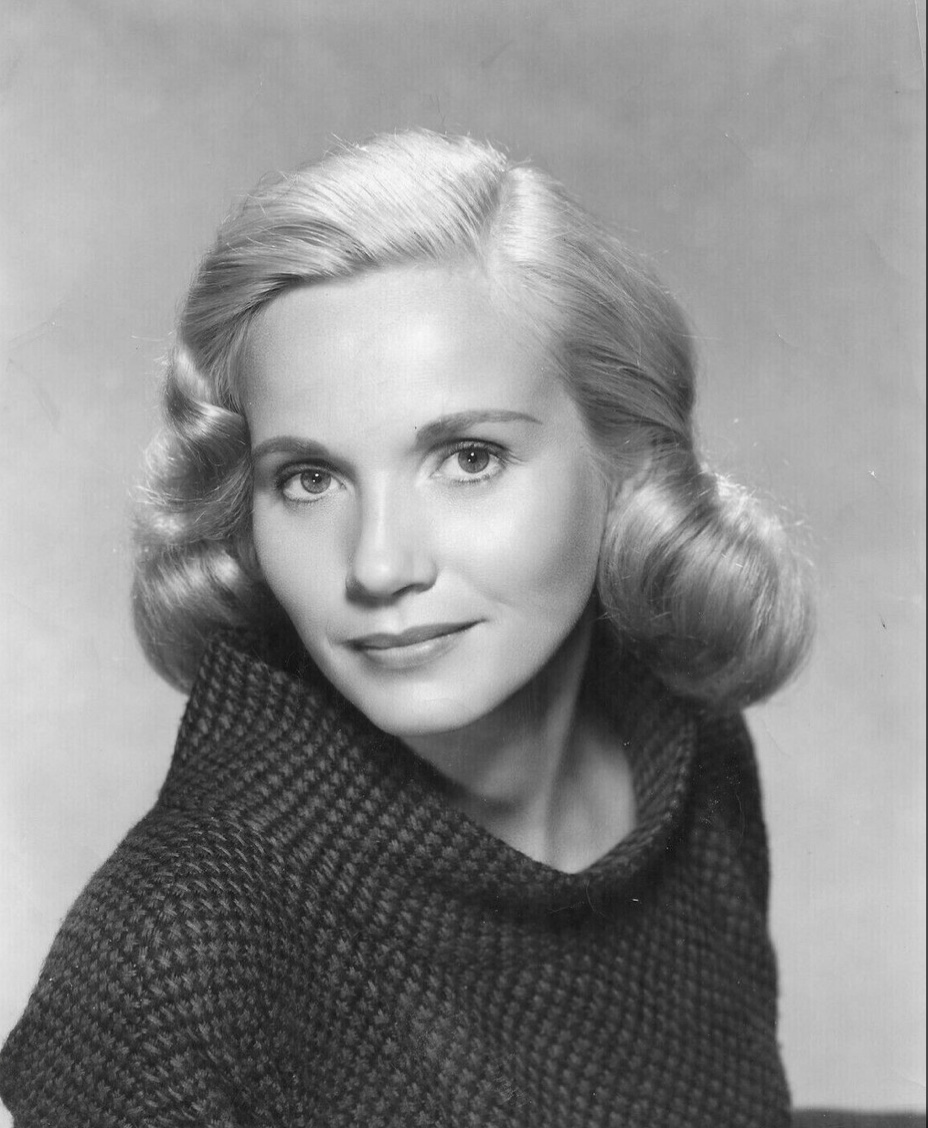
Continuing my research into Eva Marie Saint’s ancestry using public records. I’m looking to answer two questions: was Eva’s talent the result of nurture, or nature? And why am I drawn to her as an actress? Can I find the answers to these questions in her roots?

Eva Marie’s grandfather was John Q Saint, a postmaster from Indiana, living in Iowa in 1900. What did the Q stand for? This document provides the answer, and a whole lot more.

The Q in John’s name stood for Quincy. Furthermore, his parents were Jonathan and Emily, and they were Quakers.

John Quincy Saint
Event Type:Birth
Birth Date:19 Dec 1847
Birth Date on Image:19 1847 Twelfth
Birth Place:Henry, Indiana
Father:Jonathan Saint
Mother:Emily Saint
Monthly Meeting:Duck Creek Monthly Meeting
Yearly Meeting:Philadelphia Yearly Meeting
Meeting State:Indiana
Meeting County:Henry

So, my next task is to discover more about Jonathan and identify when his family became Quakers – did they join a Quaker community in America, or were they persecuted Quakers in Britain, seeking a new home?

***

Sleight of Hand, Series 1, Episode 15 of The Rockford Files is different to all previous episodes. The main reason for the difference is Sleight of Hand was based on a novel, Thin Air by Howard Browne. 

This episode is Rockford noir with little in the way of humour. Rockford becomes seriously aggressive on a couple of occasions too, both justified. 

In long-running series, writers are always looking for new angles for their characters, so it’s easy to understand why the Rockford writers were drawn to this story, but did it work as an episode of The Rockford Files?

I reckon the radical nature of this story would divide fans. Some would recognise that the story was built on an interesting premise – a baffling disappearance – while others would appreciate that the story was written for a different main character, a married man.

Georgian London established itself as a place for fashionable living with new streets and squares in Westminster, plus plush palaces for entrepreneurs and aristocrats. It fashioned a society based on exploitation and profit. It became a city without a soul.

Through the Bank of England, the Royal Exchange and a network of coffee houses, fortunes were made – and lost. Money, stocks and shares were king. However, the financial pie is of limited size, and for every big time winner there were scores of big time losers. For every palace, scores of slums blighted the city, and ruined peoples’ lives.

Two new bridges across the Thames linked the north and south of London. The city spread into the countryside. Houses sprang up. The landscape altered beyond all recognition. 

Workshops and manufacturing centres fed the need for essentials, and luxury goods. Breweries quenched thirsts – alcohol was safer to drink than London water – while artisans displayed their skills in pottery and porcelain production, in clock and watchmaking, in furniture making, and in silk weaving.

London was a cosmopolitan place. But, as someone might have said at the time, “You ain’t seen nothing yet.”
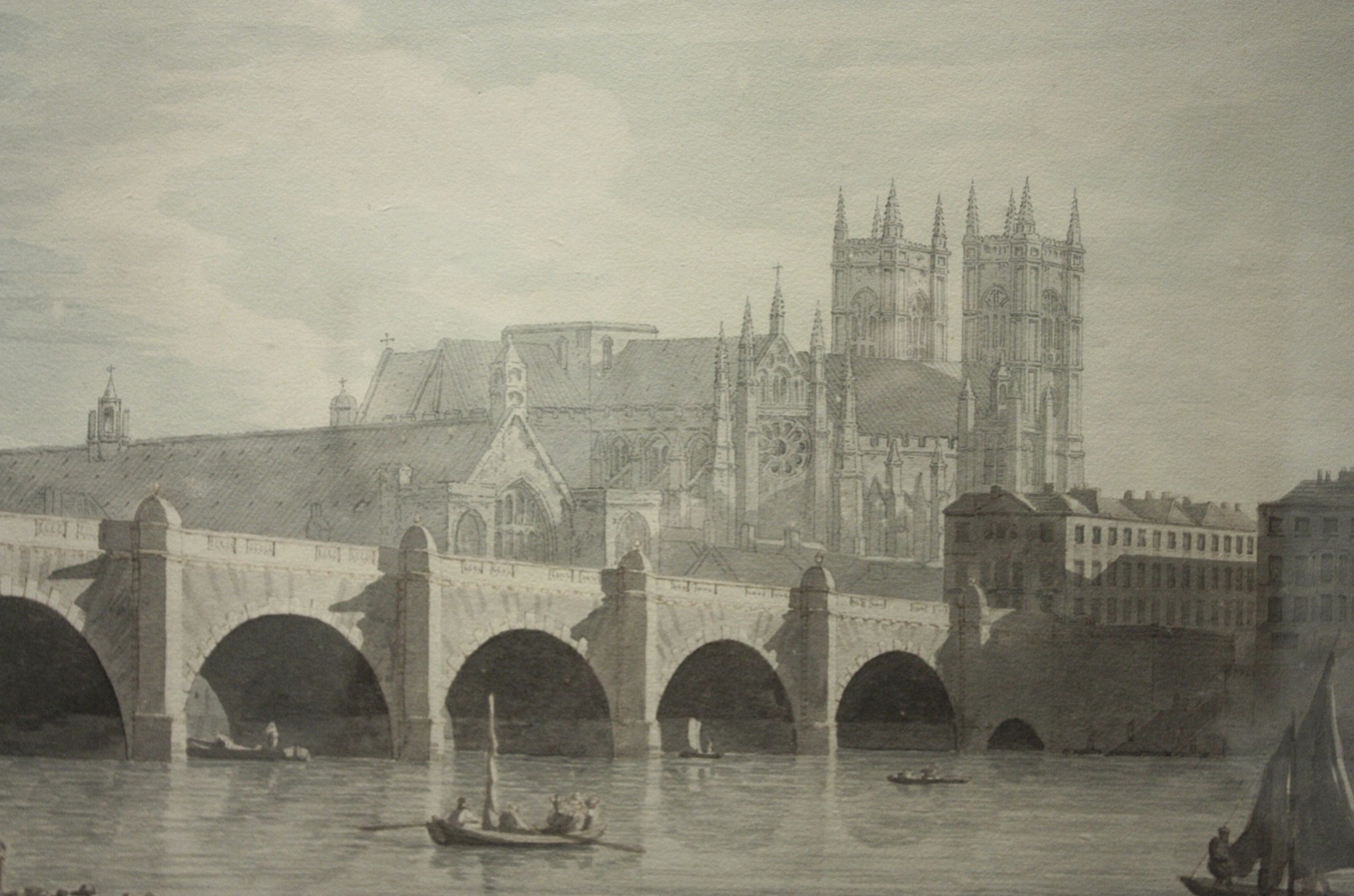
Westminster Bridge, depicted by Joseph Farrington, 1789. 🖼 Wikipedia.

Roy Clarke was born on 1 June 1925. A winger, he played professional football for Cardiff City, Manchester City, Stockport County and Wales.

A natural sportsman at school, Roy served his country during the Second World War as a coal miner, digging the ‘black gold’ that kept British industry going, which in turn kept the war effort alive.
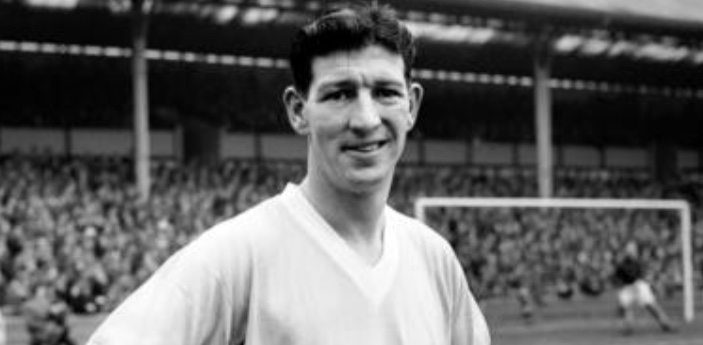
In 1942, Roy signed for Cardiff City as an amateur. When league football resumed in 1945, he turned professional. 

Cardiff City won promotion from Division Three (South) in 1946 – 47. In May of 1947, Roy signed for Second Division Manchester City for a fee £12,000. 

At that time, Manchester City secured promotion to the First Division. This meant that Roy achieved the unusual feat of playing in three different divisions in consecutive matches.

Roy secured a regular place in the Manchester City team. Over the next decade he made 349 league appearances scoring 73 goals. He was also an FA Cup winner in 1956. During that match his friend, Manchester City goalkeeper Bert Trautmann, broke his neck, but played on.

In 1958, Roy wound down his professional career at Stockport County. On the international stage, he won 22 caps for Wales.

After his retirement from football, Roy became the manager of the Manchester City social club. Along with his wife, Kathleen, he provided an environment for fans, management and players to forge closer bonds. The club ran for nearly 25 years.

***

Independent Press-Telegram, Long Beach, California, October 21, 1950. “Lady Stars Gain Height.”

Highest grossing film of 1920: Way Down East.

A silent romantic drama, directed by D.W. Griffith and starring Lilian Gish, Way Down East is best remembered for its climatic scene in which Lillian Gish’s character, Anna, is rescued from doom on an icy river (pictured).

Way Down East was heavy censored. The Pennsylvania film board demanded over sixty cuts, rendering the story meaningless. The mock marriage and honeymoon between Lennox and Anna had to go, along with any hints of her pregnancy. Other cuts included scenes where society women smoked cigarettes and an intertitle, which featured the words “wild oats”.

Clara Bow Quotes: “When I was ten years old I knew what I wanted – to be a screen star was my idea of heaven. But what chance had I? My family was poor. We lived in a not too pleasing section of Brooklyn, and my only contact with the screen was an occasional visit to a neighbourhood theatre, paying my admission with pennies and nickels earned by taking care of neighbours’ children when not looking after my (sick) mother.”

As ever, thank you for your interest and support.

Hannah xxx

For Authors

#1 for value with 565,000 readers, The Fussy Librarian has helped my books to reach #1 on 32 occasions.

A special offer from my publisher and the Fussy Librarian. https://authors.thefussylibrarian.com/?ref=goylake

Don’t forget to use the code goylake20 to claim your discount 🙂

Categories
Dear Reader

Dear Reader #159

Dear Reader,

I’ve completed the basic outline for Tula, my novel about an actress finding fame in the 1920s, and losing her mind in the process. Sixty-eight chapters. I’ve written the prologue and chapter one. The prologue is Tula’s asylum admission form, with her doctor’s notes. 

The form and notes are based on 1920s asylum records, and a record from my family archive – a Victorian aunt spent a number of years in an asylum. My youngest son, who hopes to become a psychologist, helped with my research. He also named the doctor, Dr Brooks.

Continuing my research into Eva Marie Saint’s ancestry using public records. I’m looking to answer two questions: was Eva’s talent the result of nurture, or nature? And why am I drawn to her as an actress? Can I find the answers to these questions in her roots?

I’ve traced the Saint family back to the 1900 US Federal Census, which reveals the following about the family:

John Q Saint
Age52
Birth DateDec 1847
BirthplaceIndiana, USA
Home in 1900Marshall, Marshall, Iowa
Ward of City2nd
StreetNorth Fourth Street
House Number410
Sheet Number17
Number of Dwelling in Order of Visitation412 322
Family Number447
RaceWhite
GenderMale
Relation to Head of HouseHead
Marital StatusMarried
Spouse’s NameLydia G Saint
Marriage Year1870
Years Married30
Father’s BirthplaceIndiana, USA
Mother’s BirthplaceIndiana, USA
OccupationPost Master
Months Not Employed0
Can ReadYes
Can WriteYes
Can Speak EnglishYes
House Owned or RentedRent
Farm or House

So, Eva Marie’s grandfather was John Q Saint, a postmaster from Indiana, now living in Iowa. In 1900, John had been married to Lydia for thirty years, and they had three children living with them, including Eva’s father, John.

John Q Saint’s neighbours all had respectable professions, as insurance and real estate agents, clerks, etc. The Saints lived in a respectable neighbourhood and, it would seem, enjoyed a comfortable lifestyle.

John Q Saint’s parents were from Indiana, but before searching for them, I’d like to discover more about John Q including what the Q stood for – Quentin? Quincy? Quillan?

More next time.

***

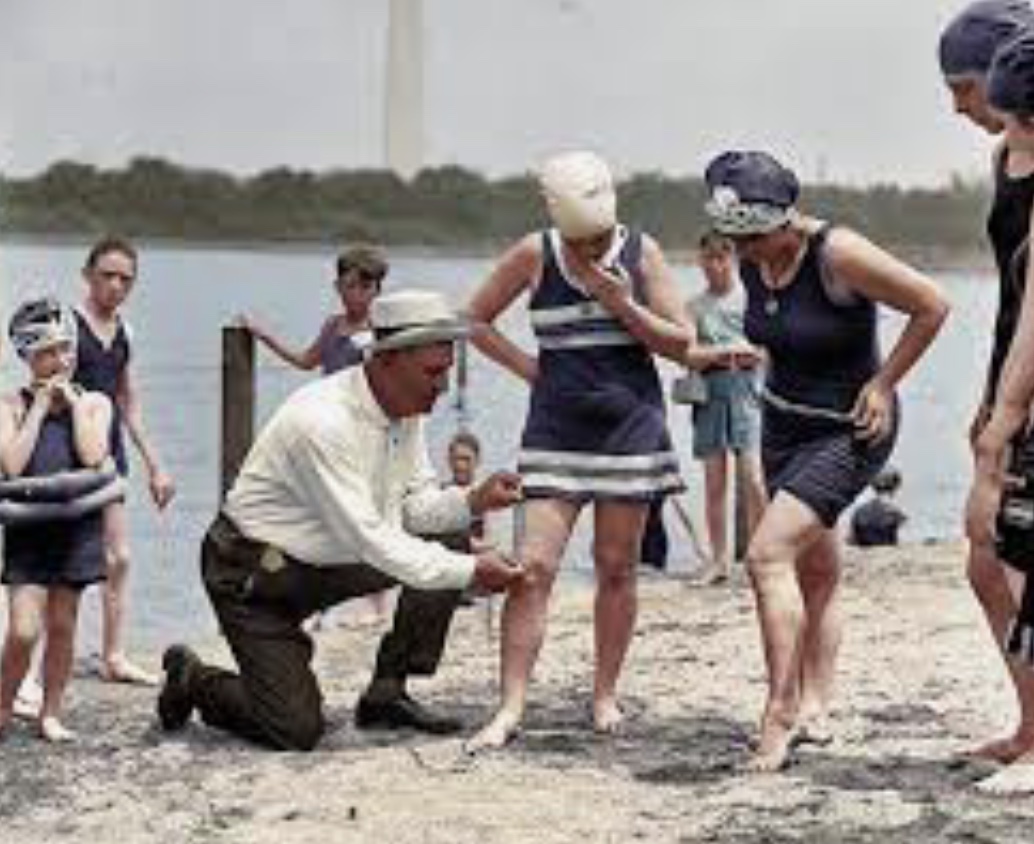
An official in 1922 checking that swimsuits were no more than six inches above the knee. However, emboldened by the right to vote, and the crazes for dance, jazz, ragtime and blues, women were in the mood to throw away the tape measures and challenge authority in general.

Alvin ‘Shipwreck’ Kelly, 1893 – 1952, achieved fame in the 1920s and 1930s as a pole sitter. He calculated that he spent 20,613 hours sitting on flagpoles, including 210 hours in sub-freezing weather and 1,400 hours in the rain. 

Kelly married Frances Vivian Steele, an elevator operator, a match clearly made in heaven, or at least close to it.

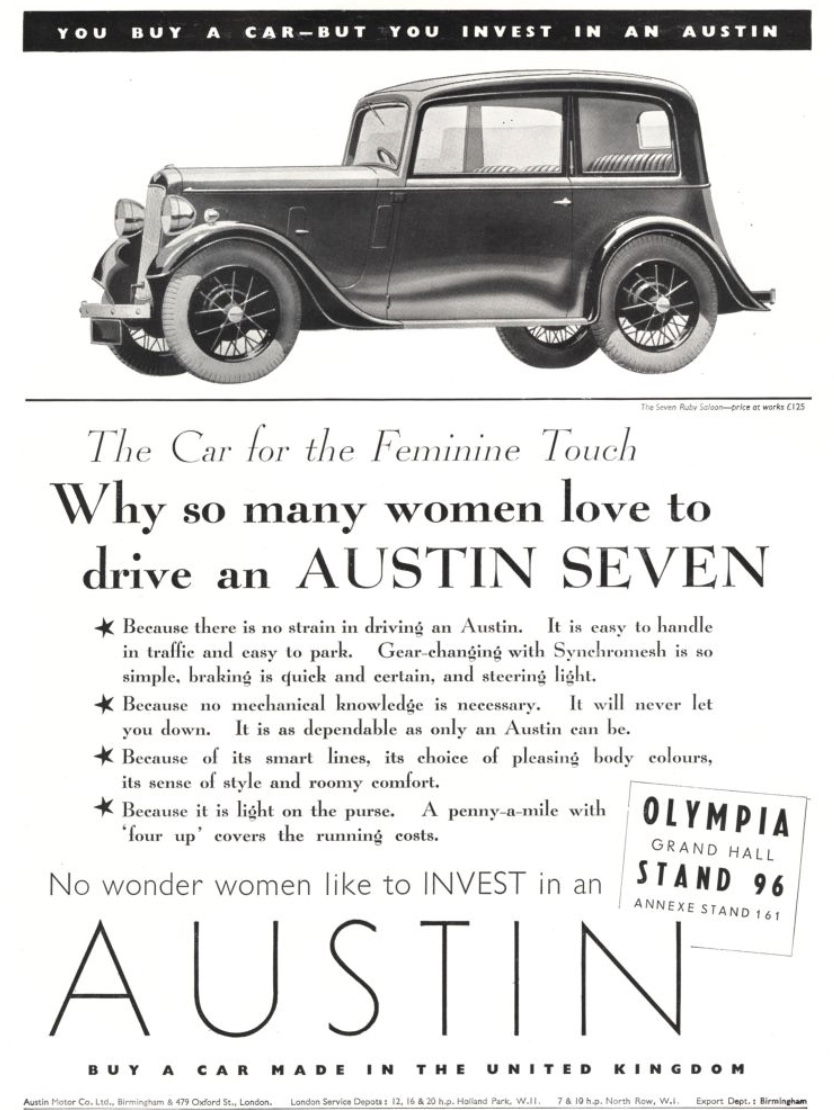
Some social historians contend that sex was ‘invented’ in the 1960s. However, the rest of us know that it began in the 1920s when people started necking in automobiles, like the Austin 7, introduced in 1922.

Aura Lee, Farewell, Series 1, Episode 14 of The Rockford Files contains echoes of the pilot episode. Lindsay Wagner reprises her role as Sara Butler. Bill Mumy, who was Sara’s brother in the pilot, also appears, but as a different character.

Bill Mumy appears as Trask, an artist. Trask’s paintings are abstracts, to say the least. In a classic exchange, Rockford asks Trask if he requires a permit to sell his paintings (because they are so bad). Trask replies, “I told you, I paint what I feel.” Rockford: “You must not feel well.”

My honest opinion: the premise of this episode was excellent – a senator is involved in a hit-and-run accident, which leads to murder. The resolution though was a bit convoluted, explained in a brief conversation, rather than shown over several scenes. 

Instead of the mystery, the writers of this episode decided to concentrate on Rockford and Sara’s relationship, which was fine because James Garner and Lindsay Wagner sparkled in their scenes.

Between 1700 and 1800 the population of London increased from 600,000 to over one million. The city established itself as the largest in the world, with commercial and military interests providing the bedrock.

London derived its energy from the free market, which basically meant ‘anything goes’. Services, goods and people – yes, people – could be bought without legislative restraint. Shipowners exploited the colonies while, at the other end of the scale, pickpockets sold gold watches. In eighteenth century London, these people were much of the same: steal from someone, then make a handsome profit.

Some people were offended by the scale of the greed. They compared London to a modern Babylon, devoid of morals and probity. However, writer James Boswell stated that his blood ‘thrilled with pleasure’ and that he regarded London as a city of happiness.

Maybe Boswell didn’t notice that, at its heart, London was still a medieval city without the capacity to deal with a huge rise in the population. In the eighteenth century,  London became notorious for its high volume of prostitutes, it’s large numbers of feral children, and its disgruntled mobs.

Wise heads reasoned that such chaos could not continue, that the quest for ever-larger profits was unsustainable, that the city was in danger of spiralling out of control. The wise heads were proved right because by the fourth quarter of the century, revolution was in the air.

🖼 London from the east, 1751.

John Charles was born on 27 December 1931. He is regarded by many as Wales’ finest-ever footballer. Indeed, many rate him as Britain’s greatest all-round footballer.

During his glory years at Leeds United and Juventus, John excelled as a centre-forward and as a centre-back. He moved to Leeds United, in 1949, from his hometown club, Swansea Town. After a break for National Service, John was the Second Division’s top goalscorer in 1954. 

As club captain in 1955, John led Leeds United to second place and promotion. The following season, Leeds finished eighth in the First Division while John was the division’s top goalscorer.

John’s qualities included strength, pace, technique and vision. Furthermore, he was a great header of a football and possessed a keen eye for goal.

John’s qualities attracted the attentions of Italian giants, Juventus. In his five seasons with Juventus, John won the Scudetto three times and the Coppa Italia twice. 

In 1962, John returned to Leeds; moves to Roma and Cardiff City followed. He was never cautioned nor sent off during his entire career. Indeed, John’s respect for his opponents earned him the nickname Il Gigante Buono – The Gentle Giant.

John represented Wales over a period of fifteen years, from 1950 to 1965. In 1958, he was a member of the Wales World Cup squad.  During that tournament, John scored in the 1 – 1 draw with Hungary. 

Injury ruled John out of the quarter-final against Brazil. Wales lost 1 – 0. Who knows what would have happened if John had been fit to participate in that match.

Next week, more news about my new project, Tula, plus background information.

As ever, thank you for your interest and support.

Hannah xxx

For Authors

#1 for value with 565,000 readers, The Fussy Librarian has helped my books to reach #1 on 32 occasions.

A special offer from my publisher and the Fussy Librarian. https://authors.thefussylibrarian.com/?ref=goylake

Don’t forget to use the code goylake20 to claim your discount 🙂

Categories
Dear Reader

Dear Reader #158

Dear Reader,

Delighted to say that my books are now available in twelve languages. Here’s my latest, the Dutch version of Operation Broadsword, Eve’s War Heroines of SOE book three, my 112th translation 🙂

Continuing my research into Eva Marie Saint’s ancestry using public records. I’m looking to answer two questions: was Eva’s talent the result of nurture, or nature? And why am I drawn to her as an actress? Can I find the answers to these questions in her roots?

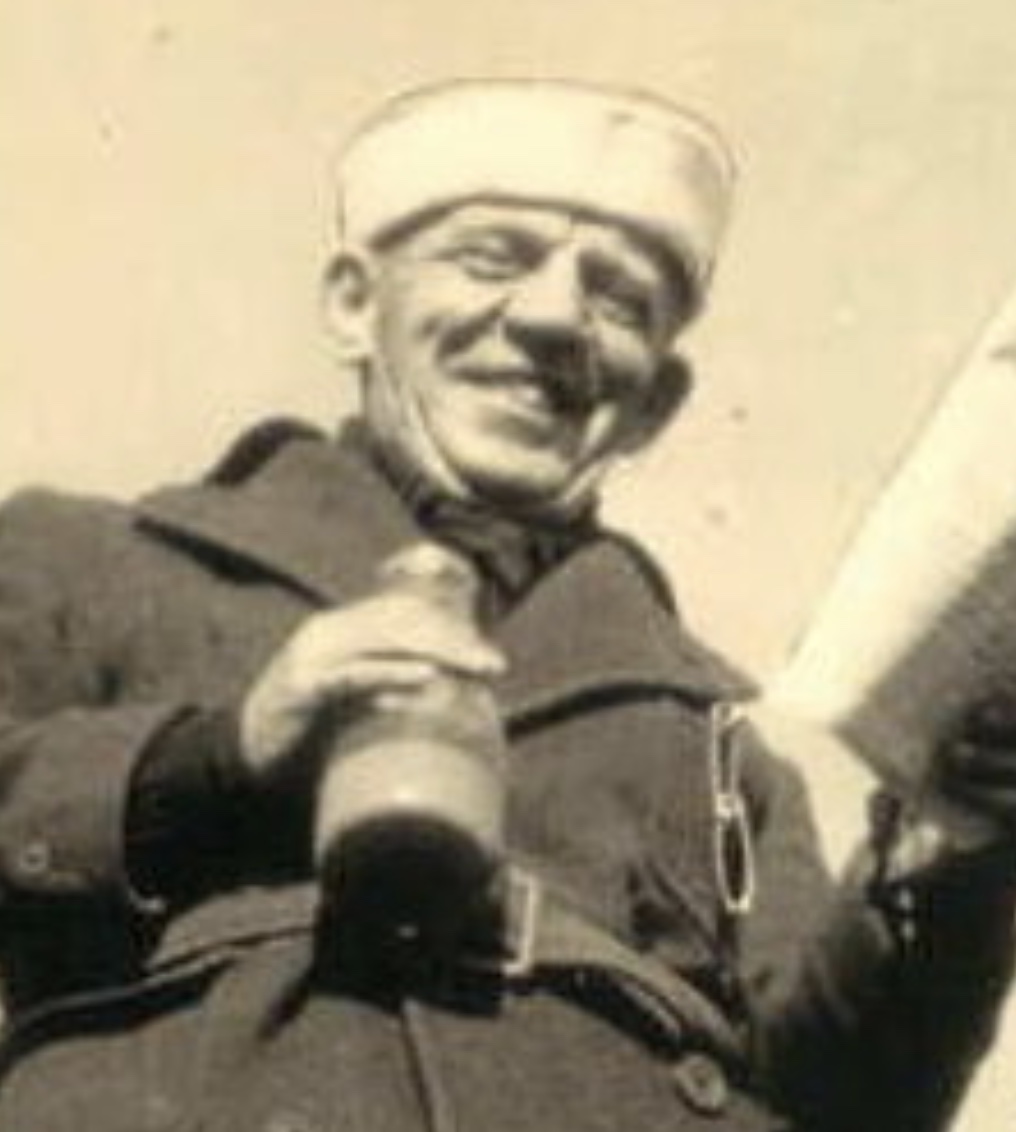
John Merle Saint. Picture courtesy of Eva Marie Saint.

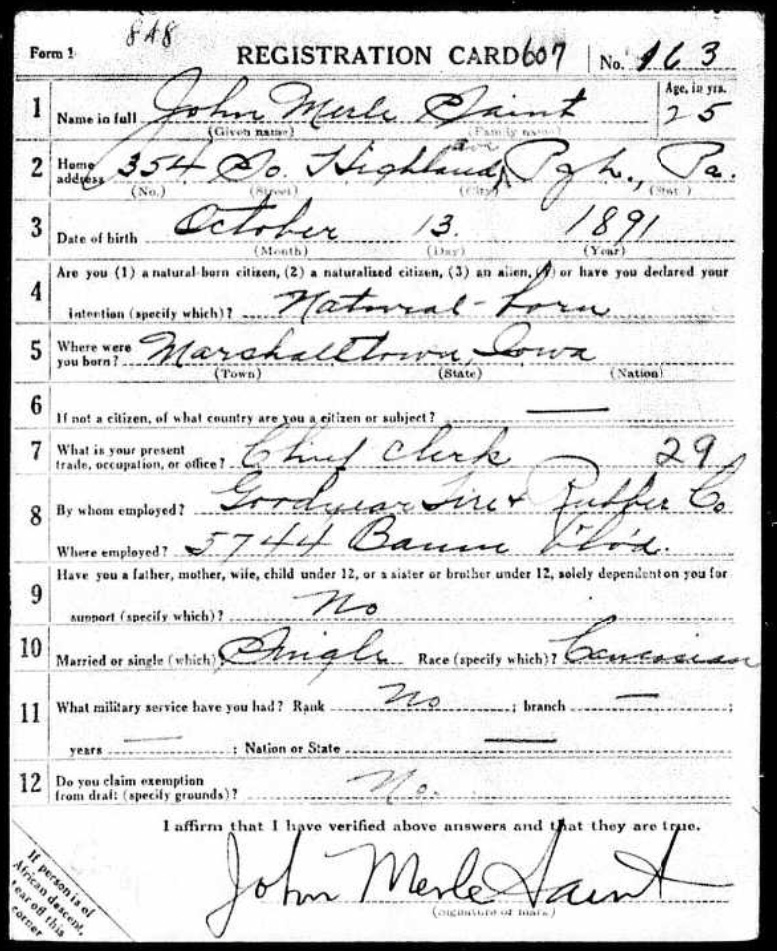
I’ve discovered that John Merle Saint was Eva Marie’s father and that he served in World War One. Today’s record is a US World War One Draft Registration Card. This card provides the following information:

John Merle Saint
RaceCaucasian (White)
Marital StatusSingle
Birth Date13 Oct 1891
Birth PlaceIowa
Residence Date1917-1918
Street Address354 So. Highland
Residence PlacePittsburgh, Allegheny, Pennsylvania, USA
Draft Board06
Physical BuildSlender
HeightMedium
Hair ColorBrown
Eye ColorBrown

So, John Merle Saint was born in Iowa, another good lead, one which should enable me to locate his parents. This record also led me to other World War One records that featured John, including his burial record. John was buried, on 18 July 1965, at Bala Cynwyd, Montgomery County, Pennsylvania. This name strongly suggests that the region was developed by Welsh settlers, so does that mean that Eva Marie has Welsh roots? More research required.

***

Profit and Loss, Series 1, Episodes 12 & 13 of The Rockford Files is a two-parter. Written by John Thomas James and Stephen J. Cannell this is the strongest Rockford story to date. If you are new to the series, start with this one.

Profit and Loss contains a great storyline with sparkling dialogue. James Garner is having a ball with this story; his comic timing is perfect while his casual asides are sublime. Also, some social commentary about business corruption adds depth to the story.

There’s a great running joke about the trash dispenser, plus Beth and Becker make an appearance. If the writers could have included Angel, this would have been the perfect Rockford episode. As it is, it comes very close.

The answer machine message is brilliant too: (Slightly manic voice) “Hey, Jimmy – this here’s Teeter Skerritt. Remember me? From the Army. I’m stuck here in town. How ‘bout I come over and bunk with you, buddy?”

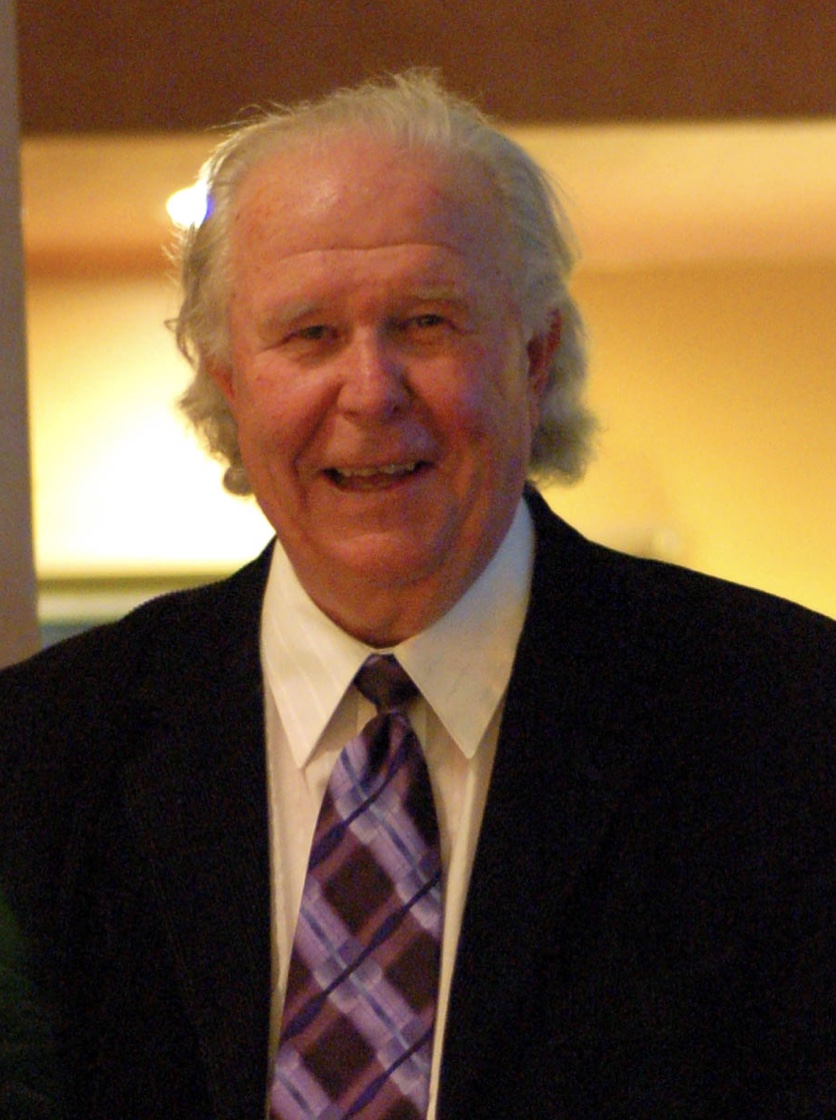
Ned Beatty, who co-starred in Profit and Loss. 📸 Wikipedia.

My latest article for the Seaside News appears on page 34 of the magazine.

Henry VIII’s Dissolution of the Monasteries in effect closed London’s hospitals because most hospitals at that time were run by the Church.

Henry VIII’s successors re-founded some of these hospitals, although their purpose differed from the hospitals of today. In the seventeenth century hospitals served the poor and destitute; they were places of shelter rather than centres of medical treatment.

Some hospitals specialised. For example, St Mary Bethlehem, pictured, was established for ‘lunatic people’ while St Thomas’ in Southwalk was established for the ‘sick and aged’. 

People of means were expected to pay for their upkeep. However, many hospitals provided the poor with bedding, clothes, food and three pints of ale a day.

Mel Charles was born on 14 May 1935. The brother of the legendary John Charles, Mel was a versatile player. He played as a centre-half, centre-forward and wing-half.

In 1952, Mel turned professional with his local club, Swansea Town. After seven years at the Second Division club, he secured a lucrative move to First Division Arsenal. However, injury blighted his period at the Gunners and, in February 1962, he joined Cardiff City, enjoying a three-year spell with the club. In total, Mel scored 122 goals in 401 league and cup matches.

At international level, Mel represented Wales on 31 occasions, scoring six goals. He captained Wales and was a member of his country’s 1958 World Cup squad. He also represented Wales in the British Home Championship over eight seasons.

In the BHC, Mel scored four goals in a 4 – 0 win over Northern Ireland, becoming only the third Welshman to score four goals in an international game.

One other remarkable fact about Mel: throughout his illustrious career he was never booked or sent off.

Mel Charles 📸 Arsenal.com

Clara Bow was born into a family of alcoholics and psychologically damaged people. Abuse, in all its ugly forms, was common. Clara’s family needed help, but in New York in 1905 few people, and certainly not the authorities, were prepared to offer a helping hand.

Clara’s neighbourhood was a network of slums and brothels, populated by the likes of ‘Submarine’ Mary – her name speaks for itself. House fires were common. Cholera, diphtheria, scarlet fever, smallpox and tuberculosis were rife. Violence was a way of life. 

During the summer heatwave of 1905, the New York infant mortality rate was estimated at eighty percent. Clara’s parents, Robert and Sarah, were convinced that she would die, so they didn’t even bother obtaining a birth certificate.

To understand Clara’s later choices in life, you need to understand where she came from: a hellhole where love was just a four-letter word. 

Welcome to the world, Clara Bow. 

Next week, news about my new project, Tula, plus background information.

As ever, thank you for your interest and support.

Hannah xxx

For Authors

#1 for value with 565,000 readers, The Fussy Librarian has helped my books to reach #1 on 32 occasions.

A special offer from my publisher and the Fussy Librarian. https://authors.thefussylibrarian.com/?ref=goylake

Don’t forget to use the code goylake20 to claim your discount 🙂

Categories
Dear Reader

Dear Reader #157

Dear Reader,

I’m excited to introduce a new project, Tula, a novel set in the 1920s. Tula is an actress who has climbed from the gutter to become a major star in Hollywood. However, as the story opens, she is in an asylum. How did she get there? 

Tula believes that the recent death of her father triggered her emotional collapse. However, as she chronicles the first twenty-four years of her life, she discovers the true trigger for her breakdown.

This story might sound dark, but light arrives in the shape of Tula’s determination to escape from poverty, and her strength in facing up to and overcoming her emotional problems.

Continuing my research into Eva Marie Saint’s ancestry using public records. I’m looking to answer two questions: was Eva’s talent the result of nurture, or nature? And why am I drawn to her as an actress? Can I find the answers to these questions in her roots?

Today’s record is the 1930 census. This census confirms that Eva was born in New Jersey, that at the age of five she was attending school and literate, and that she lived with her older sister, Adelaide, and her parents, John and Eva. John was a credit man for a rubber company, Eva Senior was a housewife.

Eva’s family rented a home on 81 Street, Queens, New York. Most of their neighbours were born in New York. However, their parents came from Austria, Russia, Germany, Czechoslovakia, Hungary and Ireland. They were merchants, bookkeepers, salesmen, secretaries, photographers and hairdressers. 

This was an immigrant area, not the poorest, not the richest. Unlike some actresses, Eva did not enjoy a gilded path to fame and fortune; she had to work for her success. That is something I can relate to, and it partially answers one of my questions. 

However, for the full answers, I need to explore Eva’s parents’ records. More, next time.

***

In the seventeenth century, London’s doctors qualified through an apprenticeship. They set bones, tended injuries and bled patients. Physicians represented a different branch of medicine. They qualified through universities and advised on diet, exercise and drugs.

Treatments centred on purging, sweating and bleeding in an attempt to restore the balance of a patient’s body. 

Physicians charged a fee, usually between 10 and 20 shillings, which placed them well out of the reach of many Londoners.

For day-to-day medical treatments, Londoners visited barbers. Along with offering a haircut and a shave, a barber would bleed a client and draw his teeth. 

Medicines were sold by apothecaries, who developed into pharmacists. These medicines were derived from herbs, plants and vegetables and sold for a penny per dose.

Many of the treatments were ineffective, which led to challenges by ‘new scientists’ like Nicholas Culpepper, pictured. The establishment hated Culpepper because he challenged their cosy cartel, stated that high medical fees were ‘un-Christian’, and because he treated London’s poor.

Caledonia – It’s Worth a Fortune! Series 1, Episode 11 of The Rockford Files. All writers have standby plots. One of John Thomas James’ standby plots was ex-cons looking for hidden money. In Caledonia, JTJ delivered a neat twist at the end.

This episode was directed by Stuart Margolin, a talented actor/director. While Margolin’s direction was always crisp, his greatest contribution to The Rockford Flies was his portrayal of Angel, one of the great support characters of American television. James Garner’s interactions with Stuart Margolin were always a delight to watch.

We are eleven episodes in but Angel, Beth and Becker are yet to appear as regular characters. Even Rocky has only made fleeting appearances at this point. The Rockford Files always had a strong sense of direction, but the series grew in strength when the support characters became regulars.

Stuart Margolin

Len Allchurch, born 12 September 1933, enjoyed a distinguished footballing career, which spanned nearly twenty years. During that time he represented Sheffield United, Swansea Town and Stockport County. 

Born in Swansea, and the brother of the legendary Ivor Allchurch, Len also won eleven caps for Wales and was a member of his country’s 1958 World Cup squad.

In 1950, at the age of seventeen, Len began his professional career with Swansea Town. In March 1961, for a fee of £18,000, he signed for Sheffield United. Len scored six goals in eight games and helped his new club to clinch promotion. 

Over the following three seasons, Len scored 37 goals in 140 appearances for Sheffield United before, in March 1965, transferring to Stockport County. His transfer fee: £10,000, making him the most expensive signing in the club’s history.

Eventually, Len’s career turned full circle and he ended his professional days at his home club, Swansea Town.

Len enjoyed many highlights during his long and distinguished career, but perhaps this remains the most remarkable fact: he did not receive a single caution or booking throughout his entire Football League career.

Len Allchurch 📸 BBC

I’m researching the life of Clara Bow, a superstar in the 1920s. However, before exploring Clara’s life, where did the Bows come from? The answer is England. Like many of their generation, they set sail for America in the 1600s and became planters in Hartford.

The early American Bows were wealthy men and women. However, by the time Clara was born in New York in 1905, the family fortune had long gone. Indeed, Clara’s father Robert flitted from one humble occupation to another, and between 1905 and 1923 the family lived at fourteen different addresses.

Clara Bow was a superstar in the 1920s, yet her birth was not even recorded. Piecing the facts together from various records, a birthdate of 29 July 1905 looks the most likely candidate. Why wasn’t Clara’s birth registered? There were several reasons.

One, Clara’s father, Robert, was often absent from the family home. Two, Clara and her mother, Sarah (pictured), were ill after the birth, and their illnesses were exacerbated by a New York heatwave. Indeed, Sarah was in such poor physical, and probably mental, condition that a doctor warned her not to become pregnant.

Clara was Sarah’s third child. Her first daughter, Alene, was stillborn on 25 June 1903 while her second daughter, Emily, was born and died on 13 May 1904. Given this background, it was a minor miracle that Clara made it to 30 July, let alone beyond.

***

In this month’s issue of Mom’s Favorite Reads…

Multi-award winning author/poet Jessica Bell interviewed by Wendy H Jones. Plus, Author Features, Health, Nature, Photography, Poetry, Recipes, Short Stories, Young Writers, International Country Music Day, and so much more!

As ever, thank you for your interest and support.

Hannah xxx

For Authors

#1 for value with 565,000 readers, The Fussy Librarian has helped my books to reach #1 on 32 occasions.

A special offer from my publisher and the Fussy Librarian. https://authors.thefussylibrarian.com/?ref=goylake

Don’t forget to use the code goylake20 to claim your discount 🙂
Categories
Dear Reader

Dear Reader #151

Dear Reader,

My latest translation, the Dutch version of Operation Locksmith, Eve’s War, Heroines of SOE book two.

Tall Woman in Red Wagon, Series 1, Episode 5 of The Rockford Files is a ‘flashback’ story with Rockford recalling events after a bullet-inducing concussion. 

Rockford’s printing press appears in this episode. One of the main features of The Rockford Files was the way Rockford teased information out of various people by impersonating numerous officials, his credentials always supported by cards freshly minted by his printing press.

There is no neat ending to this episode. I like that format and sometimes use it in my stories. In the main, readers and viewers like the author to wrap up all the lose ends, but in real life lose ends often roll on, and on…

📸 A still from Tall Woman in Red Wagon.

The Great Fire of London in 1666 destroyed 436 acres of land and made thousands of people destitute. The fire began on Sunday 2 September 1666 in Thomas Farriner’s bakery on Pudding Lane. By 7 am 300 houses had burned down.

The fire raged for four days consuming 13,200 houses, 87 churches, St Paul’s Cathedral, the Guildhall, and 52 livery company halls. Amazingly, the death toll did not reach double figures. However, the fire did make 100,000 people homeless.

London in 1666 was a tinderbox. Timber houses crowded the narrow streets. A dry summer had parched the ground. On the morning of the fire, a strong easterly wind fanned the flames, which leapt from building to building.

Each parish was equipped with axes and hooks to pull down buildings and create firebreaks. However, the fire was so intense that most people grabbed their belongings, tossed them on to boats and fled via the river. Others ran for the city gates.

Looters ran riot. Charles II travelled through the city on his horse, imploring people to fight the flames. The Lord Mayor, Thomas Bludworth, dithered fearing that if he ordered people to pull down their houses, they would respond with compensation claims.

From Pudding Lane, the fire spread to warehouses, then Cheapside, London’s principal street, then St Paul’s Cathedral. John Evelyn reported that the cathedral’s stones exploded like grenades, while molten lead flowed like a stream.

The fire reduced 80% of the city to ruins. For days, the ground was too hot to walk on. Without familiar landmarks, people wandered around, lost. Many camped in nearby fields. 

Charles II, and many Londoners, blamed the fire on an Act of God. Sin was its source, particularly the sin of gluttony. The reasoning for this? – The fire started in Pudding Lane. Indeed, an enquiry concluded that the fire was an accident, delivered by the Hand of God.

Thomas Farriner, the baker, escaped the fire. England was at war with France and the Netherlands at the time so, looking for a human scapegoat, the population persecuted a Frenchman, Robert Hubert, a man who suffered from mental health problems. 

After a trial, the authorities hung Hubert. However, evidence later proved that Hubert’s ship arrived in London after 2 September 1666. 

My ancestors – adults, children, babies – experienced the Great Fire. That horror must have remained with them for the rest of their days.

🖼 Painted in 1675, the Great Fire of London (artist unknown). This scene depicts the evening of Tuesday, 4 September 1666. To the left is London Bridge; to the right, the Tower of London. Old St Paul’s Cathedral is in the distance, surrounded by the tallest flames. The accuracy suggests that the artist had local knowledge.

Welsh Football Legends

Derek Tapscott was born on 30 June 1932 in Barry, Wales to Stanley and Florence Tapscott. He was one of sixteen children. 

Derek attended High Street Junior School. Upon leaving school he worked as a delivery boy for a butcher, an assistant to a television repairman then as an apprentice bricklayer.

At a time of National Service, Derek received his call in October 1950. He joined 4 Training Regiment of the Royal Engineers. At 18 Derek was already playing for Barry Town and the Royal Engineers granted him permission to link-up with the club on match days. During his National Service, Derek became a member of the drill staff and was promoted to the rank of corporal. 

After his National Service, Derek returned to bricklaying. His appearances for Barry Town continued. His skill caught the eye of the Tottenham Hotspur scouts and they invited him for a trial. However, Derek didn’t sign for Tottenham Hotspur. Instead, in October 1953, he joined their rivals, Arsenal. His transfer fee: £4,000.

Derek began his Arsenal career with a prolific run in the reserves, scoring 13 goals in 15 matches in the London Combination League. On 10 April 1954, he made his first-team debut against Liverpool and scored twice. He scored five more goals in five further matches that season.

During the 1954-55 season Derek established himself in the Arsenal first team. In 1955-56 from inside-forward he became the club’s top scorer, a feat he emulated the following season. He scored 21 and 27 goals respectively. 

European competition, in the form of the Inter-Cities Fairs Cup, beckoned. On 4 May 1956, Derek played for a London XI that defeated a Basel XI 1 – 0. 

Manchester United’s final domestic match before the tragic Munich air disaster was against Arsenal. That game developed into a nine-goal thriller with Manchester United taking the honours, 5 – 4. Later, Derek described the game as “the best I ever played in.”

Derek’s 1957-58 season was blighted by injury and he lost his first team place to Vic Groves. This resulted in a move, in September 1958, to Cardiff City. The transfer fee: £10,000. Derek left Arsenal with the impressive record of 68 goals in 132 matches.

Derek made his Cardiff City debut in a 4–1 win over Grimsby Town. The club continued to record impressive results and in 1960 they 

won promotion to the First Division. During this period, Derek scored six goals during a 16 – 0 victory over Knighton Town in the Welsh Cup, a club record.

Derek featured in Cardiff City’s first venture into European competition. He played in the team that reached the quarter-finals of the UEFA Cup Winners’ Cup scoring the winning goal against Sporting Clube de Portugal in the second round.

Further injuries curtailed Derek’s appearances for Cardiff City. At the beginning of the 1965-66 season he joined Newport County. However, he left that club at the end of that season and moved into non-league football where he played until his retirement in 1970.

On his retirement, Derek could look back at successful spells with Arsenal and Cardiff City, for whom he scored 102 goals in 234 appearances. He could also look back at an illustrious international career, representing Wales.

After only one appearance for Arsenal, Derek was named in the Wales squad for a match versus Austria. He made his debut on 9 May 1954 in Vienna. Austria won 2–0. Nine consecutive appearances followed as Derek established himself in the Wales team.

Derek scored his first international goal on 22 October 1955 during a 2–1 win over England. In the 1959 British Home Championship he scored in the final two matches of the competition, against England and Northern Ireland. From 14 appearances for Wales, Derek scored one other goal, at the Racecourse Ground, Wrexham on 23 November 1955 against Austria. 

After football, Derek worked for sports goods companies Gola and Diadora. He published his autobiography, Tappy: From Barry Town to Arsenal, Cardiff City and Beyond, in 2004.

Derek died on 12 June 2008. In 2012, Barry Town inducted him into the club’s Hall of Fame.

As ever, thank you for your interest and support.

Hannah xxx

For Authors

#1 for value with 565,000 readers, The Fussy Librarian has helped my books to reach #1 on 32 occasions.

A special offer from my publisher and the Fussy Librarian. https://authors.thefussylibrarian.com/?ref=goylake

Don’t forget to use the code goylake20 to claim your discount 🙂