Categories
Dear Reader

Dear Reader #60

Dear Reader,

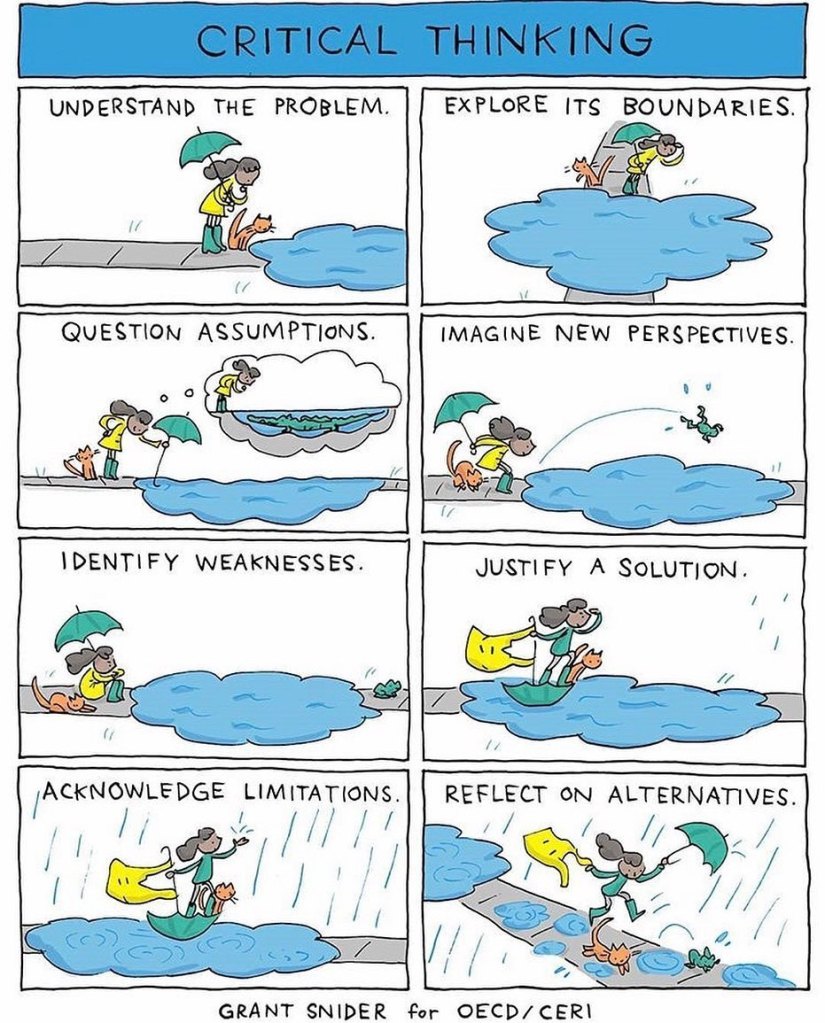
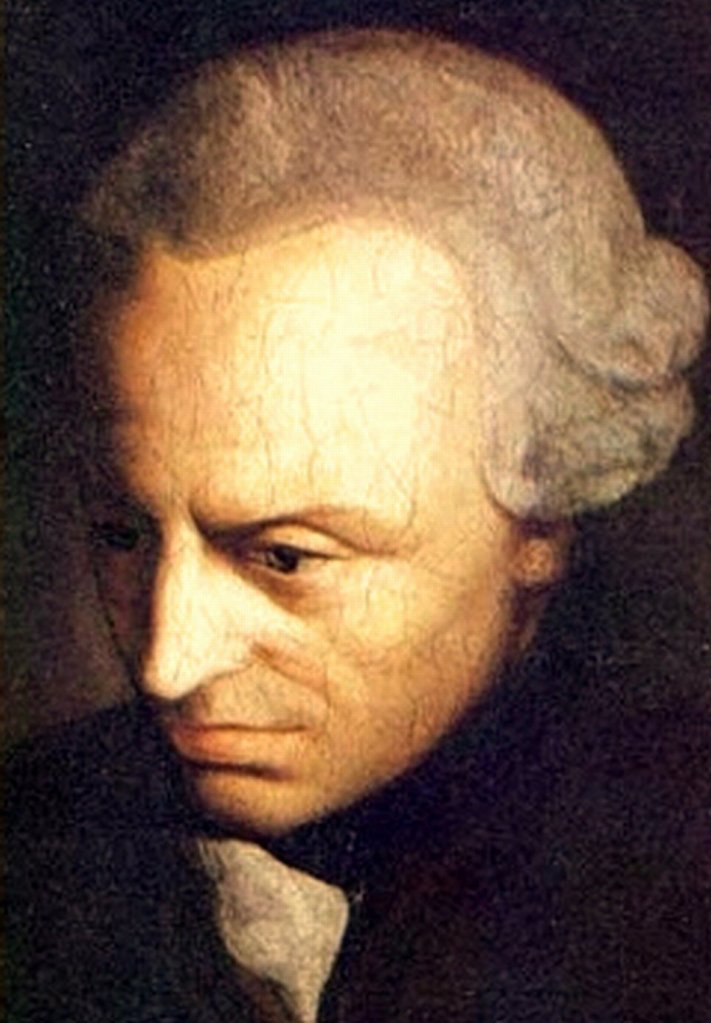
“Have the courage to use your own reason. That is the motto of enlightenment.” – Immanuel Kant
From QI

The Aryan poster child used in Nazi propaganda was, in fact, Jewish. A photographer submitted her image to a contest to find “the most beautiful Aryan baby”.

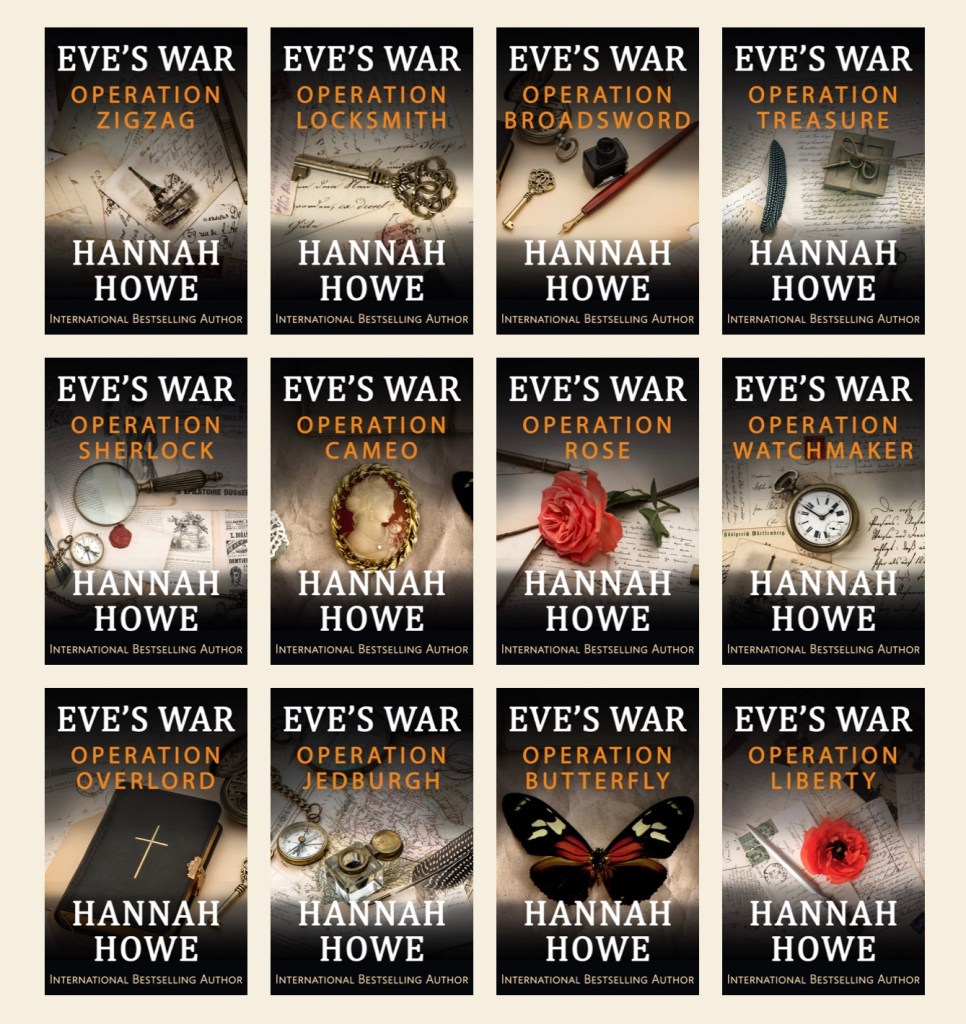
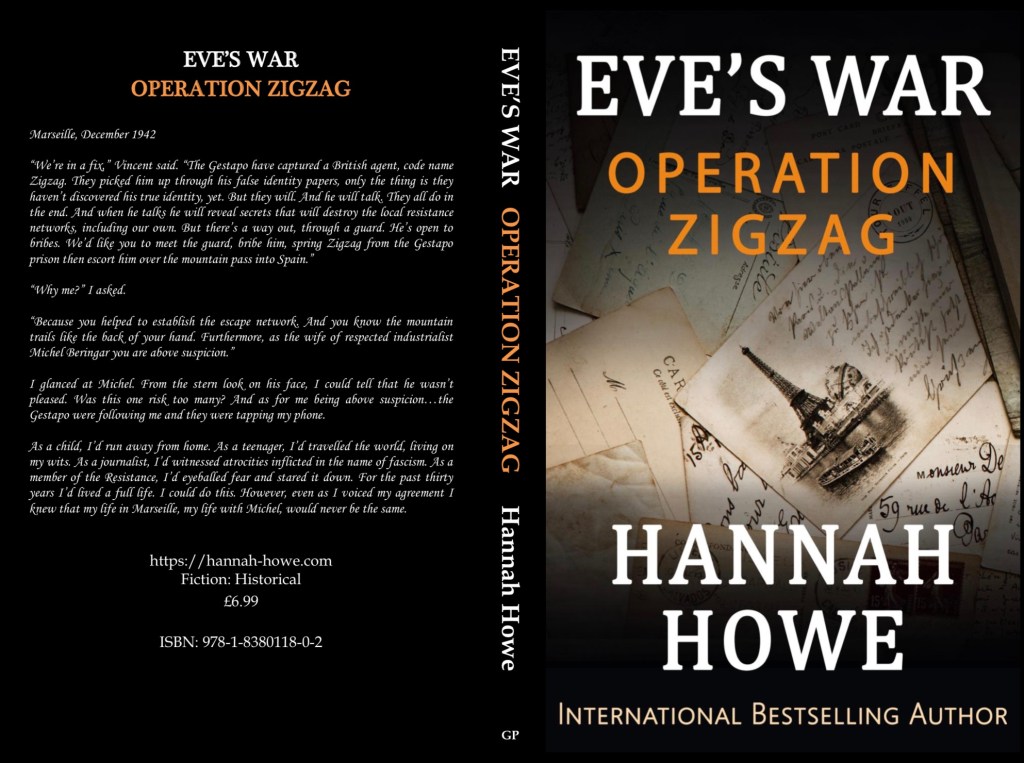
The cover for the print version of Operation Zigzag, currently with the printer.
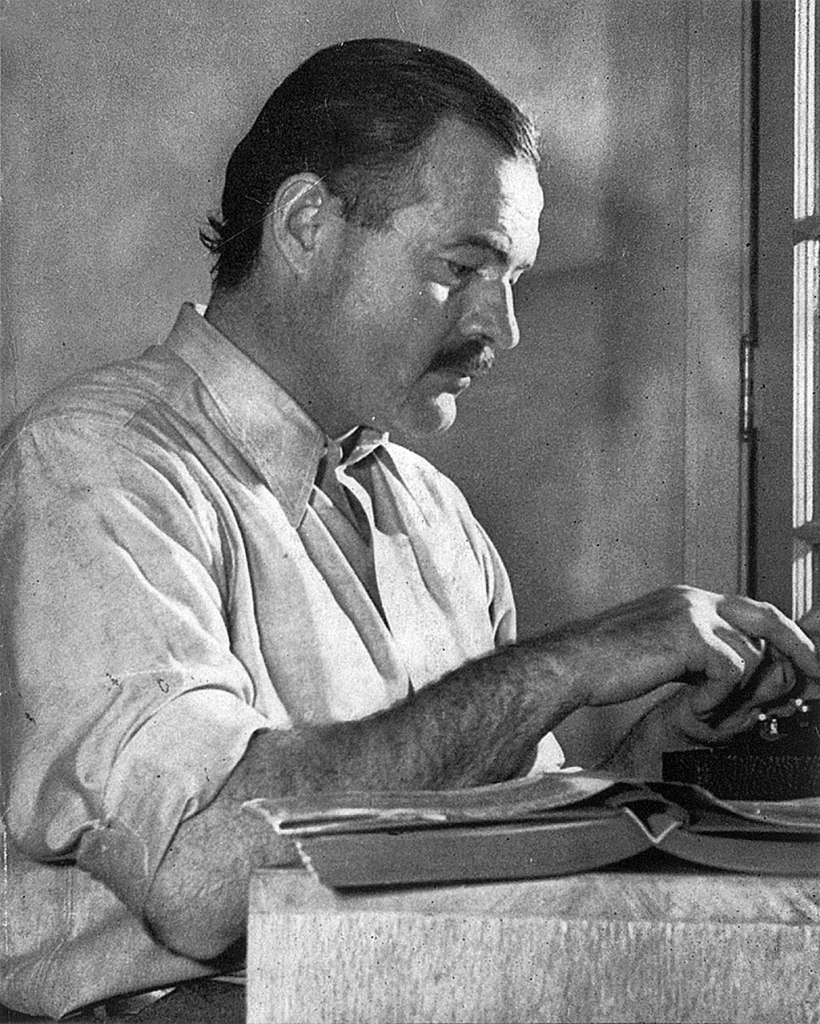
“All good books have one thing in common – they are truer than if they had really happened.” – Ernest Hemingway

From 1914. If you wanted a copy of this map, you had to collect ten coupons from Black Cat cigarette packets. As if the war wasn’t bad enough, smoking also increased substantially.

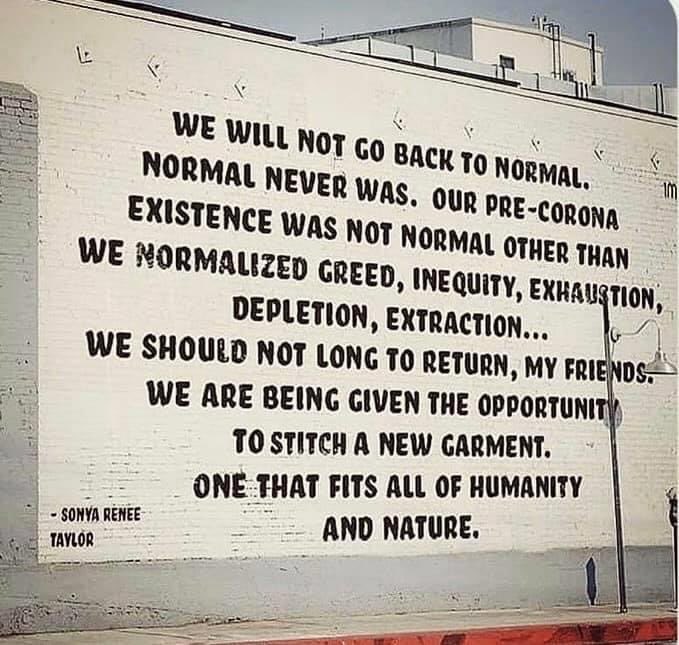
The writing is on the wall…
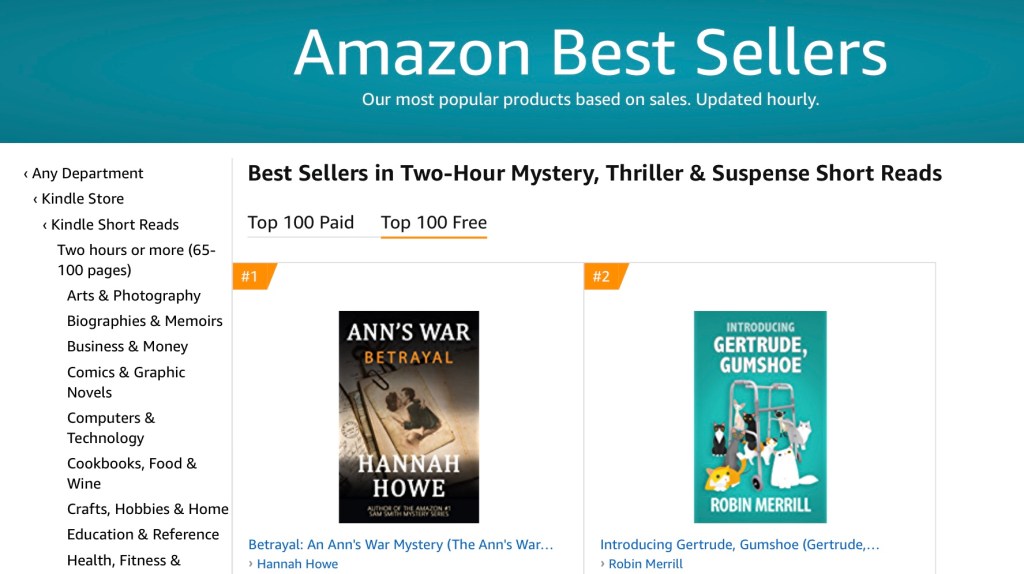
I wrote the Ann’s War series for my own amusement so I’m amazed and delighted to see Betrayal, book one in the series, at #1 for the eleventh time on the mystery and literature charts.

“Lies are often much more plausible, more appealing to reason than reality, since the liar has the great advantage of knowing beforehand what the audience wishes or expects to hear.” – Hannah Arendt

East and West Berlin before the fall of the wall. The different street lights indicate the border.

This is what happens when society tolerates or embraces fascism. Staff at Auschwitz enjoying their ‘work’.

Please pause and give this some deep thought.
Wanted: replacement electrician. Must supply own rubber boots.

From Future Generation Wales

If you think this is extraordinary you should have seen the bull 👀

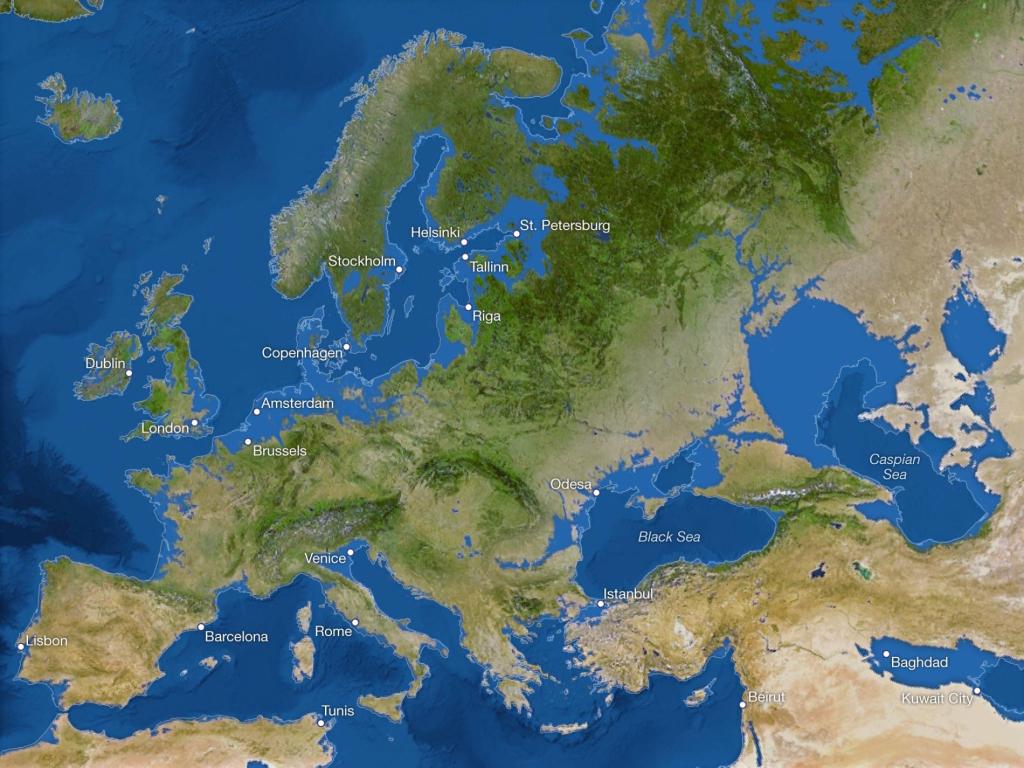
If all the ice melted…
History often overlooks the great women…

One of the inspirations for Guy Samson in my Eve’s War Heroines of SOE series, André Hunter Alfred Hue was born in Swansea, Wales on 7 December 1923. 
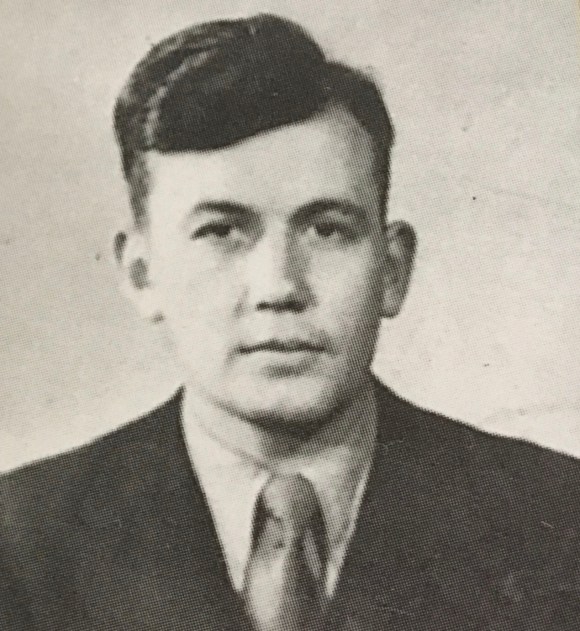
Andre Hue, the photograph attached to his fake identity card

André’s father, also André, was French while his mother, Caroline, was Welsh. A First World War veteran, André senior received a bullet wound to the head. The bullet remained in place and contributed to his early death in 1938.

Caroline did not speak French. Indeed, before their marriage neither she nor her husband spoke each other’s native language. However, Caroline insisted that her children should learn French.

From Swansea, André’s family moved to Le Havre. There, in 1939, he became a sailor in the French merchant navy with the rank of purser. 

On 17 June 1940, André’s ship, the SS Champlain, struck a mine off La Rochelle and sank. André was in the shower at the time, but he managed to swim ashore, naked.

While working as a railroad clerk in Guer, Brittany, André fulfilled a burning ambition and joined the French Resistance. The railroad station at Guer was strategically important because it served as a key artery for supplying German troops to north-western France.

Working in the railroad office, André provided information about secret timetables so that the RAF could attack trains carrying German troops and supplies. 

As trust in André’s abilities increased, the Resistance encouraged him to smuggle Allied airmen, shot down over France, to safety, often by guiding them to the coast and the waiting boats and submarines.

With André’s courage and his trustworthiness established, the Special Operations Executive invited him to train as an agent. In February 1944 he crossed the Channel to Britain to commence training. His reports stated that he was “a very active, energetic, enthusiastic man with a reasonably stable personality, although inclined to excitement at times.”

André succeeded with his training and the SOE awarded him the rank of Acting Captain in time for Operation Overlord.

During the night of 5/6 June 1944, André parachuted into France. Men from the French Special Air Service accompanied him. Upon landing, an immediate task was to avoid Cossacks who were patrolling the countryside. The Cossacks were Soviet POWs who’d joined the German Army.

Maquis in an armoured Jeep

In Brittany, André’s task was to organise the local Maquis so that they could launch guerrilla attacks on communication lines, railroads and roads. Their ultimate aim was to prevent the four Nazi divisions stationed in Brittany from joining the rest of the German army in Normandy.

André was based at La Nouette farmhouse near Saint Marcel. He noted in his autobiography, The Next Moon, that he feared the Milice more than the Germans because the Milice being French could identify regional accents. However, as a natural French speaker he escaped initial suspicion.

On one occasion, André was present when the Nazis shot five SAS men  and seventeen French civilians. On another occasion, he was trapped in a barn, which the Nazis had torched. Despite the smoke and flames, he managed to escape.

On 18 June 1944, the Nazis attacked André’s farmhouse. Four thousand Maquisards rushed to defend the farmhouse and the Battle of Saint Marcel ensued.

La Nouette after the battle

In The Next Moon, André recalled the battle. “Now every weapon that the enemy possessed was brought to bear on our front line in a cacophony of shots and explosions which could not drown an even more sinister noise: the occasional crack of a single bullet. A man within feet of me slumped to the ground with blood spurting two feet into the air from the side of his neck. We had anticipated an infantry assault – possibly backed up with light armour – but snipers, a threat we had not met before, were difficult to counter. Within minutes of the first casualty, another seven of our men lay dying within the farm complex: all had been shot from long range.”

As the Nazi snipers continued to assassinate André’s men, he could hear the sound of panzers in the distance, so he ordered a retreat into the woods under the cover of darkness. There, André used his radio to contact the SOE and RAF. They organised an air strike, which resulted in mass confusion. During that confusion, André and his men escaped.

La Nouette restored after the Second World War

Throughout August 1944, André participated extensively in the liberation of France. He executed an operation where the Resistance secured the villages in Brittany to aid the advancing Allies. After his work in Brittany, he parachuted into the town of Nevers in Burgundy, where he coordinated operations between the SOE and the Resistance.

On 30 August 1944, André landed in the Nievre just west of Dijon where he took command of the SOE Gondolier circuit. There, he trained the local Maquis and blew up three bridges in Burgundy, which denied the retreating Nazis an exit point from the South of France. Also, in Luzy, André removed mines, placed by the Nazis to kill and maim local civilians. 

For his extraordinary efforts, André was awarded the Distinguished Service Order (DSO) for his work in France. At the age of twenty, he was one of the youngest men to receive a DSO.

By the end of the Second World War, André held the rank of Major in the British Army. He served overseas, in Burma, Palestine, Cyprus and Cambodia. During his stint in Cambodia, he met his future wife, Maureen Taylor, who worked in the British Embassy in Phnom Penh. The couple married in 1957 and had one daughter.

Before establishing a successful business career, André worked for MI6, his activities centred on the Far East.

In later years, André suffered from Alzheimer’s disease, which claimed his life in 2005.

As ever, thank you for your interest and support.

Hannah

Categories
Dear Reader

Dear Reader #58

Dear Reader,

During the Second World War, with coffee in short supply, many people in France turned to roasted barley as a substitute. The drink originated in Italy and because it’s caffeine free it became popular in Europe as a beverage for children. Chicory was another popular drink which stayed with the wartime generation for decades. I remember seeing chicory drinks in my ancestors’ pantries.

In occupied France the Nazis controlled the distribution of petrol, gasoline and diesel so the locals adapted their cars and trucks adding wood-gas generators. In this picture note the secondary radiator, which cooled the gas before its introduction into the engine.

Because of curfews only Nazi vehicles travelled at night. If an SOE agent heard a vehicle at night he or she knew it belonged to the Nazis. Therefore, their main hope was that the car continued on its way and didn’t stop outside the agent’s apartment.

My latest translation, the Spanish version of The Olive Tree: Roots, A Spanish Civil War Saga. Available soon 🙂

The road sweeper who keeps our street and field clean told me yesterday that he had the perfect job. He works at his own pace, in the sunshine, with no stress. Not everyone wants to be a banker.

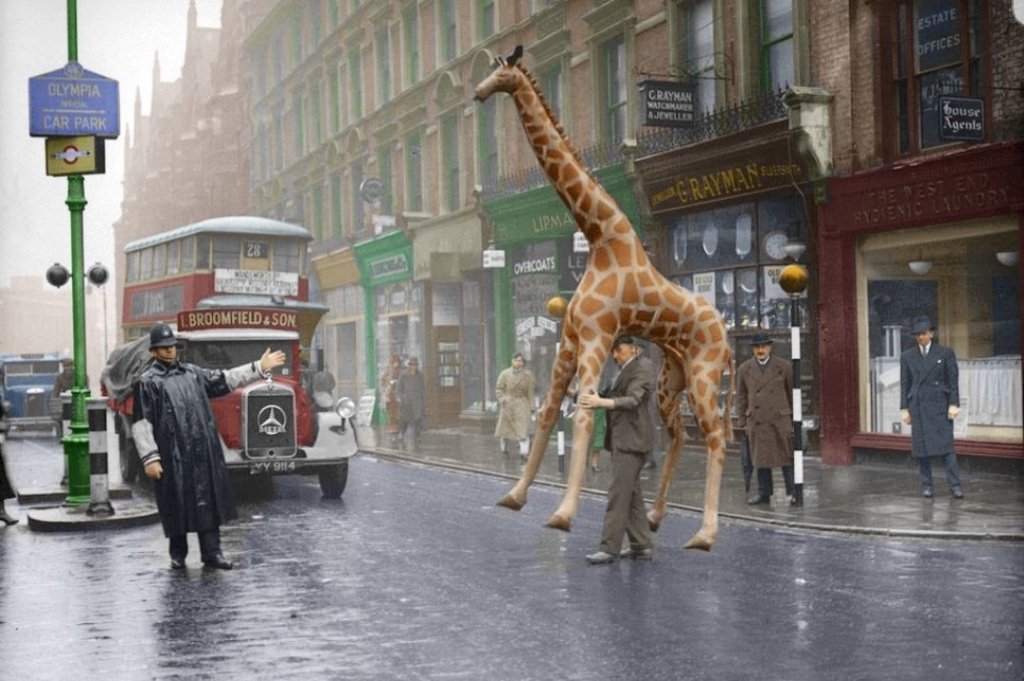
This is London. In Wales we have zebra crossings 😂

Delighted that an Italian translation of The Olive Tree: Roots, A Spanish Civil War Saga, is now in production to join the Spanish version of this book.

More translation news. Eve’s War, Operation Zigzag will soon be translated into Spanish. A German version of this book will also be published soon.

A fact from the Second World War. Less than five percent of British pilots shot down five or more enemy planes.

British pilots shot down 2,698 enemy aircraft between 10 July and 31 October 1940, the Battle of Britain, so it was a great team effort.

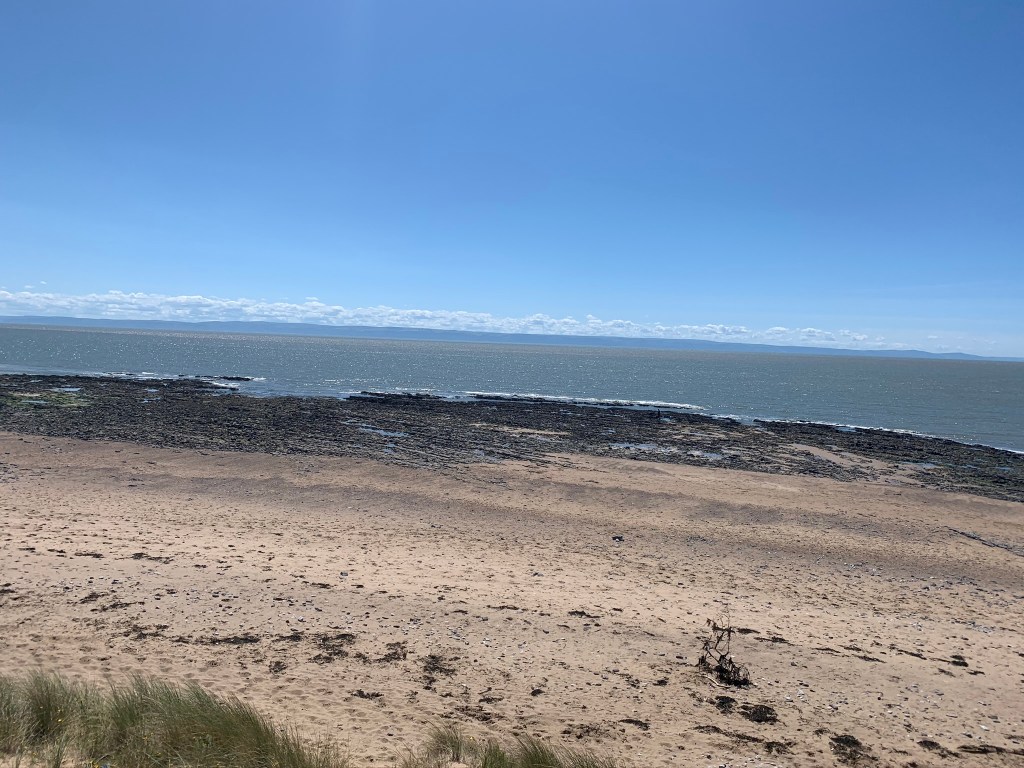
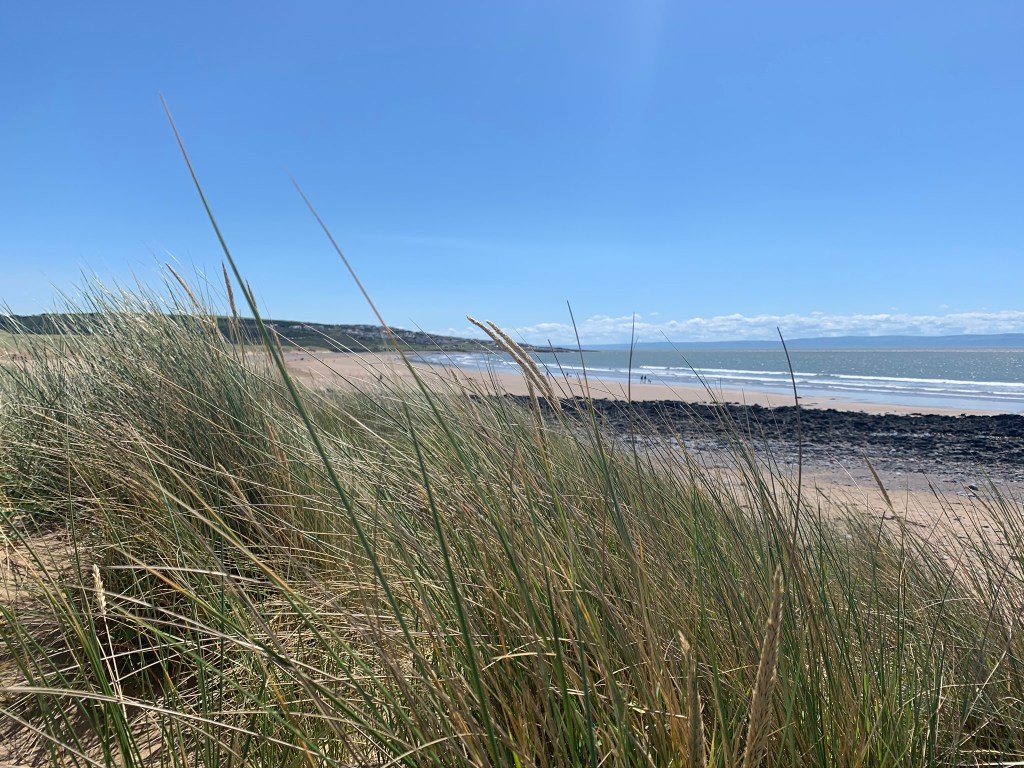
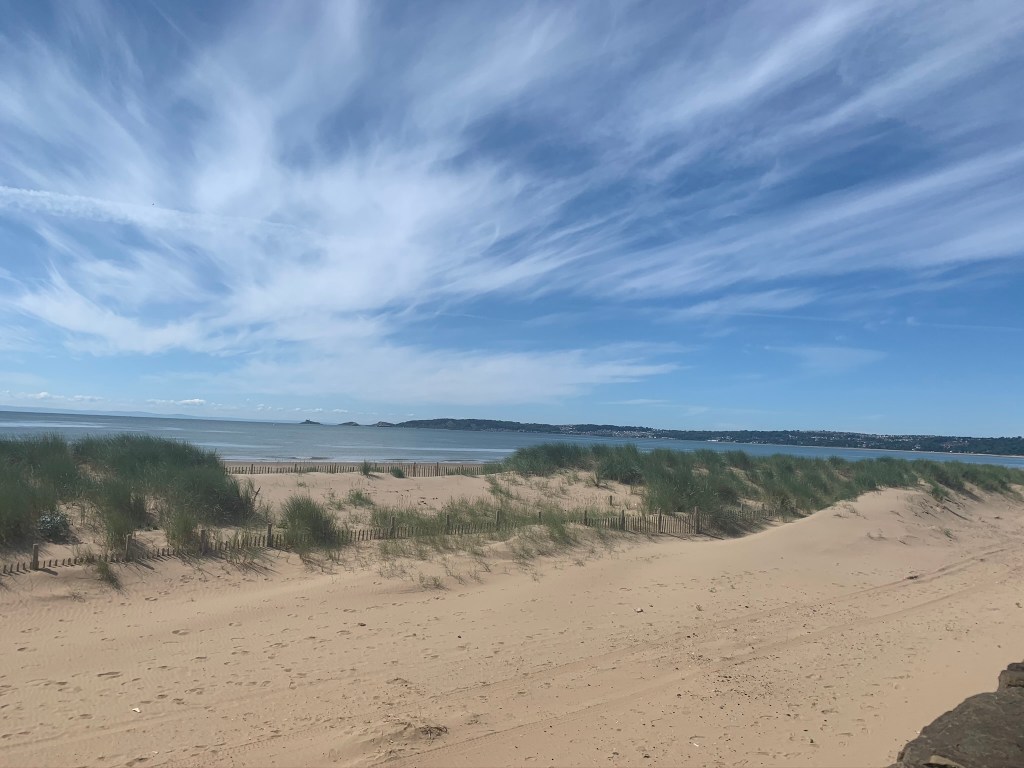
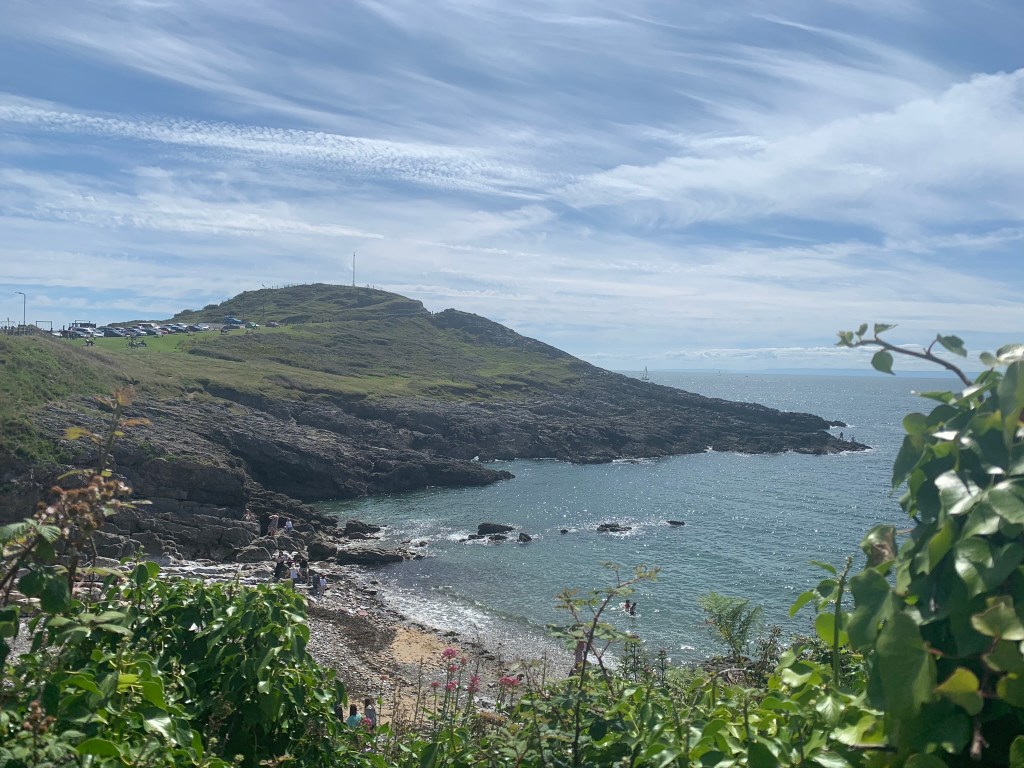
Local views this week, the Glamorgan coast.

Love is…

Marie-Madeleine Fourcade

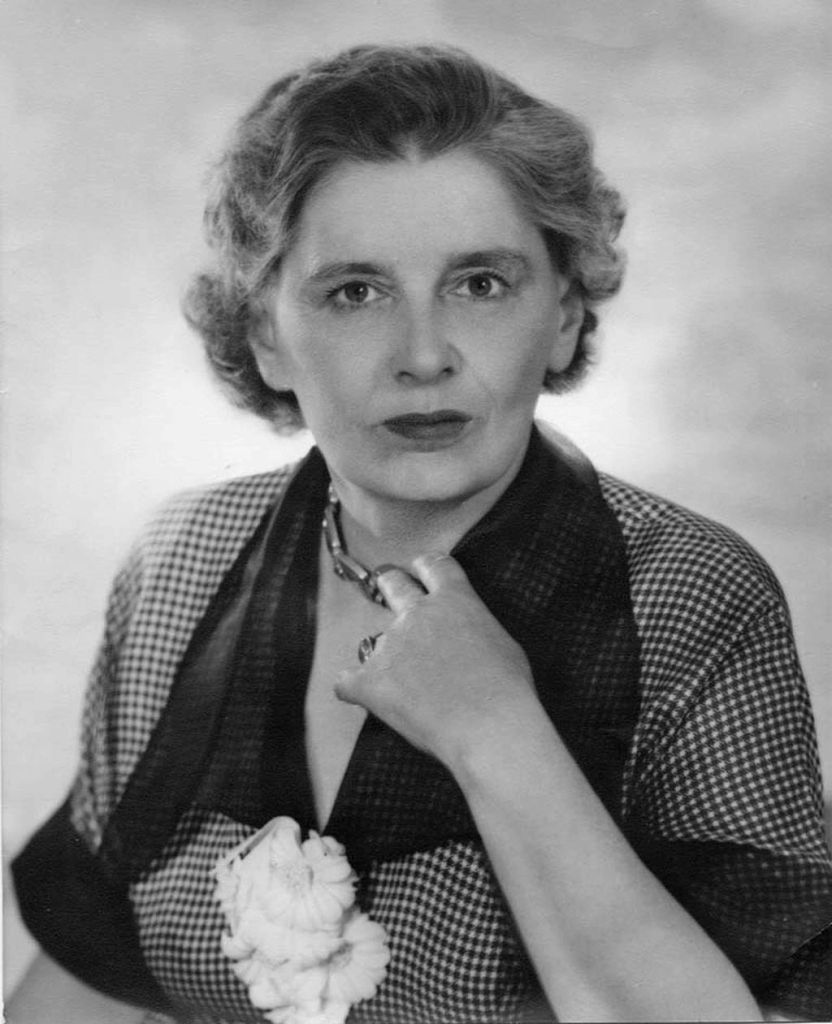
Marie-Madeleine Fourcade was born on 11 August 1909 in Marseille. Under the code name ‘Hérisson’ (‘Hedgehog’) she had the distinction of being the only female leader of a French Resistance network, ‘Alliance’, later named ‘Noah’s Ark’.

Marie-Madeleine Fourcade

Marie-Madeleine married Edouard Meric, a future colonel, when she was twenty. The couple had two children, but later became estranged.

Aged thirty, Marie-Madeleine worked on a magazine, L’ordre national, and became involved in espionage. During her first mission she created Resistance sections in occupied France and assigned agents to these sections. This network developed into Noah’s Ark.

After the Gestapo arrested a number of leading Resistance figures it fell to Marie-Madeleine to lead the movement. She achieved a notable success when her agent Jeannie Rousseau convinced a Wehrmacht officer to draw a rocket and a testing station revealing details of Peenemünde and the V2 rocket programme. These details were forwarded to the Allies.

The British military authorities were so impressed with the quality of Marie-Madeleine’s reports that they sent her a wireless operator. Unfortunately, the wireless operator became a double agent and a number of her colleagues were arrested and murdered by the Gestapo.

After sending her children to live in the safe haven of Switzerland, Marie-Madeleine spent months on the run, moving from city to city to avoid detection. While on the run she gave birth to her third child, a son, whom she hid in a safe-house.

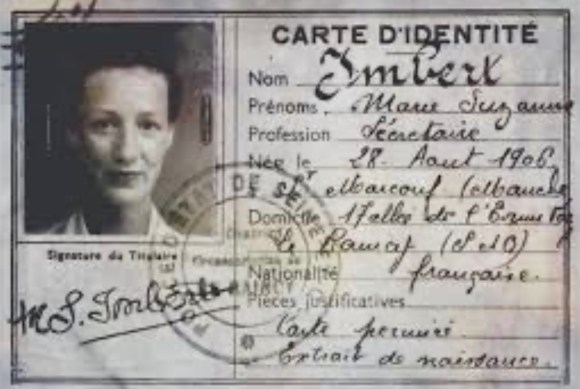
One of Marie-Madeleine’s identity cards

In July 1943, with the Gestapo closing in, Marie-Madeleine left France for Britain where she worked for British intelligence. Although eager to return to France, she had to wait until July 1944 when she rejoined her Noah’s Ark agents.

In Noah’s Ark all the agents were assigned animal names as code names. Their assignments involved gathering information about Nazi troop movements and transmit this intelligence to Britain using a network of couriers and clandestine wireless transmitters. 

The Nazis were able to track down wireless signals, which meant that wireless transmission was perilous work. In total, the Noah’s Ark network lost 438 agents, but still others stepped forward to continue the fight against fascism.

The Gestapo captured Marie-Madeleine on two occasions. Arrested with her staff on 10 November 1942 she escaped and was transported by aeroplane to Britain where she continued to direct the network. 

On her return to France, Marie-Madeleine was captured for a second time. Once again, she escaped this time by stripping naked and squeezing her petite body between the bars of her cell window.

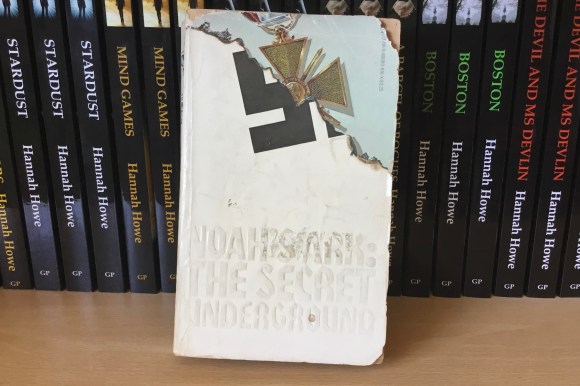
After the war, Marie-Madeleine wrote L’Arche de Noé, a memoir of her wartime experiences. The book was published in 1968 and later abridged and translated into English as Noah’s Ark

My battered second-hand copy of Noah’s Ark

Active in her community, Marie-Madeleine’s social works included the care of 3,000 Resistance agents and survivors, and the publication of Mémorial de l’Alliance, which was dedicated to the 438 Resistance fighters lost during the war.

Marie-Madeleine remarried and in total had five children. She remained active on many committees, often chairing them, throughout her life. One of her last battles involved the Klaus Barbie lawsuit in Lyon in 1987, which resulted in his conviction for war crimes.

Marie-Madeleine Fourcade died on 20 July 1989, aged eighty, at the military hospital of Val-de-Grace. She was buried with honours and is remembered as one of the true heroines of France.

As ever, thank you for your interest and support.

Hannah xxx

Categories
Dear Reader

Dear Reader #57

Dear Reader,

“But I, being poor, have only my dreams; I have spread my dreams under your feet; tread softly because you tread on my dreams.” – W B Yeats

I enjoyed the movie Lucie Aubrac this week and would place it in my top ten. I love the Continental style of filmmaking where the camera lingers on a scene and facial expressions say more than words. Some of the linking scenes were dialogue and music free, yet the story flowed effortlessly.

Lucie Aubrac is a French movie and I viewed it in its native language. I find that subtitles draw you into a story and make it more compelling. It’s a true story and I knew the outcome. All the same, the movie is gripping from the opening dramatic scene to its heartfelt conclusion.

A fitting cinematic tribute to a remarkable woman.

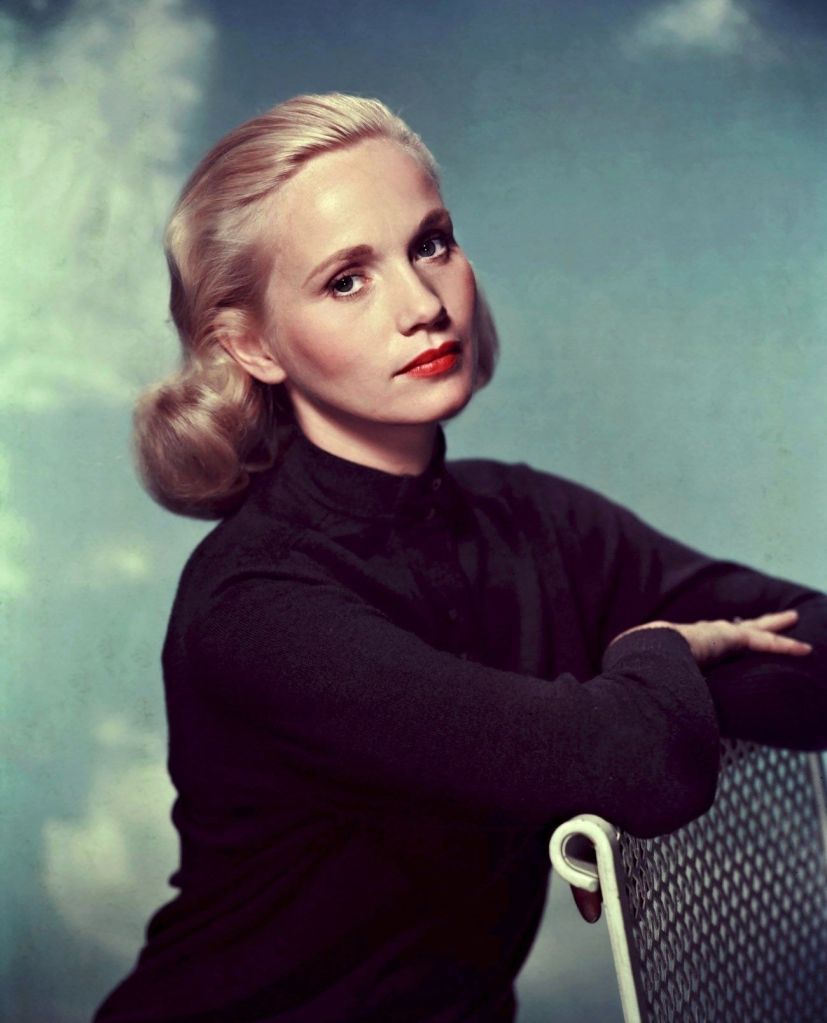
One of my favourite actresses, Eva Marie Saint, was 96 on 4th July 2020. Happy birthday and thank you for your wonderful films.

A record-breaking sales day for my books and Sam’s Song at #1 for the ninth time. Difficult to get excited with so much going on in the world, but many thanks to everyone who supports my books.

The birth of speech. And it all went downhill from there 🙂

René Descartes as Nostradamus?!

Of course, he actually said, “Cogito, ergo sum.” – “I think, therefore I am.”

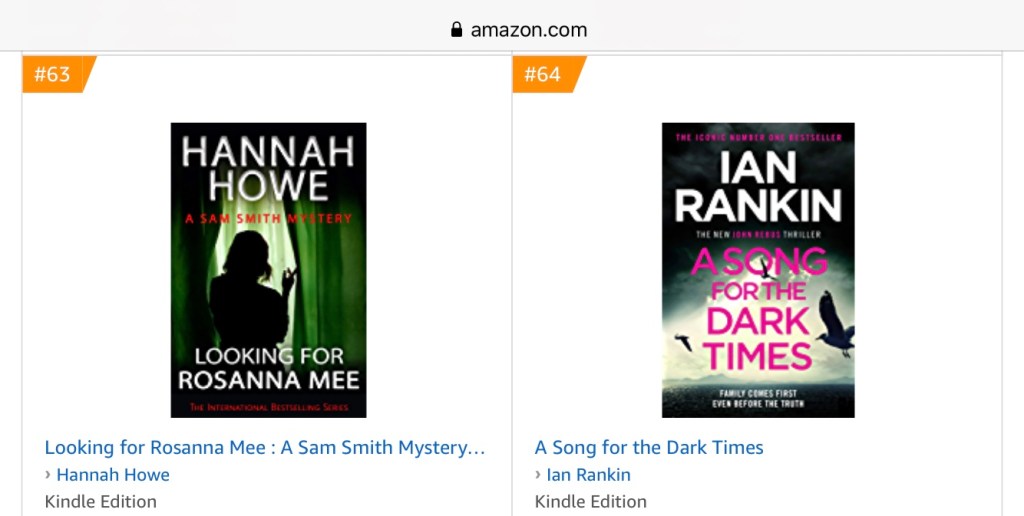
One for the album. Nice to see my latest Sam Smith Mystery, Looking for Rosanna Mee, alongside Ian Rankin in the Hot 💯. We will publish Looking for Rosanna Mee in September.

I see my new keyboard is well equipped for the modern age…

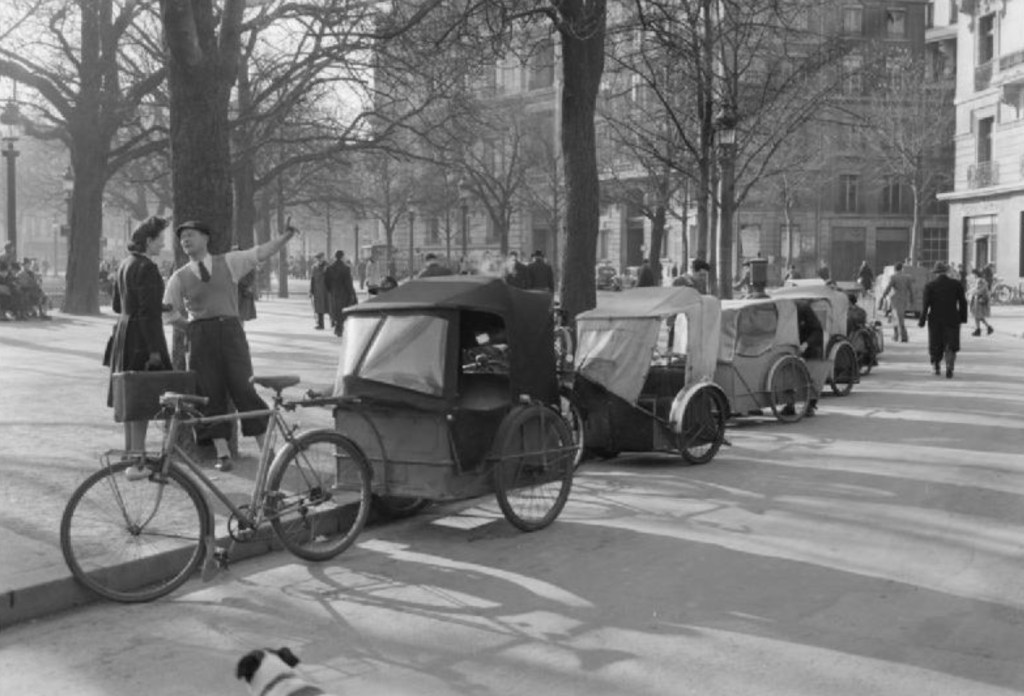
Bicycle-taxis, Paris, spring 1945. Research for my Eve’s War Heroines of SOE series.

This week in 1932, the Great Depression in America reached its lowest point. After the 1929 Wall Street Crash, the Dow Jones Industrial Average fell. Disaster followed for investors, alongside further declines in consumption, production and employment.

Also interesting on this front page: ‘State Plans to Roundup Tax Dodgers’. And, ‘Jury Believes Her Story’. I’m intrigued to know what her story entailed.

Written in the 1970s, the lyrics are still highly relevant today.

An inspiration for my Eve’s War series, Nancy Wake was one of the most remarkable women of World War II. Born in New Zealand and brought up in Australia, she married a Frenchman and became a leading figure in the Marseille Resistance. In 1943, she joined the SOE and was heavily involved in the liberation of France.

This DVD arrived from New Zealand today and I’m looking forward to watching it.

An in-depth article about Nancy Wake will appear on my website in the near future.

Don’t believe everything you hear. Don’t believe everything you see. This is a stationary image.

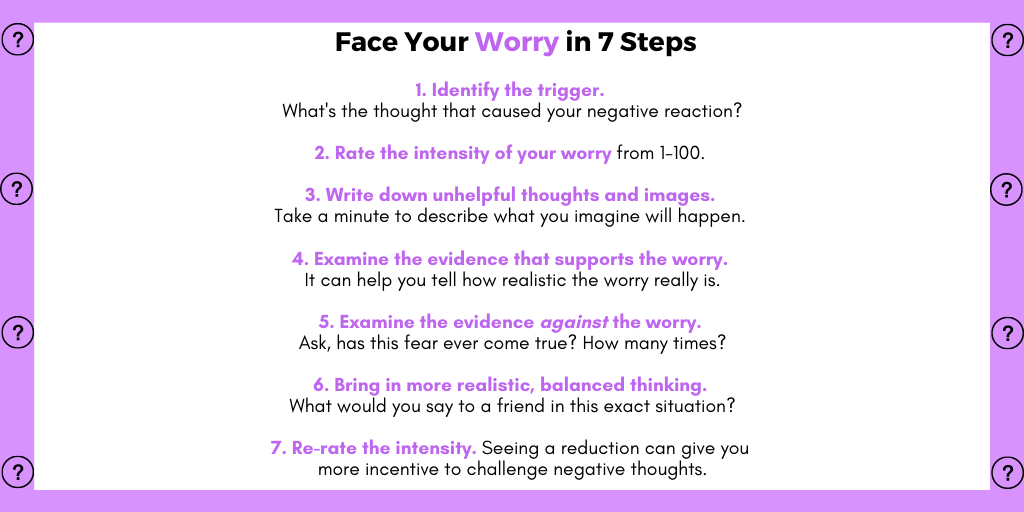
Some ideas to lift your mood. Try to achieve at least three a day.


Resistance Couples – Hélène and Philippe Viannay

Hélène Victoria Mordkovitch was born on 12 July 1917 in Paris after her Russian parents had emigrated to the city in 1908.

A brilliant student, Hélène attended the Sorbonne where she studied geography. There, in September 1940, she met her future husband, Philippe Viannay, a philosophy student seeking a certificate in geography.

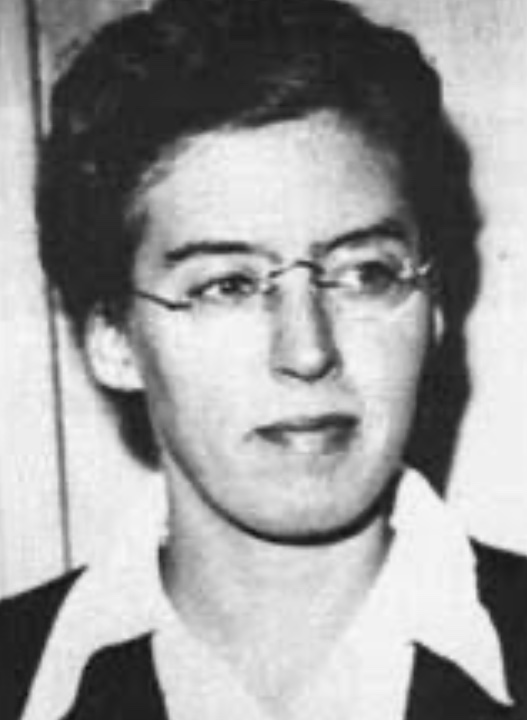
Hélène Viannay

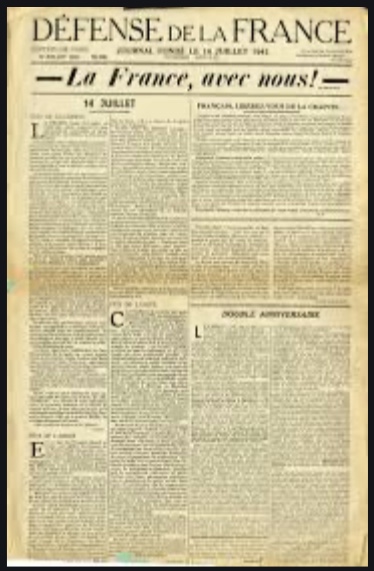
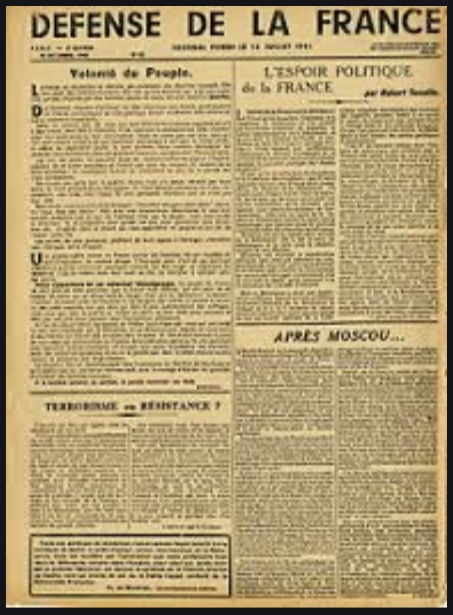
Opposed to the Nazi occupation of France, the couple decided not to escape to London. Instead they created an underground newspaper, Défense de la France, publishing the first issue on 14 July 1941. The journal took its motto from Blaise Pascal, “I only believe stories told by those witnesses who are willing to have their throats cut.”

Despite the dangers of producing an underground newspaper, Défense de la France remained in production until the Liberation in August 1944. By that time the newspaper regularly reached half a million readers, the largest circulation of the whole clandestine press.

Philippe Viannay

Hélène and Philippe married in 1942. Their first child, Pierre, was born the following year while the couple were on the run from the Gestapo. Along with the newspaper, Hélène also organised the mass production of false identity papers for Frenchmen resisting deportation to the forced labour camps in Germany.

In 1944, Hélène joined the Ronquerolles Maquis, a Resistance group led by Philippe. After her husband was injured, Hélène coordinated the group and participated in the liberation of France.

After the war, the Viannays created the Centre for the Training of Journalists (Centre de Formation des Journalistes) in Paris, which continues to this day. In 1947, they also founded Les Glénans (Le Centre nautique des Glénans), which initially served as a convalescent centre for deportees and battle-weary résistants. Hélène managed the association from 1954 until her retirement in 1979.

The Canadian journalist Caitlin Kelly, who studied with Philippe Viannay at the Centre in Paris, later described him as “the most inspiring man I’ve ever met.”

In 1991, Hélène participated in the creation of the Prix Philippe Viannay-Défense de la France, a prize awarded annually to works promoting resistance to Nazism in France and elsewhere in Europe.

As ever, thank you for your interest and support.

Hannah xxx

Categories
Dear Reader

Dear Reader #56

Dear Reader,

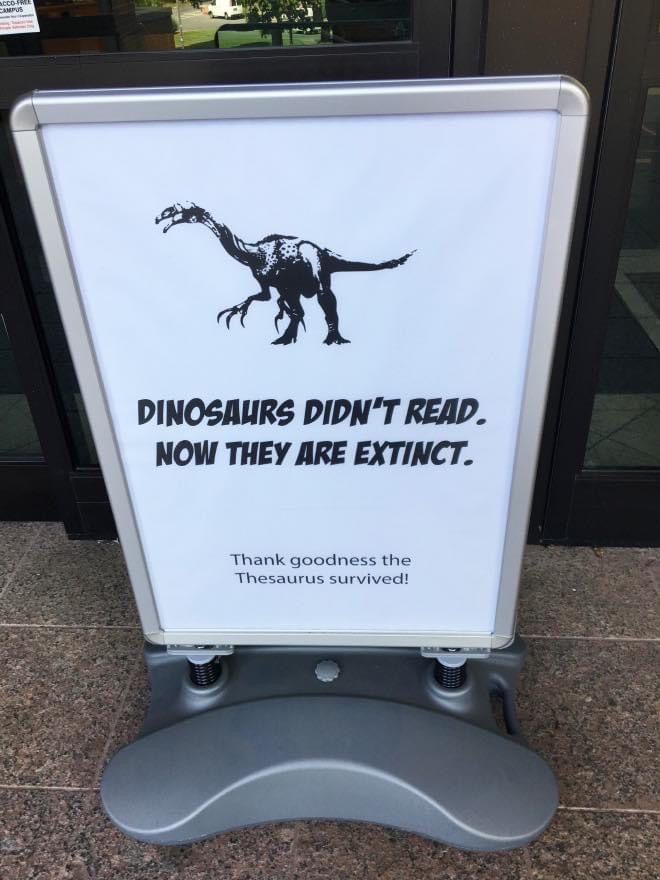
That noble beast, the thesaurus…

The great philosophers…

My Song of the Week

We can be anything, anything at all

We can be everything, everything and more

Another new project, the translation of The Olive Tree: Roots into Spanish. This series is about the Spanish Civil War so I’m delighted that the books are being translated into Spanish.

Chess and music are two of my passions. This is brilliant, a U2 cover of “Sunday Bloody Sunday” performed by Juga. The lyrics, by Vladimir Kramnik, refer to his World Championship match with Garry Kasparov.

My article about SOE agent Alix d’Unienville appears on page 20 of the magazine. Lots of other interesting features too 🙂

“There is nothing to writing. All you do is sit down at a typewriter and bleed.” – Ernest Hemingway

Difficult times for everyone at the moment with some political leaders making it even more difficult than it needs to be. Hopefully, this calendar will help you in some small way.

Resistance Couples

Lucie Samuel, better known as Lucie Aubrac, was born on 29 June 1912. A history teacher in peacetime, Lucie became a leading member of the French Resistance.

In 1939, Lucie married Raymond Aubrac and after the Nazis occupied France in 1940 the couple joined the Resistance. In 1941, the Aubrac’s group sabotaged the train stations at Perpignan and Cannes, and distributed thousands of anti-Nazi flyers. 

Lucie and Raymond Aubrac

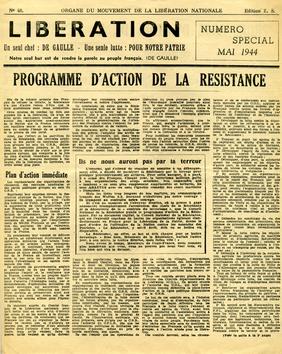
Despite harassment and threats from the Nazis, the Aubracs published an underground newspaper, Libération. With the help of local printers and trade-unionists, 10,000 copies of Libération were produced and distributed in July 1941, bringing news and hope to the French people; a reminder that the pen is indeed mightier than the sword.

An issue of Libération

In March 1943, the Gestapo arrested Raymond. In May, they released him, only to arrest him again in June. With Raymond sentenced to death, Lucie concocted an audacious escape plan.

Under French law, engaged couples were allowed to marry if one of them was soon to die. Therefore, Lucie claimed that Raymond was her fiancé. She was pregnant at the time, carrying her second child (of three). 

Lucie informed the Nazis that Raymond’s name was “Ermelin” (one of his many aliases) and that he had been caught in a raid while innocently visiting a doctor. She claimed that she was unmarried and that Raymond was the father of her expected child. 

Furthermore, Lucie pleaded with the Gestapo that they should allow Raymond to marry her before his execution. The Gestapo believed her story and granted her wish.

Later, after the ‘marriage’ ceremony, as the Gestapo escorted Raymond back to his prison the local Resistance executed Lucie’s plan. In cars, they ambushed the prison lorry and liberated fifteen prisoners. In the melee, Lucie freed Raymond and the couple escaped.

In 1944, Lucie was the first woman to sit in a French parliamentary assembly and in 1945 she published a short history of the French Resistance.

Outwitting the Gestapo, a semi-fictional version of Lucie’s wartime diaries, followed in 1984. Lucie published her book after notorious psychopath, Klaus Barbie ‘The Butcher of Leon’ claimed that Raymond had betrayed the Resistance after his arrest. 

Undoubtedly, there were factions and conflicts within the Resistance, particularly between the Gaullists and the Communists. As a result of these conflicts, betrayals did occur. However, when seeking the truth it is difficult to place great faith in a psychopath, particularly one who had reason to hate the Aubracs.

In support of the Aubracs, twenty leading Resistance survivors published a letter, condemning the accusations. Voluntarily, the Aubracs appeared before a panel of leading French historians. After examining the case, the historians concluded that Raymond was not a traitor.

To date, the Aubracs’ story has featured in two films – Boulevard des hirondelles, 1992, and Lucie Aubrac, 1997. While, in 1996, Lucie was awarded the Legion of Honor by the French government for her heroism during the Second World War.

President Nicolas Sarkozy, in a statement after Raymond’s death in 2012, said that Raymond’s escape from the Nazis had “become a legend in the history of the Resistance” and praised him and all Resistance members as “heroes of the shadows who saved France’s honor, at a time when it seemed lost.”

While President François Hollande said, “In our darkest times, he [Raymond] was, with Lucie Aubrac, among the righteous, who found, in themselves and in the universal values of our Republic, the strength to resist Nazi barbarism.”

Lucie once said: “Resistance is not just something locked away in the period 1939-45. Resistance is a way of life, an intellectual and emotional reaction to anything which threatens human liberty.”

As ever, thank you for your interest and support.

Hannah xxx
Categories
Dear Reader

Dear Reader #55

Dear Reader,

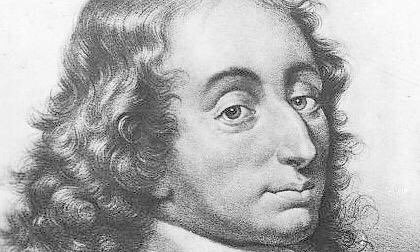
“The heart has its reasons which reason knows not.” – Blaise Pascal

In 1942 a Lockheed P38 Lightning crashed during training on the beach at Harlech, Wales. It is now a Scheduled Ancient Monument.

Picture: RC Survey

Listening to and loving Paula’s interpretation of Eve’s War: Operation Zigzag, which is currently in production.

‘It wasn’t only wickedness and scheming that made people unhappy, it was confusion and misunderstanding; above all, it was the failure to grasp the simple truth that other people are as real as you.’ – Ian McEwan, in Atonement.

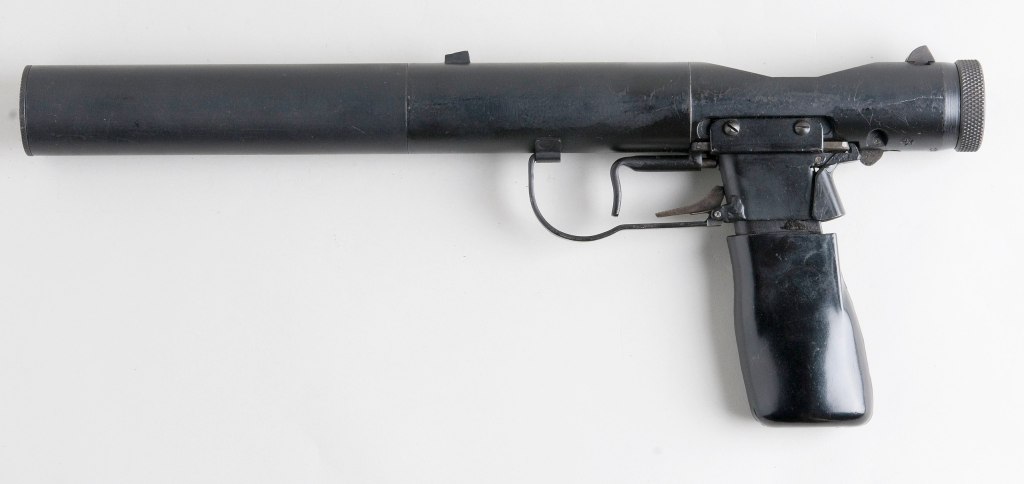
This is a Welrod Mk 1, the gun of choice for SOE agents during the Second World War.

In Operation Locksmith, book two in my Eve’s War series, Eve uses a Welrod for the first time.

The Welrod is an extremely quiet gun, producing a sound of around 73 dB when fired, and thus is ideal for clandestine operations.

“There was a definite process by which one made people into friends, and it involved talking to them and listening to them for hours at a time.” – Rebecca West

This week, I enjoyed a documentary about the Spitfire. With its elliptical wing design it must be the most graceful aeroplane ever built.

“Never be afraid to raise your voice for honesty and truth and compassion against injustice and lying and greed. If people all over the world do this, it would change the earth.“ – William Faulkner

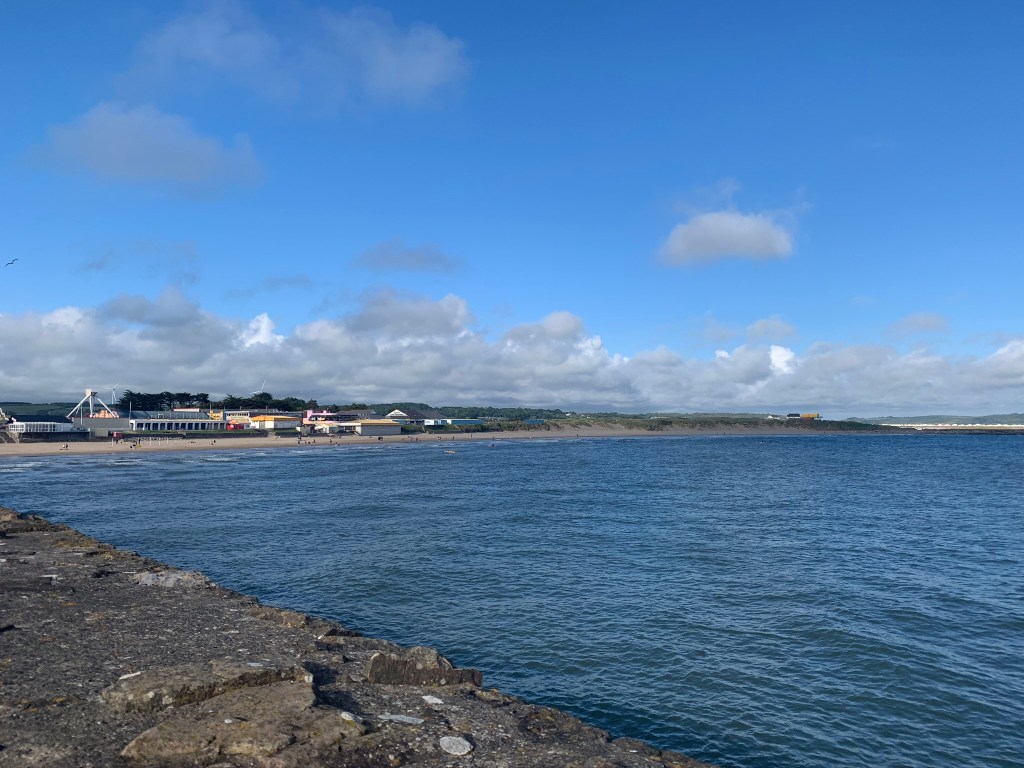
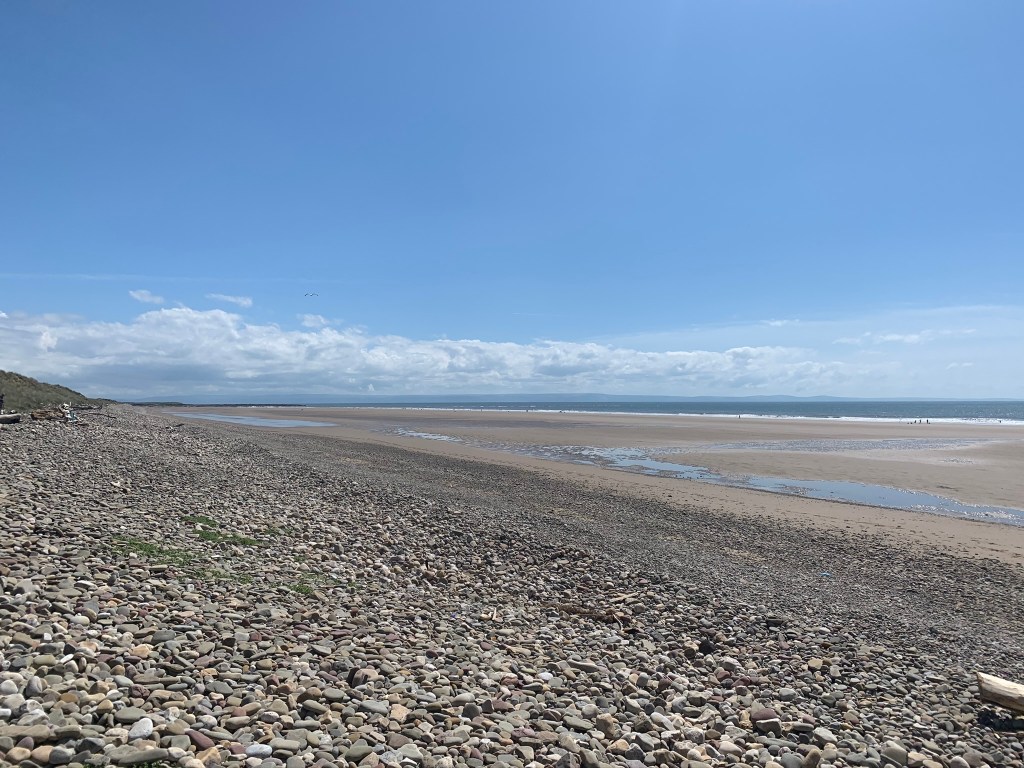
Local pictures this week, Kenfig coast.

A new series, Resistance Couples

Cécile Rol-Tanguy, born 10 April 1919, was a leading member of the French Resistance during the Second World War. She participated in the liberation of Paris, conducted clandestine operations and relayed confidential messages.

In 1936, Cécile met Henri Tanguy, a political activist who volunteered for the International Brigades and fought against the fascists in the Spanish Civil War. The couple married in 1939 and their first child, Françoise, was born in November. Sadly, Françoise fell ill and died on 12 June 1940, two days before the Nazis entered Paris.

In an interview in 2014, Cécile recalled that painful episode: “I can still remember the terrible pall of burning smoke over Paris and wondering if that was what had made my baby ill. I left her in the hospital overnight, and when I went back the next day, there was another baby in her bed.”

Cécile and Henri Rol-Tanguy

During the Nazi occupation, Henri joined the French Forces of the Interior while Cécile supported the FFI as a liaison officer. 

After the birth of her second child, Hélène, Cécile used her baby’s pushchair to conceal guns, grenades and clandestine newspapers. At this time, 1942, the Nazis arrested Cécile’s father and deported him to Auschwitz, where he died.

Despite this setback, Cécile and Henri fought on. In May 1944, Henri was appointed regional leader of the FFI. With Cécile’s help he established an underground command post at Place Denfert-Rochereau, and from there the couple distributed messages to the Resistance.

25 August 1944, the 2nd Armored (Leclerc) Division destroy a Nazi tank in front of the Palais Garnier.

On 19 August 1944, Cécile and Henri published a pamphlet, a call to arms for the citizens of Paris. The people responded and on 25 August they liberated Paris, sweeping the hated Nazi occupiers aside.

Recalling that momentous day, Cécile said, “When they told us, (of the victory) we didn’t hear the bells ringing, but we had a pillow fight with the girls who were with me.”

Parisians line the Champs Élysée for a parade conducted by the French 2nd Armoured Division, 26 August 1944.

After the liberation, Henri became an officer in the French army while Cécile joined the Union des Femmes Françaises, an organisation that maintained the memory of Resistance and anti-fascist fighters. 

The couple had four surviving children: Hélène and Jean, who were born during the war, and Claire and Francis, who were born after the war. Later, the family left Paris to live near the Loire.

After 63 years of marriage, Henri died on 8 September 2002. Cécile passed away at her home at midday on 8 May 2020, the 75th anniversary of VE Day, aged 101. 

As ever, thank you for your interest and support.

Hannah xxx