Categories
Ancestral Stories

Ancestral Stories #4

Annie Wheeler

My 3 x Great Grandmother

Annie’s Thirties

On 3 January 1887, at the age of thirty, my 3 x great grandmother Annie Wheeler gave birth to Samuel, her sixth child, and fourth son. Samuel was baptised on 19 January 1887, and the family continued to live at 25 Salamanca Street.

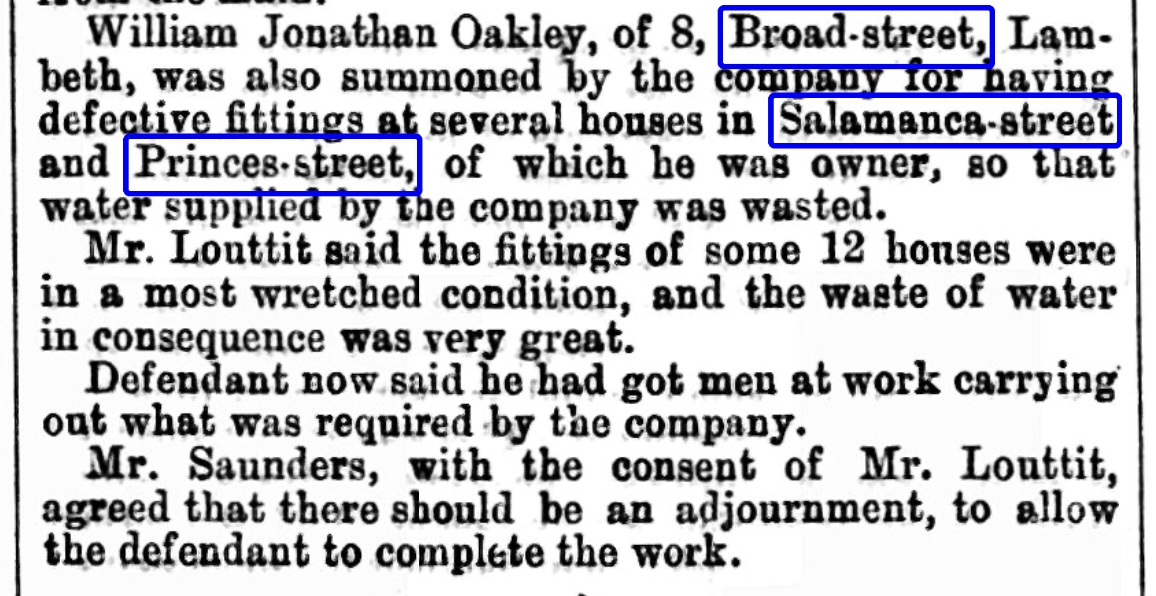
Meanwhile, Annie’s brother Charles lost his home in Salamanca Street due to the widening of the South-Western Railway. And the newspapers featured the following local tragedy, reported below. The women of Salamanca Street, including Annie, must have wondered if this was a future that awaited them.

In June 1888, James Noulton, husband of my 3 x great grandmother Annie Wheeler, fell ill. As well as tending to her baby, Samuel, and five other children, Annie nursed James. He was unable to continue in his job as a porter at the cement works, so the family lost his income. A hard life became even harder.

By the autumn of 1888, it was clear that James was suffering from tuberculosis, and unlikely to see the new year. 

At the age of thirty-one, and with six children to support, amongst the disease and deprivation of Salamanca Street, Annie had to contemplate life as a widow.

Salamanca Street

In the autumn of 1888, my 3 x great grandmother Annie Wheeler, her six children, and sick husband, James Noulton, moved around the corner from Salamanca Street to 12 Salamanca Court (pictured). There, Annie nursed James who was suffering from tuberculosis.

On 20 December 1888, at the age of forty, James died of tuberculosis. Annie was present at his passing. 

With a baby and five other children in the house, and no breadwinner, even the deprivation of Salamanca Street was out of Annie’s financial reach. The workhouse beckoned. Could Annie find a way to stay out of that hated institution? Could she keep her family together?

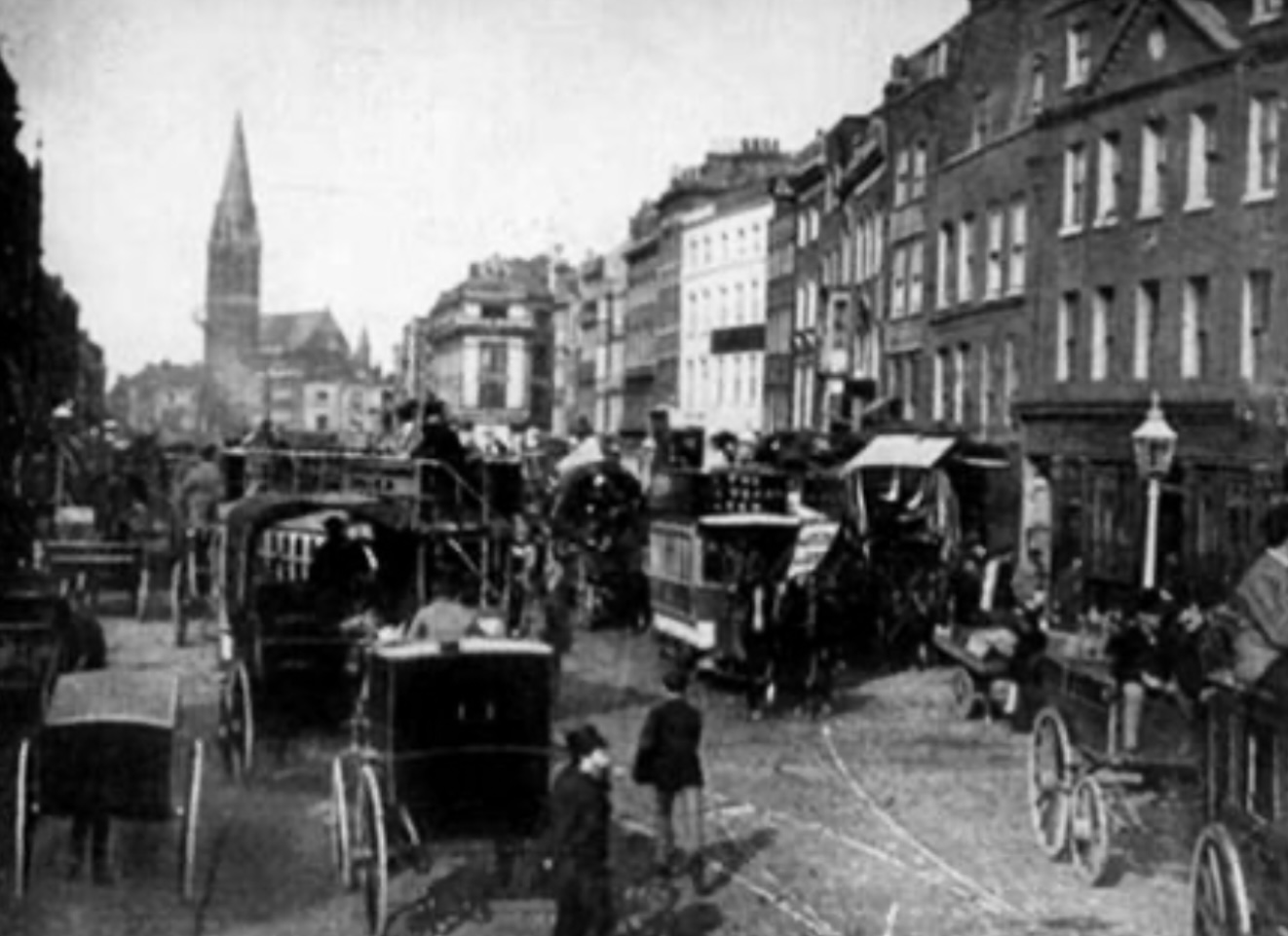
My 3 x great grandmother Annie Wheeler entered 1889 a widow having lost her husband James Noulton to tuberculosis. She found a new home, in York Street, Southwark. Doubtless, she was looking across to neighbouring Whitechapel (pictured) and wondering if Jack the Ripper’s reign of terror had come to an end, and maybe her sons were aware of the birth of professional football.

In need of funds to support her six children, Annie found work as a laundress. A survivor since birth, somehow she kept her children healthy and out of the workhouse.
While Buffalo Bill’s Wild West Show was touring Britain, on 22 May 1893, at Saint John The Evangelist, Walworth, Larcom Street, Southwark (pictured, Wikipedia), my 3 x great grandmother Annie Wheeler married her second husband, Frederick Thomas Canty. Annie’s eldest son, twenty-year-old James Noulton, was a witness.

Frederick was 46, ten years older than Annie, and a widower. He worked as a stoker at the local gas works – backbreaking work. With Annie’s six children, the couple set up home in 1 Salisbury Row, York Street. This wasn’t paradise, but after the tragedy of her first husband’s death, Annie had recovered and taken a step toward.

In September 1893, Mary Ann Campin, mother of my 3 x great grandmother Annie Wheeler, died. Mary Ann was the daughter of Charles Campin. Charles was a policeman, ironic given that Annie’s father and first husband spent time in prison for stealing.

Born in Colchester, Mary Ann gave birth to three children: Charlotte, Joseph and Annie. She lived in 12 Salamanca Court, Lambeth, the house where Annie’s first husband, James Noulton, died. The proximity to Annie’s home and the likelihood that Mary Ann helped to nurse James suggests a close family bond. 

Also in 1893, the Elementary Education (School Attendance) Act raised the school leaving age to eleven, which affected George and Samuel, Annie’s youngest sons. A further act made education compulsory for deaf and blind children, with provision for the establishment of special schools.
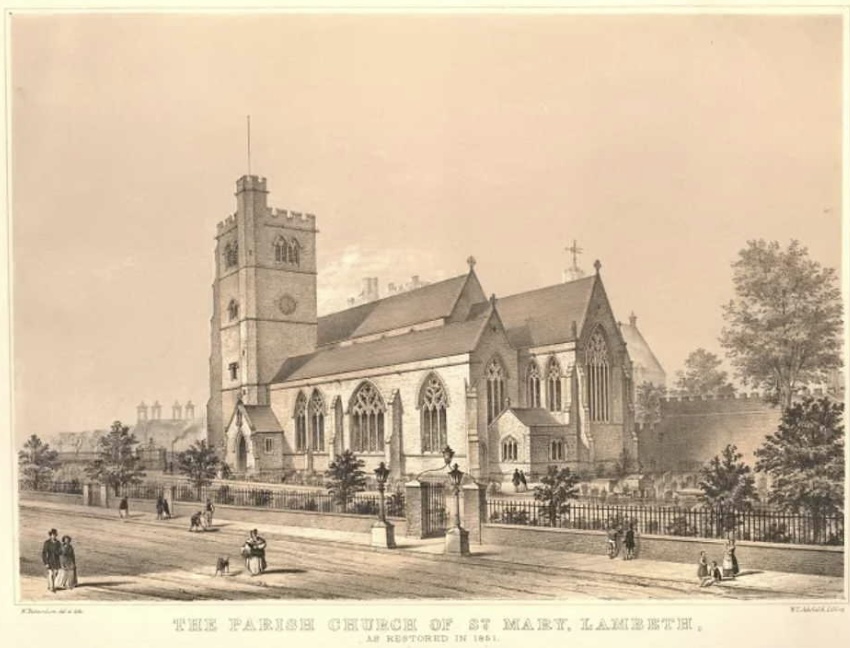
On 11 November 1894, at the age of 37, my 3 x great grandmother Annie Wheeler gave birth to her seventh child, a daughter, Elizabeth Canty. By the time of Elizabeth’s baptism, on 2 January 1895 at St Mary the Less, Lambeth, the family had moved again, to 11 Fryers Street in Lambeth. 

Also in 1894, the Royal Mail permitted publishers to print and distribute picture postcards. For those who could afford it, day trips to the seaside had become a feature of life, thanks to the expanding railway network. Collecting postcards from the seaside soon developed into a popular pastime. Annie was still living in the deprived neighbourhood of St Mary the Less, so it’s likely that such excursions were beyond her means.

The buildings opposite St Mary’s, a familiar sight to Annie 

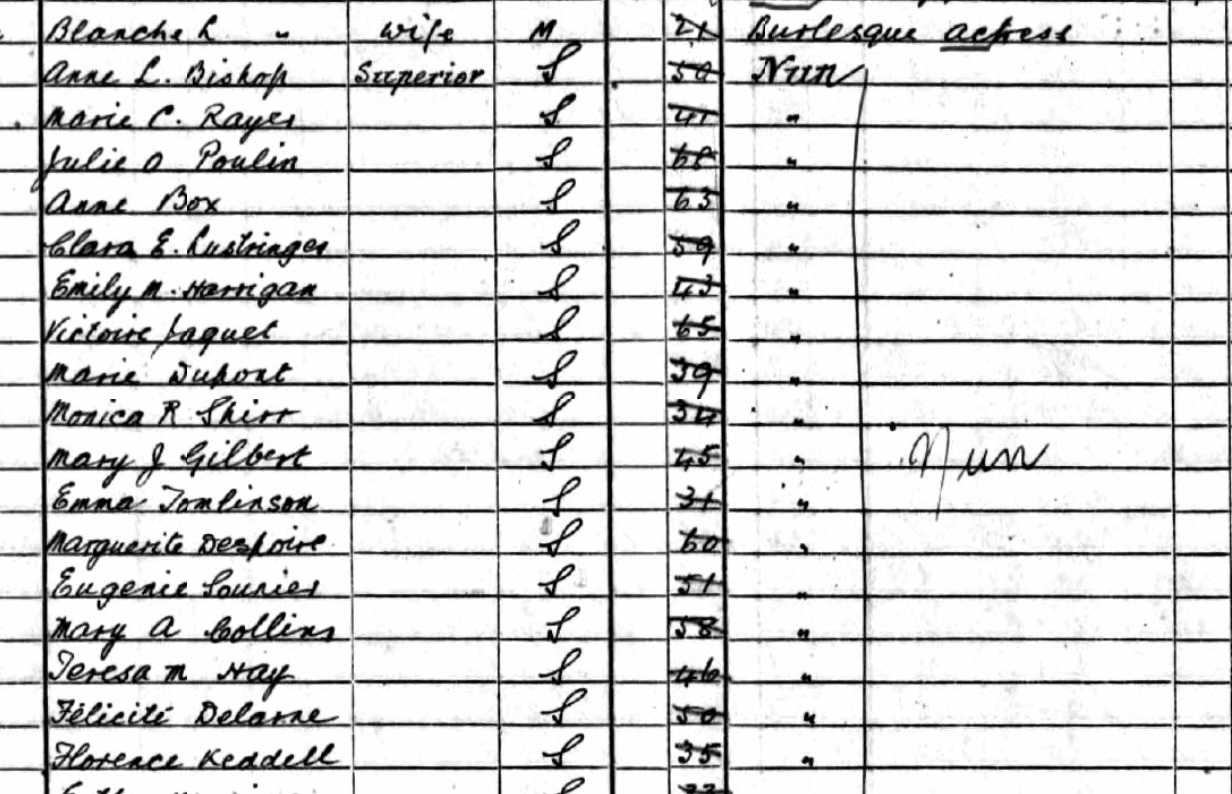
You find some wonderful things in the censuses. Lambeth, 1891, here’s a burlesque actress living next door to a convent of nuns.
As ever, thank you for your interest and support.

Hannah xxx

For Authors

#1 for value with 565,000 readers, The Fussy Librarian has helped my books to reach #1 on 38 occasions.

A special offer from my publisher and the Fussy Librarian. https://authors.thefussylibrarian.com/?ref=goylake

Don’t forget to use the code goylake20 to claim your discount 🙂

Categories
Ancestral Stories

Ancestral Stories #3

Annie Wheeler

My 3 x Great Grandmother

Annie’s Twenties

On 5 August 1879, my 3 x great grandmother Annie Wheeler gave birth to her third child, her first daughter, Charlotte. Annie was twenty-two. She named her daughter after her older sister, who was a neighbour in Salamanca Street. 

Annie’s husband James was still labouring, working in the nearby factories and on the docks. Salamanca Street was still blighted by brawls, accidents, and untimely deaths. 

Sadly, the rate of childhood mortality was very high in the Victorian era, and that was especially true in Salamanca Street. But, somehow, against the odds, Annie and her family continued to survive.

A market scene in Victorian Lambeth, a sight familiar to Annie and her family

Newspapers in August 1879 reported on the state of the water system in my 3 x great grandmother Annie Wheeler’s street, Salamanca Street. Living conditions were far from ideal. Assaults, and serious fires in the industrial buildings in the street were also commonplace.

On the 16 August 1881, my 3 x great grandmother Annie Wheeler gave birth to her fourth child, and second daughter, also named Annie (pictured later in life, c1920, with two of her daughters). This was a significant event for me because daughter Annie is my 2 x great grandmother 🙂

Salamanca Street, 1881. Living in number twelve, Charles Wheeler (my 3 x great grandmother Annie’s brother), along with his wife and daughter. Charles was a carman. Number thirteen: Annie, her husband James (a cement porter) plus their children James, Henry, Charlotte and Annie. James and Henry were in school. Charlotte and Annie were too young to attend at that stage.

Also in number thirteen, Samuel Noulton, Annie’s father-in-law and a widower, who worked with husband James as a cement porter. You would think that seven people made for a crowded house. However, there were more: Charlotte (Annie’s sister), Thomas Miles, a general dealer (Charlotte’s husband) plus their three sons James, Joseph and Thomas. 

Thomas Miles’ brother, William, and his family lived at number fifteen, so you can see how Annie and her extended family had a significant presence in Salamanca Street.

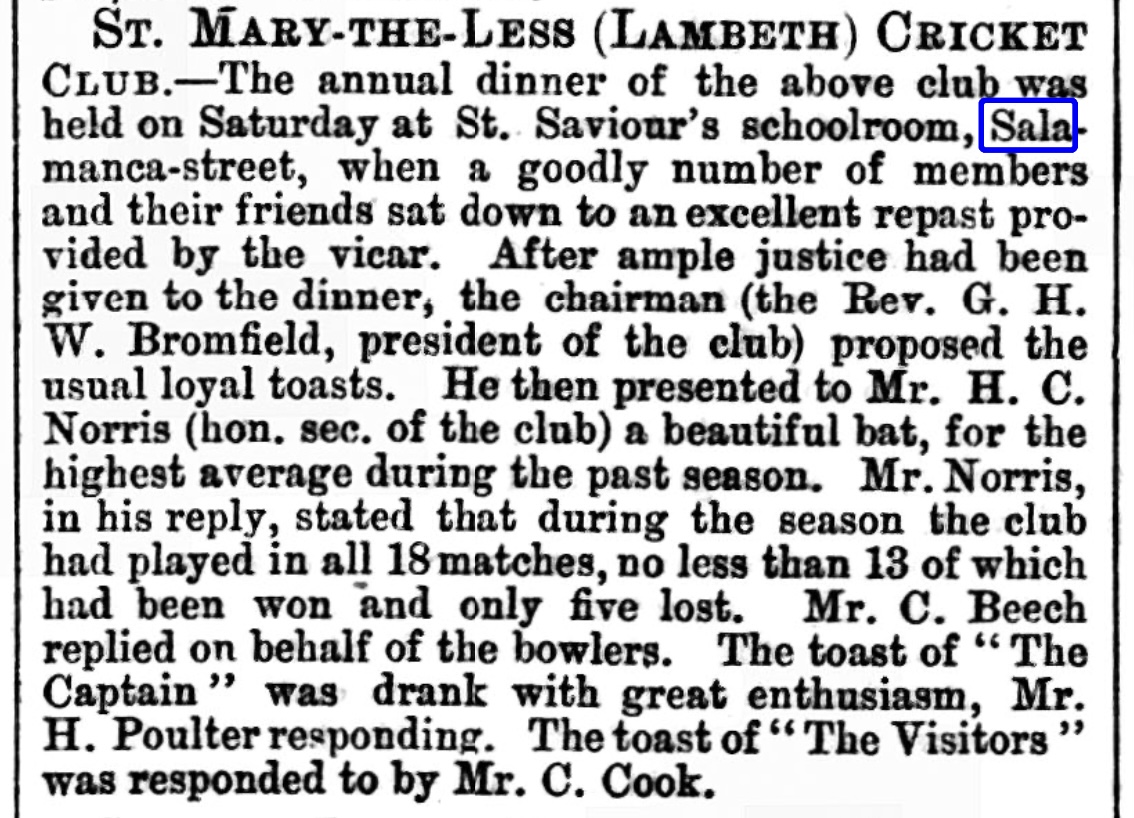
With the rats, leaking water pipes, crumbling floorboards and overflowing sewers in my 3 x great grandmother Annie Wheeler’s street, Salamanca Street, it seems incongruous that in December 1881 the local cricket club were holding their annual dinner in the local school, only a stone throw’s away. Yet, they were. A snapshot of the dichotomy of the Victorian era.

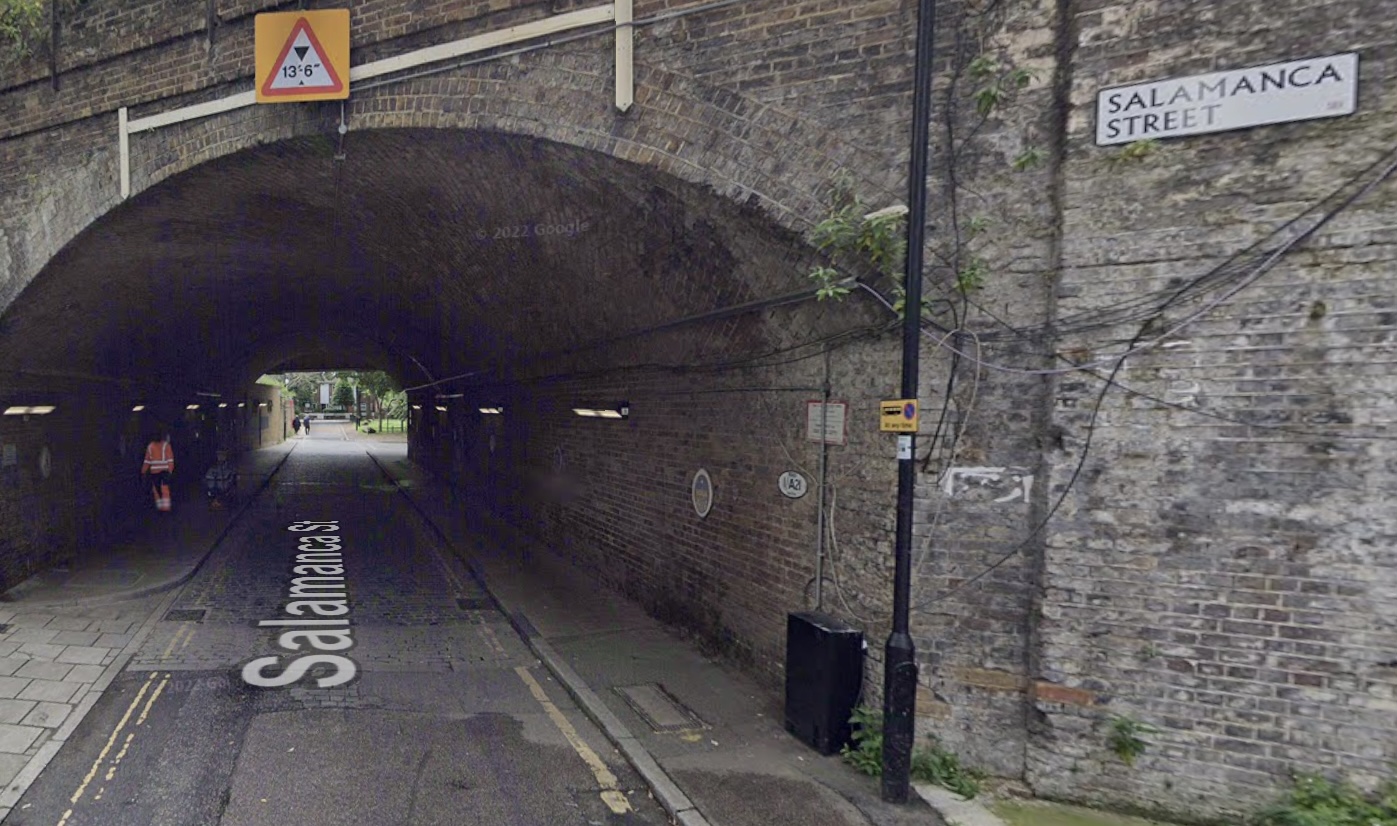
In 1884, the newspapers reported transport developments near my 3 x great grandmother Annie Wheeler’s street, Salamanca Street, including widening the South-Western Railway. These reports offered a reminder of how noisy and polluted the street could be.

Meanwhile, at the age of twenty-seven, in 1884 Annie gave birth to her fifth child, a third son, George. By the time George was baptised, on 13 August 1884, Annie and her family had moved to 1 Albert Buildings. However, this was a brief stay – the family returned to Salamanca Street, albeit to number twenty-five.

📸 The railway bridge at Salamanca Street (note the width of the road and the depth of the bridge). Courtesy of Google Maps.

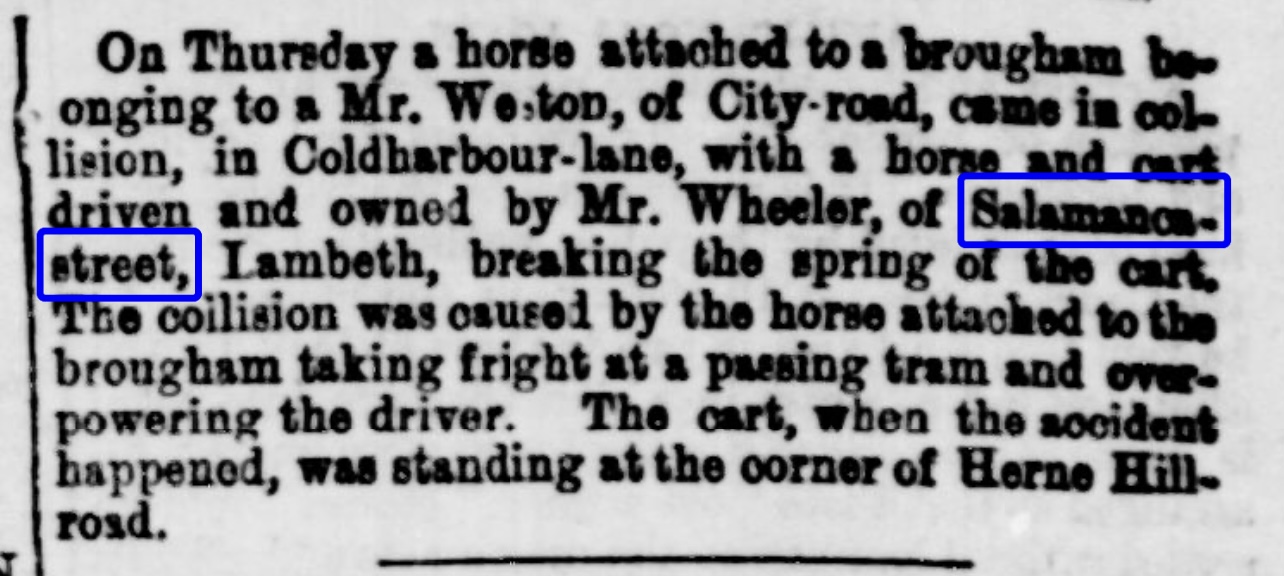
On 20 December 1884, the newspapers reported that Charles Wheeler, a carman and my 3 x great grandmother Annie Wheeler’s brother, was involved in an accident.

As ever, thank you for your interest and support.

Hannah xxx

For Authors

#1 for value with 565,000 readers, The Fussy Librarian has helped my books to reach #1 on 38 occasions.

A special offer from my publisher and the Fussy Librarian. https://authors.thefussylibrarian.com/?ref=goylake

Don’t forget to use the code goylake20 to claim your discount 🙂

Categories
Ancestral Stories

Ancestral Stories

Annie Wheeler

My 3 x Great Grandmother

Part One – Annie’s Childhood

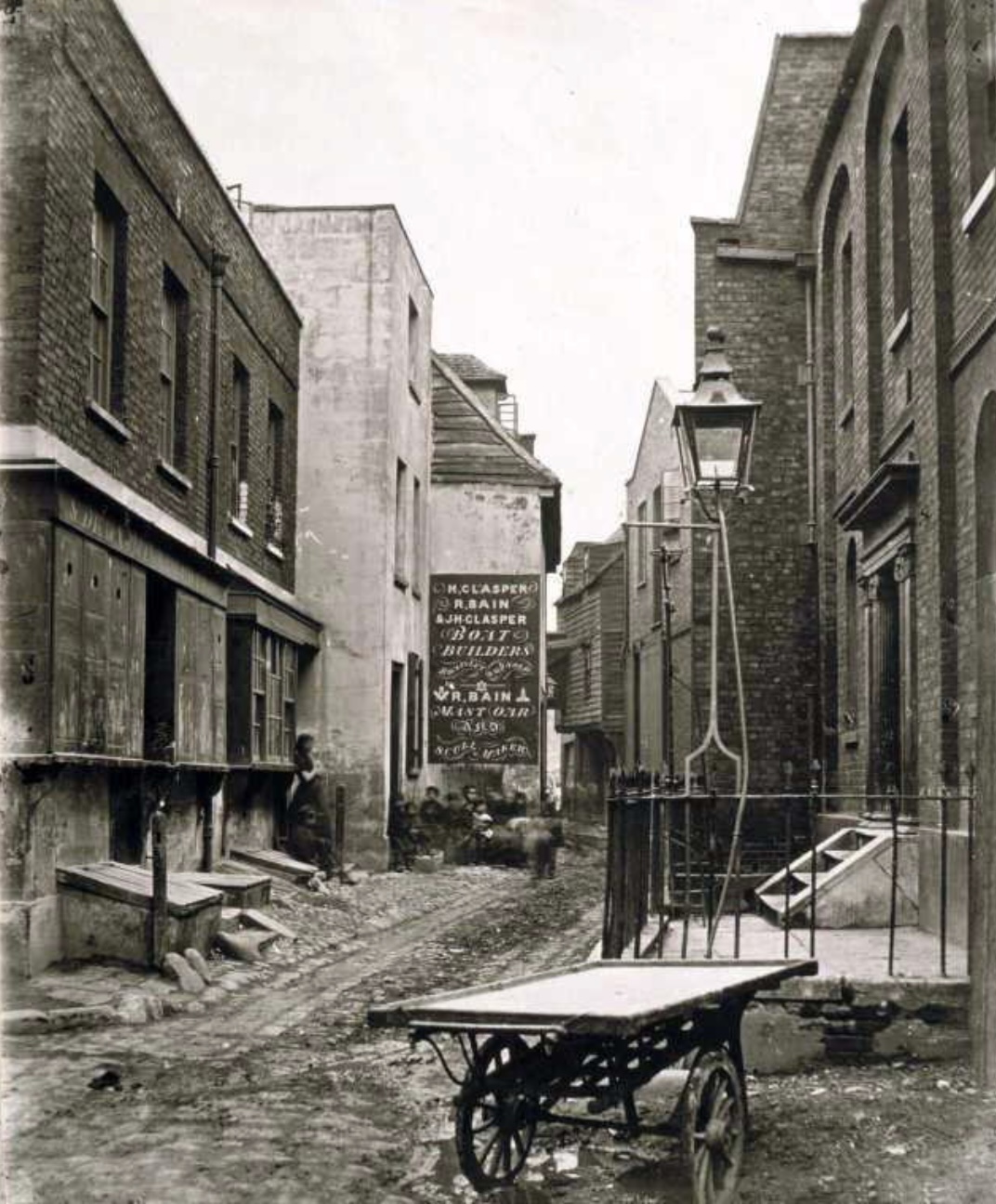
Annie Wheeler spent her childhood in Lower Fore Street, Lambeth, a street “of filthy tumbledown buildings of rancid odours and Lambeth fog…of dirt, decay and bad smells.” Cholera arrived in London via Lower Fore Street, in September 1848.

Annie’s parents were Henry Wheeler, an habitual criminal, and his second wife, widow Mary Ann Campin. Henry was sixty when Annie was born, Mary Ann was forty-one. Annie’s half-brothers, Charles and Richard, spent time in prison for larceny. Ironically, Mary Ann’s father was a policeman.

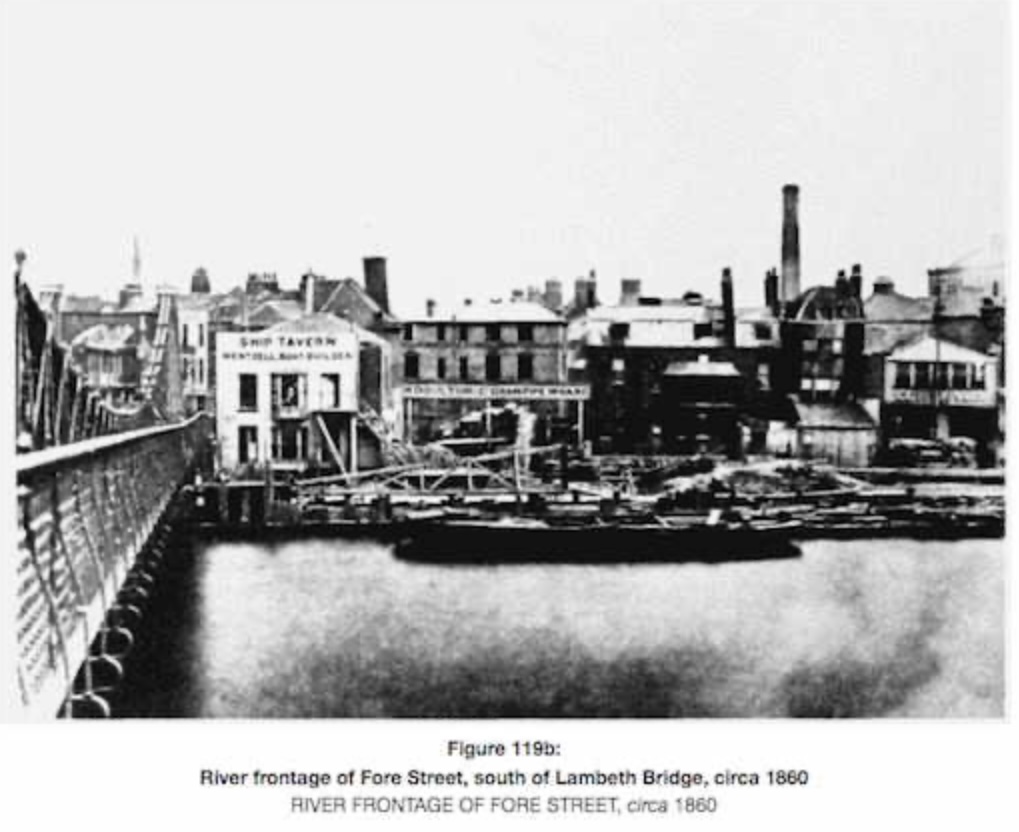
Lower Fore Street, Lambeth, London, c1860. Annie lived in Lower Fore Street throughout her childhood. She was three when this picture was taken, and it’s possible that she is one of the children in the background.

Newspaper reports from 1860. Annie was three years old. These reports offer a graphic description of her childhood.

Lower Fore Street, c1860

A serious fire in Lower Fore Street, May 1861.

The newspaper reports for Lower Fore Street continued in the same vein with fires, suspected murders, accidents and beatings. As you can see, Annie’s childhood was all about survival. Somehow, she made it through to her teenage years. What awaited her then? More next time.

As ever, thank you for your interest and support.

Hannah xxx

For Authors

#1 for value with 565,000 readers, The Fussy Librarian has helped my books to reach #1 on 38 occasions.

A special offer from my publisher and the Fussy Librarian. https://authors.thefussylibrarian.com/?ref=goylake

Don’t forget to use the code goylake20 to claim your discount 🙂
Categories
Mary Hopkin

Mary Hopkin #1

Spring 1848

My name is Mary Hopkin. I was born on 27 August 1818 in the village of South Corneli, Glamorgan, Wales, and baptised on 20 September 1818 at St James’ Church in the nearby village of Pyle. I live with my parents Daniel Hopkin, born 1781, an agricultural labourer, and Anne Lewis, born 1783, who runs the family home.

As for my siblings, my brother Hopkin died at the age of twenty while my older sister Anne married David Price and moved fifteen miles west to Neath. 

My younger sister Margaret also lives with us along with my nine-year-old niece Anne Price, and an orphan, fifteen-year-old Anne Beynon. Anne was the daughter of John Beynon and Anne Nicholl, who owned a shop in Corneli. John died in 1837 and his wife Anne in 1832. My parents did not want Anne Beynon to enter the orphanage, so they invited her into our humble home.

Seven years ago, I entered into a relationship with an agricultural labourer, Thomas Reynolds. Our relationship produced a son, Thomas. Thomas Reynolds refused to marry me. He died three years after his son was born.

I live as a single mother and earn a living making dresses and bonnets. I will tell you more about my life, my family and my village in future posts.

Midsummer’s Day 1848

Around 150 ladies of the Corneli Female Benefit Society (virtually the entire female population of the village) met at the Corneli Arms where our host David Howells entertained us in grand fashion, supplying ample quantities of tea and cake. Music started up and for many hours we “tripped the light fantastic toe” and drove our “dull cares away”. Indeed, we danced and sang until nightfall. Everyone was in their finery, and I made a dress for the occasion, dark blue to match the colour of my eyes. The bonnets were splendid too.

Autumn 1848

Why is our village called Corneli? At the market, I heard this story: Robert Fitzhamon invaded Glamorgan in the 1100s. When Fitzhamon died, he stated in his will that his mistress, his girl Nelly, should inherit our land. Therefore, the land was called Girl-Nelly, which became corrupted to Cor-neli. I think the man who told me that tale was pulling my leg.

Categories
Dear Reader

Dear Reader #188

Dear Reader,

Clara Bow’s twenty-seventh movie was The Best Bad Man, released by Fox, November 29, 1925. Clara played Peggy Swain. A co-star was ‘Tony the Wonder Horse’ who played himself.

Loaned out by B.P. Schulberg, Clara was hopelessly miscast as a frontier gal in a vehicle for cowboy star Tom Mix. After the success of Clara’s previous movie, The Plastic Age, The Best Bad Man was a backward step.

B.P. Schulberg was a ‘dollars and cents’ producer with no real feel for artistry or a person’s career. Schulberg helped Clara to become a star, but without his help she would have become a star sooner.

Why did Clara Bow quit Hollywood at the height of her fame? I believe there were numerous reasons, and I will explore them in a future article. Certainly, Hollywood did not abandon Clara. The offers continued to roll in. They included three offers for long-term contracts with major film companies ranging from $100,000 to $175,000 per picture, an offer of $150,000 plus a percentage for one picture, and two profit-sharing offers from independent producers. Clara also rejected product endorsements, radio shows, personal appearances and Broadway productions, turning her back on $10,000 – $20,000 a week.

My latest translations, the Dutch version of Operation Sherlock, book five in my Eve’s War Heroines of SOE series, and the Afrikaans version of Love and Bullets, book two in my Sam Smith Mystery Series.

My 10 x great grandparents Thomas Papillon and Jane Brodnax.

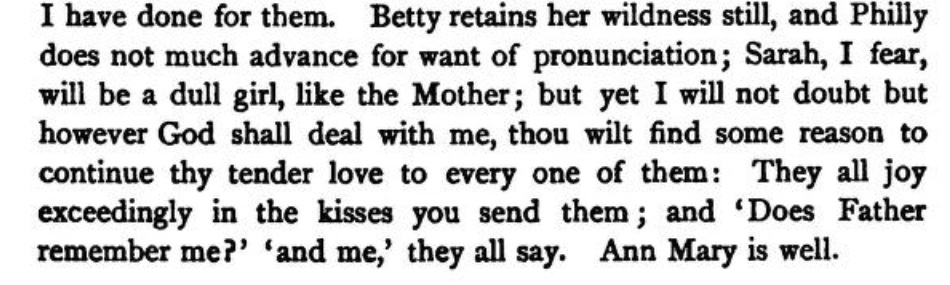
In 1667, Thomas was in Breda, Holland as a representative of the East India Company to observe progress in the Treaty of Peace between England and Holland. Thomas exchanged a number of letters with Jane. Her letters survived and have been transcribed. 

In this letter of May 31, 1667, Jane talks about their children: Elizabeth, Philip, Sarah and Ann Mary/Anna Maria, my direct ancestor.

Later in the letter, Jane requests that Thomas returns home with some fresh linen. And “a little cheese.”

My 5 x great grandmother Grace Austin was born on 22 July 1786 in Barking, Essex and baptised on 20 August 1786 in St Margaret’s, Barking (pictured, Wikipedia). She was the fourth born of eight children. Her family lived in relative comfort although, in common with many females of her time, she was not taught how to read and write.

My 5 x great grandparents Samuel Axe and Grace Austin married on 22 September 1803 in Saint Luke Old Street, Finsbury, London (pictured, Wikipedia). Both bride and groom were seventeen years old. Grace’s parents, Isaac Austin and Mary Chetwynd, were also seventeen when they married. Maybe seventeen was the family’s lucky number.

Married to Samuel Axe, between 1805 and 1821 my 5 x great grandmother Grace Austin gave birth to eight children. However, in September 1815, Samuel had an affair with Maria Hammant. We know this because Maria claimed parish relief for her baby. Grace forgave Samuel and gave birth to two more children.

On 25 July 1823, at the age of 37, my 5 x great grandmother Grace Austin died. Her birthing pattern suggests that she was due to give birth to her ninth child, so maybe that was a factor. Grace was buried in Bunhill Fields, Islington (pictured, Wikipedia) alongside such notables as John Bunyan, Daniel Defoe and Susanna Wesley. The common factor: nonconformity. This branch of my family, along with many others, was very strong on nonconformity.

My 6 x great grandmother Mary Chetwynd was born on 7 June 1759 in Barking, Essex and baptised three days later in St Margaret’s, Barking. On 30 January 1777, Mary married Isaac Austin in St Margaret’s. Mary gave birth to at least eight children. 

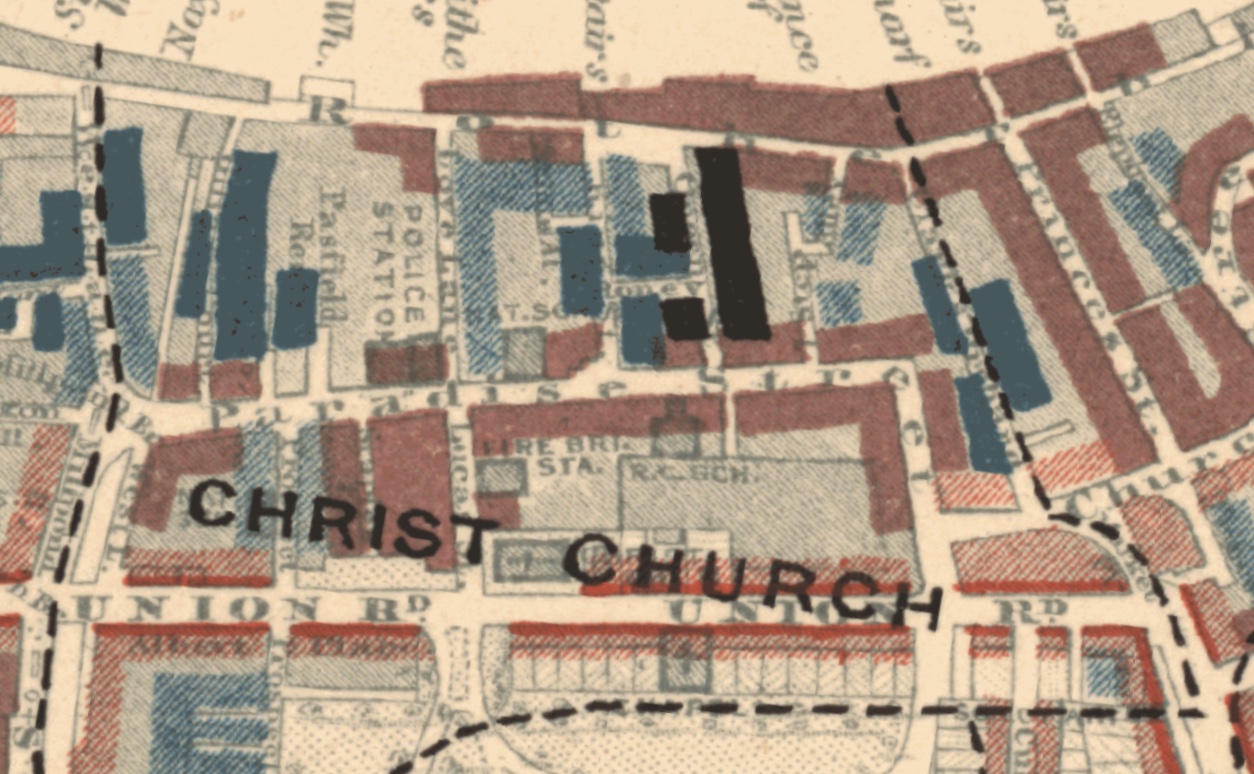
Mary lived on Paradise Street, just south of the River Thames. In his maps of London, Charles Booth described Paradise Street as a ‘well-to-do, middle-class’ street.

Mary died on 25 July 1823, five days after her daughter, Grace, died. Almost certainly, Grace’s death was a factor in Mary’s death. Mother and daughter were buried alongside each other in the nonconformist graveyard of Bunhill Fields, Islington.

My latest article for the Seaside News, about Gloria Swanson, features on page 35 of the magazine.

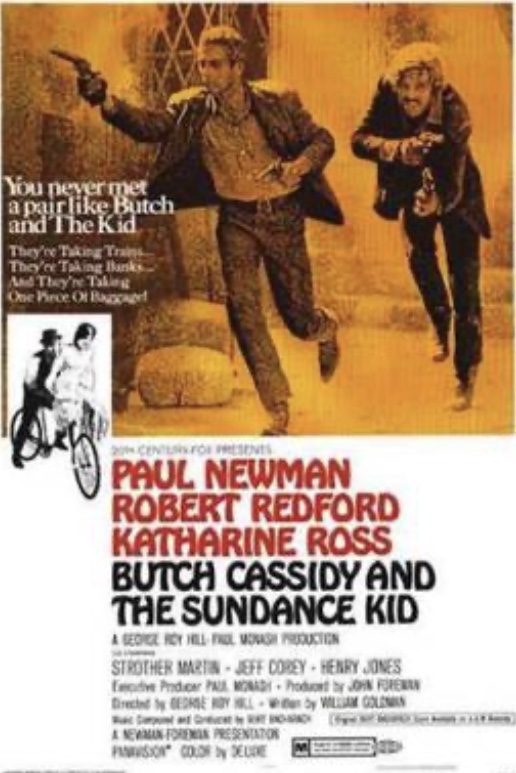
It’s a Wonderful Life 50% v 50% Butch Cassidy and the Sundance Kid
It’s a Wonderful Life won on tie-break

Some Like it Hot 57% v 43% Touch of Evil

On the Waterfront 57% v 43% From Here to Eternity

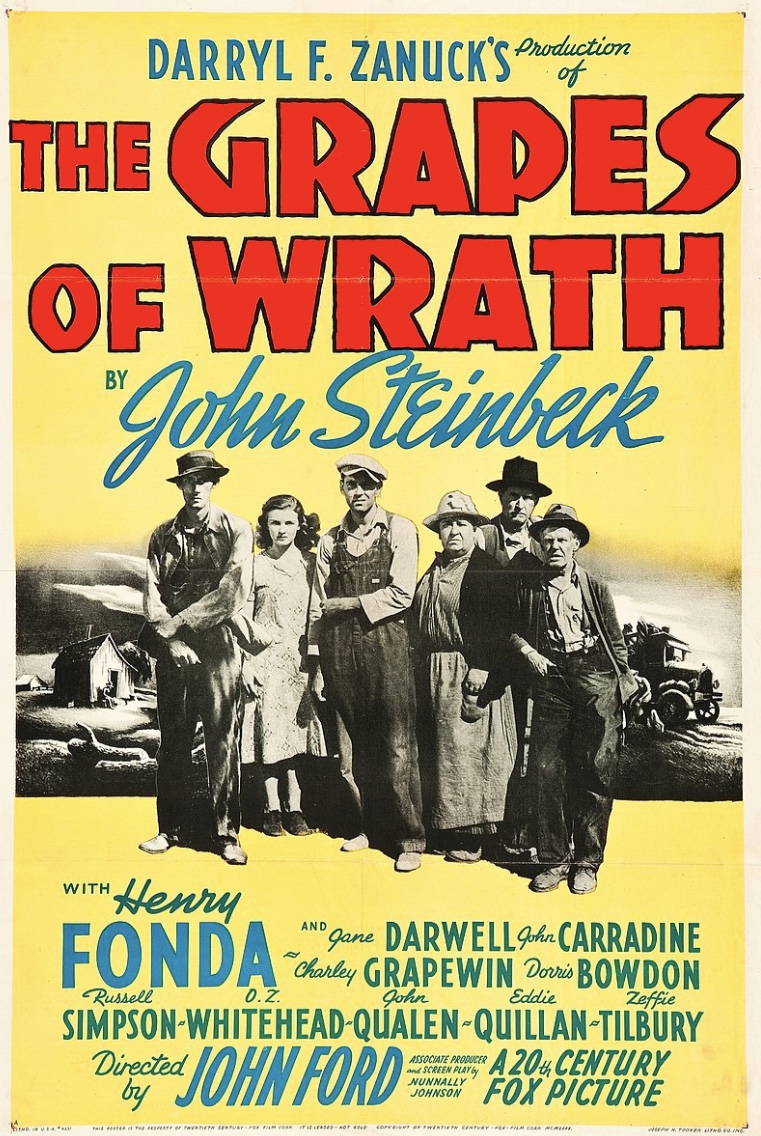
The Grapes of Wrath 59% v 41% Midnight Cowboy

The General 53% v 47% Fantasia

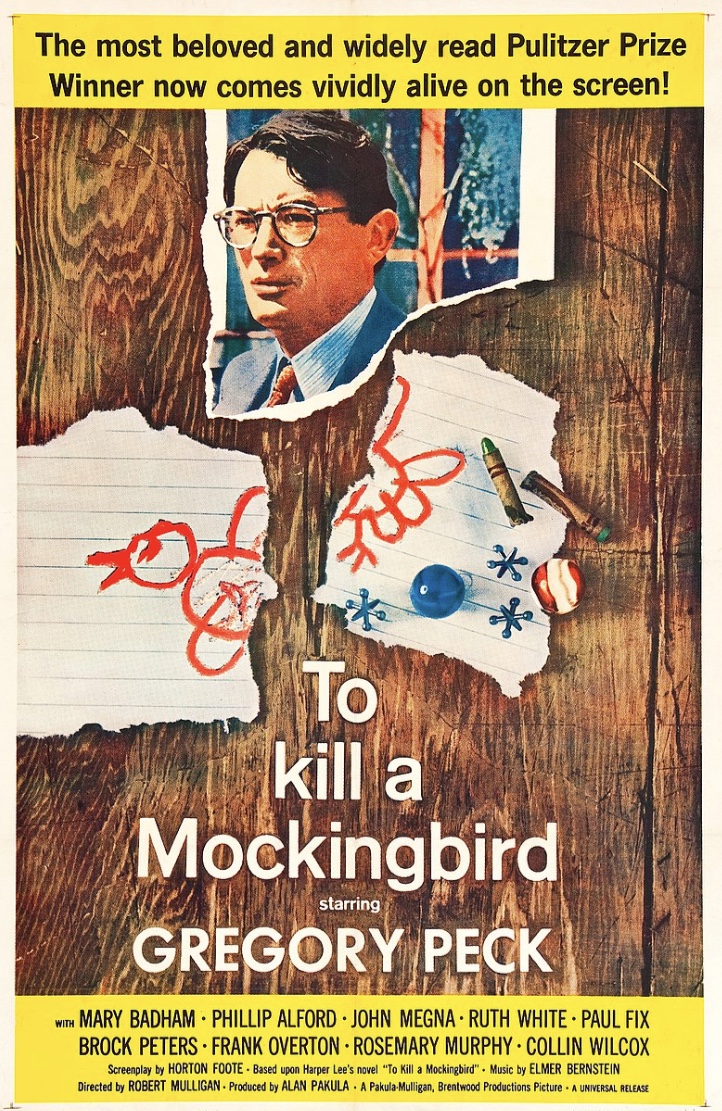
To Kill a Mockingbird 51% v 49% The Philadelphia Story

The Graduate 42% v 58% The Manchurian Candidate

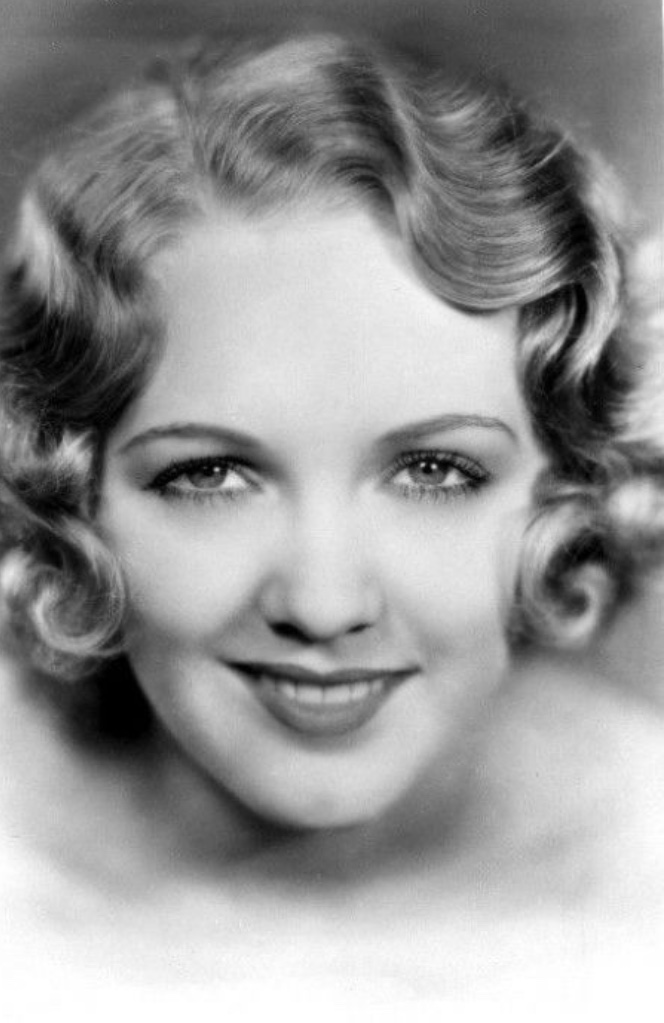
I’m exploring the life and career of Virginia Cherrill, the person who, along with Charlie Chaplin, delivered the “Greatest single piece of acting ever committed to celluloid.”

When she was seventeen, Virginia caught the eye of a handsome young lawyer, Irving Adler. Irving invited her to dances and the theatre. From a high-society Chicago family and with good prospects, Irving had a lot going for him. He proposed marriage, repeatedly, and eventually Virginia said, “yes”.

In the summer of 1926 Virginia and Irving married in secret, often a portent of things to come. Sheltered by an over-protective mother, Virginia’s wedding night came as a shock to her, and the events of that night set the tone for her marriage. 

Irving was often away on business. Lonely, and after seventeen months of marriage, Virginia admitted her mistake. She sought a divorce and on 25 November 1927 made her way west, to friends in Hollywood.

I’m researching material for Sunshine, the second book in my Golden Age of Hollywood series. Sunshine is the nickname of the main character, Abigail Summer. The story is set between 1938 and 1946. 

The theme song for the novel, so to speak, is “You Are My Sunshine”. The Pine Ridge Boys (Marvin Taylor and Doug Spivey) recorded the song on August 22, 1939, and released it on October 6, 1939 for Bluebird Records. Here’s the iconic recording.

This week’s featured title: Sunshine, book two in my Golden Age of Hollywood series.

As ever, thank you for your interest and support.

Hannah xxx

For Authors

#1 for value with 565,000 readers, The Fussy Librarian has helped my books to reach #1 on 36 occasions.

A special offer from my publisher and the Fussy Librarian. https://authors.thefussylibrarian.com/?ref=goylake

Don’t forget to use the code goylake20 to claim your discount 🙂