Categories
Dear Reader

Dear Reader #87

Dear Reader,

Starlings in duck formation.

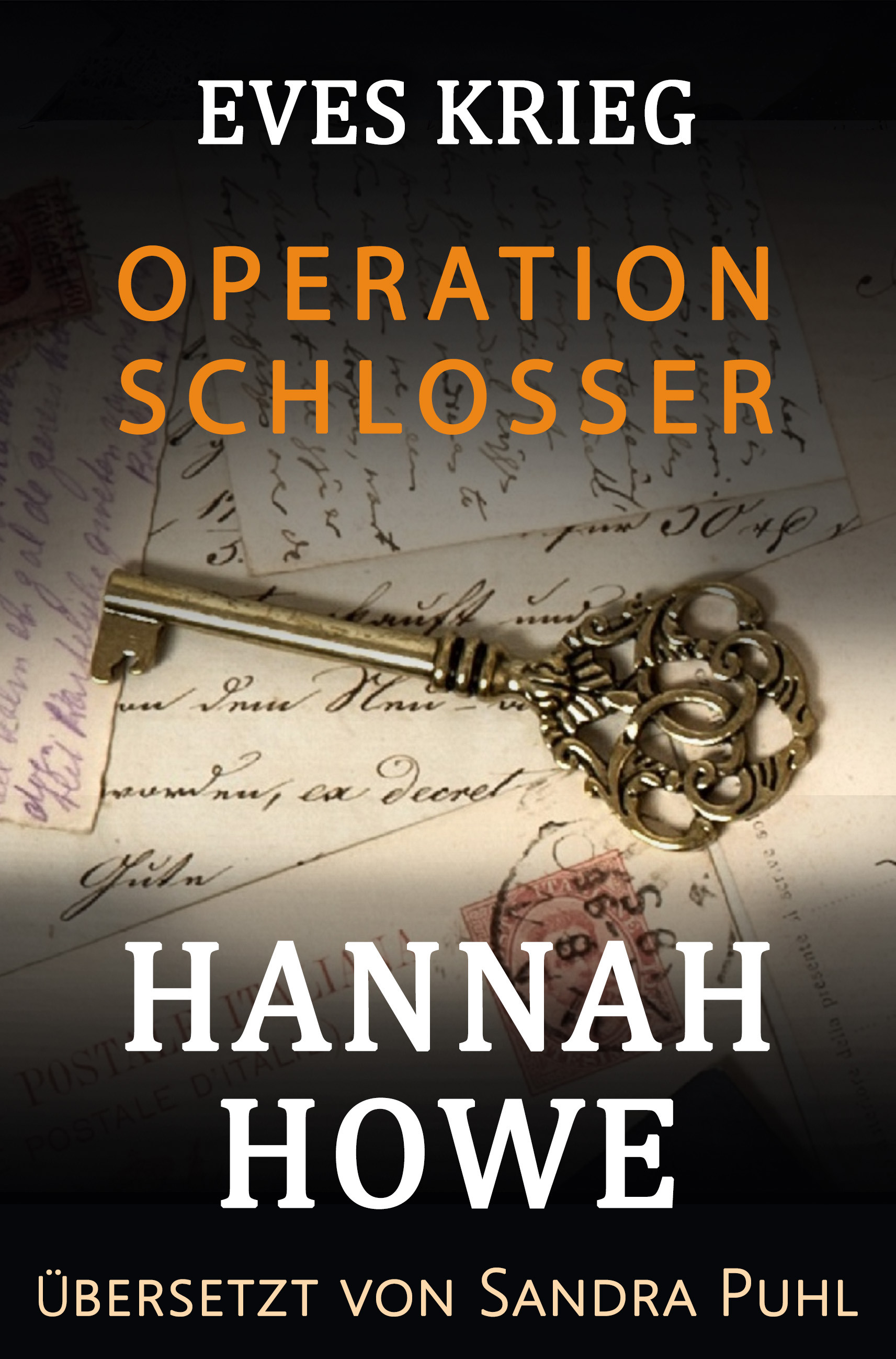
This week, we published Operation Treasure and it’s always great when readers anticipate and enjoy your stories. A review from Amazon.

“Hanna Howe was a great treasure discovered in 2020, and she continues to deliver in 2021 with the Eve’s War series, in this #4 of an anticipated 12 volume set. A quick read novella, it continues the series intent to deliver stories of many female (and male) SOE agents operating in France during WWII, helping recruit, equip and train local resistance groups to sabotage Hitler’s war machine. While the characters are fictional, they and their actions are based upon real people and events. Howe is a gifted writer with many other books as well (most of which I’ve read and thoroughly enjoyed) and I look forward with great anticipation to Eve’s War #5!”

https://www.amazon.com/gp/product/B08L9G7V4Z/
Wales, Christmas Day, 2010.

Humphrey Llwyd’s ‘Cambriae Typus’ is the earliest printed map to show Wales as a separate nation. Published in 1573.

Found this while searching for my Gloucestershire ancestors. A sad note from 1733.

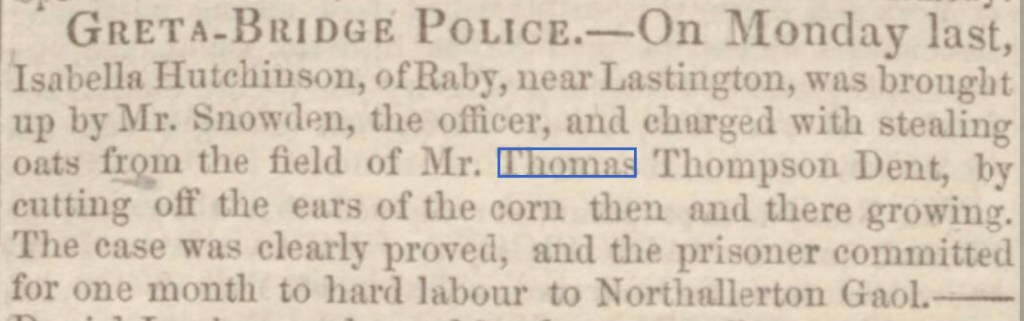
Theft from my ancestor, Thomas Thompson Dent. In 1842, Isabella Hutchinson, aged 22, stole oats from his field. Verdict: guilt, one month hard labour. Thomas was a wealthy man so I’m sure he could have spared those oats. However, Isabella was a serial offender. Three years earlier she was convicted for larceny and sentenced to three months in prison.
Mom’s Favorite Reads eMagazine February 2021

In this month’s bumper issue…

Our Ever Changing Language, Short Stories, Mediation, Poetry, Nature, Humour, Bestsellers, Photography, Puzzles, Genealogy, Recipes and so much more!

On 1 January 2021, to my great surprise, I discovered that I was directly related to William the Conqueror and Matilda of Flanders.

William, also known as William the Bastard, was the first Norman King of England reigning from 1066 until his death in 1087. 

William the Conqueror

In 1060, secure as Duke of Normandy, William plotted the Norman conquest of England, which culminated on 14 October 1066 in the Battle of Hastings and the defeat of Harold Godwinson.

William was the son of the unmarried Robert I, Duke of Normandy, by his mistress Herleva. His illegitimate status led to many struggles as he sought to establish his authority. Marriage to Matilda of Flanders, c1051, allowed him to consolidate his power in Normandy.

William’s genealogy

On his deathbed, Edward the Confessor, the childless King of England, named Harold Godwinson as his successor. However, William disputed this succession and with a large fleet sailed for England where he engaged Harold in battle.
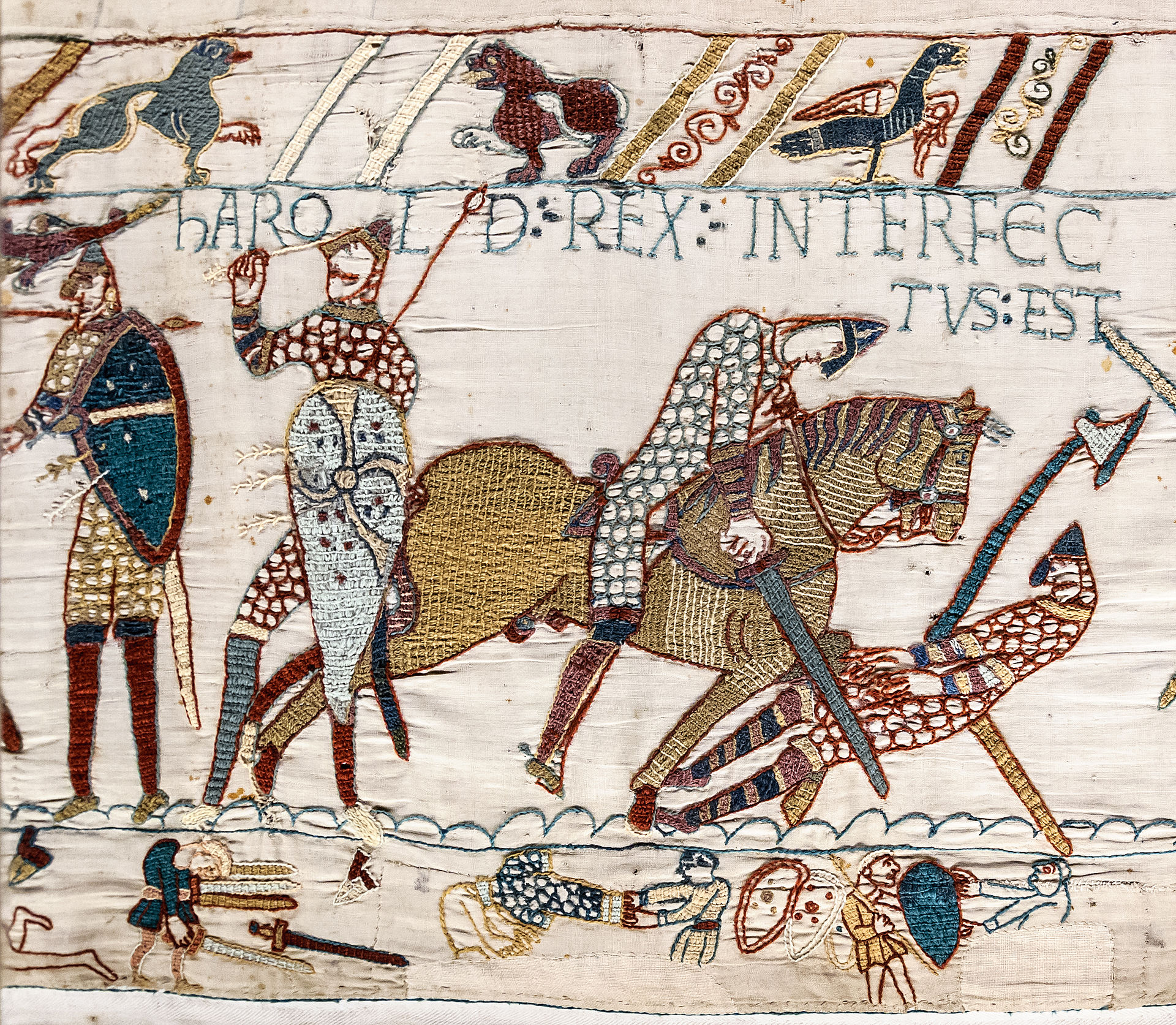
Bayeux Tapestry. Scene 57: the death of King Harold at the Battle of Hastings. Titulus: HIC HAROLD REX INTERFECTUS EST (Here King Harold is slain).

After the Battle of Hastings, further military victories ensured that William was crowned king on Christmas Day, 1066, in London. In 1067, he made arrangements for the governance of England then returned to Normandy. 

Rebellions followed, all unsuccessful, and by 1075 William had established a secure hold on England, which allowed him to spend the majority of his reign in Europe.

In 1086, William ordered the compilation of the Doomsday Book, a survey listing all the land-holdings in England. This great administrative feat went unmatched until the compilation of the Return of Owners of Land in 1873.

William died in September 1087 while leading a campaign in northern France. He was buried in Caen.

Matilda of Flanders was Queen of England and Duchess of Normandy by marriage to William the Conqueror. She was the mother of nine children (some sources list ten) including two kings, William II and my direct ancestor Henry I.
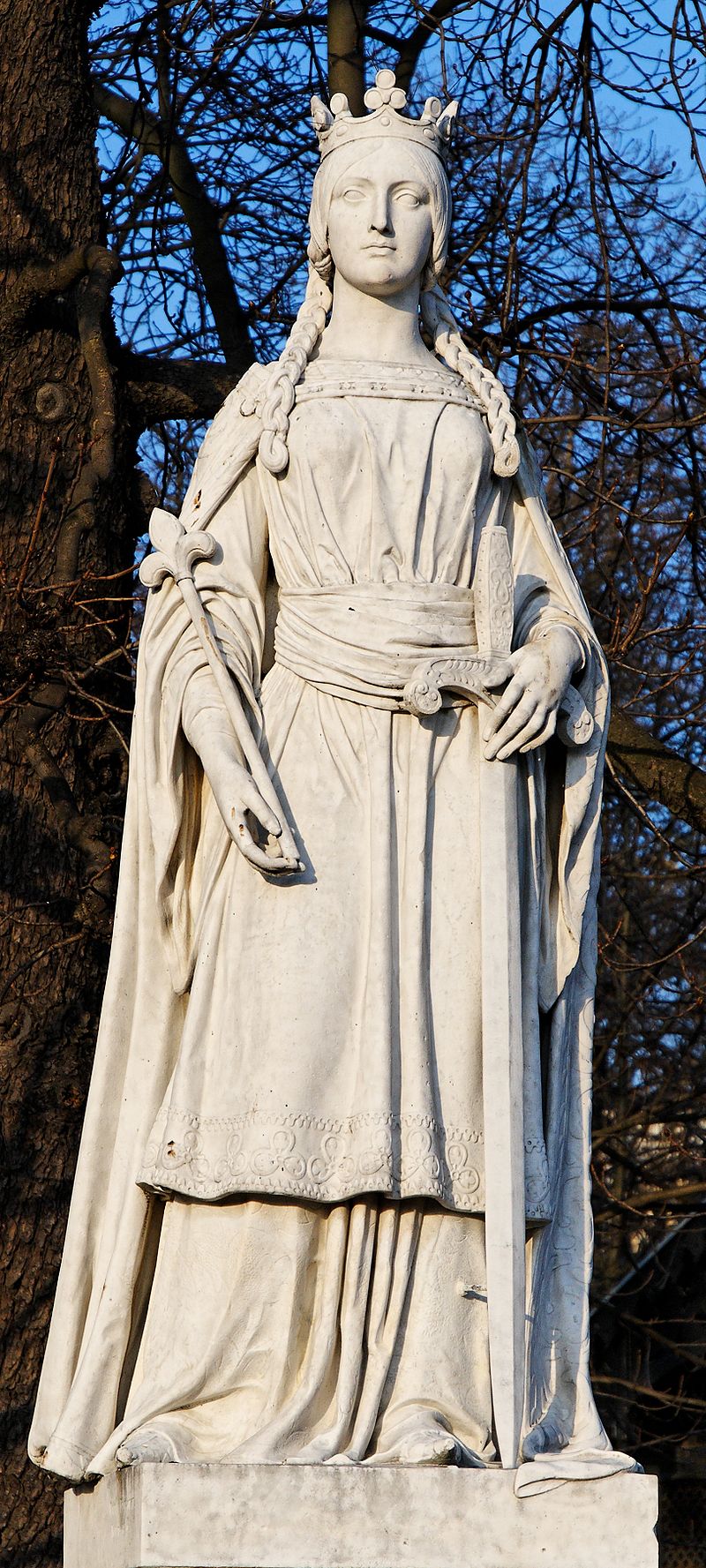
Nineteenth-century depiction of Matilda in the Jardin du Luxembourg, Paris (Wikipedia).

In 1031, Matilda was born into the House of Flanders as the second daughter of Baldwin V of Flanders and Adela of France. Strategically placed, Flanders served as an important centre for European trade and political expansion.

As granddaughter of Robert II of France, Matilda boasted a greater lineage than William. Like many royal marriages of the period, their union breached the rules of consanguinity. She was about 20 when the marriage took place in 1051, while William was some four years older. 

The marriage appears to have been successful in that William is not recorded to have fathered any bastards. Matilda was about 35 and had already borne most of her children when William embarked on his conquest of England, sailing on his flagship, Mora, a gift from his wife.

The Bayeux Tapestry’s depiction of the Norman invasion fleet, with the Mora in front, marked by the papal banner on the masthead.

Matilda governed the Duchy of Normandy in her husband’s absence. Occasionally, she travelled to England, but spent most of her life in Normandy where she oversaw her children’s education. Indeed, Matilda’s children were unusually well educated for contemporary royalty with the boys tutored by Lanfranc, who became Archbishop of Canterbury in 1070, while the girls learned Latin in Sainte-Trinité Abbey, Caen, an abbey founded by William and Matilda as part of the papal dispensation that allowed their marriage.

As ever, thank you for your interest and support.

Hannah xxx

Categories
Dear Reader

Dear Reader #86

Dear Reader,

This week, I discovered that Henry Wheeler, my 4 x great grandfather, was a regular visitor to the Old Bailey (pictured), as a defendant 😱 More about Henry, his two wives, eleven children and larcenous life on the streets of nineteenth century Westminster in future posts.

Our garden this week…

Incredible picture of the Earth from the Japanese Kayuga spacecraft orbiting the Moon.

New pools formed in Kenfig sand dunes this week.

My article about SOE heroine Phyllis Latour, still alive at 99, features on page 36 of the Seaside News.

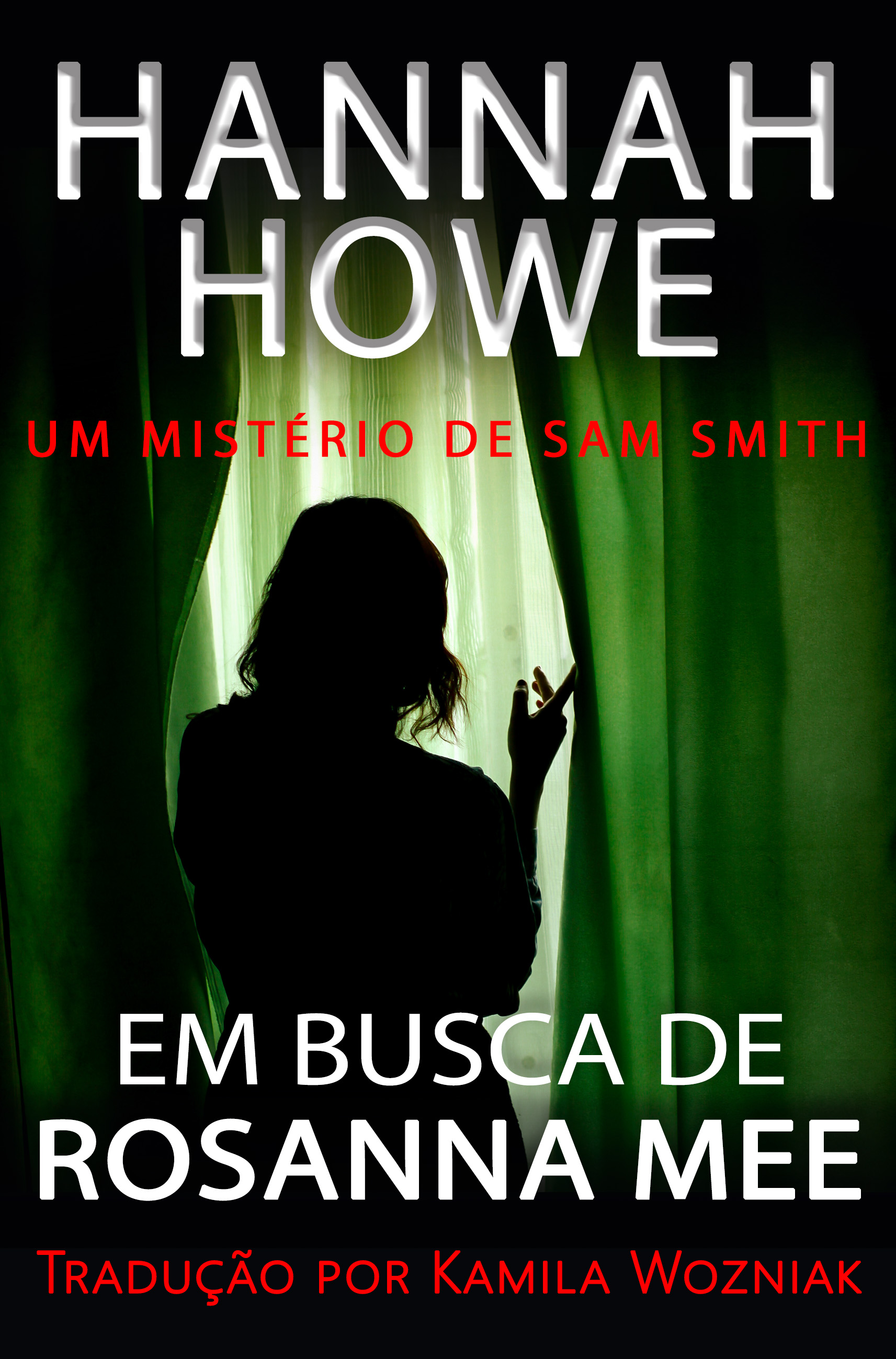
Latest translation news. I’m delighted that Kamila has agreed to translate The Devil and Ms Devlin into Portuguese. Translation work started this week. Meanwhile, here’s one we made earlier.

My 9 x great grandfather, Captain John Hodsoll, was baptised on 31 March 1622 in Ash By Wrotham, Kent. A captain in the merchant navy, he married Mary Bucher in 1656.

Little is known of Mary Bucher. She was born in 1629, in Wadhurst, Sussex, the daughter of John and Elizabeth Bucher. Her surname suggests German ancestry and in some documents it features as Butcher or Batcher. There is a suggestion that Mary was a Quaker, but this might be a result of coincidental names and dates. Certainly, Quakers did marry into the Hodsell family, so the idea deserves consideration.

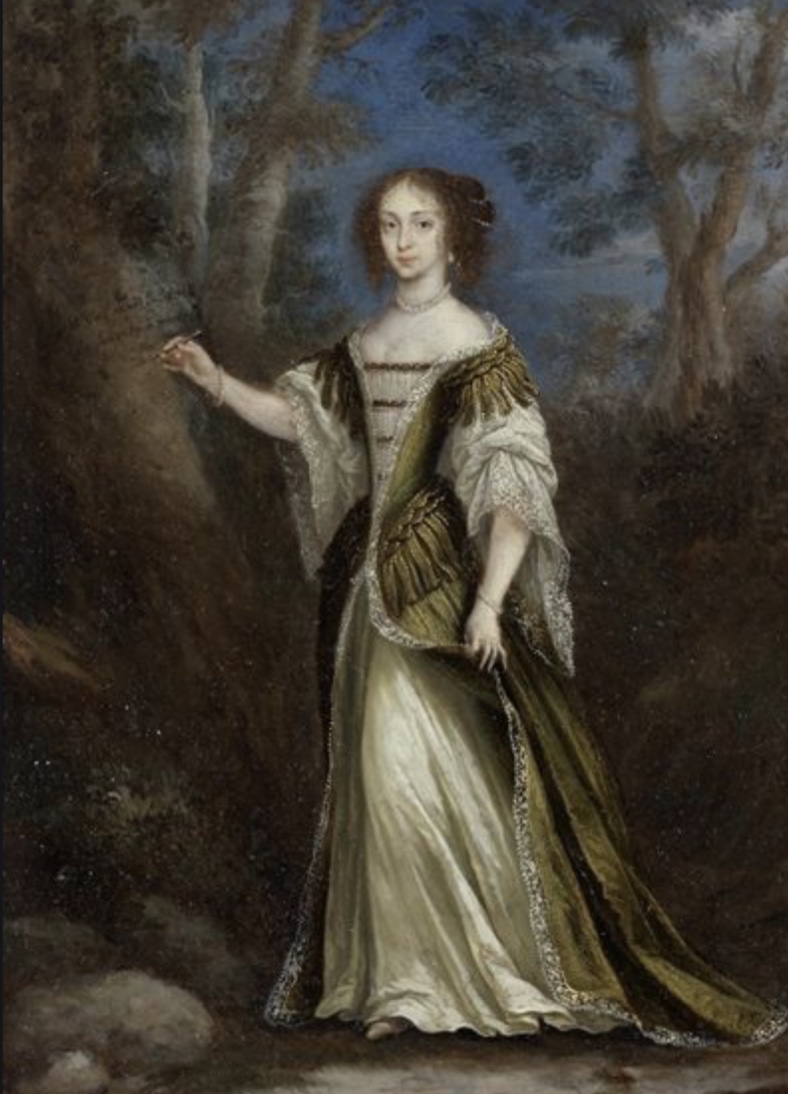
Seventeenth Century Lady, artwork by the French School.

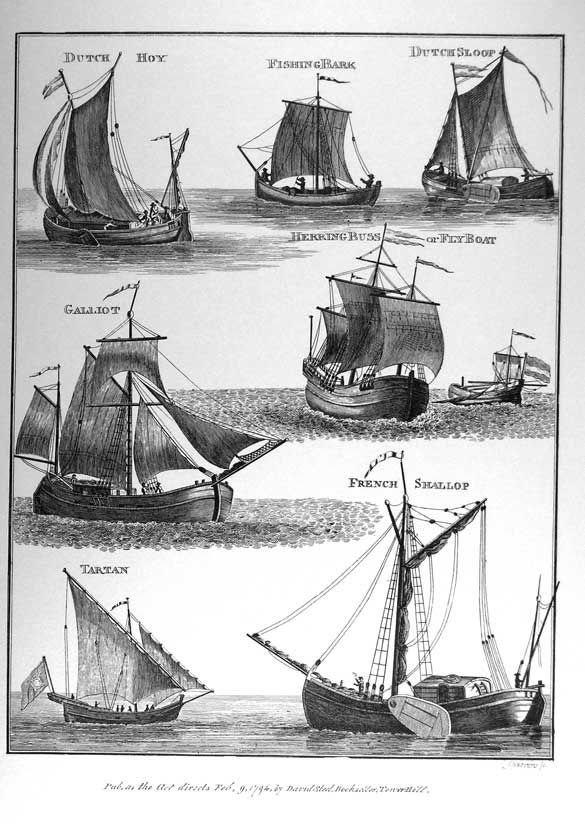
During the 17th century, sea trade experienced significant change.  British shipbuilders adapted the superior design of the Dutch fluits to create ships that required smaller crews, yet had larger storage.  This resulted in a growth in maritime shipping through trade with the Mediterranean, the East Indies, the North American Colonies and Newfoundland. John became a captain and took advantage of that trade.

Captain John Hodsoll’s sailing exploits established a naval tradition within the family. Two Hodsolls, including an admiral, served in Charles II’s navy and later generations set sail for America where they were among the earliest settlers in New York, Pennsylvania, Michigan, Ohio, Indiana, Illinois, Iowa, Kansas, Nebraska, Colorado, Wyoming, Idaho, Oregon, Washington and California.

“Mayflower in Plymouth Harbor,” by William Halsall.

In his Will, John mentions his “eldest sonne, William” his “deare and loveinge wife, Mary” and his “two youngerst daughters, Anne and Jane”, bequeathing the girls “the summe of ffifty pounds a peece out of her house in Wadhurst Towne in the County of Sussex.” John also left money to his “Seaven Sonns”, William, John, Henry, Charles, Thomas, Edmund and James. His sixth born son, Robert, died in infancy.

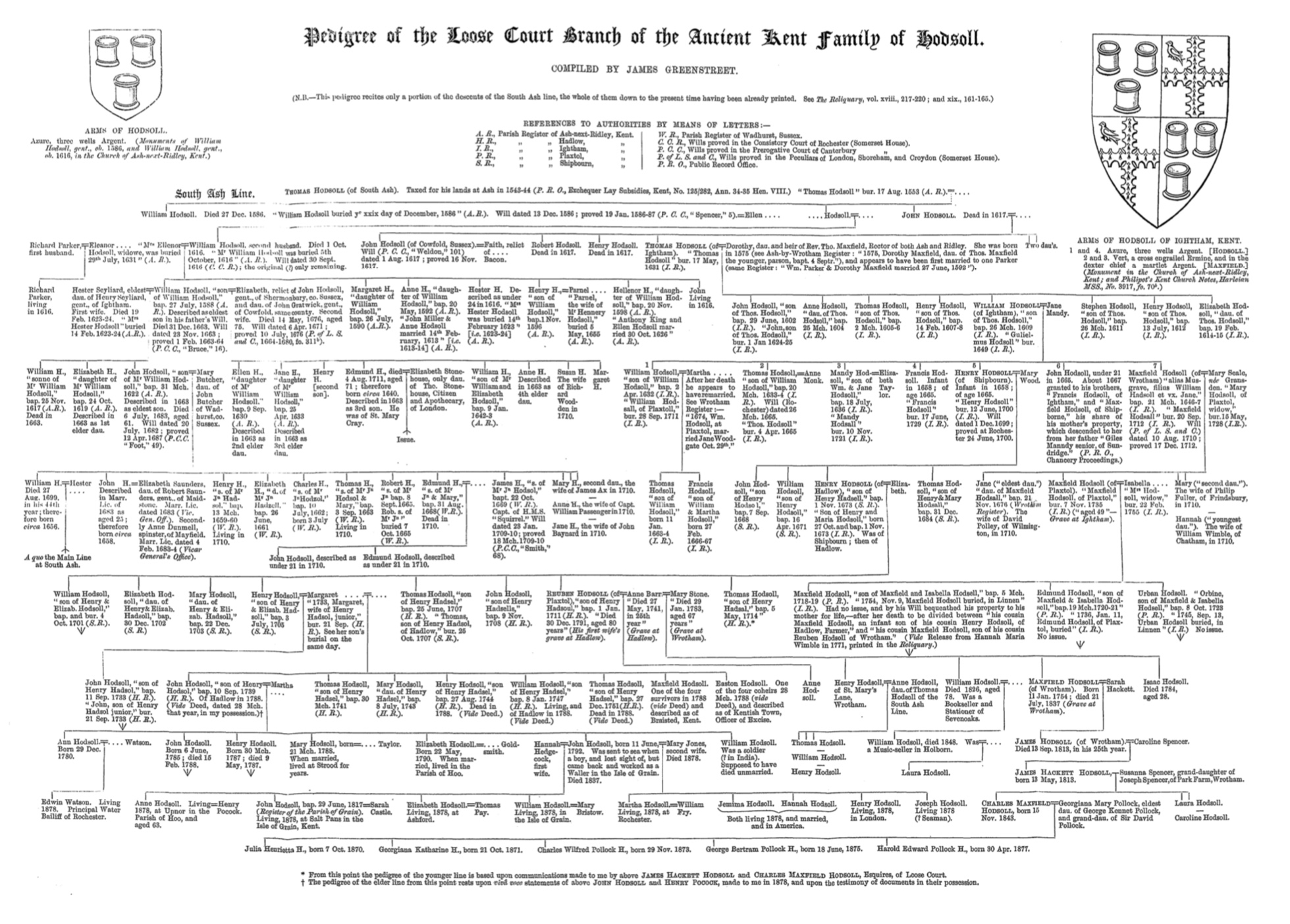
Branches, incomplete, of the Hodsoll family tree.

In the Hodsoll chancel in the Ash-by-Wrotham church, a monumental inscription above John Hodsoll reads, “Hereunder rests in hope of a joyfull resurrection the body of Captayne John Hodsoll, of South Ash, esq., who departed this life to enjoy a better (life) on the 6th day of July, 1683, aged 61 years. He was marryed to Mary, the daughter of John Batcher, of Wadhurst, in the county of Sussex, gent., whose Conjugall love hath occasioned this pious memorial of him.” 

John and Mary produced twelve children, eight boys and four girls. Their daughter, Mary, my direct ancestor, married the Reverend James Axe, uniting the Hodsoll and Axe branches of my family.

The birth date of William – John and Mary’s first born – looks sound –  9 January 1656 in Wadhurst, Sussex. Equally, their marriage date –  9 September 1656 in Cowden, Kent – is a matter of public record. This begs the question: why did John and Mary wait eight months to get married? Maybe John was away at sea and returned to find Mary cradling a baby in her arms.

As ever, thank you for your interest and support.

Hannah xxx

Categories
Dear Reader

Dear Reader #85

Dear Reader,

Philosophical joke…

A new species discovered in 2020. As mankind goes backwards, the world continues to evolve.

A special week for Eve. Operation Zigzag is #1 while Operation Treasure, published 30 January, is #11 on the hot new releases chart 🙂

You make some interesting discoveries when you delve into the past…

15 August 1944, Allied troops landing in Provence. Colourised.

My 11 x great grandfather, William Hodsoll, was born in Ash by Wrotham, Kent in 1560. A gentleman farmer, William married Ellenor Dudley in Ash in 1587.

Ellenor was a widow. Born in Ash in 1562, she married Henry Parker in 1580 and gave birth to their son, Richard, a year later. Two years after that, Henry died and four years later Ellenor married William Hodsoll. 

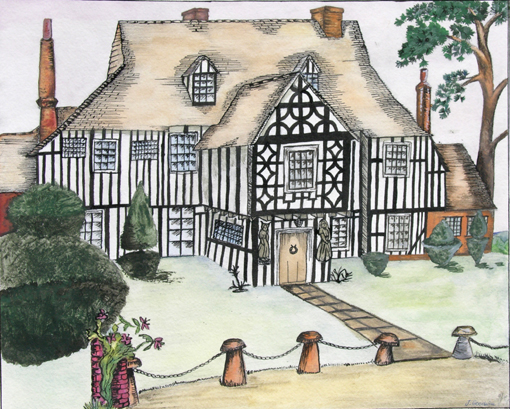
South Ash Manor House, the Hodsoll home. From the Kent Archeology website.

In his Will, dated 30 September 1616, William left his wife, Ellenor, a yearly rent of £50 plus his lands, tenements and inherited items.

William also deferred a loan to his wife, a debt accrued by his stepson, Richard Parker. The loan totalled £27 2s 6d, which Richard had to pay to Ellenor, his mother.

William was buried on 5 October 1616, so this Will was just about the last act of his life.

William’s horses also found they way to Ellenor along with his riding furniture. The Will strongly suggests that Ellenor was fond of riding, “furniture wch my sayd wyfe doth vse when shee rydeth or iornyth abroad.” 

Ellenor probably rode sidesaddle, a form of horse riding that developed in Europe in the Middle Ages. Sidesaddle allowed a woman to ride a horse in modest fashion while also wearing fine clothing.

William instructed Ellenor to offer board and lodgings to their son, William, my direct ancestor, and to give their other son, John, £300 “upon condition that, at or on the Feast of St. Michael 1618, he makes release by sufficient conveyance to said “sonne William” of all right and title “of & in all my Mannors, messuages, etc.”

A third son, Hewe, received £300 “at or on” 29 September 1620. While the executor was to pay “my sayd sonne Henry” £10 a year upon his making similar release to “my sayd sonne William”. Daughters Hester and Ellenor, at age 24, were to receive £100 each. 

Much of William’s original Will is damaged, but the pages that remain ofter an insight into his life. Although not as wealthy as his father, John, who outlived him by two years, William was still an extremely rich man who could afford a comfortable lifestyle.

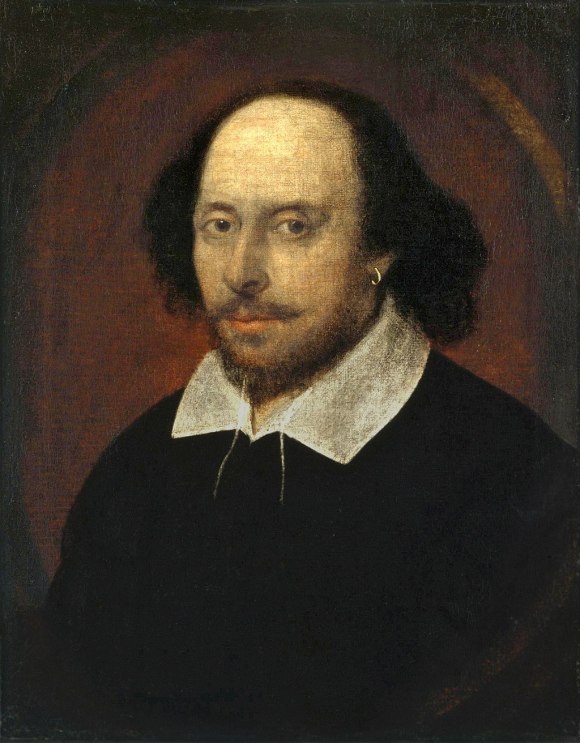
William was a contemporary of William Shakespeare (both died in 1616) and it’s possible that he saw the original performances of the Bard’s plays. Certainly, he was aware of them.

Ellenor’s name is recorded in various forms across a range of documents, including Elianora, but in his Will, William writes her name as Ellenor. She died in Ash on 29 July 1631, aged 69 and survived at least three of her daughters.

– o –

My 10 x great grandfather, William Hodsoll, was baptised on 21 July 1588 in Ash by Wrotham, Kent. A gentleman farmer, he married Hester Seyliard in 1609, in Ash, Kent.

The Seyliards were a noble family that arrived in Britain from Normandy about a hundred years after the Norman Conquest and prospered through to the age of the Hanoverian succession.

Portrait of a Lady, c1600. Emilian School, artist unknown.

William and Hester produced four children, possibly five, before Hester’s premature death in 1623, aged 33. Their eldest son, Captain John Hodsoll, my direct ancestor, inherited the estate.

From 8 May 1598 in nearby Ightham, an example of the incidents that troubled the local court. “William Willmott, yoman, on 7 May, 1598, broke the head of Richard Austin with his dagger and drew blood. Fined 5s.—remitted because he is in the service of the lord.”

The remission of Willmott’s fine looks generous. However, on the same day the court heard that, “Richard Austin, labourer, attached to himself five other armed persons in the night of Saturday, 6 May, 1598, and they assaulted William Willmott in the mansion house called ‘Ightam Courtlodg’, and with an iron-shod stick which he held in his hands he broke the head of William Willmot, and drew blood, against the peace of our Lady the Queen and to the alarm of her people. Fined 5s.”

During William’s lifetime, the Hodsolls ceased to be the only manorial family resident in the parish. Although the family still enjoyed great wealth, there is a sense of slow decline, as a result of turbulent times and the number of progeny produced by each generation.

William lived through the English Civil War (1642–1651) also known as the English Revolution. The war pitted Oliver Cromwell’s Roundheads, the Parliamentarians, against Charles I’s Royalists, the Cavaliers, which ended with a Parliamentarian victory at the Battle of Worcester on 3 September 1651, and the beheading of Charles I.

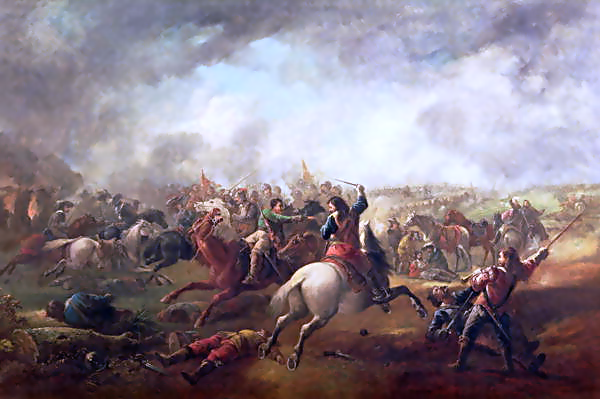
The Battle of Marston Moor, 1644. Artist, John Barker.

The Hodsolls could trace their family’s roots back to the English royal family, moved in royal circles and later served in Charles II’s navy, therefore it is fair to assume that they supported the Royalist cause. William was probably too old to participate in the Battle of Maidstone on 1 June 1648, but a victory for the attacking Parliamentarians meant that he had to tread carefully.

The Hodsolls did not lose their lands during the English Civil War and therefore it’s possible that they accommodated, and adjusted to, Cromwell’s victory.

St Peter and St Paul, Ash near Wrotham. Picture: John Salmon.

After Esther’s death, William married Elizabeth Gratwick and produced a second family with her. William died on 31 December 1663, aged 75. He was buried not with his predecessors in the nave of the parish church of St Peter and St Paul, but in the former Lady Chapel. This chapel became the Hodsoll chancel and many later generations of the family were also buried there.

This week, I added a Canadian branch to my family tree. Meet Elizabeth Dent and family, c1885. More about the Dents in future posts.

As ever, thank you for your interest and support.

Hannah xxx
Categories
Dear Reader

Dear Reader #84

Dear Reader,

It looks like I’m directly related to Sir Rhys ap Thomas (1449–1525) loyal supporter of Henry Tudor, Henry VII. Some sources claim that Sir Rhys personally delivered the death blow to King Richard III at the Battle of Bosworth, using his poleaxe. More about this in future posts.

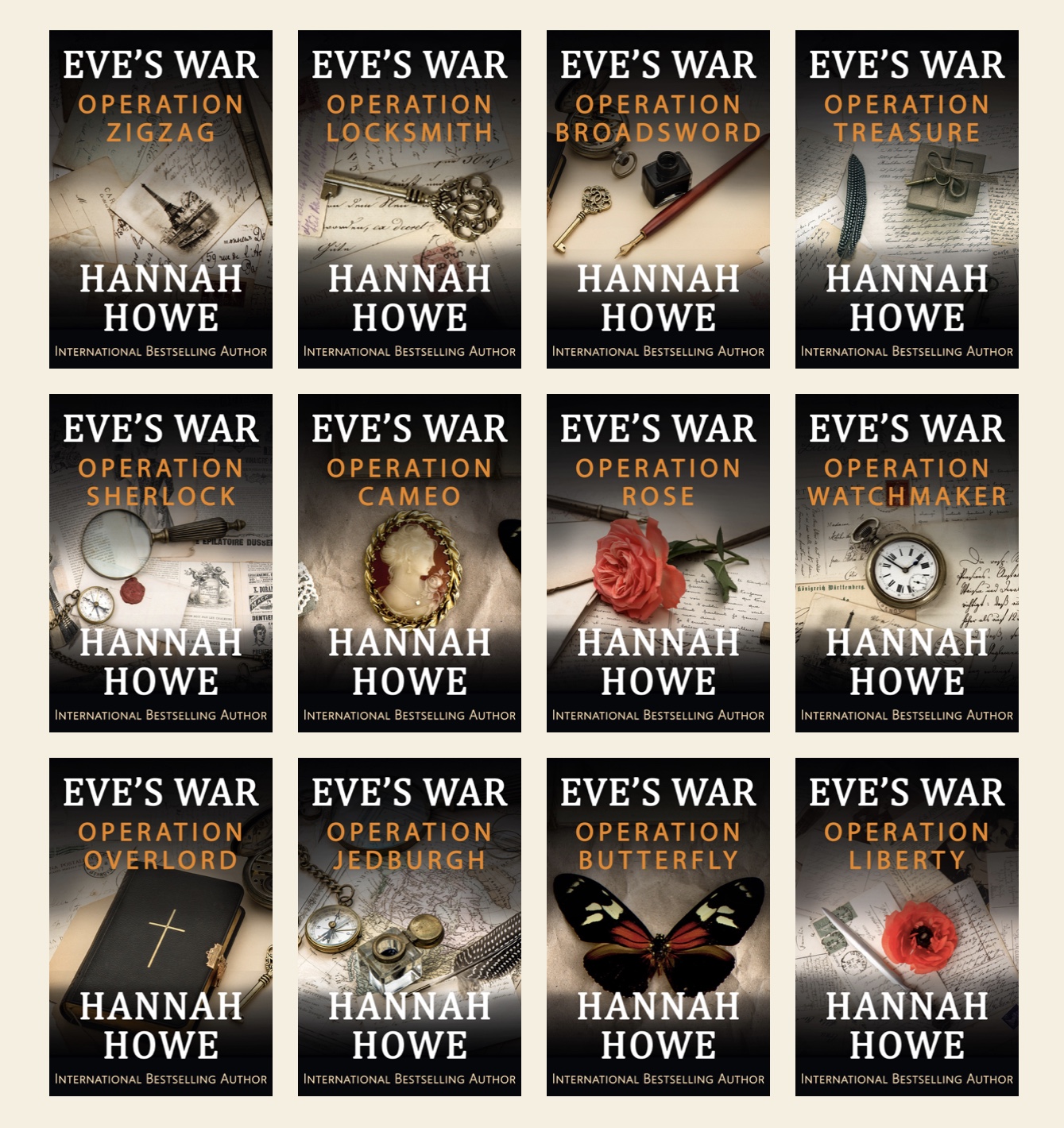
My latest translation, the German version of Eve’s War: Operation Locksmith, available soon. Sandra has translated seven of my books and is always a pleasure to work with.

The oldest surviving diving suit in the world, from Finland, early 18th century.

During the Second World War, R.V. Jones was the Assistant Director of IntellIigence (Science) and a man Churchill knew he could trust.

When the Nazis introduced a radar system called Wotan, R.V. Jones figured out how it worked by assuming that it used a single beam. He based his deduction on the fact that the Germanic god Wotan only had one eye.

More family tree news. Possibly my greatest family history discovery to date. I traced my tree back to the Welsh nobles and their genealogies link my family to one of the greatest figures in Welsh history, my 23 x great grandfather, Rhys ap Gruffydd (1132 – 1197), The Lord Rhys, ruler of South Wales.

Strange phenomenon. I named my character Eve Beringar in my Eve’s War series because I liked the name. Now, I discover that Eleanor Beringar of Provence, Henry III’s wife, is my 23 x great grandmother. She was renowned for her beauty, learning, writing and as a leader of fashion.

The Hodsolls were lords of the manor in Ash, Kent during the medieval period. Later, they owned considerable amounts of land and property in Kent, Sussex and London.

My 12 x great grandfather, John Hodsoll, was born in Cowfold, Sussex in 1534. His first wife, Anne, died at a young age and he married his second wife, Faith Thomas, in Cowfold in 1557.

A gentleman farmer, John enjoyed a comfortable lifestyle. With Faith, he produced at least eight children, seven of them girls, along with my direct ancestor, William Hodsoll.

John enjoyed a long life, dying in 1618 in Cowfold, aged 84. He left a detailed Will, which offers an insight into his life.

Extract from John Hodsoll’s Will, 1617.

John left approximately £2,000 in his Will, mainly to his ‘beloved wife, Faith’, and their children. That sum equates to 110 years of a skilled craftsman’s wages. He also left his vast estates to his family.

A servant, Caesar, and the poor people of the parish were also beneficiaries of John’s Will. Caesar received £5, the equivalent of 100 days wages for a skilled craftsman, while the poor received ‘the summe of three pounds sterling apeece’.

The affectionate tone of John’s Will suggests that he truly loved Faith. Along with money and land, she received ‘all such mares kyne and calves with all such hay corne fodder and provision of victualls for houshould as shalbe belonginge unto me at the tyme of my decease, plate and houshold stuffe, and her weddinge ringe and one paire of Braceletts of goulde w’ch I lately gave her and one ringe of myne with a deathes heade lately belonginge to my first wife.’

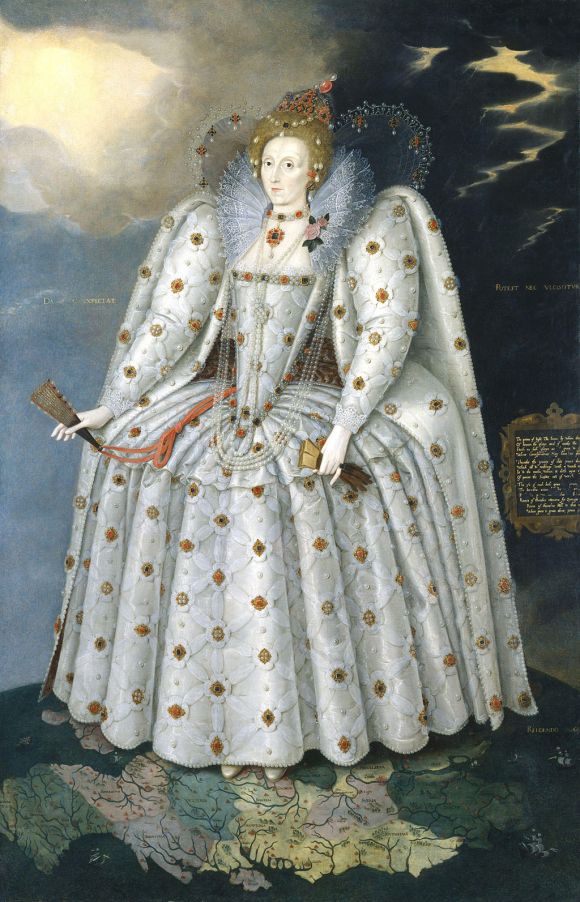
John lived most of his life durning the Elizabethan era and would have witnessed the devastating plague of 1563, which claimed the lives of 80,000 people, William Shakespeare’s plays, the exploits of Francis Drake, the Anglo-Spanish war, the execution of Mary, Queen of Scots, and the death of Elizabeth I.

Faith was the daughter of the Reverend Tristram Thomas, Rector of Alford in Surrey. Her name and upbringing suggest that religion played a key role in her life, in this instance Protestantism. In regard to religion, she lived during a turbulent time, but doubtless benefited from Elizabeth’s support for the Protestant Church.

John and Faith lived during the glory days of the English Renaissance, when literature, art, music and architecture flourished. A remarkable time to be alive.

As ever, thank you for your interest and support.

Hannah xxx