Categories
Ancestral Stories

Ancestral Stories #2

Annie Wheeler

My 3 x Great Grandmother

Part Two – Annie’s Teenage Years

In 1871, at the age of fourteen, my 3 x great grandmother Annie Wheeler glimpsed the prospect of escaping from the Lambeth slums – she secured a job, as a servant, with a respectable family, the Micklefields – James and Jane, and their children Eliza, aged two, and John aged one. James was a lighterman, a highly skilled boatman who transported people and trade on the River Thames.

The Micklefields were not rich, but they did live in Mead Row, Lambeth, a street described by Charles Booth in his Map of London as “middle-class, well-to-do”.  Compared to her childhood home in the rat-infested dwellings on Lower Fore Street, Annie was in paradise.
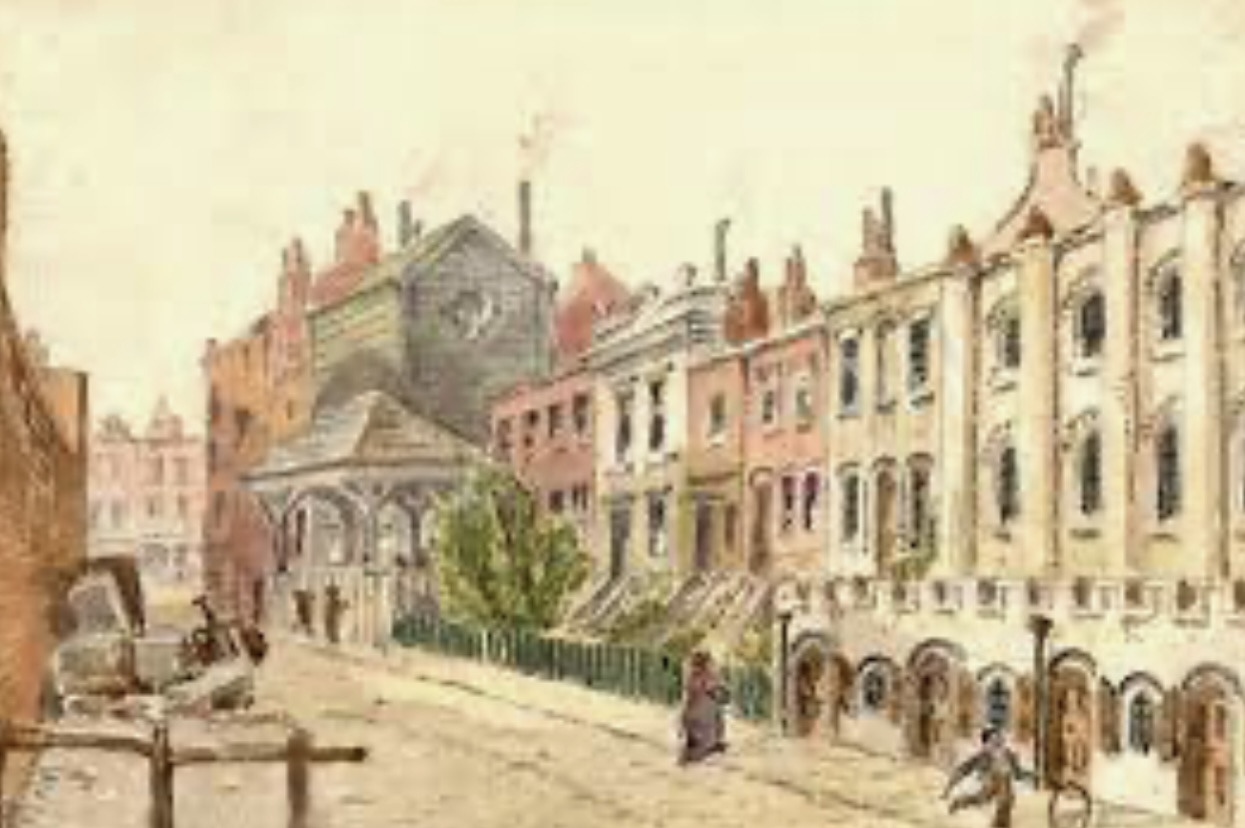
Picture credit: Mead Row – musgroves.co.uk

In November 1872, at the age of fifteen, my 3 x great grandmother Annie Wheeler discovered that she was pregnant. Consequently, she lost her job as a servant to the Micklefield family.

The baby’s father was twenty-four-year-old James Noulton. James’ mother, Sarah May, died when he was four and she was twenty-five. His father, Samuel, was the leader of a gang of thieves, the “Riverside Pirates”, who stole coal from barges and warehouses. Thus, both James and Annie’s fathers were criminals.

Earlier, in 1866, eighteen-year-old James fell foul of the authorities and spent three months in Wandsworth Prison. His crime: he stole fifteen feet of lead. James’ prison record reveals that he was 4’ 10” tall with scars on his left leg and forehead. Blue eyed and fair-haired with a fresh complexion, he worked in the local pottery. James entered Wandsworth Prison weighing 6st 12lbs and left weighing 6st 8lbs. A year later, he stole 200lbs of lead – more than twice his body weight – and spent six months in prison.

Annie’s choices were now grim – she faced life as a single mother, or the wife of an ex-convict.
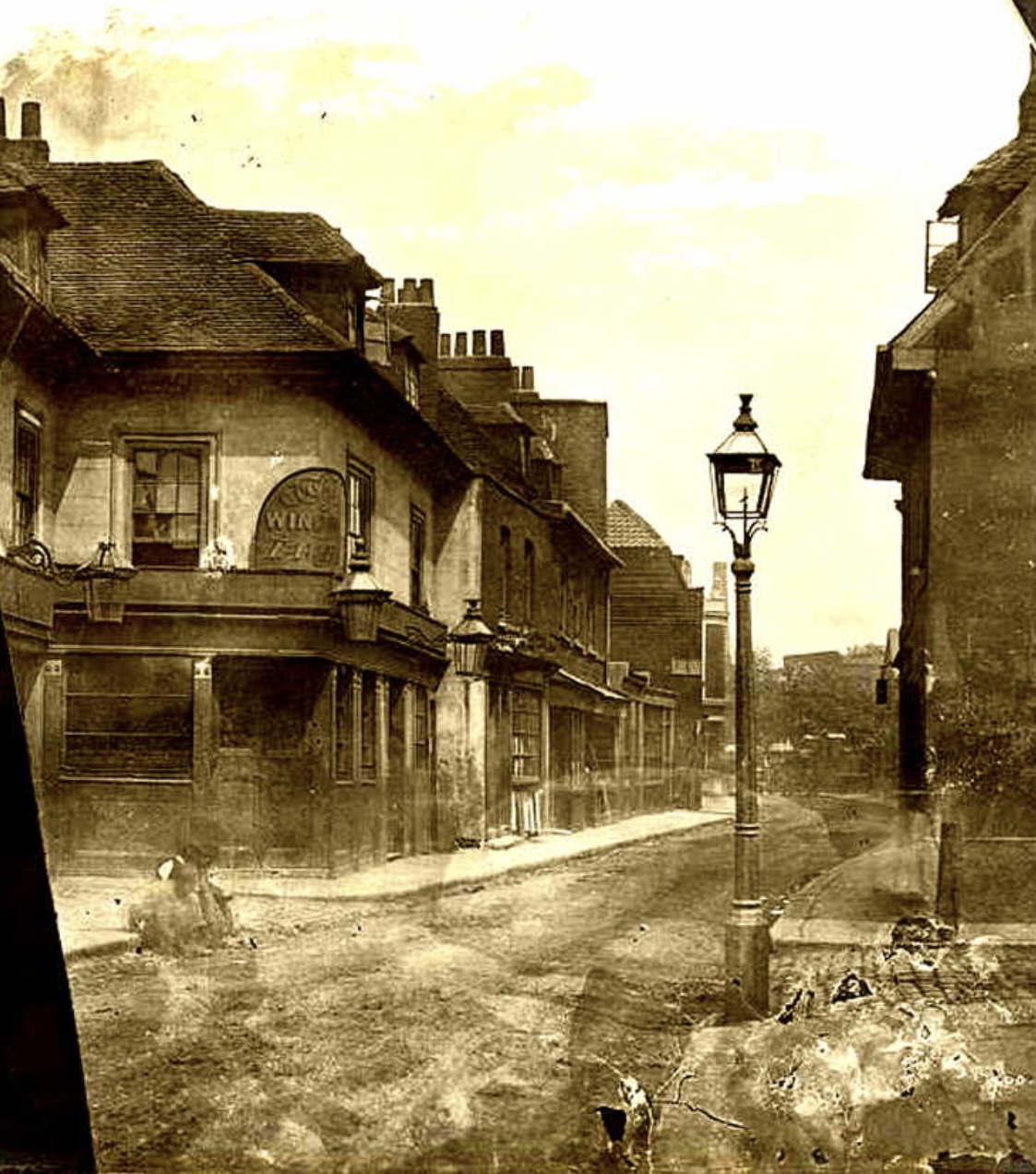
Lambeth High Street, c1860, a sight familiar to Annie

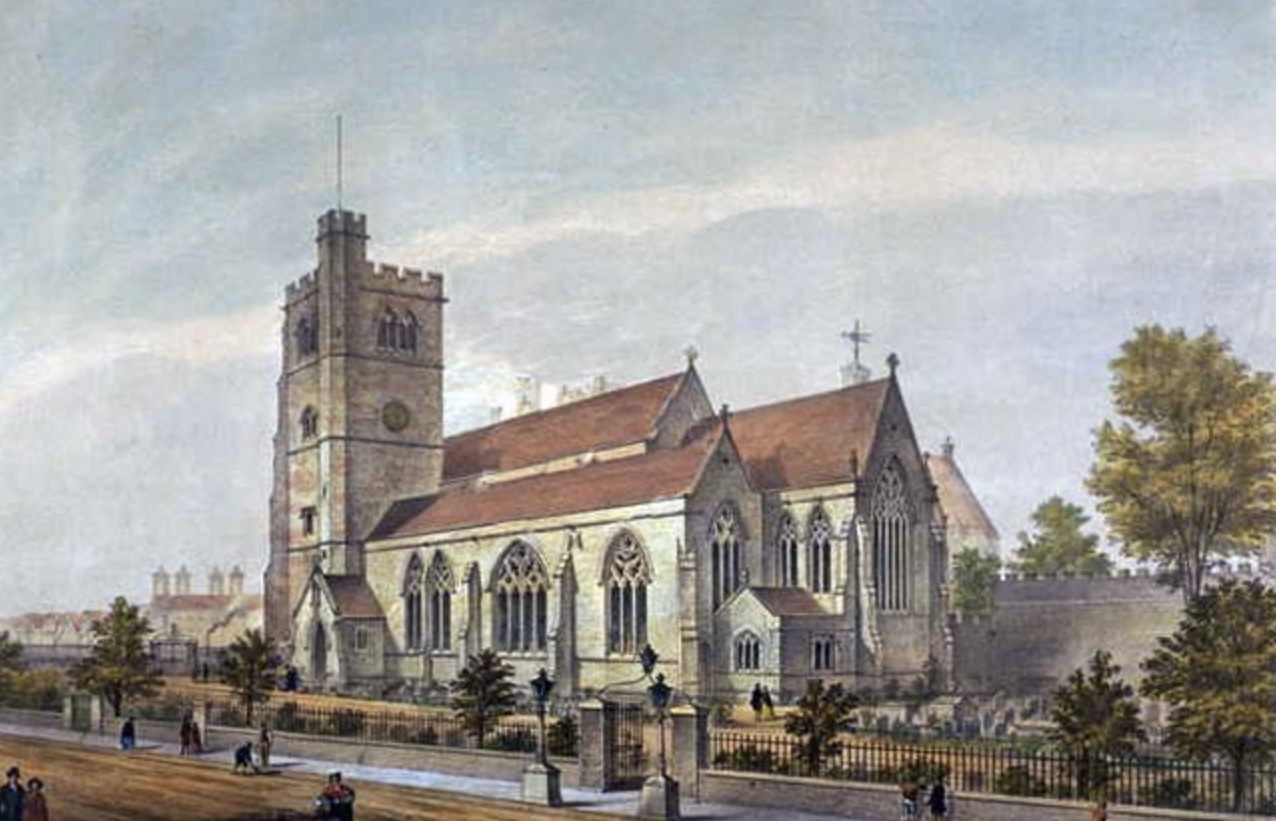
On 1 June 1873, six months pregnant, my 3 x great grandmother Annie Wheeler married the baby’s father, James Noulton, in the splendid surroundings of St Mary’s Church, Lambeth (pictured). Both Annie and James were illiterate, so they signed their names with crosses.

On her wedding certificate, Annie used her birth name, Nancy. Over the years that name changed to Nan, Ann, then Annie, a name that was handed down through the generations of the Noulton family.
On 10 August 1873, my 3 x great grandmother Annie Wheeler gave birth to a son, James Henry Noulton (pictured in later life). She named him after her husband and father. James Henry was baptised on 31 August 1873 in St Mary’s Church, Lambeth. 

A labourer, husband James accepted any job that was available. Meanwhile, at the age of sixteen, Annie looked after her son and ran the family home. Annie, James and James Henry needed somewhere, low rent, to live. They found that accommodation in Salamanca Street, opposite the bone, manure and soap works, a hotbed of disease. Once again, the struggle was on for Annie and her family to survive.
My 3 x great grandmother Annie Wheeler’s home in Salamanca Street, St Mary’s, Lambeth was situated opposite the bone, manure and soap works. Pollution was chronic while mites from the bone works bit the locals and spread disease.

Charles Booth’s Poverty Map of London described Salamanca Street as “poor with 18s income a week for a moderate family”. That income converts to £73 a week in today’s money. 

Surviving on 18s a week was bad enough. However, there were lower categories on Charles Booth’s map: “very poor, chronic want” and “vicious, semi-criminal”. Annie’s situation was not great. However, some people in her neighbourhood were living in even worse conditions.

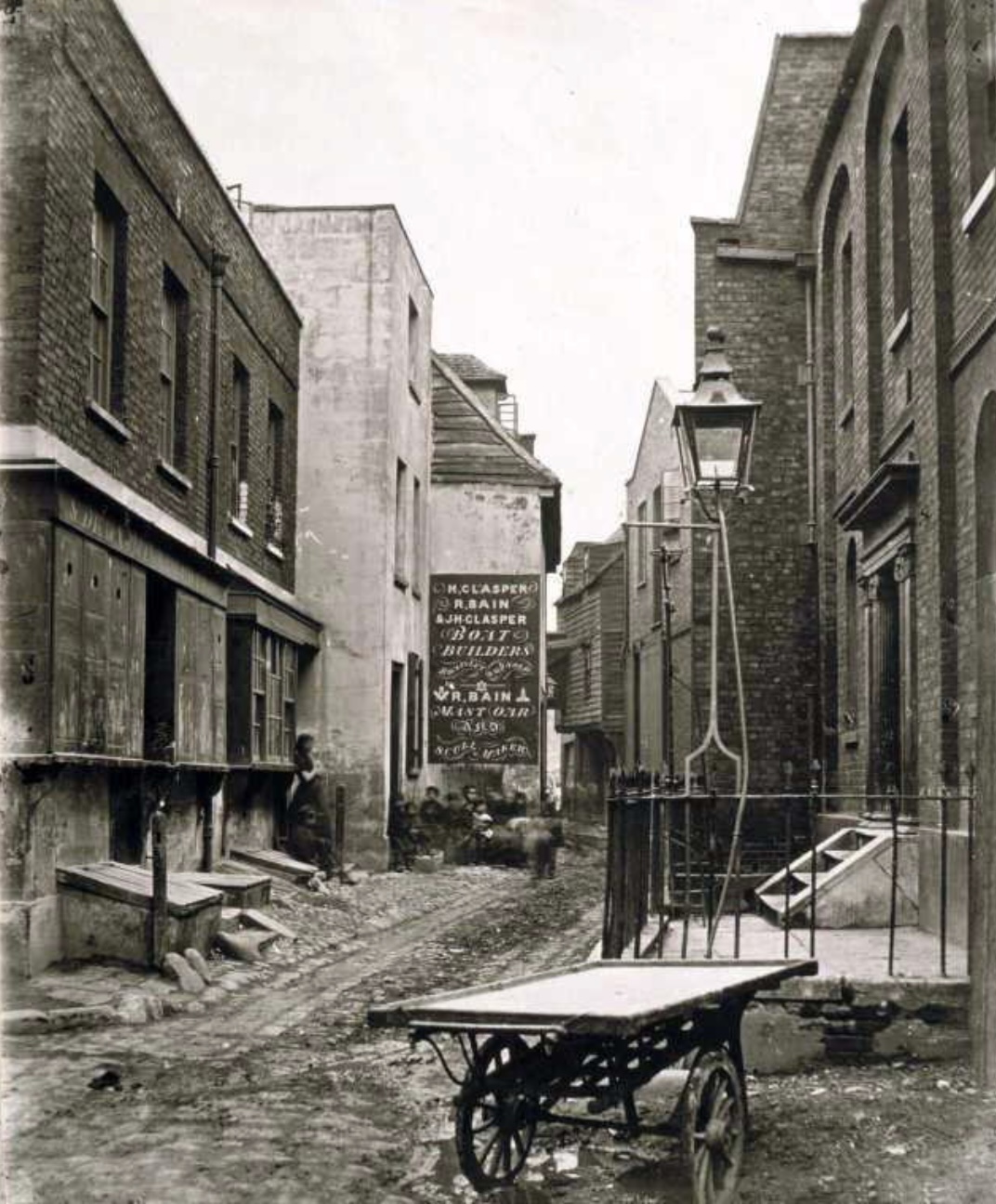
📍Salamanca Street at the time Annie was living there. Note the railway bridge that crossed the street.

In September 1874, the newspapers reported that the soap works adjacent to my 3 x great grandmother Annie Wheeler’s house was for sale. The soap works offered employment. However, it also generated a lot of pollution and spread disease. 

Annie’s father-in-law Samuel Noulton worked as a bone chopper in the soap works. After the sale of the soap works he worked as a cement porter at the docks. Annie’s husband James also worked as a cement porter.

Despite the wretched living conditions, Annie’s son James Henry was prospering, but her father, Henry, was in poor health.

In October 1874, Henry, the father of my 3 x great grandmother Annie Wheeler, died. He was seventy-seven. Henry and Annie were close. He lived around the corner from his daughter, in Salamanca Court, and was staying with her at 13 Salamanca Street when he died.

A labourer, Henry was involved in a number of petty crimes. As such, he was not the ideal role model. I get the impression that he stole to feed his family. A notable gap of nine years between the births of his first and second children suggests he spent seven years in prison. 

In total, Henry fathered twelve children, nine with his first wife Elizabeth Mitchell and three with his second wife Mary Ann Campin. Annie was his youngest child.

Henry was buried on 19 October 1874 in a common grave in Brompton Cemetery, at a depth of seven feet. A number of other coffins, strangers to Henry, were buried with him. Meanwhile, in harsh conditions, Annie struggled on. Many women in her position turned to drink. Would she follow that route?
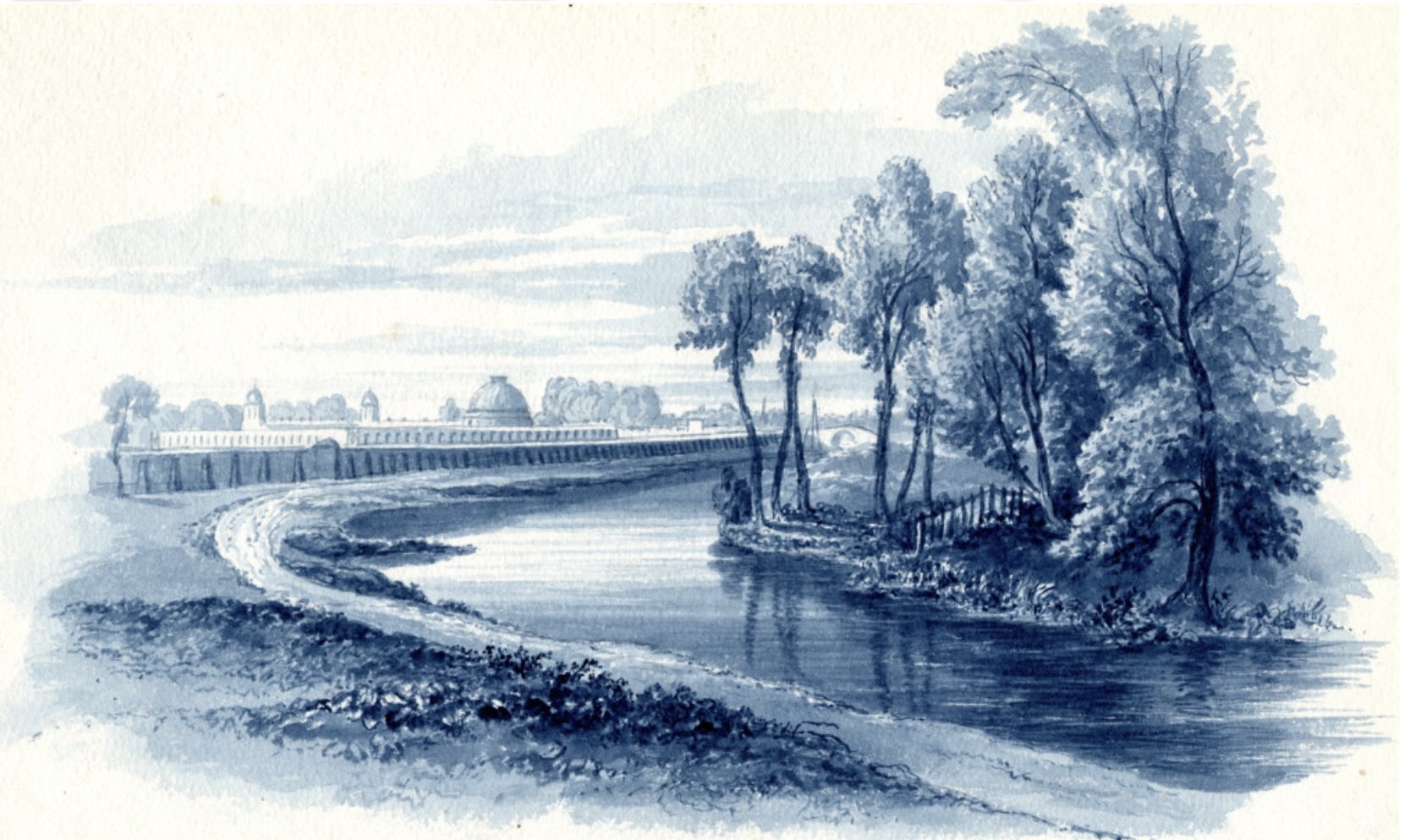
Brompton Cemetery and Kensington Canal by William Cowen

Still a teenager, in April 1875 my 3 x great grandmother Annie Wheeler gave birth to her second son, Henry Charles Noulton (pictured with a niece in later life) – or did she?

There is confusion over this birth record. Henry Charles Noulton, was baptised on 30 May 1875 in St Mary’s Church, Lambeth. His father was recorded as James Noulton, Annie’s husband.

Two entries on this record raise queries. One, the address, 17 Vauxhall Walk. Vauxhall Walk was around the corner from Annie’s home in Salamanca Street so it’s possible that she was staying there during the early days of the birth, or that her family had moved there temporarily. The second query is more baffling – the mother’s name was recorded as Elizabeth.

Annie was born Nancy. It’s possible that she was also known as Elizabeth, certainly she used that name for one of her children. The two previous baptisms that day also featured Eliza as the mothers. Maybe the vicar, George Elliot, made a mistake because he had Eliza on his mind. Annie was illiterate, so wouldn’t have noticed the error.

Henry Charles Noulton was brought up as Annie’s son. He named his first daughter Annie. Furthermore, my 3 x great grandmother’s birthing pattern suggests that she was due to give birth around the time Henry Charles was born. And, the clincher for me, the child appears to have been named after Annie’s father.

A newspaper report from October 1875 stated that fighting occurred in a house in Salamanca Street and that a large crowd gathered outside. It’s highly probable that my 3 x great grandmother Annie Wheeler was in that crowd.

The newspaper also reported that Salamanca Street was “notorious for violent assaults and riots, particularly on Saturday nights.” Two descriptions of Annie’s husband James Noulton mentioned scars, so maybe he was involved in a brawl at some point.
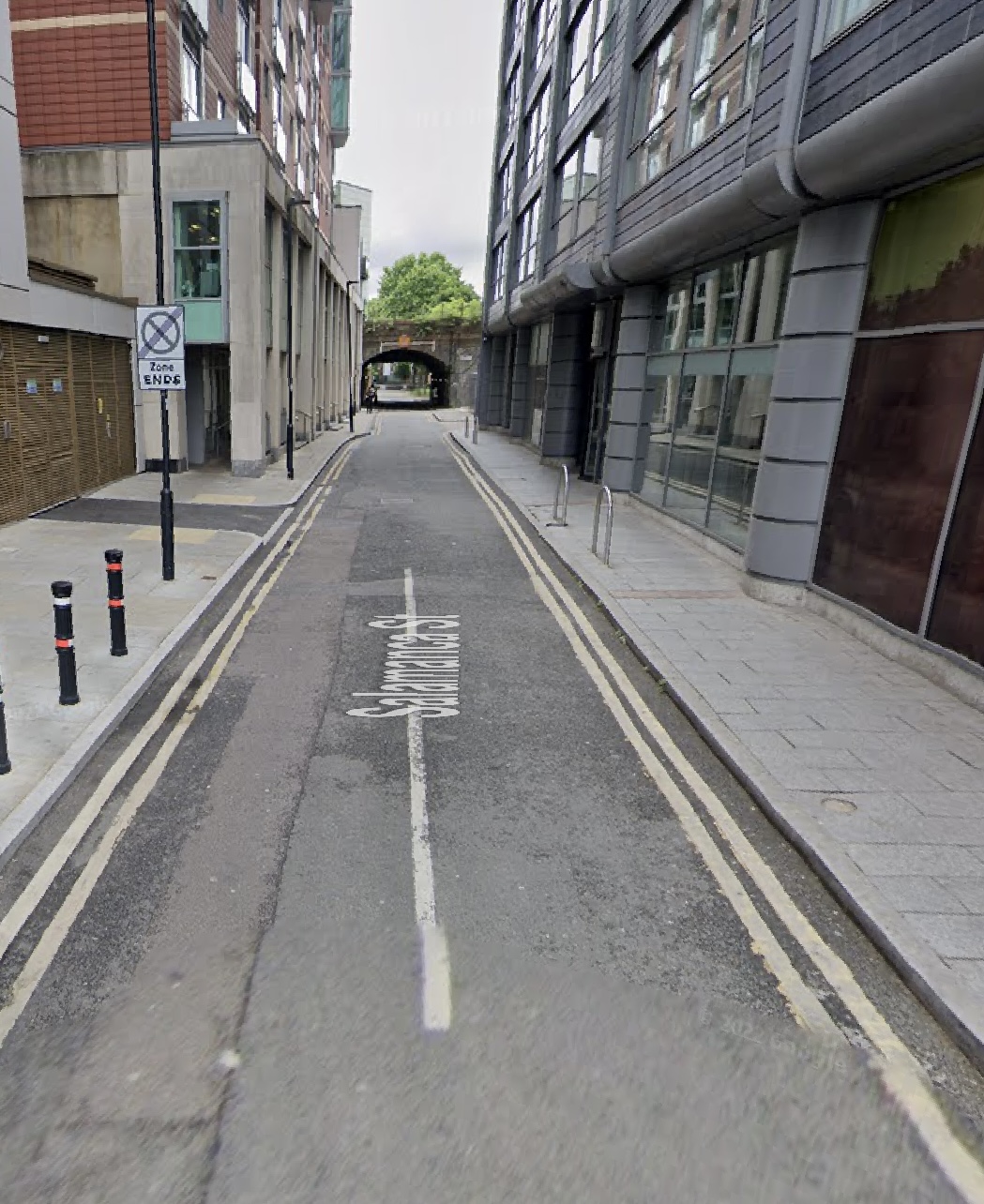
Courtesy of Google Maps, a modern view of Salamanca Street. Annie’s home was near the railway bridge, which appears to be the original Victorian structure.

By the autumn of 1876, my 3 x great grandmother Annie Wheeler had two young children. These newspaper reports from that time offer descriptions of life in her street, Salamanca Street.

As ever, thank you for your interest and support.

Hannah xxx

For Authors

#1 for value with 565,000 readers, The Fussy Librarian has helped my books to reach #1 on 38 occasions.

A special offer from my publisher and the Fussy Librarian. https://authors.thefussylibrarian.com/?ref=goylake

Don’t forget to use the code goylake20 to claim your discount 🙂

Categories
Ancestral Stories

Ancestral Stories

Annie Wheeler

My 3 x Great Grandmother

Part One – Annie’s Childhood

Annie Wheeler spent her childhood in Lower Fore Street, Lambeth, a street “of filthy tumbledown buildings of rancid odours and Lambeth fog…of dirt, decay and bad smells.” Cholera arrived in London via Lower Fore Street, in September 1848.

Annie’s parents were Henry Wheeler, an habitual criminal, and his second wife, widow Mary Ann Campin. Henry was sixty when Annie was born, Mary Ann was forty-one. Annie’s half-brothers, Charles and Richard, spent time in prison for larceny. Ironically, Mary Ann’s father was a policeman.

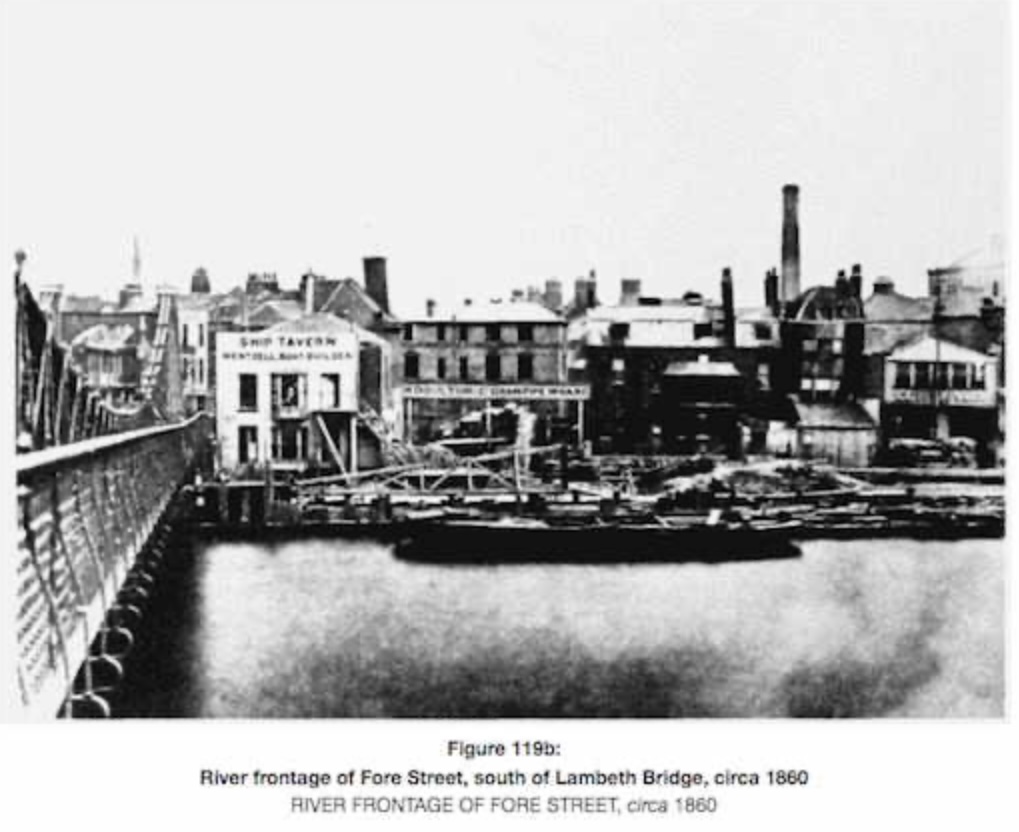
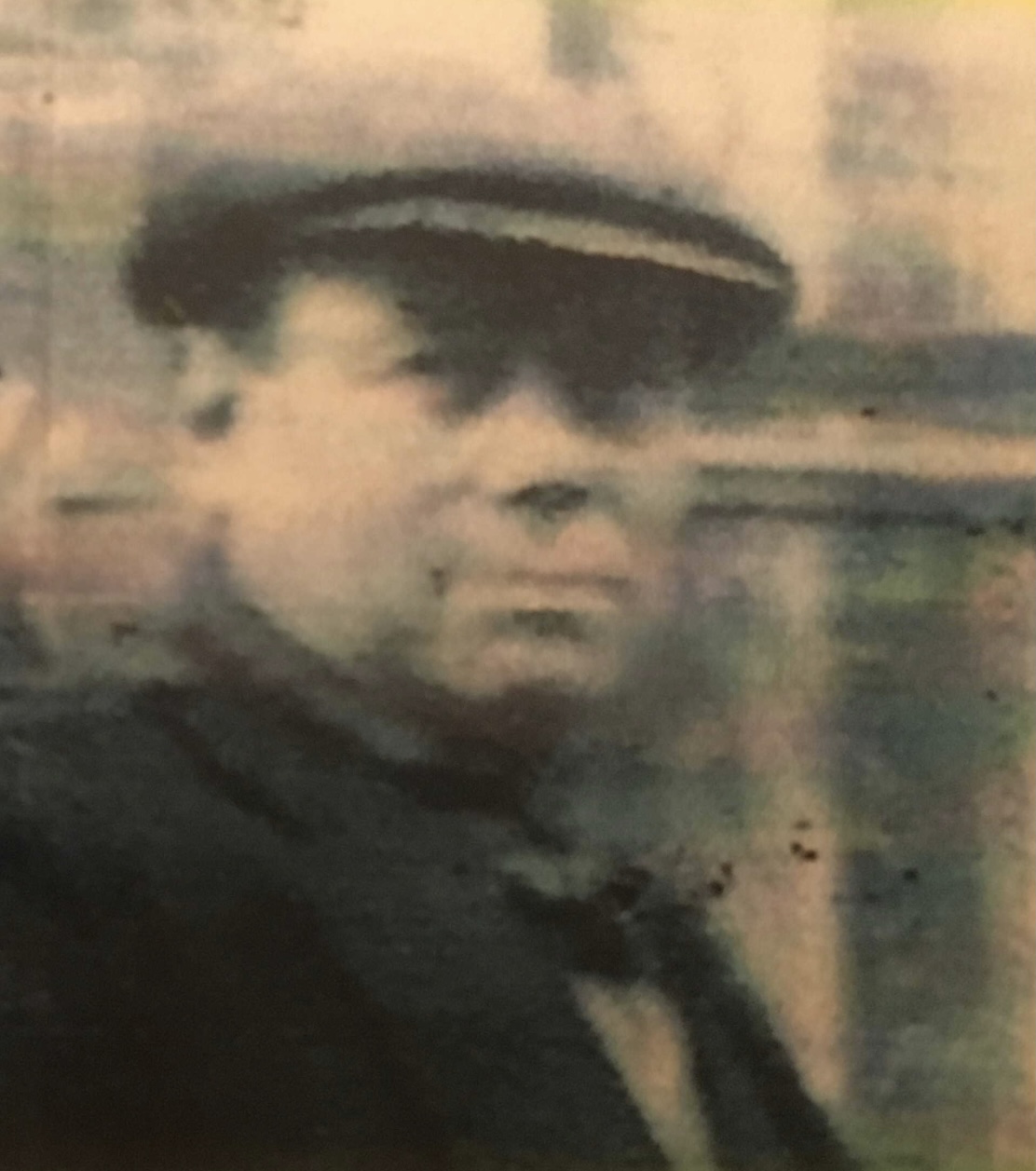
Lower Fore Street, Lambeth, London, c1860. Annie lived in Lower Fore Street throughout her childhood. She was three when this picture was taken, and it’s possible that she is one of the children in the background.

Newspaper reports from 1860. Annie was three years old. These reports offer a graphic description of her childhood.

Lower Fore Street, c1860

A serious fire in Lower Fore Street, May 1861.

The newspaper reports for Lower Fore Street continued in the same vein with fires, suspected murders, accidents and beatings. As you can see, Annie’s childhood was all about survival. Somehow, she made it through to her teenage years. What awaited her then? More next time.

As ever, thank you for your interest and support.

Hannah xxx

For Authors

#1 for value with 565,000 readers, The Fussy Librarian has helped my books to reach #1 on 38 occasions.

A special offer from my publisher and the Fussy Librarian. https://authors.thefussylibrarian.com/?ref=goylake

Don’t forget to use the code goylake20 to claim your discount 🙂
Categories
Mary Hopkin

Mary Hopkin #1

Spring 1848

My name is Mary Hopkin. I was born on 27 August 1818 in the village of South Corneli, Glamorgan, Wales, and baptised on 20 September 1818 at St James’ Church in the nearby village of Pyle. I live with my parents Daniel Hopkin, born 1781, an agricultural labourer, and Anne Lewis, born 1783, who runs the family home.

As for my siblings, my brother Hopkin died at the age of twenty while my older sister Anne married David Price and moved fifteen miles west to Neath. 

My younger sister Margaret also lives with us along with my nine-year-old niece Anne Price, and an orphan, fifteen-year-old Anne Beynon. Anne was the daughter of John Beynon and Anne Nicholl, who owned a shop in Corneli. John died in 1837 and his wife Anne in 1832. My parents did not want Anne Beynon to enter the orphanage, so they invited her into our humble home.

Seven years ago, I entered into a relationship with an agricultural labourer, Thomas Reynolds. Our relationship produced a son, Thomas. Thomas Reynolds refused to marry me. He died three years after his son was born.

I live as a single mother and earn a living making dresses and bonnets. I will tell you more about my life, my family and my village in future posts.

Midsummer’s Day 1848

Around 150 ladies of the Corneli Female Benefit Society (virtually the entire female population of the village) met at the Corneli Arms where our host David Howells entertained us in grand fashion, supplying ample quantities of tea and cake. Music started up and for many hours we “tripped the light fantastic toe” and drove our “dull cares away”. Indeed, we danced and sang until nightfall. Everyone was in their finery, and I made a dress for the occasion, dark blue to match the colour of my eyes. The bonnets were splendid too.

Autumn 1848

Why is our village called Corneli? At the market, I heard this story: Robert Fitzhamon invaded Glamorgan in the 1100s. When Fitzhamon died, he stated in his will that his mistress, his girl Nelly, should inherit our land. Therefore, the land was called Girl-Nelly, which became corrupted to Cor-neli. I think the man who told me that tale was pulling my leg.

Categories
Dear Reader

Dear Reader #220

Dear Reader,

Tula, my latest audiobook, featuring a wonderful narration by Amelia Mendez.

I never wanted to be a star. I just wanted to act in movies. I just wanted to get away from the impoverished streets of Brooklyn and live in relative comfort.

Now, at the close of the 1920s, I was the biggest name in Hollywood. My movies were the highest grossing in the business. Investors depended on me, producers depended on me, my fellow actors depended on me, and maybe the strain of that dependence triggered my emotional collapse.

Actually, I knew what trigged my emotional collapse—my father’s death. I found myself in an asylum, in the care of Dr. Brooks. Along with my fiancé, fellow actor Gregory Powell, Dr. Brooks was convinced that an underlying issue triggered my collapse, and he wanted me to record my life story, so that he could identify that issue.

Gregory had faith in me. He said he’d wait for me, and that he knew I’d make a full recovery. But to make that recovery, I had to address the underlying issue that had placed me in the asylum.

So, I offer you the notes that I prepared for Dr. Brooks. To the best of my ability and memory, I recorded the important events that made up the first 25 years of my life. And within these notes, I discovered the true reason for my emotional breakdown.

https://www.amazon.com/Audible-Tula-Golden-Age-Hollywood/dp/B0CN1PT2ZN/

My latest translation, the Dutch version of Operation Overlord, Eve’s War Heroines of SOE book nine.

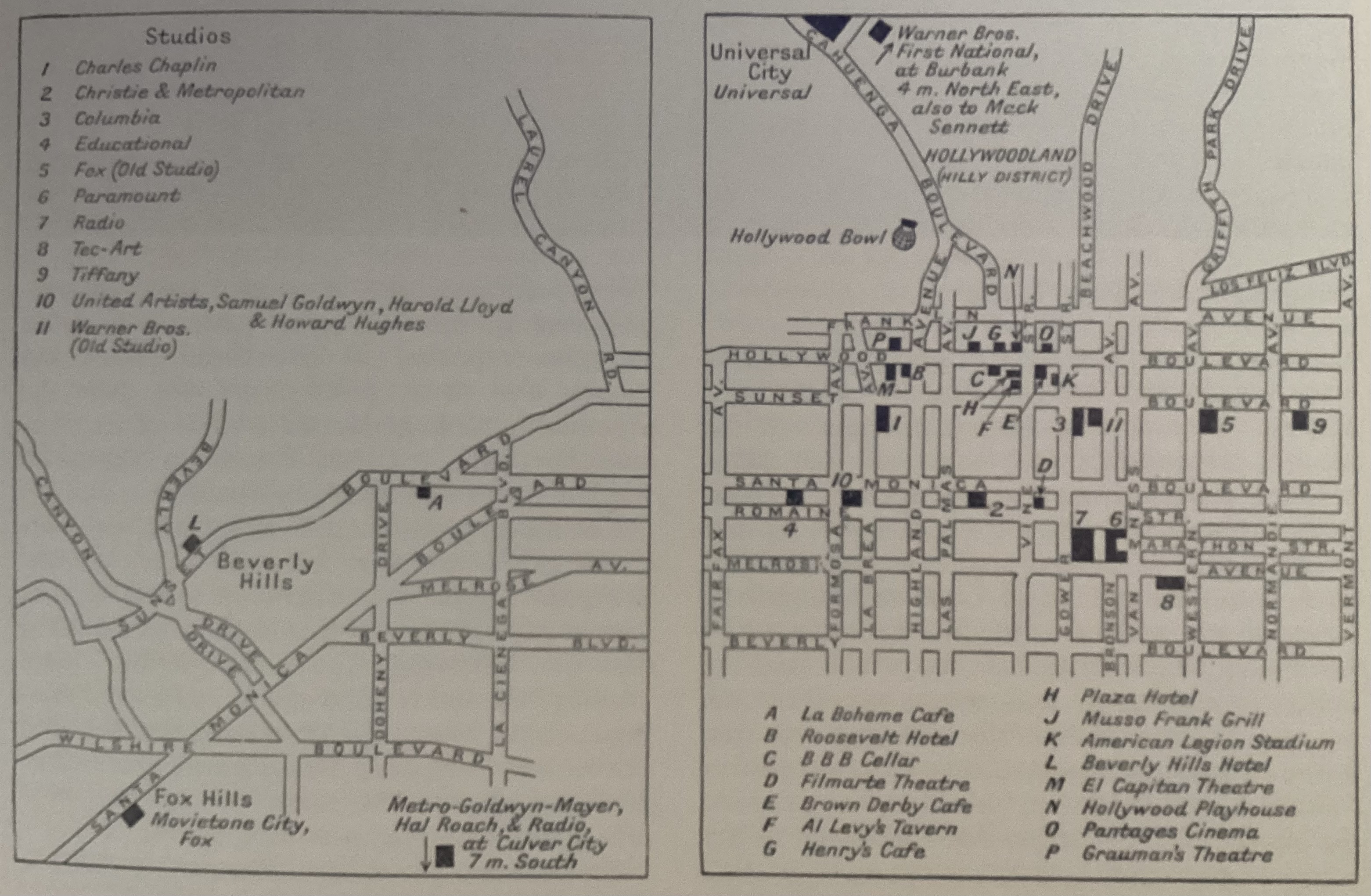
From The World Film Encyclopaedia, 1933, a map of Hollywood movie studios and notable landmarks.

I’m delving into 1948, researching material for two novels scheduled for 2024 – Eve’s Peace, a sequel to my Eve’s War Heroines of SOE series, and Dana, book three in my Golden Age of Hollywood series.

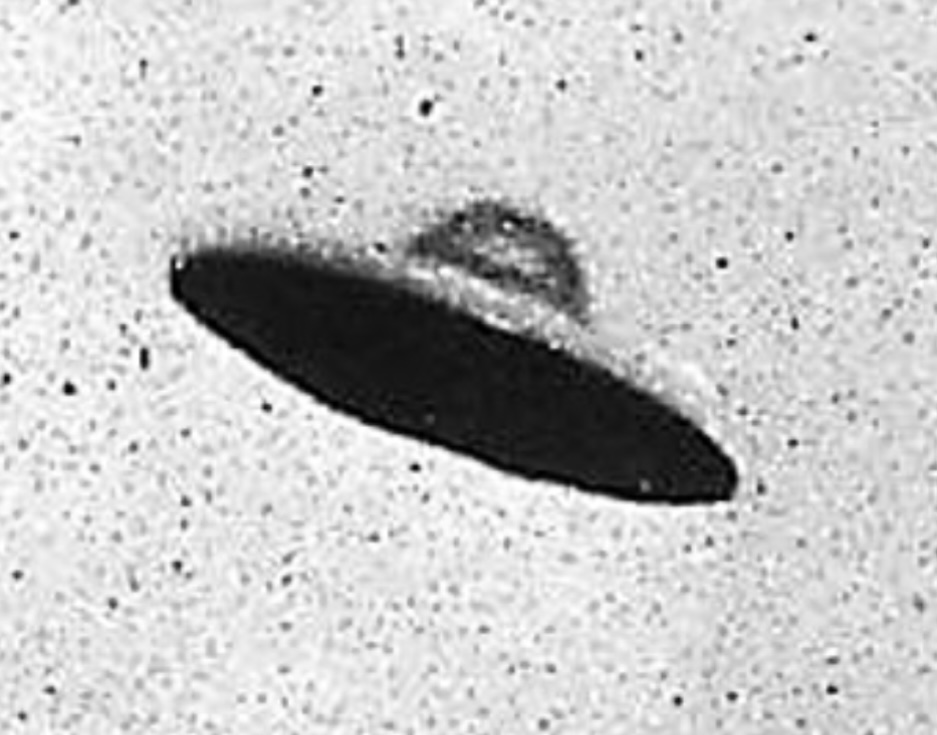
On January 7, 1948, 25-year-old Captain Thomas F. Mantell died when his P-51 Mustang fighter chased a UFO. Due to Mantell’s death, this incident marked a sharp shift in both public and governmental perceptions of UFOs. Now they were seen as not only extraterrestrial, but potentially hostile as well.

The Treasure of the Sierra Madre was released in January 1948. The movie contained a number of scenes shot on location outside the United States – in the state of Durango with street scenes in Tampico, Mexico – which wasn’t common at that time.

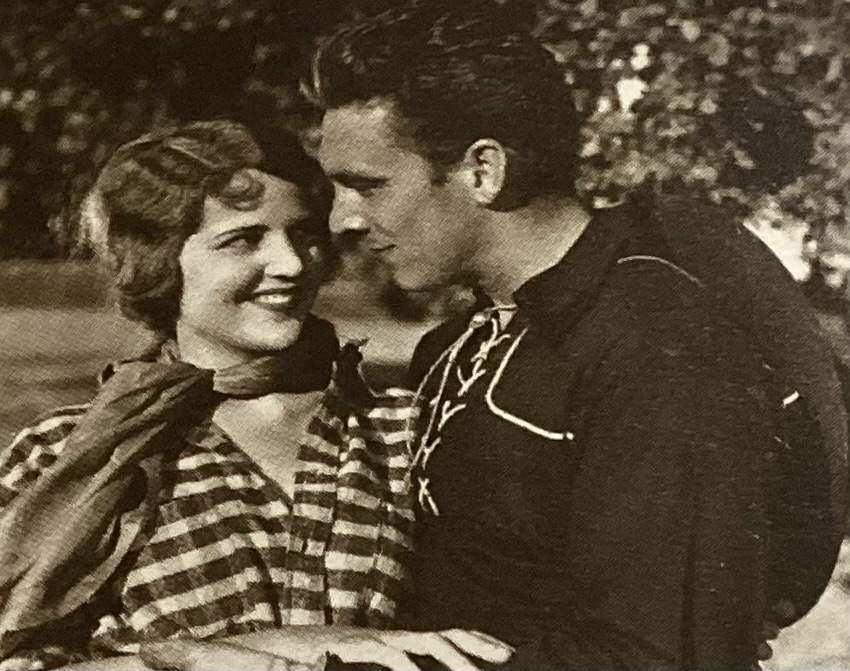
Sue Carol and George O’Brien in The Lone Star Ranger, 1930. Sue Carol was a friend of Virgina Cherrill, who made City Lights with Charlie Chaplin. Later, Sue Carol became an agent and promoted Alan Ladd to stardom. Reader, she also married him.

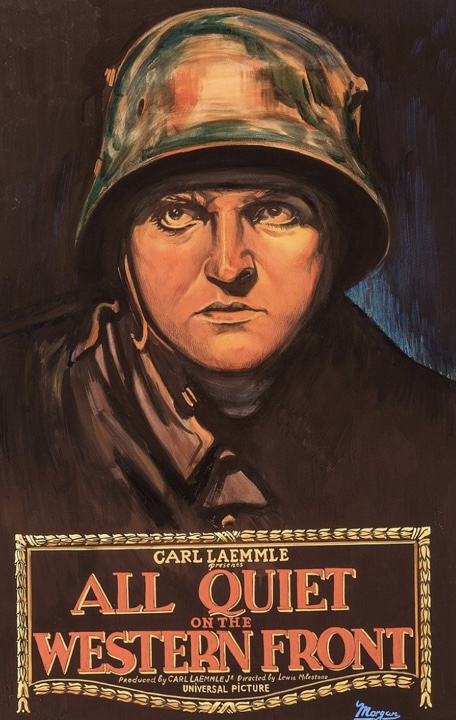
The Film Daily’s annual critics poll of 1930 produced the following result:

  1. All Quiet on the Western Front 271 votes
  2. Abraham Lincoln 167
  3. Holiday 166
  4. Journey’s End 151
  5. = Anna Christie 141, The Big House 141

The votes were cast by 333 American film critics.

Columbo

Pilot Episode #2: “Ransom For a Dead Man”. This episode featured Lee Grant as the murderer. Lee Grant is a highly gifted and award-winning actress who was blacklisted for twelve years during the McCarthy period.

“Because Eddie Dmytryk named her husband, Lee Grant was blacklisted before her film career even had a chance to begin. Of course, she refused to testify about the man to whom she was married, and it took years before anyone would hire her for another picture.” – Kirk Douglas.

A Hollywood Murder

I’m pausing my investigation here while I pull together the various threads of the story. I reckon one of Charlotte Shelby, Carl Stockdale, or Mary Miles Minter murdered movie director William Desmond Taylor in February 1922, but which one? I will let you know when I find out…

I’m researching my family in 1921, starting with my ancestor Annie Noulton (1881 – 1963). In 1921, Annie was a widow. Her husband, Albert Charles Bick, died at the Battle of Loos, 25 September 1915 when the idiotic generals, using gas on the battlefield for the first time, gassed their own men. 

Annie and her seven children, five girls and two boys, lived in four rooms at 19 Springfield Place, Lambeth. The national demographics for 1921: 47.8% male, 52.2% female. In Lambeth: 46.6% male, 53.4% female. The carnage of the First World War obviously impacted on those figures.

📜 Annie’s signature 

May 1925, a taxi driver, a neighbour of my ancestor Annie Noulton, fined for reckless driving at 15mph.

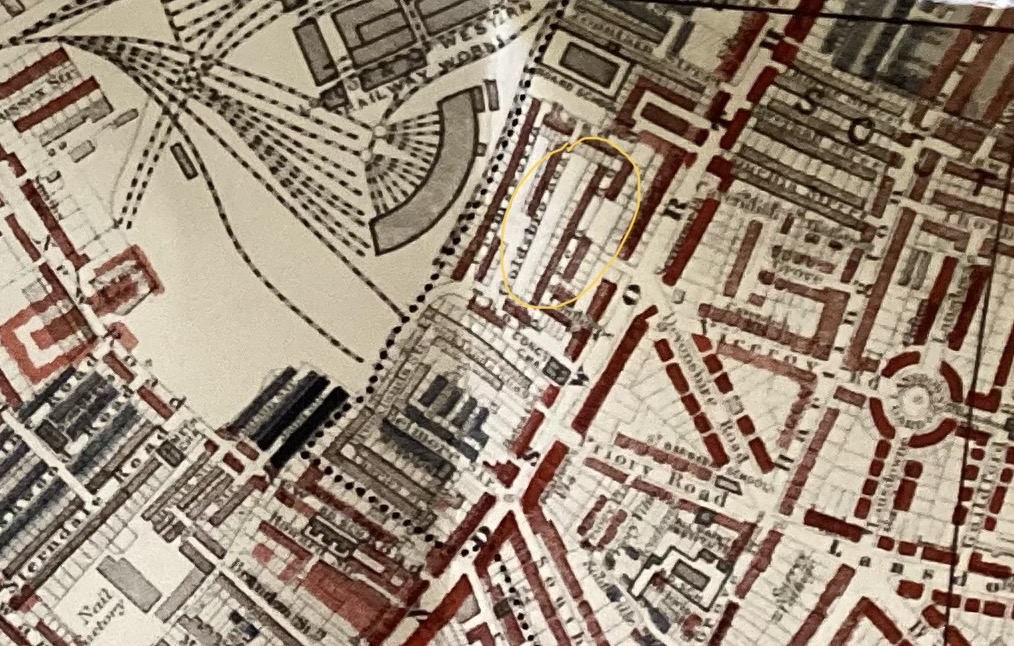
Looking at the records and seeing my ancestor, First World War widow Annie Noulton, working as an office cleaner to provide for her five daughters and two sons, and I’m taken by how hard her life was. Yet, her mother, also known as Annie, but born Nancy (it’s a long story) lived on one of the poorest streets in London, so war widow Annie was actually moving her family forward in her own quiet way. Indeed, according to Charles Booth’s poverty map, she was living in a “fairly comfortable” – “well-to-do” neighbourhood – circled in yellow.

Social media https://toot.wales/@HannahHowe

As ever, thank you for your interest and support.

Hannah xxx

For Authors

#1 for value with 565,000 readers, The Fussy Librarian has helped my books to reach #1 on 38 occasions.

A special offer from my publisher and the Fussy Librarian. https://authors.thefussylibrarian.com/?ref=goylake

Don’t forget to use the code goylake20 to claim your discount 🙂

Categories
Dear Reader

Dear Reader #188

Dear Reader,

Clara Bow’s twenty-seventh movie was The Best Bad Man, released by Fox, November 29, 1925. Clara played Peggy Swain. A co-star was ‘Tony the Wonder Horse’ who played himself.

Loaned out by B.P. Schulberg, Clara was hopelessly miscast as a frontier gal in a vehicle for cowboy star Tom Mix. After the success of Clara’s previous movie, The Plastic Age, The Best Bad Man was a backward step.

B.P. Schulberg was a ‘dollars and cents’ producer with no real feel for artistry or a person’s career. Schulberg helped Clara to become a star, but without his help she would have become a star sooner.

Why did Clara Bow quit Hollywood at the height of her fame? I believe there were numerous reasons, and I will explore them in a future article. Certainly, Hollywood did not abandon Clara. The offers continued to roll in. They included three offers for long-term contracts with major film companies ranging from $100,000 to $175,000 per picture, an offer of $150,000 plus a percentage for one picture, and two profit-sharing offers from independent producers. Clara also rejected product endorsements, radio shows, personal appearances and Broadway productions, turning her back on $10,000 – $20,000 a week.

My latest translations, the Dutch version of Operation Sherlock, book five in my Eve’s War Heroines of SOE series, and the Afrikaans version of Love and Bullets, book two in my Sam Smith Mystery Series.

My 10 x great grandparents Thomas Papillon and Jane Brodnax.

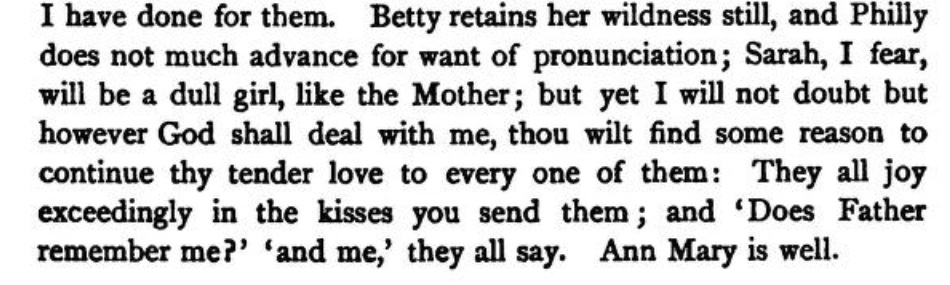
In 1667, Thomas was in Breda, Holland as a representative of the East India Company to observe progress in the Treaty of Peace between England and Holland. Thomas exchanged a number of letters with Jane. Her letters survived and have been transcribed. 

In this letter of May 31, 1667, Jane talks about their children: Elizabeth, Philip, Sarah and Ann Mary/Anna Maria, my direct ancestor.

Later in the letter, Jane requests that Thomas returns home with some fresh linen. And “a little cheese.”

My 5 x great grandmother Grace Austin was born on 22 July 1786 in Barking, Essex and baptised on 20 August 1786 in St Margaret’s, Barking (pictured, Wikipedia). She was the fourth born of eight children. Her family lived in relative comfort although, in common with many females of her time, she was not taught how to read and write.

My 5 x great grandparents Samuel Axe and Grace Austin married on 22 September 1803 in Saint Luke Old Street, Finsbury, London (pictured, Wikipedia). Both bride and groom were seventeen years old. Grace’s parents, Isaac Austin and Mary Chetwynd, were also seventeen when they married. Maybe seventeen was the family’s lucky number.

Married to Samuel Axe, between 1805 and 1821 my 5 x great grandmother Grace Austin gave birth to eight children. However, in September 1815, Samuel had an affair with Maria Hammant. We know this because Maria claimed parish relief for her baby. Grace forgave Samuel and gave birth to two more children.

On 25 July 1823, at the age of 37, my 5 x great grandmother Grace Austin died. Her birthing pattern suggests that she was due to give birth to her ninth child, so maybe that was a factor. Grace was buried in Bunhill Fields, Islington (pictured, Wikipedia) alongside such notables as John Bunyan, Daniel Defoe and Susanna Wesley. The common factor: nonconformity. This branch of my family, along with many others, was very strong on nonconformity.

My 6 x great grandmother Mary Chetwynd was born on 7 June 1759 in Barking, Essex and baptised three days later in St Margaret’s, Barking. On 30 January 1777, Mary married Isaac Austin in St Margaret’s. Mary gave birth to at least eight children. 

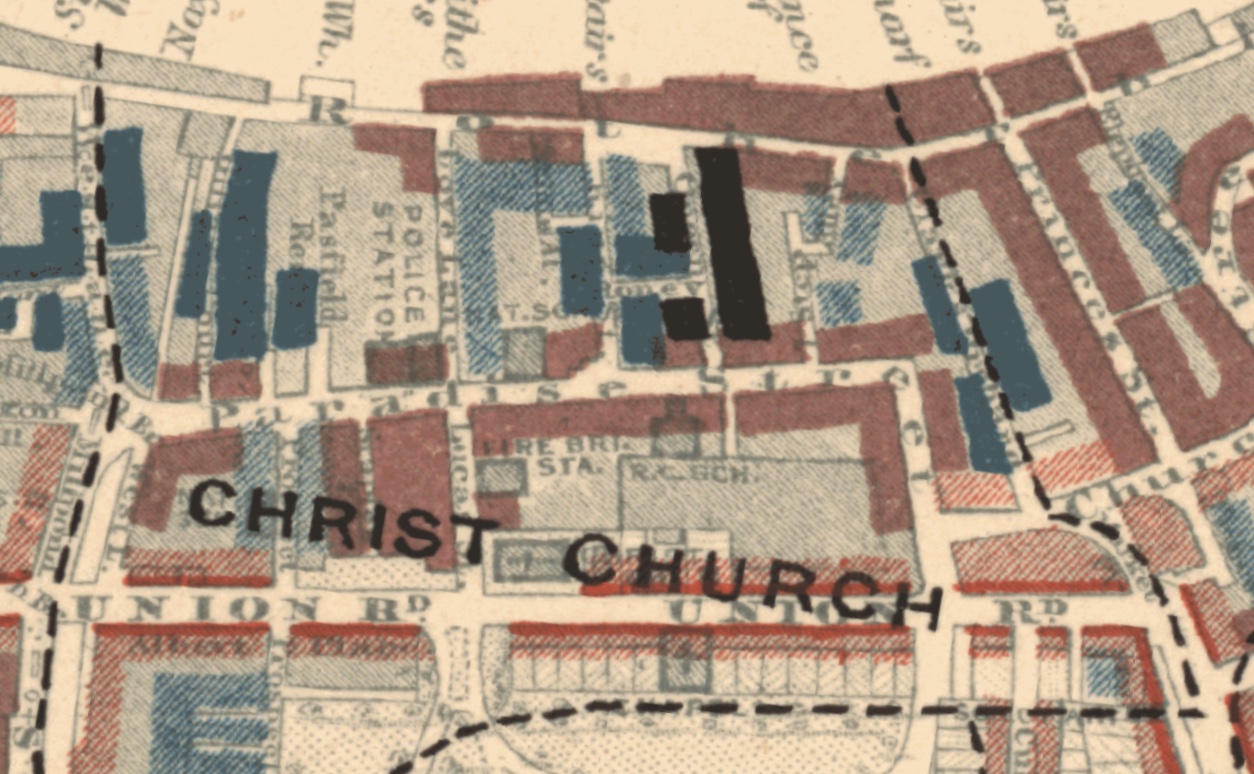
Mary lived on Paradise Street, just south of the River Thames. In his maps of London, Charles Booth described Paradise Street as a ‘well-to-do, middle-class’ street.

Mary died on 25 July 1823, five days after her daughter, Grace, died. Almost certainly, Grace’s death was a factor in Mary’s death. Mother and daughter were buried alongside each other in the nonconformist graveyard of Bunhill Fields, Islington.

My latest article for the Seaside News, about Gloria Swanson, features on page 35 of the magazine.

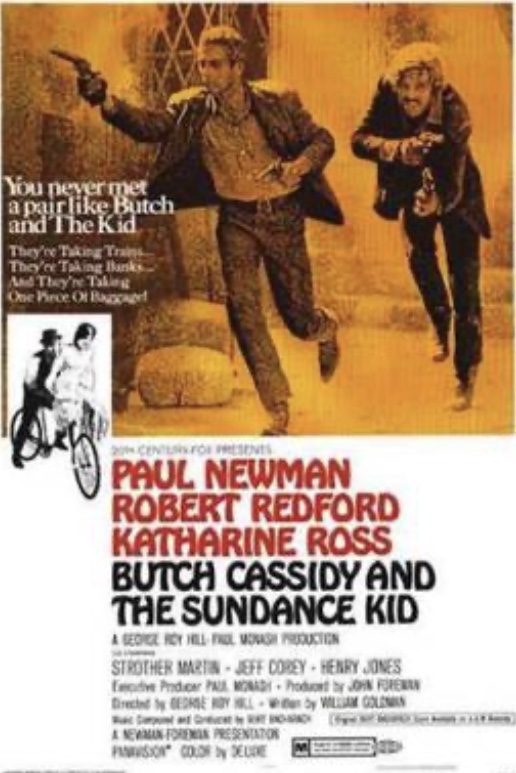
It’s a Wonderful Life 50% v 50% Butch Cassidy and the Sundance Kid
It’s a Wonderful Life won on tie-break

Some Like it Hot 57% v 43% Touch of Evil

On the Waterfront 57% v 43% From Here to Eternity

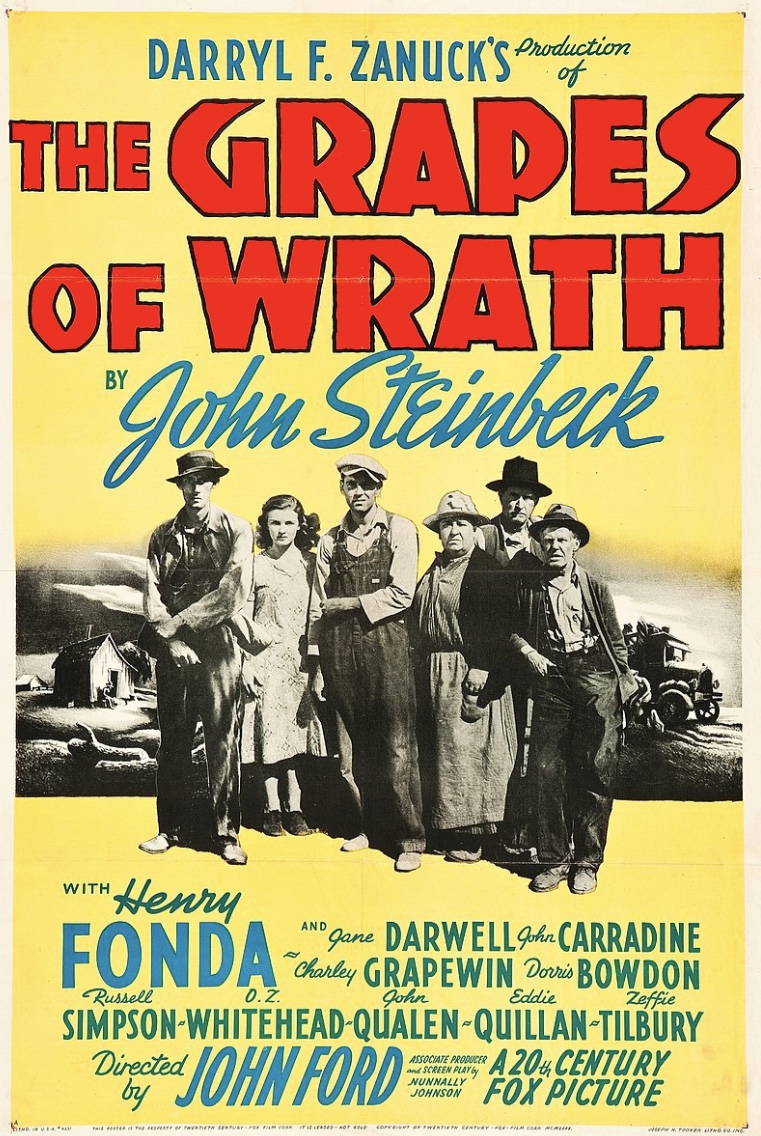
The Grapes of Wrath 59% v 41% Midnight Cowboy

The General 53% v 47% Fantasia

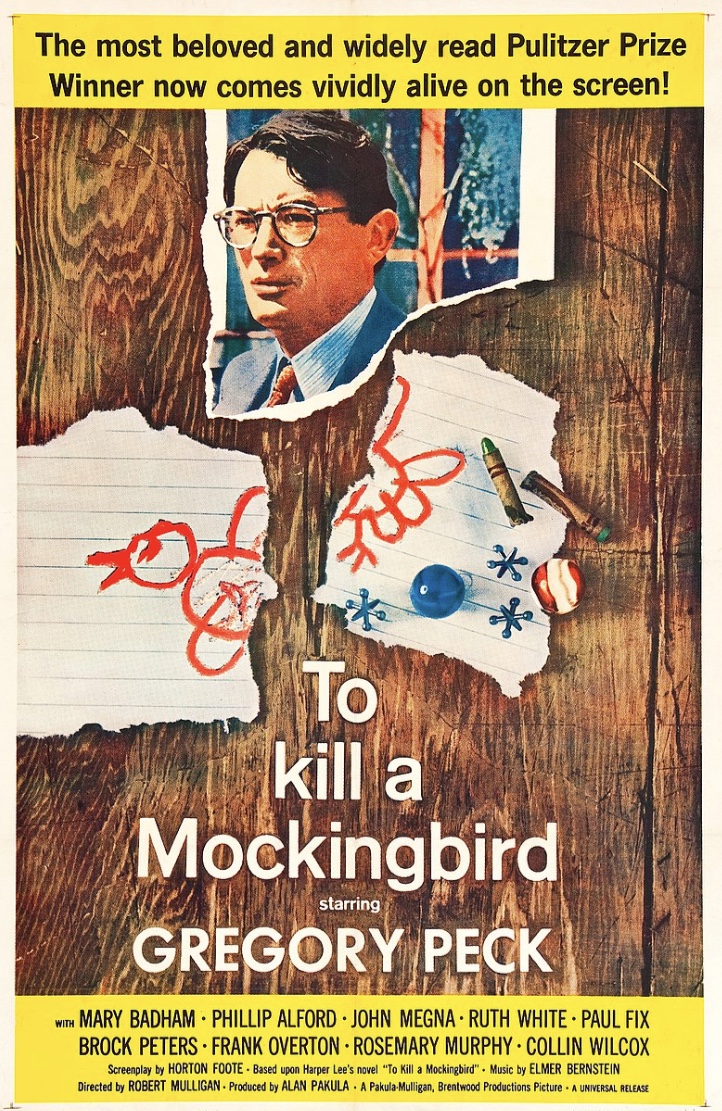
To Kill a Mockingbird 51% v 49% The Philadelphia Story

The Graduate 42% v 58% The Manchurian Candidate

I’m exploring the life and career of Virginia Cherrill, the person who, along with Charlie Chaplin, delivered the “Greatest single piece of acting ever committed to celluloid.”

When she was seventeen, Virginia caught the eye of a handsome young lawyer, Irving Adler. Irving invited her to dances and the theatre. From a high-society Chicago family and with good prospects, Irving had a lot going for him. He proposed marriage, repeatedly, and eventually Virginia said, “yes”.

In the summer of 1926 Virginia and Irving married in secret, often a portent of things to come. Sheltered by an over-protective mother, Virginia’s wedding night came as a shock to her, and the events of that night set the tone for her marriage. 

Irving was often away on business. Lonely, and after seventeen months of marriage, Virginia admitted her mistake. She sought a divorce and on 25 November 1927 made her way west, to friends in Hollywood.

I’m researching material for Sunshine, the second book in my Golden Age of Hollywood series. Sunshine is the nickname of the main character, Abigail Summer. The story is set between 1938 and 1946. 

The theme song for the novel, so to speak, is “You Are My Sunshine”. The Pine Ridge Boys (Marvin Taylor and Doug Spivey) recorded the song on August 22, 1939, and released it on October 6, 1939 for Bluebird Records. Here’s the iconic recording.

This week’s featured title: Sunshine, book two in my Golden Age of Hollywood series.

As ever, thank you for your interest and support.

Hannah xxx

For Authors

#1 for value with 565,000 readers, The Fussy Librarian has helped my books to reach #1 on 36 occasions.

A special offer from my publisher and the Fussy Librarian. https://authors.thefussylibrarian.com/?ref=goylake

Don’t forget to use the code goylake20 to claim your discount 🙂