Categories
1963

Social History 1963 #3

The compact cassette, launched by Dutch company Philips at the Berlin Radio Show on 28 August 1963.

The audio cassette first appeared in 1888 when Oberlin Smith invented a method of recording sound by magnetising wire. Fritz Pfleumer invented magnetic tape in 1928 and this led to the first reel-to-reel tape recorders, in 1935.

Lou Ottens and his Philips team miniaturised the initially bulky and expensive system and made it commercially viable. Although designed for dictation, music lovers soon realised that they could use the compact cassette to compile their own albums, and a new way of listening to music was born.


The Mercedes-Benz W 113 was introduced at the 1963 Geneva Motor Show. The company produced 48,912 W 113s and sold 40% of them to the American market. 

At the car’s launch, technical designer Fritz Nallinger said, “It was our aim to create a very safe and fast sports car with high performance, which despite its sports characteristics, provides a very high degree of travelling comfort.”

My narrator, enquiry agent Elinor Mansfield, will drive a Mercedes-Benz W 113 in my forthcoming novel, Songbird.

📸 Wikipedia

As listed by the Office of National Statistics, the most popular names in Britain in 1963

Susan

Julie

Karen

Jaqueline 

Deborah

Tracy

Jane

Helen

Diane

Sharon 

David

Paul

Andrew

Mark

John

Michael

Stephen

Ian 

Robert

Richard

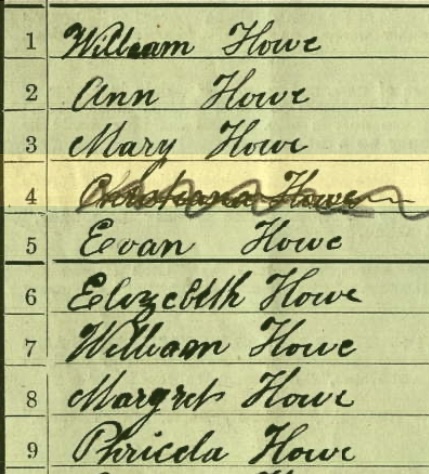
🖼️ My Howe ancestors in 1911

The coins we used – the halfpenny. Originally minted in copper, from 1860 until decimalisation in 1969, the halfpenny was minted in bronze. 

Along with an image of the monarch, the halfpenny featured an image of Britannia, from 1672 until 1936, and an image of the Golden Hind, from 1937 until 1969. 

Halfpenny was colloquially written as ha’penny, and it’s a rare example of a word in the English language containing a silent f. 

Apparently, you could buy sweets like white mice, fruit salad and liquorice for a halfpenny – a small coin with a big appeal.

La Planète des singes, known as Planet of the Apes in America and Monkey Planet in Britain, was published in 1963. Written by Pierre Boulle, the novel was adapted into a film in 1968 and launched an ongoing media franchise.

La Planète des singes is a story about three human explorers who visit a planet orbiting the star Betelgeuse. On Betelgeuse great apes are the dominant, intelligent and civilized species, whereas humans are IQ-challenged savages. It’s total fiction, of course.

Coming soon, Songbird, my novel set in 1963

https://books2read.com/u/bMqNPG

For Authors

#1 for value with 565,000 readers, The Fussy Librarian has helped my books to reach #1 on 32 occasions.

A special offer from my publisher and the Fussy Librarian. https://authors.thefussylibrarian.com/?ref=goylake

Don’t forget to use the code goylake20 to claim your discount 🙂

Categories
1920s

1920s #6

The first 24 Hours of Le Mans race took place on 26 and 27 May 1923, on public roads around Le Mans. Originally the race was planned as a three-year event, with first prize awarded to the car that travelled the furthest distance over three consecutive 24-hour races. This idea was abandoned in 1928.

French, British and Italian drivers and cars dominated the early events, with Bugatti, Bentley and Alfa Romeo featuring prominently.

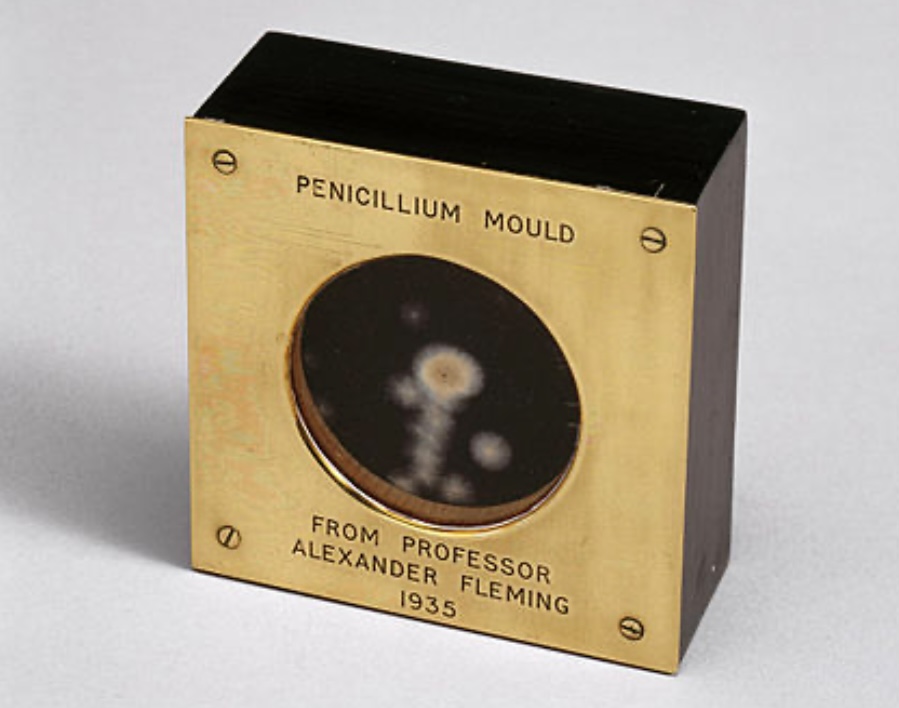
On 3 September 1928 Alexander Fleming observed by chance that fungal contamination of a bacterial culture appeared to kill the bacteria. He confirmed his observation with a new experiment on 28 September at St Mary’s Hospital, London. When Fleming published his experiment in 1929, he called the antibacterial substance (the fungal extract) penicillin.

Fun Fact: I’m allergic to penicillin. When prescribed a course as a teenager, I swelled up and turned bright green.

📸 Wikipedia

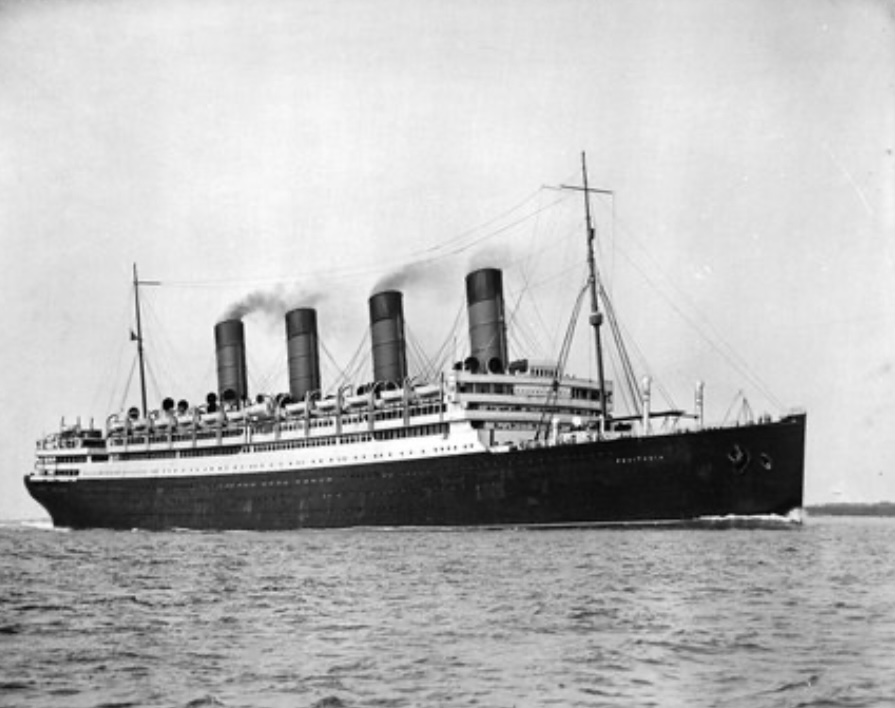
Before the 1920s, shipping companies made their money transporting immigrants to various countries, especially the United States. However, when the USA brought in stricter regulations for immigration many shipping companies turned to cruises to sustain their income. Instead of a means of transport only, the ships became floating hotels.

The Aquitana

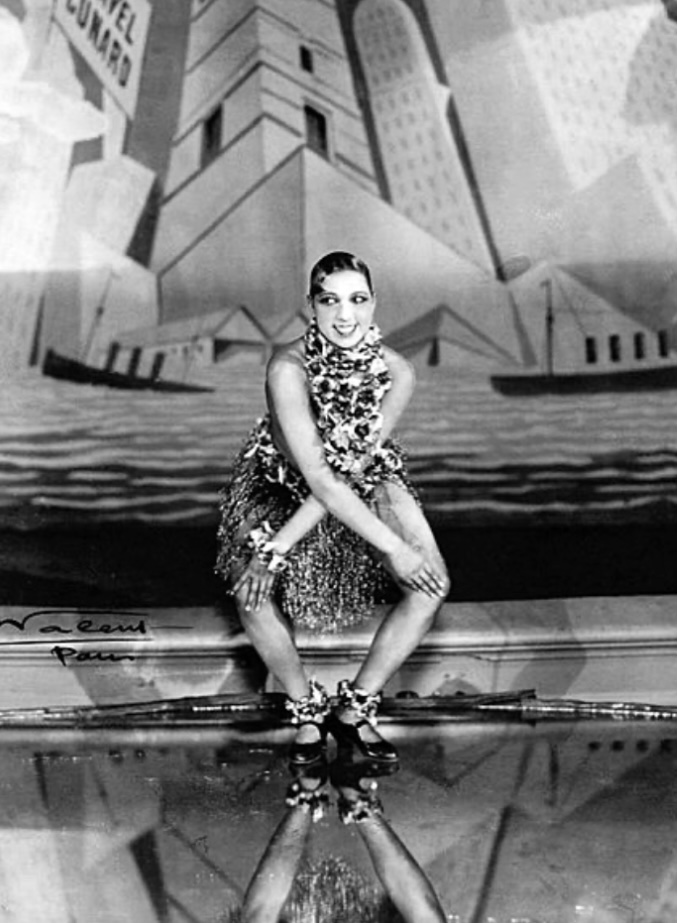
Joséphine BakerJune 3, 1906 – April 12, 1975), was an American-born French dancer, singer, and actress. Joséphine established her career in France where she appeared in movies and danced at the Folies Bergère in Paris. Her performances were a sensation and she became an icon of the Jazz Age.

During the Second World War, Joséphine Baker aided the French Resistance. After the war, she was awarded the Resistance Medal and the Croix de Guerre, and was named a Chevalier of the Legion of Honour.

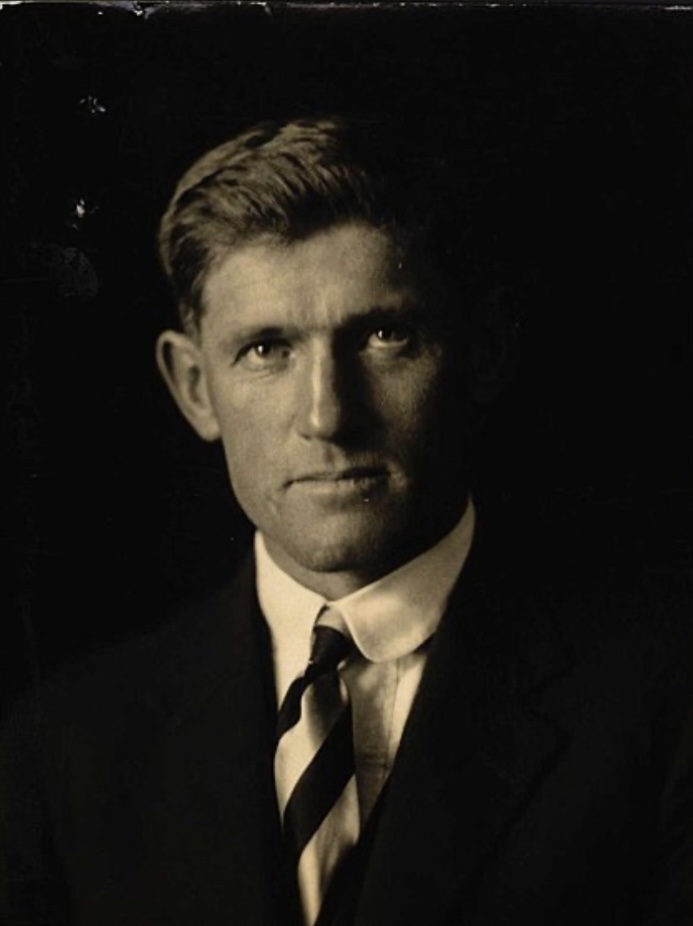
On Saturday, 3 January 1925 Cyril Brownlie of New Zealand (pictured) was sent off for foul play during a Test match against England, the first time anyone had been dismissed from the field of play in an international rugby union match. 

New Zealand won a bruising encounter, 17 – 11.

The first electric razor was patented in 1928 by the American manufacturer Col. Jacob Schick (pictured). A military officer, inventor, and entrepreneur, Schick founded Schick Dry Shaver Inc. 

Schick’s company did well and he moved most of his wealth to a series of holding companies in the Bahamas. This did not please the Joint Congressional Committee on Tax Evasion & Avoidance, so to avoid an investigation Schick became a Canadian citizen in 1935.

On March 28, 1920 “America’s Sweetheart” Mary Pickford and “Everybody’s Hero” Douglas Fairbanks married, thus becoming Hollywood’s first supercouple. 

They created a home, “Pickfair” (pictured), a mock-Tudor-designed six-bedroom house, which contained a screening room, glassed-in sun porch, bowling alley and billiard room. Unfortunately, as with many Hollywood unions, the marriage drifted towards divorce.

For Authors

#1 for value with 565,000 readers, The Fussy Librarian has helped my books to reach #1 on 32 occasions.

A special offer from my publisher and the Fussy Librarian. https://authors.thefussylibrarian.com/?ref=goylake

Don’t forget to use the code goylake20 to claim your discount 🙂

Categories
1920s

1920s #4

In September 1920, the first Bentley cars were delivered to customers. Pictured, a Bentley EXP2 (Experimental nr. 2), the oldest surviving Bentley (📸 Wikipedia).

The 1921-22 season was the 30th for the Football League. Liverpool were champions while Bradford City and Manchester United were relegated. Nottingham Forest and Stoke took their place.

For this season the Third Division was divided into North and South sections increasing the number of clubs in the league from 66 to 86.

Graphic: Wikipedia

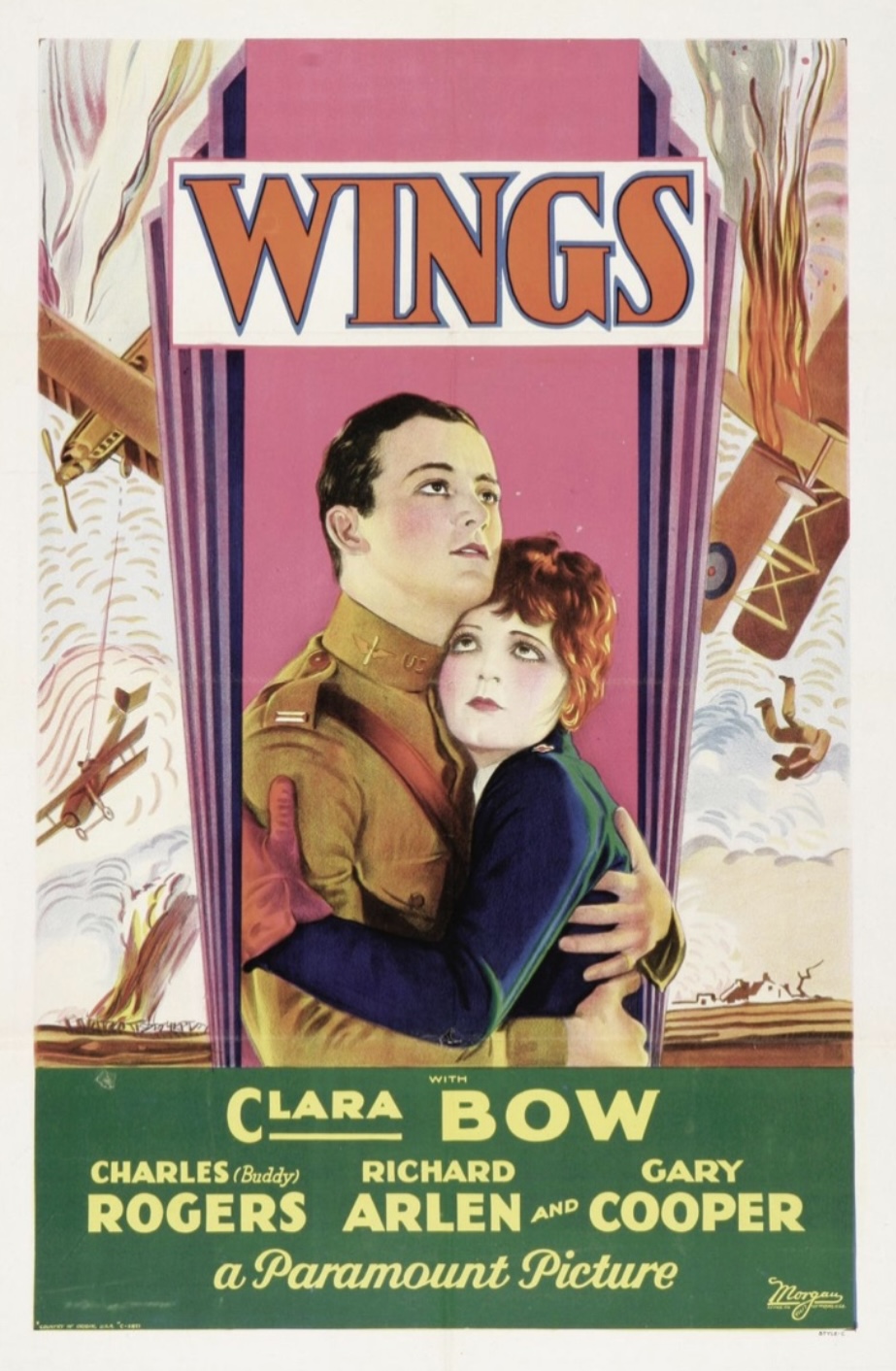
Wings, a First World War drama that dominated the movie world in 1927, opened at the Criterion Theater in New York City on August 12, 1927. Tickets cost $2, an unheard-of admission price. The standard rate was $0.25 a ticket.

Wings was a homage to First World War fighter pilots. As its star Clara Bow rightly observed, it was a buddy movie and she was only added to the cast because she was red hot at the box office. Clara’s appearance guaranteed that the movie would be a success. Furthermore, the quality of the film, and the amazing stunt flying, ensured that Wings won the first ever Academy Award for Best Picture.

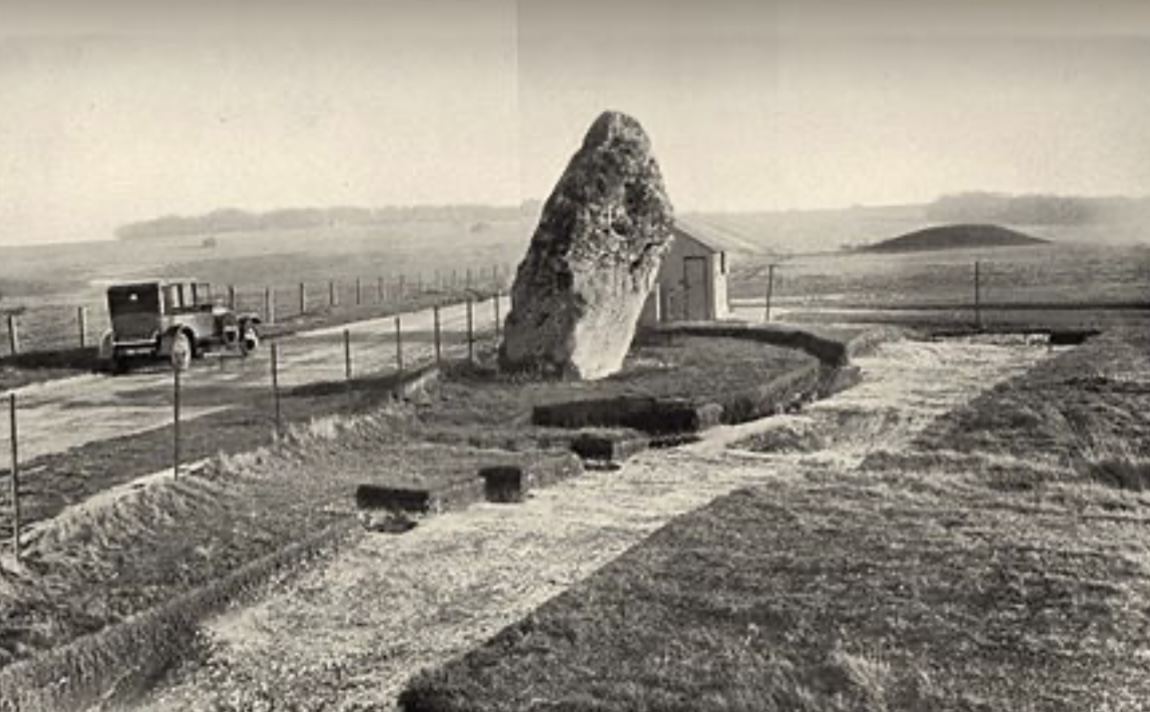
Between 1919 and 1926, Lieutenant-Colonel William Hawley (1851–1941) conducted pioneering excavations at Stonehenge. One of Hawley’s main achievements was to identify the Aubrey Holes (named after one of my ancestors, John Aubrey). Hawley also found cremated and uncremated human remains, which first indicated a funerary role for Stonehenge. His multiphase interpretation of the site was dismissed at the time, but in the 1950s the idea was revived. However, his idea that Stonehenge was a fortified settlement is still not accepted.

Excavations near the Heelstone (The Antiquaries Journal, 1925)

Motoring. Compulsory hand signals for all drivers were introduced on 10 October 1920.

Hand signals would remain a crucial part of motoring life until the 1970s, when the increased use of indicators on vehicles rendered them superfluous.

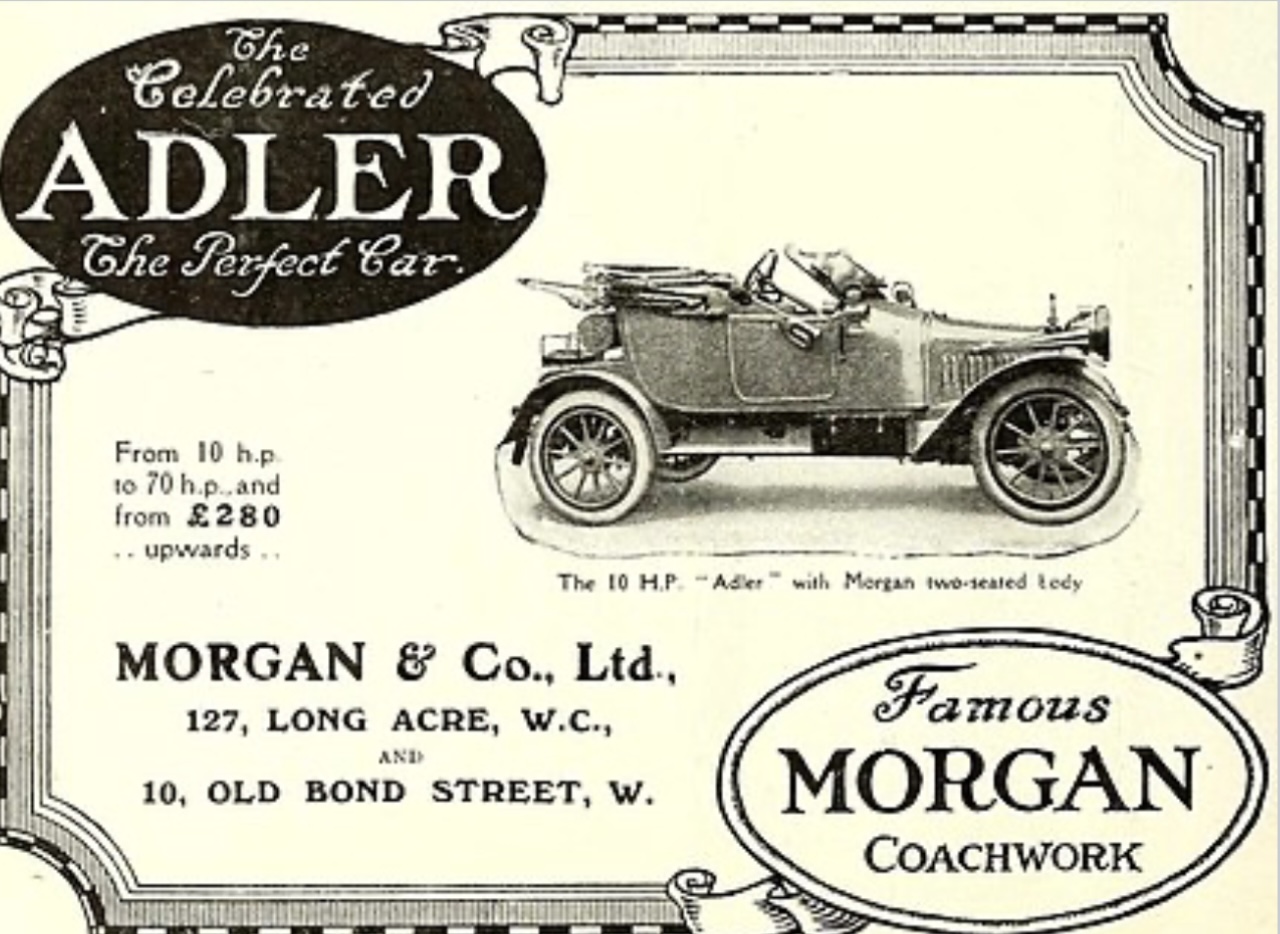
An advertisement for the Morgan Adler, “The Perfect Car”

In 1921, Swiss psychoanalyst Hermann Rorschach published Psychodiagnostik in which he proposed the inkblot test. 

In the Rorschach test, a subject’s perception of inkblots is recorded and analysed using psychological interpretation and complex algorithms. The test can shed light on a subject’s personality and emotional functioning, and is particularly helpful when subjects are reluctant to articulate their thoughts.

The first Rorschach card (I reckon this is Scooby Doo with his back to a mirror 😉)

More flapper slang from the 1920s

Sharpshooter – a good dancer and big spender

Spoon – kissing

Strike breaker – a woman who dates her friend’s boyfriend 

Tomato – a woman lacking intelligence

Umbrella – a man that any woman can borrow for an evening

Whangdoodle – jazz music

For Authors

#1 for value with 565,000 readers, The Fussy Librarian has helped my books to reach #1 on 32 occasions.

A special offer from my publisher and the Fussy Librarian. https://authors.thefussylibrarian.com/?ref=goylake

Don’t forget to use the code goylake20 to claim your discount 🙂

Categories
1920s

The 1920s #3

Introduced in 1922, the Austin Seven, the “Car for the Feminine Touch”.

Fashion

For women, the flapper look dominated. Clothes that restricted were cast aside in favour of short skirts and trousers, attire that offered greater comfort. Men too abandoned formal daily attire in favour of casual and athletic clothing. Indeed, the suits of today are still based on the basic designs of the late 1920s.

In fashion, the Roaring Twenties really kicked off in 1925. Jazz, and dances like the Charleston, influenced designs of female outerwear, and underwear. For the first time in centuries, women’s legs were seen in public with hemlines rising to the knee. 

Headbands were popular, until 1925, and jewellery remained in vogue throughout the decade, although the emphasis was not so much on dazzling expense, but more on design and style.

Actress Louise Brooks

Football

The 1923 FA Cup final was played between Bolton Wanderers and West Ham United on 28 April at the original Wembley Stadium in London. It was the first football match to be played at the stadium.

The official capacity was 125,000. However, a crowd estimated at 300,000 gained admittance. Consequently, the terraces overflowed and people were forced on to the pitch.

Mounted policemen, including one on a white horse (pictured), entered the scene. They cleared the pitch and, after a delay of 45 minutes, the match commenced. 

Bolton emerged as winners, 2 – 0, but the defining image of the day was the policeman on his white horse, ensuring that the game would be forever known as the “White Horse Final”.

More flapper slang from the 1920s

Noodle juice – tea
Nutcracker – a policeman’s truncheon
Oil can – an imposter
Out on parole – recently divorced
Potato – lacking Intelligence
Rock of Ages – a woman over thirty

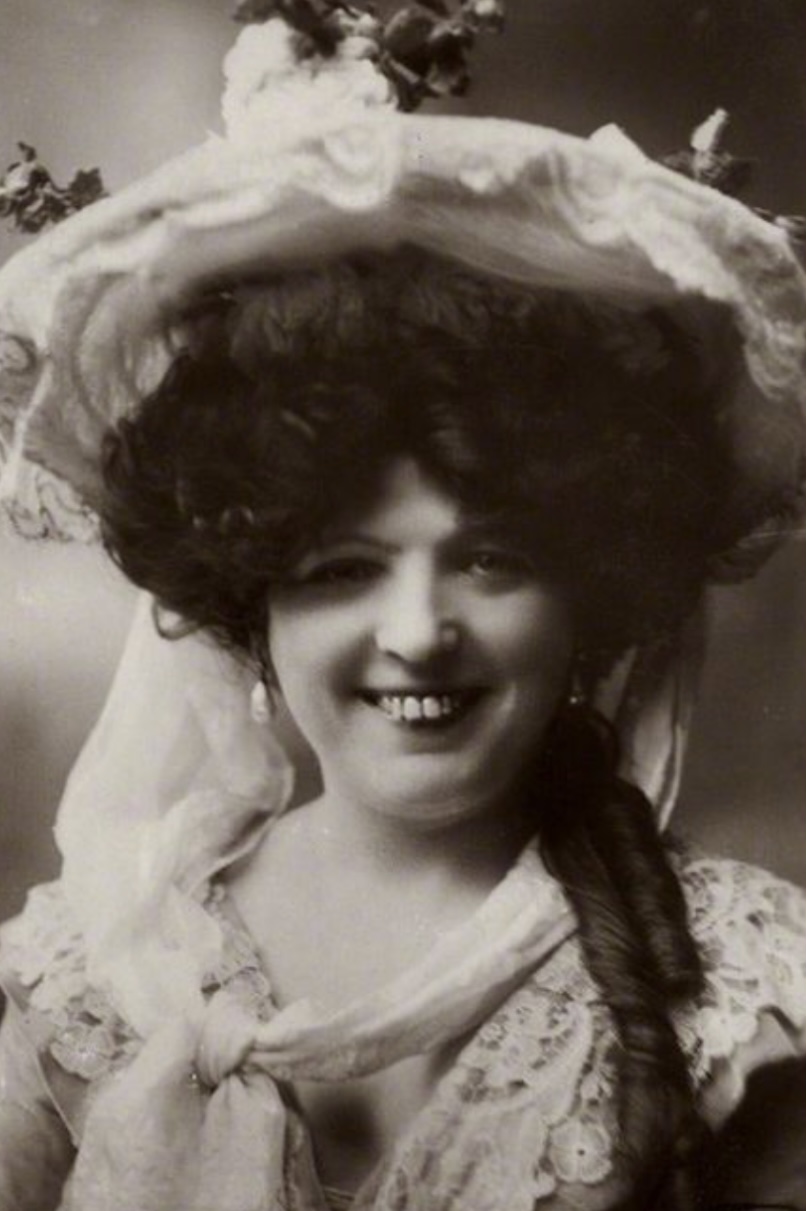
In April 1922, music hall star Marie Lloyd (pictured) collapsed in her dressing room after singing “The Cosmopolitan Girl” at the Gateshead Empire in Cardiff. Her doctor diagnosed exhaustion. After a period of rest, she returned to the stage in August, and reduced the running time of her act. 

On 12 August 1921, Marie Lloyd failed to show for an appearance at the London Palladium. Instead, she wrote her will. Marie Lloyd died two months later, on 7 October 1922. 

The Times wrote: “In her the public loses not only a vivid personality whose range and extremely broad humour as a character actress were extraordinary, but also one of the few remaining links with the old music-hall stage of the last century.”

In January 1920 the Marconi Company made occasional broadcasts, featuring music and speech, from Chelmsford, England. From 23 February to 6 March 1920 the company broadcast a series of thirty minute shows, repeated twice daily, from Chelmsford. These shows included live music performances.

A Marconi employee, 1906

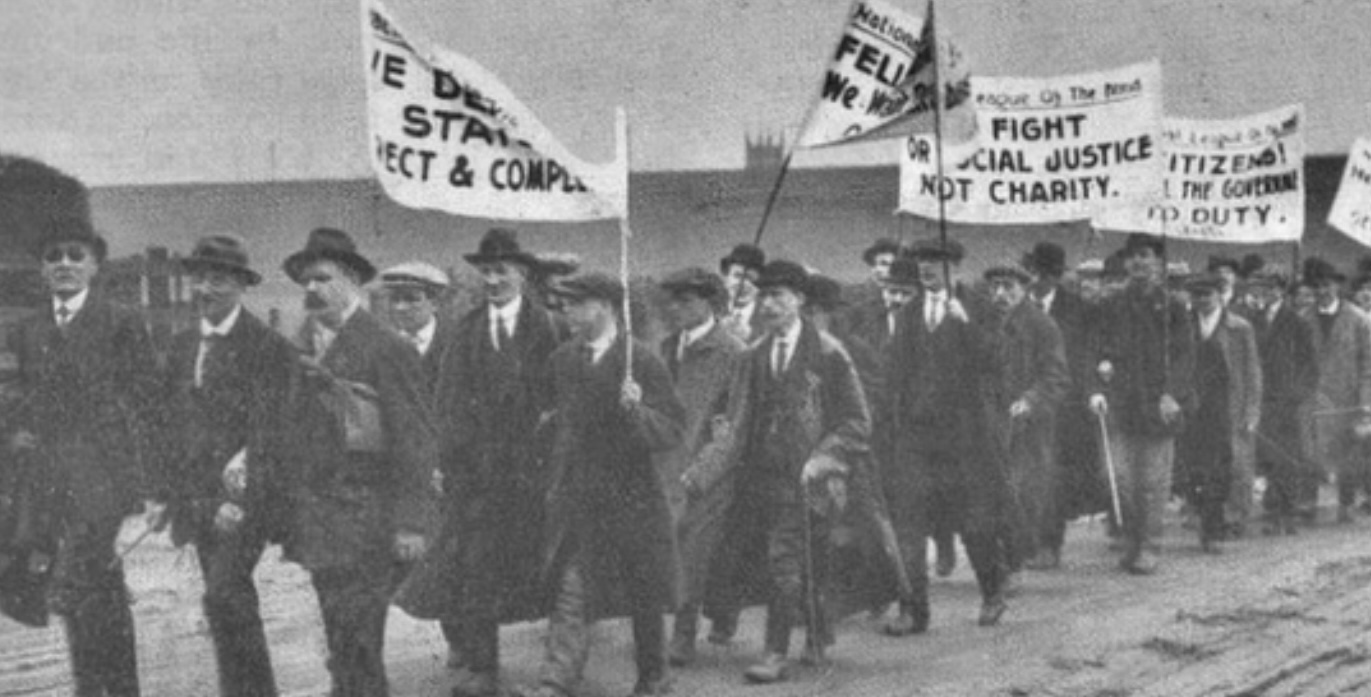
In 1920, 250 blind people marched from Newport, Manchester and Leeds to London. Organised by the National League of the Blind, the marchers assembled on 5 April 1920 and reached London on 25 April 1920, where a crowd of 10,000 supporters greeted them.

The NLB organised the march to protest against poor working conditions and poverty experienced by blind people. The leaders met Prime Minister David Lloyd George, who promised little, apart from to pay for the marchers’ rail tickets home.

However, a Blind Persons’ Act was introduced later in the year, the first disability-specific legislation in the world, which compelled local authorities to ensure the welfare of blind persons. 

The march of 1920 served as inspiration for the famous 1936 Jarrow March against unemployment, in which the NLB also participated.


Tula, my novel set in the 1920s

For Authors

#1 for value with 565,000 readers, The Fussy Librarian has helped my books to reach #1 on 32 occasions.

A special offer from my publisher and the Fussy Librarian. https://authors.thefussylibrarian.com/?ref=goylake

Don’t forget to use the code goylake20 to claim your discount 🙂
Categories
Dear Reader

Dear Reader #217

Dear Reader,

Coming soon, the audiobook version of Tula, book one in my Golden Age of Hollywood series, featuring a wonderful narration by Amelia Mendez.

Clara Bow’s fifty-seventh and final movie was Hoopla, produced between September 2 and November 9, 1933, and released on November 30, 1933. Clara played Lou, an amoral cooch dancer.

Clara hated her role, but appeared in the movie to fulfil her contract. She was unhappy about the whole production. However, the critics loved her performance and the film.

Variety: “A more mature performance, which shows an improved actress. She looks and photographs extremely well. Bow seems ripe to comeback strongly and this performance will help plenty.”

Sadly, Clara disagreed. “I’ve had enough. I don’t wanna be remembered as someone who couldn’t do nothin’ but take her clothes off. I want somethin’ real now.” Clara found that reality as a housewife and mother. She quit the yellow brick road for life on a ranch.

Clara was still in her twenties and had plenty to offer as an actress. She still had “it”. As she developed as a person, her performances would have become even more mature, stronger. If offered the right parts, she could have made classic movies and be remembered for the great talent she was.

To appreciate Clara’s talent, I would recommend her second film, “Down to the Sea in Ships”. In that film, Clara’s youthful ability is on display, and you can see why the producers developed her role and added more scenes for her to appear in.

I would also recommend her penultimate film, “Call Her Savage”. This film is over-plotted – it’s half-a-dozen films in one, but with so much going on at least the movie offered Clara an opportunity to display her wide range of acting talents.

I’m doing some in-depth research on the movie Sunset Boulevard. Here’s my second note.

Sunset Boulevard: Notes on a Classic

“A great big white elephant of a place. The kind crazy movie people built in the crazy twenties.” – Joe Gillis in Sunset Boulevard.

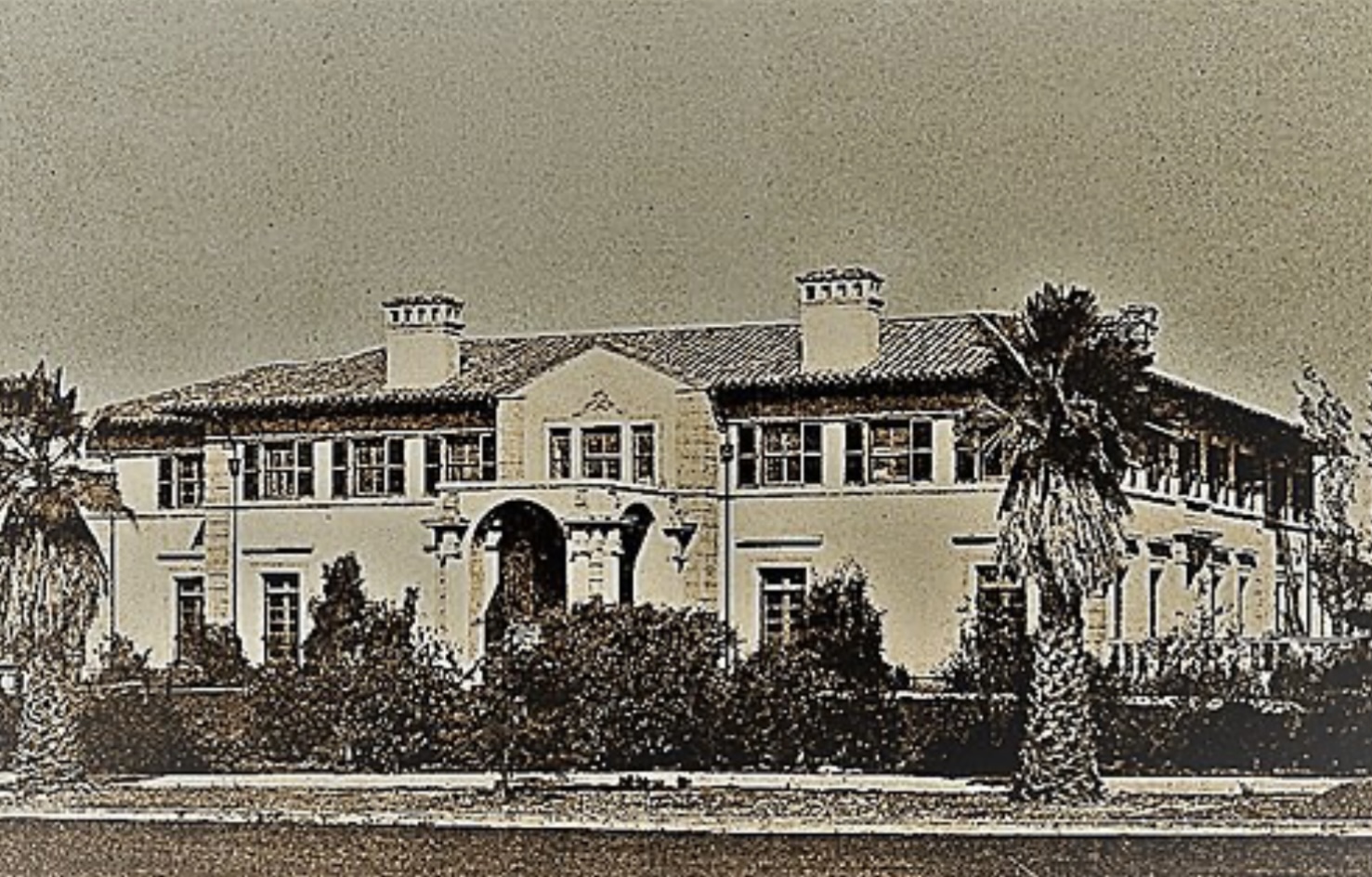
📸 The William O. Jenkins House, also known as the “Phantom House”, built for businessman William O. Jenkins in 1922 and 1923, Norma Desmond’s house in Sunset Boulevard.

An Isotta Fraschini Tipo 8A, Norma Desmond’s car in Sunset Boulevard.

Norma Desmond: “We have a car. Not one of those cheap things made of chromium and spit but Isotta Fraschini. Have you ever heard of Isotta Fraschini? All hand-made. It cost me twenty eight thousand dollars.” That’s around $500,000 in today’s money.

Columbo – Season One, Episode Six: “Lady in Waiting”.

Susan Clark played the murderer in this episode, psychologically one of the best of the first series. Leslie Nielsen played her fiancé. Leslie Nielsen (pictured: Wikipedia) was so good in The Naked Gun series that I struggle to take his straight roles seriously. That said, he’s very good in Columbo and his scenes with Peter Falk are a highlight.

A Hollywood Murder

The professional hitman hired by drug runners theory is one of the weakest in the Taylor case. I include it here because it features in newspaper reports, occasionally.

I’ve searched a newspaper database containing 883,643,177 articles using the keywords “William Desmond Taylor” and “drugs”, covering the period 1900 – 1949. My search returned 14 items. Most of those items were false leads with the word “drug” on the same page as “Taylor”. Some of the articles suggested that Taylor was a drug pusher. Two suggested that he was murdered by a drug pusher. None of the articles suggested that Taylor was an anti-drug campaigner. If he was campaigning against drugs in Hollywood, his campaign did not capture the media’s attention.

Some reports suggest that Mabel Normand was a drug addict. To date, I have not read anything to confirm that. If Mabel was an addict, as a friend it would be understandable if Taylor tried to help her. In trying to help her, he might have talked with studio bosses, who also had good reason to banish drugs from their sets.

The newspapers made no mention of drugs in association with William Desmond Taylor before his murder. The drug angle only featured in some newspapers after his death. Before his death, there was no indication in the media that Taylor was leading an anti-drug campaign.

Some moviemakers were vociferous in their stance and making anti-drug movies in the early 1920s. Director Graham Cutts made Cocaine. He was not murdered. Director Irving Cummings made The Drug Traffic. He was not murdered. Director Norton S Parker made The Pace That Kills. He was not murdered. Numerous people in Hollywood were spreading the anti-drug message in the 1920s and 1930s. Gangsters did not murder them.

As I stated earlier, if Mabel Normand was a drug addict, it would be understandable if William Desmond Taylor tried to help her. Maybe she informed him of her drug suppler and he informed the studio bosses, who in turn informed the police. Corruption was rife. Many officials in the police were on the take. They already knew who was supplying the Hollywood community with drugs, and were prepared to turn a blind eye.

The problem remains: Mabel, or another actor, is still an addict. Even if movie executives banned drug pushers from the studio lot, the addict will get his drugs from elsewhere. And the regular round of parties so beloved of Old Hollywood would offer the drug pushers an opportunity to create new addicts; they would not need access to the studio lot.

With the police in his pocket, effectively waving the drugs through, only an idiot would murder a high profile person, stir up a hornets’ nest, and attract unwanted attention.

If the Eight O’Clock Man murdered William Desmond Taylor, I don’t think he was a professional hitman hired by gangsters, so I’m inclined to place him low on my list of suspects. I would place a second-rate hitman hired by gangsters slightly higher, but still low down on my list.

As Kevin Brownlow and John Kobal wrote in their book, Hollywood: The Pioneers – “A theory was put forward that Taylor had been taking on the drug racket single-handed, in the hope of curing his friend, comedienne Mabel Normand, of addiction, but this proved to be desperate publicity in the face of unpalatable evidence.”

I’m starting a new feature on my website and social media looking at 20th century movies and music through the life of Nancy Olson. Nancy came to prominence in 1950 through her Oscar nominated performance in Sunset Boulevard. She married twice, to lyricist Alan Jay Lerner, and to Capitol Records executive Alan W. Livingston. Nancy is 95 and I think her life story is fascinating. I hope you will enjoy the items I intend to share.

American television, February 2, 1960. Do you remember any of these films and programmes?

Social media https://toot.wales/@HannahHowe

As ever, thank you for your interest and support.

Hannah xxx

For Authors

#1 for value with 565,000 readers, The Fussy Librarian has helped my books to reach #1 on 38 occasions.

A special offer from my publisher and the Fussy Librarian. https://authors.thefussylibrarian.com/?ref=goylake

Don’t forget to use the code goylake20 to claim your discount 🙂