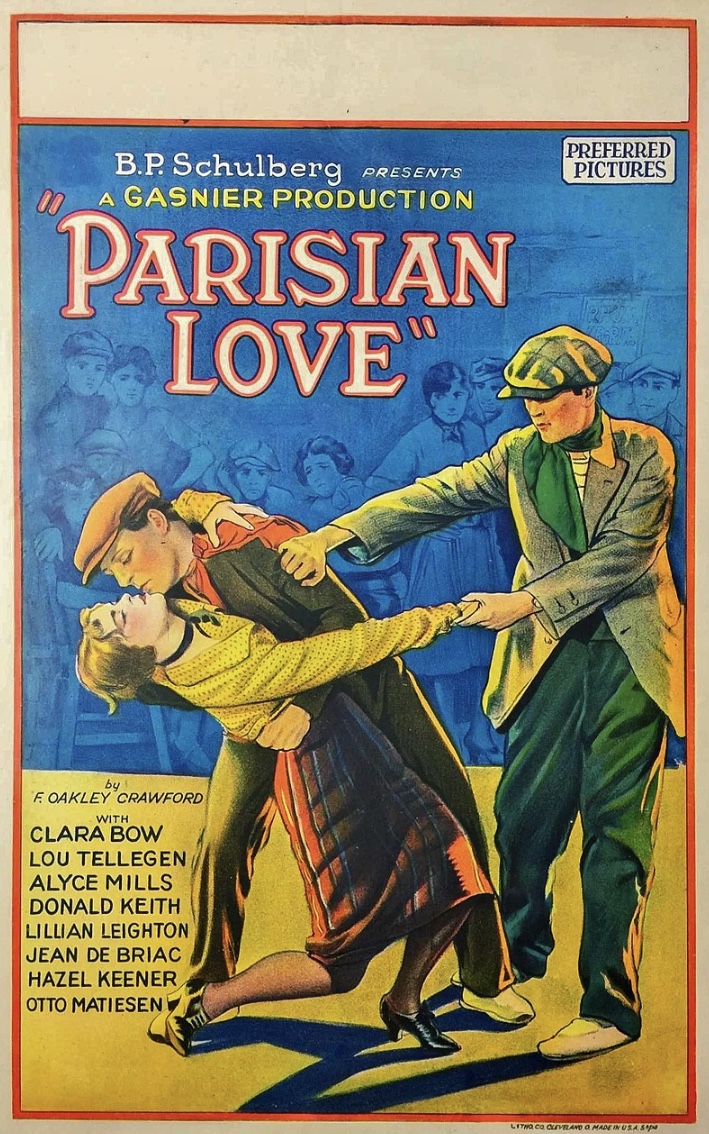
Clara Bow’s twenty-second movie was Parisian Love, another cut-price B.P. Schulberg production filmed in early 1925 and released on August 1, 1925. Clara played Marie, an Apache. The plot of this romantic crime drama starts out well enough, but then becomes complex in the extreme.
Clara was displaying talent, but the production company she was tied to lacked class. She needed a break. She also needed to sort out her love life, which was more complex than the plot of Parisian Love.
My 9 x great-grandmother Barbara Aubrey was born c1637 in Pencoed, Glamorgan. She married John Bevan in 1665 and from 1683 to 1704 she lived with her family in Pennsylvania. Barbara Aubrey is a ‘gateway’ ancestor, connecting my family with the noble houses of Europe.
Barbara’s parents, my 10 x great grandparents – William Aubrey c1610 – c1660 and Elizabeth Thomas.
William Aubrey’s parents, my 11 x great grandparents – William Aubrey c1573 – 1647 and Jane Mathew.
Jane Mathew’s parents, my 12 x great grandparents – Humphrey Mathew c1567 – c1651 and Mary Lewis.
Humphrey Mathew’s parents, my 13 x great grandparents – Miles Mathew b1538 and Catherine Mathew b1545.
Miles Mathew’s parents, my 14 x great grandparents – William Mathew 1516 – 1551 and Alice Ragland b1520.
Alice Ragland’s parents, my 15 x great grandparents – John Ragland 1505 – bef 1538 and Anne Dennis b1507.
Anne Dennis’ parents, my 16 x great grandparents – Sir William Dennis c1470 – 22 Jun 1533 and Anne Berkeley b1474. They had six sons and seven daughters.
The branches then lead to the noble houses of Europe, including my 20 x great grandmother Isabella of Castile, pictured.
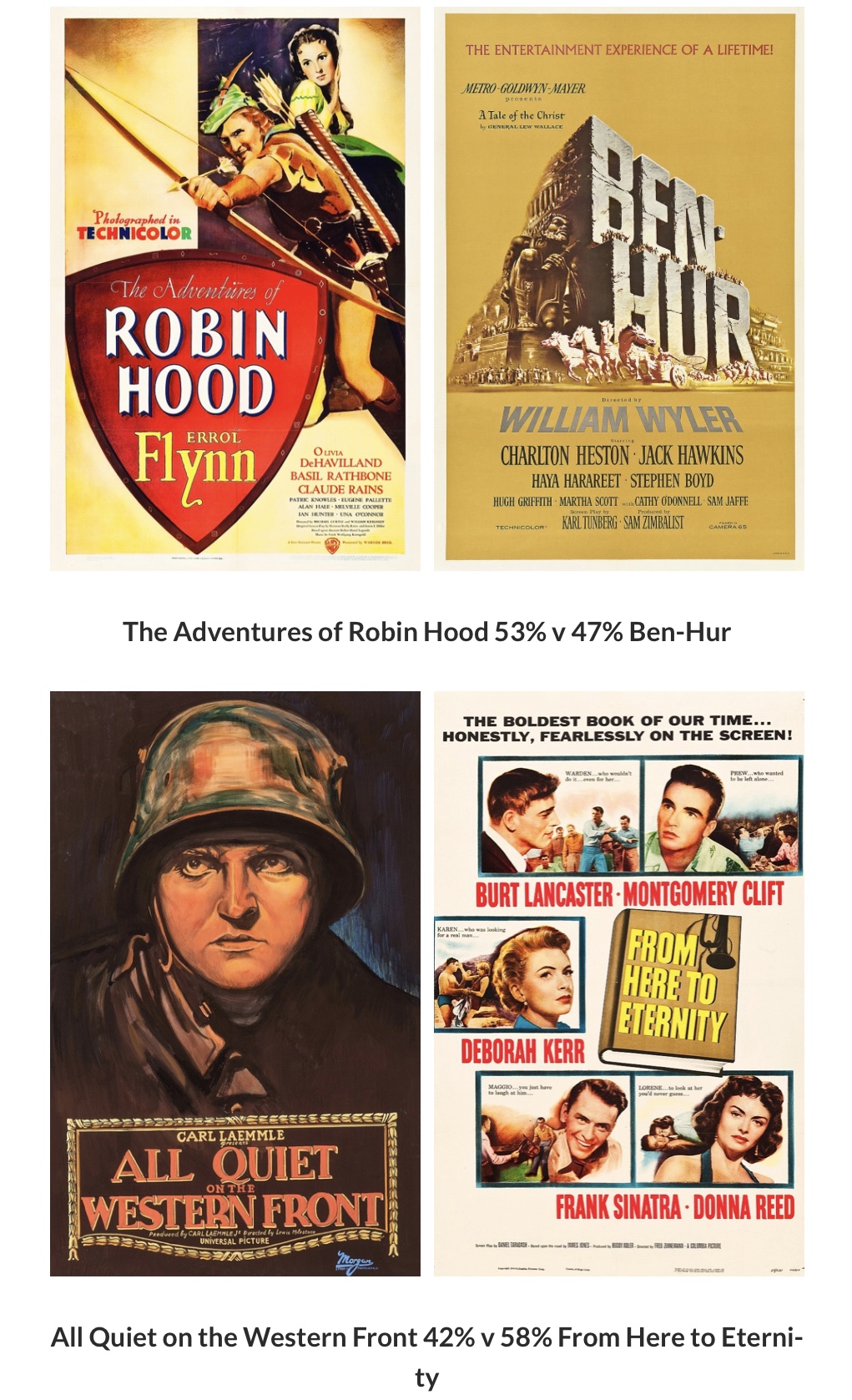
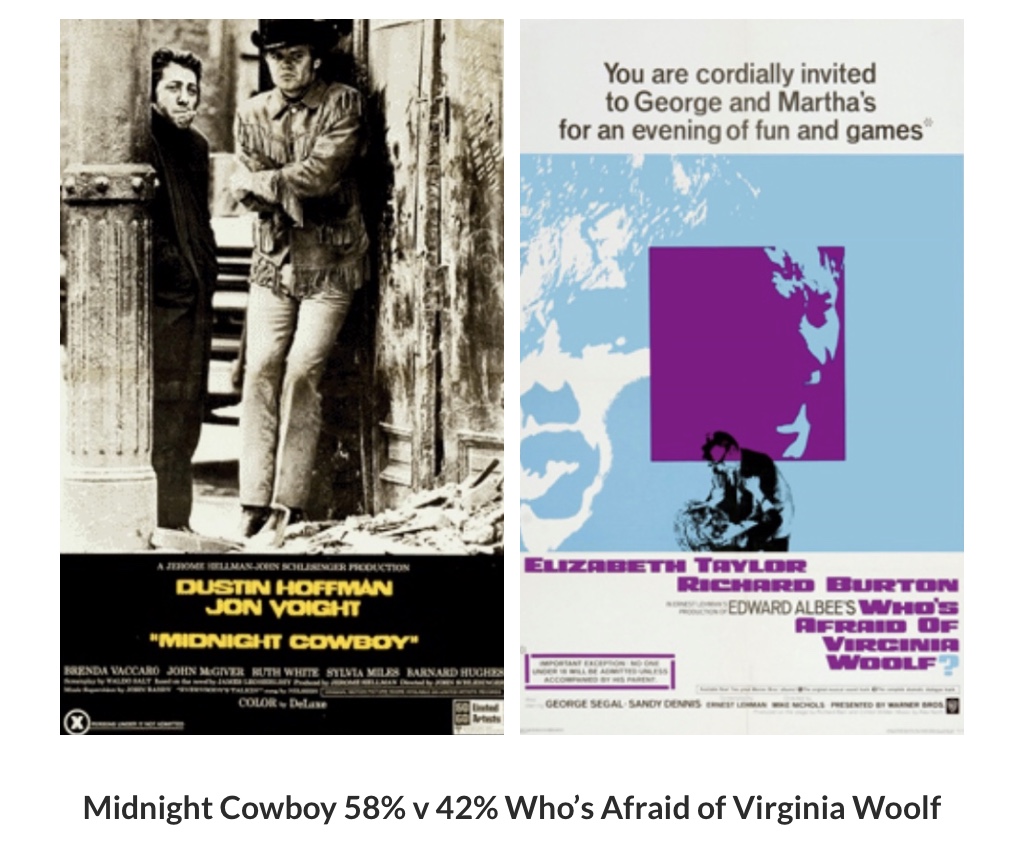
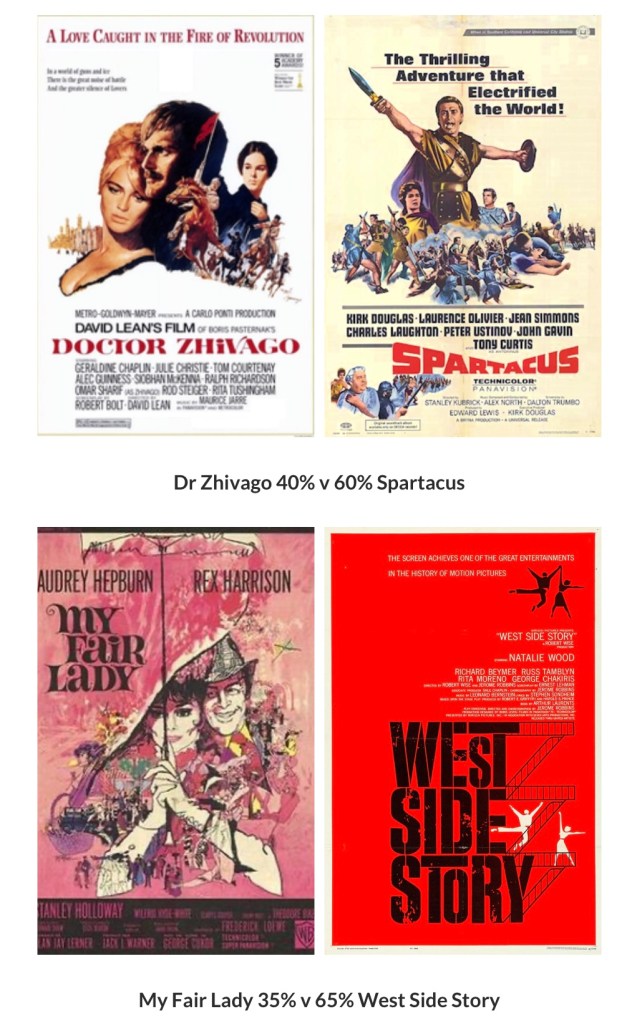
I’m organising the Golden Age of Hollywood Mastodon Mega Movie Poll. Here are the results from Week One.
Voted for by the movie lovers of Mastodon.
The format: 32 movies seeded and selected by the American Film Institute receive a bye to Round Two.
Round One: 64 movies selected by Mastodon movie lovers, matched when possible by era and genre.
My latest article for the Seaside News, about Myrna Loy, appears on page 35 of the magazine.
To understand Clara Bow, you need to understand her formative years.
“Clara’s birth was not a source of joy to her mother and father. They lived in a tiny flat with two rooms. All her life, Clara has been trying to blot out memories of her early years. Her childhood was not particularly happy.” – Dora Albert, 1933.
As ever, thank you for your interest and support.
Hannah xxx
For Authors
#1 for value with 565,000 readers, The Fussy Librarian has helped my books to reach #1 on 36 occasions.
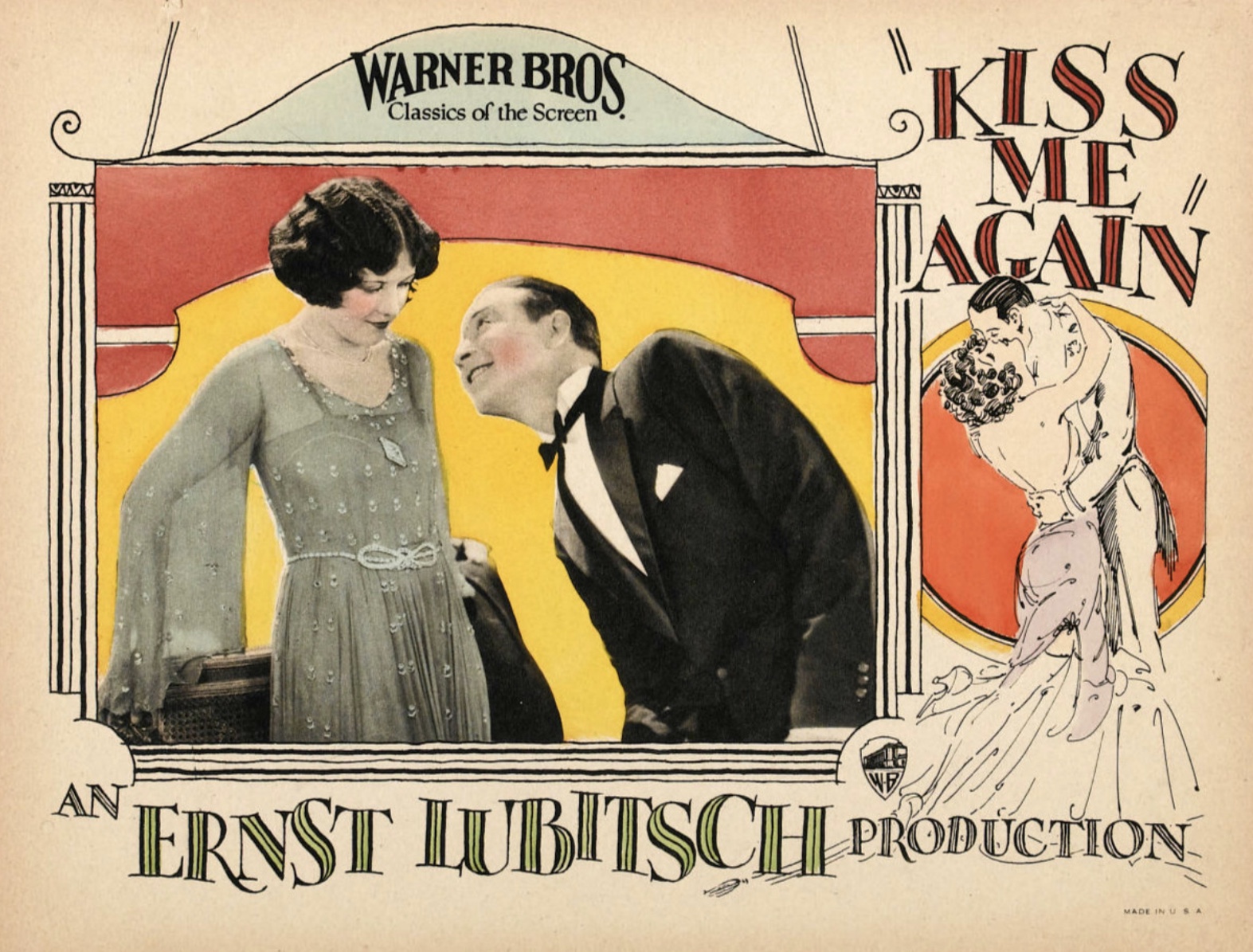
Clara Bow’s twenty-first movie was Kiss Me Again, a silent romantic comedy direct by Ernst Lubitsch and released on 1 August, 1925. Clara played Grizette, a sexy Parisian secretary who bewitches her married boss.
Lubitsch had the knack of sneaking material past the Hays Office censors. He used an audience’s imagination to make his suggestive point.
In Kiss Me Again, Clara finally had a decent part in a decent movie. And she shone. Variety stated: “Clara Bow absolutely triumphs in the role of a lawyer’s steno.”
Meet My Ancestors
Sir William Denys aka Dennis, c1470 – 1533, of Dyrham, Gloucestershire, my 16 x great grandfather.
Sir William was a courtier of Henry VIII and High Sheriff of Gloucestershire in 1518 and 1526. In 1511, he was appointed an Esquire for the Body – a personal attendant – of Henry VIII. At this time, the king granted Sir William the honour to empark 500 acres of Dyrham, with exclusive hunting rights. Pictured, (Wikipedia), the charter.
In June 1520, Sir William was one of seven knights of the Gloucestershire contingent selected to accompany Henry VIII at the Field of the Cloth of Gold when Henry met King Francis I of France.
Sir William married a noblewoman, Anne Berkeley. The couple had six sons and seven daughters.
Anniversaries
Married on 22 February 1868 at Ruhama Chapel, Bridgend, Glamorgan, my 3 x great grandparents Thomas Jones and Hannah Morgan. They had five children.
Thomas started his working life as a “cow boy”. He then became a coal miner. The family moved around the Glamorgan coalfields, working at the various mines. Hannah disappeared from the historical record in the 1880s, while Thomas disappeared in the 1890s. With so much transience, their records appear to have been lost.
📸 Aberbaiden Colliery, one of Thomas’ places of work.
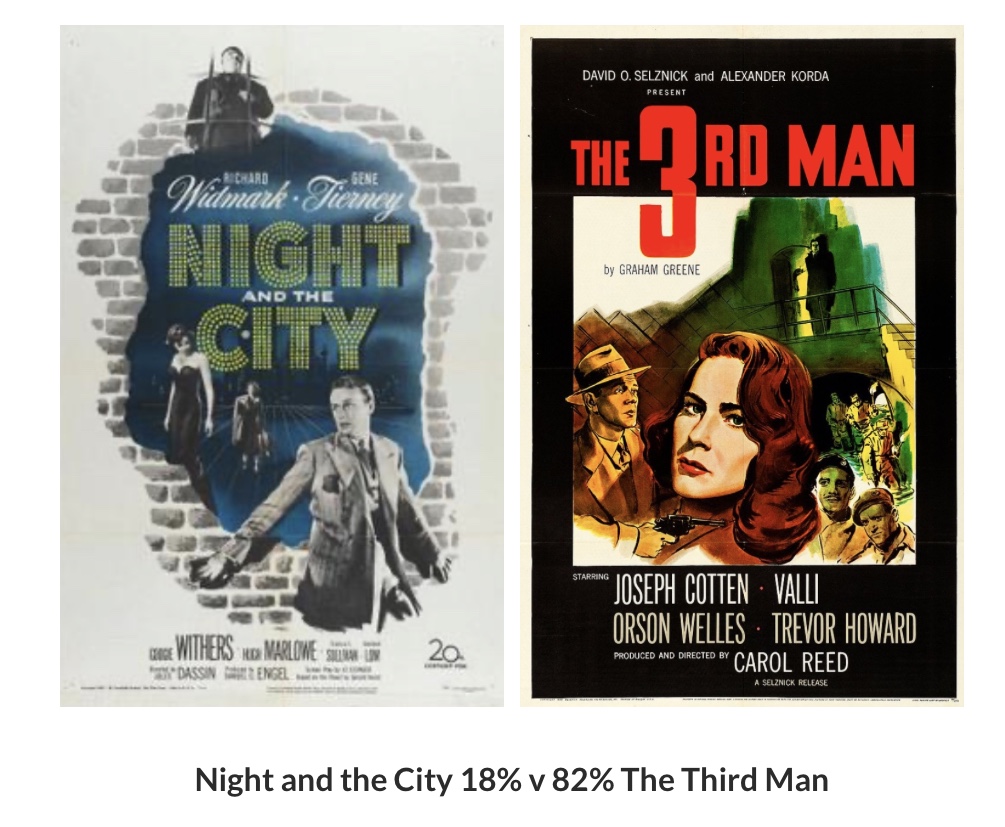
I’m organising the Golden Age of Hollywood Mastodon Mega Movie Poll. Here are the results from Week One.
Voted for by the movie lovers of Mastodon.
The format: 32 movies seeded and selected by the American Film Institute receive a bye to Round Two.
Round One: 64 movies selected by Mastodon movie lovers, matched when possible by era and genre.
“The real Clara Bow is not the madcap personality created by press and public. As a matter of fact, Hollywood’s hotcha baby would rather croon a lullaby than a torch song. It all goes back to the somewhat drab days of Clara’s youth – to a hungering, poignant desire for mother love that was never quite wholly satisfied. And that same childish hunger, long repressed, has developed in the mature Clara’s material instincts that will not be denied.” – Dora Albert, 1933.
As ever, thank you for your interest and support.
Hannah xxx
For Authors
#1 for value with 565,000 readers, The Fussy Librarian has helped my books to reach #1 on 36 occasions.
In early September 2022, I started Tula, my novel set in the Golden Age of Hollywood. Today, 420 pages and 77,000 words later, I completed the story. Four months of editing to go before publication on July 1, 2023. If you are interested, here are the details
Clara Bow’s twentieth movie was The Scarlet West, an ambitious silent film about the Battle of the Little Bighorn. The movie was produced in the spring of 1925, with location shooting in Colorado, and released on July 26, 1925. Clara played Miriam. Sadly, no copies of the film survive.
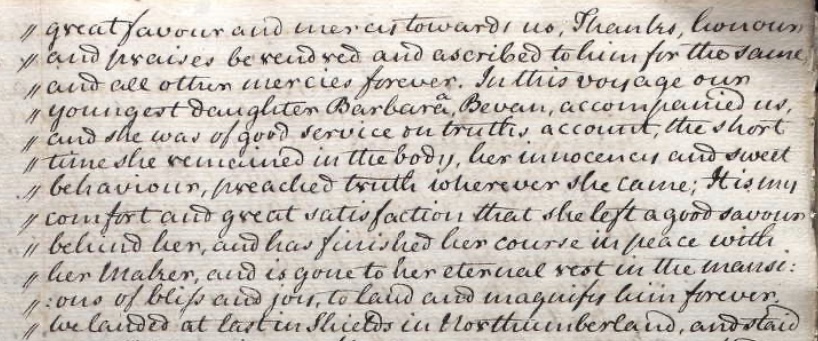
A transcribed page from my 9 x great grandfather John Bevan’s journal. In 1704, after twenty-one years in Pennsylvania, along with his wife Barbara and their youngest daughter Barbara, he returned to his estate in Wales. Sadly, daughter Barbara died. John wrote of her: “Her innocence and sweet behaviour preached truth wherever she came.”
A life-long love.
A transcribed page from my 9 x great grandfather John Bevan’s journal, c1720. Here, he writes of his wife Barbara Aubrey’s passing.
She was very careful and open-hearted to help the poor and the weak both amongst us and others. In her last sickness, she was sensible she was not likely to recover out of it and she was satisfied and contented therein to submit to the Lord’s will. Speaking to me, she said, “I take it as a great mercy that I am to go before thee, we are upward of 45 years married, and our love is rather more now towards each other than at the beginning.”
Anniversaries
Died on this day, 19 February 1894, aged 41 my ancestor Hopkin Howe. Hopkin died due to an infection of his spinal cord.
In 1871, Hopkin left the family home in Glamorgan to live with a Welsh family in Stockton, Durham. There, he plied his trade as a blacksmith, serving the burgeoning railway industry.
On his return to Wales, Hopkin became a Methodist minister. In 1884, he married Elizabeth Jones. This event brought great joy and tragedy. Elizabeth gave birth to a daughter, Elizabeth May Gwendoline Howe, on 27 November 1885, but died in childbirth. Deprived of her mother, baby Elizabeth died in infancy. One can only imagine how these events tested Hopkin’s faith.
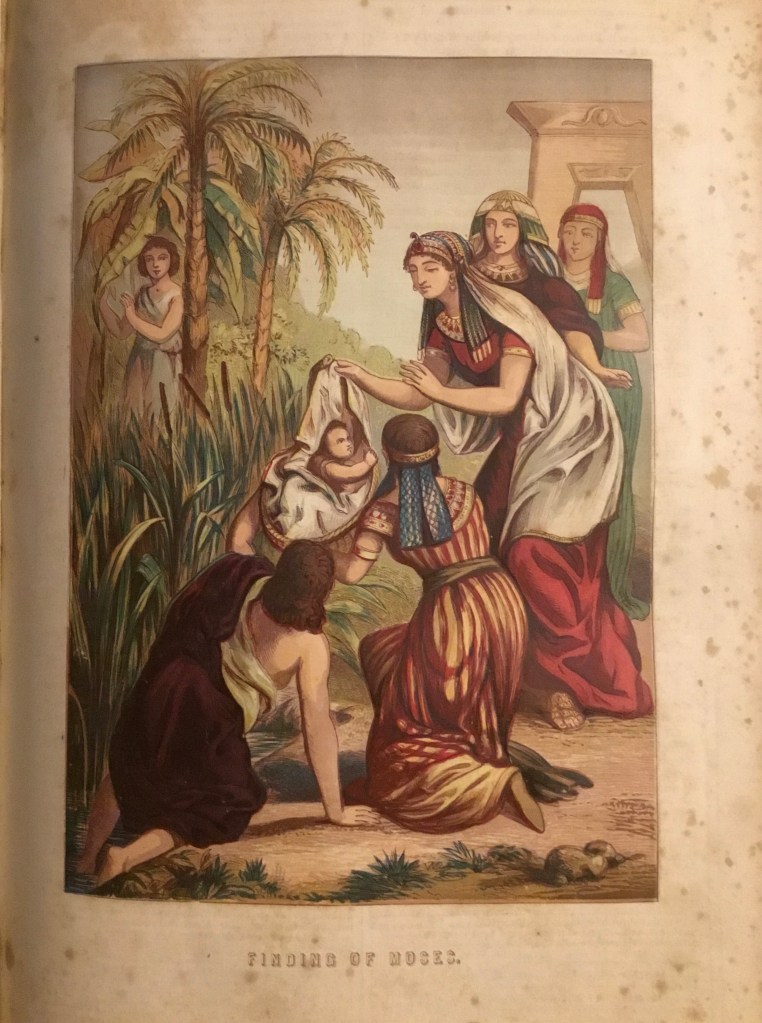
In December 1890. Hopkin married Sarah Ann Jones. When he died in 1894 he left Sarah Ann £119, the equivalent of a year’s wages. He left his Bible to his brother, my 2 x great grandfather, William Howe, a Methodist deacon. The Bible, with Welsh text and lavish illustrations captioned in English, is now in my possession. It’s a huge tome, and a treasured heirloom.
“As the ‘Brooklyn Bonfire’ Clara Bow blasted her way to fame. As the ‘It’ girl her name became synonymous with sex appeal the world over. Clara’s screen career became a succession of labels – all of them descriptive and not a few of them libellous.” – Dora Albert, c1933.
As ever, thank you for your interest and support.
Hannah xxx
For Authors
#1 for value with 565,000 readers, The Fussy Librarian has helped my books to reach #1 on 36 occasions.
Grant is a very imaginative, multi-genre author. Along with his writing talent, he is also very supportive of his fellow authors. All his books are worthy of your attention, especially Love Beyond, his finest book in my opinion.
Porthcawl Seafront and Rest Bay at seven o’clock in the morning
An excellent podcast from the Paris Institute For Critical Thinking
A Schoolmaster’s War
A wonderful book and a wonderful interview. Harry Ree was a fascinating man, a true hero, although he would probably hate that label. Jonathan Ree has done his father, and the literary world, a great service by producing this book. As I wrote elsewhere, it is a book that should be taught and discussed in schools so that young people can gain an insight into the SOE and its role in the Second World War and, more importantly, learn that heroes and heroines take on many forms. While politicians soak up all the glory it is people like the retired school mistress who sacrificed their lives who deserve our greatest respect.
Saint-Leu-d’Esserent is notable for its 3,000 metres of mushroom caves under the Thiverny plateau. In the summer of 1944, SOE agents made an astonishing discovery in these caves, a discovery that had a significant impact on the war. That revelation will appear in Operation Sherlock, book five in my Eve’s War Heroines of SOE Series.
In the autumn of 1940 a German arrived at a school in Alsace to suppress the use of the French language. At the end of his ‘lesson’ he ordered the class to shout, “Heil Hitler!”
However, twelve-year-old Colette Fouillette and her friend shouted, “Drei Liter!” (Three litres).
By 1943, Colette was active in the Resistance, delivering messages by bicycle, and she remained active until the Liberation, a shining example of youthful courage.
Image: View of Église Saint-Martin (Wikipedia)
Women of Courage Heroines of SOE
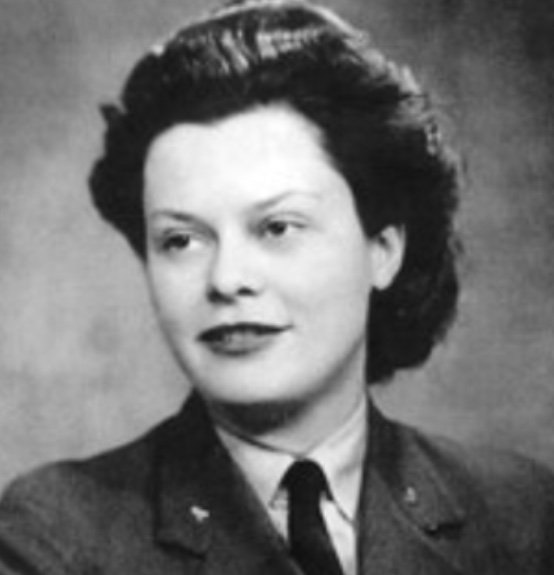
Yvonne Jeanne de Vibraye Baseden, later known as Yvonne Burney, was born on 20 January 1922 in Paris. Her father, a First World War pilot, crash-landed in France at the home of the Comte de Vibraye. The Comtesse invited him to dinner, which turned into a romantic occasion because he fell in love with the Comte and Comtesse’s daughter. The couple duly married and, at the end of the First World War, lived in France.
Later, Yvonne’s parents lived in various countries within Europe. She was educated in Britain, France, Poland, Italy and Spain learning several languages as a result.
On 4 September 1940, aged eighteen, Yvonne joined the WAAF as a clerk. From there, she worked for the RAF in intelligence where she captured the SOE’s attention.
Recommend by fellow agent Pearl Witherington, Yvonne joined the SOE on 24 May 1943. On 18 March 1944, aged 22, she became one of the youngest female agents to parachute into France.
Under the code name Odette, Yvonne arrived in the village of Gabarret where she linked up with the Wheelwright network. Travelling to Eastern France, she worked for four months as the wireless operator for the Scholar network under the cover of Mademoiselle Yvonne Bernier, a shorthand typist and secretary.
On 26 June 1944, the Gestapo trapped Yvonne and seven of her colleagues in a cheese factory. They shot her organiser, Baron Gonzagues de St Genies, while Yvonne was arrested and interrogated. War is brutal, but Yvonne’s story reminds us that war as practiced by the fascists plunged unacceptable levels of barbarity.
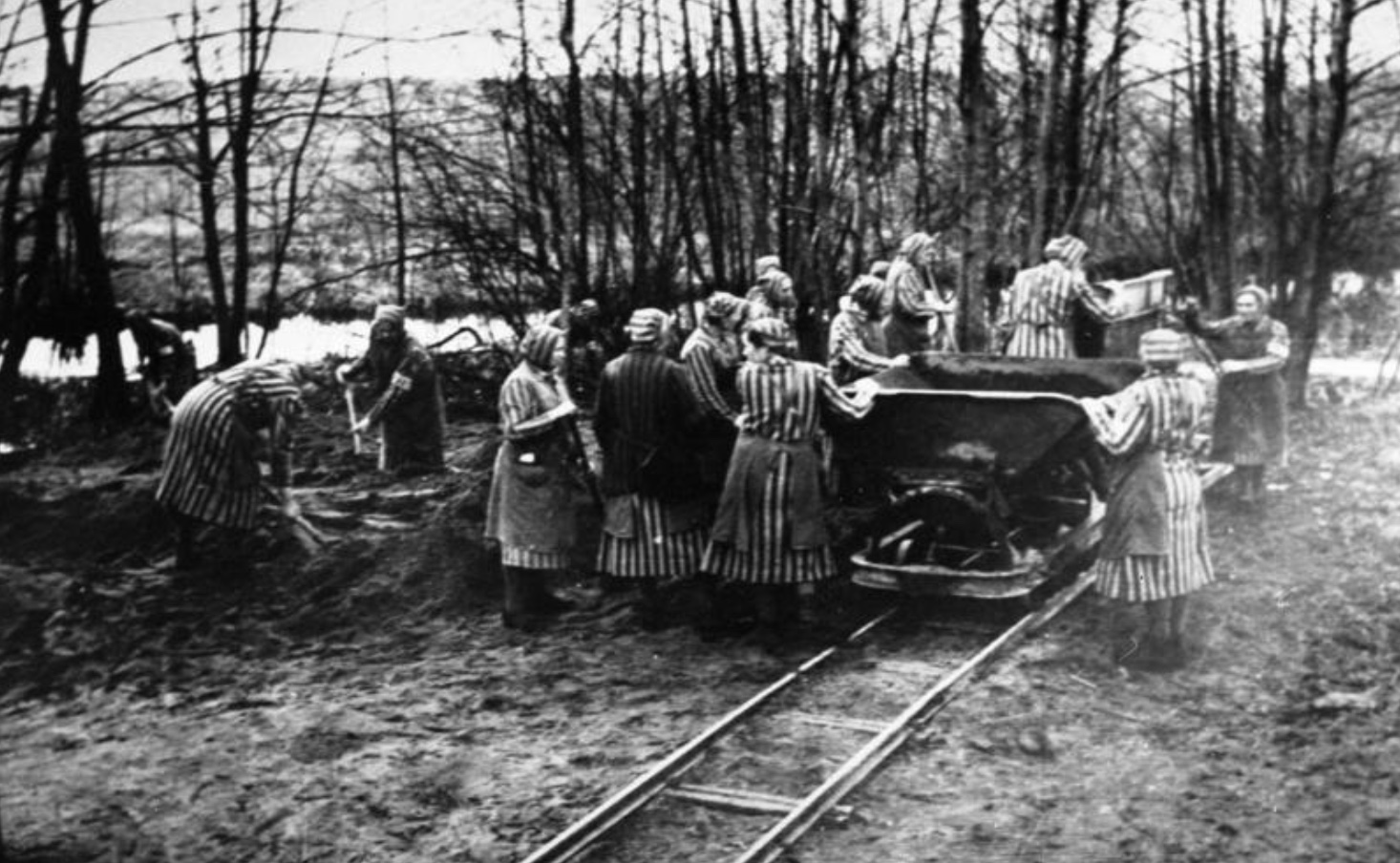
Female prisoners at Ravensbrück, 1939
By September, Yvonne was in the notorious Ravensbrück concentration camp. While at the camp, she became ill with tuberculosis and was transferred to the hospital where she remained, with 500 other women, until the closing days of the Second World War when the camp was liberated by the Swedish Red Cross.
The Swedish Red Cross ensured that Yvonne reached Malmö where they deloused her. She spent her first nights of freedom on a mattress on the floor of the Malmö Museum of Prehistory, sleeping under the skeletons of dinosaurs.
After the war, the Allies arrested the SS guards at Ravensbrück, along with the female Aufseherinnen guards. Between 1946 and 1948, sixteen of the accused were found guilty of war crimes and crimes against humanity, and were sentenced to death.
In September 1955, Yvonne became the first regular subject of the BBC programme This is Your Life, although later in her life she shunned the limelight. After her second marriage in 1966, as Yvonne Burney, she moved to Portugal before returning to Britain in 1999.
Yvonne died in October 2017 at the age of 95 another example of the remarkable longevity of the surviving SOE female agents.
As ever, thank you for your interest and support.
Today, I’m launching a new venture, Europe by Book. I’m starting with a Facebook page. A website and more outlets will follow.
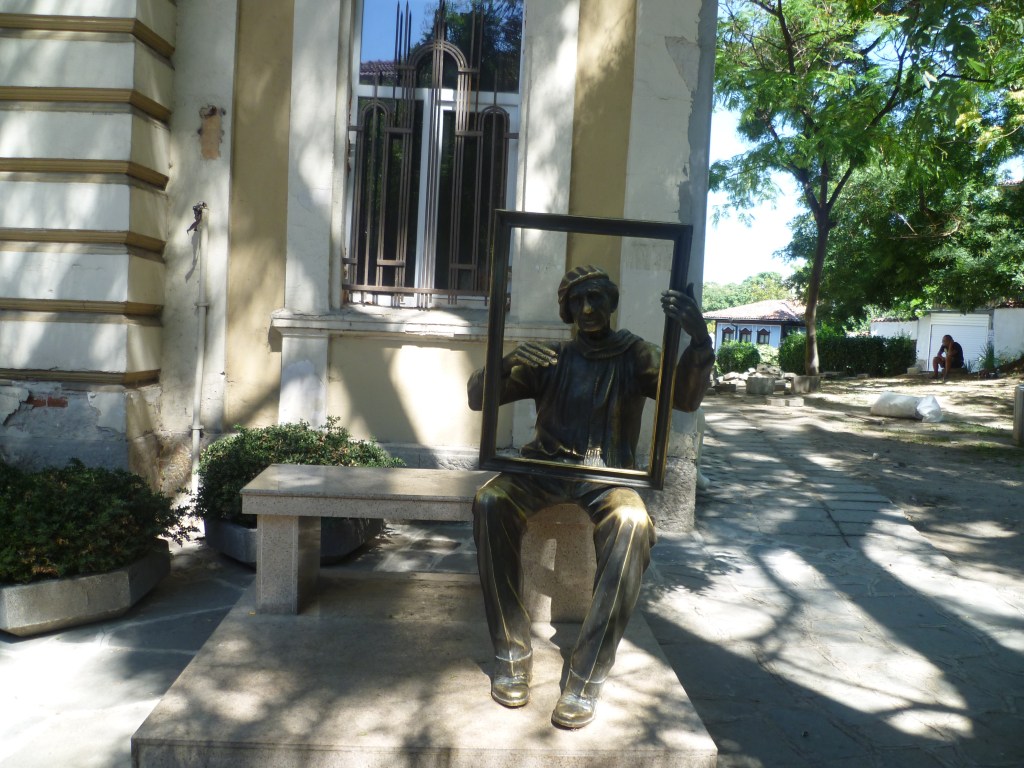
This year, Plovdiv is the European Capital of Culture, so it is a good place to start our tour of Europe by Book.
In 1855, Hristo G. Danov created the first Bulgarian publishing company and printing-press. Furthermore, the city can boast Bulgaria’s first public library, the Ivan Vazov National Library, founded in 1879 and named after the famous Bulgarian writer and poet Ivan Vazov. Today, the library houses over 1.5 million books.
Do you have a favourite Bulgarian author, either from the past or present? Please comment so that I can share your favourites with my readers 🙂




















 Hannah Howe