I’m researching the career of musician Cherry Wainer and the 1950s-1960s music scene.
In the summer of 1956, Cherry shared bills with Morecambe and Wise, who became legends of British television.
For most of 1957 Cherry featured on the cabaret circuit alongside regular fifteen minute slots on television, playing her organ. After a short stay in South Africa, she returned to Britain on 15 November 1957. However, she did not return alone. Drummer Don Storer accompanied her on the voyage and soon they were featuring in shows as a couple. They were also associated with the prestigious Grade agency. All aspects of Cherry’s life were on the up
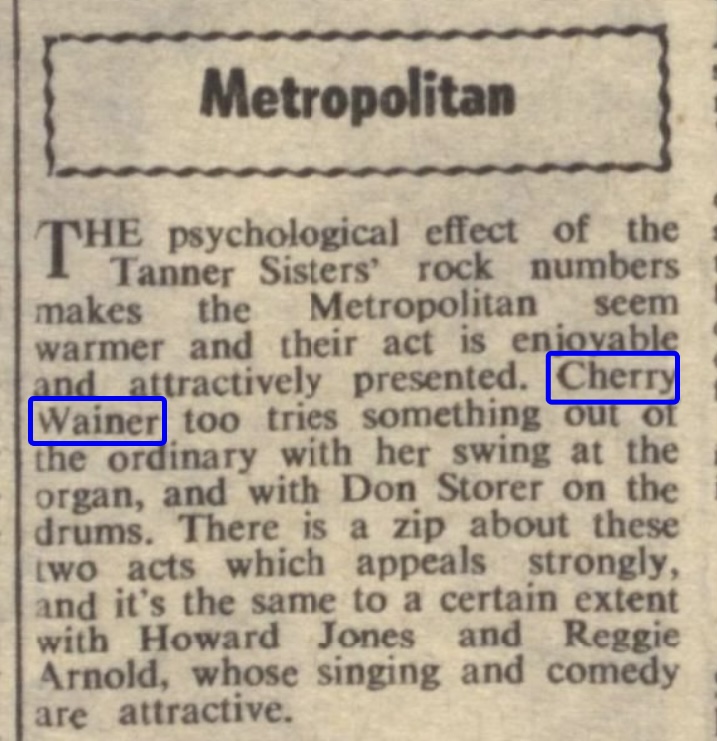
An interesting item from The Stage, December 1957 on the “psychological effects of rock numbers”. The Stage also noted that 1957 had been the year of “more nudes, skiffle groups, and crying crooners”. The writer hoped for a “return to variety in 1958”.
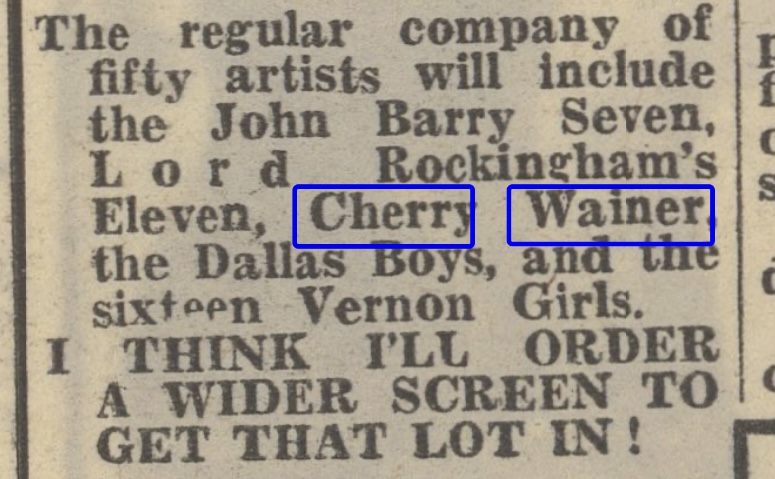
May 1958 and the first mention of Cherry Wainer in association with Lord Rockingham’s XI. Cherry was “twelfth woman” at this time, but she would soon join the team.
Cherry featured in a milestone of popular music – the television debut of Oh Boy! on 13 September 1958. What’s more, the media used Cherry’s image to promote the show.
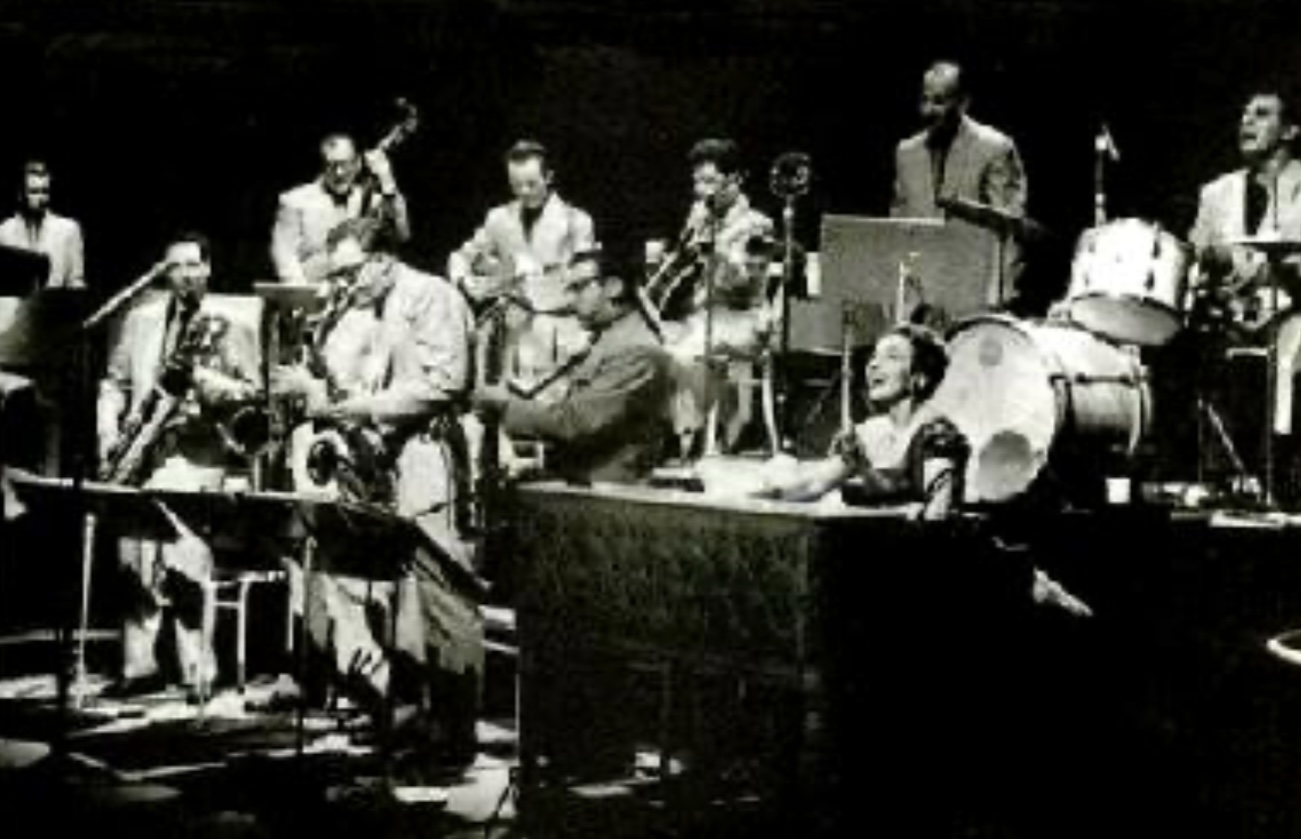
Released on the 30 October 1958, and featuring Cherry Wainer as a member of Lord Rockingham’s XI (pictured), Hoots Mon became a number one hit and, many years later, introduced me to popular music.
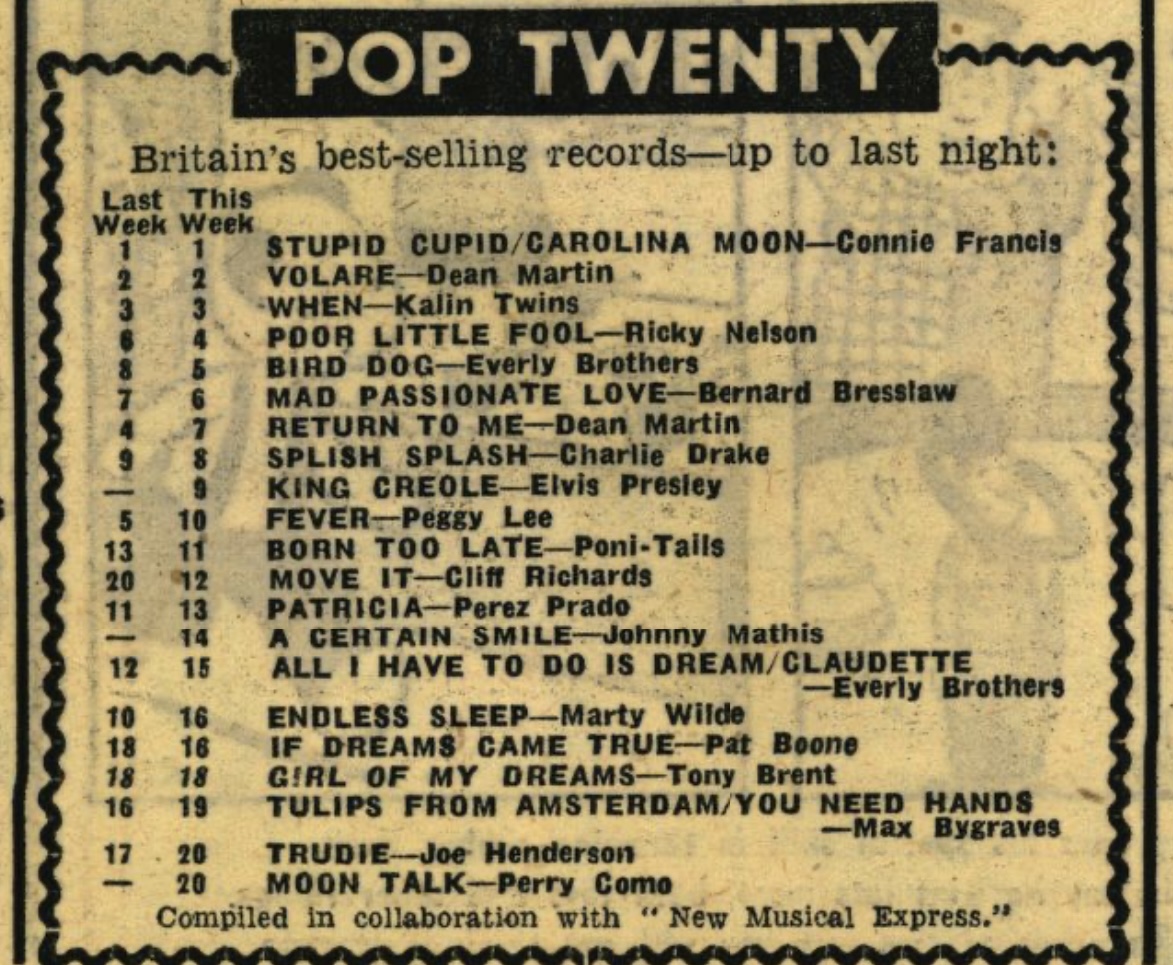
As a member of Lord Rockingham’s XI, Cherry Wainer topped the chart in late October 1958. Here’s the chart from earlier that month. As you can see, it featured some classics, some records worth checking out, and others best forgotten.
For Authors
#1 for value with 565,000 readers, The Fussy Librarian has helped my books to reach #1 on 32 occasions.
The first Tarzan comic strip began on 7 January 1929. However, his first appearance in print occurred in the October 1912 issue of The All-Story.
The Buck Rogers comic strip also began on 7 January 1929.
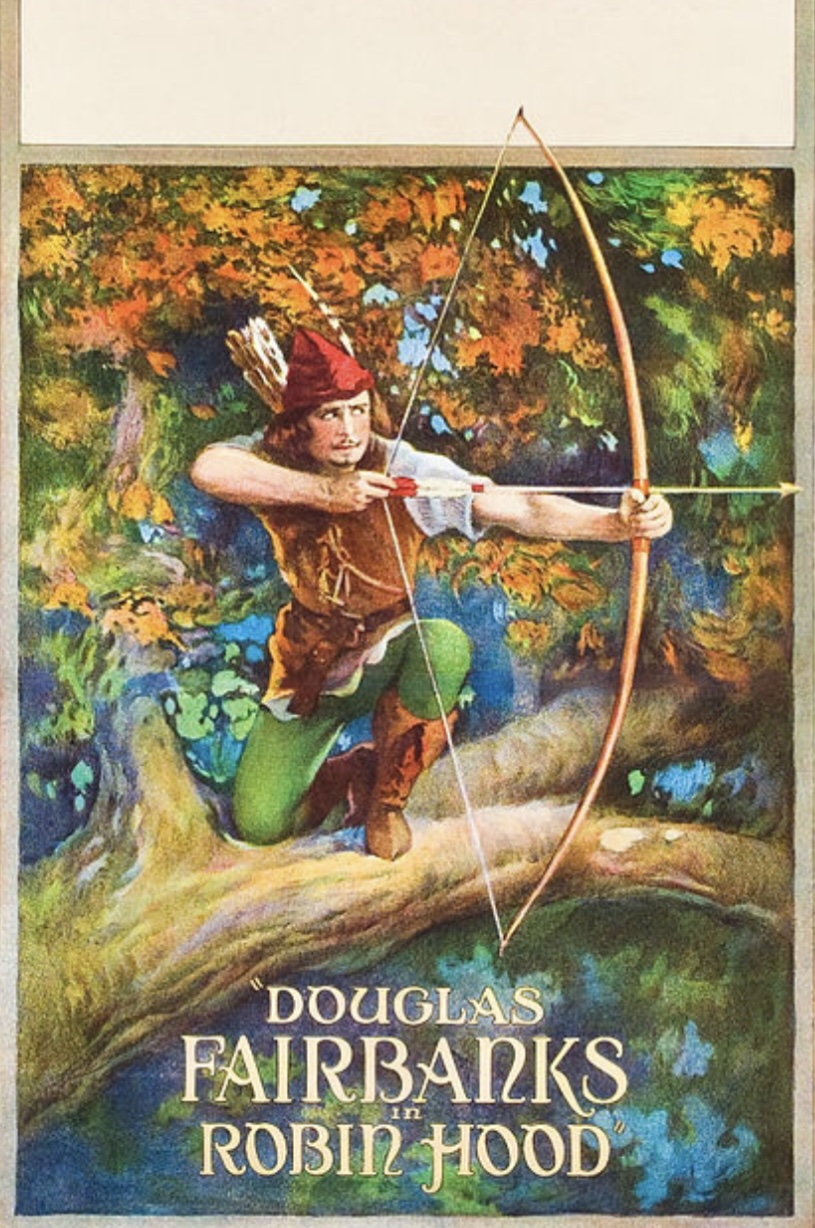
Douglas Fairbanks in Robin Hood (to give the movie its full title) was released on 18 October 1922. The film was the first ever to have a Hollywood premiere, held at Grauman’s Egyptian Theatre. With a budget of one million dollars (the equivalent of $18.2 million today) Douglas Fairbanks in Robin Hood was the most expensive number one ranked film of the decade.
On 13 October 1922, the 3-D silent movie Mars Calling was screened at New York’s Selwyn Theatre. The film ran for 95 minutes and demonstrated the Teleview process, which used alternate frame sequencing viewable through motorised stereopticons.
In the 1928-29 football season, The Wednesday won the first division league title for the third time, creating a new record. Formed in 1867 as an off-shoot of The Wednesday Cricket Club, The Wednesday changed their name to Sheffield Wednesday in 1929. The club holds the distinction of being the second-oldest professional association football club in England.
Graphic: Wikipedia
On 3 December 1926 mystery author Agatha Christie (pictured) disappeared from her home in Surrey. Eleven days later, journalist Ritchie Calder found her in a Harrogate hotel using the surname of her husband’s mistress.
Confession: I’ve never read an Agatha Christie book or seen a movie adaptation.
On 5 February 1924 a radio time signal was broadcast for the first time, from the Royal Greenwich Observatory, signalling Greenwich Mean Time.
Greenwich Mean Time was first adopted in Britain in 1847 by the Railway Clearing House, and by most railway companies the following year. Gradually, GMT became the standard in other aspects of life.
A reminder that in Britain our clocks go back an hour this weekend.
The Shepherd Gate Clock at the gates of the Royal Observatory, Greenwich is permanently kept on Greenwich Mean Time (Wikipedia).
For Authors
#1 for value with 565,000 readers, The Fussy Librarian has helped my books to reach #1 on 32 occasions.
I’m researching the career of musician Cherry Wainer and the 1950s-1960s music scene.
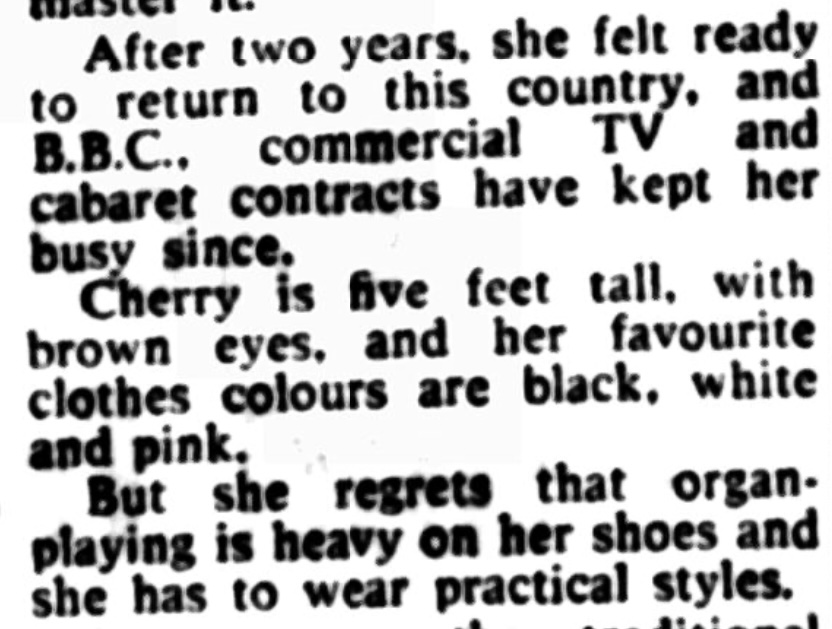
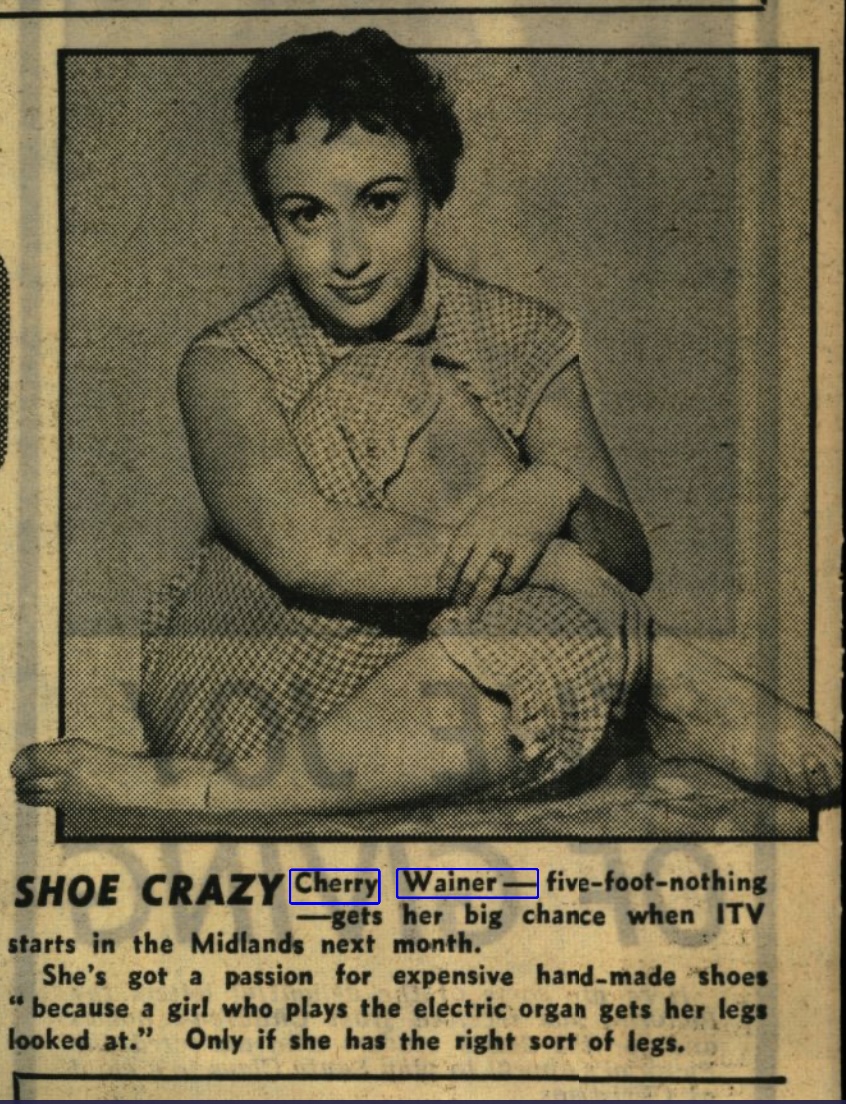
At Christmas 1955, the newspapers reported on Cherry’s return to Britain, her looks, and her footwear.
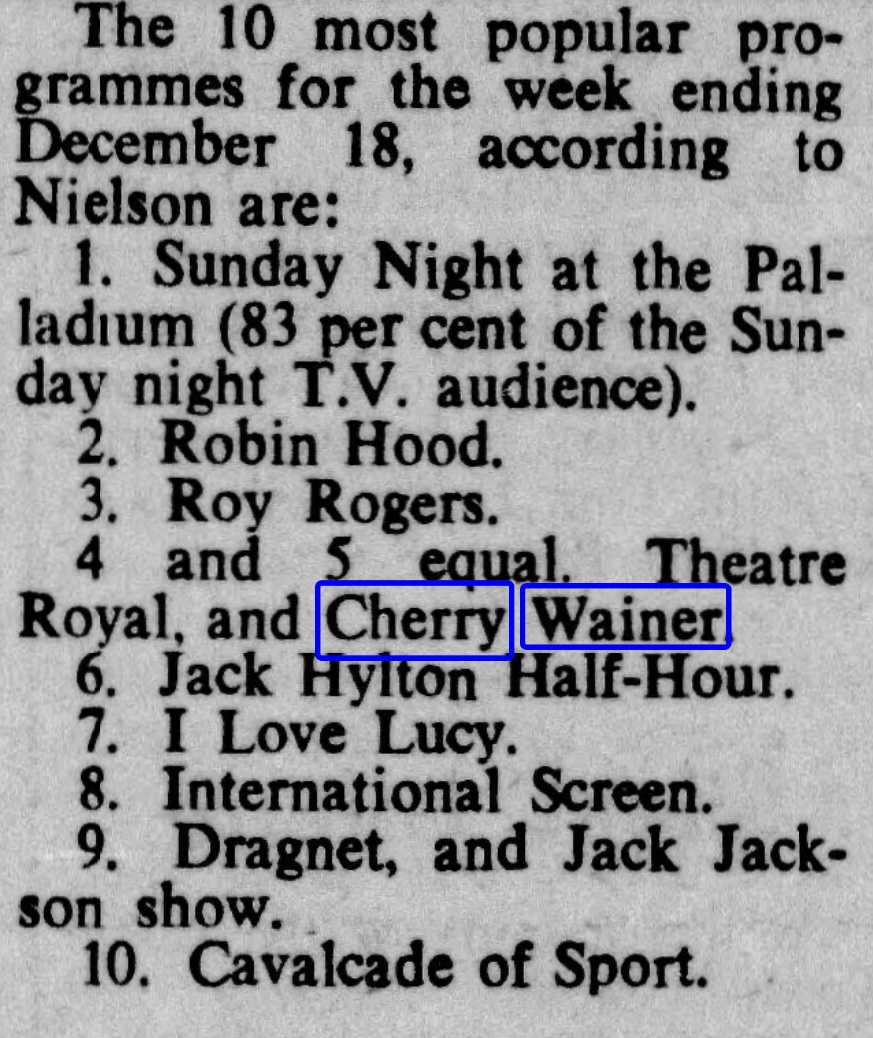
In 1955, not only was Cherry appearing on TV, but her show was proving very popular.
From January 1956, more on Cherry’s legs and shoes, and the upward trend in her career. Less than a year after making her television debut, she was becoming a fixture on television.
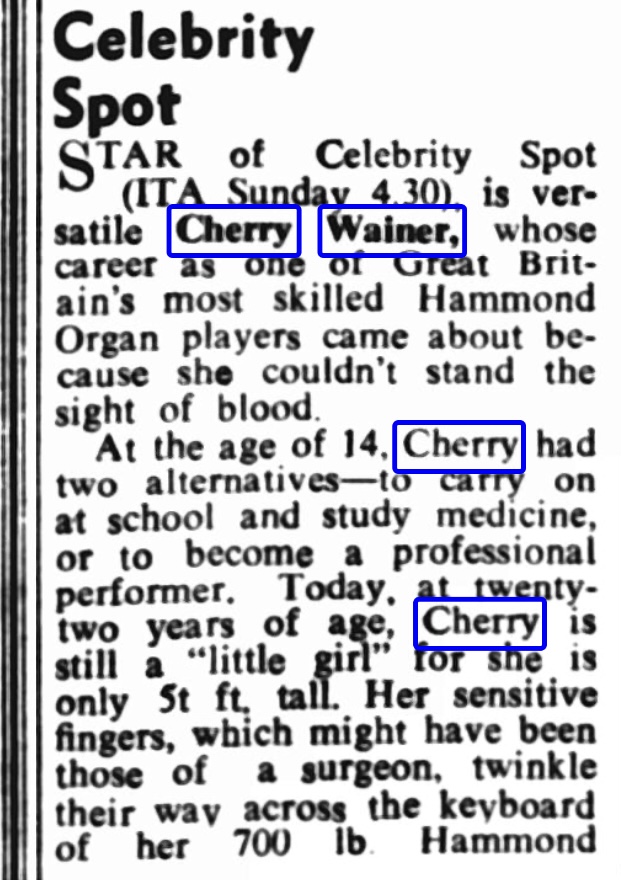
An article in the media in the spring of 1956 revealed that Cherry could have become a surgeon, but decided to make music her career.
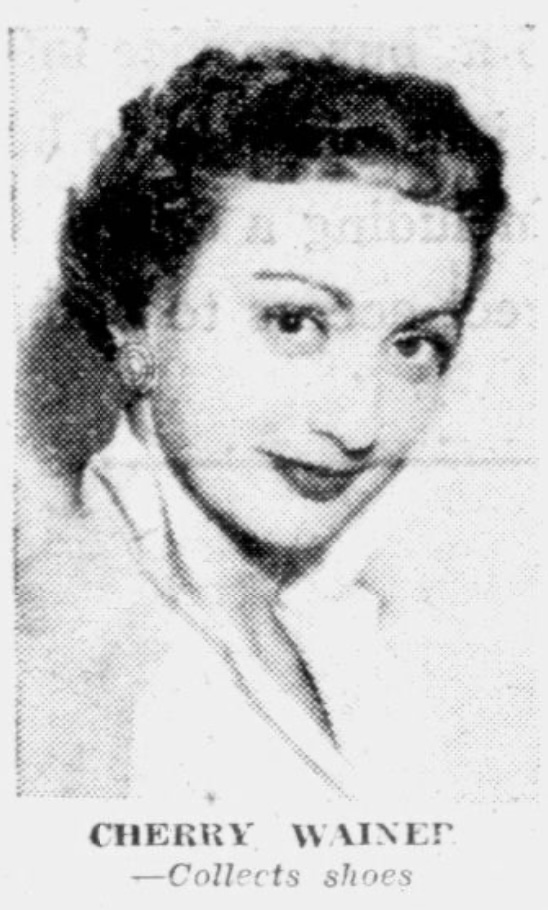
In March 1956, the media reported that Cherry loved collecting shoes. She owned more than 25 pairs, and favoured high, spiky heels with a touch of originality. Her feet were tiny, size 2 1/2.
Cherry was living in London during this stage of her career, in a spacious flat above the Cuban Legation, Lancaster Gate.
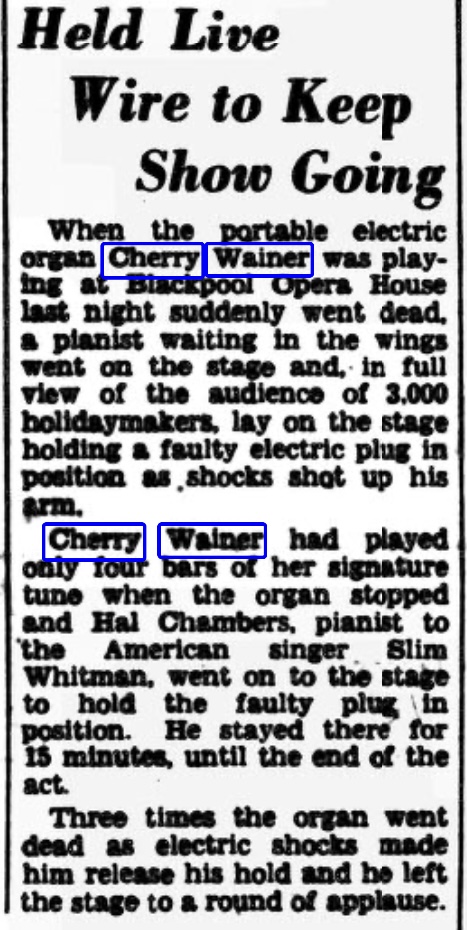
In April 1956, Cherry gave an electrifying performance…
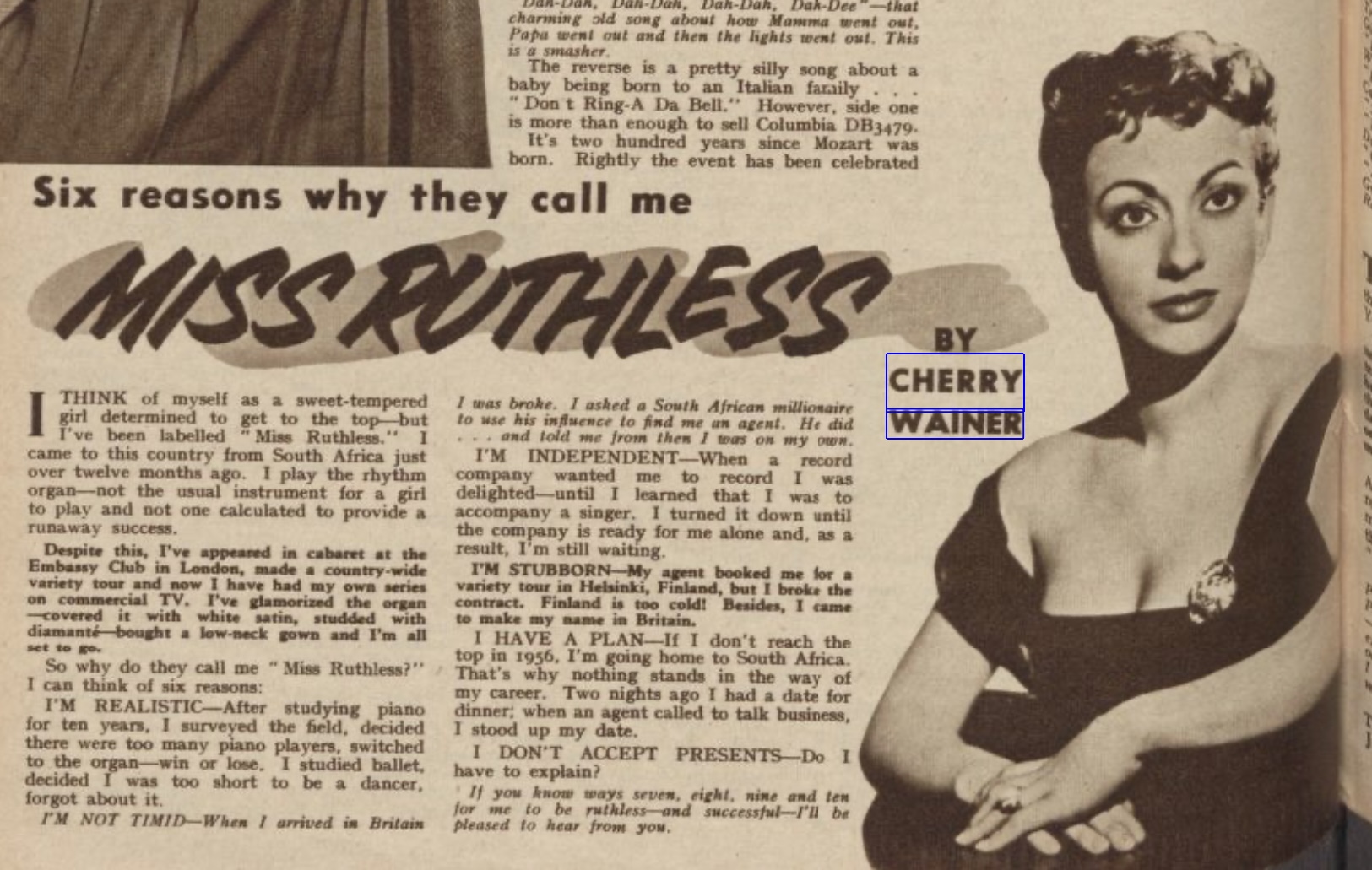
In May 1956, Cherry expressed how determined she was to succeed. Indeed, Picturegoer revealed that Cherry was known as “Miss Ruthless”.
For Authors
#1 for value with 565,000 readers, The Fussy Librarian has helped my books to reach #1 on 32 occasions.
Introduced in 1922, the Austin Seven, the “Car for the Feminine Touch”.
Fashion
For women, the flapper look dominated. Clothes that restricted were cast aside in favour of short skirts and trousers, attire that offered greater comfort. Men too abandoned formal daily attire in favour of casual and athletic clothing. Indeed, the suits of today are still based on the basic designs of the late 1920s.
In fashion, the Roaring Twenties really kicked off in 1925. Jazz, and dances like the Charleston, influenced designs of female outerwear, and underwear. For the first time in centuries, women’s legs were seen in public with hemlines rising to the knee.
Headbands were popular, until 1925, and jewellery remained in vogue throughout the decade, although the emphasis was not so much on dazzling expense, but more on design and style.
Actress Louise Brooks
Football
The 1923 FA Cup final was played between Bolton Wanderers and West Ham United on 28 April at the original Wembley Stadium in London. It was the first football match to be played at the stadium.
The official capacity was 125,000. However, a crowd estimated at 300,000 gained admittance. Consequently, the terraces overflowed and people were forced on to the pitch.
Mounted policemen, including one on a white horse (pictured), entered the scene. They cleared the pitch and, after a delay of 45 minutes, the match commenced.
Bolton emerged as winners, 2 – 0, but the defining image of the day was the policeman on his white horse, ensuring that the game would be forever known as the “White Horse Final”.
More flapper slang from the 1920s
Noodle juice – tea Nutcracker – a policeman’s truncheon Oil can – an imposter Out on parole – recently divorced Potato – lacking Intelligence Rock of Ages – a woman over thirty
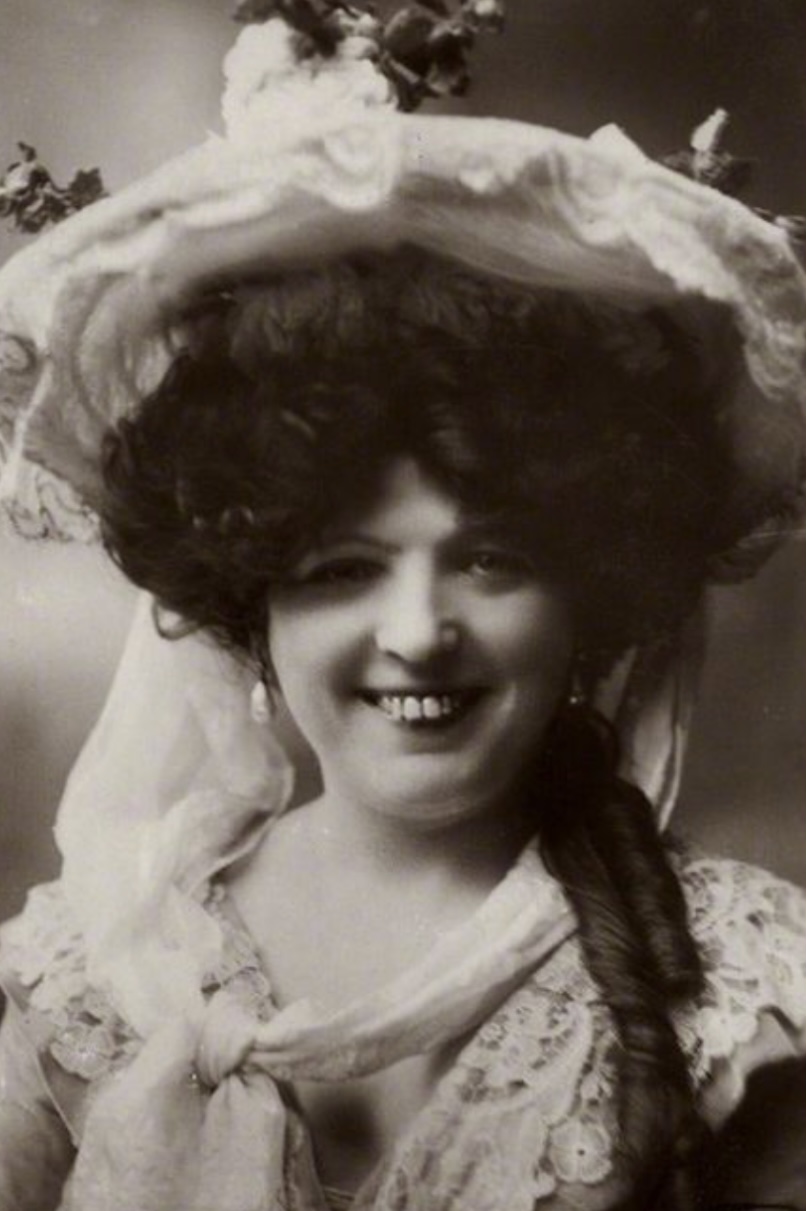
In April 1922, music hall star Marie Lloyd (pictured) collapsed in her dressing room after singing “The Cosmopolitan Girl” at the Gateshead Empire in Cardiff. Her doctor diagnosed exhaustion. After a period of rest, she returned to the stage in August, and reduced the running time of her act.
On 12 August 1921, Marie Lloyd failed to show for an appearance at the London Palladium. Instead, she wrote her will. Marie Lloyd died two months later, on 7 October 1922.
The Times wrote: “In her the public loses not only a vivid personality whose range and extremely broad humour as a character actress were extraordinary, but also one of the few remaining links with the old music-hall stage of the last century.”
In January 1920 the Marconi Company made occasional broadcasts, featuring music and speech, from Chelmsford, England. From 23 February to 6 March 1920 the company broadcast a series of thirty minute shows, repeated twice daily, from Chelmsford. These shows included live music performances.
A Marconi employee, 1906
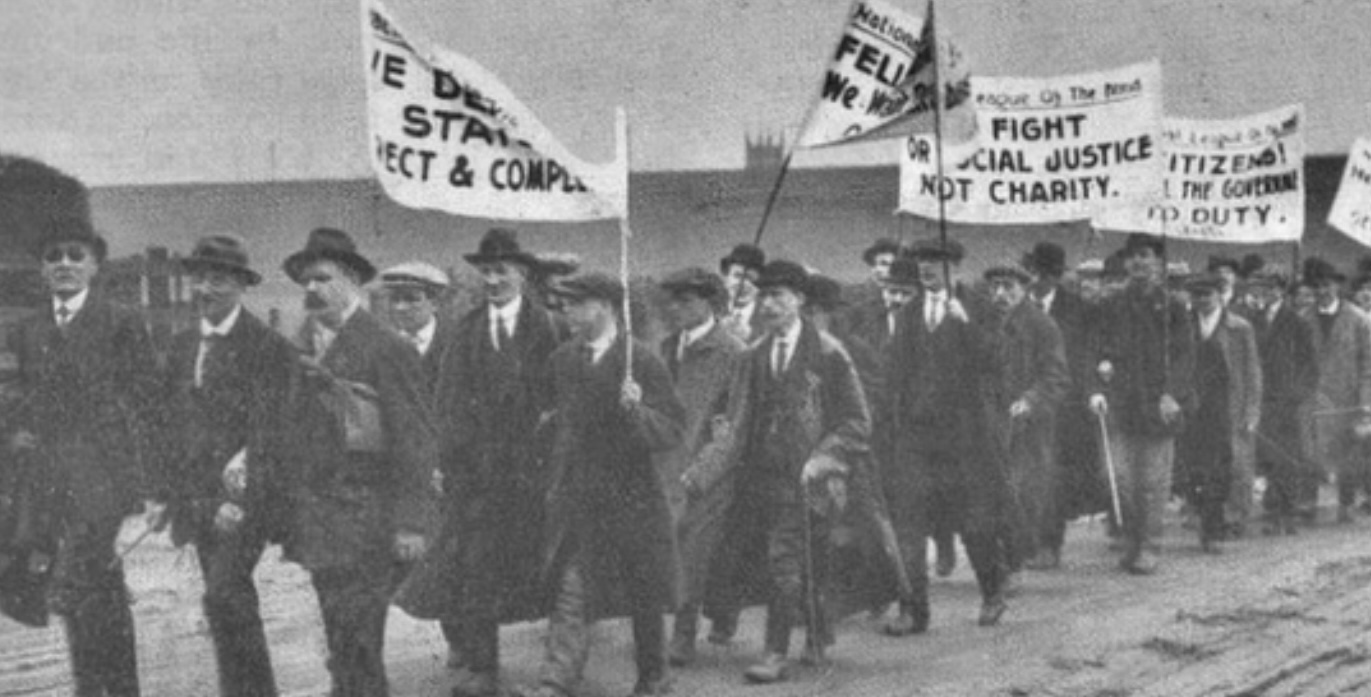
In 1920, 250 blind people marched from Newport, Manchester and Leeds to London. Organised by the National League of the Blind, the marchers assembled on 5 April 1920 and reached London on 25 April 1920, where a crowd of 10,000 supporters greeted them.
The NLB organised the march to protest against poor working conditions and poverty experienced by blind people. The leaders met Prime Minister David Lloyd George, who promised little, apart from to pay for the marchers’ rail tickets home.
However, a Blind Persons’ Act was introduced later in the year, the first disability-specific legislation in the world, which compelled local authorities to ensure the welfare of blind persons.
The march of 1920 served as inspiration for the famous 1936 Jarrow March against unemployment, in which the NLB also participated.
Tula, my novel set in the 1920s
For Authors
#1 for value with 565,000 readers, The Fussy Librarian has helped my books to reach #1 on 32 occasions.
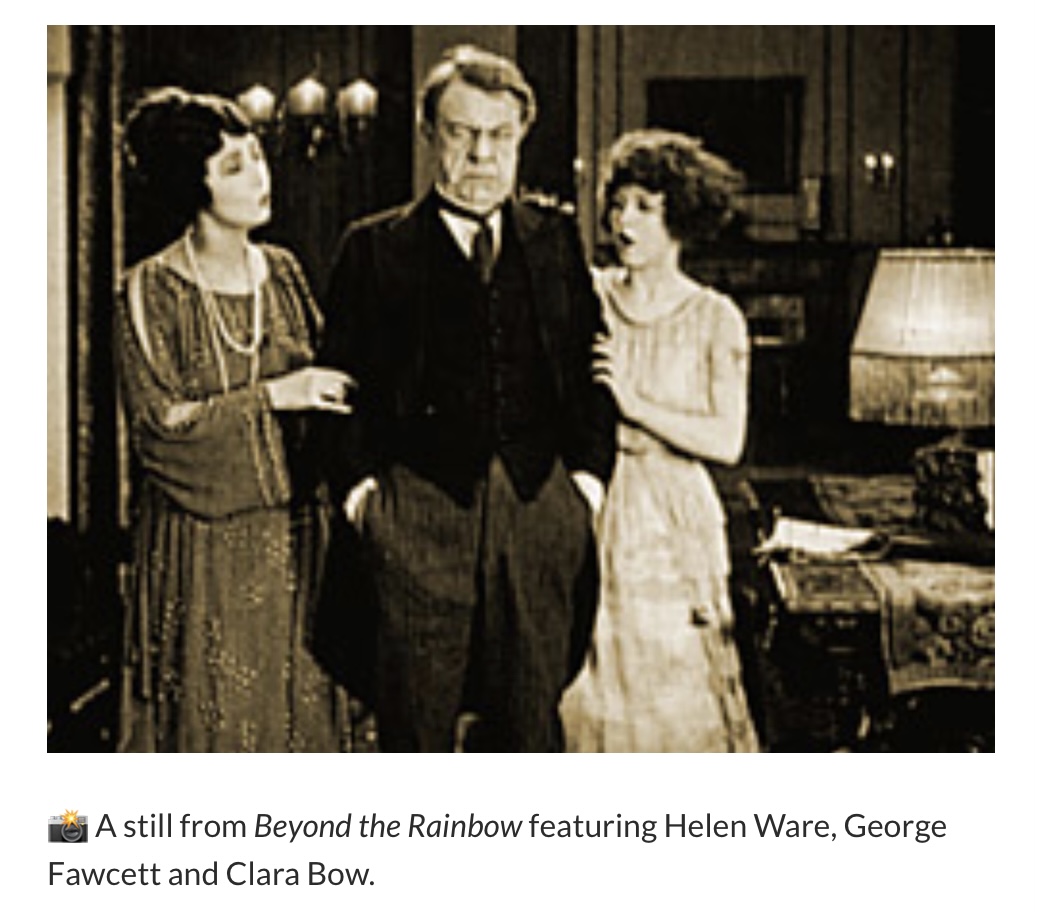
Clara Bow, the superstar of the era, made her debut in Beyond the Rainbow. Filmed in New York in 1921, when Clara was sixteen, the movie went on public release on February 19, 1922. A 16mm print of the film still survives.
The plot is a decent one: guests arrive at a party and are passed a mysterious note saying, ‘Consult your conscience. Your secret is common gossip.’ All the guests have something to hide, so panic and murder ensue.
The note was written by Clara’s character, Virginia Gardener, as a mischievous joke. It’s ironic that in her first movie Clara was the instigator of chaos because, in her own iconic way, that set the tone for her career.
Clara appeared in five scenes in Beyond the Rainbow, but strangely those scenes were cut from the final print, only to be restored when she became a star. Her billing also moved up from ninth to third when she achieved stardom.
Alvin ‘Shipwreck’ Kelly, 1893 – 1952, achieved fame in the 1920s and 1930s as a pole sitter. He calculated that he spent 20,613 hours sitting on flagpoles, including 210 hours in sub-freezing weather and 1,400 hours in the rain.
Kelly married Frances Vivian Steele, an elevator operator, a match clearly made in heaven, or at least close to it.
📸 Getty Images
The #1 song in 1920, Dardanella, recorded by Ben Selvin and his Novelty Orchestra. Released in December 1919, the song reached number one the following month and remained there for thirteen weeks. Selvin’s recording broke records by becoming the first record to sell more than three million copies. It eventually sold five million and became the second-highest single of the 1920s.
Many artists covered the song, including Acker Bilk, Bing Crosby and Louis Armstrong, plus Geoff and Maria Muldaur.
Football
A talented Wales team featuring Willie Davies, Ted Vizard and Fred Keenor (pictured) won the 1923-24 British Home Championship thanks to victories over Scotland, 2 – 0 at home, 2 – 1 against England (away) and 1 – 0 against Ireland (away). The game against Ireland was a tumultuous affair decided by a Moses Russell penalty.
Scotland finished second, Ireland third, and England fourth.
Television
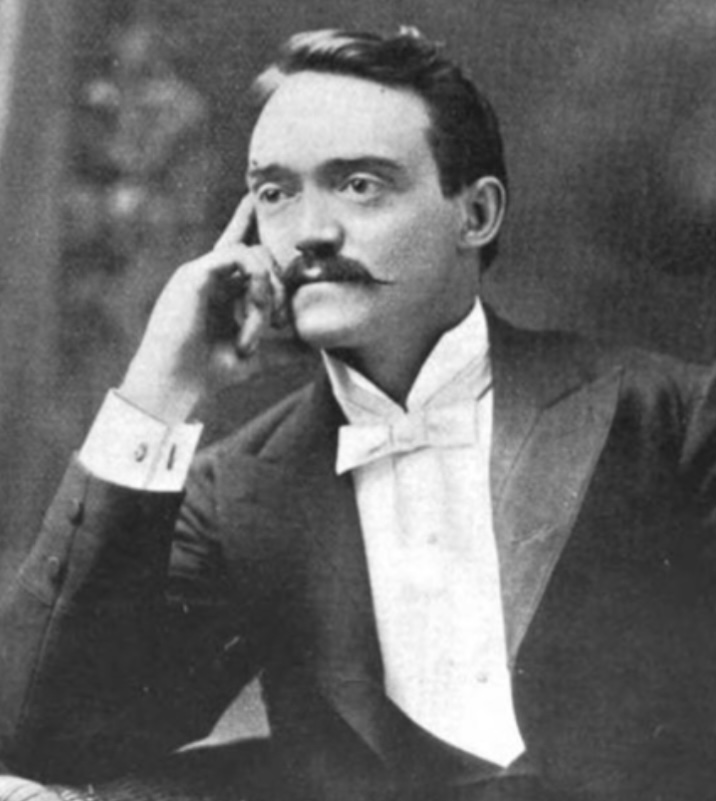
In 1921, Charles Francis Jenkins (pictured) incorporated Jenkins Laboratories in Washington D.C. with the purpose of “developing radio movies to be broadcast for entertainment in the home”.
In 1922, Jenkins demonstrated his television principles by transmitting a set of static pictures from Washington D.C. to a navy station in Anacastia by telephone wire.
In 1923, Jenkins demonstrated “true” television, transmitting 48-line moving silhouette images at 16 frames per second from Washington to Anacostia Navy station.
A year later, enter John Logie Baird who demonstrated a semi-mechanical television system, transmission moving silhouette images in Britain.
Literature
Published in 1922, The Beautiful and the Damned by F. Scott Fitzgerald. Set in New York City, the plot follows a young artist Anthony Patch and his flapper wife Gloria Gilbert who become “wrecked on the shoals of dissipation” while excessively partying at the dawn of the hedonistic Jazz Age.
Fitzgerald modelled the main characters on himself and his wife Zelda, detailing their tempestuous marriage. Three years later, the author covered similar themes of self-absorption and hedonism in his novel The Great Gatsby.
Tula, my novel set in the 1920s
For Authors
#1 for value with 565,000 readers, The Fussy Librarian has helped my books to reach #1 on 32 occasions.















 Hannah Howe