
Loving Someone Who Hurts You
My novel Sam’s Song discusses the taboo subject of domestic violence. Many thanks to Sarah Fader for this guest post.
Domestic violence is a serious problem that affects people of all races and genders. There are two parties involved in an abusive relationship, the abuser and the survivor (the abused). Some people might not understand why a person who was getting physically abused would stay in a relationship. To the outside observer this doesn’t look like love, it looks like violence. Here’s an innocent person who is being beaten or intentionally hurt in a violent manner by someone whom they’ve grown to trust and love. Why would they stay in this situation?
People stay in abusive relationships for a multitude of reasons. First, the abuser isn’t always mean. In order to gain the trust of the survivor, the abuser can be charismatic and even appear warm and loving. Once they’ve secured an attachment and gained the trust of the abused, they have power over them. Another clever trait of an abuser is that they put on a good show to the outside world. People often don’t believe survivors because the abuser is a good “actor.” They might be well-known in the community as a good father or a hard-working professional.
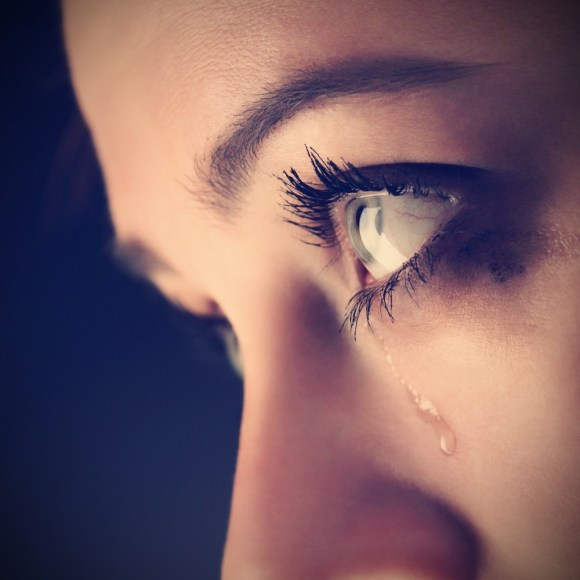
There are many different forms of abuse that fall under the category of domestic violence. Physical abuse is a form of harm that can sometimes be seen. When a person is abused they may have broken bones or bruises. The abuser has to come up with clever ways to hide what they’ve done to their partner. They might threaten to harm them further if they tell a family member, friend or the authorities what’s actually going on.
In domestic violence relationships, there is a constant dynamic of power and control. The abuser wants control over the survivor. They will do just about anything to get this control and maintain it. They often cut their partner off from family, friends, and any social contact outside out of the abuse. The survivor (or the abused) feels that they need the abuser in their life, because they’re made to feel that they have no option other than to stay in the relationship. And the abuser continually reminds them of this. The abuser might say things like “you can’t do any better than me,” or “you’re nothing without me.” This makes the survivor feel like they are trapped and cannot leave the relationship. They also start to view abuse as love, because that’s all they know.
 Hannah Howe