Categories
1920s

The 1920s #3

Introduced in 1922, the Austin Seven, the “Car for the Feminine Touch”.

Fashion

For women, the flapper look dominated. Clothes that restricted were cast aside in favour of short skirts and trousers, attire that offered greater comfort. Men too abandoned formal daily attire in favour of casual and athletic clothing. Indeed, the suits of today are still based on the basic designs of the late 1920s.

In fashion, the Roaring Twenties really kicked off in 1925. Jazz, and dances like the Charleston, influenced designs of female outerwear, and underwear. For the first time in centuries, women’s legs were seen in public with hemlines rising to the knee. 

Headbands were popular, until 1925, and jewellery remained in vogue throughout the decade, although the emphasis was not so much on dazzling expense, but more on design and style.

Actress Louise Brooks

Football

The 1923 FA Cup final was played between Bolton Wanderers and West Ham United on 28 April at the original Wembley Stadium in London. It was the first football match to be played at the stadium.

The official capacity was 125,000. However, a crowd estimated at 300,000 gained admittance. Consequently, the terraces overflowed and people were forced on to the pitch.

Mounted policemen, including one on a white horse (pictured), entered the scene. They cleared the pitch and, after a delay of 45 minutes, the match commenced. 

Bolton emerged as winners, 2 – 0, but the defining image of the day was the policeman on his white horse, ensuring that the game would be forever known as the “White Horse Final”.

More flapper slang from the 1920s

Noodle juice – tea
Nutcracker – a policeman’s truncheon
Oil can – an imposter
Out on parole – recently divorced
Potato – lacking Intelligence
Rock of Ages – a woman over thirty

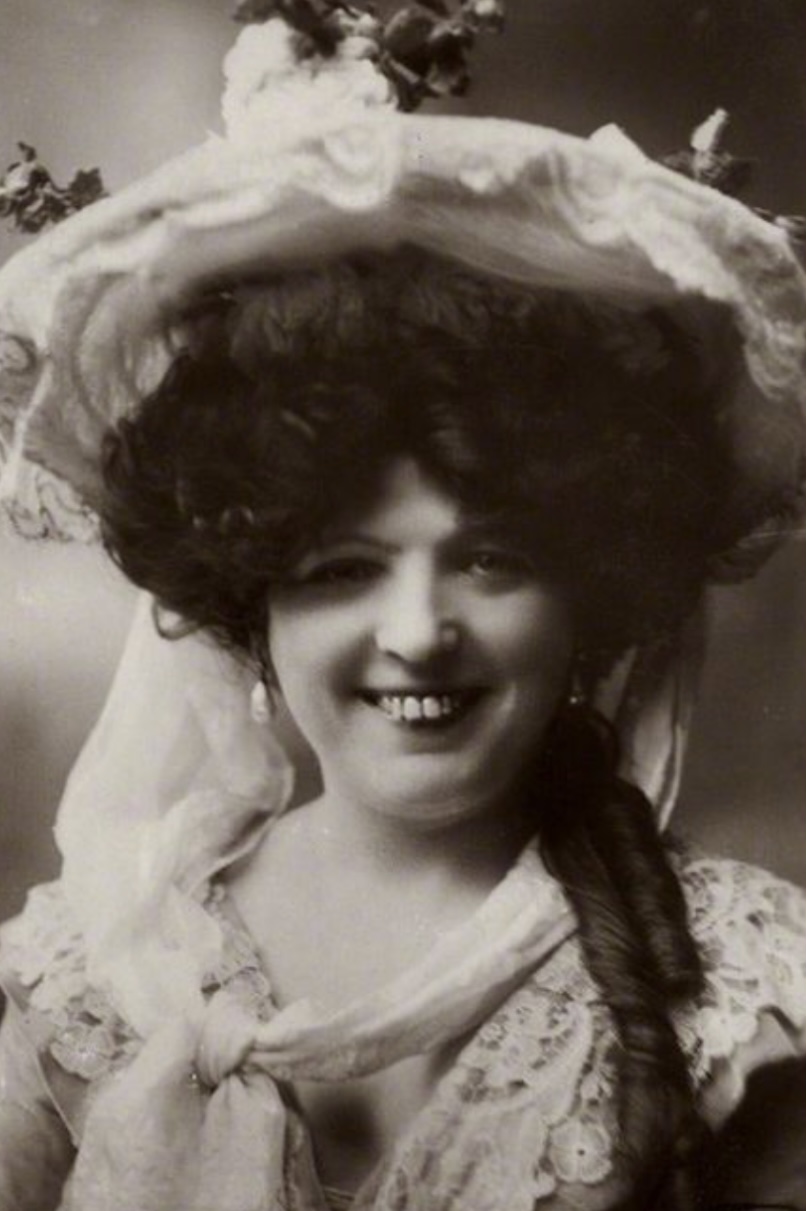
In April 1922, music hall star Marie Lloyd (pictured) collapsed in her dressing room after singing “The Cosmopolitan Girl” at the Gateshead Empire in Cardiff. Her doctor diagnosed exhaustion. After a period of rest, she returned to the stage in August, and reduced the running time of her act. 

On 12 August 1921, Marie Lloyd failed to show for an appearance at the London Palladium. Instead, she wrote her will. Marie Lloyd died two months later, on 7 October 1922. 

The Times wrote: “In her the public loses not only a vivid personality whose range and extremely broad humour as a character actress were extraordinary, but also one of the few remaining links with the old music-hall stage of the last century.”
In January 1920 the Marconi Company made occasional broadcasts, featuring music and speech, from Chelmsford, England. From 23 February to 6 March 1920 the company broadcast a series of thirty minute shows, repeated twice daily, from Chelmsford. These shows included live music performances.

A Marconi employee, 1906

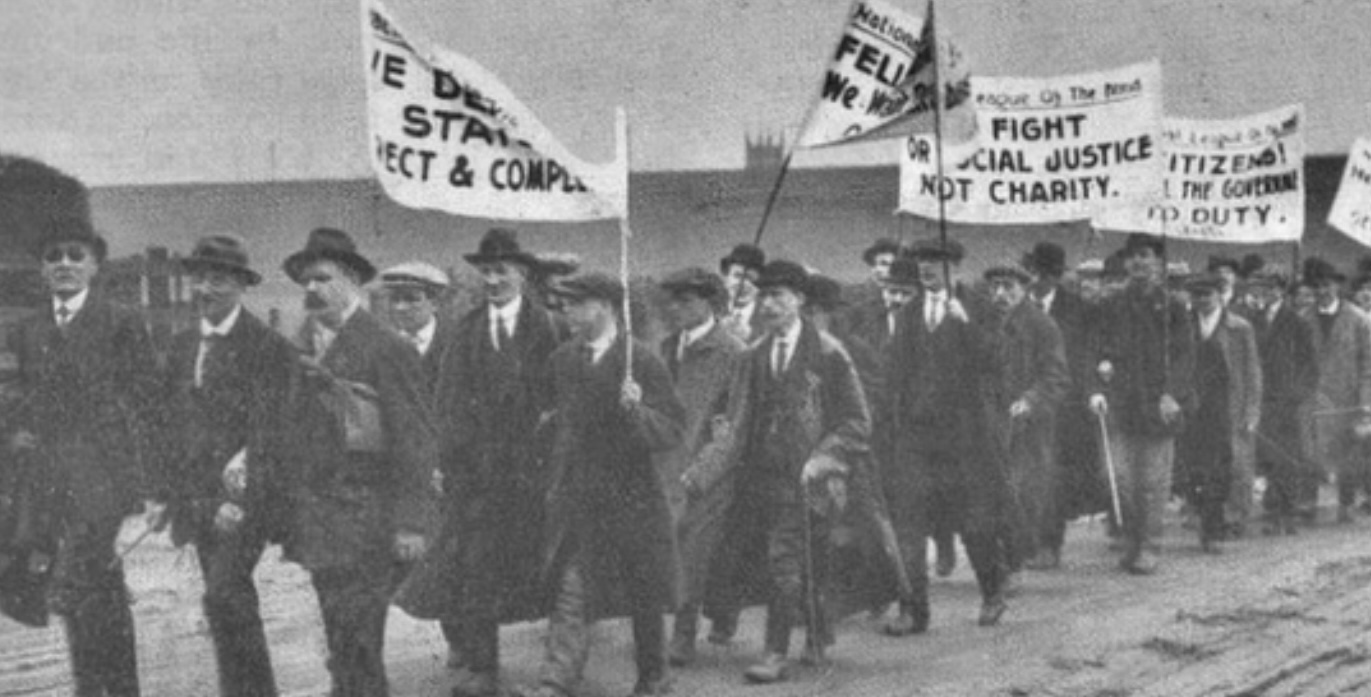
In 1920, 250 blind people marched from Newport, Manchester and Leeds to London. Organised by the National League of the Blind, the marchers assembled on 5 April 1920 and reached London on 25 April 1920, where a crowd of 10,000 supporters greeted them.

The NLB organised the march to protest against poor working conditions and poverty experienced by blind people. The leaders met Prime Minister David Lloyd George, who promised little, apart from to pay for the marchers’ rail tickets home.

However, a Blind Persons’ Act was introduced later in the year, the first disability-specific legislation in the world, which compelled local authorities to ensure the welfare of blind persons. 

The march of 1920 served as inspiration for the famous 1936 Jarrow March against unemployment, in which the NLB also participated.

Tula, my novel set in the 1920s

For Authors

#1 for value with 565,000 readers, The Fussy Librarian has helped my books to reach #1 on 32 occasions.

A special offer from my publisher and the Fussy Librarian. https://authors.thefussylibrarian.com/?ref=goylake

Don’t forget to use the code goylake20 to claim your discount 🙂

Categories
1920s

The 1920s #1

In the new year, I hope to research 1925 in detail. Meanwhile, here’s some general information about the 1920s, starting with some flapper slang.

Airedale – an unfashionable, not with-it man
Alarm clock – a chaperone
Apple sauce – flattery
Banks closed – no petting or kissing
Barneymugging – the opposite of banks closed
The bee’s knees, the cat’s pyjamas, the elephant’s instep – the best

In 1925 Clarence Birdseye, pictured, invented a process for frozen food. Later, he invented the double belt freezer. His initial product line featured 26 items, including 18 cuts of frozen meat, spinach, peas, a variety of fruits and berries, blue point oysters, and fish fillets.

More flapper slang from the 1920s

Billboard – flashy man or woman
Biscuit – a cute, possibly promiscuous, woman
Cake basket – a limousine
Clothesline – local gossip
Corn shredder – a dancer who treads on your feet
Dropping the pilot – getting a divorce
Edisoned – being asked a lot of questions
Eye-opener – marriage
Father Time – a man over thirty

🖼️ The Flapper, 1922

In 1925, a number of record companies improved on an electrical recording process originally developed by Western Electric and produced a more lifelike sound.

Jazz dominated the music scene. The word jazz arose out of West Coast slang, c1912. At that time it did not refer to music. Jazz was used in an article about baseball in 1913 and appeared in reference to music in a Chicago Daily Tribune article of 1915.

The King and Carter Jazzing Orchestra, 1921

On 5 August 1926 Warner Brothers produced the first Vitaphone movie, Don Juan (the third highest grossing film of the year). The Vitaphone system used multiple 33 1⁄3 rpm gramophone records to play back music and sound effects synchronised with film.

The Jazz Singer, the first part-talkie, followed in 1927, then the first all-talkie Lights of New York, in 1928, then the first all-colour all-talkie On With The Show, in 1929. The silent movie era arguably ended with Modern Times in 1936.

The 2020s

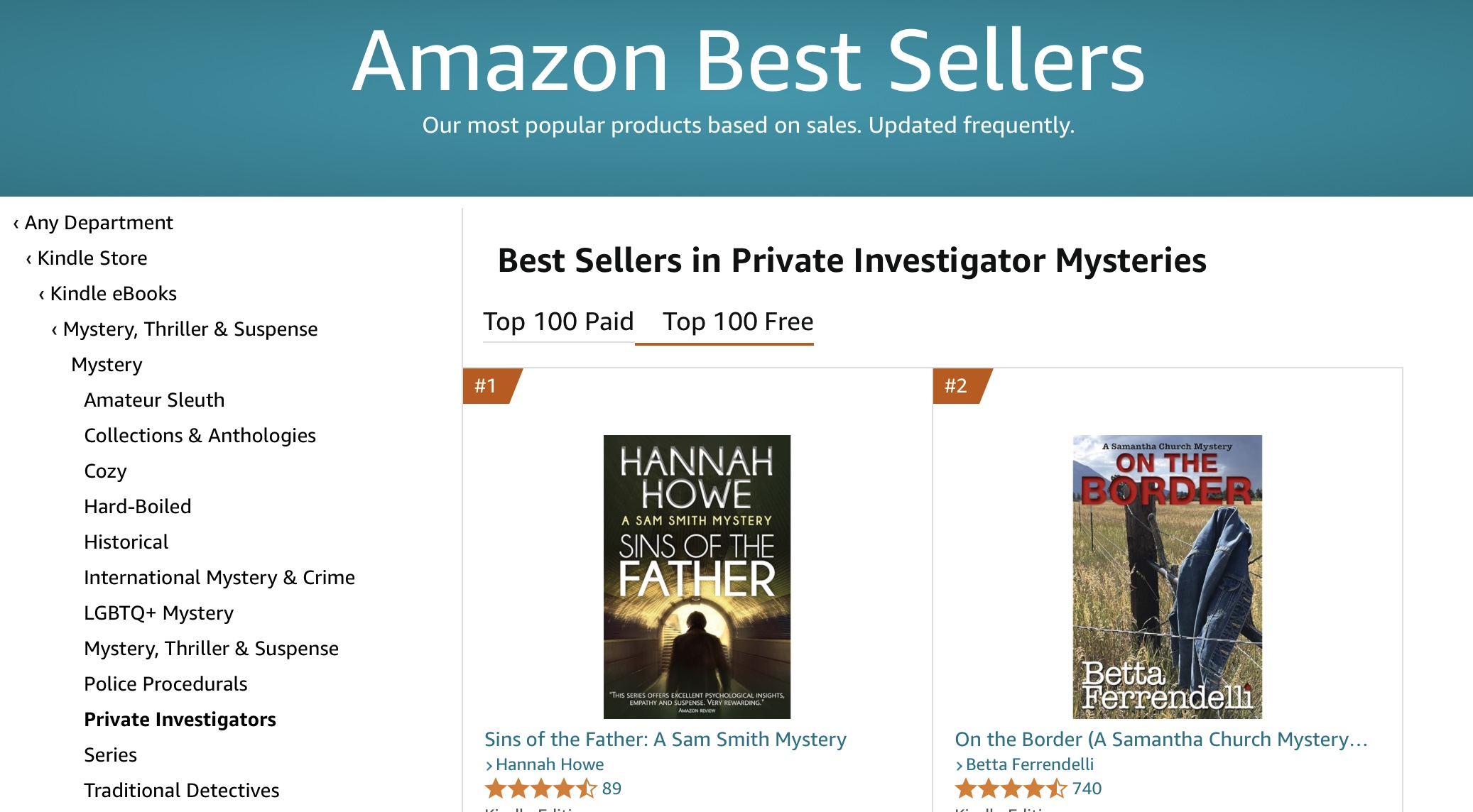
At the moment, we are promoting Sins of the Father, book eight in my nineteen book Sam Smith mystery series (book twenty is scheduled for next year). I’m delighted to say that Sins of the Father is #1 on Amazon’s private investigator chart 🙂

For Authors

#1 for value with 565,000 readers, The Fussy Librarian has helped my books to reach #1 on 38 occasions.

A special offer from my publisher and the Fussy Librarian. https://authors.thefussylibrarian.com/?ref=goylake

Don’t forget to use the code goylake20 to claim your discount 🙂

Categories
Dear Reader

Dear Reader #176

Dear Reader,

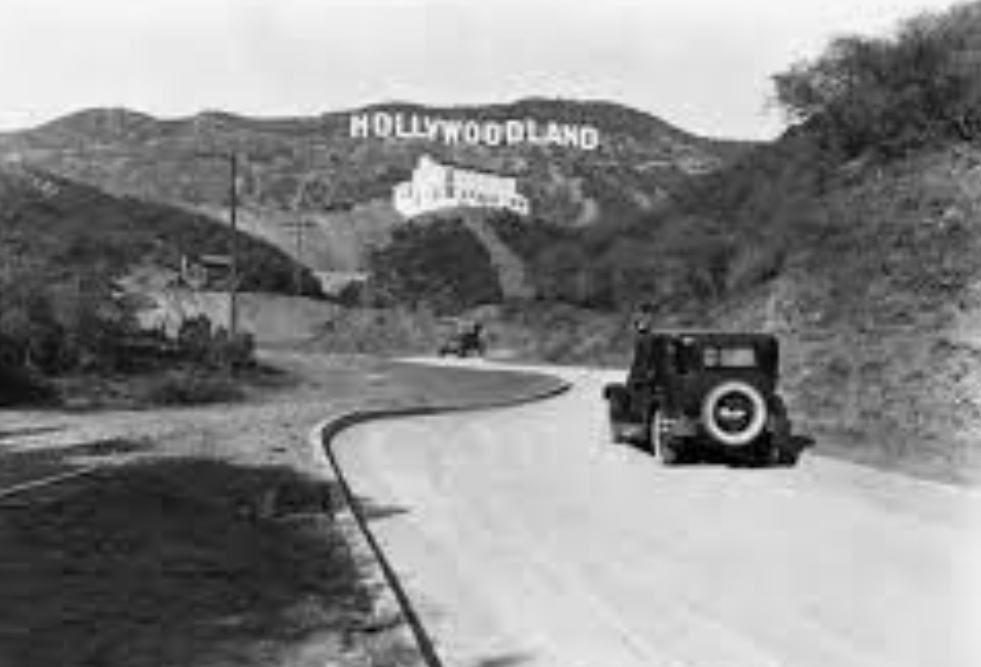
This week, I wrote Chapter 35 (of 65) of Tula, the story of a young 1920s actress from the slums of Brooklyn. In this chapter, Westward Bound, after many struggles and misadventures, Tula arrives in Hollywood. And this is the sight that greets her.

In Chapter 37 of Tula, Tula’s chaperone, Gloria Steenberg, insists that she should change her image and become a flapper. A battle of wills and ambitions between the two women ensues.

🖼 “Where there’s smoke there’s fire” by Russell Patterson.

Clara Bow’s fifteenth movie was The Adventurous Sex, produced in November 1924, with location shooting at Niagara Falls, and released on June 12, 1925. Clara played Patricia Webster. Sadly, this silent movie is now lost.

The Adventurous Sex was one of sixteen movies Clara made in eighteen months. At this stage of her career, she was on the movie treadmill, and not enjoying it. Many of these movies were low budget and of poor quality. However, her hard work was rewarded with an appearance on the cover of Motion Picture Classic, June 1925, her first magazine cover appearance.

Of Clara, Motion Picture Classic said, “Little Clara Bow shows alarming symptoms of becoming the sensation of the year in Hollywood. There is something vital and compelling in her presence. She is the spirit of youth. She is Young America rampant, the symbol of flapperdom.”

Pearl White (March 4, 1889 – August 4, 1938) began her career on the stage at the age of six. Later, she featured in silent films, especially serials, and became known as the “Queen of the Serials”.

Often cast as a plucky heroine, Pearl performed her own stunts, most notably in The Perils of Pauline. Unfortunately, a spinal injury sustained while filming The Perils of Pauline resulted in drug and alcohol dependence in an effort to ease her pain, a dependence that led to her early death from liver failure.

Nancy Carroll (November 19, 1903 – August 6, 1965) started her career in Broadway musicals. She became an actress in talkies and appeared in 39 films between 1927 and 1938. 

In the early 1930s Nancy received more fan mail than any other star. Nevertheless, Paramount Pictures cancelled her contract because they regarded her as ‘uncooperative’ when she balked at the roles offered by the studio.

Anniversaries: Married this week, on 9 January 1843 at St Mary’s, Haggerston, London (pictured) my 4 x great grandparents Matthew Cottrell and Sarah Gadsden. Matthew worked as a porter/trader in the London markets. Sarah gave birth to seven children, six girls and a boy. Before marriage, the couple lived in the same street, Castle Court, Matthew at number 14, Sarah at number 2. They remained married for 51 years, until Sarah’s death in 1894.

The key year for my 6 x great grandmother Barbara Bevan arrived in 1746 when she married Rees David in Llantrisant, Glamorgan. Her father, John Bevan, also died that year.

Barbara gave birth to eight children. Her husband, Rees David, was an alderman who inherited Treferig Isaf in Llantrisant. He was also a Quaker. However, the intriguing aspect of Barbara’s story is she was born in Pennsylvania. What were her parents doing there? 🤔

I’ve discovered that four generations of the Bevan branch of my family had close ties with Pennsylvania. All the Bevans in Merion, Pennsylvania are descended from my ancestors. To make sense of how and why my Bevans arrived in Pennsylvania I need to go back to my 9 x great grandfather, John Bevan, 1646 – 1726. This is going to be exciting 🙂

Clara Bow Quotes: “Back in Hollywood, I was restless. The picture wasn’t going so well. My house was always full of people, some of whom I knew, others I did not. It seemed that my life was not my own. I fretted.

My name was news and the slightest ripple on the surface of my existence was a signal for the newspapermen to place my name in headlines. So, this was Hollywood, and fame and fortune! Where were the real things in life? Was I to continue like this?

Some book news. Nine years old this year, Sam’s Song is number one on the Amazon charts again 🙂

As ever, thank you for your interest and support.

Hannah xxx

For Authors

#1 for value with 565,000 readers, The Fussy Librarian has helped my books to reach #1 on 36 occasions.

A special offer from my publisher and the Fussy Librarian. https://authors.thefussylibrarian.com/?ref=goylake

Don’t forget to use the code goylake20 to claim your discount 🙂

Categories
Dear Reader

Dear Reader #168

Dear Reader,

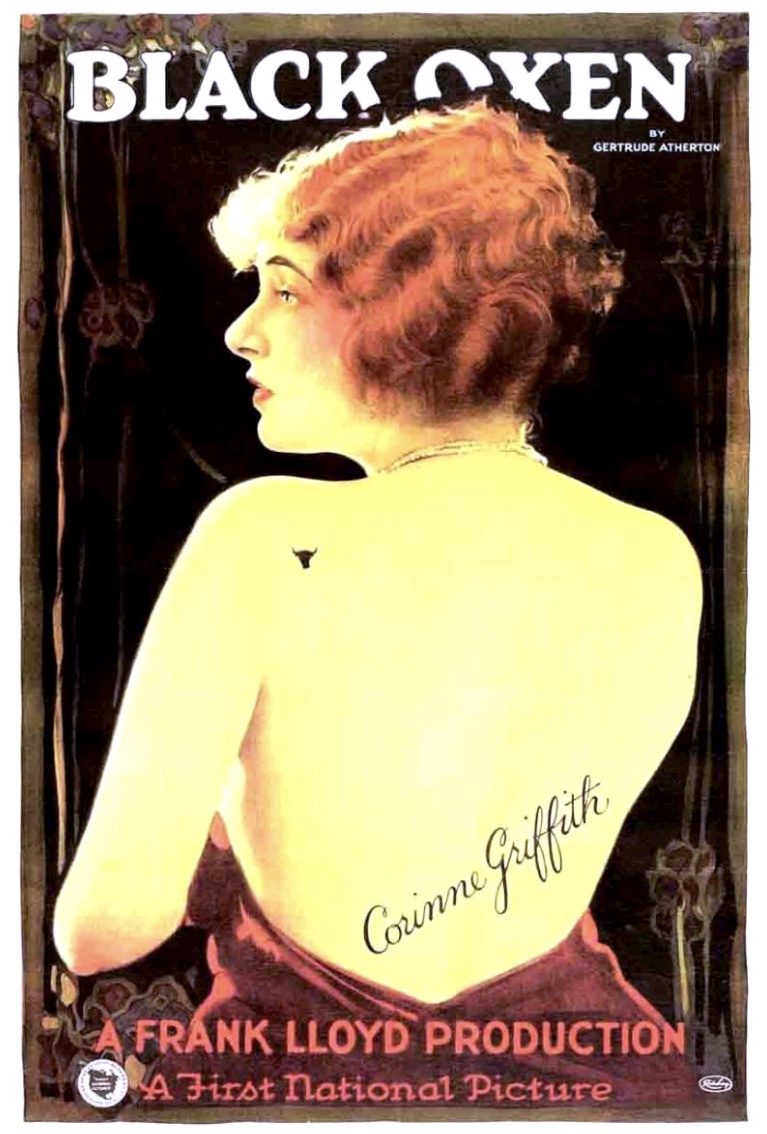
Clara Bow’s seventh movie was Black Oxen a silent fantasy/romantic drama produced during October 1923 and released on December 29, 1923 in San Francisco.

Black Oxen starred Corrine Griffith and Conway Tearle. Corinne Griffith was one of the big names of the day. As well as a successful acting career, she also excelled as a producer, author and businesswoman. Dubbed ‘The Orchid Lady of the Screen’, she was widely regarded as one of the most beautiful actresses of the silent era.

Clara excelled in this movie to the extent that she gained more parts immediately, and the studio quadrupled her salary to $200 a week, the equivalent of $2,900 today.

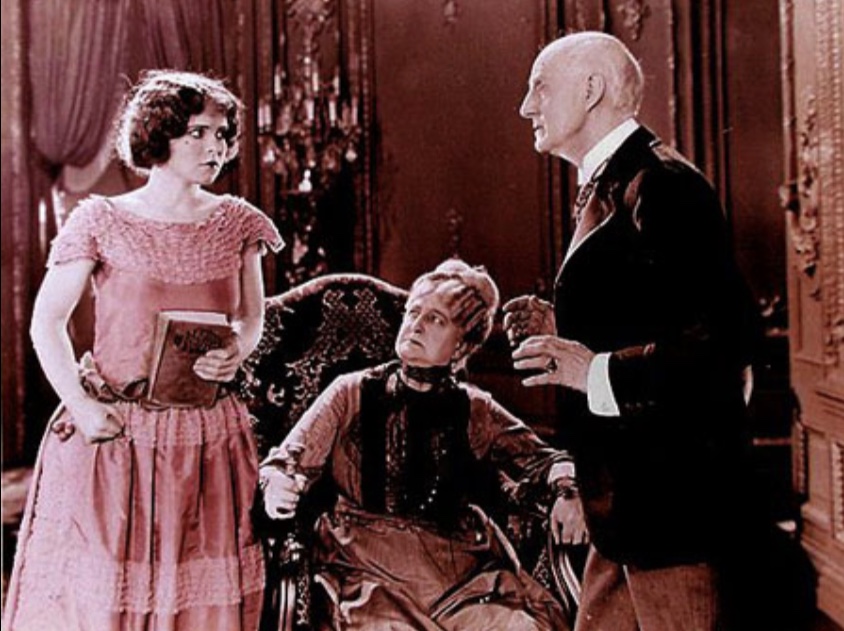
📸 Clara Bow as Janet Oglethorpe, the flapper in Black Oxen, holding a copy of Flaming Youth. Also pictured, Kate Lester and Tom Ricketts.

Highest Grossing Movie of 1927Wings.

A silent war movie set during the First World War, Wings won the first Academy Award for Best Picture, the only fully silent film to win the award. Because of her status, Clara Bow received top billing, but the film mainly concentrates on Charles Rogers and Richard Arlen’s characters.

The movie was designed as an action-war picture, but romantic elements were included to accommodate Clara Bow, Paramount Pictures’ brightest star at the time. The film featured nudity, one of the first to do so.

Wings was shot on location in San Antonio on a budget of $2 million, $30 million today. Shooting ran from September 7, 1926 to April 7, 1927. The antics at the actors’ hotel have become the stuff of legend, and they will feature in a future article.

Hundreds of extras and around 300 pilots were involved in the filming. The highlights of Wings are its realism and its stunning air-combat sequences. Indeed, the pilots and their planes are the stars of this movie. Many of the flying sequences required extraordinary courage and skill.

My latest translation, the Dutch version of Operation Treasure, Eve’s War Heroines of SOE book four.

Clara Bow Quotes: “What advice would you endeavour to give a girl who was trying to make good in Hollywood? I can give my viewpoint with absolute frankness and understanding. I was ambitious and at the same time I was shy and super-sensitive. I saw Hollywood as Utopia. I see Hollywood now as it really is. I’ve tasted fame and wealth and love – true love – and I’ve also suffered heartbreak and disappointment as much as any other person in the motion picture world. Some scars I shall carry on my soul forever. Through recklessness, thoughtlessness and impulsiveness, I have made many mistakes. But I’ve profited from such errors and that is why I am attempting to assist those who will take the advice of one who knows.”

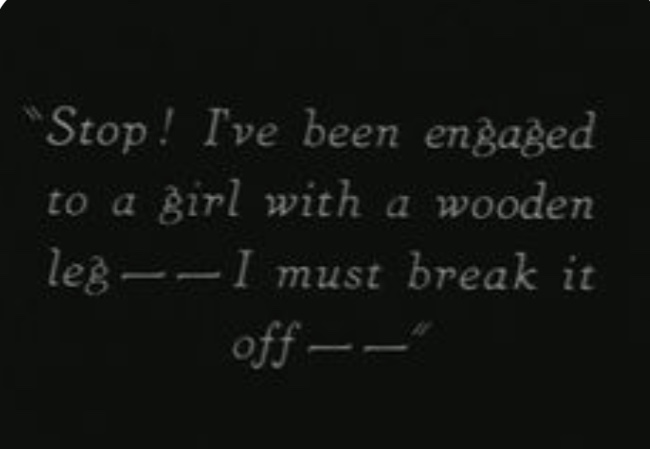
Intertitle #8

As ever, thank you for your interest and support.

Hannah xxx

For Authors

#1 for value with 565,000 readers, The Fussy Librarian has helped my books to reach #1 on 33 occasions.

A special offer from my publisher and the Fussy Librarian. https://authors.thefussylibrarian.com/?ref=goylake

Don’t forget to use the code goylake20 to claim your discount 🙂

Categories
Dear Reader

Dear Reader #167

Dear Reader,

Clara Bow’s sixth movie was Maytime, a silent romantic drama produced during August and September 1923 and released on December 11, 1923. The movie starred Ethel Shannon, Harrison Ford and William Norris, with Clara fourth on the bill playing Alice Tremaine. 

After a stunning screen test, producer B.P. Schulberg gave Clara the part of Alice in Maytime. Within a week, the film’s crew were urging Schulberg to ditch Ethel Shannon and give Clara the lead role. He didn’t. Nevertheless, Clara had made her point and established her breakthrough.

📸 Clara Bow and Ethel Shannon in Maytime.

Highest Grossing Movie of 1926, For Heaven’s Sake.

A silent comedy, For Heaven’s Sake starred Harold Lloyd and was directed by Sam Taylor. The movie was a great success for Lloyd and earned $2,600,000 at the box office, which made it the twelfth highest grossing film of the silent era.

In the 1920s, Lloyd alternated between making what he called “gag pictures” and “character pictures”. He regarded For Heaven’s Sake as a “gag picture”. Despite the film’s success, Lloyd wasn’t happy with it. Indeed, he was so disappointed with the final cut that he considered abandoning the project.

A large number of scenes were filmed and later cut from the final movie. Some of those scenes, especially an underworld sequence, resurfaced (no pun intended) and were incorporated into Lloyd’s 1928 film Speedy.

My latest article for the Seaside News appears on page 34 of the magazine.

Roundabout, Series 1, Episode 22 of The Rockford Files was the last broadcast episode in the first series. This episode contained some great one-liners. Obnoxious Hirer: “I should warn you, I have a blackbelt in judo.” Rockford (picking up a golf club): “And I have a blackbelt in seven-iron.” 

Bank Manager: “She’s strange.” Rockford: “You don’t call people with $300,000 in their account ‘strange’.” Bank Manager: “What do you call them?” Rockford: “Eccentric.”

The climactic chase scene at the Hoover Dam was originally scripted as a car chase. However, someone suggested that Rockford and the villain should run through the Hoover Dam instead, creating one of the iconic moments in the first series.

Time for a break. I look forward to catching up with series two of the Rockford Files in the new year.

Coming soon, our new magazine, The Golden Age of Hollywood, available from all leading Internet outlets. Here’s a preview of the cover.

Clara Bow Quotes. After the director cut her role in Beyond the Rainbow, Clara enrolled in a business training school. However, Fate intervened again. “A month or so after my first motion-picture ‘flop’ I was called one day to the telephone. The man speaking at the other end of the wire introduced himself as Mr Elmer Clifton, and asked if I could see him that afternoon. My heart took a leap. Elmer Clifton was a motion-picture director and, hardly daring to believe my good fortune, I readily agreed to see him. I was so excited, I could hardly talk.”

Clifton offered Clara a two-week trial period and a salary of $35 a week. The two-week trial period stretched to thirteen weeks as, impressed by Clara’s natural talent, Clifton developed her role as Dot Morgan in Down to the Sea in Ships (pictured). This time, Clara was truly setting sail.

Intertitle #7

As ever, thank you for your interest and support.

Hannah xxx

For Authors

#1 for value with 565,000 readers, The Fussy Librarian has helped my books to reach #1 on 32 occasions.

A special offer from my publisher and the Fussy Librarian. https://authors.thefussylibrarian.com/?ref=goylake

Don’t forget to use the code goylake20 to claim your discount 🙂