Categories
1963

Social History 1963 #5

In the 1962-3 football season, Everton won the First Division title for the sixth time in the club’s history. They clinched the title on 11 May with a 4 – 1 victory over Fulham at Goodison Park. Welshman Roy Vernon was Everton’s top scorer with 24 goals.

1,536 goals were scored during the season at an average of 3.32 goals per match. The highest scoring game was Tottenham Hotspur 9 – 2 Nottingham Forest, 29 September 1962.

📊 Wikipedia

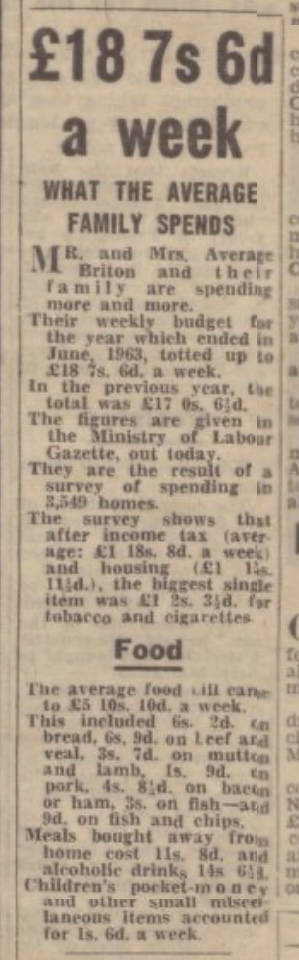
The family budge. From the Daily Mirror, 31 December 1963.
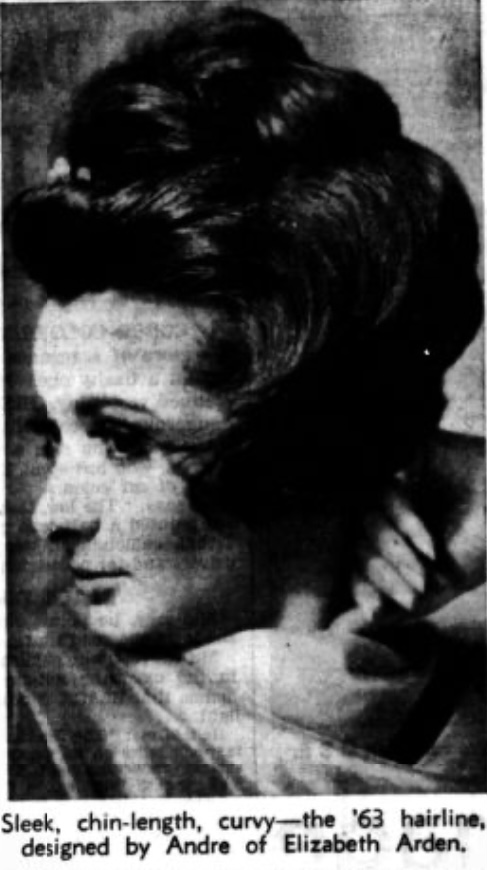
Female hairstyles for 1963, according to Alice Cooper Beck of the Daily Herald, will consist of chin-length, slightly tapered hair worn straight with a side or centre parting, and a heavy fringe. No back-combing. For the evening, your hair will be swept up, and topped with a curvy hairpiece. 

Alice reckoned that the demand for curvy hairpieces would soar in 1963.
Radio listings for 26 December 1963. From this distance, the programmes on offer look grim, but maybe they were exciting at the time? 🤔

My impression: radio programmes in 1963 were more in tune with the 1950s than the Swinging Sixties.

Dr Who was first broadcast at 17:16:20 GMT on 23 November 1963 with William Hartnell (pictured) as the First Doctor. The series was designed to appeal to a family audience with time travel used as a means to explore scientific ideas and famous moments in history.

Episode one of Dr Who appeared eighty seconds later than scheduled because of an announcement concerning the assassination of John F Kennedy.

The Daleks first appeared on British television on 21 December 1963 (just a glimpse on that occasion; they were fully revealed the following week). 

The seven-part serial was written by Welshman Terry Nation, thus beginning a long Welsh association with the series. With the Daleks, Nation was influenced by the threat of racial extermination by the Nazis.

I’m not a science fiction fan, but I reckon the Daleks and the Dr Who theme music are touched by genius.

📸 Wikipedia

Coming soon, Songbird, my novel set in the winter of 1962-63

https://books2read.com/u/bMqNPG

For Authors

#1 for value with 565,000 readers, The Fussy Librarian has helped my books to reach #1 on over thirty occasions.

A special offer from my publisher and the Fussy Librarian. https://authors.thefussylibrarian.com/?ref=goylake

Don’t forget to use the code goylake20 to claim your discount 🙂

Categories
1963

Social History 1963 #4


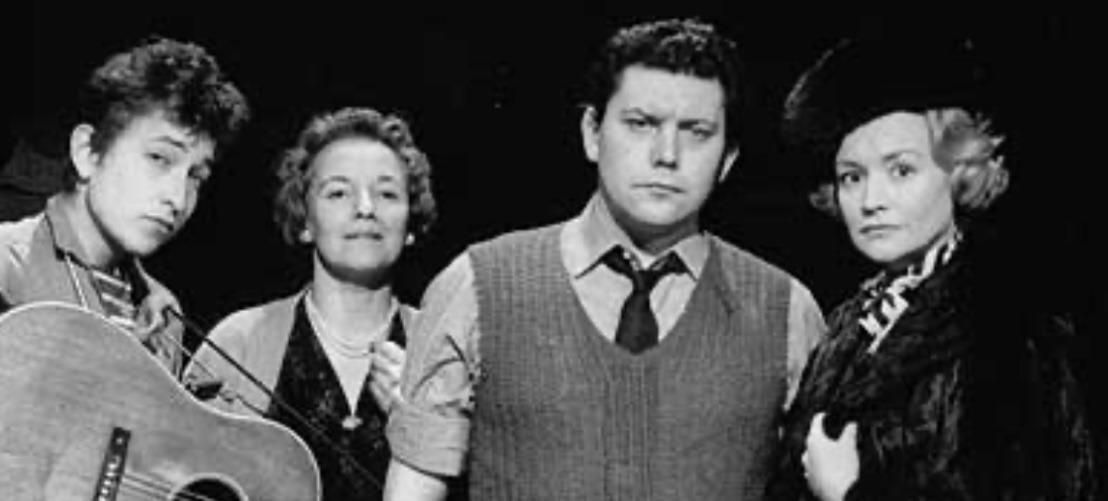
On 13 January 1963, the BBC broadcast the play Madhouse on Castle Street, which featured Bob Dylan. Dylan had originally been cast as the lead, but his acting was not up to standard. Given a singing role, he offered one of the earliest public performances of Blowing in the Wind, sung over the credits.

The cast of Madhouse on Castle Street

The television schedule for 13 January 1963, and details of the play Bob Dylan appeared in. Despite Dylan’s subsequent rise to fame, the BBC destroyed the recording of the play.

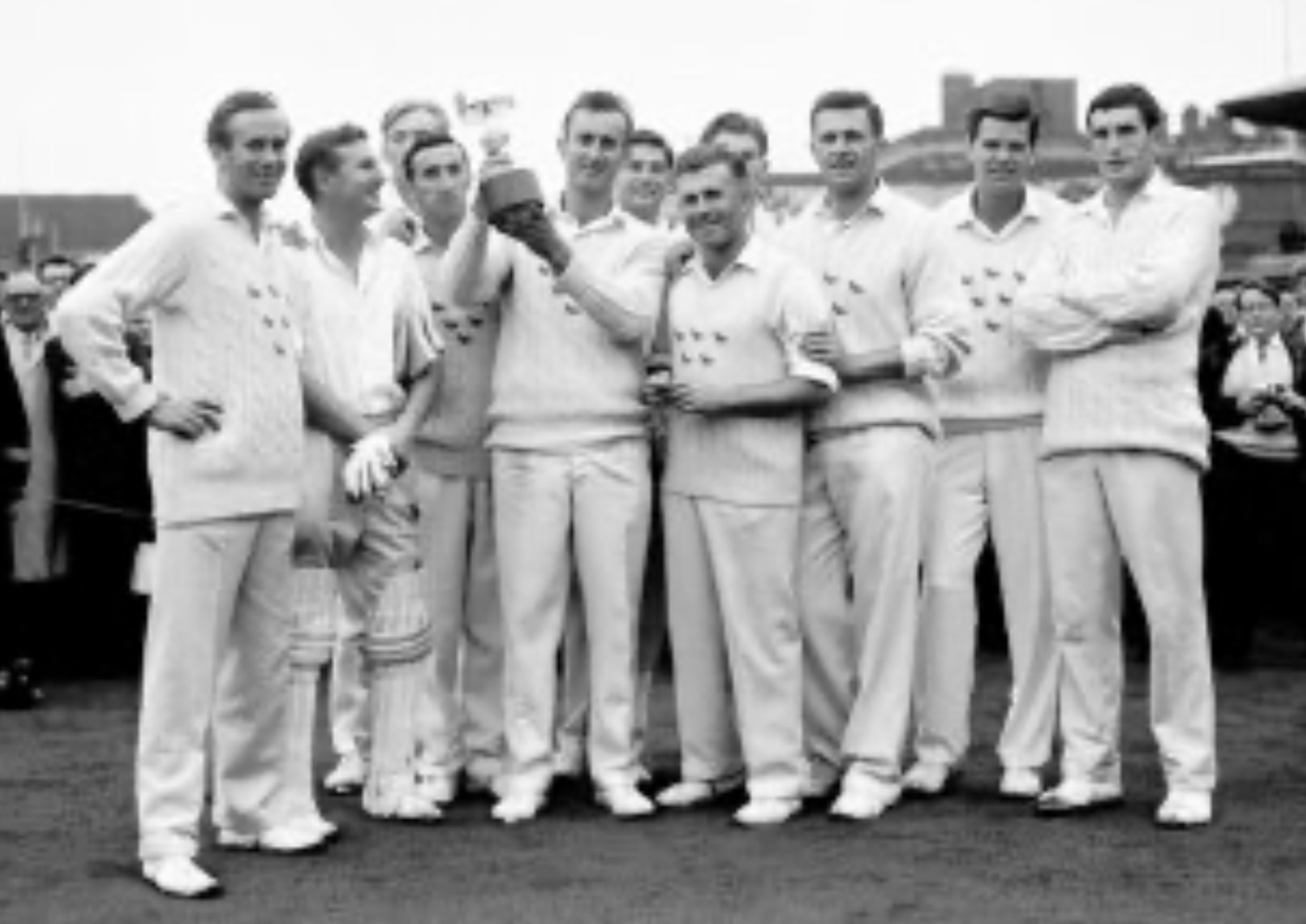
British Cricket in 1963 saw the introduction of a professional limited overs competition, “The First Class Knock Out Competition for the Gillette Cup”. In the inaugural season, the matches consisted of 65 overs per side with a bowler bowling a maximum of 15 overs.

In the semi-finals, Sussex, 292 all out, beat Northamptonshire, 187 all out, by 105 runs, while Worcestershire, 60 – 1, beat Lancashire, 59 all out, by 9 wickets.

In the final, Sussex 168 all out, beat Worcestershire, 154 all out, by 14 runs. 

The early starts, to accommodate 130 overs in a day, often meant that the team batting first were at a severe disadvantage due to the dewy conditions favouring the bowlers.

The Sussex team displaying the trophy

In September 1963, the Ku Klux Klan bombed a church in Birmingham, Alabama, shattering a stained-glass window. In response, John Petts, a stained-glass artist from Carmarthenshire, Wales launched a campaign to fund and create a new window as a gift to the church from the people of Wales. The funds were raised in the blink of an eye, and a friendship between the community in Alabama and Wales continues to this day.

📸 BBC

Developed in Birmingham, England in 1963, the Mellotron became one of the sounds of the sixties. Manfred Mann used the Mellotron on Semi-Detached Suburban Mr James, 1966, while a year later the Beatles used the instrument on Strawberry Fields Forever.

In the 1960s and 1970s the Mellotron became a mainstay for progressive rock bands including the Moody Blues, Barclay James Harvest, King Crimson, Yes and Genesis. 

By the 1980s, many bands preferred synthesisers to Mellotrons, and production of the latter ceased in 1986. However, groups like Radiohead resurrected the Mellotron and production recommenced in 2007.

📸 Wikipedia

Quotes from Peggy Lee, singer, songwriter, actress and sage.

“I didn’t intend to be a jazz singer, but Louis Armstrong said I always knew how to swing. He wrote it on a photograph he gave me. I’m proud of that.”

Vancouver, 1950s. “The place was jammed, the audience was very drunk and I was quietly singing, ‘I Only Have Eyes For You’ when one man cracked another over the head with a bottle. ‘Are the stars out tonight…” CRA-A-CK. ‘I don’t know if it’s cloudy or bright…’ CRA-A-CK. The fight was on. Meanwhile, I continued to sing…”

“Some of us just go along believing what we read in the papers until that marvellous day when people stop intimidating us – or should I say, we refuse to let them intimidate us, and we think and do things on our own.”

Coming soon, Songbird, my novel set in 1963

https://books2read.com/u/bMqNPG

For Authors

#1 for value with 565,000 readers, The Fussy Librarian has helped my books to reach #1 on 32 occasions.

A special offer from my publisher and the Fussy Librarian. https://authors.thefussylibrarian.com/?ref=goylake

Don’t forget to use the code goylake20 to claim your discount 🙂
Categories
1963

Social History 1963 #3

The compact cassette, launched by Dutch company Philips at the Berlin Radio Show on 28 August 1963.

The audio cassette first appeared in 1888 when Oberlin Smith invented a method of recording sound by magnetising wire. Fritz Pfleumer invented magnetic tape in 1928 and this led to the first reel-to-reel tape recorders, in 1935.

Lou Ottens and his Philips team miniaturised the initially bulky and expensive system and made it commercially viable. Although designed for dictation, music lovers soon realised that they could use the compact cassette to compile their own albums, and a new way of listening to music was born.


The Mercedes-Benz W 113 was introduced at the 1963 Geneva Motor Show. The company produced 48,912 W 113s and sold 40% of them to the American market. 

At the car’s launch, technical designer Fritz Nallinger said, “It was our aim to create a very safe and fast sports car with high performance, which despite its sports characteristics, provides a very high degree of travelling comfort.”

My narrator, enquiry agent Elinor Mansfield, will drive a Mercedes-Benz W 113 in my forthcoming novel, Songbird.

📸 Wikipedia

As listed by the Office of National Statistics, the most popular names in Britain in 1963

Susan

Julie

Karen

Jaqueline 

Deborah

Tracy

Jane

Helen

Diane

Sharon 

David

Paul

Andrew

Mark

John

Michael

Stephen

Ian 

Robert

Richard

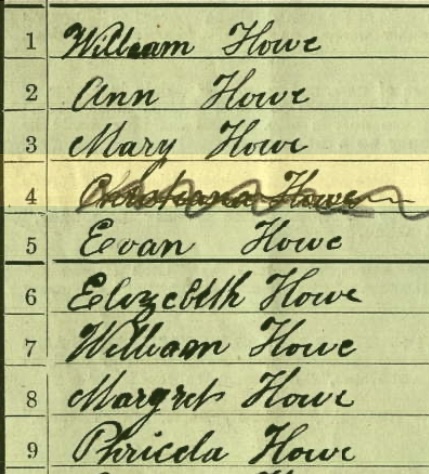
🖼️ My Howe ancestors in 1911

The coins we used – the halfpenny. Originally minted in copper, from 1860 until decimalisation in 1969, the halfpenny was minted in bronze. 

Along with an image of the monarch, the halfpenny featured an image of Britannia, from 1672 until 1936, and an image of the Golden Hind, from 1937 until 1969. 

Halfpenny was colloquially written as ha’penny, and it’s a rare example of a word in the English language containing a silent f. 

Apparently, you could buy sweets like white mice, fruit salad and liquorice for a halfpenny – a small coin with a big appeal.

La Planète des singes, known as Planet of the Apes in America and Monkey Planet in Britain, was published in 1963. Written by Pierre Boulle, the novel was adapted into a film in 1968 and launched an ongoing media franchise.

La Planète des singes is a story about three human explorers who visit a planet orbiting the star Betelgeuse. On Betelgeuse great apes are the dominant, intelligent and civilized species, whereas humans are IQ-challenged savages. It’s total fiction, of course.

Coming soon, Songbird, my novel set in 1963

https://books2read.com/u/bMqNPG

For Authors

#1 for value with 565,000 readers, The Fussy Librarian has helped my books to reach #1 on 32 occasions.

A special offer from my publisher and the Fussy Librarian. https://authors.thefussylibrarian.com/?ref=goylake

Don’t forget to use the code goylake20 to claim your discount 🙂

Categories
1963

Social History 1963 #2

After the Second World War, Britain’s education system suffered a setback when a child’s future depended on the result of the Eleven-plus exam. Success meant a place in a grammar school, with the prospect of higher education. Failure meant relegation to a Secondary Modern school, stifling the prospects of late developers.

Here’s a sample question from the Eleven-plus exam.

A train leaves London at 10.30am and arrives in Birmingham at 12.40pm. It stopped from 12.10pm to 12.20pm at Coventry, which is 100 miles from London. It travelled throughout at the same speed. Find the distance from London to Birmingham.

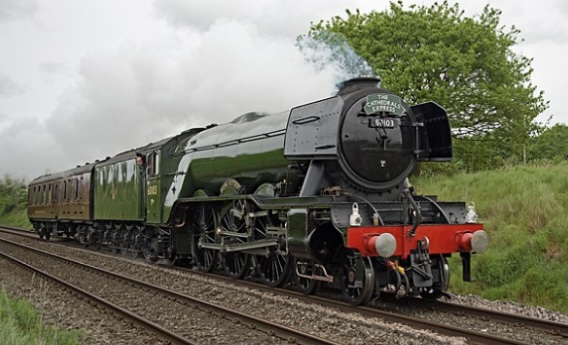
The Flying Scotsman (Wikipedia)

Introduced in 1963, the crème egg. Originally named Fry’s Crème Egg, the product changed its name to Cadbury’s Crème Egg in 1971. The egg consists of a thick chocolate shell containing a sweet white and yellow filling that mimics the albumen and yolk of a soft boiled egg. If you like your sweets very sweet, this one’s for you.

📸 Wikipedia

Number one singles in 1963 with the number of weeks at number one

Return to Sender – Elvis Presley – 1

Bachelor Boy – Cliff Richard and the Shadows – 3

Dance On – The Shadows – 1

Diamonds – Jet Harris and Tony Meehan – 3

The Wayward Wind – Frank Ifield – 3

Summer Holiday – Cliff Richard and the Shadows – 3

Foot Tapper – The Shadows – 1

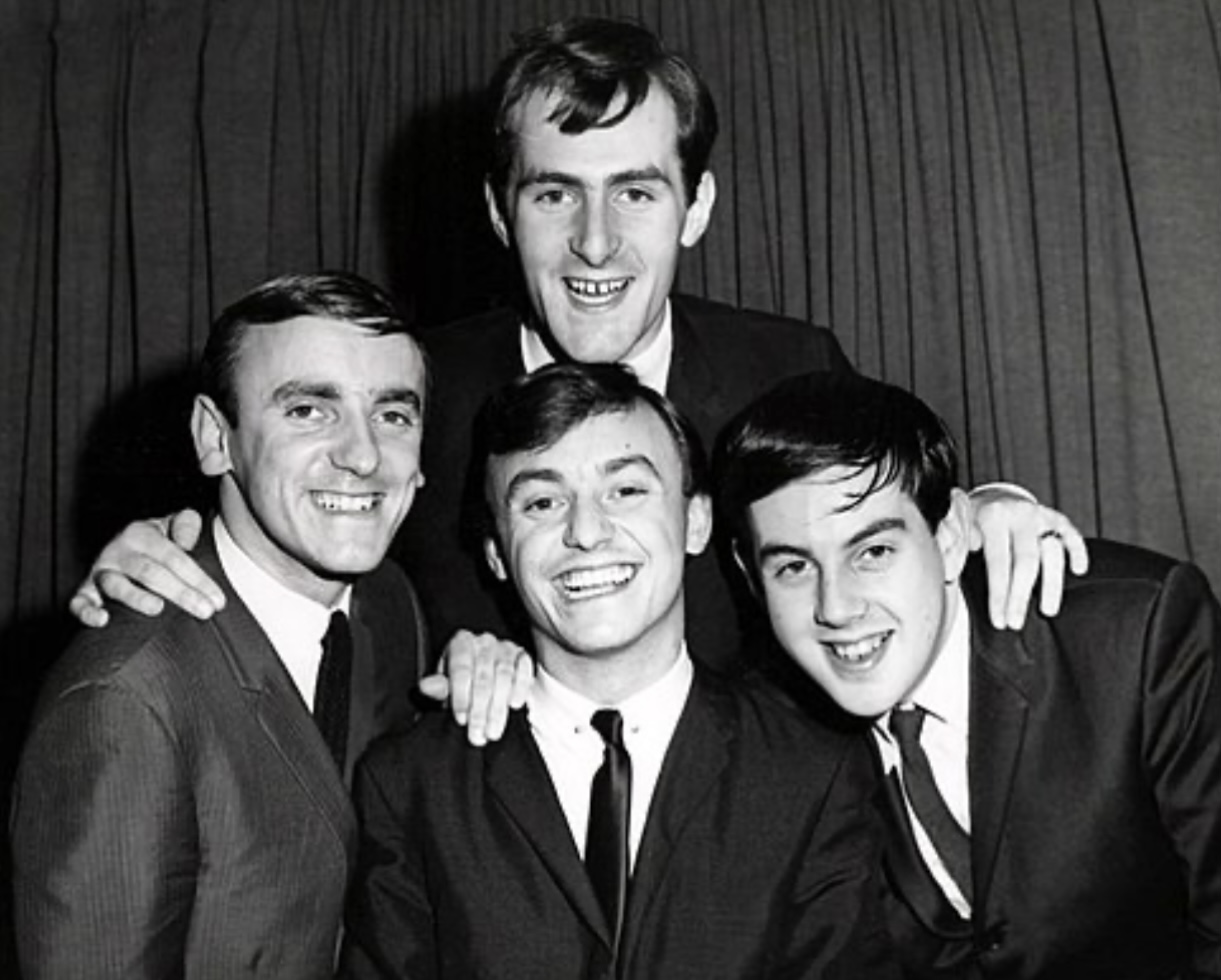
How Do You Do It – Gerry and the Pacemakers (pictured) – 3

From Me to You – The Beatles – 7

I Like It – Gerry and the Pacemakers – 4

Confessin’ – Frank Ifield – 2

Devil in Disguise – Elvis Presley – 1

Sweets for My Sweet – The Searchers – 2

Bad to Me – Billy J Kramer and the Dakotas – 2

She Loves You – The Beatles – 6

Do You Love Me – Brian Poole and the Tremeloes – 3

You’ll Never Walk Alone – Gerry and the Pacemakers – 4

I Want to Hold Your Hand – The Beatles – 3

Published on 18 March 1963, Cat’s Cradle by Kurt Vonnegut, a satirical novel with science fiction elements. The humour is morbid, the characters flawed and absurd, reflecting the insanity of their world. The novel’s themes include religion, power and the, hilarious, idea that technology will solve all of humanity’s problems.

On 25 January 1963, in “The Surprise”, Wilma Flintstone (pictured) announced to her husband Fred that she was pregnant, the first portrayal of a pregnant cartoon character. On 22 February 1963, in “The Blessed Event” Wilma gave birth to Pebbles Flintstone.

Eleven-plus answer: 120 miles.

Coming soon, Songbird, my novel set in 1963

https://books2read.com/u/bMqNPG

For Authors

#1 for value with 565,000 readers, The Fussy Librarian has helped my books to reach #1 on 32 occasions.

A special offer from my publisher and the Fussy Librarian. https://authors.thefussylibrarian.com/?ref=goylake

Don’t forget to use the code goylake20 to claim your discount 🙂
Categories
1963

Social History 1963

The winter of 1962-63, aka the Big Freeze of 1963, was one of the coldest British winters on record. Temperatures plummeted. Lakes, rivers, and the sea at Herne Bay, Kent froze over.

Dating back to 1659, only the winters of 1683-84 and 1739-40 were colder than 1962-63. The winter of 1962–63 remains the coldest since at least 1895 in all meteorological districts of Britain.

The cold weather continued until 6 March, the first morning of the year without frost in Britain.

Snow in Lancashire, January 1963 (Wikipedia)

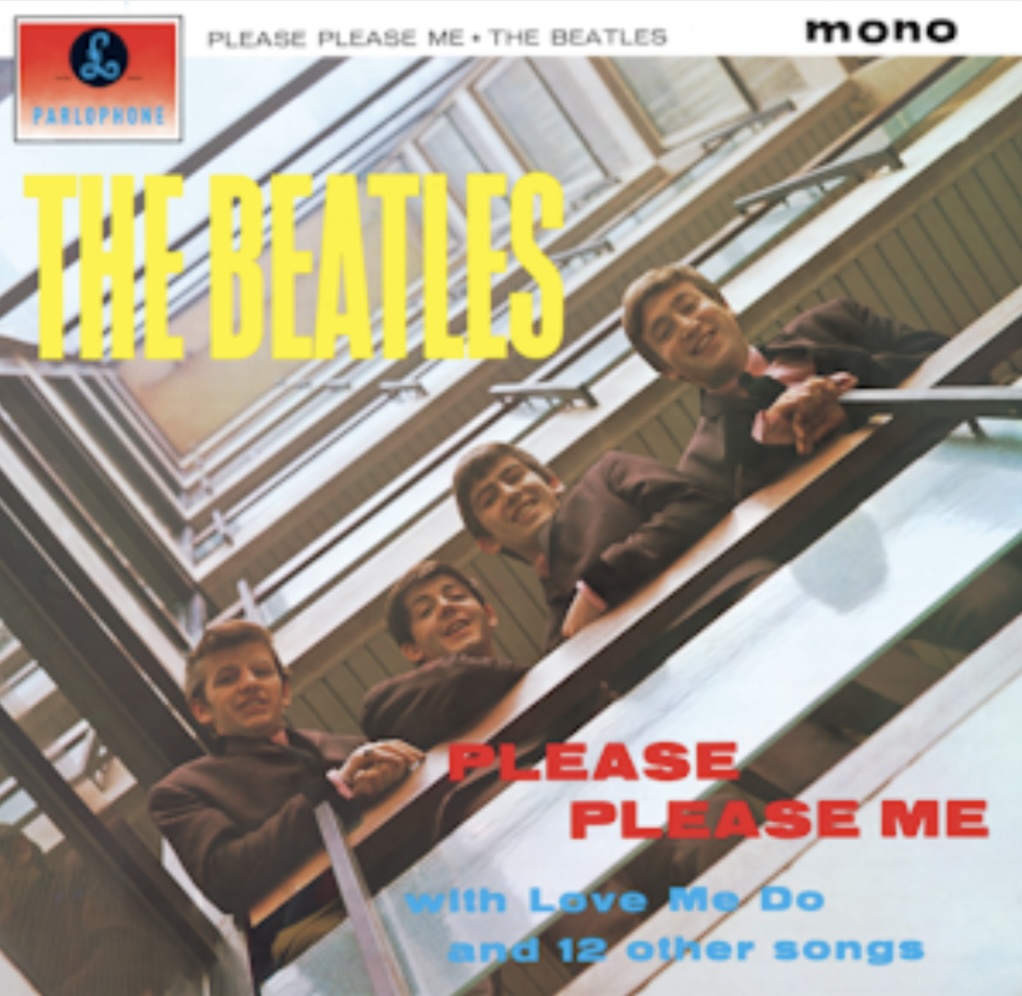
On 11 February 1963 the Beatles recorded their debut album Please Please Me in a single day at Abbey Road Studios, London. They released the album on 22 March. It reached number one on 11 May and remained in the top ten for over a year.

In 1963, Edward Craven-Walker produced the lava lamp (📸 Wikipedia). A reconnaissance pilot during the Second World War, Craven-Walker saw an egg timer in a pub. The device used two immiscible fluids, and he noted the potential for future development. In a shed, Craven-Walker experimented and adapted the original idea. One of his experiments involved a squash bottle and its shape defined the lava lamp.

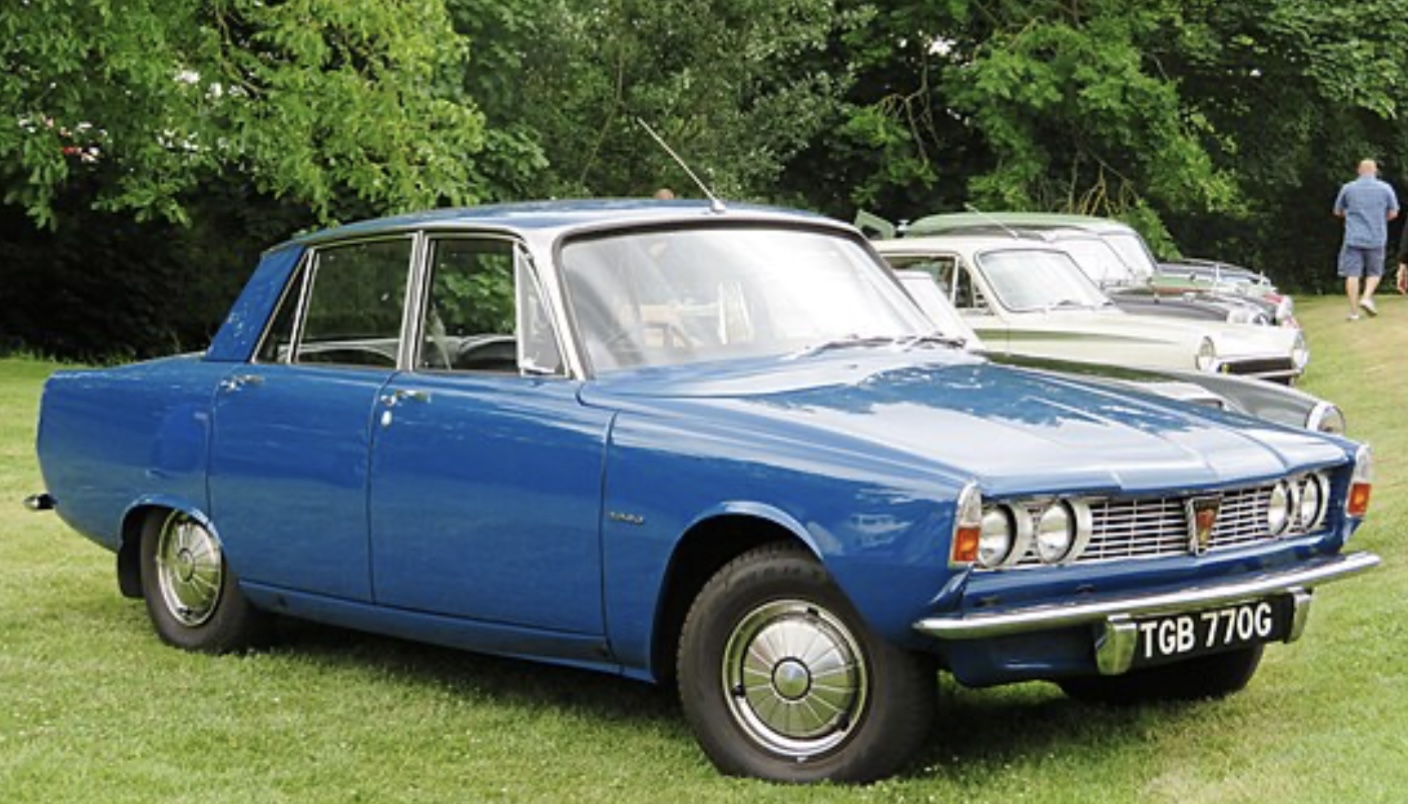
In 1963, the Rover P6 (📸 Wikipedia) became the first winner of the European Car of the Year award. Meanwhile, the motorway network in Britain continued to develop with the opening of the first section of the M4 in Berkshire, the M6 in Lancashire, and the M2 in Kent.

In 1963, Ice Station Zebra by Alistair MacLean was published. The novel became a film starring Rock Hudson, Patrick McGoohan and Ernest Borgnine. 

Although MacLean did not write the screenplay for Ice Station Zebra, he did write screenplays in the 1960s and 1970s, often adapting those screenplays into novels. If you study the structure of these stories, the transition of MacLean’s style is obvious.

After covering 2.08 million miles, the Flying Scotsman, “the world’s most famous steam locomotive” retired from British Railways in 1963.

Built in 1923 for the London and North Eastern Railway (LNER), the Flying Scotsman was employed on long-distance express passenger trains on the East Coast Mainline. It became the flagship locomotive for the LNER, representing the company twice at the British Empire Exhibition. 

On 30 November 1934 the locomotive became the first to reach the officially authenticated speed of 100 miles per hour and, on 8 August 1989 while on tour in Australia, it set the longest non-stop run of a steam locomotive, covering 422 miles.

📸 Wikipedia

Coming soon, my novel set in 1963

For Authors

#1 for value with 565,000 readers, The Fussy Librarian has helped my books to reach #1 on 32 occasions.

A special offer from my publisher and the Fussy Librarian. https://authors.thefussylibrarian.com/?ref=goylake

Don’t forget to use the code goylake20 to claim your discount 🙂