Categories
The Ninety-Three

The Thirty-Nine Steps

The Thirty-Nine Steps by John Buchan first appeared as a serial in All-Story Weekly, (5 – 12 June 1915) and Blackwood’s Magazine (July – September 1915). The story was published as a novel in October 1915 by William Blackwood and Sons.

Note: some productions used ‘The Thirty-Nine Steps’ others ‘The 39 Steps’ as the title.

Along with three movie adaptations and eight BBC radio adaptations, there have been seven American radio adaptations including a 1937 version starring Robert Montgomery and Ida Lupino, a 1938 version starring Orson Welles, and a 1943 version starring Herbert Marshall, with Madeleine Carroll reprising her 1935 movie role.

I’m imagining myself as the producer of The Thirty-Nine Steps, mixing and matching the movies from the past. Who would I cast as Richard Hannay?

To start at the beginning…

Robert Donat’s performance was well-received at the time. C.A. Lejeune wrote in The ObserverMr. Donat, who has never been very well served in the cinema until now, suddenly blossoms out into a romantic comedian of no mean order. He possesses an easy confident humour that has always been regarded as the perquisite of the American male star.”

I’m not sure that John Buchan perceived his story as a comedy, but Alfred Hitchcock and other directors emphasised that angle. That said, I reckon that Robert Donat made a convincing Hannay and I would place him in my final two for the part.

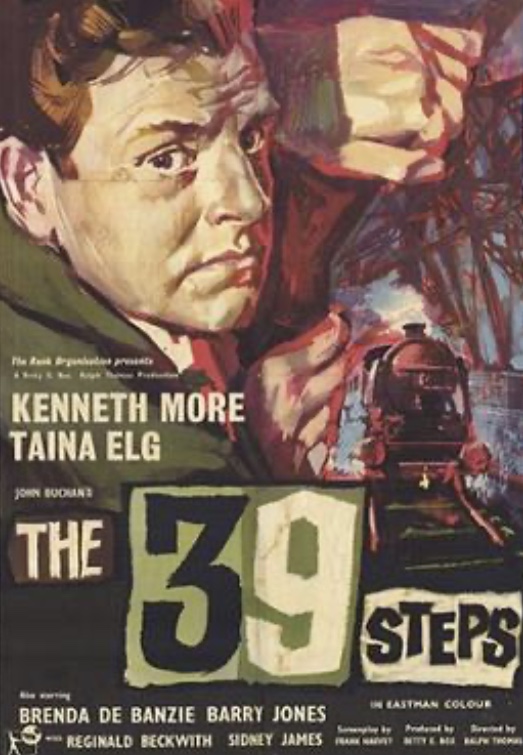
Kenneth More’s strengths were his ability to portray charm, and as an “officer returning from the war” he was superb. Those qualities made him suitable for Hannay. In his 1959 version of The 39 Steps, I think the comedic aspects were overplayed at the expense of the suspense, which was virtually non-existent, such was the confidence More exuded, whatever the situation. Credit to the actor for that.

Kenneth More enjoyed a distinguished career, but I would overlook him for the role of Hannay in my fantasy production.
Robert Powell reprised the role of Hannay in a TV series, ‘Hannay’, which I’m currently rewatching. Along with his wit and charm, he brought an athletic element to the role and a sense of adventure, which suited the character’s background.

For my fantasy production of The Thirty-Nine Steps, my choice is between the two Roberts, Donat and Powell. I’m inclined towards Powell. Feel free to disagree…

Alfred Hitchcock introduced Pamela to the story. He cast Madeleine Carroll in the role and offered this comment: “How very well Madeleine fitted into the part. I had heard a lot about her as a tall, cold, blonde beauty. After meeting her, I made up my mind to present her to the public as her natural self.”

Pamela became the archetype for the Hitchcock “ice cold blonde”. Personally, I found Pamela too cold and, at times, annoying. 

Critic David Shipman was not impressed by Madeleine Carroll. He wrote: “Madeleine Carroll belonged to that unselect band of ladies whose looks were more immediately apparent than her acting ability.” Ouch! A bit harsh. Nevertheless, I wouldn’t cast Madeleine Carroll as my female lead.

Taina Elg was cast as Miss Fisher in the 1959 version of The Thirty-Nine Steps. Previous to this, Rank announced that Kay Kendall and June Allyson would take the role. Rank were keen to cast an American star to make the movie more appealing to American audiences. They ended up casting a Finnish dancer. Go figure 🤷‍♀️

Many of Taina Elg’s scenes, including the famous stocking scene, were identical to Madeleine Carroll’s 1935 scenes. However, I think Taina Elg brought more warmth to the role. I’m tempted to cast her in my fantasy The Thirty-Nine Steps movie, but I have my doubts.
The 1978 version of The Thirty-Nine Steps featured Karen Dotrice as Alex Mackenzie. A child star and television actress, this was her only feature film as an adult.

As a character, Alex Mackenzie was more interesting than Pamela (1935) and Miss Fisher (1959). I would include Alex in my fantasy production, but not the actress. Therefore, I have a dilemma: I’ve rejected all three actress. But a solution is at hand…

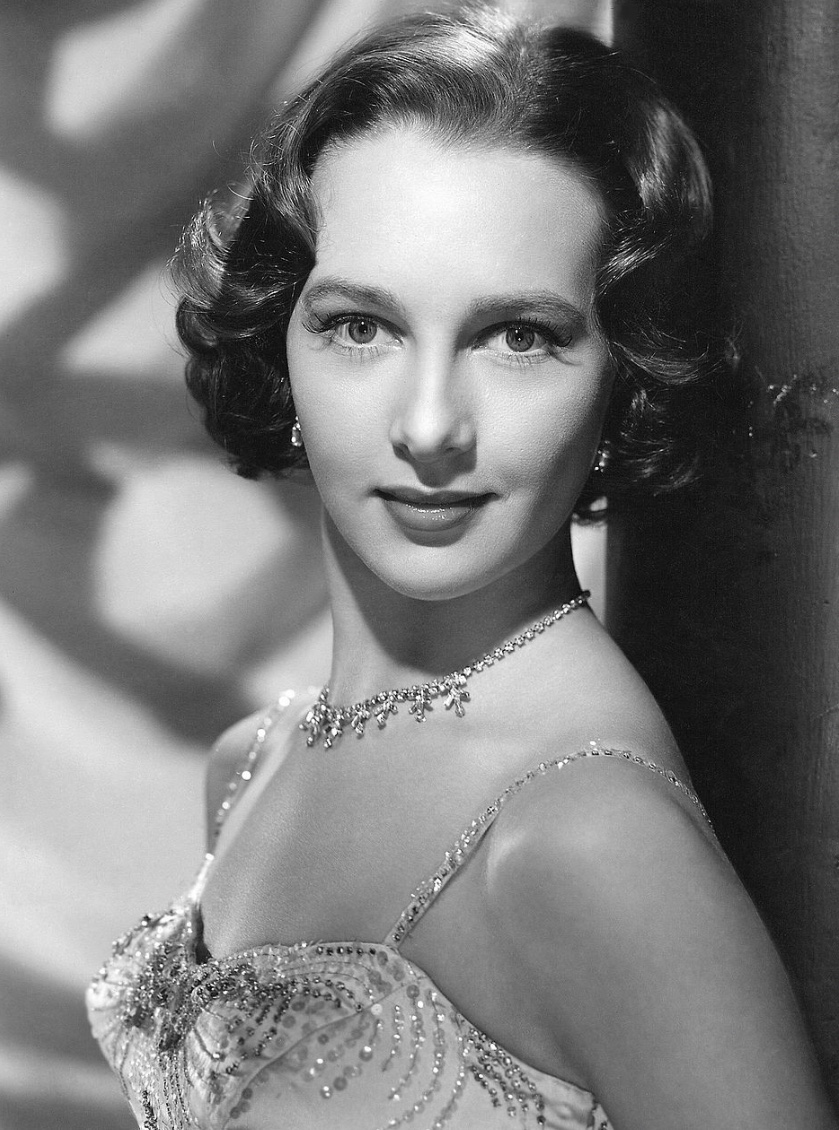
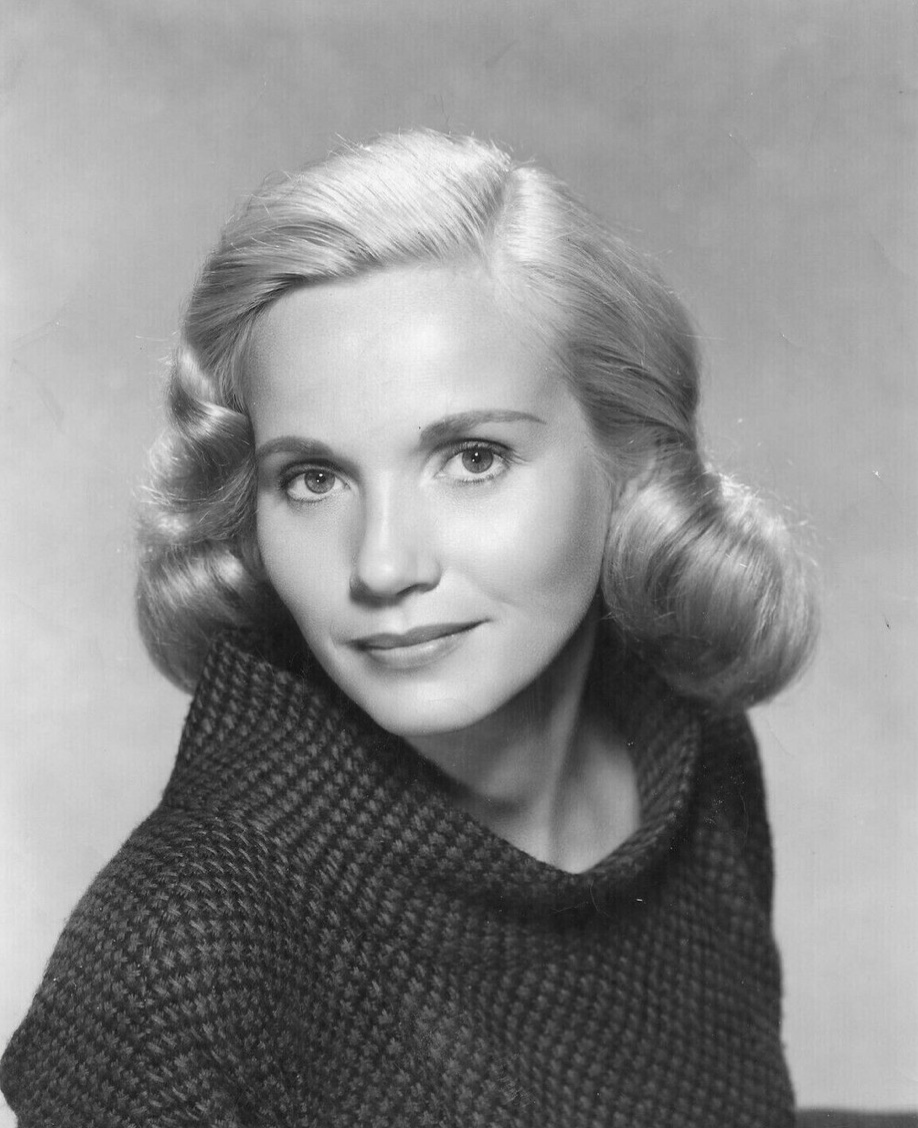
I’ve allowed myself a wild card, someone who was not involved in any of the three films. I’m using that wild card to select my actress: Eva Marie Saint (pictured). I think she would be excellent in the Alex role. 
I’m listening to the Lux Radio Theatre’s production of The 39 Steps. Recorded in 1937, this production featured Robert Montgomery as Richard Hannay and Ida Lupino (pictured) as Pamela Stewart. It was based on Hitchcock’s 1935 movie version, condensed to fifty minutes.
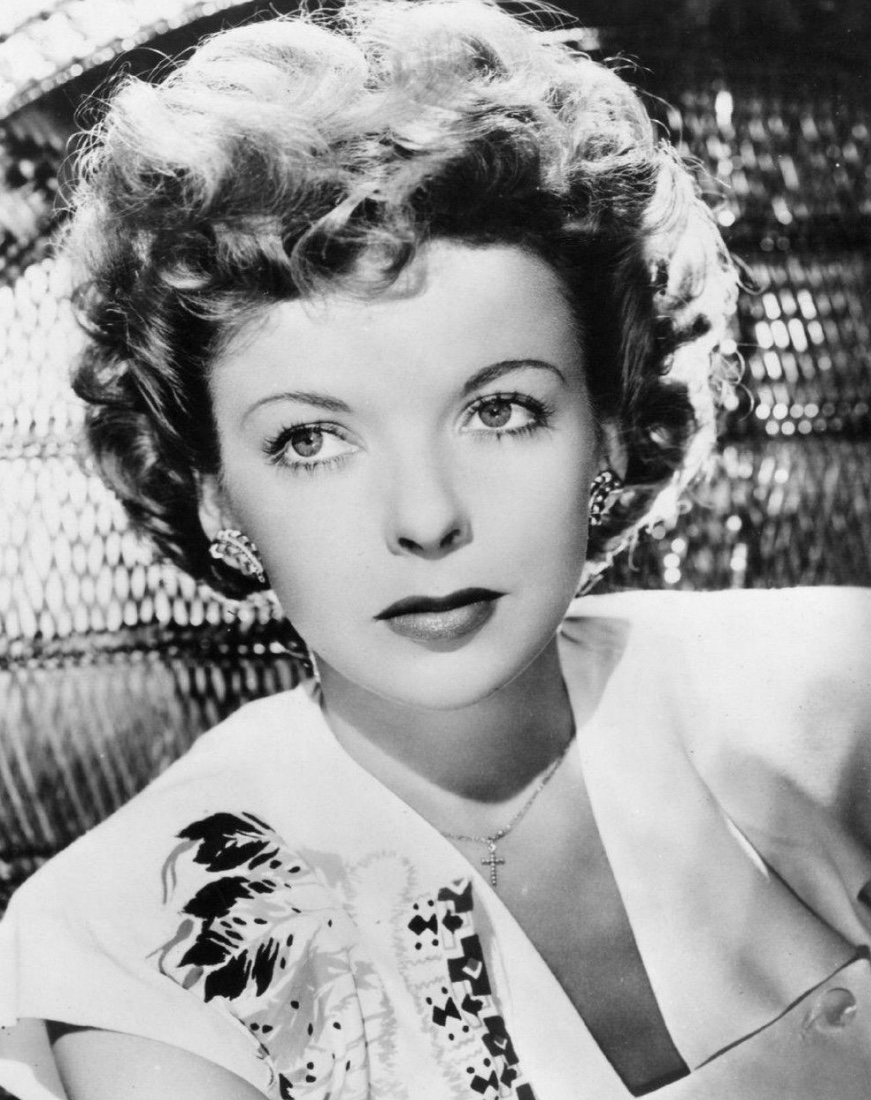
Robert Montgomery played Hannay with a harder, more realistic, edge while Ida Lupino added spirit and depth to the Pamela Stewart role. She’s excellent. The whole production is more dramatic than the movie versions.

Although Eva Marie Saint is one of my favourite actresses, and I nominated her for the role, to be true to the original productions, I’ve decided to cast Ida Lupino as the lead actress in my fantasy version of The 39 Steps.

A word from our sponsor: to avoid chapped hands in the winter, housewives recommend washing up with Lux soap flakes.

I’m looking for a director for my fantasy version of The 39 Steps.

The 1978 version was directed by Don Sharp, one of Britain’s best action-adventure directors of the era, and a man familiar with the Great War period.

The 1959 version was directed by Ralph Thomas who stated it was not his favourite film. He said, “I was under contract (to Rank) and they asked me to do it. I think my version was a piece of effrontery that didn’t come off, and on the whole I regretted it.”

Of course, Alfred Hitchcock (pictured) directed the 1935 version. I must confess that he’s not my favourite film person and that I don’t fully understand why he’s placed on a pedestal – some of the scenes in his The 39 Steps, and Marnie, for example, creak like an abandoned galleon. Having said that, his movies do contain touches of class, so I’d hire him as the director of my fantasy The 39 Steps.

The opening of The Thirty-Nine Steps sets the tone, and points to the denouement. In his novel, John Buchan opened with Franklin P. Scudder hiding in Hannay’s flat. Hitchcock changed Scudder into Annabella Smith and introduced ‘Mr Memory’. The 1959 movie version changed Annabella into Nannie, but kept ‘Mr Memory’. The 1978 movie version, which featured around eighty percent of the book, opened with Scudder.

The Scudder opening is very strong and, I have to say, I reckon that Hitchcock’s ‘Mr Memory’ plot device is ridiculous. I think the 1978 movie was right to follow Buchan, and in my fantasy version of The Thirty-Nine Steps, I would open with Scudder.
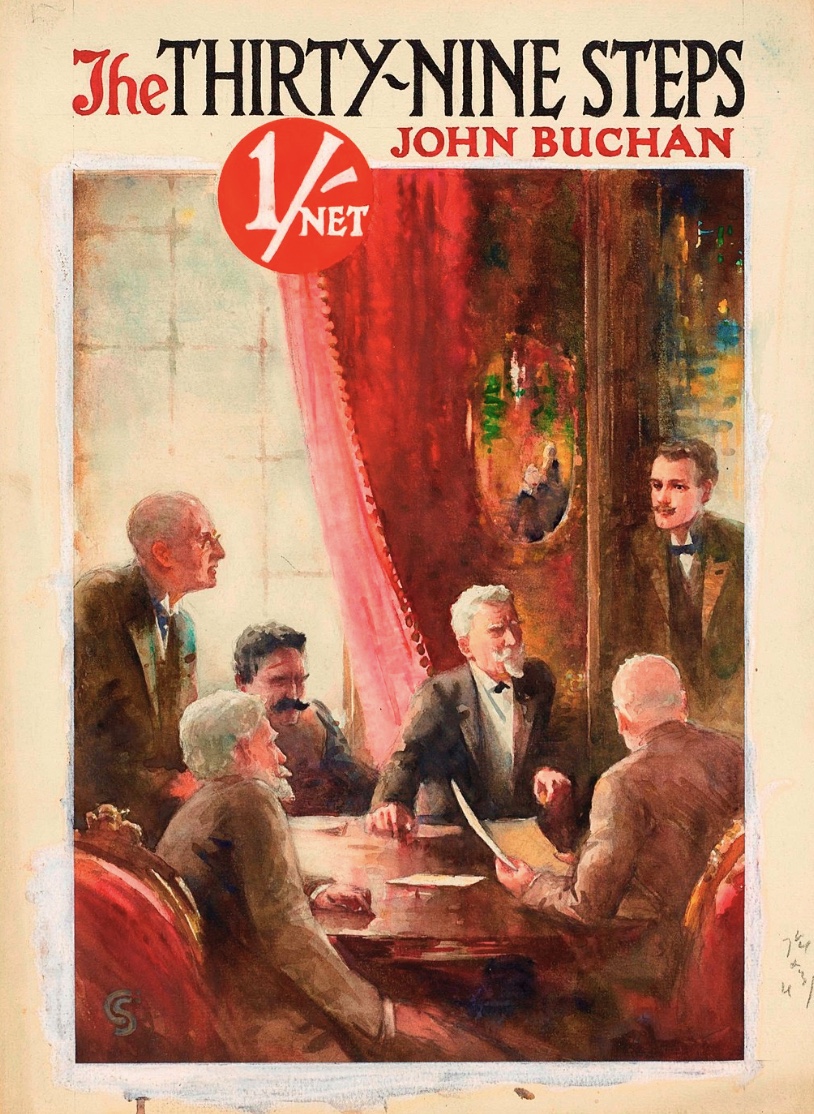
All the versions of The Thirty-Nine Steps offered up some good ideas for the middle section of the story. In my fantasy version, I would include:

From the 1935 version – the train escape and Forth Bridge; the crofter and his wife; the political speech; the night at the inn. 

The 1959 version was largely a remake of the 1935 version with a talk about nature instead of politics (too sensitive for the audience?)

From the 1978 version, I would introduce Alex Mackenzie as the female lead, but not her fiancé. His demise followed by Alex falling for Hannay four scenes later was the weakest aspect of this version. In my fantasy version, other aspects of the plot would largely follow the 1978 version.

Having ditched ‘Mr Memory’ at the beginning, I would not feature him in the denouement. I think the 1978 movie version offered the strongest and most dramatic ending with Hannay hanging from the hands of Big Ben. The symbolism here is strong: the clock ticking towards the Great War. In my fantasy version, I would conclude with Hannay trying to stop the clock.

In summary, my fantasy version of The Thirty-Nine Steps

Robert Powell as Richard Hannay (I’d be equally happy with Robert Donat)

Ida Lupino as Alex Mackenzie

Director: Alfred Hitchcock 

Opening: Scudder

Denouement: Hannay trying to stop the clock on Big Ben 

Of course, my fantasy version will never appear as a movie. But the story, and this process, has inspired me to write a Richard Hannay-style novel. The Ninety-Three will feature a female character Dr Anna Richards, a sociologist-socialite-suffragette, in the Hannay role and explore aspects of bravery seen during the Great War. 

Buchan has provided the springboard, but The Ninety-Three will be very much my own story with original scenes and plot-lines for Dr Anna Richards to follow. The main connection is the theme ‘the innocent person on the run’. Only, in my version, I’ll have two innocent people on the run, Anna and a Great War veteran. Watch this space…


Categories
Dear Reader

Dear Reader #197

Dear Reader,

Some exciting news. Nelmari Marais, who has already done an excellent job translating a number of my books, will translate Tula into Afrikaans. More translations will follow, but I’m especially pleased that Nelmari will translate the Afrikaans version of the book.

One of the highlights of my writing career to date, the Bulgarian version of The Hermit of Hisarya, Sam Smith Mystery Series, Book Five. In 2021, The Hermit of Hisarya was included in academic lectures in Bulgaria, discussing cultural studies and world literature, and the interrelation between cultural identity and the imagination.

Clara Bow’s thirty-sixth movie was Kid Boots a silent comedy produced between June 14 and July 26, 1926, and released on October 4, 1926. Clara played Clara McCoy. Eddie Cantor co-starred in his first film.

Clara was a very generous actress who assisted her fellow players. An example of her generosity can be found in Kid Boots. In one scene, Clara’s character was supposed to quarrel with Eddie Cantor’s character. They played that (silent) scene as a quarrel, but in reality, while conveying anger to the camera, Clara was offering Cantor words of encouragement.

Cantor offered this insight: “She told me, ‘be yourself’. She is. She is never camera conscious and acts on the set as she would in her home. While the camera ground away and caught all her pretty frowns, she was saying, ‘Eddie, ya doin’ fine! Just flash them banjo eyes and there ain’t nothin’ to it!’”

When Kid Boots opened in Manhattan, police were needed to control the crowds. Clara Bow, superstar, had well and truly arrived.

Through my 9 x great grandmother, Barbara Aubrey, I’m connected to the nobility. Meet my noble ancestors: Anne Dennis, the daughter of Sir William Dennis of Dyrham, Gloucestershire, and his wife Anne Berkeley, daughter of Sir Maurice, 4th Lord Berkeley. Anne married Sir John Ragland of Carnllwyd. They had at least two sons and three daughters, including Alice, my ancestor.

In 1555, with her second husband, Sir Edward Carne, Anne moved to Rome. The couple lived there until 1561, when Sir Edward died.

🖼️ Rome 1575

Meet my noble ancestors: Sir William Dennis

William Dennis was born c1470 in Gloucestershire, England. In 1494 he married Anne Berkeley, daughter of Sir Maurice Berkeley. The couple had six sons, two of whom were knighted, and seven daughters. Four of the daughters married knights, one married an esquire while the seventh became a nun at Lacock Abbey. 

Sir William died on 22 June 1533, probably in Dyrham, Gloucestershire.

📸 A latticed window in Lacock Abbey, photographed by William Fox Talbot in 1835. This may be the oldest extant photographic negative made in a camera.

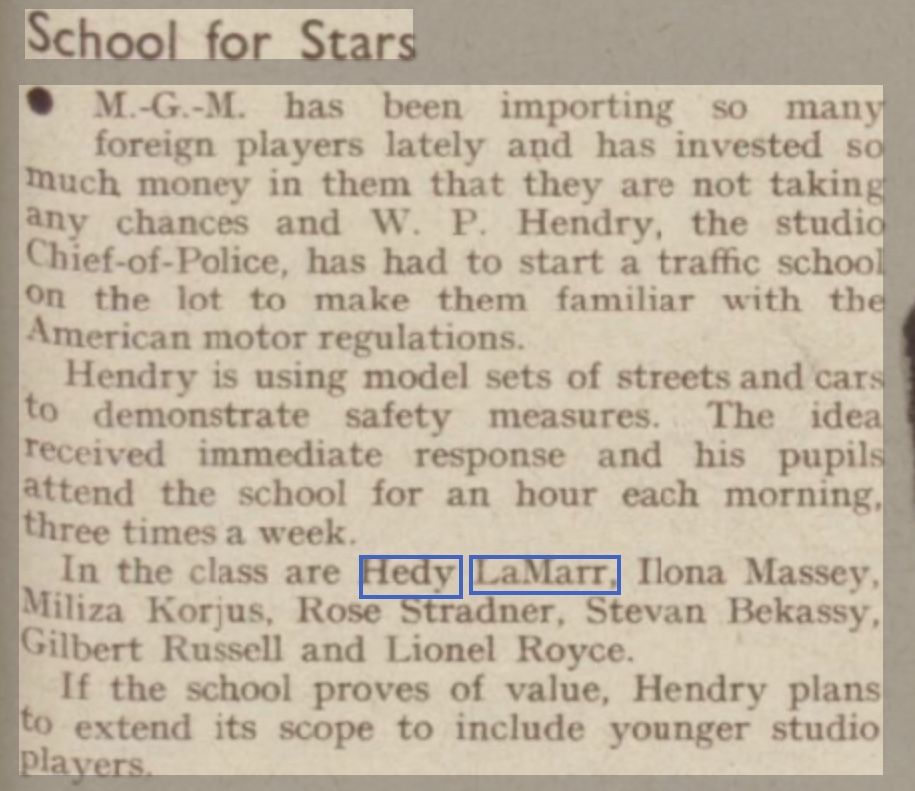
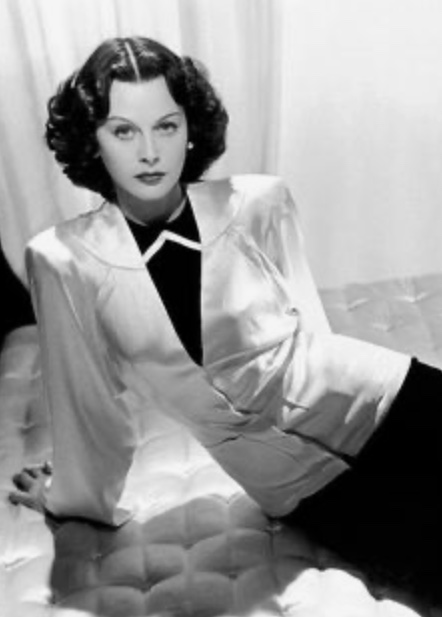
It’s December 1937 and Hedy Lamarr has arrived in Hollywood. One of her first tasks is to becoming familiar with the American way of driving by taking lessons at MGM’s driving school.

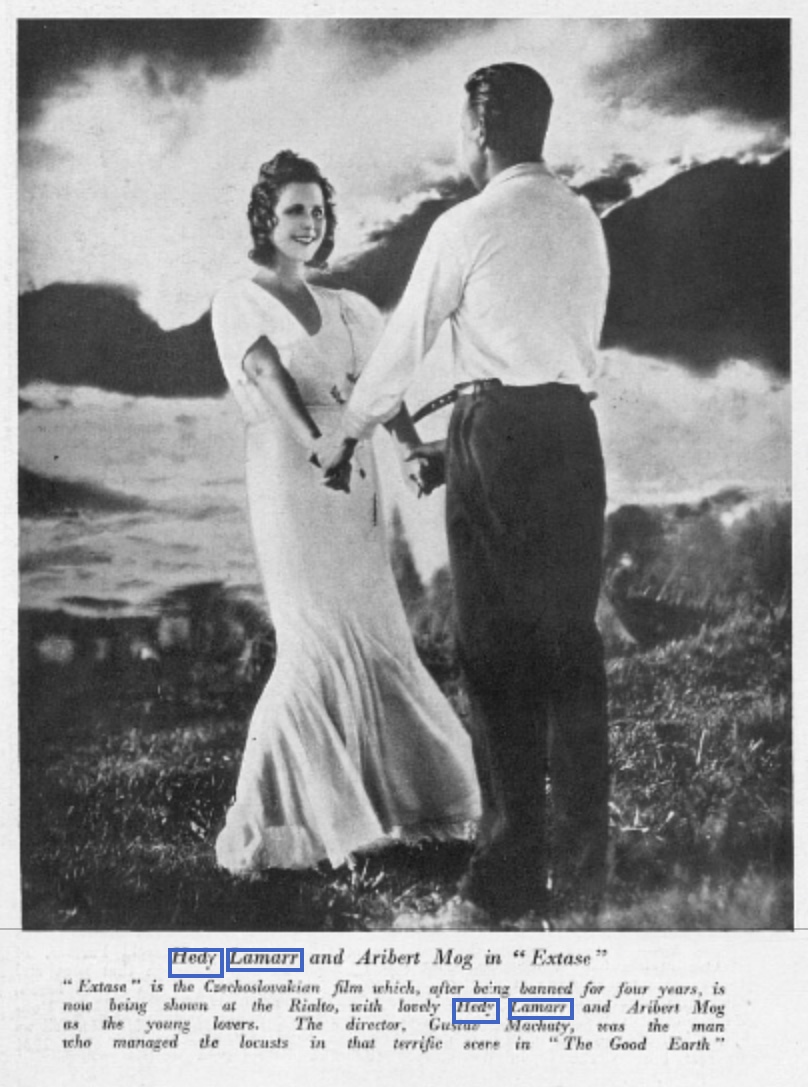
February 1938 and Hedy Lamarr is making her way in Hollywood. Meanwhile, five years after its release, the media focus is still on her controversial movie Ecstasy. However, many censors have decided to unban the film, so the media coverage of Hedy is, slowly, becoming more mainstream.

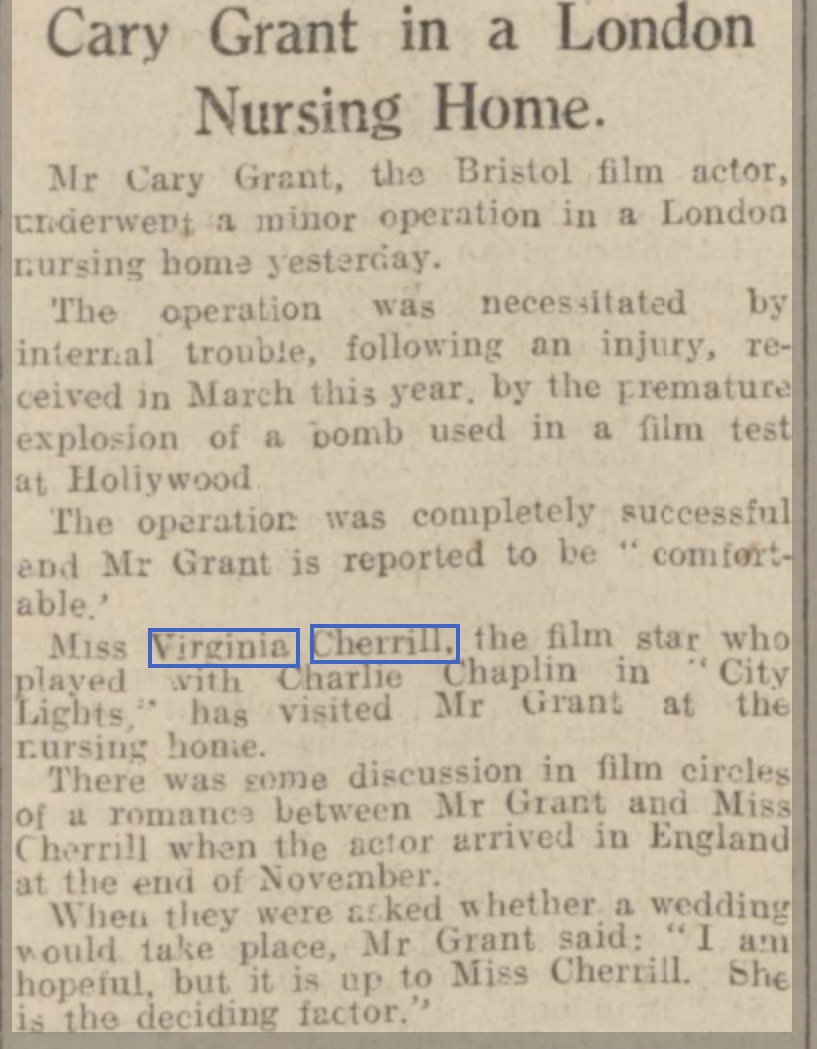
Mid-December 1933 and the newspapers were carrying reports that Cary Grant was in a nursing home. He’d travelled across the Atlantic in pursuit of Virginia Cherrill in an attempt to persuade her to marry him. She was very reluctant and kept pouring cold water over their romance. Randolph Scott, Grant’s housemate, had also arrived in London and the trio planned to spend Christmas together.

Early January, 1934. Cary Grant and Virginia Cherrill were to wed. Then their wedding was postponed. Grant was still in a nursing home. A rumour circulated that he was recovering from nervous exhaustion. Their on-off marriage was still on-off and mystery surrounding one of Hollywood’s most peculiar relationships continued.

The Mastodon 1970s Mega Movie Poll Round One Continued

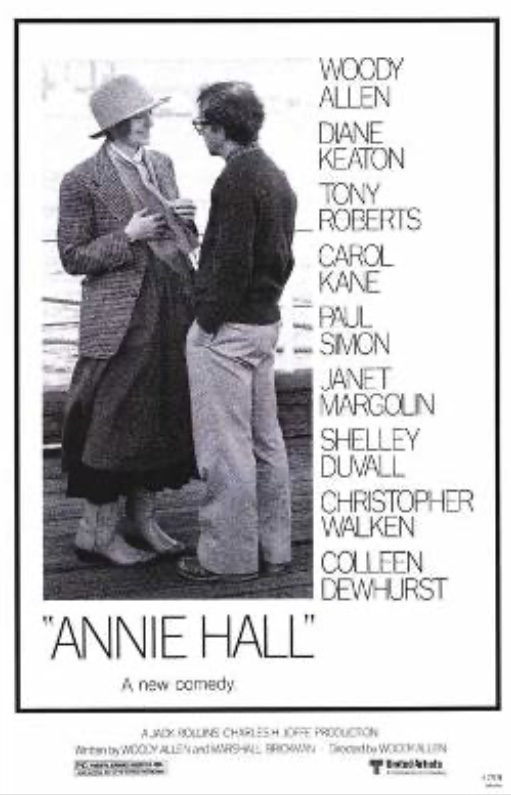
Annie Hall 22% v 78% Monty Python’s Life of Brian

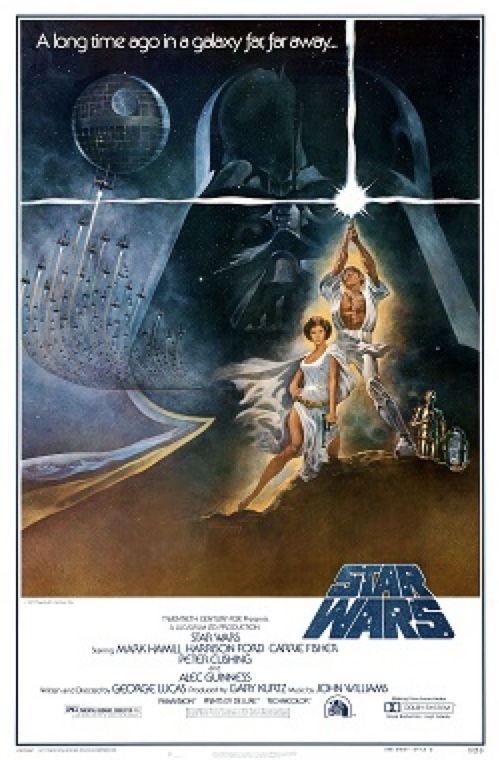
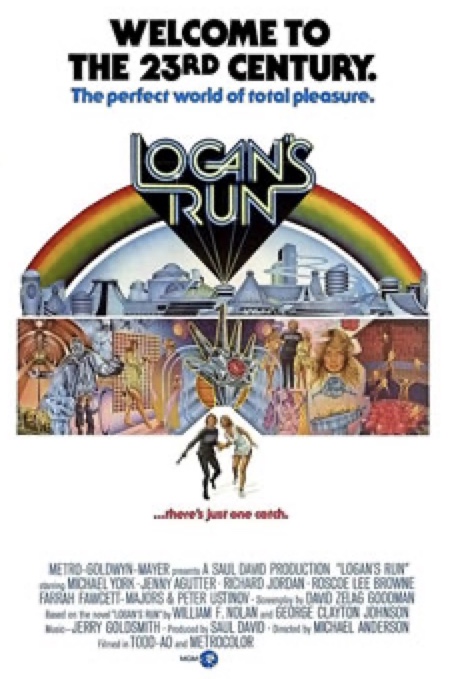
Star Wars 74% v 26% Logan’s Run

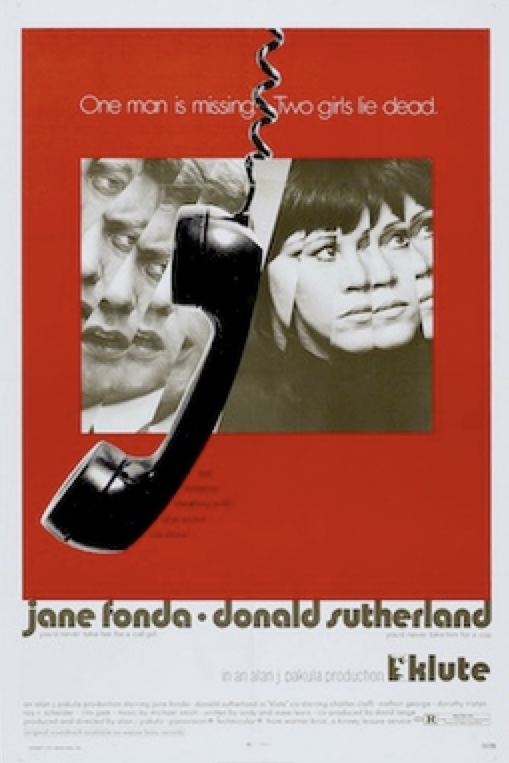
Dog Day Afternoon 72% v 28% Klute

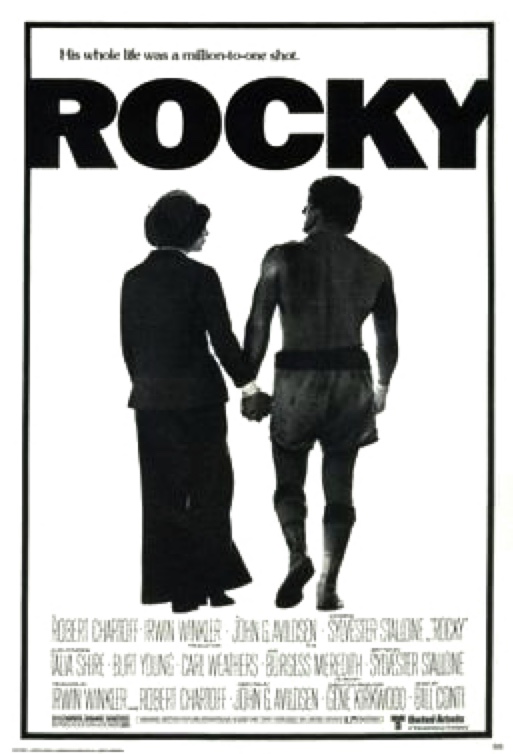
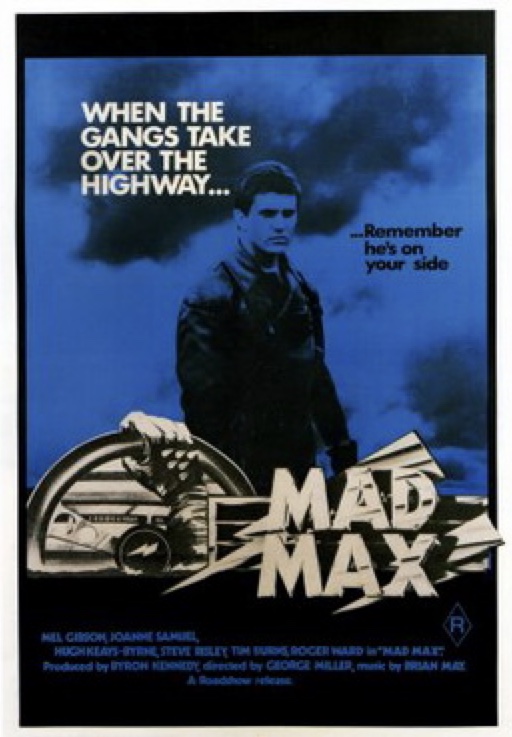
Rocky 42% v 58% Mad Max

Network 76% v 24% Airport ‘77

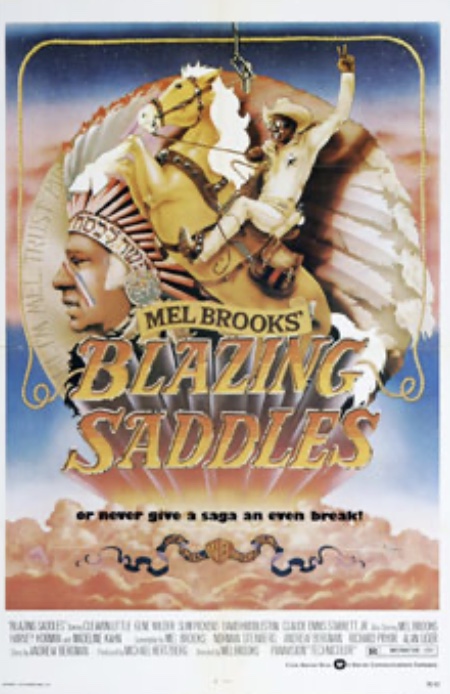
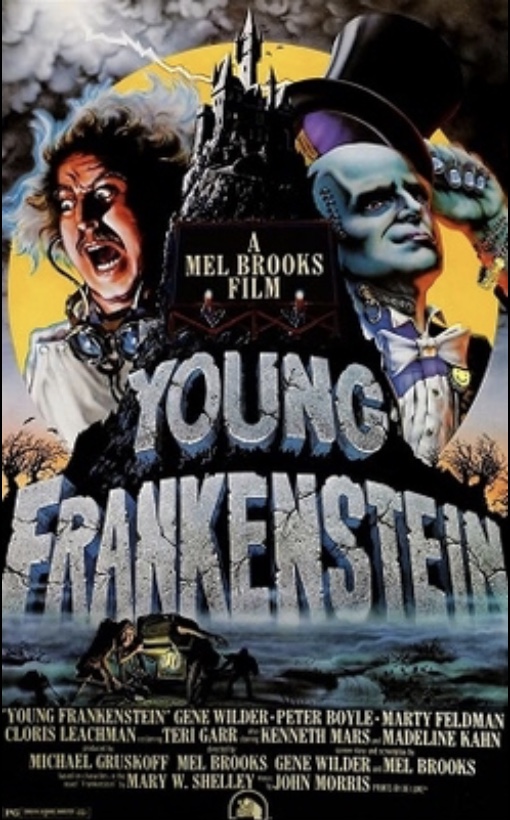
Blazing Saddles 49% v 51% Young Frankenstein

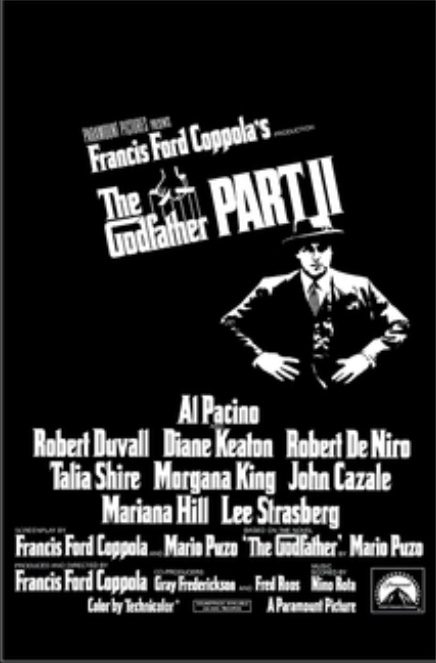
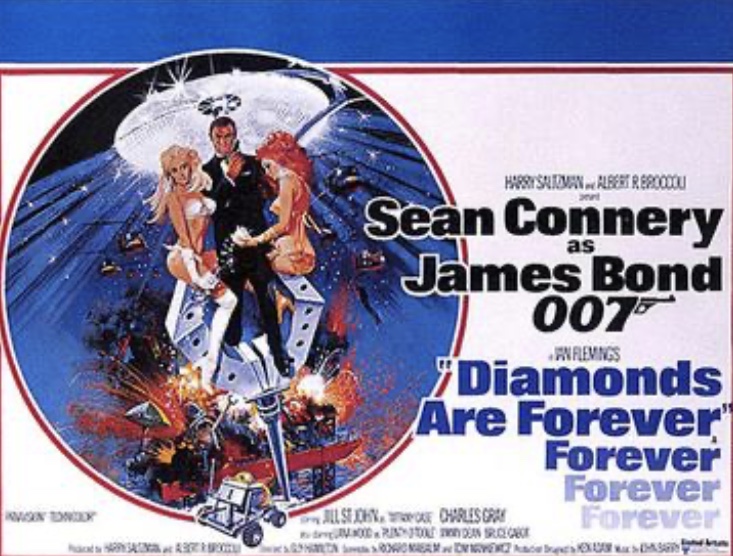
The Godfather Part II 59% v 41% Diamonds Are Forever

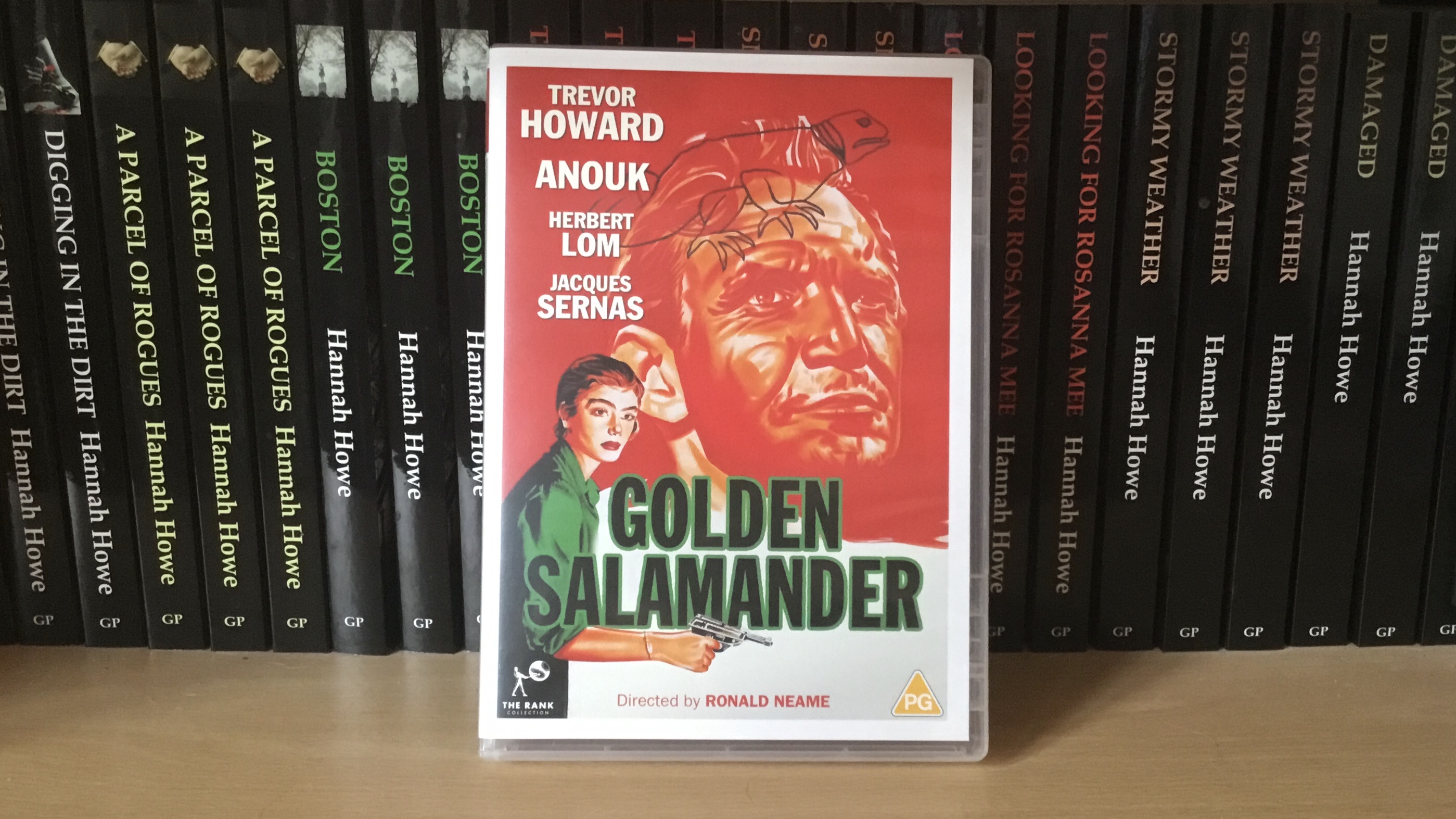
I watched this movie this week. Golden Salamander is a decent thriller with moments of genuine suspense. Trevor Howard, as an archeologist who stumbles upon gunrunning, is as solid as ever while Anouk Aimee in an early role is an attractive heroine. The location filming in Tunisia adds to the atmosphere. Wilfred Hyde-White features as a bar pianist (did every thriller c1950 feature a bar pianist?! 🤔). Capital entertainment, as they used to say.

Social media https://toot.wales/@HannahHowe

As ever, thank you for your interest and support.

Hannah xxx

For Authors

#1 for value with 565,000 readers, The Fussy Librarian has helped my books to reach #1 on 38 occasions.

A special offer from my publisher and the Fussy Librarian. https://authors.thefussylibrarian.com/?ref=goylake

Don’t forget to use the code goylake20 to claim your discount 🙂

Categories
Tula

Tula #1

At the age of twenty-five, Tula Bowman was the brightest star in Hollywood. She was also in an asylum, placed there after a nervous collapse. What triggered that collapse? The shocking truth is revealed in Tula by Hannah Howe, book one in the Golden Age of Hollywood series.

https://www.amazon.com/gp/product/B0BG5NGZ6H

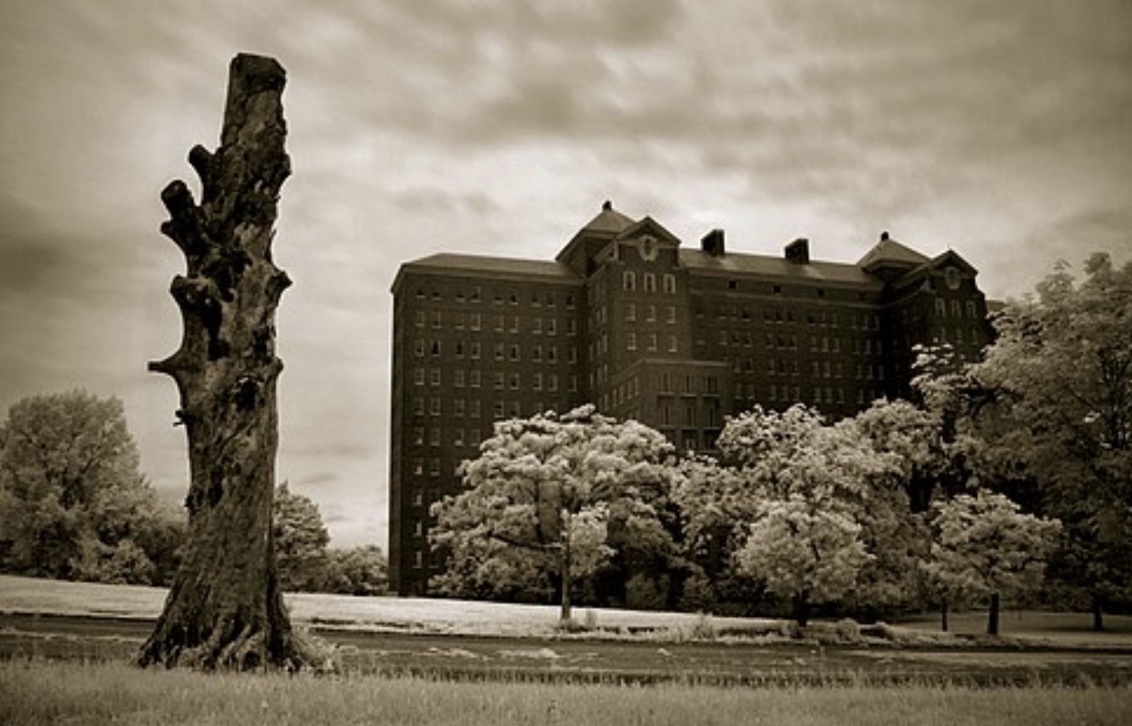
The opening chapter of Tula takes place in Kings County Asylum, where Tula introduces her story. The asylum looks bleak, and it was. The building was smaller when Tula was there; additional storeys were added in the 1930s.

Tula’s childhood home, the top floor of this building on 73rd Street, Brooklyn. There, against her mother’s wishes, she used to read her movie magazines and re-enact the performances she’d witnessed that week on the silver screen.

Tula’s father, Stanley Bowman, was a sometimes barman, bootlegger, alcoholic, gambler and street dealer. Stanley possessed a lovely singing voice. However, he was too drunk most of the time to make anything of his talent. As a child, Tula regarded Stanley as her hero. However, her perceptions changed as she grew older.

📸 Emil Mayer

Tula’s mother, Alicia, endured ‘episodes’. She would drift into a trance-like state. Tula would tend her mother and bring her out of these episodes. On other occasions, Alicia would attack Tula with a mind to kill. Sensitive and vulnerable, Tula turned to the movies for solace, and a means of escape.

Tula’s school, Bay Ridge High School, Brooklyn, pictured in 1920. Here, Tula was bullied by three girls over her appearance and stammer. However, she was befriended by a teenage boy, Finn. Born with a squint in his eye, Finn habitually walked around with a copy of Adventures of Huckleberry Finn in his hand, because the book bore his name.

Tula visited Brooklyn Bridge to deliver a parcel for her father. She noticed a cameraman filming. While Tula was engrossed in the filming, someone stole her parcel. 

At the time of its opening, on May 24, 1883, Brooklyn Bridge was the longest suspension bridge in the world with a span of 1,595.5 feet.

🖼 Chromolithography of the “Great East River Suspension Bridge” by Currier and Ives, 1883.

https://www.amazon.com/gp/product/B0BG5NGZ6H

Categories
Dear Reader

Dear Reader #196

Dear Reader,

From a number of high-quality auditions, we have selected our narrator for Tula, my novel set in the Golden Age of Hollywood. Amelia Mendez is a voice actor with over fifteen years experience in storytelling, acting, and producing. She has a lovely voice and we think she is ideally suited to narrate Tula’s story. We anticipate that it will take around two months to produce the audiobook. I’m very excited about this project and can’t wait to get started 🙂

https://www.ameliamendez.com/

The opening chapter of my Golden Age of Hollywood novel, Tula, takes place in Kings County Asylum, Brooklyn, where Tula introduces her story. The asylum looks bleak, and it was. The building was smaller when Tula was there; additional storeys were added in the 1930s.

Research for Sunshine, book two in my Golden Age of Hollywood series.

Marie Meyer (January 17, 1899 – May 24, 1956) was a barnstorming pilot, a wing-walker and a parachutist. In the 1920s, she created the Marie Meyer Flying Circus. Her pilots included the man who made the first transatlantic solo flight, Charles Lindbergh.

📸 Marie on the top wing, 1924.

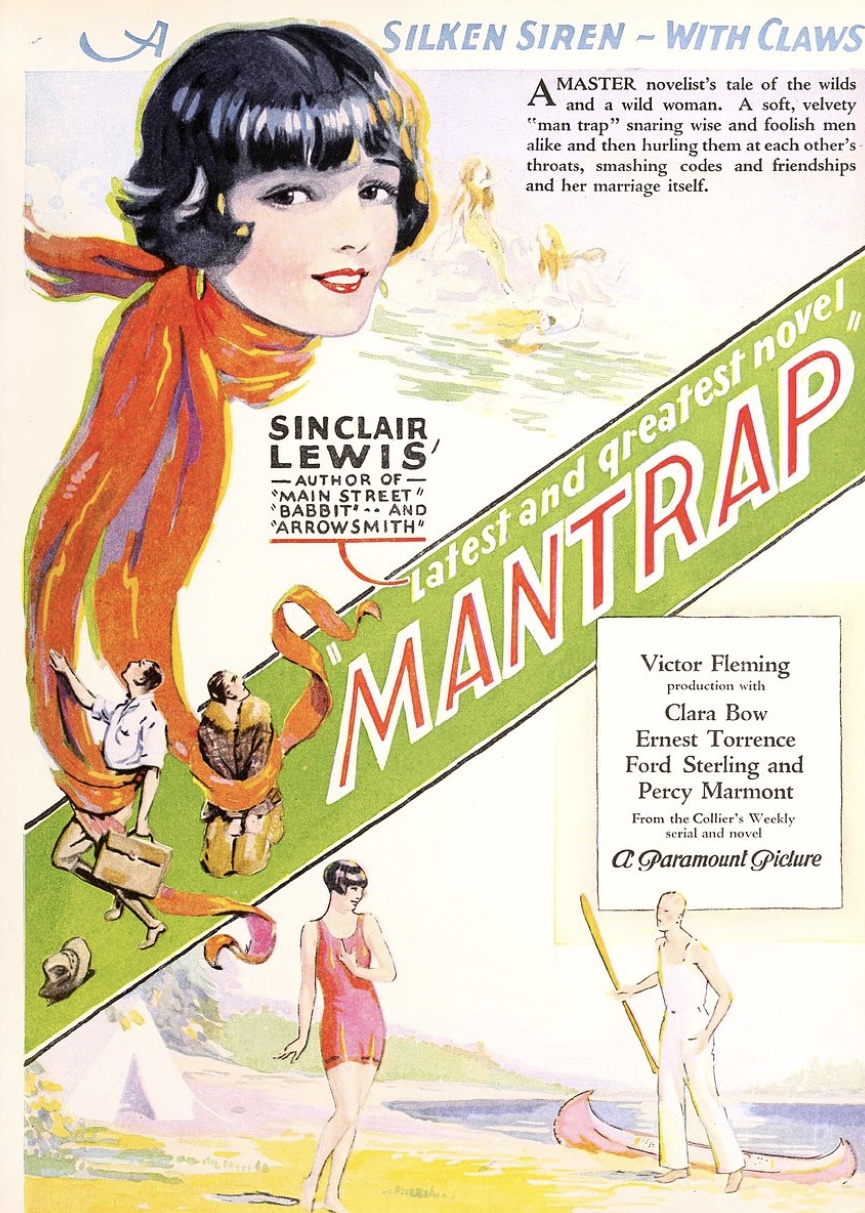
Clara Bow’s thirty-fifth movie was Mantrap a silent comedy directed by Victor Fleming. Fleming also directed The Wizard of Oz, Gone with the Wind, and many others. 

Mantrap was produced between April 7 – May 12, 1926 with location shooting at Lake Arrowhead, California, and released on July 24, 1926. Clara played Alverna, a flirtatious manicurist.

Clara and Fleming had an affair, at the same time that Clara was conducting a relationship with actor Gilbert Roland. Indeed, affairs were commonplace during this phase of her life.

In the silent era, through no fault of her own, Clara Bow was the most undereducated star to make the grade. Furthermore, she was the only star at Paramount without a morals clause in her contract. Ironically, she was the star in greatest needed of one. 

Clara needed guidance and Fleming, a much older man, offered that to some extent. But for Clara the person to thrive, someone at Paramount should have devoted time to her wellbeing. Instead, the studio’s focus was on the millions of dollars Clara was making for the company.

My ancestor Thomas Brereton was buried on 25 July 1817. His death seems to have triggered a series of tragic events.

Thomas’ son, Francis, was born on 24 January 1796. On 18 February 1818, Francis found himself at the Old Bailey, indicted for stealing, on the 13 November 1817, 60 printed bound books, value £10, the goods of Thomas Davies, Esq. A full transcript of the trial can be read here https://www.oldbaileyonline.org/browse.jsp?div=t18180218-18

Aged 22, Francis was found guilty and transported to Australia for seven years. On 23 March 1818, he was placed on the prison ship Retribution, moored at Woolwich. In July 1818, he set sail on the Morley, destination Sydney. He arrived on 7 November 1818.

A clerk, Francis had a florid complexion, brown hair and hazel eyes. He obtained a certificate of freedom on 10 March 1825. I have found no record to suggest that he returned to Britain.

Old Bailey c1800

Madeleine Carroll’s second British film was What Money Can Buy (1928) a story about a man who makes a bet that he can seduce a woman, a tale about “a woman’s soul.”

At this stage of her career, every newspaper report of Madeleine’s movies included a mention of her B.A. from Birmingham University. The column writers promoted her as an example of “the modern intelligent woman who seeks to combine a career with a family.” However, this was a challenge that lay ahead for Madeleine.

Charlie Chaplin and Virginia Cherrill did not get on during the making of City Lights. He was a perfectionist, she was casual about acting; he fancied her, she didn’t fancy him. Nevertheless, in this article dated December 1933 Virginia was full of praise for Chaplin describing him as a ‘genius’, ‘unorthodox’ and a ‘colossal worker’ who understood what audiences wanted.

In 1933, Hedy Lamarr featured in Ecstasy, a movie that would shape her life and career. Banned in America and Germany, the film won awards in Europe where it was regarded as a work of art. 

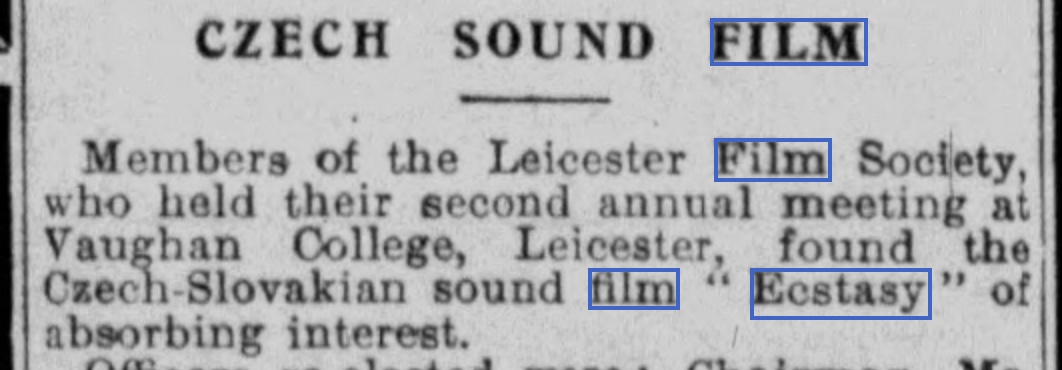
Ecstasy received its first mention in the British press on 22 May 1933. The reaction? Members of the Leicester Film Society found the film “of absorbing interest”. However, Hedy’s, and Ecstasy’s, story had only just begun…

May 1933, and a good concise report on Hedy Lamarr’s film career and personal plans. Given Hedy’s anti-Nazi stance during World War II, the last paragraph is particularly fascinating.

November 1933

Arms manufacturer Fritz Mandl’s (futile) attempts to suppress Hedy Lamarr’s controversial movie, Ecstasy. He married her after she’d made the film, then objected to it. Mandl also insisted that Hedy should retire from screen and stage acting, and refuse to have her picture taken. Needless to say, the marriage did not last.

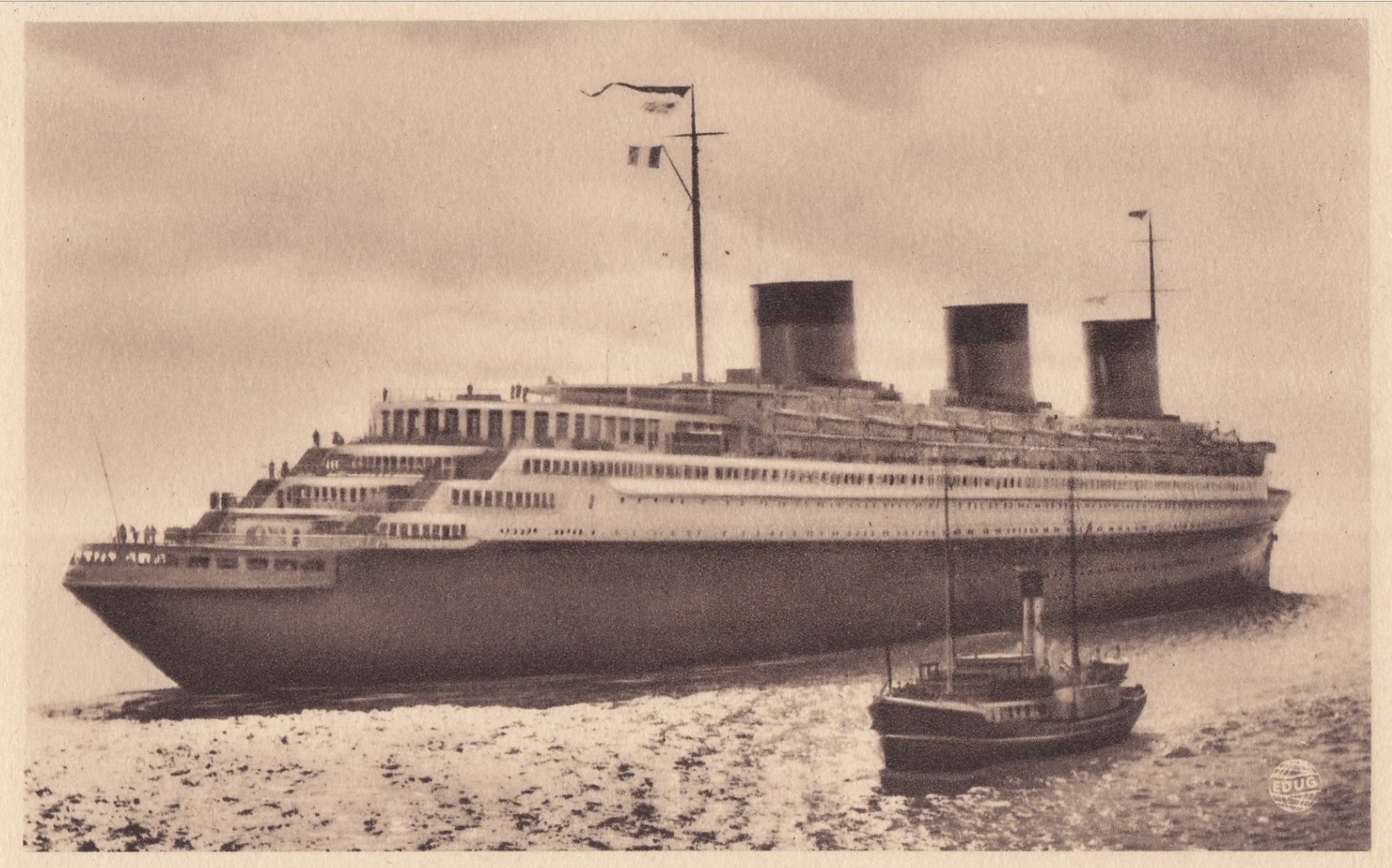
In the spring of 1937, Hedwig Kiesler, disguised as her maid, made her escape from her first husband, Fritz Mandl. She made her way to London, then on to Southampton. On September 25, 1937, she boarded the Normandie, (pictured) and set sail for New York.

On her travel documents, Hedwig described herself as 5’ 7” tall, fair complexion, brown eyes, brown hair. She claimed that she had no intention of seeking citizenship in America.

Hedwig boarded the Normandie with actress Sonja Henie. Earlier that day, in Le Havre, movie producer Louis B. Mayer also boarded the ship. Over the following five days Hedwig and Mayer became well acquainted to the extent that when Hedwig stepped off the Normandie in New York she was ready to embrace a new name, Hedy Lamarr, and a career in Hollywood.

Mastodon 1970s Mega Movie Poll

First Round

Capricorn One 40% v 60% The China Syndrome

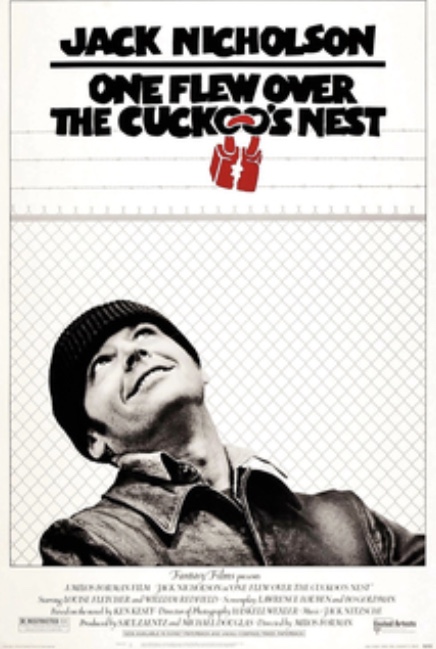
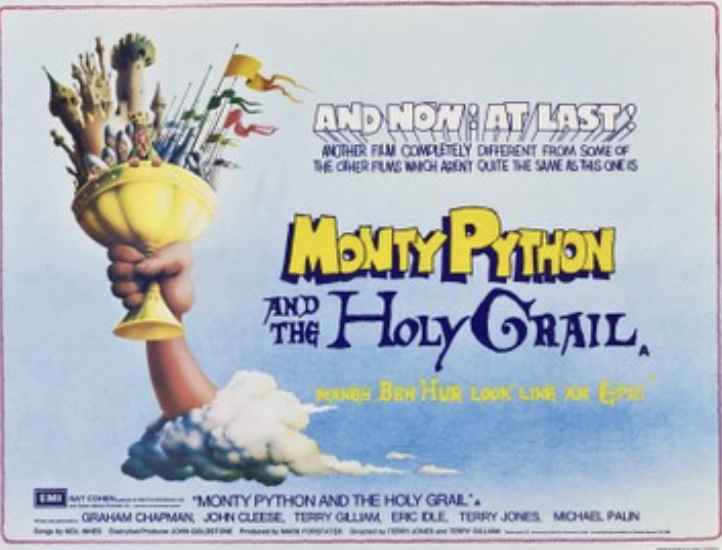
One Flew Over the Cuckoo’s Nest 25% v 75% Monty Python and the Holy Grail

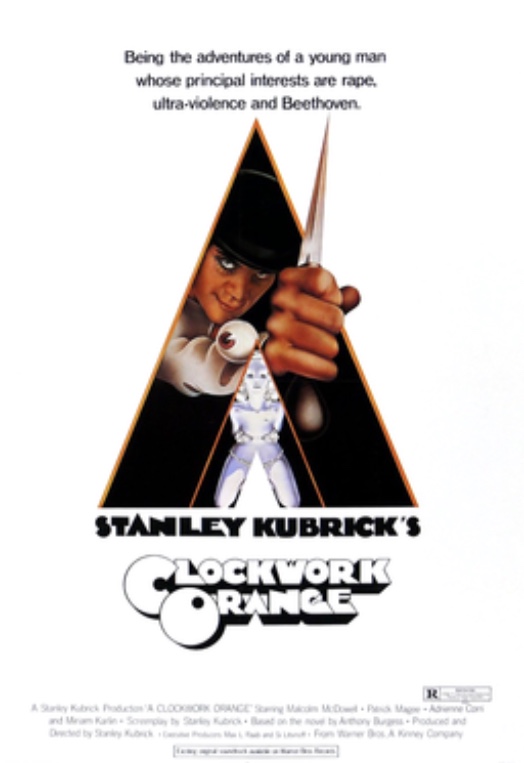
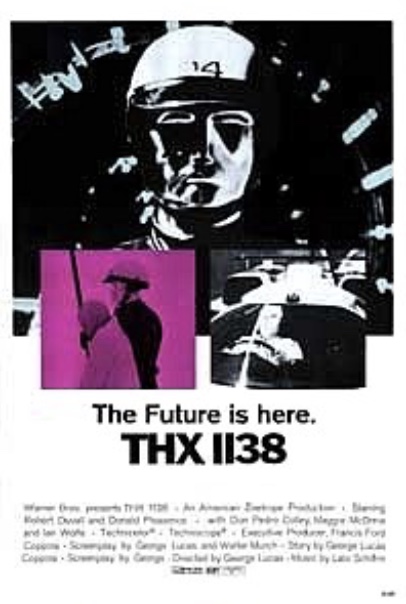
A Clockwork Orange 80% v 20% THX 1138

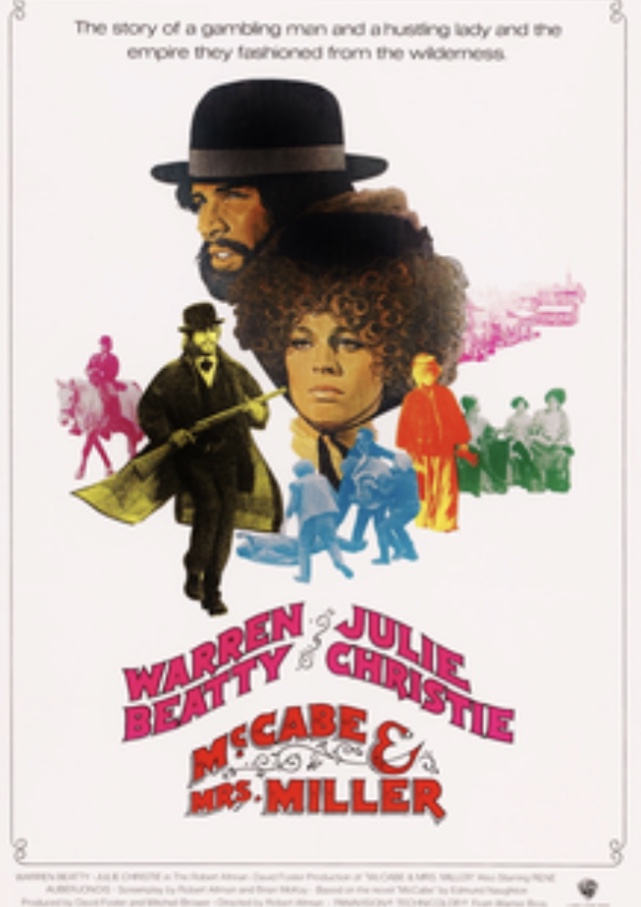
The Sting 78% v 22% McCabe and Mrs Miller

Slaughterhouse-Five 56% v 44% Time After Time

The Godfather 82% v 18% Marathon Man

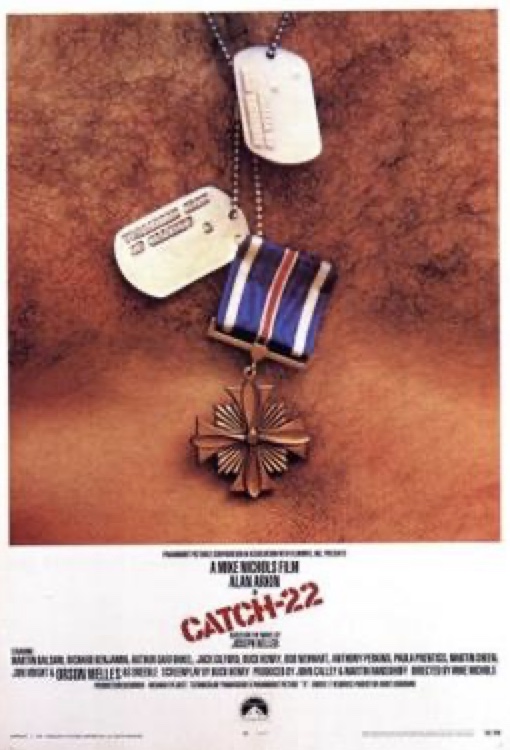
Catch 22 57% v 43% Kelly’s Heroes

My latest article for the Seaside News, about Charlie Chaplin’s City Lights, appears on page 40 of the magazine.

Social media https://toot.wales/@HannahHowe

As ever, thank you for your interest and support.

Hannah xxx

For Authors

#1 for value with 565,000 readers, The Fussy Librarian has helped my books to reach #1 on 38 occasions.

A special offer from my publisher and the Fussy Librarian. https://authors.thefussylibrarian.com/?ref=goylake

Don’t forget to use the code goylake20 to claim your discount 🙂

Categories
Dear Reader

Dear Reader #195

Dear Reader,

Research for my forthcoming novel, Sunshine: The Golden Age of Hollywood, Book Two.

Marie Meyer (January 17, 1899 – May 24, 1956) was a barnstorming pilot who ran the Marie Meyer Flying Circus in the 1920s. She participated in the Flying Circus as a pilot, a wing-walker and a parachutist.

📸 Marie wing-walking in 1924.

Clara Bow’s thirty-fourth movie was The Runaway, a melodrama produced between January 26, 1926 and February 27, 1926, and released on April 5, 1926. 

Clara played Cynthia Meade, a movie star who erroneously assumes that she has murdered someone and consequently flees to Kentucky. 

William Powell featured in the picture which, sadly, is now regarded as lost.

17th February 1802

From the Old Bailey website, my ancestors Thomas Brereton and his wife, Sarah, victims of grand larceny.

SUSANNAH SMITH was indicted for feloniously stealing, on the 22nd of January, a sheet, value 7s. and a blanket, value 4s. the property of Thomas Brereton.

SARAH BRERETON sworn – I am the wife of Thomas Brereton, who keeps a house in Rose and Crown-court, Shoe-lane: On Friday, the 22nd of January, about six o’clock, I was called out into the court, and met them bringing the prisoner back, she was a stranger to me; the things were brought back by Catharina Rowley.

CATHARINA ROWLEY sworn – I am a neighbour of Mrs. Brereton’s; I had been out, and coming home, in consequence of what Mrs. Young told me, I took the prisoner by the shoulder, and took from her a blanket and sheet, which I gave to Mrs. Brereton; it was pinned round her waist under a great long red cloak; she d – d (degraded) me for a b – h (bitch), and told me she had got none but her own property.

ELIZABETH YOUNG sworn – I lodge in Mr. Brereron’s house: On Friday, the 22nd of January, I met the prisoner about half past five in the afternoon, in Shoe-lane, I was going home; she said she had been in sits, and asked me to be so kind as to give her a drop of water; I took her to the door, and she said she was so faint, she could not stand, and followed me up stairs, and said, nothing would bring her too, unless it was a raw pickled herring, or a cucumber; I told her I was a stranger, and did not know where they hold them, and I gave her some porter that stood upon the table; then she said nothing would do but cold water; I told her I had none in the house, I would go down in the kitchen, and get her some; when I had got down stairs, I perceived her running out at the street-door; I had some mistrust, and I ran out after her, and stopped her, then she d – d (degraded) me, called me a b – h (bitch), and said, if I did not leave her alone, she would murder me; then I called out for assistance, and Catharina Rowley came up, and took the sheet and blanket from her.

Mrs. Brereton. These are my property; they were in Elizabeth Young’s room; it is a ready furnished room.

Young. I turned up the bed with these things upon it, while she was in the room.

Prisoner’s defence. I had been after a place; I was taken violently ill, and this woman pressed me very hard to go home with her, which I accordingly did; I asked her if she would have any thing to drink; she said she did not care if she did; I gave her a shilling, and she fetched a pot of porter; I was there three quarters of an hour, and she pressed me to come and see her the next Sunday; I asked her to see me part of my way home, and when we had got down the stairs, she said she must go back again, and she came out again with something in her hand; I did not see what it was; and when she had got into the court, she fell a screaming, and said, I had robbed her.

Q. (To Young.) Did she give you a shilling? – A. No.

Q. That you say, upon your oath? – A. Yes; and she had no porter, except some that my husband had left at dinner.

The prisoner called two witnesses, who gave her a good character. 

GUILTY , aged 28. Transported for seven years.

London Jury, before Mr. Recorder.

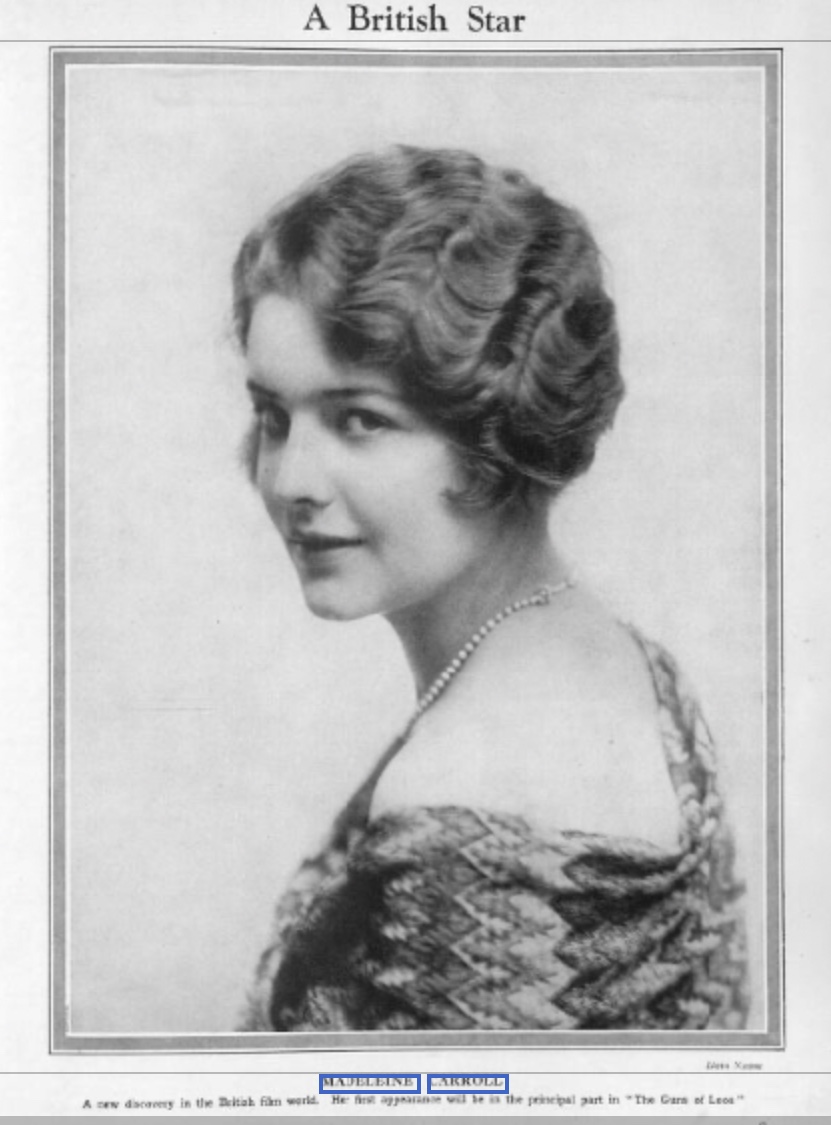
Madeleine Carroll’s movie breakthrough arrived in 1927 with The Guns of Loos (released in 1928). A silent war film produced in Britain, the plot centres on a blind World War One veteran who returns home to run his family’s industrial empire. 

Madeleine Carroll was selected from 150 applicants to play the role of Diana Cheswick, and her selection attracted a lot of media interest at the time.

Personal note: my ancestor Albert Charles Bick died on the first morning of the Battle of Loos. He was gassed by his own generals.

Madeleine Carroll was very quick to lend her name to health and beauty products. Health and beauty became a major theme in her life, as we shall see in future posts.

This item is from The Tatler, 14 December 1927, before the release of her first movie, The Guns of Loos.

Along with a number of other newspapers, The Sketch (28 December 1927) featured promotional photographs of Madeleine Carroll for her first movie, The Guns of Loos, and remarked that along with her B.A. from Birmingham University, stage career, promotional endorsements and a year spent teaching, she’d been signed to make more movies. She was 21, determined, focused and going places.

Hedy Lamarr was born Hedwig Eva Maria Kiesler on November 9, 1914 in Vienna, Austria-Hungary. From an early age, she developed a fascination for acting and inventing, two interests that dominated her life. She made her movie debut in Money on the Street a 1930 Austrian-German romantic-comedy, appearing as an extra.

After appearing as an extra in Money on the Street, Hedy Lamarr featured in three more German movies, all comedies: Storm in a Water Glass, The Trunks of Mr. O.F., a critique on capitalism, and No Money Needed. Hedy moved up the bill with each production. It was 1932 and she was about to make the movie that would transform her life…
1933 was a pivotal year for Hedy Lamarr. She made her fifth movie, Ecstasy (more about that in the future) and, on 10 August 1933 in Vienna, against her parents’ wishes, she married Friedrich Alexander Maria Mandl, an Austrian arms dealer with ties to Benito Mussolini and Adolf Hitler. The marriage was not a success (understatement).

November 1933 and Virgina Cherrill’s on-off affair with Cary Grant is still on-off. Virginia, the Blind Flower Girl in Charlie Chaplin’s City Lights, has escaped to Britain to be away from Cary Grant while Grant, determined to marry Virginia, has followed her. To complicate matters, Randolph Scott, Grant’s housemate, has arrived in London to “keep an eye” on Grant.

In London, Virgina is appearing in modest movies and stage productions. Nevertheless, as an actress and “society girl” she is constantly invited to London’s high society parties. 

To the media, Virginia stated that she’s never had a part as good as the Blind Flower Girl, and she never would. Her acting career would remain low-key. Meanwhile, Cary Grant was on the brink of a major breakthrough in Hollywood.

At this time, there’s a Great Gatsby air to Virginia Cherrill and Cary Grant’s lives. He is obsessed with her, and she seems content to drift from one low-key role to another, from one high society party to the next one. And like the Great Gatsby, you know it’s going to end in tears.

The 1970s Mastodon Mega Movie Poll

Round One

Serpico 46% v 54% Murder on the Orient Express

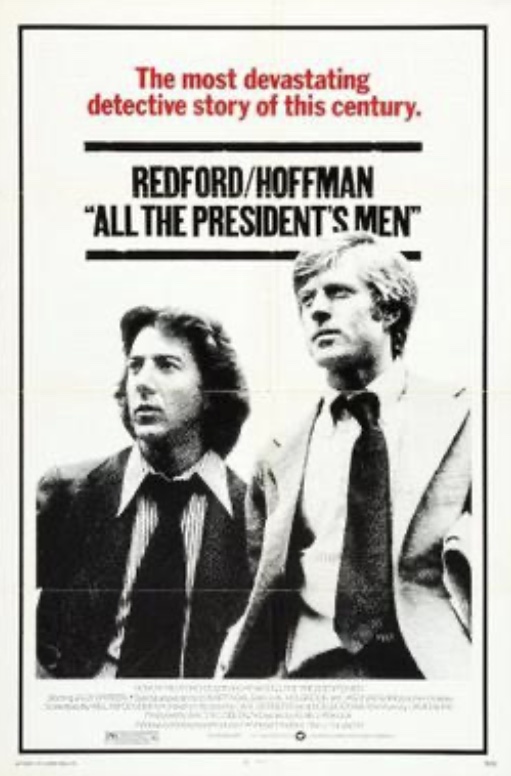
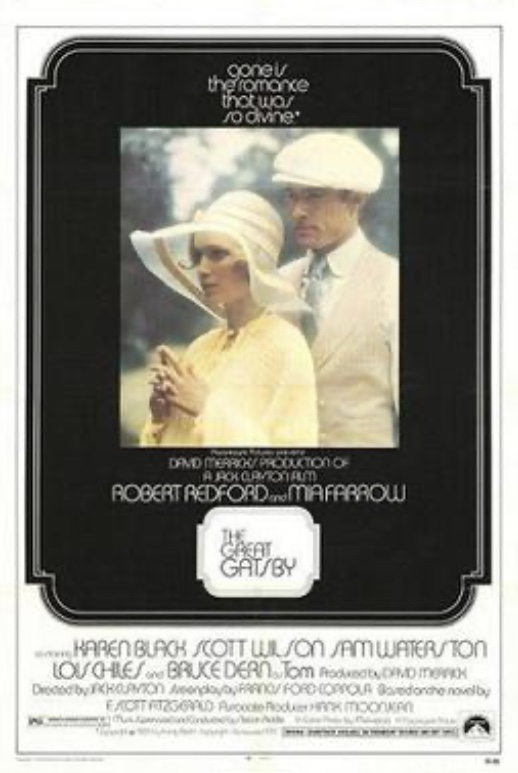
All the President’s Men 83% v 17% The Great Gatsby

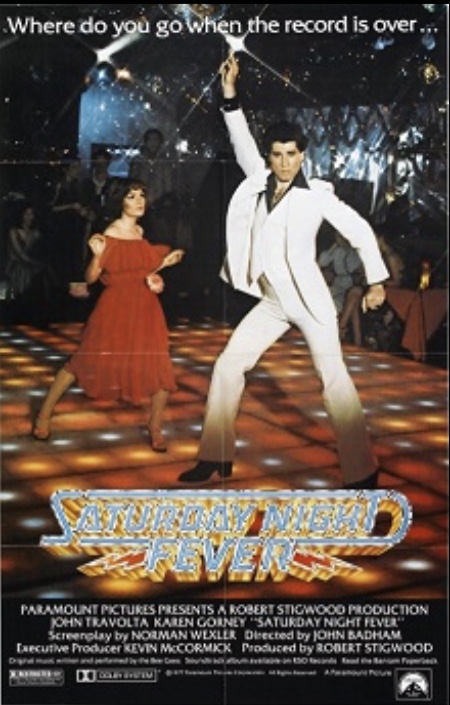
Saturday Night Fever 42% v 58% Grease

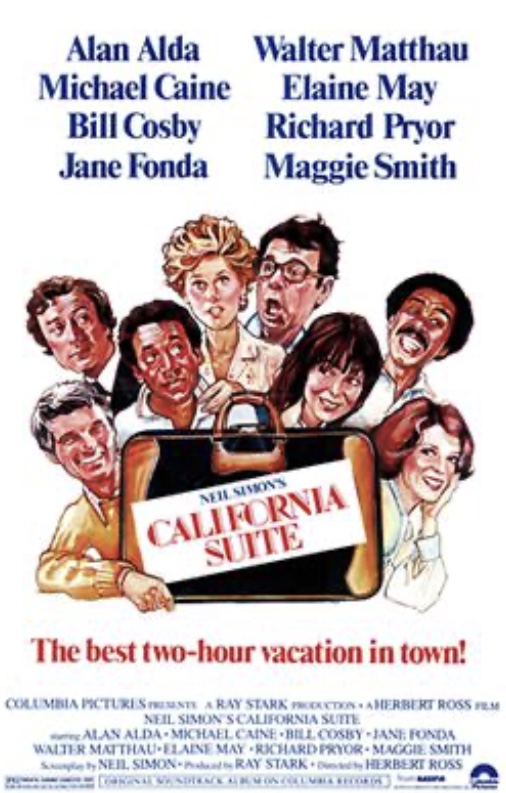
M*A*S*H 94% v 6% California Suite

Close Encounters of the Third Kind 29% v 71% Alien

The French Connection 66% v 34% Shaft

Cabaret 47% v 53% Willy Wonka and the Chocolate Factory

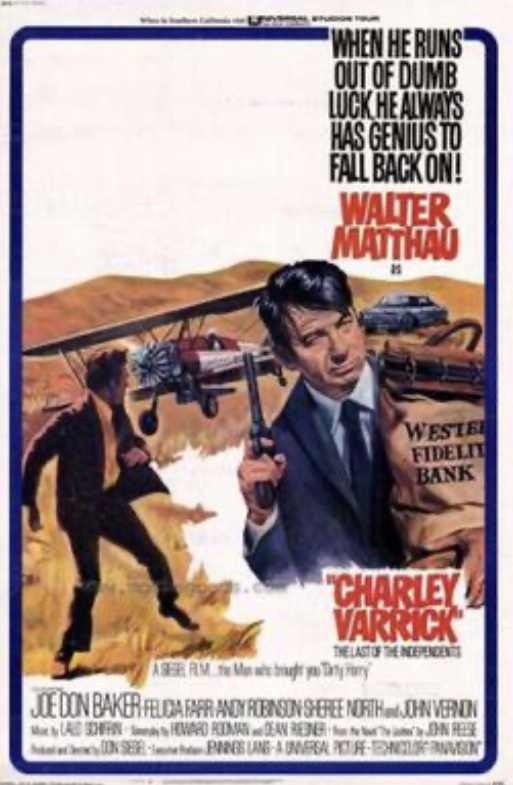
The Taking of Pelham 123 95% v 5% Charley Varrick

Jaws 73% v 27% Eraserhead

Social media https://toot.wales/@HannahHowe

As ever, thank you for your interest and support.

Hannah xxx

For Authors

#1 for value with 565,000 readers, The Fussy Librarian has helped my books to reach #1 on 38 occasions.

A special offer from my publisher and the Fussy Librarian. https://authors.thefussylibrarian.com/?ref=goylake

Don’t forget to use the code goylake20 to claim your discount 🙂