Categories
Dear Reader

Dear Reader #111

Dear Reader,

My latest translation, the Portuguese version of Operation Locksmith in my Eve’s War Heroines of SOE series. Ana is already hard at work on two new translations: Snow in August in my Sam Smith Mystery Series and Branches in my Olive Tree Spanish Civil War series. It‘s always a privilege to work with talented translators.

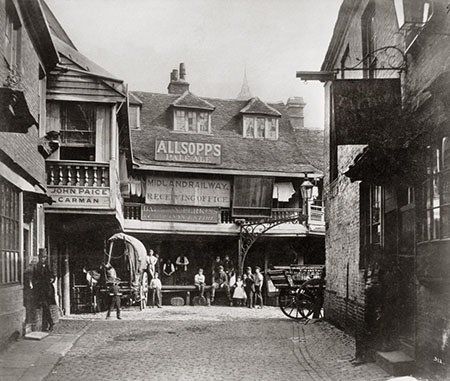
Tabard Inn, Talbot Yard, Southwark before demolition in 1875, a familiar landmark for my London-based ancestors.
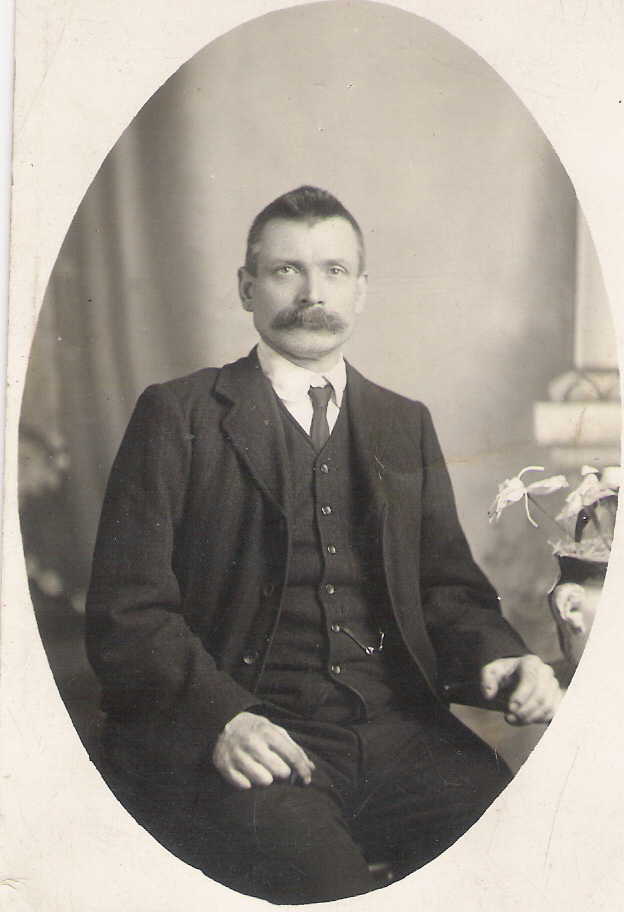
To date, I haven’t discovered any pictures of my 3 x great grandfather Thomas Jones, but here is his brother and my grand uncle Richard Morgan Jones 1874 – 1954. Bilingual, Richard was a coal hewer in the Rhondda Valley. I love the pride in his pose.
William Axe, my 6 x great-grandfather, was a Waterman to the Preventive Officers, overseeing the trade and potential smuggling that occurred on the River Thames. Here he features in The Times on 19 August 1789 in regard to a change in a by-law to allow a parcel of gold, rupees and dollars into the city.

The Mansell branch of my family tree begins with Philip Mansell, born c1040 in Normandy. Philip arrived in Britain with William the Conqueror in 1066 and established a manor in Buckinghamshire. 

In 1067, Philip married Demoiselle de Mountsorrell, whose family had settled in Leicestershire. The marriage increased Philip’s lands and also blessed him with five sons, including my direct ancestor Henry.

Philip was cup-bearer to William the Conqueror, a responsible position – Philip had to ensure that no one poisoned the Conquerer. His name was recorded on the Roll of Battle Abbey, confirming his participation in the Conquest. Indeed, Wace in his Chronicles of the Conquest wrote: ‘Then the Duke called in his good neighbours, the Britons, the Mansells, and Angevins, and those of Pontif and Boulogne.’

The surname Mansell originates from La Manche or Le Mans, with arguments in favour of either option. From Normandy, the name and family spread and within 200 years they reached my corner of Wales.

Bayeux Tapestry. Scene 57: the death of King Harold at the Battle of Hastings. Titulus: HIC HAROLD REX INTERFECTUS EST (Here King Harold is slain).

The Mansell branch of my family continued with Henry born in Buckinghamshire, c1068, who married Emma de Lucy. Emma’s brother, Sir Richard de Lucy, was Chief Justice of the Realm. Henry and Emma produced John Mansell who married Elaine de Lutterell. Their son Ralph married Cecilia Pagnell and they produced my direct ancestor, Sir Robert Mansell.

At this time, 1136, the family were still based in Buckinghamshire with estates in various corners of the country. In 1163, Sir Robert attacked and defeated Sultan Nouradin at La Bochen near Tripoli. On his return from the Crusade he married Joyce de Alneto.

The Alneto branch of my family connects with Charles Carolingian – Charles III King of Western France – Godefrid of Denmark and Arnulf of Flanders, c890 – 28 March 965.

The son of Count Baldwin II of Flanders and Ælfthryth of Wessex, daughter of Alfred the Great, Arnulf, also known as the Great, was the third Count of Flanders. He ruled the County of Flanders, an area now in northwestern Belgium and southwestern Netherlands.
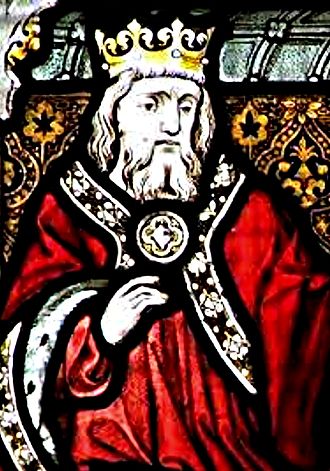
Arnulf, Count of Flanders

Through his mother, Arnulf was a descendant of the Anglo-Saxon kings of England, and through his father, he was a descendant of Charlemagne. Presumably Arnulf was named after Saint Arnulf of Metz, a progenitor of the Carolingian dynasty.

At the death of their father in 918, Arnulf became Count of Flanders while his brother Adeloft or Adelolf succeeded to the County of Boulogne. However, after Adeloft’s death in 933, Arnulf took the countship of Boulogne for himself, although later he conveyed it to his nephew, Arnulf II.

Arnulf greatly expanded Flemish rule in the south, taking all or part of Artois, Ponthieu, Amiens, and Ostrevent. He exploited the conflicts between Charles the Simple and Robert I of France, and later between Louis IV and his barons.

The southern expansion resulted in conflict with the Normans who were trying to secure their northern frontier. In 942 this led to the murder of William Longsword, the Duke of Normandy, at the hands of Arnulf’s men. With William Longsword’s death, the Norman/Viking threat receded and during the later years of his life Arnulf focused on reforming the Flemish government.
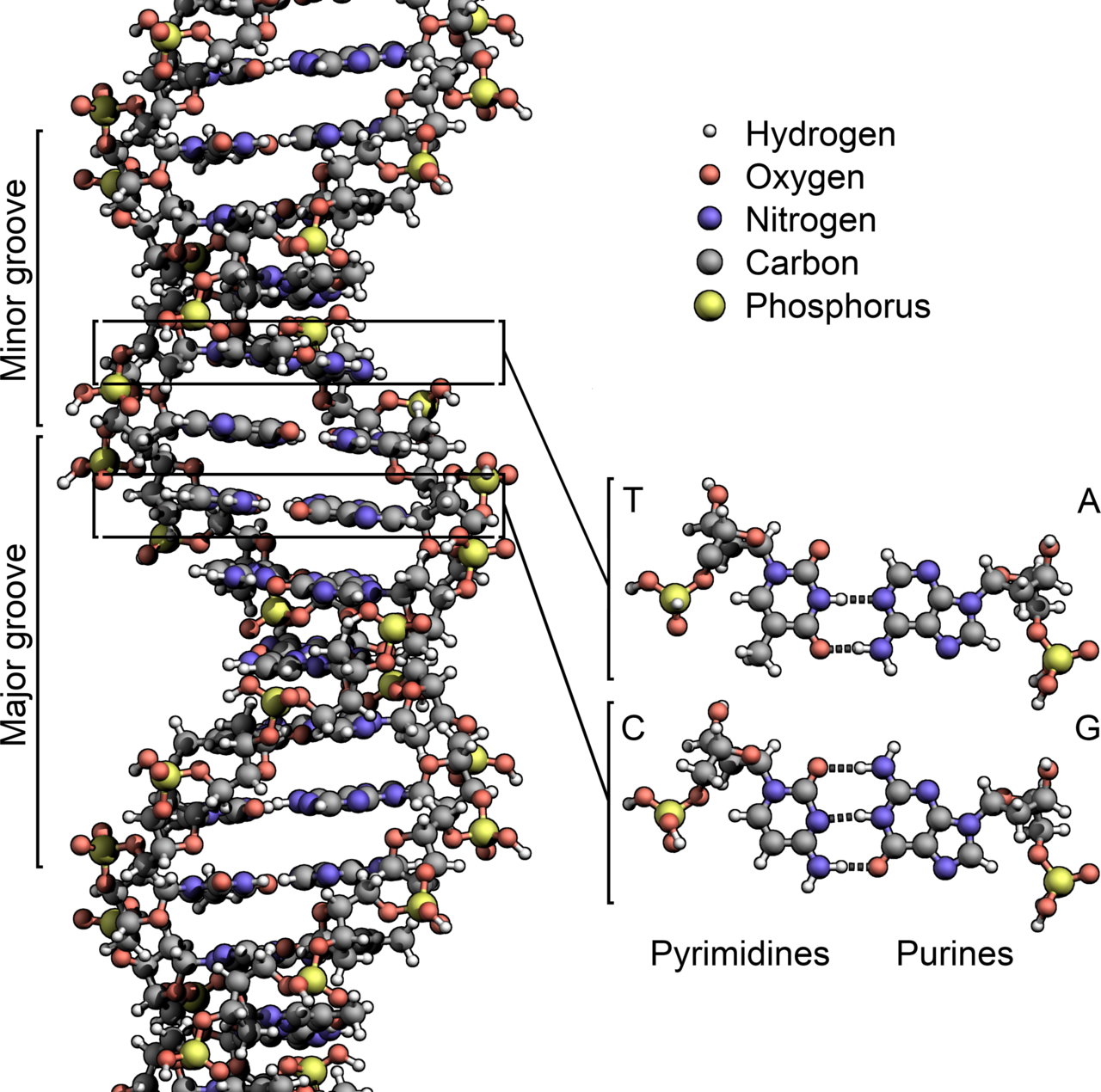
In genealogy, a question arises: how far back is relevant to the people we are today? In some respects you could argue that there is no relevance, yet these people are our ancestors and we are only here because of them. Relatives we enjoyed direct contact with nurtured us. However, through our DNA our natures and personalities are formed and I feel that all our ancestors are relevant to the people we become.

The Mansell branch of my family continued with Walter who married Hawise de Somerie. Walter held the sergeantry of Little Missenden as Napkin Bearer to the King, Henry III. You might recall that Philip, the progenitor of the Mansell line, performed a similar duty for William the Conquerer, which underlines the long and close association this branch of my family enjoyed with the rulers of England.

As ever, thank you for your interest and support.

Hannah xxx

Bestselling psychological and historical mysteries from £0.99. Paperbacks, brand new in mint condition 🙂
https://hannah-howe.com/store/
Categories
Dear Reader

Dear Reader #109

Dear Reader,

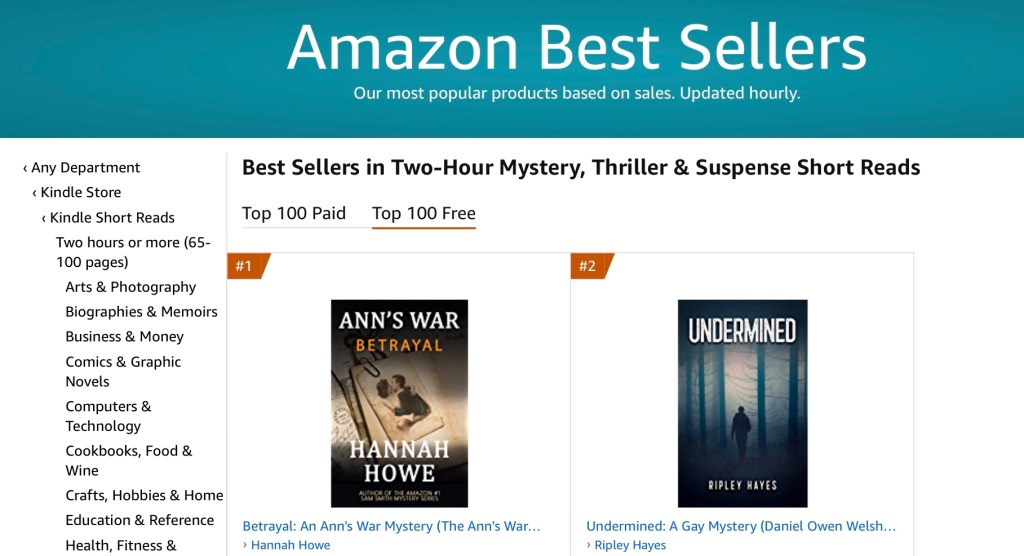
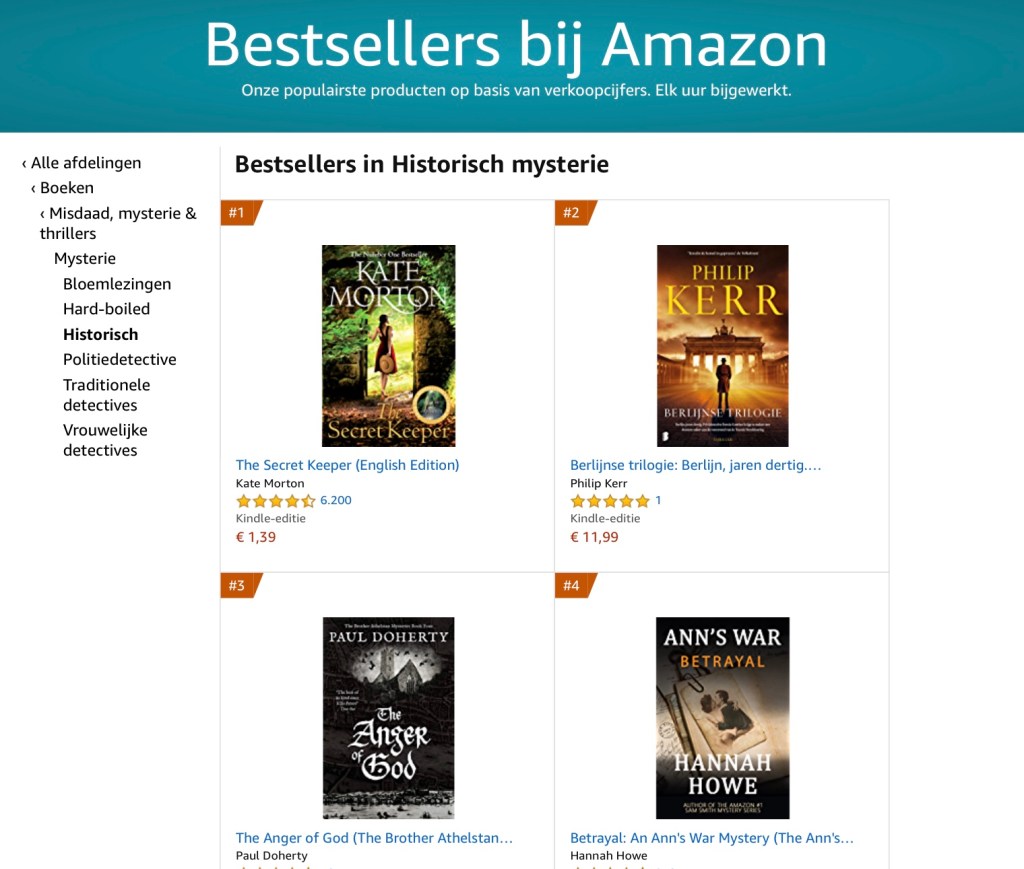
Betrayal at #1 in America this week and #4 in the Netherlands.

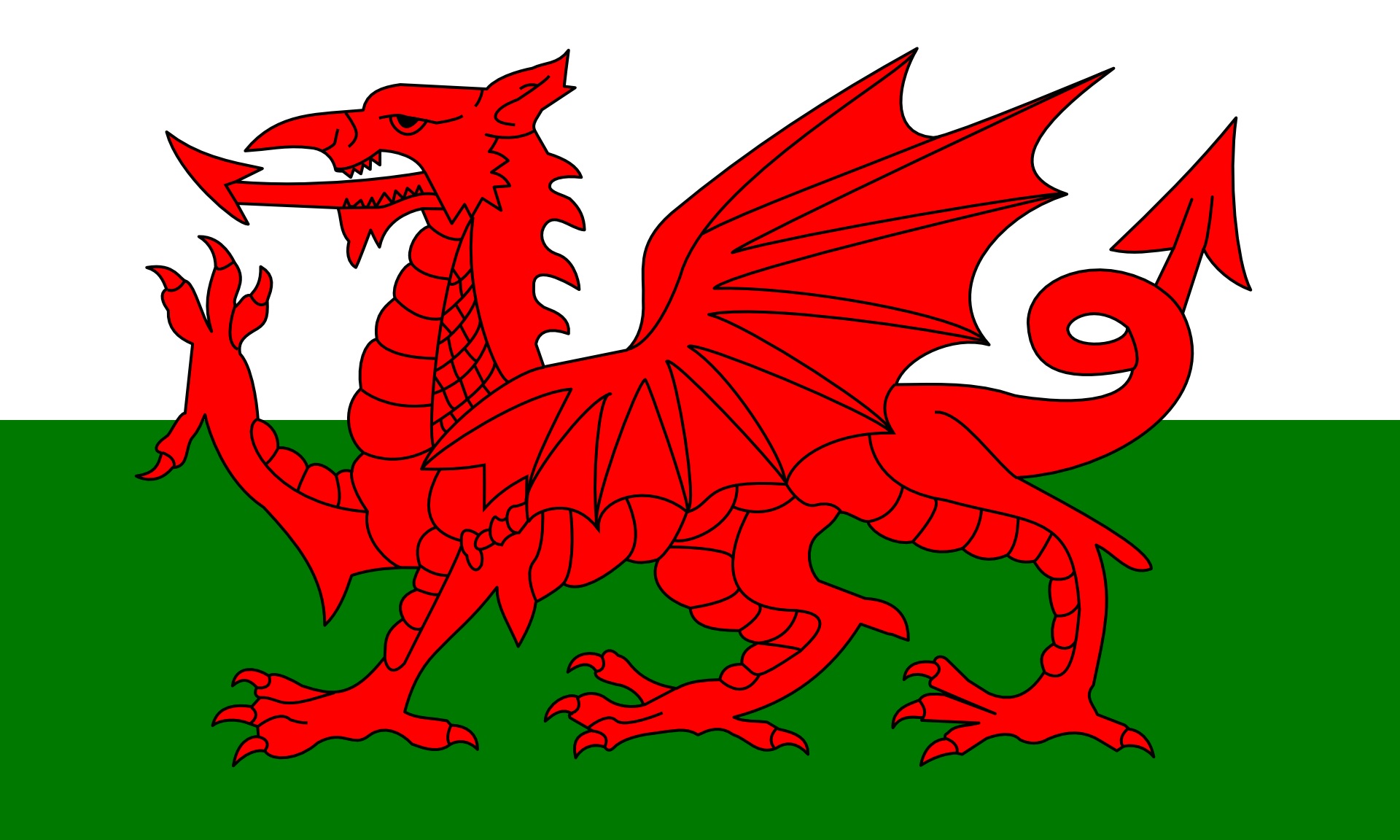
The ‘Welsh Tree of the Year’ at my local park, Margam.

My article about the amazing Nancy Wake appears in this month’s issue of the Seaside News.

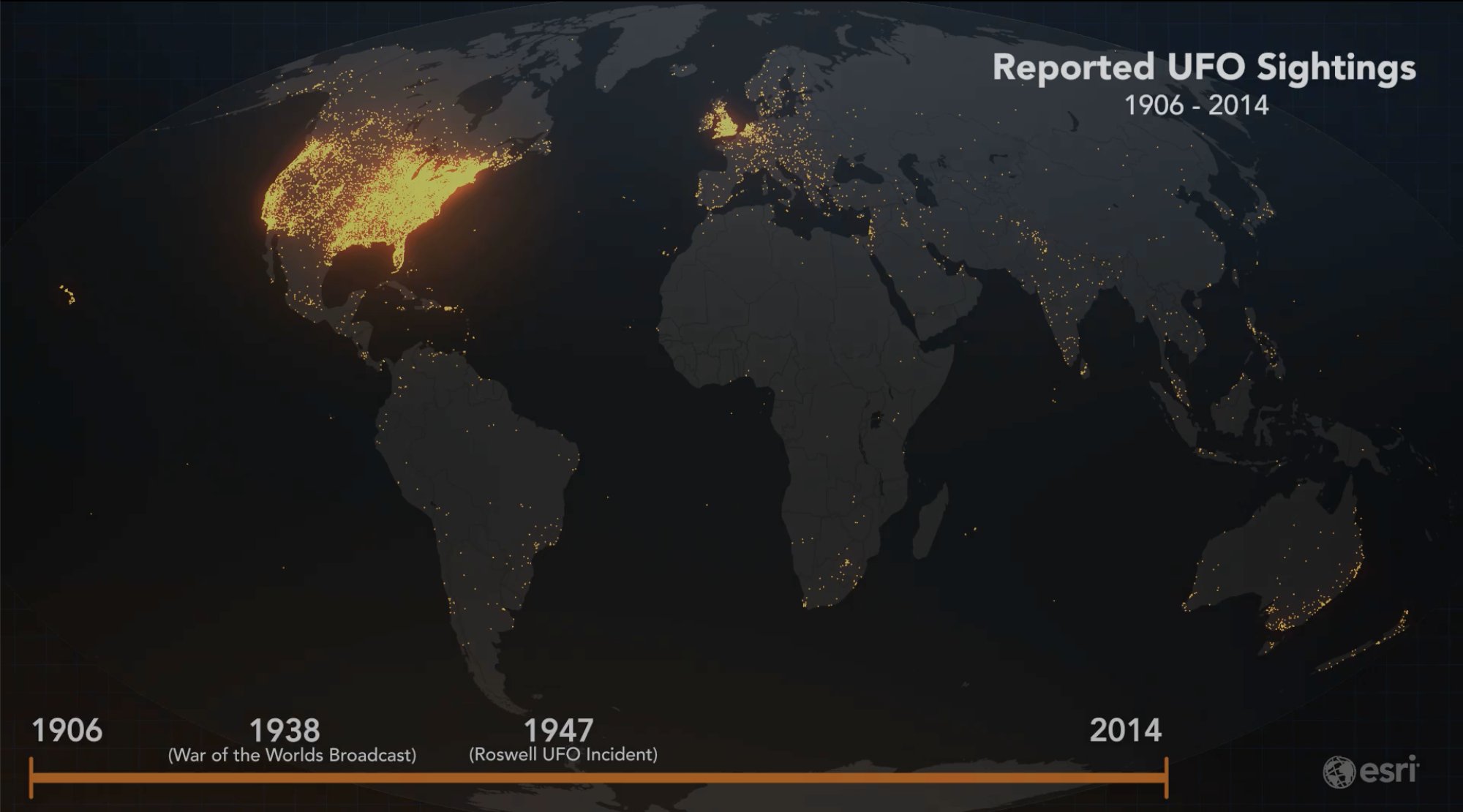
A map of all reported UFO sightings, 1906-2014. (Image: ESRI). Is there anybody out there…

Just discovered that my splendidly named ancestors Zephaniah Thorpe and Mary Discipline emigrated to New York City, arriving on 11 April 1838. Zephaniah was a sculptor specialising in marble. Maybe he worked on the pillars in this picture 🤔

A DNA test I took at Christmas 2020 established a link between a Morgan branch of my family and a Bevan branch. This in turn led to Barbara Aubrey, a gateway ancestor. A gateway ancestor is someone descended from royalty, the aristocracy, or landed gentry. Through Barbara Aubrey, and other gateway ancestors, I have discovered links to many of the noble households in Wales, especially in my home county of Glamorgan.

My direct ancestor, Gwladys ferch Dafydd Gam ‘the star of Abergavenny’ (1378 – 1454), was the daughter of Gwenllian ferch Gwilym and Dafydd ap Llewelyn ap Hywel, otherwise known as Dafydd Gam a man immortalised by William Shakespeare as Fluellen in Henry V.

Fluellen: “If your Majesty is remembered of it, the Welshmen did good service in a garden where leeks did grow, wearing leeks in their Monmouth caps, which your Majesty knows, to this hour is an honourable badge of the service, and I do believe, your Majesty takes no scorn to wear the leek upon St David’s Day.”

King Henry: “I wear it for a memorable honour; for I am Welsh, you know, good my countryman.”

The Battle of Agincourt, 1415. The Bridgeman Art Library.

Due to her discretion and influence, the poets compared Gwladys to the legendary Queen Marcia who was ‘one of the most illustrious and praiseworthy of women in early British history.’ Indeed, the poets sang Gwladys’ praises. ‘Gwladys the happy and the faultless. Like the sun – the pavilion of light,’ wrote Lewys Glyn Cothi. They also noted her beauty and luxurious dark hair.

Lewys Glyn Cothi (c1420 – 1490) was a prominent 15th century poet who composed numerous poems in Welsh. He was one of the most important representatives of the Beirdd yr Uchelwyr, ‘Poets of the Nobility.’ 

Lewys was a prolific poet, writing many celebratory poems and elegies. He was responsible for compiling much, if not all, of Llyfr Gwyn Hergest, the White Book of Hergest, which disappeared in the 19th century. He also added several poems to Llyfr Coch Hergest, the Red Book of Hergest, which is now in the National Library of Wales.

During Owain Glyndwr’s War of Independence, Gwladys served as Maid of Honour to Mary de Bohun (c1368–1394), wife of Henry IV, and afterwards she served Henry’s second wife, Queen Joan (c1370–1437). On her return to Wales, Gwladys married Sir Roger Vaughan of Bredwardine and from that day on she remained in her homeland.

Raglan Castle. Engraving, 1798.

The battlefield and royal politics proved tragic for Gwladys. At Agincourt, 1415, she lost her father, Dafydd Gam, and her husband, Sir Roger Vaughan. Later, at Easter 1456, her son Watkin was murdered at his home, Bredwardine Castle, while in 1469 two sons, Thomas and Richard (my direct ancestor) died at the Battle of Edgecote. In May 1472 a fourth son, Sir Roger Vaughan, was captured by Jasper Tudor and beheaded at Chepstow.

Gwladys’ second husband, Sir William ap Thomas of Raglan Castle, known as Sir William Herbert, also fought at Agincourt. Due to the colour of his armour, Sir William was nicknamed ‘The Blue Knight of Gwent.’

Gwladys’ first marriage produced five children, three boys and two girls, while her second marriage produced four children, two boys and two girls. All married into Welsh and English noble families: the Stradlings, Wogans, Vaughans, Devereauxs and Audleys. They also established the Herbert line, a branch of my family, one of the most influential families in medieval and post-medieval Wales.

In the Middle Ages, noble women were expected to obey their husbands, guard their virtue, produce offspring, and oversee the smooth running of their household. Good management skills were essential. Moreover, when her husband was away a wife’s role would increase substantially to the extent that she would assume control of her husband’s domain and even bear arms.

As Lady of Raglan Castle, Gwladys entertained her guests. She also assisted the needy and afflicted, and supported Welsh culture, especially the bards and minstrels. In Lewys Glyn Cothi’s elegy, he stated that Gwladys was ‘the strength and support of Gwentland the land of Brychan.’ 

Abergavenny Priory. Artist unknown.

Gwladys died in 1454. Along with her husband, Sir William ap Thomas, she was a great patron of Abergavenny Priory and an alabaster tomb along with effigies of the couple can still be found there.

According to legend, Gwladys was so beloved by her people that 3,000 knights, nobles and weeping peasantry followed her body from Coldbrook House (her son Richard’s manor) to the Herbert Chapel of St. Mary’s Priory Church where she was buried.

Born into privilege, Gwladys used her position to support the poor and vulnerable, and the arts. And for that she earned her people’s eternal love and respect.

As ever, thank you for your interest and support.

Hannah xxx

Bestselling psychological and historical mysteries from £0.99. Paperbacks, brand new in mint condition 🙂
https://hannah-howe.com/store/
Categories
Dear Reader

Dear Reader #108

Dear Reader,

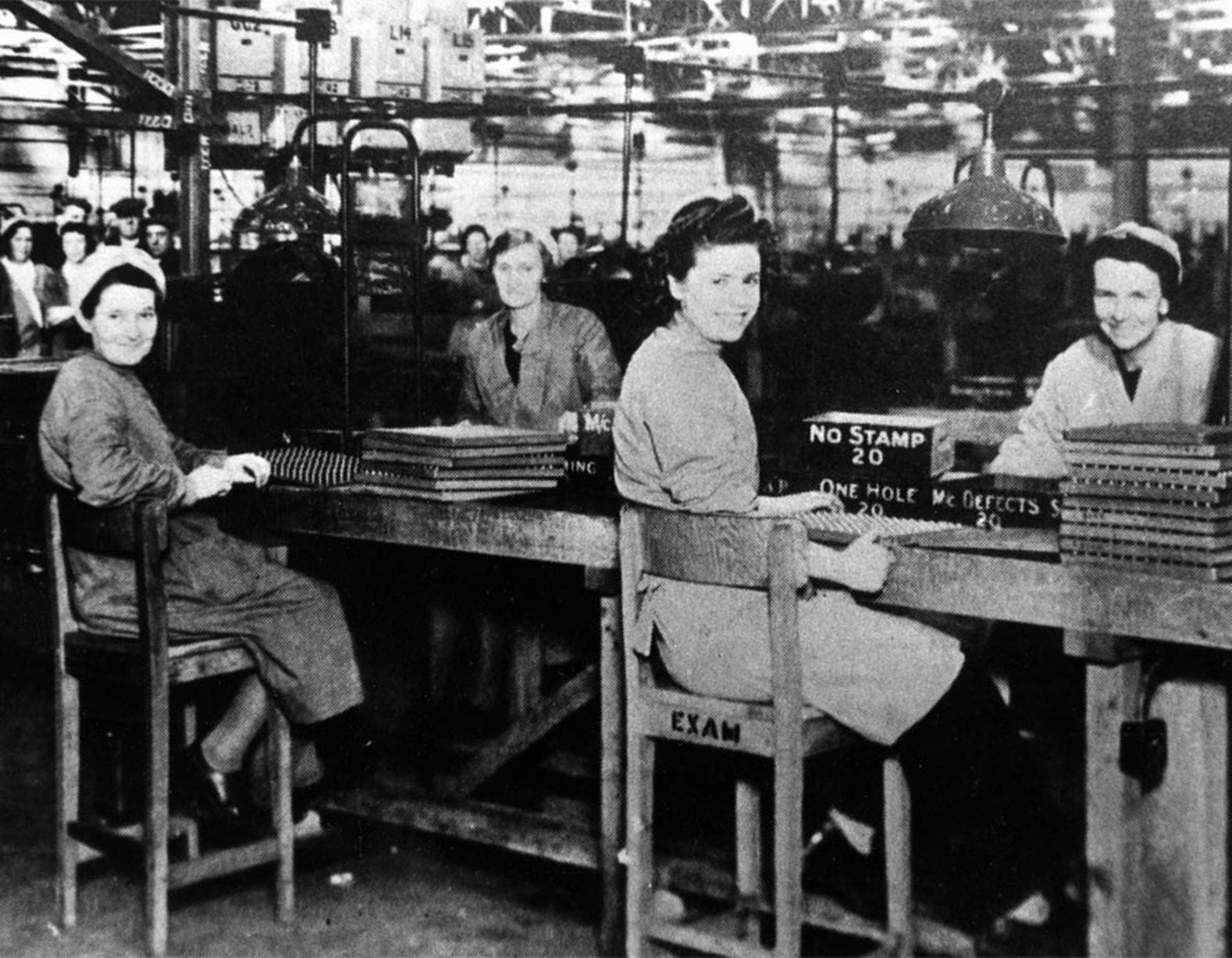
The munitions factory at Bridgend, 1942, known locally as ‘The Arsenal’. The factory was of huge significance to Britain’s war effort employing 40,000 people.

The chemicals in the munitions turned many of the women’s skin temporarily yellow. When the Americans arrived in 1944 and dated the women they called them their ‘Welsh daffodils’.

‘The Arsenal’ features in my Ann’s War Mystery Series.

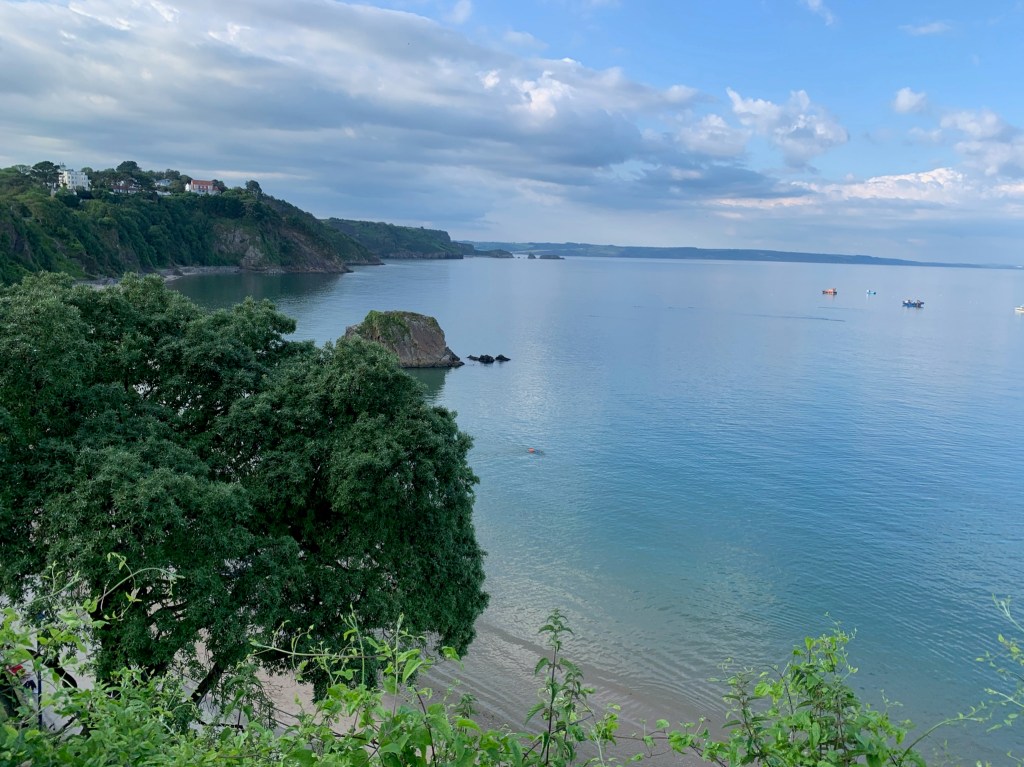
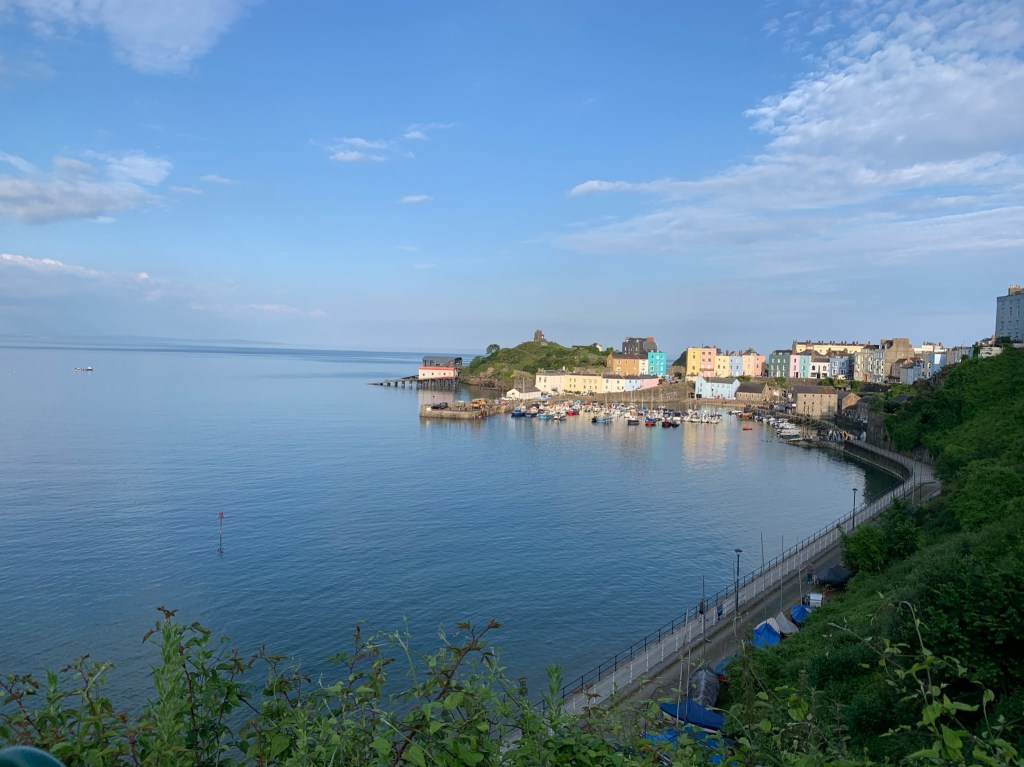
Evening at Tenby this week.

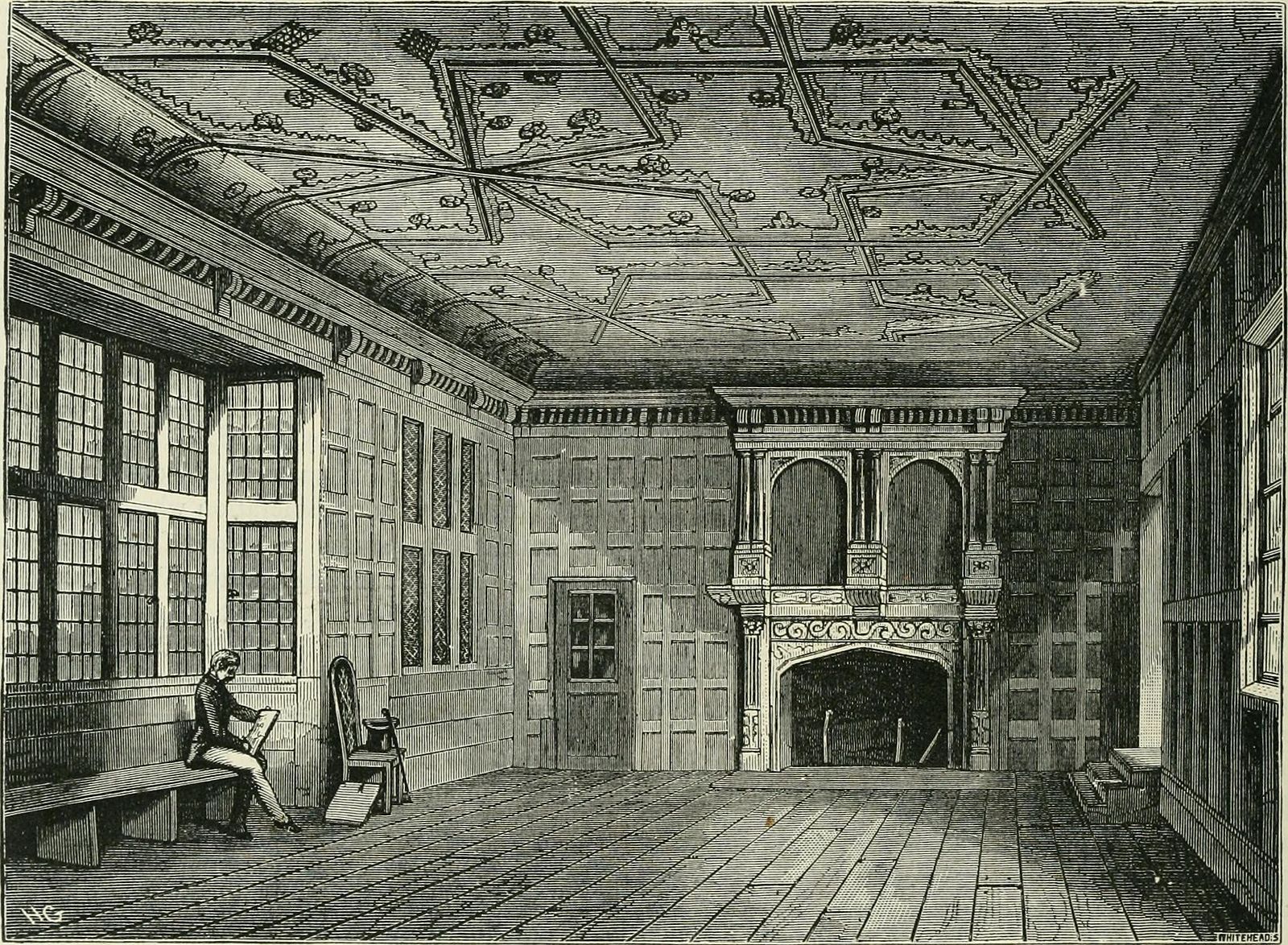
I’ve added a Keats branch to my family tree. Thomas Keats Esq built Sulham House, Berkshire (pictured) c1525. His daughter, Alice, married John Wilder and inherited the estate.

The Wilders arrived from Bohemia in the shape of another John, born 1418. John of Bohemia’s son, Nicholas, fought in the Battle of Bosworth alongside Henry Tudor. After his victory, Henry gifted lands to Nicholas Wilder, which secured the family’s fortune.

Researching Burt Lancaster for my writing, seen here as Dr Ernst Janning in the timeless classic Judgement at Nuremberg. Burt Lancaster, “A liberal with balls.” – Screen Actors Guild president Ed Asner.

In this month’s issue of Mom’s Favorite Reads…

A Family of Mice

Flash Fiction

Picnic Recipes

Author Features

Travel: Azerbaijan

Independent Bookshops

International Tiger Day

Plus, photography, puzzles, poems, short stories and so much more!

George Wood, my 9 x great grandfather, was born on 12 March 1625 in Bonsall, Derbyshire and baptised on 10 January 1632 while Hannah Quick, my 9 x great grandmother, was born in 1635 in Derbyshire. The couple married in 1658 in Matlock, a fact recorded in the Monyash Ashford Meeting of Quakers.

Quakers, a Protestant group also known as the Religious Society of Friends, established themselves in mid-seventeenth century England. Undoubtedly, the English Civil War had a strong bearing on their creation and beliefs. 

The Quakers based their message on the belief that ‘Christ has come to teach his people himself.’ They stressed the importance of a direct relationship with God through Jesus Christ, and a direct religious belief in the universal priesthood of all believers.

Quakers used thee as an ordinary pronoun. They wore plain dress, were teetotal, refused to swear oaths, refused to participate in wars and opposed slavery. Later, they founded banks and financial institutions, including Friends Provident, Lloyds and Barclays. They also founded three major confectionery makers, Cadbury’s, Fry’s and Roundtree’s.

James Naylor, a prominent Quaker leader, being pilloried and whipped.

A notable difference between Quakerism and Orthodox Protestantism was that many of the early Quaker ministers were women. Quakers were noted for their philanthropic efforts, which included the abolition of slavery, prison reform and social justice.

George’s union with Hannah was his second marriage. Previously, he married Anne who produced three children before her death in 1656. George and Hannah’s marriage also produced three children, including their last born, my 8 x great grandmother Elinor Wood.

The upheaval of the English Civil War left a deep scar on society, which took generations to heal. In some communities Quakers were accepted while in others they were ostracised and persecuted. At the age of 57 and 47 respectively, George and Hannah made the momentous decision to create a new lives for themselves and their children by emigrating to Pennsylvania. They began this hazardous journey on 27 May 1682.

George and Hannah were not a young couple looking to make their mark on the world. Indeed, they were approaching the stage where they could contemplate a quiet life. Yet, they embarked on their Pennsylvanian adventure. This suggests that their commitment to the Quaker cause ran deep and was central to their lives.

William Penn, the founder of Pennsylvania and West Jersey, as a young man.

Along with his son-in-law Richard Bonsall, and seven other families – six from Derbyshire – George was a founder member of Darby Township, alongside Darby Creek. The records described George as a yeoman or landowner with 1,000 acres of land to his name. George bought the land from William Penn on 23 March 1682. He also subscribed £50 (approximately £5,725 in today’s money) to the Free Society of Traders. A dam, saw mill and grist mill existed on his portion of the creek, which was obviously a hive of activity.

George was also active within the community, serving on the local Assembly. His fellow settlers elected him to this post in 1683, shortly after his arrival in Pennsylvania. 

Darby Township, Pennsylvania.

Quakers introduced many ideas that later became mainstream in American society, such as democracy in the Pennsylvania legislature, the Bill of Rights, trial by jury, equal rights for men and women, and public education. Furthermore, the Liberty Bell was cast by Quakers in Philadelphia, Pennsylvania.

The Quaker meetings in Delaware recorded the births, marriages and deaths of the Wood family, including Hannah’s death on 9 March 1687, five years after her arrival, and George’s death on 27 April 1705. George bequeathed his land, buildings, purse, apparel and ‘some books’ to his son, John, while his three daughters, Mary, Elizabeth and Elinor received a shilling each.

George and Hannah’s daughter, Elinor, married Evan Bevan, son of John Bevan and Barbara Aubrey, founder members of the Welsh Tract in Pennsylvania. More about the Bevan family and their lives in Pennsylvania in future posts.

As ever, thank you for your interest and support.

Hannah xxx

Bestselling psychological and historical mysteries from £0.99. Paperbacks, brand new in mint condition 🙂
https://hannah-howe.com/store/

Categories
Dear Reader

Dear Reader #106

Dear Reader,

Where there’s a will there’s a murder, and my 12 x great grandfather Thomas Brereton (born 1555) was implicated 😱 The case reached the Star Chamber, who produced a report covering 106 large sheets of parchment. Was Thomas innocent or guilty? More research required…

My latest translation, the Portuguese version of A Parcel of Rogues.

My 7 x great grandfather Sandford Brereton was a Norwegian rug maker in Cheshire in the 1730s. Here’s a design from that period. I shall endeavour to discover how he became involved in that trade.

A scene familiar to my London ancestors, London Bridge looking north to south, 1890.

Many of my Welsh ancestors were agricultural labourers. A local view, taken today, and an image they would be familiar with.

The Dent branch of my family dates back to Sir Roger Dent, born in 1438, a Sheriff of Newcastle in the north-east of England. The line continued through his son, also Sir Roger and a Sheriff of Newcastle, to Robert, William, James and Peter until we arrive in the seventeenth century with the birth of my 12 x great grandfather the Rev Peter James Dent.

Peter was born in 1600 in Ormesby, Yorkshire. In 1624, he married Margaret Nicholson the daughter of the Rev John Nicholson of Hutton Cranswick in the East Riding of Yorkshire. Margaret was baptised on 8 March 1602 at Horton in Ribblesdale, Yorkshire.

The couple had five children:

William, my direct ancestor, born 1627

Peter, born 1629

Thomas, born 1631

George, born 1633

Stephen, born 1635

Dorothy, born 1637

In 1659, Thomas emigrated to Maryland with his cousin John Dent and his nephew Nicholas Proddy.

The Rev Peter James Dent was a Professor of Natural Sciences at Cambridge University and practiced medicine as an apothecary.

An apothecary. Image: Science Museum.

In addition to dispensing herbs and medicines, an apothecary offered general medical advice and a range of services that nowadays are performed by specialist practitioners. They prepared and sold medicines, often with the help of wives and family members. In the seventeenth century, they also controlled the distribution of tobacco, which was imported as a medicine.

Medicinal recipes included herbs, minerals and animal fats that were ingested, made into paste for external use, or used as aromatherapy. Some of the concoctions are similar to the natural remedies we use today. 

Along with chamomile, fennel, mint, garlic and witch hazel, which are still deemed acceptable, apothecaries used urine, fecal matter, earwax, human fat and saliva, ingredients discredited by modern science.

Experimentation was the name of the game. Detailed knowledge of chemistry and chemical properties was sketchy, but if something worked, such as drinking coffee to cure a headache, it became the elixir of the day.

A page from the Voynich Manuscript a book, possibly, used by apothecaries.

Peter left a Will, which I include here in his own words, for they offer a great insight into his life and times.

In the name of the Lord God my heavenly father and of Jesus Christ my sweet Saviour and Redeemer, Amen.

I, Peter Dent of Gisbrough in the County of York, apothecary, being in health and perfect memory, blessed be the name of God, doe make this my last will and testament the ffifth day of August one thousand six hundred seventy and one, hereby revokeing and making void all wills by me formerly made.

Ffirst, I give and bequeath my soule into the hands of the Allmighty, my blessed and heavenly Creator and Maker, fullly believing to be saved by faith in his mercy throught the meritts of Jesus Christ my alone redeemer and Saviour, my advocate, my all in all.

Item, I bequeath my body to the earth whereof it was made and the same to be buried in the parish of Gisburne aforesaid at the discrecon of my wife and friends.

Item, my will is first that my debts be paid and discharged out of my estate which being done, I give and bequeath unto my sonne Wm Dent all the estate and interest that I have in the dwelling house in Gisbrough aforesaid, wherein he, the said Wm Dent doth now inhabitt, he paying the rent and taxes lyable for the same.

Item, I give and bequeath to my wife, my house & garden and backside, which is in northoutgate called northoutgate house and garden, as alsoe the shep and stock in itt under the tollbooth and the two closes called the Turmyres and which I hold under Edward Chaloner of Gisbrough, Esq.

Item, I give and bequeath to my sonne Peter Dent halfe of all my goods belonging to my Apotheray trade or the value of them, with all the instrunts and other things belonging to itt, my debt books, all other my bookes, one great morter excepted.

Item, I give to my said sonne Will’m Dent the somme of ten pounds.

Item, I give to my sonne Thomas Dent tenn pounds.

Item, I give to my sonne George Dent the sume of tenn pouonds.

Item, I give to my sonne in law Oliver Prody my great brasse morter now in his shop as alsoe the summe of tenn pounds.

Item, I give to my daughter Dorothy Prody, wife of the said Oliver Prody, the summe of ten pounds and thirteen shilllings and foure pence to buy her a mourning ring.

Item, I give to each of my grandchildren which shall be living at my death tenn shillings as a token of my fatherly blessing upon them.

Item, I give to my daughters in law every one of them a mourneing ring about thirteene shillings foure pence a piece.

Item, I give to the poore of Ormsby five shillings.

Item, I give to Sarah & Abigail Nicholson, James Paul & Elizabeth Dugleby, each of them five shillings.

Item, I give to my sister Eliz. Prody 10s, to Kath Clark & Jane Con each of them 5s & to Eliz & Jane Prody 5s a piece.

Item, I give to (Christ)inna Dent, daughter of my brother Geo Dent, dec’ed, the sume of 10s.

Item, all the rest of my goods, moveable and unmoveable, I give & bequeath to my wife & desire her to discharge my funerall charges & expences not exceeding, but in a decent maner. And I give to the poore of Gisbrough ten pounds to be disposed as she shall think fitt.

Item, I do make my wife Margret Dent sole Executrix of this my last will and testa’nt & desireing her that my daughter Dorothy Proddy if living at my death may have after her mothers death the Northoutgate house and garden and all that belongings to it, except a lodging to my sonne George Dent in the said house dureing his batchlourship onely.

Item, I desire, nominate and appoint my cozen Thomas Proddy and my cozen Thomas Spencer to be sup’visors of this my last will and to each of them I give tenn shillings.

In witness whereof I have here unto sett my hand and seale the day and yeare above written.

Peter Dent

Sealed and published in the p(re)sence of

Ger. Ffox

Ja Wylnne

5 Oct 1671 – probate issued

As ever, thank you for your interest and support.

Hannah xxx

Bestselling psychological and historical mysteries from £0.99. Paperbacks, brand new in mint condition 🙂
https://hannah-howe.com/store/
Categories
Dear Reader

Dear Reader #104

Dear Reader,

This week, we made a start on the Portuguese versions of A Parcel of Rogues and The Hermit of Hisarya in my Sam Smith Mystery Series, translations number eighty-one and eighty-two of my books.

An exciting new venture for a wide range of Welsh products. Full details here https://www.allthingswales.co.uk

The latest issue of Mom’s Favorite Reads 🙂

In this month’s issue…

Flash Fiction 

New Releases

Bluebells

Interviews

Nature

World Oceans Day

Plus, travel, photography, puzzles, poems, short stories and so much more!

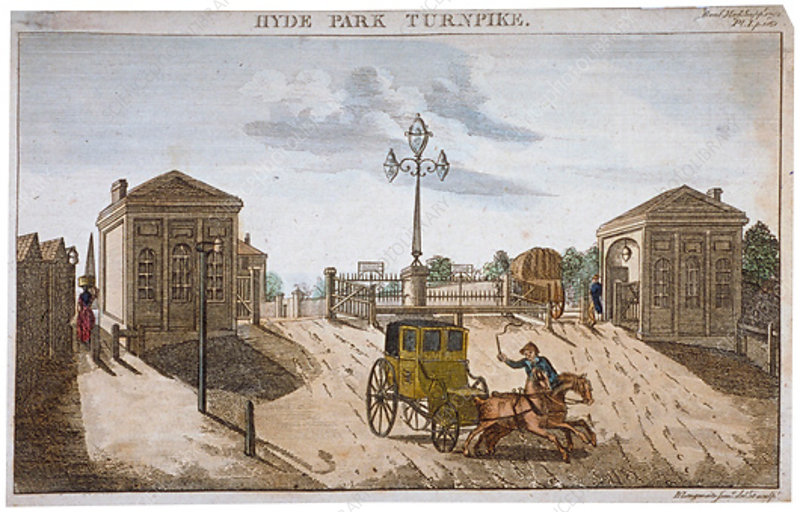
My 7 x great grandfather Gregory Wright, a gentleman who ran a successful stable and coach business, featured in two court trials. The first trial took place on 22 February 1752 at the London Sessions where Gregory gave the following evidence.

‘Gregory Wright on his Oath Saith That On or about the Fourteenth of January Instant Two Coach Door Glasses was discovered to be Stolen out of a Coach House at the Bell and Tunn Inn, Fleet Street. Aforesaid the property of William Chamberlain, esq.’

The report continued with the suggestion that the thief tried to sell the coach glasses for twenty shillings, approximately £120 in today’s money.

Eighteenth century coach and horses

The second trial, for perjury, took place on 8 April 1752 at the Old Bailey. Trials in those days were usually brief affairs, over in a matter of minutes. However, this trial received a number of witnesses and ran for some time. Details from the Old Bailey website https://www.oldbaileyonline.org/

‘Thomas Ashley, was indicted for wilful and corrupt perjury on the trial of Joseph Goddard in swearing he met Simons the Jew near Brentford-turnpike, and asked him to drink a pint of beer, that he then took hold of his beard in a joke, that the Jew held up his staff and struck him, that after that he throw’d the Jew in a ditch and scratched him in the bushes, and flung a stone which fell on his head and broke it three weeks before, Sept. 11.’

Henry Simons gave evidence through an interpreter and insisted that no one had harmed him, therefore suggesting that Thomas Ashley had committed perjury at Joseph Goddard’s trial. In his evidence, Henry Simons mentioned the Rose and Crown, an inn later owned by my Brereton ancestors.

Lettice Sergeant also gave evidence and mentioned the Rose and Crown, ‘on this side of the turnpike on Smallbury-green’. She lodged there ‘from the latter end of April to Michaelmas Day.’ She stated that Ashley was drunk, that insults were offered, but that no violence took place.

Gregory Wright gave evidence. He stated, ‘I live at the Temple-Muse, Fleet-street, White Fryars, on the 21st of August last, I set out from my house after one o’clock, for Newberry-Fair by myself, till I came on the other side Hammersmith, there Mr. Pain and Mr. Mercer overtook me; we lay at Maidenhead that night; we continued in company till we came to Newberry; upon out going between the Coach and Horses, on the other side Brentford, and the Rose and Crown Alehouse, before we came at the Turnpike, I saw one man pursuing another; we might be about two hundred yards from the Rose and Crown Alehouse; I saw it was a Foreigner by his dress, that was pursued, which made me anxious to enquire what was the matter; the man behind called out stop Thief! stop Thief! which I believe to be the prisoner at the bar; when the Jew got to us, he got between Mr. Pain’s horse and mine; the drunken man, the pursuer, scrambled up near, we kept him back, the drunken man said he is a rogue and a villain; we desired he’d tell us what he had done; he said he has drank my beer and ran away, and would not pay for it; said I if that he all, let the poor man go about his business, and what is to pay, I’ll pay it; no said he, he would not, and made a scuffle to come at the Jew; I took particular notice of the Jew, he made signs holding his hand up to his beard, we said he should desist; then he (Ashley) said to me, you have robbed me, said I if this is the case you are a villain, and if you say so again I’ll horse-whip you; we stopped him there till the Jew got near to the houses at Brentford; he was very near turning the corner where the bridge is; I believe on my oath, the Jew was at least two-hundred yards off; I turned myself on my horse, half britch, to see whether he was secure, the drunken man swore and cursed, and used many bad words; there came a woman and took hold on him, she seem’d to be his wife, she desired him to go back: he fell down, then Mr. Pain said, the man (Simons) is safe enough; the last woman that gave evidence told me nothing was the matter, that the Jew did nothing to him, he had drank none of his beer, but refused it, and that he made an attempt to pull him by the beard, with that we advanced towards the Crown Alehouse, I, and I believe Mr. Pain, stopt with me; there was the woman that was examined first, I asked her what was the matter, she said no thing at all; I said if there is anything to pay for beer that that poor Jew has drank, I am ready to pay for it; she said the Jew did no harm to the man, nor drank none of his beer.’

Eighteenth century trial at the Old Bailey

Question: ‘Had there been a stone throw’d?’

Gregory Wright: ‘I saw none throw’d, and believe the man was so drunk that he was not able to pursue or over-take him: I saw the woman at the door the time they were running, they crossed the road backwards and forwards; the Jew kept, it may be, fifteen or twenty yards before him, I kept my eye upon them from the first of the calling out stop thief!’

On his cross examination Gregory Wright said, ‘When we first heard the alarm, we believed the Jew might be within fifty yards of the alehouse, and the others about two-hundred yards from the Rose and Crown alehouse; that they were nearer that than the Coach and Horses; that they met the Jew about two-hundred yards on this side of the Rose and Crown alehouse; that we saw no blood or mark at all on the Jew, that he made no such complaint or sign to his head, but said my beard, and sign’d to it.’

Other witnesses agreed that although the mood was threatening no violence took place and that on the whole the community were protective of Henry Simons.

Question to Mr. Wright again. ‘How came you to know of this trial to give your evidence?’

Gregory Wright. ‘I was waiting at the door of the grand jury last sessions, to find a bill against a person (the stolen coach glasses); as I was leaning over the rails, I heard Lettice Sergeant talking about the affair of this Jew; the Jew I observed looked me out of countenance; I asked his interpreter what he look’d at me so hard for, he said he believed he knew me. The woman said she was come to support the cause of this poor unhappy man, and added, that in August last there were four gentlemen coming on the road when he was pursued, and he has made all the enquirey he can to find them out, and can’t find any of them; said I what time in August? she said the 21st; I look’d at the Jew, and saw he was the same man; I ask’d his interpreter whether he was pursued by any man, he said yes, he was; I said to the woman, I know the men, by which means I was brought to the grand jury about this affair; this bill and mine were in together.’

Question to Mr. Wright. ‘Did you, or any of you, tell this witness the drunken man had thrown the Jew into the ditch?’

Gregory Wright: ‘When this witness said so, it gave me a shock: we neither of us told him so. I saw Ashley down: there were none but women at that man’s house when we came there.’

Other witnesses, including thirteen-year-old Edward Beacham supported the testimony offered by Gregory Wright, while Martha James stated that Thomas Ashley was drunk, and that ‘I never saw a man so drunk in my life.’

Verdict: Guilty.

Sentence: Thomas Ashley, to stand once in the pillory at the gate of the Sessions House for the space of one hour, between the hours of twelve and one, and imprison’d during twelve months, after which to be transported for seven years.

Perjurer in the Pillory

This trial offers an insight into the local community, the legal system and Gregory’s character. He was protective of Henry Simons and was willing to meet any expense incurred by Simons at the inn. Gregory was obviously a kind and principled man; an ancestor to be proud of.

As ever, thank you for your interest and support.

Hannah xxx

Bestselling psychological and historical mysteries from £0.99. Paperbacks, brand new in mint condition 🙂
https://hannah-howe.com/store/