Categories
Dear Reader

Dear Reader #165

Dear Reader,

Coming soon, our new magazine, The Golden Age of Hollywood, available from all leading Internet outlets. Here’s a preview of the cover.

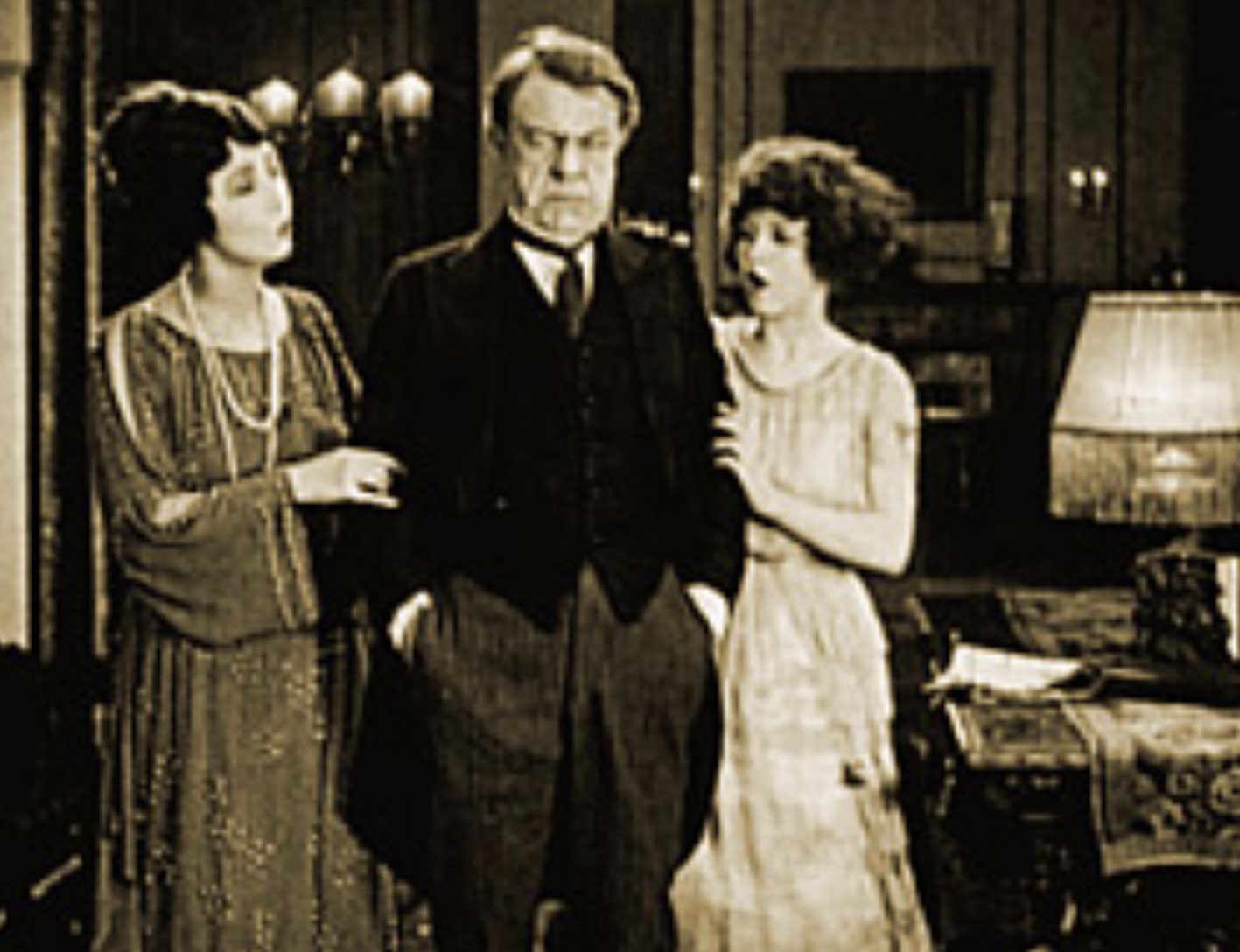
Clara Bow’s fourth movie was The Daring Years aka The Folly of Youth. The movie was produced in New York during the first half of 1923 and released on September 15, 1923.

The Daring Years was adapted from a photoplay by Richard Ellison. Clara was listed fourth on the bill, as ‘John’s Sweetheart, Mary’. Unfortunately, this movie is regarded as lost.

A silent melodrama, The Daring Years features a love triangle and a man wrongly accused of murder. The man, John Browning, is strapped into an electric chair when a lightning bolt (!) and Clara Bow save the day. 

The premise for The Daring Years, an accidental shooting, is sound, but maybe the movie could have done without the lightning bolt.

After the completion of The Daring Years, Clara embarked for Hollywood where she released a few lighting bolts of her own.

🖼 Advertisement for The Daring Years.

Joint Highest Grossing Movie of 1925: The Big Parade.

The Big Parade was a silent war drama directed by King Vidor. It starred John Gilbert and Renée Adorée. Written by World War One veteran Laurence Stallings, the movie has been praised for its realistic depiction of warfare. Furthermore, it heavily influenced a great many subsequent war films, especially All Quiet on the Western Front.

Regarded as one of the great World War One movies, The Big Parade told the story of an idle rich boy who joined the US Army’s Rainbow Division. Sent to France to fight in the war, he befriends two working class men, experiences the horrors of trench warfare, and finds love with a French girl, played by Renée Adorée.

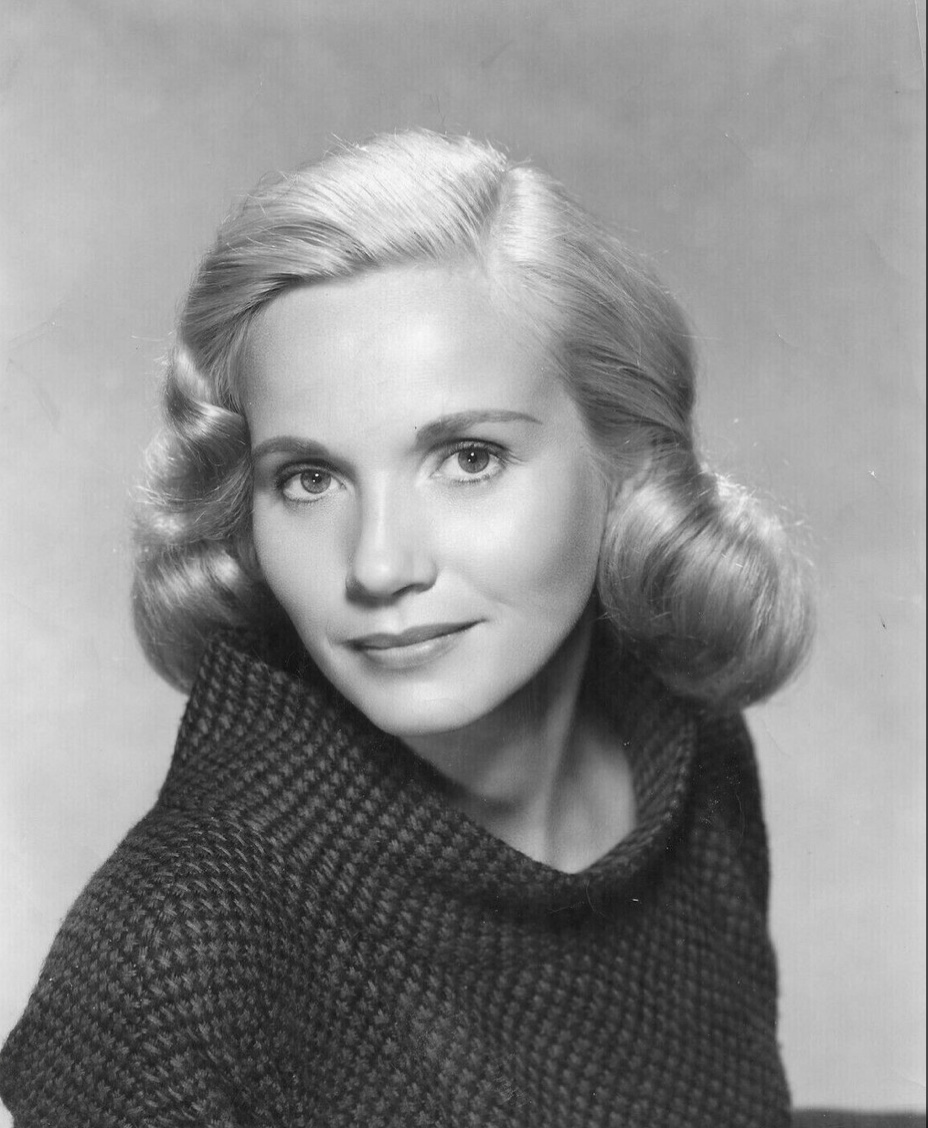
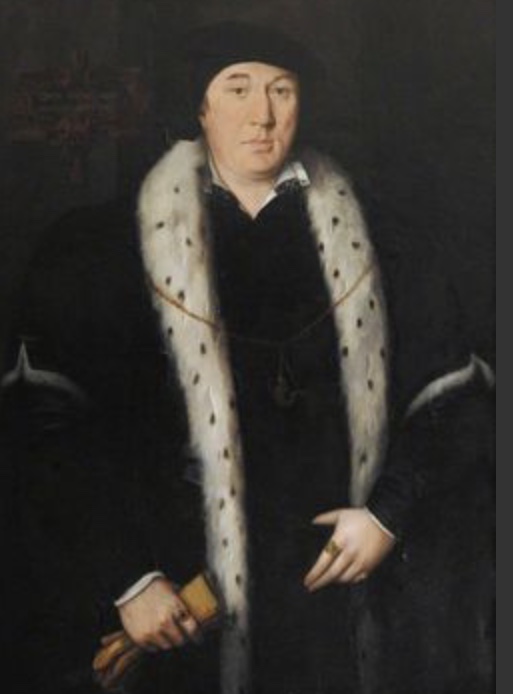
Through public records, I’m tracing the ancestry of actress Eva Marie Saint. I’ve discovered that she’s directly descended from Sir Thomas Pope, 1507 – 1559, founder of Trinity Church Oxford, Councillor to Queen Mary and Queen Elizabeth. Further royal connections are highly likely.

At this stage, I need to pause and double-check because it’s probably that one of these branches will connect with noble pedigrees.
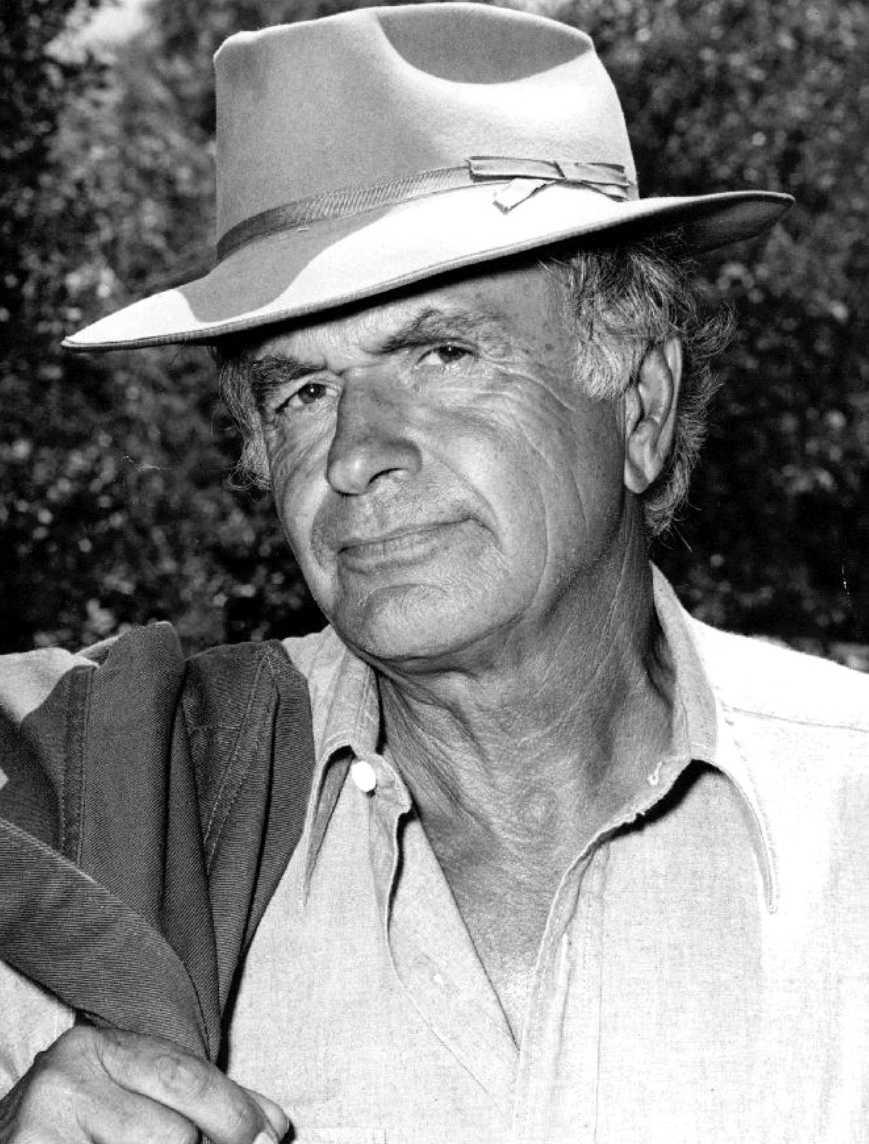
The Four Pound Brick, Series 1, Episode 20 of The Rockford Files was written by the all-female team of Leigh Brackett and Juanita Bartlett from a story by Leigh Brackett. 

Leigh Brackett wrote science fiction and fantasy, and novels in the style of Raymond Chandler. Indeed, there are noirish elements to The Four Pound Brick that suggest Chandler’s influence. Leigh Brackett also wrote the screenplay for Chandler’s classic The Big Sleep.

Rocky, Becker and Angel are well to the fore in this episode, and the closing scene with Becker in Rockford’s trailer highlights how these characters have become members of the Rockford ‘family’.

Clara Bow Quotes: “What a thrill! I was now a fully-fledged motion-picture actress, and only fourteen years old (census returns suggest that Clara was sixteen when she broke into the movies). I was the idol of the neighbourhood. Those children who had heretofore passed me by now were my staunch friends. For hours I had to relate my experiences in the motion-picture studio. This certainly was the ultimate in happiness. But little did I know how fickle Fate can be…”

Intertitle #5
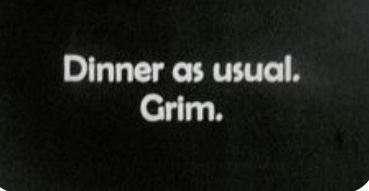
As ever, thank you for your interest and support.

Hannah xxx

For Authors

#1 for value with 565,000 readers, The Fussy Librarian has helped my books to reach #1 on 32 occasions.

A special offer from my publisher and the Fussy Librarian. https://authors.thefussylibrarian.com/?ref=goylake

Don’t forget to use the code goylake20 to claim your discount 🙂

Categories
Dear Reader

Dear Reader #164

Dear Reader,

Clara Bow’s third movie was Enemies of Women, produced in December 1922 through to January 1923. The movie was premiered in New York on March 31, 1923 and went on general release from September 2, 1923.

Enemies of Women was produced by William Randolph Hearst’s Cosmopolitan Pictures. A silent romantic drama, the movie starred Lionel Barrymore and Alma Rubens. Clara featured as an uncredited dancing girl.

This movie was made during a significant period in Clara’s life. Her mother, Sarah, had just been released from an asylum, although she was far from physically and mentally well. At home, Sarah lapsed into a catatonic state. On New Year’s Eve, she was readmitted to the asylum. She died there on January 5, 1923.

Later, Clara recalled that period of her life. “In the picture, I danced on a table. All the time I hadda be laughin’, rompin’, displayin’ joy of life. I’d cry my eyes out when I left my mama in the mornin’, then go dance on a table.”

The guilt of pursuing her dream while her mother lay dying remained with Clara for the rest of her life. That guilt added to her complex personality, and influenced the choices she later made. 

Sarah Bow was not a supportive mother – her poor mental health and negative attitude to the movies ensured that she did not guide her daughter along stardom’s treacherous path. Clara needed that guidance, but all too often she had to find her own way in the world. 

Clara was right to feel sad when Sarah died, but I think her guilt was misplaced.

🖼 Lobby card for Enemies of Women.

In 1925 Clarence Birdseye, pictured, invented a process for frozen food. Later, he invented the double belt freezer. His initial product line featured 26 items, including 18 cuts of frozen meat, spinach, peas, a variety of fruits and berries, blue point oysters, and fish fillets.

Highest grossing movie of 1924: ThSea Hawk.

The Sea Hawk was a silent adventure movie about an English noble sold into slavery. Upon his escape, he becomes a pirate. Directed by Frank Lloyd, the movie premiered on June 2, 1924 in New York.

Frank Lloyd sensed that moviegoers would not accept miniature models so, at a cost of $200,000, he created full-sized ships. The ocean scenes were filmed off the coast of Catalina Island, California. Lloyd established a mini-village to shoot these scenes, which included 150 tents, 1,000 extras, 21 technicians, 14 actors, and 64 sailors.

The film was so well made that Warner Bros used some of its battle scenes in a 1940 Errol Flynn movie of the same name. Furthermore, the studio used the life-sized replica ships in later nautical films.

Through public records, I’m tracing the ancestry of Eva Marie Saint. I’ve taken the Saint branch back to Eva’s 3 x great grandfather, Hercules Saint. I’ve discovered a lot of records relating to Hercules, but for now here are the basic facts:

Born: May 7, 1747, Perquimans County, North Carolina, USA. Father, Daniel Saint. Mother, Margaret Barrow

Married: Sarah Barrow, June 7, 1775, Perquimans Co., NC.

Died: The records contradict each other, so more research required 

Occupation: Carpenter

Religion: Quaker

Hercules’ wife and mother had the same surname, Barrow. I have yet to determine if they were related.

🖼 The Quaker record confirming Hercules’ birth.

Charlie Harris at Large, Series 1, Episode 19 of The Rockford Files had a great premise – a person who couldn’t offer an alibi in a murder case because they would incriminate themselves in an affair. Diana Muldaur played that person. As the ‘special guest star’, I felt that she was underused in this episode. I would have liked to have seen her interact more with James Garner.

This was a multi-viewpoint episode, so James Garner didn’t appear in every scene. Indeed, the opening reminded me of an episode of Columbo, with detectives and medical staff examining the victim.

The running joke in this episode was someone on the phone or knocking on Rockford’s door getting him out of bed. Some nice scenic shots during the car chases and an excellent performance from Tony Musante as Charlie Harris made this an engaging episode.

Clara Bow Quotes: “I shall never forget my first day on the set. I was just one of the mob. No one paid the slightest bit of attention to me. Being told to make up, I watched others apply deft touches of grease-paint and tried to duplicate their procedure. It was a pitiful job, I realise now, but how wonderful I thought I looked at the time. Finally, the director, Christy Cabanne, gave me a “bit”. It was a crying scene. “Can you act, kid?” he said. I was so frightened I immediately burst into tears. This seemed to please him, and before I knew it I was in front of the cameras. Even to this day I can remember his faint praise of my effort when the scene was completed.”

Intertitle #4

As ever, thank you for your interest and support.

Hannah xxx

For Authors

#1 for value with 565,000 readers, The Fussy Librarian has helped my books to reach #1 on 32 occasions.

A special offer from my publisher and the Fussy Librarian. https://authors.thefussylibrarian.com/?ref=goylake

Don’t forget to use the code goylake20 to claim your discount 

Categories
Dear Reader

Dear Reader #163

Dear Reader,

Clara Bow’s second movie was Down to the Sea in Ships, a silent romantic drama about a whaling family living in a Quaker community. The movie, made during the summer of 1922 when Clara was seventeen, was premiered on September 25, 1922 and went on general release from March 4, 1923.

Clara plays Dot Morgan who, as a baby, is found floating near the shore on a raft made of branches. Dot is a mischievous, rebellious child who wants to be a whaler when she grows up, an ambition frowned upon by her community. So, we have Clara as a tomboy rebel: perfect casting.

Clara Bow as Dot Morgan

Dressed as a boy, Dot stows-away on a ship. She is attacked by a crew member, and rescued by her friend, Jimmie, a cabin boy. The ship returns to port and the main romantic thread of the story, which does not involve Clara, unfolds.

The movie contains authentic whaling scenes and strives for realism. The critics hated it, but audiences enjoyed it. Indeed, the movie played continuously for 22 weeks in New York City.

Billed 10th, Clara received praise for her role in the movie, her natural style contrasting with the mannered approach of the other actors. 

The critics said: “Miss Bow will undoubtedly gain fame as a screen comedienne.” “She scored a tremendous hit in Down to the Sea in Ships … [and] has reached the front rank of motion picture principal players.” “With her beauty, her brains, her personality and her genuine acting ability it should not be many moons before she enjoys stardom in the fullest sense of the word. You must see ‘Down to the Sea in Ships’.”

***

The Adventures of Kathlyn, released on December 29, 1913 was a thirteen episode adventure serial, which starred Kathlyn Williams (pictured) as the heroine. 

The second serial ever made, The Adventures of Kathlyn is widely regarded as the first of the cliffhanger serials that became popular over the next decade. The serial idea was ‘borrowed’ from newspapers and magazines, and adapted for film.

Chapter one of The Adventures of Kathlyn featured a situation ending, but future episodes concluded with a sensational action sequence or stunt, held over to the following week to heighten suspense.

These serials were often tied-in with newspaper serials, boosting the newspapers’ circulation figures. For example, the Tribune announced a 10% increase in circulation as a result of The Adventures of Kathlyn’s success.

November 1922. The Flapper. “Official Organ of the National Flappers’ Flock.” “Not for old fogies”. Learn how to edjimicate a Sweet Daddy. The Definition of a Kiss. Enter the Beauty Contest and win a golden dolphin. And so much more… 

Life Magazine cover “The Flapper” by Frank Xavier Leyendecker, 2 February 1922.

Highest grossing movie of 1923: The Covered Wagon.

A silent western, The Covered Wagon charted the adventures of a group of pioneers as they travelled through the Old West, from Kansas to Oregon. Along the way they experienced desert heat, snow, hunger and an Indian attack (Native Americans who appeared in this movie included the Northern Arapaho Nation from Wyoming and Chief Thunderbird, in an uncredited role).

Lois Wilson, pictured, played the heroine, Molly Wingate. In a career spanning 1915 – 1952 she appeared in 150 movies, including the converted role of Daisy Buchanan in the 1926 silent film version of The Great Gatsby.

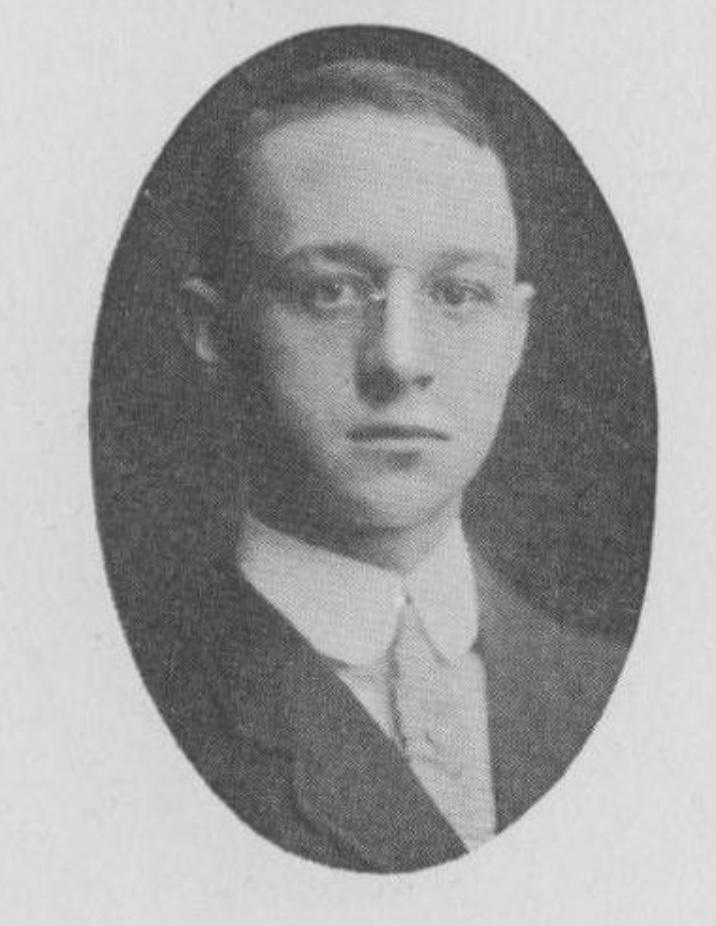
Through public records I’ve traced actress Eva Marie Saint’s ancestors back to the early 1800s. The family were Quakers for many generations. And, to my surprise, in 1810, their household contained a slave.

Slavery was abolished in America in 1865. But what of the Saint family and slavery in the period 1810 – 1865? The censuses of 1840, 1850 and 1860 provide an answer: William Saint, a farmer, was head of the household. His family, and labourers, worked on his farm. However, he did not own any slaves.

It would appear that the Saint family cut their ties with the slave trade long before the state did. I think Eva Marie Saint would be pleased to know that.

Also worthy of note, William Saint was born on 3 March 1781 and died on 24 January 1871.  He enjoyed a long life. At the time of writing this, Eva Marie Saint is 98. The Saint genes appear to be very strong ones.

Say Goodbye to Jennifer, Series 1, Episode 18 of The Rockford Files was directed by Jackie Cooper, who featured as Captain Highland in the previous episode, Claire.

The titles in Say Goodbye to Jennifer didn’t appear until 4’ 30” into the episode, a common trait for The Rockford Files, depending upon the number of close-ups in the opening scenes.

This episode made good use of dental records in identifying a victim, in an unusual way. The story was written by John Thomas James, one of his best in the first series.

A classic telephone message too: “This is Mrs Landis. Three times this month I came to clean and it always looks like people’ve been fighting in there; furniture broken, things tipped over; I’m sorry, but I quit.”

Clara Bow Quotes: In January 1921 Clara entered the ‘Fame and Fortune Contest’ organised by Motion Picture Magazine…

“Imagine my surprise when a letter arrived one day stating that I had been declared the winner. According to the rules of the contest, the winner was to be given an evening dress and also a role in a motion picture. I was in seventh heaven. My prayers had been answered. My whole future and happiness had been secured. What luck!”

The picture Clara submitted for the Motion Picture contest. She hated the picture, but couldn’t afford a replacement.

Intertitle #3 😗

As ever, thank you for your interest and support.

Hannah xxx

For Authors

#1 for value with 565,000 readers, The Fussy Librarian has helped my books to reach #1 on 32 occasions.

A special offer from my publisher and the Fussy Librarian. https://authors.thefussylibrarian.com/?ref=goylake

Don’t forget to use the code goylake20 to claim your discount 🙂

Categories
Dear Reader

Dear Reader #162

Dear Reader,

Clara Bow’s first movie was Beyond the Rainbow. Filmed in New York in 1921, when Clara was sixteen, the movie went on public release on February 19, 1922. A 16mm print of the film still survives.

The plot is a decent one: guests arrive at a party and are passed a mysterious note saying, ‘Consult your conscience. Your secret is common gossip.’  All the guests have something to hide, so panic and murder ensue.

The note was written by Clara’s character, Virginia Gardener, as a mischievous joke. It’s ironic that in her first movie Clara was the instigator of chaos because, in her own iconic way, that set the tone for her career.

Clara appeared in five scenes in Beyond the Rainbow, but strangely those scenes were cut from the final print, only to be restored when she became a star. Her billing also moved up from ninth to third when she achieved stardom.

📸 A still from Beyond the Rainbow featuring Helen Ware, George Fawcett and Clara Bow.

Do you remember those Saturday morning serials that always ended in a cliffhanger? Even though the cliffhanger was not employed in this serial, What Happened to Mary is widely regarded as the first of the genre. Released in 1912, the serial starred Mary Fuller and ran for twelve episodes.

What Happened to Mary (a statement, not a question) also appeared in The Ladies’ World magazine . It was adapted for the stage and published as a novel. The basic plot involved action, adventure and peril for the heroine.

Sadly, Mary Fuller’s star waned and from 1917 she struggled to obtain roles in film or on stage. Nervous disorders plagued her life and effectively brought an end to her career.

📸 Miriam Nesbitt, Mary Fuller and Marc McDermott in What Happened to Mary.

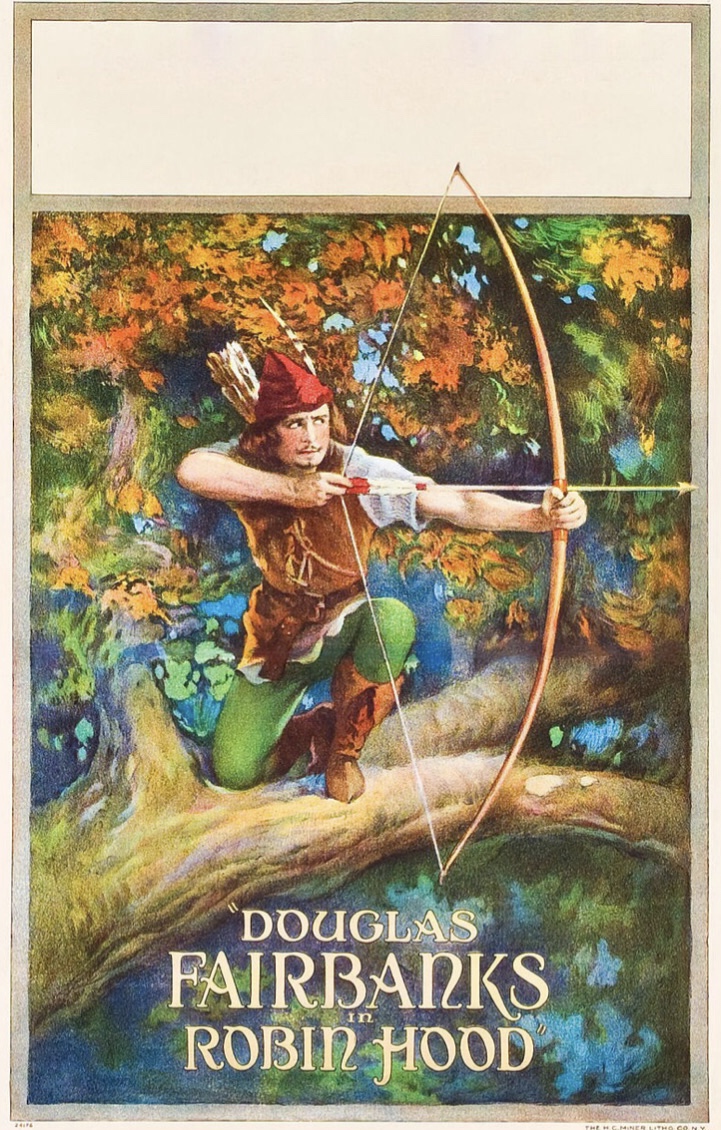
Highest grossing movie of 1922: Robin Hood.

A silent adventure film starring Douglas Fairbanks and Wallace Beery, Robin Hood was the first motion picture to receive a Hollywood premiere, held at the Grauman’s Egyptian Theatre on October 18, 1922.

The castle and twelfth century village sets were constructed at the Pickford-Fairbanks Studio in Hollywood. Wood, wire and plaster constituted the castle with wood also covering the concrete floor.

The story was adapted for the screen by Fairbanks (as “Elton Thomas”), Kenneth Davenport, Edward Knoblock, Allan Dwan and Lotta Woods. Fairbanks also played a major role in the movie’s production and distribution. 

This version of the Robin Hood legend established the elements that served later filmmakers. Indeed, the popular modern perception of Robin Hood is largely due to Fairbanks’ film.

Continuing my research into Eva Marie Saint’s ancestry using public records. I’m looking to answer two questions: was Eva’s talent the result of nurture, or nature? And why am I drawn to her as an actress? Can I find the answers to these questions in her roots?

I’ve traced Eva’s ancestry back to William Saint, born 3 March 1781 in Perquimans County, North Carolina. I discovered William in the 1810 United States Federal Census. This record also provided a shock. The census lists that the household contained a slave.

Obviously, I was aware that slavery existed at that time, but I didn’t expect to discover a slave in a Quaker household. This has given me pause for thought. I would like to understand the Saint family’s connection to the Quakers, and their connection to slavery. More research required.

NameWilliam Saint
Residence Date6 Aug 1810
Residence PlacePerquimans, North Carolina, USA
Free White Male 0 to 91
Free White Male 26 to 451
Free White Female 16 to 251
Number of Enslaved Persons1
Number of Household Members Under 161
Number of Household Members Over 251
Number of Household Members4

Claire, Series 1, Episode 17 of The Rockford Files was originally titled Lady on the Run. Linda Evans played Claire Prescott, an ex-girlfriend of James Rockford, who found herself in trouble. Naturally, she turned to Rockford for assistance.

The episode offered a prominent role to Noah Beery Jr (pictured) as Rocky, Rockford’s father. Noah Beery Jr was a character actor who specialised in warm, friendly roles. His uncle, Wallace Beery, was a prominent actor as was his father, Noah Beery Sr. Indeed, Noah Sr began his long career in silent movies.

Rocky was noticeably shorter than Rockford but, as writer Stephen J. Cannell pointed out, this was okay because, even though it is not always portrayed in movies, each generation tends to get taller.

My latest article for the Seaside News appears on page 34 of the magazine.

Clara Bow Quotes: “I was an expert in make-up, which always mystified my mother. Appearing in her presence with lips heavily smeared with red and whiteish powder, I never failed to draw the parental wrath. 

For days she searched my bedroom for cosmetics, but found nothing. The truth of the matter was that the wallpaper in our flat had a decided tinge of red colouring. I discovered that this colouring would come off quite readily, and so with the true touch of an artist I coloured my lips with dabs of tint from the paper itself by dampening my finger.”

Intertitle #2 🙂

As ever, thank you for your interest and support.

Hannah xxx

For Authors

#1 for value with 565,000 readers, The Fussy Librarian has helped my books to reach #1 on 32 occasions.

A special offer from my publisher and the Fussy Librarian. https://authors.thefussylibrarian.com/?ref=goylake

Don’t forget to use the code goylake20 to claim your discount 🙂
Categories
Dear Reader

Dear Reader #161

Dear Reader,

Some exciting news about Tula. The eBook version is now available to pre-order for the special price of £/$ 0.99. We’ll be doing a major promotional blitz on publication, and after that the price will go up. So, don’t delay, pre-order today 🙂

Chapters 16 – 19 of Tula. To enter an acting competition, Tula needs photographs of herself, but she can’t afford a professional photographer. Her father arranges a card game, and a con, to raise funds for the photographs.

📸 “I’ve Got Him Hooked!”, Colleen Moore, fishing, 1921. Taken by Frank B. Howe (no relation).

From the Lima News, Ohio, October 1928, Clara Bow in The Fleet’s In, a silent comedy. Clara played Trixie Deane, a ‘taxi dancer’. The movie was shot in San Pedro and San Francisco, June 18 – July 16, 1928, and released on September 15, 1928. Most 1920s movies were shot in a month.

The Syracuse Herald, 18 January 1931. A sensational trial that seriously damaged Clara Bow’s health and career. Clara’s secretary was accused of stealing thousands of dollars from her. Clara’s fans didn’t like any of it, and their ‘betrayal’ badly damaged her fragile self-esteem.

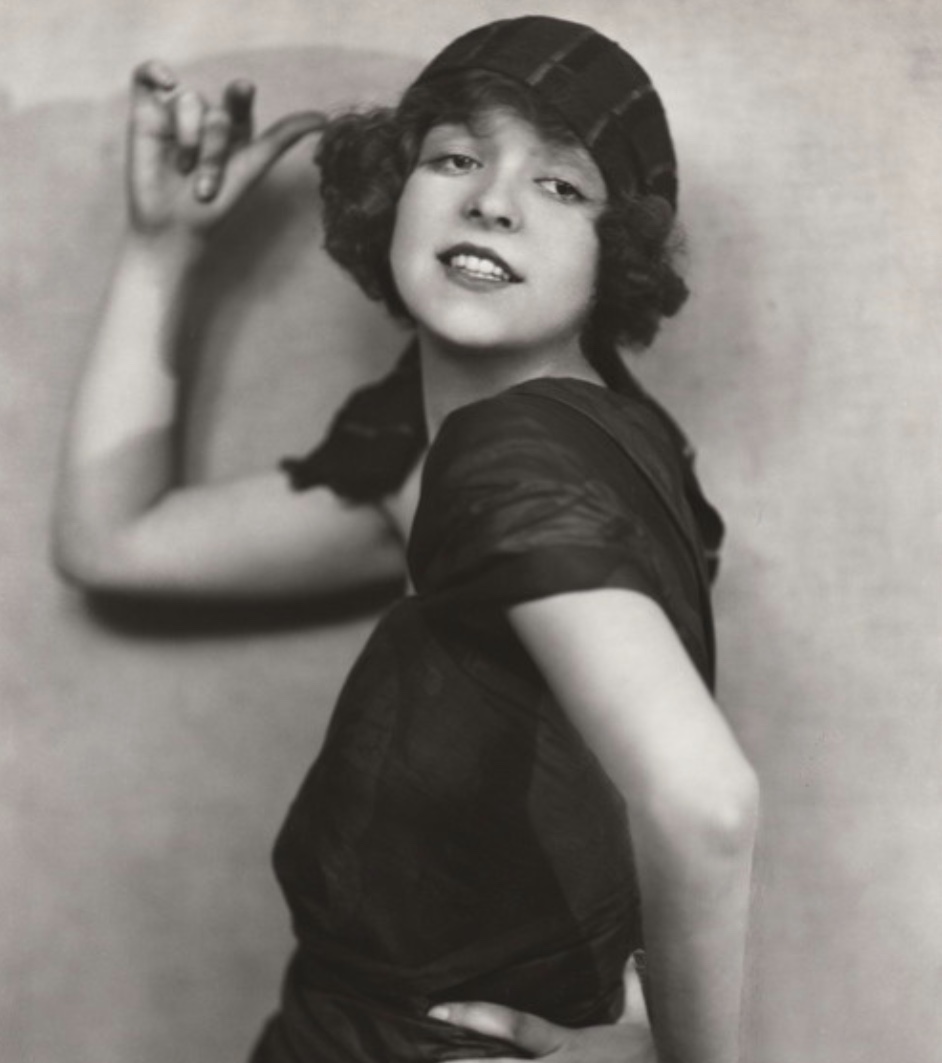
November 1924, Clara Bow, 19, second on the bill to Thunder the Marvel Dog in Black Lightning. Clara played Martha Larned, Thunder played himself. Later in her career, Clara wrestled with a huge dog in Call Her Savage. The dog was obviously well trained, but that scene took some courage.

“She was beautiful, but especially she was without mercy.” – F. Scott Fitzgerald, The Beautiful and the Damned, 1932.

In 1923, aged 18, Clara Bow appeared in Grit, a movie based on a story by Fitzgerald. Clara played Orchid McGonigle. As with all her movies, Clara stole the show.

Grit was Clara Bow’s fifth film. Based on a story by F. Scott Fitzgerald, Grit was filmed during June and July 1923 and released on January 7, 1924. A silent crime drama with a romantic subplot, Grit offered Clara a tomboy role, a role that, at that stage of her career, she excelled at. 

With no copies available from any archive, Grit is considered a lost film. In 1925 the British Board of Censors banned the movie for an undisclosed reason.

📸 Clara Bow in a still from Grit

Continuing my research into Eva Marie Saint’s ancestry using public records. I’m looking to answer two questions: was Eva’s talent the result of nurture, or nature? And why am I drawn to her as an actress? Can I find the answers to these questions in her roots?

Eva’s great grandfather was Jonathan Saint. This US Find a Grave Index links three generations of the family. I have no idea where this trail will lead, but so far it’s not going cold.

Jonathan E. Saint
Gender:Male
Birth Date:3 Jan 1822
Birth Place:Wayne County, Indiana, United States of America
Death Date:18 Sep 1855
Death Place:Henry County, Indiana, United States of America
Cemetery:Greensboro Friends Cemetery
Burial or Cremation Place:Greensboro, Henry County, Indiana, United States of America
Has Bio?:N
Father:William Saint
Mother:Ashah Saint
Spouse:Emily Grace Johnson
Children:Exelina Cain, Martha A Saint, John Quincy Saint, Mary Ella Baker

I discovered this Quaker marriage record for Jonathan Saint and Emily Grace Johnson, but no other details about the family’s Quaker connections. My next task is to see if I can learn more about the Saint’s association with the Quakers through Jonathan’s father, William.

Counter Gambit, Series 1, Episode 16 of The Rockford Files is a cool caper involving stolen pearls. This episode was written by Howard Berk and Juanita Bartlett. As the series progressed Roy Huggins’ (aka John Thomas James) influence as writer and producer faded. To fill the void the writing duties were shared by a network of writers.

In this episode, Eddie Fontaine made his third appearance as a villain, playing a different character each time. He would reappear as yet another villain in a later series.

The highlight of this episode is Stuart Margolin’s portrayal of Angel, his first appearance since the pilot episode. In total, Margolin portrayed Angel on 32 occasions, winning two Emmy Awards in the process. Rockford observes of Angel, “You make a great informer.” Angel’s response, “It’s a gift.”

Joe Santos also features as Sergeant Becker. The series is now taking shape and developing a pattern for future episodes. Interesting to note that another great TV series of this era, M*A*S*H, also took about sixteen episodes before the producers realised how best to portray their characters and the storylines that flowed from them.

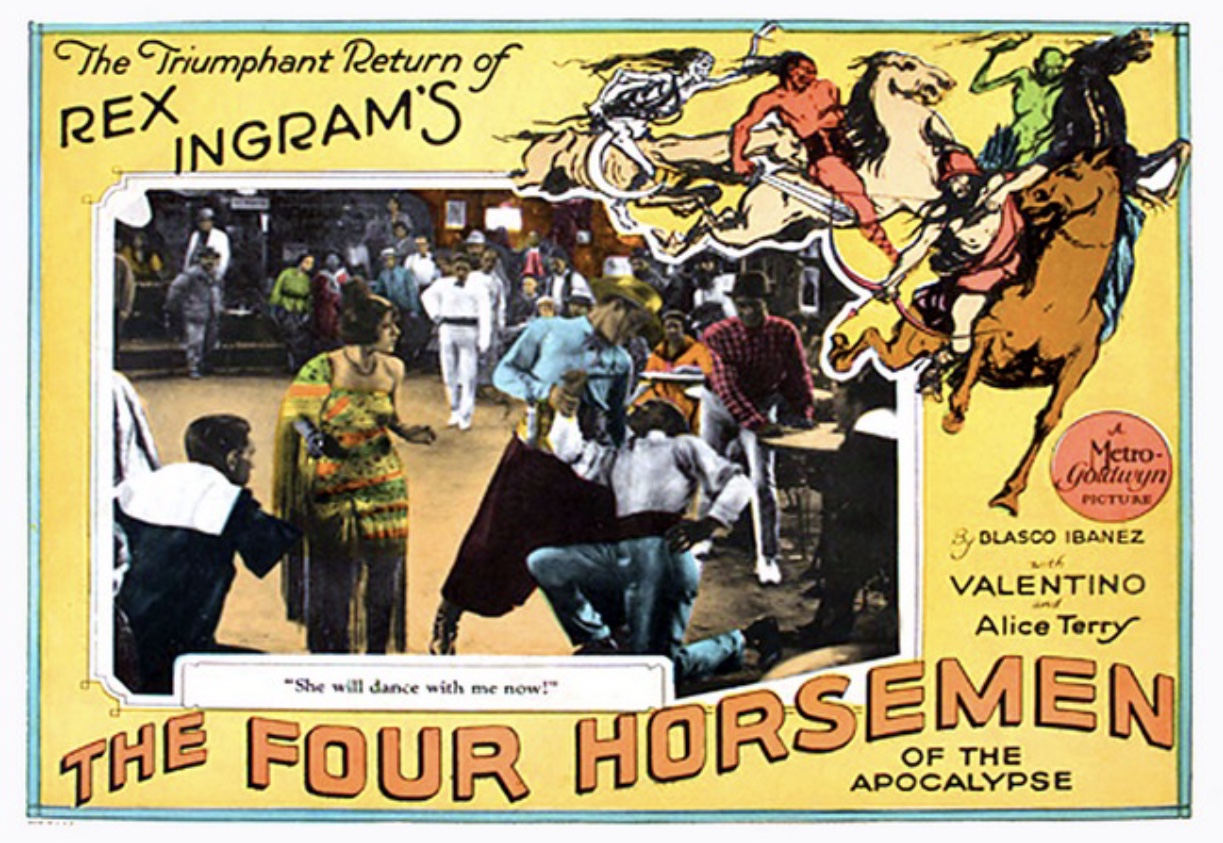
Highest grossing film of 1921: The Four Horsemen of the Apocalypse.

A silent epic war film, The Four Horsemen of the Apocalypse is widely regarded as the first true anti-war movie. The film catapulted Rudolph Valentino to superstardom. It also inspired a tango craze and a fashion for gaucho pants.

Based on a 1916 novel by Vicente Blasco Ibáñez, the film-script was written by June Mathis. The movie’s success ensured that she became one of the most powerful women in 1920s Hollywood.

🖼 Lobby card for The Four Horsemen of the Apocalypse.

Clara Bow Quotes: “Sitting there alone in the darkened theatre, I studied the movements of my favourites. I did not know good acting from bad, but instinctively something within me revolted at portrayals which, to my mind, were off-key. Alone in my bedroom at night, I would re-act the portrayal, according to my own interpretation, in front of my mirror.”

When you get intertitles like this in silent movies, who needs talkies?

As ever, thank you for your interest and support.

Hannah xxx

For Authors

#1 for value with 565,000 readers, The Fussy Librarian has helped my books to reach #1 on 32 occasions.

A special offer from my publisher and the Fussy Librarian. https://authors.thefussylibrarian.com/?ref=goylake

Don’t forget to use the code goylake20 to claim your discount 🙂