My name is Mary Hopkin. I was born on 27 August 1818 in the village of South Corneli, Glamorgan, Wales, and baptised on 20 September 1818 at St James’ Church in the nearby village of Pyle. I live with my parents Daniel Hopkin, born 1781, an agricultural labourer, and Anne Lewis, born 1783, who runs the family home.
As for my siblings, my brother Hopkin died at the age of twenty while my older sister Anne married David Price and moved fifteen miles west to Neath.
My younger sister Margaret also lives with us along with my nine-year-old niece Anne Price, and an orphan, fifteen-year-old Anne Beynon. Anne was the daughter of John Beynon and Anne Nicholl, who owned a shop in Corneli. John died in 1837 and his wife Anne in 1832. My parents did not want Anne Beynon to enter the orphanage, so they invited her into our humble home.
Seven years ago, I entered into a relationship with an agricultural labourer, Thomas Reynolds. Our relationship produced a son, Thomas. Thomas Reynolds refused to marry me. He died three years after his son was born.
I live as a single mother and earn a living making dresses and bonnets. I will tell you more about my life, my family and my village in future posts.
Midsummer’s Day 1848
Around 150 ladies of the Corneli Female Benefit Society (virtually the entire female population of the village) met at the Corneli Arms where our host David Howells entertained us in grand fashion, supplying ample quantities of tea and cake. Music started up and for many hours we “tripped the light fantastic toe” and drove our “dull cares away”. Indeed, we danced and sang until nightfall. Everyone was in their finery, and I made a dress for the occasion, dark blue to match the colour of my eyes. The bonnets were splendid too.
Autumn 1848
Why is our village called Corneli? At the market, I heard this story: Robert Fitzhamon invaded Glamorgan in the 1100s. When Fitzhamon died, he stated in his will that his mistress, his girl Nelly, should inherit our land. Therefore, the land was called Girl-Nelly, which became corrupted to Cor-neli. I think the man who told me that tale was pulling my leg.
Tula, my latest audiobook, featuring a wonderful narration by Amelia Mendez.
I never wanted to be a star. I just wanted to act in movies. I just wanted to get away from the impoverished streets of Brooklyn and live in relative comfort.
Now, at the close of the 1920s, I was the biggest name in Hollywood. My movies were the highest grossing in the business. Investors depended on me, producers depended on me, my fellow actors depended on me, and maybe the strain of that dependence triggered my emotional collapse.
Actually, I knew what trigged my emotional collapse—my father’s death. I found myself in an asylum, in the care of Dr. Brooks. Along with my fiancé, fellow actor Gregory Powell, Dr. Brooks was convinced that an underlying issue triggered my collapse, and he wanted me to record my life story, so that he could identify that issue.
Gregory had faith in me. He said he’d wait for me, and that he knew I’d make a full recovery. But to make that recovery, I had to address the underlying issue that had placed me in the asylum.
So, I offer you the notes that I prepared for Dr. Brooks. To the best of my ability and memory, I recorded the important events that made up the first 25 years of my life. And within these notes, I discovered the true reason for my emotional breakdown.
My latest translation, the Dutch version of Operation Overlord, Eve’s War Heroines of SOE book nine.
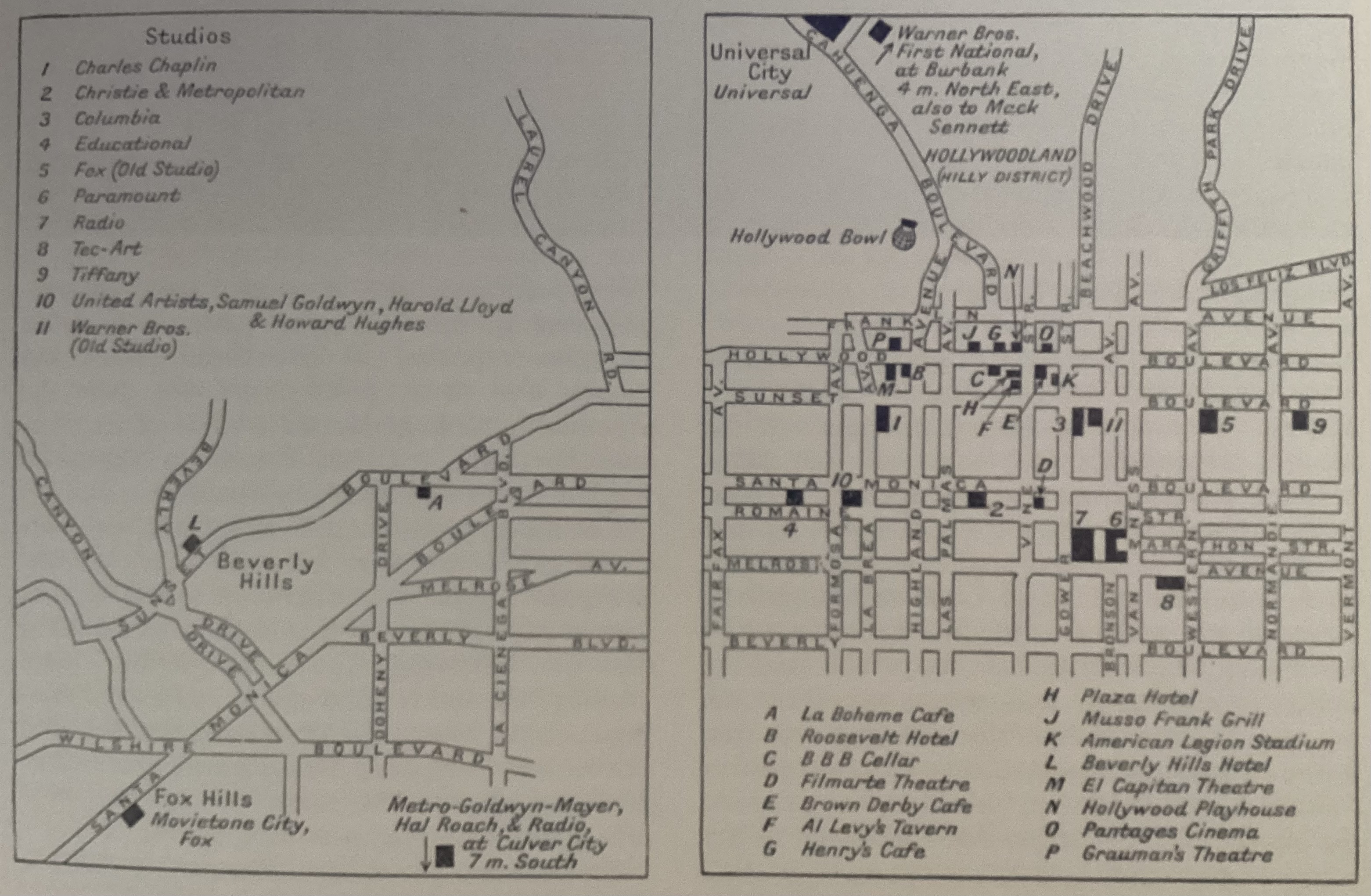
From The World Film Encyclopaedia, 1933, a map of Hollywood movie studios and notable landmarks.
I’m delving into 1948, researching material for two novels scheduled for 2024 – Eve’s Peace, a sequel to my Eve’s War Heroines of SOE series, and Dana, book three in my Golden Age of Hollywood series.
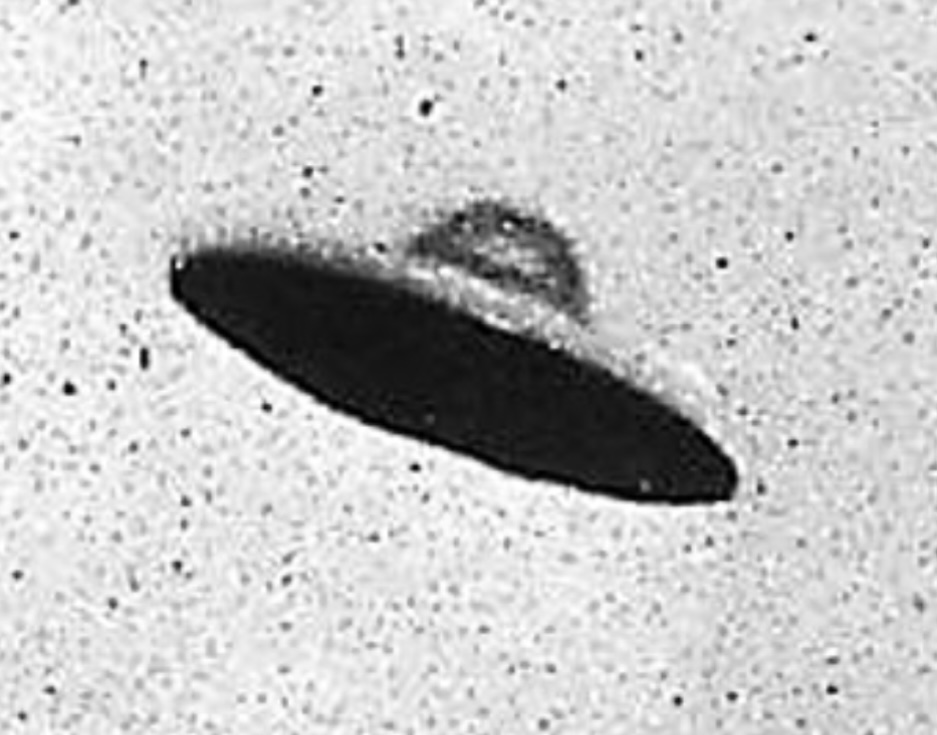
On January 7, 1948, 25-year-old Captain Thomas F. Mantell died when his P-51 Mustang fighter chased a UFO. Due to Mantell’s death, this incident marked a sharp shift in both public and governmental perceptions of UFOs. Now they were seen as not only extraterrestrial, but potentially hostile as well.
The Treasure of the Sierra Madre was released in January 1948. The movie contained a number of scenes shot on location outside the United States – in the state of Durango with street scenes in Tampico, Mexico – which wasn’t common at that time.
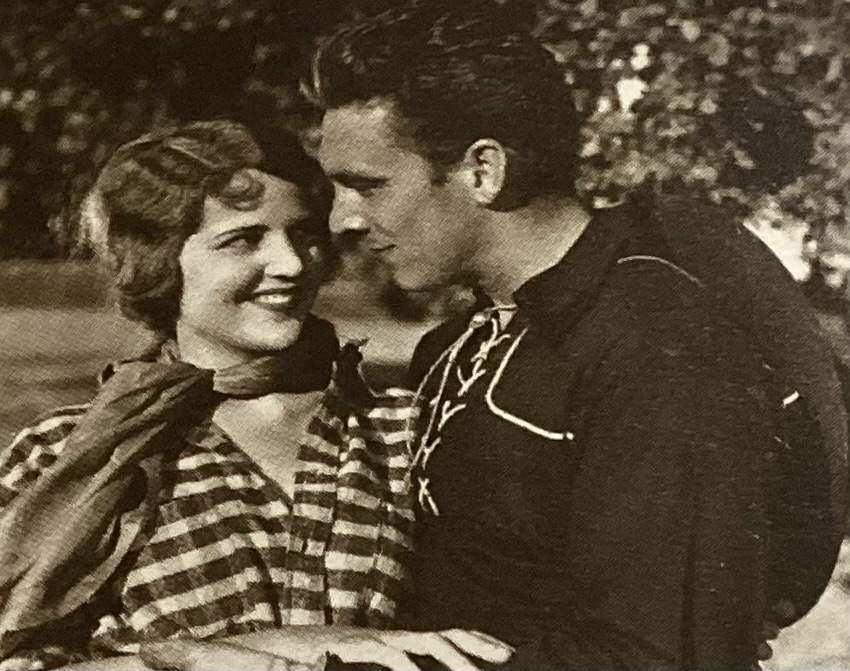
Sue Carol and George O’Brien in The Lone Star Ranger, 1930. Sue Carol was a friend of Virgina Cherrill, who made City Lights with Charlie Chaplin. Later, Sue Carol became an agent and promoted Alan Ladd to stardom. Reader, she also married him.
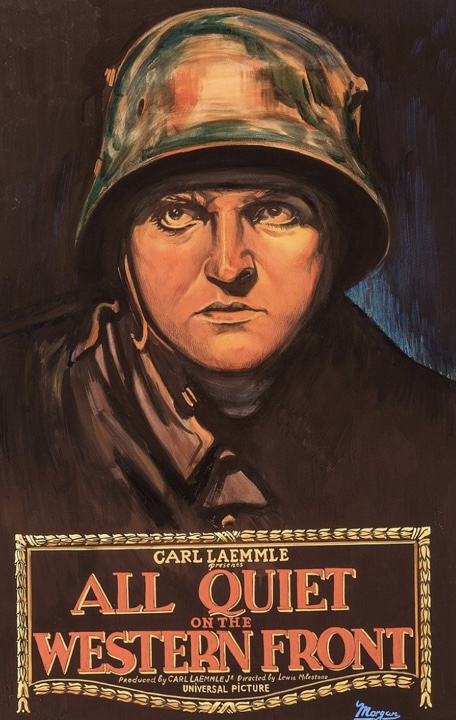
The Film Daily’s annual critics poll of 1930 produced the following result:
All Quiet on the Western Front 271 votes
Abraham Lincoln 167
Holiday 166
Journey’s End 151
= Anna Christie 141, The Big House 141
The votes were cast by 333 American film critics.
Columbo
Pilot Episode #2: “Ransom For a Dead Man”. This episode featured Lee Grant as the murderer. Lee Grant is a highly gifted and award-winning actress who was blacklisted for twelve years during the McCarthy period.
“Because Eddie Dmytryk named her husband, Lee Grant was blacklisted before her film career even had a chance to begin. Of course, she refused to testify about the man to whom she was married, and it took years before anyone would hire her for another picture.” – Kirk Douglas.
A Hollywood Murder
I’m pausing my investigation here while I pull together the various threads of the story. I reckon one of Charlotte Shelby, Carl Stockdale, or Mary Miles Minter murdered movie director William Desmond Taylor in February 1922, but which one? I will let you know when I find out…
I’m researching my family in 1921, starting with my ancestor Annie Noulton (1881 – 1963). In 1921, Annie was a widow. Her husband, Albert Charles Bick, died at the Battle of Loos, 25 September 1915 when the idiotic generals, using gas on the battlefield for the first time, gassed their own men.
Annie and her seven children, five girls and two boys, lived in four rooms at 19 Springfield Place, Lambeth. The national demographics for 1921: 47.8% male, 52.2% female. In Lambeth: 46.6% male, 53.4% female. The carnage of the First World War obviously impacted on those figures.
📜 Annie’s signature
May 1925, a taxi driver, a neighbour of my ancestor Annie Noulton, fined for reckless driving at 15mph.
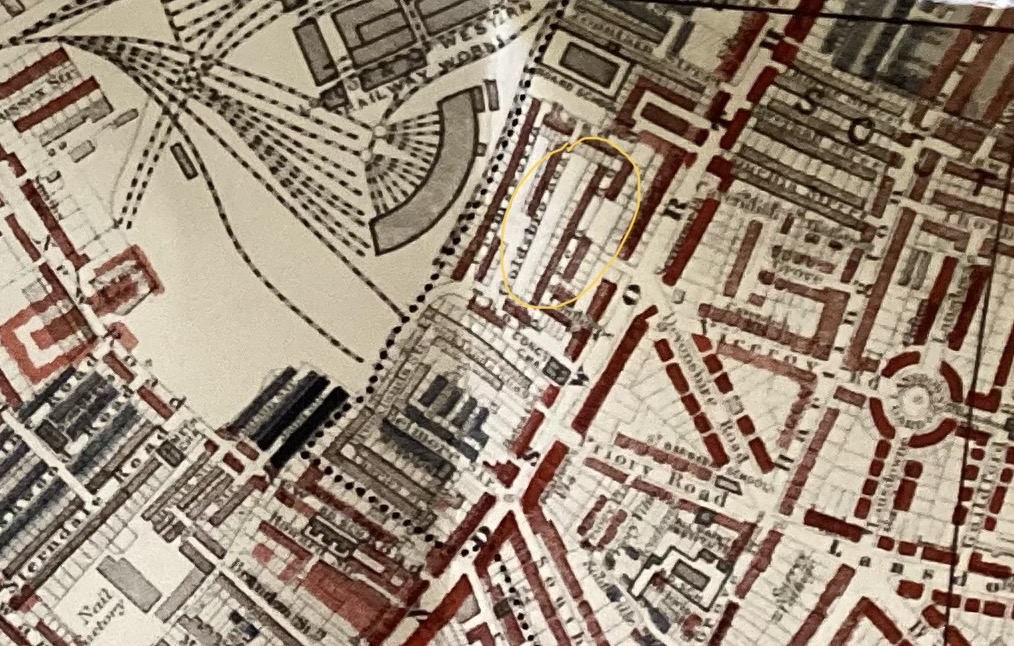
Looking at the records and seeing my ancestor, First World War widow Annie Noulton, working as an office cleaner to provide for her five daughters and two sons, and I’m taken by how hard her life was. Yet, her mother, also known as Annie, but born Nancy (it’s a long story) lived on one of the poorest streets in London, so war widow Annie was actually moving her family forward in her own quiet way. Indeed, according to Charles Booth’s poverty map, she was living in a “fairly comfortable” – “well-to-do” neighbourhood – circled in yellow.
Some exciting news. Tula, book one in my Golden Age of Hollywood series, will be an entry in the Literature Wales Book of the Year Award 2024. Although the story is set in America, I’m from Wales so the book qualifies 🙂
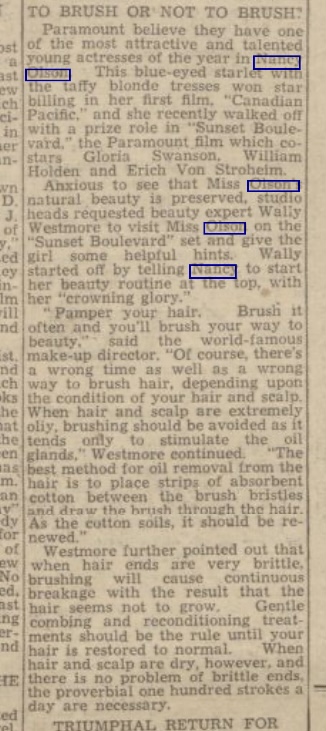
Picturegoer, January 1940, mentioning Nancy Olson’s first four films, all made within a year – Canadian Pacific, Sunset Boulevard, Union Station and Mr Music.
To Brush or Not to Brush? Hair care advice offered to budding movie star, Nancy Olson.
Sunset Boulevard: Notes on a Classic
From 1936, Billy Wilder (pictured with Gloria Swanson) and Charles Brackett collaborated on sixteen films, all critical or commercial successes. Before the filming of Sunset Boulevard, they decided this movie would be their final creative collaboration. They didn’t realise it at the time, but they were about to go out at the top.
The working title for Sunset Boulevard was A Can of Beans. Billy Wilder chose that title because he wanted to keep the studio in the dark about the movie’s Hollywood premise.
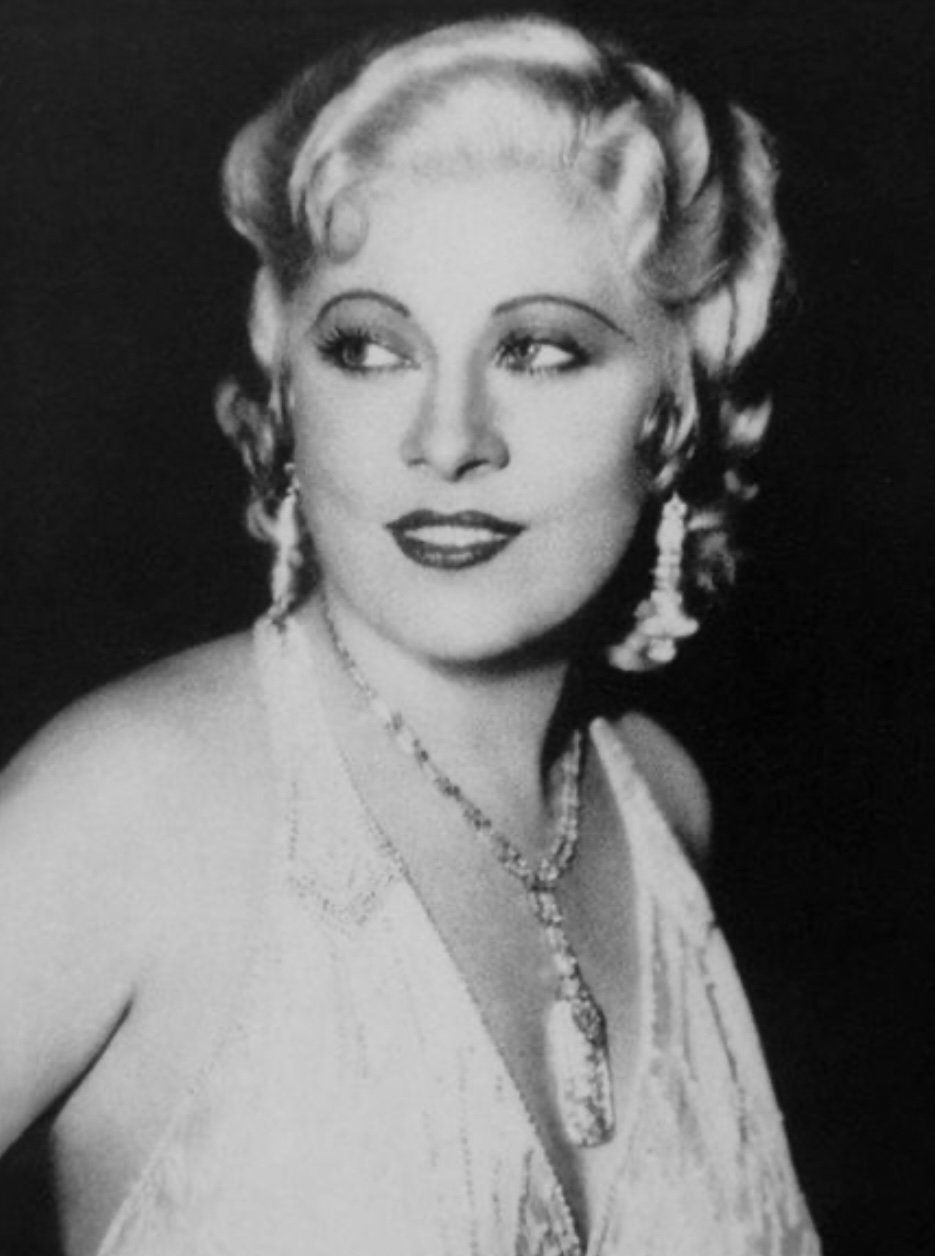
Before casting Gloria Swanson as Norma Desmond in Sunset Boulevard, Billy Wilder considered Mae West for the role. However, Mae West wanted to change her dialogue, and Billy Wilder was obsessive about his scripts, so that idea was a non-starter.
Columbo
Pilot Episode #1: “Prescription: Murder”. Adapted from a stage play in 1968, the first pilot episode revealed Columbo as a more sartorial, more aggressive character. Columbo’s trademark raincoat was present, although he tended to carry it. When questioning suspects, he sometimes displayed anger. The character was finding his feet. Gene Barry guest-starred in this episode, playing a suitably suave murderer.
A Hollywood Murder
Mary Miles Minter (born Juliet Reilly; April 25, 1902 – August 4, 1984) was a child actress who also enjoyed success as a young adult. She appeared in fifty-three silent movies from 1912 to 1923.
Even though he was thirty years older than her, maybe because he was thirty years older than her, Mary was madly in love with William Desmond Taylor. However, as with Mabel Normand and other actresses who professed their affection, Taylor did not return that love, preferring a working and friendly relationship.
Mary’s mother, Charlotte Shelby, changed Mary’s name from Juliet Reilly when some states in America deemed that Mary was too young to appear on stage. Charlotte used the name and birth certificate of a dead relative who was older than Juliet/Mary.
Many critics did not rate Mary as an actress. “Mary Miles Minter was far prettier than Mary Pickford, but she, unlike Miss Pickford, could not act. Although it must be admitted that when a star is as lovely to look at as Mary Miles Minter, acting does not really matter.” – Director, Edward Sloman.
Mary Miles Minter was a suspect in the William Desmond Taylor murder scandal. However, District Attorney Woolwine was a close family friend, so the investigation into her possible guilt did not go anywhere.
My latest Hollywood article for the Seaside News appears on page 41 of the magazine.
I’m delving into 1948, researching material for two novels scheduled for 2024 – Eve’s Peace, a sequel to my Eve’s War Heroines of SOE series, and Dana, book three in my Golden Age of Hollywood series.
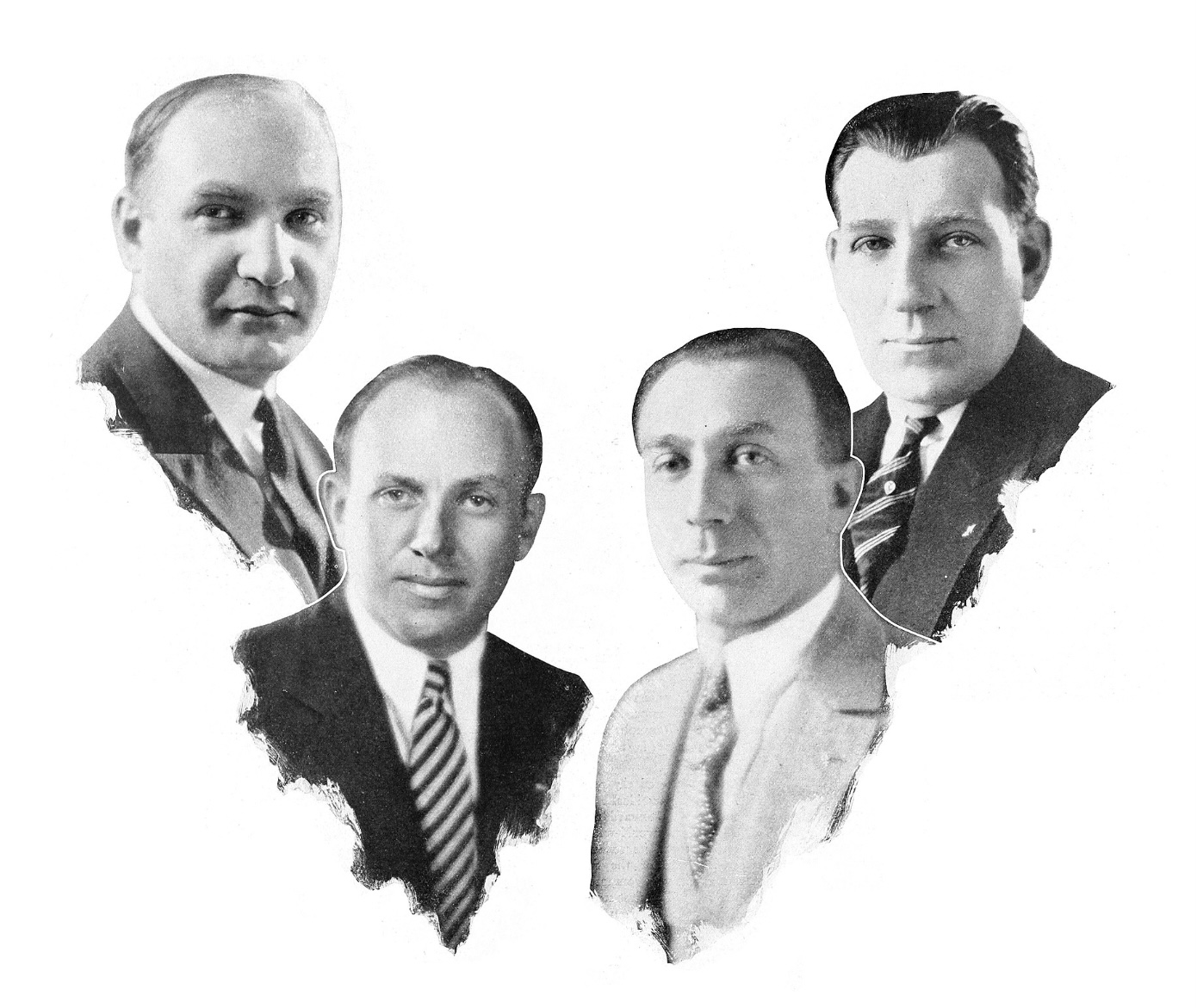
In 1948, Warner Brothers released the first colour newsreel, which featured the Tournament of Roses Parade and the Rose Bowl Game. Pictured, the Warner brothers Albert, Jack, Harry and Sam.
1948, “the year sex was invented”. Actually, it was the year when Alfred Kinsey published the first of his two reports into sexual behaviour. His second report followed in 1953. Controversy ensued.
Director Robert Z. Leonard enjoying a close-up view of Clark Gable and Joan Crawford in Dancing Lady, 1933.
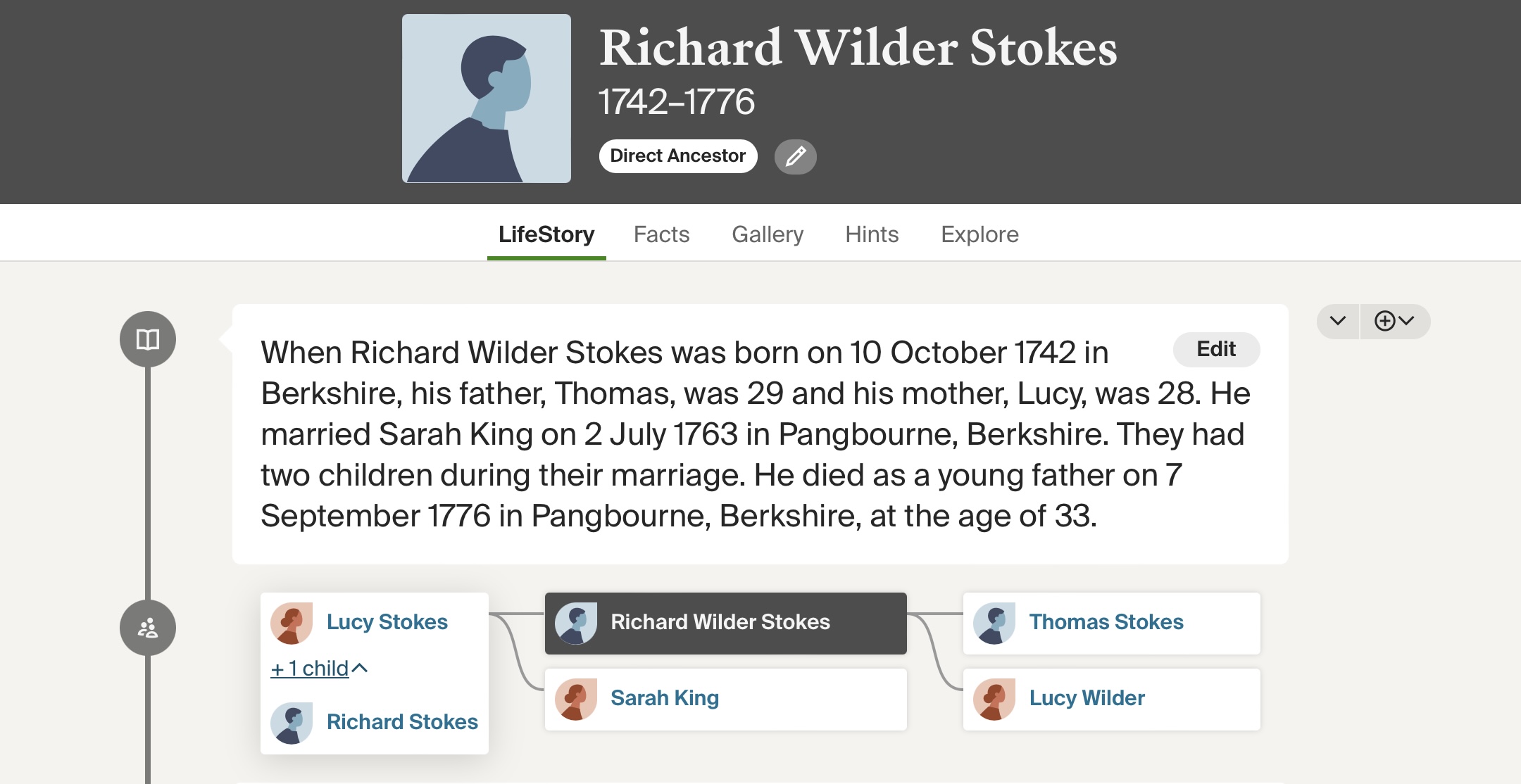
I’m researching the Wilder branch of my family tree, which begins with my 6 x great grandfather Richard Wilder Stokes. Richard’s father was a cordwainer and he apprenticed others in the trade. There is no record of Richard’s trade or the children he fathered in his twenties. Richard’s father died a few months before him, his mother a year later, and his wife two years after that. Smallpox was rampant in the 1700s, so maybe that was the cause.
My 7 x great grandmother Lucy Wilder was baptised on 8 December 1714, the middle child of nine. Her father Richard was a prosperous boat builder and, as a churchwarden, a leading member of his community. Lucy gave birth to three children, probably more – not all the parish records have survived. Most married women of the period gave birth every two years, but Lucy gave birth every three years. She married her husband Thomas on a Friday.














 Hannah Howe