Categories
Dear Reader

Dear Reader #217

Dear Reader,

Coming soon, the audiobook version of Tula, book one in my Golden Age of Hollywood series, featuring a wonderful narration by Amelia Mendez.

Clara Bow’s fifty-seventh and final movie was Hoopla, produced between September 2 and November 9, 1933, and released on November 30, 1933. Clara played Lou, an amoral cooch dancer.

Clara hated her role, but appeared in the movie to fulfil her contract. She was unhappy about the whole production. However, the critics loved her performance and the film.

Variety: “A more mature performance, which shows an improved actress. She looks and photographs extremely well. Bow seems ripe to comeback strongly and this performance will help plenty.”

Sadly, Clara disagreed. “I’ve had enough. I don’t wanna be remembered as someone who couldn’t do nothin’ but take her clothes off. I want somethin’ real now.” Clara found that reality as a housewife and mother. She quit the yellow brick road for life on a ranch.

Clara was still in her twenties and had plenty to offer as an actress. She still had “it”. As she developed as a person, her performances would have become even more mature, stronger. If offered the right parts, she could have made classic movies and be remembered for the great talent she was.

To appreciate Clara’s talent, I would recommend her second film, “Down to the Sea in Ships”. In that film, Clara’s youthful ability is on display, and you can see why the producers developed her role and added more scenes for her to appear in.

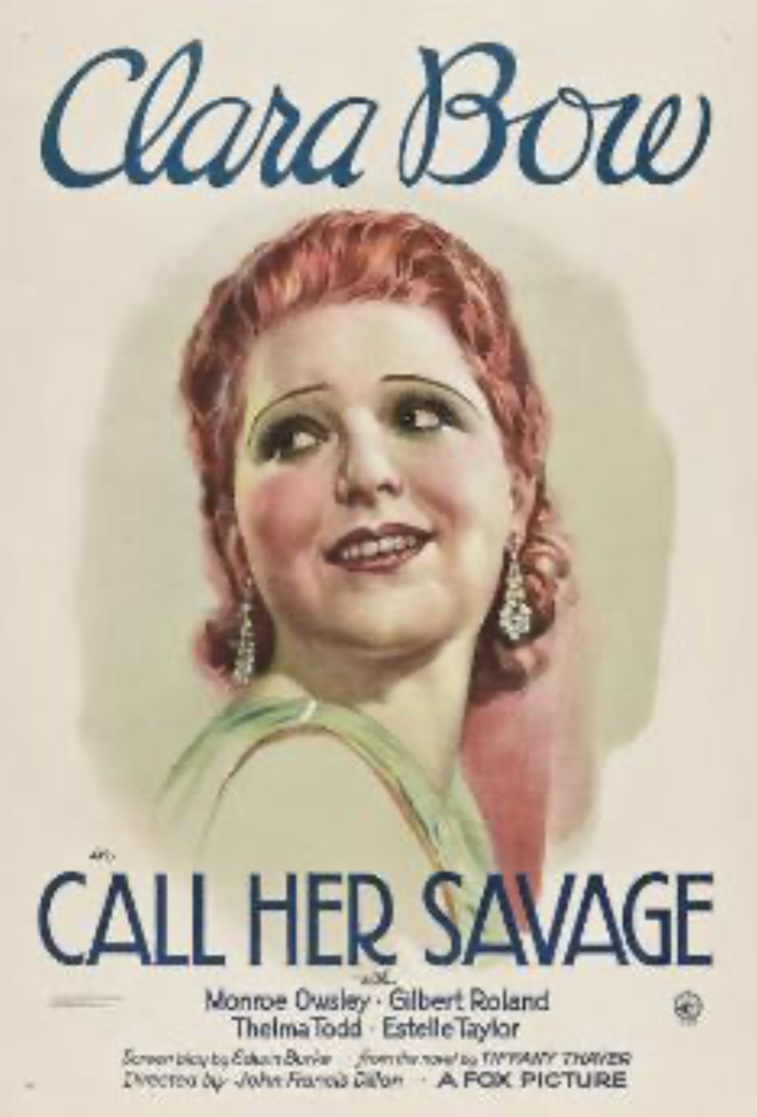
I would also recommend her penultimate film, “Call Her Savage”. This film is over-plotted – it’s half-a-dozen films in one, but with so much going on at least the movie offered Clara an opportunity to display her wide range of acting talents.

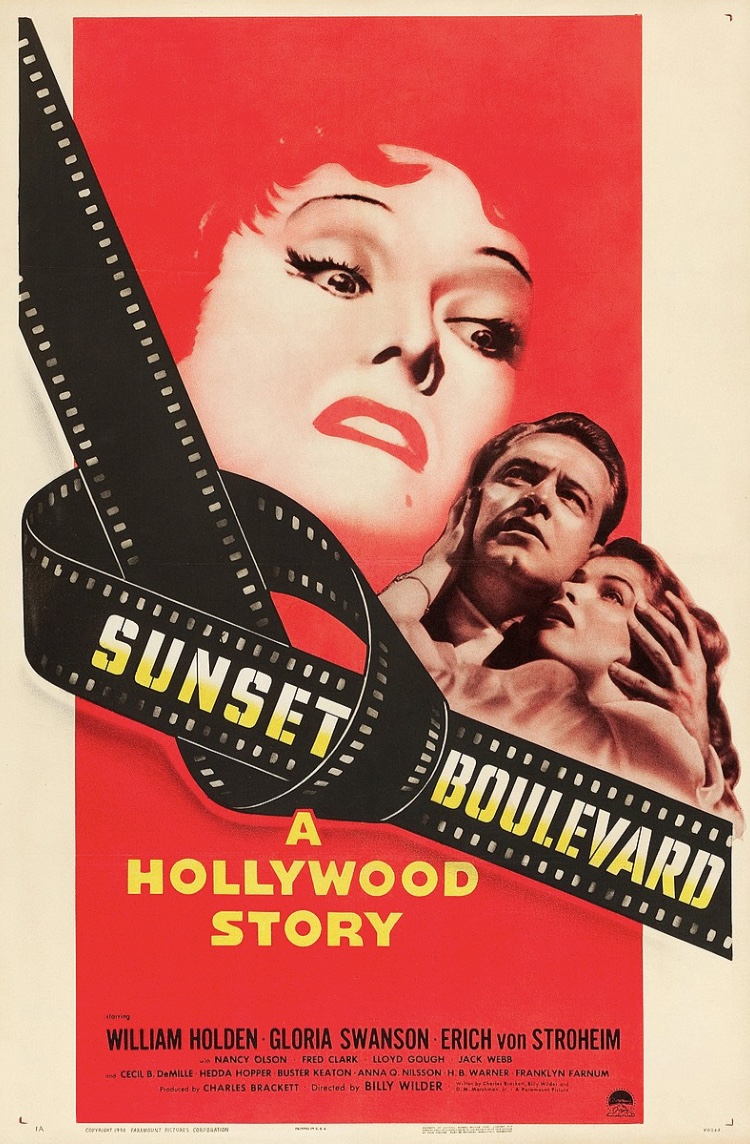
I’m doing some in-depth research on the movie Sunset Boulevard. Here’s my second note.

Sunset Boulevard: Notes on a Classic

“A great big white elephant of a place. The kind crazy movie people built in the crazy twenties.” – Joe Gillis in Sunset Boulevard.

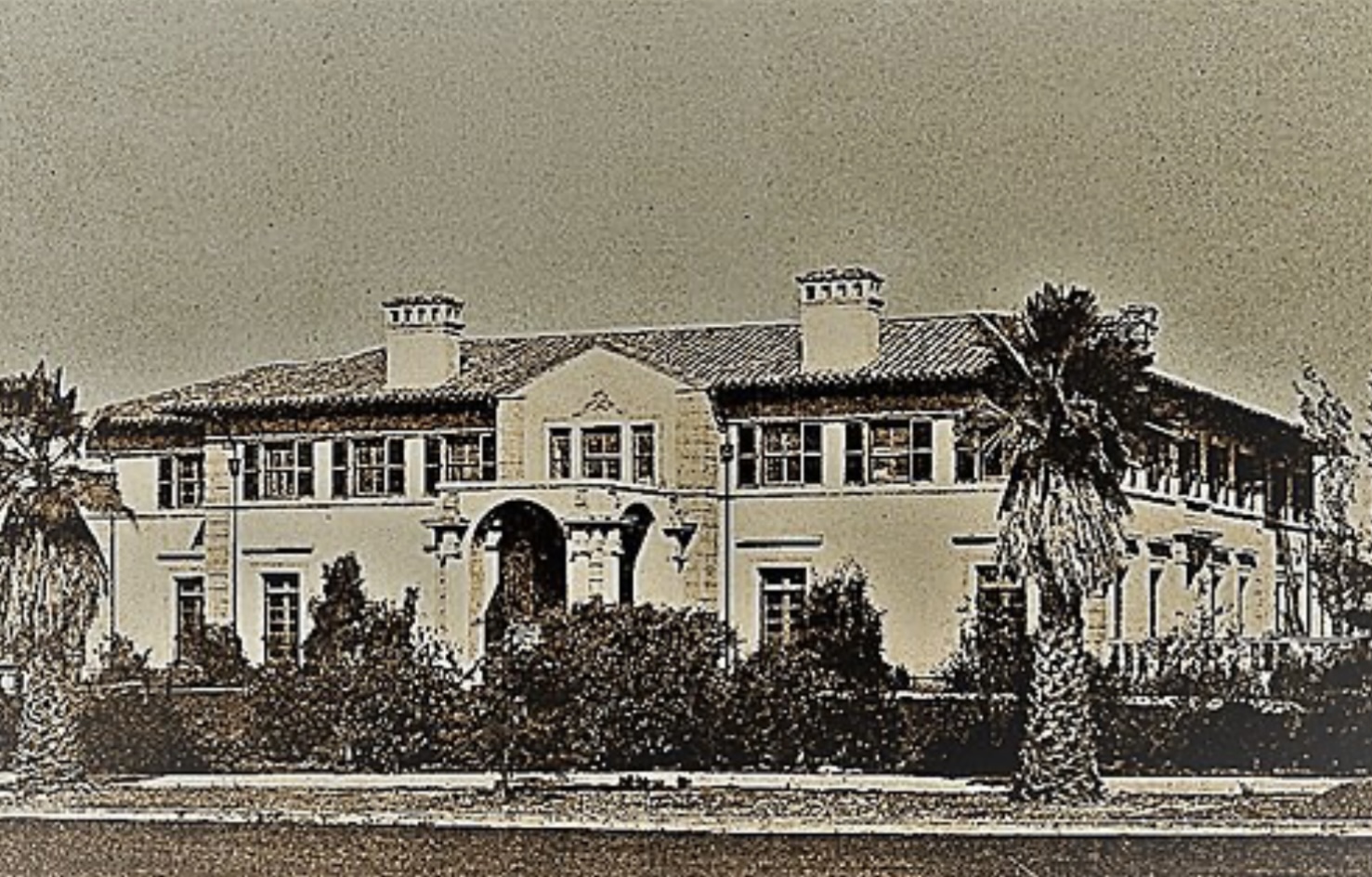
📸 The William O. Jenkins House, also known as the “Phantom House”, built for businessman William O. Jenkins in 1922 and 1923, Norma Desmond’s house in Sunset Boulevard.
An Isotta Fraschini Tipo 8A, Norma Desmond’s car in Sunset Boulevard.

Norma Desmond: “We have a car. Not one of those cheap things made of chromium and spit but Isotta Fraschini. Have you ever heard of Isotta Fraschini? All hand-made. It cost me twenty eight thousand dollars.” That’s around $500,000 in today’s money.

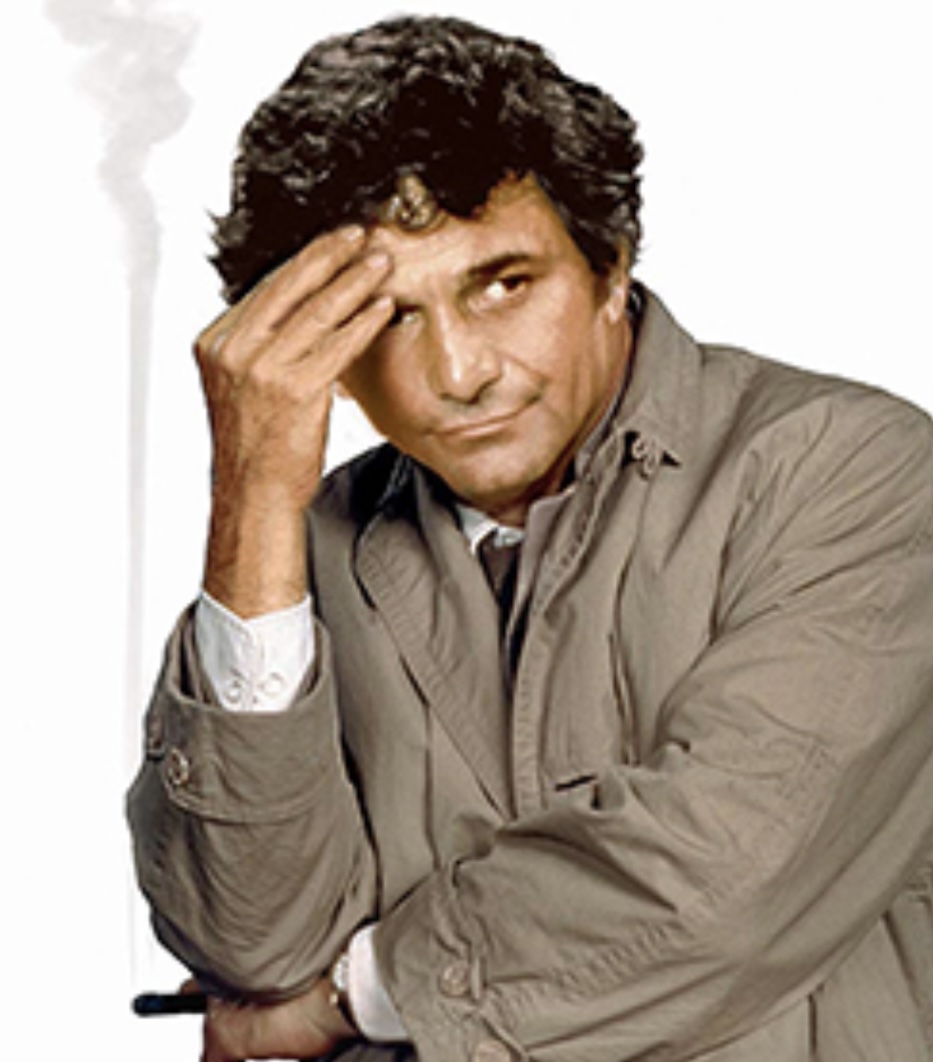
Columbo – Season One, Episode Six: “Lady in Waiting”.

Susan Clark played the murderer in this episode, psychologically one of the best of the first series. Leslie Nielsen played her fiancé. Leslie Nielsen (pictured: Wikipedia) was so good in The Naked Gun series that I struggle to take his straight roles seriously. That said, he’s very good in Columbo and his scenes with Peter Falk are a highlight.

A Hollywood Murder

The professional hitman hired by drug runners theory is one of the weakest in the Taylor case. I include it here because it features in newspaper reports, occasionally.

I’ve searched a newspaper database containing 883,643,177 articles using the keywords “William Desmond Taylor” and “drugs”, covering the period 1900 – 1949. My search returned 14 items. Most of those items were false leads with the word “drug” on the same page as “Taylor”. Some of the articles suggested that Taylor was a drug pusher. Two suggested that he was murdered by a drug pusher. None of the articles suggested that Taylor was an anti-drug campaigner. If he was campaigning against drugs in Hollywood, his campaign did not capture the media’s attention.

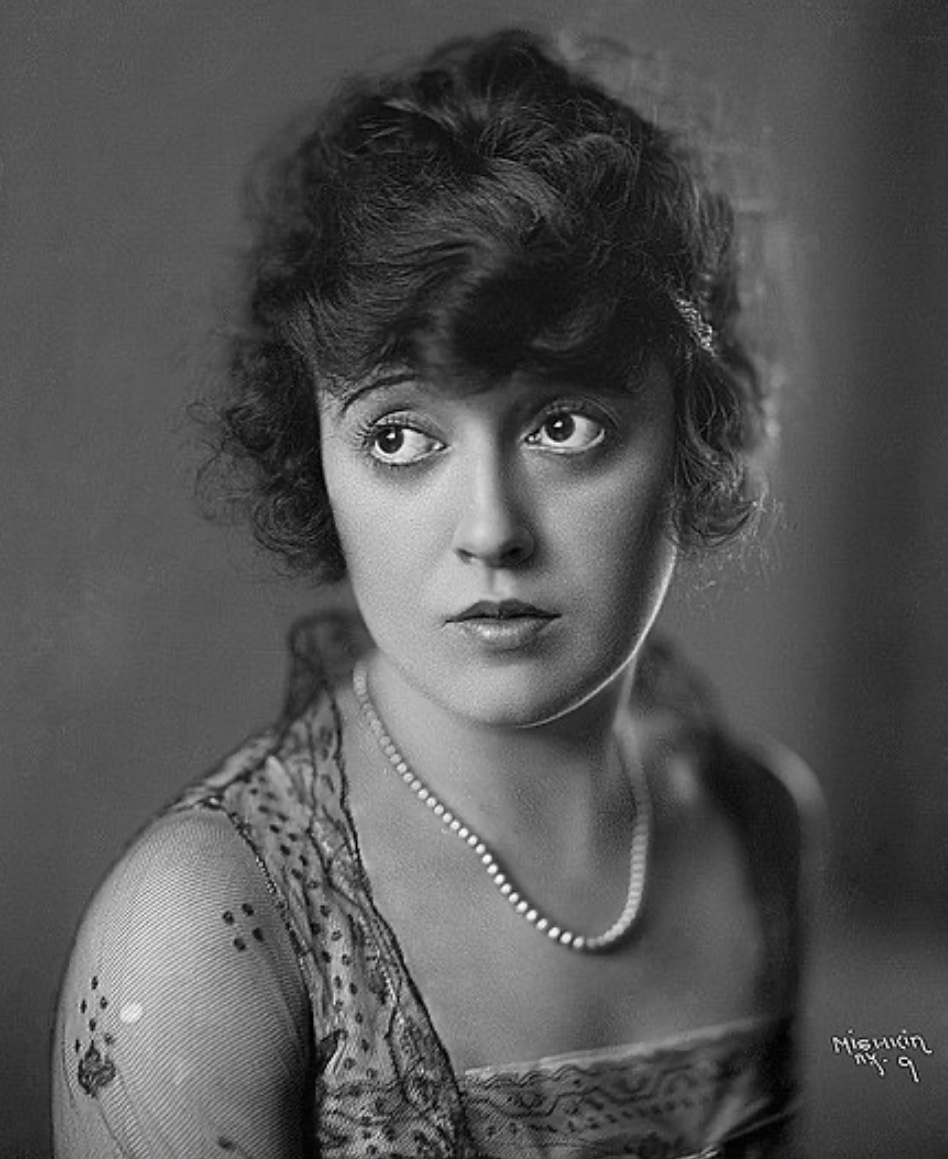
Some reports suggest that Mabel Normand was a drug addict. To date, I have not read anything to confirm that. If Mabel was an addict, as a friend it would be understandable if Taylor tried to help her. In trying to help her, he might have talked with studio bosses, who also had good reason to banish drugs from their sets.

The newspapers made no mention of drugs in association with William Desmond Taylor before his murder. The drug angle only featured in some newspapers after his death. Before his death, there was no indication in the media that Taylor was leading an anti-drug campaign.

Some moviemakers were vociferous in their stance and making anti-drug movies in the early 1920s. Director Graham Cutts made Cocaine. He was not murdered. Director Irving Cummings made The Drug Traffic. He was not murdered. Director Norton S Parker made The Pace That Kills. He was not murdered. Numerous people in Hollywood were spreading the anti-drug message in the 1920s and 1930s. Gangsters did not murder them.

As I stated earlier, if Mabel Normand was a drug addict, it would be understandable if William Desmond Taylor tried to help her. Maybe she informed him of her drug suppler and he informed the studio bosses, who in turn informed the police. Corruption was rife. Many officials in the police were on the take. They already knew who was supplying the Hollywood community with drugs, and were prepared to turn a blind eye.

The problem remains: Mabel, or another actor, is still an addict. Even if movie executives banned drug pushers from the studio lot, the addict will get his drugs from elsewhere. And the regular round of parties so beloved of Old Hollywood would offer the drug pushers an opportunity to create new addicts; they would not need access to the studio lot.

With the police in his pocket, effectively waving the drugs through, only an idiot would murder a high profile person, stir up a hornets’ nest, and attract unwanted attention.

If the Eight O’Clock Man murdered William Desmond Taylor, I don’t think he was a professional hitman hired by gangsters, so I’m inclined to place him low on my list of suspects. I would place a second-rate hitman hired by gangsters slightly higher, but still low down on my list.

As Kevin Brownlow and John Kobal wrote in their book, Hollywood: The Pioneers – “A theory was put forward that Taylor had been taking on the drug racket single-handed, in the hope of curing his friend, comedienne Mabel Normand, of addiction, but this proved to be desperate publicity in the face of unpalatable evidence.”

I’m starting a new feature on my website and social media looking at 20th century movies and music through the life of Nancy Olson. Nancy came to prominence in 1950 through her Oscar nominated performance in Sunset Boulevard. She married twice, to lyricist Alan Jay Lerner, and to Capitol Records executive Alan W. Livingston. Nancy is 95 and I think her life story is fascinating. I hope you will enjoy the items I intend to share.

American television, February 2, 1960. Do you remember any of these films and programmes?

Social media https://toot.wales/@HannahHowe

As ever, thank you for your interest and support.

Hannah xxx

For Authors

#1 for value with 565,000 readers, The Fussy Librarian has helped my books to reach #1 on 38 occasions.

A special offer from my publisher and the Fussy Librarian. https://authors.thefussylibrarian.com/?ref=goylake

Don’t forget to use the code goylake20 to claim your discount 🙂

Categories
Dear Reader

Dear Reader #216

Dear Reader,

Clara Bow’s fifty-sixth movie was Call Her Savage, produced between September 12 and November 2, 1932, and released on November 27, 1932. Clara played Nasa “Dynamite” Springer.

Call Her Savage was over-plotted, a common trait of late silent movies and early talkies, with “hardly a thought above the navel”. However, Clara was excellent offering one of the best performances of her career. Variety said, “Bow’s greatly improved acting technique is an added element of strength. She is abundantly capable of holding any audience’s attention.”

The Film Daily said, “Looking like a million dollars, acting better than she ever did, and playing a role that requires her to pretty near run the gamut of feminine moods and modes, Clara Bow makes a whirlwind comeback.” Make no mistake, Clara Bow could act. She could portray any emotion.

Carl Stockdale played a bit part in this movie, as Mort. I believe that Stockdale was involved in the murder of movie director William Desmond Taylor in early February 1922. I’m certain that Stockdale offered Charlotte Shelby a false alibi, and maybe he pulled the trigger, or was with the murderer on that perfidious night.

Columbo – Season One, Episode Five: “Short Fuse”. For me, this episode of Columbo was a mixed bag containing one of the worst plots – exploding cigars – and two of the best guest stars – Ida Lupino (pictured) and Anne Francis. The ladies deserved better material. In the first cable car scene, Columbo was terrified, while in the cable car denouement, he was calm. The series had to improve. Thankfully, it did.

A Hollywood Murder

Who murdered movie director William Desmond Taylor in February 1922?

From day one, the police ruled out robbery as a motive. Here’s why.

In William Desmond Taylor’s pockets, investigators found a wallet containing $78 (the equivalent of $1,300 today) a silver cigarette case, a Waltham pocket watch, a penknife, a locket bearing a photograph of actress Mabel Normand, plus a two-carat diamond ring on Taylor’s finger.

The Taylor case is complex because the investigation was conducted through a haze of corruption. Also, the movie studios were desperate to deflect blame away from Hollywood. As Karl Brown actor, cinematographer, screenwriter, and film director said:

“Somebody at the studio had a bright idea. Instead of giving them one or two red herrings, give them a multiplicity of them. Let them leap into the saddle and gallop off in all directions. I don’t know of anyone in Hollywood who could have been connected with Bill Taylor who was not implicated in this murder. I honestly believe that the Virgin Mary herself would have been pulled into this thing if she’d been around at the time.”

Karl Brown

Did a hit man murder Taylor? More next time.

*****

Hollywood Gossip, October 1942

Research for my novel Sunshine, book two in my Golden Age of Hollywood series.

American stars joining the Forces.

Hollywood Gossip, October 1942

Research for my novel Sunshine, book two in my Golden Age of Hollywood series.

Humphrey Bogart refuses to kiss Ingrid Bergman.

I’m doing some in-depth research on the movie Sunset Boulevard. Here’s my first note.

Sunset Boulevard: Notes on a Classic

In 1939, Billy Wilder made a note, “Silent movie star commits murder. When they arrest her she sees the newsreel cameras and thinks she’s back in the movies.”

Ten years later, he made the film.

Social media https://toot.wales/@HannahHowe

As ever, thank you for your interest and support.

Hannah xxx

For Authors

#1 for value with 565,000 readers, The Fussy Librarian has helped my books to reach #1 on 38 occasions.

A special offer from my publisher and the Fussy Librarian. https://authors.thefussylibrarian.com/?ref=goylake

Don’t forget to use the code goylake20 to claim your discount 🙂
Categories
Dear Reader

Dear Reader #215

Dear Reader,

Clara Bow’s fifty-fifth movie was Kick In, produced between February 25 and March 26, 1931, and released on May 23, 1931. Clara played Molly Hewes. Mike-fright and an inability to deliver her lines gripped Clara during this production. Constantly, her gaze was drawn to the microphone that hung above her head like the Sword of Damocles. 

“This ain’t no life,” Clara conceded after storming off the set. “The fun’s all gone.” 

Clara would make more movies, but her dream had faded. Her heart was no longer in Hollywood.

Columbo

Season One, Episode Four: “Suitable for Framing”. Set in the art world, critic Dale Kingston (Ross Martin) murders his uncle and tries to frame his aunt (Kim Hunter) so that he can inherit his uncle’s valuable art collection. He also murders his lover and accomplice in the crime, art student Tracy, (Rosanna Huffman). Not the strongest in the Columbo canon, the convoluted plot fails to hold the attention.

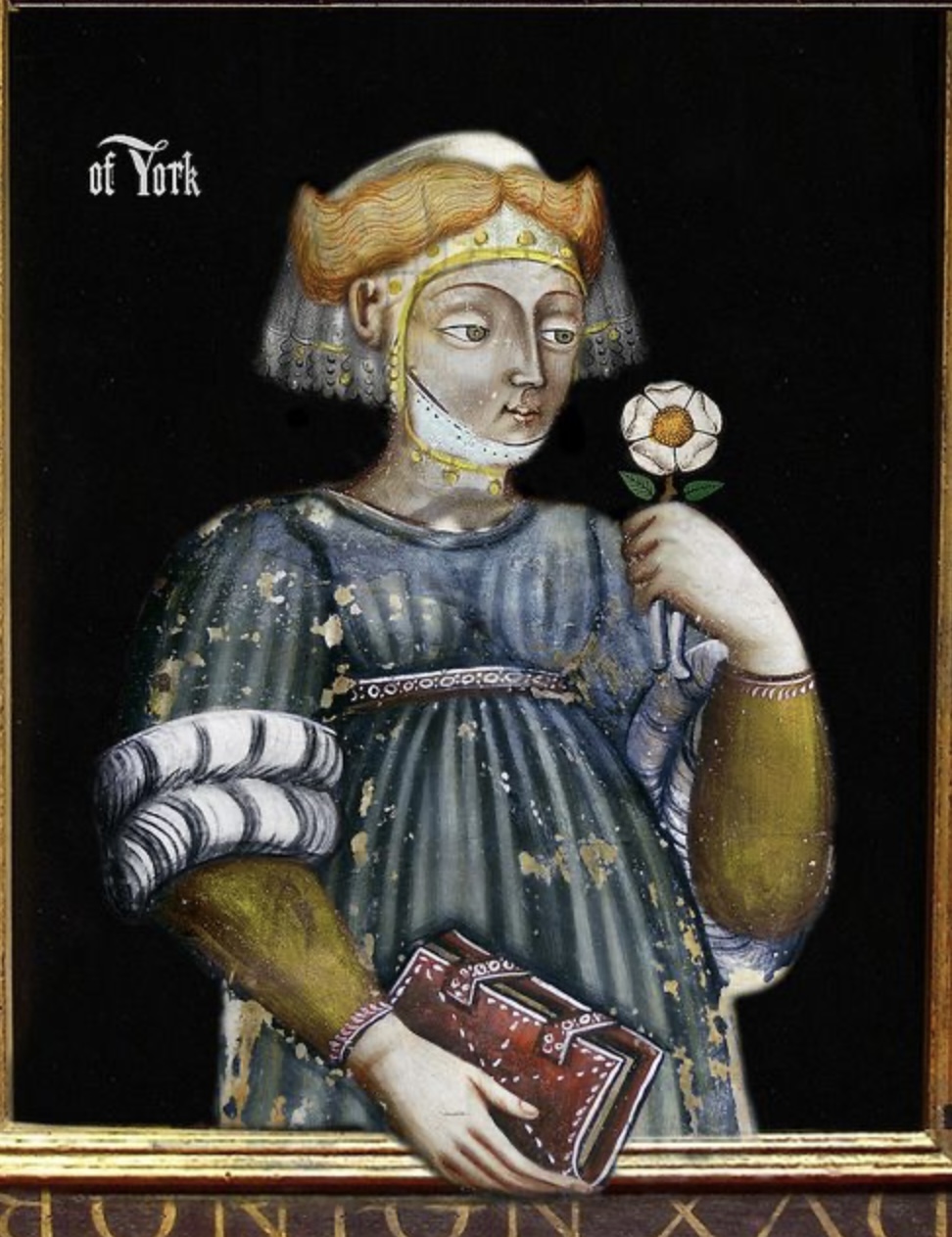
My 19 x great grandmother, Constance of York, Countess of Gloucester, was born in 1374, the only daughter of Edmund of Langley, 1st Duke of York, and his wife Isabella of Castile. 

In November 1397, Constance married Thomas Despenser, 1st Earl of Gloucester, one of Richard II’s favourites. The couple produced three children: a son, Richard, and two daughters. The first daughter, Elizabeth, died in infancy, while the second daughter, Isabel, was born after her father’s death.

When Henry IV deposed and murdered Richard II, the Crown seized the Despenser lands. In consequence, in December 1399, Thomas Despenser and other nobles hatched a plot known as the Epiphany Rising. Their plan was to assassinate Henry IV and restore Richard, who was alive at this point, to the throne.

According to a French chronicle, Edward, Constance’s brother, betrayed the plot, although English chronicles make no mention of his role. Thomas Despenser evaded immediate capture, but a mob cornered him in Bristol and beheaded him on 13 January 1400.

After Thomas’ death, Constance was granted a life interest in the greater part of the Despenser lands and custody of her son. However, in February 1405, during the Owain Glyndwr rebellion to liberate Wales, Constance instigated a plot to abduct Edmund Mortimer, 5th Earl of March, and his brother, Roger, from Windsor Castle. 

Constance’s plan was to deliver the young Earl, who had a claim to the English throne, to his uncle Sir Edmund Mortimer, who was married to Glyndwr’s daughter.

The first part of Constance’s plan went well, only to stumble when Henry’s men captured Edmund and Roger Mortimer as they entered Wales.

With the plot over, Constance implicated her elder brother, Edward – clearly sibling love was not a priority in the House of York – and he was imprisoned for seventeen weeks at Pevensey Castle. Meanwhile, Constance languished in Kenilworth Castle.

With the rebellions quashed, Henry IV released Constance and she became the mistress of Edmund Holland, 4th Earl of Kent. Out of wedlock, they produced my direct ancestor, Eleanor, who married James Tuchet, 5th Baron Audley.

Constance outlived Henry IV and her brother, Edward. She died on 28 November 1416 and was buried in Reading Abbey.

*****

A Hollywood Murder

Mabel Normand (November 9, 1893 – February 23, 1930) was a silent movie actress, the leading comedienne of Hollywood’s Early Age. She was also a talented screenwriter, director and producer with her own production company, the Mabel Normand Feature Film Company.

Mabel had strong feelings for William Desmond Taylor, possibly romantic feelings, which he did not return. Instead, he was content to act as her mentor within a close friendship. 

Mabel visited Taylor on the evening he was murdered and was one of the last people to see him alive.

Poor health blighted the latter part of Mabel’s career. Some rumours state that she was a drug addict, but hard facts on that matter are hard to find. She suffered from tuberculous and that terrible disease claimed her life in 1930, at the age of thirty-six.

Did any of the events in January 1922 surrounding comedienne Mabel Normand lead to the murder of movie director William Desmond Taylor?

At that time, Mabel and Taylor were very close friends. She appeared keen to take their relationship a stage further, but at that stage of his life Taylor was not interested in forming romantic relationships with women. Nevertheless, Taylor’s apartment was festooned with pictures of Mabel and he carried a photograph of her in his pocket watch. 

Mabel and Taylor enjoyed a strong friendship. She was keen to learn about literature and philosophy, and he was keen to teach her. Their bond might have provoked jealousy in Mary Miles Minter, who was obsessed with Taylor, and her mother Charlotte Shelby who, apparently, also had strong feelings for him. The bond might also have annoyed someone who had feelings for Mabel. 

From the start, the police considered that jealousy was the motive for the murder, so this is a line worth pursuing.

*****

My latest Golden Age of Hollywood article for the Seaside News appears on page 40 of the magazine.

Social media https://toot.wales/@HannahHowe

As ever, thank you for your interest and support.

Hannah xxx

For Authors

#1 for value with 565,000 readers, The Fussy Librarian has helped my books to reach #1 on 38 occasions.

A special offer from my publisher and the Fussy Librarian. https://authors.thefussylibrarian.com/?ref=goylake

Don’t forget to use the code goylake20 to claim your discount 🙂

Categories
Dear Reader

Dear Reader #214

Dear Reader,

My latest translation, the Spanish version of Tula.

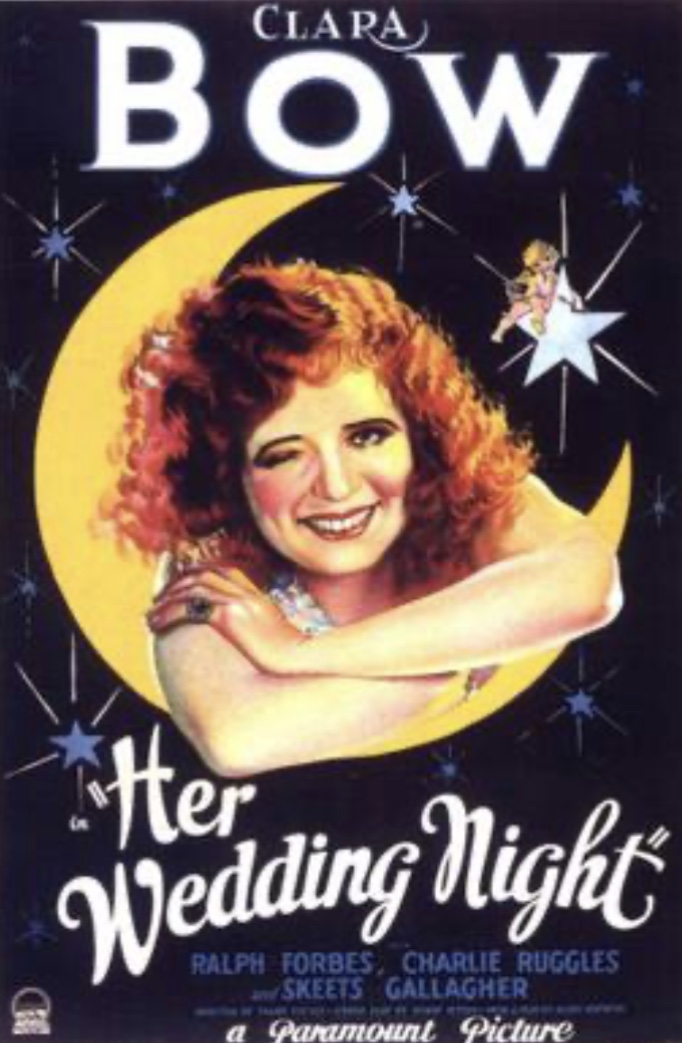
Clara Bow’s fifty-third movie was Her Wedding Night, produced between July 24 and August 15, 1930, and released on September 18, 1930. Clara played Norma Martin in a racy comedy about a young woman with a hyperactive love life. 

Once again, Clara was playing a version of herself, and the fan magazines were not impressed. Suddenly, they’d discovered morality and were not happy with Clara’s personal life.

Photoplay climbed into the pulpit with this editorial: “She disregards all laws of convention and hopes to get away with it. She has no regard whatsoever for public opinion. Clara, we are afraid you are on a toboggan!”

Despite the bad press, Her Wedding Night was a great success. Despite the scandals, Clara Bow was still Hollywood’s #1 draw.

A Hollywood Murder

At 7:30 am on Thursday, 2 February 1922, Henry Peavey walked through the affluent neighbourhood of Westlake, Los Angeles towards a bungalow in the Alvarado Court Apartments. His destination was 404-B South Alvarado Street, the home of his master and employer, movie director William Desmond Taylor. Peavey opened the door and screamed – at some point during the previous twelve hours someone had shot Taylor; the movie director was dead.

The murderer had shot Taylor with a .38 calibre pistol. The bullet had entered his body low on the left side, travelled through his lung before reaching his neck. The trajectory of the bullet suggested that the murderer had been either around five feet tall, stooped in a crouched position, laying on the floor, or holding the gun at an unusual angle.

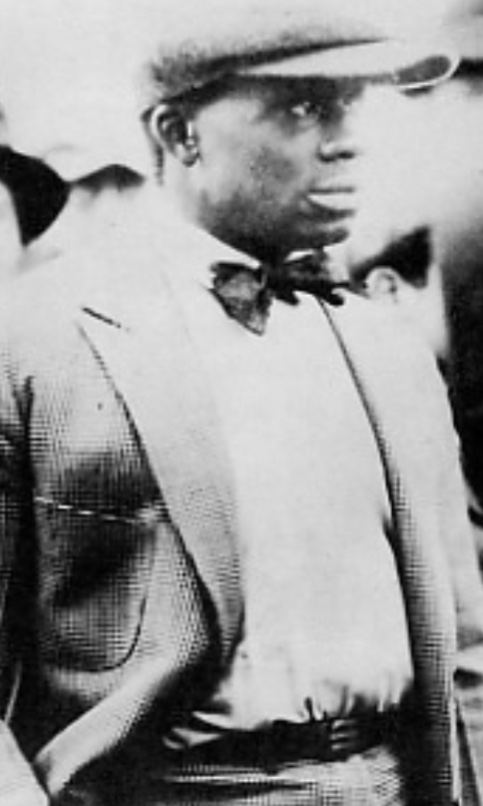
Taylor’s valet, Henry Peavey (pictured below), had a penchant for wearing outlandish clothing and talking in an affected manner. Three days before the murder, Peavey was arrested for “social vagrancy” and charged with being “lewd and dissolute” while ingratiating himself to young men. In 1931, he died in a San Francisco asylum where he had been hospitalized for syphilis-related dementia. One is tempted to ask, why did Taylor employ such a dubious character as his most trusted servant? Hopefully, the answer to that question will present itself as this series of articles unfolds.

The police interviewed Henry Peavey, but never seriously considered him as a suspect. At that stage in Los Angeles a curfew was in place for people of colour, enforced at 8pm, and Peavey was on his way home before the murder was committed.

As the investigation unfolded, Peavey accused actress Mabel Normand of the murder, and I will consider the case against her next time.

*****

Columbo

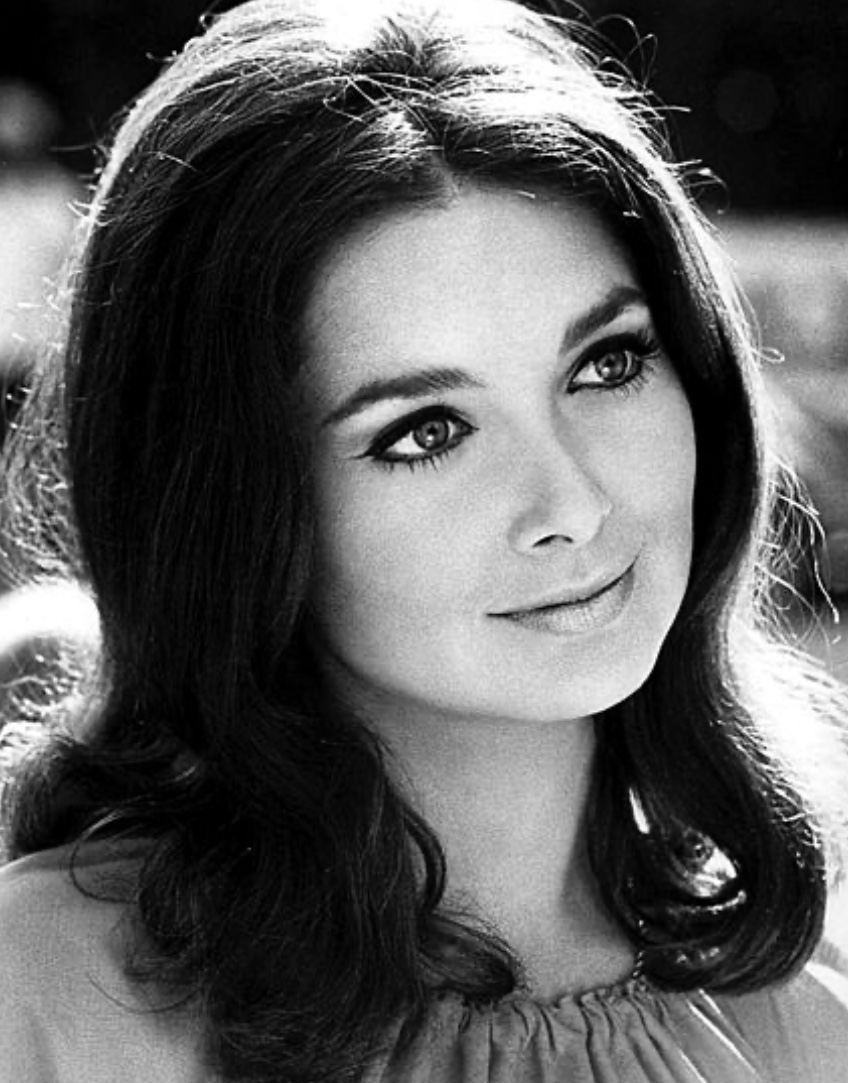
Season One, Episode Three: “Dead Weight”. Eddie Albert starred as the murderer while Suzanne Pleshette (pictured) featured as an unreliable witness. 

All the episodes in series one, except one, ran for exactly 72 minutes. In series one, the murder was often committed early on, sometimes in the first scene. Later series included a longer build-up to the murder.

Social media https://toot.wales/@HannahHowe

As ever, thank you for your interest and support.

Hannah xxx

For Authors

#1 for value with 565,000 readers, The Fussy Librarian has helped my books to reach #1 on 38 occasions.

A special offer from my publisher and the Fussy Librarian. https://authors.thefussylibrarian.com/?ref=goylake

Don’t forget to use the code goylake20 to claim your discount 🙂

Categories
Dear Reader

Dear Reader #213

Dear Reader,

My latest translation, the Afrikaans version of Tula.

Clara Bow’s fifty-second movie was Love Among the Millionaires, produced between May 9 – 29, 1930, and released on July 19, 1930. Clara played Pepper Whipple.

Around this time, Al Jolson wisecracked on national radio that Clara slept “cater-cornered” ie that she was promiscuous. Clara certainly lived for the minute (understand her upbringing and you will understand why). This was a cheap joke aimed at a fellow artist and, given the nature of Jolson’s career, in historical terms does not look good.

Jolson’s audience laughed. Clara fumed. The reasons for Clara to remain in Hollywood versus the reasons for her to leave were stacking up on the leave side of the scale.

Columbo

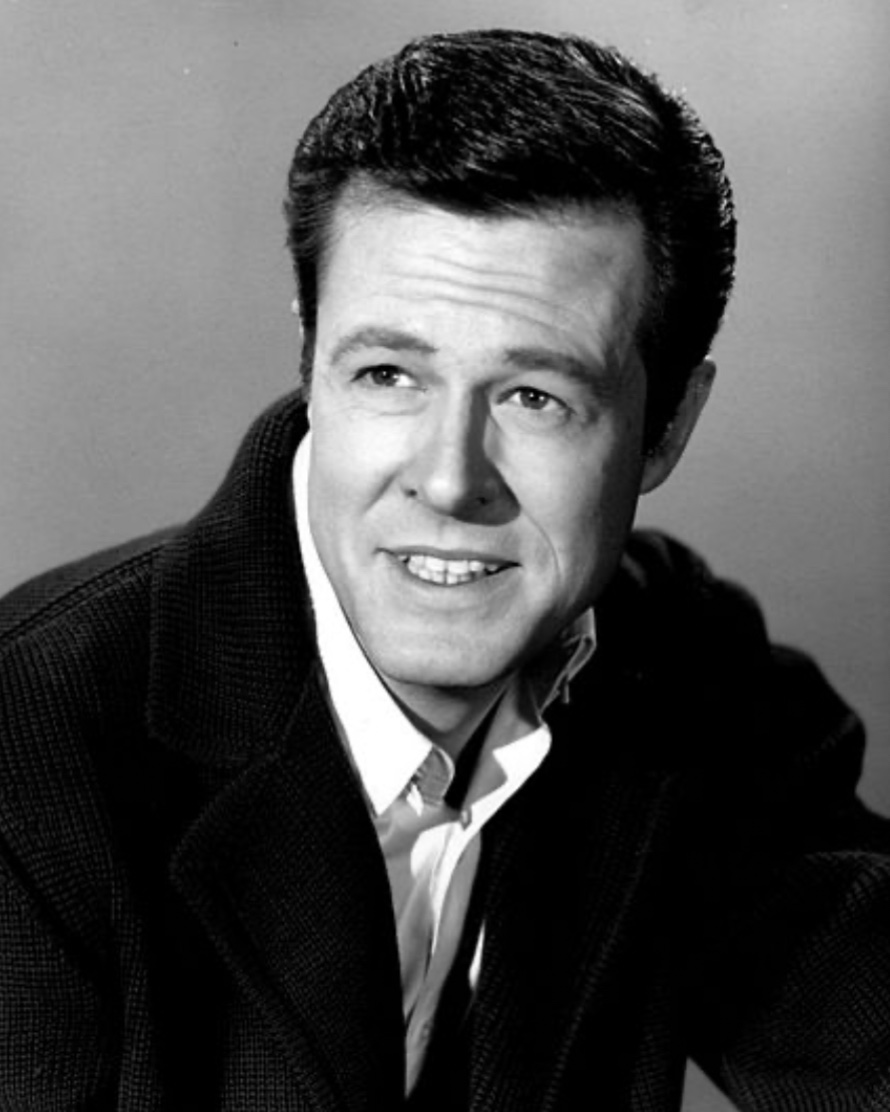
Season One, Episode Two: “Death Lends a Hand” was written by Columbo’s creators, Richard Levinson and William Link. This episode starred Robert Culp (pictured) as the murderer and Patricia Crowley as the victim. Ray Milland also guest-starred as the victim’s husband.

Robert Culp played the murderer in three Columbo episodes: this one, episode twelve, “The Most Crucial Game”, and episode twenty-one, “Double Exposure”. He also appeared as the father of the murderer in “Columbo Goes to College”.

The denouement with Columbo finding a stray contact lens in the boot of Culp’s car was not convincing. The scene setup implied that the contact lens would belong to the victim, and the case against Culp would have been stronger if the script had followed that path.

A Hollywood Murder

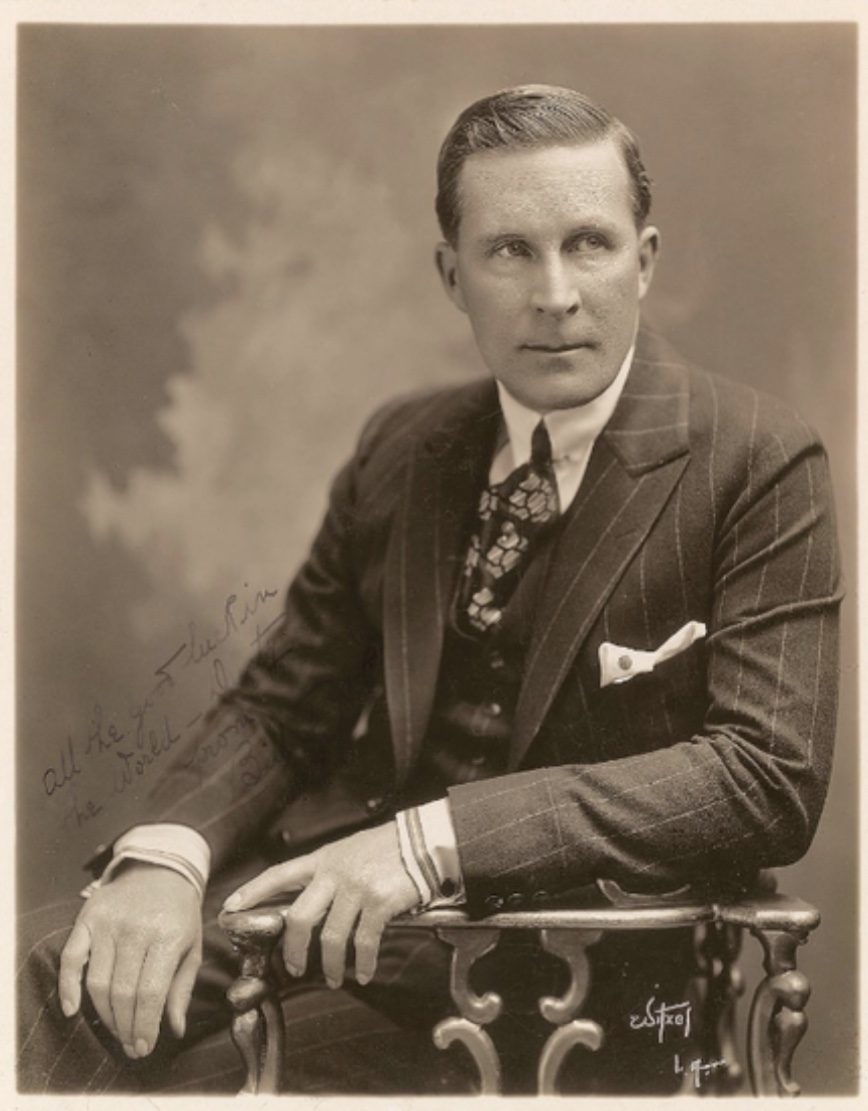
Film director William Desmond Taylor was murdered in Hollywood on the night of February 1st/2nd, 1922. Over the coming weeks, I will focus on the cases for and against the main suspects: a burglar, a drug-related hitman, Mabel Normand, Mary Miles Minter, Henry Peavey, Edward Sands and Charlotte Shelby. First, some background on William Desmond Taylor.

William Desmond Taylor (born William Cunningham Deane-Tanner, 26 April 1872 – 1 February 1922) was an Anglo-Irish-American film actor and director. Regarded as a “gentleman” by members of the Hollywood community, Taylor led an unconventional life before arriving in Hollywood. He deserted his wife and young daughter, went gold prospecting in Canada and acted with travelling players.

Taylor created a new persona for himself when he arrived in Hollywood and it’s possible that elements of his background – for example his education in English colleges – was fabricated to match his new identity.

In Hollywood, Taylor appeared in twenty-seven films between 1913 and 1915, and directed fifty-nine films between 1914 and 1922. He was preparing to direct his sixtieth movie when a person armed with a revolver entered his home and murdered him.

A newspaper report from February 11, 1922 that features the subjects at the heart of the Taylor case: cover-ups and corruption.

Next week, the first suspect.

Through historical records and DNA I’ve established that Barbara Aubrey of Glamorgan and Pennsylvania is my 9 x great grandmother. Barbara is a “gateway ancestor” – her lineage connects to noble pedigrees. Here’s the story of one of our ancestors, Eleanor Holland.

Eleanor was born c1405 in Woodstock, Kent, the illegitimate daughter of Edmund Holland, 4th Earl of Kent, and Constance of York. She married Sir James Tuchet, 5th Lord Audley, on 14 February 1430, and the couple produced seven children, three sons and four daughters, including my direct ancestor Constance.

Eleanor brought action in Court Christian to disprove her bastardy, but lost her suit. 

Her husband, Sir James Tuchet, was slain by Sir Roger Kynaston at the Battle of Blore Heath, Shropshire 23 September 1459, while in command of the Lancastrian forces during the Wars of the Roses. Audley’s Cross still stands on the battlefield marking the spot where Sir James died.

Social media https://toot.wales/@HannahHowe

As ever, thank you for your interest and support.

Hannah xxx

For Authors

#1 for value with 565,000 readers, The Fussy Librarian has helped my books to reach #1 on 38 occasions.

A special offer from my publisher and the Fussy Librarian. https://authors.thefussylibrarian.com/?ref=goylake

Don’t forget to use the code goylake20 to claim your discount 🙂