Categories
Dear Reader

Dear Reader #193

Dear Reader,

Sunshine: The Golden Age of Hollywood, Book Two

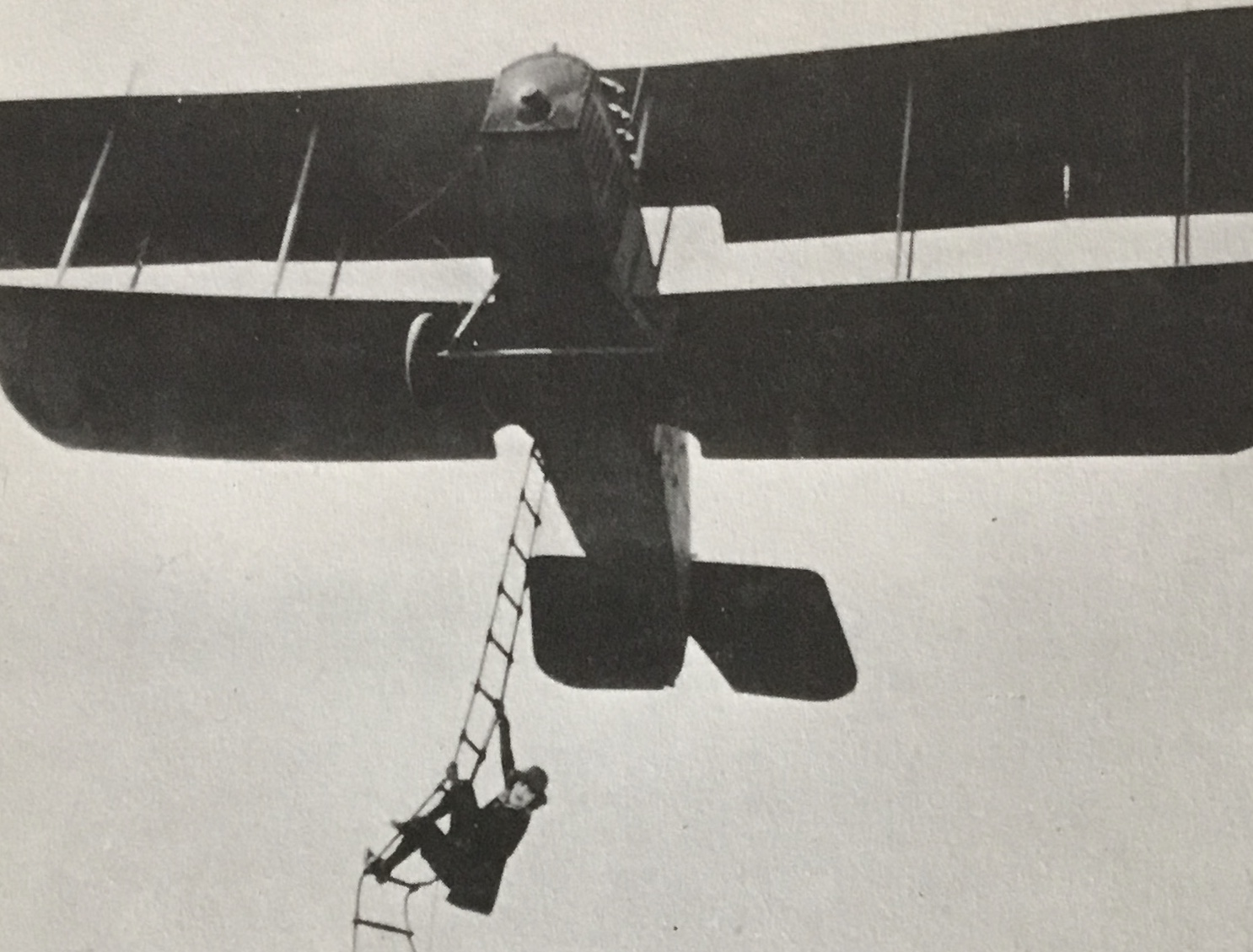
Summer, 1939 and my character Sunshine finds herself on holiday in Hollywood. She also finds herself in a movie, The Immelmann Turn, a film about stunt pilots, wing walkers and daredevils. Naturally, she decides that she’d like to have a go…
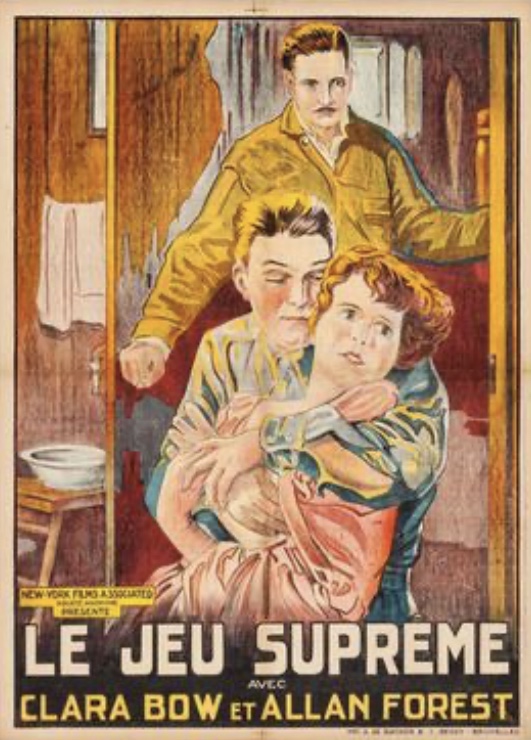
At the age of twenty, Clara Bow was already a movie veteran. Her thirty-second movie was My Lady of Whims, a silent comedy released on June 25, 1926. Clara played the lead, Prudence Severn.

The skintight, transparent dress Clara wore during the party sequence caused a sensation. The Cedar Rapids Tribune said that the dress made “the eyes of every flapper bulge.”

This would not be the last time Clara caused a sensation, on and off screen.

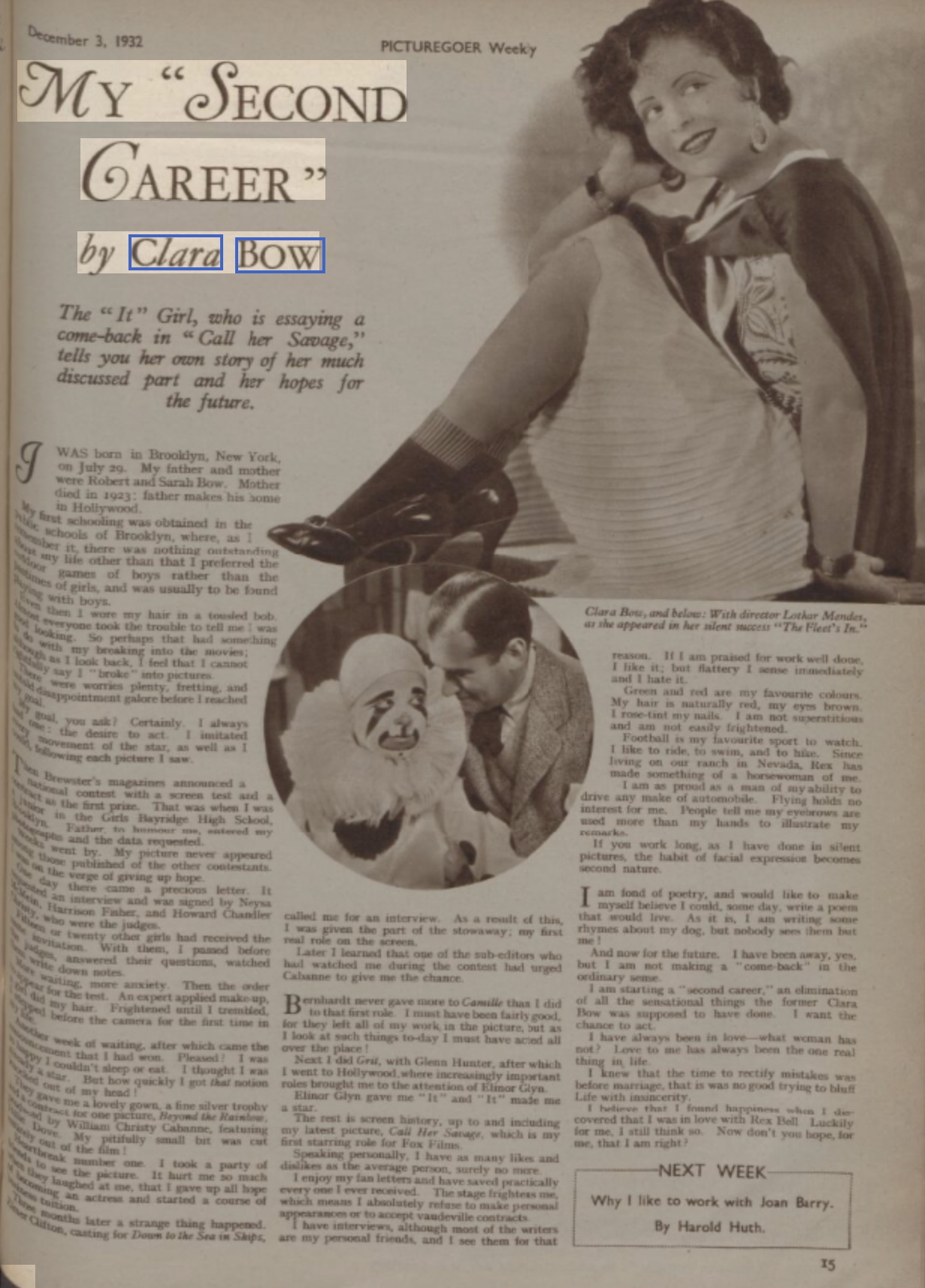
Picturegoer, December 3, 1932

This is a lovely piece about Clara Bow because it appears to have been written by Clara herself. She was promoting her ‘comeback’ movie, Call Her Savage. Although melodramatic in places, Call Her Savage is a decent film. Clara didn’t enjoy making talkies, but she had the natural talent to be a success in them.
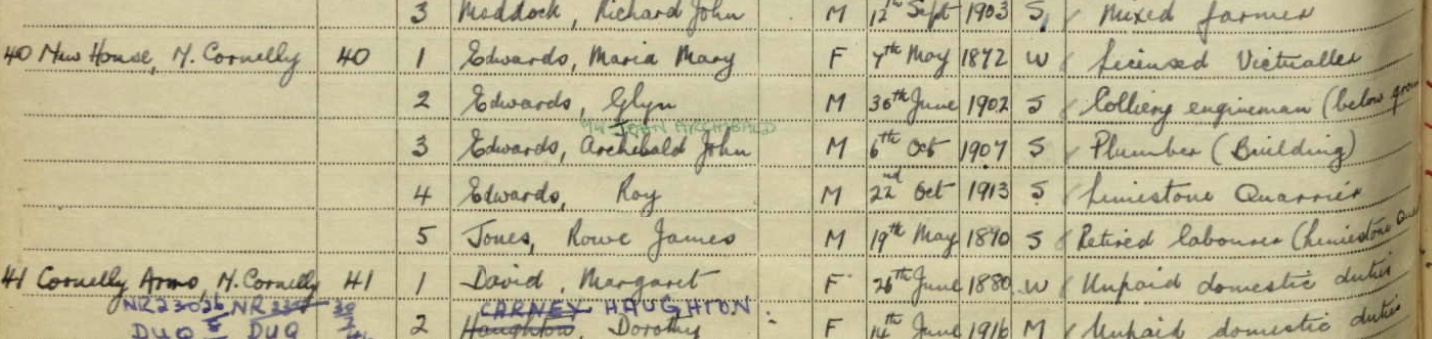
This record from 1939 features Roy Edwards, future husband of my relative Joan Howe. Joan was a beautiful person in every sense. Roy was living, with his parents, at the New House public house. He worked in the local limestone quarry – the Howes had close associations with the quarry – and served as an auxiliary fireman.
The indenture signed by my 4 x great grandfather James Brereton. As an apprentice cutler for seven years, James agreed to obey his master, William Vandenbergh. By the terms of his indenture, James could not gamble, go to the theatre or a public house, play cards or dice, marry or fornicate.

My 4 x great grandfather James Brereton qualified as a cutler in 1814. Unable to establish a business in London, he took to the road as a tinker, making and repairing pots and pans. Various documents also describe James as a metal beater and a gold beater.

On 17 May 1818 James married Ann Lowcock in Martock, Somerset. In nineteen years James and Ann produced six children, a child born approximately every three years, whereas the standard for the time was a child born every two years. Their sixth child, Fanny, was my 3 x great grandmother. Sadly, James did not live to see Fanny’s birth. He died in the summer of 1837 while Fanny was born on 19 November 1837.

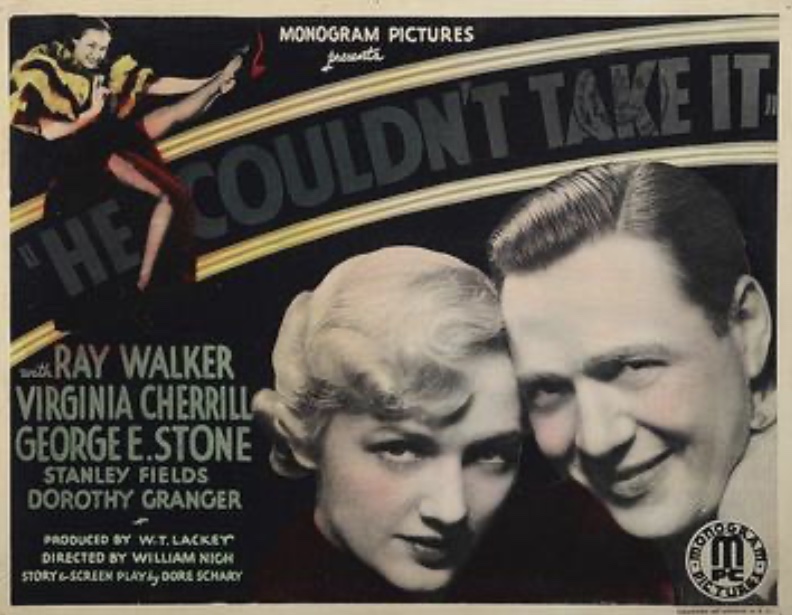
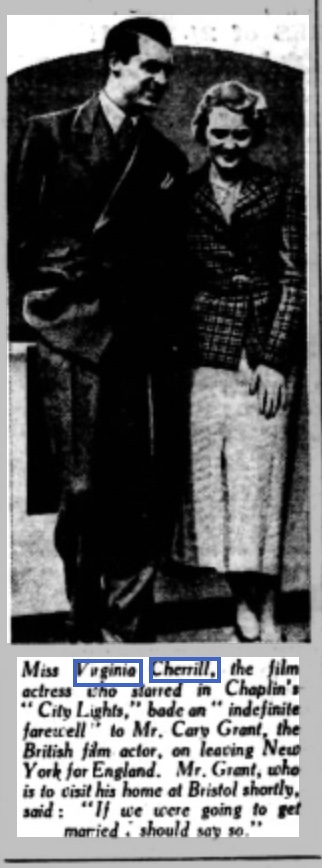
In 1933, Virgina Cherrill featured in five movies: Fast Workers, The Nuisance, He Couldn’t Take It, Charlie Chan’s Greatest Case, and Ladies Must Love. None of these movies excited moviegoers or film critics.
However, Virginia was exciting Cary Grant, who seemed keen on marriage. Virginia, married at nineteen and divorced at twenty appeared more reticent, as this newspaper report from November 13, 1933 suggests.
Latest results from the Last Sixteen of our Mastodon movie poll.
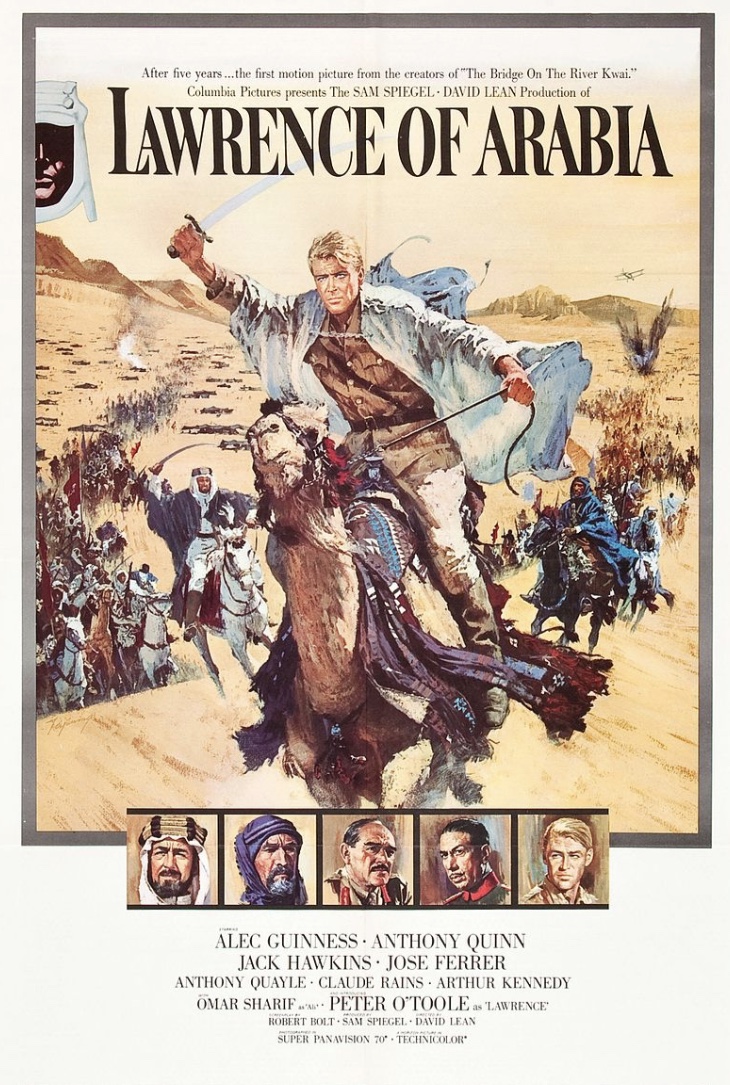
Lawrence of Arabia 57% v 43% Sunset Boulevard

Casablanca 92% v 8% The Grapes of Wrath
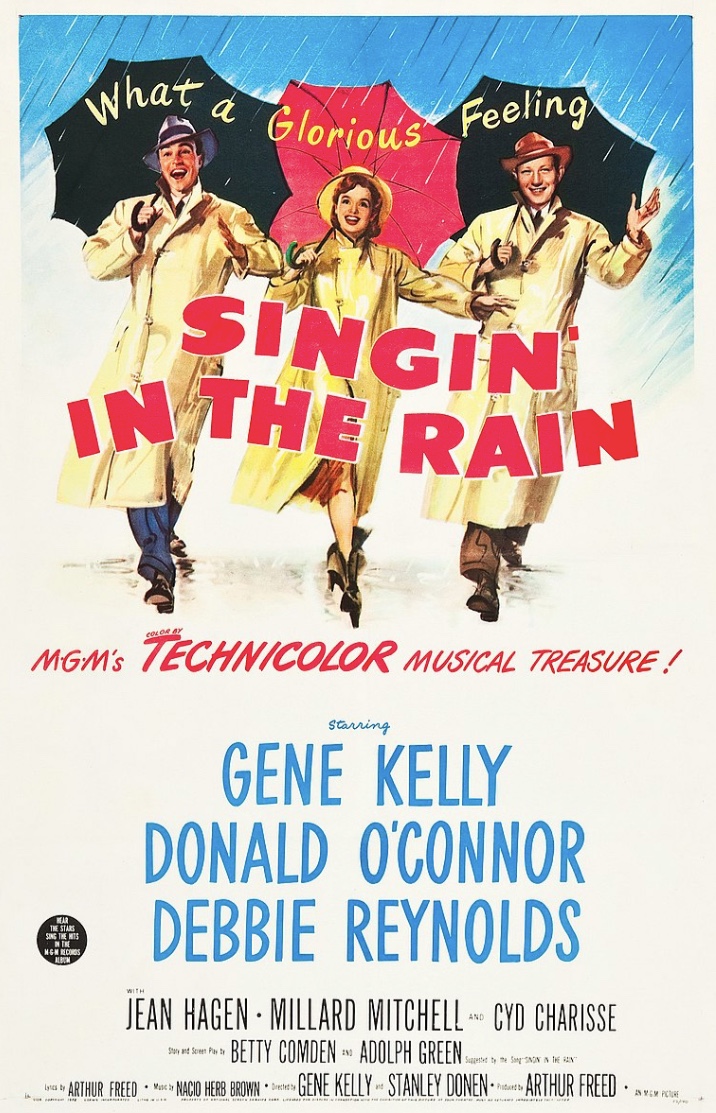
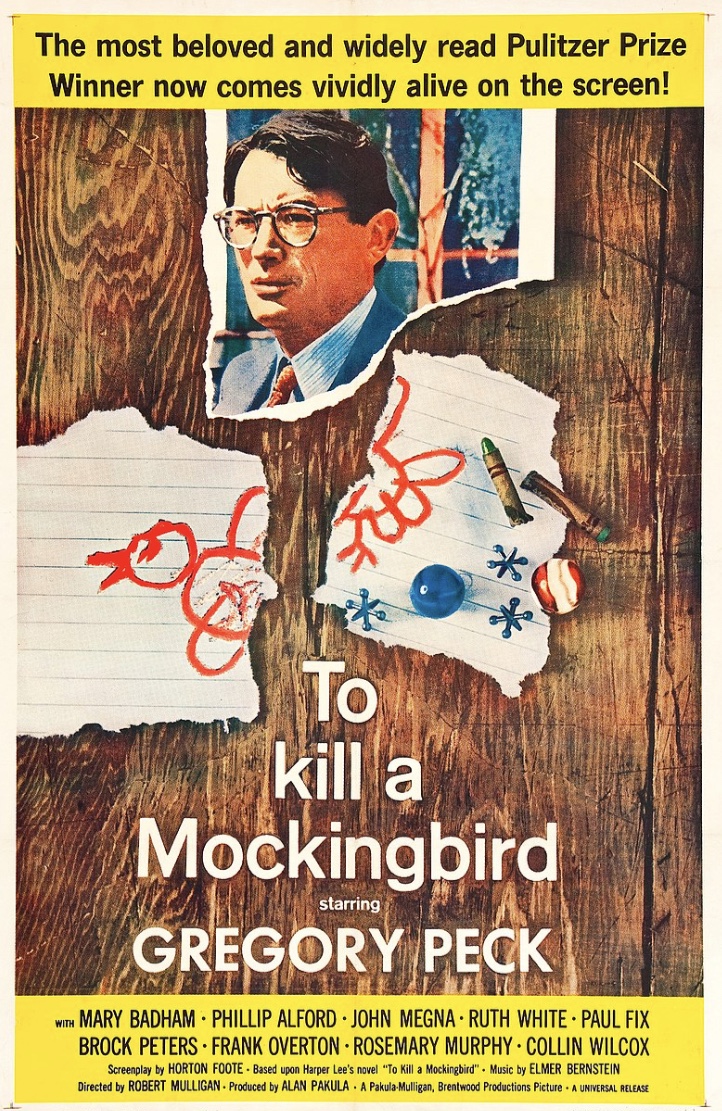
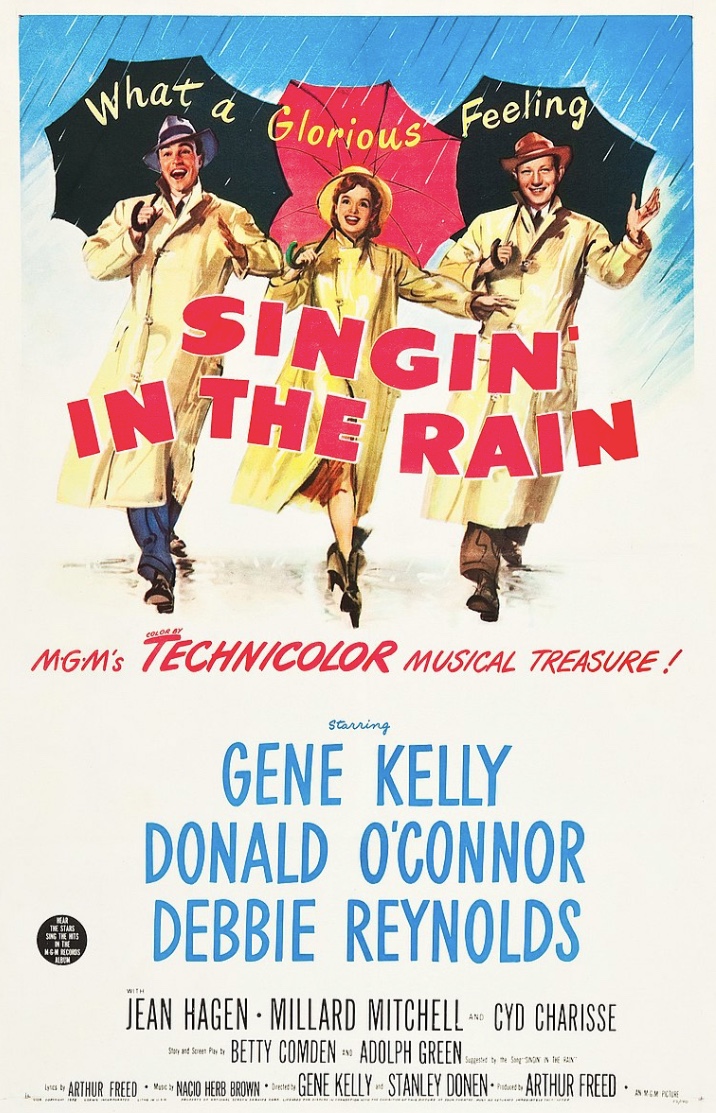
Singin’ in the Rain 61% v 39% To Kill a Mockingbird
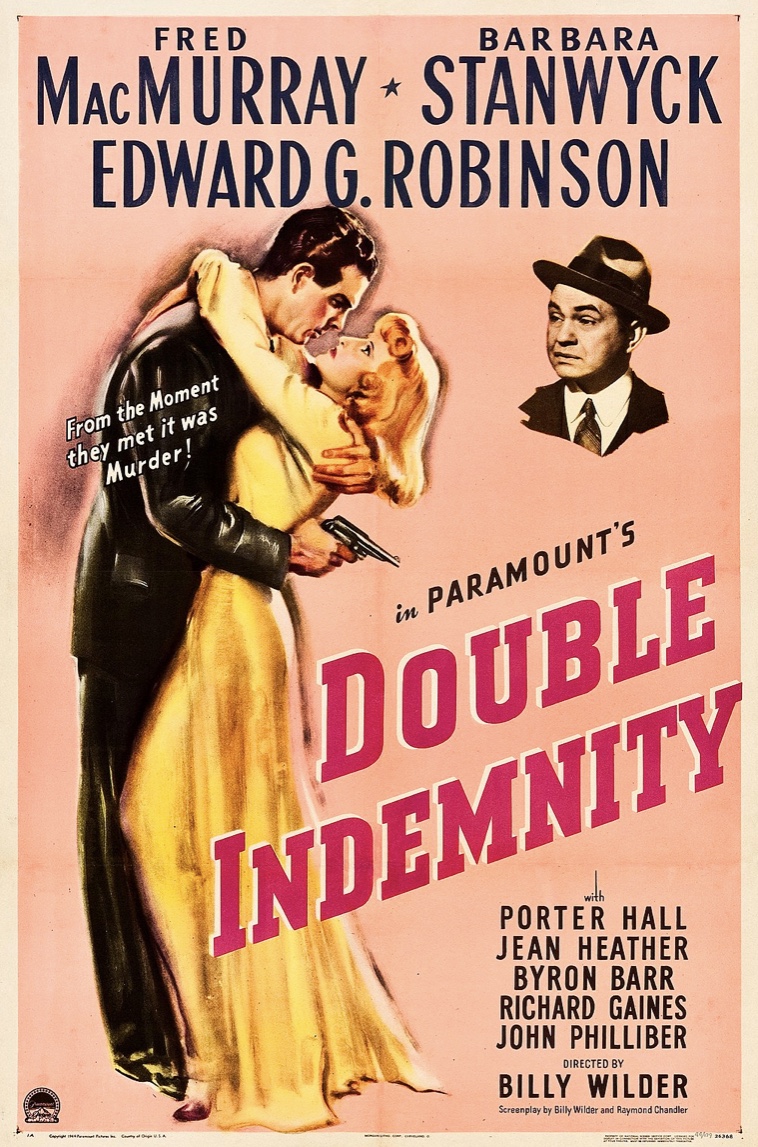
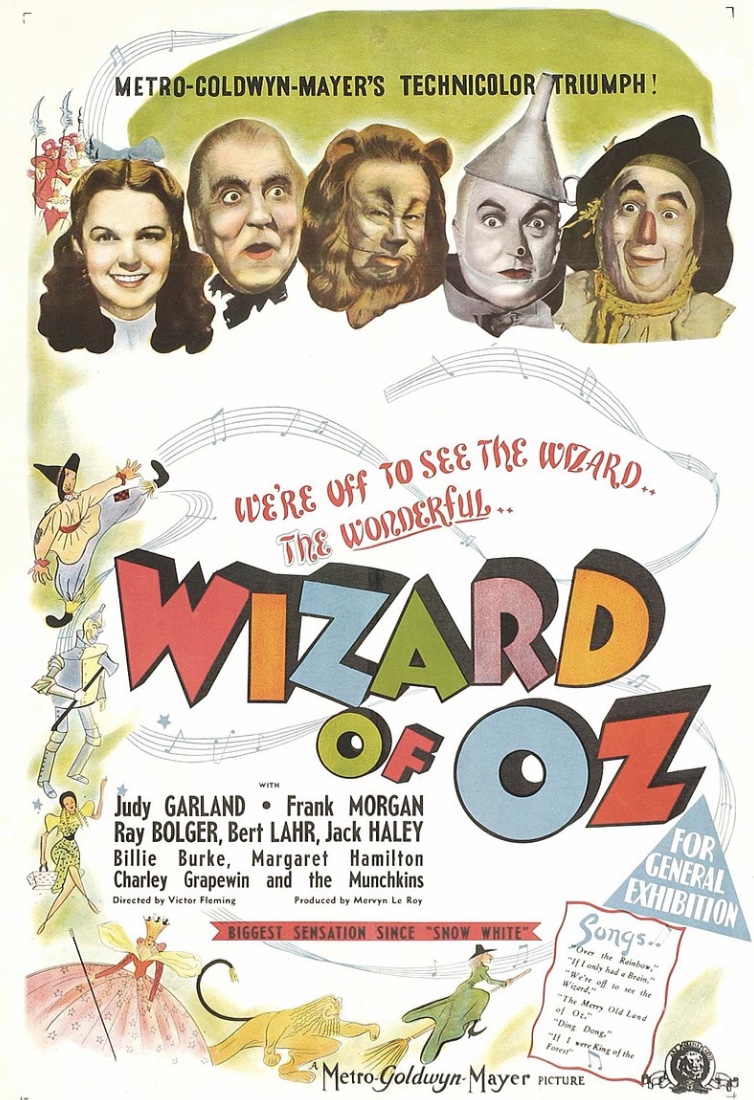
Double Indemnity 46% v 54% The Wizard of Oz
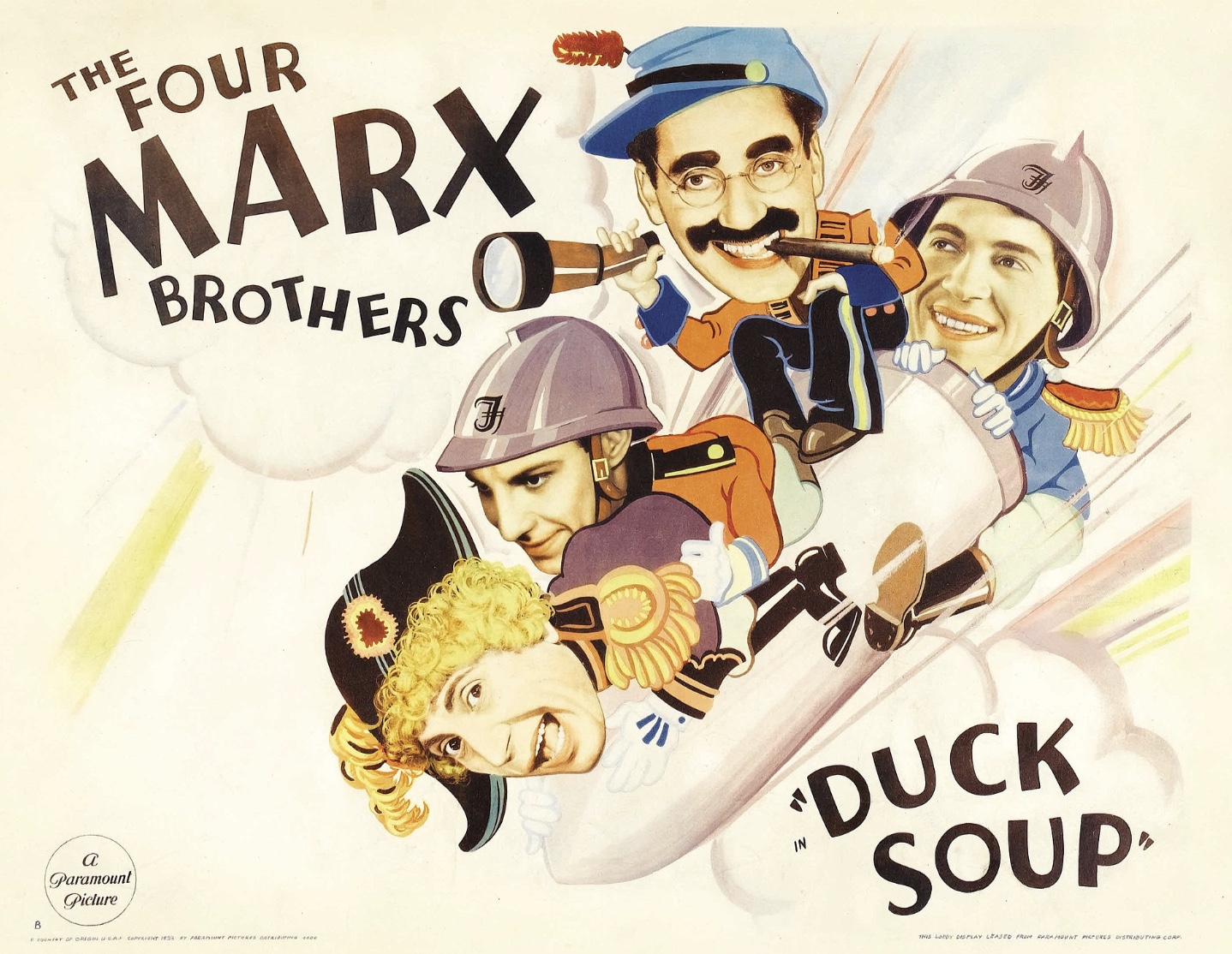
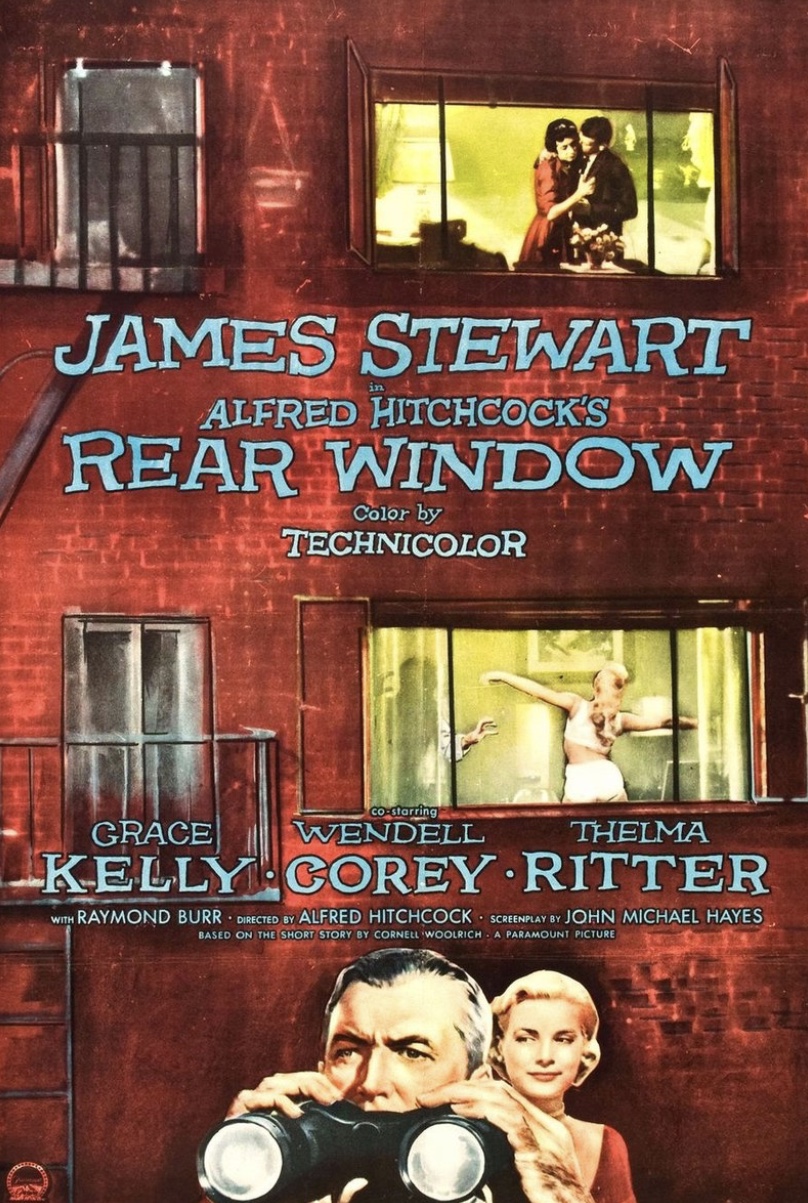
Duck Soup 25% v 75% Rear Window

Quarter-Finals
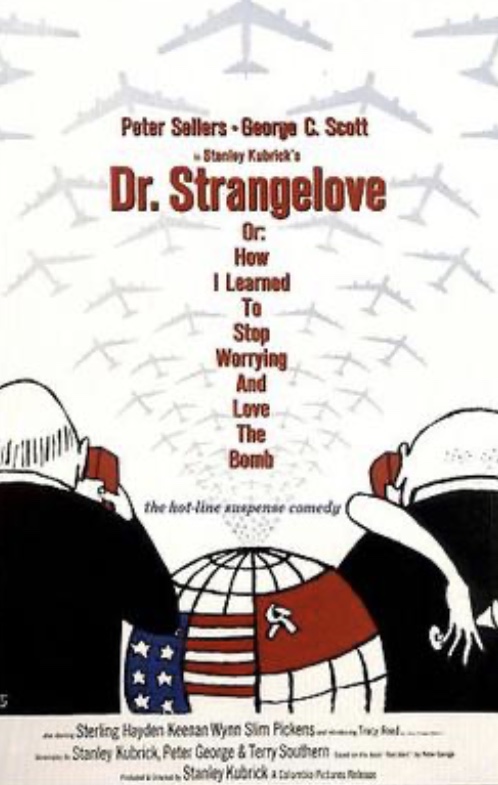
Dr Strangelove 57% v 43% 2001: A Space Odyssey

Citizen Kane 62% v 38% The Wizard of Oz

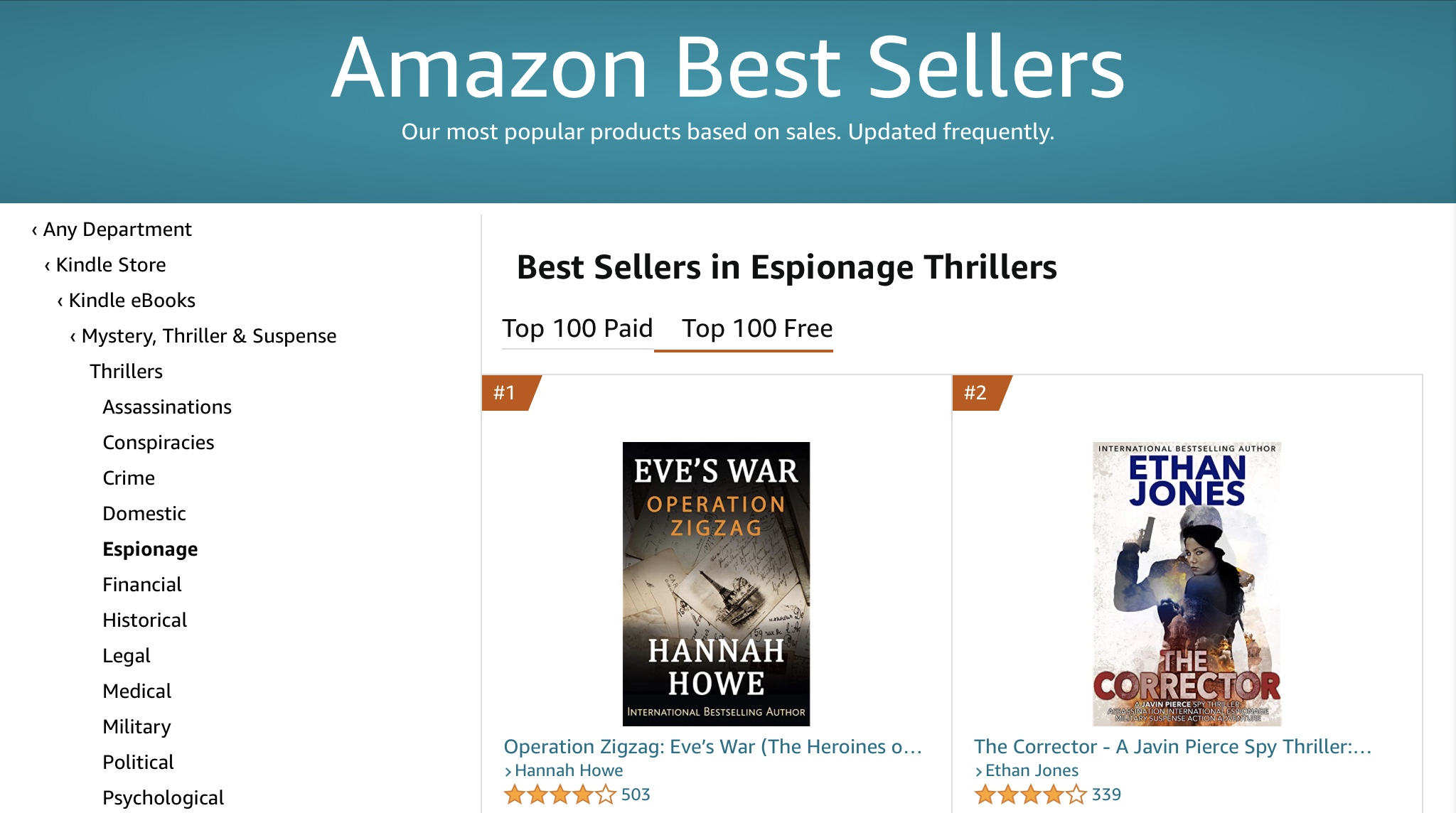
Operation Zigzag, book one in my Eve’s War Heroines of SOE series, has returned to #1 on the Amazon genre charts. Many thanks to everyone who has made this possible.
As ever, thank you for your interest and support.

Hannah xxx

For Authors

#1 for value with 565,000 readers, The Fussy Librarian has helped my books to reach #1 on 38 occasions.

A special offer from my publisher and the Fussy Librarian. https://authors.thefussylibrarian.com/?ref=goylake

Don’t forget to use the code goylake20 to claim your discount 🙂

Categories
Dear Reader

Dear Reader #192

Dear Reader,

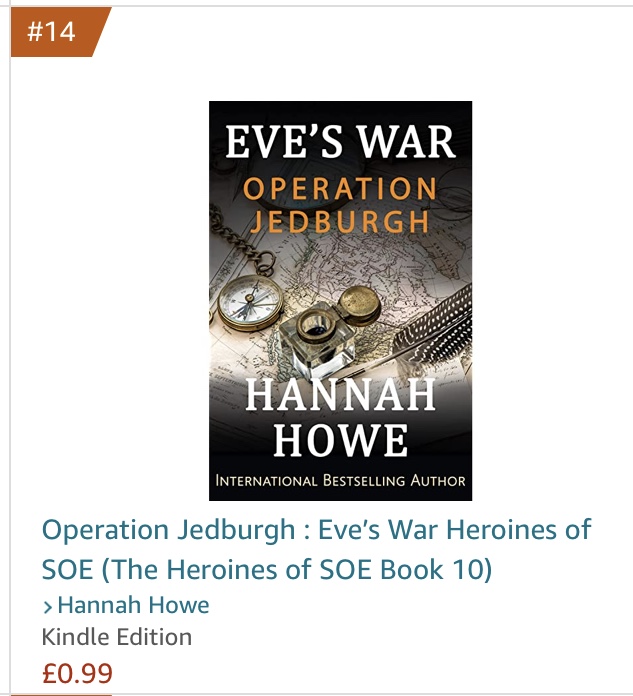
Some book news. I have three books in the top fifty of Amazon’s Hot New Releases, Historical Fiction: Operation Jedburgh, Eve’s War book ten, just published; Tula, book one in my Golden Age of Hollywood series, to be published this summer; and Operation Butterfly, Eve’s War book eleven, also to be published this summer.

A Tiger Moth, an aeroplane that becomes central to the life of my character Sunshine in my forthcoming novel, Sunshine: The Golden Age of Hollywood, Book Two. This is a Canadian version with its characteristic canopy. The biplane was designed by Geoffrey de Havilland and it operated mainly as a trainer aircraft.

Clara Bow’s thirty-first movie was Dancing Mothers, released on March 1, 1926.

Paramount cast Clara as Kittens, the second lead in the movie. Clara was too talented to play second-fiddle to anyone, and she duly stole the picture. She said, “I played her (Kittens) as a girl out for havin’ fun. When I said mean things, I tried t’put over the idea with a look after I’d said the thing: “Oh, why’d I say that? I didn’t really mean it.”

Clara always added depth to her roles, a depth that wasn’t always evident on the printed page. She had an intuitive understanding of her characters and, just as importantly, a knowledge of how various members of the audience would interpret her characters. She played each scene accordingly, with the aim of connecting with the entire audience.

Clara imbued her characters, and movies, with a great sense of energy. She also had the gift of suggesting a hidden sensitivity, even in characters that displayed a superficial façade. As Louise Brooks said, “She was absolutely a sensation in Dancing Mothers. Clara was so marvellous; she just swept the country! I thought she was oh, so wonderful; everybody did. She became a star overnight with nobody’s help.”

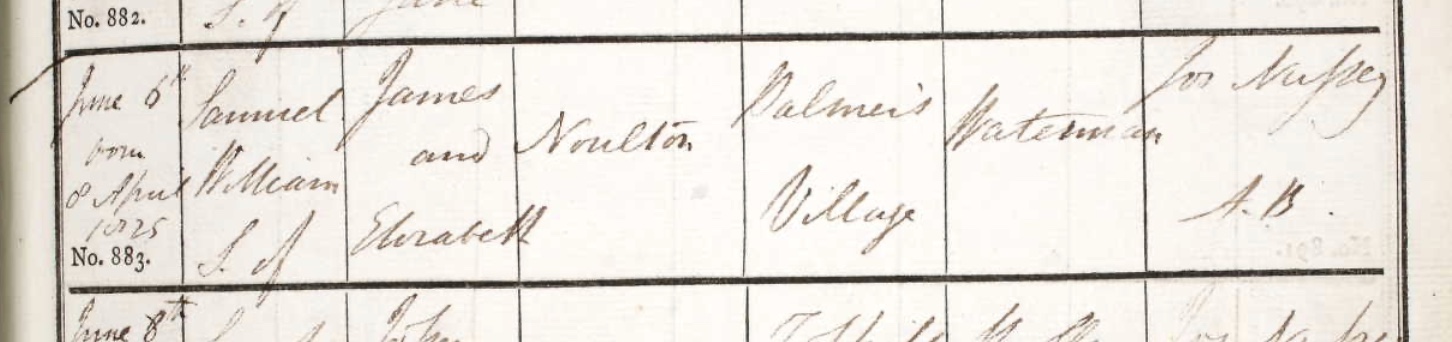
I’ve discovered the baptism record of my ancestor Samuel William Noulton, born 8 April 1825, baptised 6 June 1825. Samuel died in 1893, in the workhouse. The Noultons are one of the poorest branches on my family tree. Samuel’s father, James, served in the Napoleonic Wars, fractured his wrist, and was awarded a medal.

The wedding of my 3 x great grandparents, William Bick and Fanny Brereton, on 14 December 1868 in St Mary’s, Lambeth. Both were from labouring families. William was illiterate, but Fanny signed her name. They moved to London in 1864 from the West Country. After their marriage, William and Fanny had five children. However, they also had five children before they wed.

My 3 x great grandmother, Fanny Brereton, was literate in an age when even women from privileged backgrounds could not read or write. Who educated her? A clue is provided by this Register of Duties Paid for Apprentices’ Indentures, 26 March 1807, which reveals that her father, James Richard Brereton, was an educated man and an apprentice to William Vandenbergh, a citizen and cutler of London. Also, in terms of family history, it’s interesting to note the continental connection.

I’m exploring the life and career of Virginia Cherrill, the person who, along with Charlie Chaplin, delivered the “Greatest single piece of acting ever committed to celluloid.”

In 1933, Virginia Cherrill played Virginia, a support character in Fast Workers, aka Rivets, a drama that starred John Gilbert. The critics hated the movie. Harrison Reports, a New York film-review service, stated that Fast Workers was, “Mediocre! The action is slow, the talk dirty and suggestive, and the behavior of the characters vile. Unsuitable for children, adolescents, and for Sundays.”

Virginia’s acting career was not going anywhere. However, she was travelling. On 25 August 1933, in Los Angeles, Virginia boarded the Matson Lines passenger liner SS Lurline, pictured approaching Pier 10 at Honolulu in the 1930s, and arrived in Honolulu on 31 August 1933. 

Virginia was also sailing in another sense, into the life of Archie Leach, aka Cary Grant…

The latest results from the Third Round of our Mastodon Movie poll.

Sunset Boulevard 60% v 40% The Thin Man

2001: A Space Odyssey 60% v 40% The Great Escape

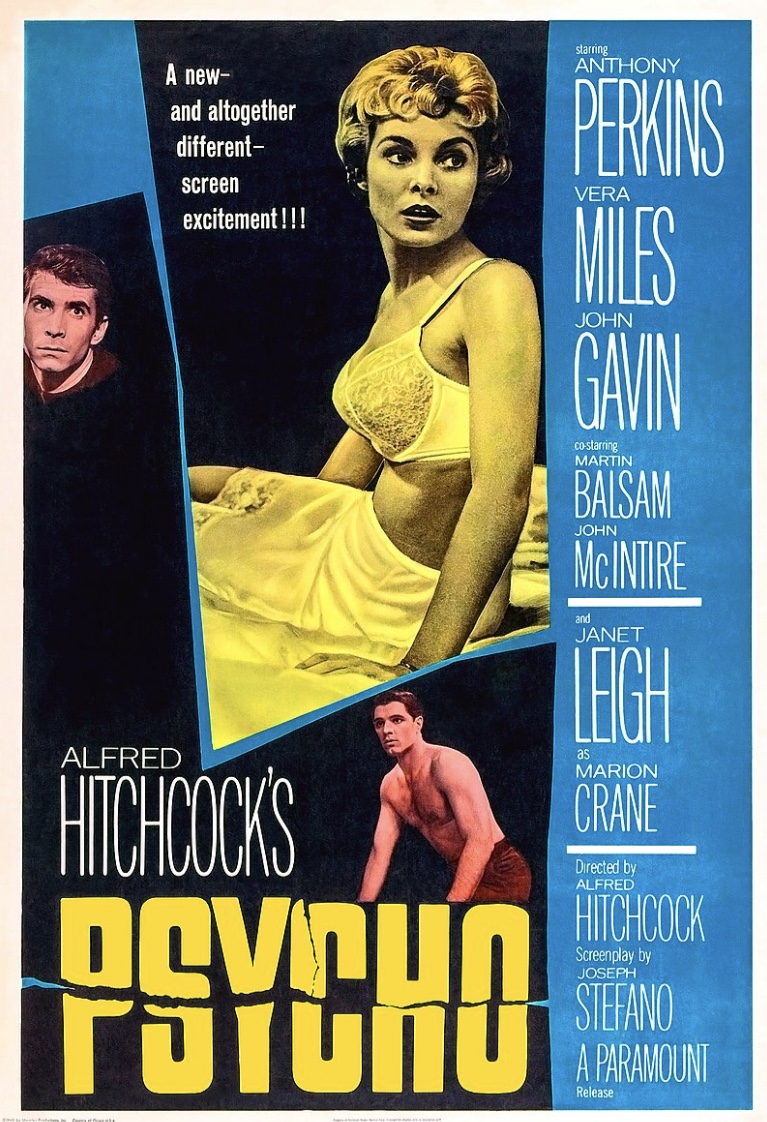
Psycho 46% v 54% Double Indemnity

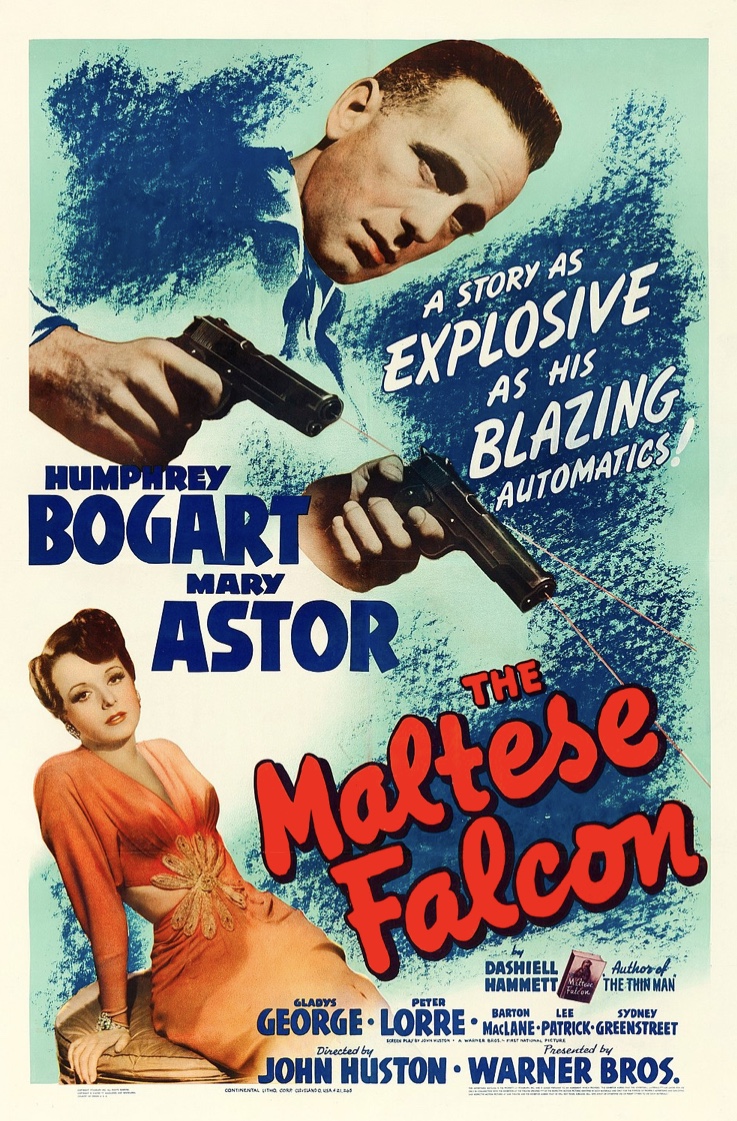
Rear Window 56% v 44% The Maltese Falcon

Last Sixteen

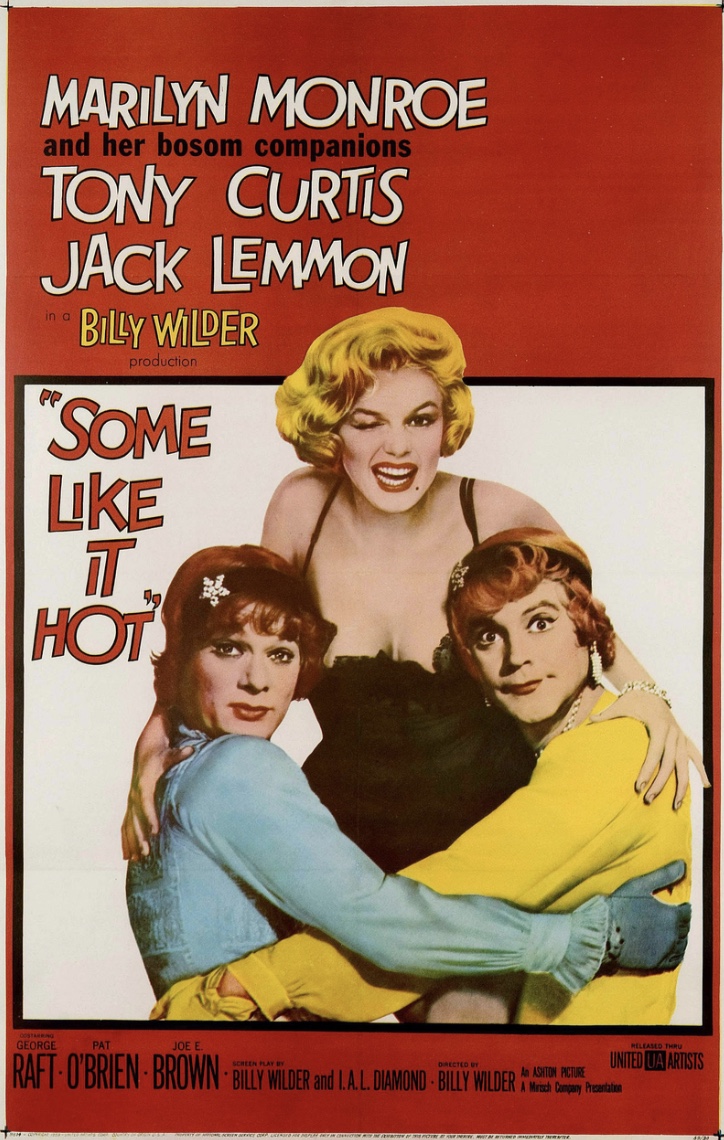
Citizen Kane 63% v 37% Some Like it Hot

Dr Strangelove 74% v 26% His Girl Friday

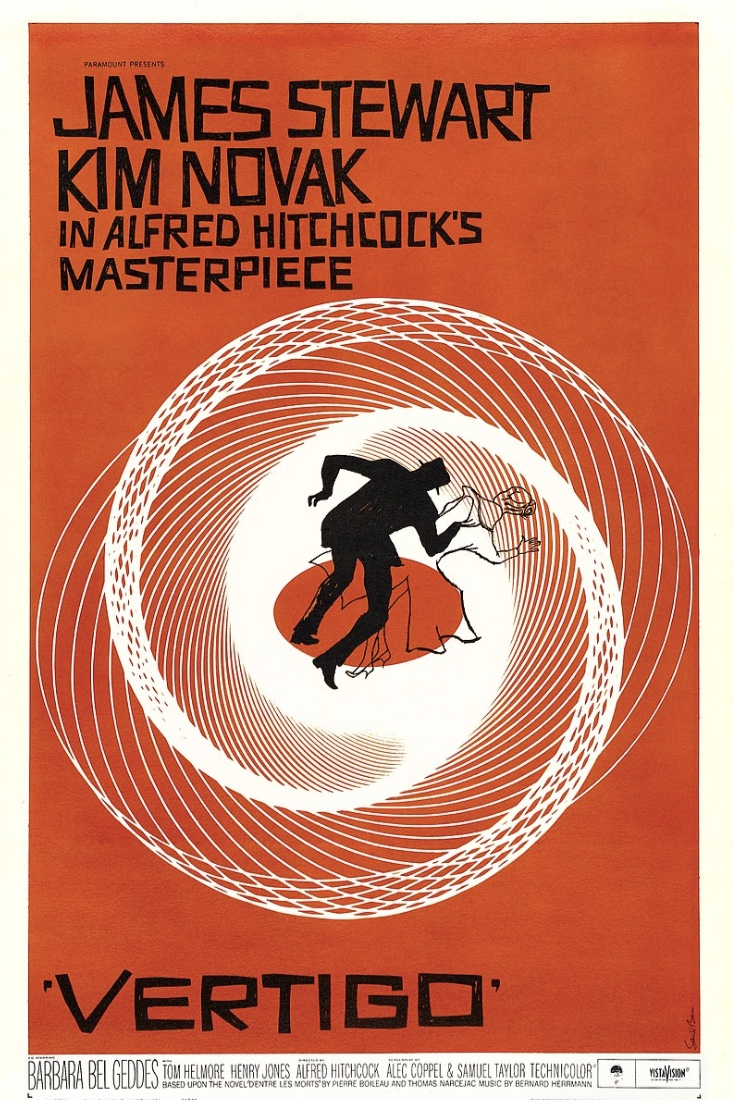
Vertigo 48% v 52% 2001: A Space Odyssey

My article about Fay Wray appears on page 35 of the Seaside News 

When you publish a book, in this case Operation Jedburgh, you are never sure what readers will think of it, so it’s always a relief when the first review comes through.

As ever, thank you for your interest and support.

Hannah xxx

For Authors

#1 for value with 565,000 readers, The Fussy Librarian has helped my books to reach #1 on 36 occasions.

A special offer from my publisher and the Fussy Librarian. https://authors.thefussylibrarian.com/?ref=goylake

Don’t forget to use the code goylake20 to claim your discount 🙂

Categories
Dear Reader

Dear Reader #191

Dear Reader,

For my forthcoming novel, Sunshine, I’m researching the Air Transport Auxiliary. The ATA was a British civilian organisation set up at the start of the Second World War to ferry aircraft between factories and active service squadrons. 

Ten percent, 168, of its pilots were women. They ferried all types of planes, from Lancasters to Spitfires, sometimes as many as six different types of planes a day, familiarising themselves with the controls on the spot.

The ATA’s call sign, after D-Day, was “Ferdinand the Bull”, while their unofficial motto was “Anything to Anywhere”.

📸 First Officer Maureen Dunlop on the cover of Picture Post

Clara Bow’s thirtieth movie was Two Can Play, another low-budget affair that was beneath Clara’s talent. The movie was released on February 21, 1926, disappeared on the daily-change circuit and is now presumed lost.

After thirty movies, Clara had certainly served her apprenticeship. All she needed was the right script, and the right lifestyle guidance, to propel her to superstardom. The script arrived with her thirty-first movie, Dancing Mothers. Whether the lifestyle guidance ever arrived is a matter for debate.

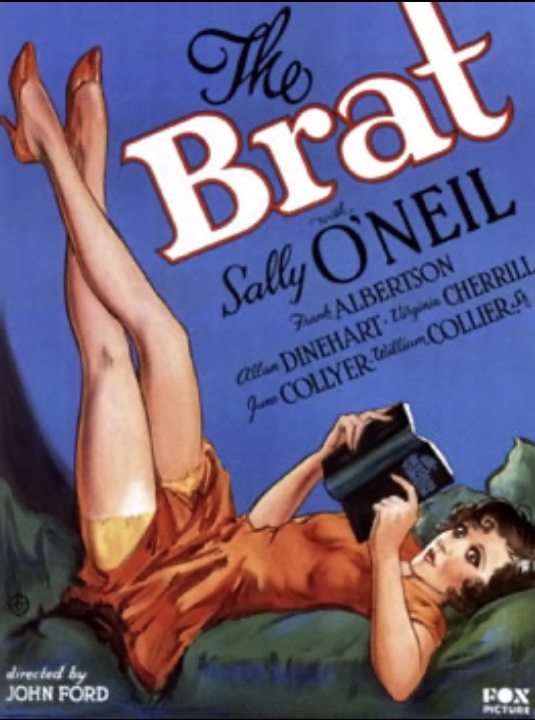
After the bright lights of Charlie Chaplin’s City Lights and the critical disaster of Girls Demand Excitement, Virginia Cherrill made two more movies in 1931, The Brat and Delicious.

In The Brat, a comedy directed by John Ford and starring Sally O’Neil, Virginia played Angela, a support character. She also had a supporting role in Delicious, a musical romantic comedy starring Janet Gaynor and Charles Farrell. 

Career-wise, Virginia was slotting into support roles. However, her profile remained high in Hollywood, and she was a regular at parties hosted by William Randolph Hearst and his mistress, Marion Davies. 

Engagements to eligible bachelors were announced in the press, but they amounted to nothing. After the distressing experience of a brief first marriage and divorce, Virginia was understandably cautious.

Latest results in our Mastodon Mega Movie Poll, Round Three

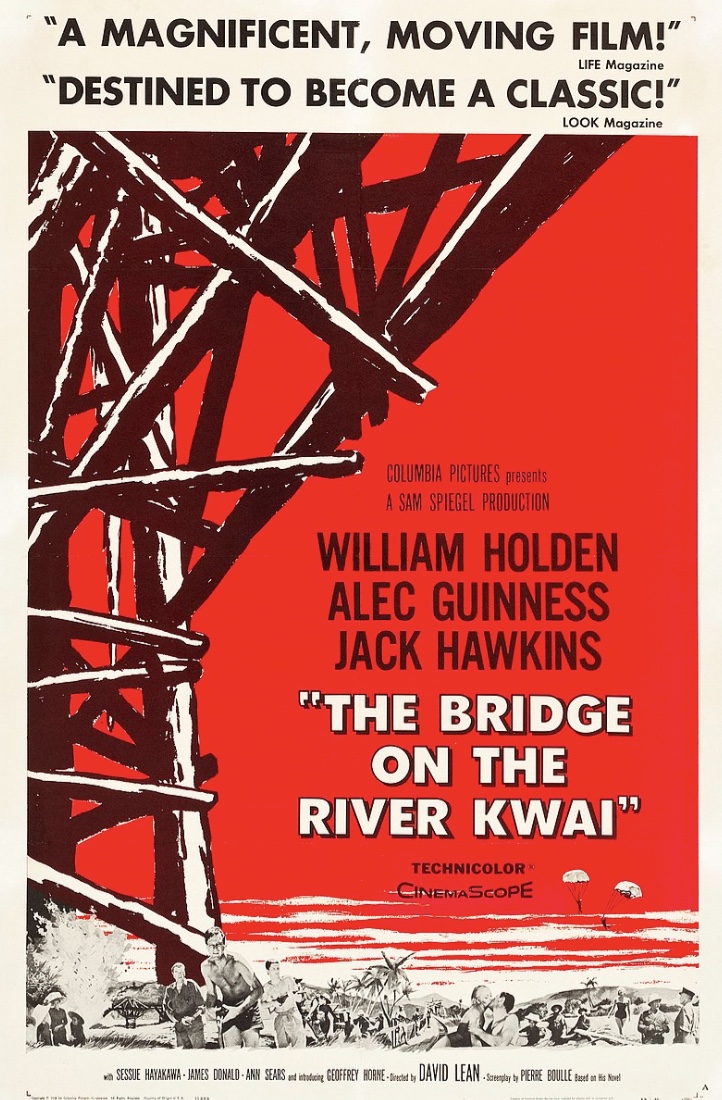
The Wizard of Oz 59% v 41% The Bridge on the River Kwai

Vertigo 76% v 24% Spartacus

Singin’ in the Rain 67% v 33% Modern Times

It’s a Wonderful Life 47% v 53% Some Like it Hot

On the Waterfront 47% v 53% The Grapes of Wrath

The General 39% v 61% To Kill a Mockingbird

The Manchurian Candidate 47% v 53% His Girl Friday

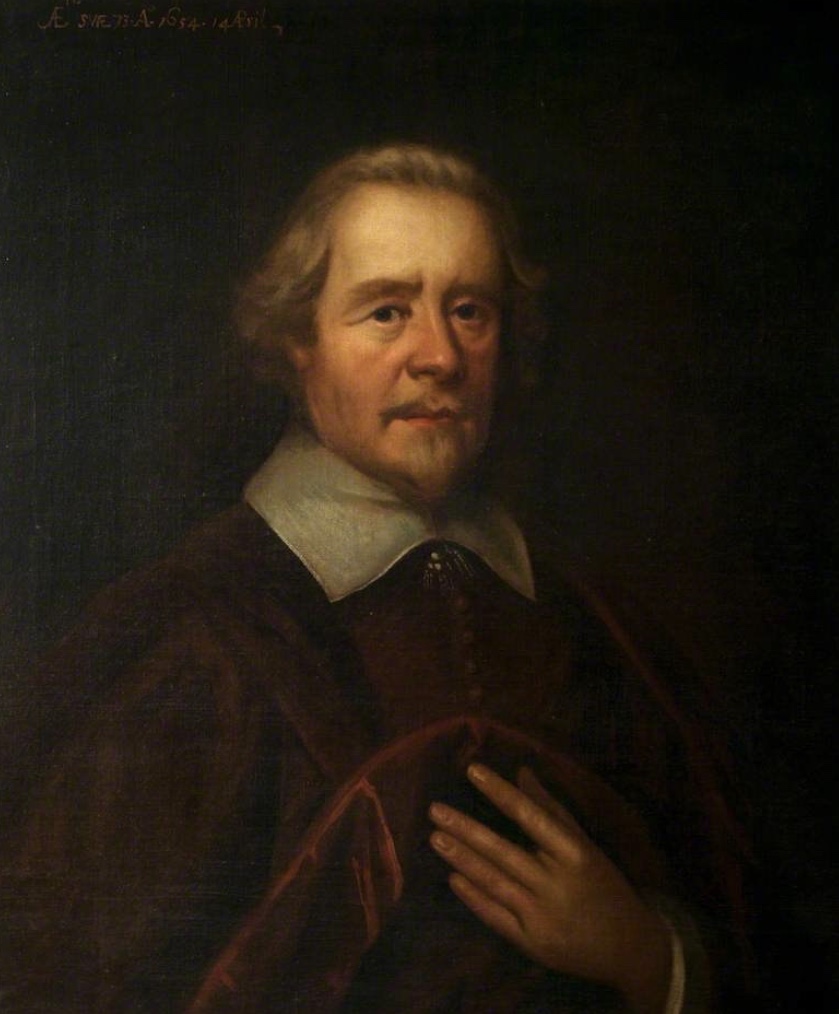
I’ve discovered this portrait, by an unknown artist, of my ancestor David Papillon (1581-1659). An oil on canvas, it depicts David at the age of 73.

David was an architect and military engineer. Born in Paris, he arrived in Britain in 1588 as a refugee. His mother died when their ship was wrecked. David and his two sisters were saved.

As ever, thank you for your interest and support.

Hannah xxx

For Authors

#1 for value with 565,000 readers, The Fussy Librarian has helped my books to reach #1 on 36 occasions.

A special offer from my publisher and the Fussy Librarian. https://authors.thefussylibrarian.com/?ref=goylake

Don’t forget to use the code goylake20 to claim your discount 🙂
Categories
Dear Reader

Dear Reader #190

Dear Reader,

June 1938 and my character, Abigail Summer, aka Sunshine, sets sail on the Queen Mary, heading for New York en route to Hollywood to holiday with her uncle, who’s a screenwriter. The ship featured two indoor swimming pools, beauty salons, libraries, a children’s nursery, a music studio, a lecture hall, telephone connectivity to anywhere in the world, and dog kennels. Sunshine meets an actor on board, but doesn’t recognise him. Nevertheless, he invites her to dinner…

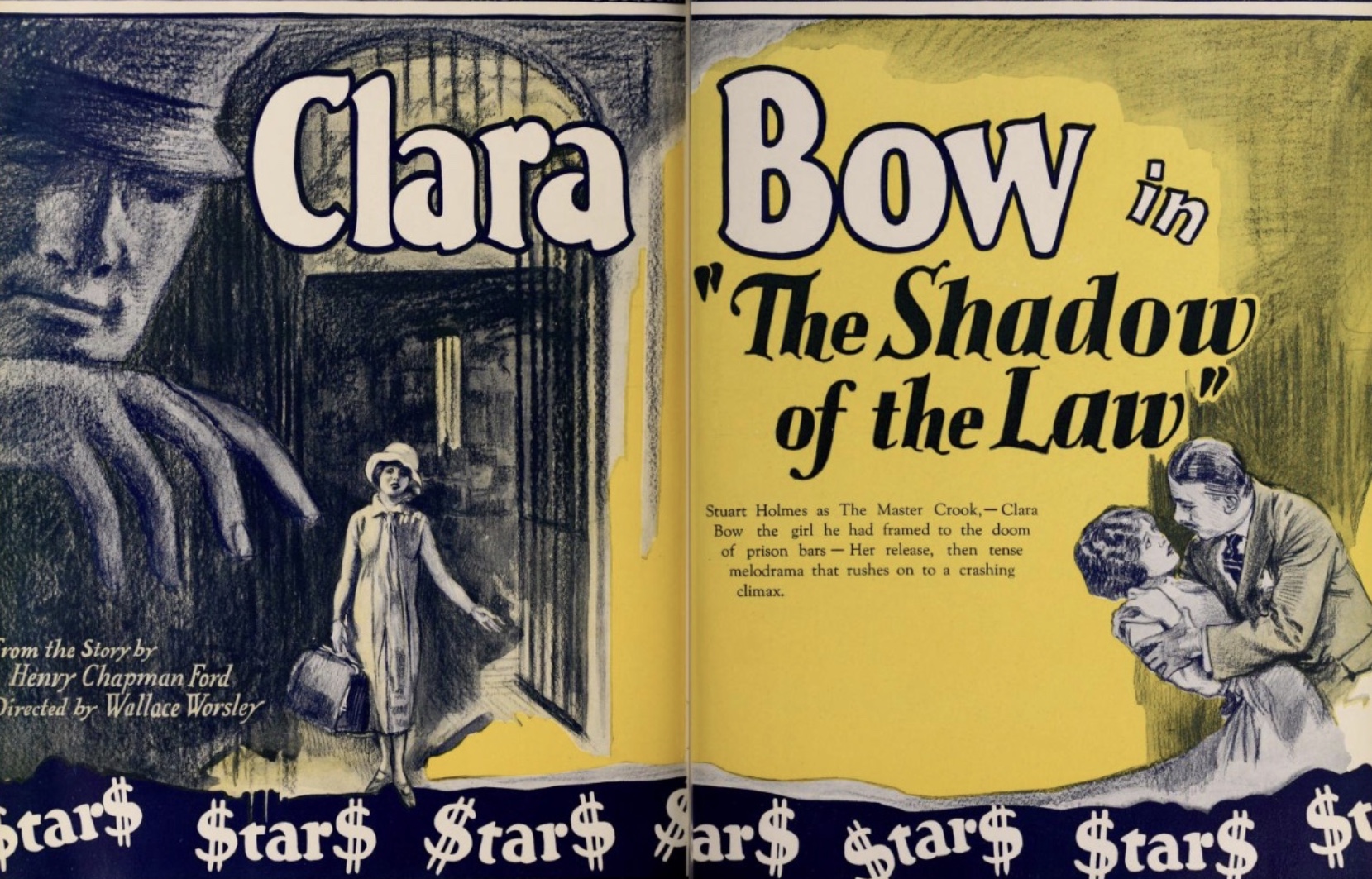
Clara Bow’s twenty-ninth movie was The Shadow of the Law, a silent crime drama produced during the Fall of 1925 and released on January 24, 1926. Clara played Mary Brophy a woman sent to prison for a crime she did not commit, similar to characters she’d played before.

The Shadow of the Law was another marking time movie for Clara. It disappeared on the daily-change circuit and is now considered lost.

I’m exploring the life and career of Virginia Cherrill, the person who, along with Charlie Chaplin, delivered the “Greatest single piece of acting ever committed to celluloid.”

In 1930, while filming Charlie Chaplin’s City Lights (pictured), Virginia Cherrill was living with her mother, Blanche. Aged 22 and separated from her husband, Irving Adler, Virginia was mixing with Hollywood high society, including newspaper magnate William Randolph Hearst and his mistress, Marion Davies. Indeed, Virginia became good friends with Marion and through her influence she managed to persuade Chaplin to double her salary to $150 a week.

Virginia and Blanche were paying rent of $165 a month. The 1930 census reveals that they owned a radio, that Blanche was divorced and not in employment, and that Virginia was presenting herself as single, with no reference to her marriage. Furthermore, Virginia stated that she worked in motion pictures.

To help promote City Lights, Virginia regularly featured in newspapers and magazines, such as this item from the December 31, 1930 issue of The Tatler.

Ancestral Stories: Lions Led by Donkeys

When the First World War broke out, my 2 x great grandfather Albert Charles Bick was working as a car man at Doulton’s Pipe Works in Lambeth. Married to Annie Noulton, he was the father of six children with another on the way.

On 31 August 1915, Albert departed for France to serve his country. Less than a month later, on 25 September 1915, he found himself in the Battle of Loos, the biggest British attack of 1915, and the first time that the British had used poisoned gas.

The engineers manning the poisoned gas cylinders warned against their use, because of the unpredictability of the wind. However, they were overruled by General Sir Hubert Gough. So, at 6.30 am on 25 September 1915, Albert engaged in battle, charging across open ground, the air full of poisoned gas and bullets.

📸 British infantry advancing at Loos 25 September 1915

As the battle developed, the gas claimed more British than German casualties. In four hours, twelve attacking battalions suffered 8,000 casualties out of 10,000 men. In total, the British suffered 48,367 casualties in the main attack and 10,880 more in the second attack, a total of 59,247 losses, a high percentage of the 285,107 British casualties on the Western Front in 1915. 

Albert Charles Bick died at Loos on 25 September 1915, whether through gas poisoning, a machine gun bullet or a mortar bomb is not known, for his body was not recovered. In the official files he is listed as ‘presumed dead’.

Although General Sir Hubert Gough was guilty of gross incompetence and responsible for the deaths of thousands of his own men, the authorities closed ranks and did not apportion blame.

The poet Robert Graves featured in the Battle of Loos and wrote about his experiences in Goodbye to All That, while the Loos Memorial commemorates over 20,000 British and Commonwealth soldiers who fell in the battle and have no known grave, including Albert Charles Bick.

📸 Loos war memorial 

Latest results from Round Two in my Mastodon Mega Movie Poll.

Laura 22% v 78% Rear Window

The Maltese Falcon 78% v 22% Sunrise

Third Round

Citizen Kane 73% v 27% A Streetcar Named Desire

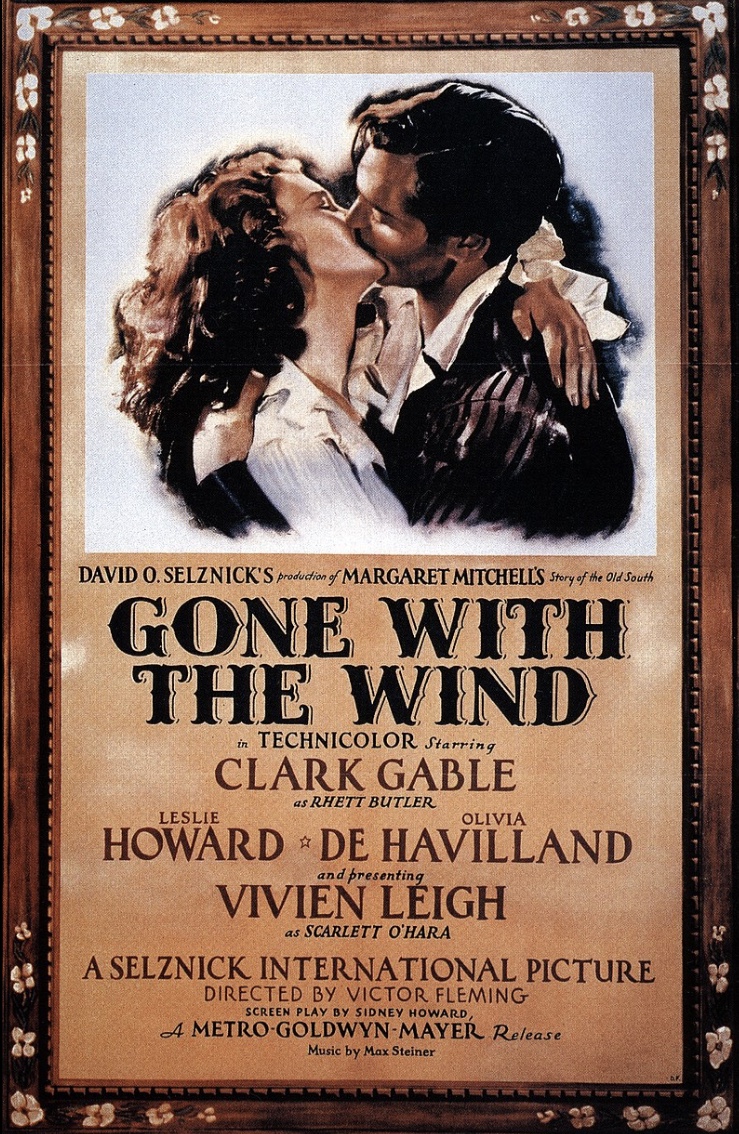
Gone with the Wind 23% v 77% Dr Strangelove

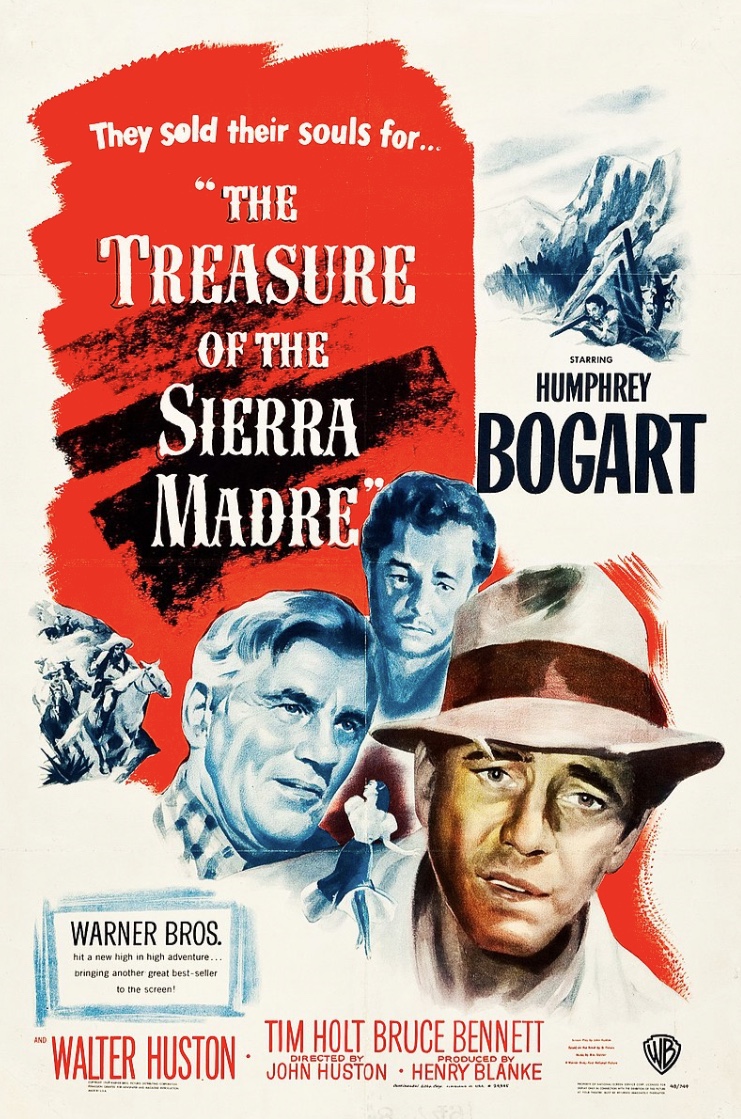
Lawrence of Arabia 63% v 37% The Treasure of the Sierra Madre

Duck Soup 51% v 49% Snow White and the Seven Dwarfs

Casablanca 78% v 22% King Kong 

Some book news, after fifteen appearances at number one, Sam’s Song, book one in my Sam Smith Mystery Series, is currently number two on the Amazon charts. Not bad for a book that’s eight years old 🙂

As ever, thank you for your interest and support.

Hannah xxx

For Authors

#1 for value with 565,000 readers, The Fussy Librarian has helped my books to reach #1 on 36 occasions.

A special offer from my publisher and the Fussy Librarian. https://authors.thefussylibrarian.com/?ref=goylake

Don’t forget to use the code goylake20 to claim your discount 🙂

Categories
Dear Reader

Dear Reader #189

Dear Reader,

Sunshine, book two in my Golden Age of Hollywood series, will be published in April 2024. Here are the pre-order details and the blurb.

I wanted to fly, I had no idea why, but my childhood dream was to fly like a bird. 

Born Abigail Summer, my friends knew me as Sunshine, partly due to my surname, and partly due to my personality. This is the story of my life – pre, during and post World War Two.

While the war raged in Europe, I found myself in Hollywood. I had no ambitions to become an actress but, so the moviemakers said, the cameras “loved me”. 

I guess I was photogenic and, as an actress, I certainly relied on my looks. However, in such tempestuous times as World War Two life was never easy. I witnessed a murder and endured family heartache. I discovered that handsome, wholesome stars sometimes possessed darker personalities. On a brighter note, I also discovered the meaning of true love.

As for my dream to fly…sometimes you need to be careful what you wish for…

Clara Bow’s twenty-eighth movie, released on December 27, 1925, was The Ancient Mariner, a silent fantasy based on Samuel Taylor Coleridge’s 1798 poem, The Rime of the Ancient Mariner

Clara played Doris Matthews, a beautiful, innocent young girl. At this stage of her life, Clara was still young and had certainly retained her looks. However, even before she set foot in Hollywood, her innocence had long gone.

Once again, as an actress Clara was literally and figuratively treading water. That said, the film, now sadly lost, did receive excellent reviews from the critics.

My 3 x great grandfather Richard Stokes was born on 27 December 1842 in Shoreditch, London. He spent his childhood in Green Street, Mile End with his elder brother and two younger sisters. His father, William, was a ‘corn meter’, a customs and excise man dealing with the trade that arrived via the River Thames. His mother, Jane Esther Axe, was a very capable woman who managed her family’s affairs after her father’s death. Compared to many, Richard enjoyed a good start to life.

Vessels moored at London’s Custom House in 1755

In 1860, my 3 x great grandfather Richard Stokes met Lucy Sarah Glissan, daughter of John Glissan and Sarah Foreman, who were pharmacists. Lucy was living with her sisters, Amelia and Mary Ann in Mile End Old Town, London. Aged 17, Richard was a gas fitter.

A ‘brother’, William, was also living with the sisters. William was a newborn baby, Richard and Lucy’s baby. To save face, Lucy had lied to the enumerator. Would Richard marry Lucy, or abandon her and her baby?

On 27 May 1861, my 3 x great grandparents Richard Stokes and Lucy Sarah Glissan married at St Mary’s, Whitechapel Road. Lucy had recently given birth to their son, William. A happy day. However, tragedy lay ahead: on 28 August 1861, baby William died. Rare for the time, all of Richard and Lucy’s siblings had survived into adulthood. William’s death must have hit them hard.

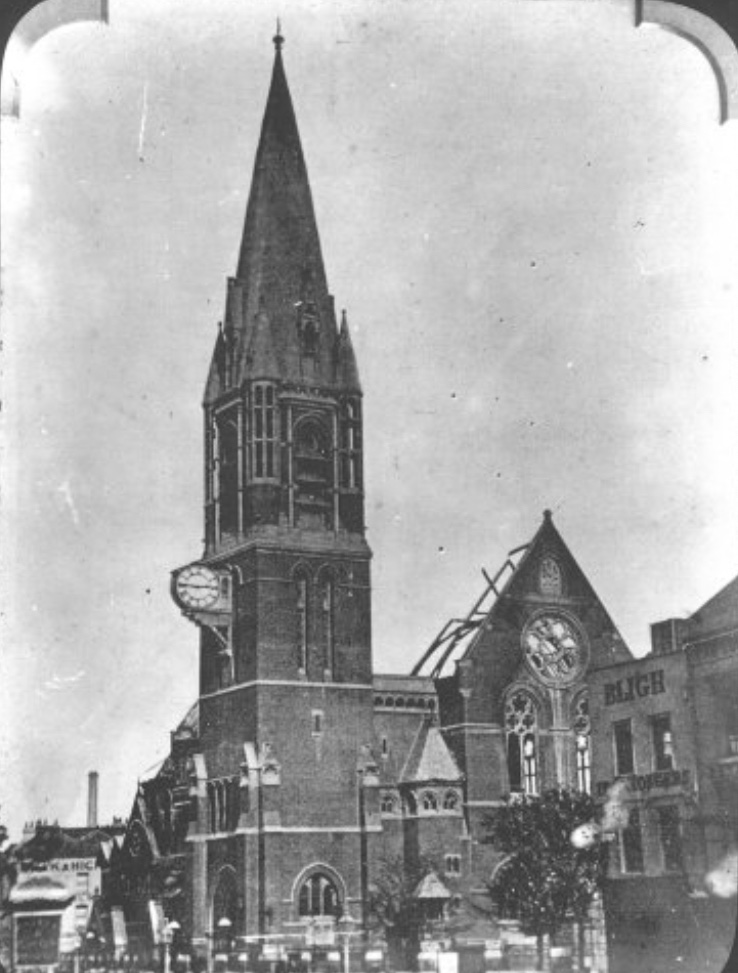
The parish church of St Mary’s, gutted by fire in 1880

1865, and life for my 3 x great grandparents Richard Stokes and Lucy Sarah Glissan was moving in the right direction. After losing their baby, William, Lucy had given birth to another baby (my 2 x great grandfather) also named William. Furthermore, Richard had established himself in a trade: office stool maker. For hundreds of years, broken only when Richard’s father William had moved from Pangbourne to London, the Stokeses were master carpenters.

My 3 x great grandfather Richard Stokes established himself as an office stool maker and regularly featured in the trade directories. His wife, Lucy Sarah Glissan, gave birth to eight children. Her first and eighth born died in infancy. The other six, including my 2 x great grandfather William, made it into adulthood. William continued the Stokeses woodworking tradition and became a master carpenter.

I’m exploring the life and career of Virginia Cherrill, the person who, along with Charlie Chaplin, delivered the “Greatest single piece of acting ever committed to celluloid.”

Separated from her husband after seventeen months of marriage on grounds of incompatibility, Virginia found herself in Hollywood, staying with relatives. At social events, she met many prominent people, including Charlie Chaplin.

The timeline of Virginia’s meetings with Chaplin varies, but it would appear that he noticed her on a beach and, when they met again at a boxing match, he invited her to co-star in his new movie, City Lights. 

Chaplin often cast unknowns in his movies and he hired Virginia, who had no acting experience or ambitions to become an actress, without a screen test. By Chaplin, this was an inspired piece of casting.

United Artists sent out press releases and Virginia, along with this unflattering picture, appeared in local, national and international newspapers. Fame and fortune beckoned…

Mr Smith Goes to Washington 33% v 67% His Girl Friday

Sunset Boulevard 95% v 5% Meet John Doe

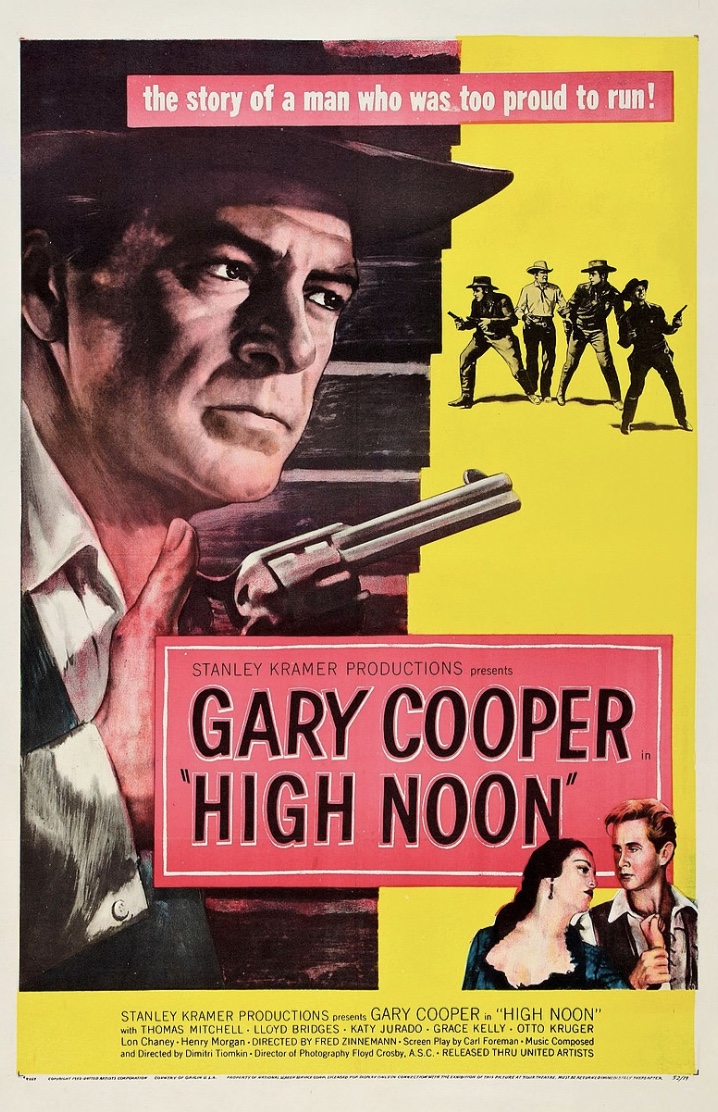
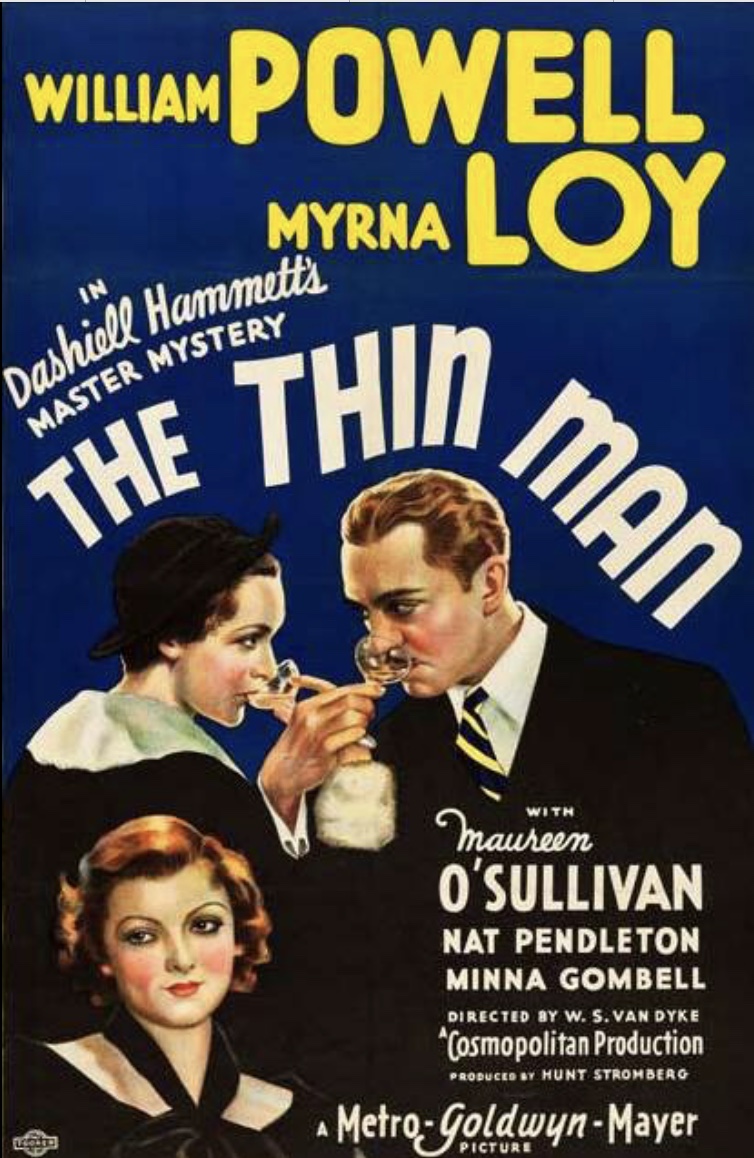
High Noon 37% v 63% The Thin Man

2001: A Space Odyssey 70% v 30% In the Heat of the Night

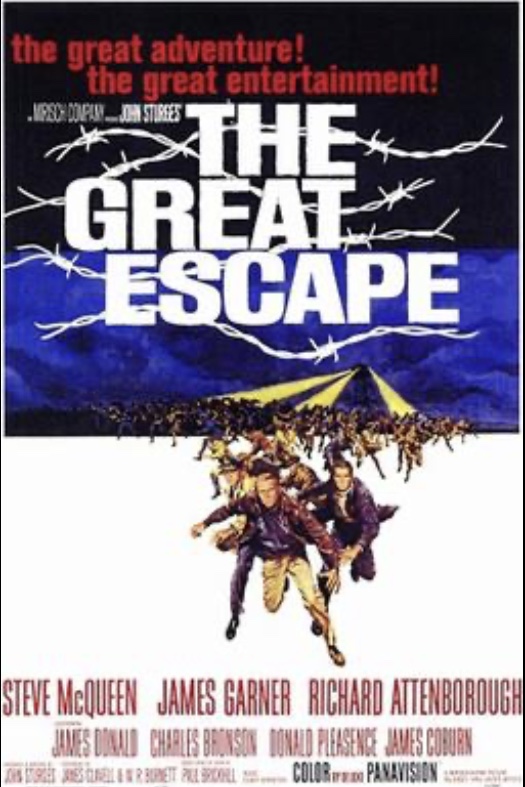
The Great Escape 70% v 30% Stagecoach

Psycho 51% v 49% The African Queen

Double Indemnity 68% v 32% The Adventures of Robin Hood

As ever, thank you for your interest and support.

Hannah xxx

For Authors

#1 for value with 565,000 readers, The Fussy Librarian has helped my books to reach #1 on 36 occasions.

A special offer from my publisher and the Fussy Librarian. https://authors.thefussylibrarian.com/?ref=goylake

Don’t forget to use the code goylake20 to claim your discount 🙂