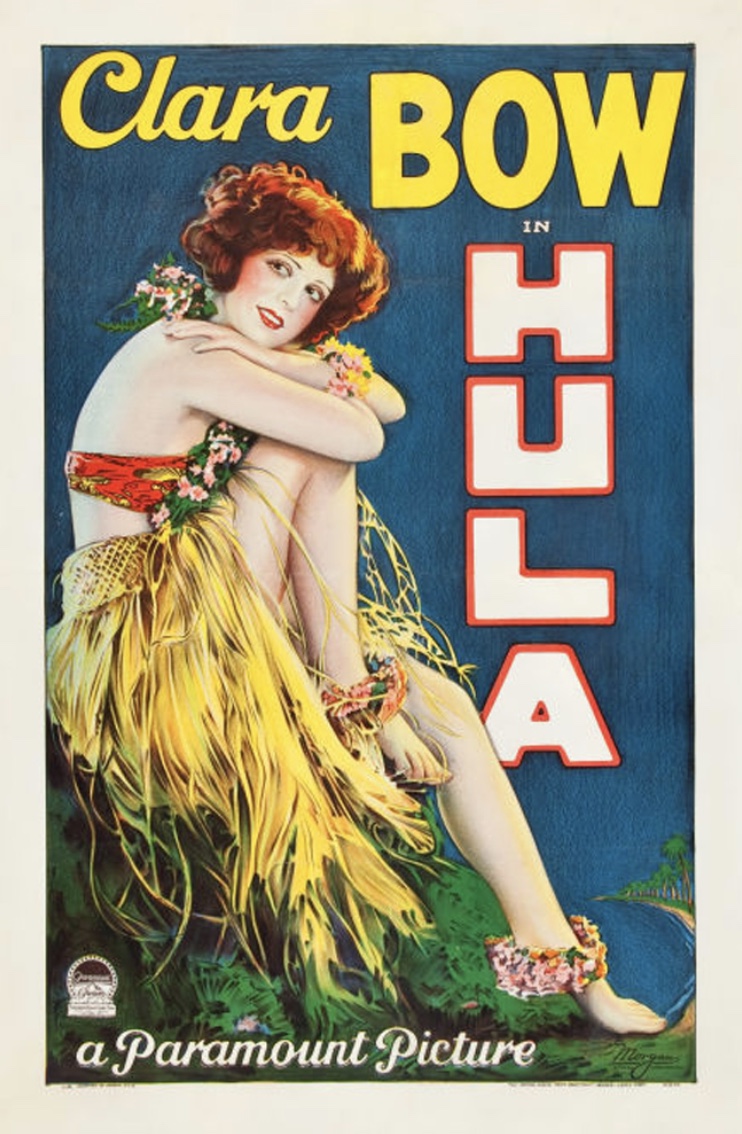
Clara Bow’s forty-first movie was Hula, produced between June 9 – July 8, 1927, released August 27, 1927. Clara played the title character.
Banned intertitles, lines spoken by Clara (of course): “Kiss me, love me, begin again.” “Oh, ya do love me, Saint Anthony.”
Hula is a formula post “It” Clara Bow movie: Clara basically plays herself; her leading man is nondescript; low budget; flash as much flesh as possible. Once again, Clara’s talent was sacrificed for the raking in of the mighty dollar.
While some men viewed Hula as nothing more than a sex object, women viewed her as a liberated woman. Clara’s performance complete with her trademark “triple-take” – each look designed to hook a particular section of the audience – had everything to do with that.
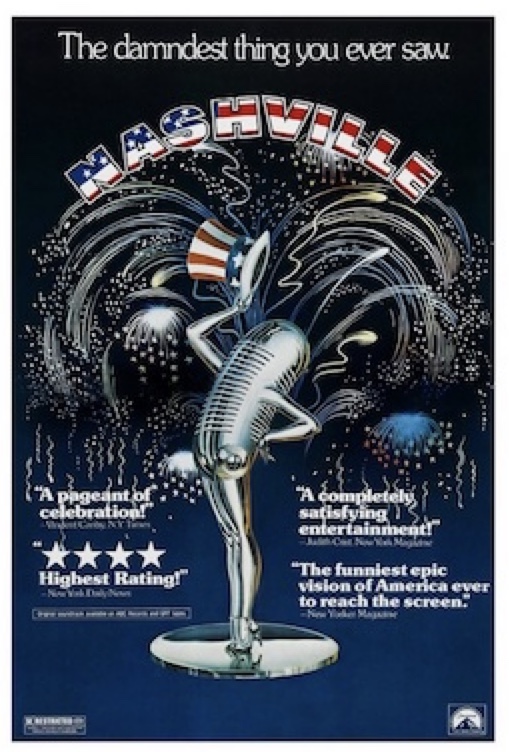
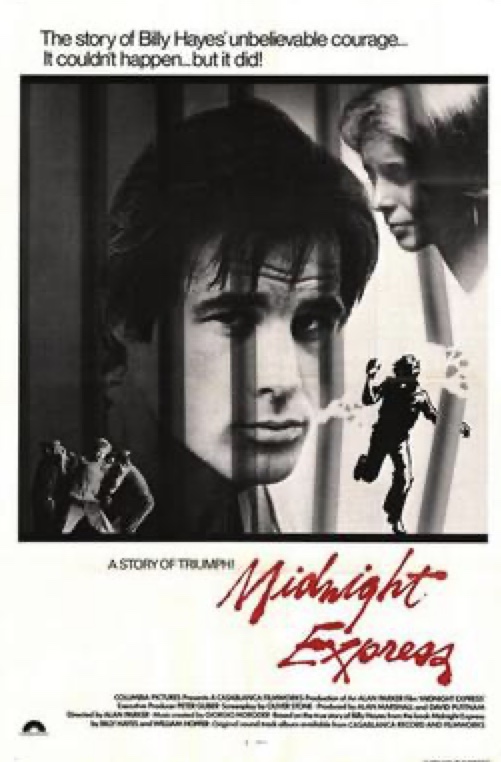
Mastodon 1970s Mega Movie Poll, Last Sixteen
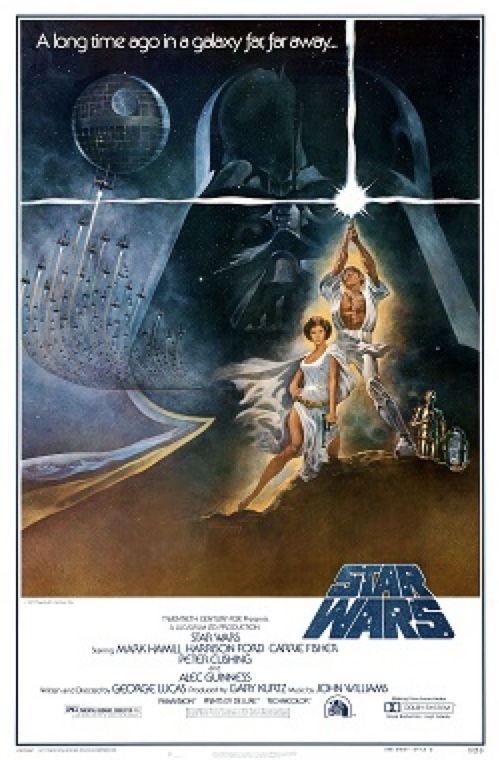
Star Wars 70% v 30% Apocalypse Now
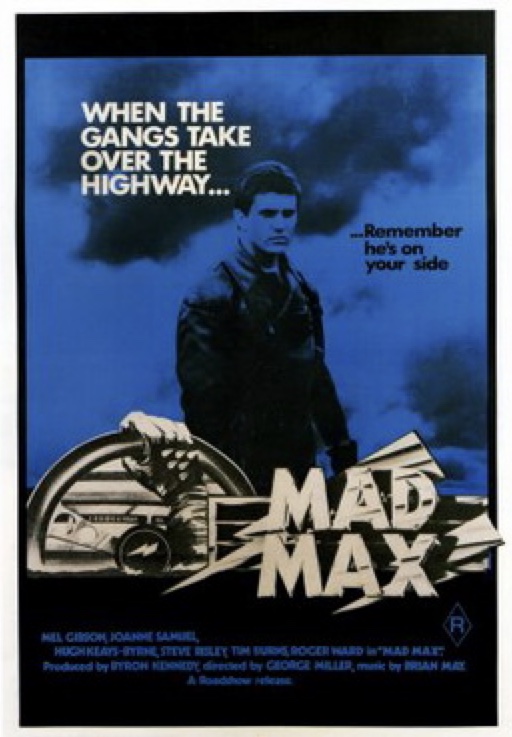
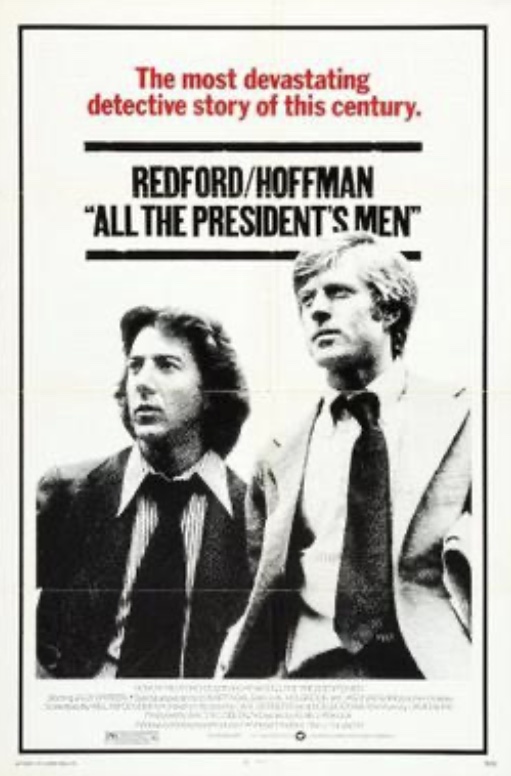
Mad Max 45% v 55% All the President’s Men
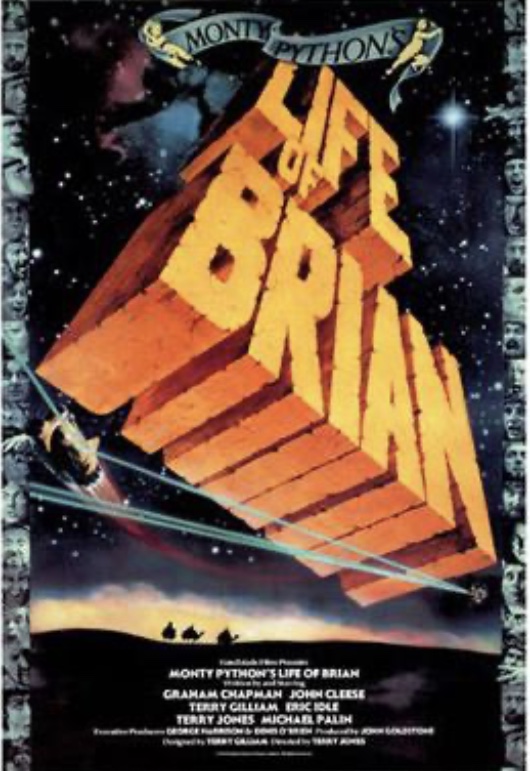
Monty Python’s Life of Brian 75% v 25% The Deer Hunter
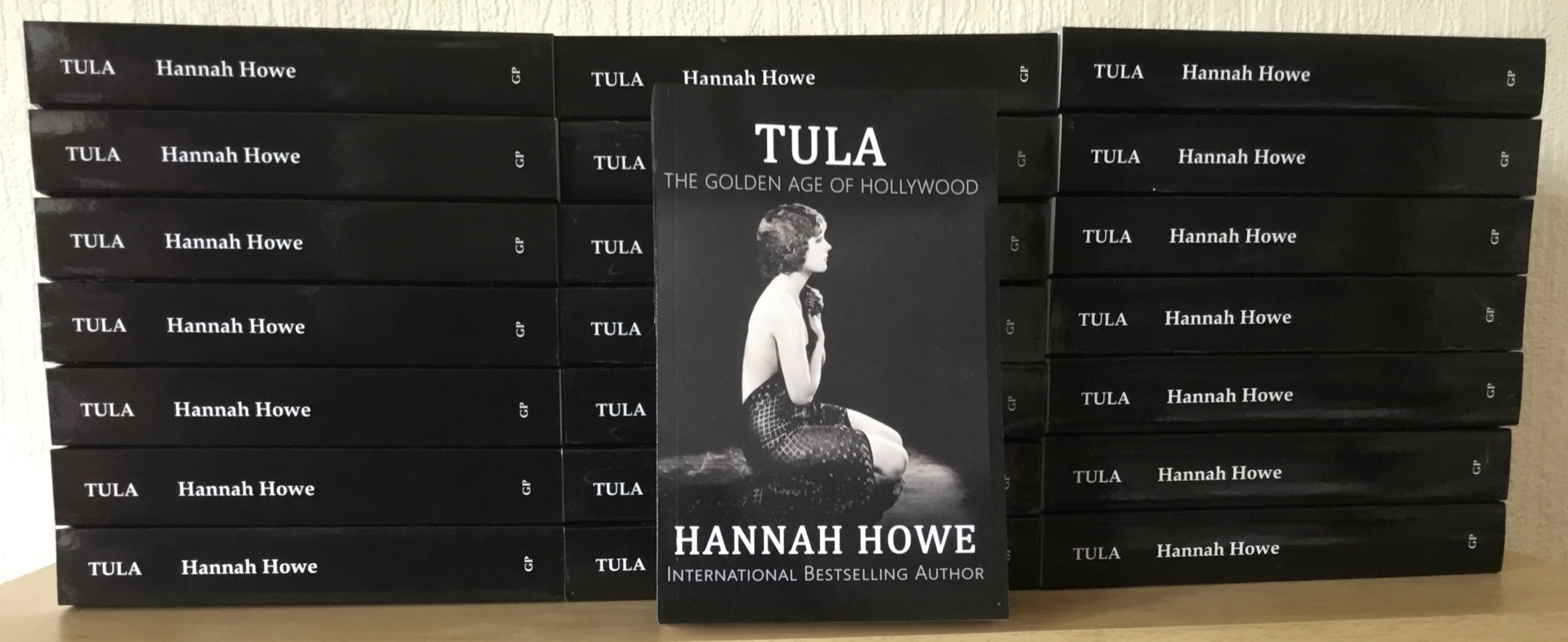
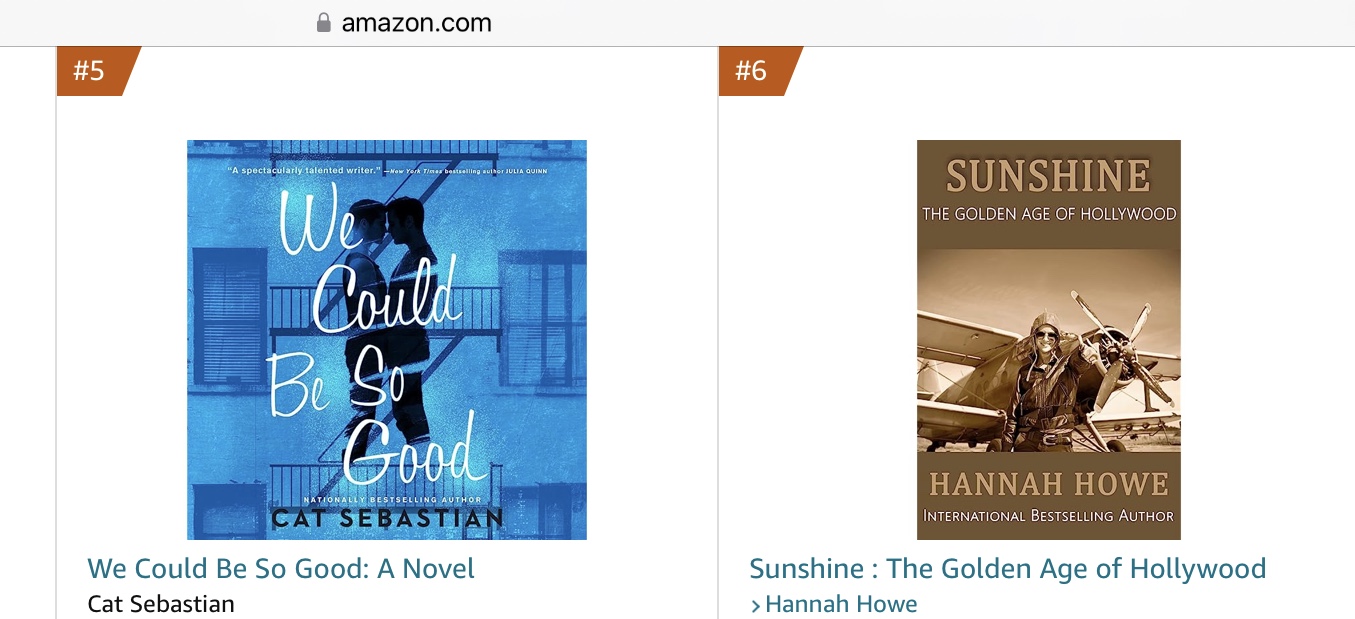
A week ago, we published the eBook version of Tula, book one in the Golden Age of Hollywood. It’s been an eventful week. Tula is currently #12 on Amazon’s genre charts while Sunshine, book two in the series and scheduled for publication next April, is #6. Once published, Amazon does not count Tula’s pre-orders in its chart positions, hence the discrepancy of book two being ahead of book one.
We have three translations in production: Afrikaans, Portuguese and Spanish, with more planned. We also have the audiobook version in production and the print version due next week, ready for sale and distribution to the main libraries in Wales, Ireland, England and Scotland, including the Bodleian Library.
So far, most of the sales have been in America, followed by Canada and Britain. This we anticipated. We are hoping to increase sales in other countries as we progress.
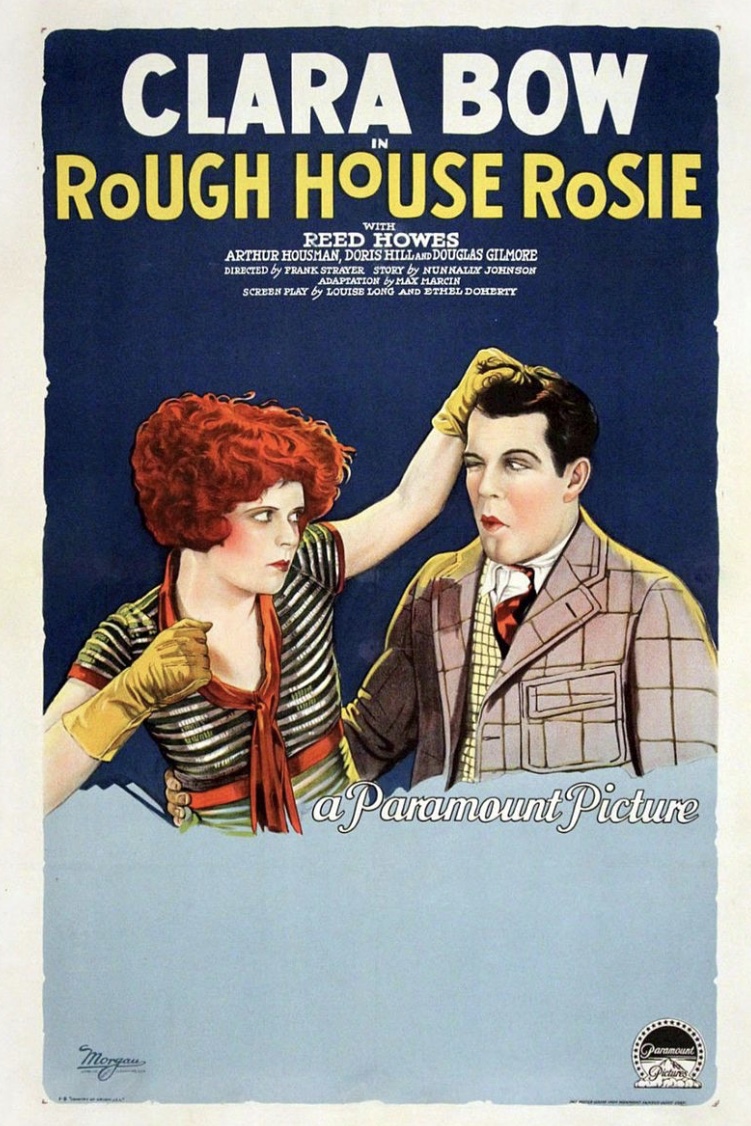
Clara Bow’s fortieth movie was Rough House Rosie, produced between January 24 and March 11, 1927, and released on May 14, 1927. Clara played Rosie O’Reilly. Sadly, this film is now considered lost.
At this stage, Clara was working from 6 am until midnight, six days a week. Exhausted, she collapsed and was granted a three month vacation.
Romantically, Clara was torn between director Victor Fleming and actor Gary Cooper. Fleming, much older than Clara, was a ‘father figure’, whereas Cooper, basically a shy man, was trapped under his mother’s thumb. Cooper and Clara were well suited, but in the complex world of Clara Bow their relationship faded, although I strongly suspect that their affection for each other lasted until her final day.
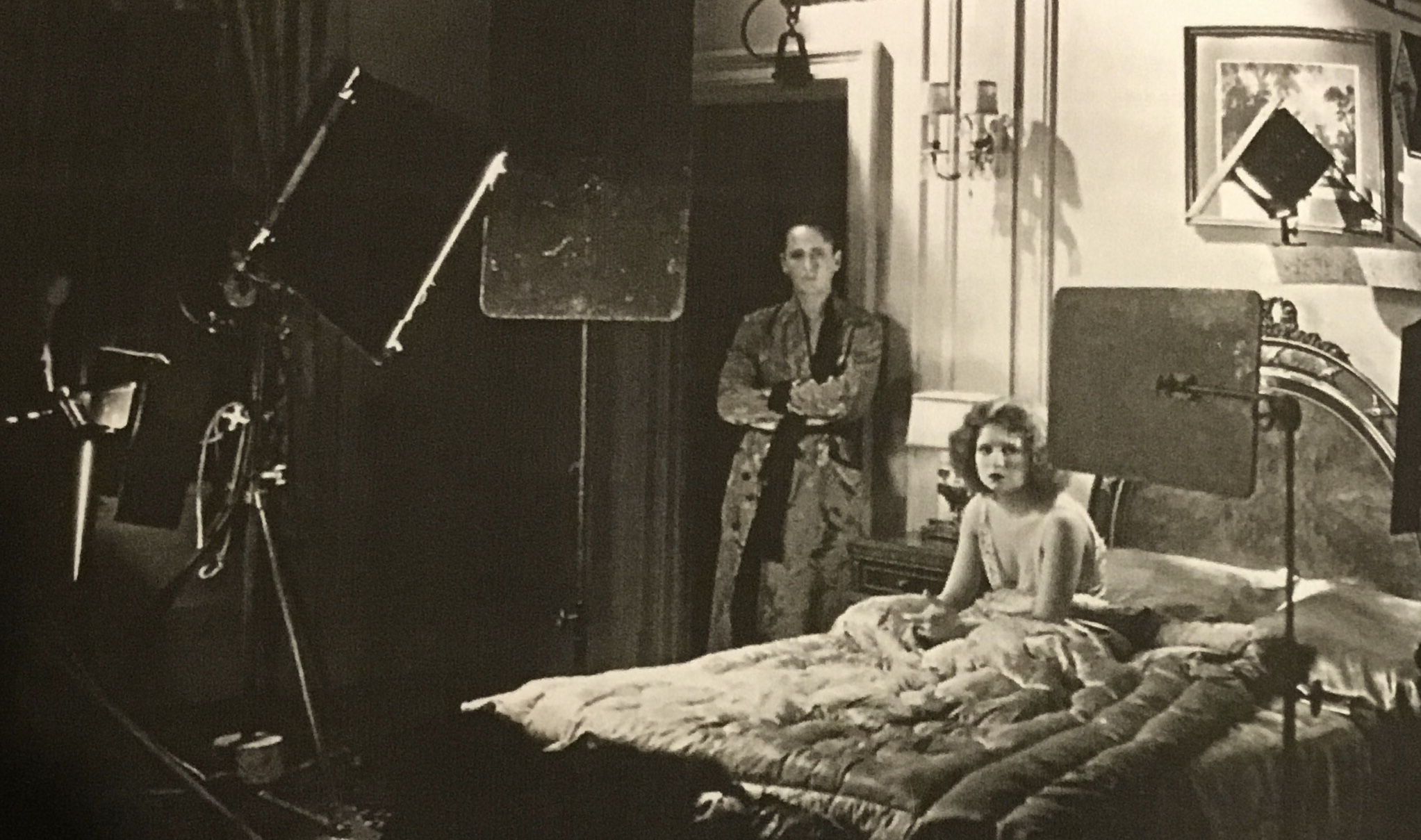
Setting up a scene for Clara Bow’s Call Her Savage (1932), one of her eleven talkies. She also made forty-six silent movies.
The Mastodon 1970s Mega Movie Poll, Second Round
The Long Goodbye 30% v 70% All the President’s Men
Apocalypse Now 76% v 24% The China Syndrome
Taxi Driver 51% v 49% The Conversation
The Godfather 95% v 5% Twilight’s Last Gleaming
Last Sixteen
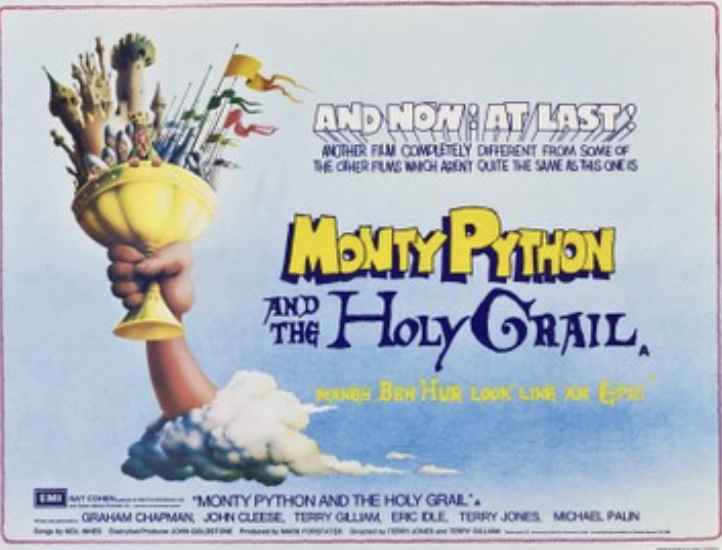
Monty Python and the Holy Grail 76% v 24% Network
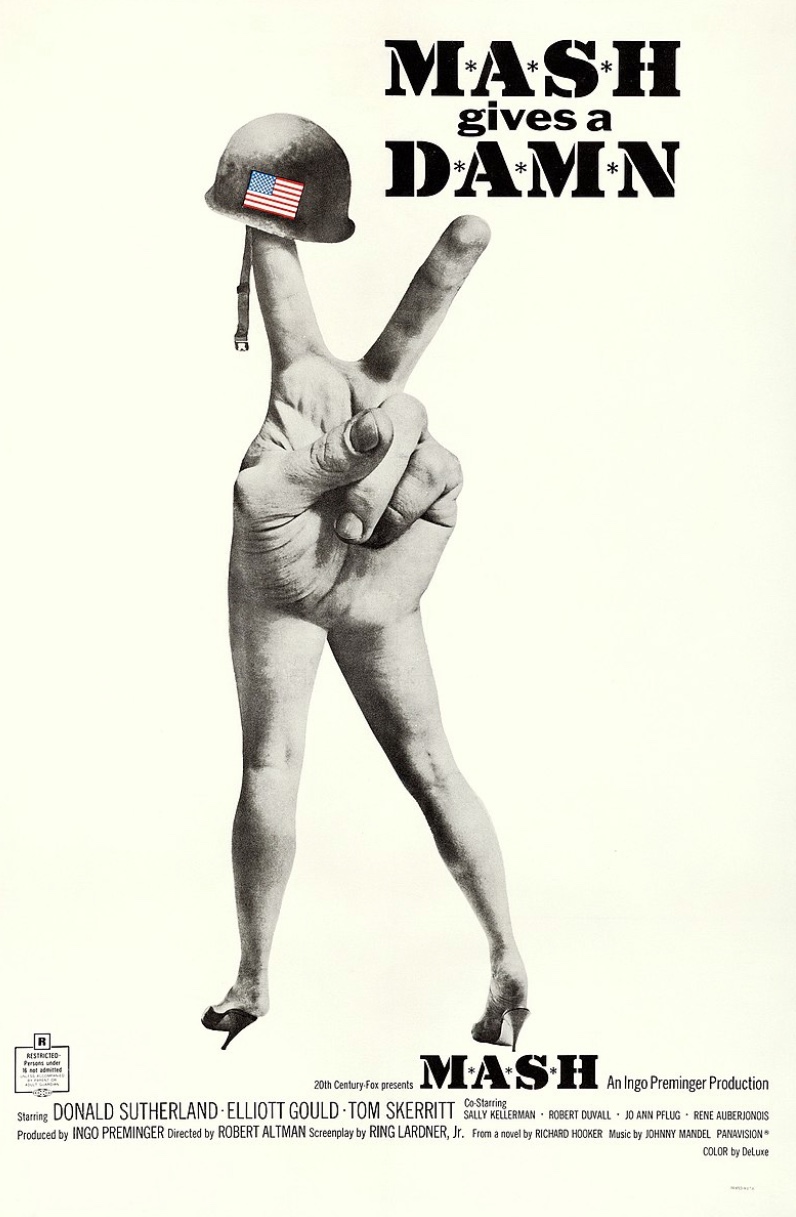
M*A*S*H 65% v 35% Willy Wonka and the Chocolate Factory
Clara Bow’s thirty-ninth movie was Children of Divorce, a silent romantic drama produced between November 26, 1926 and January 15, 1927, and released on April 2, 1927. Clara played Kitty Flanders, a young flapper. The movie co-starred one of Clara’s lovers, Gary Cooper, who she met a few months earlier during the filming of Wings.
Gary Cooper was very nervous on the set (one scene required twenty-three straight takes; he was fired, but Clara made sure that he was rehired). He was especially nervous during the love scenes with co-star Esther Ralston. This was ironic because he developed a reputation as one of Hollywood’s great lovers.
Clara’s character died in this movie. Director Victor Fleming said, “Clara Bow’s death scene in Children of Divorce is the greatest ever done on the screen.”
At times, Clara Bow was ‘wild’ and ‘crazy’. She was also a great actress.
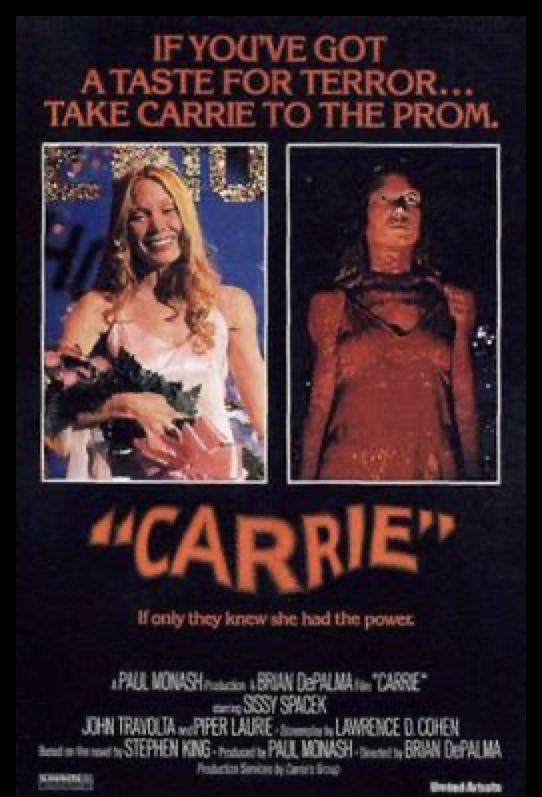
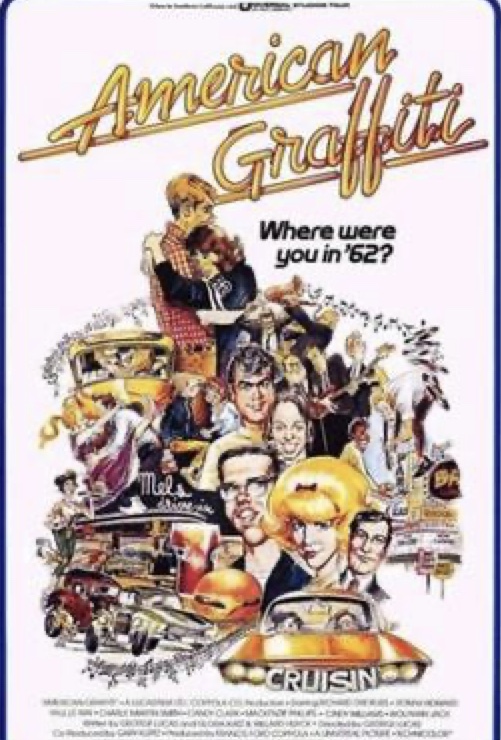
The Mastodon 1970s Mega Movie Poll, Second Round
Mad Max 51% v 49% The French Connection
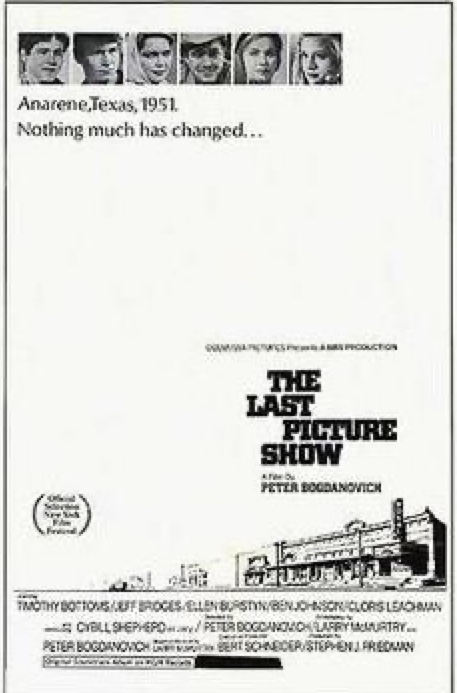
Jaws 71% v 29% The Last Picture Show
The Deer Hunter 68% v 32% Slaughterhouse-Five
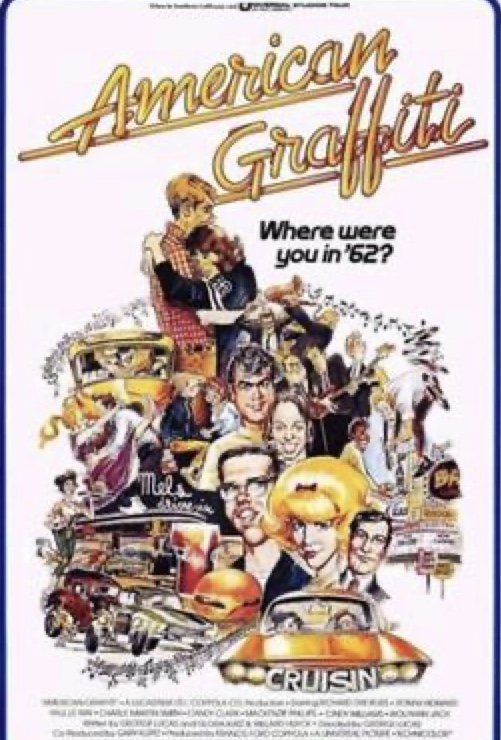
American Graffiti 32% v 68% A Clockwork Orange
Chinatown 65% v 35% The Taking of Pelham 123
Monty Python’s Life of Brian 71% v 29% The Sting
Willy Wonka and the Chocolate Factory 53% v 47% Dog Day Afternoon
My latest movie article for the Seaside News can be found on page 40 of the magazine.
Clara Bow’s thirty-eighth movie was It, her career-defining film. Produced between October 7 and November 6, 1926, It was released on February 19, 1927. Clara played shopgirl, Betty Lou Spence.
Co-star Priscilla Bonner said of Clara: “Clara always ‘gave’ to me in a scene. She worked with the other actor, and she worked hard. Always on time, very businesslike, and absolutely no ‘star temperament.’”
Variety said: “This Bow girl certainly has that certain ‘It’ for which the picture is named, and she just runs away with the film.”
It broke box office records across America and made Clara Bow the icon of her generation.
From the backstreets of Brooklyn to the number one actress in Hollywood, Clara had been on quite a journey. Where could she go from here?
The Mastodon 1970s Mega Movie Poll, First Round
Taxi Driver 69% v 31% Don’t Look Now
Twilight’s Last Gleaming 74% v 26% Go Tell the Spartans
Round Two
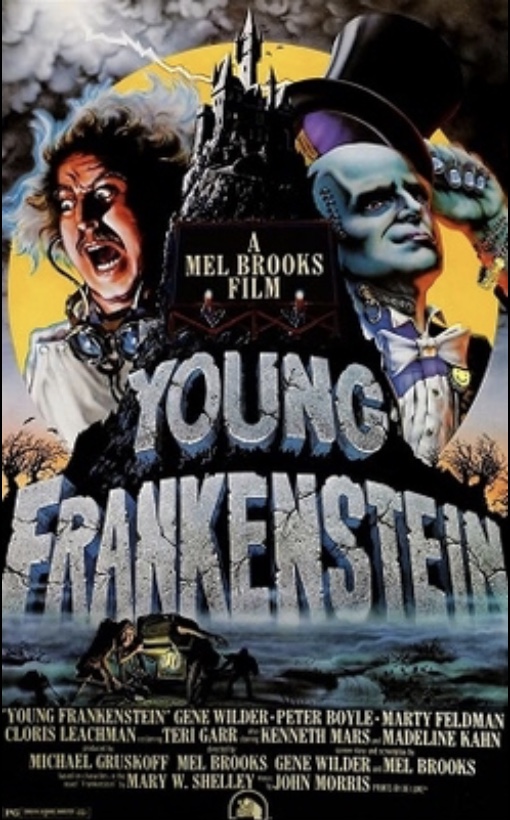
Monty Python and the Holy Grail 62% v 38% Young Frankenstein
I’m outlining a novel set in 1918 and the Hero was proving elusive. So, I asked my youngest son, who has a deep knowledge of WW1, how could a soldier leave the war, alive, before its conclusion? There are several answers, of course, but he said “desertion” and the Hero, and the conclusion of the book, came to life. The working title is The Ninety-Three (the initial idea arrived when I thought, what if you turn everything about The Thirty-Nine Steps around?)
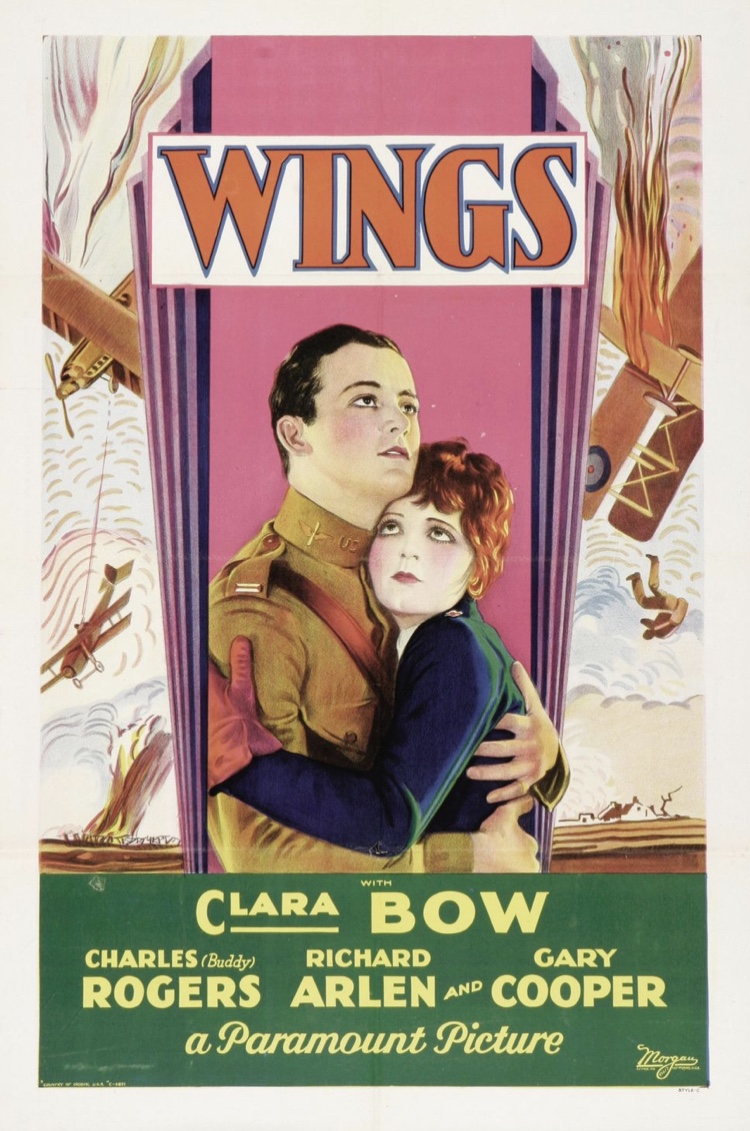
In terms of production, Clara Bow’s thirty-seventh movie was Wings, September 7, 1926 – April 7, 1927. General release, January 5, 1929. Clara played Mary Preston.
Wings was a homage to First World War fighter pilots. As Clara rightly observed, it was a buddy movie and she was only added to the cast because she was red hot at the box office. Clara’s appearance guaranteed that the movie would be a success. Furthermore, the quality of the film, and the amazing stunt flying, ensured that Wings won the first ever Academy Award for Best Picture.
Born Mary Ann Howe on 2 September 1879, but known in the family as Auntie Ann, my great grandaunt lost a leg as a child. Apparently, she fell out of a tree. Family legend states that the surgeon removed her leg, which presumably had become infected, on the kitchen table. This legend stems from Auntie Ann’s sister, Edith who, being present, is obviously a good source.
Auntie Ann kept house for her brother, Evan, a limestone quarryman. She had a penchant for snuff and used to take a pinch whenever she visited Edith. She lived in Lilac Cottage, pictured, a building that did not have indoor running water. She would gather her water from a pump in the garden.
A dressmaker, and due to the family allotment largely self-sufficient, Auntie Ann made her own lemonade. One day, her still exploded, showering her kitchen with lemonade. She had a number of idiosyncrasies including a refusal to handle copper coins. Consequently, she insisted on paying tradesmen in ten shilling or pound notes. Maybe she told them to keep the change?
With her crutch under her arm, Auntie Ann remained mobile well into her eighties. She died on 3 April 1966 aged eighty-six with her sister Edith and brother Evan at her side.
***
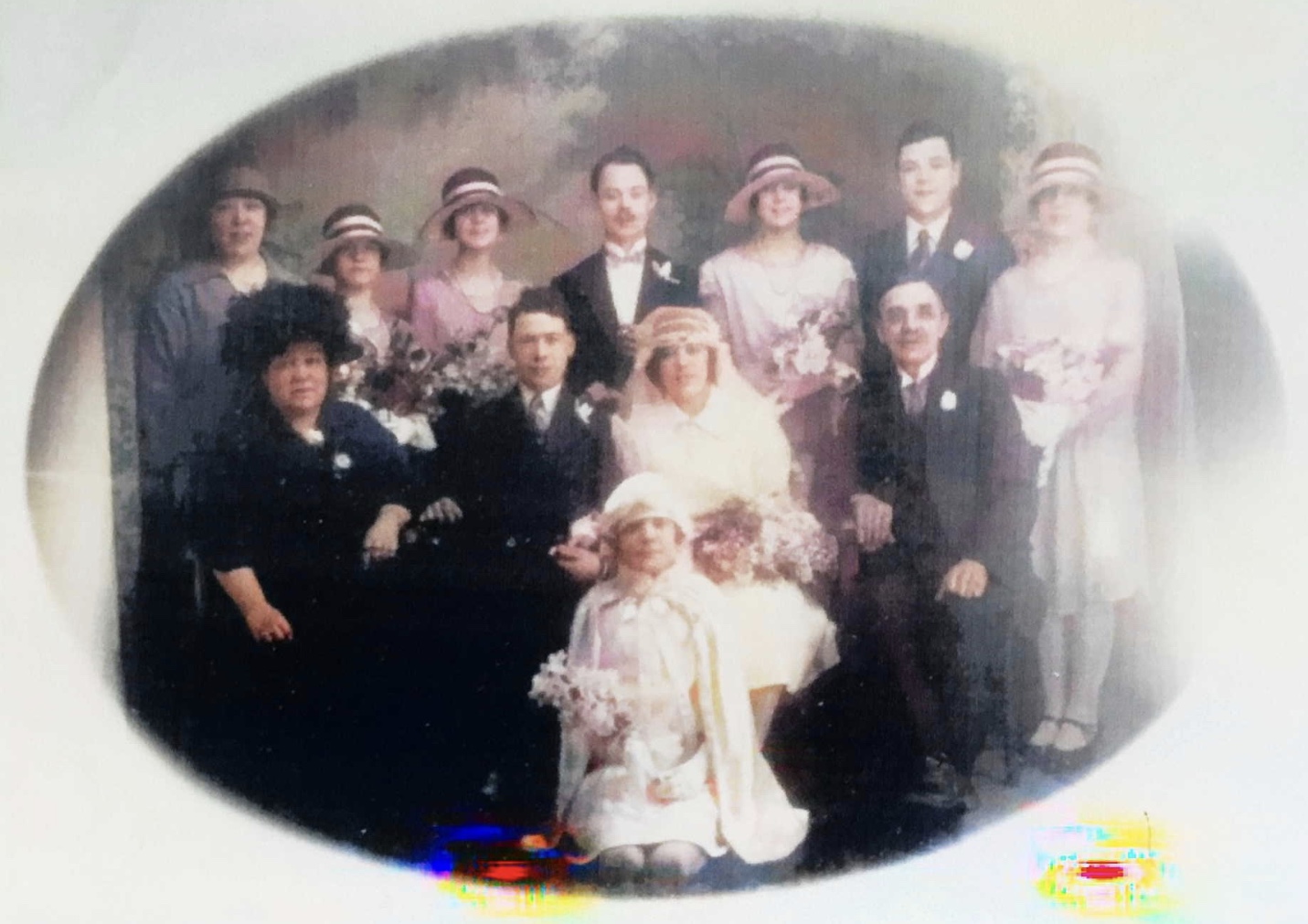
A wedding in London, 20 February 1927. My 2 x great grandmother Jane Dent is seated on the left and her husband, my 2 x great grandfather William Stokes, is seated on the right. The bride is their daughter Louisa Elizabeth Stokes. William was a master carpenter while Jane was a teenager in Whitechapel during the terror of Jack the Ripper.
Colourised, hence the flashes on the bottom.
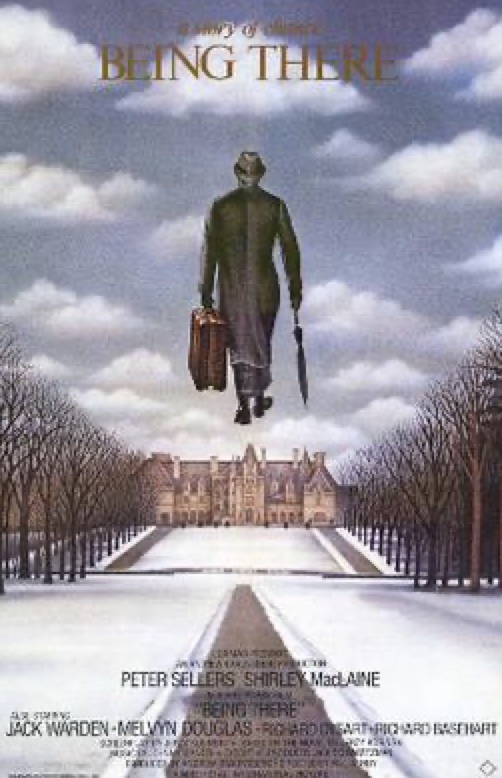
The Mastodon 1970s Mega Movie Poll Round One Continued
Apocalypse Now 67% v 33% Silent Running
The Last Picture Show 73% v 27% A Woman Under the Influence


















 Hannah Howe