Categories
Dear Reader

Dear Reader #157

Dear Reader,

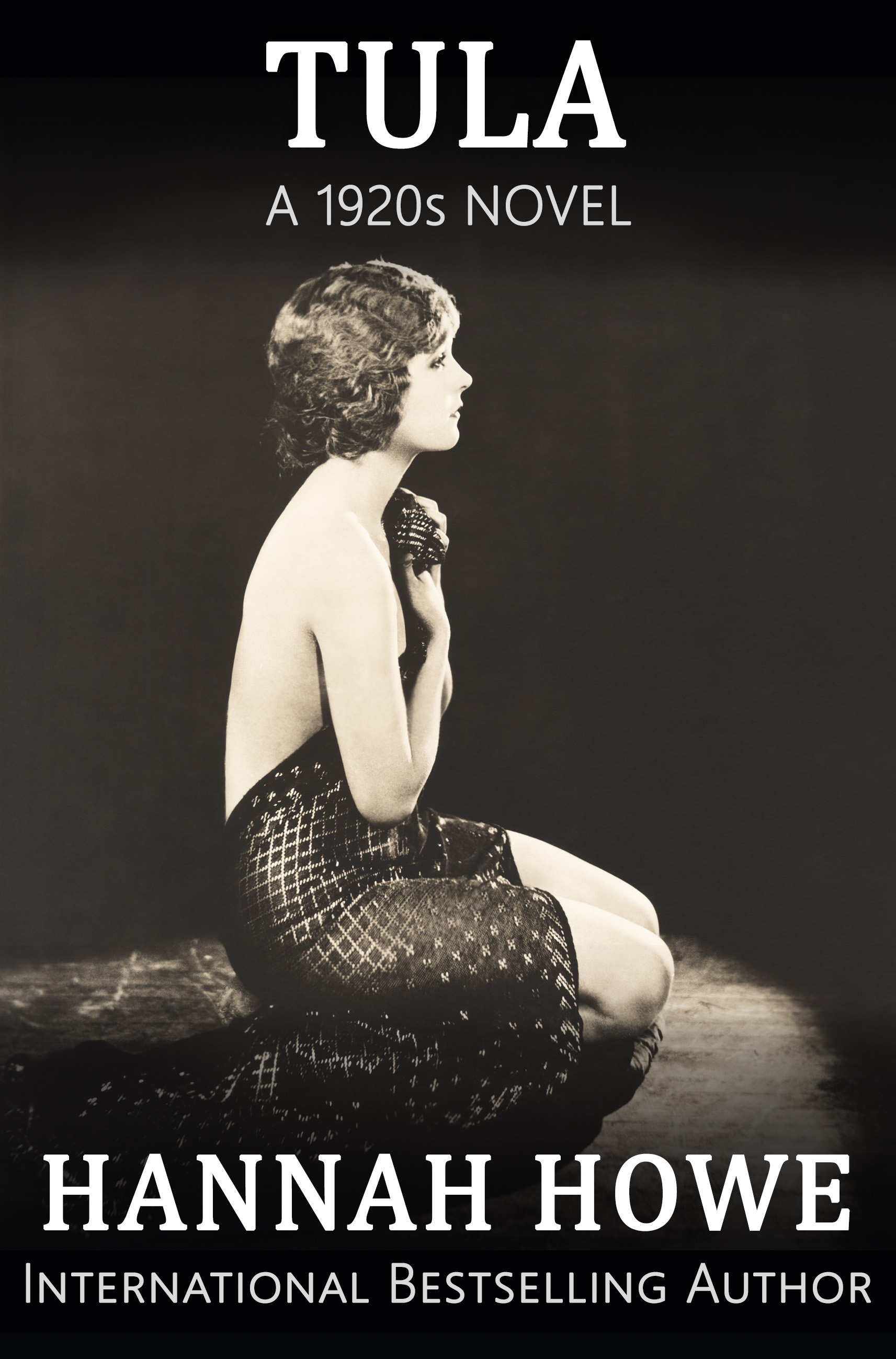
I’m excited to introduce a new project, Tula, a novel set in the 1920s. Tula is an actress who has climbed from the gutter to become a major star in Hollywood. However, as the story opens, she is in an asylum. How did she get there? 

Tula believes that the recent death of her father triggered her emotional collapse. However, as she chronicles the first twenty-four years of her life, she discovers the true trigger for her breakdown.

This story might sound dark, but light arrives in the shape of Tula’s determination to escape from poverty, and her strength in facing up to and overcoming her emotional problems.
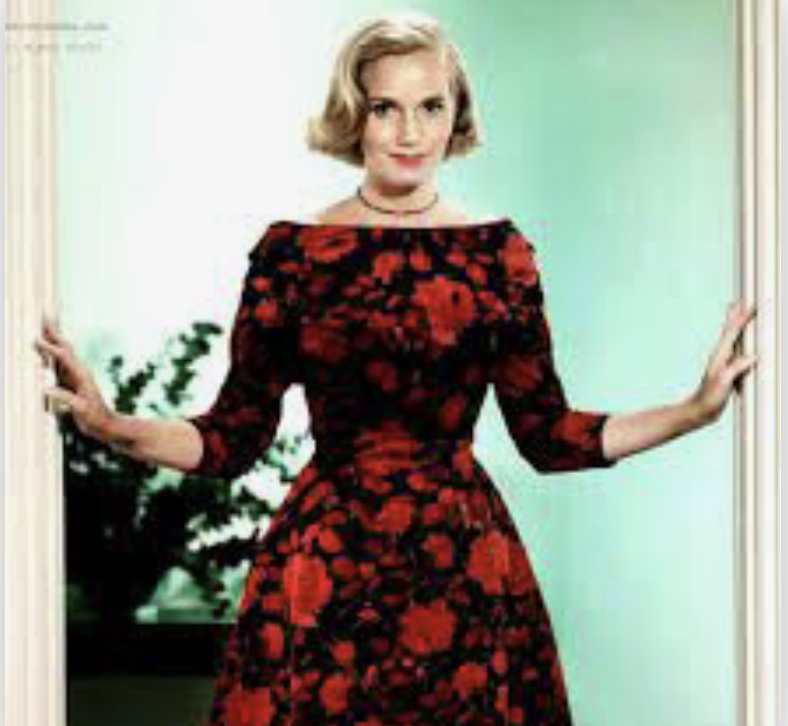
Continuing my research into Eva Marie Saint’s ancestry using public records. I’m looking to answer two questions: was Eva’s talent the result of nurture, or nature? And why am I drawn to her as an actress? Can I find the answers to these questions in her roots?

Today’s record is the 1930 census. This census confirms that Eva was born in New Jersey, that at the age of five she was attending school and literate, and that she lived with her older sister, Adelaide, and her parents, John and Eva. John was a credit man for a rubber company, Eva Senior was a housewife.
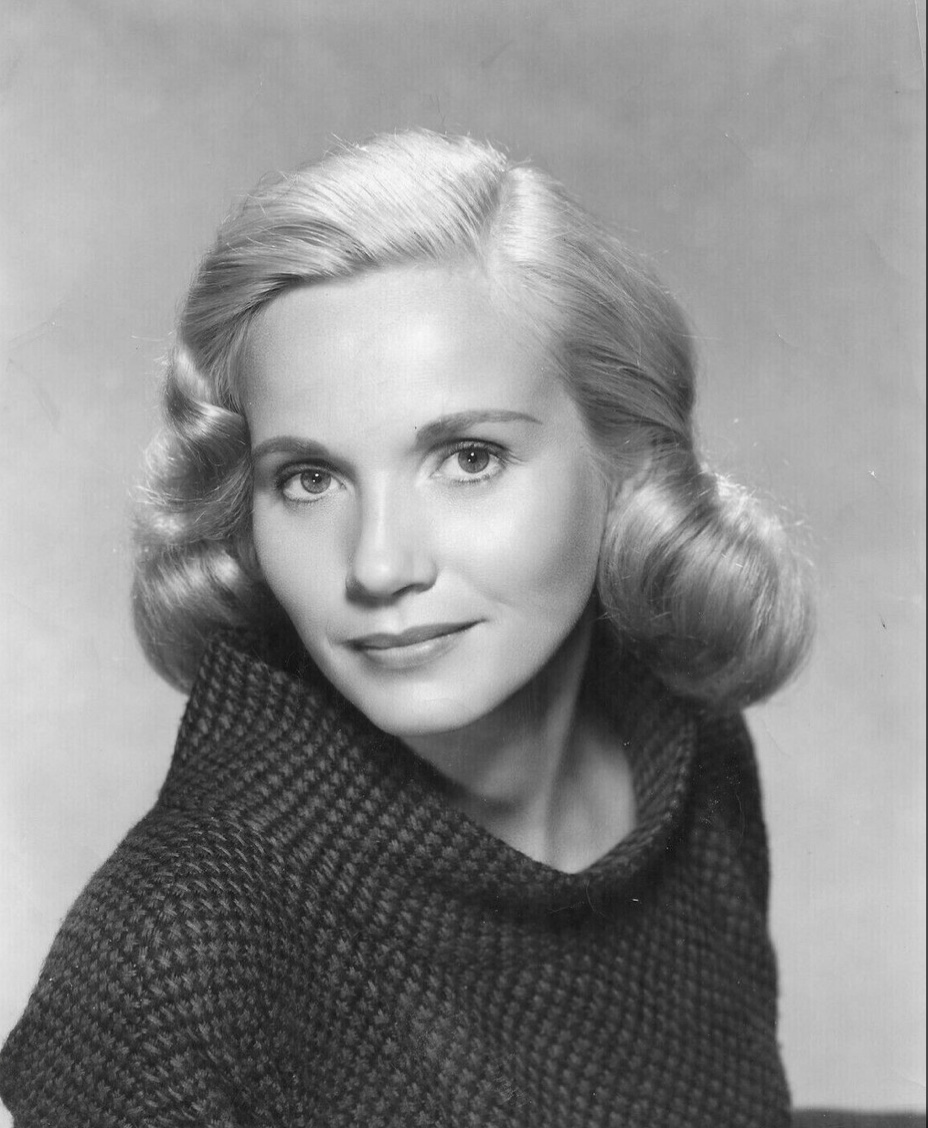
Eva’s family rented a home on 81 Street, Queens, New York. Most of their neighbours were born in New York. However, their parents came from Austria, Russia, Germany, Czechoslovakia, Hungary and Ireland. They were merchants, bookkeepers, salesmen, secretaries, photographers and hairdressers. 

This was an immigrant area, not the poorest, not the richest. Unlike some actresses, Eva did not enjoy a gilded path to fame and fortune; she had to work for her success. That is something I can relate to, and it partially answers one of my questions. 

However, for the full answers, I need to explore Eva’s parents’ records. More, next time.

***

In the seventeenth century, London’s doctors qualified through an apprenticeship. They set bones, tended injuries and bled patients. Physicians represented a different branch of medicine. They qualified through universities and advised on diet, exercise and drugs.

Treatments centred on purging, sweating and bleeding in an attempt to restore the balance of a patient’s body. 

Physicians charged a fee, usually between 10 and 20 shillings, which placed them well out of the reach of many Londoners.

For day-to-day medical treatments, Londoners visited barbers. Along with offering a haircut and a shave, a barber would bleed a client and draw his teeth. 

Medicines were sold by apothecaries, who developed into pharmacists. These medicines were derived from herbs, plants and vegetables and sold for a penny per dose.

Many of the treatments were ineffective, which led to challenges by ‘new scientists’ like Nicholas Culpepper, pictured. The establishment hated Culpepper because he challenged their cosy cartel, stated that high medical fees were ‘un-Christian’, and because he treated London’s poor.

Caledonia – It’s Worth a Fortune! Series 1, Episode 11 of The Rockford Files. All writers have standby plots. One of John Thomas James’ standby plots was ex-cons looking for hidden money. In Caledonia, JTJ delivered a neat twist at the end.

This episode was directed by Stuart Margolin, a talented actor/director. While Margolin’s direction was always crisp, his greatest contribution to The Rockford Flies was his portrayal of Angel, one of the great support characters of American television. James Garner’s interactions with Stuart Margolin were always a delight to watch.

We are eleven episodes in but Angel, Beth and Becker are yet to appear as regular characters. Even Rocky has only made fleeting appearances at this point. The Rockford Files always had a strong sense of direction, but the series grew in strength when the support characters became regulars.

Stuart Margolin

Len Allchurch, born 12 September 1933, enjoyed a distinguished footballing career, which spanned nearly twenty years. During that time he represented Sheffield United, Swansea Town and Stockport County. 

Born in Swansea, and the brother of the legendary Ivor Allchurch, Len also won eleven caps for Wales and was a member of his country’s 1958 World Cup squad.

In 1950, at the age of seventeen, Len began his professional career with Swansea Town. In March 1961, for a fee of £18,000, he signed for Sheffield United. Len scored six goals in eight games and helped his new club to clinch promotion. 

Over the following three seasons, Len scored 37 goals in 140 appearances for Sheffield United before, in March 1965, transferring to Stockport County. His transfer fee: £10,000, making him the most expensive signing in the club’s history.

Eventually, Len’s career turned full circle and he ended his professional days at his home club, Swansea Town.

Len enjoyed many highlights during his long and distinguished career, but perhaps this remains the most remarkable fact: he did not receive a single caution or booking throughout his entire Football League career.

Len Allchurch 📸 BBC

I’m researching the life of Clara Bow, a superstar in the 1920s. However, before exploring Clara’s life, where did the Bows come from? The answer is England. Like many of their generation, they set sail for America in the 1600s and became planters in Hartford.

The early American Bows were wealthy men and women. However, by the time Clara was born in New York in 1905, the family fortune had long gone. Indeed, Clara’s father Robert flitted from one humble occupation to another, and between 1905 and 1923 the family lived at fourteen different addresses.

Clara Bow was a superstar in the 1920s, yet her birth was not even recorded. Piecing the facts together from various records, a birthdate of 29 July 1905 looks the most likely candidate. Why wasn’t Clara’s birth registered? There were several reasons.

One, Clara’s father, Robert, was often absent from the family home. Two, Clara and her mother, Sarah (pictured), were ill after the birth, and their illnesses were exacerbated by a New York heatwave. Indeed, Sarah was in such poor physical, and probably mental, condition that a doctor warned her not to become pregnant.

Clara was Sarah’s third child. Her first daughter, Alene, was stillborn on 25 June 1903 while her second daughter, Emily, was born and died on 13 May 1904. Given this background, it was a minor miracle that Clara made it to 30 July, let alone beyond.

***

In this month’s issue of Mom’s Favorite Reads…

Multi-award winning author/poet Jessica Bell interviewed by Wendy H Jones. Plus, Author Features, Health, Nature, Photography, Poetry, Recipes, Short Stories, Young Writers, International Country Music Day, and so much more!

As ever, thank you for your interest and support.

Hannah xxx

For Authors

#1 for value with 565,000 readers, The Fussy Librarian has helped my books to reach #1 on 32 occasions.

A special offer from my publisher and the Fussy Librarian. https://authors.thefussylibrarian.com/?ref=goylake

Don’t forget to use the code goylake20 to claim your discount 🙂

Categories
Dear Reader

Dear Reader #156

Dear Reader,

Are actresses/writers/etc born or made? Where does their talent come from? To answer this question, I intend to trace the ancestry of creative people born in the first quarter of the twentieth century, to see if their ancestors displayed any creative traits.

I’m starting with my favourite actress, Eva Marie Saint. Eva Marie Saint first came to my attention in the movie ‘36 Hours’, where she co-starred with my favourite actor, James Garner. After that, I enjoyed her classic performances in movies such as On The Waterfront and North by Northwest.

Eva Marie Saint’s acting career is well documented. For this project, I’m interested in the period before she was famous, and in her ancestors’ roots. Where was she born? Where did her ancestors come from? What trades did they follow? Time to search the records…

I’ve found Eva in the 1940 United States Federal Census. This is a public record. The census reveals Eva’s age, approximately 15, that she lived with her sister, Adelaide aged 17, and her parents, John Saint, 48, and Eva, 43. The family lived in Bethlehem, Albany, New York. John was a District Credit Manager for a tyre company while Eva’s mother was a housewife. Their neighbours were chemists, printers, engineers and a piano teacher, so a pleasant district. 

The piano teacher hints at local artistic endeavours, but nothing to directly link Eva’s family with the arts, as yet. Nevertheless, a good start with plenty of leads to follow.

***

As London developed during the seventeenth century, the city saw great advances in medicine, science and philosophy. It became a home to the Royal College of Physicians and the Royal Society. Many learned people made a positive contribution to the sciences. However, London also attracted its fair share of quacks.

The quacks peddled a wide range of ‘miracle’ cures, especially for embarrassing diseases like syphilis. The quacks used to gather at the gates of St Bartholomew’s Hospital. There, William Salmon sold an ‘Elixir of Life’, and an antidote to the plague.

Anne Laverenst ran her business in Arundel Street. She treated syphilis and removed women’s bladder stones. Coffee houses were also popular locations for quacks. These establishments carried advertisements for cures such as ‘Fletcher’s Powder’, which was effective ‘against all diseases, except death’. 

🖼 William Hogarth’s ‘The Visit to the Quack Doctor’.

Ivor Allchurch, the sixth of seven children, was born on 16 October 1929 in Swansea to Charles Wilfried Allchurch and Mabel Sarah Allchurch, née Miller. Ivor’s parents were originally from Dudley, Worcestershire, but they moved to Swansea post World War I in search of work.

After school, Ivor worked in a foundry and a fish market. However, his main passion was football. An inside-forward, he began his professional career with Swansea Town. He remained with the club for ten years, scoring over 100 goals.

Ivor training with Swansea in 1951. 📸 National Museum of Wales.

Aged 28, Ivor moved to Newcastle United for a fee of £28,000. Four seasons later, he joined Cardiff City for £18,000, then finished his career back at his hometown club, Swansea Town.

In total, Ivor won 68 caps for Wales, a record at the time. Along with Trevor Ford, he was the leading goal scorer for his country, scoring 23 goals, a record eventually broken by Ian Rush. 

Ivor made his international debut on 15 November 1950 in a 4 – 2 defeat to England. During the 1958 World Cup, he scored twice for Wales and helped his country to reach the quarter finals.

In qualifying for the 1958 World Cup, Ivor scored in both legs of the play-off match versus Isreal. In the finals itself he scored in a 1 – 1 draw versus Mexico and in the 2 – 1 group play-off victory against Hungary.

Wales captain Dave Bowen praised Ivor for his World Cup performances. He said, “They looked at Ivor and wondered where he had been hiding. He could have played for any of the teams out there, including Brazil.”

In 1962, Ivor won his 50th Welsh cap in a match against Scotland. He ended his illustrious international career in 1966 in a match against Chile, bowing out with the accolade of “The Golden Boy of Welsh Football.”

***

Clara Bow was, arguably, America’s first major superstar. At the apex of her stardom in 1929 she received 45,000 fan letters a month. Yet, Clara was born into abject poverty. Indeed, it’s possible that her birth was not even recorded. Certainly, no record of her birth survives.

Various records list Clara’s birthday as 29 July, but the years vary – 1905, 1906 and 1907. The 1910 US census was taken on 15 April. Clara was recorded as aged four in that census, which suggests she was born in 1905.

The 1910 census also recorded that Clara was one of three children born to her parents, Robert and Sarah, but the only one alive. A heat wave gripped her home city, New York, in July 1905, with temperatures topping 100 °F. Many people died.

Later, Clara wrote: “I don’t suppose two people ever looked death in the face more clearly than my mother and I the morning I was born. We were both given up, but somehow we struggled back to life.”

To be continued…

***

The Dexter Crisis, Series 1, Episode 10 of The Rockford Files was written by Gloryette Clark. John Thomas James and Stephen J Cannell had authored the previous episodes. The pace of this episode was slightly slower than previous episodes – nothing wrong with that.

Gloryette Clark was a long-time associate of Roy Huggins, aka John Thomas James. She served as writer, director, film editor and stock footage librarian. An external motel shot in this episode was the same as a shot in episode 9, In Pursuit of Carol Thorne. These shots were expensive to produce, so it’s understandable that they were reused. 

Las Vegas was a main location for this story, but no filming took place there. The cover shots were all stock footage, although you don’t notice this as the story unfolds.

None of the series regulars – Rocky, Beth, Becker or Angel – feature in this episode, which makes me wonder if it was adapted from a standard private eye story into a Rockford Files story. That said, Rockford’s traits do stand out, especially when he’s reluctant to thump someone, despite provocation.

As ever, thank you for your interest and support.

Hannah xxx

For Authors

#1 for value with 565,000 readers, The Fussy Librarian has helped my books to reach #1 on 32 occasions.

A special offer from my publisher and the Fussy Librarian. https://authors.thefussylibrarian.com/?ref=goylake

Don’t forget to use the code goylake20 to claim your discount 🙂

Categories
Dear Reader

Dear Reader #155

Dear Reader,

“Comic book characters never grow old, evergreen heroes whose stories are told.” – Bernie Taupin. It seems to me that every actor has a ‘perfect’ moment, a moment you remember forever. Eva Marie Saint was 98 recently, but I’ll always think of her as 35 in North By Northwest.

My latest article for the Seaside News appears on page 34 of the magazine.

The River Thames was, of course, central to London’s development. The dockyards and shipbuilding thrived, and both industries employed a number of my ancestors. Two of London’s most important dockyards were Deptford and Woolwich, with their strategic positions on the Thames.

In the seventeenth and eighteenth centuries corruption in the dockyards was rife. Clerks and labourers were badly paid. Consequently, they cheated the system by falsifying records and siphoning-off goods. Samuel Pepys tried to combat the corruption by introducing new systems of record-keeping, to no avail.

Pepys also reformed the navy and made it more professional. He introduced improved standards for ship construction – which affected the shipbuilding Stokes and Wilder branches of my family – victualling, discipline, officer training and seamen’s welfare. Seamen’s hospitals, like the one in Greenwich, were built, and in later life some of my naval ancestors spent their final years there.

🖼 Samuel Pepys, portrait by John Hayls, 1666.

In Pursuit of Carol Thorne, Series 1, Episode 9 of The Rockford Files is a neat episode where a group of cons try to out-con each other while looking for stolen loot. John Thomas James aka series co-creator Roy Huggins outlined this story. He used this stolen loot motif in another of his successful series, Alias Smith and Jones.

Rockford’s father, Rocky, appears in this episode, but it’s interesting to note that attorney Beth Davenport and Sergeant Dennis Becker are yet to feature regularly. The series was still finding its feet at this stage.

The Rockford producers tried to shoot ten pages of script a day. James Garner appeared on most of those pages, which indicates how hard he worked on The Rockford Files.

This week’s answer machine message was a good one: “This is the Message Phone company. I see you are using our unit, now how about paying for it?

📸 James Garner with Lynette Mettey, who played Carol Thorne.

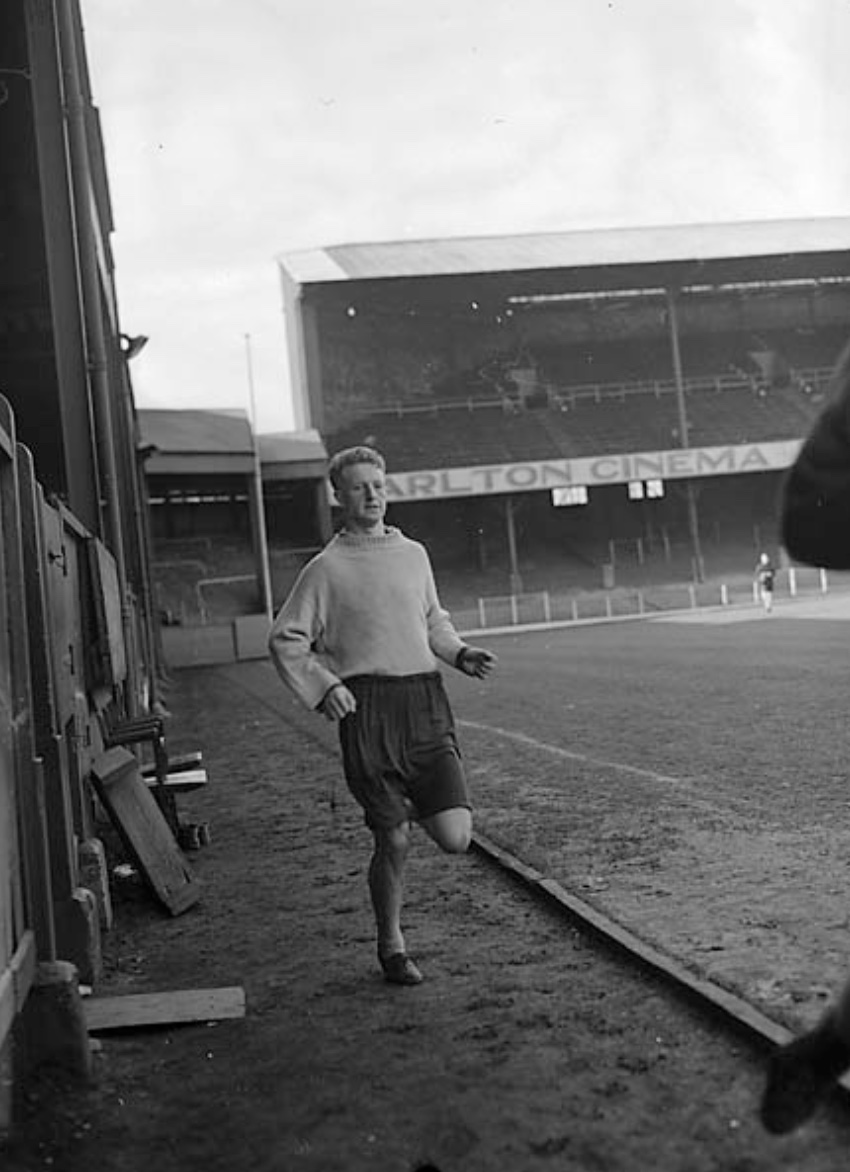
Len Allchurch, born 12 September 1933, enjoyed a distinguished footballing career, which spanned nearly twenty years. During that time he represented Sheffield United, Swansea Town and Stockport County. 

Born in Swansea, and the brother of the legendary Ivor Allchurch, Len also won eleven caps for Wales and was a member of his country’s 1958 World Cup squad.

📸 BBC

In 1950, at the age of seventeen, Len began his professional career with Swansea Town. In March 1961, for a fee of £18,000, he signed for Sheffield United. Len scored six goals in eight games and helped his new club to clinch promotion. 

Over the following three seasons, Len scored 37 goals in 140 appearances for Sheffield United before, in March 1965, transferring to Stockport County. His transfer fee: £10,000, making him the most expensive signing in the club’s history.

Eventually, Len’s career turned full circle and he ended his professional days at his home club, Swansea Town.

Len enjoyed many highlights during his long and distinguished career, but perhaps this remains the most remarkable fact: he did not receive a single caution or booking throughout his entire Football League career.

***

Operation Zigzag, Eve’s War Heroines of SOE, book one, has returned to the top of the Amazon charts. Many thanks to everyone who has made this possible.

As ever, thank you for your interest and support.

Hannah xxx

For Authors

#1 for value with 565,000 readers, The Fussy Librarian has helped my books to reach #1 on 32 occasions.

A special offer from my publisher and the Fussy Librarian. https://authors.thefussylibrarian.com/?ref=goylake

Don’t forget to use the code goylake20 to claim your discount 🙂
Categories
Dear Reader

Dear Reader #117

Dear Reader,

My latest translations, The Olive Tree: Leaves, Sins of the Father, Smoke and Mirrors, and Mind Games, all in Portuguese.

Just discovered that my 7 x great grandfather Thomas Hopkin lived to be 96 (1730 – 1826). He lived in Hutchens Point, Nottage, Glamorgan. On 29 May 1762 he married Catherine Rees from St Athan.

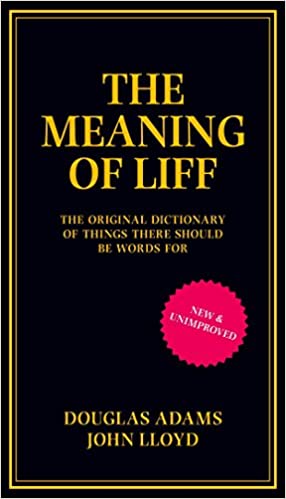
In the 1980s, Douglas Adams wrote a book, The Meaning of Liff, in which he applied humorous definitions to place names. He included Nottage: items you store in your shed for years, decide to throw out, only to realise that you need them a week later.

From 1918, ’Marriage Advice to Young Ladies’ from a ‘Suffragette Wife’.

Original pamphlet: Pontypridd Museum, Wales.

In this month’s issue of Mom’s Favorite Reads…

An exclusive interview with author, playwright and journalist Tim Walker featuring his meetings with a range of movie stars

Short Stories

Poetry

New Releases 

Travel

Activities 

Author Resources 

And so much more!

Around twelve years ago this was the first branch of my family tree that I explored in detail.

My 3 x great grandfather Thomas Jones was born to Thomas Jones, a coal miner, and Mary Morgan on 16 July 1843 in Laleston, Glamorgan. Thomas and Mary were not married at the time. This is a common discovery I have made for many of my Victorian ancestors and I will elaborate further in a future post.

Thomas’ wife and my 3 x great grandmother Hannah Morgan (the names Hannah, Morgan and Jones reoccur a lot in my family; indeed, four of the first sixteen branches start with a Jones) was born on 30 July 1848 to Richard Morgan, an ostler, and Margaret Jones in Tythegston, a small village near Laleston. You can read Richard and Margaret’s story here https://hannah-howe.com/ancestry/ancestry-13/

In 1851 Thomas was living with his parents in Laleston along with his three year old sister Ann and his grandmother, Jennet Morgan. Jennet was a widow at this time. Meanwhile, Hannah was living in Tythegston with her patents, four siblings, three lodgers and her grandmother, Mary.

Bridgend, 18 June 1850, a picture commemorating the opening of the railway station.

Ten years later Thomas was employed as a servant at Broadland House, Laleston. The owner of Broadland House, at the time, was Charles Drummond, a Londoner, an ‘esquire’, who later moved to Somerset. Drummond died in Somerset in 1888 leaving £2,500 11 shillings in his will.

Broadland House was set in 70 acres of land and the farm employed five servants, including Thomas, who worked as a ‘cow boy’. Mention of cow boys conjures up images of the Wild West. However, Thomas’ work was more prosaic, milking and feeding the animals. Twelve years old, Hannah was still at school and it’s likely that the couple had yet to meet.

That changed a few years later and on 22 February 1868 Thomas and Hannah found themselves walking down the aisle in Ruhama Baptist Chapel, Bridgend. There is a large church in Laleston so presumably Hannah chose the venue.

A child soon followed, my direct ancestor, Thomas. At the time of Thomas’ birth the landscape around Laleston was changing dramatically with the arrival of the railways and the development of coal mines. Thomas left the land to work in a coal mine and this ushered in a period of transience for the family as they moved from village to village seeking employment.

In 1881 the family found themselves in Llandyfodwg near Bridgend. Now with five children, Thomas and Hannah lived in Cardigan Terrace. The street name is revealing and indicates that it was established when a number of families settled in Llandyfodwg to work on the land and in the local coal mines. These families originated from west Wales. They were joined by families from the West Country of England. 

The west Walians and the locals spoke Welsh while the people from the West Country spoke English. Over time, a period of twenty years, many Welsh speakers became bilingual. However, few of the English people learned Welsh.

No pictures of Thomas Jones or Hannah Morgan exist, but this is their son, Richard Morgan Jones.

Each change of address for Thomas and Hannah represented a move of only a few miles. The baptismal records of their children allow us to chart their movements: Laleston, Newcastle, Llangeinor and Llandyfodwg, all within a five mile radius of Bridgend. 

Within this transience records were lost and Hannah disappeared from history. A death record dated 1881 pointed to Hannah. However, when examined in detail it revealed a different Hannah Jones (her married name, of course). My Hannah’s death was not recorded, or more likely it was lost.

Hannah definitely died before 1891 because at that time Thomas was a widow. He’d moved to Llantrisant, the home town of Hannah’s grandparents. Maybe he moved there to be closer to his extended family.

In 1891 Thomas was still working in the coal mines. His working life  represented stark contrasts: the early years spent in the open air, the latter years spent working in the dark. Both occupations offer a certain romanticism: the pastoral beauty of the countryside, the camaraderie of men working in life-threatening conditions, their existence reliant upon each other.

In 1891 Thomas and his three children, Thomas, Richard and Margaret, lived in Dinas, Llantrisant. Like their father, Thomas Jr and Richard were coal miners while fifteen year old Margaret was their housekeeper. Margaret’s childhood effectively came to an end when her mother died as she assumed the role of ‘woman of the house.’

Thomas’ street contained thirty people. All the men were coal miners. Twenty-three of those people spoke Welsh, six spoke English and only one was bilingual. 

After 1891, like Hannah, Thomas disappeared from the historical record. It’s probable that he died in May 1898.

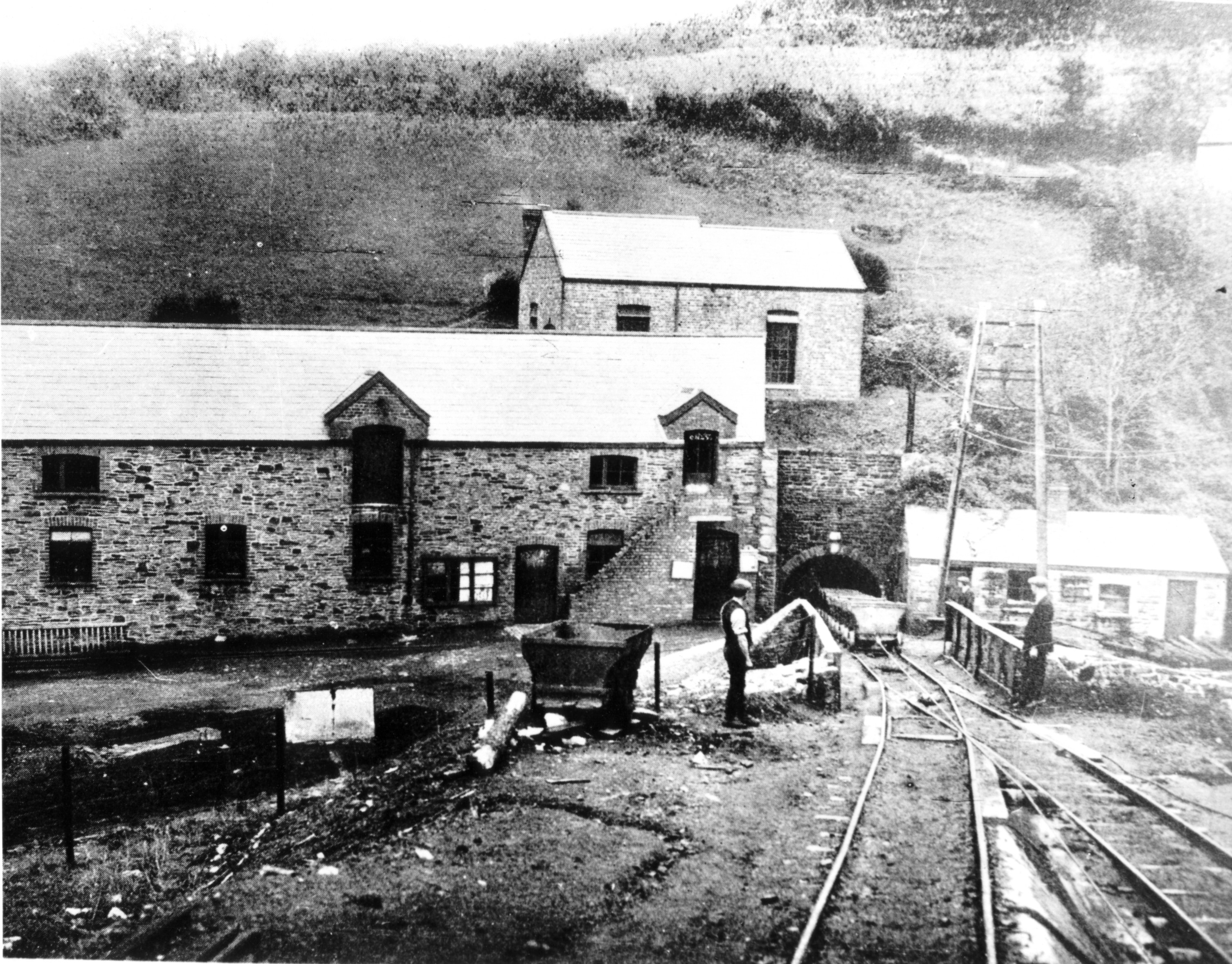
Bridgend coalfield: Bryndu Colliery.

While at work Thomas diced with death, every day. At random I have selected ten Joneses who worked alongside Thomas in the local coal mines. The brief notes that follow record their fate.

Thomas Jones, aged 22: killed by falling from a byat while moving a stage in the shaft.

Evan Jones, aged 14: killed by a full train passing over him.

William Jones, aged 38: killed when the mineshaft roof fell.

William Jones, aged 37: killed by a fall of coal.

William Jones, aged 16: killed by a fall of coal.

Richard Jones, aged 34: killed when the side of the pit gave way.

David Jones, aged 45: killed when the mine roof collapsed.

Thomas Jones, aged 48: killed by an explosion of firedamp, one of two people killed.

David Jones, aged 26: killed by a gas explosion, one of eleven people killed.

Lewis Jones, aged 12: run over by trams through breakage of coupling chains.

Bridgend coalfield: Aberbaiden Colliery showing the entrance to the slip.

Did my Thomas die in a mining accident? It’s possible, but there is no record. More likely he died from the illnesses associated with working in the coal mines, particularly ‘the dust’, aka emphysema, a cruel illness that smoothers the sufferer. 

Ancestors like my 3 x great grandfather Thomas worked and died so that Victorian society could prosper and a few select men could become obscenely rich. It’s a lesson from history we have yet to learn. Today, rich men pollute the planet and massage their egos by jetting into space. Meanwhile, many of their workers live and die in poverty. We must hope for a wiser generation, our children’s generation, that will look into the past, learn the lessons, and create a better future for us all.

As ever, thank you for your interest and support.

Hannah xxx

For Authors

#1 for value with 565,000 readers, The Fussy Librarian has helped my books to reach #1 on 31 occasions.

A special offer from my publisher and the Fussy Librarian. https://authors.thefussylibrarian.com/?ref=goylake

Don’t forget to use the code goylake20 to claim your discount 🙂

Categories
Dear Reader

Dear Reader #76

Dear Reader,

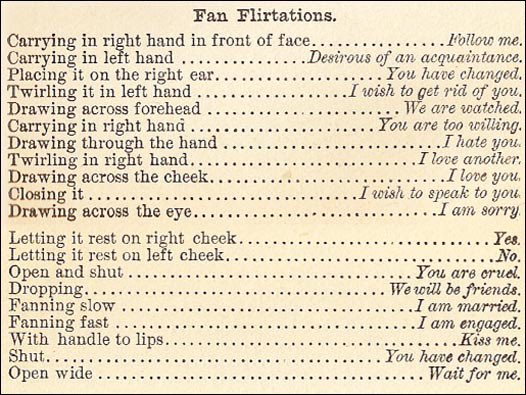
Fanning the flames of love…

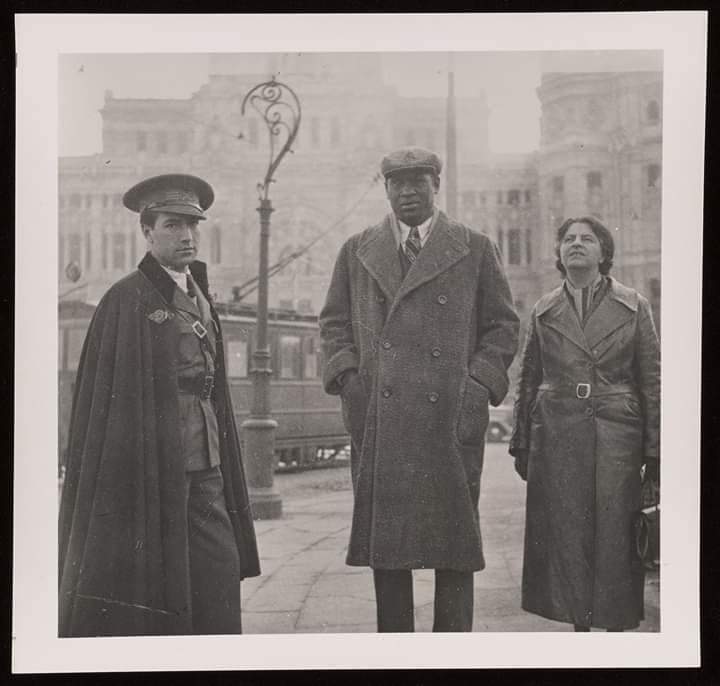
Paul Robeson, singer, actor and activist, in Madrid, January 1938 in support of the Spanish anti-fascists during the Spanish Civil War. Picture: Yale Library.

In Operation Treasure, Eve discovers that Gestapo officer Hauptsturmführer Klaus Raab shares her love of painting. Raab enjoys crude nudes whereas Eve is a fan of the Barbizon School.

The Barbizon School of painters focused on Realism, which developed through the Romantic Movement. The School takes its name from the village of Barbizon, situated near the Forest of Fontainebleau where many of the artists gathered.

An example from the Barbizon School, Charles-Émile Jacque’s Shepherdess and Her Flock, 1878.

Today, 19 November 2020, would have been Gene Tierney’s 100th birthday. Here’s my article about the Hollywood star and mental health advocate.

https://hannah-howe.com/2017/09/13/gene-tierney/

On 20 November 1945, the Nuremberg trials began. Judges from America, Britain, France and the Soviet Union sought justice for millions killed during the Holocaust. Twenty-four Nazi political and military leaders stood trial and nineteen were found guilty when the tribunal concluded on 1 October 1946.

The phrase ¡No pasarán!, They shall not pass! is most closely associated with the Spanish Civil War. However, it was also used by a Frenchman, General Robert Nivelle, at the Battle of Verdun during the First World War, Ils ne passeront pas!

The art of cutting cheese.


My 4 x great grandfather, John Howe (yet another John), was baptised on 26 February 1786 in St Hilary, Glamorgan. Baptisms usually took place within a week of birth, so his birthday was around 19 February 1786. 

John’s parents were John Howe and Cecily Lewis, wealthy farmers. However, in 1799 the government introduced the first-ever income tax and that tax put a dent in the family’s finances. After over a hundred years of farming in St Hilary, they moved away. John moved ten miles west to St Brides.

A Victorian Gazetteer described St Brides as, ‘A parish in the Hundred of Ogmore, in the county of Glamorgan. It is situated on the coast of the Bristol Channel, at the mouth of the River Ogmore. A special interest attaches to it as one of the earliest seats of the native princes. It has still some vestiges of the ancient castle of Dyndryfan (Dunraven), the traditional residence of Caradoc (Caractacus), and considerable remains of Ogmore Castle, a fortress of equal antiquity. The church is ancient, and has some fine monuments of the Butler and Wyndham families. The Calvinistic Methodists have a chapel in the village. Along the coast are several large and curiously-formed caves, one of which, of great depth, is called the “Wind Hole.”’

St Brides was a larger parish than St Hilary and therefore offered John greater employment opportunities. However, the population of St Brides actually declined throughout the nineteenth century, from 914 in 1841 to 621 in 1891.

It’s interesting that this branch of my family, over hundreds of years, continued to move west, in John’s case six miles along the coast to Tythegston, where he met his bride-to-be, Christiana John, daughter of Evan John, 1755-1832 and Mary 1757-1837.

A topographical dictionary of 1833 stated that the population of Tythegston stood at 404. The parish contained good arable and pasture land along with coal, iron ore and clay for making bricks. The parish also contained a school for ‘the gratuitous instruction of poor children.’

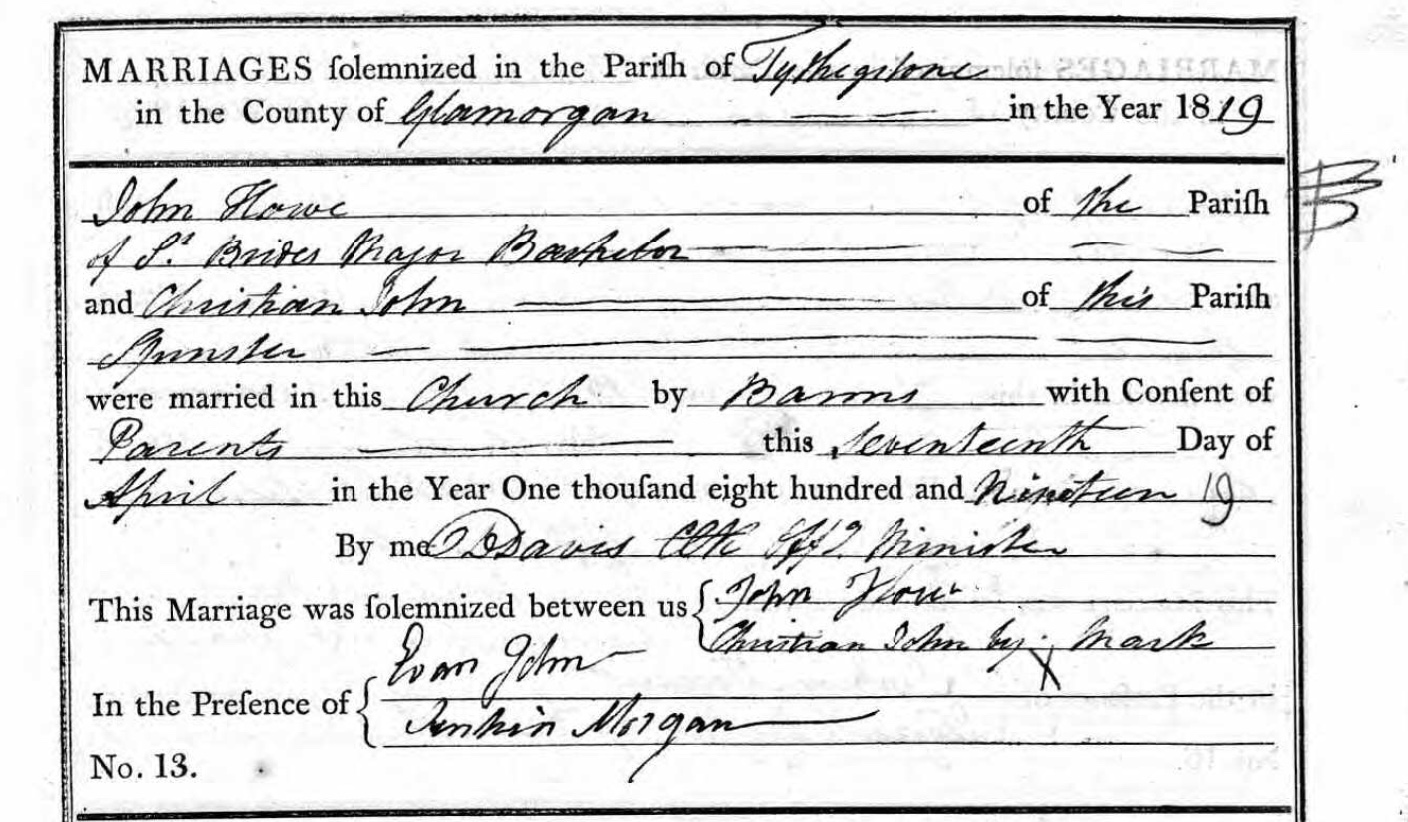
Christiana was born on 31 December 1795 and baptised on 6 January 1796. Her name became popular in the Howe family and can be found in numerous generations. It would seem that unlike her husband, John, she did not receive a formal education because when the couple married she did not sign her name, applying an ‘x’ instead.

Christiana was pregnant when she married John on 17 April 1819, in Tythegston. She gave birth to Edward in St Brides on 22 July 1819. William, my 3 x great grandfather, followed on 14 September 1823, along with Mary in 1827, Evan in 1828, Thomas in 1831, Richard in 1833, Cecily in 1836 and, at the age of 43, John in 1839. Christiana’s husband, John, worked as a thatcher while she obviously had her hands full at home.

The introduction of the census in 1841 opened a window for genealogists by providing more details about our ancestors. That said, the 1841 census was basic with names, approximate ages and occupations. Places of birth were often confused or deliberately misrepresented (so a person could claim local poor relief) with places of residence. In contrast, the 1851 census was more detailed and reliable.

The 1841 census found John Howe in St Brides with his wife Christiana and three of their children, Thomas, Richard and John. 

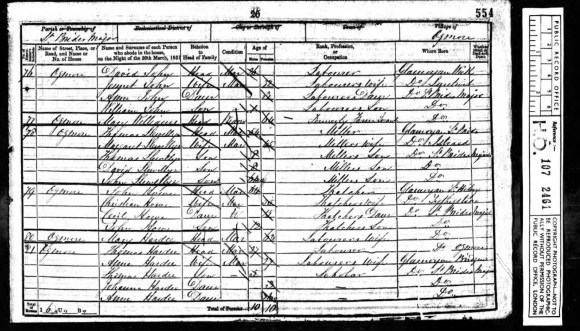
In 1851, John was living in Ogmore in the parish of St Brides with Christiana and two of their children, Cecily and John. John senior was a thatcher, a decent trade that earned him £75 per annum, a good wage considering that labourers earned £40 and women £10 per annum. Living in Ogmore as a thatcher it’s almost certain that John worked on the roofs of these cottages in nearby Merthyr Mawr.

As we struggle with Covid, so our ancestors had to combat cholera. Between 1829 and 1851, cholera invaded many communities. The outbreak in 1848 claimed 52,000 lives in England and Wales. Over time, communities improved their sanitation, but the connection between good health and care of our environment is still a lesson we struggle to learn.

John died, aged 70 (some records incorrectly state 73) of ‘old age’ on 24 December 1856 and was buried two days later. His son, Richard, witnessed the death certificate with a cross. 

In 1861, Christiana was living with her daughter, Mary, also a widow, at the age of 34. Ten years later, Christiana was living alone next door to a miller, where her daughter Cecily was a servant. Her son, Evan, lived next door.

Christiana died on 10 July 1874 aged 78 of ‘cancer and general decay’. Her son Evan was present and he applied his mark on the death certificate. John and Christiana are buried together in St Brides churchyard. 

The Howe family, tight-knit and prosperous in St Brides and St Hilary, now dispersed to various parts of Glamorgan where they experienced mixed fortunes.

As ever, thank you for your interest and support.

Hannah xxx