Clara Bow’s sixth movie was Maytime, a silent romantic drama produced during August and September 1923 and released on December 11, 1923. The movie starred Ethel Shannon, Harrison Ford and William Norris, with Clara fourth on the bill playing Alice Tremaine.
After a stunning screen test, producer B.P. Schulberg gave Clara the part of Alice in Maytime. Within a week, the film’s crew were urging Schulberg to ditch Ethel Shannon and give Clara the lead role. He didn’t. Nevertheless, Clara had made her point and established her breakthrough.
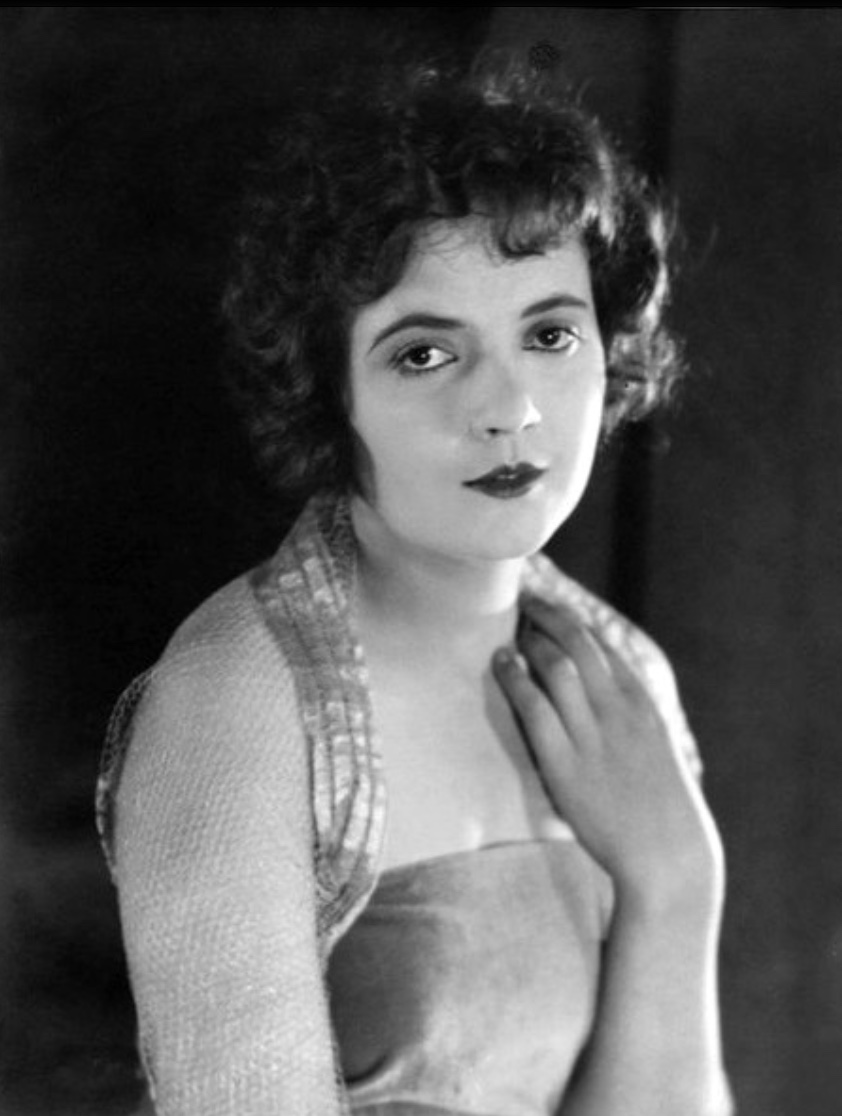
📸 Clara Bow and Ethel Shannon in Maytime.
Highest Grossing Movie of 1926, For Heaven’s Sake.
A silent comedy, For Heaven’s Sake starred Harold Lloyd and was directed by Sam Taylor. The movie was a great success for Lloyd and earned $2,600,000 at the box office, which made it the twelfth highest grossing film of the silent era.
In the 1920s, Lloyd alternated between making what he called “gag pictures” and “character pictures”. He regarded For Heaven’s Sake as a “gag picture”. Despite the film’s success, Lloyd wasn’t happy with it. Indeed, he was so disappointed with the final cut that he considered abandoning the project.
A large number of scenes were filmed and later cut from the final movie. Some of those scenes, especially an underworld sequence, resurfaced (no pun intended) and were incorporated into Lloyd’s 1928 film Speedy.
My latest article for the Seaside News appears on page 34 of the magazine.
Roundabout, Series 1, Episode 22 of The Rockford Files was the last broadcast episode in the first series. This episode contained some great one-liners. Obnoxious Hirer: “I should warn you, I have a blackbelt in judo.” Rockford (picking up a golf club): “And I have a blackbelt in seven-iron.”
Bank Manager: “She’s strange.” Rockford: “You don’t call people with $300,000 in their account ‘strange’.” Bank Manager: “What do you call them?” Rockford: “Eccentric.”
The climactic chase scene at the Hoover Dam was originally scripted as a car chase. However, someone suggested that Rockford and the villain should run through the Hoover Dam instead, creating one of the iconic moments in the first series.
Time for a break. I look forward to catching up with series two of the Rockford Files in the new year.
Coming soon, our new magazine, The Golden Age of Hollywood, available from all leading Internet outlets. Here’s a preview of the cover.
Clara Bow Quotes. After the director cut her role in Beyond the Rainbow, Clara enrolled in a business training school. However, Fate intervened again. “A month or so after my first motion-picture ‘flop’ I was called one day to the telephone. The man speaking at the other end of the wire introduced himself as Mr Elmer Clifton, and asked if I could see him that afternoon. My heart took a leap. Elmer Clifton was a motion-picture director and, hardly daring to believe my good fortune, I readily agreed to see him. I was so excited, I could hardly talk.”
Clifton offered Clara a two-week trial period and a salary of $35 a week. The two-week trial period stretched to thirteen weeks as, impressed by Clara’s natural talent, Clifton developed her role as Dot Morgan in Down to the Sea in Ships (pictured). This time, Clara was truly setting sail.
Intertitle #7
As ever, thank you for your interest and support.
Hannah xxx
For Authors
#1 for value with 565,000 readers, The Fussy Librarian has helped my books to reach #1 on 32 occasions.
Clara Bow’s fifth movie was Grit, a silent drama produced in the summer of 1923 in New York, and released on January 7, 1924. Adapted from a story by F. Scott Fitzgerald, Grit featured Clara as a sexy street urchin, Orchid McGonigle.
Clara impressed director Frank Tuttle, especially with her ability to produce emotion at will. He said, “This dynamic and erratic whirlwind was a joy to her director.”
Grit was a tale of cowardice and revenge set on New York’s Lower East Side. Fitzgerald said of the film, “The whole picture is sordid, showing disgusting scenes of immorality and crime.” The censors demanded cuts, and they were duly made. Despite those cuts, Grit was still banned by the British Board of Film Censors.
Clara saw Orchid as the embodiment of herself. “A little roughneck and a tomboy like I was.” The critics panned the film. However, Variety added, “It is Clara Bow that lingers in the eye after the picture has gone.”
Joint Highest Grossing Movie of 1925, Ben-Hur: A Tale of the Christ.
Ben-Hur was a silent epic drama that starred Ramon Novarro as the title character. Production costs rose to $3,900,000 ($60,260,000 today) compared to MGM’s average for the season of $158,000 ($2,440,000 today), which made Ben-Hur the most expensive film of the silent era. The movie earned $10.7 million at the box office.
Ben-Hur became notorious for its egregious animal abuse: a reported one hundred horses were tripped and killed merely to produce the set piece footage of the major chariot race. A ‘running W’ device was used on the set to trip the galloping horses. Ten years later such devices were frowned upon in Hollywood.
The extras at the chariot race read like a who’s who of Hollywood at the time. They included: John Barrymore, Lionel Barrymore, Joan Crawford, Marion Davies, Douglas Fairbanks, Lillian Gish, Samuel Goldwyn, Harold Lloyd, Carole Lombard, Myrna Loy and Mary Pickford.
Just by Accident, Series 1, Episode 21 of The Rockford Files, is a curious episode. It was actually the last episode filmed for the first season (22 episodes), and the last episode produced by Roy Huggins.
Written by a new team, Charles Sailor and Eric Kalder, my impression is this was a generic private eye story adapted for Rockford. The Becker role was filled by a lookalike, David Spielberg as Lieutenant Tom Garvey. This episode gave the impression that the hirer, Louise Hartman, was a long-standing friend of Rockford’s, but the nature of their friendship was never explained.
As someone who loves genealogy, I loved the premise of this episode, which was based on birth certificates. A great answering machine message too. Kooky voice: “This is Thelma Sue Brinkley. It’s about the research I called you about – the family tree. Did you talk to your daddy? We may be kin!”
In this month’s issue of our #1 ranked magazine…
Interview with Publishers Weekly #1 author Dani Pettrey. Plus, Author Features, Health, Nature, Photography, Poetry, Short Stories, Young Writers, National Veteran and Military Family Month, and so much more!
Clara Bow Quotes. Having achieved her movie breakthrough with Beyond the Rainbow, Clara was keen for her friends to see her on the silver screen. “I assembled all the children for blocks and borrowed enough money to purchase tickets for those unable to pay for their own admission.”
However, Clara did not appear in this version of the picture; the director had decided to cut her role. “I bolted from the theatre, ran all the way home, locked myself in my room and sobbed as though my heart would break. This was the end. How could I ever face my friends again?”
Intertitle #6
Coming soon, our new magazine, The Golden Age of Hollywood, available from all leading Internet outlets. Here’s a preview of the cover.
As ever, thank you for your interest and support.
Hannah xxx
For Authors
#1 for value with 565,000 readers, The Fussy Librarian has helped my books to reach #1 on 32 occasions.
Clara Bow’s second movie was Down to the Sea in Ships, asilent romantic drama about a whaling family living in a Quaker community. The movie, made during the summer of 1922 when Clara was seventeen, was premiered on September 25, 1922 and went on general release from March 4, 1923.
Clara plays Dot Morgan who, as a baby, is found floating near the shore on a raft made of branches. Dot is a mischievous, rebellious child who wants to be a whaler when she grows up, an ambition frowned upon by her community. So, we have Clara as a tomboy rebel: perfect casting.
Clara Bow as Dot Morgan
Dressed as a boy, Dot stows-away on a ship. She is attacked by a crew member, and rescued by her friend, Jimmie, a cabin boy. The ship returns to port and the main romantic thread of the story, which does not involve Clara, unfolds.
The movie contains authentic whaling scenes and strives for realism. The critics hated it, but audiences enjoyed it. Indeed, the movie played continuously for 22 weeks in New York City.
Billed 10th, Clara received praise for her role in the movie, her natural style contrasting with the mannered approach of the other actors. Billed 10th, Clara received praise for her role in the movie, her natural style contrasting with the mannered approach of the other actors.
The critics said: “Miss Bow will undoubtedly gain fame as a screen comedienne.” “She scored a tremendous hit in Down to the Sea in Ships … [and] has reached the front rank of motion picture principal players.” “With her beauty, her brains, her personality and her genuine acting ability it should not be many moons before she enjoys stardom in the fullest sense of the word. You must see ‘Down to the Sea in Ships’.”
***
The Adventures of Kathlyn, released on December 29, 1913 was a thirteen episode adventure serial, which starred Kathlyn Williams (pictured) as the heroine.
The second serial ever made, The Adventures of Kathlyn is widely regarded as the first of the cliffhanger serials that became popular over the next decade. The serial idea was ‘borrowed’ from newspapers and magazines, and adapted for film.
Chapter one of The Adventures of Kathlyn featured a situation ending, but future episodes concluded with a sensational action sequence or stunt, held over to the following week to heighten suspense.
These serials were often tied-in with newspaper serials, boosting the newspapers’ circulation figures. For example, the Tribune announced a 10% increase in circulation as a result of The Adventures of Kathlyn’s success.
November 1922. The Flapper. “Official Organ of the National Flappers’ Flock.” “Not for old fogies”. Learn how to edjimicate a Sweet Daddy. The Definition of a Kiss. Enter the Beauty Contest and win a golden dolphin. And so much more…
Life Magazine cover “The Flapper” by Frank Xavier Leyendecker, 2 February 1922.
Highest grossing movie of 1923:The Covered Wagon.
A silent western, The Covered Wagon charted the adventures of a group of pioneers as they travelled through the Old West, from Kansas to Oregon. Along the way they experienced desert heat, snow, hunger and an Indian attack (Native Americans who appeared in this movie included the Northern Arapaho Nation from Wyoming and Chief Thunderbird, in an uncredited role).
Lois Wilson, pictured, played the heroine, Molly Wingate. In a career spanning 1915 – 1952 she appeared in 150 movies, including the converted role of Daisy Buchanan in the 1926 silent film version of The Great Gatsby.
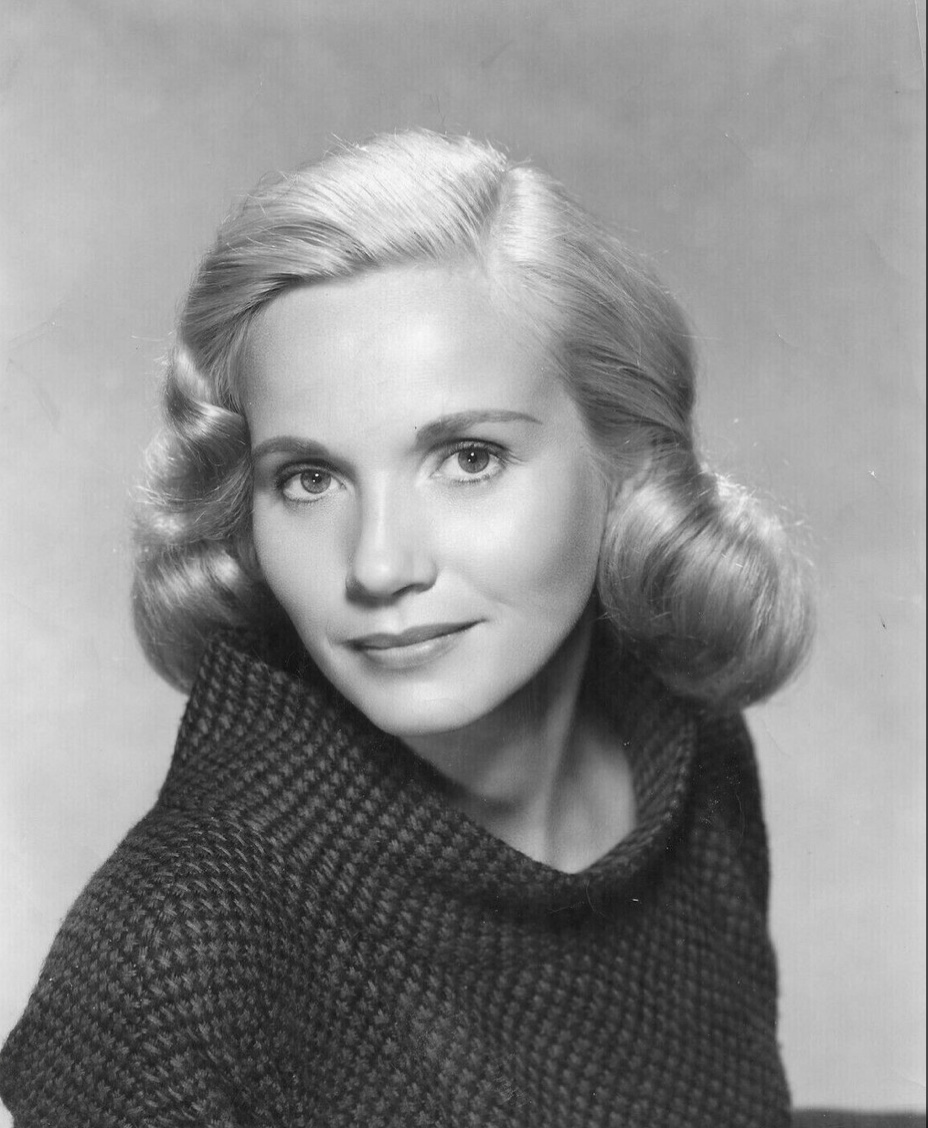
Through public records I’ve traced actress Eva Marie Saint’s ancestors back to the early 1800s. The family were Quakers for many generations. And, to my surprise, in 1810, their household contained a slave.
Slavery was abolished in America in 1865. But what of the Saint family and slavery in the period 1810 – 1865? The censuses of 1840, 1850 and 1860 provide an answer: William Saint, a farmer, was head of the household. His family, and labourers, worked on his farm. However, he did not own any slaves.
It would appear that the Saint family cut their ties with the slave trade long before the state did. I think Eva Marie Saint would be pleased to know that.
Also worthy of note, William Saint was born on 3 March 1781 and died on 24 January 1871. He enjoyed a long life. At the time of writing this, Eva Marie Saint is 98. The Saint genes appear to be very strong ones.
Say Goodbye to Jennifer, Series 1, Episode 18 of The Rockford Files was directed by Jackie Cooper, who featured as Captain Highland in the previous episode, Claire.
The titles in Say Goodbye to Jennifer didn’t appear until 4’ 30” into the episode, a common trait for The Rockford Files, depending upon the number of close-ups in the opening scenes.
This episode made good use of dental records in identifying a victim, in an unusual way. The story was written by John Thomas James, one of his best in the first series.
A classic telephone message too: “This is Mrs Landis. Three times this month I came to clean and it always looks like people’ve been fighting in there; furniture broken, things tipped over; I’m sorry, but I quit.”
Clara Bow Quotes: In January 1921 Clara entered the ‘Fame and Fortune Contest’ organised by Motion Picture Magazine…
“Imagine my surprise when a letter arrived one day stating that I had been declared the winner. According to the rules of the contest, the winner was to be given an evening dress and also a role in a motion picture. I was in seventh heaven. My prayers had been answered. My whole future and happiness had been secured. What luck!”
The picture Clara submitted for the Motion Picture contest. She hated the picture, but couldn’t afford a replacement.
Intertitle #3 😗
As ever, thank you for your interest and support.
Hannah xxx
For Authors
#1 for value with 565,000 readers, The Fussy Librarian has helped my books to reach #1 on 32 occasions.
Fonts can suggest an atmosphere and sense of time. With Tula, my novel about an actress, I’m looking to invoke the 1920s, so I’m experimenting with Snell Roundhand and American Typewriter.
Brooklyn Bridge is a location in chapter two of Tula. She goes there to deliver a parcel for her father and notices a cameraman filming. While she’s engrossed in the filming, someone steals the parcel.
At the time of its opening, on May 24, 1883, Brooklyn Bridge was the longest suspension bridge in the world with a span of 1,595.5 feet.
🖼 Chromolithography of the “Great East River Suspension Bridge” by Currier and Ives, 1883.
Was Clara Bow a good actress? On a human level, this question is irrelevant – Clara dragged herself out of abject poverty and pursued her dream; that’s all that matters. On an artistic level, it would be nice to answer the question, so here’s my opinion.
First, what other people said about Clara’s acting ability. Fellow actress Louise Brooks: “She was absolutely sensational in the United States … in Dancing Mothers … she just swept the country … I know I saw her … and I thought … wonderful.”
In 1981, producer Budd Schulberg described Clara as “an easy winner of the dumbbell award” who “couldn’t act.” Furthermore, he compared her to a puppy that his father B. P. Schulberg had trained to become Lassie.
Director Victor Fleming compared Clara to a Stradivarius violin: “Touch her, and she responded with genius.” Another director, William Wellman said, “Movie stardom isn’t acting ability – it’s personality and temperament … I once directed Clara Bow (Wings). She was mad and crazy, but WHAT a personality!”
While Grace Kingsley of the Los Angeles Times said; “Don’t miss Wine. It’s a thoroughly refreshing draught … there are only about five actresses who give me a real thrill on the screen – and Clara is nearly five of them.”
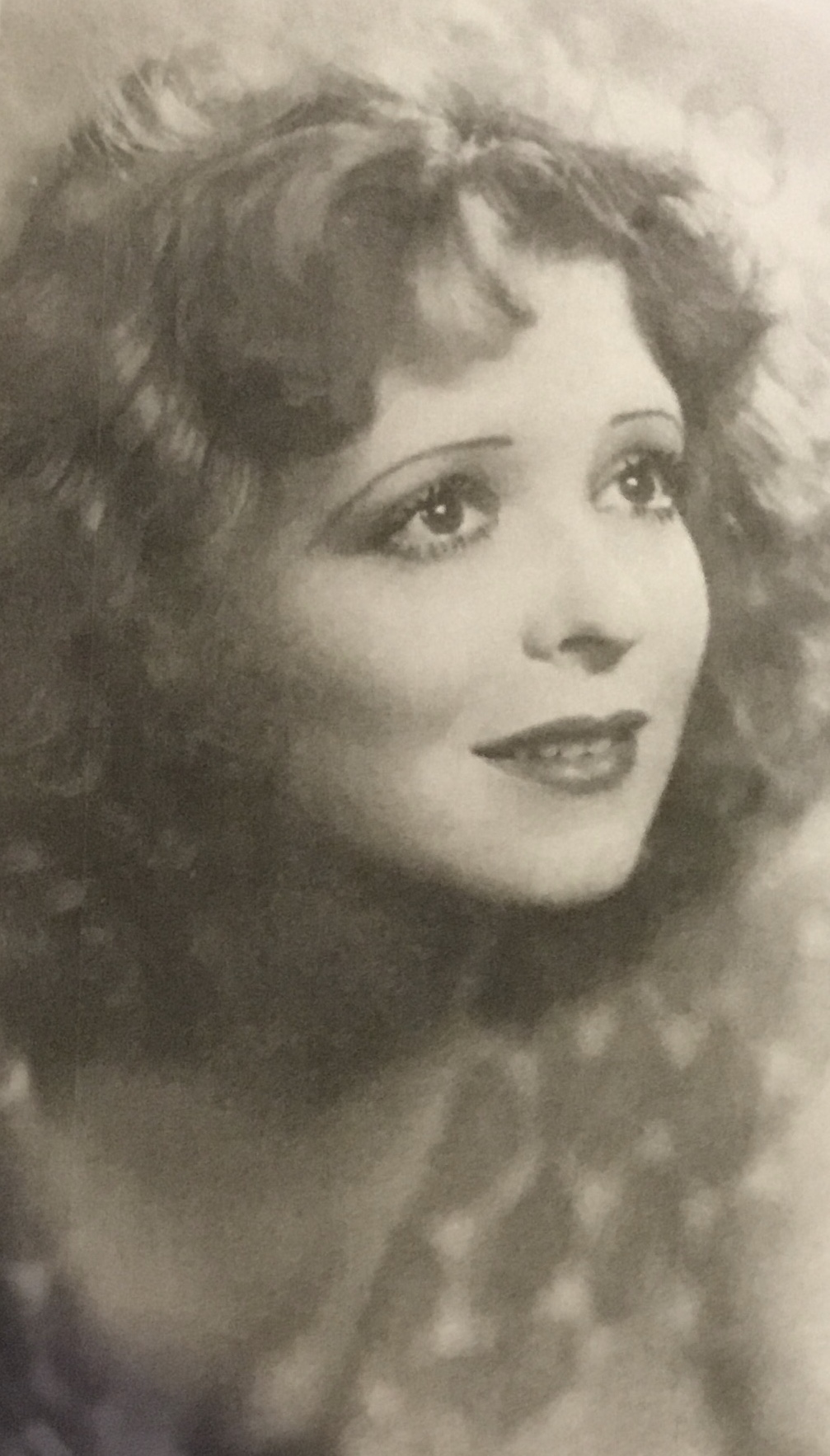
Clara Bow in Stars of the Photoplay, 1924
Clara Bow didn’t require direction: she required background about a particular scene, then a wise director would light the set and allow her to go with the flow. She understood character, and how to convey that character to an audience, not en block, but with subtle asides that would convey different messages to males and females, to those who would love her character, and to those who would disapprove. The net result: (nearly) everyone loved her performances.
Brought up in the silent era, Clara knew how to convey emotions through facial expressions, particularly through her eyes. Her glances were worth a page of dialogue, while her ability to cry on demand was legendary.
My opinion: Clara Bow was a great emotional actress. She knew how to get inside a character, how to portray a character, and how to connect with an audience. I agree with Victor Fleming – on the silver screen, Clara Bow responded with genius.
***
Continuing my research into Eva Marie Saint’s ancestry using public records. I’m looking to answer two questions: was Eva’s talent the result of nurture, or nature? And why am I drawn to her as an actress? Can I find the answers to these questions in her roots?
Eva Marie’s grandfather was John Q Saint, a postmaster from Indiana, living in Iowa in 1900. What did the Q stand for? This document provides the answer, and a whole lot more.
The Q in John’s name stood for Quincy. Furthermore, his parents were Jonathan and Emily, and they were Quakers.
John Quincy Saint
Event Type:
Birth
Birth Date:
19 Dec 1847
Birth Date on Image:
19 1847 Twelfth
Birth Place:
Henry, Indiana
Father:
Jonathan Saint
Mother:
Emily Saint
Monthly Meeting:
Duck Creek Monthly Meeting
Yearly Meeting:
Philadelphia Yearly Meeting
Meeting State:
Indiana
Meeting County:
Henry
So, my next task is to discover more about Jonathan and identify when his family became Quakers – did they join a Quaker community in America, or were they persecuted Quakers in Britain, seeking a new home?
***
Sleight of Hand, Series 1, Episode 15 of The Rockford Files is different to all previous episodes. The main reason for the difference is Sleight of Hand was based on a novel, Thin Air by Howard Browne.
This episode is Rockford noir with little in the way of humour. Rockford becomes seriously aggressive on a couple of occasions too, both justified.
In long-running series, writers are always looking for new angles for their characters, so it’s easy to understand why the Rockford writers were drawn to this story, but did it work as an episode of The Rockford Files?
I reckon the radical nature of this story would divide fans. Some would recognise that the story was built on an interesting premise – a baffling disappearance – while others would appreciate that the story was written for a different main character, a married man.
Georgian London established itself as a place for fashionable living with new streets and squares in Westminster, plus plush palaces for entrepreneurs and aristocrats. It fashioned a society based on exploitation and profit. It became a city without a soul.
Through the Bank of England, the Royal Exchange and a network of coffee houses, fortunes were made – and lost. Money, stocks and shares were king. However, the financial pie is of limited size, and for every big time winner there were scores of big time losers. For every palace, scores of slums blighted the city, and ruined peoples’ lives.
Two new bridges across the Thames linked the north and south of London. The city spread into the countryside. Houses sprang up. The landscape altered beyond all recognition.
Workshops and manufacturing centres fed the need for essentials, and luxury goods. Breweries quenched thirsts – alcohol was safer to drink than London water – while artisans displayed their skills in pottery and porcelain production, in clock and watchmaking, in furniture making, and in silk weaving.
London was a cosmopolitan place. But, as someone might have said at the time, “You ain’t seen nothing yet.”
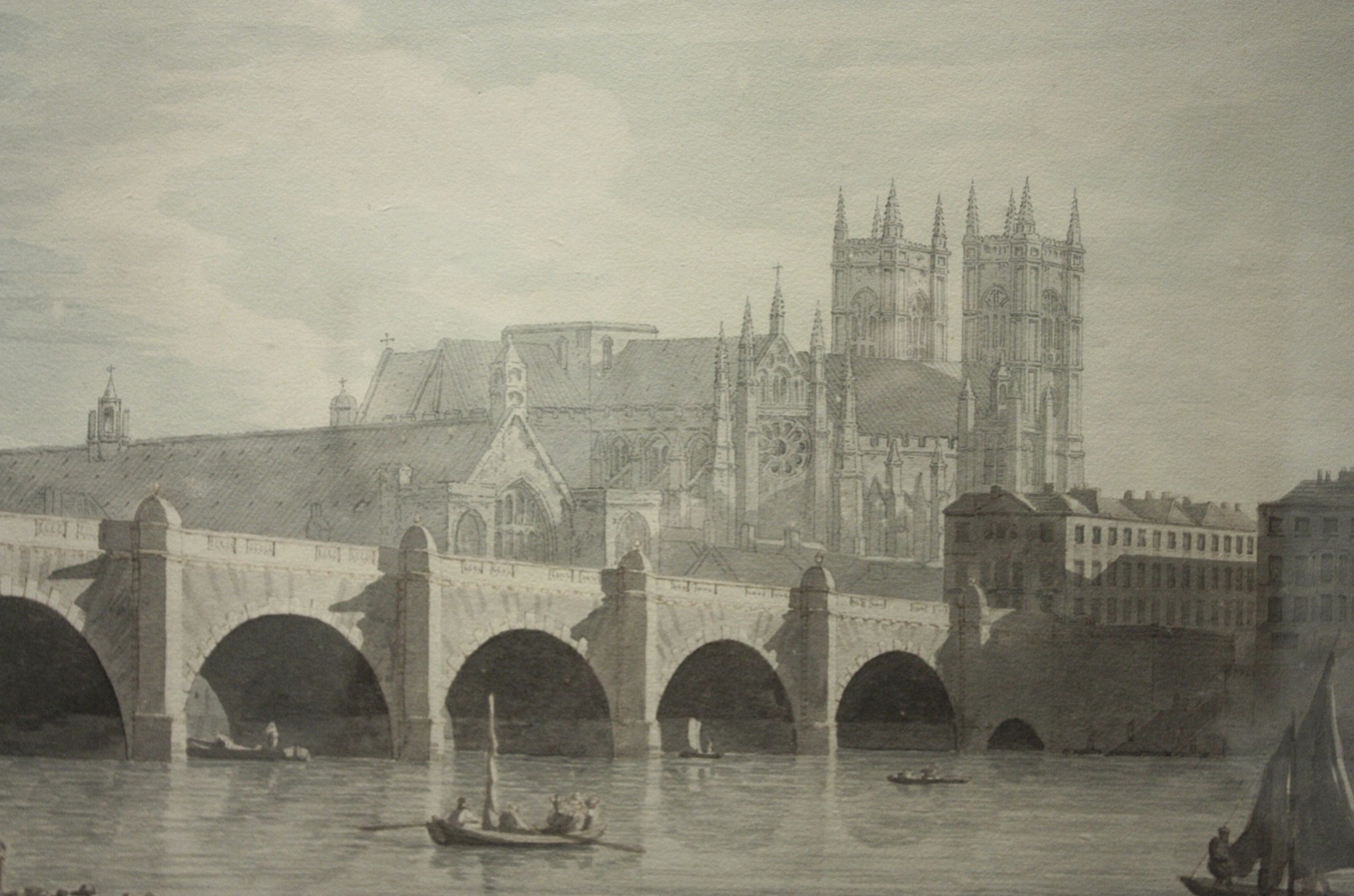
Westminster Bridge, depicted by Joseph Farrington, 1789. 🖼 Wikipedia.
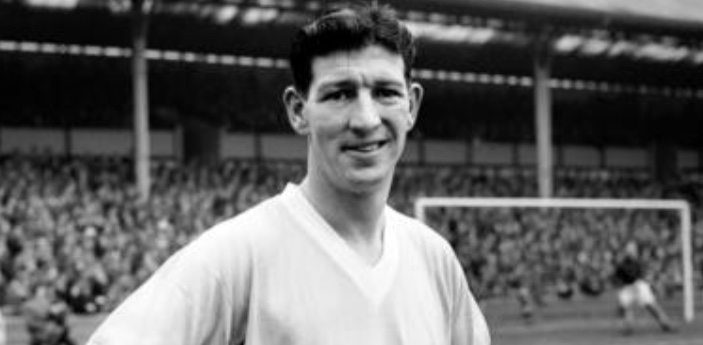
Roy Clarke was born on 1 June 1925. A winger, he played professional football for Cardiff City, Manchester City, Stockport County and Wales.
A natural sportsman at school, Roy served his country during the Second World War as a coal miner, digging the ‘black gold’ that kept British industry going, which in turn kept the war effort alive.
In 1942, Roy signed for Cardiff City as an amateur. When league football resumed in 1945, he turned professional.
Cardiff City won promotion from Division Three (South) in 1946 – 47. In May of 1947, Roy signed for Second Division Manchester City for a fee £12,000.
At that time, Manchester City secured promotion to the First Division. This meant that Roy achieved the unusual feat of playing in three different divisions in consecutive matches.
Roy secured a regular place in the Manchester City team. Over the next decade he made 349 league appearances scoring 73 goals. He was also an FA Cup winner in 1956. During that match his friend, Manchester City goalkeeper Bert Trautmann, broke his neck, but played on.
In 1958, Roy wound down his professional career at Stockport County. On the international stage, he won 22 caps for Wales.
After his retirement from football, Roy became the manager of the Manchester City social club. Along with his wife, Kathleen, he provided an environment for fans, management and players to forge closer bonds. The club ran for nearly 25 years.
***
Independent Press-Telegram, Long Beach, California, October 21, 1950. “Lady Stars Gain Height.”
Highest grossing film of 1920: Way Down East.
A silent romanticdrama, directed by D.W. Griffith and starring Lilian Gish, Way Down East is best remembered for its climatic scene in which Lillian Gish’s character, Anna, is rescued from doom on an icy river (pictured).
Way Down East was heavy censored. The Pennsylvania film board demanded over sixty cuts, rendering the story meaningless. The mock marriage and honeymoon between Lennox and Anna had to go, along with any hints of her pregnancy. Other cuts included scenes where society women smoked cigarettes and an intertitle, which featured the words “wild oats”.
Clara Bow Quotes: “When I was ten years old I knew what I wanted – to be a screen star was my idea of heaven. But what chance had I? My family was poor. We lived in a not too pleasing section of Brooklyn, and my only contact with the screen was an occasional visit to a neighbourhood theatre, paying my admission with pennies and nickels earned by taking care of neighbours’ children when not looking after my (sick) mother.”
As ever, thank you for your interest and support.
Hannah xxx
For Authors
#1 for value with 565,000 readers, The Fussy Librarian has helped my books to reach #1 on 32 occasions.
Delighted to say that my books are now available in twelve languages. Here’s my latest, the Dutch version of Operation Broadsword, Eve’s War Heroines of SOE book three, my 112th translation 🙂
Continuing my research into Eva Marie Saint’s ancestry using public records. I’m looking to answer two questions: was Eva’s talent the result of nurture, or nature? And why am I drawn to her as an actress? Can I find the answers to these questions in her roots?
John Merle Saint. Picture courtesy of Eva Marie Saint.
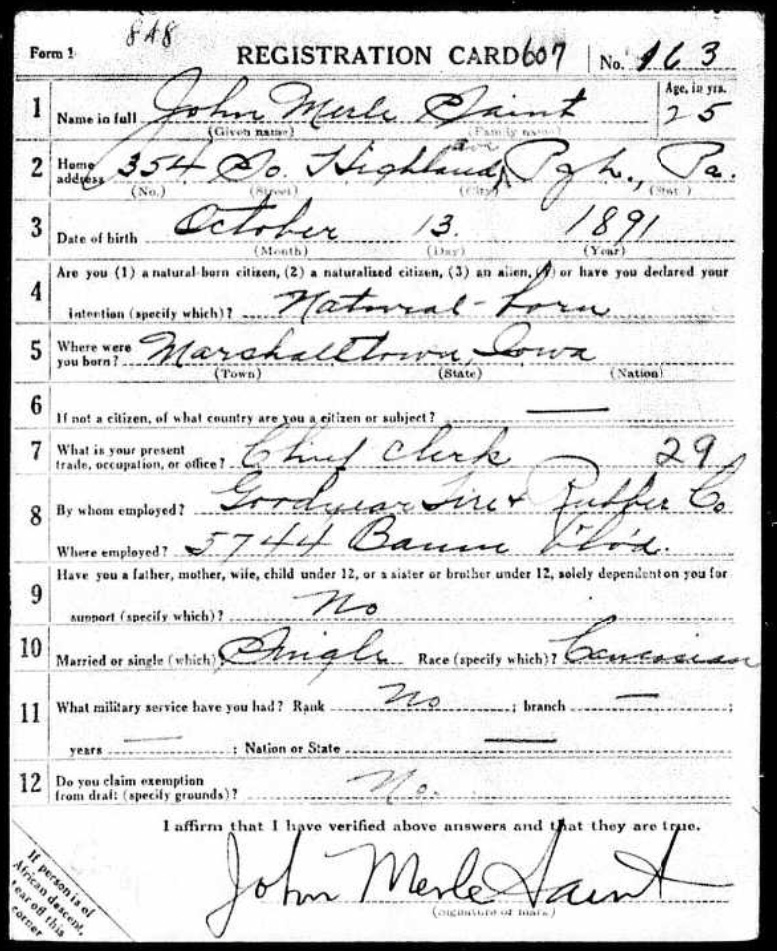
I’ve discovered that John Merle Saint was Eva Marie’s father and that he served in World War One. Today’s record is a US World War One Draft Registration Card. This card provides the following information:
John Merle Saint
Race
Caucasian (White)
Marital Status
Single
Birth Date
13 Oct 1891
Birth Place
Iowa
Residence Date
1917-1918
Street Address
354 So. Highland
Residence Place
Pittsburgh, Allegheny, Pennsylvania, USA
Draft Board
06
Physical Build
Slender
Height
Medium
Hair Color
Brown
Eye Color
Brown
So, John Merle Saint was born in Iowa, another good lead, one which should enable me to locate his parents. This record also led me to other World War One records that featured John, including his burial record. John was buried, on 18 July 1965, at Bala Cynwyd, Montgomery County, Pennsylvania. This name strongly suggests that the region was developed by Welsh settlers, so does that mean that Eva Marie has Welsh roots? More research required.
***
Profit and Loss, Series 1, Episodes 12 & 13 of The Rockford Files is a two-parter. Written by John Thomas James and Stephen J. Cannell this is the strongest Rockford story to date. If you are new to the series, start with this one.
Profit and Loss contains a great storyline with sparkling dialogue. James Garner is having a ball with this story; his comic timing is perfect while his casual asides are sublime. Also, some social commentary about business corruption adds depth to the story.
There’s a great running joke about the trash dispenser, plus Beth and Becker make an appearance. If the writers could have included Angel, this would have been the perfect Rockford episode. As it is, it comes very close.
The answer machine message is brilliant too: (Slightly manic voice) “Hey, Jimmy – this here’s Teeter Skerritt. Remember me? From the Army. I’m stuck here in town. How ‘bout I come over and bunk with you, buddy?”
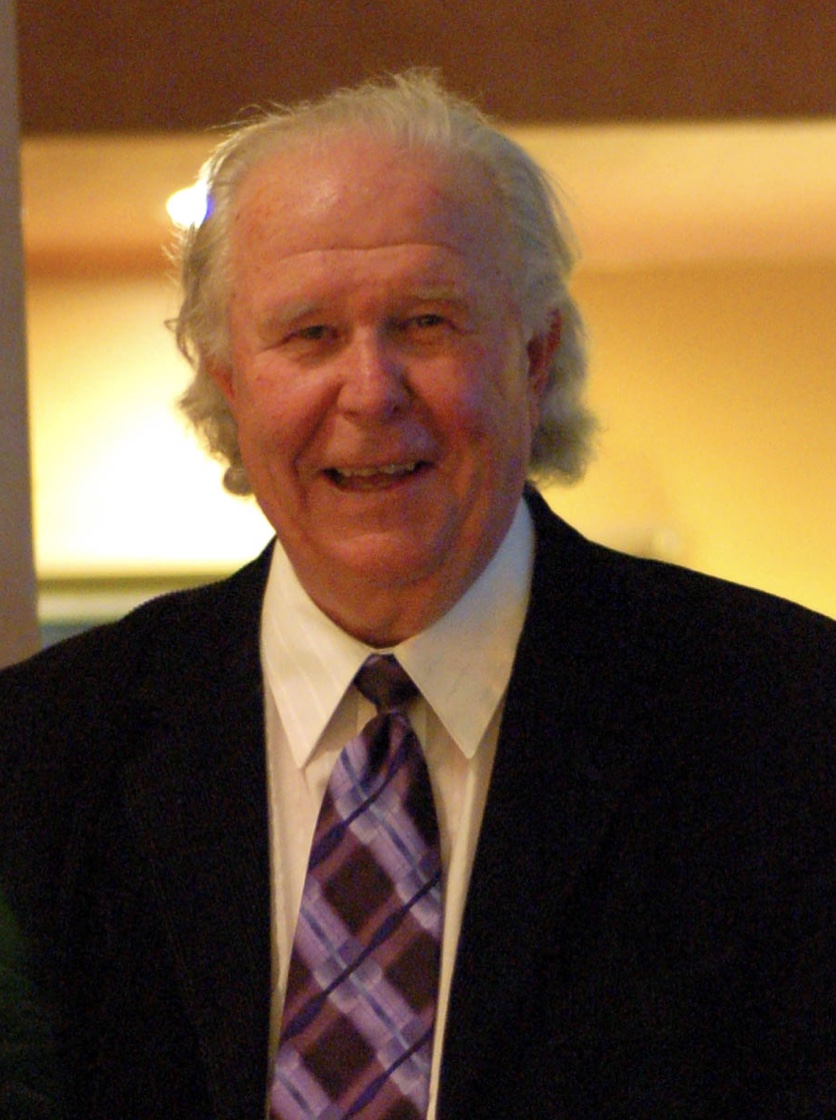
Ned Beatty, who co-starred in Profit and Loss. 📸 Wikipedia.
My latest article for the Seaside News appears on page 34 of the magazine.
Henry VIII’s Dissolution of the Monasteries in effect closed London’s hospitals because most hospitals at that time were run by the Church.
Henry VIII’s successors re-founded some of these hospitals, although their purpose differed from the hospitals of today. In the seventeenth century hospitals served the poor and destitute; they were places of shelter rather than centres of medical treatment.
Some hospitals specialised. For example, St Mary Bethlehem, pictured, was established for ‘lunatic people’ while St Thomas’ in Southwalk was established for the ‘sick and aged’.
People of means were expected to pay for their upkeep. However, many hospitals provided the poor with bedding, clothes, food and three pints of ale a day.
Mel Charles was born on 14 May 1935. The brother of the legendary John Charles, Mel was a versatile player. He played as a centre-half, centre-forward and wing-half.
In 1952, Mel turned professional with his local club, Swansea Town. After seven years at the Second Division club, he secured a lucrative move to First Division Arsenal. However, injury blighted his period at the Gunners and, in February 1962, he joined Cardiff City, enjoying a three-year spell with the club. In total, Mel scored 122 goals in 401 league and cup matches.
At international level, Mel represented Wales on 31 occasions, scoring six goals. He captained Wales and was a member of his country’s 1958 World Cup squad. He also represented Wales in the British Home Championship over eight seasons.
In the BHC, Mel scored four goals in a 4 – 0 win over Northern Ireland, becoming only the third Welshman to score four goals in an international game.
One other remarkable fact about Mel: throughout his illustrious career he was never booked or sent off.
Mel Charles 📸 Arsenal.com
Clara Bow was born into a family of alcoholics and psychologically damaged people. Abuse, in all its ugly forms, was common. Clara’s family needed help, but in New York in 1905 few people, and certainly not the authorities, were prepared to offer a helping hand.
Clara’s neighbourhood was a network of slums and brothels, populated by the likes of ‘Submarine’ Mary – her name speaks for itself. House fires were common. Cholera, diphtheria, scarlet fever, smallpox and tuberculosis were rife. Violence was a way of life.
During the summer heatwave of 1905, the New York infant mortality rate was estimated at eighty percent. Clara’s parents, Robert and Sarah, were convinced that she would die, so they didn’t even bother obtaining a birth certificate.
To understand Clara’s later choices in life, you need to understand where she came from: a hellhole where love was just a four-letter word.
Welcome to the world, Clara Bow.
Next week, news about my new project, Tula, plus background information.
As ever, thank you for your interest and support.
Hannah xxx
For Authors
#1 for value with 565,000 readers, The Fussy Librarian has helped my books to reach #1 on 32 occasions.













 Hannah Howe