Categories
Ancestral Stories

Ancestral Stories #11


Katherine de Roet

My 20x Great Grandmother

Katherine and John of Gaunt

In the early 1370s, as a widow with several young children to look after, my medieval ancestor Katherine de Roet faced an uncertain future. Then, John of Gaunt came to her aid. He placed her in the service of his new wife, Constance of Castile. Also, he offered direct financial support.

Meanwhile, Katherine’s sister, Phillipa, found herself a husband – none other than the poet, Geoffrey Chaucer, (pictured).

Why was John of Gaunt so generous towards Katherine? Events were about to take a dramatic turn…

In the autumn of 1372 the social status of my medieval ancestor, Katherine de Roet, increased significantly. The reason? She became John of Gaunt’s mistress. 

A love affair between the couple had been on the cards for years. Now, with Katherine a widow, and despite the fact that John of Gaunt was married to Constance of Castile, he decided to act. Soon, she was pregnant, and attracting the displeasure of the royal court.

In 1373, my medieval ancestor, Katherine de Roet, mistress of John of Gaunt, was pregnant. Consequently, she retreated to her estate in Kettlethorpe.

Between 1373 and 1381, Katherine bore four children to John of Gaunt, the Duke of Lancaster: three sons and a daughter. 

Katherine named her first son John, after his father. Her children carried the surname Beaufort. It’s not known why that surname was chosen. My connection to Katherine stems from the Beaufort branch of my family.

In the 1370s, John of Gaunt, the Duke of Lancaster, appointed his mistress, my medieval ancestor Katherine de Roet, as the governess to his daughters Philippa and Elizabeth. This was, of course, a ruse, so that John of Gaunt could remain close to Katherine.

Throughout her affair with John of Gaunt, Katherine kept a low profile, retreating to her estate in Kettlethorpe to give birth. For his part, John of Gaunt made sure that Katherine wanted for nothing. Clearly, he cared deeply for her. According to surviving documents, Katherine and John were good and loving parents. Indeed, the “Anonymous Chronicle” reports that Katherine “loved the Duke of Lancaster and the children born from him”.

John of Gaunt

In June 1377, King Edward III (pictured) died and the kaleidoscopic picture of the royal court turned again. In March 1378, my medieval ancestor Katherine de Roet made public her affair with John of Gaunt, Duke of Lancaster.

Thomas Walsingham wrote in his chronicle that John of Gaunt, “casting aside every shame of man and the fear of God, allowed himself to be seen riding through the Duchy with his concubine, a certain Katherine Swynford (Katherine’s married name). Walsingham added that the people were indignant and despaired because of such scandalous behavior. In his opinion, it was because of Katherine, whom he called “a witch and a whore”, that “the most terrible curses and vile insults began to circulate against the Duke”.

Incidentally, my direct link to the kings of England begins with Edward III.

The chroniclers did not approve of my medieval ancestor Katherine de Roet’s relationship with John of Gaunt. Henry Knighton wrote: “a certain foreigner Katherine Swynford lived in his wife’s house, whose relationship with him was very suspicious”. 

Furthermore, the love affair disturbed members of John of Gaunt’s family, who feared its consequences. John of Gaunt himself in 1381 said that clerics and servants repeatedly warned him about the detrimental effect of his relationship with Katherine on his reputation, but he ignored them. 

Considering that John of Gaunt and Katherine de Roet are my direct ancestors, I’m glad he did.

In April 1378, my medieval ancestor Katherine de Roet was joined by her sister, Philippa Chaucer, wife of the poet Geoffrey Chaucer, on her estate in Kettlethorpe. When able, John of Gaunt called on Katherine.

The chroniclers were still furious about Katherine and John of Gaunt’s love affair. They pointed out that Katherine’s income was greater than that of John’s wife, Constance of Castile.

Personal and political events were coming to a head, and they exploded with the Peasants’ Revolt of 1381.
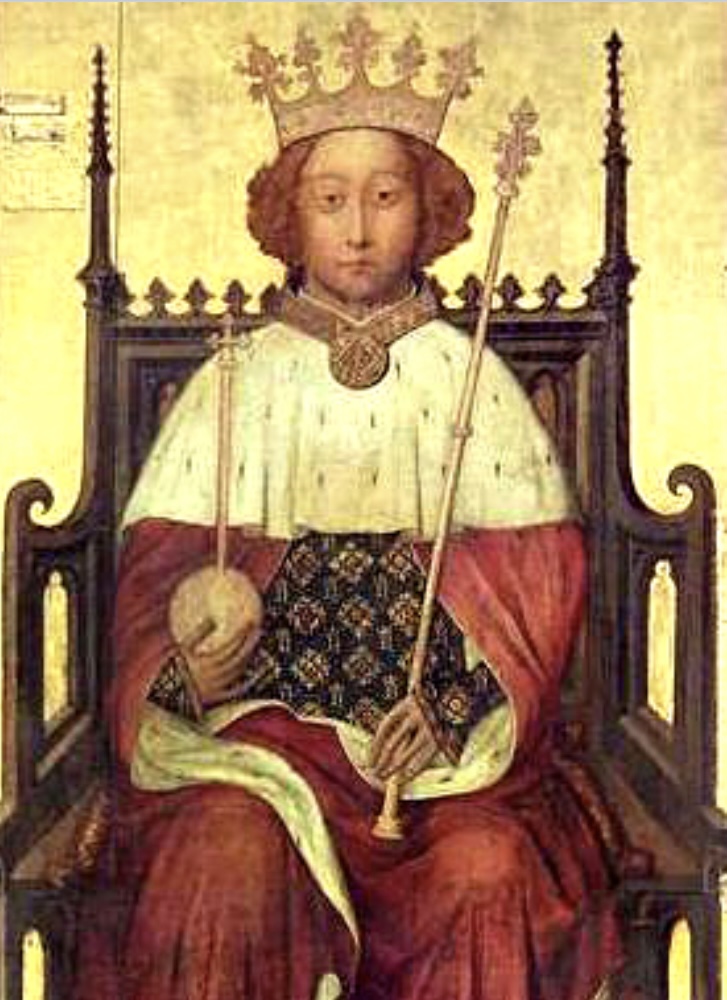
Richard II, King of England at the time of the Peasants’ Revolt

After the Peasants’ Revolt of 1381 (pictured), chronicler Thomas Walsingham stated that John of Gaunt “blamed himself for the death of [those] who had been overthrown by unholy violence” and “reproached himself for his connection with Katherine Swynford, or rather forswearing her”.

As a result, John of Gaunt ended his affair with my medieval ancestor Katherine de Roet Swynford and reconciled with his wife, Constance of Castile. One of the great romances of the medieval era appeared to be over.

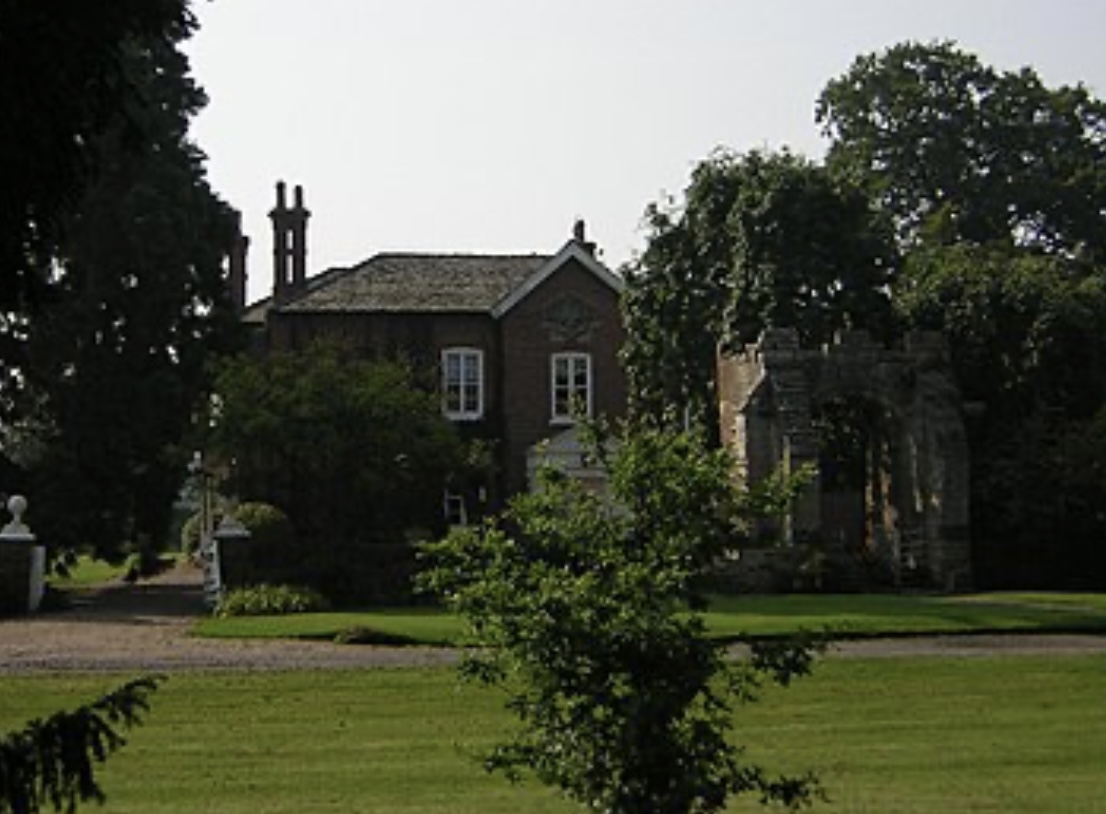
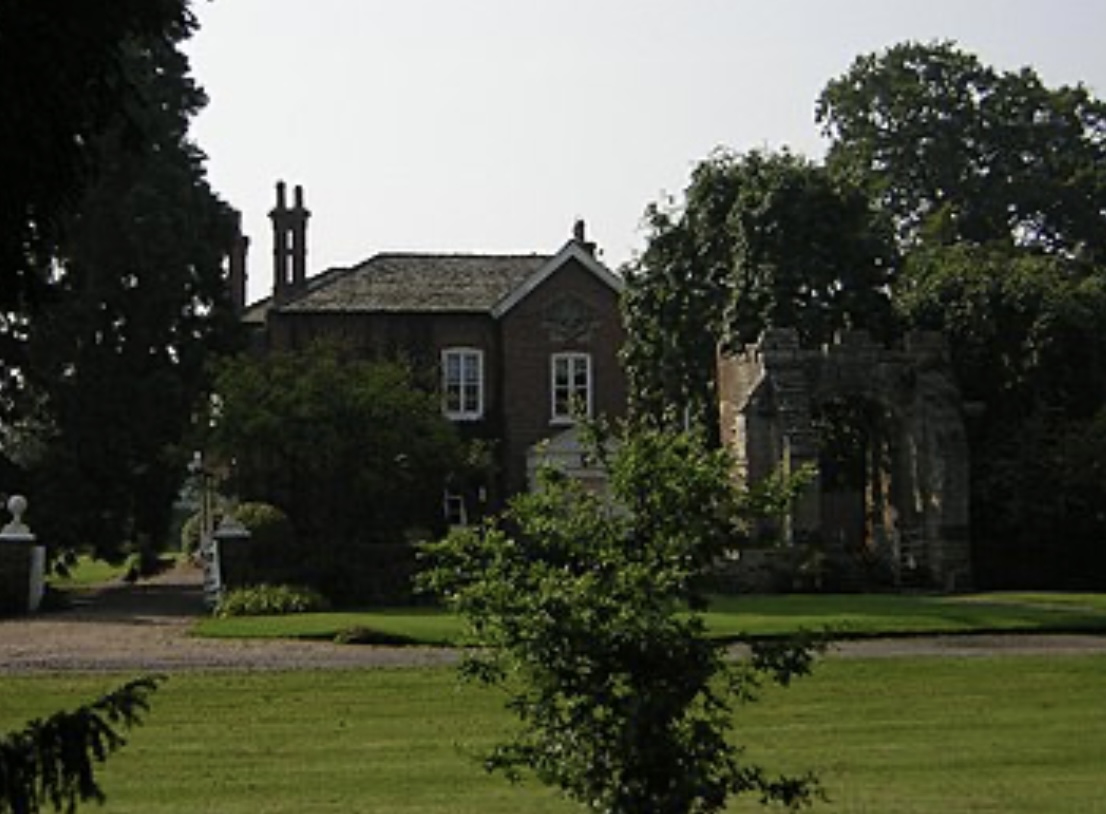
In 1381, my medieval ancestor Katherine de Roet returned to her estate in Kettlethorpe (pictured, Wikipedia). She remained there for twelve years, her illicit relationship with John of Gaunt apparently over.

Then fate intervened again. John of Gaunt’s wife, Constance of Castile, died and free from his political obligations, John resumed his relationship with Katherine. To everyone’s surprise, and many noblemen’s displeasure, in 1396 he married Katherine. 

Discontent amongst the nobles rumbled on. Then the Pope came to John and Katherine’s aid. He recognised their marriage as valid and legitimatised all of their children. John and Katherine’s long struggle was over. They could enjoy their autumn years together, in peace.
Concluding the story of my ancestors Katherine de Roet and John of Gaunt. 

Together at last, Katherine and John no doubt entertained Katherine’s sister, Philippa, and her husband Geoffrey Chaucer. Maybe Geoffrey regaled them with his latest poems.

Katherine and John’s descendants, the Beaufort family, played a major role in the Wars of the Roses with Henry VII claiming the throne through his link to Margaret Beaufort, Katherine and John’s great-granddaughter. 

Through her son John Beaufort and her daughter Joan Beaufort, Katherine became the ancestor of all English kings since Edward IV.

As ever, thank you for your interest and support.

Hannah xxx

For Authors

#1 for value with 565,000 readers, The Fussy Librarian has helped my books to reach #1 on 32 occasions.

A special offer from my publisher and the Fussy Librarian. https://authors.thefussylibrarian.com/?ref=goylake

Don’t forget to use the code goylake20 to claim your discount 🙂

Categories
Ancestral Stories

Ancestral Stories #10


Katherine de Roet

My 20x Great Grandmother

Katherine’s Marriage to Sir Hugh Swynford

In 1362, my medieval ancestor Katherine de Roet married Sir Hugh Swynford. This was a political marriage and there is no evidence that love existed between the couple.

Descended from an ancient English family, Sir Hugh Swynford was a professional soldier. He served John of Gaunt (pictured), which created tensions in the household because Katherine and John of Gaunt loved each other, and John of Gaunt was married to Katherine’s friend, Blanche of Lancaster. The situation had the makings of a romantic tragedy, which slowly began to unfold.

Against her wishes, my medieval ancestor Katherine de Roet married Sir Hugh Swynford. Sir Hugh was a landowner with lands in Lincolnshire, Northamptonshire, Essex and Suffolk. However, he was not an aristocrat and his income was modest compared to the lords Katherine had rubbed shoulders with at the royal court.

Sir Hugh and Katherine lived on their estate at Kettlethorpe, located twelve miles west of Lincoln. Katherine received the title Lady Kettlethorpe and with Sir Hugh active in various military campaigns, she managed the estate. 

Katherine’s future was mapped out – estate manager and mother of Sir Hugh’s children. Yet, her heart still belonged to the love of her life, the unattainable John of Gaunt… 

Katherine’s home, Kettlethorpe Hall (Wikipedia)

From her marriage to Sir Hugh Swynford, my medieval ancestor Katherine de Roet gave birth to a daughter, Blanche, c1363, named after Katherine’s friend Blanche of Lancaster. More children followed, including Margaret, born c1364. In 1377 she became a nun at Barking Abbey. 

Sir Hugh was often away, fighting in military campaigns. Katherine, meanwhile, resided at John of Gaunt’s court. Katherine and John of Gaunt were in love, but it’s clear that Katherine respected her friend Blanche of Lancaster and her marriage to John of Gaunt. An air of Courtly Love pervaded, but how long could it last?

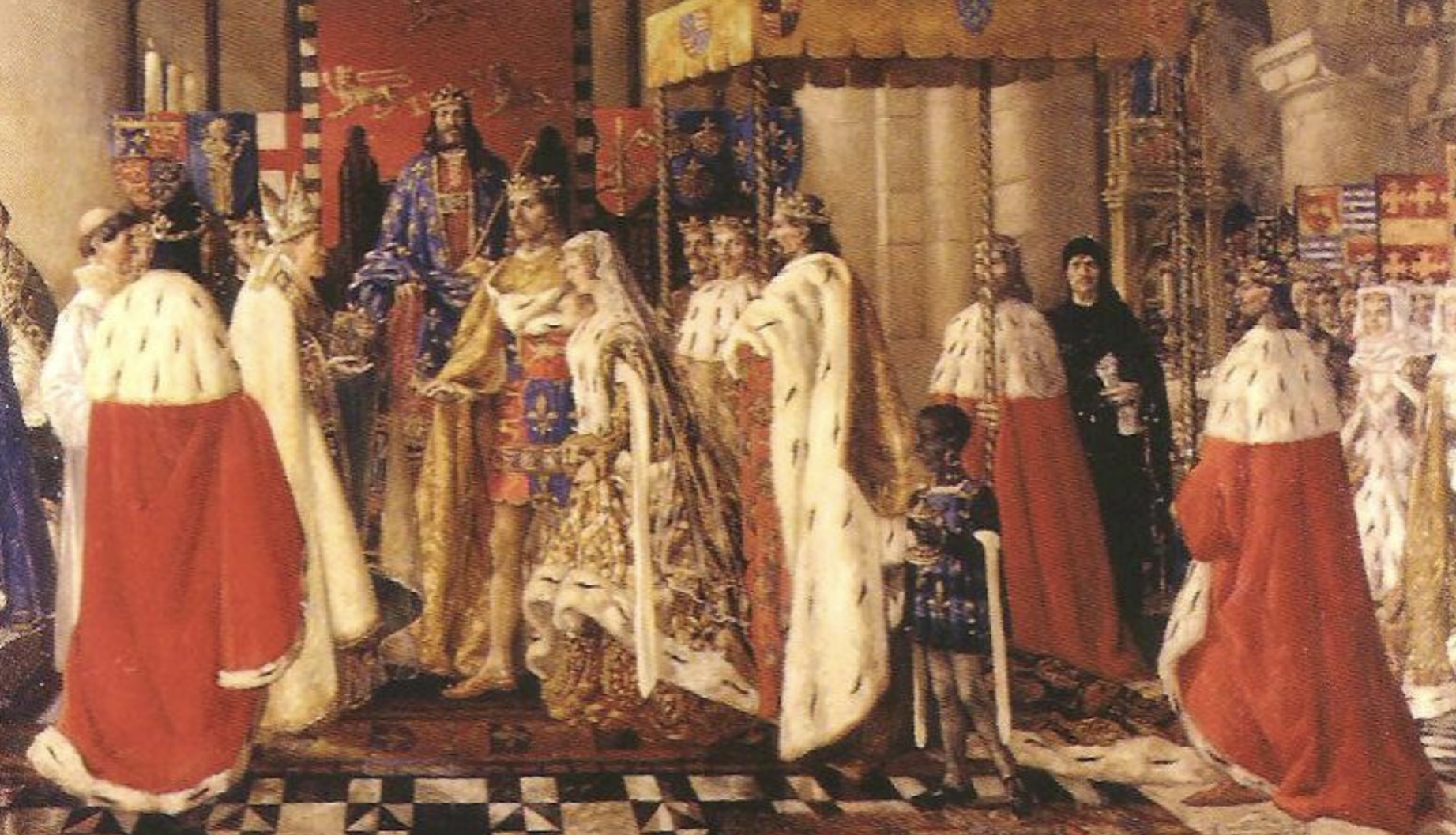
The Marriage of John of Gaunt and Blanche of Lancaster in Reading Abbey on 19 May 1359 by Horace Wright (1914).

While her husband Sir Hugh Swynford was away on military campaigns, my medieval ancestor Katherine de Roet cared for her children and, as nursemaid, the children of John of Gaunt and his wife Blanche of Lancaster.

Katherine and Blanche were close friends, yet due to the politics of the time, Blanche was married to the man Katherine loved, John of Gaunt. 

In November 1366 the two women were pregnant at the same time. Katherine took the opportunity to move away from John of Gaunt’s household and care for her family at Kettlethorpe Hall.

*****

The period 1368 – 1371 saw dramatic changes in my medieval ancestor Katherine de Roet’s life. First, on 12 September 1368 Blanche of Lancaster, her friend and the wife of John of Gaunt, died. Then, on 13 November 1371 Katherine’s husband Sir Hugh Swynford died. The way appeared open for Katherine and John of Gaunt to marry. However, for political reasons, John of Gaunt married Constance of Castile (pictured).

Katherine was now a widow, and not a very prosperous one at that. Would she remarry, or find another way to win the affection of John of Gaunt?

As ever, thank you for your interest and support.

Hannah xxx

For Authors

#1 for value with 565,000 readers, The Fussy Librarian has helped my books to reach #1 on 40 occasions.

A special offer from my publisher and the Fussy Librarian. https://authors.thefussylibrarian.com/?ref=goylake

Don’t forget to use the code goylake20 to claim your discount 🙂
Categories
Ancestral Stories

Ancestral Stories #9

Katherine de Roet

My 20 x Great Grandmother

Katherine’s Upbringing

My 20 x great grandmother Katherine de Roet was born c1349. The chronicler Jean Froissart noted that Katherine was raised in Hainaut, a province in Belgium. In 1351, her father, Paon de Roet, was in the service of Margaret II, Countess of Hainaut, and caught up in a family civil war. Katherine and Paon were also caught up in the Bubonic Plague, which was sweeping across Europe.

In 1351, Margaret II’s second son, William, captured Hainaut, so Margaret and her supporters, including Paon de Roet, fled to England in the hope of securing safety, and to enlist the support of Margaret’s brother-in-law King Edward III of England. Baby Katherine travelled to England with her father.

A peace deal between Margaret II and her son William was brokered. Margaret II, Paon de Roet, and other members of the royal retinue returned to Hainault. However, Katherine remained in England because her family was in the service of Edward the Black Prince, the eldest son and heir of King Edward III and Queen Philippa of Hainaut. Through this connection, Katherine spent her childhood at the royal courts.

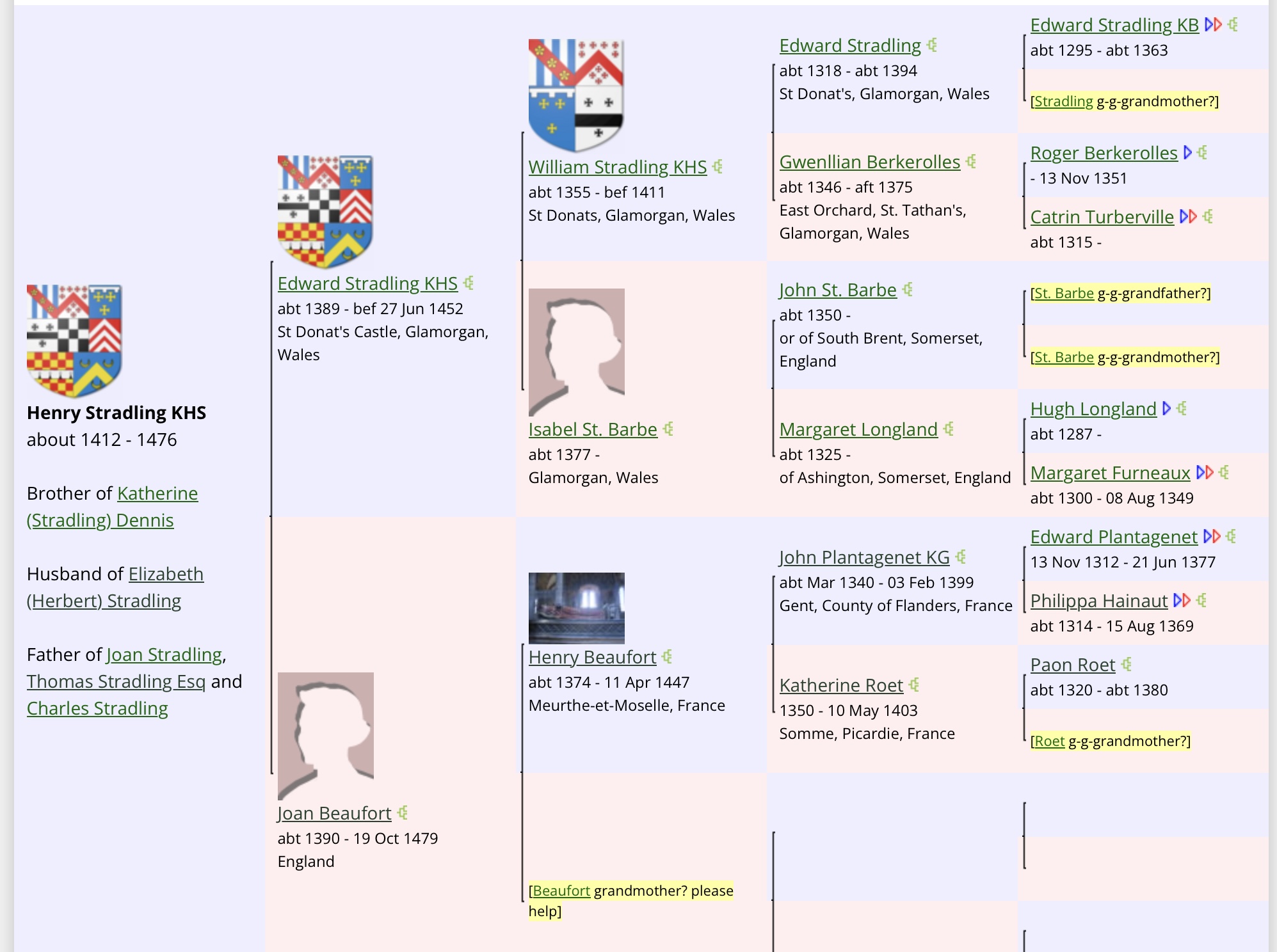
My connection to Katherine de Roet through the Stradling and Beaufort branches of my family. Graphic: Wikitree

My medieval ancestor Katherine de Roet’s father, Paon de Roet, died c1355. Her mother does not appear in the historical record and it’s probable that she also died around that date (the Bubonic Plague was rampant).

Katherine spent her childhood in the royal courts of King Edward III and his wife Queen Philippa of Hainaut. The older children of King Edward III and Queen Philippa were much older than Katherine, so she spent her time with their younger children, Mary and Margaret, and her nurse, Agnes Bonsergent.

The chronicler Jean Froissart noted that Katherine’s tutor in her youth was Blanche of Lancaster, a close relative of the King and the bride of his third surviving son, John of Gaunt. At the same time, Blanche herself, eight years older than Katherine, was brought up by Queen Philippa. Consequently, a close friendship developed between Katherine and Blanche of Lancaster.

The Marriage of John of Gaunt and Blanche of Lancaster in Reading Abbey on 19 May 1359 by Horace Wright (1914).

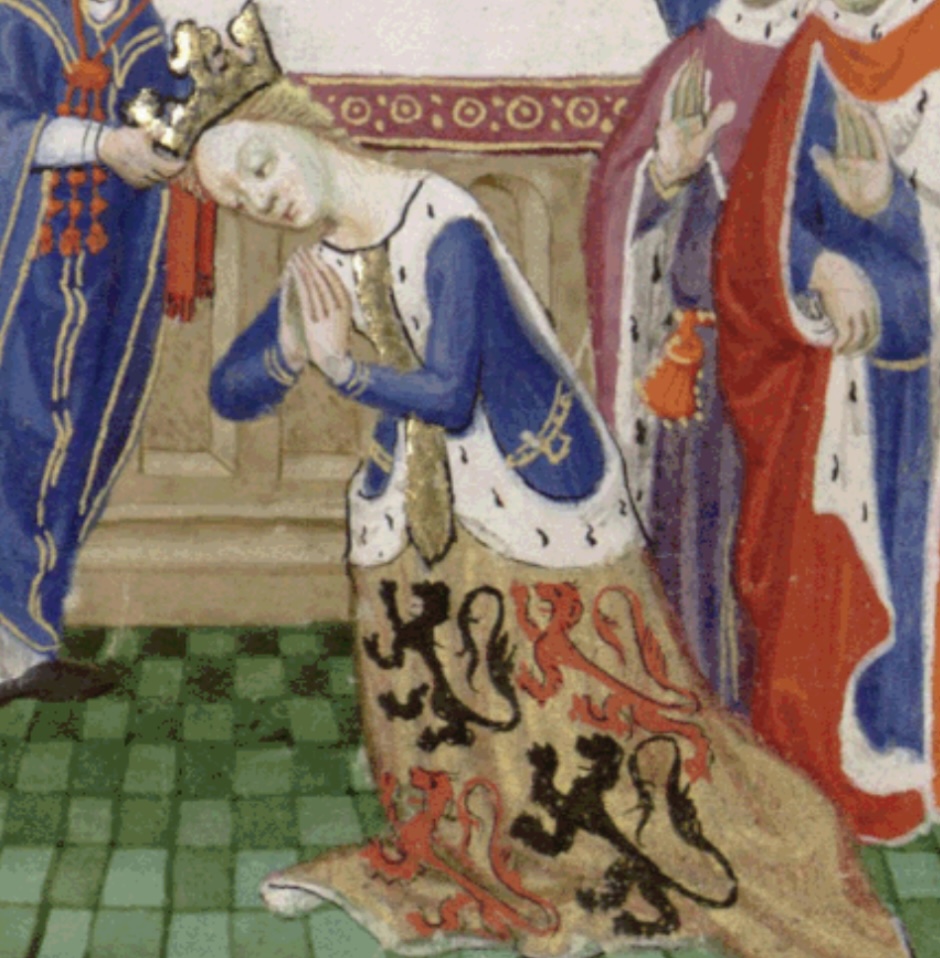
My ancestor Katherine de Roet’s guardian was Queen Philippa of Hainault (pictured), a “noble and kind woman”, who at that time, 1355, was over forty years old, and the mother of twelve children. 

Queen Philippa enjoyed an interest in art and literature, and engaged in charity work. Chroniclers noted that she was “generous, kind, wise and humbly pious”, qualities that she imbued in Katherine.

Along with Dutch and Norman-French, Katherine also spoke English. She was literate, and developed into a skilled horsewoman. She learned the etiquette and diplomacy of the royal court. Not yet a teenager, she was wise beyond her years.

My ancestor Katherine de Roet received an excellent education at the royal English courts. She was literate, fluent in a number of languages, and a skilled horsewoman. 

Although by origin Katherine did not belong to the highest nobility, her upbringing at the royal courts placed her at the centre of the political and social spectrum. She learned the art of diplomacy, the benefits of piety, and house management skills, lessons she took on board.

The chronicler Jean Froissart reported that Katherine from her youth “knew court etiquette perfectly”. Furthermore, she became acquainted with the dashing John of Gaunt (pictured), keeping a dozen horses at his stables, and accompanying him on horse rides throughout his estates. An attraction developed between the couple. However, they were from different social backgrounds, and therefore forbidden to marry.

No known portrait of my medieval ancestor Katherine de Roet exists, although some scholars believe she features in this picture, an image of Geoffrey Chaucer reciting Troylus and Criseyde to the royal court.

From fragments, Katherine has been described as fair-haired and buxom, perfectly built with a narrow waist and wide hips. She had a long neck, a round face and a high forehead, and was “extraordinarily beautiful and feminine”.

Book News

My latest translation, the Greek version of Betrayal, Ann’s War Mystery Series, book one.

As ever, thank you for your interest and support.

Hannah xxx

For Authors

#1 for value with 565,000 readers, The Fussy Librarian has helped my books to reach #1 on 40 occasions.

A special offer from my publisher and the Fussy Librarian. https://authors.thefussylibrarian.com/?ref=goylake

Don’t forget to use the code goylake20 to claim your discount 🙂

Categories
Ancestral Stories

Ancestral Stories #7

Sarah Wildsmith

My 7 x Great Grandmother

Sarah’s Marriage to Philip Spooner

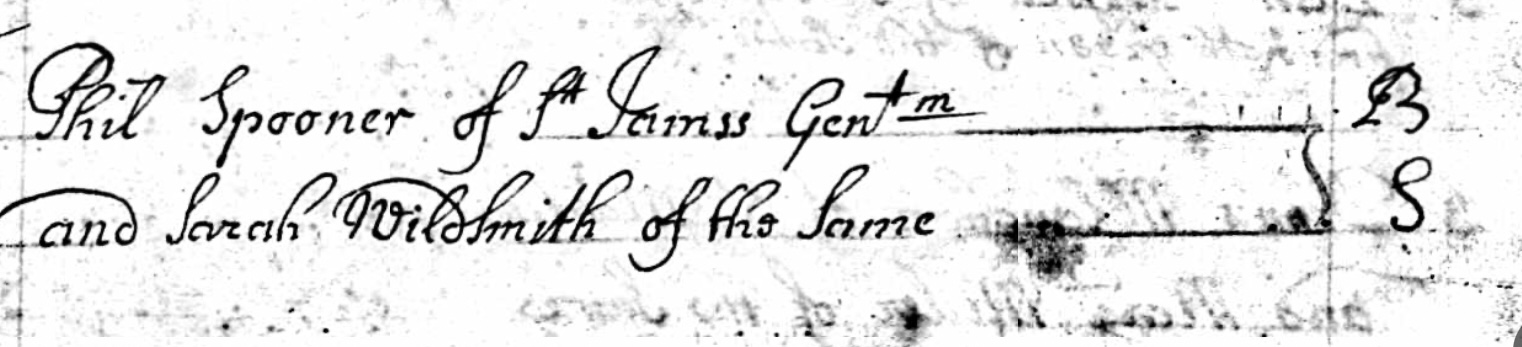
On 23 October 1719 my ancestor nineteen-year-old Sarah Wildsmith of St James’, London married twenty-four-year-old Philip Spooner, also of St James’. Sarah was from a respectable, well-to-do family, while Philip was a gentleman and a businessman. However, an air of mystery surrounded the marriage for it was a Clandestine Marriage (pictured). Why did the couple marry in such a secretive fashion?

On 23 October 1719, my ancestor Sarah Wildsmith married gentleman Philip Spooner in a Clandestine Marriage. Clandestine or Fleet Marriages took place in England before the Marriage Act of 1753. Specifically, they were marriages that took place in London’s Fleet Prison or its environs.

By the 1740s up to 6,000 marriages a year were taking place in the Fleet area, compared with 47,000 marriages in England as a whole. One estimate suggests that there were between 70 and 100 clergymen working in the Fleet area between 1700 and 1753. The social status of the couples varied. Some were criminals, others were poor. Some were wealthy while many simply sought a quick or secret marriage for numerous personal reasons.

Sarah and Philip’s marriage was recorded in the ‘Registers of Clandestine Marriages and of Baptisms in the Fleet Prison, King’s Bench Prison, the Mint and the Mayfair Chapel.’ But why did Sarah and Philip marry here? Did they wish to marry in secret, or was one of them a criminal?

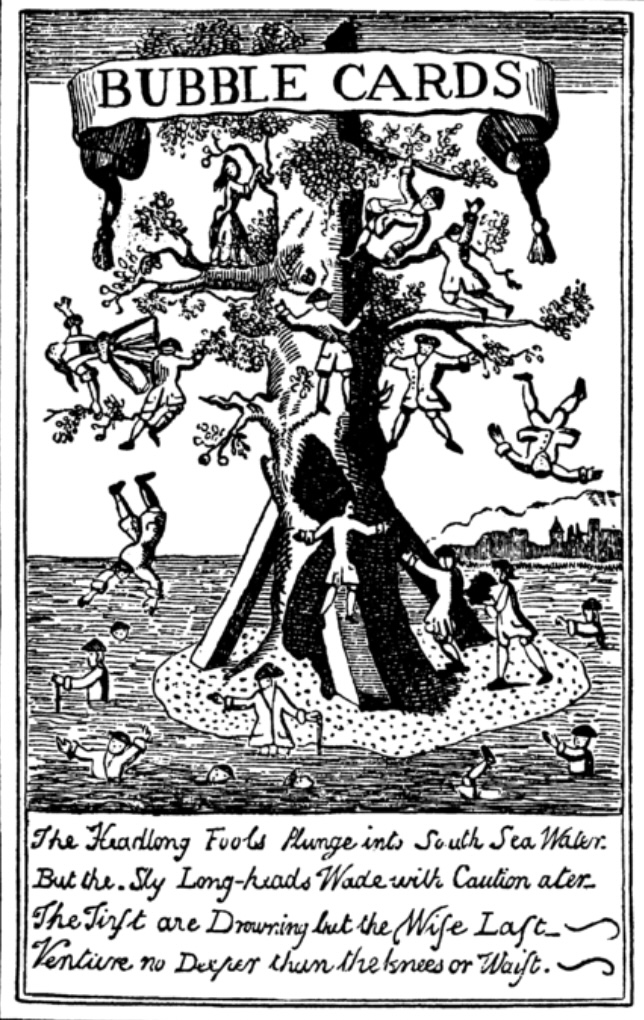
The South Sea Company was a British joint-stock company founded in January 1711. Initially, the company’s stock rose in value as it expanded its operations dealing in government debt. Then, in 1720, the company collapsed. The South Sea Bubble burst sending many investors into debt. Among them was Philip Spooner, recently married to my ancestor Sarah Wildsmith. Instead of enjoying a prolonged honeymoon, Philip found himself in the debtor’s prison, and Sarah found herself a wife in name only.

Tree caricature from Bubble Cards

In 1720, after the South Sea investment bubble burst, Philip Spooner, husband of my ancestor Sarah Wildsmith, found himself in the debtor’s prison.

Debtor’s prisons were a common way to deal with unpaid debts. Destitute people who could not pay a court-ordered judgment were incarcerated in these prisons until they had worked off their debt or secured outside funds to pay the balance. 

In England, during the eighteenth and nineteenth centuries, 10,000 people were imprisoned for debt each year. However, a prison term did not alleviate a person’s debt; an inmate was typically required to repay the creditor in full before their release.

In England and Wales debtors’ prisons varied in the amount of freedom they allowed the debtor. Through his family’s financial support a debtor could pay for certain freedoms; some prisons allowed inmates to conduct business and to receive visitors while others even allowed inmates to live a short distance outside the prison, a practice known as the ‘Liberty of the Rules.’ However, some people spent thirty years or more in prison. 

Unable to raise sufficient funds to cover his debt, Philip faced a bleak future. Sarah, meanwhile, could only rely on her parents and live in hope.

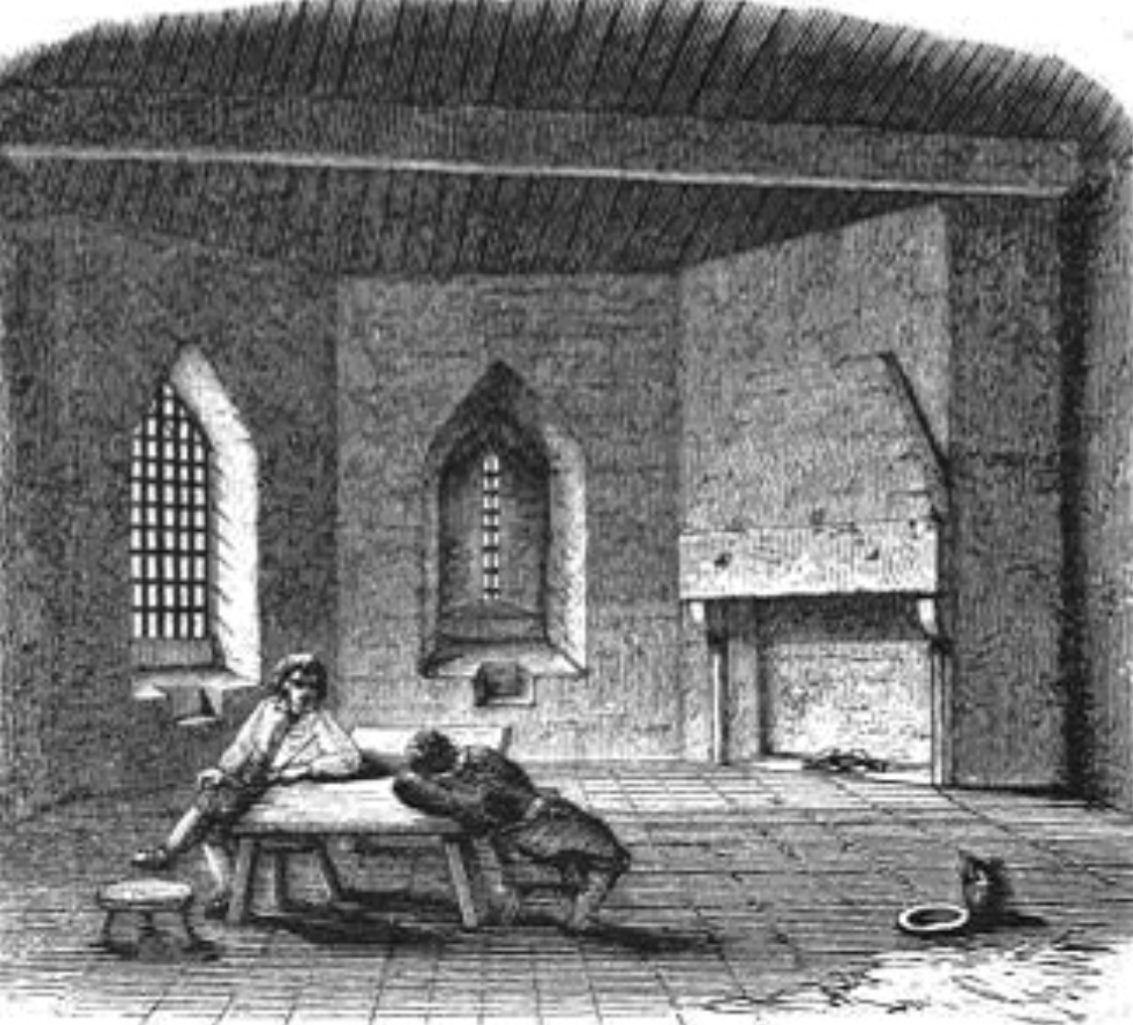
An inmate in a debtor’s prison

My ancestor, Sarah Wildsmith, faced life alone while her husband, Philip Spooner, languished in a debtor’s prison. Along with the embarrassment for the family, life in these prisons was unpleasant. Often, single cells were occupied by a mixture of gentlemen, violent criminals and labourers down on their luck. Conditions were unsanitary and disease was rife.

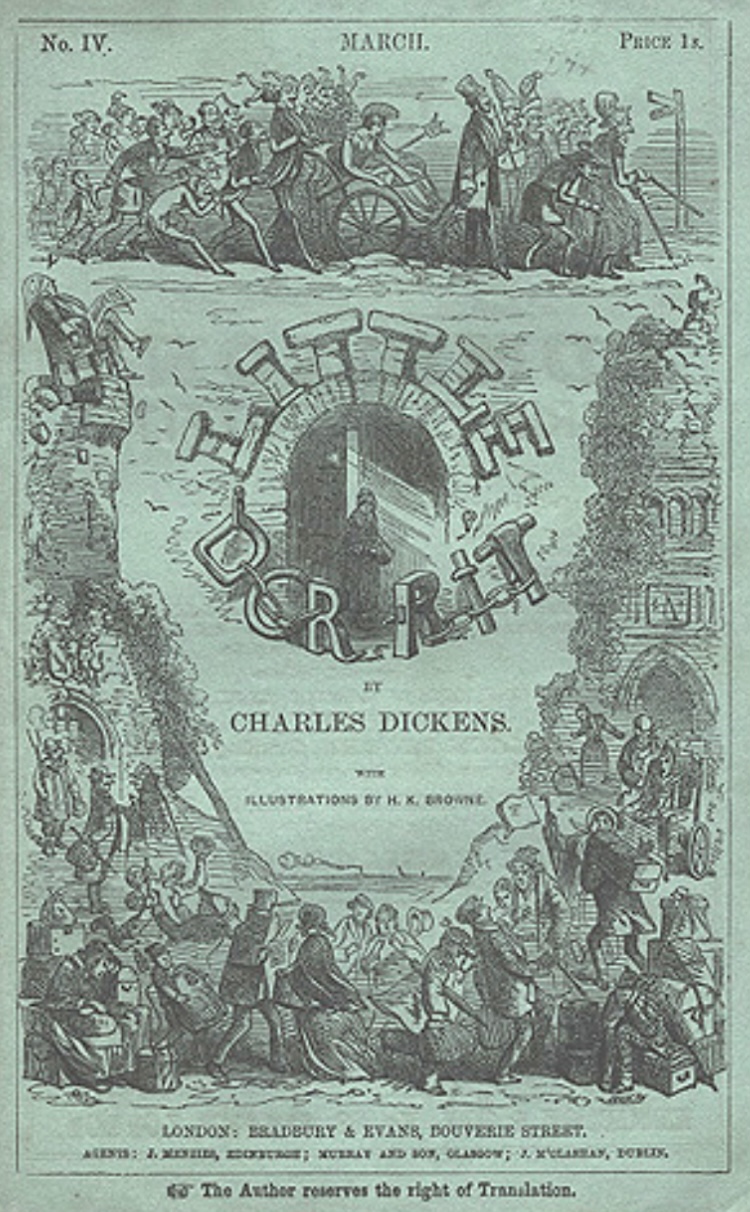
Many notable people found themselves in a debtor’s prison including Charles Dickens’ father, John. Later, Dickens became an advocate for debt prison reform, and his novel Little Dorrit dealt directly with this issue.

In 1729, Philip died, probably from gaol fever contracted at the prison. Gaol fever was common in English prisons. These days, we believe it was a form of typhus. The disease spread in dark, dirty rooms where prisoners were crowded together allowing lice to infest easily.

Alone, and in financial difficulties, Sarah had to regroup and rebuild her life. Showing great determination, she did.

As ever, thank you for your interest and support.

Hannah xxx

For Authors

#1 for value with 565,000 readers, The Fussy Librarian has helped my books to reach #1 on 40 occasions.

A special offer from my publisher and the Fussy Librarian. https://authors.thefussylibrarian.com/?ref=goylake

Don’t forget to use the code goylake20 to claim your discount 🙂

Categories
Ancestral Stories

Ancestral Stories #6

Sarah Wildsmith

My 7 x Great Grandmother

Sarah’s Childhood

Sarah Wildsmith, my 7 x great grandmother, was born in London in 1700 to William Wildsmith and his wife Mary. William and Mary were prosperous, so it’s fair to say that the Wildsmiths enjoyed a comfortable lifestyle.

Sarah was brought up in St Botolph, Aldgate. Daniel Defoe was married in the local church, so it’s possible that Sarah knew him. She certainly knew of him.

St Botolph’s (pictured) escaped the Great Fire of London in 1666, and was described at the beginning of the eighteenth century as “an old church, built of Brick, Rubble and Stone, rendered over, and … of the Gothick order”.

Three years old, Sarah Wildsmith my 7 x great grandmother, faced the Great Storm of 1703. During that storm, which occurred on 26 November (7 December on modern calendars) two thousand chimney stacks collapsed in London, Queen Anne sought shelter in the cellar of St James’ Palace, seven hundred ships were battered on the Thames, waves rose to six feet higher than ever recorded before, and five thousand homes were destroyed.

Daniel Defoe wrote about the tragic events in The Storm, published July 1704. He stated: “The tempest that destroyed woods and forests all over England, no pen could describe it, nor tongue express it, nor thought conceive it unless by one in the extremity of it.”

Sarah and her parents were in the extremity of it and, thankfully, survived.

Ships destroyed during the Great Storm of 1703

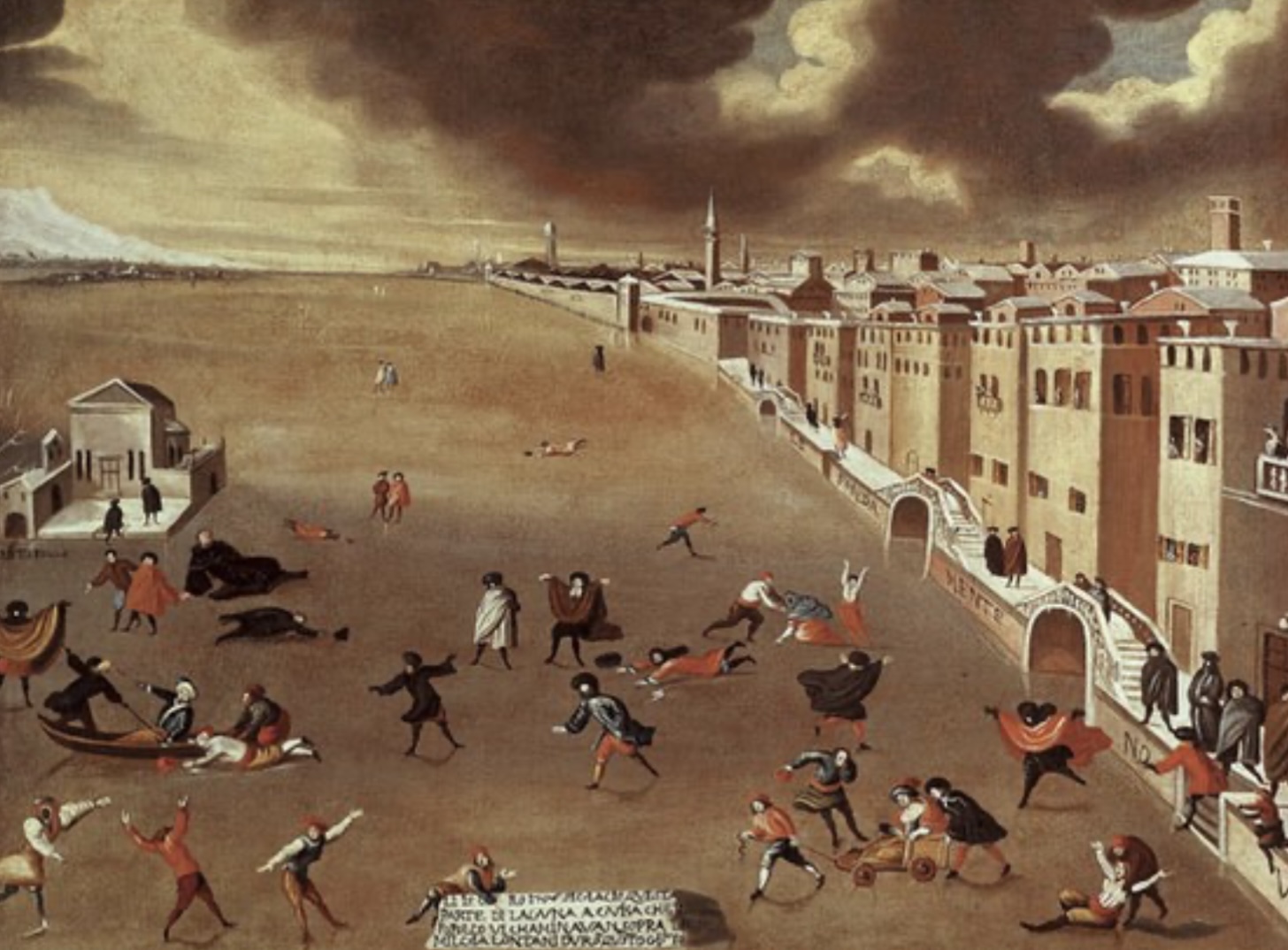
Sarah Wildsmith, my 7 x great grandmother, survived the Great Storm of 1703 when she was three. Six years later, she faced the Great Frost, an extraordinarily cold winter, the coldest in five hundred years.

William Derham, a contemporary meteorologist, wrote, “I believe the Frost was greater (if not more universal also) than any other within the Memory of Man.”

Poor harvests followed, and they led to famine across Europe and bread riots in Britain. 

Meanwhile, the Wildsmiths welcomed a new arrival into their home, Mary, a sister for Sarah.

Le lagon gelé en 1709, by Gabriele Bella, part of a lagoon which froze over in Venice, Italy

While my ancestor Sarah Wildsmith was growing up in early eighteenth century London, the world was developing around her. 

In 1705, Thomas Newcomen patented his steam engine. His invention went into effect in 1712, pumping water out of coal and tin mines.

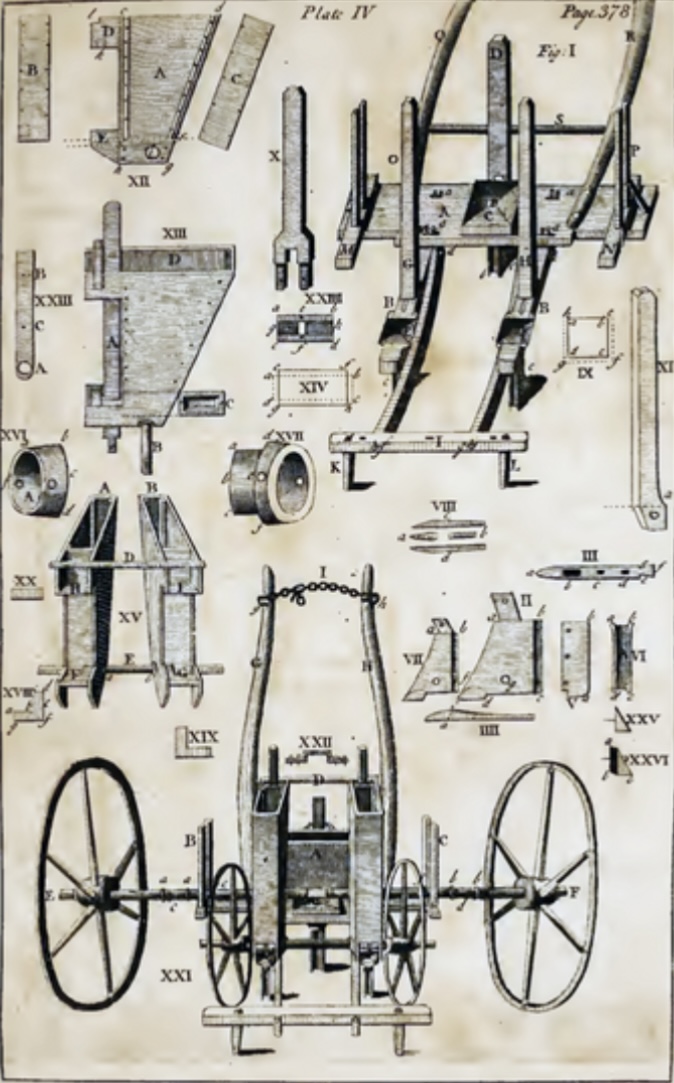
In 1714, Jethro Tull perfected his seed drill (pictured). Two hundred and sixty years later, he fronted a successful folk-rock band and wrote many memorable songs (historical joke).

In 1718, the first factory opened in Derby producing silk, and for millions of people a way of life would never be the same.

In early 1719, my ancestor Sarah Wildsmith announced her engagement to Philip Spooner, a gentleman and businessman. With marriage to a respectable man on the horizon, a sunny future for Sarah seemed assured. However, in keeping with her formative years, storm clouds were gathering, and this time Sarah would face the full impact of that storm…

Weymouth Bay with Approaching Storm, John Constable 

As ever, thank you for your interest and support.

Hannah xxx

For Authors

#1 for value with 565,000 readers, The Fussy Librarian has helped my books to reach #1 on 40 occasions.

A special offer from my publisher and the Fussy Librarian. https://authors.thefussylibrarian.com/?ref=goylake

Don’t forget to use the code goylake20 to claim your discount 🙂